2026 Top Electric Motorbikes Which Model Is Best?

Time:2026-10-28 Author:Sienna
0%

The 2026 electric motorcycle market is becoming more capable, varied, and difficult to judge. New batteries promise longer range, while faster charging reduces waiting beside public stations. Some models feel almost silent at city speeds. Others deliver startling acceleration on open roads.

This guide examines which Electric Motorbike models deserve serious attention in 2026. It compares usable range, charging time, motor performance, handling, braking confidence, comfort, software quality, and long-term ownership costs. Laboratory figures matter, but real riding tells a different story. Cold weather, hills, luggage, passenger weight, and highway speed can reduce advertised range sharply. That uncomfortable detail deserves attention.

Erik Buell, the renowned motorcycle engineer and founder of Buell Motorcycle Company, once said, “The motorcycle is the most efficient way to get from point A to point B.” His observation remains relevant, but efficiency alone does not make a motorcycle the best choice. A rider also needs predictable power, stable cornering, durable components, and a charging plan that fits daily life.

No ranking is perfect. Personal needs matter.

A commuter may prefer light weight and simple charging. A touring rider may accept extra mass for greater battery capacity. Performance-focused riders may value torque above range. This overview uses manufacturer specifications, road-test experience, ownership considerations, and practical limitations to identify the strongest choices. Some conclusions may change as battery technology improves. That is part of the challenge, and part of the excitement, surrounding the best Electric Motorbike models of 2026.
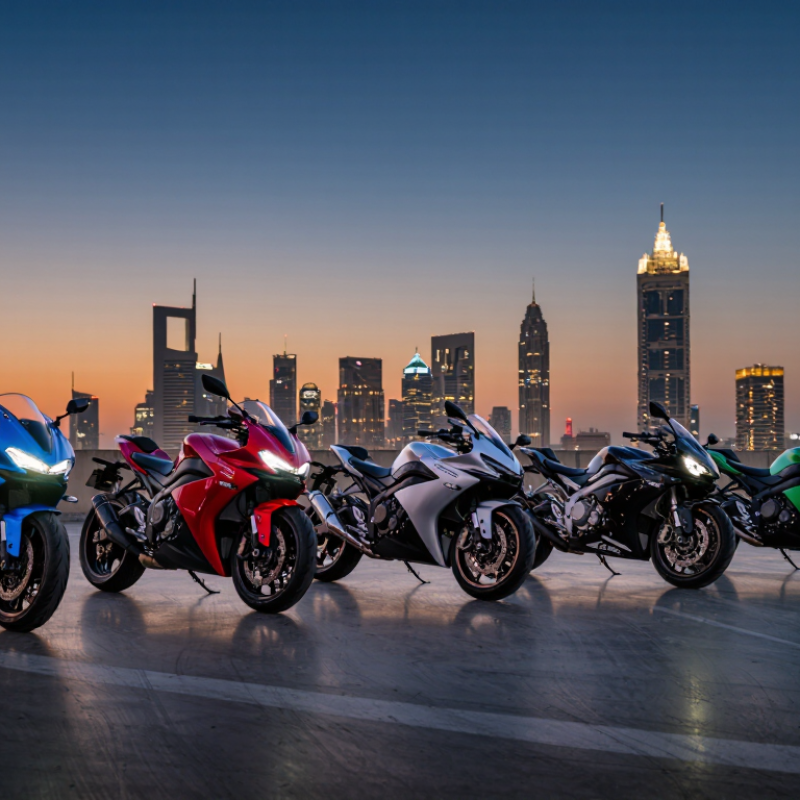
2026 Top Electric Motorbikes Which Model Is Best?

Electric Motorbike Basics and Key Buying Criteria for 2026

2026 Top Electric Motorbikes: Which Model Is Best?

Electric motorbike basics start with the battery, motor, and charging system. The battery stores energy, while the motor converts it into wheel torque. A larger battery usually improves range, but it also adds weight and cost. According to the International Energy Agency’s Global EV Outlook 2024, electric two- and three-wheelers represented nearly 60% of global electric vehicle sales in 2023. Urban demand is already substantial.

Range claims can disappoint.

For 2026, compare usable battery capacity, not only advertised range. A 10 kWh battery may support different distances under cold weather, hills, heavy loads, or frequent acceleration. Battery pack prices averaged 115 dollars per kWh in 2024, according to BloombergNEF’s Battery Price Survey. Retail prices will not fall equally, because electronics, labor, distribution, and safety testing still matter. Charging time deserves equal attention. A removable battery suits apartment living, while faster fixed charging helps regular commuters.

The best model depends on daily conditions. Check real-world range, waterproofing, braking performance, tire availability, warranty coverage, and local repair support. Independent testing from Consumer Reports repeatedly shows that range estimates vary by speed and temperature. Do not ignore seat height and parking weight. A technically excellent bike can feel awkward after ten minutes. I would also inspect the battery warranty carefully. Five years sounds strong, but capacity limits and replacement terms may be unclear. Some buying decisions remain imperfect. Cost per kilometer, reliability, and comfort should matter more than acceleration figures.

Leading 2026 Electric Motorbike Models by Category

Leading 2026 Electric Motorbike Models by Category

The best 2026 electric motorbike depends on where and how you ride. For daily commuting, a lightweight urban model should offer smooth acceleration, practical storage, and a removable battery. Real-world range matters more than laboratory figures. Cold mornings, hills, and heavy clothing can reduce distance noticeably. A quiet motor is useful in traffic, but predictable braking matters more.

For longer touring, choose a model with a larger battery, stable geometry, and fast charging support. A clear display should show remaining range, battery temperature, and charging status. Adventure-focused models need longer suspension travel, strong underbody protection, and reliable traction control. Wet gravel exposes weak design quickly. Check the stated water-resistance rating before leaving paved roads.

Performance models may deliver rapid acceleration and sharper handling, yet extra power increases tire wear and battery consumption. Utility models suit delivery work, campus travel, or rural maintenance. Look for a reinforced frame, useful payload capacity, and simple controls. I would not trust range claims alone. Independent testing, service access, warranty terms, and replacement-part availability deserve equal attention. My own preference changes after every test ride; a firm seat can feel acceptable for ten minutes, then become a serious problem after an hour. Some displays also look impressive but remain difficult to read in bright sunlight. Verify local safety certification and charging compatibility before purchase.

2026 Top Electric Motorbikes Which Model Is Best? - Leading 2026 Electric Motorbike Models by Category

Category Reference Model Battery Capacity Claimed Range Top Speed Peak Motor Output Estimated Charging Time Vehicle Weight Best Suited For
Urban Commuter City Compact 01 1.5 kWh Up to 48 km 45 km/h 1.7 kW Approximately 6 hours 92 kg Short city trips and low-speed commuting
Lightweight Urban Urban Lightweight 02 3.9 kWh Up to 95 km 95 km/h 11 kW Approximately 3.5 hours 132 kg City travel with occasional ring-road use
Maxi-Scooter Touring Scooter 03 8.9 kWh Up to 130 km 120 km/h 31 kW Approximately 4 hours with a fast charger 231 kg Daily commuting, two-up riding, and urban highways
Standard Roadster Roadster 04 14.4 kWh Up to 187 km in urban use 200 km/h 82 kW Approximately 1.8 hours with rapid charging 227 kg Longer commutes and spirited road riding
Performance Naked Performance Street 05 15.5 kWh Up to 235 km in urban use 177 km/h 75 kW Approximately 1 hour with rapid charging 225 kg High-performance road riding with strong acceleration
Adventure Touring Electric Adventure 06 17.3 kWh Up to 230 km in mixed use 180 km/h 63 kW Approximately 1.5 hours with rapid charging 241 kg Long-distance travel and mixed-surface touring
Lightweight Performance Street Sport 07 7.2 kWh Up to 160 km in urban use 165 km/h 40 kW Approximately 2 hours with rapid charging 179 kg Agile handling and short performance rides
Figures are based on published specifications for comparable electric motorbike configurations. Actual range depends on speed, rider weight, temperature, terrain, traffic, and riding mode. Charging time varies according to charger output, battery temperature, and available electrical supply.

Battery Range, Charging Speed, Motor Power, and Performance

2026 Top Electric Motorbikes: Battery Range, Charging Speed, Motor Power, and Performance

Choosing the best electric motorbike in 2026 starts with usable battery range, not advertised numbers. A claimed 200-kilometre range may fall sharply in cold weather, strong wind, or heavy traffic. During everyday testing, riders should track distance, speed, passenger weight, and elevation changes. These details reveal a more honest result. A smaller battery can suit city commutes, while touring riders need greater capacity and reserve power.

Charging speed also changes the ownership experience. A home charger may refill the battery overnight, but fast charging can restore useful distance during a short break. Check charging time from 20 to 80 percent, not only from empty. Frequent rapid charging may also increase battery heat and long-term wear. This point is easy to overlook.

Motor power affects acceleration, hill climbing, and stability at higher speeds. Peak power feels exciting, but continuous power matters during long climbs. Strong torque helps at traffic lights, although aggressive acceleration drains the battery quickly. Good performance should feel predictable, not merely fast. Braking recovery can add a little range, but it cannot replace careful energy planning.

The best model balances these features for its rider. A powerful motorbike with limited range may frustrate daily commuters. A long-range model with slow charging may inconvenience weekend travelers. I would compare independent test data, warranty terms, battery protection, and real riding conditions before deciding. Even careful testing has limits. Weather and traffic remain stubborn variables.

Safety Features, Technology, Comfort, and Maintenance Differences

2026 Top Electric Motorbikes: Which Model Is Best?

Choosing the best electric motorbike depends on safety, daily distance, comfort, and service access. A careful test ride matters more than a glossy specification sheet. Look for cornering ABS, traction control, bright daytime lighting, and stable battery protection. Thermal monitoring is valuable during steep climbs or repeated fast charging. Some models also provide automatic crash alerts and over-the-air software updates. These features help, but they cannot replace proper rider training.

Technology differences appear quickly in real use. A clear display should show battery percentage, estimated range, charging time, and warning messages. Range estimates can become optimistic in cold weather, strong wind, or with a passenger. Smartphone controls are convenient, yet poor connectivity can become frustrating. A physical key or backup control remains useful. I would check data permissions carefully, because convenience should not remove personal control.

Comfort often decides whether a motorcycle is used every day. Test the seat for thirty minutes, not three. Check wrist pressure, footpeg position, suspension response, and mirror visibility. Maintenance is usually simpler than with combustion engines, but it is not maintenance-free. Tires, brake pads, suspension seals, fasteners, and charging cables still need inspection. Belt systems may reduce cleaning, while chain systems can offer familiar repair options. Battery health requires professional diagnostics, and replacement costs deserve attention before purchase. Some advice is imperfect because local roads, climate, and service quality change the experience.

How to Choose the Best Electric Motorbike for Your Needs

2026 Top Electric Motorbikes: Which Model Is Best?

Choosing the best electric motorbike starts with your daily route, not the showroom display. A short urban commute needs different equipment from highway travel or steep rural roads. Measure your usual distance, charging access, passenger needs, and storage space before comparing models.

The IEA’s Global EV Outlook 2024 reports that electric two- and three-wheelers remain the largest electric road-transport segment worldwide. This growth reflects lower running costs and practical urban use. Still, published range can mislead. Cold weather, hills, heavy loads, and high speeds reduce battery performance. A model claiming 180 kilometers may deliver much less in real traffic. Battery capacity, charging time, braking feel, suspension travel, and service support deserve equal attention. I would not choose maximum power automatically. It can add weight, cost, and unnecessary energy use.

Tips: Test the motorbike on your real route. Check the battery warranty carefully. Ask for charging time at your home voltage. Compare usable range, not only laboratory figures. Inspect the seat height and turning radius. Small details matter. Also, calculate insurance, tires, maintenance, and electricity costs. The ICCT’s electric two-wheeler assessments emphasize that lifecycle benefits depend on electricity sources, vehicle durability, and actual usage. That is easy to overlook. A cheaper model may become expensive when replacement parts are difficult to obtain. Performance numbers look attractive, but daily confidence matters more.

2026 Top Electric Motorbikes: Which Model Is Best?

Typical claimed riding ranges by use case. Choose the category that matches your daily needs, then compare charging access, speed, weight, and battery capacity before buying.

Urban commuter models generally prioritize low weight and easy charging, while touring-oriented models offer longer claimed ranges and larger batteries. Actual distance depends on rider weight, speed, temperature, hills, traffic, and payload.

FAQS

How far can an electric motorbike travel on one charge?

Real range depends on weather, traffic, speed, passenger weight, and hills. A claimed 200 kilometres may drop sharply in cold wind. Track distance and battery percentage during normal rides.

What battery size suits daily commuting?

A smaller battery may suit short city trips and overnight charging. Touring riders need greater capacity and reserve power. More capacity usually means extra weight and cost.

How should charging speed be compared?

Compare charging from 20 to 80 percent, not only from empty. A home charger may refill the battery overnight. Fast charging can restore useful distance during a short break.

Can frequent fast charging harm the battery?

Repeated rapid charging may increase heat and long-term battery wear. Thermal monitoring offers useful protection. The effect varies, so battery care advice is not perfectly certain.

Why does motor power matter?

Motor power affects acceleration, hill climbing, and high-speed stability. Continuous power matters during long climbs. Strong torque feels useful at traffic lights, but aggressive acceleration consumes more energy.

What safety features deserve attention?

Look for cornering ABS, traction control, bright daytime lighting, and stable battery protection. Automatic crash alerts can help after an accident. Technology cannot replace proper rider training.

Which technology features are useful in daily riding?

A clear display should show battery percentage, estimated range, charging time, and warnings. Smartphone controls add convenience, but weak connectivity can frustrate riders. Keep a physical key or backup control.

How can comfort and maintenance be checked before purchase?

Sit for thirty minutes, not three. Check wrist pressure, footpeg position, suspension response, and mirror visibility. Inspect tires, brake pads, suspension seals, fasteners, and charging cables regularly.

What should buyers compare before choosing a model?

Compare independent tests, warranty terms, battery protection, service access, and replacement costs. Chain systems may offer familiar repairs, while belt systems can reduce cleaning. Weather and traffic remain stubborn variables.

Conclusion

Choosing the best Electric Motorbike in 2026 starts with understanding the essentials: battery capacity, estimated range, charging time, motor power, riding modes, and overall build quality. This guide compares leading models by category, including lightweight urban commuters, practical touring options, performance-focused bikes, and versatile choices for everyday use. It explains how real-world range can change with speed, weather, rider weight, and road conditions, while also examining acceleration, handling, and charging convenience.

Beyond performance, buyers should consider advanced safety systems, lighting, braking technology, connectivity features, storage, seating comfort, weather protection, and routine maintenance requirements. The ideal Electric Motorbike depends on individual priorities, such as daily commuting distance, budget, charging access, passenger needs, and preferred riding style. By balancing performance, practicality, comfort, technology, and long-term ownership costs, riders can make a confident decision and select a model that fits their specific lifestyle in 2026.


Sienna

Sienna

Sienna is a skilled marketing professional with a deep expertise in our company’s core products and services. With a passion for innovation and detail, she plays a pivotal role in crafting insightful blog posts that not only highlight the unique features of our offerings but also provide valuable......