Choosing the right Electric Tuk Tuk in 2026 requires more than comparing price and battery capacity. Global buyers face different road conditions, passenger expectations, charging access, and registration requirements. A model suited to narrow Indian streets may perform poorly on steep European roads or rough African routes.
This guide introduces the leading Electric Tuk Tuk types for passenger transport, cargo delivery, tourism, campus services, and enclosed urban mobility. Each type has a distinct purpose. Passenger models often prioritize seating comfort and turning radius. Cargo versions need stronger frames, reliable brakes, and practical load space. Enclosed models offer better protection during rain, but they may consume more energy and cost more to maintain.
Small details matter.
The evaluation considers motor output, battery chemistry, estimated range, payload, charging time, safety equipment, spare-part access, and after-sales support. Real-world range can fall sharply with heavy loads, hills, cold weather, or frequent stops. A neat specification sheet can mislead. Buyers should request test-drive data, warranty terms, service records, and clear battery replacement costs.
Local compliance remains essential. Importers should verify road approval, lighting requirements, braking standards, insurance conditions, and charging compatibility before placing an order. These requirements differ between countries and sometimes between cities. No single model wins everywhere. This comparison offers a practical starting point, not a substitute for local inspection and professional certification advice.
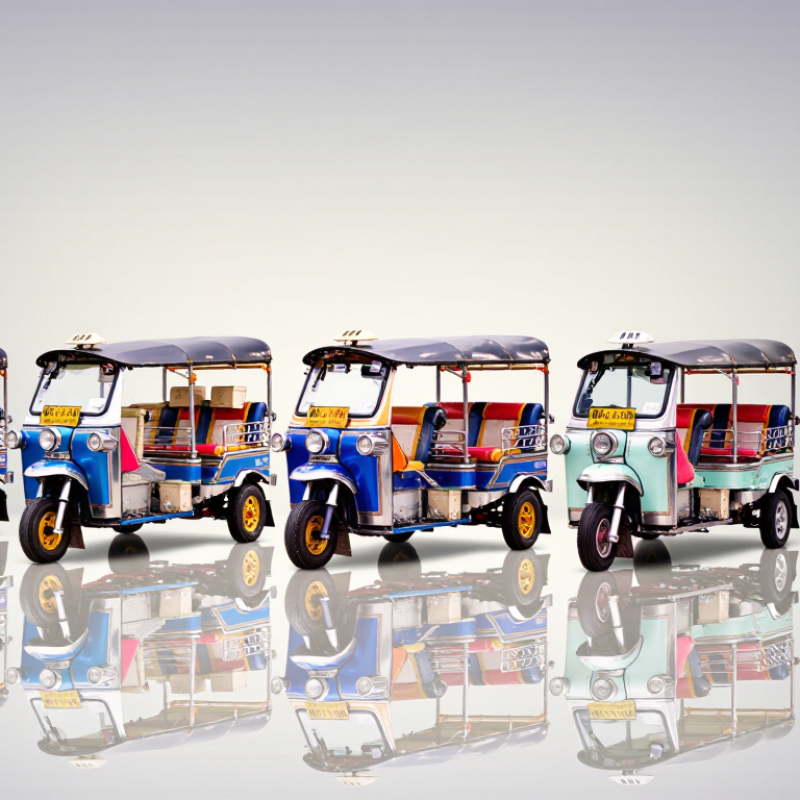
2026 Top Electric Tuk Tuk Types for Global Buyers
Electric tuk tuks are best classified by vehicle design and intended use. Passenger models usually have two rear benches, open sides, and compact dimensions. They suit short urban trips, hotel transfers, campus transport, and neighborhood routes. Enclosed versions add doors, windows, and weather protection. They are more comfortable in rain, but their heavier bodies may reduce efficiency.
Cargo electric tuk tuks use a flatbed, box body, or covered delivery compartment. Their design prioritizes payload, low loading height, and easy access rather than passenger comfort. Some models combine a small rear seat with a cargo deck. This mixed-use format can support market deliveries, maintenance work, and local service operations. Buyers should check payload ratings carefully, including batteries, tools, and passengers.
Three-wheel designs offer a tight turning radius and simple parking. Four-wheel versions usually provide greater stability on uneven roads and heavier loads. Battery capacity, charging time, ground clearance, and braking performance should match the route, not just the brochure. A stated driving range can fall sharply with steep roads, cold weather, heavy cargo, or frequent stops. Real route testing is essential. I have found that a vehicle can appear ideal in a showroom, yet feel underpowered on a crowded incline. The right choice also depends on local certification, service access, road conditions, and daily operating hours.
Electric tuk tuk classification by vehicle design and primary use
Cargo and utility models generally provide higher payload capacity, while passenger and shuttle models prioritize seating and occupant comfort. The figures shown are typical configuration references for international buyer comparison; actual ratings vary by vehicle design, battery system, road regulations, and local homologation requirements.
In 2026, passenger electric tuk tuks are becoming practical for short urban trips and guided sightseeing. Their compact bodies fit narrow streets, crowded market edges, and hotel entrances. A quiet motor also lets passengers hear the driver and surrounding city life. That matters on heritage routes and evening transfers. Most models carry two to six passengers, depending on configuration and payload limits. Buyers should verify seating, turning radius, braking performance, and weather protection before purchase.
For daily urban service, battery range must match real traffic, not laboratory figures. Stop-and-go driving, hills, air conditioning, and heavy passengers reduce distance. A useful trial includes a morning route, a steep section, and several charging stops. Fleet managers should record energy use and charging time for at least two weeks. Slow charging can disrupt tourist schedules. Removable batteries may help, but they add lifting work and require careful storage.
Tourist operators also need clear entry steps, stable handrails, washable seats, and secure luggage space. Rain curtains and roof ventilation improve comfort, though neither solves every climate problem. Accessibility deserves honest attention; some compact cabins cannot accept large mobility devices. Passenger safety depends on certified restraints, lights, mirrors, tires, and trained drivers. Electric tuk tuks are not perfect. Their low noise can surprise pedestrians, and small wheels may feel harsh on broken pavement. Careful route design remains essential.
Cargo Electric Tuk Tuks for Delivery and Small Business Operations
Cargo electric tuk tuks are becoming practical tools for urban delivery and small business operations. The International Energy Agency’s Global EV Outlook 2024 identifies two- and three-wheelers as the most electrified road transport segment. This supports their use in dense markets, where narrow streets and short routes matter. The World Economic Forum estimates that urban delivery traffic could rise by 36% by 2030. A compact cargo tuk tuk can carry groceries, parcels, tools, or food containers without needing a full-size van. It also produces less street noise.
Real-world performance depends on the route. Operators should check payload capacity, cargo-box dimensions, battery range, charging time, and hill performance. A removable battery may help shops without dedicated parking. However, quoted range can fall sharply with heavy loads, cold weather, frequent stops, or steep roads. I have seen operators overestimate daily capacity. That mistake is costly. The best choice matches the vehicle with delivery distance and loading habits, not just purchase price. Total operating cost should include electricity, tires, brakes, battery replacement, insurance, and maintenance.
Tips: Measure your busiest route for one week. Record load weight, stops, and charging access. Choose safety features such as lights, mirrors, secure doors, and weather protection. Leave a range buffer of at least 20 percent. Small businesses often need reliability more than maximum speed. Test the cargo layout with real boxes before ordering.
Electric tuk tuks are becoming practical tools for short urban routes. Public operators use them for campus shuttles, station transfers, and neighborhood mobility. Their compact frames fit narrow streets and crowded pickup areas.
Low step-in floors can help older passengers and wheelchair users. However, accessibility requires careful ramp design, door clearance, and stable boarding space. A small turning circle matters near bus stops.
Commercial versions serve different daily tasks. Cargo tuk tuks can move parcels, groceries, and maintenance equipment through dense districts. Open-bed models suit parks, resorts, and municipal cleaning teams.
Enclosed cabins protect tools from rain and dust. A typical work shift may include repeated stops, heavy payloads, and long idle periods.
Buyers should compare battery capacity, payload ratings, charging time, and brake performance together. Focusing only on driving range can create expensive surprises.
Service reliability deserves equal attention. Operators need visible battery data, durable suspension, and accessible replacement parts. Charging points should be placed near the actual work route, not only at the depot.
Local road rules, lighting requirements, passenger limits, and safety inspections must guide selection. Some buyers prefer maximum capacity, but that choice may reduce efficiency on steep streets.
Real operations are rarely perfect. Drivers may overload a vehicle, miss a charging window, or face sudden rain.
A useful evaluation includes route trials, passenger feedback, and several weeks of maintenance records.
Electric tuk tuks in 2026 should be compared by working conditions, not appearance. Passenger models suit short urban routes, while cargo types need stronger frames, larger brakes, and stable suspension. Utility models can carry tools or refrigerated boxes, but their added weight reduces range. A practical test should include a full passenger load, a rough road, and a steep ramp.
Battery choice changes operating risk. The IEA’s Global EV Outlook 2024 reported that electric three-wheelers are among the fastest-growing electric vehicle segments in several Asian markets. Its battery analysis also recorded an average lithium-ion pack price of about $139 per kWh in 2023. Buyers should compare usable capacity, charging time, thermal protection, and replacement access. A quoted range may look impressive. Real traffic is less generous.
Payload matters more than brochure range. BNEF’s 2024 Battery Price Survey reported global average pack prices near $115 per kWh, but local prices can differ sharply. Check battery warranty terms, diagnostic support, spare-part availability, and technician training. Swappable batteries may reduce waiting time, yet they require compatible stations and careful inventory control. That detail is easy to miss. A lower purchase price may become expensive through downtime, weak suspension parts, or poor corrosion protection. I would also record energy use over seven working days, not one showroom trip. That method is slower, but more honest.
It supports short urban trips, hotel transfers, campus shuttles, and neighborhood routes. Compact dimensions help it navigate narrow streets. It is not ideal for every route.
Passenger models usually have two rear benches and open sides. Cargo models use flatbeds, boxes, or covered compartments. Choose based on people, parcels, tools, or mixed loads.
Enclosed bodies provide doors, windows, and rain protection. However, extra weight may reduce efficiency and hill performance. Weather comfort improves, but range may decline.
Three-wheel designs offer tight turning and easier parking. Four-wheel versions usually provide better stability on uneven roads. Road surfaces and payload matter more than appearance.
Test the vehicle on the actual route with normal cargo and passengers. Include hills, stops, cold weather, and charging delays. Leave at least a 20 percent range buffer.
Measure the busiest route for one week. Record load weight, stop frequency, cargo dimensions, and charging access. Test real boxes inside the cargo area.
Low floors can support older passengers and wheelchair users. Check ramp design, door clearance, boarding space, lights, mirrors, and braking performance. Small details matter.
Include electricity, tires, brakes, maintenance, insurance, and future battery replacement. The lowest purchase price may not be the cheapest option. I have underestimated this before.
Place charging points near the working route, not only at a depot. Removable batteries may help shops without private parking. Missed charging windows can disrupt an entire shift.
Run route trials for several weeks and collect driver feedback. Check suspension, battery readings, braking, loading, and replacement-part access. A showroom test is not enough.
In 2026, the Electric Tuk Tuk market offers a wider range of vehicle types designed for different transport and business needs. Passenger models are suitable for city travel, neighborhood mobility, and tourism, with attention to seating capacity, comfort, safety, maneuverability, and driving range. Cargo models focus on deliveries, retail support, agriculture, and small business operations. Their important features include load capacity, cargo space, charging efficiency, durability, and ease of maintenance.
Specialized Electric Tuk Tuk models can support public services, campus transportation, community mobility, utility work, and other commercial applications. When comparing options, global buyers should evaluate the vehicle’s intended use, battery performance, charging requirements, operating costs, weather protection, road conditions, after-sales support, and local compliance requirements. A clear understanding of vehicle design and daily workload can help buyers select a practical, reliable, and cost-effective solution for sustainable transportation in different markets.