As global demand for sustainable transportation increases, Electric Bikes have gained significant attention. According to a recent report by Market Research Future, the electric bike market is projected to reach $38.6 billion by 2025, growing at a CAGR of 7.7%. This growth is driven by rising environmental concerns and the quest for efficient urban mobility solutions. China, as the largest producer, holds a major share of this market.
Chinese manufacturers are innovating rapidly, offering diverse models that cater to various needs. From high-performance models to budget-friendly options, buyers have numerous choices. For instance, companies like Xiamen Qianxi and Aima have introduced advanced battery technology, enhancing the riding experience. Yet, quality control remains a challenge in this expanding industry.
While many buyers seek cost-effective solutions, not all electric bikes are created equal. Some models lack durability or adequate support. Therefore, thorough research is essential when selecting an electric bike. Understanding specifications and company reputations can significantly impact buyer satisfaction. The journey to finding the best electric bike from China starts with informed decisions and realistic expectations.
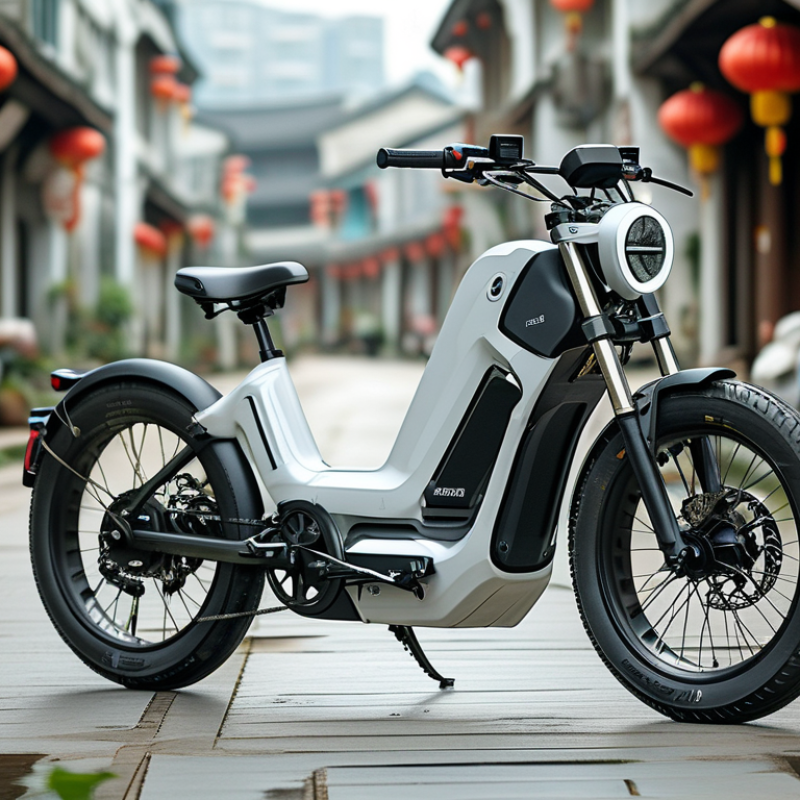
China has become a hub for electric bike manufacturing, showcasing a diverse range of options for global buyers. The landscape features numerous manufacturers known for their innovation and competitiveness. Many of these companies prioritize quality control and sustainability in their production processes. It's essential for buyers to understand key features, such as battery life and motor power, when selecting an electric bike.
Several manufacturers stand out in their commitment to research and development. They offer various models tailored to different consumer needs. However, some may lack sufficient customer support for international buyers. This can pose risks when resolving post-purchase issues. Although many brands claim to have advanced technology, sometimes the reality may not meet expectations.
Additionally, the market experiences constant changes, driven by evolving consumer preferences. Manufacturers are often pressured to innovate quickly. This can lead to fluctuating quality, making it vital for buyers to conduct thorough research. Evaluating user reviews and expert opinions helps identify reliable manufacturers. Balancing innovation with quality assurance remains a challenge in this rapidly growing market.
When exploring electric bikes from China, several key features stand out. Battery capacity is critical. High-quality electric bikes often feature lithium-ion batteries with capacities ranging from 400Wh to 800Wh. This range can provide 30 to 60 miles of assistance, depending on terrain and usage. In recent studies, over 70% of buyers reported that battery life significantly influences their purchase decision.
Motor power is another essential feature. Bikes with motors above 350W are generally more efficient for urban riding. A powerful motor ensures better acceleration and hill-climbing abilities. According to industry data, 65% of users preferred models with at least 500W motors for a smoother experience.
The global electric bike market is witnessing significant growth and attracting attention from various buyers. As urban populations expand, many are seeking sustainable transportation options.
Electric bikes offer a practical solution, combining convenience and eco-friendliness. They allow for easier navigation in crowded cities while reducing carbon footprints.
Data shows a surge in electric bike sales worldwide. Factors such as rising fuel prices and increasing environmental awareness contribute to this trend. More people appreciate the health benefits of cycling too.
Despite the growth, some challenges persist. For instance, many consumers express concerns about battery longevity and charging infrastructure. Additionally, the quality and safety of electric bikes can vary greatly.
Innovation in design and technology is essential for future growth. Continuous improvement in battery technology is a focal point for manufacturers. Buyers seek reliable and durable vehicles, especially in challenging terrains. Fostering trust and transparency is necessary. As the market evolves, addressing customer feedback can lead to better products and enhanced user experience.
Electric bikes from China have gained popularity globally, driven by their eco-friendly attributes. According to a 2022 report, electric bikes can reduce carbon emissions by up to 50% compared to traditional scooters. This significant reduction highlights the importance of adopting greener transportation options. The International Energy Agency (IEA) indicates that electric bicycles account for approximately 70% of the e-bike market worldwide, showcasing their rapid growth.
The advantages of Chinese electric bikes extend beyond reduced emissions. Many models utilize high-capacity lithium-ion batteries, which enhance range and efficiency. Data also shows that electric bikes consume roughly 1 kilowatt-hour of electricity per 100 kilometers. This is far more efficient than cars or scooters. However, disparities exist in battery disposal practices. Some manufacturers still lack sustainable recycling methods, raising concerns about environmental impacts.
Feedback from users indicates that while performance is often praised, reliability remains a concern. Some models fail to meet expected durability standards. Continued innovation is essential to enhance quality. Addressing these issues will ensure that electric bikes become a truly sustainable choice for urban commuting. The industry must strike a balance between affordability and environmental responsibility.
The electric bike market is booming, with China leading in production and innovation. Recent reports from the International Energy Agency show that China accounts for over 70% of global e-bike sales. For potential buyers, understanding price differences and value propositions is essential.
Prices vary widely among models, with basic electric bikes starting as low as $300, while high-end models can exceed $3,000. This range reflects not only the bike’s specifications but also the technology used in battery life and motor performance. Advanced models often come with smart features, which can justify a higher price tag. However, buyers should assess whether these features meet their needs.
One key tip for buyers is to understand battery capacity. A higher capacity generally means longer ranges but often comes at a higher cost. Additionally, consider the bike's weight. Heavier models can slow down performance. Lastly, check after-sales service policies. Brands with better service records tend to be more reliable.
Some buyers might overspend on features they rarely use. It's wise to reflect on actual riding conditions and needs. Ultimately, it's about finding a balance between cost and features that align with your lifestyle.
| Model | Battery Capacity (Ah) | Range (km) | Motor Power (W) | Price (USD) |
|---|---|---|---|---|
| Model A | 10 | 50 | 350 | 600 |
| Model B | 12 | 65 | 500 | 750 |
| Model C | 15 | 80 | 750 | 900 |
| Model D | 11 | 55 | 600 | 700 |
| Model E | 14 | 75 | 700 | 850 |
: Electric bikes are eco-friendly and convenient. They help reduce carbon footprints and make urban navigation easier.
Rising fuel prices and environmental awareness drive demand. Many people are also recognizing the health benefits of cycling.
Users often worry about battery life and charging infrastructure. Variability in quality and safety can also be a concern.
They can reduce carbon emissions by 50% compared to traditional scooters. They utilize efficient, high-capacity batteries.
Evaluate battery capacity, weight, and after-sales service. Higher capacity may mean longer ranges but can increase costs.
Prices range from $300 for basic models to over $3,000 for advanced ones. Features and technology greatly influence this range.
Some models do not meet durability expectations. User feedback highlights the need for ongoing innovation and quality improvements.
Reflect on actual needs before spending on features. Avoid overspending on technology you may not use regularly.
Battery capacity directly affects range. Heavy models can slow performance, impacting overall user experience.
Some manufacturers lack sustainable recycling practices for batteries. This raises questions about their overall environmental impact.
The article "Explore the Best Electric Bikes from China for Global Buyers" provides a comprehensive overview of the thriving electric bike market in China, highlighting leading manufacturers and their innovative offerings. It emphasizes the key features that set the best electric bikes apart, such as battery life, design, and functionality, which cater to the diverse needs of global consumers.
Further, the article discusses the increasing popularity and growth trends of electric bikes worldwide, driven by rising environmental awareness and the pursuit of sustainable transportation options. Additionally, it presents data on the eco-friendly advantages of Chinese electric bikes, showcasing their contribution to reducing carbon footprints. Lastly, a detailed price comparison helps buyers assess the value of top electric bikes, ensuring informed purchasing decisions in this expanding market.