China’s electric two-wheel market spans established brands and newer specialists, but “street bike” can mean different things. Some models are built for short city commutes; others emphasize motorcycle-like styling, stronger acceleration, or longer stated range. That distinction matters. A sleek frame tells little about how a bike handles a steep bridge, a wet road, or a daily ride with a passenger.
Transportation researcher Chris Cherry has studied electric-bike travel. A cautious paraphrase of the practical lesson from his work is: “The best electric bike is one that fits real trips, not just advertised specifications.” This is a paraphrase, not a verified verbatim quotation. It points readers toward details they can compare: battery capacity, motor output, braking setup, charging time, warranty terms, and access to replacement parts. Look closely at how manufacturers describe range; rider weight, speed, temperature, and road conditions can change results.
This outline examines leading Chinese manufacturers, including Yadea, NIU, Sunra, and other relevant brands, while distinguishing street-oriented models from ordinary pedal-assist bicycles. It considers design, performance claims, production scale, and after-sales support. A ranking can never tell the whole story. Dealer service may matter more than a small difference in top speed, and published specifications do not replace a careful test ride. I may still give too much weight to easily compared numbers. That is worth questioning. The aim is a grounded starting point for buyers and industry readers exploring the Electric Street Bike market in China.
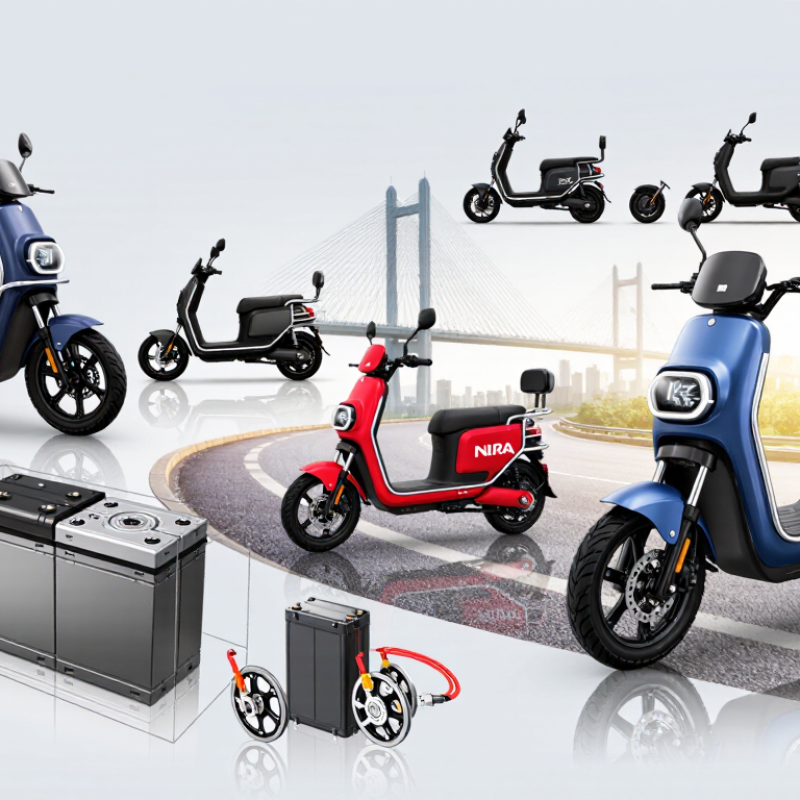
In China, “electric street bike” is a broad sales phrase, not a precise engineering category. Buyers need to distinguish electric bicycles from electric motorcycles. Pedals, vehicle weight, battery voltage, and rated motor output help clarify the difference. A glossy fairing alone tells you little.
China’s GB 17761-2018 standard sets key electric-bicycle limits: a 25 km/h maximum design speed, 400 W rated motor power, 48 V battery voltage, and 55 kg vehicle mass. These figures offer a useful screening checklist, not a complete picture of performance. A 25 km/h cap may feel modest on an open road. In stop-start traffic, predictable acceleration and braking can matter more. Easy to overlook.
Electric motorcycles belong to a different vehicle category and are built for higher output, speed, and chassis loads. The International Energy Agency’s Global EV Outlook 2024 reports nearly 10 million electric two- and three-wheeler sales worldwide in 2023. China represented more than 80%. That scale helps explain why factory listings sometimes group very different vehicles under one broad label. Compare rated power, battery voltage, range-test conditions, and braking hardware before comparing prices. Quoted range can be fuzzy; rider weight, temperature, and speed all affect it.
Top Electric Street Bike Manufacturers in China
China Produced 42.28 Million Electric Bicycles in 2023: Market Context
China produced 42.28 million electric bicycles in 2023, according to industry statistics published by the China Bicycle Association. The figure points to a substantial manufacturing base, with factories supplying frames, motors, battery systems, and electronic controls at scale. For buyers assessing manufacturers, this scale can mean more production capacity and broader component access.
But output is not a quality score. It does not show how many bicycles were sold domestically, how reliable each model is, or whether production lines meet a buyer’s specifications. The association’s figure is most useful as market context, not proof that every supplier offers consistent testing or after-sales support. A factory tour still matters. So do sample inspections and clear component records.
For electric street bikes, practical questions include battery traceability, motor performance under load, and access to replacement parts. Ask suppliers how they check these details, and request recent test documentation. Large-scale production can support competitive pricing, but it can also obscure differences between factories. The headline number is impressive; the comparison work is less tidy.
Market context: China produced 42.28 million electric bicycles in 2023. This national production figure indicates the scale of the market; it is not a breakdown by manufacturer or brand.
China’s electric street-bike market is led by five established manufacturers with broad commuter-focused lineups. Their products compete on practical details: battery range, charging time, braking performance, and service access. A rider may care less about a headline speed than whether the bike can climb a steep garage ramp with groceries onboard. Dealer support matters, too. A small repair delay can disrupt a daily commute.
The International Energy Agency’s Global EV Outlook 2024 reports nearly 10 million electric two- and three-wheelers were sold worldwide in 2023, with China the largest market. That scale gives local manufacturers strong experience in high-volume production and everyday urban use. Still, market size does not prove that every model is durable or suitable for every rider. Compare battery capacity, rated range, and warranty terms on the same basis.
Specifications can be slippery. Range figures may reflect test conditions that differ from stop-and-go traffic, cold mornings, or frequent hills. Check the actual battery configuration and local service coverage before choosing. A test ride helps reveal small but important things, such as mirror position and brake feel. No comparison is perfectly clean; published data can be incomplete.
When comparing Chinese electric street bikes, look beyond peak motor power. A 3 kW motor may feel quick on a flat road, yet sustained output and controller tuning matter more on a long climb. Battery capacity, measured in kilowatt-hours, helps estimate energy onboard; it does not guarantee a specific range. The IEA’s Global EV Outlook 2024 reports nearly 10 million electric two- and three-wheelers sold worldwide in 2023, underlining how varied this market has become. Comparisons need care.
Range figures often assume light loads, moderate speeds, and mild weather. A heavy rider, cold morning, or repeated stop-start commute can cut distance noticeably. Ask whether a quoted range comes from a standardized test or a manufacturer’s estimate. Check battery warranty terms, charging time, and whether the battery can be removed. Small details count. For bicycle-class models, China’s GB 17761-2018 provides technical safety requirements; it should not be treated as a universal standard for every electric motorcycle. Verify the vehicle category and applicable certification documents.
Tips: Compare watt-hours per kilometer using your own route, not just advertised range. Inspect brake response, tire grip, lighting, frame welds, and battery labeling in person. I would also leave a safety margin for range; real traffic rarely behaves like a test track.
China’s electric street bike industry is shaped by production discipline as much as product design. Many factories source frames, motors, controllers, and battery packs through regional supplier networks. On a busy assembly line, workers check cable routing, brake response, and fastener torque before a bike reaches final inspection. Small checks matter. A loose connector can become a costly problem after shipping.
Export work adds another layer. Buyers may request different lighting, display languages, charging plugs, or speed settings for each destination. Manufacturers must also prepare consistent test records and shipping documents. Battery transport rules and vehicle approval requirements vary by market, so a model suitable for one country may need changes elsewhere. Details matter. Regulations can shift, and importers should verify current requirements with qualified local authorities rather than rely on an old specification sheet.
Competitive pricing can hide trade-offs in component quality, warranty support, or parts availability. Some supplier claims are difficult to compare because testing methods may differ. That deserves more scrutiny. Factory visits, sample inspections, and clear written specifications help buyers assess a product beyond its catalogue photos. Even then, quality can vary between production batches; the industry has not solved that completely. Reliable manufacturers treat traceability and after-sales parts planning as ongoing work, not paperwork completed once.
It is a broad sales term, not a precise vehicle category. Check the pedals, weight, battery voltage, and rated motor output.
Compare its design and specifications, not just its glossy fairing. Electric motorcycles are built for higher output, speed, and chassis loads.
The standard sets a 25 km/h maximum design speed, 400 W rated motor power, 48 V battery voltage, and 55 kg vehicle mass. These are screening figures, not a full performance review.
Not entirely. In stop-start traffic, predictable acceleration and braking may matter more than top speed. Easy to overlook.
Rider weight, temperature, speed, hills, and stop-and-go traffic can affect range. Test conditions may not match your morning commute.
Compare rated power, battery voltage, battery capacity, range-test conditions, braking hardware, and warranty terms. Make sure the figures use the same basis.
Try the mirrors and brakes in person, and consider steep ramps with groceries onboard. Check local repair access, too. Small delays matter.
No. Nearly 10 million were sold worldwide in 2023, with China representing more than 80%. Market size shows scale, not the durability of each model. Published data can be incomplete.
China’s Electric Street Bike market includes both electric bicycles designed for everyday travel and more powerful electric motorcycles built for higher speeds and longer journeys. In 2023, China produced 42.28 million electric bicycles, highlighting the scale of its two-wheeler industry and the variety of products available to commuters and other riders. These categories differ in performance, equipment, and intended use, so buyers should first consider how and where they plan to ride.
Leading manufacturers compete through motor power, battery capacity, riding range, build quality, and safety features. Comparing these specifications can help riders identify a suitable balance between performance, convenience, and cost. The industry is also shaped by production capabilities, export demand, and regulations that influence vehicle classification and required standards. Together, these factors continue to guide product development and the growth of China’s electric two-wheeler sector.