Choosing an Electric Road Bike is no longer a niche decision for racing enthusiasts. It now involves performance, transport habits, charging access, and after-sales support.
The CONEBI European Bicycle Industry and Market Profile 2024 reported approximately 5.1 million e-bikes sold across Europe in 2023. That figure shows strong demand, despite market corrections after the pandemic. Germany’s ZIV market data also indicated that e-bikes represented a substantial share of bicycle sales. However, regional figures differ. Market reports use different definitions, sales channels, and reporting periods. Buyers should treat impressive statistics carefully.
The right model depends on real roads, not only catalogue numbers. A rider crossing steep streets in San Francisco needs different gearing from someone commuting on flat roads in Amsterdam. Battery capacity, motor assistance, total weight, frame geometry, tyre clearance, and riding position all deserve attention. A 250-watt motor may feel adequate on gentle routes, yet insufficient when carrying luggage uphill. Charging standards and replacement batteries also vary by region. This detail is easy to overlook.
Check the warranty.
Professional guidance from Bosch eBike Systems, Shimano, and major bicycle industry associations consistently emphasizes battery care, correct sizing, and certified service networks. Still, no single brand suits every global buyer. I have found that a lighter bike can feel better on stairs, even when its advertised range is lower. Range claims are not perfectly comparable. Temperature, rider weight, wind, tyre pressure, and assist level can change actual distance. This guide examines those trade-offs, helping buyers compare evidence, test practical fit, and avoid paying for specifications they may never use.
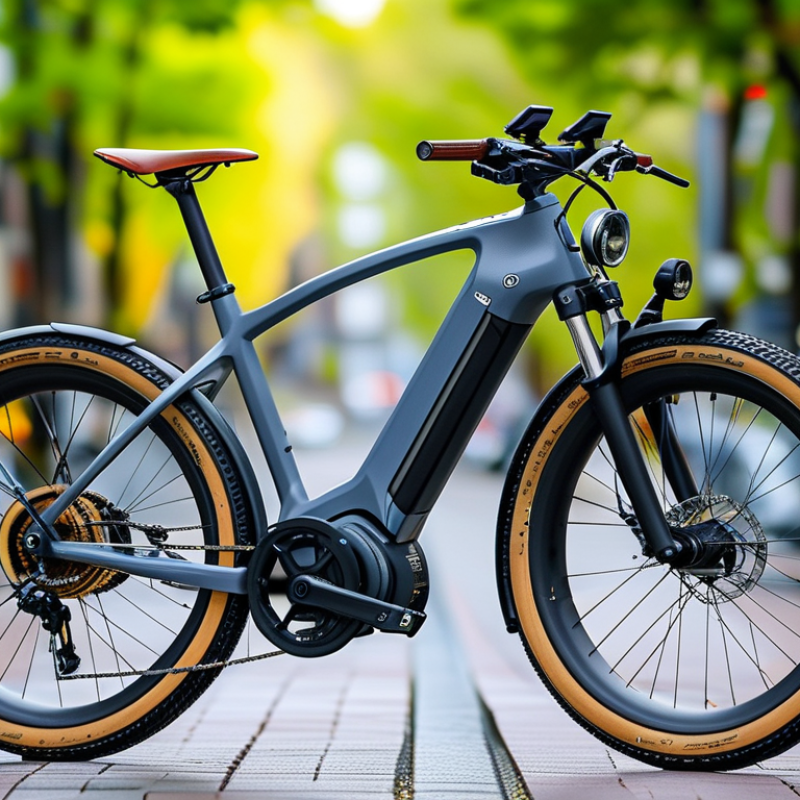
Choosing an electric road bike starts with your riding purpose, not its motor rating. A weekend rider needs different equipment from a daily commuter or endurance cyclist. I once overvalued lightweight parts and underestimated poor drainage. That mistake was expensive.
Describe your usual route in practical detail. Is it smooth asphalt, broken pavement, gravel shoulders, or steep urban streets? Measure distance, elevation, wind, and surface quality. The U.S. Federal Highway Administration reported that nearly half of household trips are under three miles. However, short trips can still include potholes, traffic lights, and frequent starts. Choose upright comfort, reliable braking, and wider tires when these conditions dominate. Narrow racing tires may feel fast, but they demand cleaner roads and more careful handling.
Battery choice should match your real distance, temperature, and charging access. The European Bicycle Industry and Confederation reported approximately 5.5 million electric bicycles sold across Europe in 2022. That volume shows strong demand, but it does not prove every model suits every rider. Battery range claims often use controlled testing. Cold weather, hills, luggage, and high assistance can reduce practical range. Leave a safety margin. For example, a 60-kilometer route may require more than a nominal 60-kilometer battery rating. Check local road rules, lighting requirements, and service availability before purchase. I would also test the bike on your roughest familiar road. Smooth showroom floors hide many problems.
How to Choose an Electric Road Bike for Global Buyers?
Motor choice shapes climbing performance, handling, and maintenance. A hub motor feels smooth on flat roads and usually costs less. A mid-drive motor delivers torque through the bike’s gears, which helps on steep climbs. It can also feel more natural during long rides. However, it may place greater stress on the chain and cassette. Test both systems if possible. A quiet motor is pleasant, but noise can reveal poor alignment or worn parts.
Tips: Compare battery capacity in watt-hours, not amp-hours alone. Multiply voltage by amp-hours to estimate watt-hours. A 500Wh battery may cover 60 to 120 kilometres in moderate conditions. Strong headwinds, hills, cold temperatures, heavy riders, and high assistance can reduce that figure sharply. Ask for range tests completed with similar terrain and rider weight. Marketing figures are not guarantees.
For global buyers, check charger compatibility and local service support before ordering. Battery cells should have clear safety documentation and suitable transport approval. Confirm whether the motor’s rated output and maximum assisted speed meet local cycling rules. During a practical test, ride a short hill, shift through every gear, and watch battery use over ten kilometres. I once underestimated wind more than distance; the return ride exposed that mistake. Real roads are less forgiving than showroom floors. Allow a reserve of at least 20 percent battery for unexpected climbs, detours, or weather changes.
Global buyers should treat frame design as a control system, not decoration. The 2024 CONEBI European Bicycle Industry and Market Profile recorded 5.1 million e-bikes sold in Europe during 2023. That volume shows strong demand, but it does not prove one geometry suits everyone.
A longer frame can improve high-speed stability. A shorter reach may feel safer in city traffic. Check the head-tube height, wheelbase, standover clearance, and battery placement. Test the frame.
Comfort begins where your body meets the bicycle. The saddle should support your sit bones without creating pressure or numbness. Handlebars should let your elbows remain slightly bent.
Your wrists should stay neutral, especially on rough roads. A practical fit check is simple: with the pedal at its lowest point, your knee should remain slightly flexed.
EN 15194 and ISO 4210 provide useful safety references, but they do not replace an individual fitting session. Local regulations still matter.
Riding position affects confidence and fatigue. A lower, stretched posture may suit fast pavement, while a more upright position improves visibility and reduces neck strain.
WHO’s 2022 Global Status Report on Physical Activity found that 31% of adults worldwide were insufficiently active. Comfort may help people ride more often, though that relationship is not guaranteed.
I would not trust a showroom fit alone. Try the bike with your usual shoes, a loaded bag, and at least thirty minutes of real riding. Minor discomfort often becomes obvious late.
Choosing an electric road bike starts with its components, not its paint or screen. Check the motor’s rated power, battery capacity, charging time, and total bicycle weight. A smooth mid-drive system can improve climbing balance, while a hub motor may simplify maintenance. Ask for clear information about cell protection, charger certification, and replacement battery availability.
Safety details deserve a hands-on inspection. Hydraulic or mechanical disc brakes should stop the bike firmly on wet roads. Look for integrated lights, reflective side elements, reliable brake cut-off sensors, and tires suited to local road surfaces. The frame should feel rigid without harsh vibration. Test the display in bright sunlight. A confusing screen can become a real distraction. I once overlooked the reach of a brake lever, and that small mistake made longer rides uncomfortable.
Maintenance support often matters more than peak speed. Confirm whether local workshops can service the drivetrain, brakes, controller, and battery connections. Request a parts list with realistic delivery times. Read the warranty carefully, including coverage for the motor, battery, frame, charger, and display. Check exclusions for water damage, normal wear, and improper storage. International buyers should also verify service procedures, return shipping, regional charger compatibility, and documentation in a familiar language. Keep invoices and maintenance records. They may protect your claim later. A low purchase price is not always a low ownership cost.
How to Choose an Electric Road Bike for Global Buyers?
Global buying starts with the destination, not the motor. EU EPAC rules generally limit assistance to 250 watts and 25 km/h, but other markets differ. Confirm throttle rules, helmet duties, age limits, lighting, and registration with local authorities. Request conformity documents, battery UN 38.3 test evidence, and the correct charger certification. Paperwork matters. CONEBI’s 2024 market profile recorded about 5.1 million e-bikes sold in Europe during 2023, yet regional compliance still varies widely.
Shipping can change the purchase decision. UNCTAD’s Review of Maritime Transport 2024 describes continuing freight-rate volatility after major route disruptions. That volatility can change delivered cost before the bicycle leaves the warehouse. Ask whether the quotation includes export packing, insurance, duties, brokerage, and residential delivery. Battery transport may require special handling, separate declarations, or a slower route. Use landed cost, not the website price.
Support deserves equal attention. IEA’s Global EV Outlook 2024 identifies electric two- and three-wheelers as the largest electric road-transport segment by volume. That scale does not guarantee support for your exact model. Request a written warranty process, response times, spare-parts lead times, and return instructions. Test the support channel before payment. Even a careful spreadsheet has weak spots. Exchange rates, port delays, and misunderstood regional rules can still upset the estimate. Leave a contingency allowance.
Before comparing shipping, support, and total cost, global buyers should confirm that the bike meets the destination market’s power and assisted-speed limits. The chart compares commonly applied electric-bicycle thresholds: the European Union and United Kingdom generally allow up to 250 W and 25 km/h, Canada commonly allows up to 500 W and 32 km/h, while the U.S. federal low-speed electric-bicycle definition allows up to 750 W and motor assistance below 20 mph (32.2 km/h). State, provincial, and local requirements may differ, so verify the final destination before purchase.
Sources: European Union Regulation (EU) No 168/2013; UK Electrically Assisted Pedal Cycles Regulations; U.S. Consumer Product Safety Commission, 15 U.S.C. §2085; Transport Canada Motor Assisted Cycle requirements.
: Check motor power, battery capacity, charging time, and total bicycle weight. A mid-drive motor can improve climbing balance. A hub motor may simplify maintenance. Ask about cell protection and replacement battery availability.
Test the brakes on wet pavement if possible. Disc brakes should stop the bike firmly. Look for integrated lights, reflective side elements, and brake cut-off sensors. Choose tires suited to local roads. Test the display in bright sunlight.
The frame should feel rigid without harsh vibration. Check brake-lever reach before buying. A poor reach can make longer rides uncomfortable. Small details matter.
Ask whether local workshops service the drivetrain, brakes, controller, and battery connections. Request a parts list with realistic delivery times. Confirm who handles technical problems after delivery. A low purchase price may hide higher ownership costs.
Read coverage for the motor, battery, frame, charger, and display. Check exclusions for water damage, normal wear, and poor storage. Keep invoices and maintenance records. They may support a later claim.
Rules differ by destination. Some European rules generally limit assistance to 250 watts and 25 km/h. Other markets may regulate throttles, helmets, age limits, lights, or registration differently. Ask local authorities for current requirements. Do not rely only on a seller’s summary.
Calculate landed cost, not only the online price. Include export packing, insurance, duties, brokerage, and residential delivery. Battery transport may require special handling or slower shipping. Freight rates can change before departure. Price is incomplete.
Request written warranty procedures, response times, spare-parts lead times, and return instructions. Check charger compatibility for your region. Ask for documents in a familiar language. Test the support channel before payment. Support claims can sound better than reality.
Leave room for exchange-rate changes, port delays, repairs, and replacement parts. A spreadsheet helps, but it is not perfect. Regional rules can still be misunderstood. Unexpected costs happen.
Choosing the right Electric Road Bike begins with understanding your riding goals, such as daily commuting, long-distance touring, fitness training, or climbing hilly routes. Consider the road surfaces and weather conditions you commonly face, then compare motor systems, battery capacity, charging time, and realistic riding range. A suitable frame should provide a comfortable fit, stable handling, and an efficient riding position without causing unnecessary strain during longer trips.
Buyers should also examine braking performance, gear quality, tires, lighting, display functions, and other safety features. Easy maintenance, available replacement parts, warranty coverage, and technical support can strongly affect long-term ownership. For international purchases, verify local requirements for power output, speed assistance, equipment, and road use before ordering. Finally, calculate the complete cost, including shipping, taxes, assembly, accessories, maintenance, and possible service expenses, so the bike offers dependable value rather than only an attractive initial price.