What Is a Kids Electric Dirt Bike and How Does It Work?

Time:2026-09-26 Author:Aria
0%

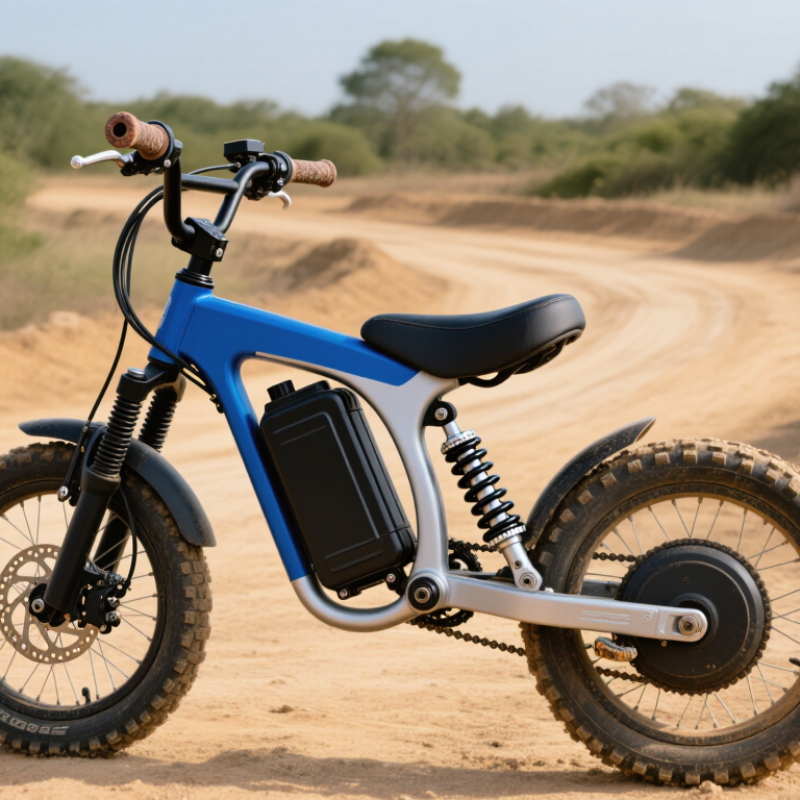
A Kids Electric Dirt Bike is a small off-road motorcycle powered by a rechargeable battery instead of a petrol engine. Its main parts are easy to picture: a battery beneath the seat, a motor near the rear wheel, a throttle on the handlebar, and brakes at the wheels. Twist the throttle, and an electronic controller meters power from the battery to the motor. The bike moves. Quietly, but not silently.

The International Energy Agency’s Global EV Outlook 2024 estimates that more than 10 million electric two- and three-wheelers were sold worldwide in 2023. That figure covers many vehicle types, not children’s dirt bikes alone. It shows the broader shift toward electric two-wheel transport, but cannot tell parents how a particular bike will perform. That distinction matters.

A bike’s speed, range, and climbing ability depend on its motor, battery capacity, rider weight, terrain, and design. Manufacturers may publish range estimates, yet soft dirt, hills, and frequent acceleration can reduce real-world distance. CPSC injury reports offer useful safety context for off-road vehicles, but their ATV figures should not be treated as dirt-bike statistics. Different machines. Different risks. A careful comparison starts with the actual model’s specifications, age and size guidance, and safety features—not a market-wide number. And one limitation remains: published industry data rarely isolate children’s electric dirt bikes as a separate category.
What Is a Kids Electric Dirt Bike and How Does It Work?

What Defines a Kids’ Electric Dirt Bike?

What Defines a Kids’ Electric Dirt Bike?

A kids’ electric dirt bike is a compact off-road motorcycle designed around a child’s size, control, and experience. It usually has a low seat, limited motor output, simple twist or thumb control, and adjustable speed settings. Unlike a bicycle, it uses motorcycle-style geometry, suspension, foot pegs, and often hand-operated brakes. The frame should feel stable when a child stands briefly on uneven ground. Small details matter, including reachable levers and a throttle that does not react too sharply.

Its power system is straightforward. A rechargeable battery sends electricity to a motor through a controller. The controller regulates acceleration, while the battery management system helps prevent unsafe overcharging and excessive discharge. Some models use chain drive, while others place the motor near the rear wheel. The International Energy Agency reported that global electric two- and three-wheeler sales exceeded 10 million units in 2023. However, that figure combines adult and child vehicles, so applying it directly to the kids’ segment would be misleading.

Safety defines the category as much as speed does. A suitable bike needs predictable braking, guarded moving parts, secure battery mounting, and construction that tolerates repeated vibration. ASTM recreational vehicle standards can guide testing, but compliance claims still require verification. Real riding conditions are messy. A dry driveway can become slippery after light rain, and a child’s confidence may grow faster than their judgment. Adult supervision, protective equipment, and a controlled practice area remain essential. Calibration is not always perfect. That deserves honest attention.

What Components Make Up the Bike?

A kids electric dirt bike is built around a few connected systems. The frame supports the rider, battery, and motor. A low seat and smaller wheels help children reach the ground and manage the bike. Fit still depends on the child’s height and riding experience.

The battery stores electrical energy, while the motor turns that energy into wheel movement. A controller regulates power when the rider uses the throttle. Many models also include a key switch or power button, plus a display showing battery charge. Simple parts, but they need to work together smoothly. Loose wiring or a weak connection can interrupt power, so regular checks matter.

The wheels, tires, brakes, and suspension shape how the bike handles uneven ground. Knobby tires grip dirt, while front and rear brakes help slow the bike. Suspension absorbs some bumps, though it cannot make rough terrain harmless. Some bikes use chain drive; others use different layouts. A spec sheet may list impressive features, but it cannot show whether the controls feel manageable in a child’s hands. Check the brake reach, throttle response, and battery condition before each ride.

How Does Its Electric Motor Drive the Wheels?

A kids electric dirt bike uses a rechargeable battery and an electric motor instead of a fuel engine. Its motor turns electrical energy into rotation, which eventually reaches the rear wheel. No exhaust is produced. The exact layout varies, so the bike’s manual is the best source for model-specific details.

When a rider twists the throttle, a controller regulates how much power flows from the battery to the motor. More input generally means more motor torque, though speed limits and control settings can affect the response. On many bikes, the motor drives a small sprocket. A chain transfers that rotation to a larger sprocket attached to the rear wheel. The larger sprocket helps deliver usable pulling force at low speeds. You may hear the chain move and see the rear wheel turn, but the gearing itself is easy to miss.

Some designs use different drive arrangements. That detail matters. A loose chain, worn sprocket, or low battery can change how smoothly the bike responds. Before riding, an adult should check the chain tension, tire condition, brakes, and battery connections. It is tempting to judge performance by motor power alone, but traction and gearing matter too. And the rider’s weight matters. The bike should be used on suitable private riding areas, with protective gear and close adult supervision.

How Do the Controls Manage Speed and Movement?

A kids electric dirt bike uses a battery, motor, controller, throttle, and brakes. The controls translate a child’s hand movement into motor power. Most models use a thumb throttle or a simple twist grip. A light input sends a small electrical signal, while a deeper input requests more torque. The controller then regulates current through pulse-width modulation. This creates smoother acceleration than an on/off switch. It also reduces sudden wheel spin on loose soil.

Speed settings matter. A parent may select a beginner mode before riding begins. The controller limits maximum speed and softens throttle response. Some systems also include a start-up lockout, so the motor will not engage accidentally. Brake sensors can interrupt motor power when a lever moves. That detail is easy to overlook.

Small hands matter. A child should reach both levers without stretching, especially when wearing gloves.

The U.S. Consumer Product Safety Commission reported 233,870 emergency-department injuries involving micromobility products from 2017 through 2022. Its 2023 report also recorded 19 related deaths in 2022. These figures cover broader products, not only children’s dirt bikes, but they show why speed control deserves attention. NHTSA’s 2022 Traffic Safety Facts recorded 1,149 traffic deaths among children aged 14 and younger. Off-road riding differs, yet poor control still creates predictable risks.

I would not treat a limiter as a complete safety solution. Terrain, braking distance, battery weight, and supervision still change how the bike behaves. A quiet motor can feel harmless. It is not.

What Safety Features Support Young Riders?

What Is a Kids Electric Dirt Bike and How Does It Work?

A kids electric dirt bike uses a rechargeable battery to power a quiet electric motor. Turning the throttle sends power through a controller, moving the rear wheel without fuel or exhaust. Safety begins with manageable power, not maximum speed. A speed selector or adjustable throttle helps parents match the bike to a child’s skill level.

Reliable models include responsive hand brakes, grippy tires, a covered chain or belt area, and a protected battery compartment. A handlebar kill switch can stop the motor quickly if the rider falls or loses control. Some bikes also use a safety interlock that prevents movement during startup. However, no feature replaces supervision. A child may understand the controls but still misjudge loose gravel, wet grass, or a sudden slope. I have found that adults often focus on speed settings and overlook brake reach. Small hands must comfortably squeeze the levers.

Tips: Check the brakes, throttle return, tire pressure, fasteners, and battery housing before every ride. Use a certified helmet, eye protection, gloves, long trousers, and sturdy closed-toe boots. Begin on a flat, open surface. Keep both wheels away from roads, water, and steep drop-offs. Practice stopping before practicing turning. A short ride is enough at first. Also, watch the child’s posture and confidence. Hesitation is useful feedback, not failure.

What Is a Kids Electric Dirt Bike and How Does It Work?

Kids electric dirt bikes use a rechargeable battery to power an electric motor. Unlike petrol bikes, they produce no exhaust during operation and usually include speed-control and power-cutoff systems to help young riders learn safely.

The chart counts the main direct protective functions provided by each safety feature. Speed limiting and progressive throttle control help manage acceleration, while brakes, a motor cutoff, and a chain guard address stopping and contact hazards. A properly fitted helmet and protective riding gear remain essential because built-in features cannot eliminate crash risk.

FAQS

What is a kids’ electric dirt bike?

It is a compact off-road motorcycle designed for children. It usually has a low seat, foot pegs, suspension, and hand brakes. The frame should feel stable on uneven ground. Reachable controls matter more than flashy speed claims.

How does the motor move the rear wheel?

A rechargeable battery sends electricity to a controller and motor. The motor creates rotation. A chain and sprockets often transfer that rotation to the rear wheel. Some designs use another drive layout. Check the manual.

How does the throttle control speed?

A thumb throttle or twist grip sends a signal to the controller. Light pressure requests less power. Deeper pressure requests more torque. The response should feel smooth, not like an unexpected jump.

Can parents limit the bike’s speed?

Many bikes offer beginner settings or adjustable speed limits. These settings can soften acceleration and reduce maximum speed. A limiter helps, but it is not magic. Wet ground still changes braking distance.

What safety features deserve attention?

Look for predictable brakes, guarded moving parts, secure battery mounting, and reliable throttle control. Brake sensors may stop motor power when a lever moves. Small hands need reachable levers, even with gloves.

What should an adult check before riding?

Check tire condition, brake operation, chain tension, battery connections, and visible damage. Test the throttle briefly in a clear area. A loose chain can make power delivery feel rough.

Where should a child practice riding?

Use a controlled private area away from traffic, steep drops, and crowded paths. A dry driveway may become slippery after light rain. Begin on flat ground. Keep an adult close.

Is protective equipment still necessary when the bike is slow?

Yes. The child should wear a properly fitted helmet, eye protection, gloves, long sleeves, long trousers, and sturdy footwear. Slow riding can still cause falls. Quiet motors can feel harmless. They are not.

Does motor power alone determine performance?

No. Rider weight, tire grip, gearing, battery charge, and terrain also affect movement. A powerful motor may perform poorly on loose soil. I would not judge the bike by one number alone.

Are these bikes completely safe with supervision?

No bike removes every risk. Supervision improves decisions, but children may gain confidence faster than judgment. Speed settings, practice, equipment, and terrain must work together. Calibration is not always perfect. That deserves honest attention.

Conclusion

A Kids Electric Dirt Bike is a compact, battery-powered off-road motorcycle designed specifically for young riders. It typically has a lightweight frame, smaller wheels, comfortable seating, rechargeable battery, electric motor, chain or belt drive, and handlebar controls. Unlike fuel-powered bikes, it produces no exhaust during use and operates quietly, making it suitable for supervised riding in appropriate areas. Its size, power output, and riding position are adapted to help children learn balance, steering, braking, and responsible control.

The electric motor receives energy from the battery and transfers it to the rear wheel through the drive system, creating smooth forward movement. A throttle controls acceleration, while hand brakes help manage speed and stopping. Many models also include adjustable speed settings, a power cut-off switch, protective guards, stable tires, and sturdy frames. These features can support safer learning, but young riders should always wear proper protective equipment and ride with adult supervision on suitable terrain.


Aria

Aria

Aria is a dedicated marketing professional with a deep passion for innovative strategies and a keen understanding of our company's product offerings. With a wealth of experience in the industry, Aria excels at crafting engaging content that highlights the unique features and benefits of our......