What Are the Top 10 Electric Mountain Bikes to Buy?

Time:2026-09-06 Author:Oliver
0%

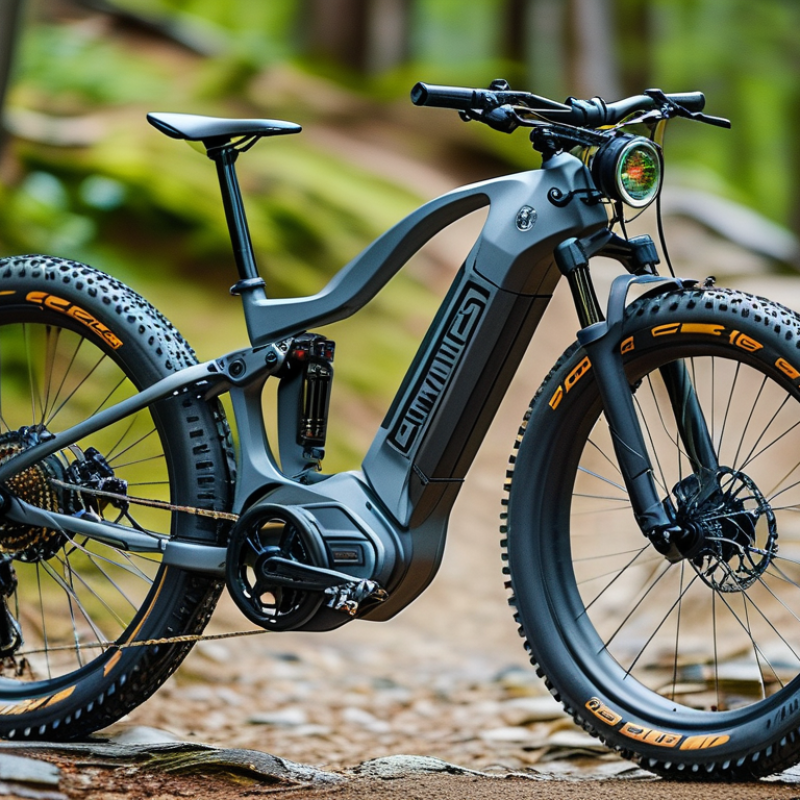
Choosing the right Electric Mountain Bike is not simply a matter of comparing motor wattage or battery size. Real trails expose weaknesses quickly. A heavy frame feels awkward through tight switchbacks, while poor suspension can make a rocky descent feel harsh and unsafe. Range also changes with rider weight, temperature, elevation, tyre pressure, and assist level. The advertised distance is only a starting point.

Richard Thorpe, founder of Gocycle and an experienced e-bike designer, once described the e-bike as “the biggest innovation in cycling in the last 100 years.” That perspective helps explain why modern electric mountain bikes deserve careful evaluation. They combine familiar bicycle handling with controlled motor support, allowing riders to climb farther and explore steeper terrain. Still, more power does not automatically mean a better ride. Sometimes, it adds unnecessary weight.

This guide examines ten leading models through practical criteria: motor response, battery capacity, suspension performance, braking confidence, frame geometry, durability, and overall value. We also consider how each bike behaves on forest climbs, loose gravel, wet roots, and long alpine descents. Those details matter. A model that feels excellent on smooth paths may struggle on technical trails. I must admit that no ranking is completely universal. Riding style, fitness, budget, and local terrain can change the result. Treat this list as a careful starting point, not a final verdict. The best Electric Mountain Bike is the one that fits your body, routes, and expectations.
What Are the Top 10 Electric Mountain Bikes to Buy?

What Defines a High-Quality Electric Mountain Bike?

A high-quality electric mountain bike begins with a balanced frame, not the largest motor. During a trail inspection, check how easily the bike turns around tight roots and loose stones. A manageable frame builds confidence on steep descents. Excessive weight can make technical sections tiring.

The motor should deliver smooth assistance rather than sudden force. Multiple support levels help riders control traction on wet soil and sharp climbs. A reliable battery should provide a realistic trail range, not an optimistic showroom figure. Temperature, rider weight, elevation, and tire pressure affect every estimate. Range claims deserve careful checking. A removable battery also makes charging and maintenance simpler.

Braking performance matters greatly. Hydraulic disc brakes with suitable rotor sizes offer controlled stopping on long descents. Wide, grippy tires, a dropper seatpost, and adjustable suspension improve contact with uneven ground. Look for sealed connectors, strong spokes, and accessible replacement parts. These details often matter more than a bright display. Comfort matters too. A poorly shaped saddle can ruin a promising ride.

A quality inspection should include unusual noises, chain movement, battery security, and frame alignment. Certified electrical components and clear service documentation increase reliability. Still, no bicycle is perfect. Even an impressive model may need suspension tuning or different tires for local trails. Riders should test the controls while wearing gloves and inspect the bike after several rough rides. That habit reveals weaknesses that polished specifications can hide.

How to Evaluate the Top 10 Electric Mountain Bikes

Evaluating the top 10 electric mountain bikes requires more than comparing motor wattage. I would inspect each bike’s frame, suspension, braking system, battery, and warranty. Ride quality matters on loose gravel, steep climbs, and narrow forest paths. A powerful motor feels useful, but poor balance can make technical riding uncomfortable. Test the bike at low speed. It should respond smoothly, without sudden surges.

Battery capacity should match your routes, rider weight, terrain, and weather. A large battery is not automatically better. It can add noticeable weight during steep climbs or when lifting the bike onto a rack. Check charging time, battery placement, replacement costs, and water-resistance information. Hydraulic disc brakes usually offer stronger control on wet descents. Look for adjustable suspension and tires with deep, reliable tread. Small details matter.

I once focused too much on peak motor output and ignored the saddle position. That mistake made long rides tiring. I would now compare reach, handlebar width, and pedal clearance before judging performance. Service access also deserves attention. Ask whether local technicians can diagnose the motor and battery. Confirm the bike follows cycling rules in your area. Independent reviews are useful, but direct testing remains more trustworthy. Ride uphill, brake downhill, and listen for unusual rattles. Take notes immediately. Memory can be unreliable.

The Top 10 Electric Mountain Bikes by Riding Style

What Are the Top 10 Electric Mountain Bikes to Buy?

The best electric mountain bike depends on how you ride, not just motor power. My trail experience suggests ten strong choices by riding style. Cross-country riders should seek a lightweight bike with efficient suspension and moderate assistance. Downcountry riders may prefer extra travel for rough descents. A trail bike suits mixed terrain, with balanced handling and roughly 130–150 millimeters of suspension travel. All-mountain riders need stronger brakes, wider tires, and confident climbing control. These bikes often feel stable when the trail becomes rocky and steep.

Enduro riders should consider longer travel, supportive suspension, and a durable frame. Downhill riders need powerful brakes and downhill-focused geometry, though climbing ability may be limited. Freeride riders may value a compact frame, reinforced wheels, and playful handling. Bike-park riders should prioritize heat management and suspension adjustment. For long-distance adventure, an electric mountain bike with a larger battery and comfortable contact points makes more sense. It may feel heavier.

Technical climbers benefit from smooth torque delivery rather than sudden power. Beginners should choose predictable assistance and simple controls. I once selected a bike with impressive range but disliked its heavy steering on tight switchbacks. That mistake still influences my recommendations. Battery size also changes with rider weight, weather, tire pressure, and elevation. Test the bike on a real incline before buying. Check suspension setup, brake reach, charging access, and local service support. My ranking is useful, but personal fit can overturn it quickly.

What Are the Top 10 Electric Mountain Bikes to Buy?

The Top 10 Electric Mountain Bikes by Riding Style

This comparison ranks ten common electric mountain-bike categories by their typical battery capacity. Higher-capacity systems generally support longer rides and steeper terrain, while lighter cross-country and bike-park setups usually prioritize lower weight and quicker handling over maximum range.

Comparing Motors, Batteries, Components, and Trail Performance

A useful top-ten electric mountain bike comparison should begin with the motor, not the frame color. On steep, loose climbs, torque delivery matters more than impressive peak wattage. A smooth mid-drive motor with 60–85 Nm of torque usually feels controlled and predictable. Aggressive assistance can spin the rear tire when the trail becomes wet. That is not always faster.

Battery capacity also changes the riding experience. A 500–750 Wh battery can support longer trail sessions, but range depends on rider weight, temperature, elevation, and assist level. Removable batteries make charging easier, while larger units add noticeable frame weight. I prefer clear battery displays and a low-power reserve mode. Some range claims seem optimistic.

Components reveal whether a bike is genuinely trail-ready. Four-piston hydraulic brakes provide stronger control on long descents, especially with larger rotors. A dropper seatpost improves body movement over roots, ledges, and tight turns. Adjustable air suspension allows better tuning, though setup takes patience. Wide, grippy tires improve traction but can slow hardpack riding. Frame geometry matters too; a longer wheelbase feels stable, while a steeper design turns more quickly. During real trail testing, I would compare climbing efficiency, braking confidence, suspension comfort, and motor noise across all ten bikes. My own preference can shift after one muddy ride, so laboratory numbers should never replace careful trail evaluation.

How to Choose the Best Electric Mountain Bike for Your Needs

Choosing among the top 10 electric mountain bikes starts with your trail, not the motor. A 2024 report from the European Bicycle Industry Confederation notes continued growth in electric bicycle adoption across Europe. That growth creates more choices, but specifications can distract buyers. Look for a mid-drive motor with smooth assistance, hydraulic disc brakes, and a battery above 500 Wh for longer rides. A removable battery helps apartment storage. A dropper seatpost improves control on steep descents. I would also check frame reach carefully. A powerful bike can still feel awkward if the fit is wrong.

Range claims need caution. The Global Electric Mobility Readiness Index 2024 shows that real-world efficiency changes with terrain, temperature, rider weight, and assistance level. On rocky climbs, a battery may drain much faster than advertised. Select adjustable assistance modes, because maximum power is rarely necessary on flat paths. A full-suspension design offers comfort, yet it adds weight and maintenance. Hardtails are often simpler and more efficient. Neither option wins every trail. That is the uncomfortable part.

Tips: Test the bike uphill before buying. Listen for motor noise and feel how assistance starts. Measure the lowest saddle position. Confirm charger availability and local service support. Review the battery warranty in writing. The International Mountain Bicycling Association also emphasizes responsible trail access and user awareness, so choose a model with predictable braking and stable handling. I would leave room for doubt: published range figures are useful comparisons, not promises. Five minutes on your usual trail can reveal more than a polished specification sheet.

What Are the Top 10 Electric Mountain Bikes to Buy?

How to Choose the Best Electric Mountain Bike for Your Needs

Rank Bike Type Best Use Motor Output Battery Capacity Estimated Assisted Range Suspension Brake Setup Approx. Weight Ideal Rider Priority
1 Lightweight Trail E-MTB Mixed singletrack and moderate climbs 250 W nominal / about 500 W peak 400–500 Wh 40–80 km 120–140 mm front and rear Hydraulic disc, 4-piston front 18–21 kg Natural handling and low weight
2 All-Mountain E-MTB Technical climbs and descents 250 W nominal / 600–700 W peak 600–750 Wh 45–95 km 150–170 mm front and rear Hydraulic disc, 4-piston 22–26 kg Balanced descending and climbing ability
3 Long-Range E-MTB Full-day trail rides and remote routes 250 W nominal / about 700 W peak 750–900 Wh 60–120 km 140–160 mm front and rear Hydraulic disc, 4-piston 24–28 kg Maximum battery endurance
4 Hardtail E-MTB Fire roads, gravel, and smoother trails 250 W nominal / 500–600 W peak 400–625 Wh 50–110 km 100–120 mm front only Hydraulic disc, 2- or 4-piston 19–24 kg Lower cost and easier maintenance
5 Budget Trail E-MTB Entry-level trail riding and commuting 250 W nominal / 400–500 W peak 400–500 Wh 35–75 km 100–120 mm front only Hydraulic or mechanical disc 21–26 kg Affordable first electric mountain bike
6 Enduro E-MTB Steep descents, jumps, and aggressive terrain 250 W nominal / 700–850 W peak 625–750 Wh 40–85 km 170–180 mm front and rear Hydraulic disc, 4-piston, 200 mm rotors 24–29 kg Descending control and durability
7 Compact-Wheel E-MTB Shorter riders and maneuverable trail use 250 W nominal / 500–650 W peak 400–625 Wh 40–85 km 130–150 mm front and rear Hydraulic disc, 4-piston front 20–24 kg Responsive fit and easy cornering
8 Utility E-MTB Trail riding, errands, and light cargo 250 W nominal / 500–600 W peak 500–750 Wh 45–100 km 80–120 mm front only Hydraulic disc, 2- or 4-piston 23–29 kg Versatility and carrying capacity
9 Fat-Tire E-MTB Sand, snow, loose soil, and mixed surfaces 250 W nominal / 500–750 W peak 500–750 Wh 35–80 km Rigid or 80–100 mm front Hydraulic disc, 2-piston 25–31 kg Traction on soft and unstable ground
10 Speed-Oriented E-MTB Fast open trails and extended climbs 250 W nominal / 600–750 W peak 625–750 Wh 45–95 km 140–160 mm front and rear Hydraulic disc, 4-piston 23–28 kg High-speed stability and efficient power delivery

Note: Range estimates are typical assisted distances under moderate conditions. Actual range varies with rider weight, terrain, temperature, tire pressure, assist level, and battery age. Motor output and speed limits may also differ according to local regulations.

FAQS

: What should I inspect when comparing electric mountain bikes?

: Check the frame, suspension, brakes, battery, tires, fit, and warranty. Ride quality matters more than motor wattage alone.

How important is motor torque?

Torque affects control on steep, loose climbs. A smooth mid-drive motor with 60–85 Nm often feels predictable.

Is a larger battery always better?

No. A larger battery increases range but adds weight during climbs or rack loading.

What battery details deserve attention?

Check capacity, charging time, placement, water resistance, replacement cost, and removal convenience. Range claims may seem optimistic.

Which braking system suits demanding trails?

Hydraulic disc brakes usually offer stronger control on wet descents. Four-piston systems can improve control during long braking sections.

Should I choose full suspension or a hardtail?

Full suspension improves comfort over roots and rocks but adds weight and maintenance. Hardtails feel simpler and often climb efficiently.

How can I judge trail handling before buying?

Ride uphill, brake downhill, and test low-speed steering. Notice sudden motor surges, rattles, saddle height, and tire grip.

Why does bike fit matter so much?

Reach, handlebar width, saddle position, and pedal clearance affect comfort and control. A powerful bike can still feel awkward.

How reliable are advertised riding ranges?

Treat them as comparisons, not promises. Temperature, rider weight, elevation, terrain, and assistance settings can reduce real-world range.

What support should I confirm before purchasing?

Ask about local technicians, charger availability, battery diagnosis, and written warranty terms. Service access can matter more than appearance.

Conclusion

Choosing the right Electric Mountain Bike begins with understanding what makes a model high quality. Important factors include a reliable motor, a long-lasting battery, responsive handling, durable suspension, effective brakes, comfortable geometry, and components that can handle demanding trails. The best options should balance power, control, range, and weight while providing a natural riding experience across climbs, descents, rocky paths, and varied terrain.

This guide evaluates the top 10 Electric Mountain Bike choices by riding style, including cross-country exploration, trail riding, technical routes, and long-distance adventures. It compares motor performance, battery capacity, charging needs, suspension systems, drivetrain quality, tire design, and overall trail capability. By considering terrain, fitness level, preferred riding distance, maintenance expectations, and budget, riders can identify the model that best matches their needs. The goal is not simply to choose the most powerful bike, but to find a dependable, comfortable, and well-balanced option for enjoyable and confident mountain riding.


Oliver

Oliver

Oliver is a seasoned marketing professional with a wealth of expertise in driving brand awareness and engagement. With a deep understanding of our company's product offerings, he consistently delivers high-quality content that enriches our professional blog. His insights not only shed light on......