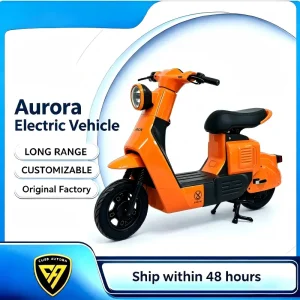
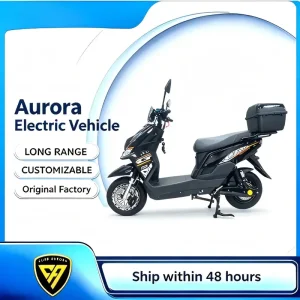
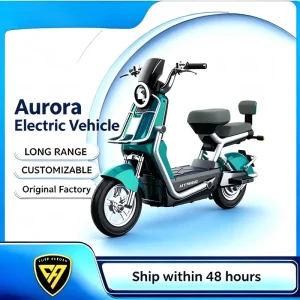
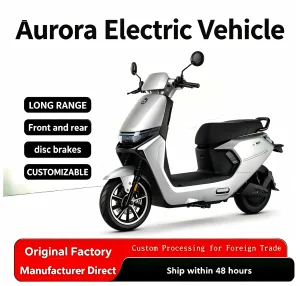
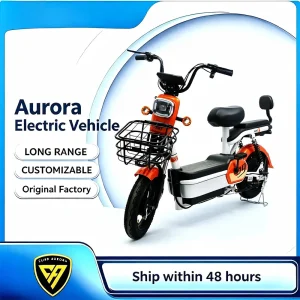
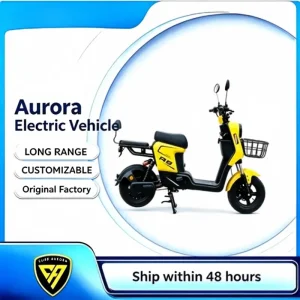
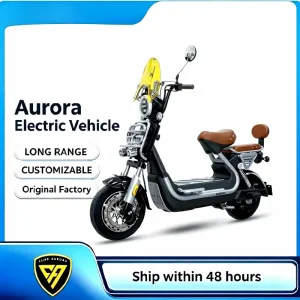
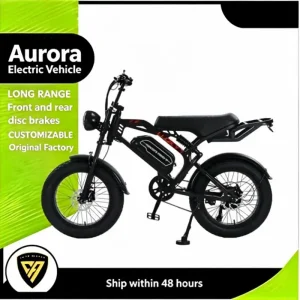
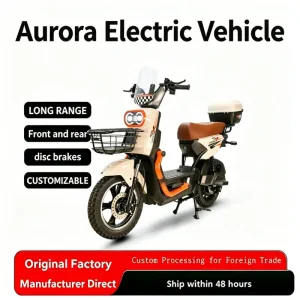
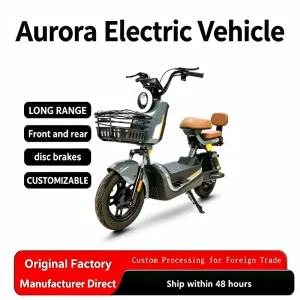
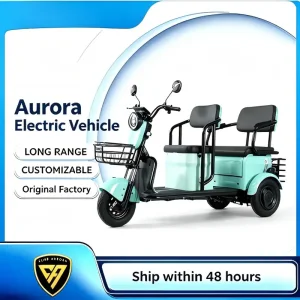
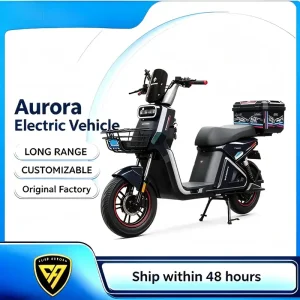
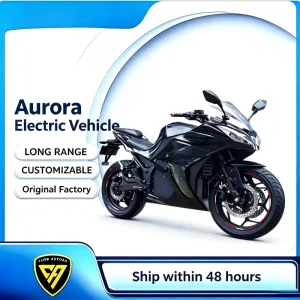
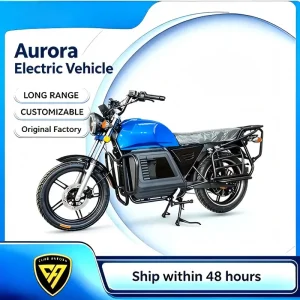
In the current global trade landscape, buyers of electric vehicles (EVs), electric bicycles, and micro-mobility fleets are caught in a web of complex regulations. Sourcing high-quality light electric vehicles (LEVs) requires an intimate understanding of two primary legal and regulatory frameworks: the European Union's CE Certification and the United States' Section 301 Tariff Schedule.
Section 301 of the Trade Act of 1974 has profoundly disrupted traditional sourcing structures. With US tariffs on Chinese-made electric vehicles soaring up to 100% and duties on lithium-ion batteries climbing to 25%, global supply chain management has shifted from a strategy of pure cost-efficiency to one of strategic risk mitigation. For importers, this means finding manufacturing partners who understand how to optimize tariff engineering, component origins, and final vehicle classifications.
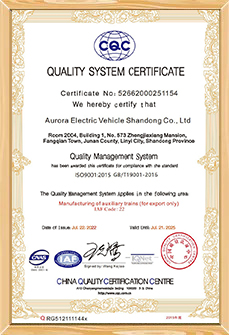
CE Certification is not merely a label; it represents an intensive compliance architecture verifying that electric scooters, e-bikes, and cargo delivery vehicles conform to European Union health, safety, and environmental protection standards.
Governs Electrically Power Assisted Cycles (EPACs). Under EN 15194, safety assessments focus on structural chassis integrity, battery containment systems, and power-limitations (max 250W continuous motor output, cuts off at 25km/h).
The Machinery Directive (2006/42/EC) certifies mechanics, while the Electromagnetic Compatibility (EMC) Directive (2014/30/EU) ensures complex electrical arrays, such as Bluetooth controllers and BMS circuitry, don't generate dangerous RF emissions.
CE frameworks enforce rigorous fire resistance and structural crashworthiness protocols on cell configurations, protecting against thermal runaway. This is highly aligned with UN38.3 transport safety prerequisites.
| Target Market | Primary Regulatory Standard | Tariff Classification (HTS Code) | Applicable Tariff Rates (US Section 301) | Sourcing Compliance Focus |
|---|---|---|---|---|
| United States | UL 2849, FCC Part 15 | 8711.60.00 (Electric Motorcycles/Bicycles) | Up to 100% on fully-assembled EVs; 25% on lithium packs | Anti-tamper limits, BMS battery validation, and certificate clearance |
| European Union | EN 15194:2017, CE Directive | 8711.60.10 (E-Bicycles with auxiliary motor) | Conventional duties (anti-dumping applies based on manufacturer profile) | Strict power cutoff dynamics, machinery safety, and environmental RoHS compliance |
| Global / APAC | CCC (China), ISO 4210 | Varies by jurisdiction | Standard bilateral and multilateral MFN tariffs | Chassis load testing, IP67 waterproof certification, and manufacturing quality consistency |
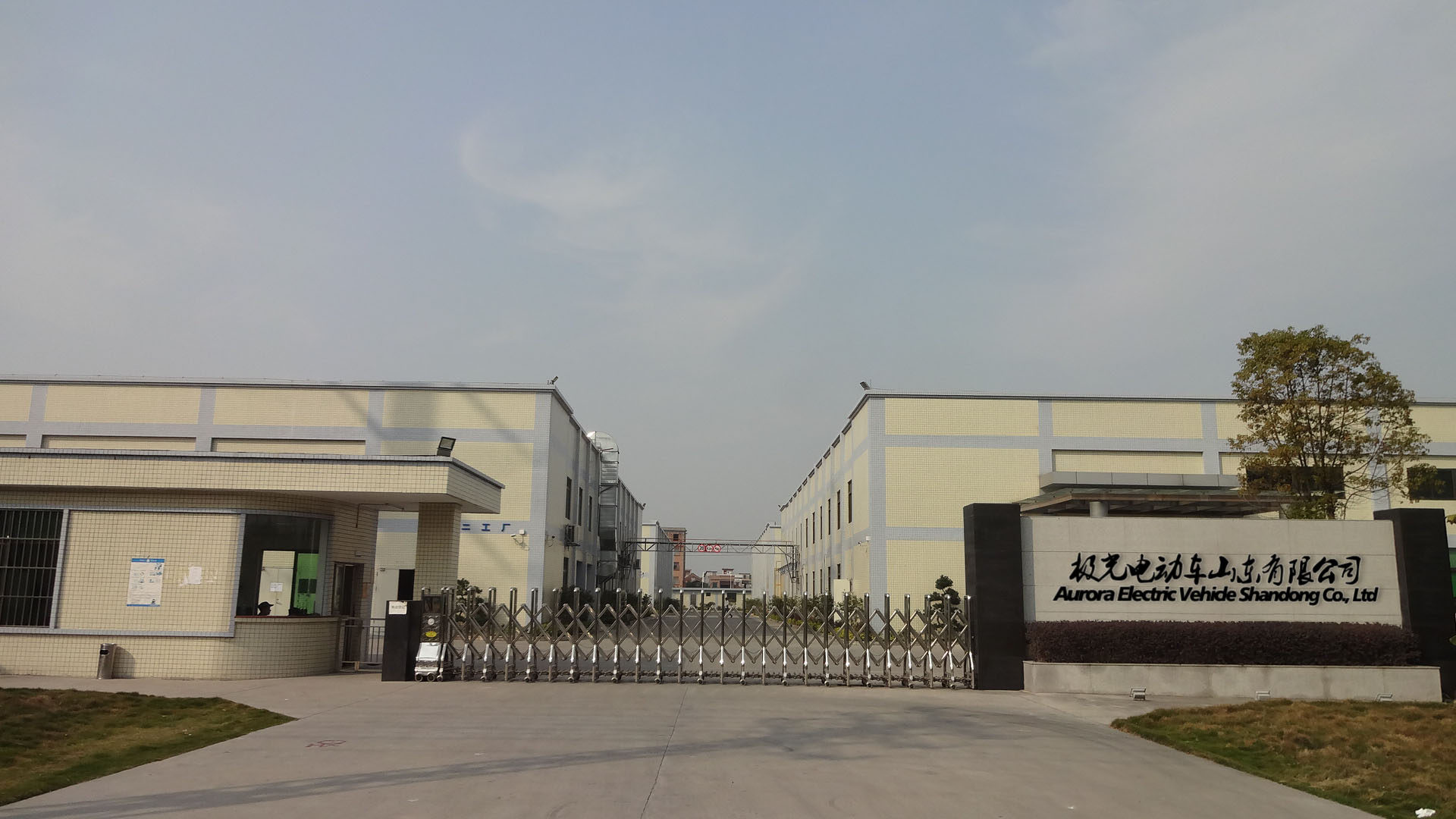
Founded in 2015, Aurora Electric Vehicle Shandong Co., Ltd. is a leading electric bicycle manufacturing enterprise situated in Linyi City, Shandong Province. Linyi is a core transport and logistics hub linking the Yangtze River Delta and the Bohai Economic Circle. Over more than a decade of development, we have transitioned from a small production workshop into an advanced, comprehensive enterprise integrating R&D, mass production, export operations, and dedicated after-sales support.
Our strategic position within China's industrial geography gives us access to an unparalleled local ecosystem. We maintain complete vertical integration over the production of core components, including high-efficiency brushless motors, precision steel and alloy frames, and smart Battery Management Systems (BMS). By digitizing our manufacturing floors under Industry 4.0 protocols, we achieve economies of scale and structural efficiencies that absorb the pricing pressures caused by global Section 301 tariffs.
When China's New National Standard for electric bicycles was implemented in 2019, Aurora EV proactively upgraded its production lines. We re-engineered our products to comply with strict safety mandates, including anti-tampering controls, speed-limiting governors, and fire-retardant materials. This adaptation prepared our factories to meet international specifications, such as the EU CE directive and US FCC standards.
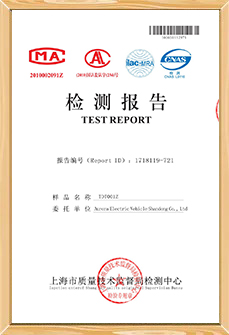
Aurora EV is driving technology upgrades that optimize vehicle efficiency and lower component costs, helping offset tariff-driven expenses.
We are moving toward high-density lithium iron phosphate (LFP) and solid-state battery integrations. Combined with our proprietary BMS patents, this ensures thermal protection, longer cycle life, and compliance with strict import regulations.
Modern micro-mobility relies on software. Our new product runs integrate GPS tracking, remote diagnostics, and OTA (Over-The-Air) firmware updates, making them ready for smart city infrastructure and fleet management.
Using high-tensile lightweight alloys reduces container shipping weight. This helps offset sea freight costs, improving the landed-cost margins for distributors working under high tariff structures.
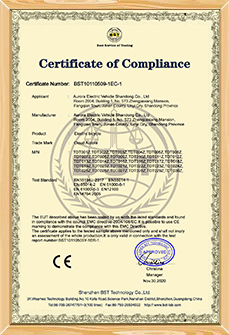
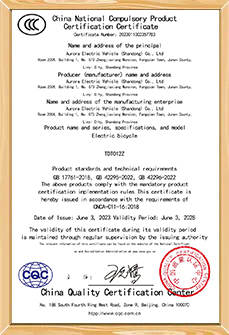
For global companies, importing electric vehicles requires navigating complex tariff rates. To support our clients, Aurora EV provides tailored logistics and tariff engineering advice:
Corporate culture is the foundation of our enterprise. We integrate the industrial spirit of Linyi with a commitment to sustainable green travel. Our core values—"integrity, pragmatism, innovation, and win-win"—guide every step of our operations.
Our R&D department is led by senior engineers with over a decade of experience in the electric vehicle sector. They focus on improving battery performance, motor control efficiency, and overall chassis safety, holding multiple patents for motor and BMS designs.
Our assembly lines are staffed by skilled technicians who undergo ongoing professional training. We implement strict quality control checkpoints from initial raw material receipt through to final vehicle testing.
We offer responsive, customer-oriented ODM/OEM consulting. Our team coordinates international shipping documentation, custom certificates, and provides dedicated after-sales support to keep global fleets running smoothly.
How partners globally deploy Aurora EV vehicles to meet diverse urban mobility needs.
Answers to key regulatory and sourcing questions for international buyers.