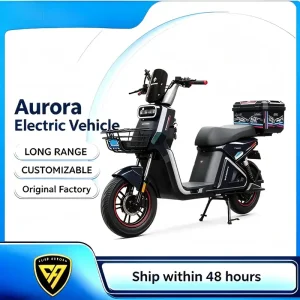
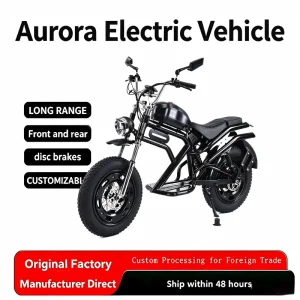
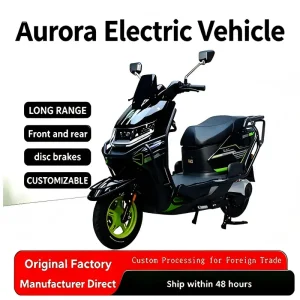
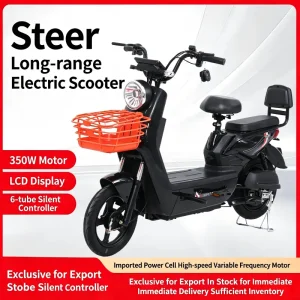
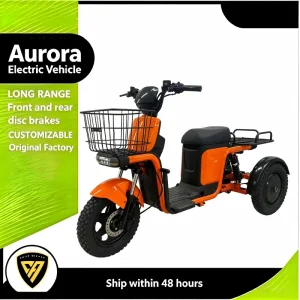
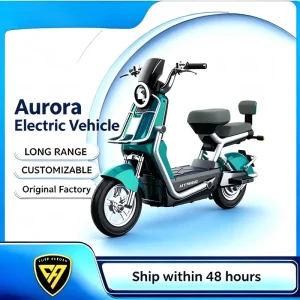
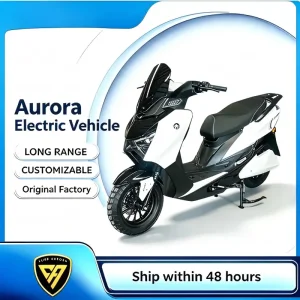
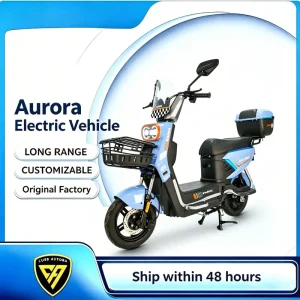
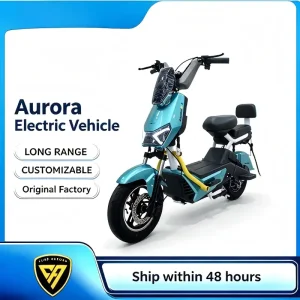
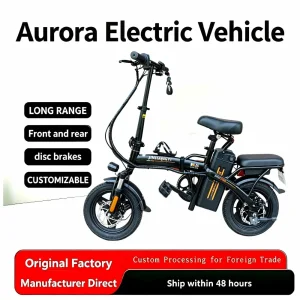
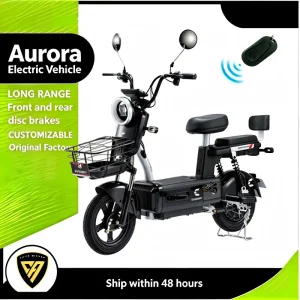
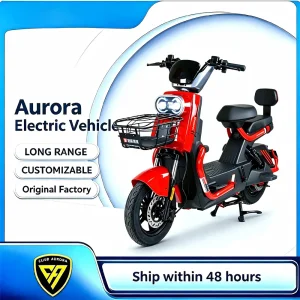
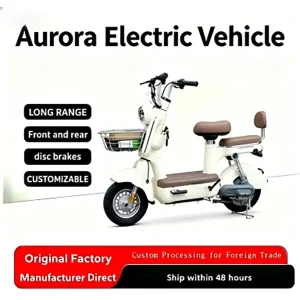
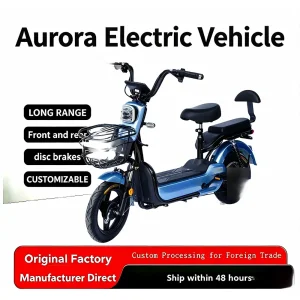
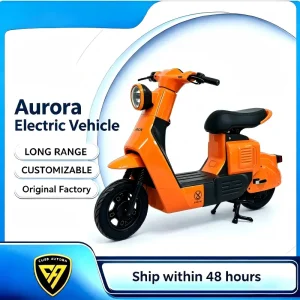
Strictly engineered according to CE safety guidelines. These primary configurations deliver high torque, reinforced load chassis, and customized battery configurations optimized for regional environments.
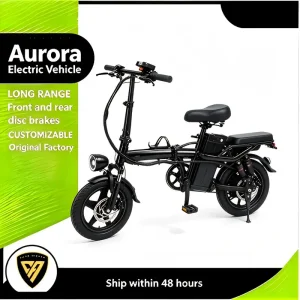
Sub-Saharan Africa is on the precipice of an infrastructure revolution. For decades, small-scale enterprises, heavy freight logisticians, and agricultural distributors have relied on inefficient internal combustion vehicles that suffer from astronomical maintenance overheads and fuel volatility. Electrification is no longer a localized environmental preference; it has transitioned into an absolute macroeconomic necessity. Specifically, in the heavy-duty utility and electric cargo bicycle segments, African markets demand systems that exhibit long-term structural resilience, severe thermal stability, and low maintenance parameters.
This whitepaper inspects the engineering convergence of CE-certified heavy-duty electric vehicles manufactured within China's elite industrial clusters—such as Linyi City, Shandong—and how these architectures successfully address the operational realities of African micro-mobility and cargo distributions. We examine technical design metrics, global supply networks, battery intelligence protocols, and structured regulatory clearance channels.
Shandong Province, particularly the logistics hub of Linyi, has emerged as a globally dominant cluster for electric vehicle manufacturing. The localized synergy of high-volume steel mills, advanced lithium processing hubs, and concentrated motor winding automation allows manufacturers like Aurora Electric Vehicle Shandong Co., Ltd. to output extreme-durability vehicles at unparalleled price-to-performance indexes.
Unlike fragmented assembly facilities worldwide, the centralized supply chain in Shandong permits comprehensive control over the entire production hierarchy—from basic alloy forging and automated robotic welding to electronic controller programming and rigorous dynamometer stress testing. This full-chain integration is a foundational driver of consistency, ensuring that heavy cargo trikes and long-range electric motorcycles deployed on rough unpaved surfaces do not fail prematurely under high-load cycles.
Optimized battery chemistry designed to resist degradation at high operating temperatures exceeding 45°C, ensuring a lifespan of over 2,000 cycles.
Constructed using high-yield structural steel tubing that undergoes electrostatic anti-corrosion powder coating to prevent degradation in high-humidity coastal zones.
Dual-channel vector sinewave controllers paired with smart Bluetooth BMS to track cell temperatures, load deviations, and over-discharge rates.
Heavy-duty electric mobility does not operate in a vacuum. To deploy thousands of units in logistics networks across East and West Africa, exporters must understand the specific micro-climates and road topographies. The traditional "city commuter bike" design is entirely insufficient for the rough unpaved corridors of rural transport, where loads exceed 150 kg on a single vehicle, or heavy three-wheel configurations carry up to 500 kg of agricultural produce.
• Agricultural Transport (Farm-to-Market): High-torque heavy cargo e-scooters and utility 3-wheelers carrying fresh yields across unpaved terrain.
• Last-Mile Delivery Fleets: High-efficiency, anti-tampering e-bikes paired with custom-designed insulated insulated rear carrier boxes for dry and cold cargo.
• Urban Commute Networks (Moto-Taxi Electrification): Long-range, dual-passenger comfortable electric motorcycles operating as cost-effective shuttle transits.
One of the major barriers to zero-emission fleet transition is the instability of localized national grids. To counter this, Aurora EV designs focus heavily on modular, easily swappable battery containers. Rather than relying on direct wire plug-in charging that halts delivery operations, heavy-duty cargo fleets in metropolitan areas like Nairobi, Lagos, and Kigali leverage Battery Swapping Stations (BSS).
These swapping hubs can be powered directly via micro-grid solar arrays, storing excess energy in stationary storage banks during peak solar hours and transferring it to vehicle-grade LFP (Lithium Iron Phosphate) battery packs. This infrastructure approach makes heavy-duty electric vehicles incredibly resilient to localized load-shedding cycles.
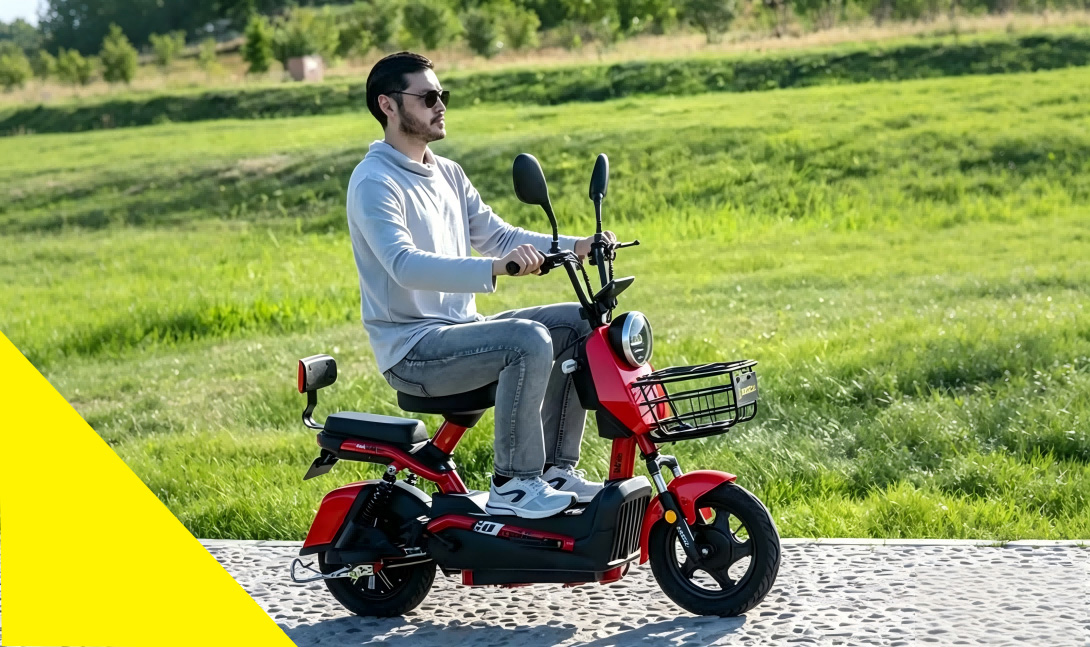
Ergonomic and lightweight, perfect for daily commuting and short-distance travel. Stable power, energy-saving and durable. Highly suited for urban logistics pilots.
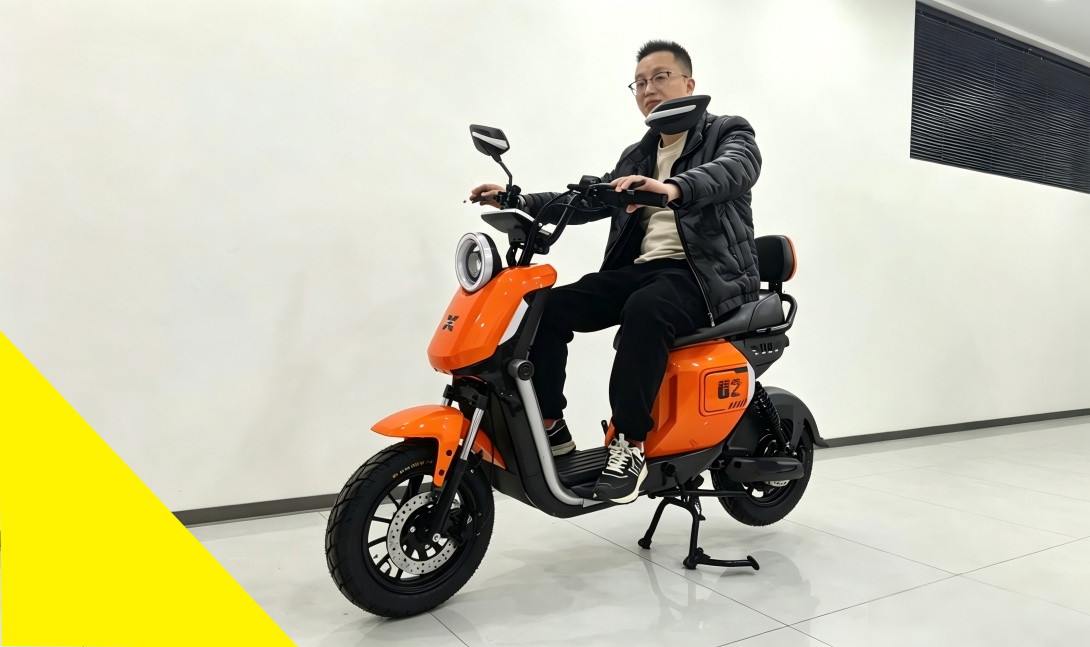
Fashion streamlined design, strong power and smooth driving. Suitable for urban travel, labor-saving and practical under demanding street conditions.
Founded in 2015, our electric bicycle manufacturing enterprise is located in Linyi City, Shandong Province, a core transportation hub connecting the Yangtze River Delta and the Bohai Economic Circle with prominent geographical advantages. As a professional manufacturer deeply rooted in the electric bicycle industry for over 10 years, we have grown from a small-scale production workshop to a comprehensive enterprise integrating R&D, production, sales and after-sales service, witnessing and participating in the high-quality development of China’s electric bicycle industry under the new national standard era.
Our corporate mission is centered around "making green travel easier and safer for everyone," integrating the history and culture of Linyi with modern zero-emission technology. We invest heavily in our in-house testing laboratory to subject frames, components, and electronics to rigorous tests including load-bearing limits, water ingress protection (IP67), fire retardancy, and battery discharge curves.
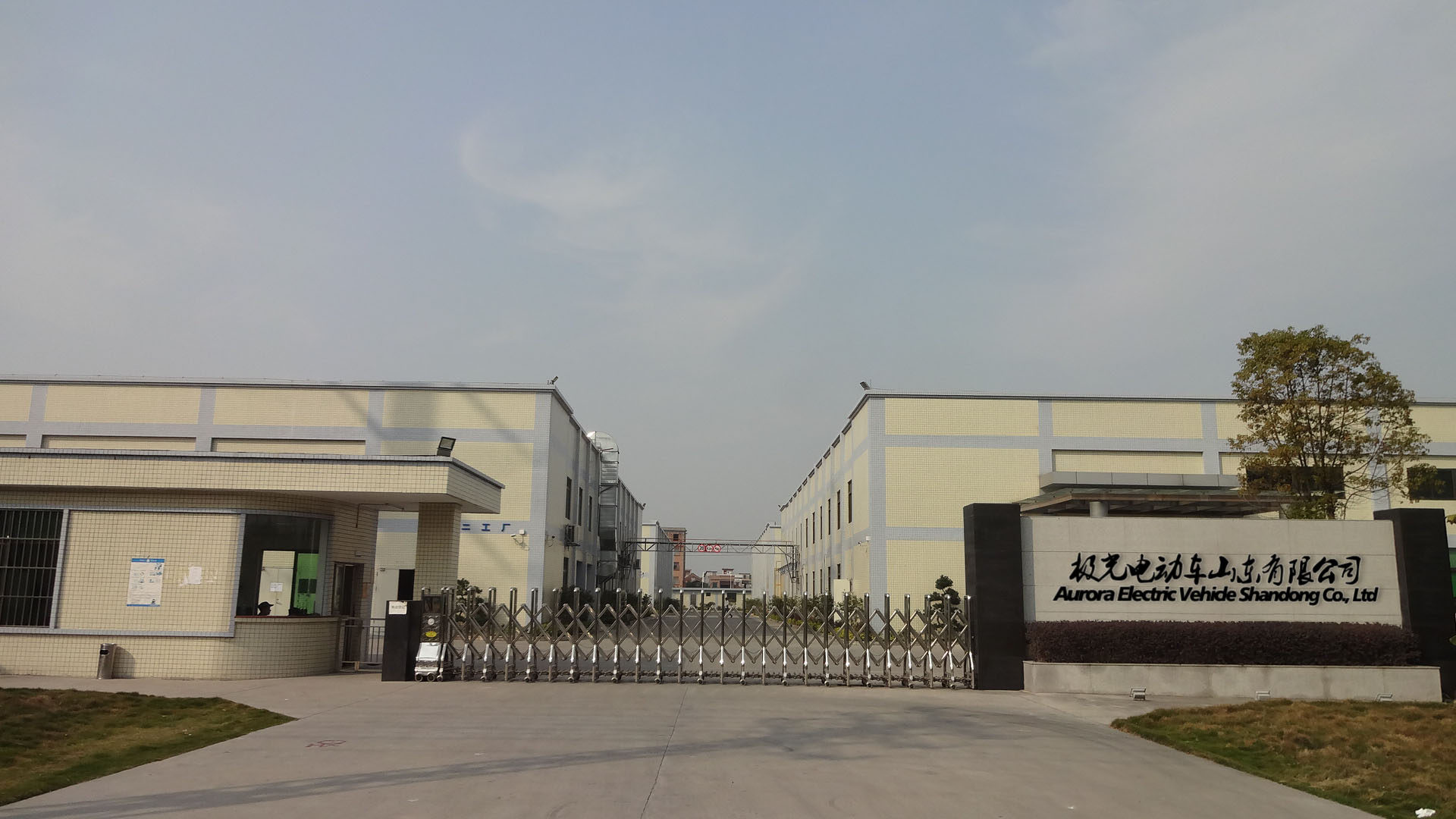
In 2019, with China's New National Standard implementation, we upgraded our entire production line, enhancing safety features such as speed limiters, fire retardant components, and anti-tamper configurations.
Led by senior EV engineers, our R&D unit is continuously refining battery chemistry parameters, improving structural load distribution, and holding multiple electric motor and controller patents.
Dedicated customer managers offering comprehensive OEM/ODM design capability, customizable transit configurations, regulatory compliance support, and long-term technical components procurement.
Quality is our lifeline. Our production processes and electric vehicle chassis align with critical global certifications, assuring seamless customs entry and high operational safety thresholds.
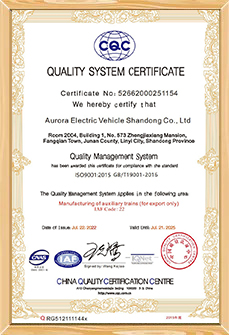
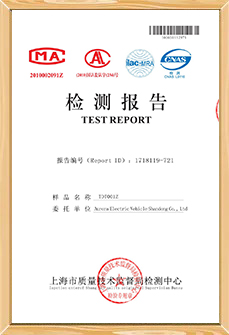
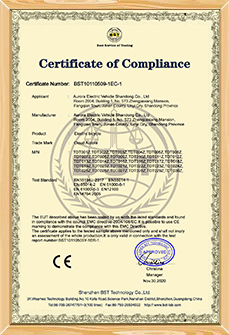
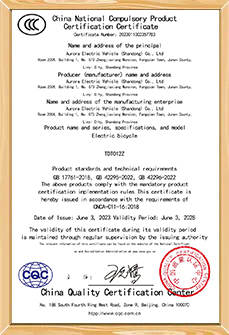
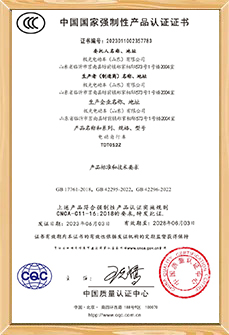
To guarantee that every heavy-duty electric motorcycle and utility three-wheeler leaving our factory floor stands up to demanding climates, we implement a rigorous quality assurance loop. Every cell batch undergoes high-load capacity grading. The welded structural chassis are tested on a high-frequency vibration table to simulate rough terrain fatigue.
Furthermore, we utilize state-of-the-art waterproofing enclosures to guarantee that rain, swamp crossings, or dusty agricultural settings do not short the central electric control architecture. This attention to mechanical detail, combined with our professional assembly line workers, is why we confidently service large fleet operators globally.
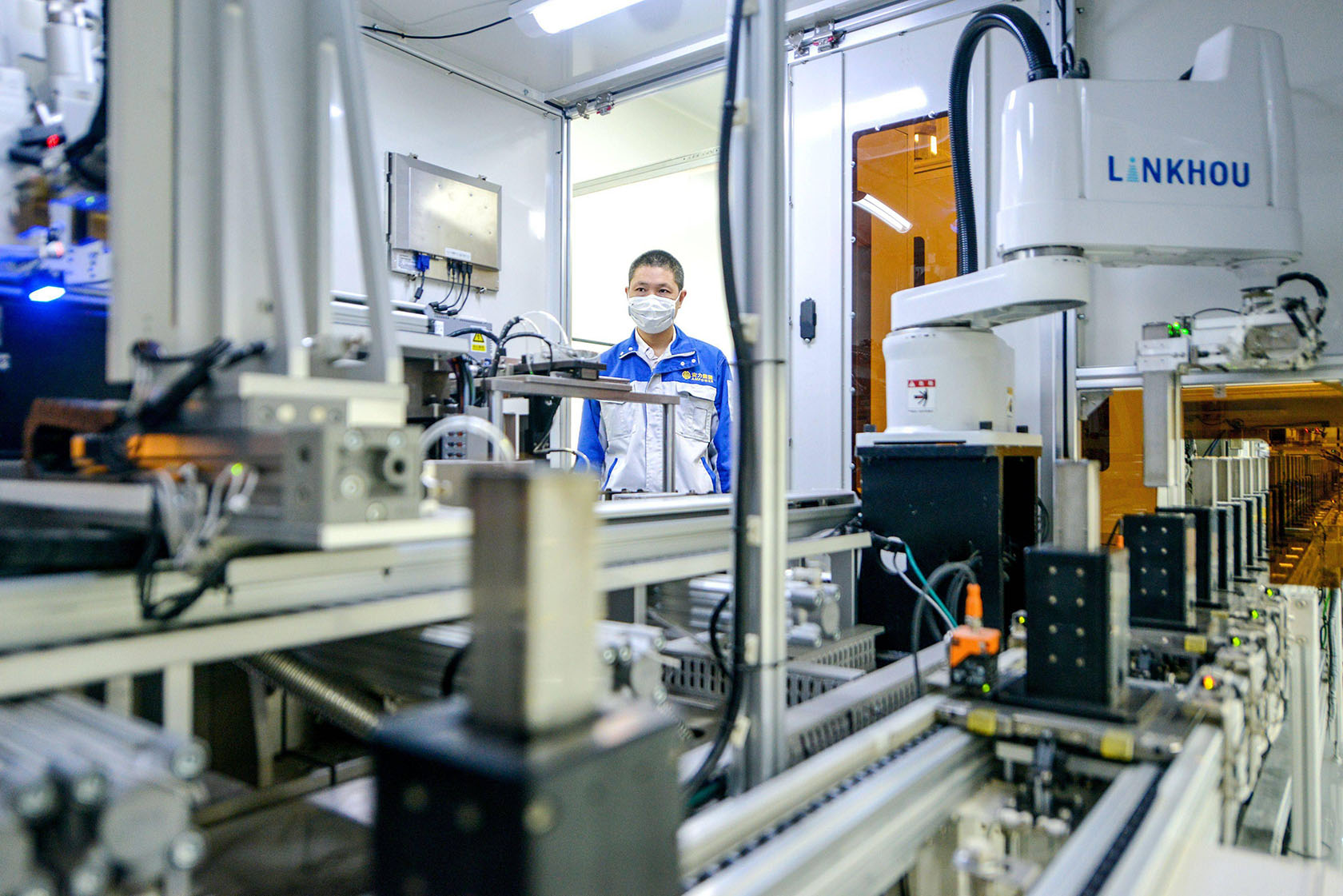
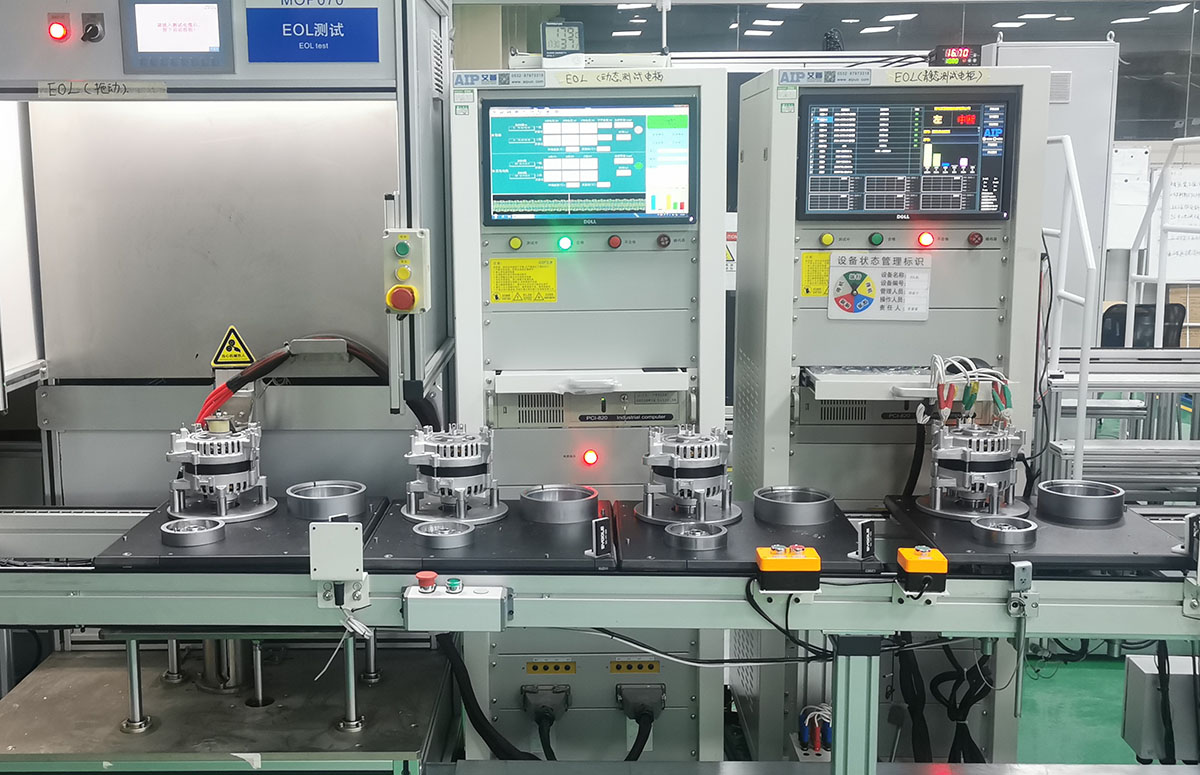
Through years of exporting, we have engineered dedicated solutions that tackle the common problems of cross-border procurement, import logistics, and vehicle durability.
We modify motor torque, battery capacities, and shock structures to align directly with specific national road conditions and duty demands.
CE-certified systems backed by dynamic testing protocols, ensuring low rates of warranty issues and minimal operational maintenance.
We use thick, 5-layer imported kraft paper packaging with internal structural reinforcing brackets to avoid shipping damage.
Providing spare components packages, wiring guides, diagnostic equipment, and remote video engineering consultation for fleet mechanics.
Tailored for urban short trips, this compact and agile e-bike is easy to maneuver and park, ideal for daily commuting, errands and light travel.
Built with a proven powertrain for smooth, consistent performance, reliable climbing and steady acceleration, paired with a high-capacity battery.
Equipped with a front basket, rear backrest, shock absorption and anti-slip footrest for comfort, plus responsive braking systems.
Constructed with a reinforced frame and wear-resistant materials. Built to export-grade quality standards, perfect for bulk orders.
Importing heavy-duty electric utility vehicles into countries like South Africa, Kenya, Nigeria, or Ghana requires addressing regulatory frameworks. The inclusion of high-capacity lithium battery packs classifies the shipment as Class 9 Dangerous Goods. Exporters must provide comprehensive regulatory dossiers, including UN38.3 battery certifications, Material Safety Data Sheets (MSDS), and CE compliance documentation.
Furthermore, our engineering teams assist procurement managers in setting up correct import tariff classifications. In many African countries, completely knocked down (CKD) or semi-knocked down (SKD) shipments benefit from significantly lower customs tariffs compared to completely built units (CBU). We specialize in custom packing configurations that simplify local assembly while lowering ocean freight shipping volumes.
By establishing partnerships with major cargo carriers, we coordinate seamless, on-time shipping routes. Our 5-layer heavy cardboard boxes, coupled with custom internal structural frames, prevent transport scratching, chassis misalignment, or component stress during long marine voyages.
Get detailed insights into technical parameters, battery configurations, custom options, and shipping compliance for heavy-duty electric vehicles.
Browse our full catalog of high-performance electric passenger vehicles, cargo delivery scooters, commuter e-bikes, and utility vehicles.
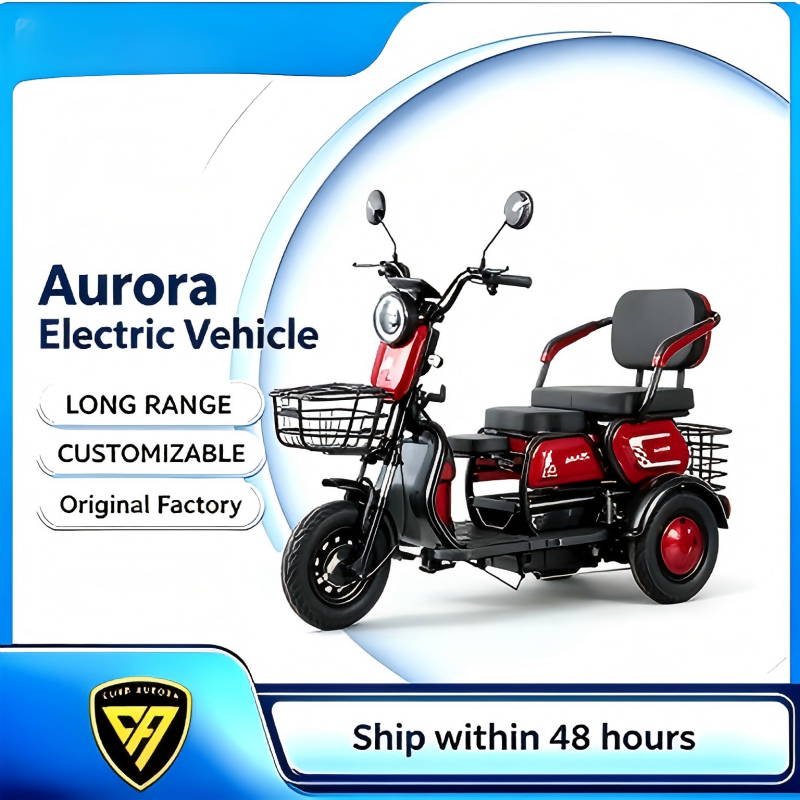
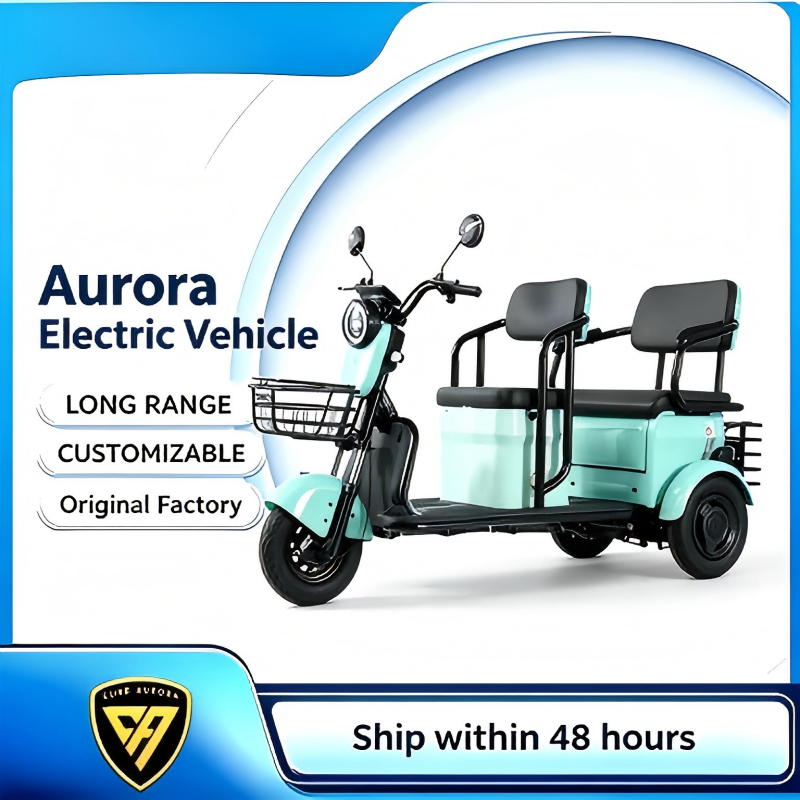
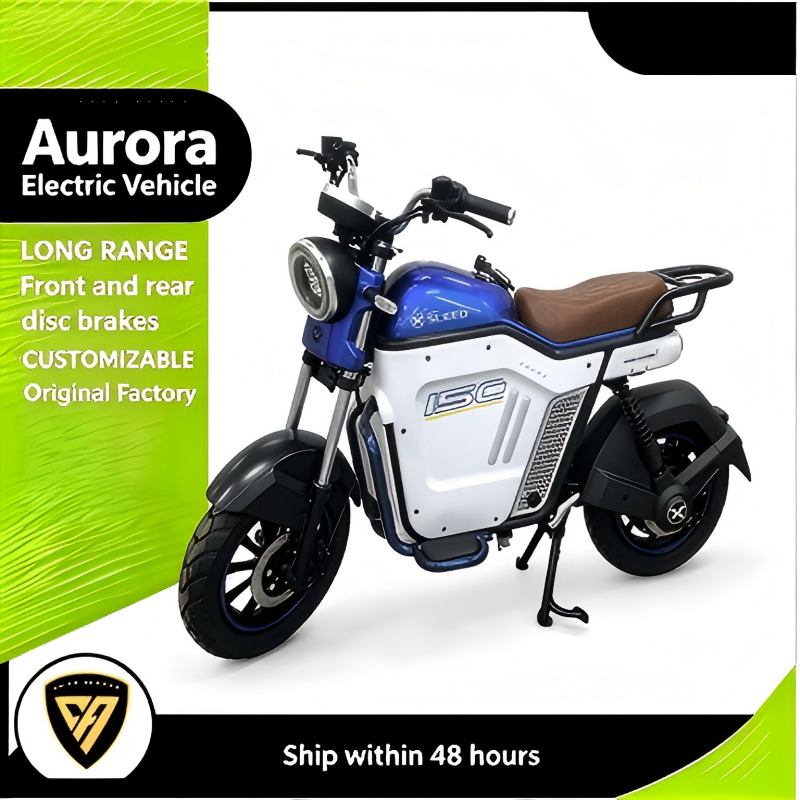
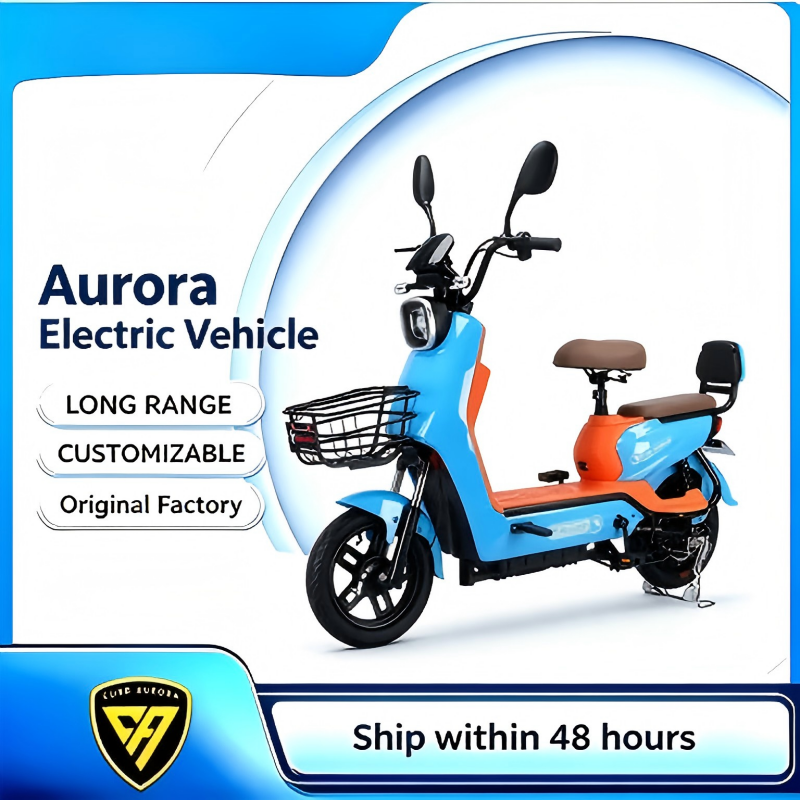
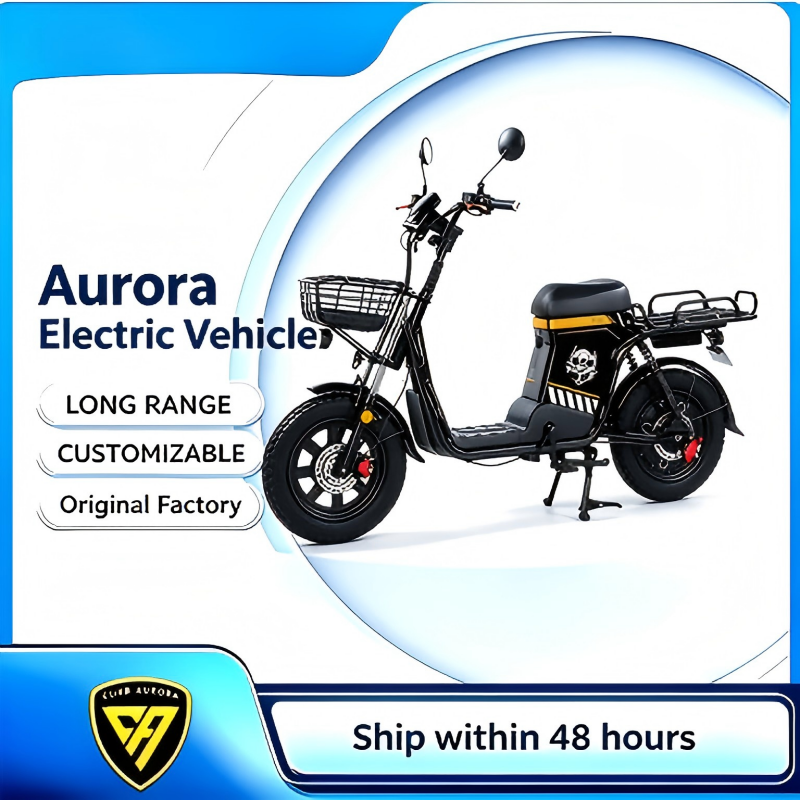
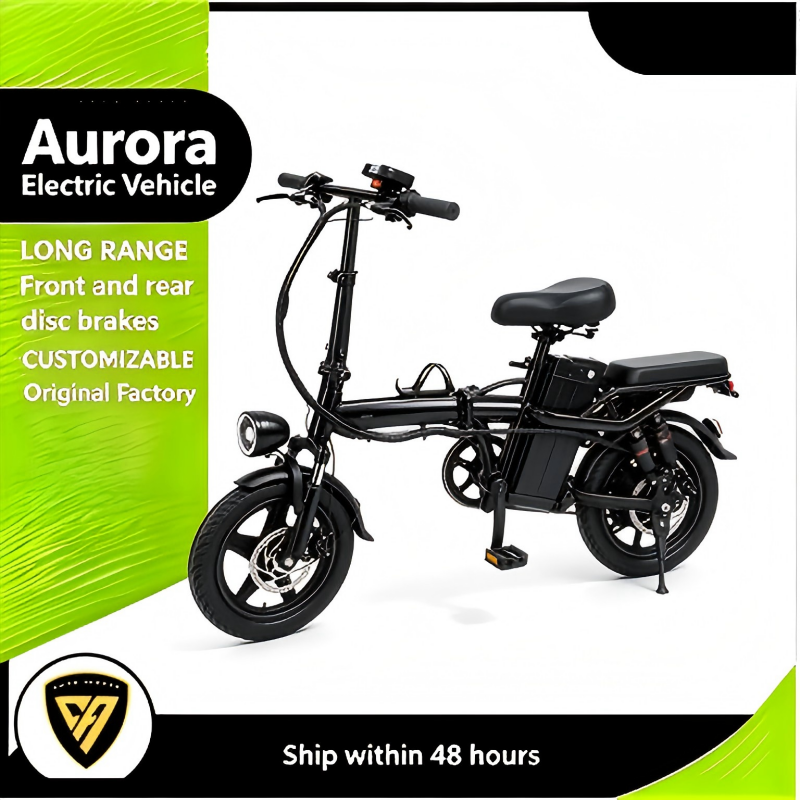
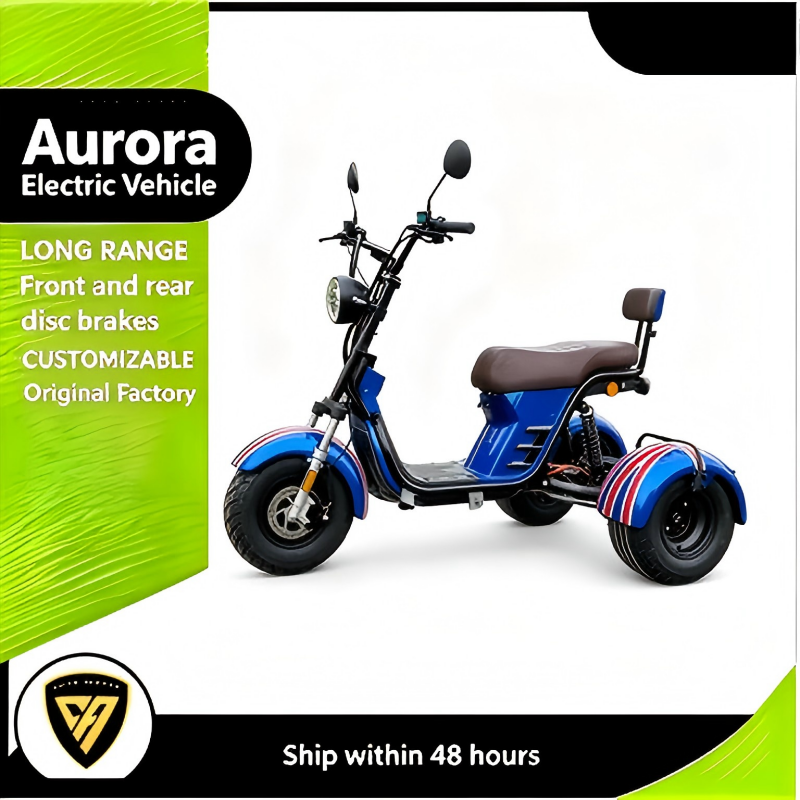
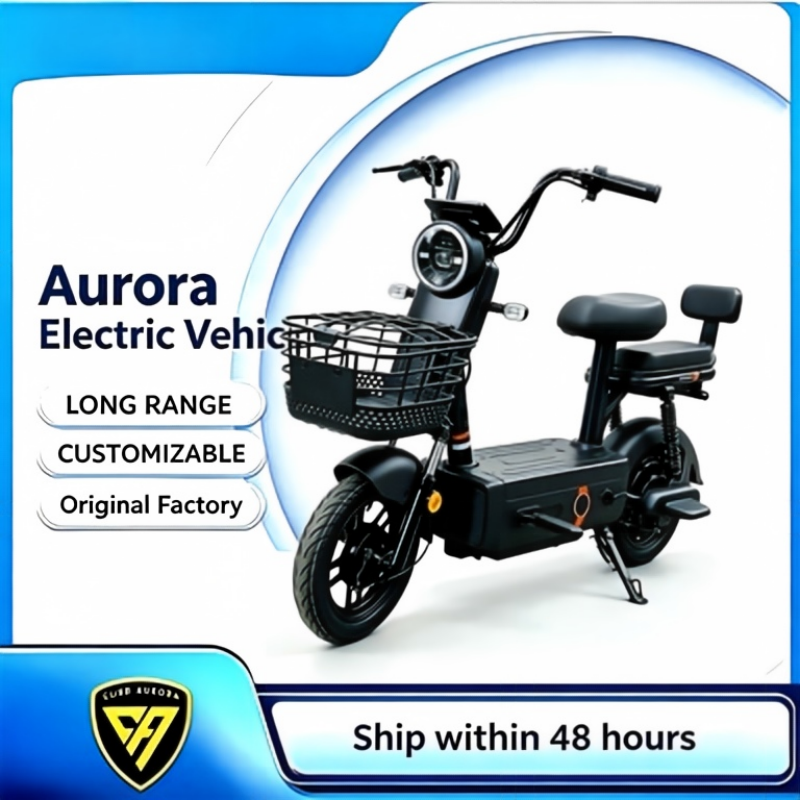
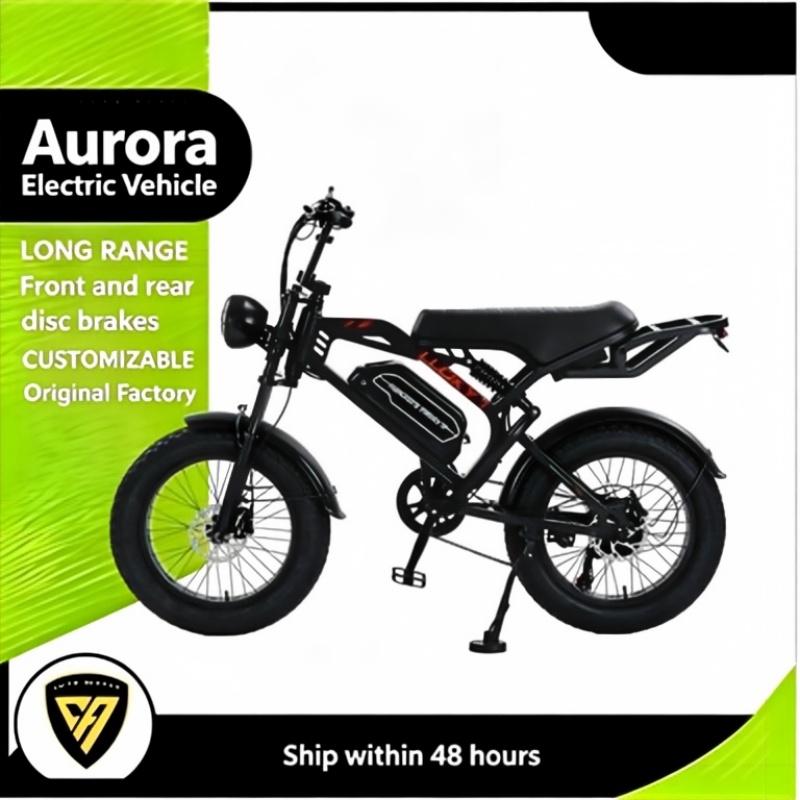
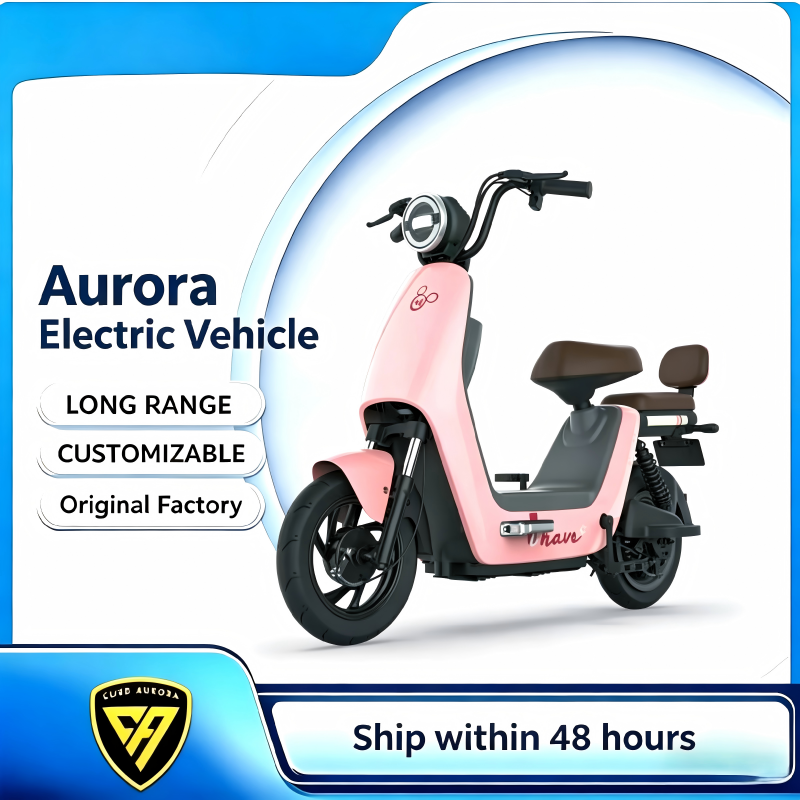
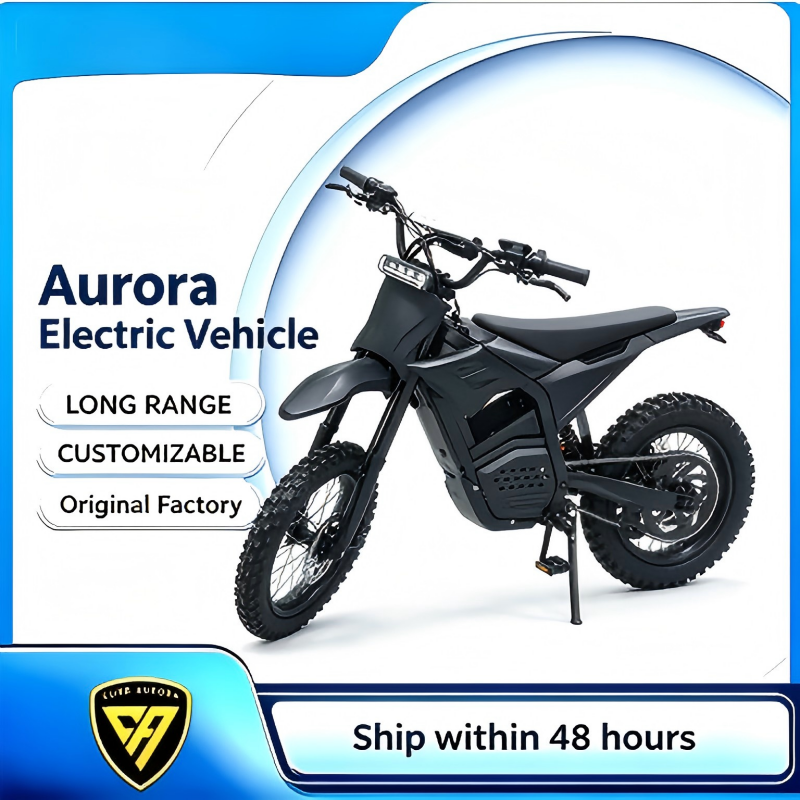
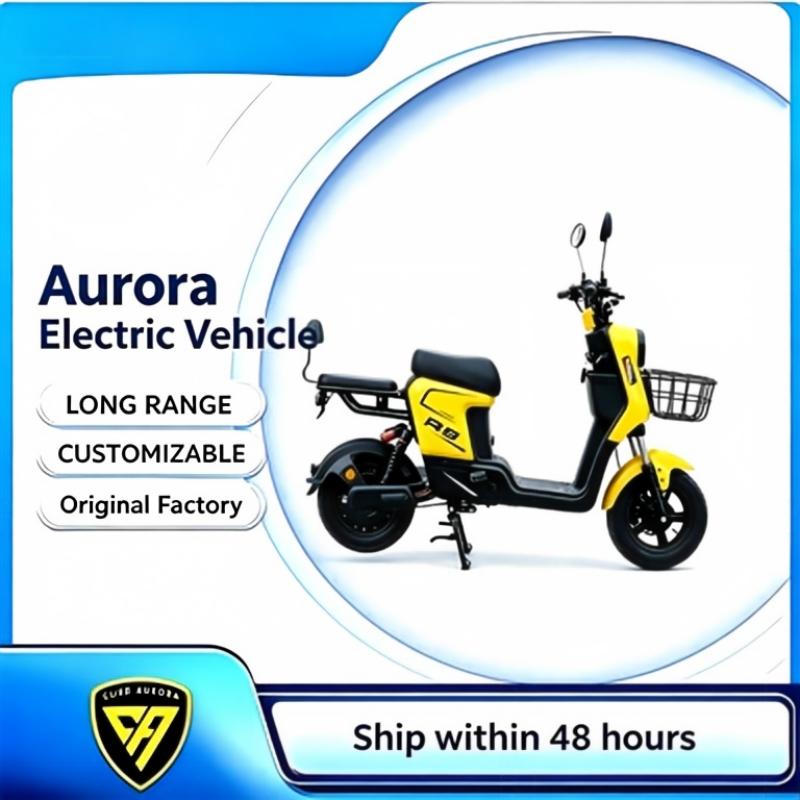
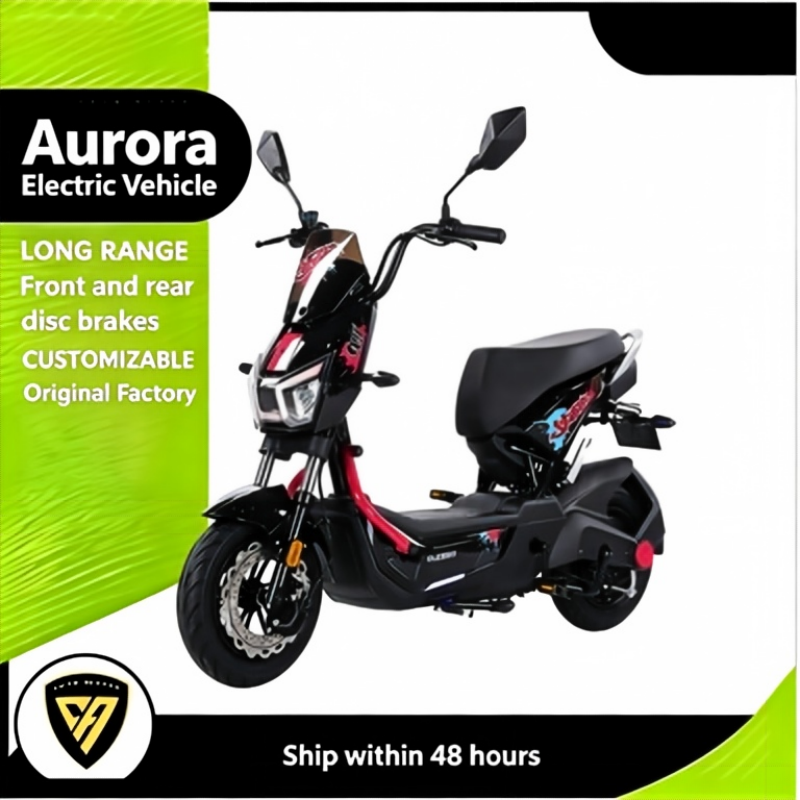
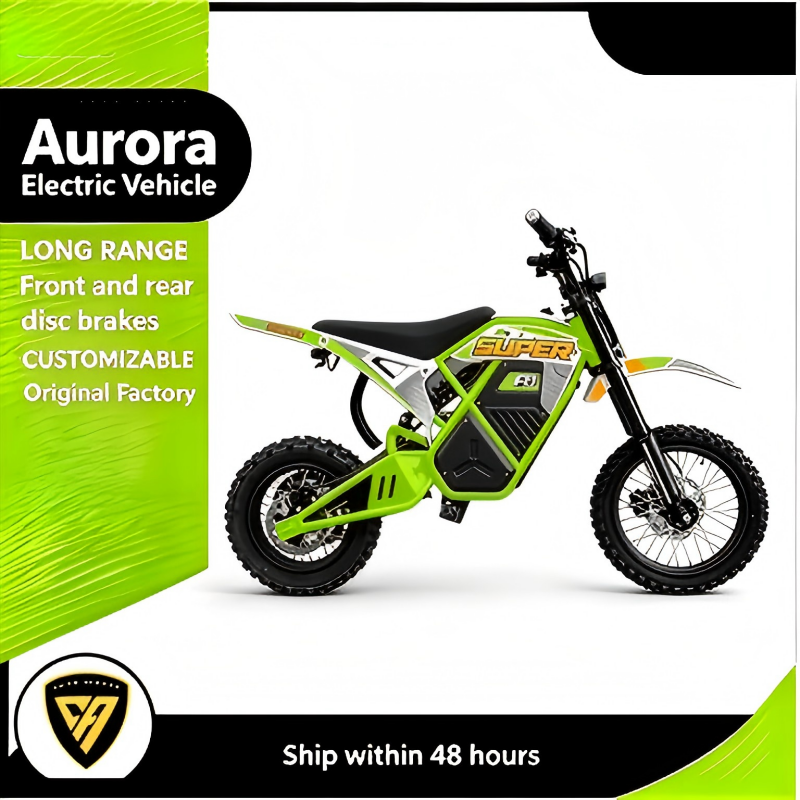
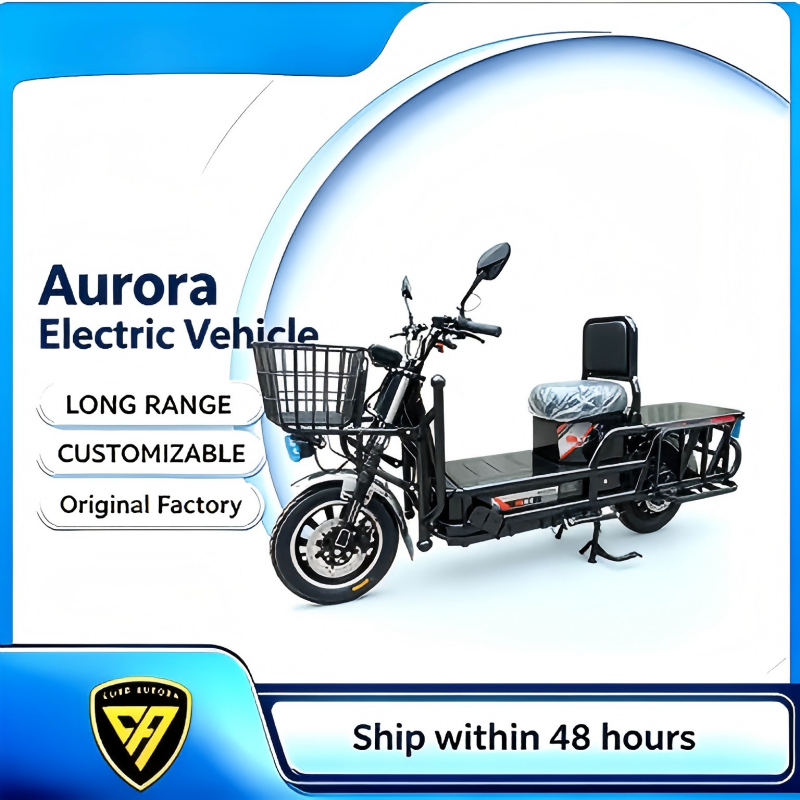
Explore additional options from our product lines tailored for global supply requirements, local logistics, and daily passenger transit.