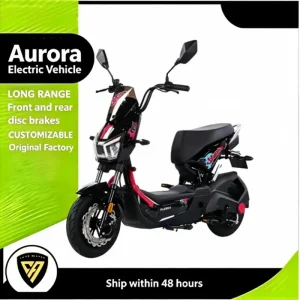
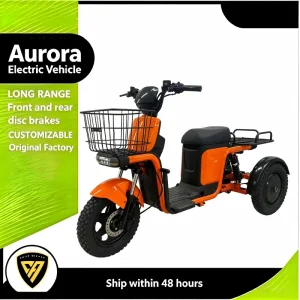
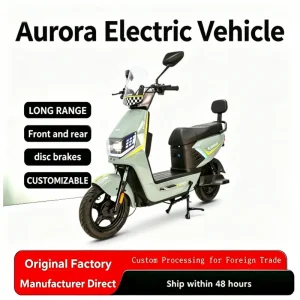
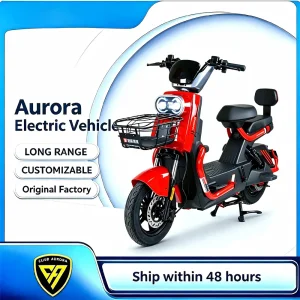
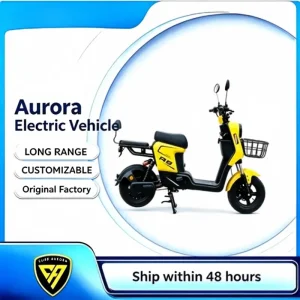
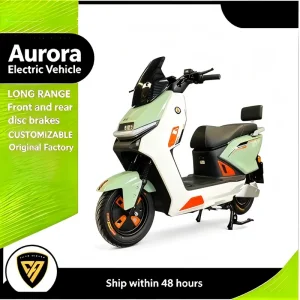
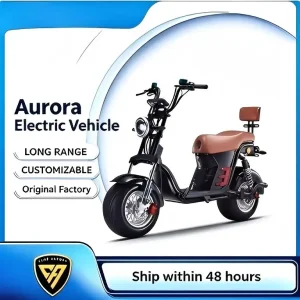
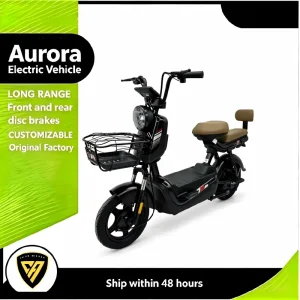
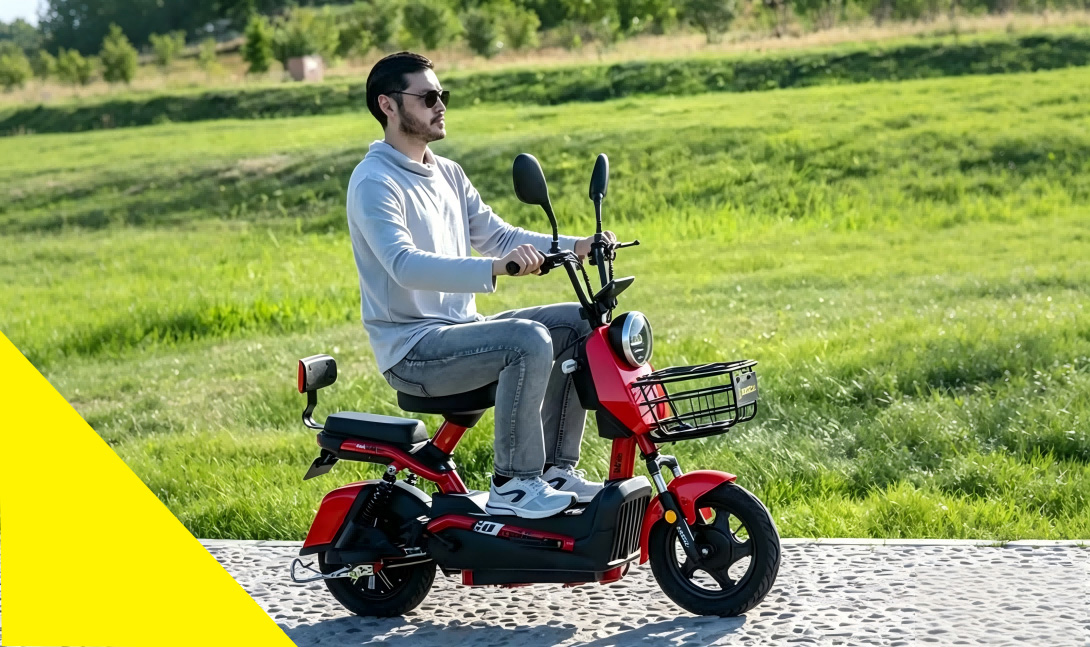
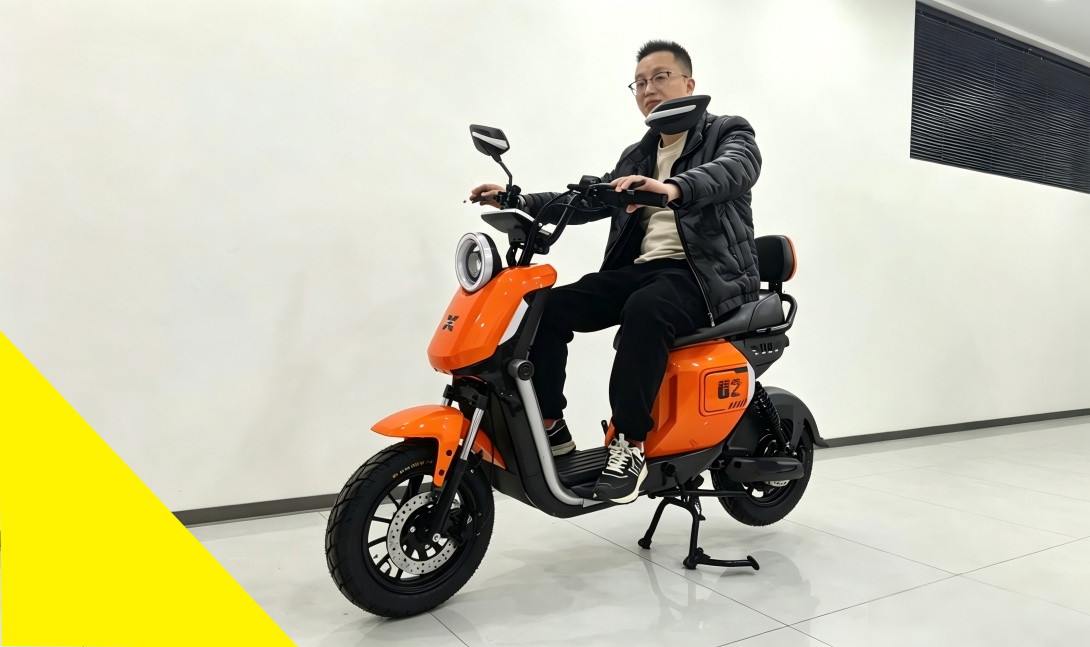
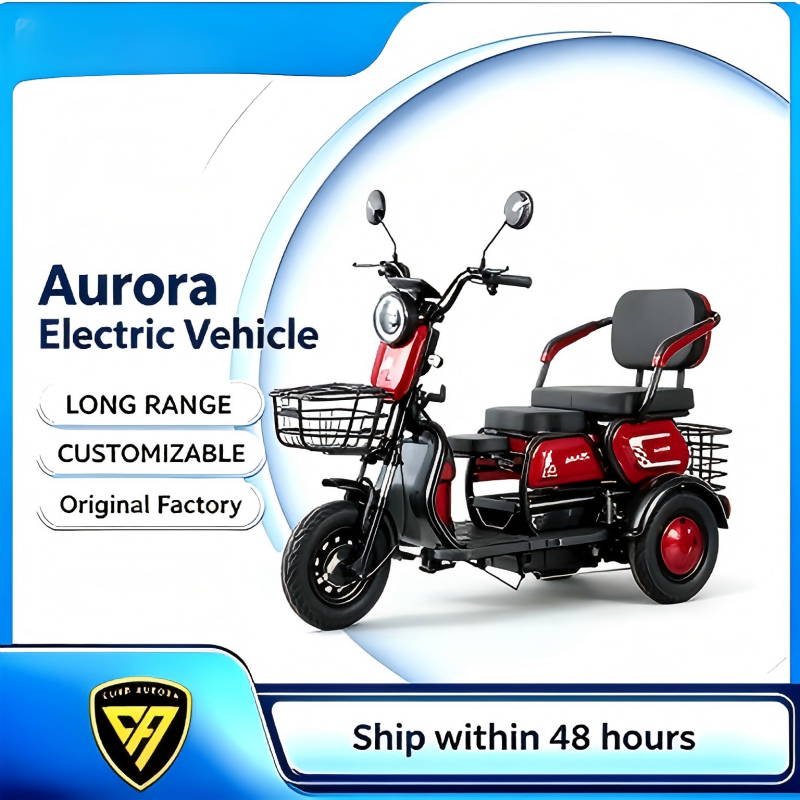
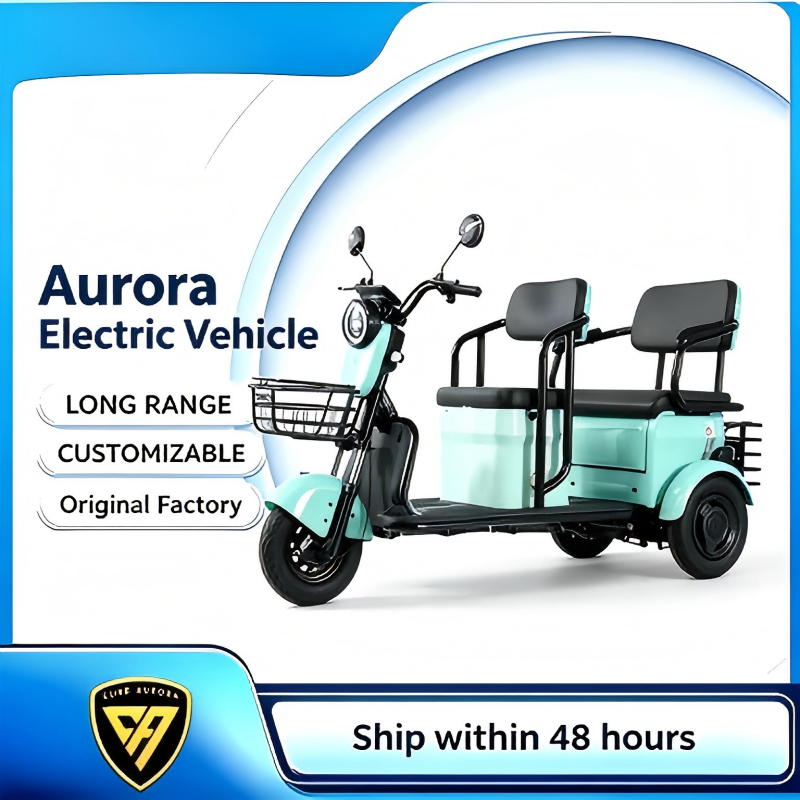
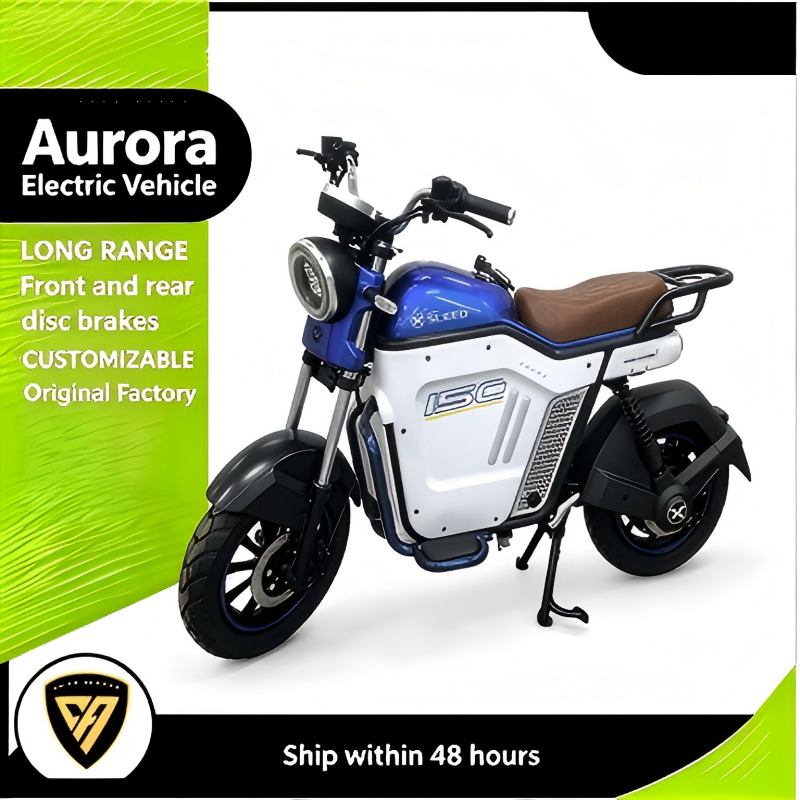
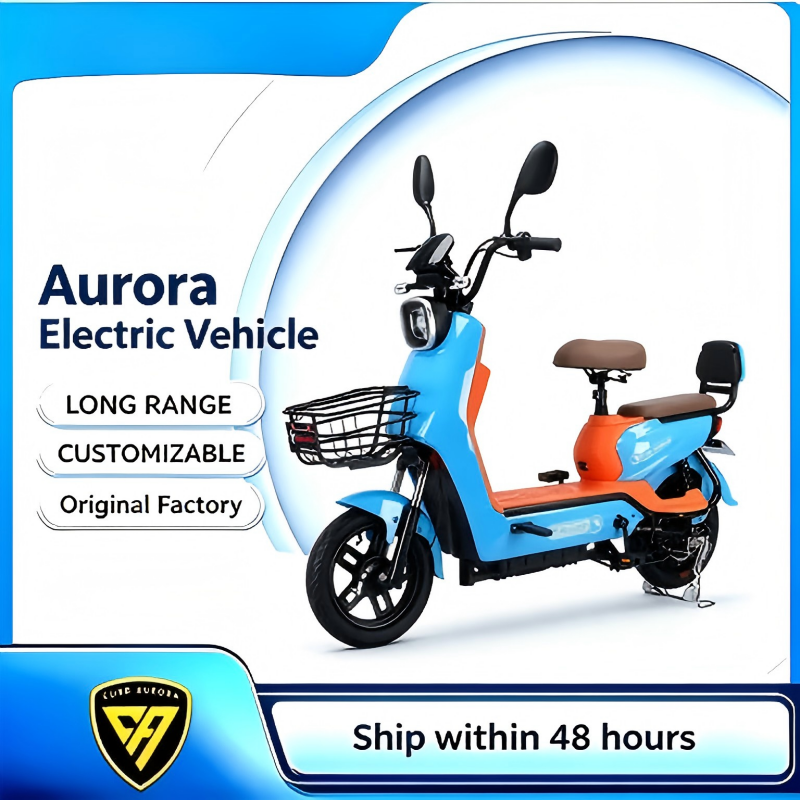
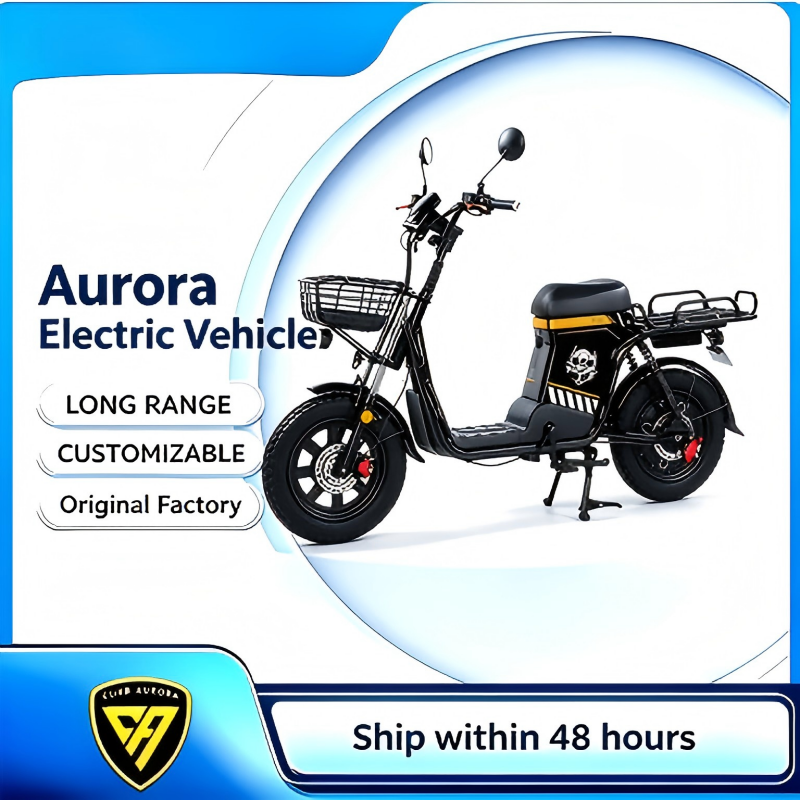
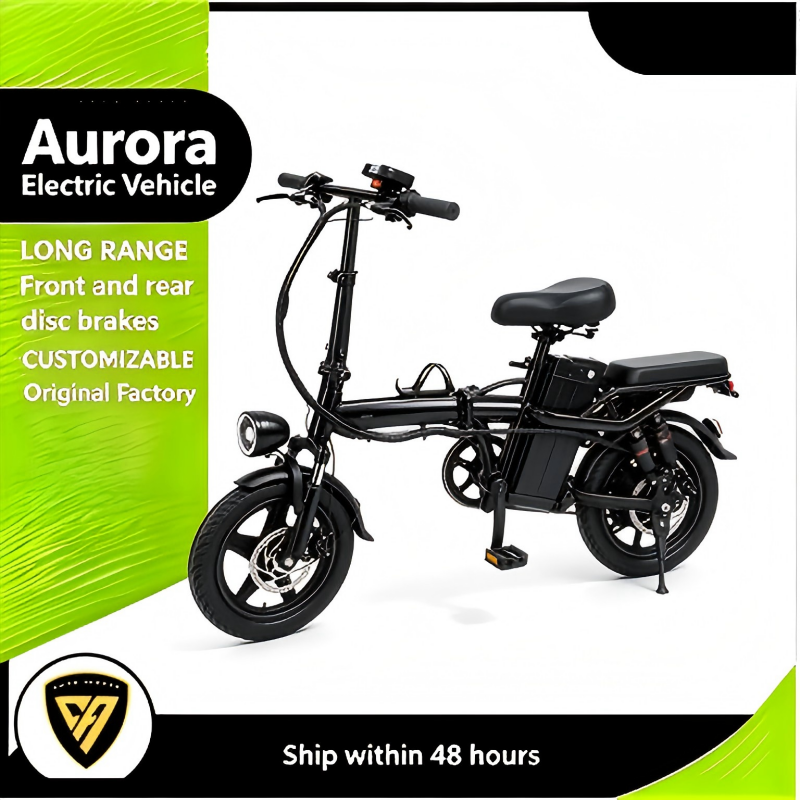
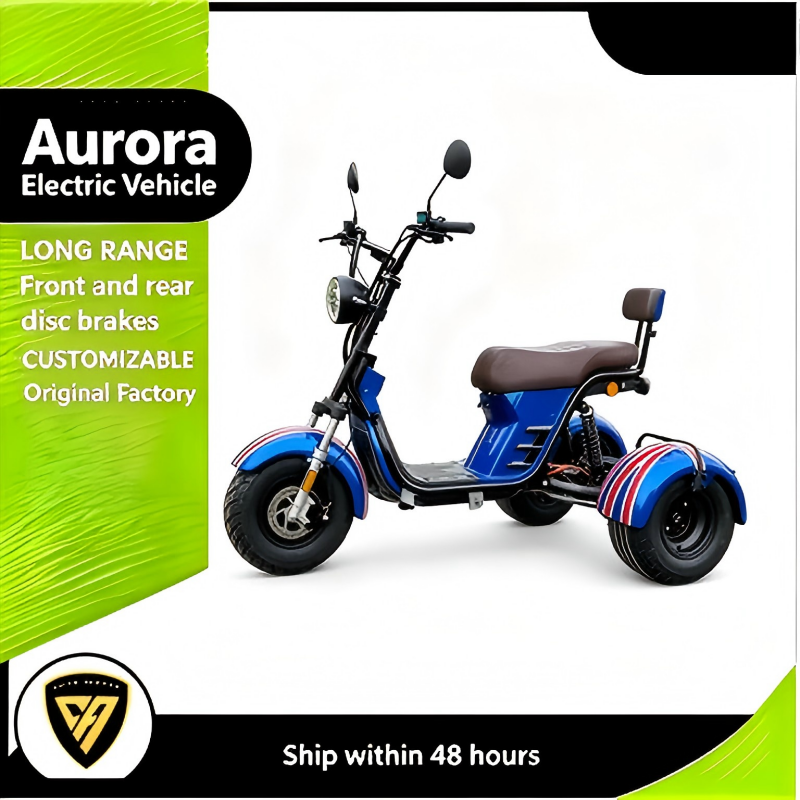
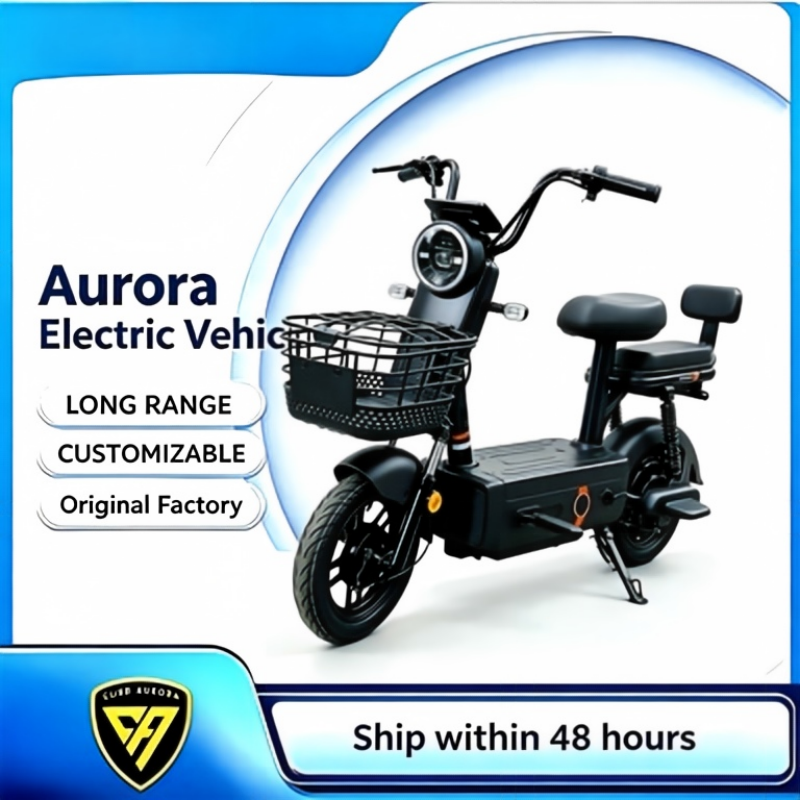
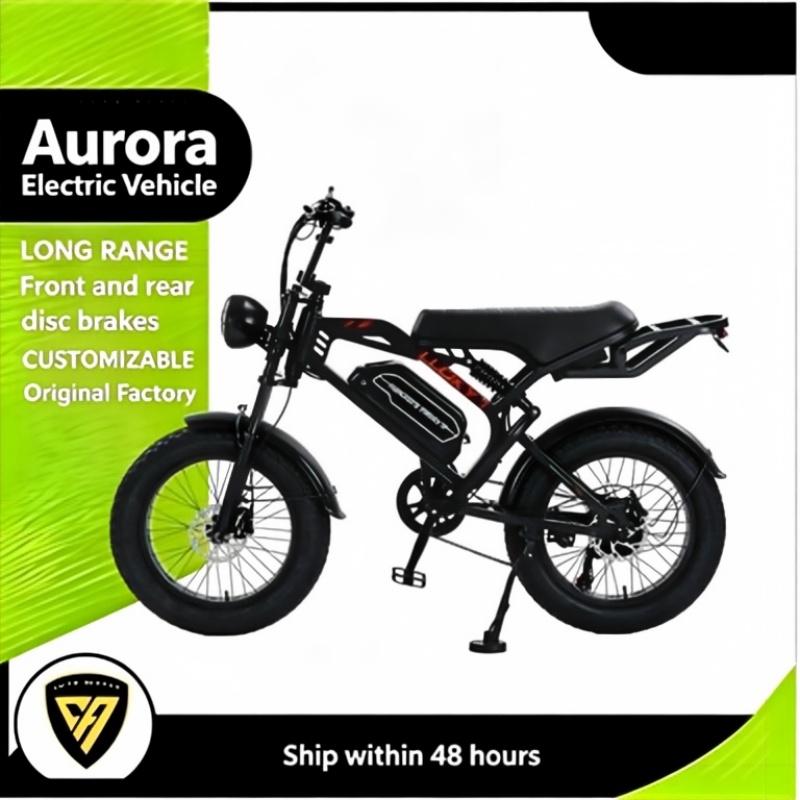
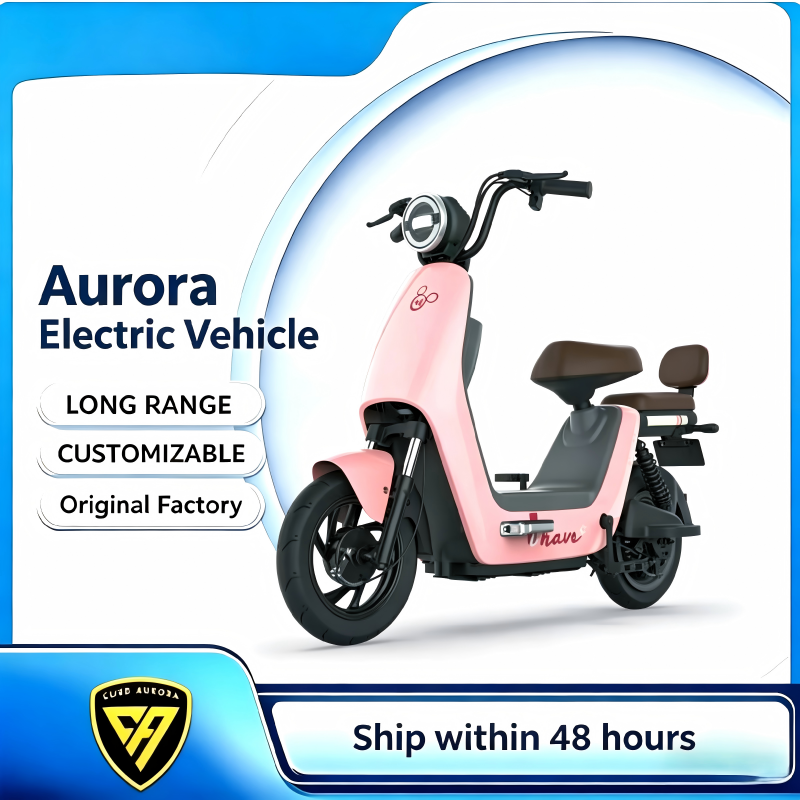
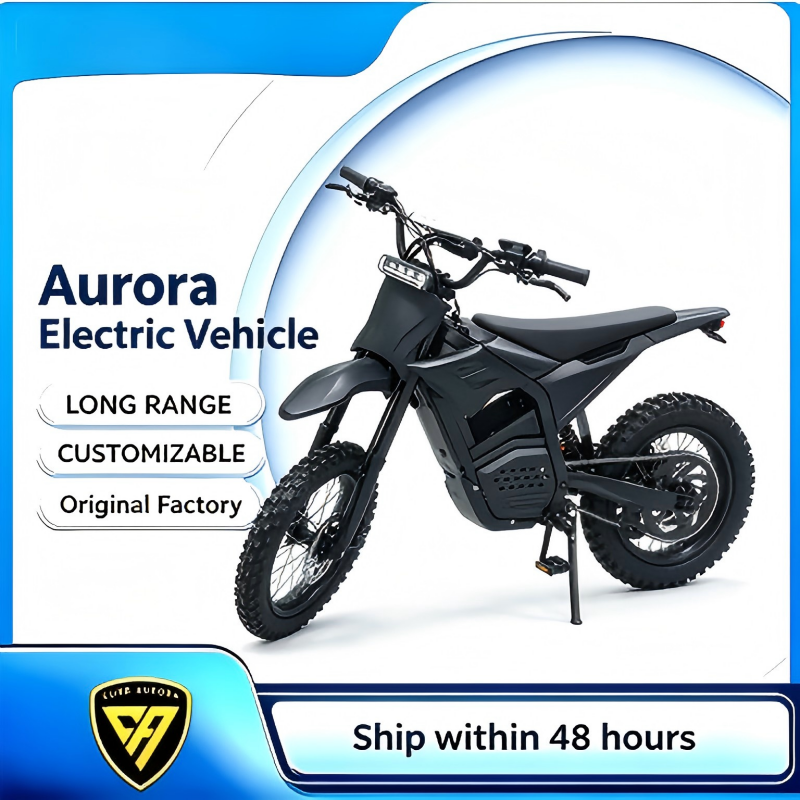
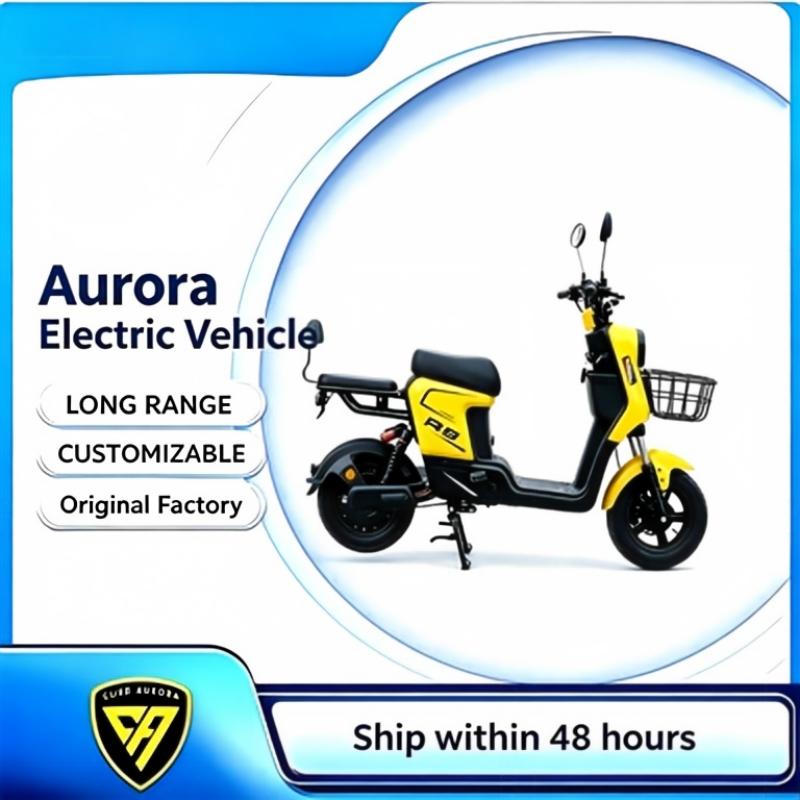
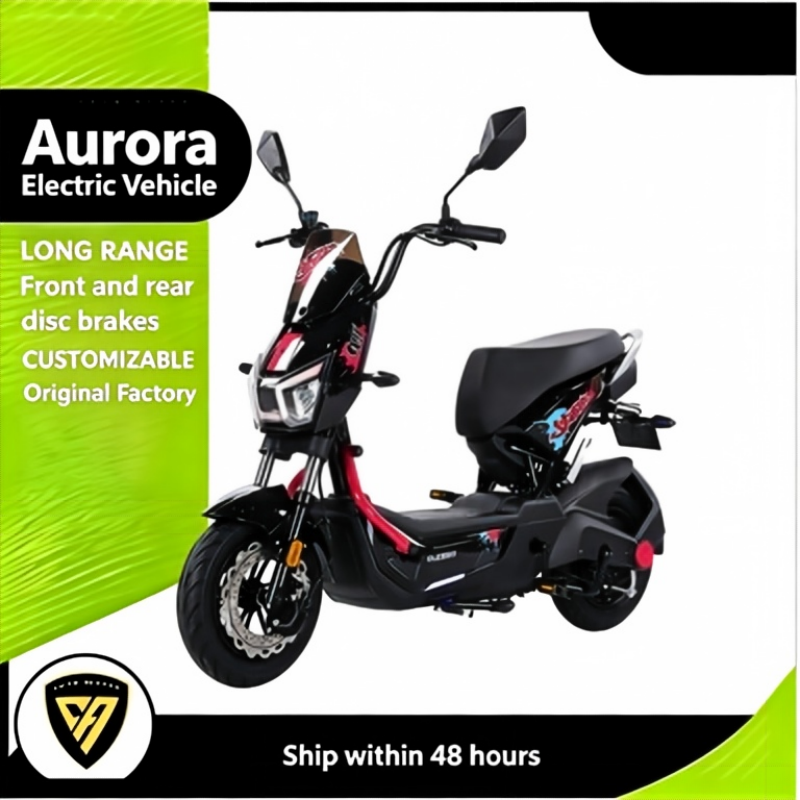
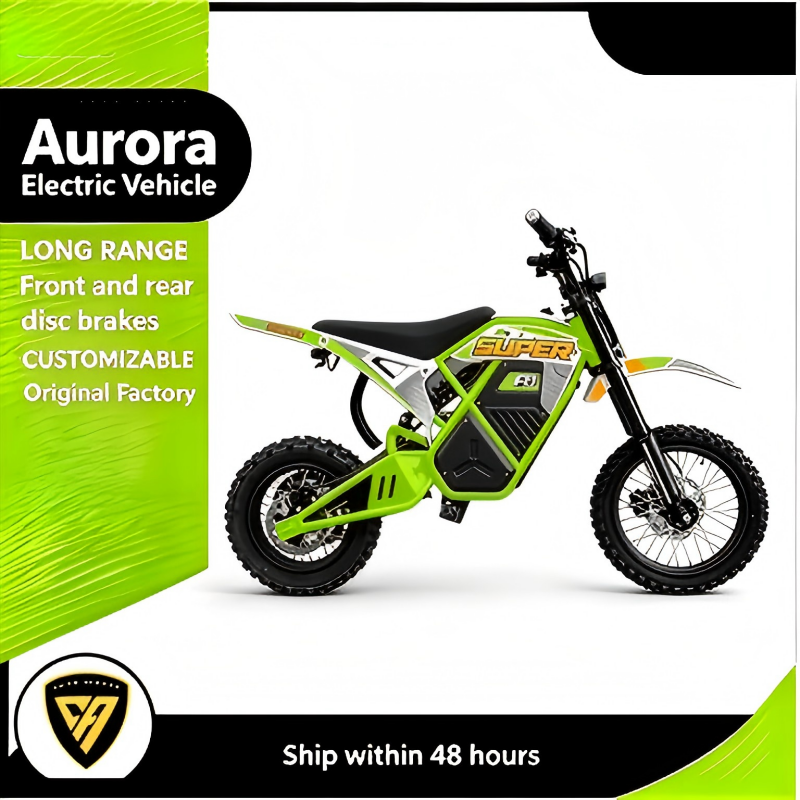
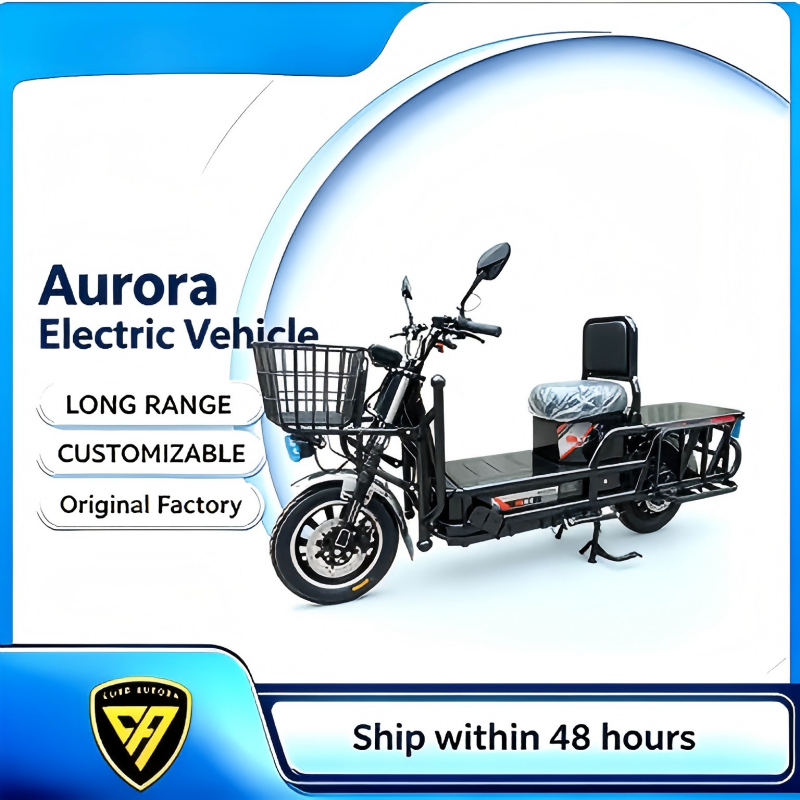
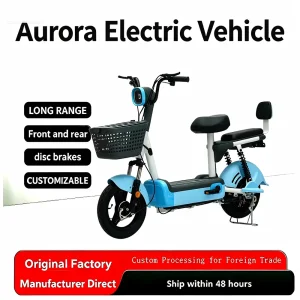
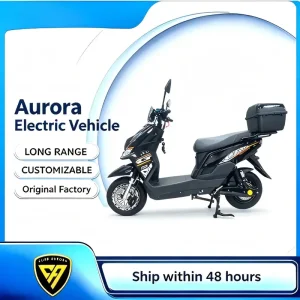
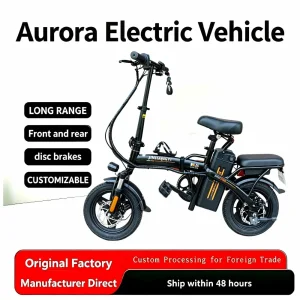
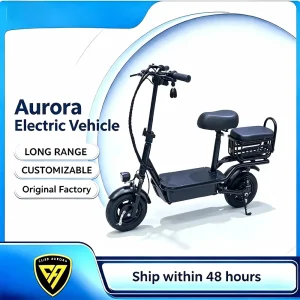
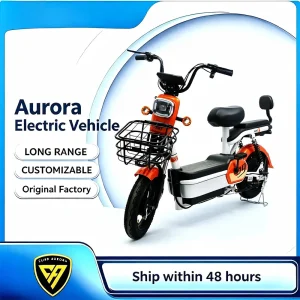
Explore our certified range of urban e-bikes, smart scooters, and logistics solutions manufactured to international standards.
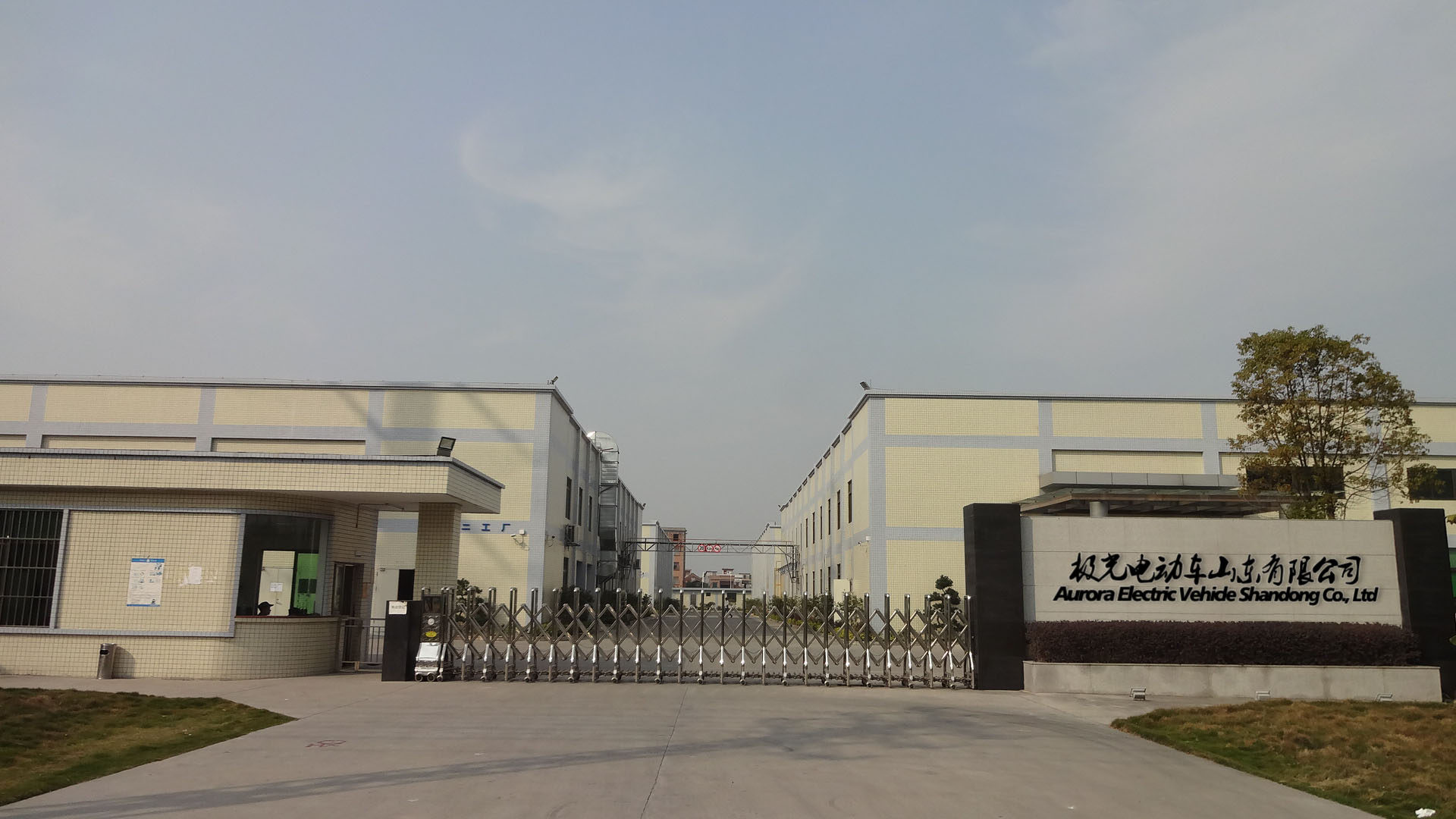
The steering mechanism of an electric bike, particularly the handlebar fixation, represents one of the most critical load-bearing interfaces in personal micro-mobility. Dynamic loads, constant vibrational stress, and unexpected impact forces demand robust engineering designs. As a reliable manufacturing partner, Aurora Electric Vehicle Shandong Co., Ltd. produces structural components designed for longevity, rider safety, and regulatory compliance.
Under the European standard EN 15194 for EPACs (Electrically Power Assisted Cycles), the handlebar stem and its fixation mechanisms are subjected to rigorous fatigue and static strength tests. This whitepaper explains the design philosophies, material requirements, testing standards, and supply chain efficiencies that global B2B buyers must prioritize when selecting handlebar fixation systems.
Understanding the stress distribution and structural design of handlebar clamp systems.
Proper handlebar fixation relies on uniform clamping pressure. Dual-bolt or quad-bolt faceplates made from lightweight aluminum alloys (AL 6061-T6 or AL 7075) ensure balanced clamping forces. Aurora EV employs precision CNC machining to achieve micro-tolerances down to ±0.02mm, preventing point-loading which can lead to stress cracks on the handlebar tube.
During operation, the handlebar fixation system faces continuous multi-axial dynamic stress. Heavy braking, road bumps, and rider weight shifts put stress on the stem. By analyzing stress distribution via Finite Element Method (FEM) software, our engineering team optimizes wall thicknesses, reinforcing high-stress points without adding excess weight.
Since e-bikes are exposed to rain, humidity, and road salts, we coat all steel bolts with Dacromet or chrome plating. The interface between the aluminum stem and stainless-steel hardware is treated with anti-seize lubricants to prevent galvanic corrosion, ensuring long-term reliability and easy maintenance.
How we ensure global market entry and maximum safety for consumer and commercial operators.
European standards require handlebar stems to undergo out-of-phase fatigue tests of 100,000 cycles with dynamic forces of ±120 N. At Aurora EV, our testing labs exceed these standards by testing up to 150,000 cycles to guarantee safety margins.
Our fixation systems are designed to withstand a static torque test of 25 Nm in multiple axes without any slippage or deformation. This ensures the handlebars remain secure during sudden emergency stops or heavy impacts.
Every batch of aluminum extrusions and forged blanks we use is accompanied by a material test report (MTR) verifying chemical composition and mechanical properties, ensuring complete traceability and consistent quality control.
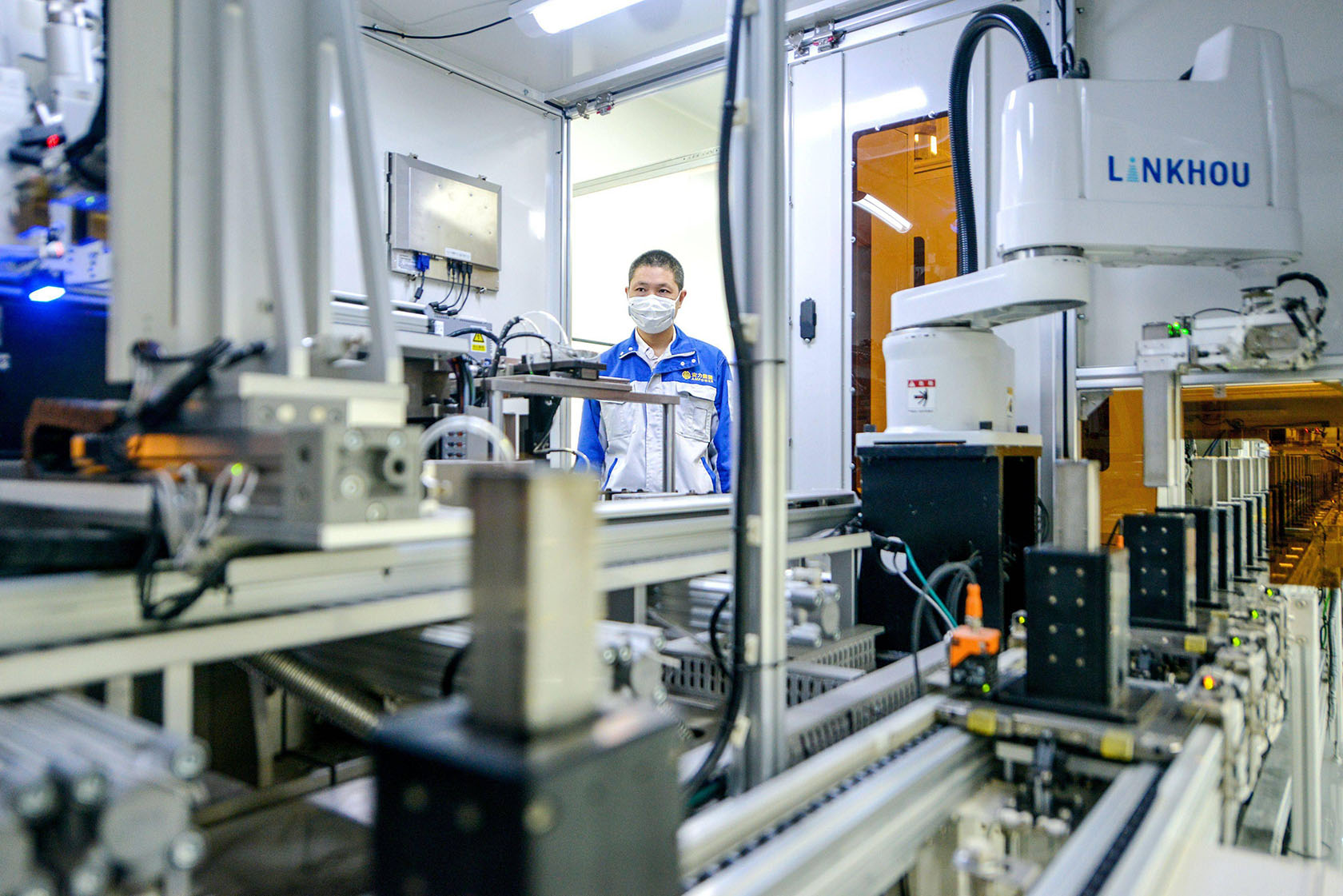
We approach production with a deep understanding of our customers' needs. In 2019, when the new national standard for electric bicycles was officially implemented in China, we upgraded our production lines and R&D capabilities. We optimized product parameters to comply with all mandatory safety standards, including fire retardant performance, speed limits, anti-tampering designs, and robust frame structural testing.
Over the past decade, we have expanded our production scale, building a standardized manufacturing base with intelligent digital production lines, automatic assembly systems, and professional testing equipment. We manage the production of core components, including motors, batteries, structural frames, and steering clamp systems, in-house to ensure high quality and lower overall costs for our clients.
The professionals behind our engineering developments and reliable global delivery pipelines.
Our R&D team consists of senior engineers with more than 10 years of experience in the electric bicycle industry. They focus on technological innovation, structural optimization, battery life, and riding comfort. They have obtained several core patents related to electric bike motors, smart stem designs, and battery management systems.
Our production team is composed of skilled technicians who undergo regular professional training. They execute quality control steps from raw material receipt through to final dynamic testing on the factory floor, ensuring each vehicle meets global quality standards.
Our client-focused sales and after-sales support teams offer one-stop customized OEM/ODM solutions. We assist global clients through technical drawings, compliance documentation, custom packaging configurations, and shipping logistics.
Proof of structural reliability, safety standards compliance, and international exports readiness.
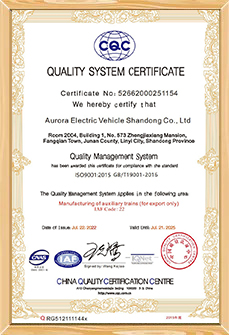
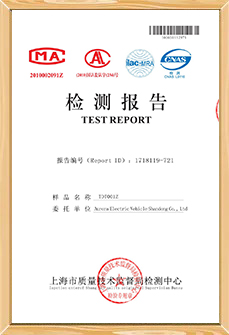
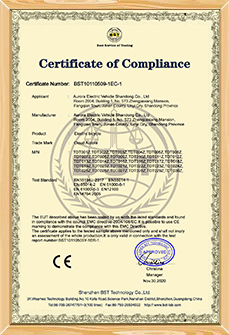
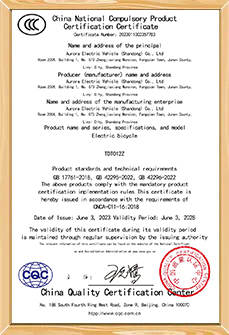
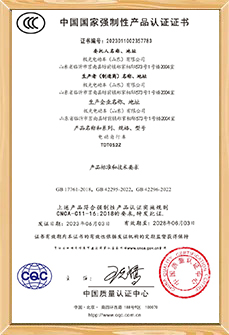
We integrate the history and culture of Linyi City, a key logistics hub in Shandong Province, with the goals of modern green transit. Our core values—"integrity, pragmatism, innovation, and mutual success"—guide every step of our engineering and business operations.
We work toward our corporate mission of "making green travel easier and safer for everyone". We construct our electric bicycles with environmental sustainability, structural safety, and long-term durability in mind. This dedication to product reliability helps support the transition to a low-carbon global economy.
Product safety is the core of our business. We invest in a testing laboratory equipped to perform dynamic load, waterproof, fire resistance, and battery pack cycle testing. This ensures that every electric vehicle and individual mechanical component leaving our facility is robust and ready for daily operations.
How our strategic location in Linyi, Shandong, optimizes manufacturing lead times and delivery costs.
Located in Linyi City, Shandong Province, we leverage a major transportation hub connecting the Yangtze River Delta and the Bohai Economic Circle. This regional base offers access to local component suppliers, reducing raw material lead times and shipping costs.
We manage all production stages, from aluminum extrusion and frame welding to painting, sub-assembly, and final testing. This vertical integration allows us to keep quality high and prices competitive for our partners.
We provide tailormade engineering solutions. Whether you require specific handlebar fixation clamps, adjusted tube dimensions, custom branding, or modified battery compartments, our R&D team can adapt designs to your target market's needs.
Analyzing how structural handlebar integrity affects performance across diverse deployment environments.
For fat-tire and off-road models, the handlebar fixation is subjected to intense impact forces. By using forged alloys and increased bolt engagements, our designs maintain alignment even under continuous trail and dirt path impacts.
Key technical parameters to include in your Request for Quote (RFQ) to guarantee product quality.
Specify the raw material grades: for instance, AL 6061-T6 alloy for the clamp body and SUS304 or Grade 8.8 steel for the bolts. This prevents suppliers from using lower-grade alloys to cut corners.
Ensure the documentation details the recommended torque values (typically 5-6 Nm for M5 bolts; 9-10 Nm for M6 bolts). Clear labeling on the stem body helps prevent over-tightening during final assembly.
Request copies of EN 15194 and ISO 4210 test compliance reports from accredited third-party laboratories (such as TÜV, SGS, or Intertek) to verify the component's load-bearing limits.
How smart designs are changing electric bike steering and handlebar control interfaces.
Modern e-bikes increasingly route brake lines, motor controls, and display wires directly through the handlebar and stem. This protects wiring from weather wear and physical damage while providing a cleaner look.
Integrating LCD displays, GPS tracking modules, and front lights directly into the handlebar stem assembly reduces clutter, simplifies assembly, and improves water resistance (IPX6/IP67).
Integrating specialized elastomer dampeners or utilizing carbon composites at the handlebar fixation point helps isolate the rider's hands from high-frequency road vibrations, reducing fatigue.
Direct answers from our engineering team regarding design, safety, and supply logistics.
Review our specialized electric bikes, passenger three-wheelers, and heavy-duty cargo vehicles designed for international distribution.
Premium OEM and ODM products from Aurora Electric Vehicle Shandong Co., Ltd.