Explore our flagship catalog featuring elite structural integrity and advanced handlebar steering setups, engineered by Aurora Electric Vehicle.
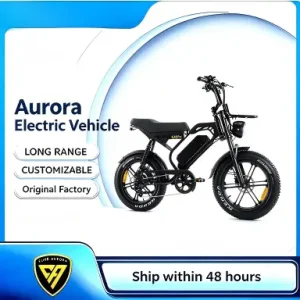
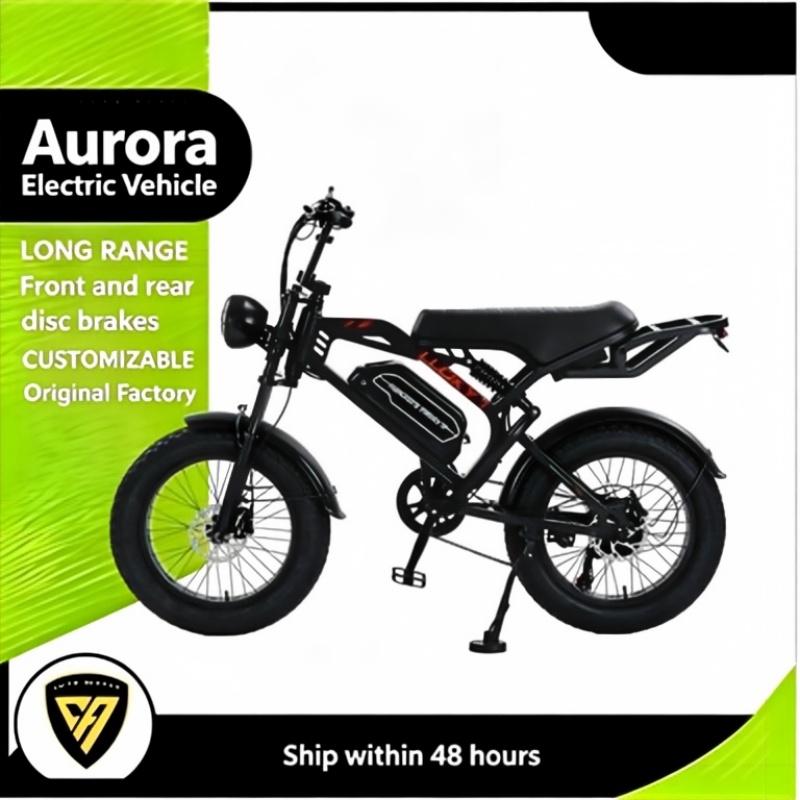
ODM Suspension Off Road Fat Wheel E-bike Manufacturer, Manufacturers
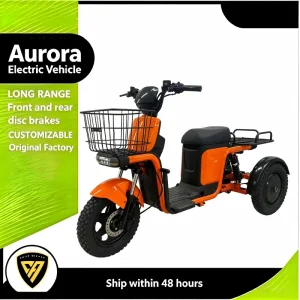
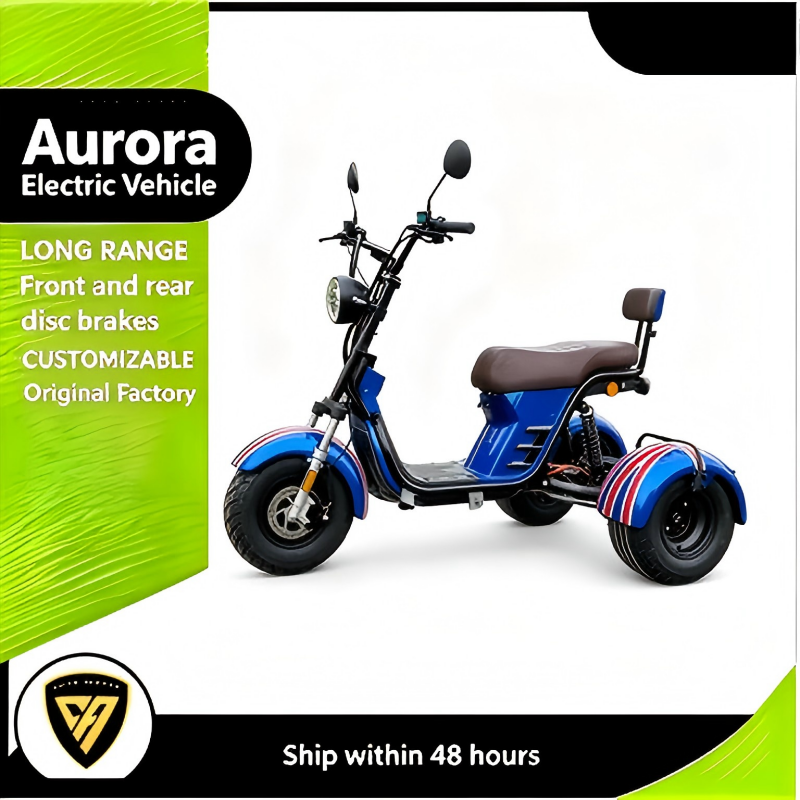
Wholesale Heavy Load 3 Wheel Electric Utility Vehicle Suppliers, Pricelist
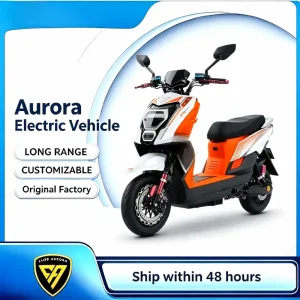
High-Quality Sporty High-Performance Electric Scooter for Urban Commuting Manufacturer, Exporter
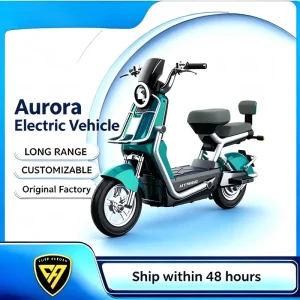
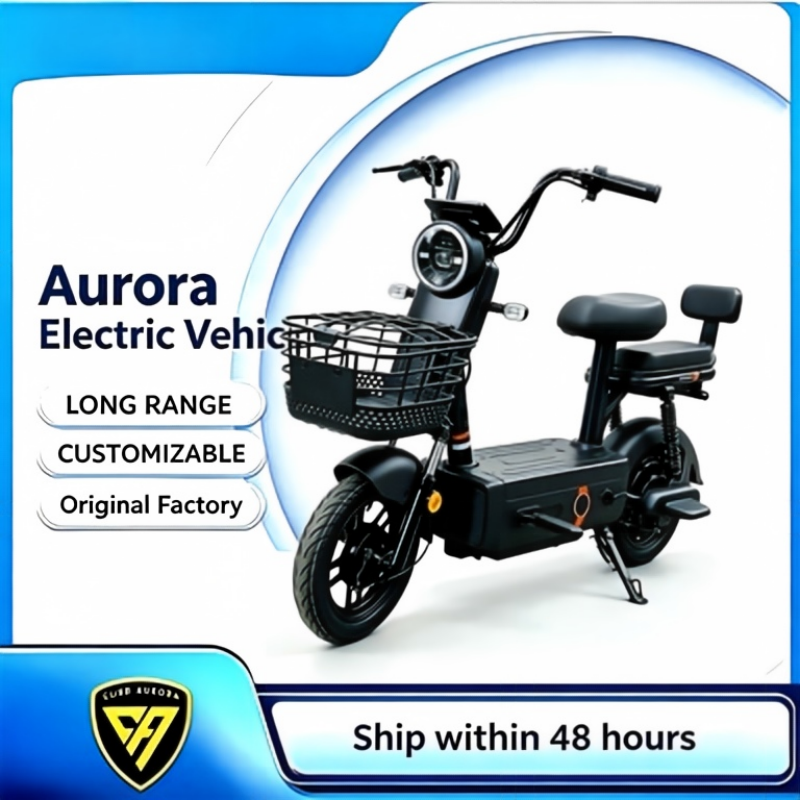
CE Certification Long Range Adult Electric Bicycle Scooter Supplier, Factory
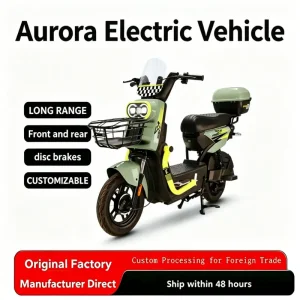
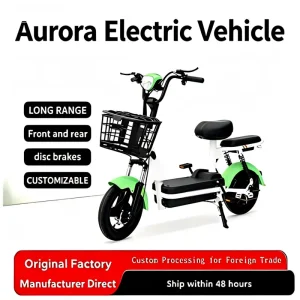
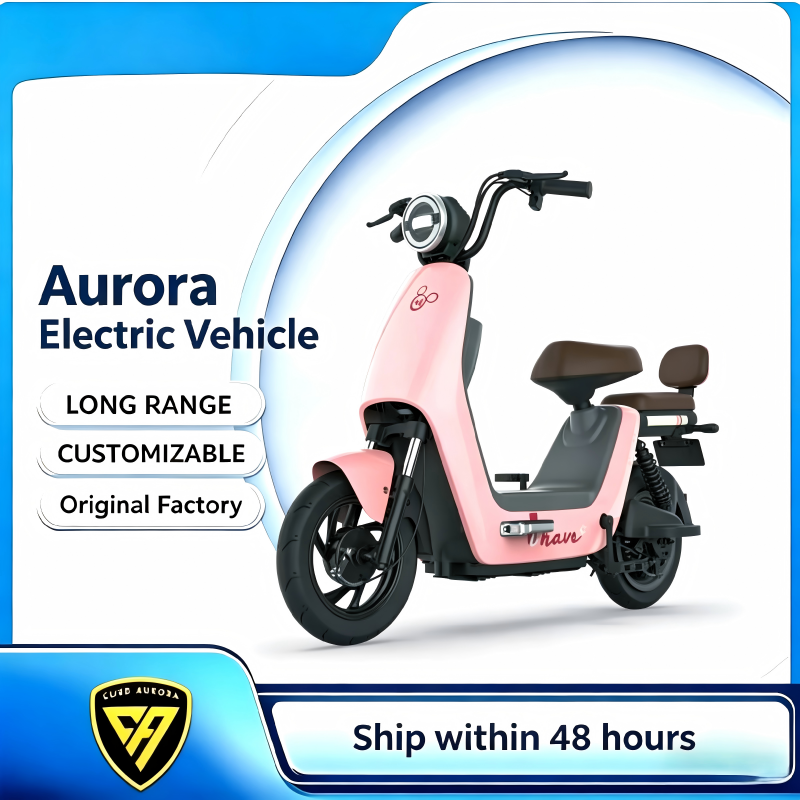
ODM Wholesale Urban Commuter Electric Bike for Adult Daily Use Suppliers, Exporter
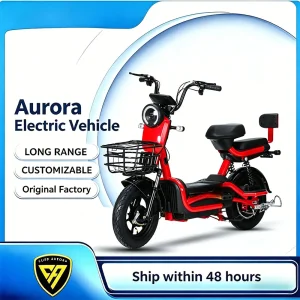
Wholesale High-performance Urban Commuter Electric Bike Suppliers, Quotes
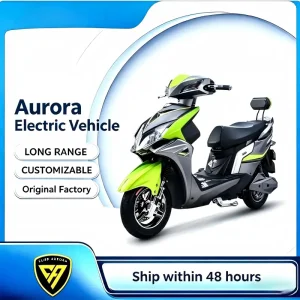
High-Quality Sporty High-Performance Urban Electric Manufacturer, Factories
In the high-growth sector of light electric vehicles (LEVs), the electric bike handlebar is no longer merely a mechanical component; it has evolved into the central control hub of the modern digital cockpit. For global B2B procurement managers, sourcing handlebars that satisfy strict safety benchmarks while staying budget-friendly is a complex challenge. An electric bike handlebar must bear dynamic mechanical stress, withstand continuous vibrations, and house critical electrical subsystems—including thumb throttles, brake sensors, electronic displays, headlight controls, and smart turn signals.
When catering to strictly regulated regions such as the European Union, CE Certification represents the non-negotiable gateway to legal market entry. Handlebars fail or succeed under stress depending on material formulation, manufacturing methodologies, and quality control systems. To ensure that your vehicles remain compliant with EN 15194 (EPAC safety standards) and ISO 4210 certifications, choosing an experienced manufacturer is key.
Unlike standard acoustic bicycle handlebars, e-bike handlebars are subjected to higher average loads due to the heavier net weight of vehicles carrying lithium batteries and mid-drive or hub motors. Standard parameters demand premium alloy integrity (typically AL6061-T6 or AL7075-T6 anodized aluminum) to prevent sudden fatigue fractures under tension. Furthermore, with the rise of integrated wiring (internal routing pathways), the handlebar's structural cross-section must be precisely engineered to avoid stress-concentration points where routing holes are drilled.
Why sourcing your steering gear and complete electric vehicles from Linyi, Shandong, optimizes your supply chain economics.
By operating inside Linyi City, Shandong Province—a world-renowned logistical hub—our production facility gains direct, low-overhead access to top-grade aluminum smelters and alloy extrusion plants. We leverage specialized heat treatments (T4/T6 tempering) to refine grain structure and maximize yield strength.
Modern e-bike cockpits demand specialized geometry (riser bars, swept-back configurations, ergonomic cruisers). Our factory relies on multi-axis CNC bending machinery and high-pressure liquid hydroforming to create seamless bends without wall thinning, protecting structural integrity.
To resist dynamic weathering, UV exposure, and saline sweat corrosion, our steering components undergo rigorous surface preparations. This includes sandblasting (fine media for matte texture), chemical etching, and custom anodizing to protect color longevity.
The global e-bike landscape is shifting rapidly. The consolidation of cable routing has emerged as a major design trend. Rather than running brake lines, motor cut-offs, display interfaces, and throttle wiring externally, modern designs route all cables internally through the handlebar, passing directly into the stem and down the headtube. This clean cockpit design is no longer reserved for premium e-mountain bikes; it is now expected in urban commuter fleets and cargo delivery e-bikes alike.
We are witnessing the fusion of displays directly into the handlebar stem assembly. Rather than clamping a separate LCD computer, modern integrated cockpits features custom housing pockets for LED/TFT units, NFC modules, and USB charging ports. Manufacturers must provide custom stamping and forging options to create mounting brackets that do not compromise the fatigue threshold of the aluminum alloy.
Modern micro-mobility users expect comfortable ergonomics. Riser handlebars featuring a 15-to-30-degree backsweep angle minimize stress on wrist joints and lower back muscles. In response, our R&D department leverages dynamic human-body mechanics simulations to construct customized sweep geometries suited for localized target markets across Europe, North America, and Southeast Asia.
While carbon-fiber handlebars offer unparalleled weight savings, their cost-to-performance ratio makes them less viable for large-scale fleets. The industry benchmark remains double-butted or triple-butted aluminum alloy. By modifying internal wall thicknesses—making the tubes thicker at the high-stress clamping areas and thinner in the non-stressed sections—we achieve optimal strength-to-weight ratios.
Delivering premier micro-mobility solutions backed by ten years of industrial development, safety engineering, and customer success.
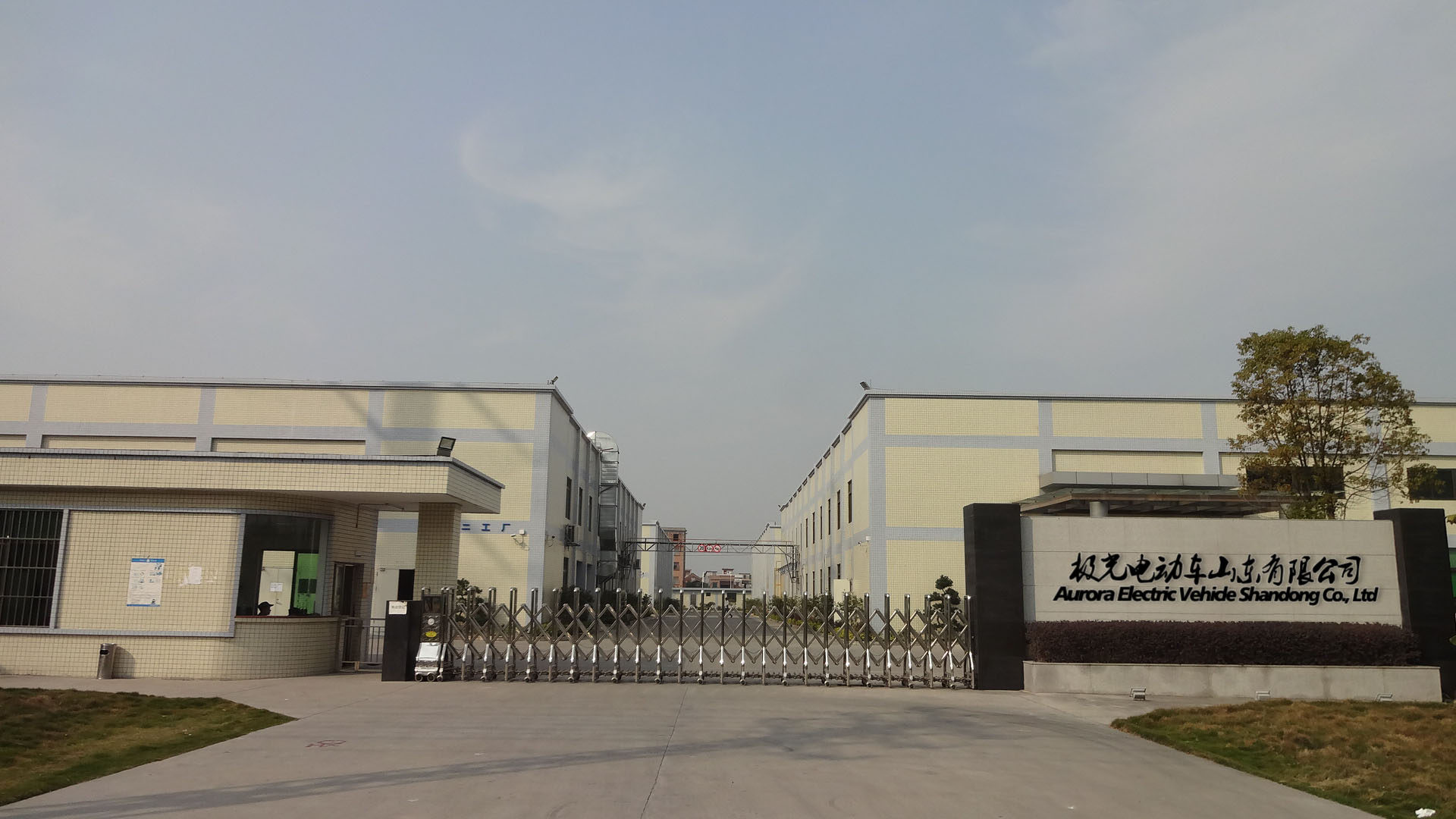
Founded in 2015, our electric bicycle manufacturing enterprise is located in Linyi City, Shandong Province, a core transportation hub connecting the Yangtze River Delta and the Bohai Economic Circle with prominent geographical advantages. As a professional manufacturer deeply rooted in the electric bicycle industry for over 10 years, we have grown from a small-scale production workshop to a comprehensive enterprise integrating R&D, production, sales and after-sales service, witnessing and participating in the high-quality development of China's electric bicycle industry under the new national standard era.
Our development history is a journey of persistence, innovation and continuous transcendence. Since our establishment, we have closely followed the industry trend and policy orientation. In 2019, when the new national standard for electric bicycles was officially implemented, we took the initiative to upgrade our production lines and R&D capabilities, optimizing product parameters to fully comply with the mandatory safety standards, including fire retardant performance, speed limit and anti-tampering requirements.
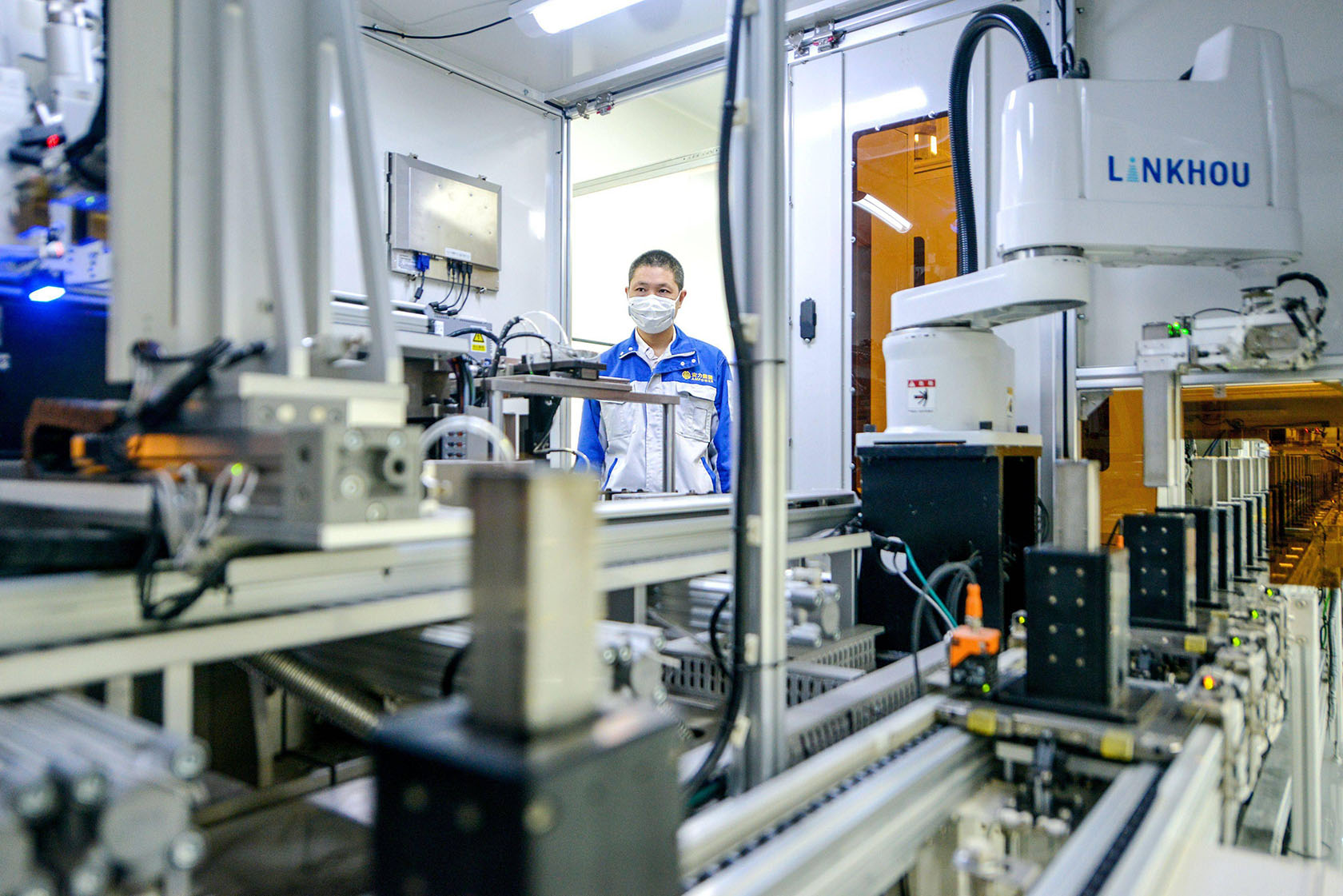
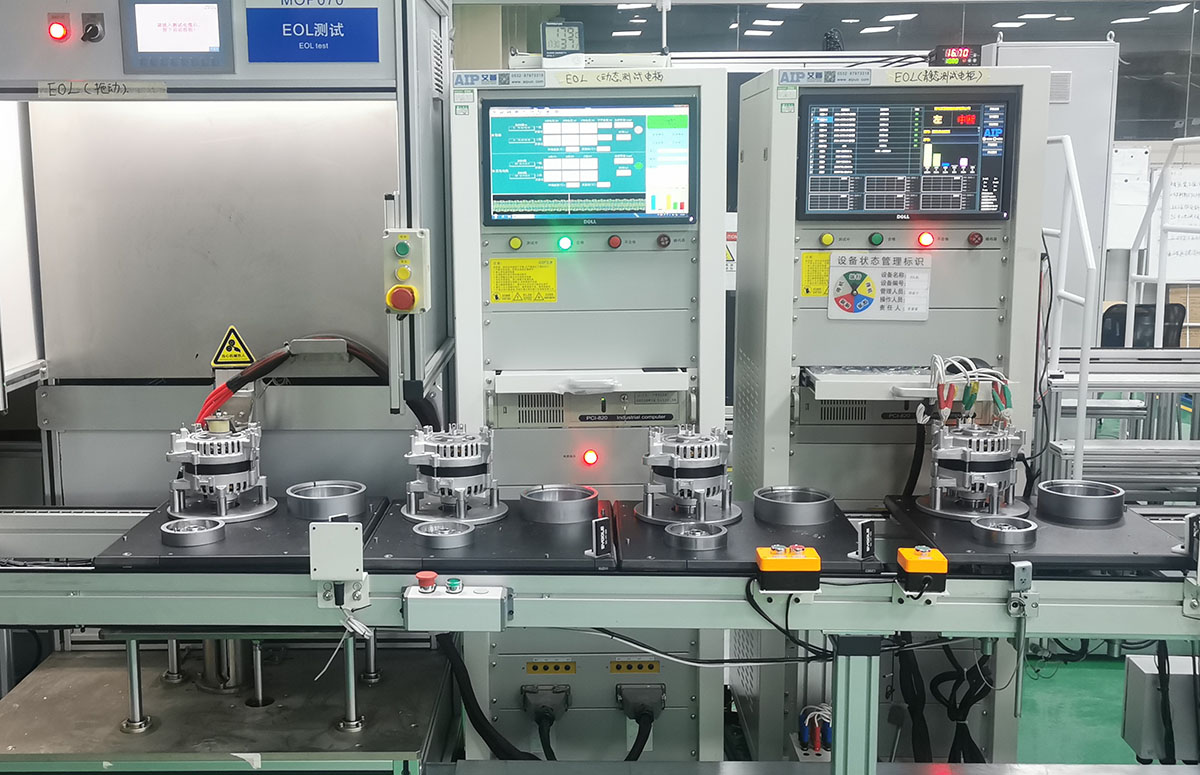
Over the past decade, we have continuously expanded our production scale, built a standardized production base covering a large area, equipped with intelligent digital production lines, automatic assembly lines and professional testing equipment, realizing the standardized and efficient production of core components such as motors, batteries, frames and handlebar systems. Today, our annual production capacity has reached a high level, capable of meeting the diverse needs of domestic and foreign customers, and our products have been widely recognized in both the domestic market and overseas regions.
Our operation thrives on the cohesion between R&D, production, and after-sales services, ensuring that custom requirements are translated directly into compliant physical hardware.
Our R&D team consists of senior engineers with more than 10 years of experience in the electric bicycle industry, who are committed to technological innovation and product upgrading, focusing on improving battery life, safety performance, handlebar steering stability, and riding comfort, and have obtained a number of core technology patents related to electric bicycle motors and battery management systems.
Our production team is composed of skilled workers who have undergone strict professional training, strictly implementing every production process from raw material inspection to finished product delivery, ensuring that each electric bicycle and mechanical handlebar assembly meets the highest quality standards.
Our sales and after-sales team is customer-oriented, with professional service awareness and efficient communication capabilities, providing one-stop customized solutions, OEM/ODM services, and timely after-sales support for customers around the world, solving their worries in product selection, customization and use.
Team Management: Team management is the core driving force for our sustainable development. We adhere to the concept of "people-oriented, talent first" and have built a professional, cohesive and innovative team. We attach great importance to team building and staff development, regularly organize technical training, skill competitions and team-building activities, creating a positive working atmosphere of mutual cooperation, continuous learning and common progress.
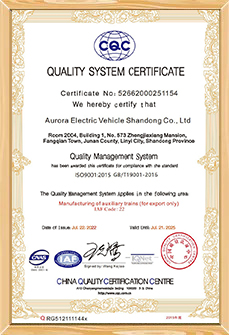
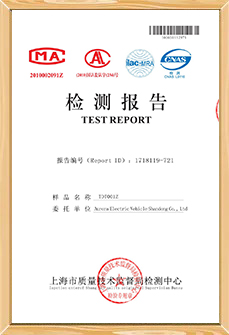
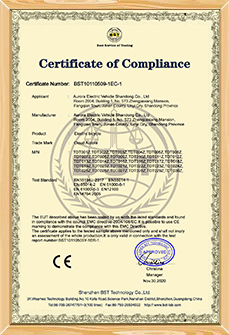
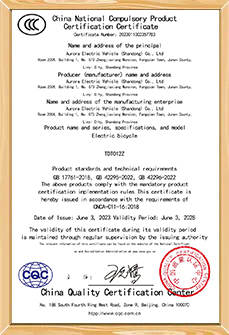
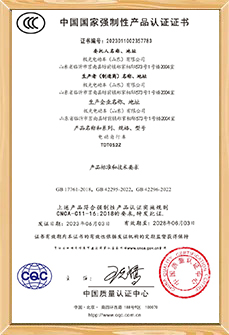
Our products undergo comprehensive certification sweeps to guarantee uninterrupted customs clearances and localized legality. Below are some of our primary safety and quality test certificates:
Corporate culture is the soul of our enterprise, integrating the spirit of Linyi, a famous historical and cultural city, with the concept of green travel. Our core values are "integrity, pragmatism, innovation and win-win", which run through every link of enterprise operation.
We advocate the corporate mission of "making green travel easier and safer for everyone", adhering to the development concept of environmental protection and energy conservation, and committing to producing high-quality, energy-saving and environmentally friendly electric bicycles that meet the needs of modern people's short-distance travel, contributing to the construction of a low-carbon society.
We pursue excellence in product quality, regard product safety as the lifeline of the enterprise, invest a lot of funds to build a professional testing laboratory, and conduct strict tests on every product in terms of load-bearing, waterproof, fire resistance and battery safety, ensuring that our products are safe, reliable and durable.
Understanding cost metrics for CE Certified Electric Bike Handlebars helps you make informed choices based on materials and volume.
When purchasing electric bike handlebars, the price list is determined by four key structural specifications: material alloy classification (e.g., standard alloy vs. double-butted alloy), wall thickness design, integration details (internal routing cutouts vs. standard setups), and final batch orders (MOQs). Below is a breakdown of our current wholesale pricing structure for standard configurations:
| Model Series | Material Spec | Clamp Diameter | Target Segment | Estimated MOQ | FOB China Pricelist (USD) |
|---|---|---|---|---|---|
| HB-URB-01 | AL6061-T6 Straight | 25.4mm / 31.8mm | Urban / Folding Bikes | 500 Units | $4.50 - $6.20 |
| HB-RISE-E5 | AL6061-T6 Double Butted | 31.8mm | Commuter / Trekking E-bikes | 500 Units | $6.80 - $8.90 |
| HB-SMART-INT | AL7075-T6 Integrated Routing | 31.8mm / Custom Stem | High-End Cargo & Smart Bikes | 200 Units | $12.50 - $18.00 |
| HB-HD-FAT | Reinforced High-Tensile Steel | 22.2mm / 31.8mm | Off-Road / Utility Vehicles | 1000 Units | $3.20 - $5.10 |
Note on Pricing Customization: Surface treatments (such as customized laser engraving, textured paint coats, or specific anodization colors) will impact final unit costs. Contact our sales representatives with your CAD blueprints to obtain a customized quote.
See how our handlebar configurations and complete electric vehicles operate in various settings worldwide.
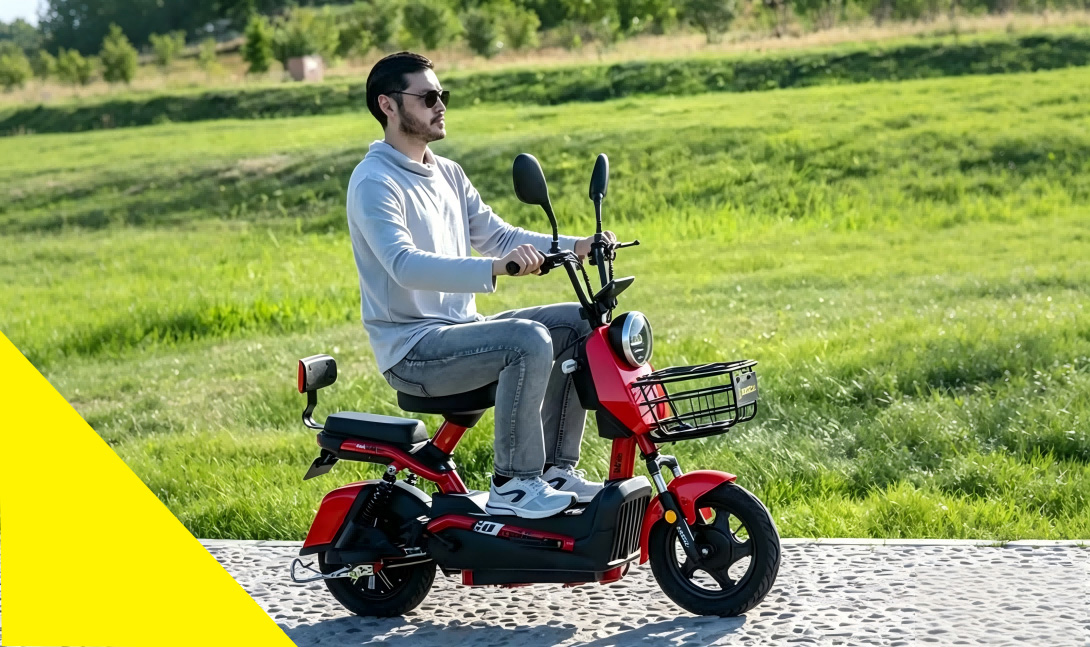
Ergonomic and lightweight, perfect for daily commuting and short-distance travel. Stable power, energy-saving and durable.
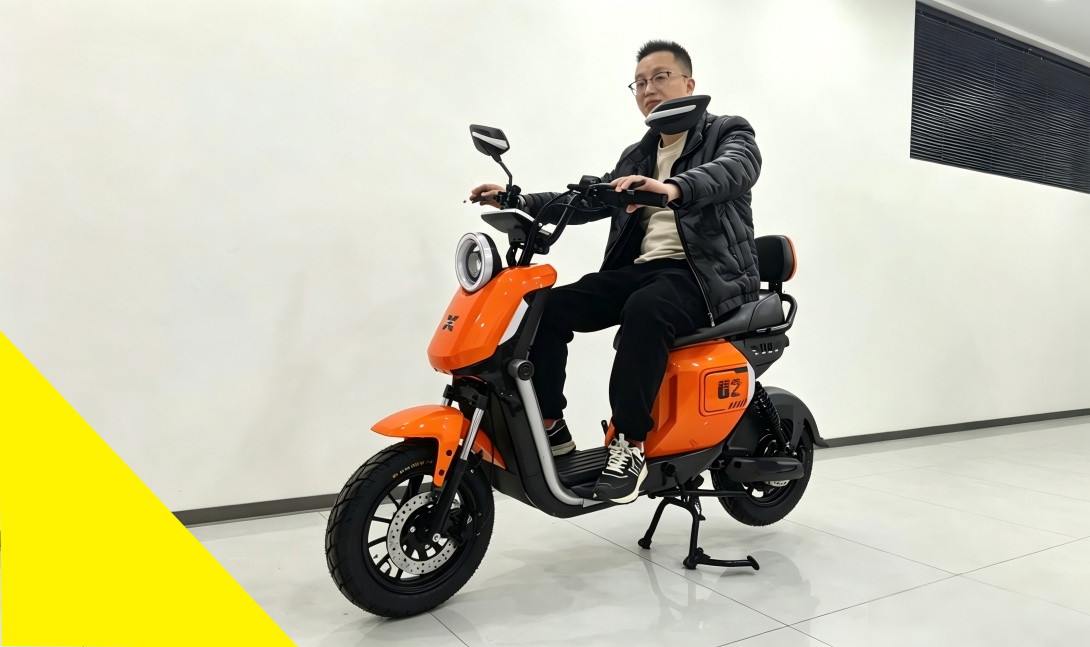
Fashion streamlined design, strong power and smooth driving. Suitable for urban travel, labor-saving and practical.
Explore custom vehicle platforms engineered with specialized steering setups for logistics, leisure, and heavy commuting.
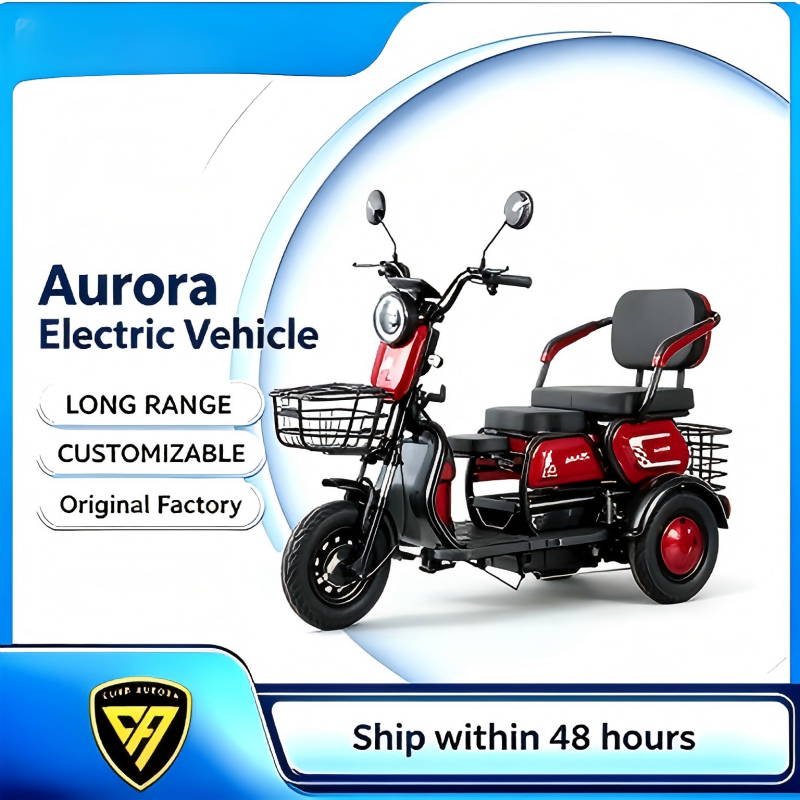
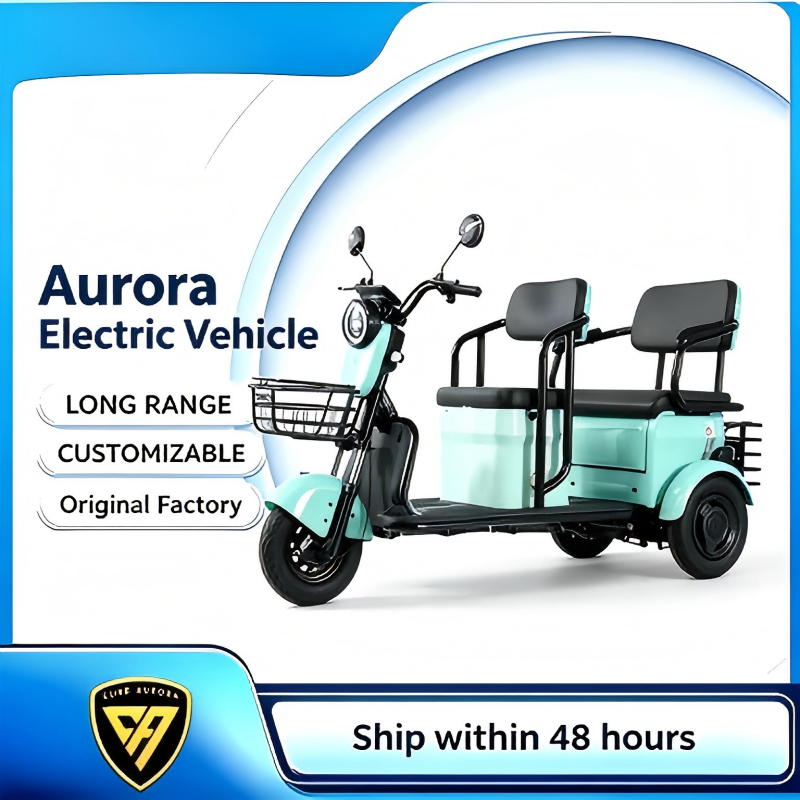
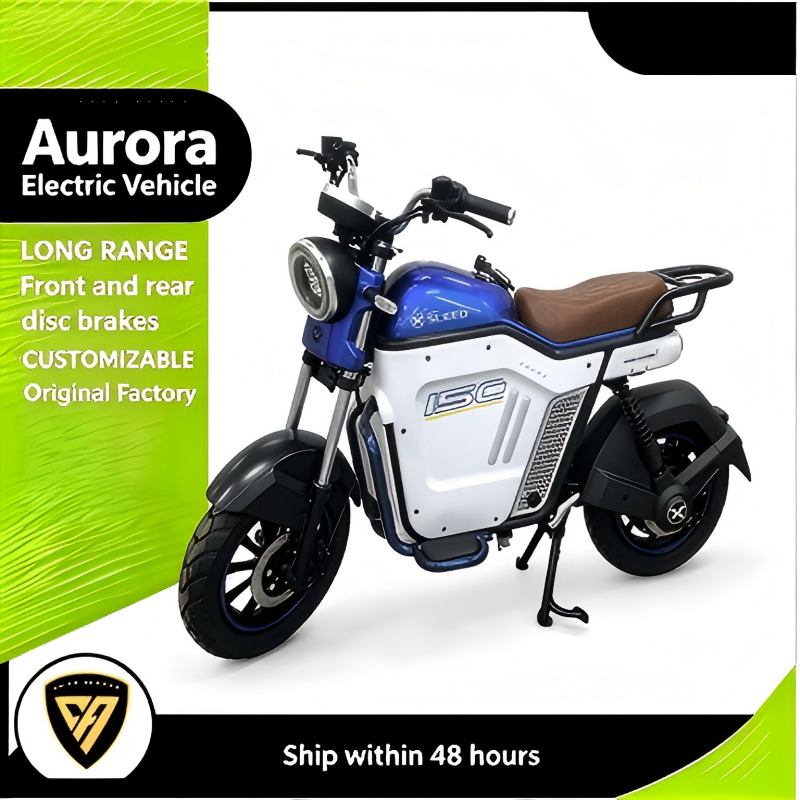
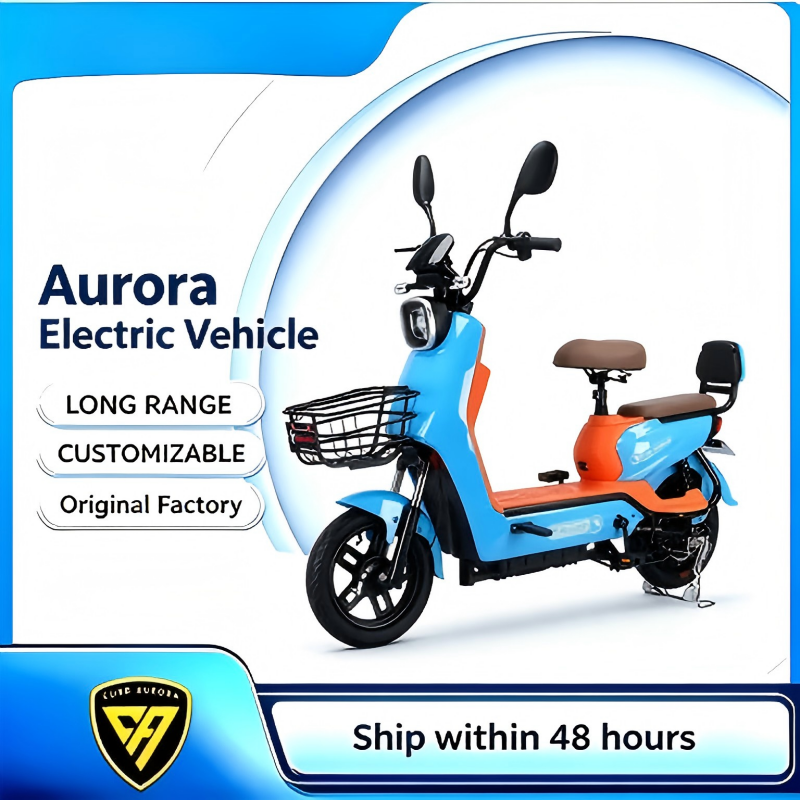
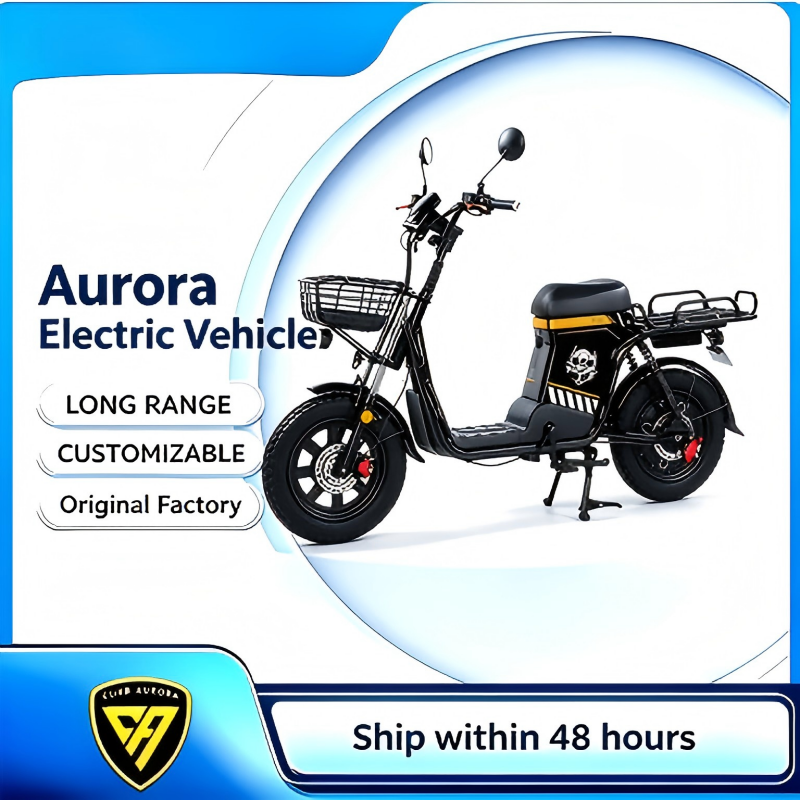
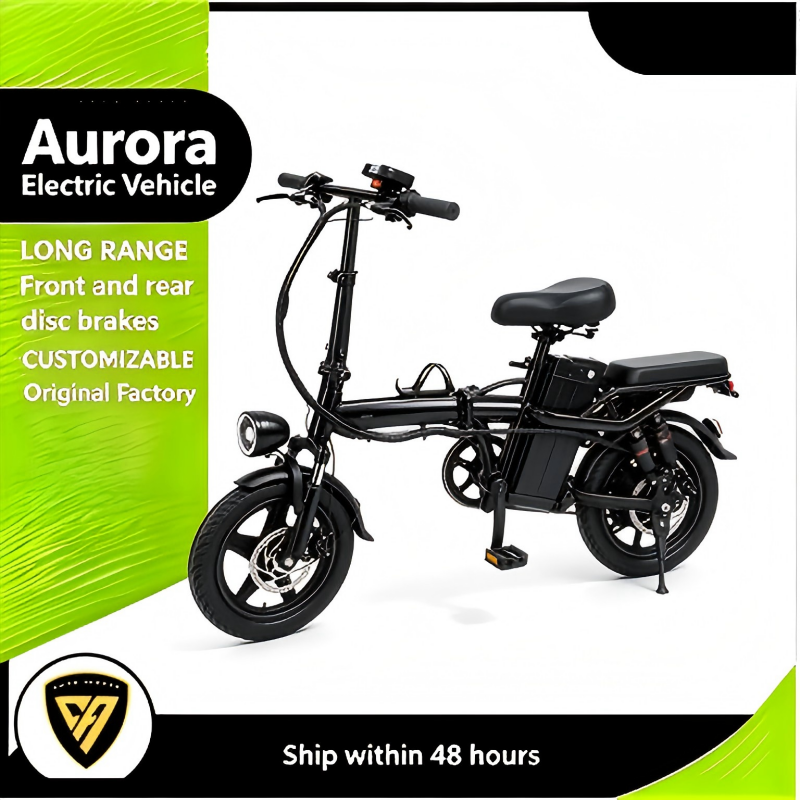
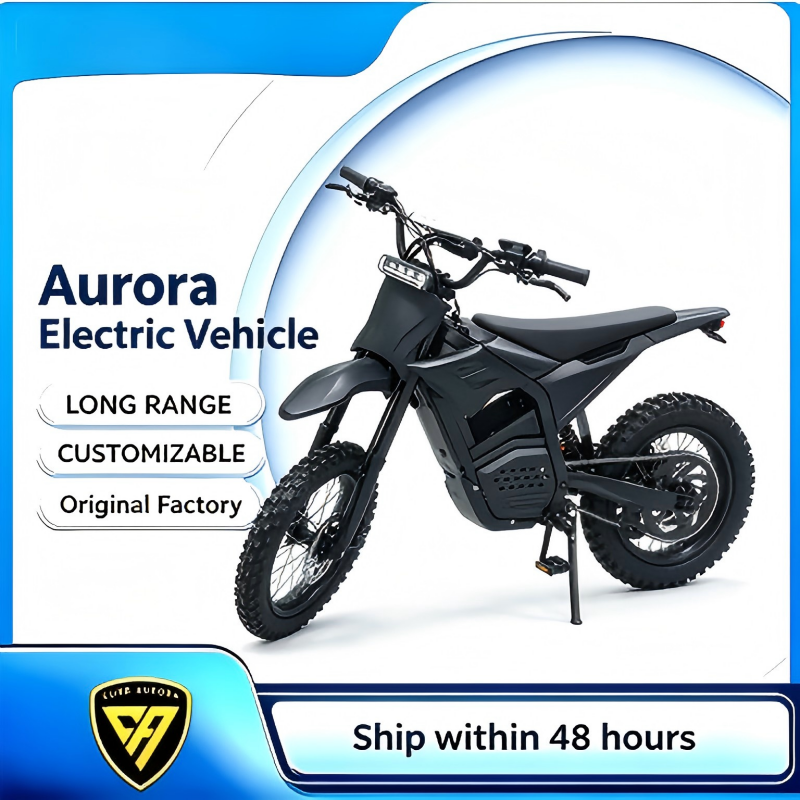
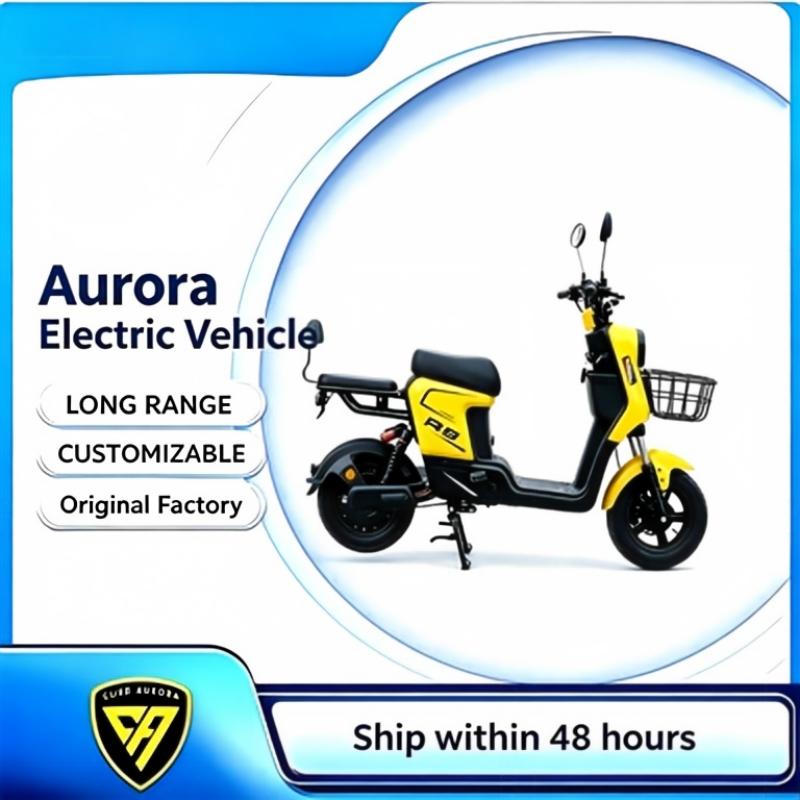
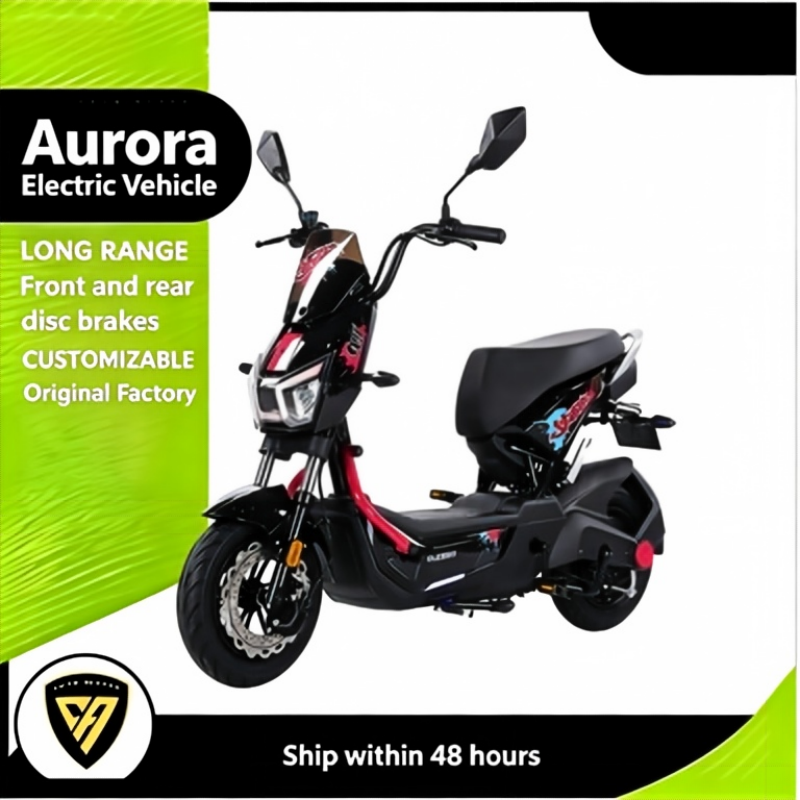
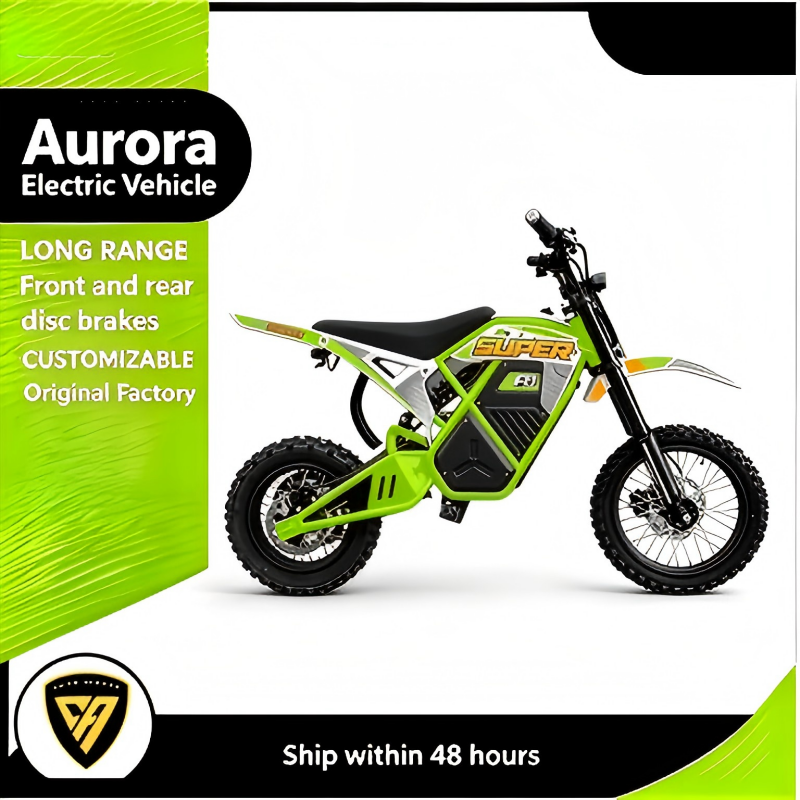
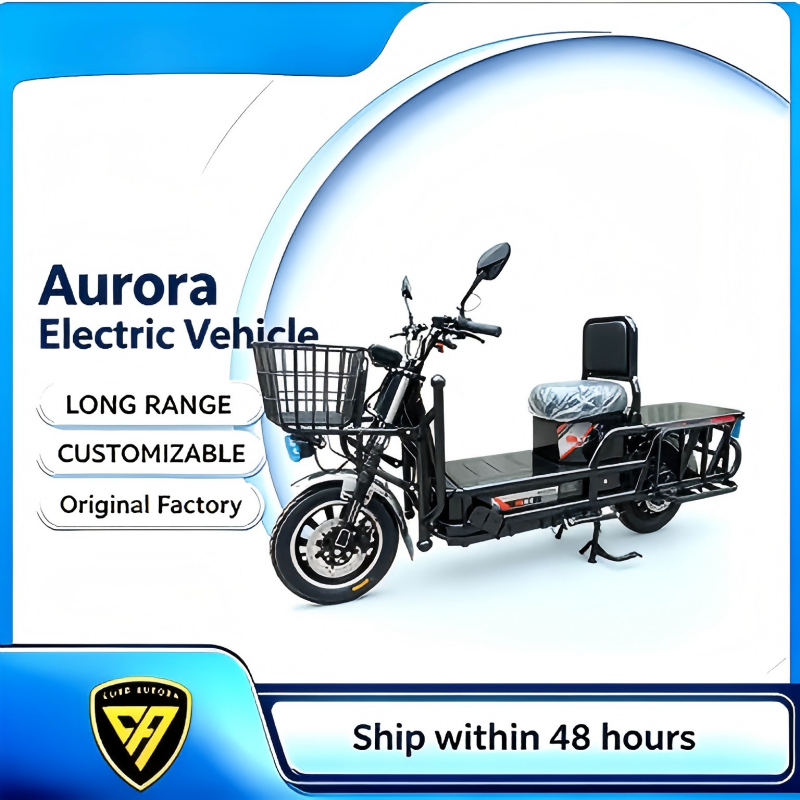
Detailed technical and commercial answers regarding CE certified e-bike handlebars, compliance testing, and import logistics.
Reliable components and chassis designs matching global compliance regulations for adult transit and urban mobility fleets.
China Strong Chassis Safe Adult Electric Scooter Exporter, Product
ODM Stylish High-Performance Commuter Electric Scooter Suppliers, Pricelist
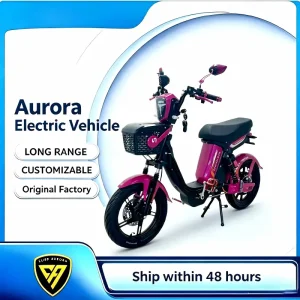
ODM Little Whirlwind: Your Smart Urban Ride Supplier, Product
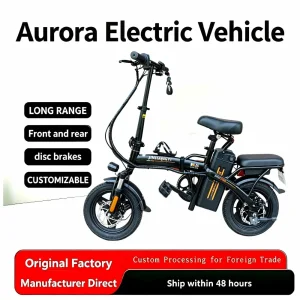
Wholesale Foldable Electric Bike for Urban Commuting Exporters, Exporter
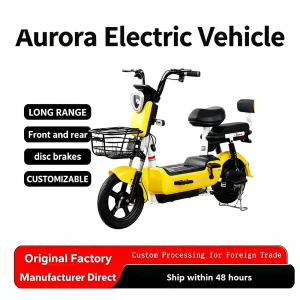
ODM Bright Light Long Endurance Commute E-Bike Suppliers, Exporter
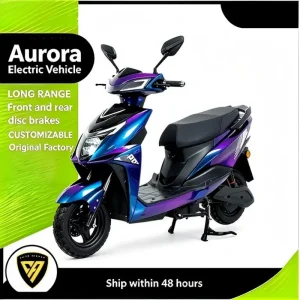
High-Quality Stylish Electric Scooter for Daily Commute Exporter, Product
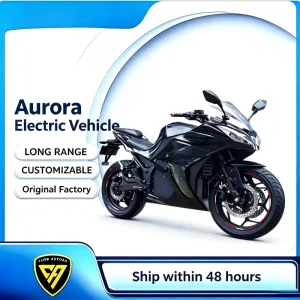
ODM Stylish Electric Sport Bike with Full Protection Manufacturer, Product
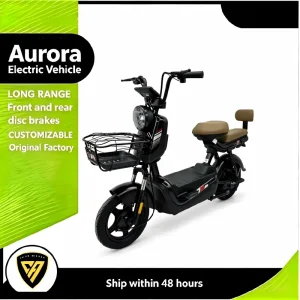
OEM Phoenix Urban E-Bike for Daily Commute Factories, Quotes