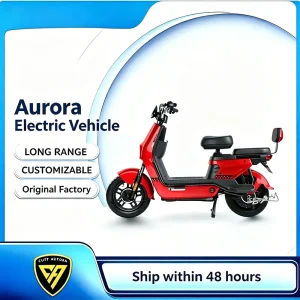
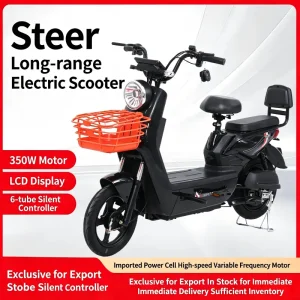
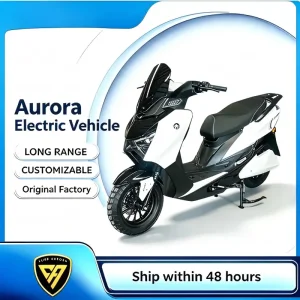
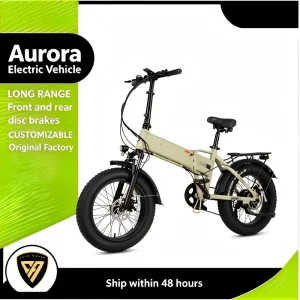
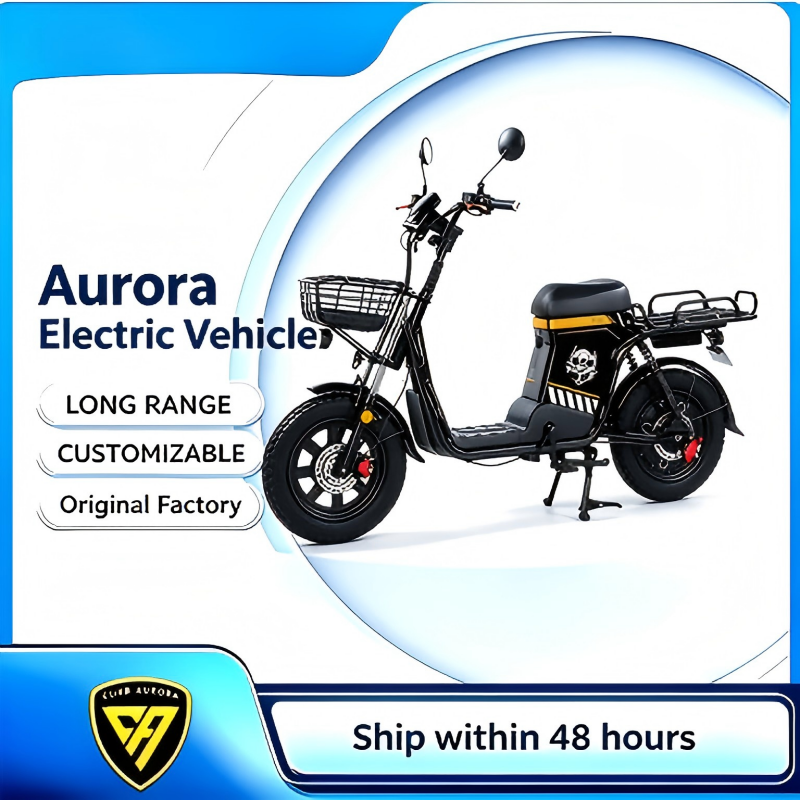
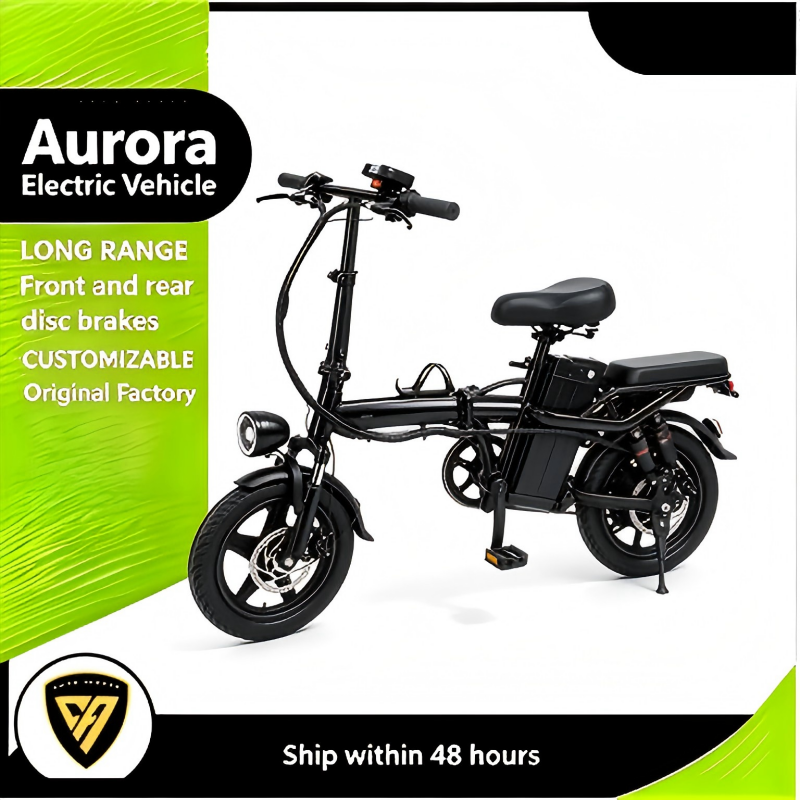
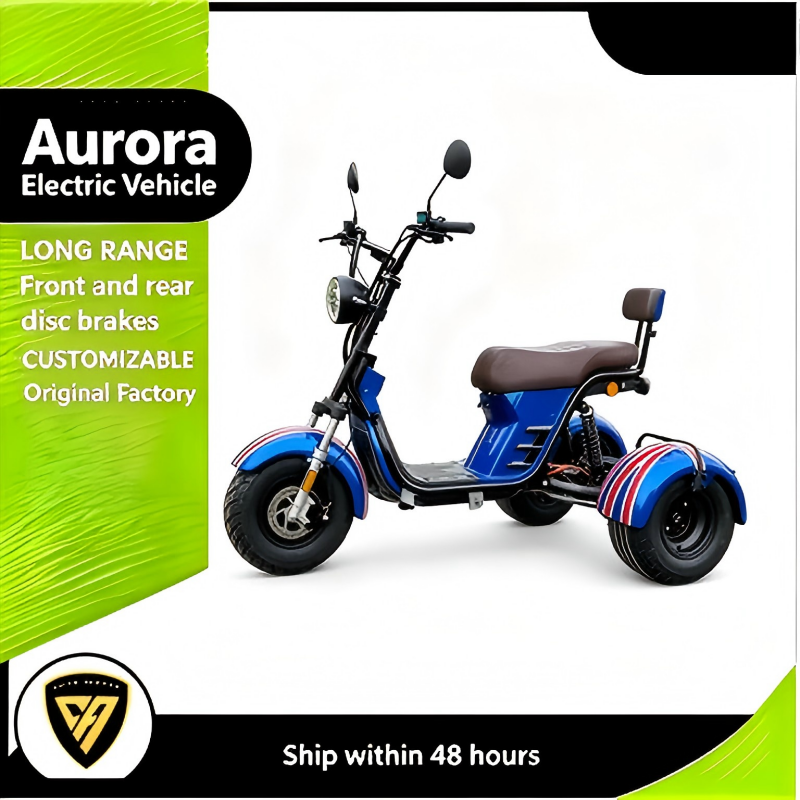
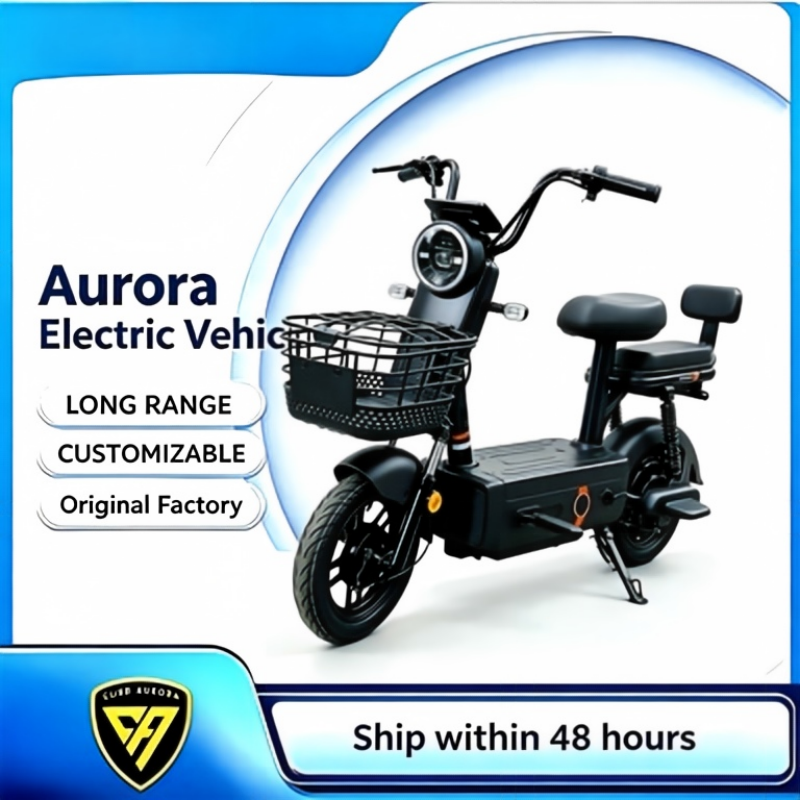
Tested for absolute endurance and structural integrity under certified standards
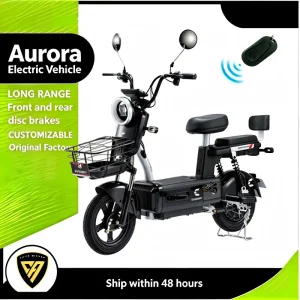
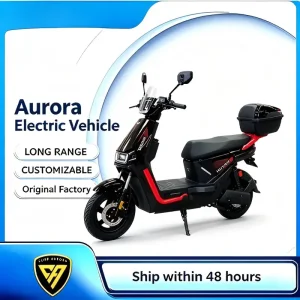
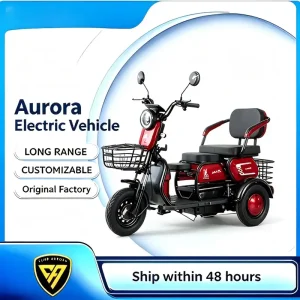
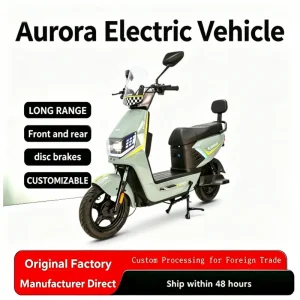
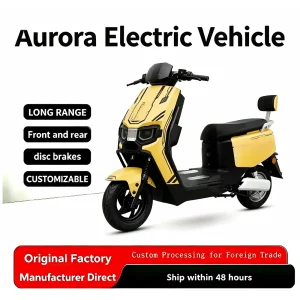
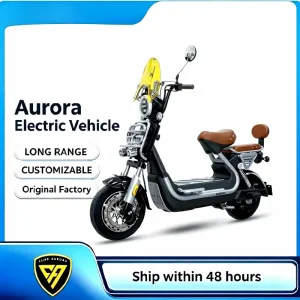
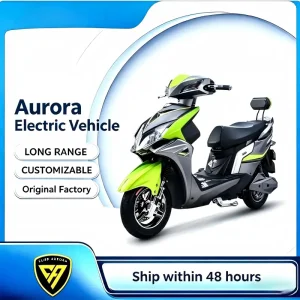
As the global transition to sustainable urban mobility accelerates, light electric vehicles (LEVs), including electric scooters, e-bikes, and tricycles, have shifted from novelty commuter options to core transport infrastructure. This shift is accompanied by stringent regulatory scrutiny. In the European Union and other highly standardized global markets, CE Certification is not merely a custom clearance formality; it represents a comprehensive declaration of safety, reliability, and engineering compliance under the European standards.
Specifically, electric bicycles must comply with the harmonized standard EN 15194, which outlines rigorous guidelines for electric circuits, mechanical strength, power management systems, electromagnetic compatibility (EMC), and robust anti-tampering parameters. At the heart of safety verification lies the Electric vehicle endurance test. This mechanical and electrical battery of assessments ensures the vehicle can withstand over 10,000 duty cycles under varying climatic, load, and dynamic stress profiles without catastrophic failure.
A CE certified light electric vehicle undergoes rigorous fatigue and thermal cycles, directly reducing post-sale warranty claims by up to 64% and protecting brand equity for importers, factory distributors, and logistics fleet operators.
Modern manufacturing methodologies demand simulated endurance testing models that go beyond traditional roller-bench checks. The latest industrial methodologies deployed by elite exporters involve:
Technical parameters tested under certified laboratory conditions
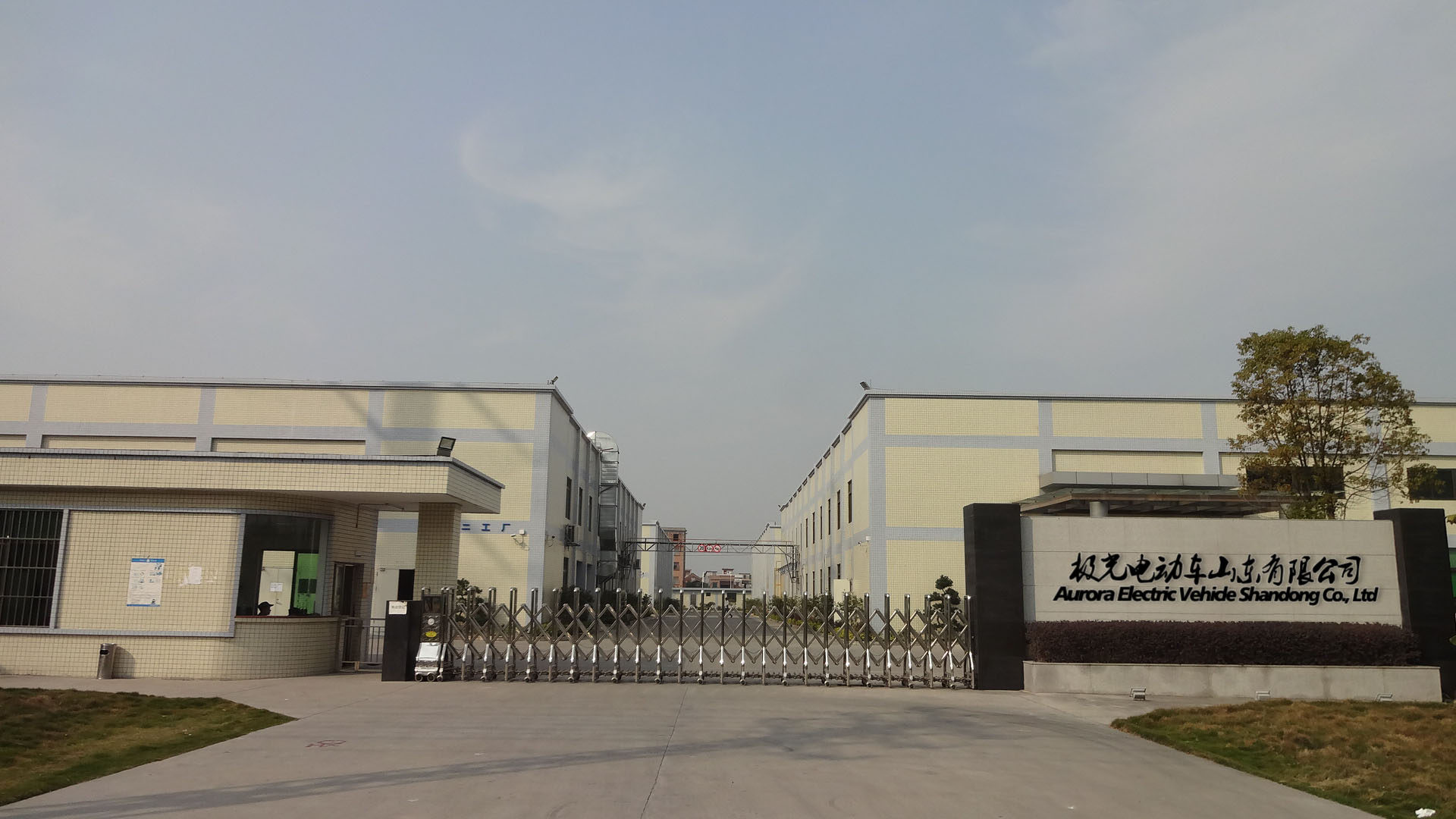
Founded in 2015, Aurora Electric Vehicle Shandong Co., Ltd. is a leading electric bicycle manufacturing enterprise situated in Linyi City, Shandong Province. As a strategic transportation hub bridging the Yangtze River Delta and the Bohai Economic Circle, Linyi offers unique geographical and logistical advantages, enabling rapid delivery options and seamless regional raw material sourcing.
Over more than 10 years of focused specialization in the electric vehicle industry, we have evolved from a highly dedicated production workshop into a massive, comprehensive enterprise integrating state-of-the-art Research & Development, automated production lines, global sales distribution, and a supportive after-sales ecosystem. Our trajectory mirrors the upgrade cycles of China's electric bicycle industry, adapting swiftly to the "New National Standard" (GB17761-2018) and international regulatory transformations like the European CE directives.
Our commitment is characterized by persistent innovation and continuous technical refinement. When standard shifts occurred in 2019, Aurora EV proactively updated its entire production assembly infrastructure and design matrices. We optimized parameters to strictly guarantee fire-retardant chassis and plastic housings, reliable electronic speed limits, and advanced anti-tampering software solutions.
Our standardized production facility is equipped with digital machinery, precise robotic welding cells, auto-tension wheel assembly lines, and specialized dynamometers. This extensive framework guarantees our annual capacity satisfies large-volume orders from global logistics players, micro-mobility exporters, and domestic distribution channels.
Composed of senior structural and electrochemical engineers with 10+ years of EV experience. They drive innovation in range optimization, shock-absorption physics, and hold multiple patents in smart BMS design and high-efficiency motor controllers.
Manned by highly trained assembly operators adhering strictly to ISO 9001:2015 frameworks. Every step—from inbound frame steel/aluminum inspection to dynamic torque checks—is thoroughly recorded and tracked.
Providing responsive, multilingual B2B support. They guide international buyers through customization matrices, handle import-export customs compliance, and supply immediate after-sales replacement components.
Our organizational alignment follows the principle of "people-oriented, talent first." By holding regular technology challenges, safety protocols workshops, and engineering summits, we ensure our production standards consistently lead the modern LEV manufacturing sector.
Underpinning our core commitment to safety, compliance, and international standards
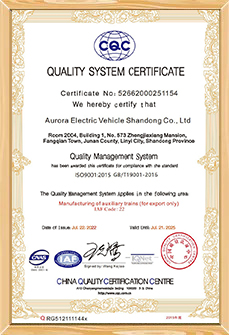
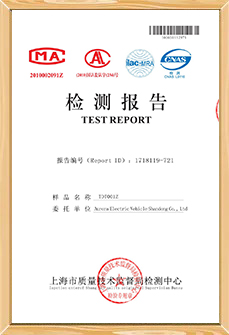
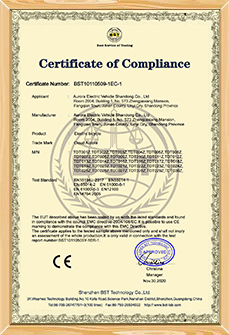
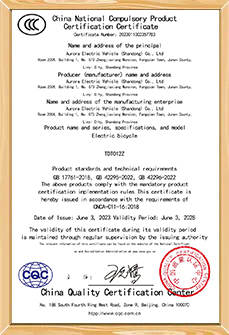
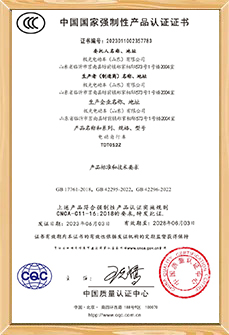
A brand's reliability is built in the lab. We invest significantly in our on-site testing facility. Our protocols are structured around the following physical testing parameters:
Why elite importers choose Aurora EV Shandong Co., Ltd. for volume distribution
Operating from Linyi, the city with the highest density of electric bicycle ownership in Shandong, we leverage direct regional consumer usage patterns. This proximity offers our R&D team immediate field insights, which translate directly into faster iterations, optimized vehicle ergonomics, and resilient frame geometry. In short, we design for real-world commuter behavior.
We do not just manufacture standard products; we deliver tailored solutions. Our facilities enable complete structural modifications to meet specific regional regulations. Whether a client requires speed limit modifications to 25 km/h for the European Union, customizable frame extensions for delivery operations, or heavy-duty shock absorption for hilly terrains, our engineers deliver optimized configurations.
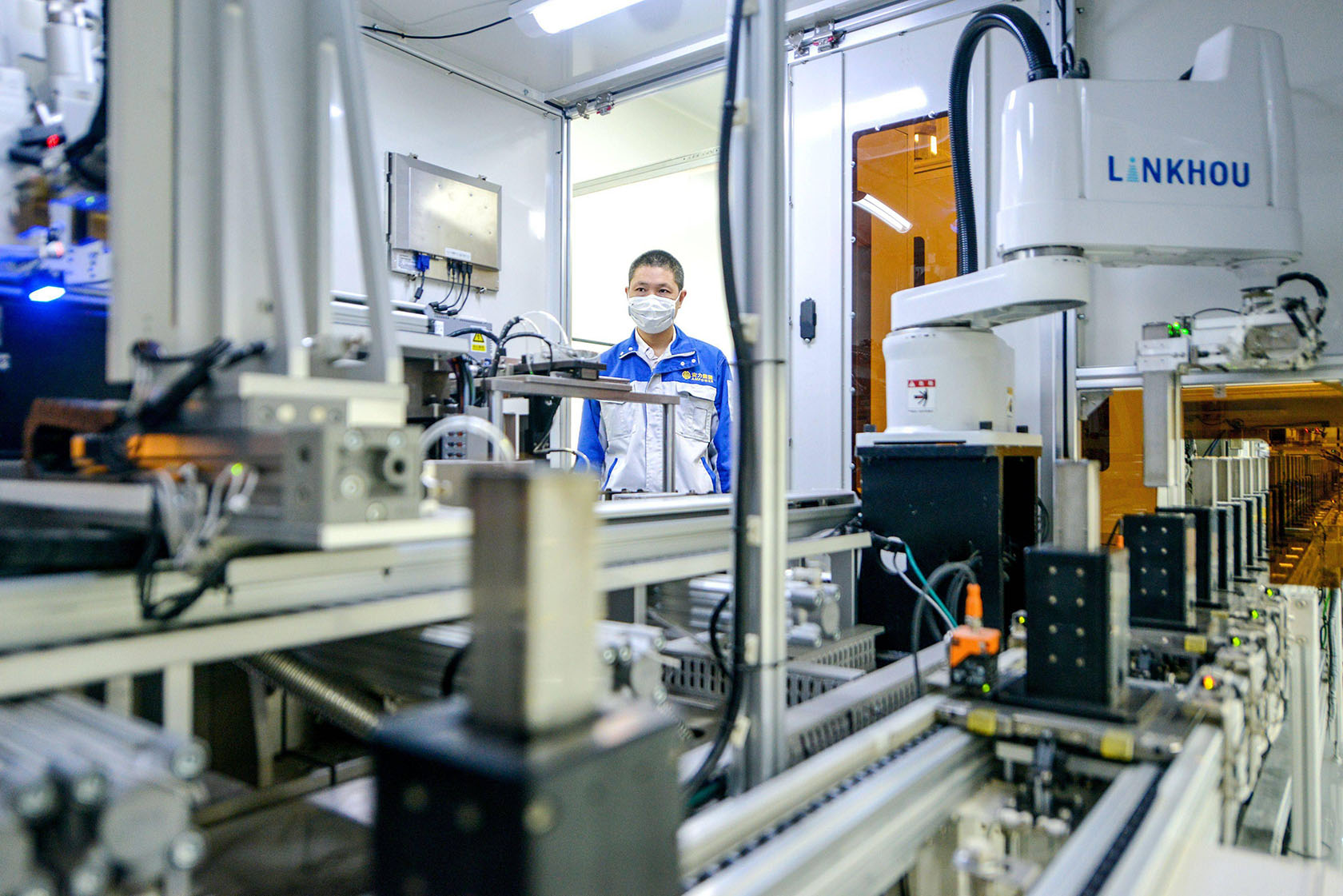
Engineered for durability, rider comfort, and zero emission efficiency
Protecting product integrity through international freight routes
From color schemes, branding decals, battery configurations, to custom container loading architectures, we adapt to your commercial targets.
Every shipment undergoes double inspections. We verify battery levels, test motor responsiveness, check wiring continuity, and confirm brakes before loading.
We utilize 5-layer imported kraft cardboard cartons with inner expanded polystyrene support frames. This structure absorbs transit shocks, preventing surface damage.
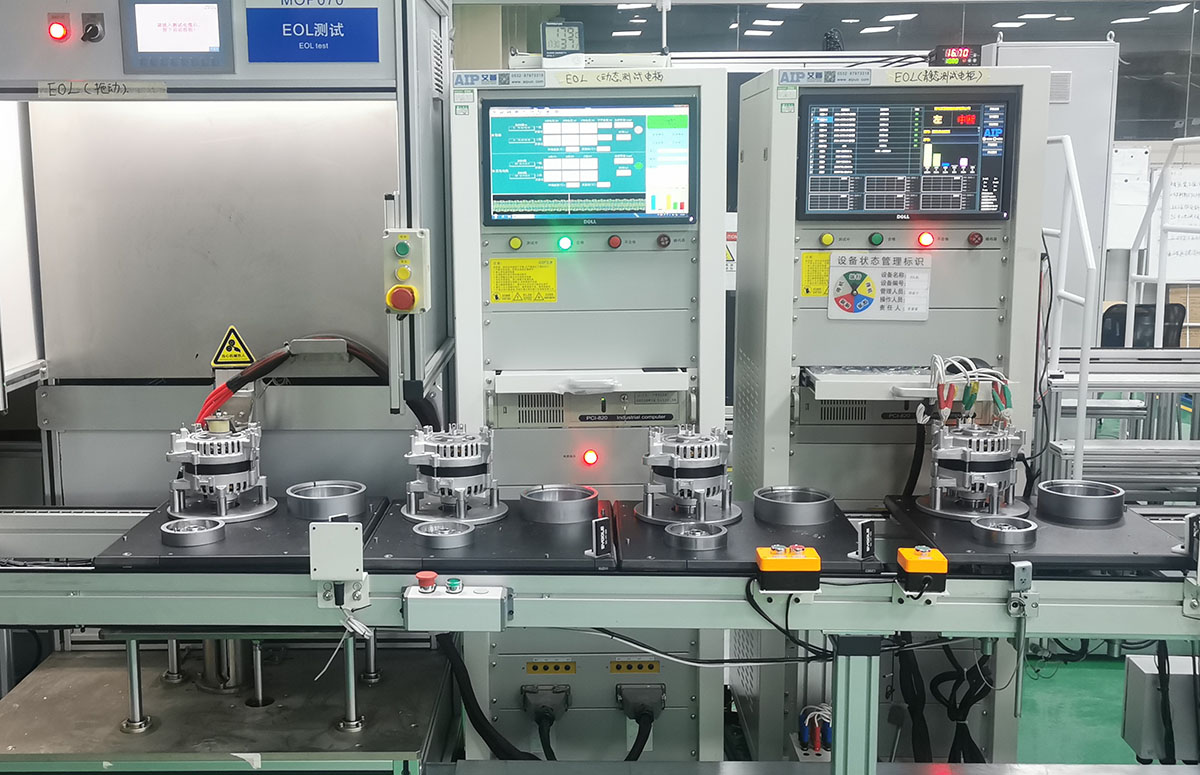
Looking ahead, Aurora Electric Vehicle (Shandong) Co., Ltd. continues to prioritize our core values of *integrity, innovation, professionalism, and dedication*. We are focused on investing in automated battery welding technologies, carbon fiber chassis designs, and AI-enabled battery diagnostic systems.
We welcome global importers, logistics companies, e-commerce brand owners, and industrial wholesalers to visit our manufacturing facilities in Linyi City, Shandong. Our teams will facilitate your tour, review target specifications, and build a reliable supply chain solution together.
How our compliance-certified vehicles perform across diverse consumer and commercial profiles
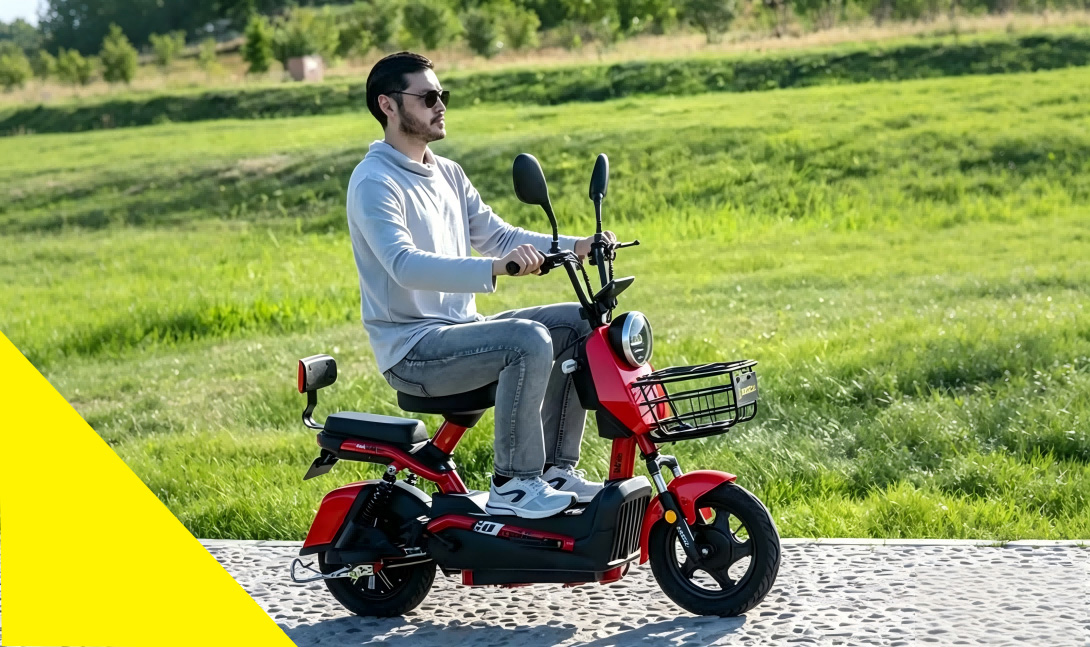
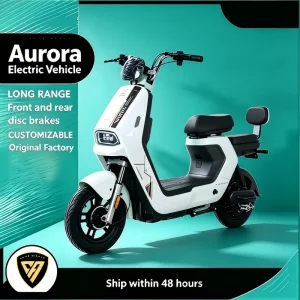
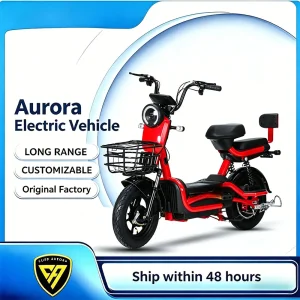
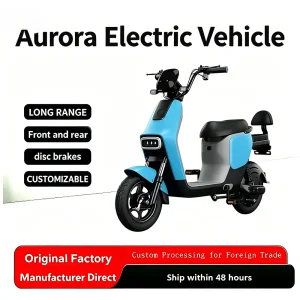
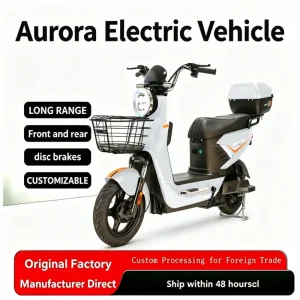
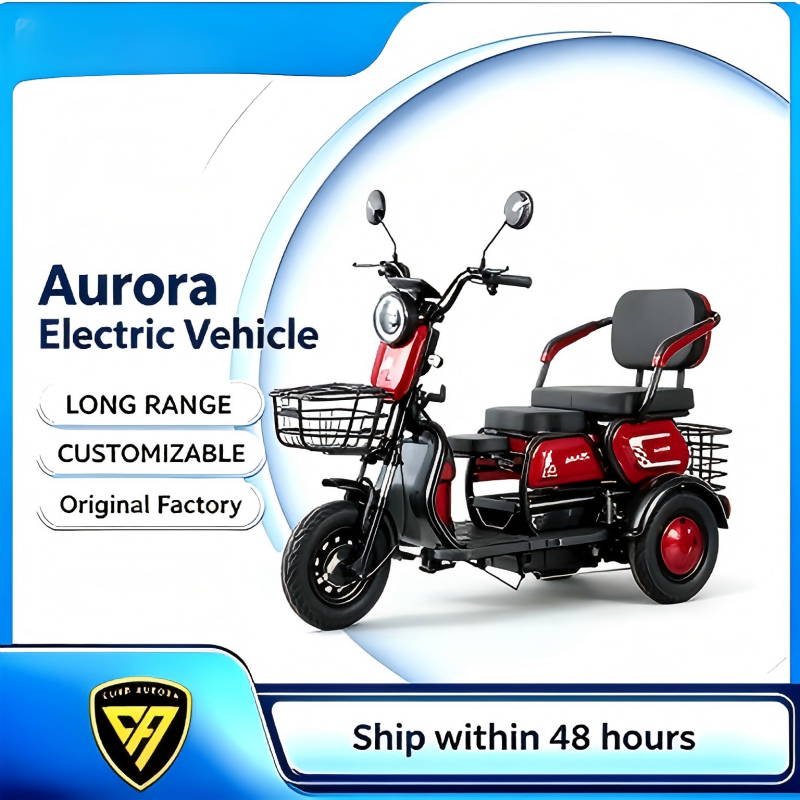
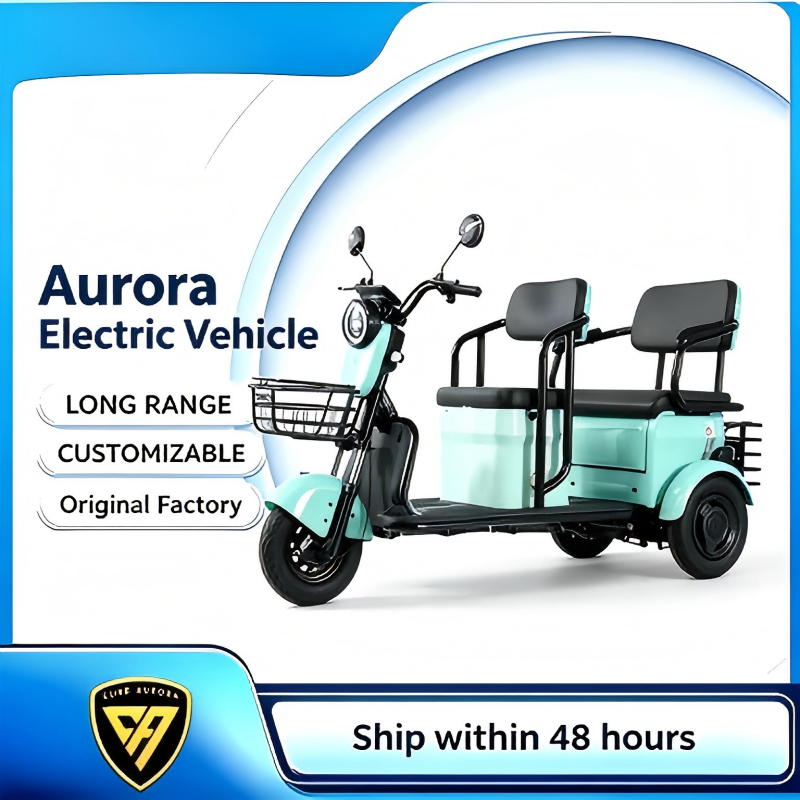
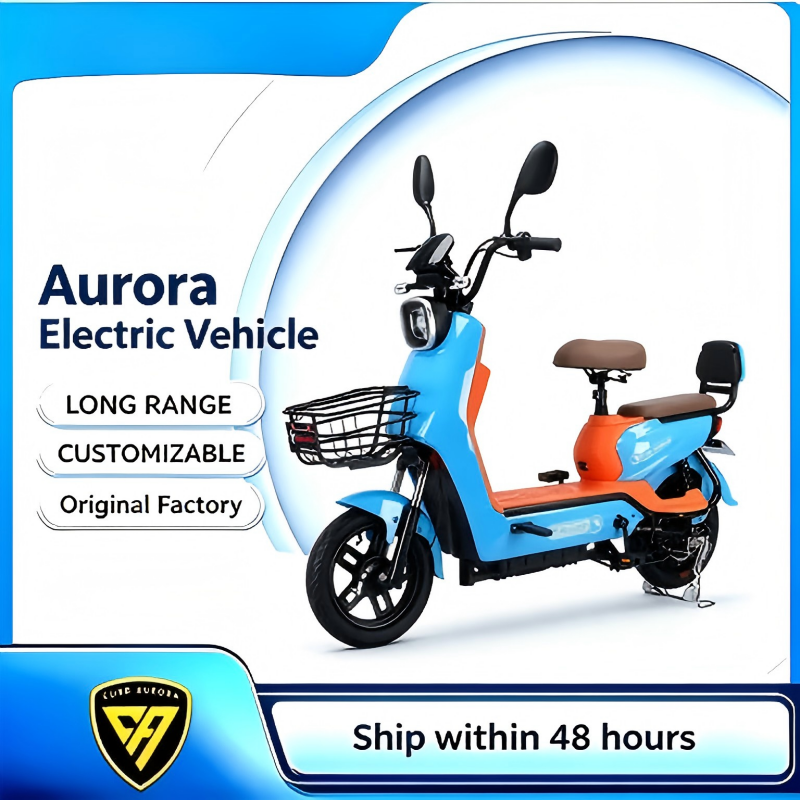
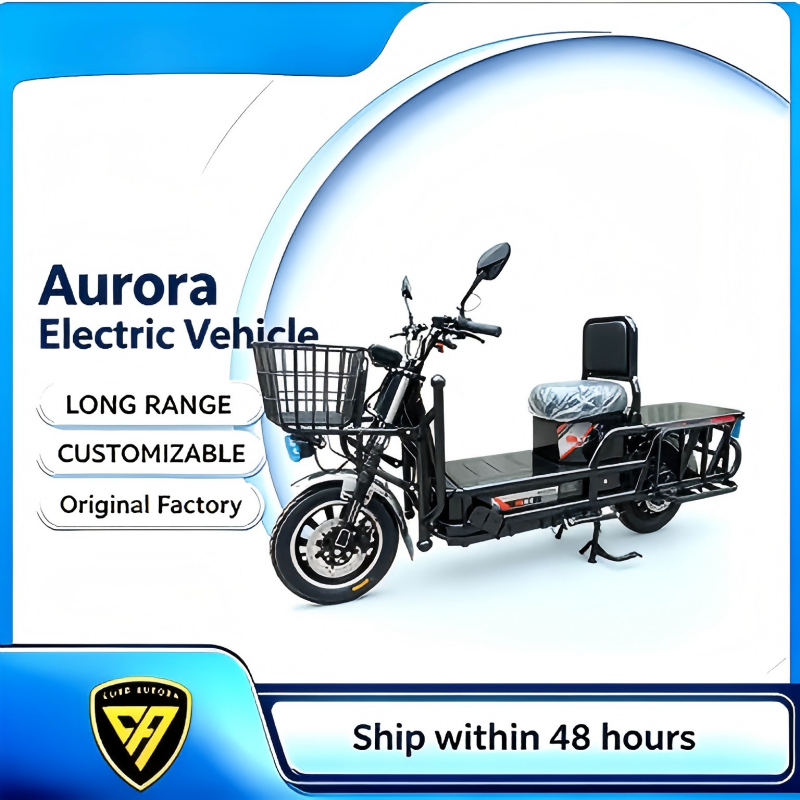
Engineered for lightweight daily operations. Features high-tensile frame balancing, energy-efficient control, and a durable hub motor system. Perfect for dense commuter grids.
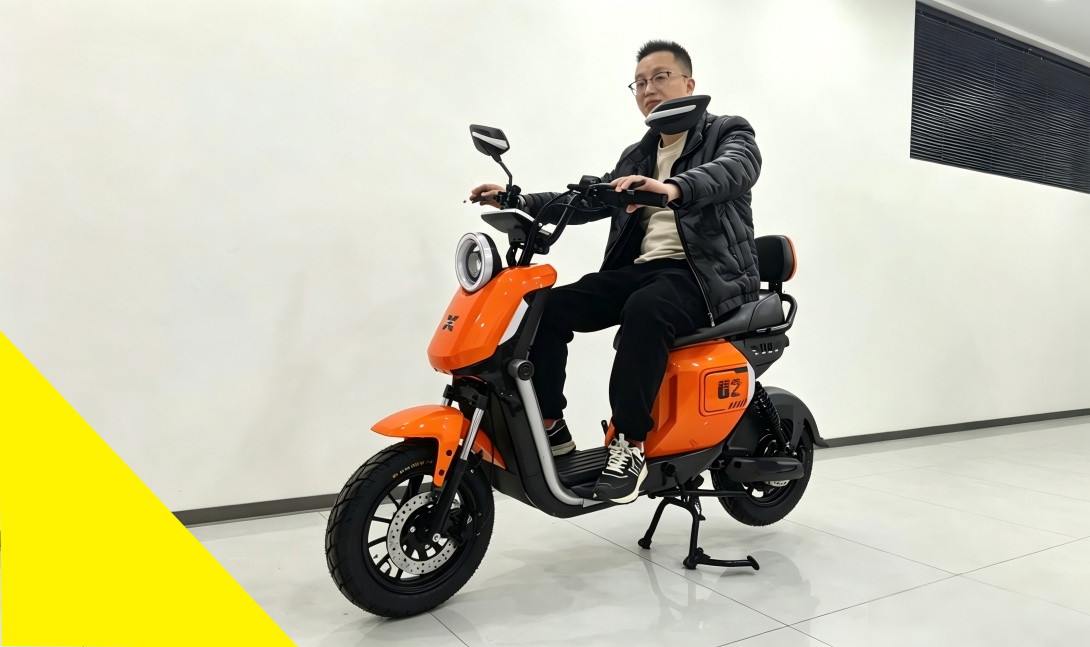
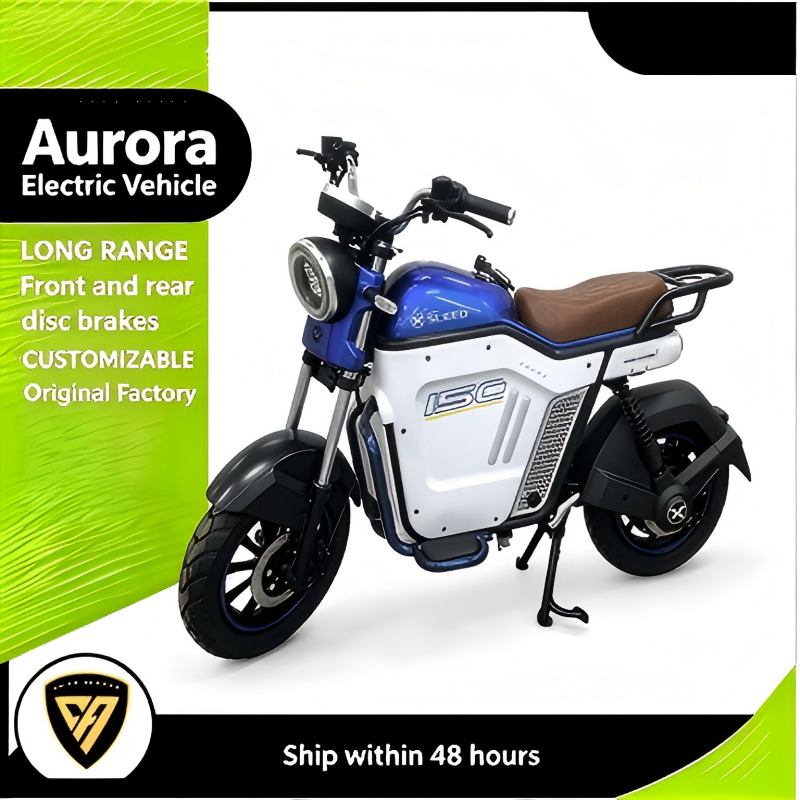
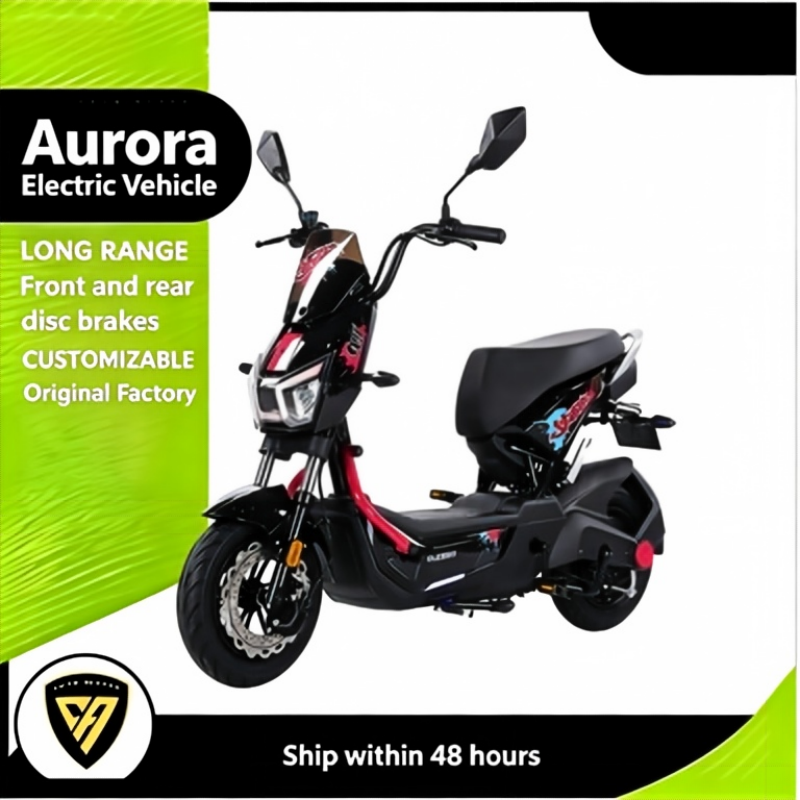
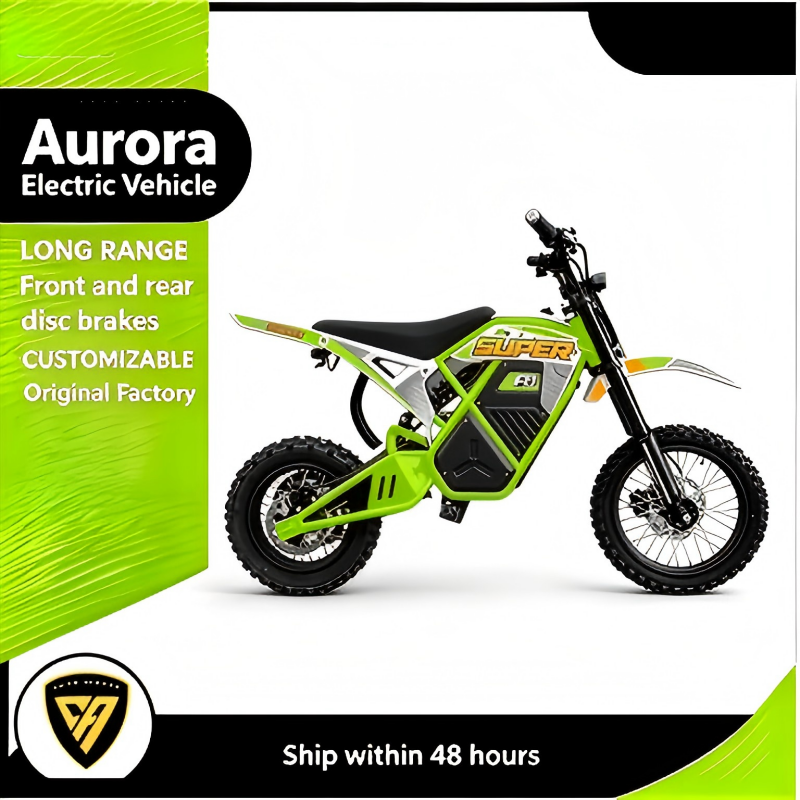
Features a streamlined aerodynamic chassis, highly responsive acceleration profiles, and optimized ground clearance. A favorite among younger urban demographics and daily rental networks.
Direct, engineering-backed answers to your most pressing import and compliance questions
Under the harmonized standard EN 15194, an electric bicycle must undergo comprehensive electrical testing (circuit protection, wiring insulation, battery pack cycle safety), mechanical testing (front fork fatigue, handlebar impact, chassis stress limits), electromagnetic compatibility (EMC) testing, and anti-tampering verification to prevent unauthorized motor speed configuration adjustments.
Endurance tests simulate multi-year, high-demand riding conditions by putting battery packs through continuous charge-discharge cycles in environmental chambers. These tests help optimize the BMS configuration, minimizing battery degradation over time and ensuring the lithium-ion cells maintain at least 80% capacity after 800-1,000 cycles.
All vehicles are wrapped in anti-static protective film and packaged inside heavy-duty, 5-layer imported kraft cardboard containers with customized EPS foam internal frames. Additionally, batteries are set to shipping-safe charge percentages, and every cargo batch is strapped and secured within shipping containers to prevent shifting during maritime transit.
Yes. Through our OEM and ODM services, we modify motor speed limits (e.g., locking to 25 km/h for standard EU roads), integrate required reflectors and lighting systems, customize motor power outputs (e.g., 250W continuous limit), and apply necessary localized safety labels and warnings.
Typical OEM/ODM production lead times range between 30 and 45 days. This timeline accounts for structural frame preparation, customized component integration, strict CE and ISO quality verification, and dynamic testing protocols.
Factory-direct options for global importers, custom fleets, and micro-mobility operators