In the global marketplace, especially within the European Economic Area (EEA), importing and distributing light electric vehicles (LEVs) requires rigid compliance structures. Under the scope of Google's search intent analysis, buyers searching for "CE Certification Electric vehicle LCL Exporters" are looking for more than a sticker. They require verification of conformity across multiple European directives. For electric bicycles (EPACs), the standard of reference is EN 15194, which sets safety and quality bounds for motors, battery management systems (BMS), structural fatigue, and electromagnetic emissions.
For other categories of electric two-wheelers, three-wheelers, and utility scooters (L1e through L7e vehicles), directives like the Machinery Directive (2006/42/EC), the Low Voltage Directive (LVD 2014/35/EU), and the EMC Directive (2014/30/EU) govern hardware performance. Our manufacturing processes at Aurora Electric Vehicle (Shandong) Co., Ltd. ensure that every chassis, battery pack, and drivetrain component undergoes strict safety verification before moving to the packaging stage.
Lithium battery setups require UN38.3 test documentation, MSDS clearances, and compliance with the Battery Directive (2006/66/EC) to ensure safety during transport and long-term usage.
Compliance with EMC (2014/30/EU) guarantees that our high-power brushless hub motors do not interfere with external communication networks and telemetry devices.
Rigorous structural stress testing simulates prolonged daily operation. Frames undergo over 100,000 load cycles under high-weight conditions to prevent stress-fractures.
Importers seeking flexible logistics rely heavily on LCL (Less-than-Container Load) solutions. Unlike FCL (Full Container Load), LCL requires consolidating cargo from various shippers into a single container. However, because electric vehicles contain high-energy lithium batteries, they are classified under Dangerous Goods (DG) Class 9 (UN 3171 / UN 3481). Standard shipping lanes often refuse LCL consolidation of Class 9 goods unless handled by experienced freight specialists.
Aurora Electric Vehicle operates with approved B2B forwarders to execute compliant LCL consolidation. Our export team coordinates logistics by offering custom-fit wooden crating or robust steel-framed 5-layer kraft cartons. This protects the vehicles from compressive stress inside the container and prevents potential physical damage to the batteries.
We provide full documentation, including Material Safety Data Sheets (MSDS), UN38.3 Test Summaries, and Dangerous Goods Declarations, ensuring smooth custom clearance.
We leverage Linyi's logistics infrastructure to group and store shipments in designated hazmat warehouse zones, keeping them secure before vessel loading.
Every LCL vehicle is secured using custom structural steel inner frames with high-density exterior card padding to shield against vibration and shifting.
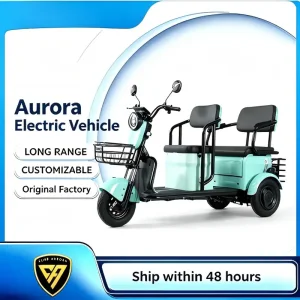
LCL allows small and medium distributors to source trial batches of e-scooters and e-trikes without committing to the costs of a full 40ft container.
Founded in 2015, Aurora Electric Vehicle Shandong Co., Ltd. is located in Linyi City, Shandong Province—a strategic transportation hub linking the Yangtze River Delta and the Bohai Economic Circle. Over the last decade, our company has transitioned from a localized production hub into an integrated global factory specializing in the R&D, manufacturing, distribution, and custom OEM/ODM packaging of electric bikes, tricycles, and delivery scooters.
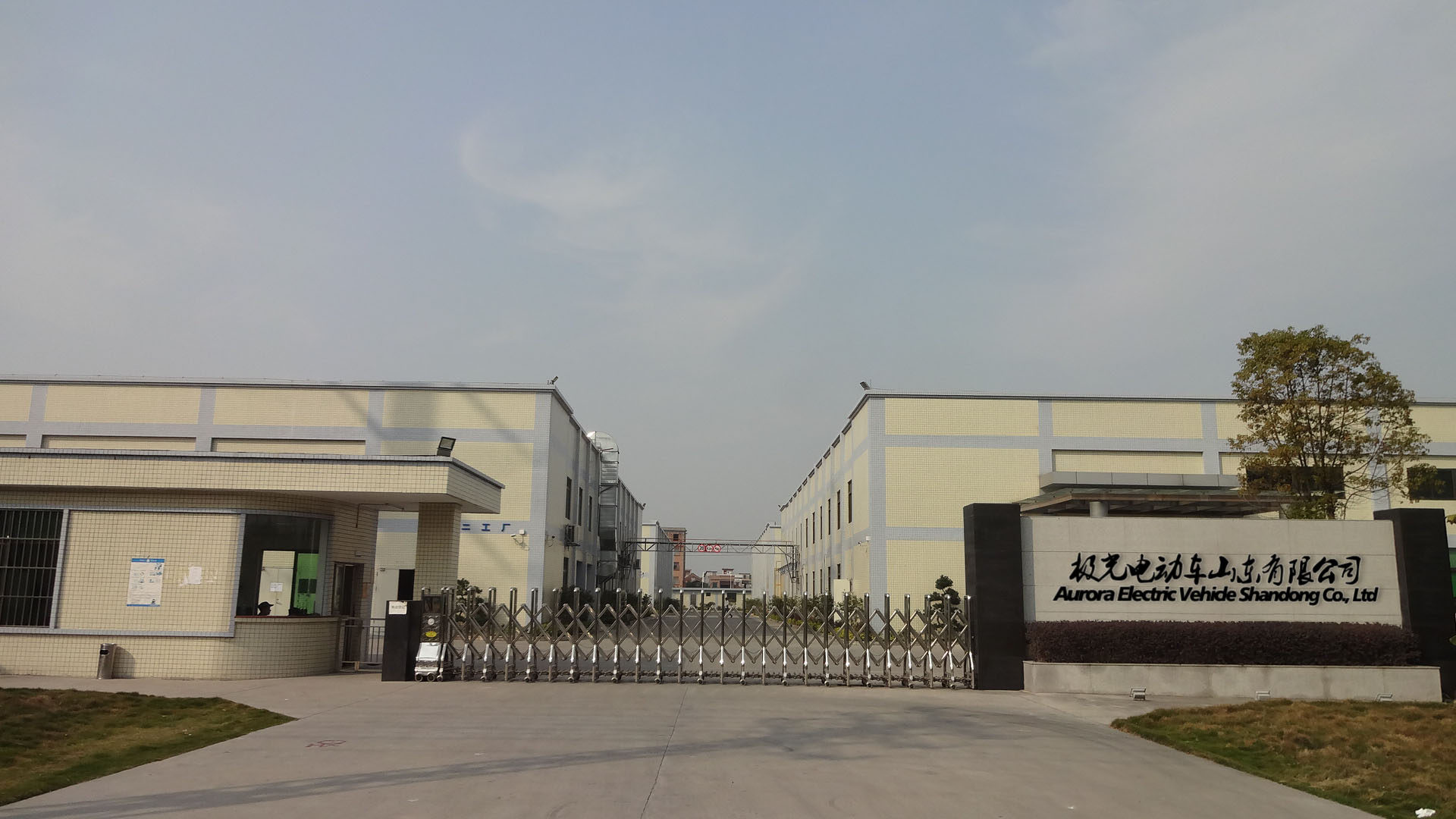
With the enforcement of the Chinese new national standards in 2019, our factory undertook production line enhancements, updating battery management units, fire-retardant electrical circuitry, and limiters to maintain compliance with domestic and international safety standards.
Led by engineers with more than 10 years of EV industry experience, our R&D team targets battery longevity, structural stress limits, and smart telemetry integration. We hold multiple functional patents on motor performance and thermal control.
Our QA division oversees every production stage—from testing raw steel alloys to validating battery storage capacity and checking electrical load configurations before factory exit.
We offer customized supply-chain solutions, supporting global partners in handling complex localized importing paperwork, customs codes, and transit routing.
Our factory operations comply with international quality guidelines. By keeping compliance records up to date, we help partners avoid port seizures, regulatory fines, and distribution delays. Our certificates verify performance standards across European and American markets.
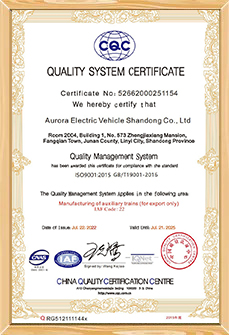
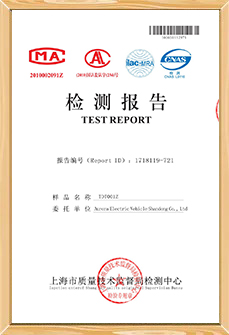
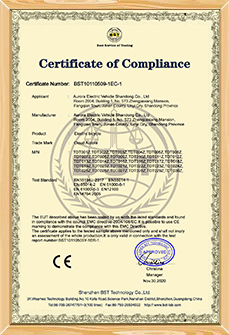
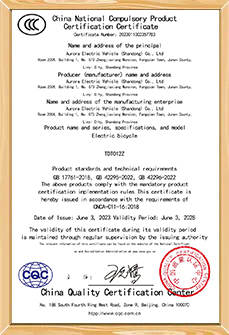
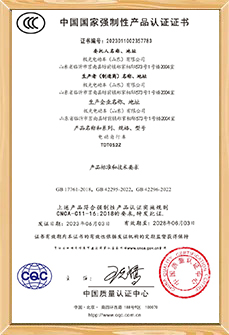
At Aurora Electric Vehicle, our mission is built on safety and durability. We operate dedicated on-site laboratories to inspect motor performance, test battery management systems, and run vibration tests on chassis builds. In Linyi, we integrate environmental safety and robust assembly processes into our daily production workflow.
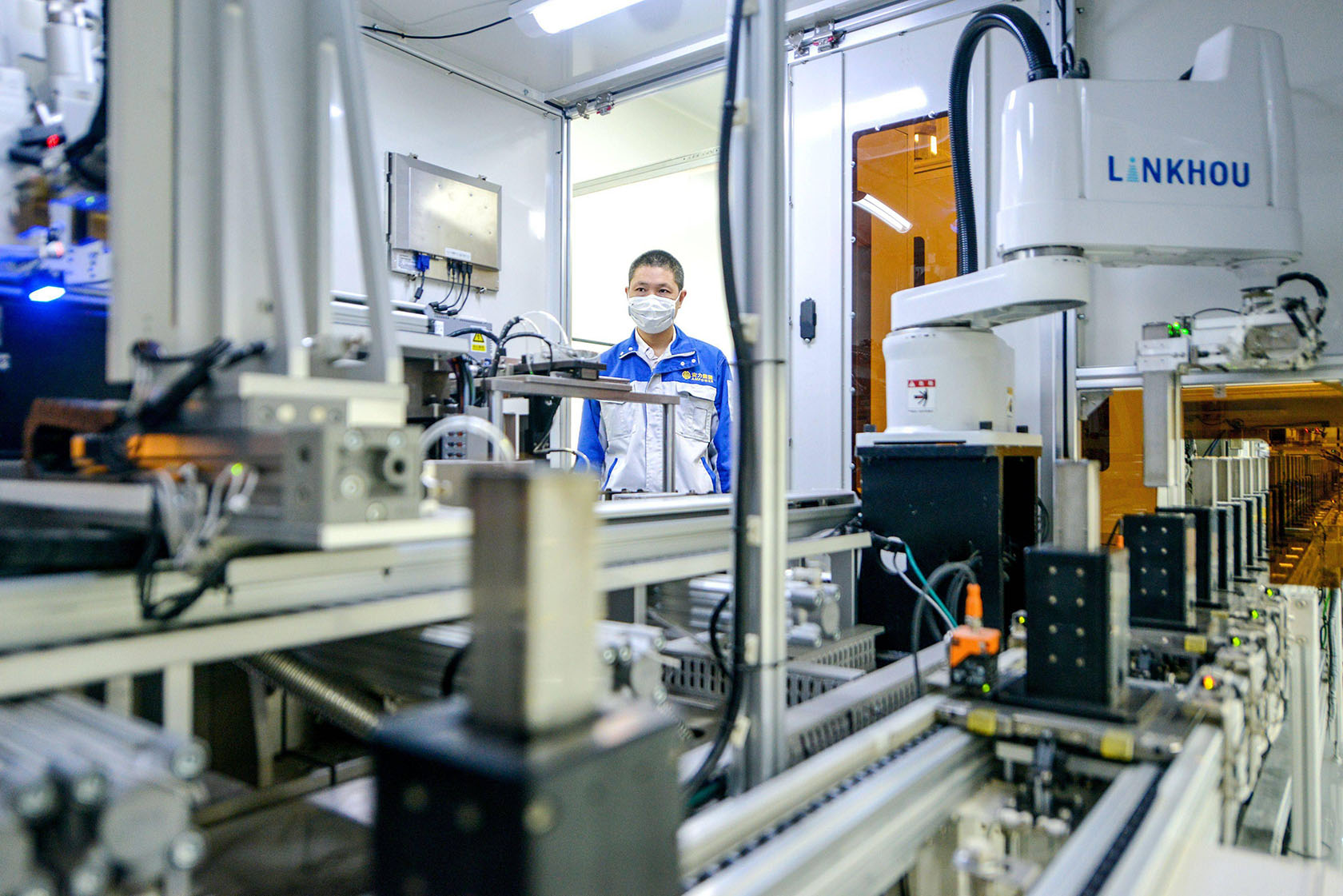
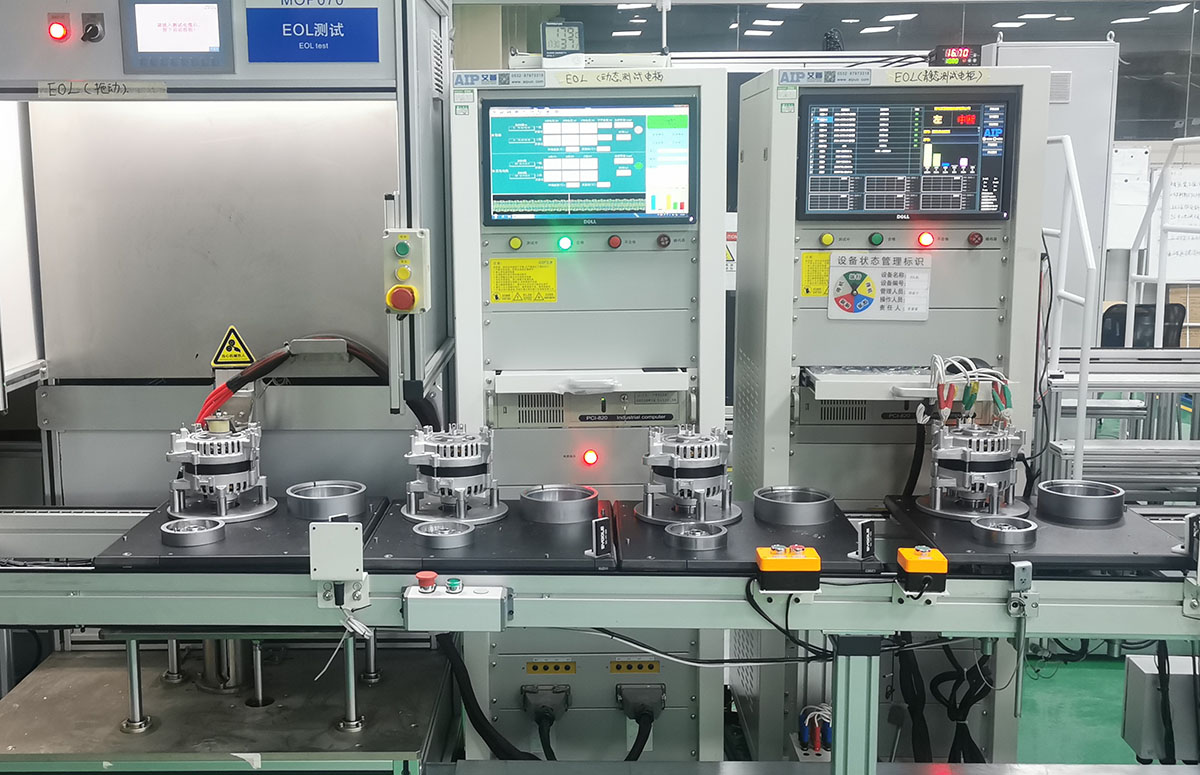
Our testing protocols subject vehicle frames to heavy vertical loads, simulate wet-weather commutes via water-spraying chambers, and check battery packs under temperature fluctuations. This testing process guarantees that whether a vehicle is used in a cold European winter or a humid tropical region, its battery cells, controller, and display remain operational.
Manufacturing in Linyi, Shandong Province, provides significant structural benefits for international B2B clients:
Linyi is recognized as a major logistics hub in northern China. This strategic location enables us to transport cargo to major shipping terminals like Qingdao, Tianjin, and Shanghai quickly and cost-effectively.
Our proximity to major steel mills, aluminum extrusion facilities, and specialized semiconductor hubs allows us to source raw components with minimal lead times, insulating our clients from global supply shocks.
We provide full design services, allowing clients to configure motor power, battery capacities, and display panels, or apply custom branding to meet their specific local market demands.
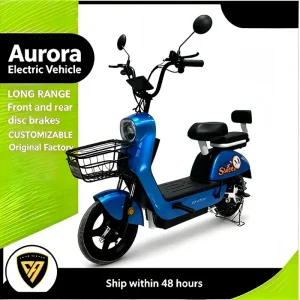
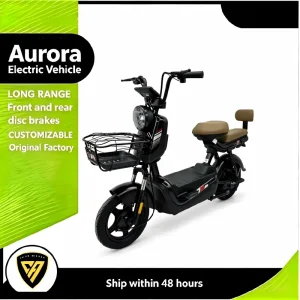
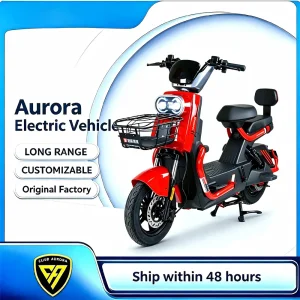
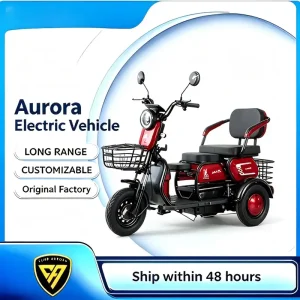
Tailored for urban short trips, this compact and agile e-bike is easy to maneuver and park, ideal for daily commuting, errands and light travel.
Built with a proven powertrain for smooth, consistent performance, reliable climbing and steady acceleration, paired with a high-capacity battery for practical daily range.
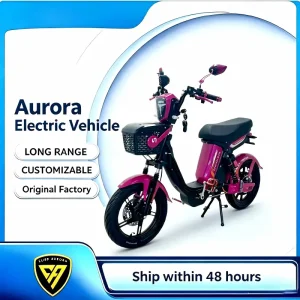
Equipped with a front basket, rear backrest, shock absorption and anti-slip footrest for comfort and versatility, plus responsive braking systems for safe daily riding.
Constructed with a reinforced frame and wear-resistant materials to handle frequent use. Built to export-grade quality standards for durability and low maintenance, perfect for bulk orders and cross-border supply.
Electric vehicles perform differently depending on the operating environment. We configure our builds to address key global use cases:
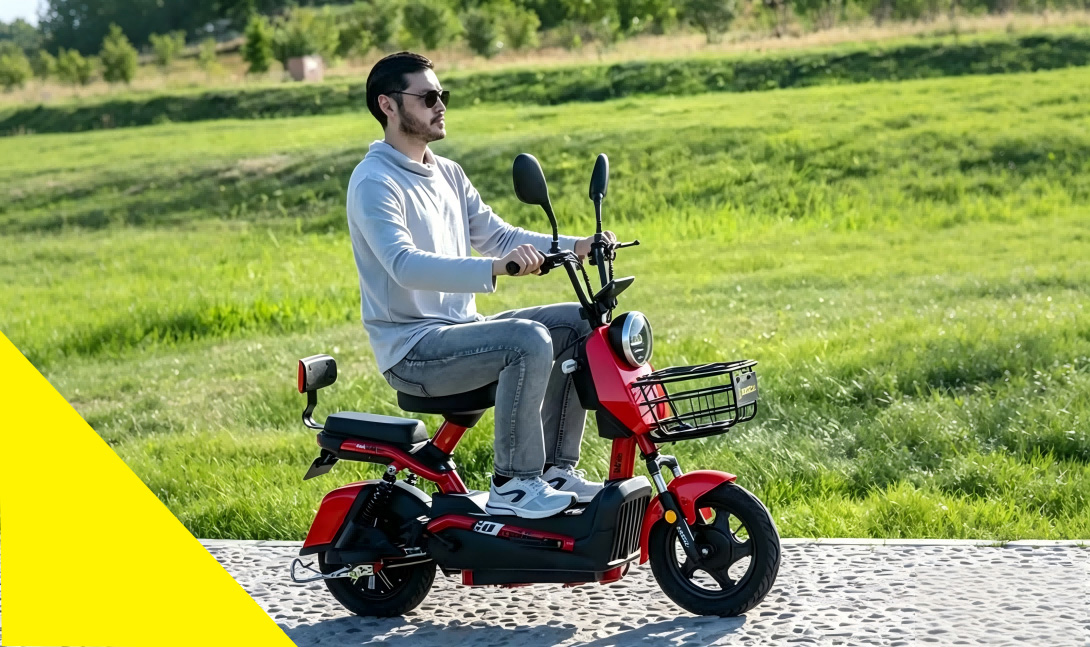
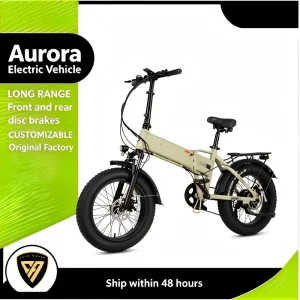
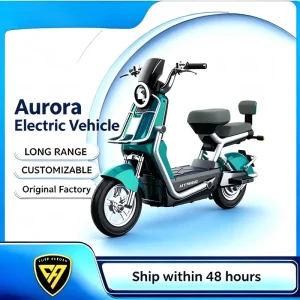
Ergonomic and lightweight, perfect for daily commuting and short-distance travel. Stable power, energy-saving and durable, designed for high-density European transit lanes.
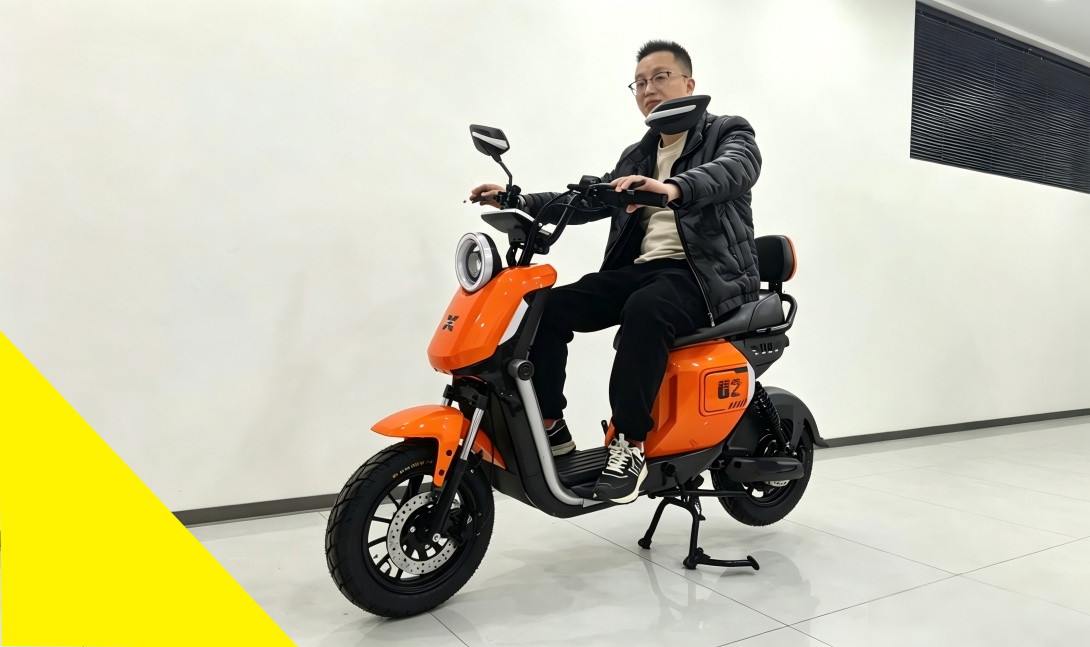
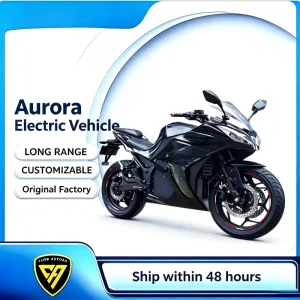
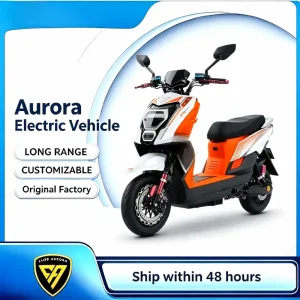
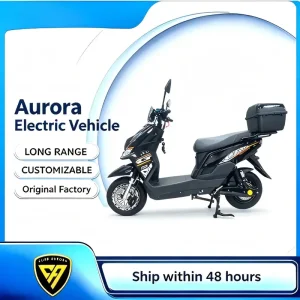
Fashion streamlined design, strong power and smooth driving. Suitable for urban travel, labor-saving and practical, customized with high-visibility safety indicators for night riding.
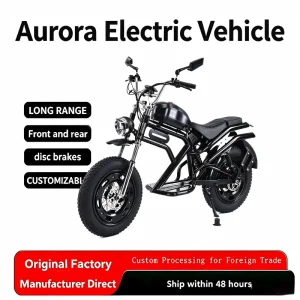
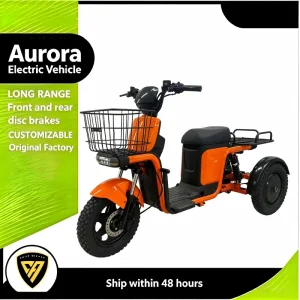
Explore our export lineup of specialized urban commuter bikes, cargo haulers, retro cruisers, and high-performance electric motorcycles.
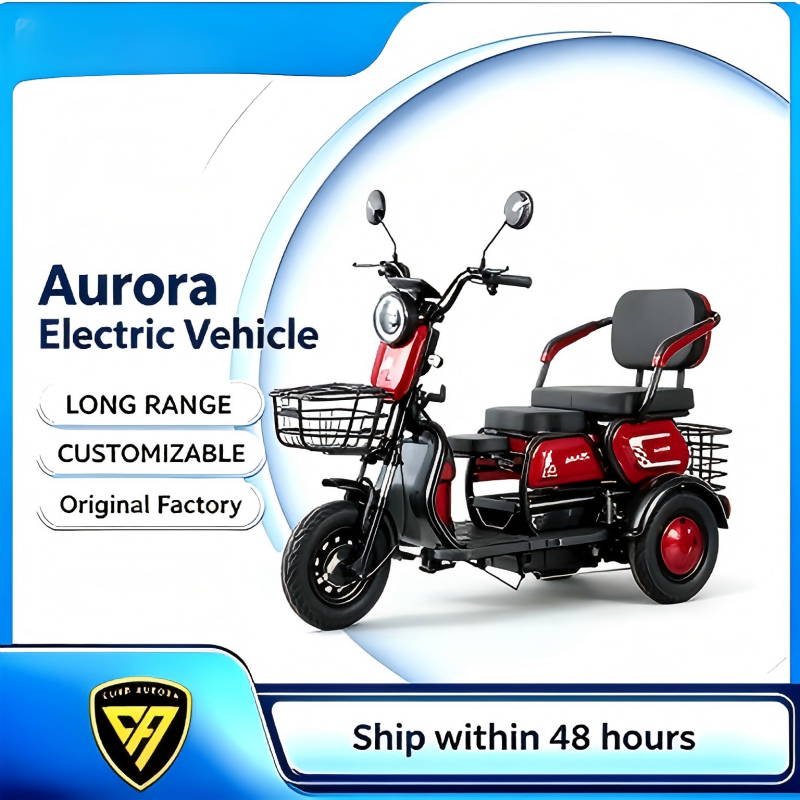
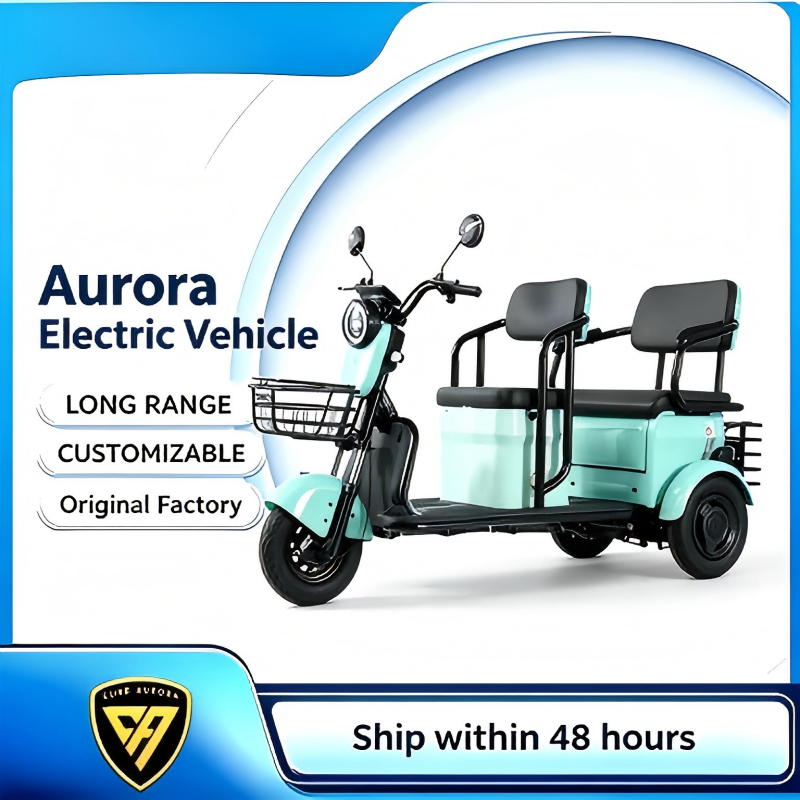
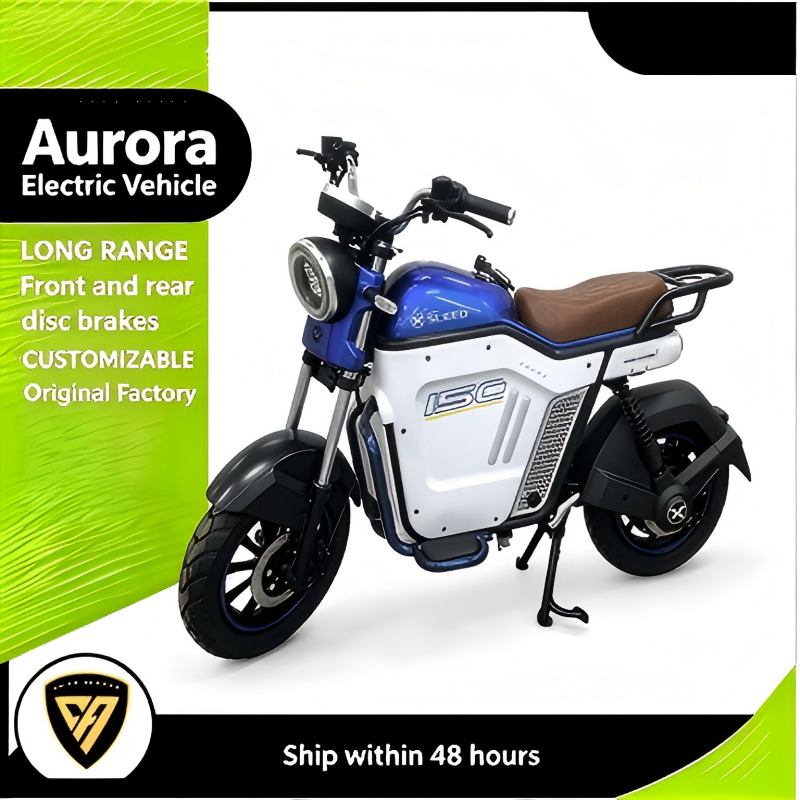
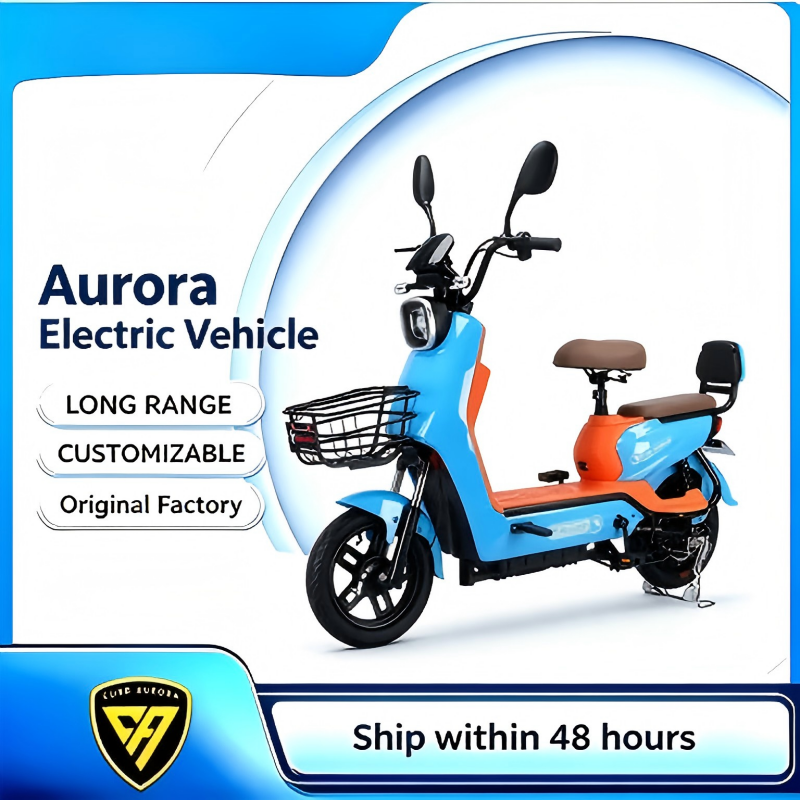
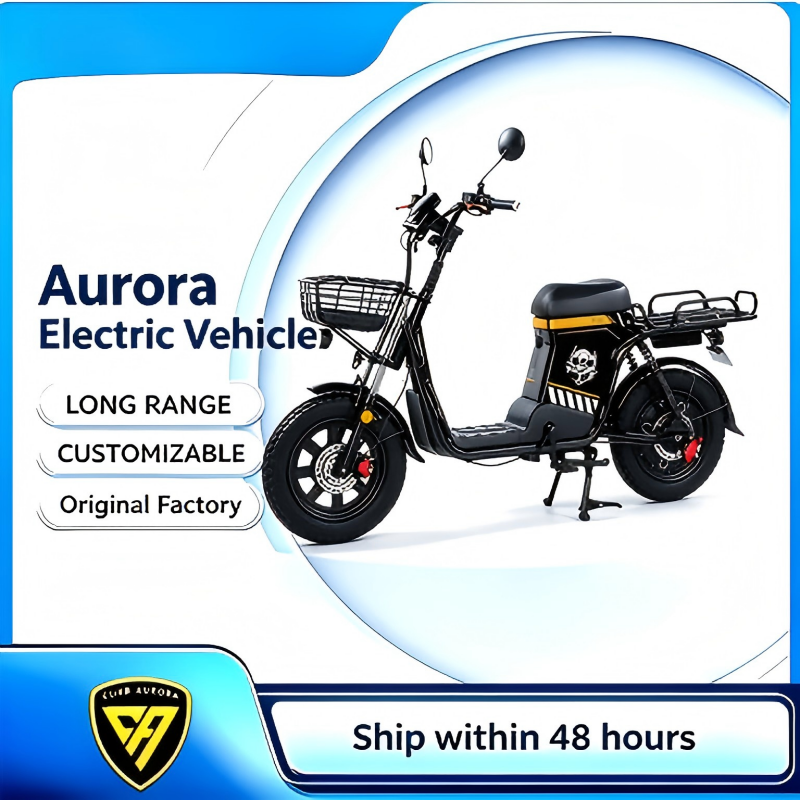
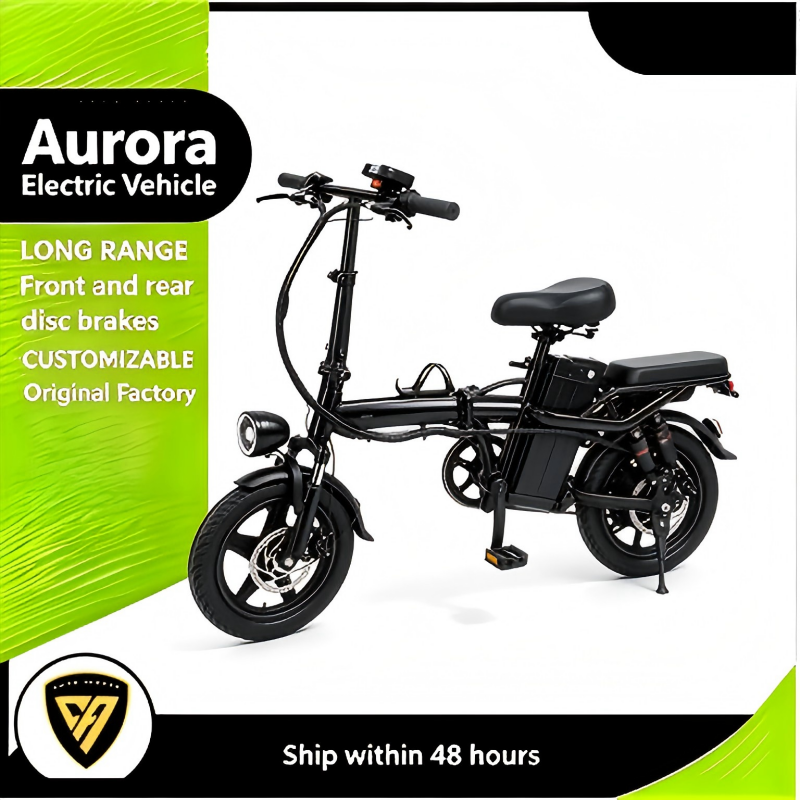
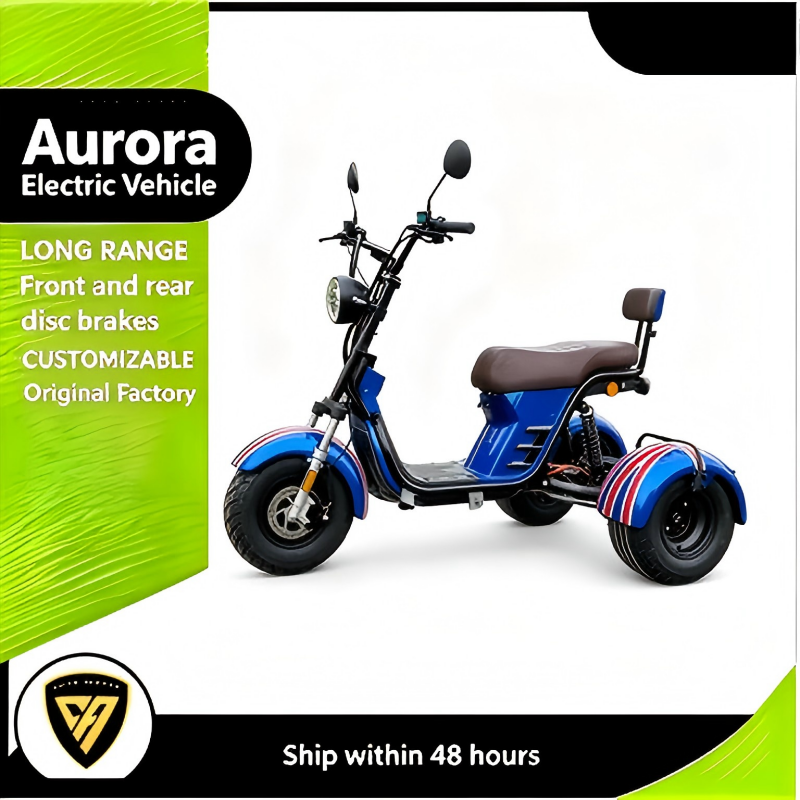
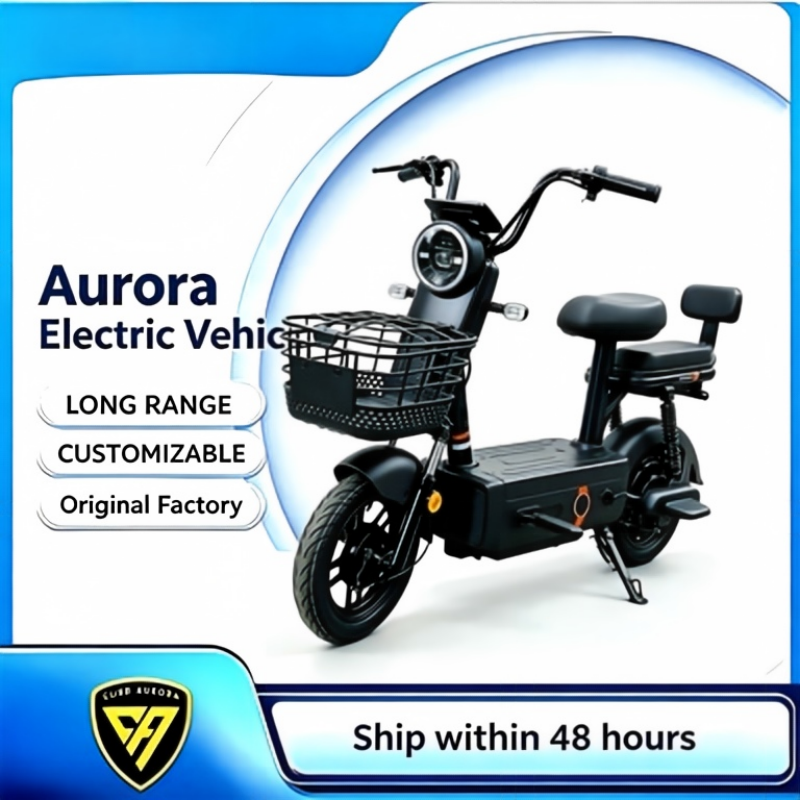
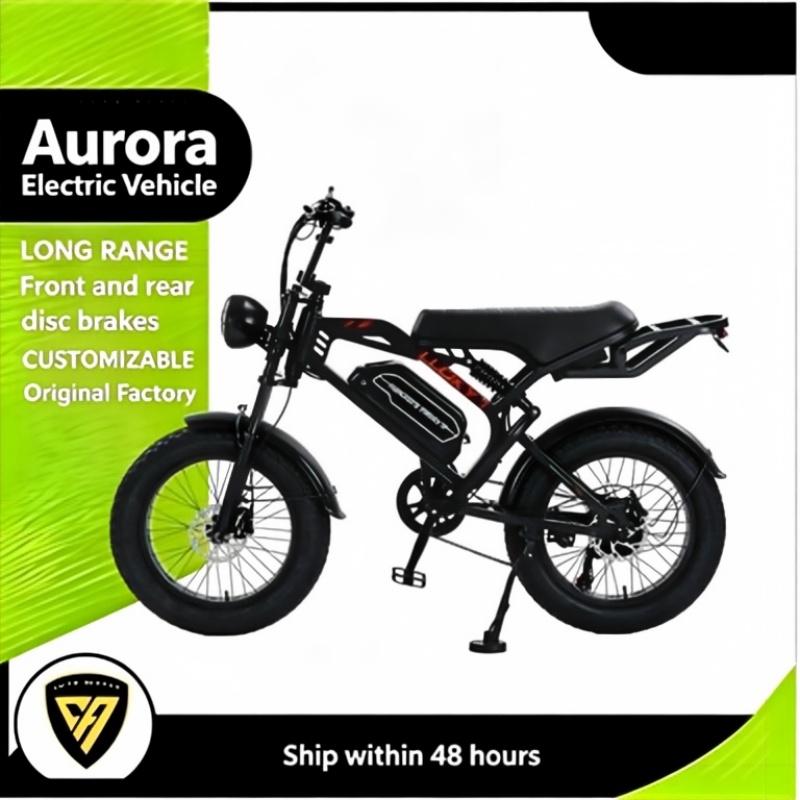
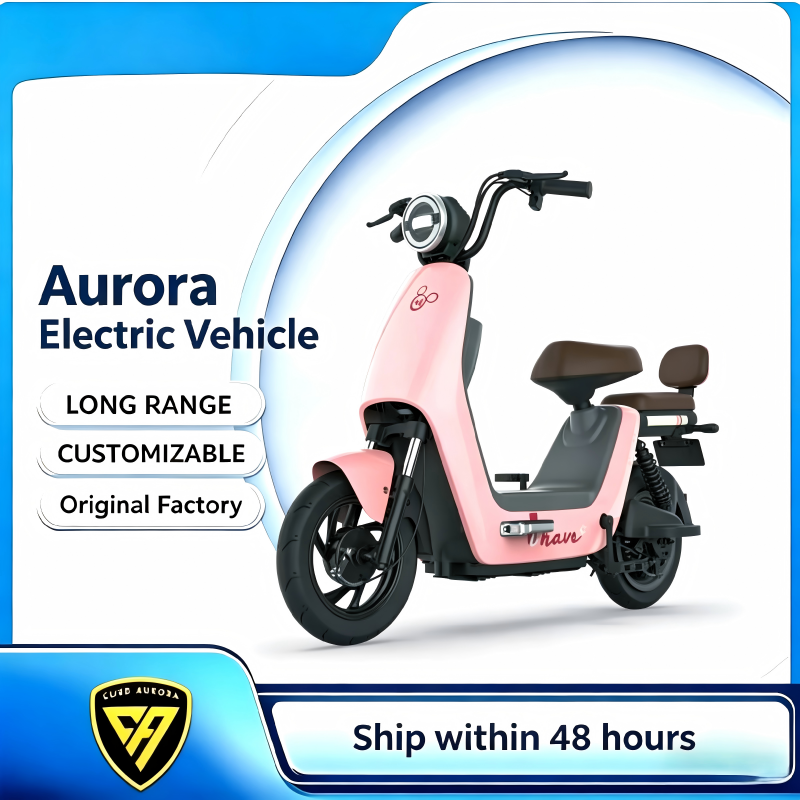
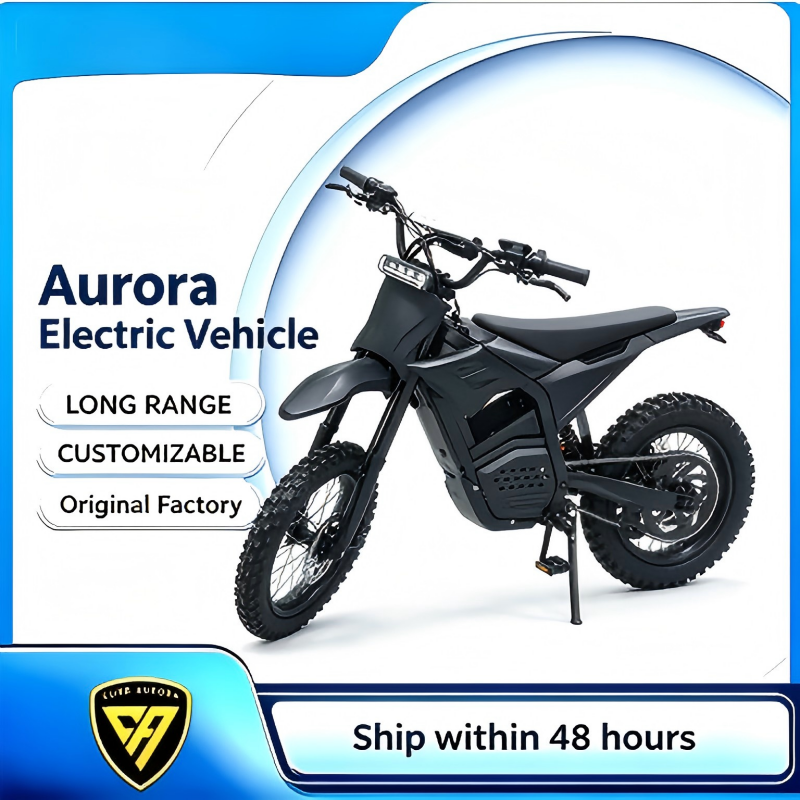
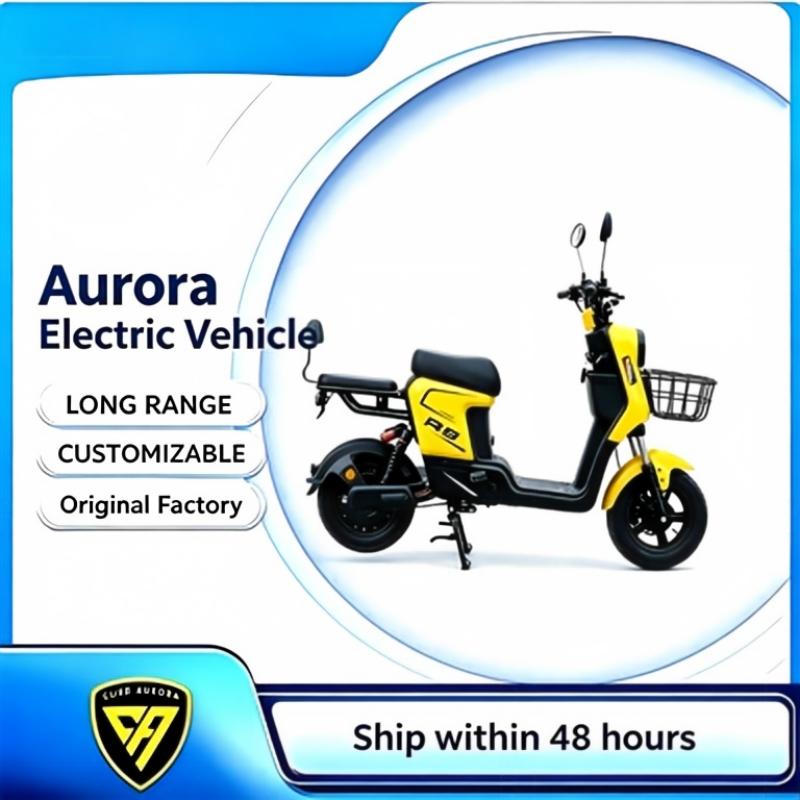
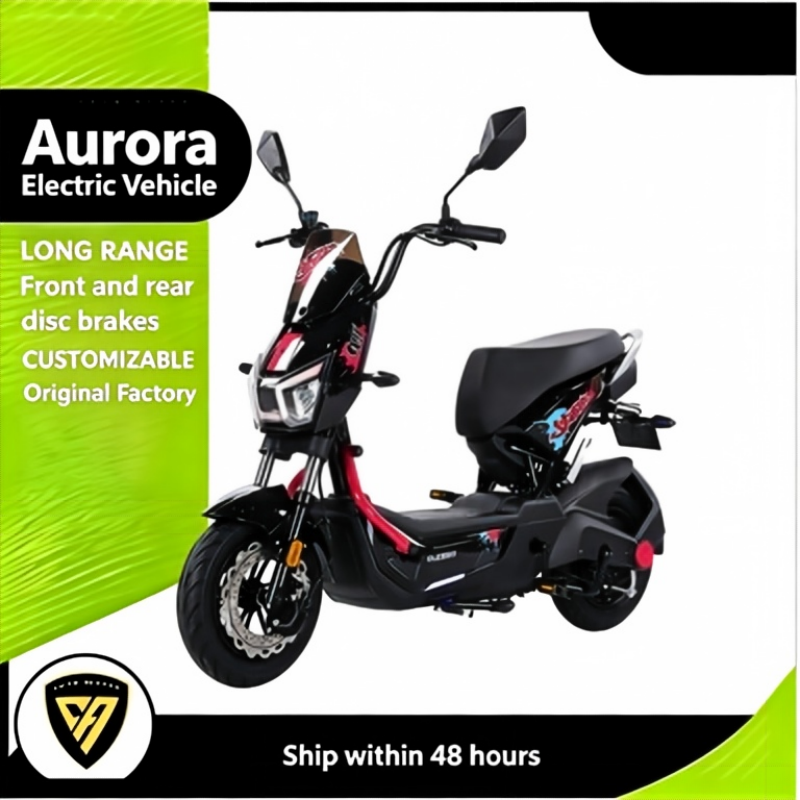
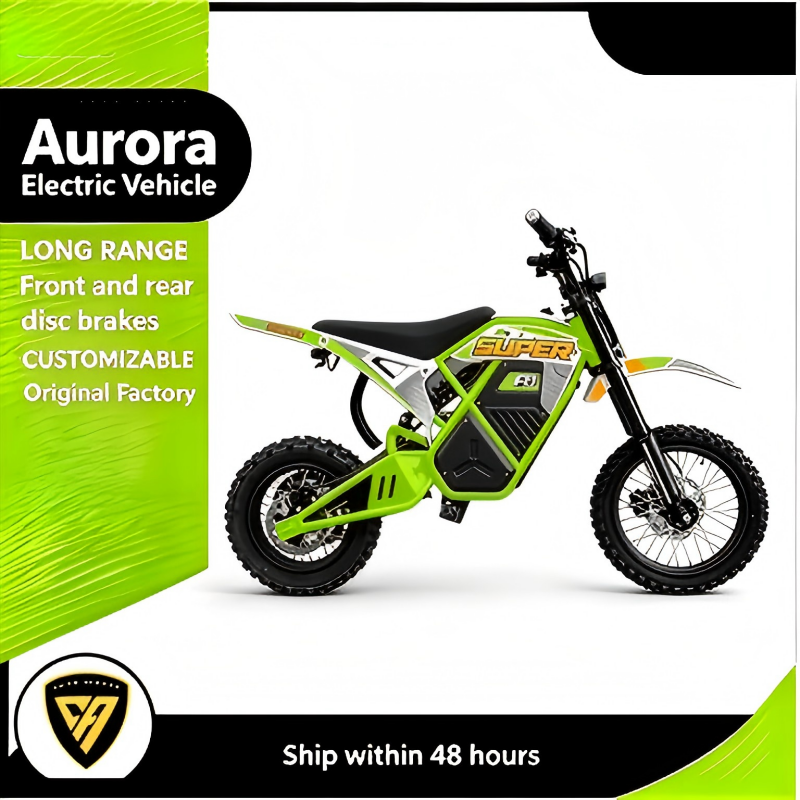
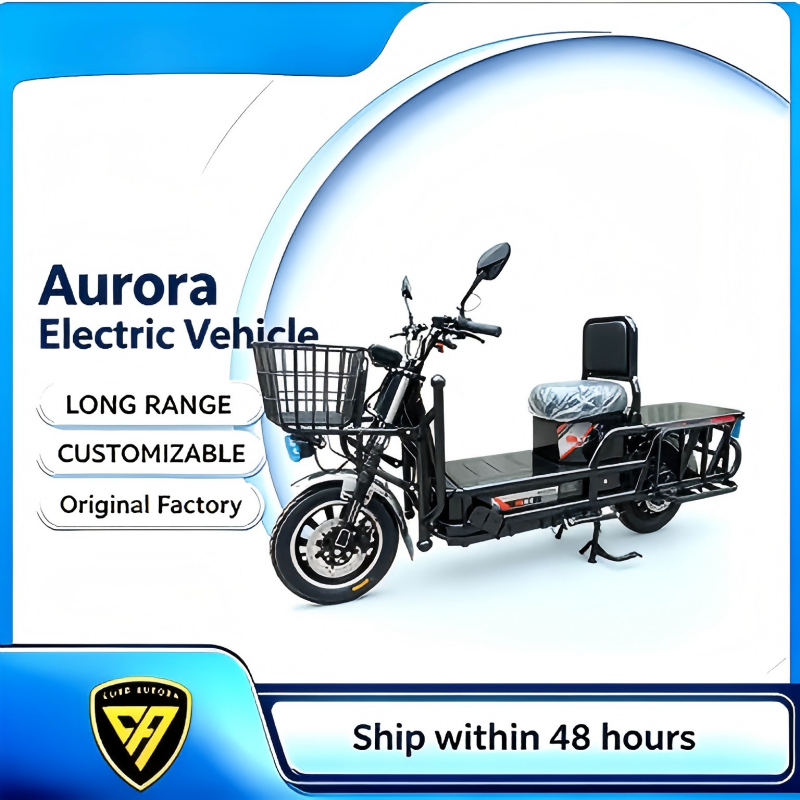
The global light electric vehicle market is evolving from basic transportation tools to complex IoT-connected mobility ecosystems. Global enterprise buyers look for key technical and operational requirements when evaluating suppliers:
Modern delivery fleets require built-in GPS units, automated locking mechanisms, and CAN-bus protocol controllers. This connectivity enables remote diagnostics and real-time battery status monitoring.
For cargo and on-demand delivery services, long range is critical. We build frames with dual-battery bays and smart power balancing systems to extend range while keeping battery temperatures within safe limits.
Our motors feature regenerative braking, converting kinetic energy during deceleration back into stored power. This increases range by up to 8-12%, reducing charge cycles and operating costs.
Additionally, international legislation continues to tighten safety guidelines for lithium-ion battery assemblies. Cities are introducing strict regulations to combat fire risks from low-quality chargers and cells. As a result, sourcing certified products with complete technical files and CE-marked components is essential for risk mitigation.
Get answers to common technical, regulatory, and logistics questions regarding the importation of CE-certified electric vehicles using LCL shipping.