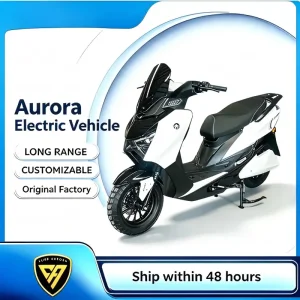
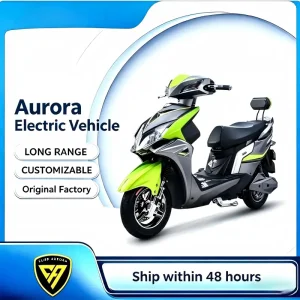
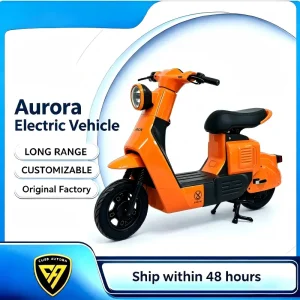
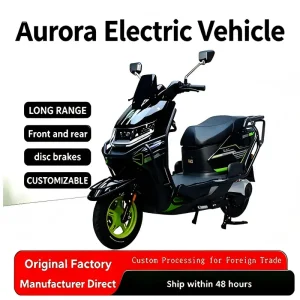
Pre-Tested & CE Certified Fleet with Maximum Load & Vibration Resistance
Deep-dive research on how electric vehicles withstand the harsh vibrations of real-world roads, compliant with strict European CE certification frameworks.
In the global expansion of electric bicycles, e-scooters, and electric motorcycles, structural integrity is no longer a luxury—it is a critical safety baseline. Road transport exposes two-wheeled light electric vehicles (LEVs) to continuous dynamic stress, high-amplitude shocks, and multi-frequency random vibrations. For global B2B procurement managers and compliance officers, verifying an exporter's capacity to execute and pass **CE Certification Electric Vehicle Vibration Testing** is paramount to avoiding product recalls, structural weld failure, and battery catastrophes.
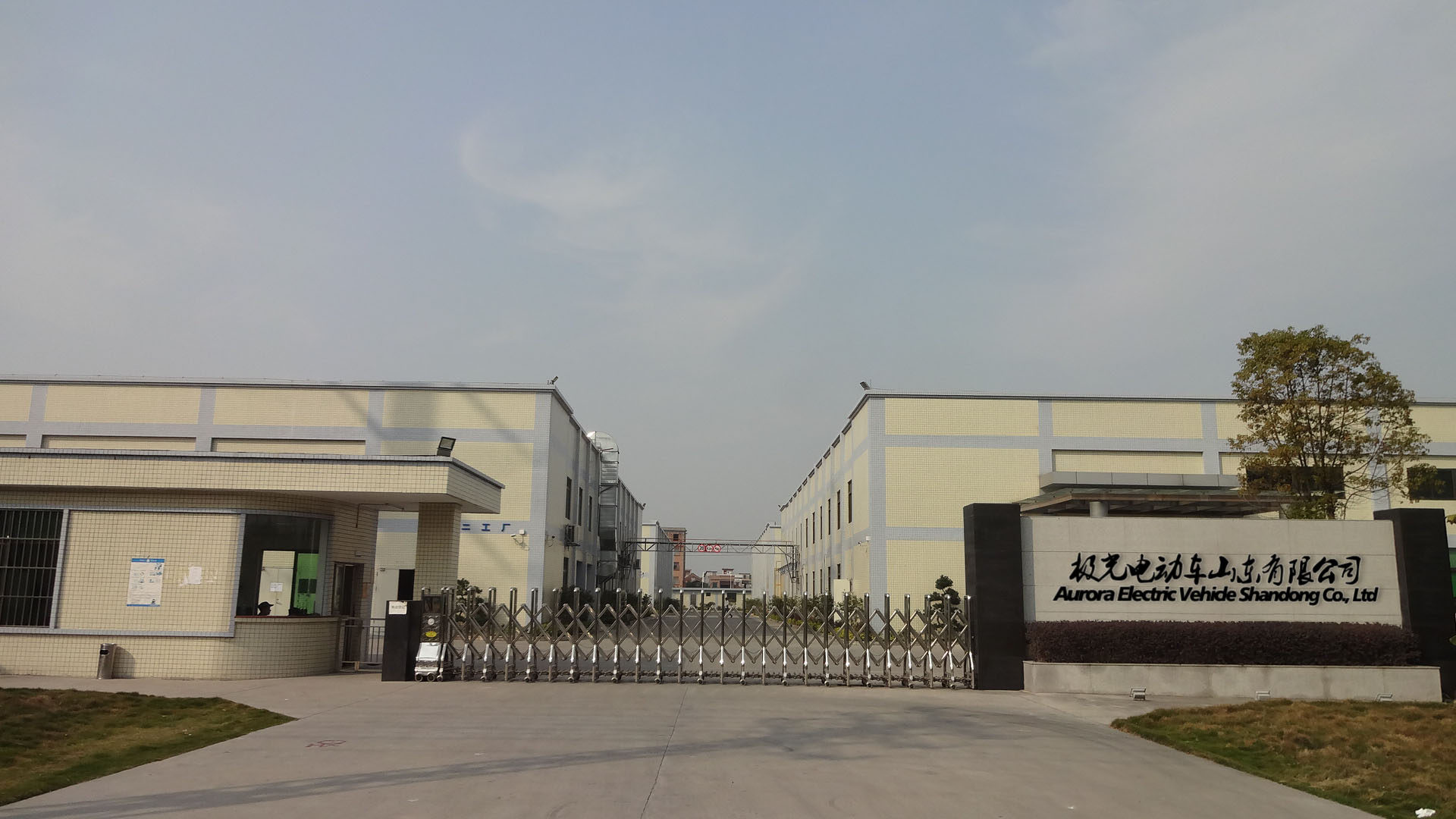
At Aurora Electric Vehicle Shandong Co., Ltd. (founded in 2015), our engineering framework integrates structural optimization at the micro-level. Leveraging our location in Linyi City, Shandong Province—a strategic logistics powerhouse—we serve as a leading manufacturing hub combining cutting-edge industrial R&D with stringent mechanical stress analysis to deliver standard-setting transport solutions.
Why mechanical endurance tests are vital to the safety of battery packs, electronics, and structural frames under CE EN 15194 and Machinery Directives.
During travel, electric vehicles experience dynamic input forces characterized as random vibration profiles. If a chassis is poorly engineered, these vibrations propagate through the structural weld lines and concentrate directly inside the battery pack. This leads to three severe failure modes:
To mitigate these risks, European CE certification dictates rigorous vibration testing routines. Standard testing under **EN 15194 (for EPACs)** requires subjecting the frame assembly to repeated cyclic vertical loads of up to 100,000 cycles, mimicking cobblestones, curbs, and long-term pavement defects. Combined with vibration table tests, our systems ensure that every chassis exported exhibits high structural damping and robust fatigue resistance.
Our validation pipeline goes beyond standard requirements. We execute combined environmental tests where the vehicle chassis and battery compartment are placed on a **Multi-Axis Shaker Table (MAST)**. The setup applies high-frequency random vibrations (10 Hz to 150 Hz) at extreme temperatures (-20°C to +60°C). This ensures that structural adhesives, anti-vibration rubber dampeners, and mechanical locks retain their structural properties under any operational environment.
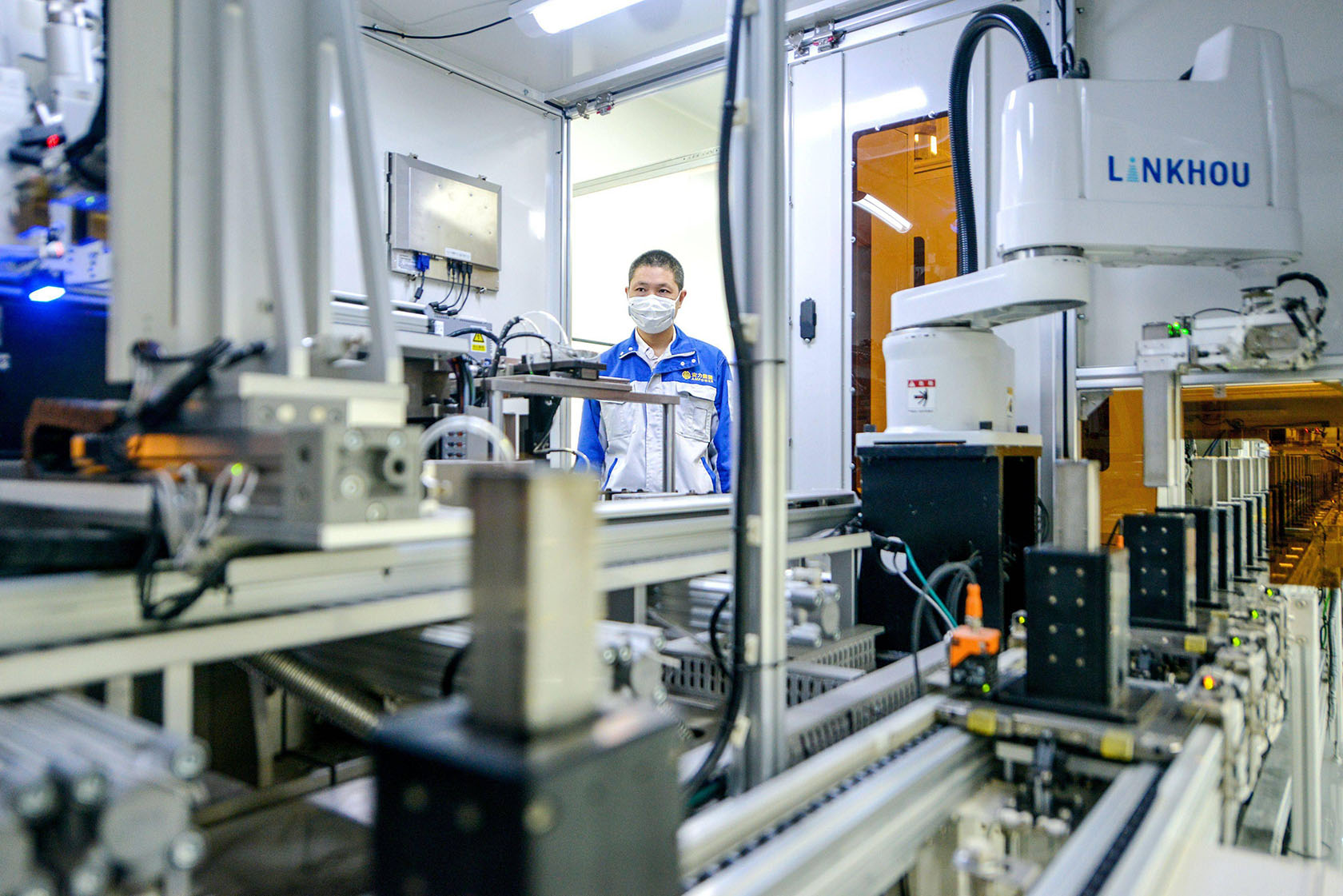
Our journey is built on continuous persistence, structural innovation, and adaptation to global quality expectations. Since Aurora Electric Vehicle Shandong Co., Ltd. was established in 2015, we have adapted our production lines to meet shifting policy directions and high safety requirements.
Analysis of B2B Procurement Dynamics, Warranty Management, and Vibration Compliance for Importers.
The global electric vehicle sector is experiencing a transition toward heavy-duty, long-distance micromobility solutions. Last-mile cargo logistics, shared commuter fleets, and heavy off-road utility bikes are facing demanding physical conditions. As a result, the global B2B procurement strategy is shifting from price-centric models to reliability-centric sourcing. Below are the key industry trends shaping this landscape:
Customs officials inside European ports are intensifying their inspection of import documents for LEVs. Importers must show certified test reports demonstrating EN 15194 frame fatigue compliance and UN 38.3 battery vibration/shock reports. Partnering with a pre-certified manufacturer like Aurora ensures clean clearance timelines.
Insurance providers are writing strict policies for electric fleet operators. To qualify for low-premium commercial insurance, fleet models must possess documentation validating their structural shock mitigation systems, protecting batteries from road vibrations.
With the rise of e-bikes for mail delivery and food logistics, chassis systems are subjected to constant load variations. The vibration response of an empty cargo e-bike differs greatly from one under a 150 kg payload. Dynamic testing must model both load states.
How we design, simulate, weld, and assemble high-durability electric vehicles built for the global market.
Aurora utilizes a multi-layered engineering design cycle to combat stress accumulation caused by road irregularities:
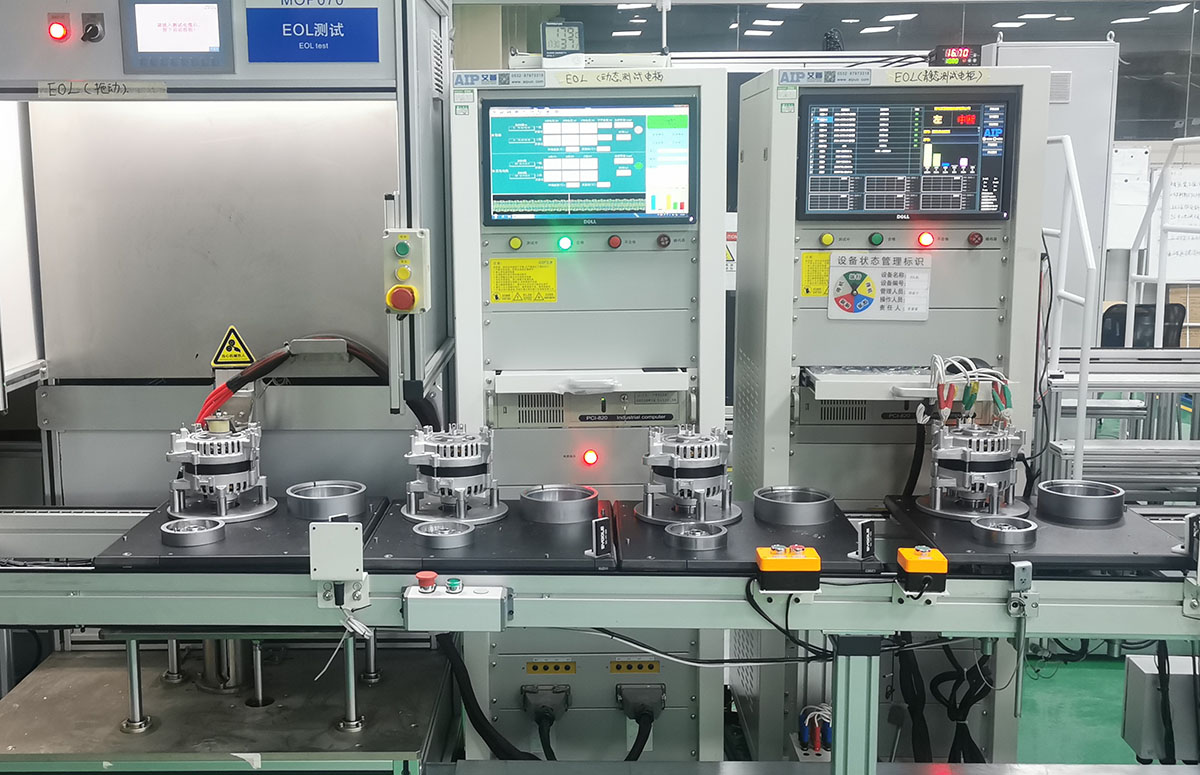
Simplifying the supply chain for European and global importers through certified documentation and regional adaptation.
Entering international markets demands careful alignment with local technical regulations. Aurora provides robust support to facilitate smooth business operations:
Custom-Cleared Port Documentation: Every export shipment includes full test reports, CE declaration forms, and manufacturer testing logs. This prevents delays at EU ports such as Rotterdam, Hamburg, or Antwerp.
OEM/ODM Adaptation: We customize models for regional speed limits (e.g., capping EPACs at 25 km/h for standard EU roads or 28 mph Class 3 configurations for the US market). Frame designs can be altered to meet specific load limits or localized fleet needs.
Robust Export Packing: To protect against shipping vibrations during long maritime voyages, we pack all vehicles in 5-layer heavy duty imported kraft cardboard boxes with custom-molded interior braces. This prevents transit damage, ensuring vehicles arrive ready for the road.
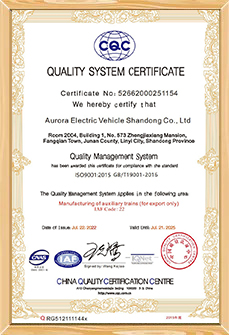
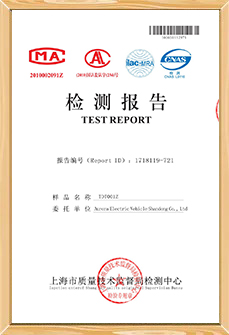
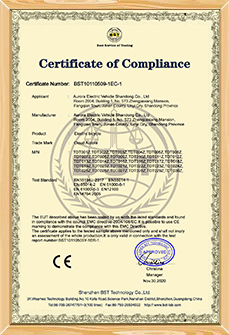
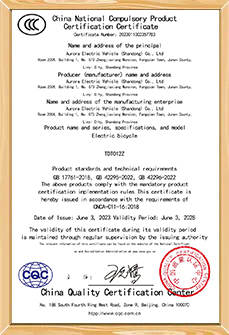
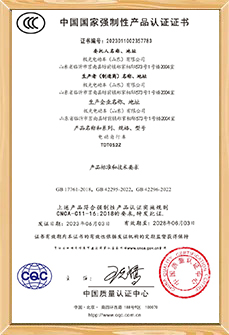
We work with top international testing partners like SGS and TUV to certify our product designs against global standards:
Combining design expertise, automated manufacturing processes, and verified global standards.
Our team consists of veteran designers and engineers with more than 10 years of experience in structural vehicle dynamics. They specialize in finite element stress simulation, active damping systems, and high-efficiency electric powertrains. The team has secured multiple utility patents in vibration reduction and smart battery integration.
Every vehicle assembly is managed by skilled technicians. From inspecting raw metal tubing to verifying wire routing and performing final dynamometer testing, our quality checks are thorough and precise.
Our sales team coordinates directly with our manufacturing facilities to provide transparent timelines, customize frame dimensions, configure electrical setups, and deliver comprehensive post-purchase support.
"Making green travel easier and safer for everyone by implementing advanced manufacturing methods, rigorous safety checks, and collaborative partnership practices."
We strive to keep our designs reliable, safe, and built to perform over years of daily use. We welcome buyers from around the world to visit our Linyi production base, audit our testing capabilities, and discuss future opportunities.
Exploring how our electric vehicles perform in active commercial and urban commuter environments.
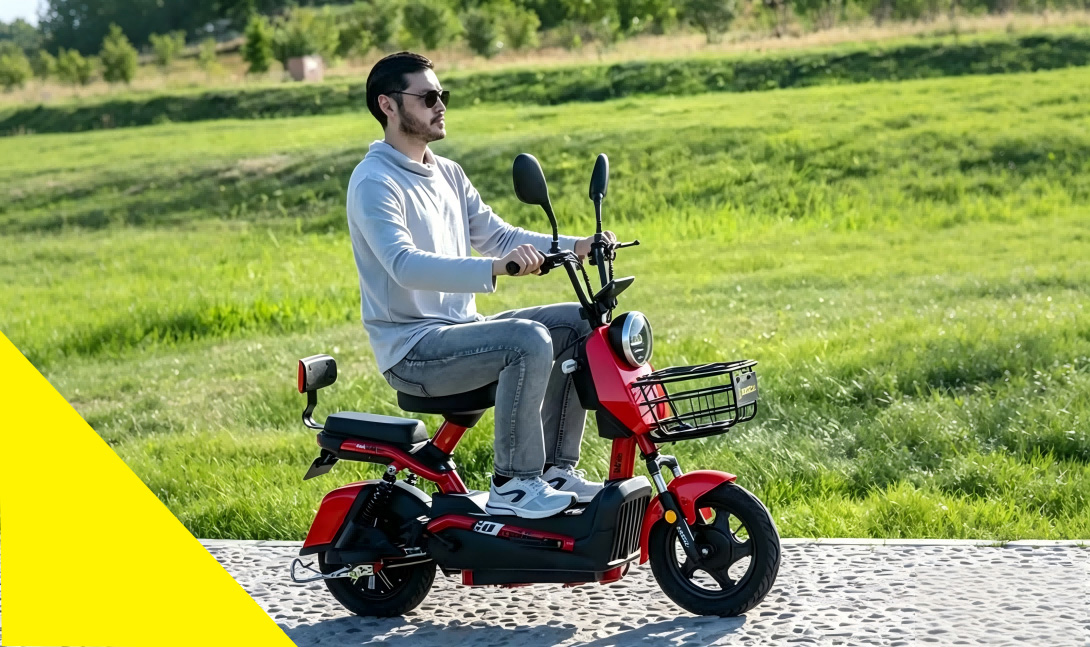
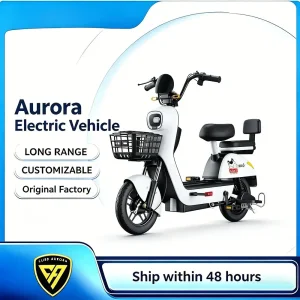
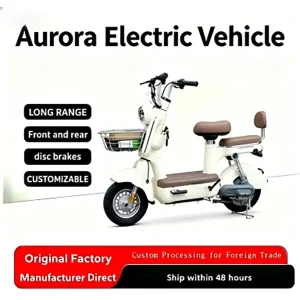
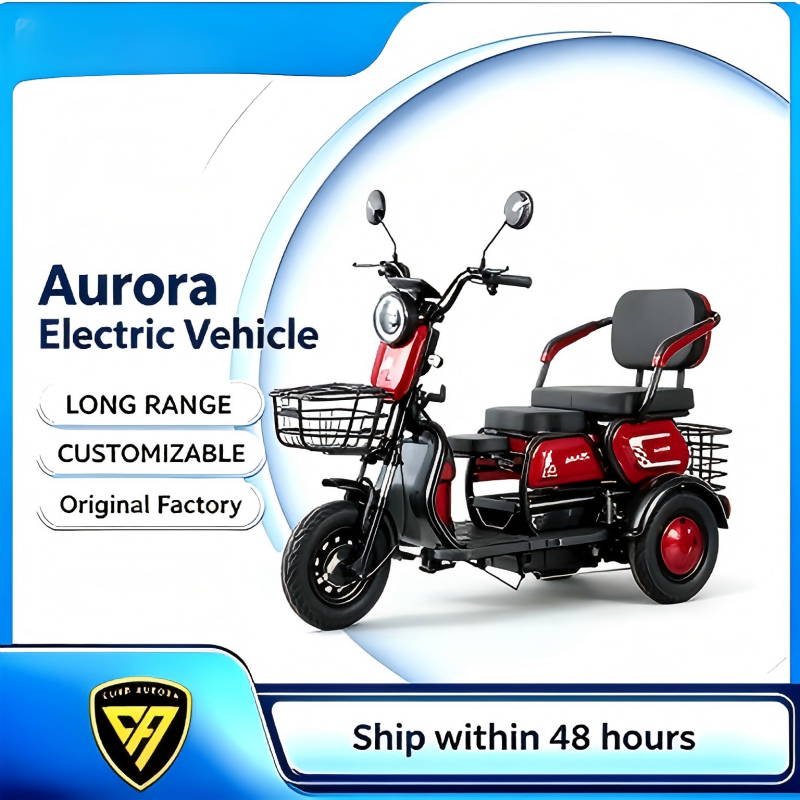
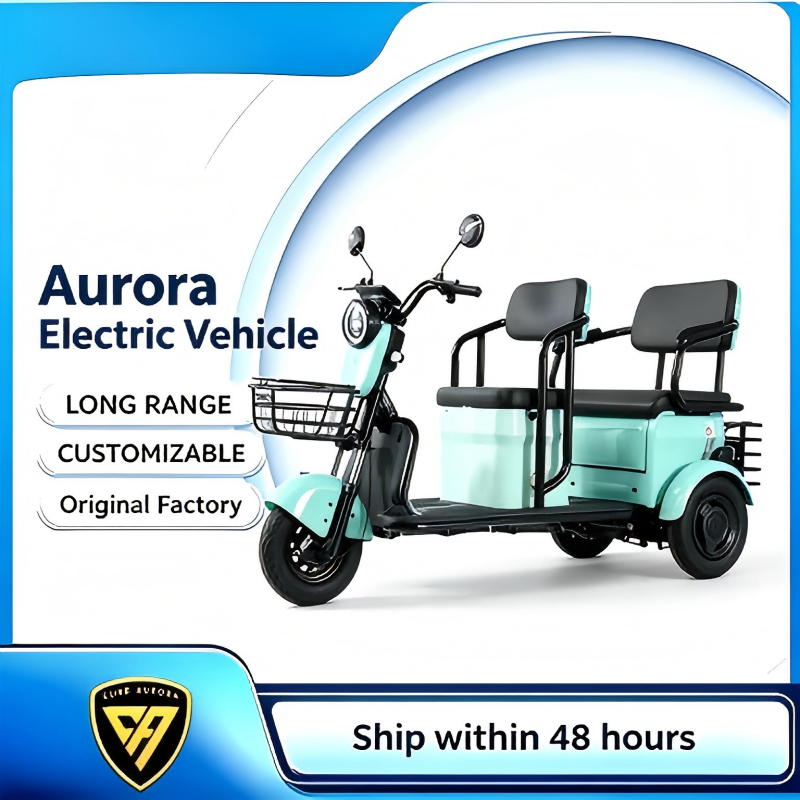
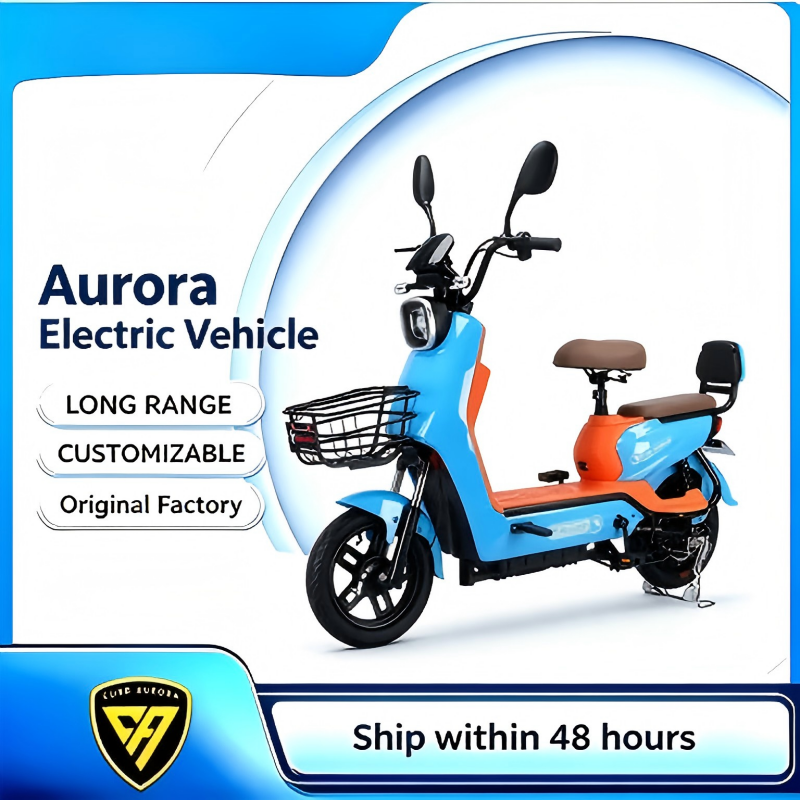
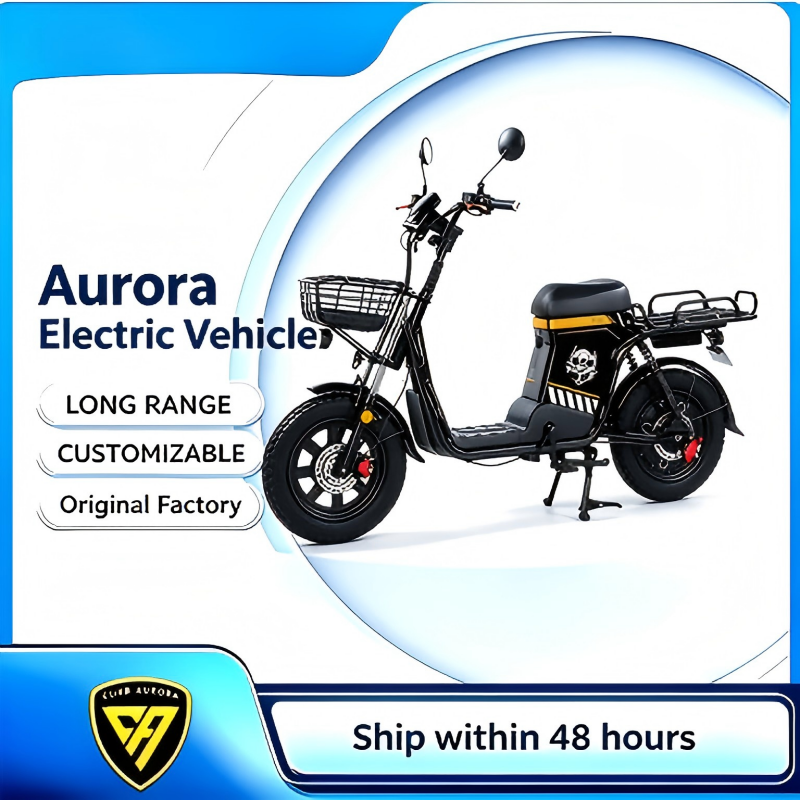
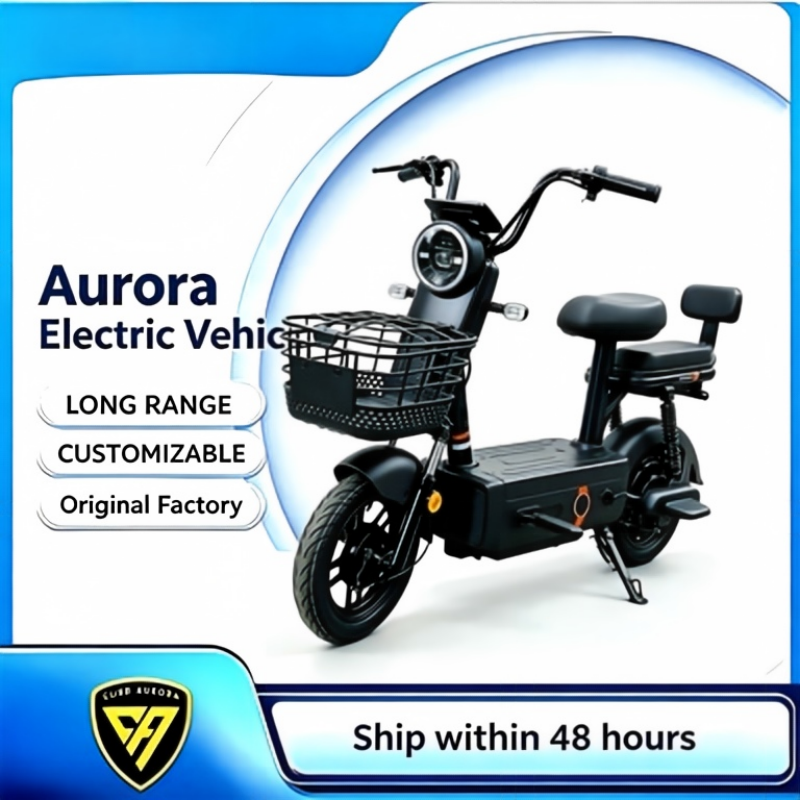
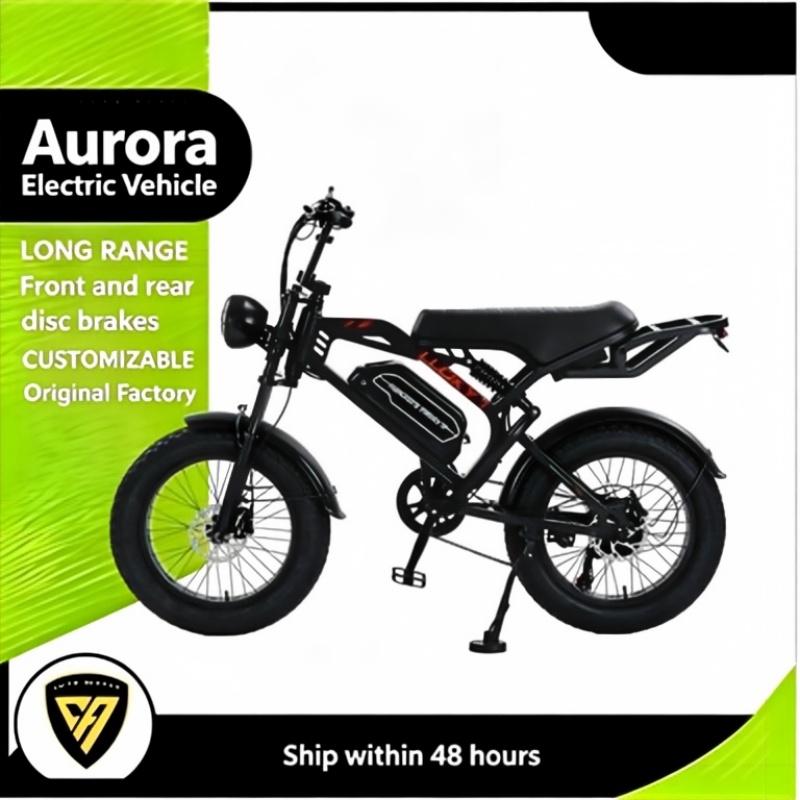
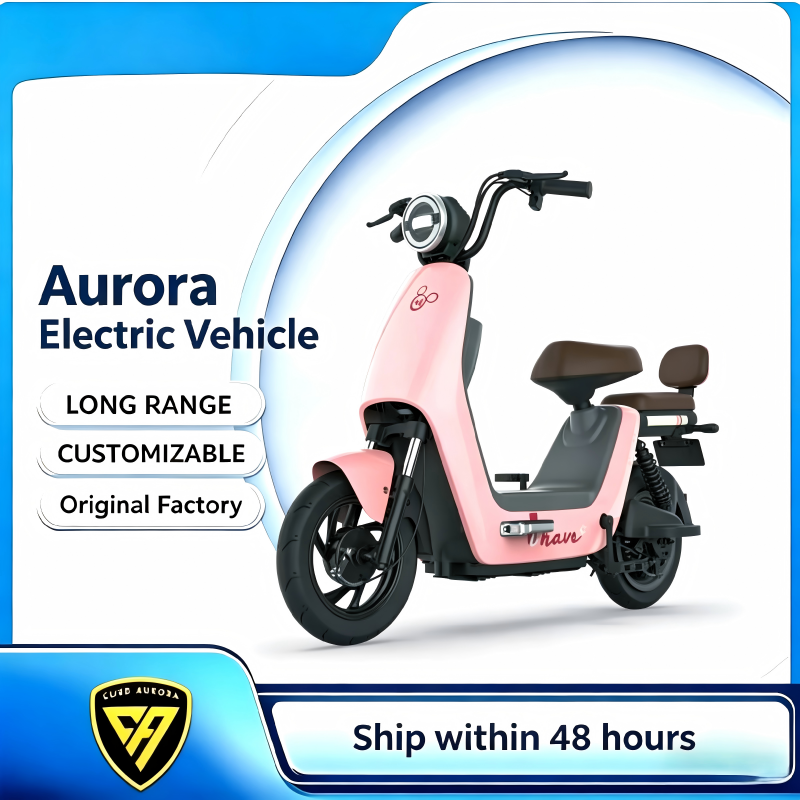
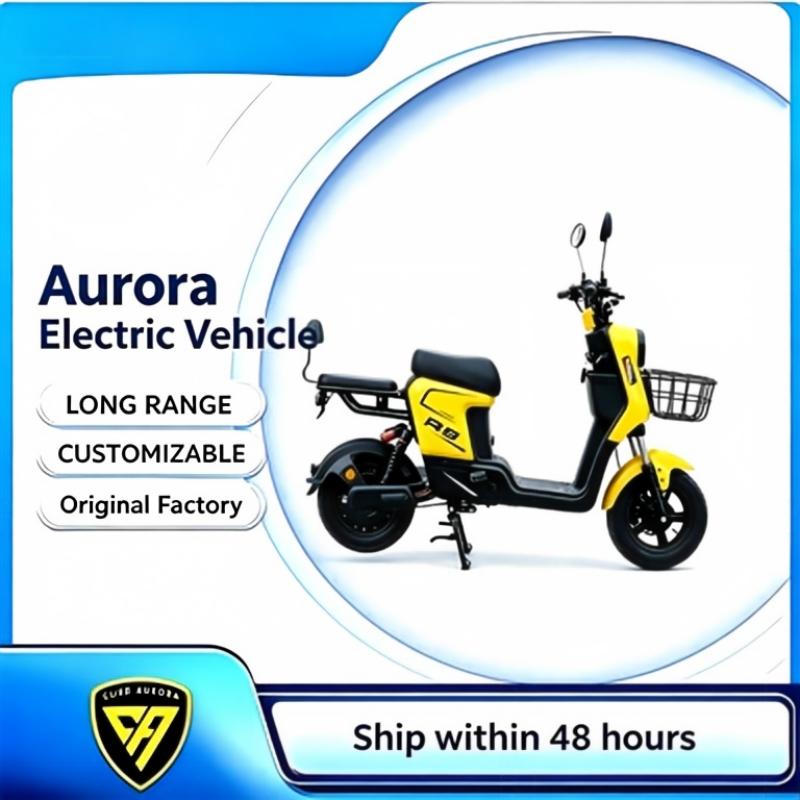
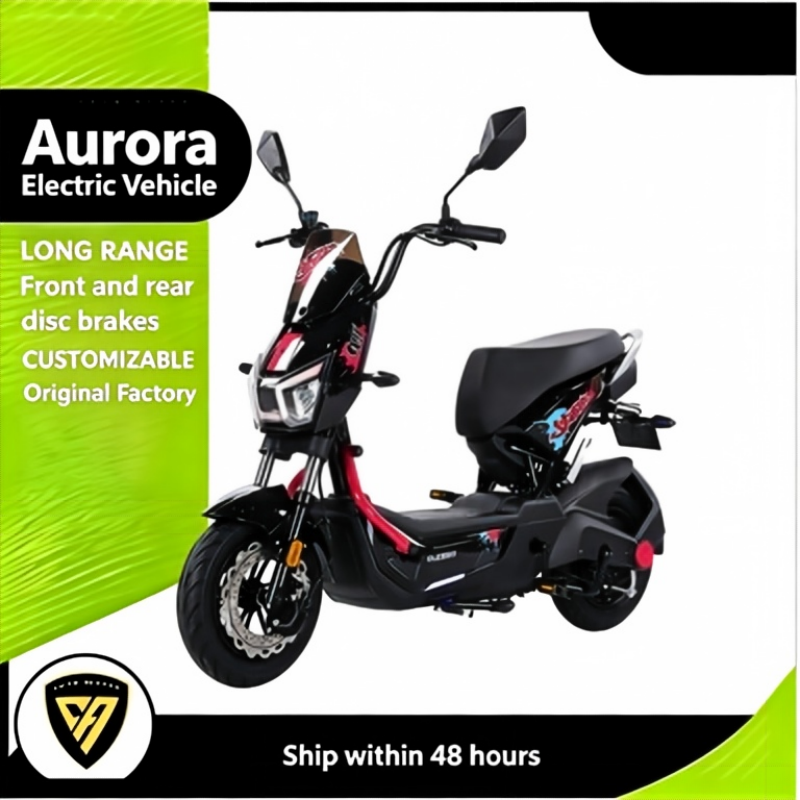
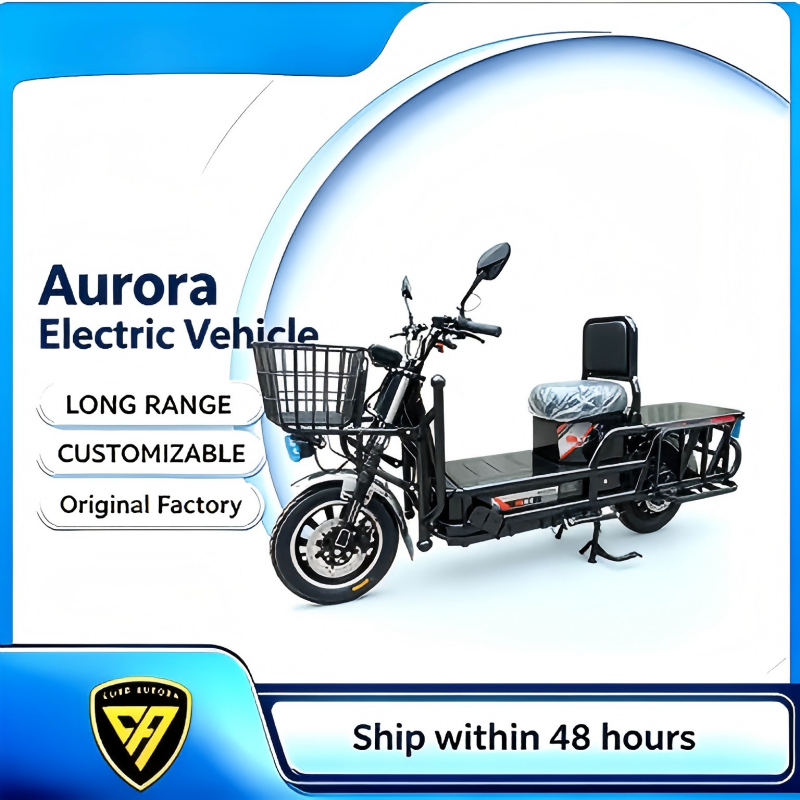
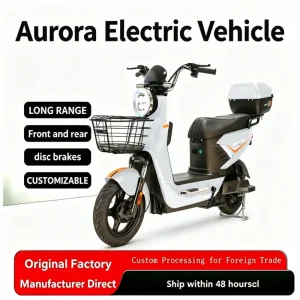
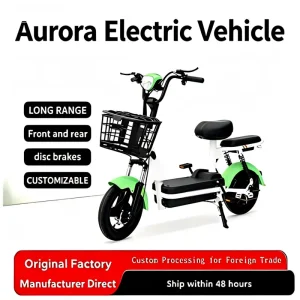
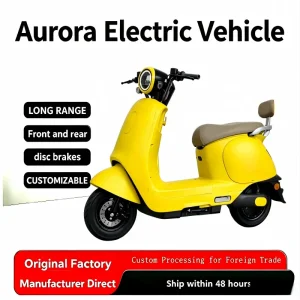
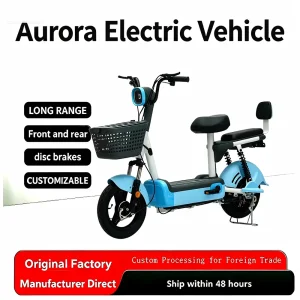
Designed with step-through frames and front baskets, these models are optimized for short-distance city trips. Featuring robust chassis geometry, they absorb vibration stress from pavements and urban roads, delivering a smooth, reliable ride.
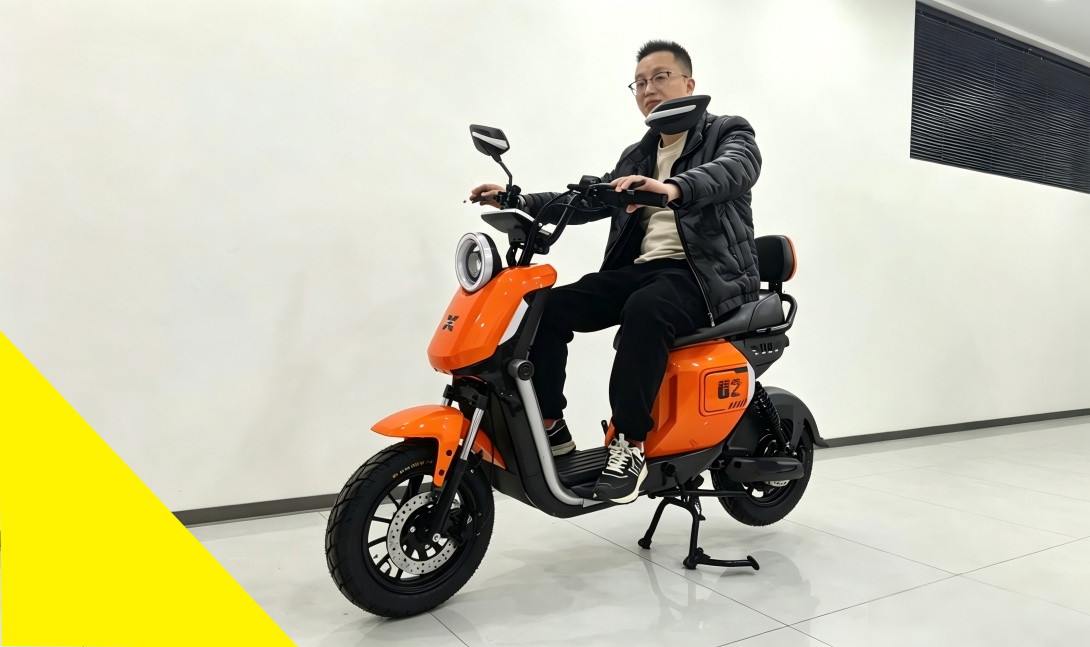
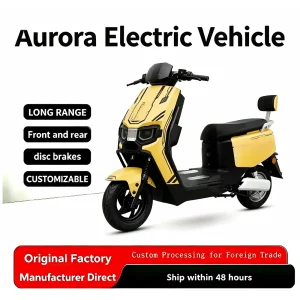
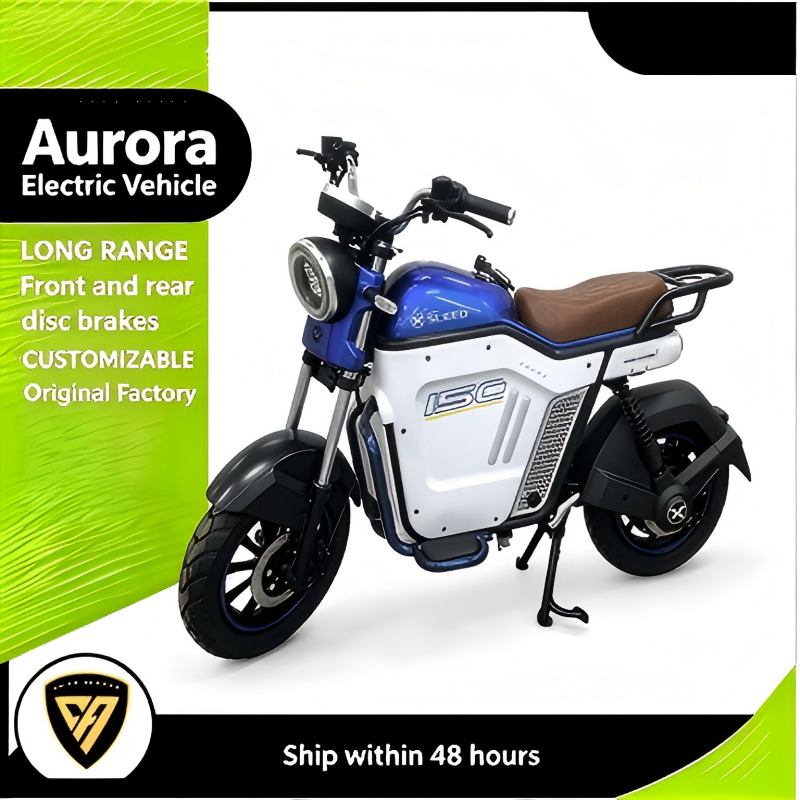
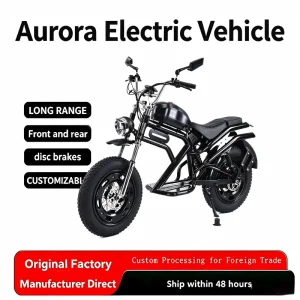
A stylish, aerodynamically optimized platform featuring a rigid chassis layout. Built to withstand daily use, its robust structure ensures reliable performance in urban rental environments, delivery logistics, and daily commuting.
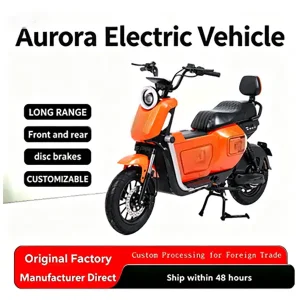
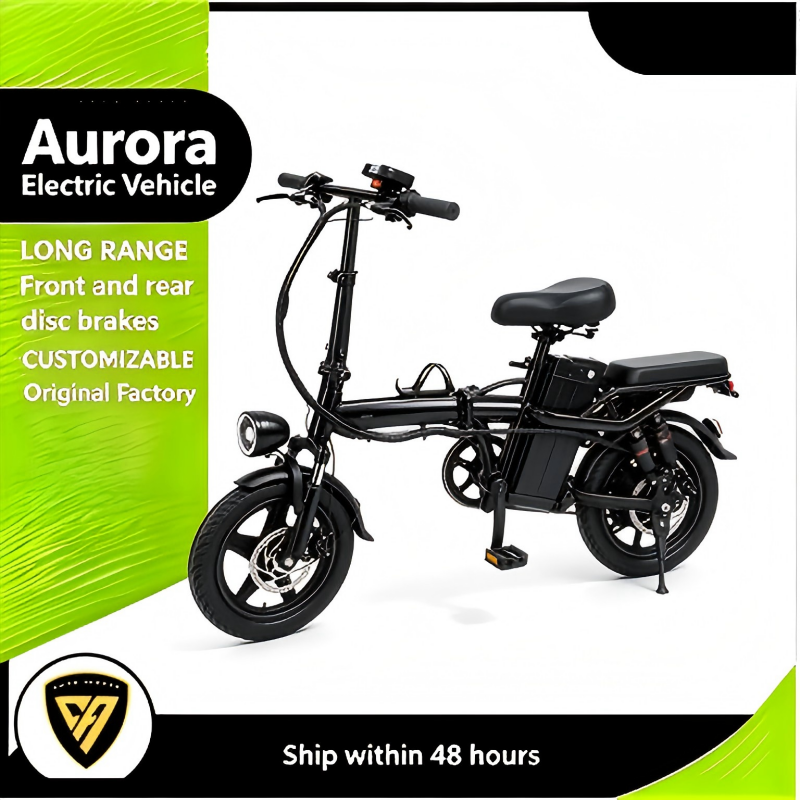
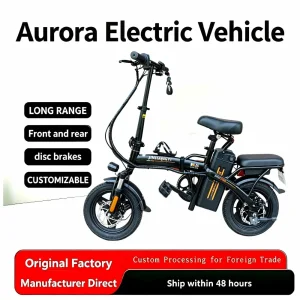
Tailored for short city trips, these compact, agile vehicles are easy to maneuver and park, making them ideal for daily commuting, errands, and personal transit.
Equipped with a proven powertrain for consistent efficiency, climbing power, and acceleration. Paired with certified batteries for practical daily range.
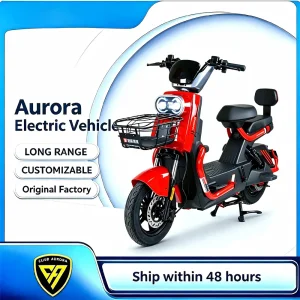
Equipped with functional accessories like front baskets, supportive backrests, active shock absorption, and responsive braking systems to ensure a secure, comfortable ride.
Constructed with reinforced frames and wear-resistant materials. Manufactured to export-grade standards to ensure low maintenance requirements for bulk business orders.
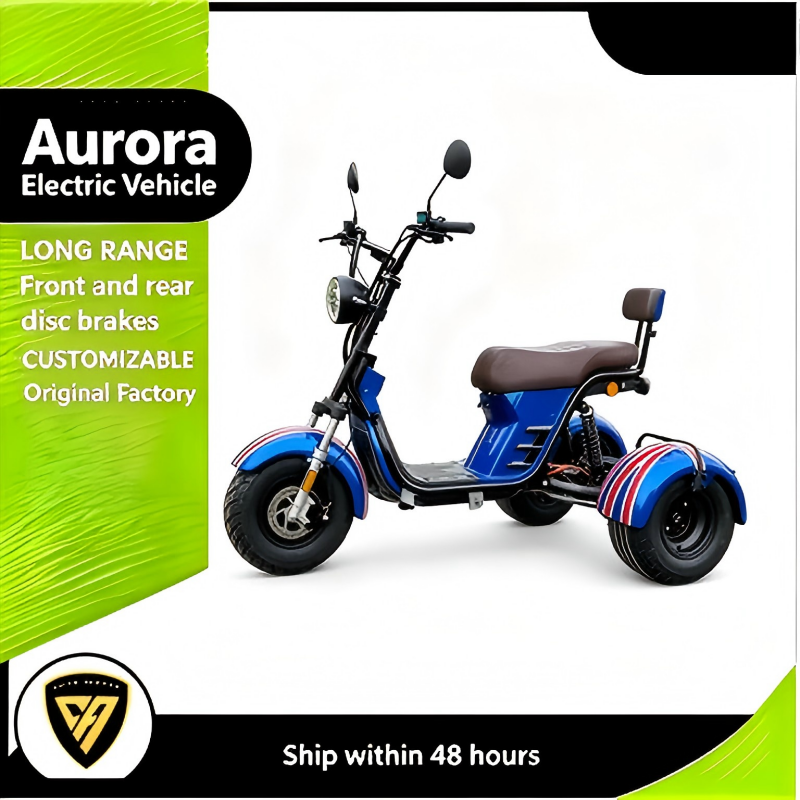
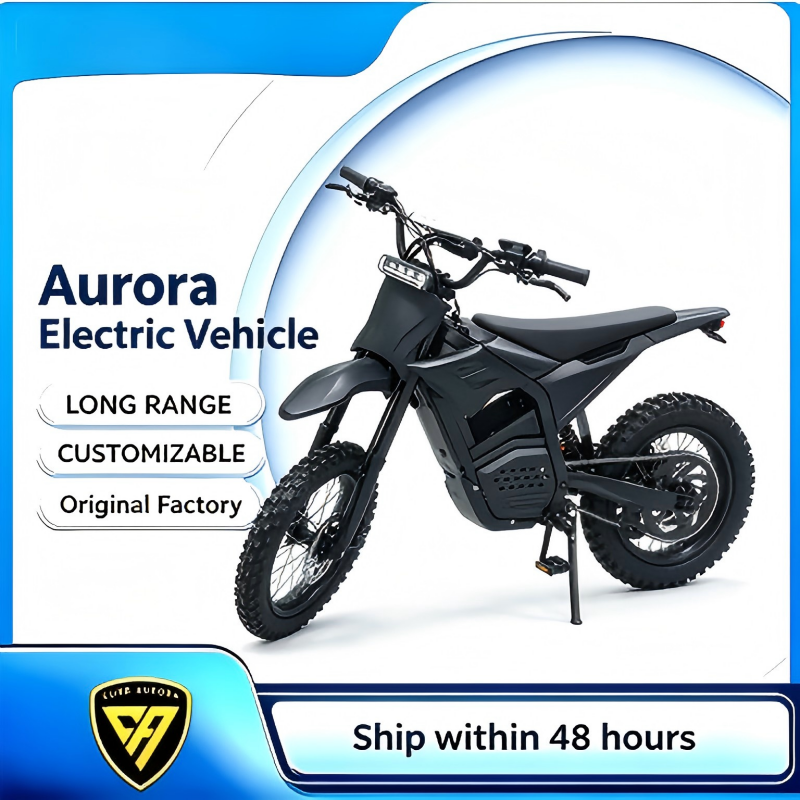
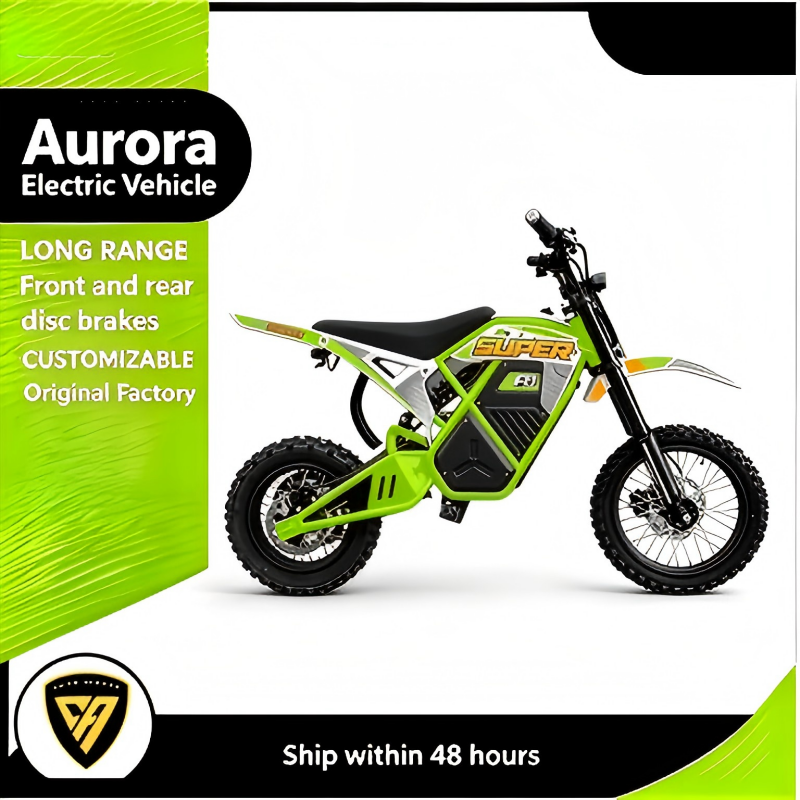
Explore our complete range of passenger three-wheelers, off-road electric motorcycles, commuter e-bikes, and heavy cargo utility scooters.
How we are implementing smart engineering and advanced materials to meet future mobility safety regulations.
The next generation of electric mobility requires structural components that are both lighter and more durable. Our R&D department is actively pursuing projects focused on three primary areas:
By replacing traditional high-carbon steel with aerospace-grade magnesium-aluminum alloys, we can reduce overall frame weight by up to 25% while maintaining the structural tensile strength needed to pass vibration testing.
We are testing frame-integrated stress sensors that measure real-time mechanical vibration during vehicle operation. This data helps fleet managers plan preventive maintenance, replacing components before fatigue wear occurs.
As solid-state battery technology matures, we are designing cell-to-chassis (CTC) configurations. This integrates the battery pack directly into the structural frame, turning the battery case into a structural member that helps absorb road vibrations.
Expert answers addressing the technical aspects of CE compliance, vibration testing, and custom OEM processes.
For electric bicycles (EPACs), the primary reference standard is EN 15194, which outlines structural fatigue requirements for the frame, handlebar, seat post, and front fork under cyclic dynamic loads. Electric components must also meet safety rules under the Machinery Directive 2006/42/EC and the Low Voltage Directive (LVD) 2014/35/EU, with batteries undergoing mechanical shock and vibration tests according to UN 38.3 protocols.
Continuous high-frequency vibration can wear down battery cell tab welds, stress wiring connections, and damage circuit boards. Left unmanaged, these vibrations can compromise the cell casing, causing micro-shorts that may lead to thermal issues. Aurora utilizes anti-vibration silicon mounting trays and reinforced brackets to isolate battery packs from chassis vibrations.
Yes. For large commercial orders or public fleet procurements, we configure our vibration table systems to match target region profiles, simulating cobblestone streets, gravel roads, or high-humidity environments to verify performance before shipping.
We design all vehicle frames using Finite Element Analysis (FEA) to locate and reinforce stress concentration areas. Our manufacturing lines utilize automated robotic pulse-welding systems, which ensure uniform, high-penetration joints that resist crack propagation under cyclic stress.
Every shipment includes complete documentation, including our CE Declaration of Conformity (DoC), EN 15194 test reports, UN 38.3 battery reports, and standard certificates of origin. This helps ensure quick and hassle-free customs clearance at international ports.
Standard custom configurations require 35 to 45 days, depending on frame design alterations and testing protocols. For large orders, we arrange scheduled production runs to ensure steady, on-time deliveries.
Premium Build Quality and Safety Compliance for Global Fleets and Distributors