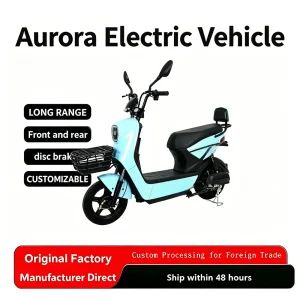
The rapid expansion of global e-commerce, combined with the exponential rise of instant grocery and meal delivery services, has permanently altered urban traffic patterns. Modern cities are grappling with congestion, air quality challenges, and stringent carbon-reduction mandates. In response, municipal authorities and global enterprise buyers are turning to same-city delivery electric vehicles (EVs) as the core infrastructure of modern logistics. However, deploying an urban fleet is not merely a question of purchasing mobile units; it requires navigating rigorous regulatory standards, particularly within European jurisdictions where CE Certification is non-negotiable.
As a leading authority in the light electric vehicle sector, Aurora Electric Vehicle Shandong Co., Ltd. has spent over a decade engineering compliance-driven, fleet-ready solutions. Operating from Linyi City, Shandong Province—a strategic logistics hub connecting the Yangtze River Delta and the Bohai Economic Circle—our manufacturing processes have transitioned into an intelligent, digitized framework. We combine deep supply chain integration with advanced electrical engineering to produce light electric motorcycles, utility cargo scooters, and specialized delivery bikes that strictly comply with international frameworks, ensuring legal operation, operator safety, and exceptional fleet longevity.
Dozens of major metropolitan areas worldwide are enforcing strict low-emission and zero-emission logistics zones. Delivery companies operating internal combustion fleets face mounting penalties and access restrictions. Certified light electric vehicles represent the only viable path to unobstructed urban access.
Modern delivery networks require real-time tracking, asset utilization analysis, and preventive maintenance. Today's commercial electric scooters are equipped with CAN-bus communication modules, allowing seamless integration with localized fleet dispatch software and remote battery health monitoring.
Insurance providers, labor unions, and municipal bodies are mandating third-party validated safety certifications. CE marking acts as a baseline guarantee that the structural integrity, electrical systems, and chemical battery packs of the vehicles satisfy the highest levels of safety and risk mitigation.
For B2B buyers, sourcing electric vehicles for last-mile logistics goes far beyond initial unit costs. Enterprise procurement teams, global logistics networks, and commercial distributors analyze total cost of ownership (TCO), operational uptime, and regulatory stability. Our research and engagement with global clients highlights three core areas of procurement concern:
Aurora Electric Vehicle Shandong Co., Ltd. systematically addresses these challenges by utilizing localized testing laboratories and premium supply chain sourcing. Every cargo vehicle we manufacture features reinforced component joints, heavy-duty rear luggage configurations, and certified electronics that protect fleet investments and operator safety.
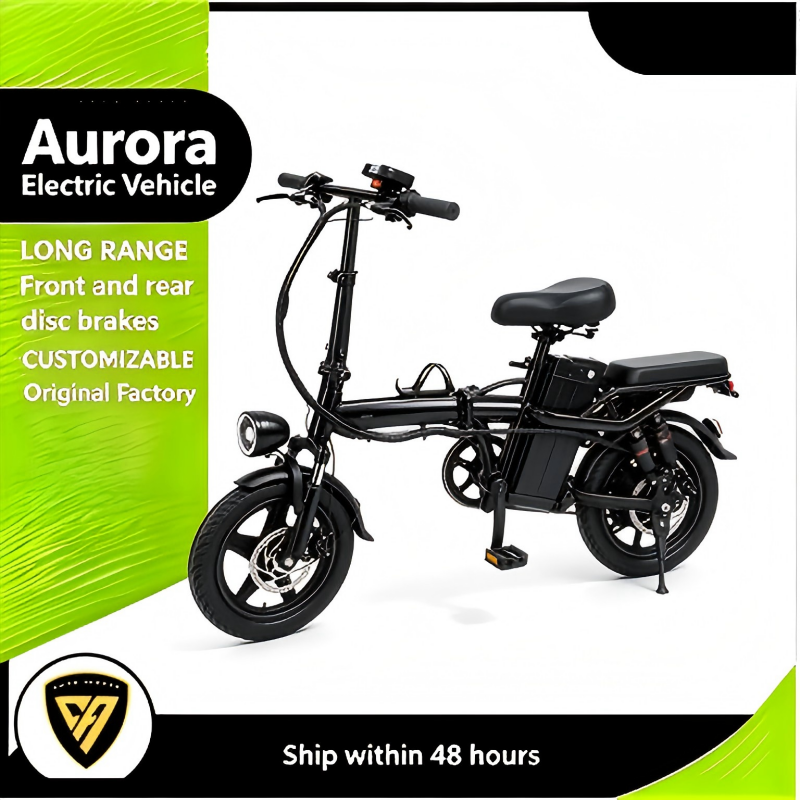
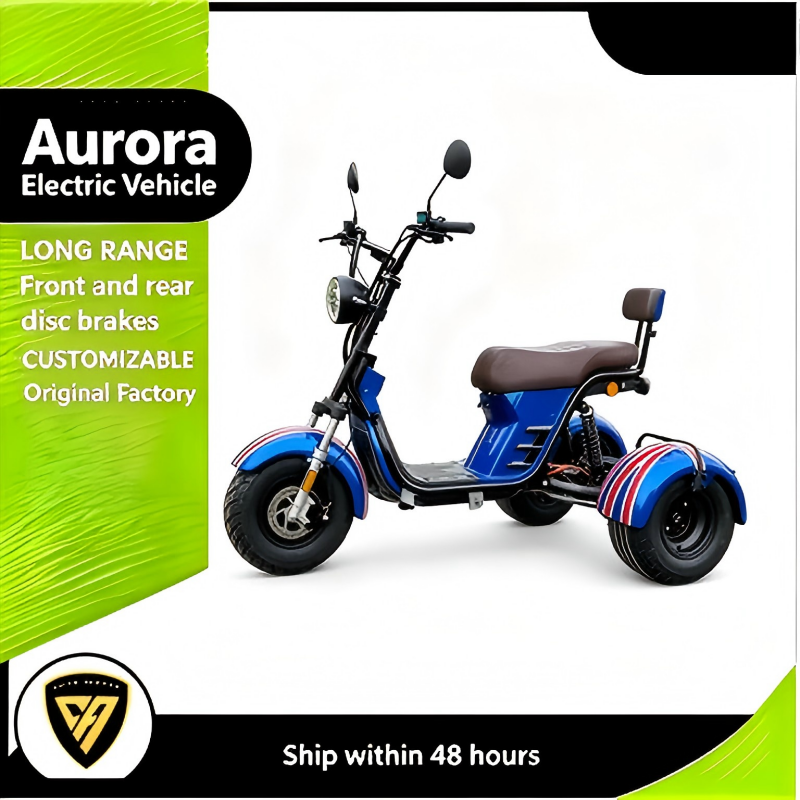
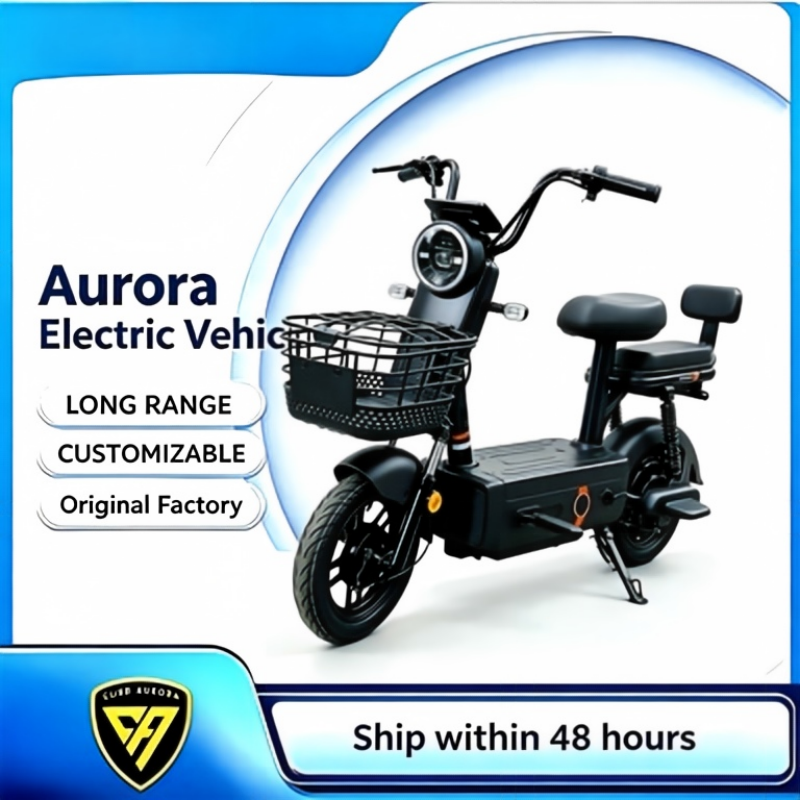
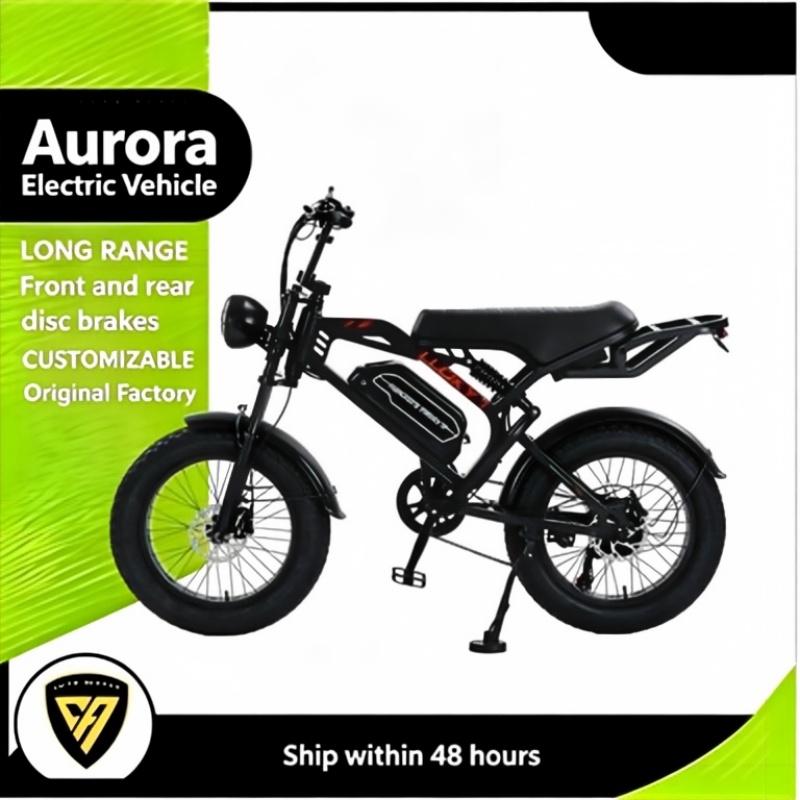
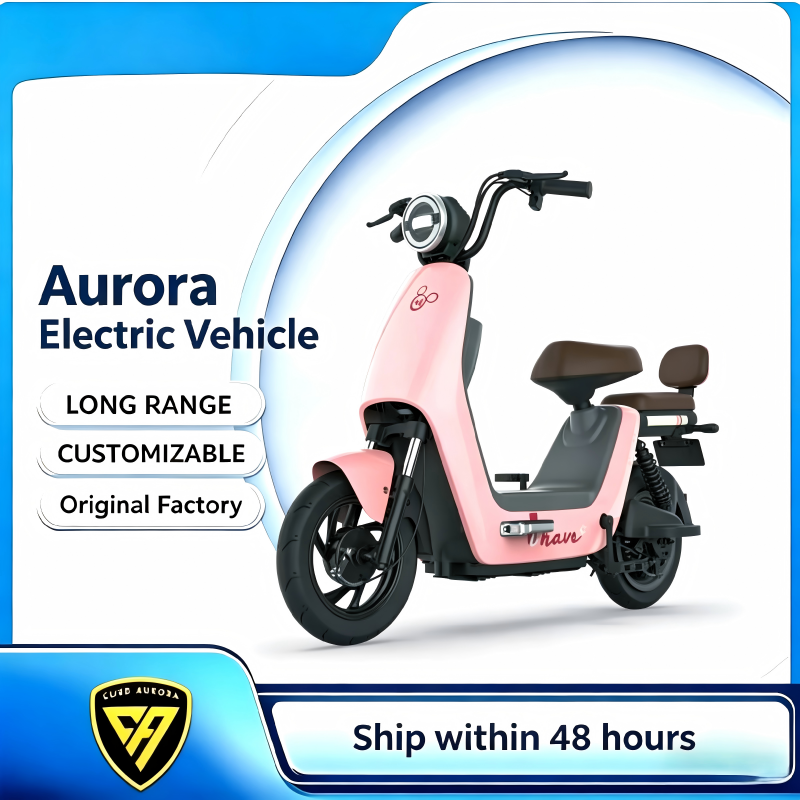
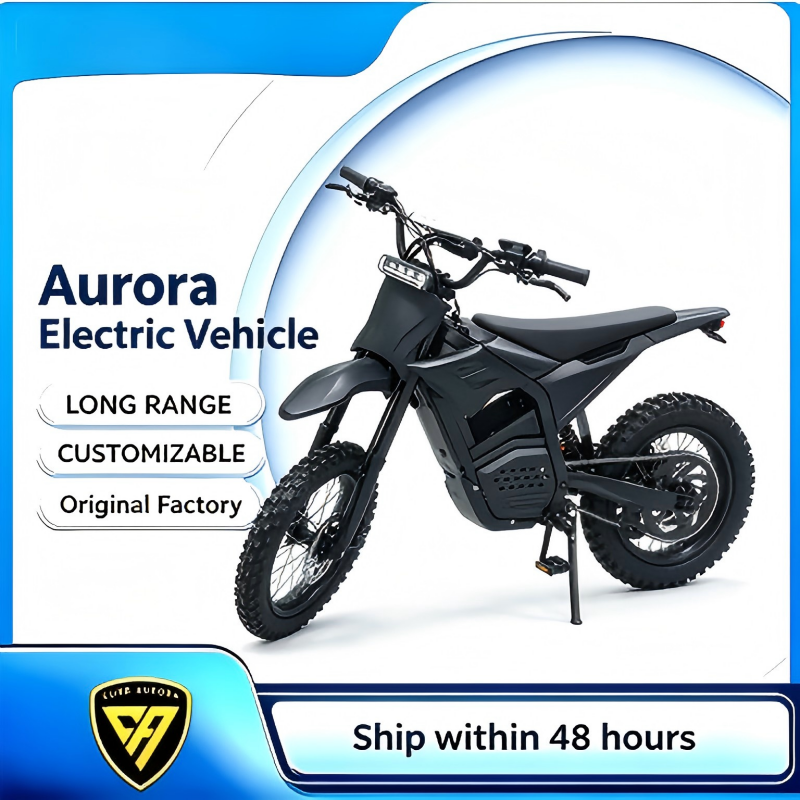
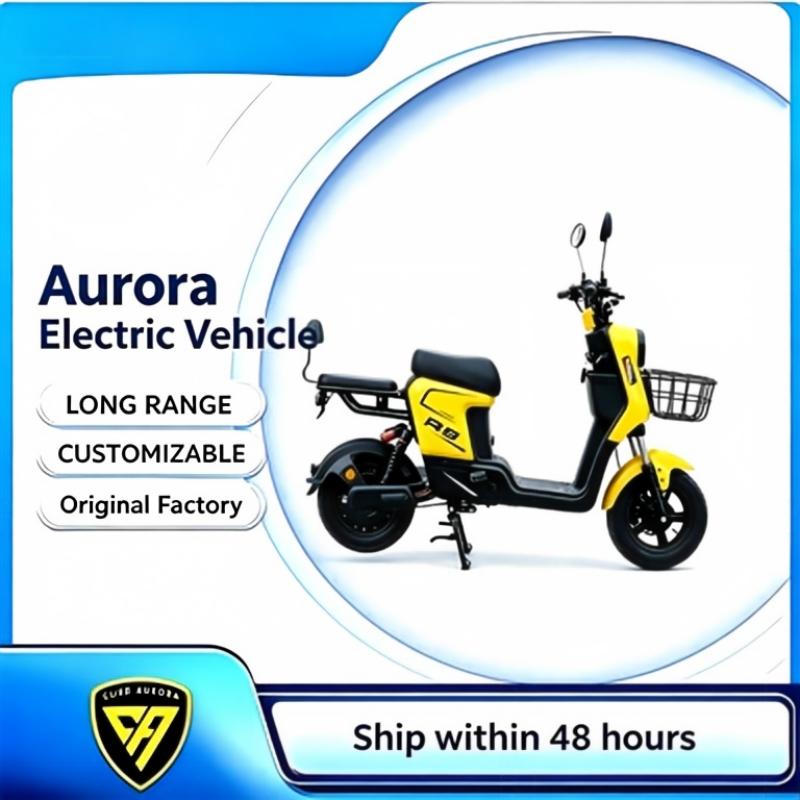
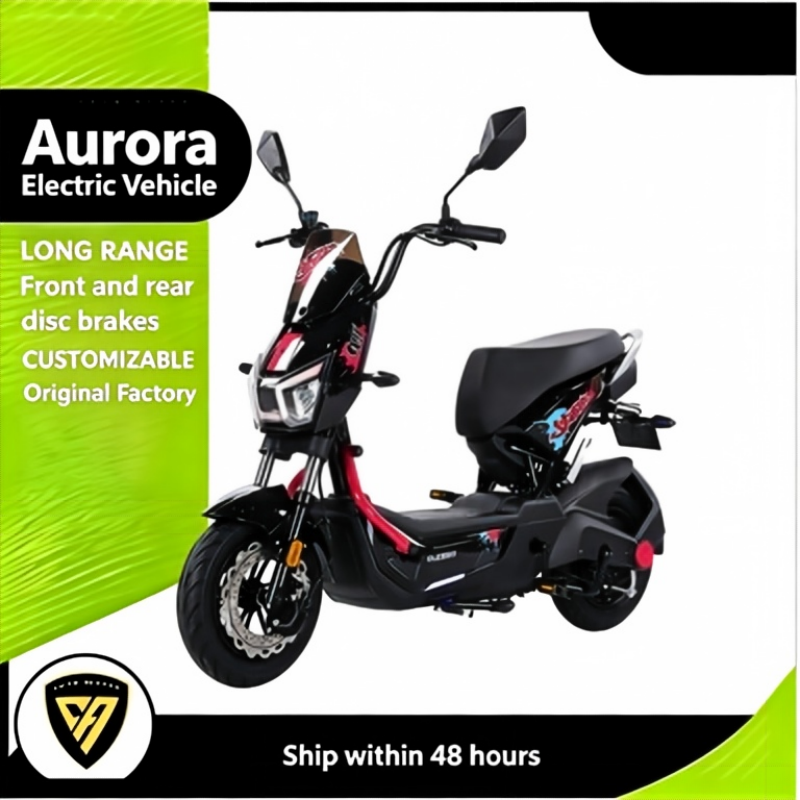
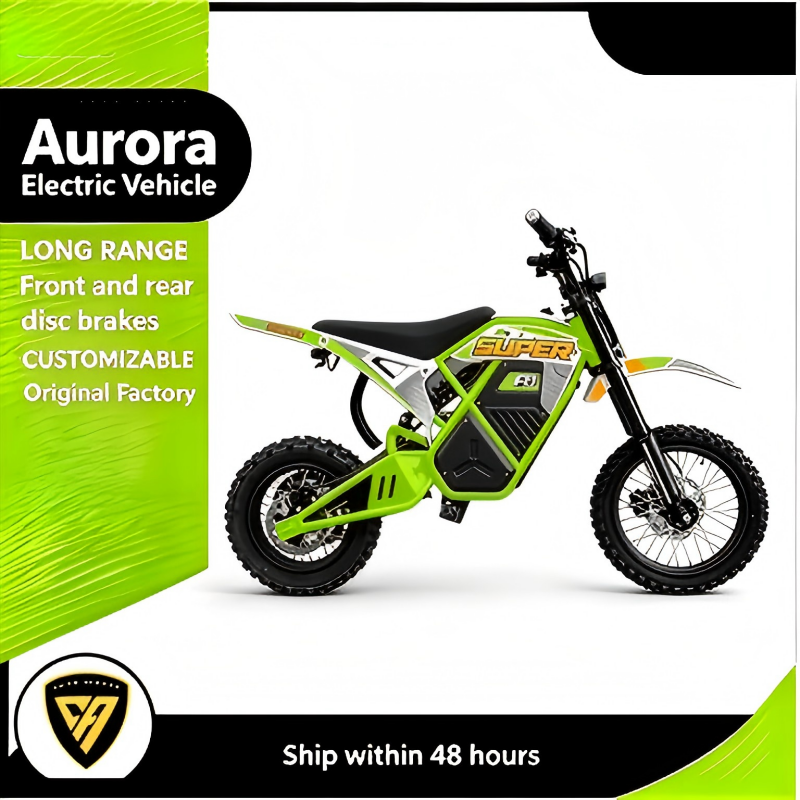
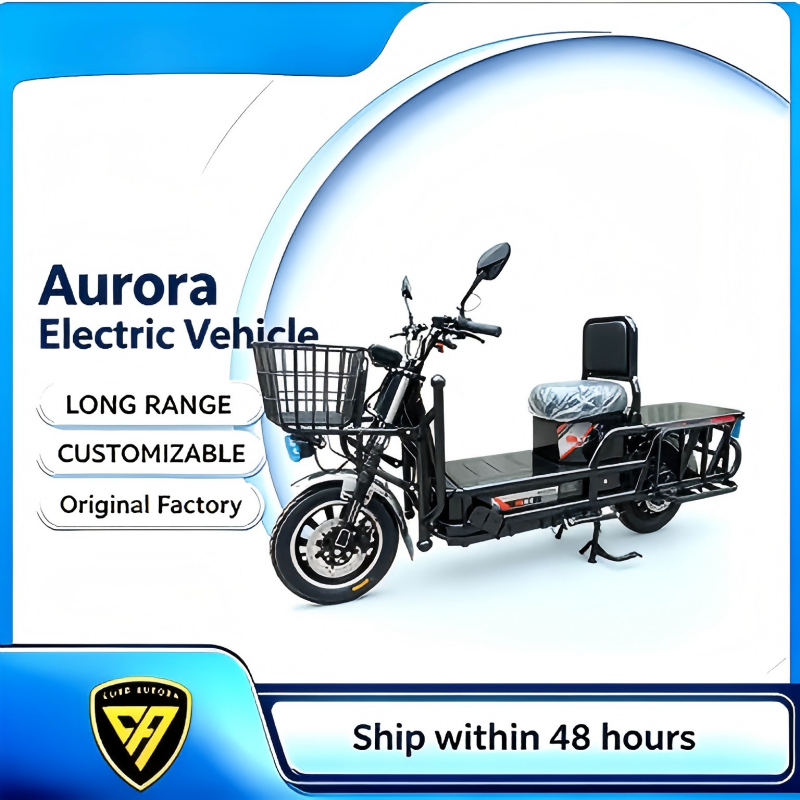
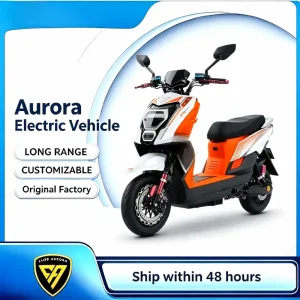
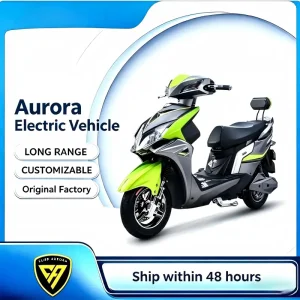
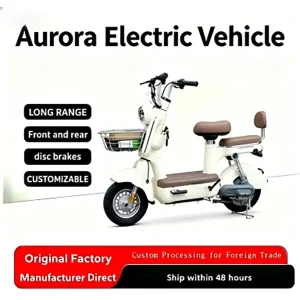
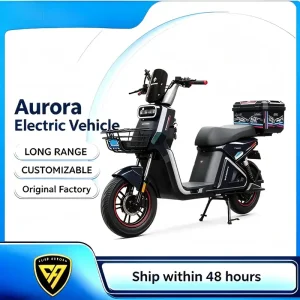
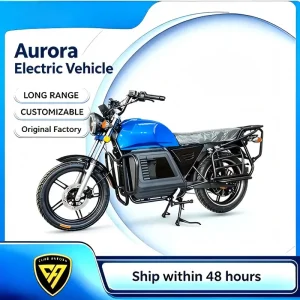
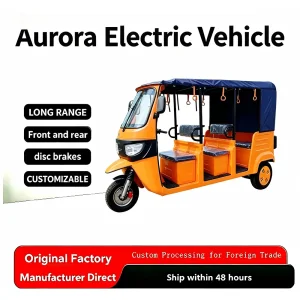
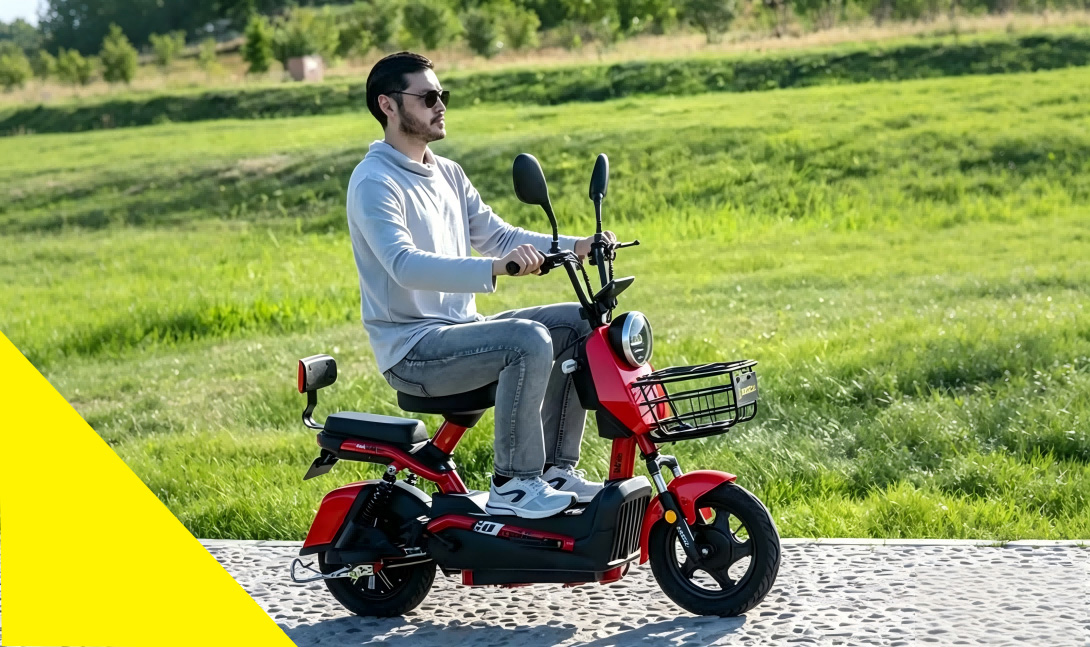
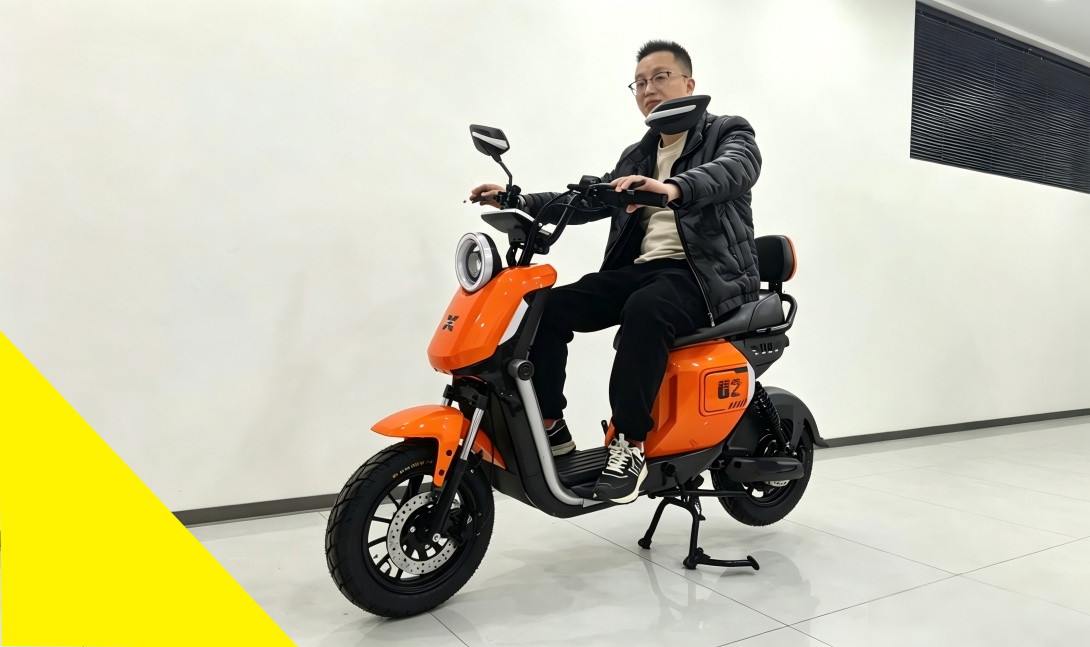
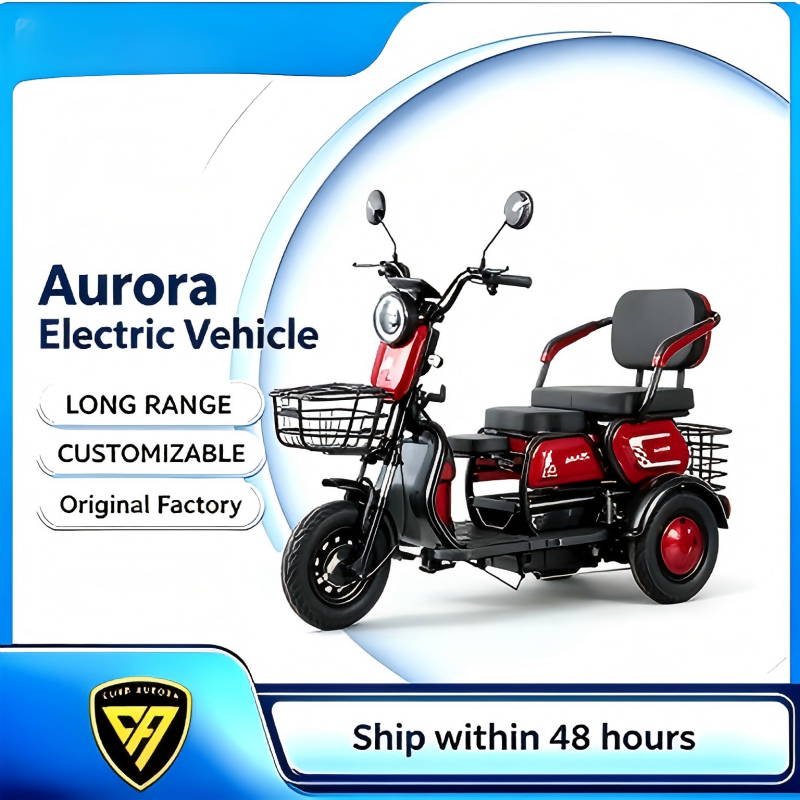
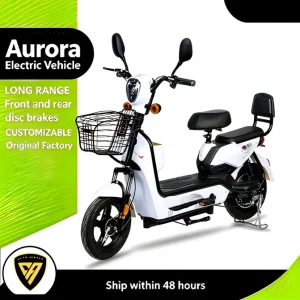
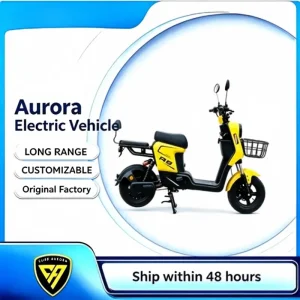
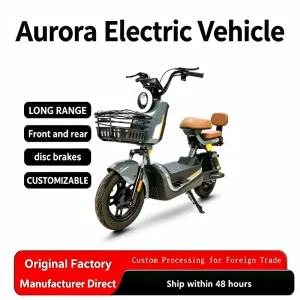
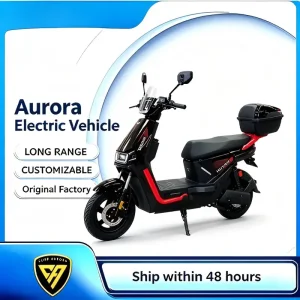
Different delivery models demand specialized vehicle profiles. We offer end-to-end design consultations to configure vehicles for specific applications:
Our global engineering teams work directly with major logistics firms to supply customized OEM/ODM vehicle fleets configured with appropriate torque curves, battery capacities, and physical dimensions tailored to target service areas.
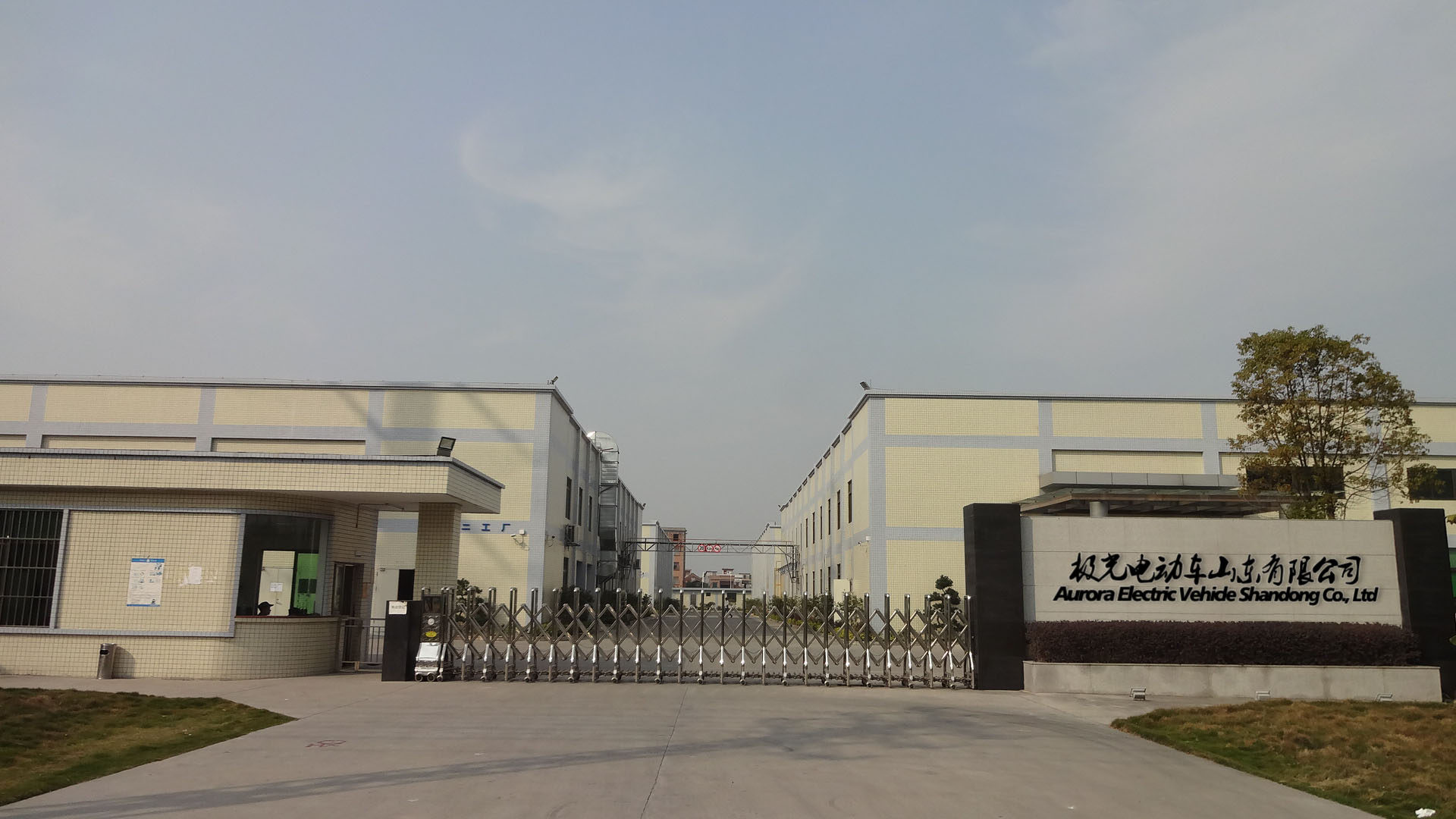
Established in 2015, Aurora Electric Vehicle Shandong Co., Ltd. is a dedicated manufacturer of electric bicycles, cargo scooters, and special purpose logistics vehicles based in Linyi City, Shandong Province. Over the last decade, we have transitioned from a localized manufacturing facility to a comprehensive, technology-driven enterprise integrating R&D, mass production, quality control, and cross-border distribution.
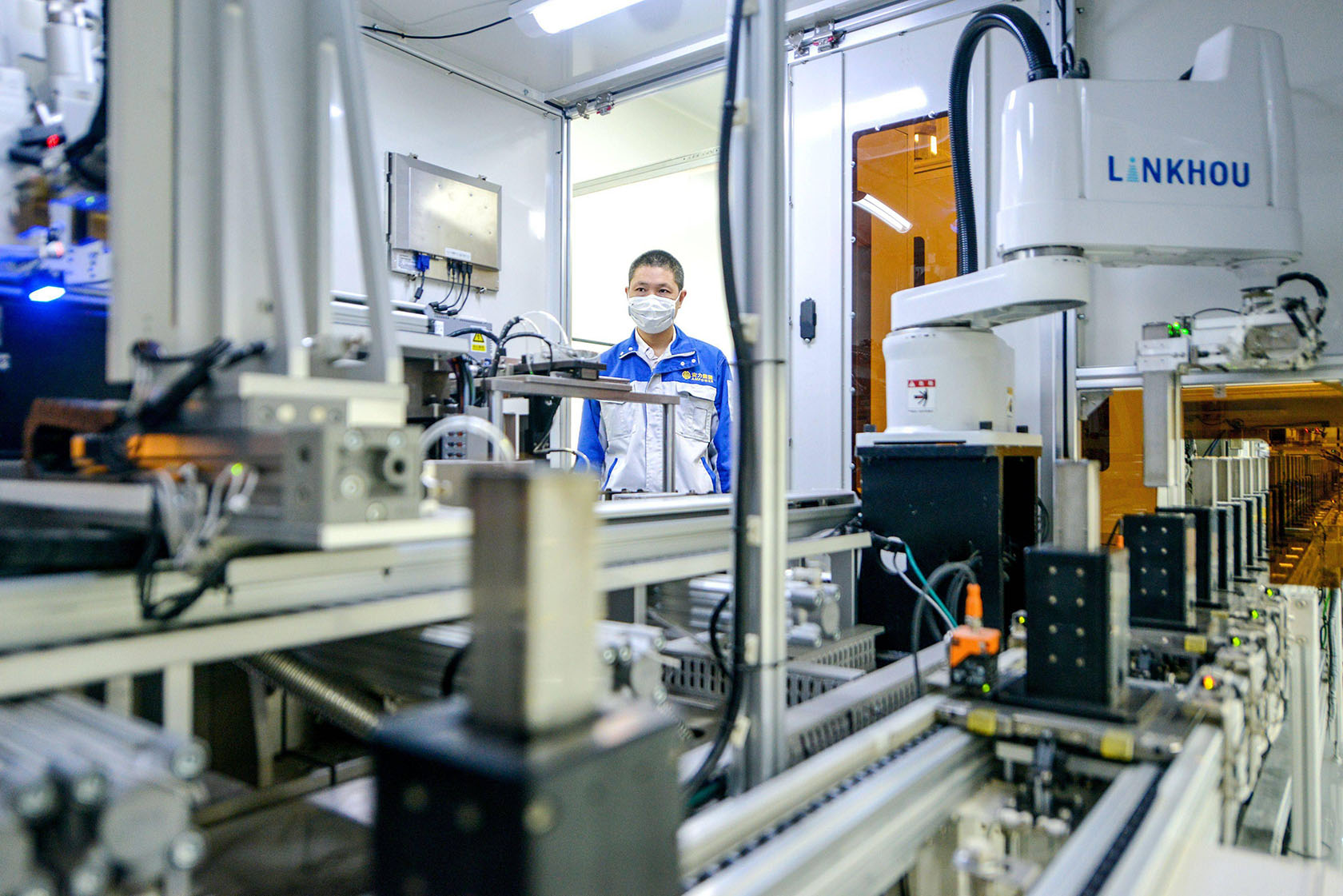
With the introduction of the new national standards for electric vehicles in China in 2019, our factory initiated a complete digital transformation. We replaced manual assembly processes with computerized control lines, automated motor testing benches, and precision frame-alignment machinery. This infrastructure allows us to control tolerances down to fractions of a millimeter, ensuring that structural failure is virtually eliminated under normal fleet operations.
Today, our modern facility includes localized production workshops, an independent R&D center staffed by senior engineers with 10+ years of vehicle engineering experience, and a dedicated, temperature-controlled laboratory for rigorous battery testing.
Focuses on core drivetrain efficiency, high-performance battery management systems (BMS), structural stress analysis, and international compliance testing.
Monitors raw material inspections, automated line welding, and structural stress tests, ensuring every batch conforms to pre-shipment benchmarks.
Provides seamless OEM/ODM client communications, handles local customs clearance, manages documentation, and delivers responsive after-sales support.
Our commitment to quality control is backed by formal international certifications. Meeting standards like CE, CCC, FCC, and global environmental mandates is critical for ensuring our products are fit for high-intensity commercial use in European markets and beyond. Under CE regulations (such as EN15194), our vehicles undergo rigorous testing to ensure electromagnetic compatibility, structural integrity, and electrical safety.
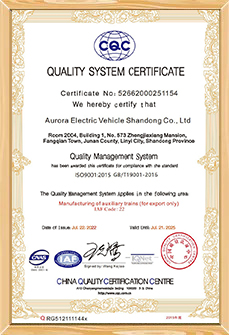
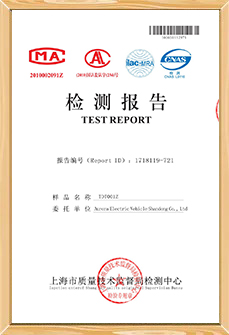
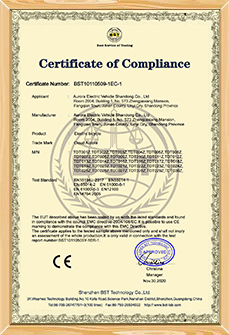
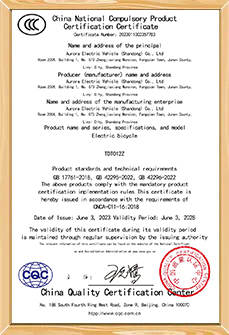
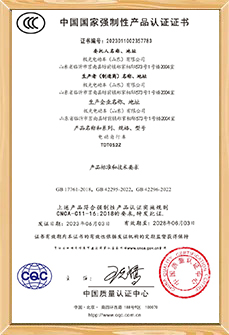
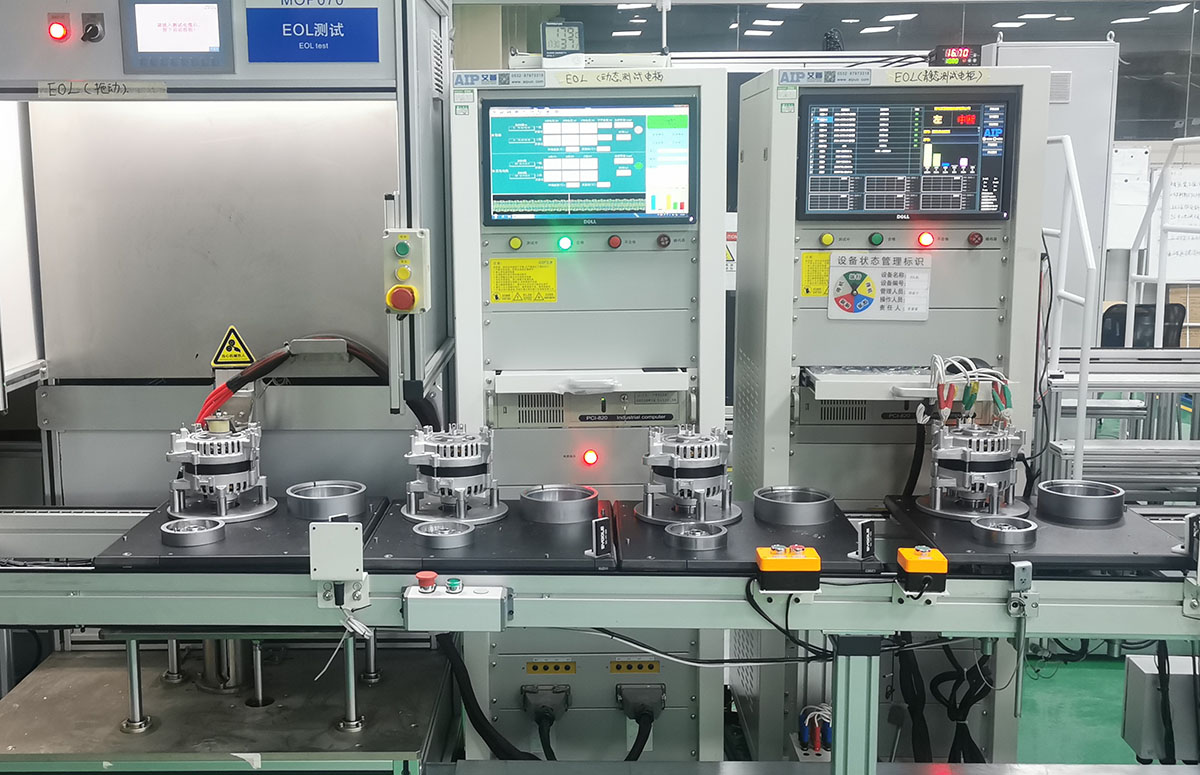
Every electric vehicle configuration leaves our facility only after passing standard quality gates:
As same-city delivery demand evolves, technology continues to move forward. Aurora's engineering team is actively working on several key product innovations planned for deployment over the next three to five years:
Investigating sodium-ion cells for cost-sensitive markets and regions with extremely cold climates. While having slightly lower energy density, sodium-ion batteries maintain outstanding charge retention at -25°C and reduce fire hazard risks near zero.
Developing quick-release battery dock standardizations across our entire cargo line. This allows courier fleets to implement physical swapping networks, eliminating plug-in charging downtime completely.
Integrating high-tensile lightweight aluminum alloys and carbon-composite carrier boxes to reduce unladen weight. This extends average battery range by 15-20% without sacrificing structural carrying capacity.
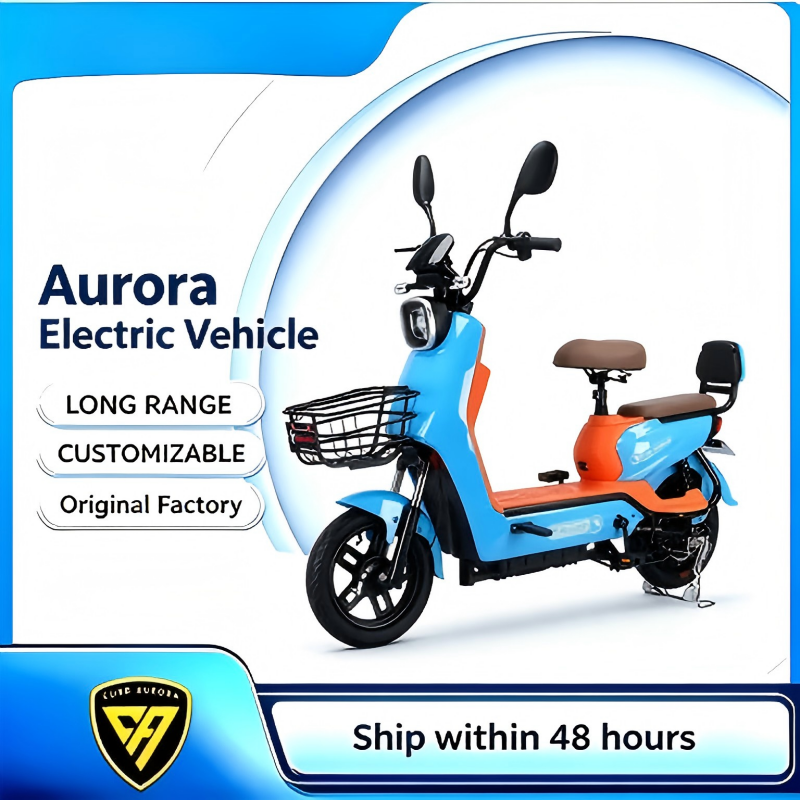
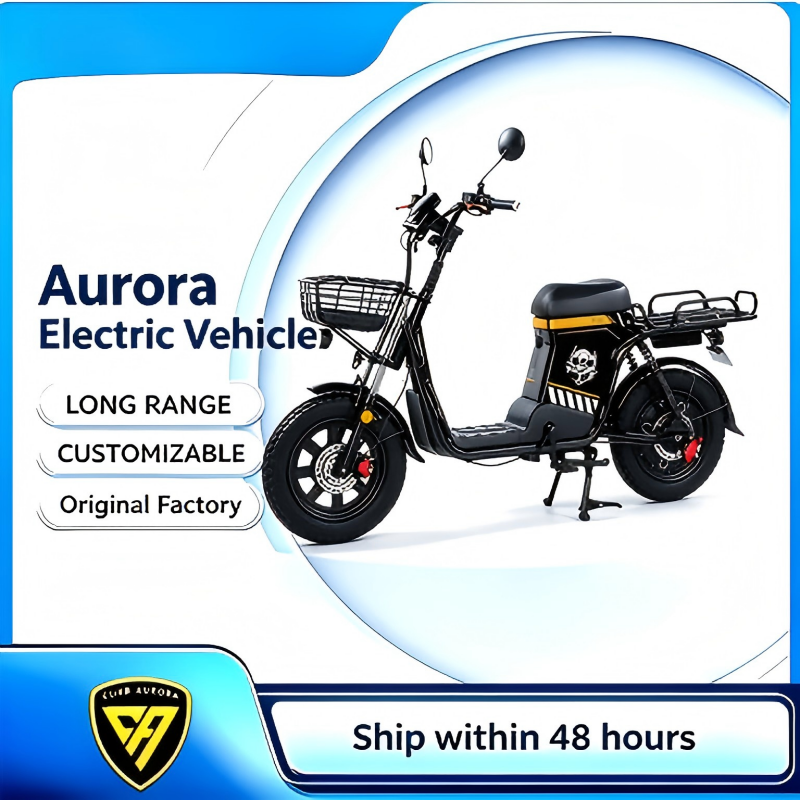
Lightweight, ergonomically balanced frames perfect for narrow routes and quick stops. Ideal for dense courier networks operating in historic city centers.
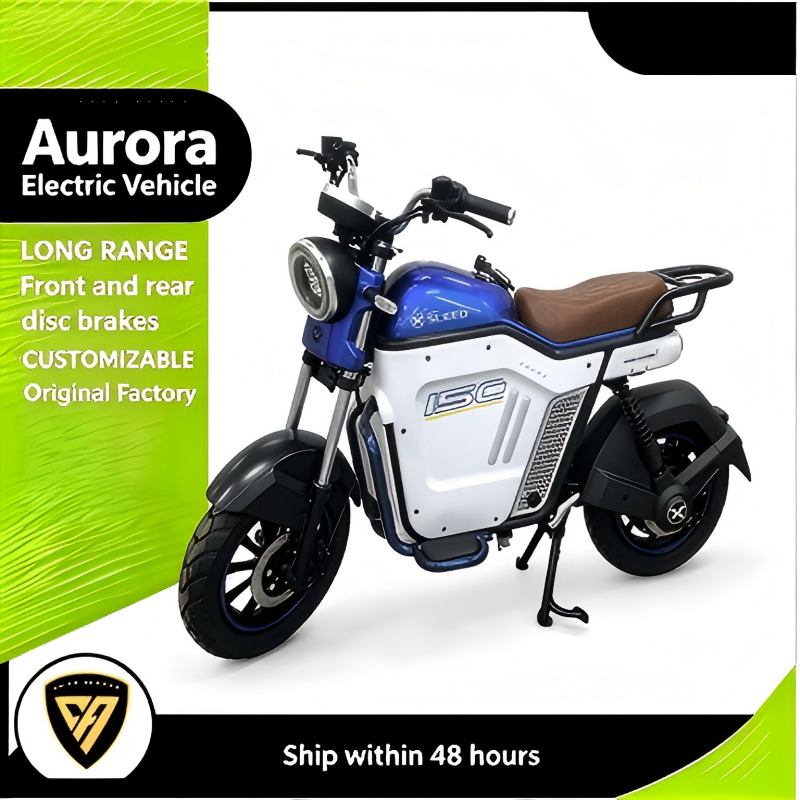
Streamlined bodies combined with long-travel shock absorption. Engineered to protect delicate payloads like hot food and medicine.
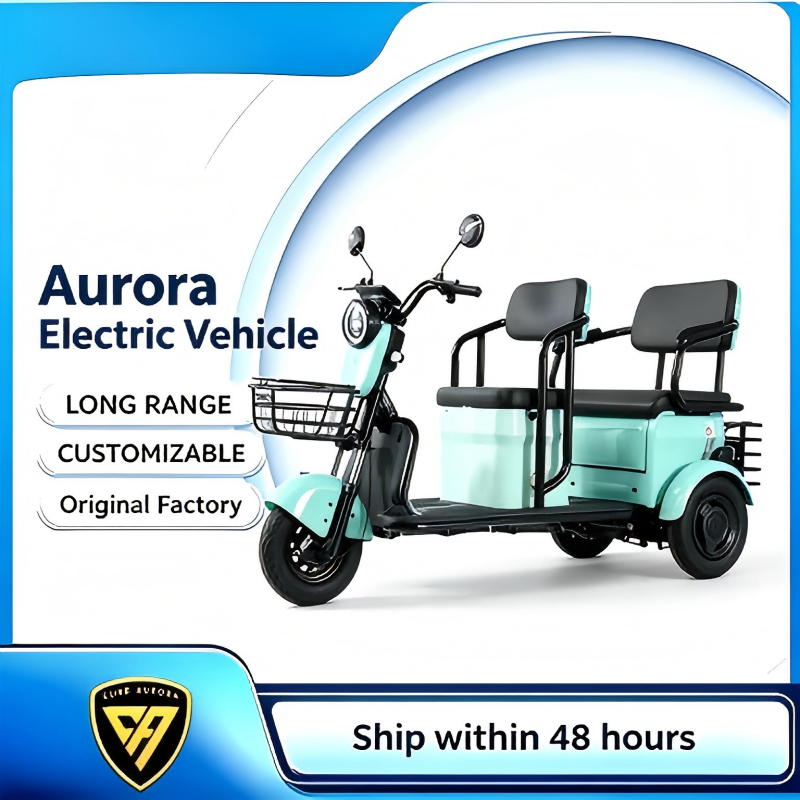
For high-volume cargo distribution. Stable three-wheel base configuration maximizes loading volumes without compromising rider safety.