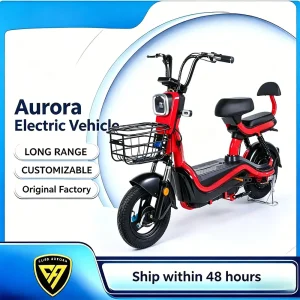
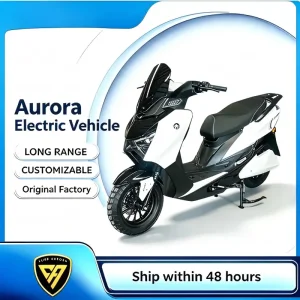
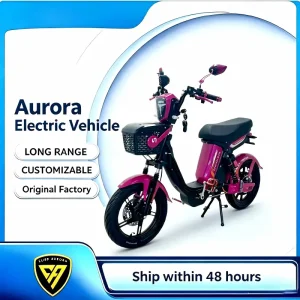
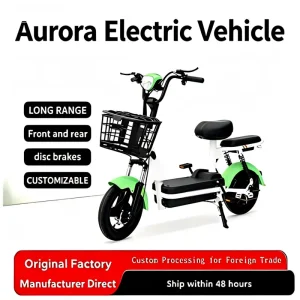
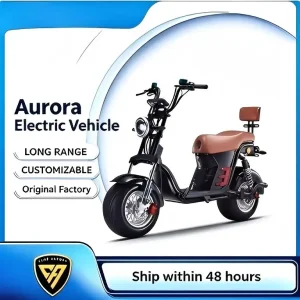
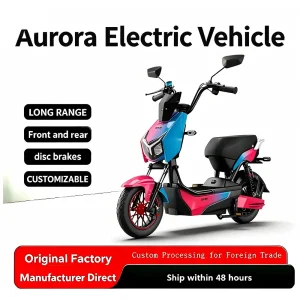
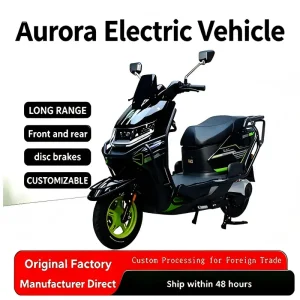
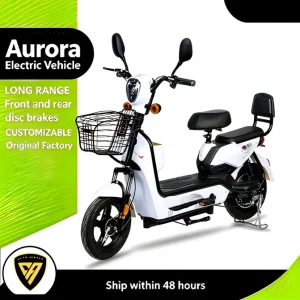
Explore our premium select range of electric bicycles and scooters engineered for high performance, structural compliance, and global export viability.
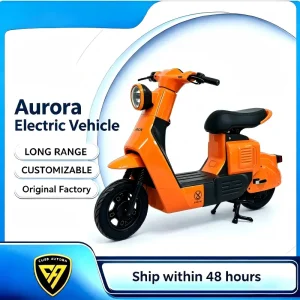
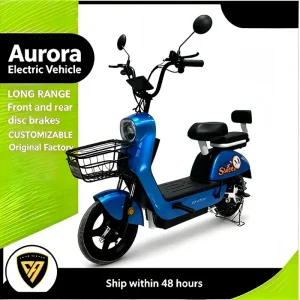
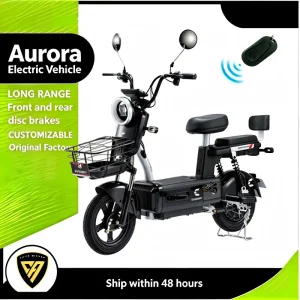
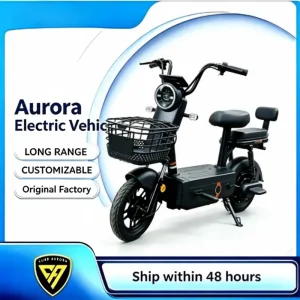
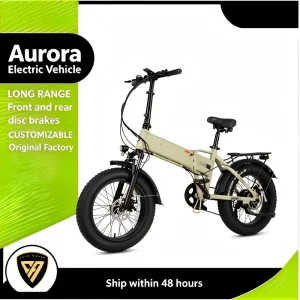
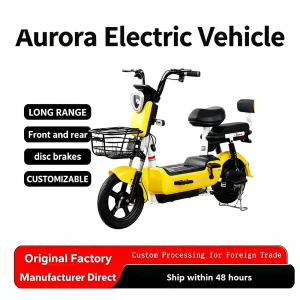
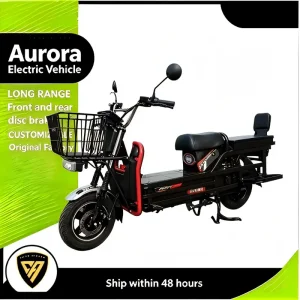
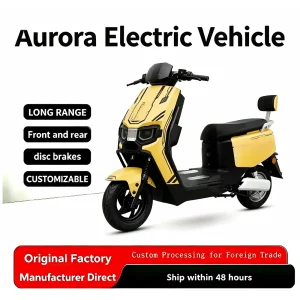
Analyzing the engineering architecture, mechanical advantages, and efficiency gains of shaft-driven drivetrains over traditional chains or belts.
In the rapidly evolving landscape of personal light electric vehicles (PLEVs) and electrically power-assisted cycles (EPACs), the drivetrain serves as the critical node determining vehicle reliability, user safety, and long-term operating costs. Traditional transmission media—specifically steel chains and carbon-reinforced belts—have historically dominated the industry due to low upfront manufacturing costs. However, in professional, high-utilization commercial and municipal contexts, these open systems introduce continuous points of failure.
Shaft transmission systems represent a closed-loop engineering response to these vulnerabilities. By utilizing a solid, rotating drive shaft coupled with precision-cut spiral bevel gears at both the bottom bracket and the rear axle hub, the mechanical pathway is completely isolated from environmental contaminants. This architecture eliminates common issues such as chain drop, tension degradation, grease contamination, and catastrophic belt snapping under high torque loads.
Unlike chains that require regular external lubrication and remain exposed to dust, sand, and moisture, modern shaft drive systems operate within a sealed chamber containing a lifetime synthetic lubricant or a clean oil-bath. This design secures IP68 ingress protection for the gear mechanism, guaranteeing identical mechanical friction coefficients across extreme temperatures and varied weather environments.
A common misconception within early micro-mobility engineering was that shaft drives suffered from high transmission energy loss compared to perfectly tensioned, clean chain systems. While a brand-new, clean chain can achieve transmission efficiencies of approximately 97%, real-world urban operations quickly degrade chain efficiency to below 85% due to grit accumulation, pin wear, and misalignment. In contrast, precision-machined bevel gears maintain a consistent mechanical transmission efficiency of 92% to 94% throughout their entire operating lifespan of up to 50,000 kilometers, ensuring predictable range calculations for electric powertrain systems.
Navigating safety directives, testing protocols, and compliance thresholds for European and global commercial distribution.
Exporting micro-mobility vehicles to the European Economic Area (EEA) requires strict adherence to CE (Conformité Européenne) marking requirements. For electric bicycles, the primary harmonized standard is EN 15194:2017 (Cycles - Electrically power assisted cycles - EPAC Bicycles). Under this standard, every safety-critical subsystem—including the drivetrain—is subjected to strict dynamic testing. Shaft transmission systems provide structural advantages that simplify the path to compliance:
Under this machinery safety standard, open-chain systems present high-risk pinch points for fingers and clothing. A shaft drive's solid enclosure completely eliminates these hazards, passing safety-guard assessments by default without requiring additional chainguards or plastic fairings.
EN 15194 mandates structural fatigue tests of the drive system under high cyclic pedal forces. Standard shaft housings are forged from high-tensile 6000-series aluminum or magnesium alloys, easily surpassing the 100,000 stress cycles under 1,000 N forces without micro-fracturing or alignment shifts.
Because the shaft drive operates as a grounded metallic casing wrapping the drivetrain, it aids in containing electromagnetic fields generated by mid-drive electric motors. This contributes to passing the strict EMC Directive 2014/30/EU guidelines for electrical safety.
Beyond EN 15194, personal light electric vehicles (PLEVs) like stand-up electric scooters must align with EN 17128:2020. In these designs, enclosing the drive mechanics within a rear swingarm or shaft assembly ensures that road debris kicked up by the tires cannot log within the gearing system. This prevents sudden lockups of the rear wheel, which is a major cause of rider accidents and liability claims for shared fleets.
A decade of manufacturing excellence, regional leadership, and strict quality control protocols in Shandong, China.
Founded in 2015, our electric bicycle manufacturing enterprise is located in Linyi City, Shandong Province, a core transportation hub connecting the Yangtze River Delta and the Bohai Economic Circle with prominent geographical advantages. As a professional manufacturer deeply rooted in the electric bicycle industry for over 10 years, we have grown from a small-scale production workshop to a comprehensive enterprise integrating R&D, production, sales and after-sales service, witnessing and participating in the high-quality development of China’s electric bicycle industry under the new national standard era.
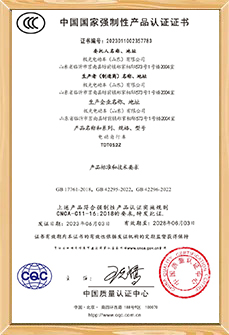
Our development history is a journey of persistence, innovation and continuous transcendence. Since our establishment, we have closely followed the industry trend and policy orientation. In 2019, when the new national standard for electric bicycles was officially implemented, we took the initiative to upgrade our production lines and R&D capabilities, optimizing product parameters to fully comply with the mandatory safety standards, including fire retardant performance, speed limit and anti-tampering requirements.
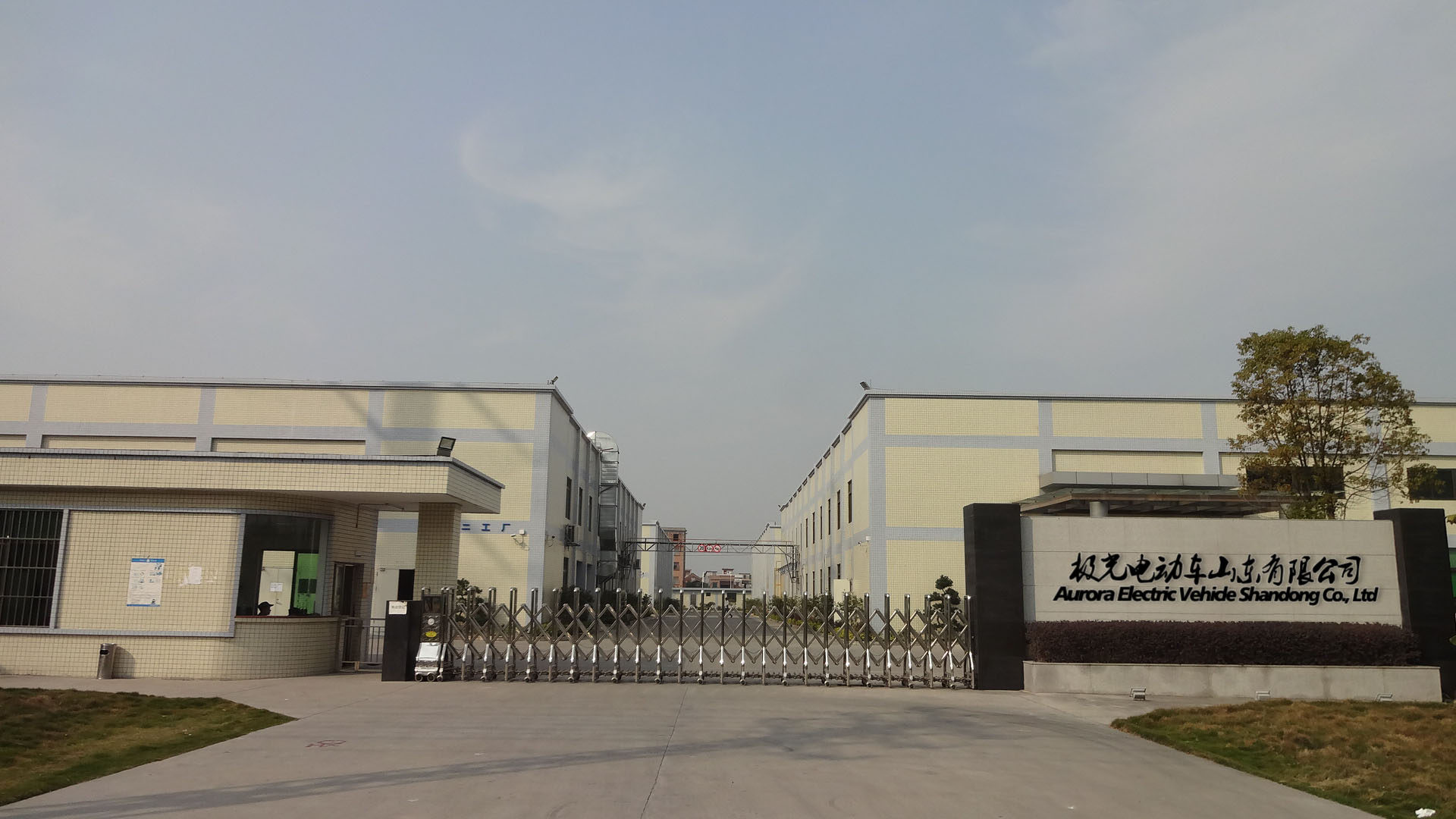
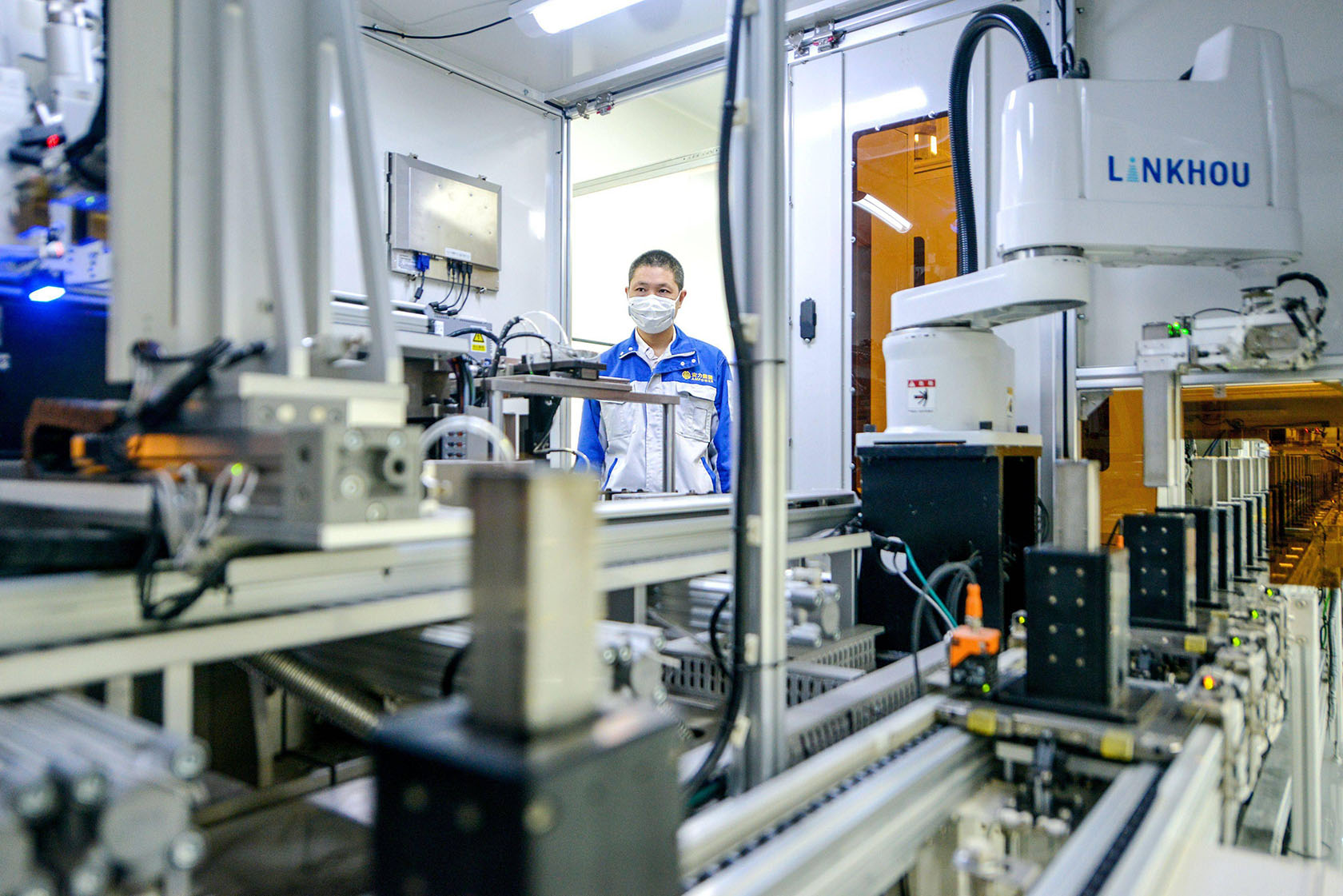
Over the past decade, we have continuously expanded our production scale, built a standardized production base covering a large area, equipped with intelligent digital production lines, automatic assembly lines and professional testing equipment, realizing the standardized and efficient production of core components such as motors, batteries and frames. Today, our annual production capacity has reached a high level, capable of meeting the diverse needs of domestic and foreign customers, and our products have been widely recognized in both the domestic market and overseas regions.
Our R&D team consists of senior engineers with more than 10 years of experience in the electric bicycle industry, who are committed to technological innovation and product upgrading, focusing on improving battery life, safety performance and riding comfort, and have obtained a number of core technology patents related to electric bicycle motors and battery management systems.
Our production team is composed of skilled workers who have undergone strict professional training, strictly implementing every production process from raw material inspection to finished product delivery, ensuring that each electric bicycle meets the highest quality standards.
Our sales and after-sales team is customer-oriented, with professional service awareness and efficient communication capabilities, providing one-stop customized solutions, OEM/ODM services, and timely after-sales support for customers around the world, solving their worries in product selection, customization and use.
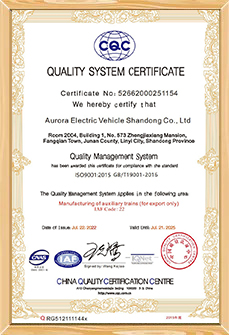
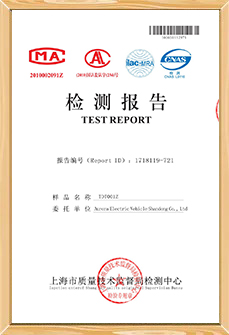
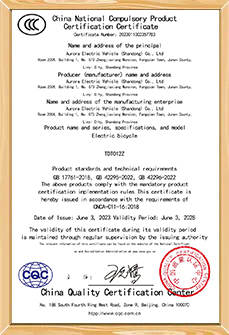
Our industrial presence by the numbers—backed by strict testing and standard alignments.

Evaluating the macroeconomic advantages, supply chain logistics, and business case for transitioning fleets to shaft transmission architectures.
On a macro scale, the growth of micro-mobility has shifted from rapid expansion to optimization and profitability. During the initial wave of dockless scooter and bike sharing, operators focused heavily on acquisition speed. Today, the focus is on lifecycle durability. A major portion of operating expenditures (OpEx) for micro-mobility fleets goes directly to field operations and repair workshops. Drivetrain maintenance represents a significant portion of this budget due to regular component wear.
Analyzing B2B fleet logistics demonstrates the value of transitioning to CE-certified shaft transmission models:
Chain Drive Systems: Requiring monthly adjustments, bi-monthly cleanings, and full replacements every 4,000 km. Average lifecycle cost per unit over 3 years: €280 (including labor and parts).
Shaft Drive Systems: Zero adjustment required. Inspections restricted to structural integrity checks at 15,000 km. Gearbox oil flush at 25,000 km. Average lifecycle cost per unit over 3 years: €35.
By eliminating regular chain-related breakdowns, fleet operators can improve overall vehicle uptime by up to 18%, directly translating to higher rental utilization. Furthermore, the absence of exposed drivetrain grease prevents damage to riders' clothing, reducing customer support issues and improving the brand experience.
Corporate culture is the soul of our enterprise, integrating the spirit of Linyi, a famous historical and cultural city, with the concept of green travel. Our core values are "integrity, pragmatism, innovation and win-win", which run through every link of enterprise operation.
We advocate the corporate mission of "making green travel easier and safer for everyone", adhering to the development concept of environmental protection and energy conservation, and committing to producing high-quality, energy-saving and environmentally friendly electric bicycles that meet the needs of modern people’s short-distance travel, contributing to the construction of a low-carbon society.
We pursue excellence in product quality, regard product safety as the lifeline of the enterprise, invest a lot of funds to build a professional testing laboratory, and conduct strict tests on every product in terms of load-bearing, waterproof, fire resistance and battery safety, ensuring that our products are safe, reliable and durable.
Analyzing how shaft-driven electric vehicles perform in diverse geographical, municipal, and commercial ecosystems.
The performance of micro-mobility drivetrains is highly dependent on localized environmental conditions. Traditional chain drives deteriorate rapidly under specific climates, making closed-loop shaft systems a more reliable alternative:
In coastal markets such as Barcelona, Miami, or Copenhagen, airborne salt spray causes rapid corrosion on standard steel chains. The rust degrades metal components, limits power transmission, and can cause chains to snap. A sealed shaft drive keeps salty air out of the gearing, ensuring stable operation even in coastal, high-humidity regions.
In regions with harsh winters, such as Helsinki or Montreal, road salt and slush present a major threat to exposed drivetrains. The mixture of mud, salt, and ice clings to chains, jamming links and causing derailing. Enclosed shaft systems protect the mechanical transmission from winter elements, maintaining consistent performance in freezing temperatures.
On-demand delivery riders travel up to 100 kilometers daily, carrying payloads of 120 kg or more. These high loads put significant stress on drivetrains. A shaft drive distributes torque evenly through precision bevel gears, handling peak motor outputs of up to 90 Nm without the risk of chain stretching or derailment.
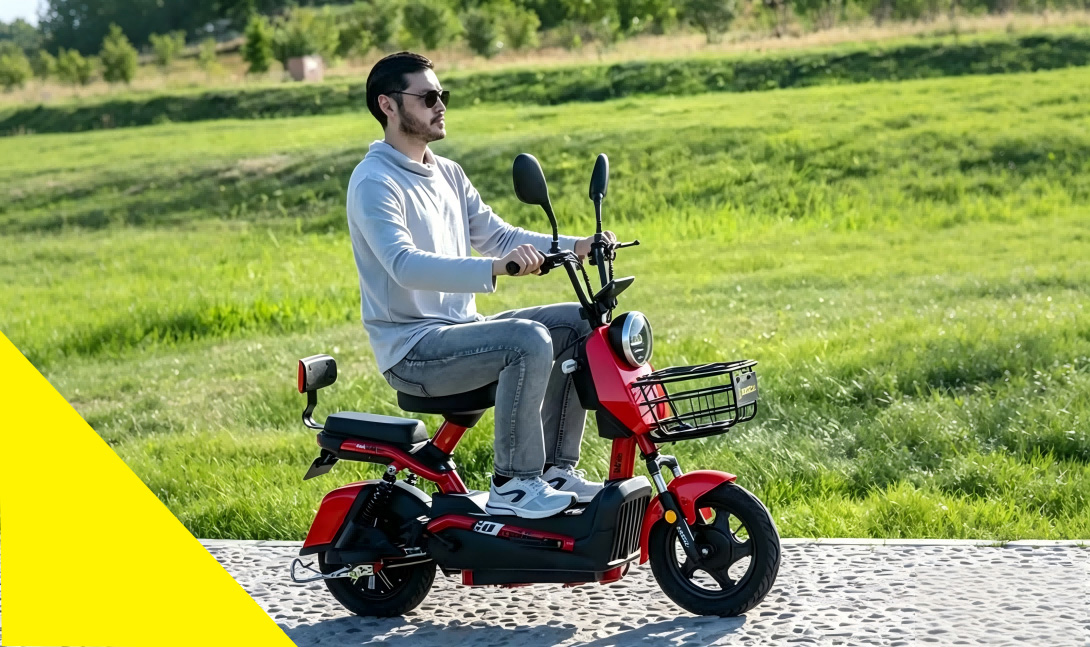
Ergonomic and lightweight, perfect for daily commuting and short-distance travel. Stable power, energy-saving and durable.
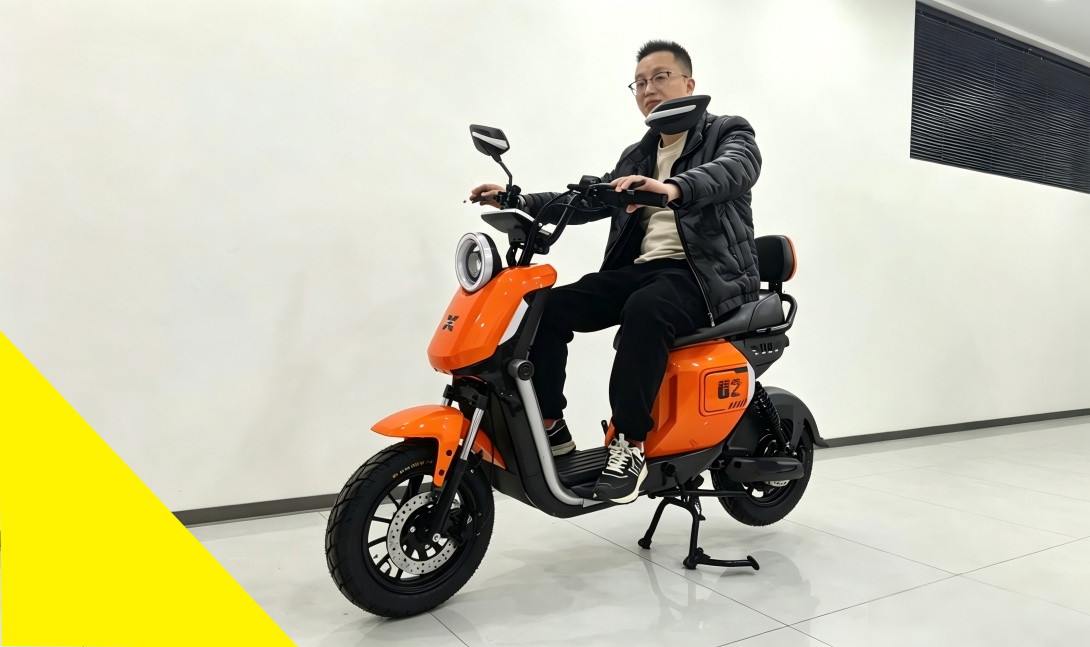
Fashion streamlined design, strong power and smooth driving. Suitable for urban travel, labor-saving and practical.
The integration of smart sensors, carbon composites, and variable gearing systems in the next generation of shaft drivetrains.
The development of shaft transmission systems is closely linked to innovations in material science and electronic integration. As micro-mobility vehicles transition into smart transportation nodes, the drivetrain is evolving from a simple mechanical connection into an electronically integrated subsystem.
Next-generation shaft drives will integrate torque sensors directly into the bevel gear assembly at the bottom bracket. By measuring the slight torsional deflection of the rotating shaft, the sensor can calculate rider torque input in real-time. This provides instant data to the motor controller for smoother assist curves and improved battery efficiency.
To reduce vehicle weight, research is underway into carbon fiber composite drive shafts. Carbon fiber offers high torsional strength at a fraction of the weight of steel or aluminum. This helps lower the overall weight of shaft-driven e-bikes, improving handling and extending battery range.
Future iterations will focus on mating sealed shaft assemblies with internal CVT hubs. This combination will allow for automatic gear ratio adjustments based on speed and incline, providing a smooth riding experience without manual shifting.
Answering key engineering and commercial questions regarding shaft-driven electric bikes and compliance standards.
Explore our comprehensive product lines, from urban commuters and heavy-duty utility vehicles to passenger tricycles.
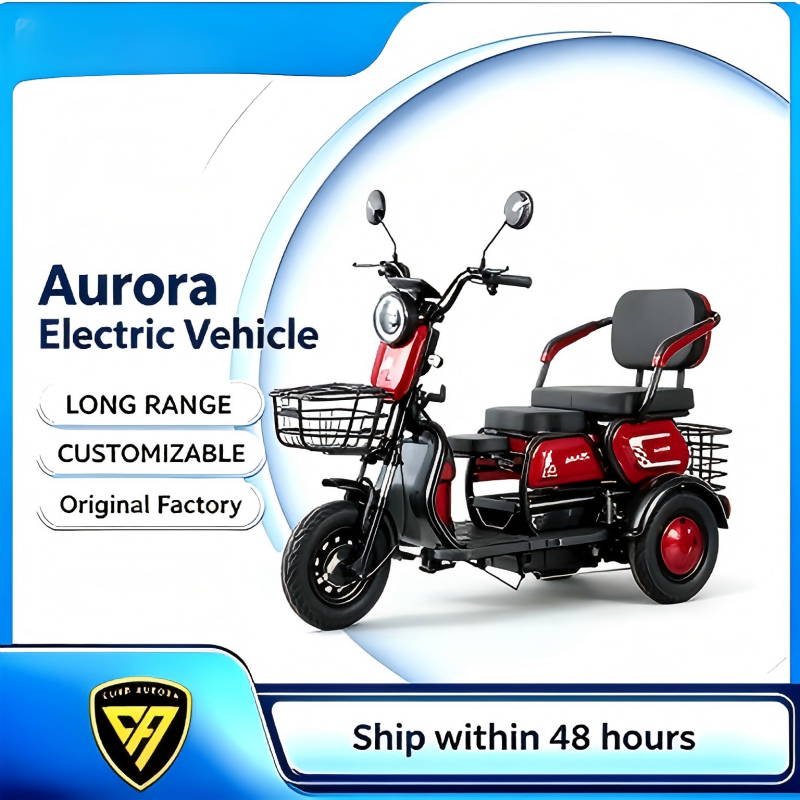
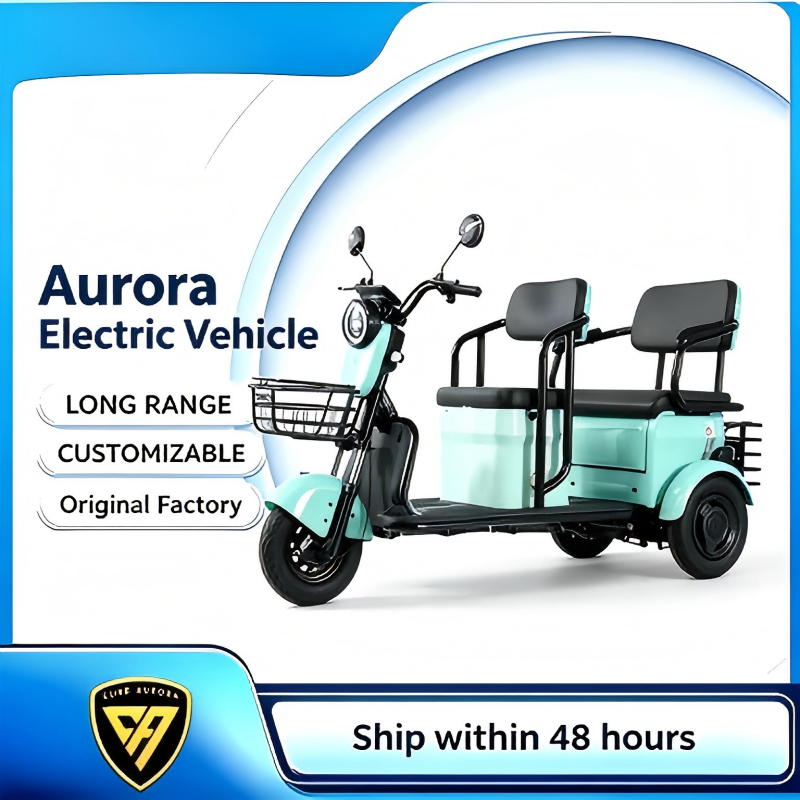
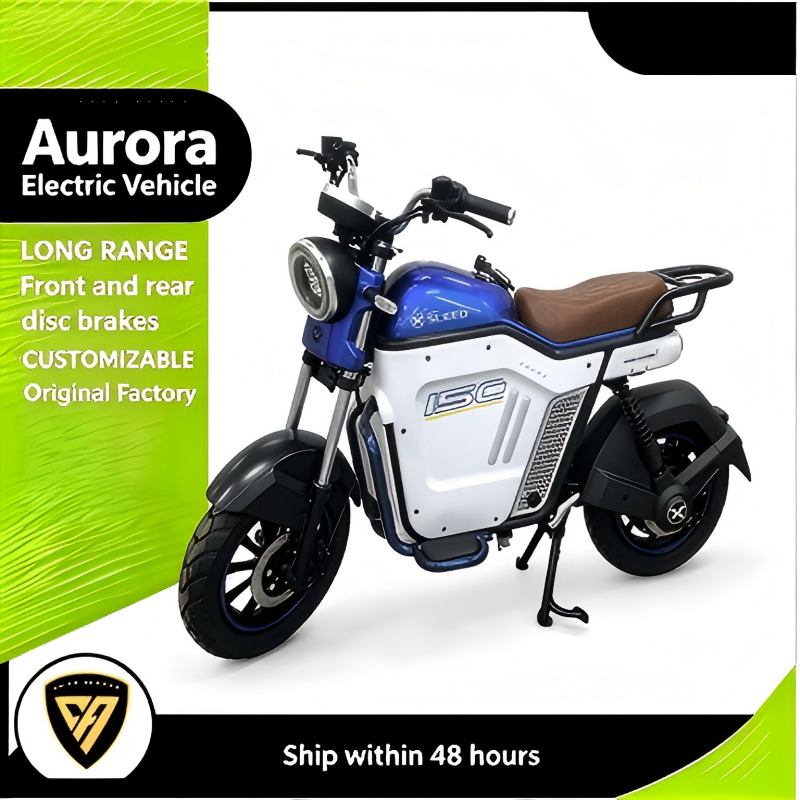
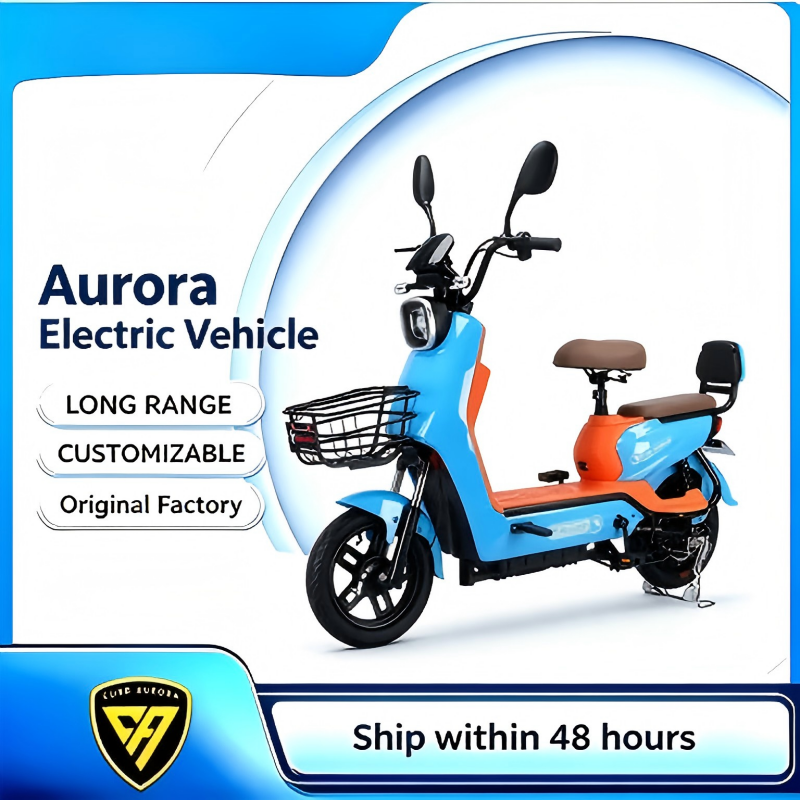
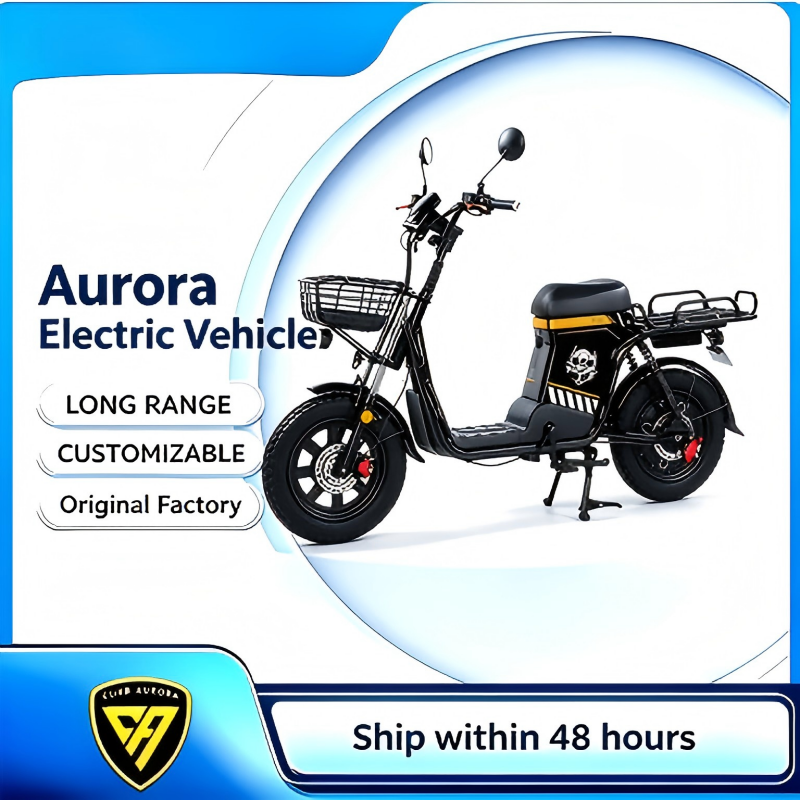
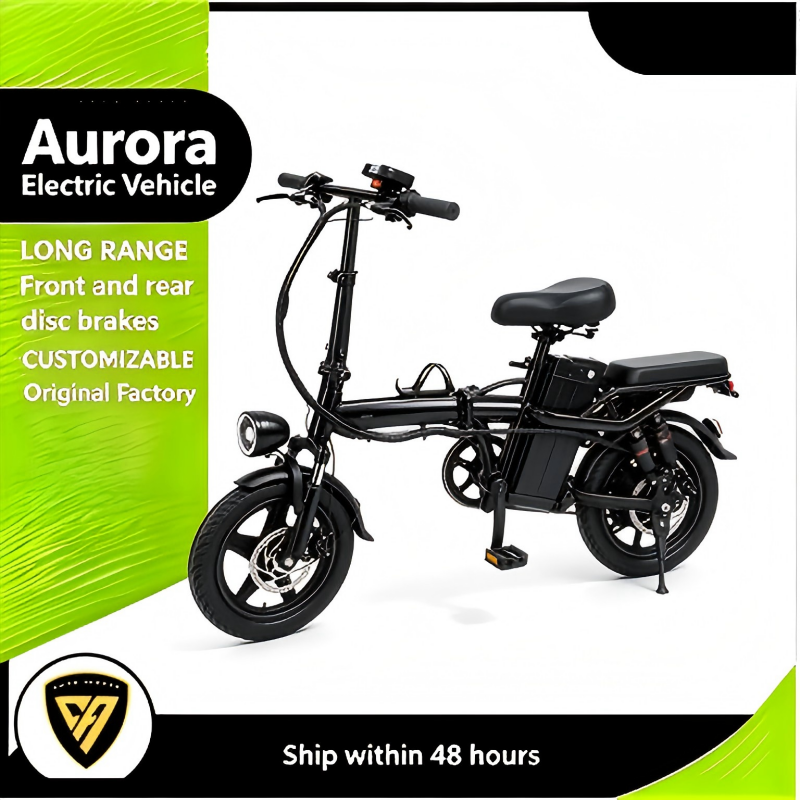
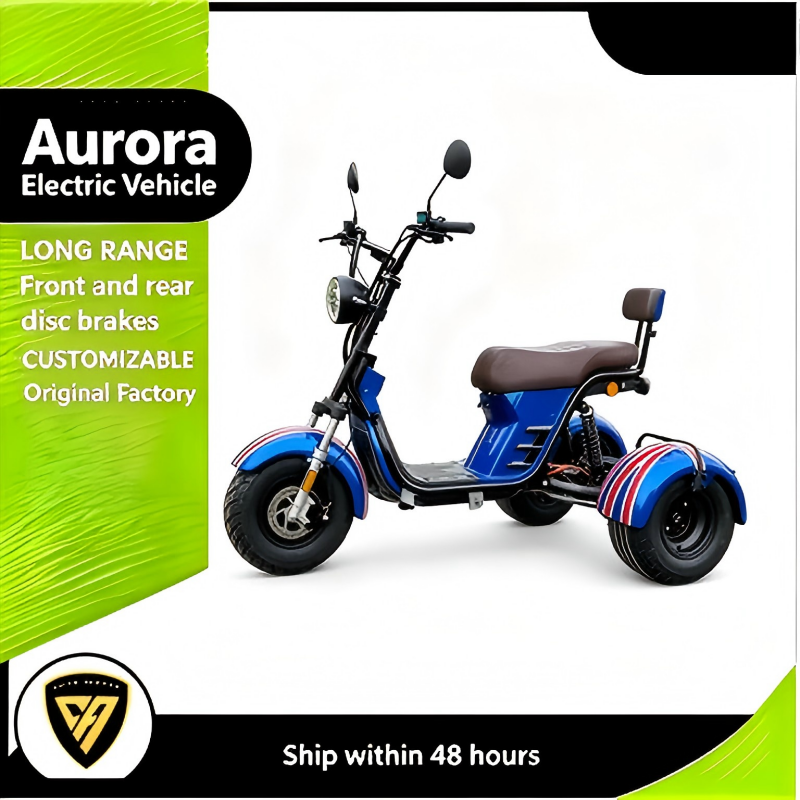
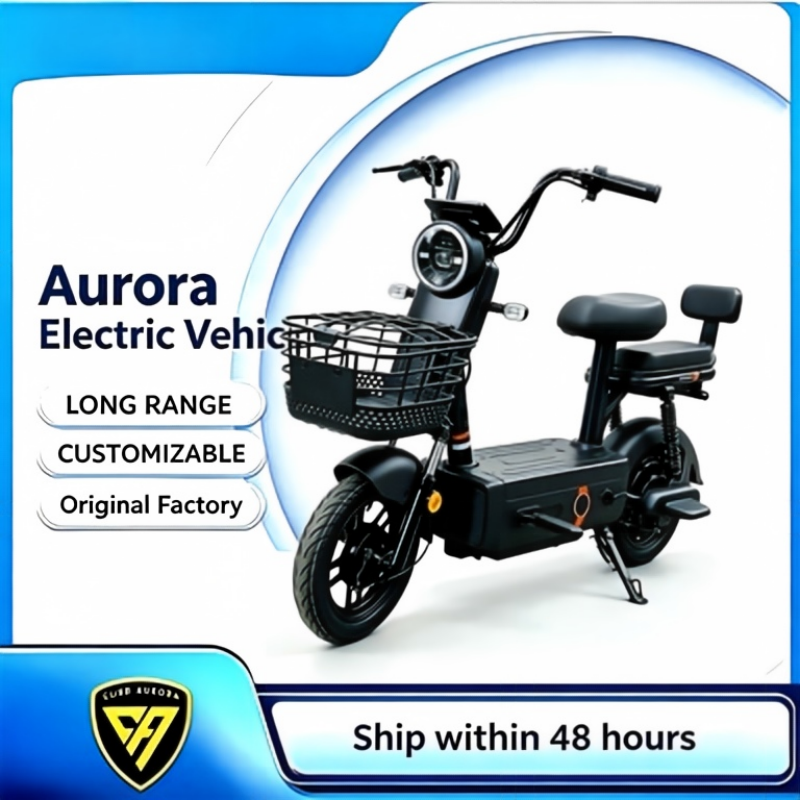
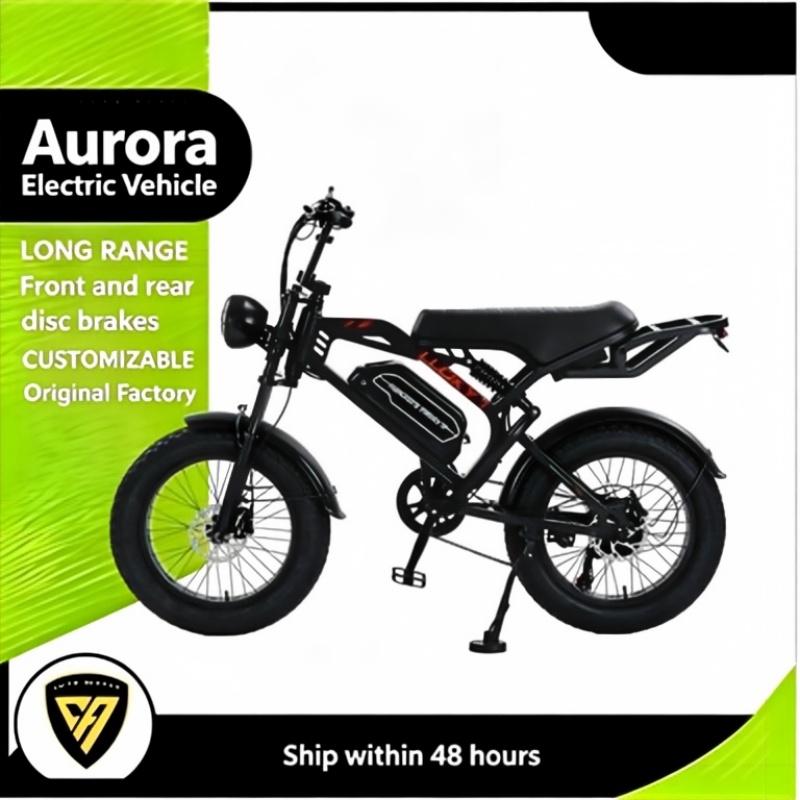
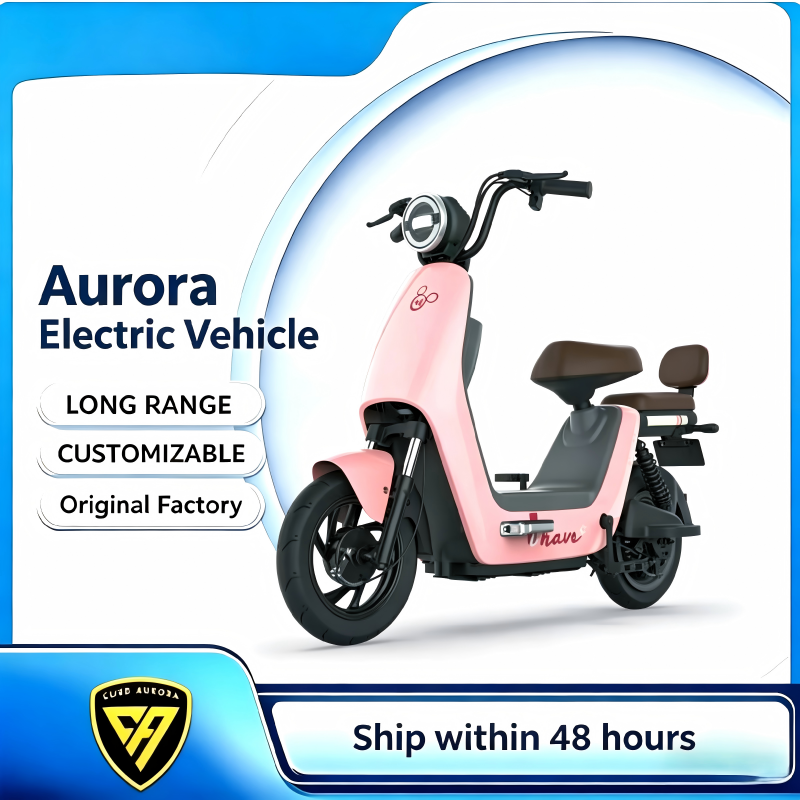
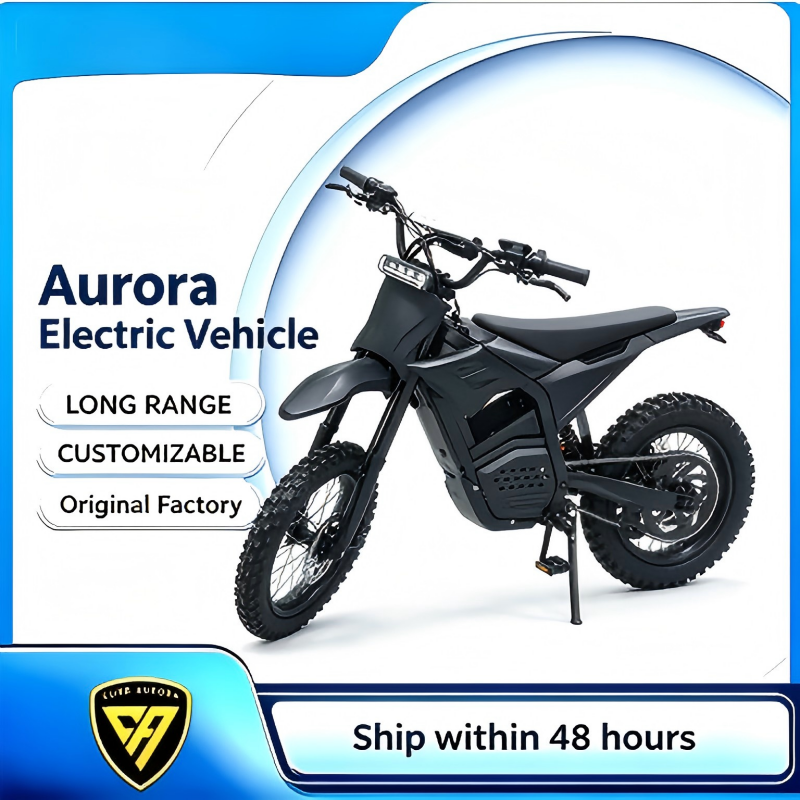
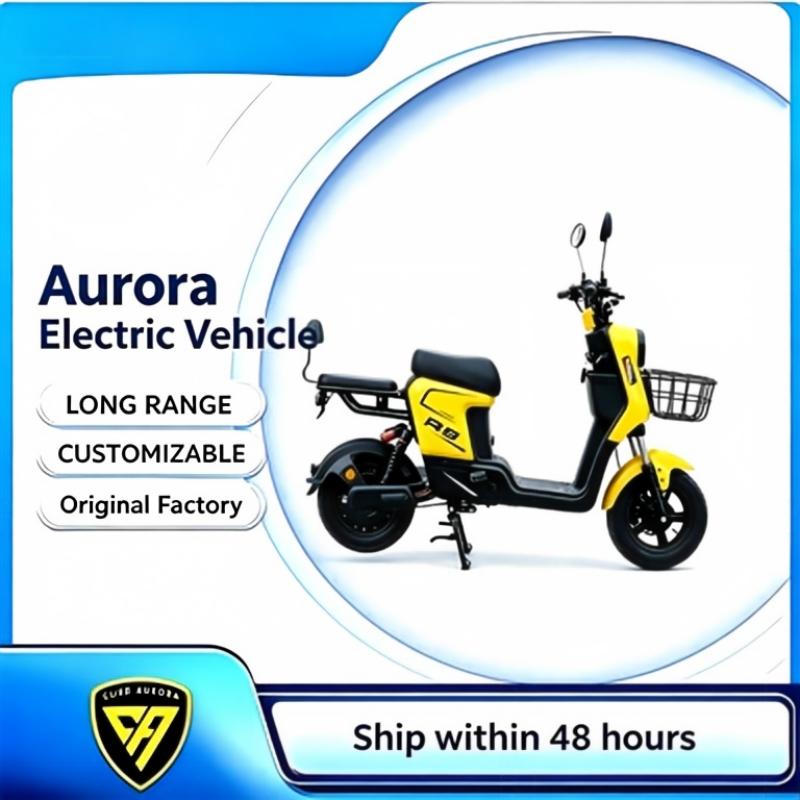
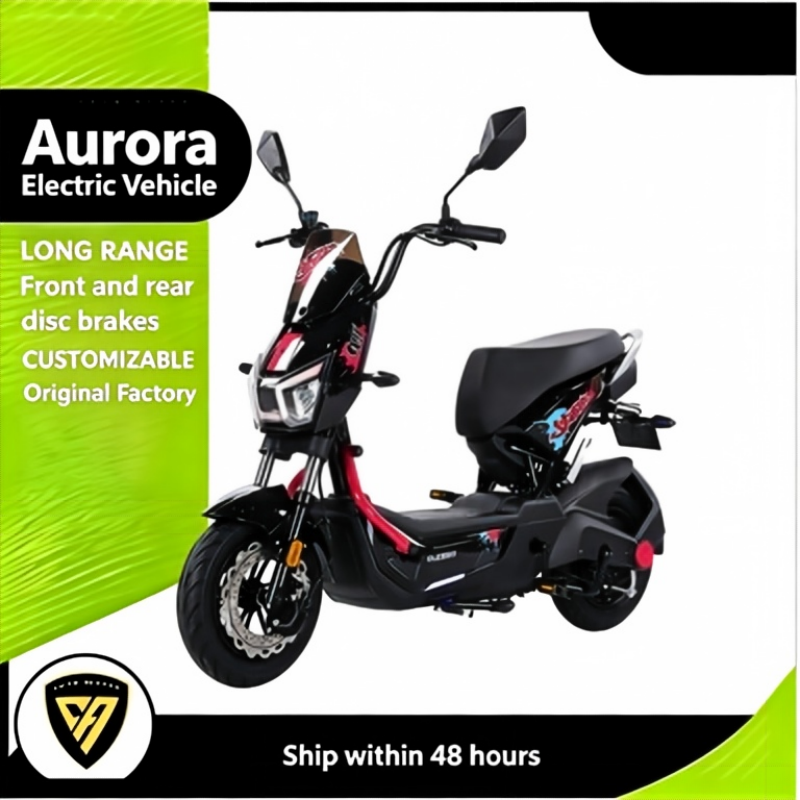
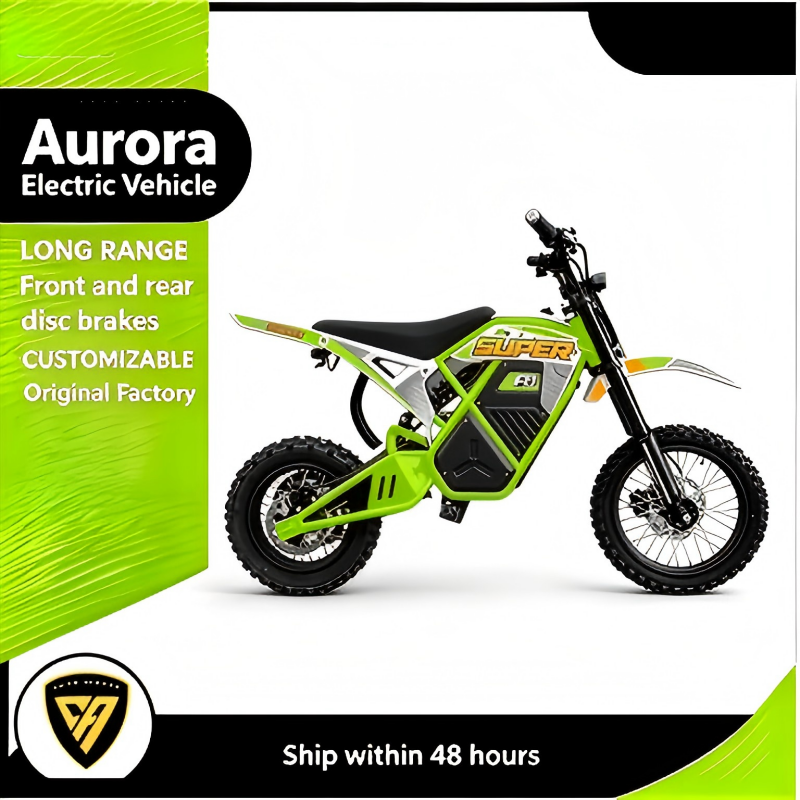
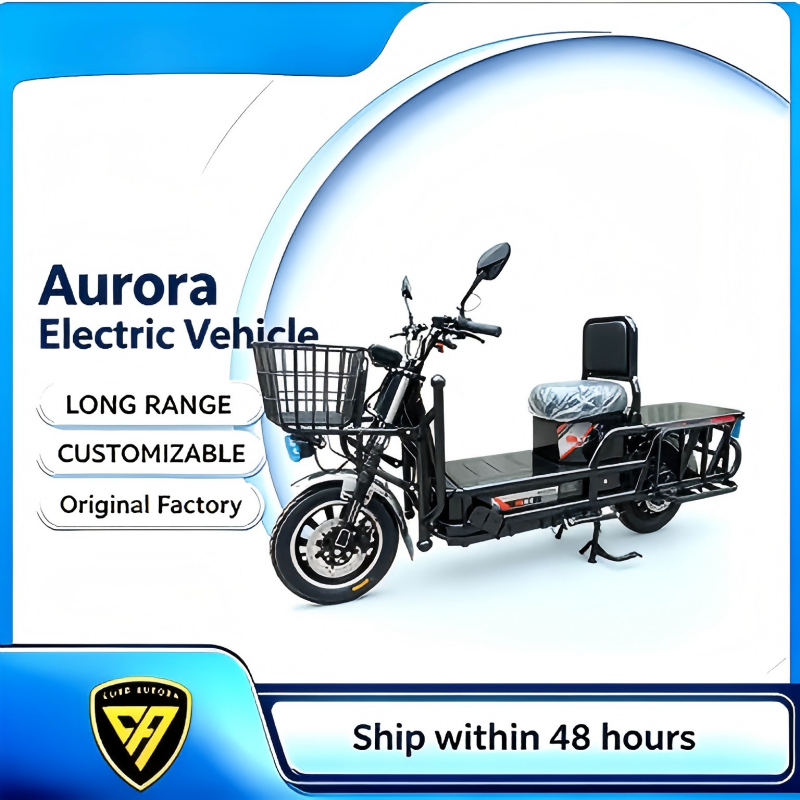
We provide flexible OEM/ODM service, strict export quality control, stable production, customizable logistics and full one-stop after-sales support. As a professional EV factory with strict quality control, premium workmanship and stable export quality for global supply, our systems are optimized for compliance and long-term durability.
We use 5-layer imported kraft paper packaging with custom options, and provide cost-effective, safe logistics that accepts your preferred carrier.
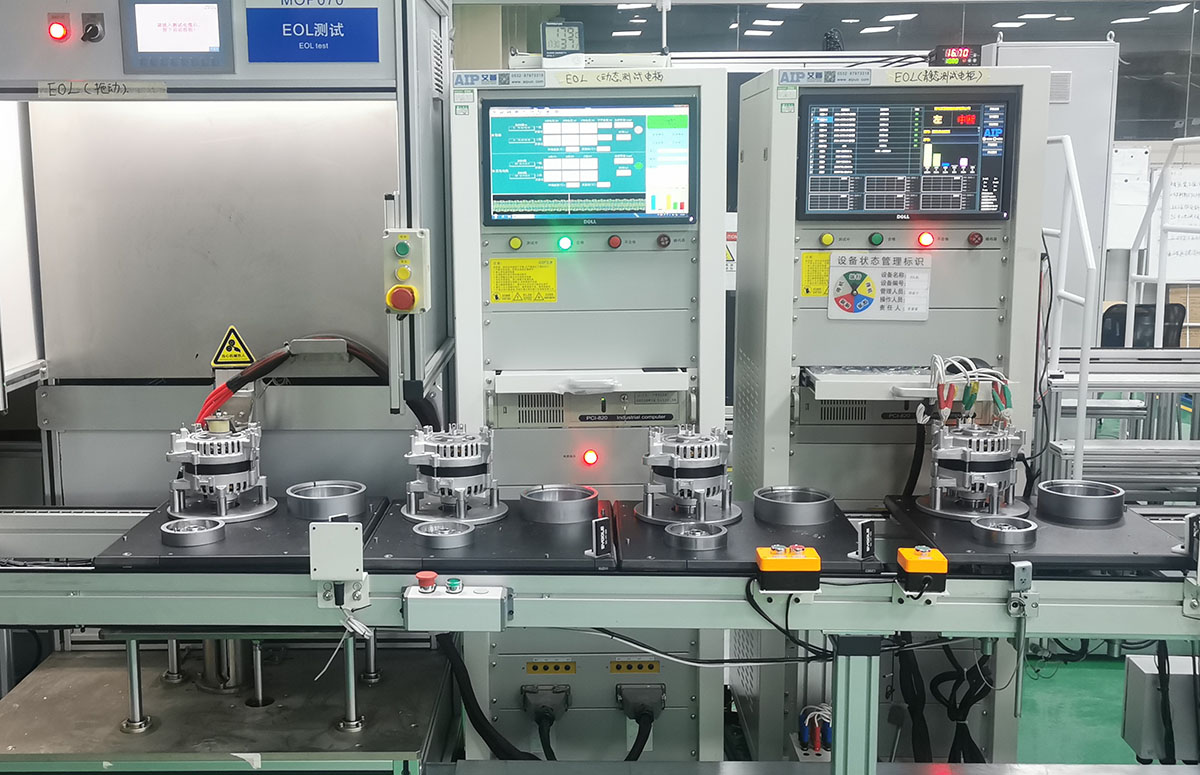
Explore the second tier of our high-durability electric mobility models optimized for global compliance and localized operations.