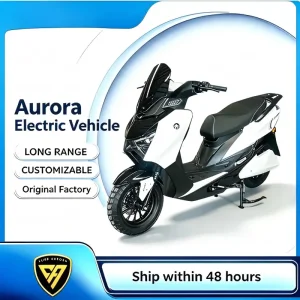
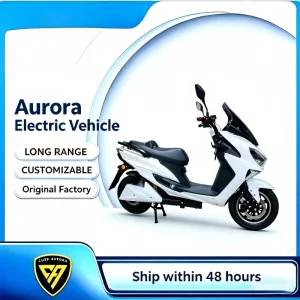
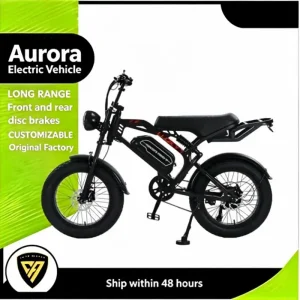
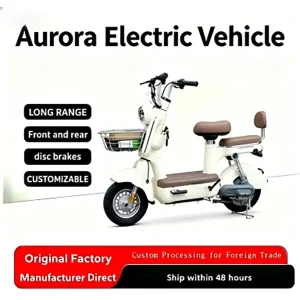
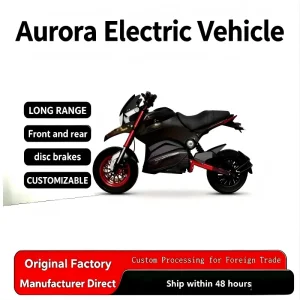
Engineered with high-torque brushless DC motors and optimized for global export compliance.
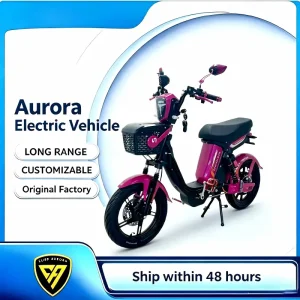
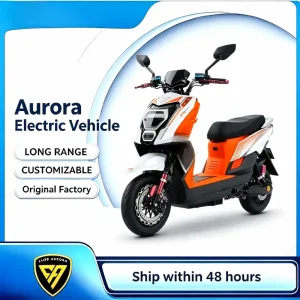
Technical breakdown of how modern BLDC motor design determines e-vehicle performance, lifespan, and thermal limits.
To understand the competitive landscape of China brushless motor factories, one must evaluate the mechanical, magnetic, and electronic systems that determine performance. In a BLDC motor, the electromagnets remain stationary on the stator, while permanent magnets rotate on the rotor. Eliminating carbon brushes resolves mechanical friction, voltage drops, and spark hazards. This allows electric bicycles and scooters to operate in harsh weather, heavy cargo runs, and high-speed commutes with minimal maintenance.
The torque output and efficiency of a brushless motor depend largely on the quality of its permanent magnets. Most high-performance BLDC hub motors and mid-drive motors use Neodymium Iron Boron (NdFeB) rare-earth magnets. These magnets provide high magnetic flux density, allowing the motor to generate strong starting torque. This torque is crucial for heavy cargo vehicles and steep incline climbs.
However, operating temperature limits are a key constraint for NdFeB magnets. Standard grades can demagnetize under sustained thermal loads above 80°C. To maintain high output, China's leading BLDC motor manufacturers use high-temperature grades like SH, UH, or EH. These grades can handle operating temperatures up to 150°C without losing magnetic flux.
Stator cores are built from thin, stacked silicon steel laminations to reduce eddy current losses. Thinner laminations (e.g., 0.35mm down to 0.2mm) improve high-frequency efficiency but increase fabrication costs.
Additionally, the winding copper fill ratio—the volume of copper versus empty slot space—determines the maximum current capacity. Advanced factories use automated precision needle-winding machinery to maximize this fill ratio. This lowers electrical resistance, reduces heat output, and increases continuous power output.
Direct access to global NdFeB rare-earth refining operations keeps motor costs down, enabling competitive quotes for wholesale projects.
Automated manufacturing limits component variation, ensuring long lifespans for commuter fleets and sharing platforms.
High-grade silicon steel laminations and heat-resistant copper coatings reduce power drop-offs during long, uphill trips.
For global purchasing managers, sourcing directly from China offers significant supply chain advantages. The country is home to a complete industrial ecosystem that covers everything from raw material processing to final product testing. Over 80% of the world's NdFeB permanent magnets are processed in China. This raw material access gives local factories a distinct cost and logistics advantage.
Shandong Province, where Aurora Electric Vehicle is based, sits at the center of this industrial network. Linyi City serves as a major logistics hub that connects the Yangtze River Delta and the Bohai Economic Circle. This location allows us to source premium BLDC motors, high-grade batteries, and structural chassis components quickly and cost-effectively.
When evaluating quotes from China brushless motor factories, buyers must look beyond basic unit pricing. They need to consider the broader value proposition:
Meeting regional safety, electromagnetic, and structural certifications for international markets.
Selling electric mobility solutions in different global markets requires meeting specific, strict regulatory standards. Electric vehicles cannot rely on a one-size-fits-all design. They must be adapted to meet the local certifications of the destination country.
In Europe, electric-assisted bicycles (EPACs) must comply with the EN15194 standard. This rule caps continuous motor power at 250W and cuts off motor assistance when the vehicle speed reaches 25 km/h. To meet these rules, our BLDC controllers use custom firmware. We also obtain CE MD (Machinery Directive) and EMC (Electromagnetic Compatibility) certifications to ensure our vehicles can be imported and sold without delay.
In North America, electric scooters and bikes are regulated by the CPSC and local state laws, which often divide vehicles into three speed classes (Class 1, 2, and 3). In these markets, vehicles need to comply with UL 2849 for electrical system safety and FCC Part 15 rules to prevent radio signal interference.
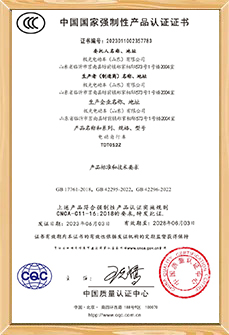
In China, electric bicycles must comply with the GB17761-2018 (New National Standard) and receive CCC (China Compulsory Certification). This standard sets strict limits on vehicle weight (55kg), top speed (25 km/h), fire-retardant materials, and anti-tampering design.
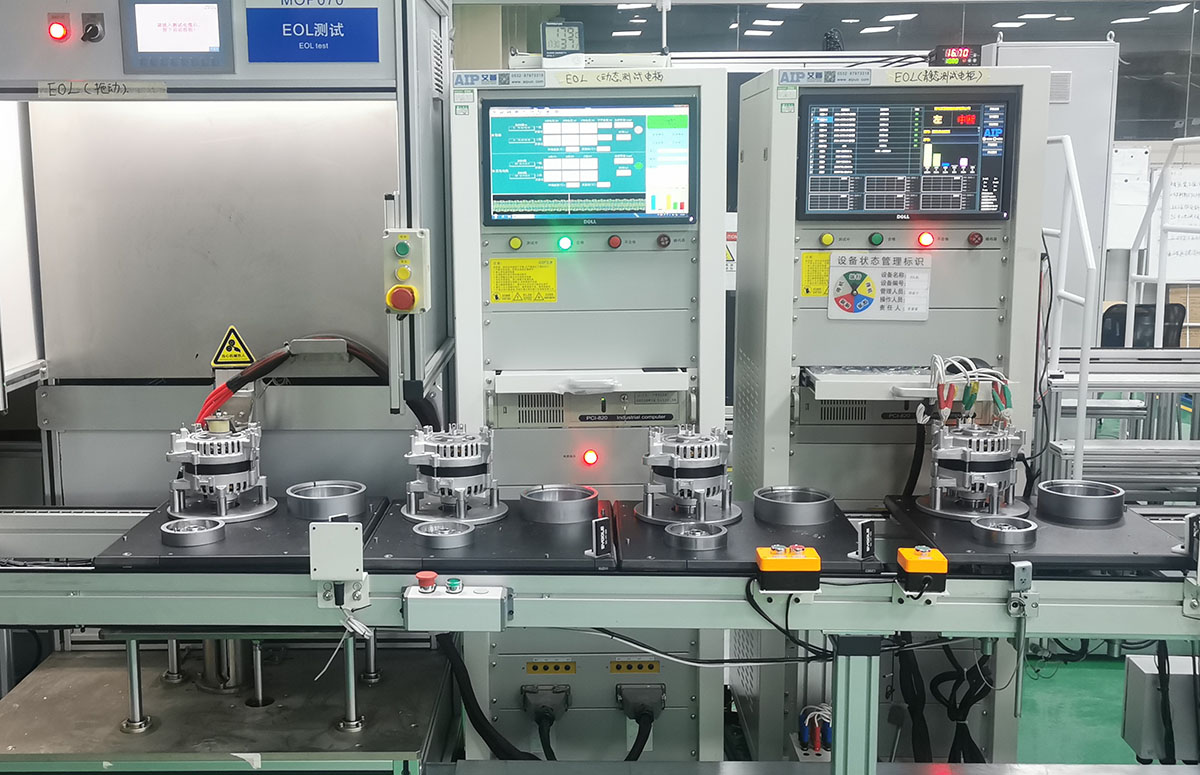
To meet these global standards, Aurora EV maintains a dedicated, in-house testing facility. Here, we run strict tests on every product category:
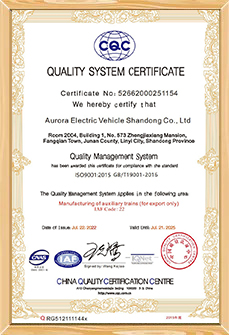
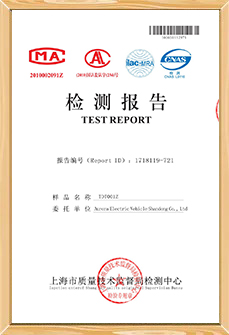
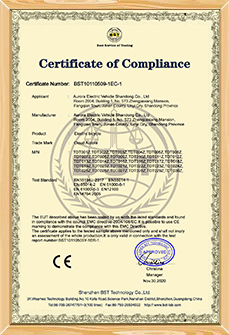
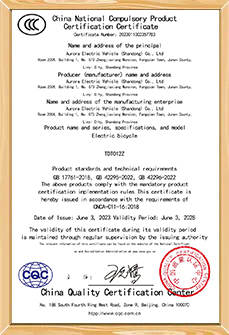
Founded in 2015 – Deeply Rooted in the Electric Bicycle Industry for Over 10 Years
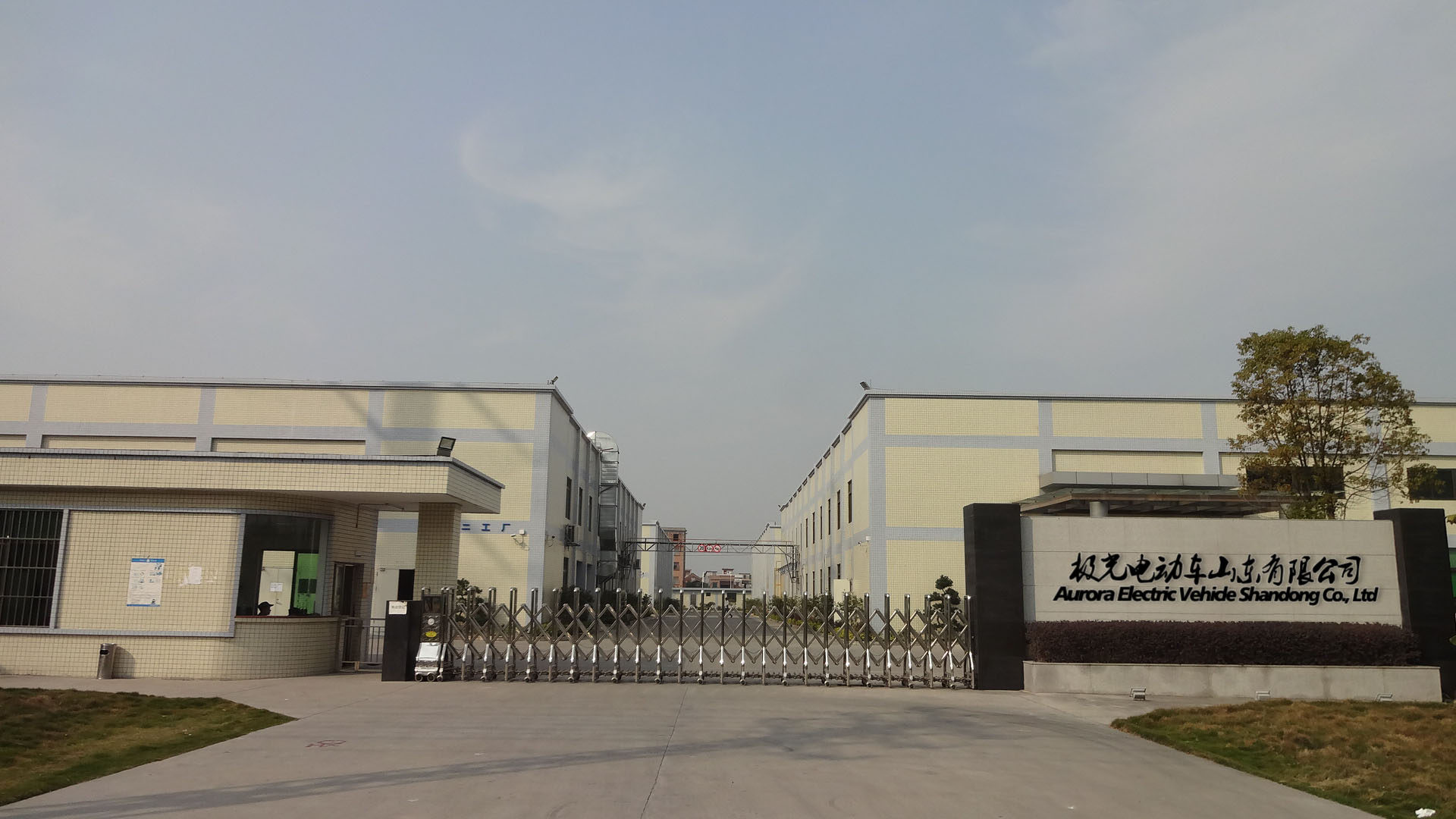
Aurora Electric Vehicle Shandong Co., Ltd. has grown from a regional assembly workshop into an integrated enterprise that handles research, development, mass production, and international logistics. Located in Linyi City, Shandong Province, we sit at a vital transportation hub that connects the Yangtze River Delta and the Bohai Economic Circle. This geographical advantage gives us quick, reliable access to major raw material sources and shipping channels.
When China implemented the New National Standard in 2019, we updated our production lines and expanded our R&D capabilities. We invested in computerized assembly machinery, automated testing stations, and advanced chassis welding setups. By integrating our vehicle frames with matching BLDC motors and battery management systems (BMS), we ensure that each product operates safely, efficiently, and reliably.
Our core mission is simple: "make green travel easier and safer for everyone." We achieve this by focusing on product safety, building long-term supplier relationships, and providing reliable support to our global business partners.
Our structural growth, team divisions, and corporate culture built on technical excellence.
Led by senior mechanical and electrical engineers, our R&D team focuses on brushless motor optimization, battery efficiency, and structural designs. Over the years, they have developed multiple custom patents for motor housings and heat management systems.
Our manufacturing team follows strict assembly and quality control steps at every stage of production. From inspecting raw materials to final test-riding, they ensure every scooter and electric bike meets our quality benchmarks before leaving the factory.
Our international customer service team supports clients from product selection to shipping. We provide clear communication, transparent production updates, and ongoing technical support for global wholesale and OEM partners.
From a local assembly workshop in 2015, Aurora EV has evolved into an integrated production and export facility. Our growth is built on manufacturing compliance and technology investments.
When the 2019 Chinese national standards were introduced, we updated our facilities and product designs to meet the new regulations. Rather than reducing motor power, we worked with our component suppliers to develop high-efficiency, lightweight BLDC hub motors. These motors provide high starting torque while staying within regulatory speed limits.
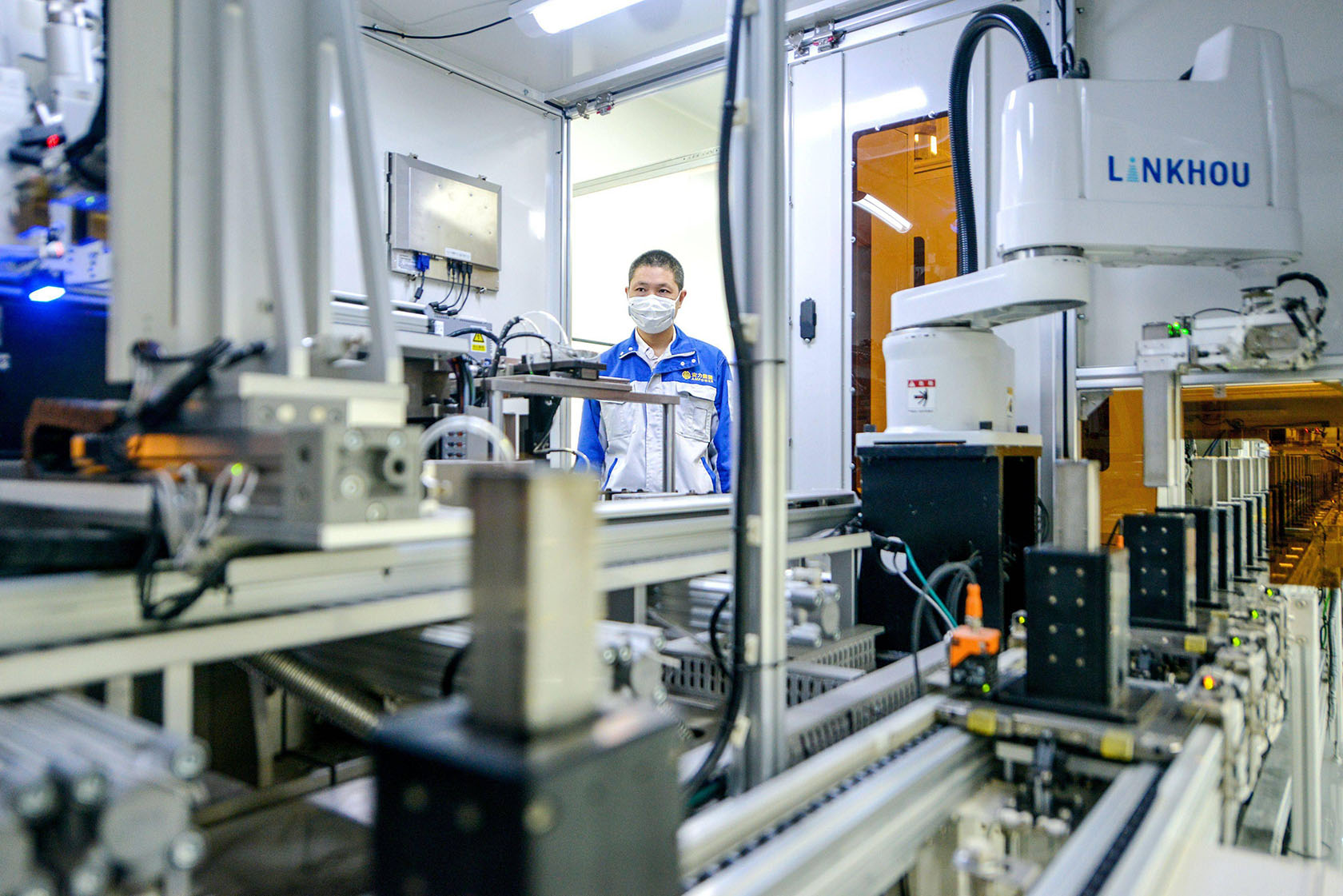
Today, our factory features digital assembly lines, automated wheel-truing equipment, and dynamic testing systems. This setup allows us to keep lead times stable and deliver consistent quality, even for large wholesale orders.
Real-world deployment of BLDC-powered electric vehicles across commercial and urban landscapes.
Electric vehicles serve a wide variety of roles in modern logistics and passenger transit. Depending on the environment, the vehicle design and motor performance must adapt to different requirements. Below, we look at key real-world application scenarios for our vehicles:
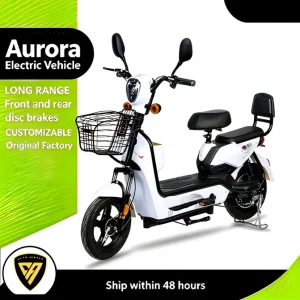
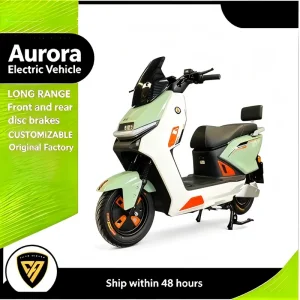
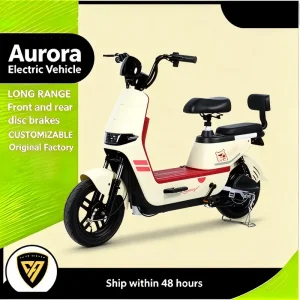
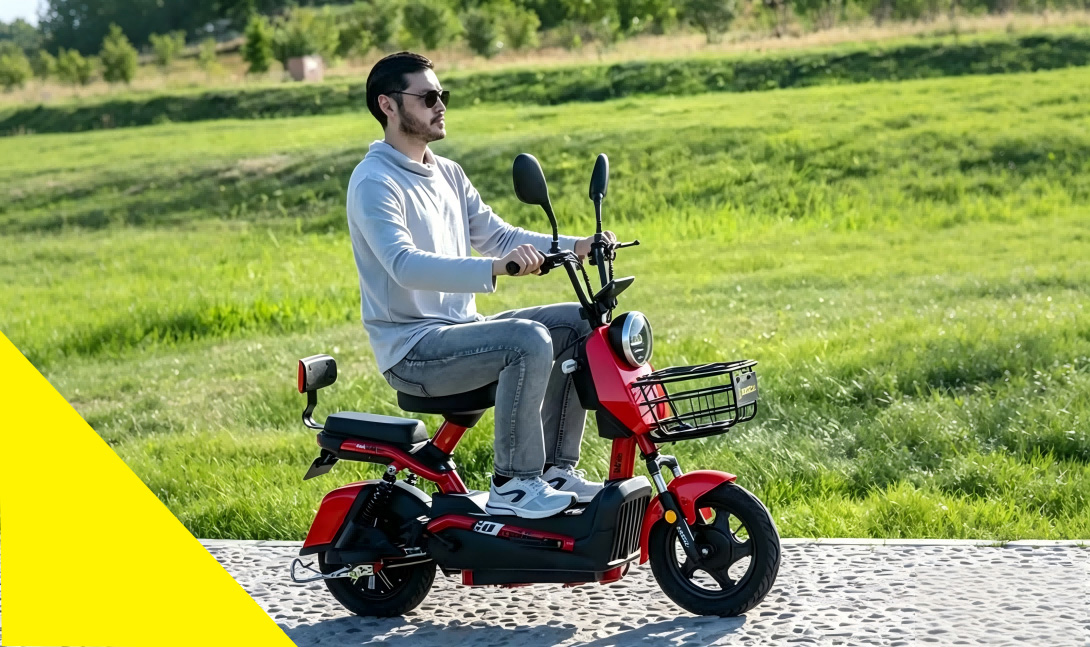
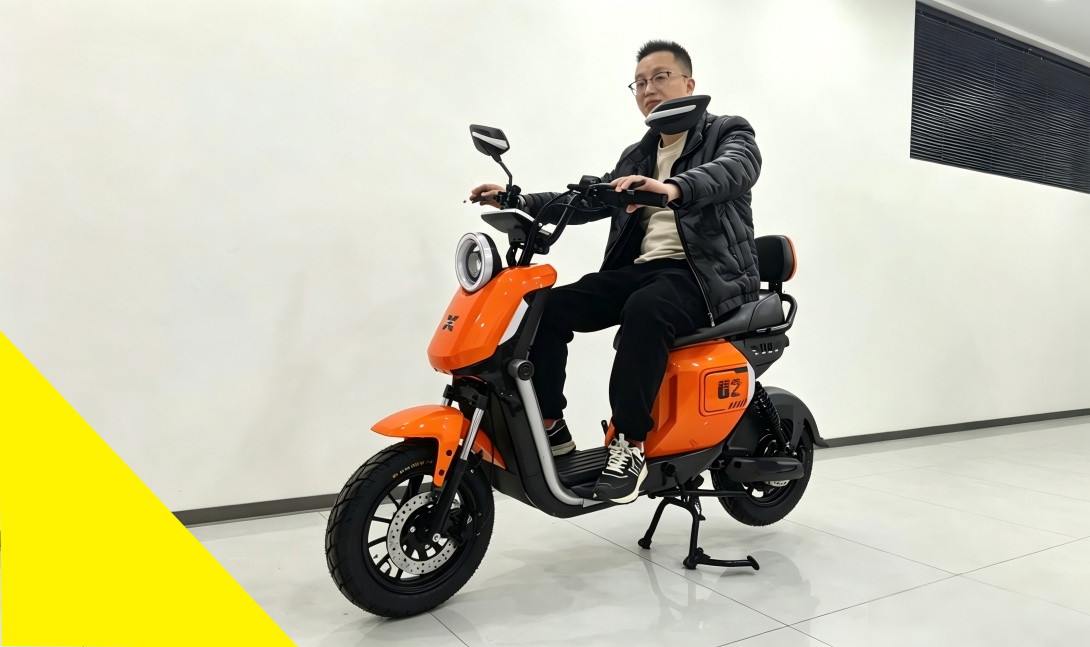
For daily city riding, users need lightweight, agile, and low-maintenance transportation. Our commuter electric bikes use compact 250W to 350W brushless hub motors. These motors provide smooth acceleration, reliable hill climbing, and quiet operation in busy urban areas.
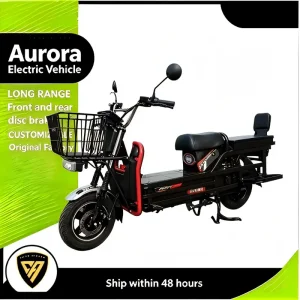
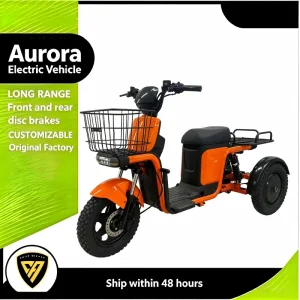
Delivery fleets require durable, high-load vehicles that can handle constant daily use. For these cargo applications, we build vehicles with reinforced frames, high-capacity batteries, and heavy-duty hub motors. These motors are tuned to carry heavy loads and handle frequent stop-and-start riding.
Vehicles like three-wheel passenger carriers and leisure tricycles prioritize stability and passenger comfort. These models use mid-drive motors or transaxle BLDC setups. They are configured for smooth, controlled acceleration and stable power delivery to prevent sudden movements.
Looking ahead, several technology trends are shaping the future of brushless motors and electric vehicles:
Key questions answered by our engineering and logistics teams to assist global buyers.
Reliable, certified electric vehicles built for commercial fleets and consumer markets alike.