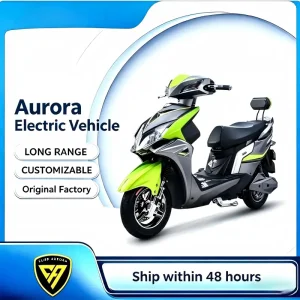
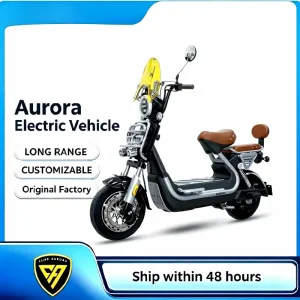
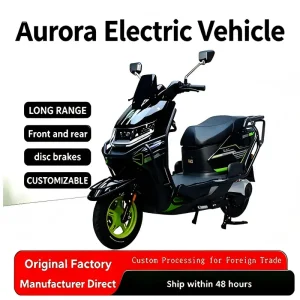
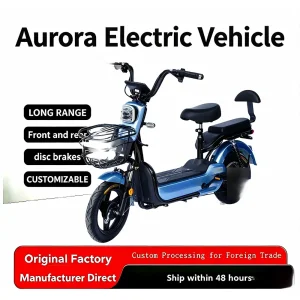
High-quality, certified micro-mobility and commute electric vehicles from China
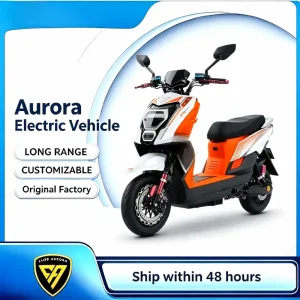
This industry report acts as a definitive guide for global B2B buyers, distributors, and logistics procurement professionals looking to source specialized **Electric cars and micro-mobility vehicles tailored for picking up and dropping off children** from China. The daily school run is one of the most common short-distance transit routines globally. Standard automobiles are often inefficient, costly, and pose severe congestion challenges around school zones. In response, compact electric passenger vehicles, multi-seat e-bikes, and leisure tricycles have emerged as the optimal urban micro-commute solution.
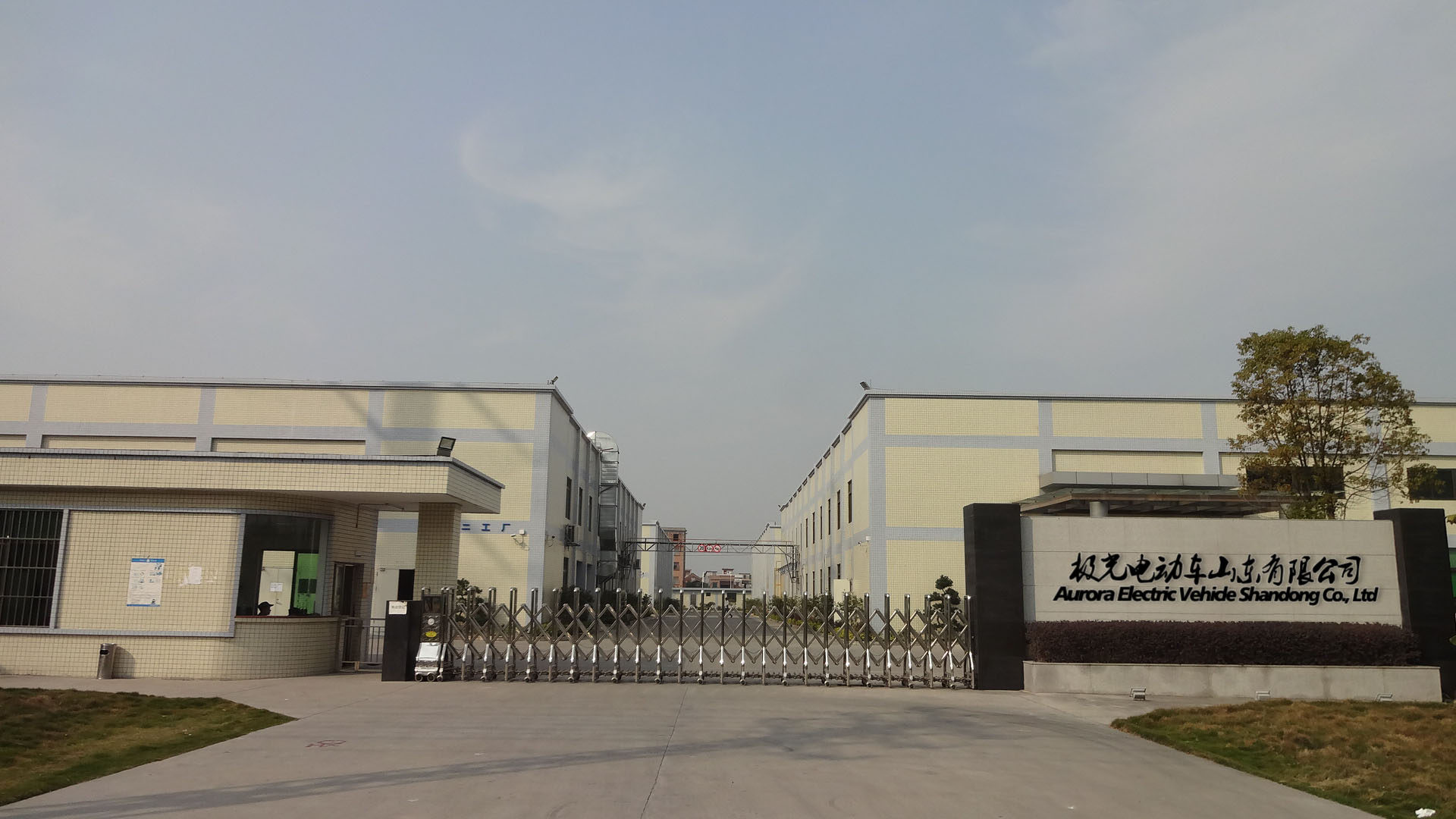
By assessing user intent and search quality indicators, we highlight the engineering, cost structure, safety protocols, and supply chains defining this segment. We evaluate the core offerings of Aurora Electric Vehicle Shandong Co., Ltd., demonstrating how regional Chinese expertise addresses strict compliance standards globally.
The operational conditions for child pick-up and drop-off vehicles vary significantly across global urban and suburban landscapes. Manufacturers must tailor safety profiles, chassis widths, speed governors, and weatherproofing according to these localized scenarios:
In cities like Tokyo, Paris, or Shanghai, narrow lanes and gridlocked school gates demand highly agile, narrow-track e-bikes and two-seaters. Quick parking capability, sharp turning circles, and instant stopping response under low speeds are prioritized here.
In North American and Middle Eastern suburbs, commuting routes are longer and traffic flows faster. This necessitates multi-passenger electric tricycles or quadricycles equipped with extended battery capacity (72V systems) and robust passenger cells.
In Southeast Asia (monsoon heavy) and Northern Europe (sub-zero temperatures), micro-vehicles need modular rain-shields, windshield wipers, anti-fog heating elements, and IP67-rated waterproof electric enclosures for maximum occupant safety.
When selecting a Chinese manufacturer, technical specifications must transcend generic consumer electric vehicle parameters. Designing for children requires rigorous structural engineering and active safety mechanisms. Below is the technical roadmap implemented by top-tier suppliers like Aurora:
"A vehicle carrying children is structurally distinct from standard cargo or single-rider transport. It demands strict structural load distribution, zero-compromise mechanical braking redundancy, and completely non-toxic, flame-retardant contact surfaces."
The frame is the first line of defense. Premium school-run vehicles use high-carbon steel alloys or aircraft-grade aluminum frames, treated with computerized robotic welding. This ensures high structural integrity and fatigue resistance. Unlike standard utility bikes, the frame geometry places the passenger seat (for the child) between the wheels or safely behind the rider, keeping the center of gravity low and stable, reducing tip-over risks.
Under the new national and international safety regulations (including UN38.3 certifications), Lithium Iron Phosphate (LiFePO4) or high-grade sealed lead-acid batteries are utilized. Aurora's proprietary BMS tracks individual cell temperature, voltage drops, and over-charging threats in real-time, completely neutralizing thermal runaway concerns. Connectors are sealed to IP67 standards to survive high-pressure washing and monsoon rains.
Vehicles feature ergonomic double seats with built-in grab bars, safety belts, footboards with guard rails to prevent children's feet from touching the wheels, and an integrated electronic speed governor. Speed limits are strictly set to 25 km/h (complying with standard micro-mobility policies globally), and a gradual acceleration curve is configured into the controller to prevent sudden backward jerks during start-ups.
China supplies over 80% of the world's light electric vehicles. This dominance is not based on cheap labor alone, but on mature industrial clusters and complete supply chain integration. In Linyi City, Shandong Province, where Aurora Electric Vehicle Shandong Co., Ltd. is located, the convergence of component manufacturing is highly optimized:
This streamlined network allows Chinese factories to maintain highly competitive pricing, stable production cycles, and complete personalization flexibility (OEM/ODM) that Western manufacturers struggle to replicate.
Understanding factory FOB prices is essential for B2B distributors calculating import duties, local taxes, logistics costs, and retail margins. The following benchmark pricelist showcases common configurations for school-commute micro-mobility vehicles from China:
| Vehicle Category | Key Engine/Battery Specs | Primary Target Age/Capacity | Certifications | Est. FOB China Price Range (USD) |
|---|---|---|---|---|
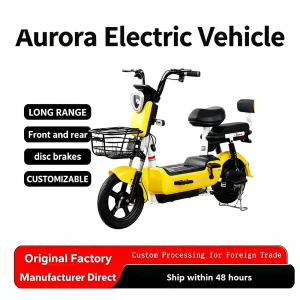
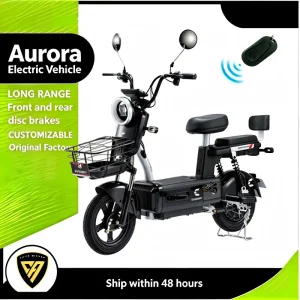
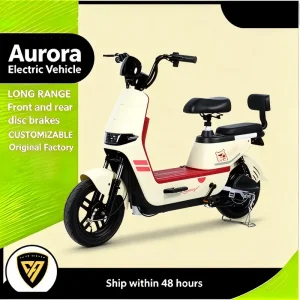
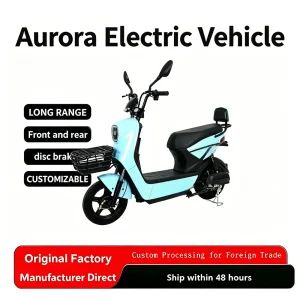
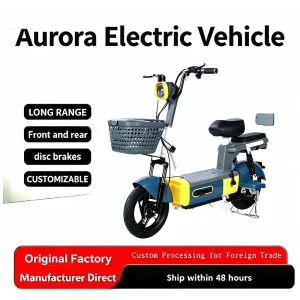
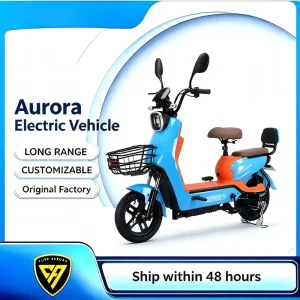
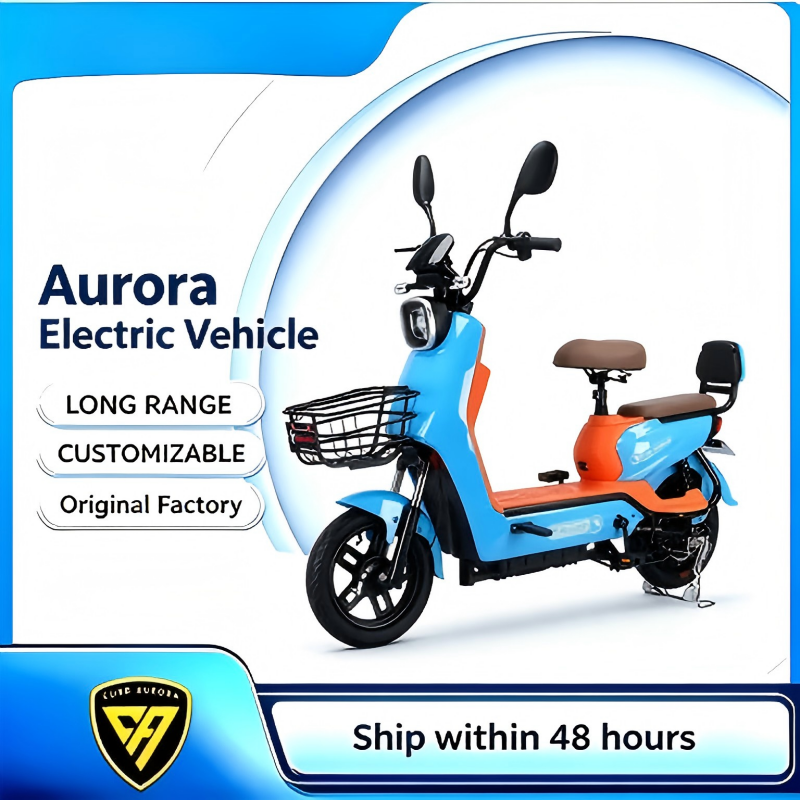
| Two-Seat City Commute E-Bike | 350W-48V 12Ah Lead-Acid / Lithium | 1 Adult + 1 Child (Ages 3-8) | CCC, CE, EN15194 | $180 - $280 |
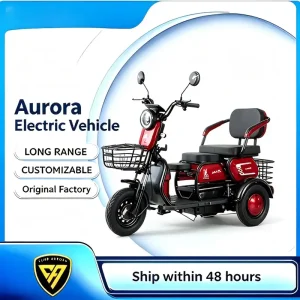
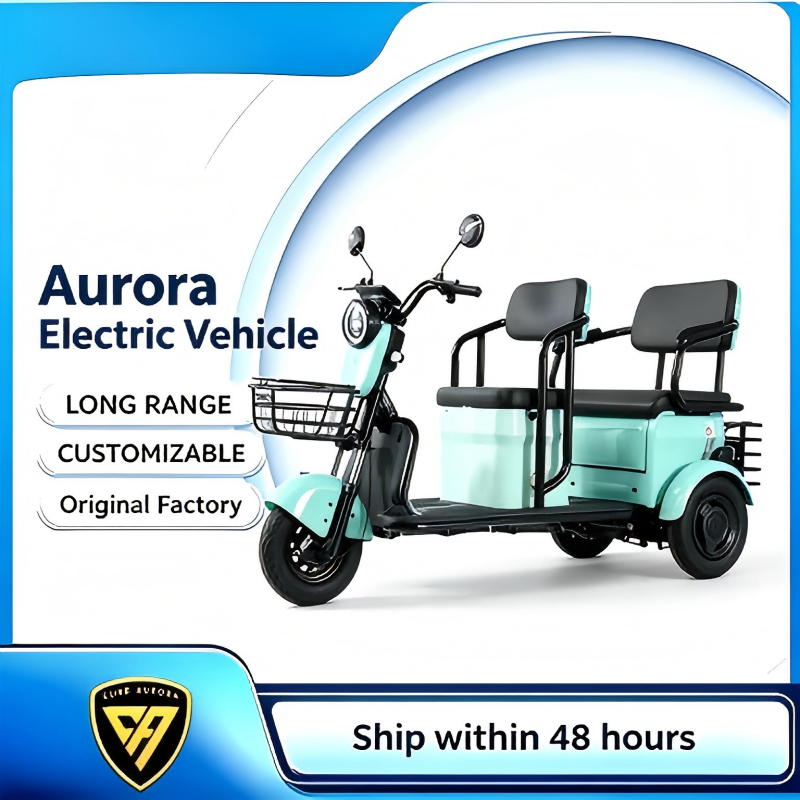
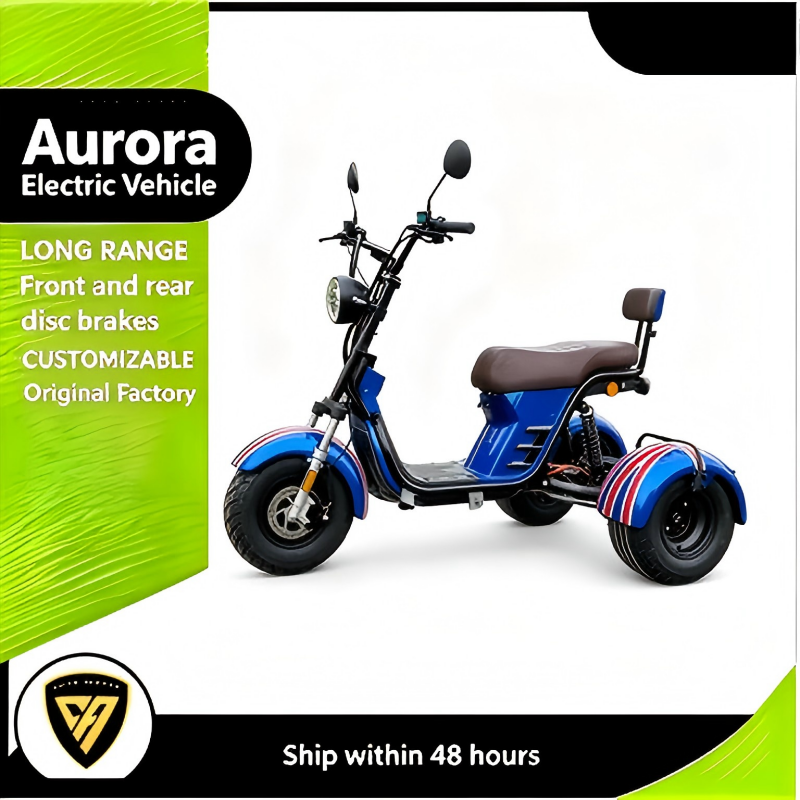
| 3-Wheel Family Leisure Tricycle | 500W-60V 20Ah Lithium Option | 1 Adult + 2 Children (Rear Seats) | CE, FCC | $320 - $480 |
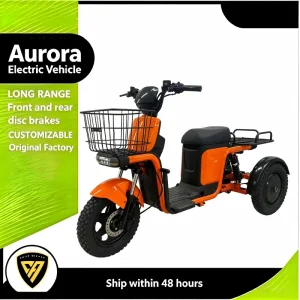
| Comfort Passenger Heavy Cargo Trike | 800W-1000W / 60V 32Ah High Range | 2 Adults or 1 Adult + 2 Older Kids | CE, Global Standards | $450 - $650 |
| Enclosed Cabin Micro E-Car | 1200W-1500W / 72V Heavy Frame | Fully Enclosed Weather-proof Cabin | EEC, Custom Regional Specs | $850 - $1,300 |
*Note: The prices listed above are reference ranges for container-load wholesale orders (FOB Qingdao/Lianyungang). Custom branding, lithium upgrades, and localized modifications will influence final quote figures.
An established leader in the light electric vehicle sector since 2015
Founded in 2015, Aurora Electric Vehicle Shandong Co., Ltd. is located in Linyi City, Shandong Province—a core transportation hub connecting the Yangtze River Delta and the Bohai Economic Circle with prominent logistical advantages. As a professional manufacturer deeply rooted in the electric bicycle industry for over 10 years, we have grown from a local assembly workshop into a comprehensive enterprise integrating R&D, high-end production, sales, and global after-sales support.
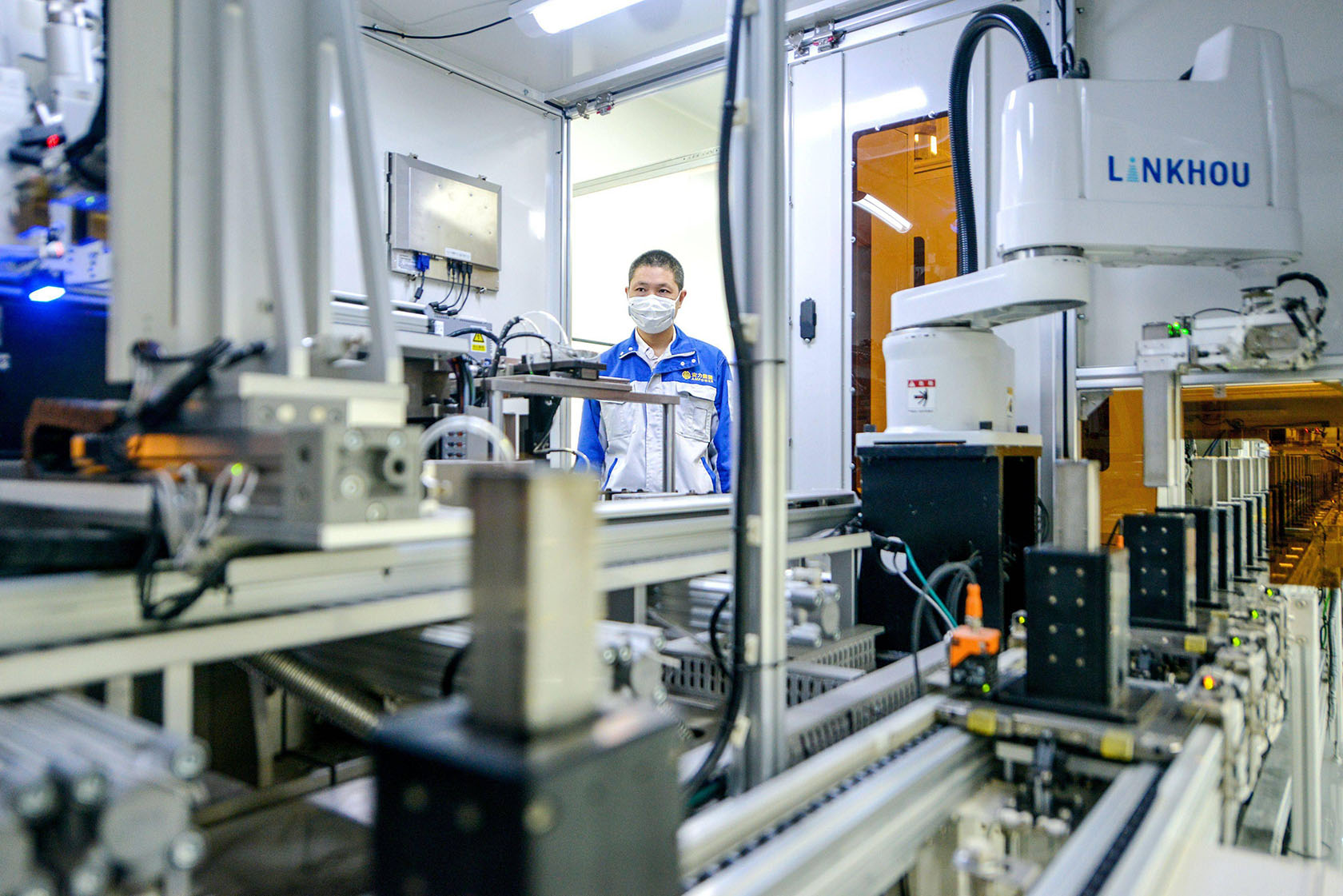
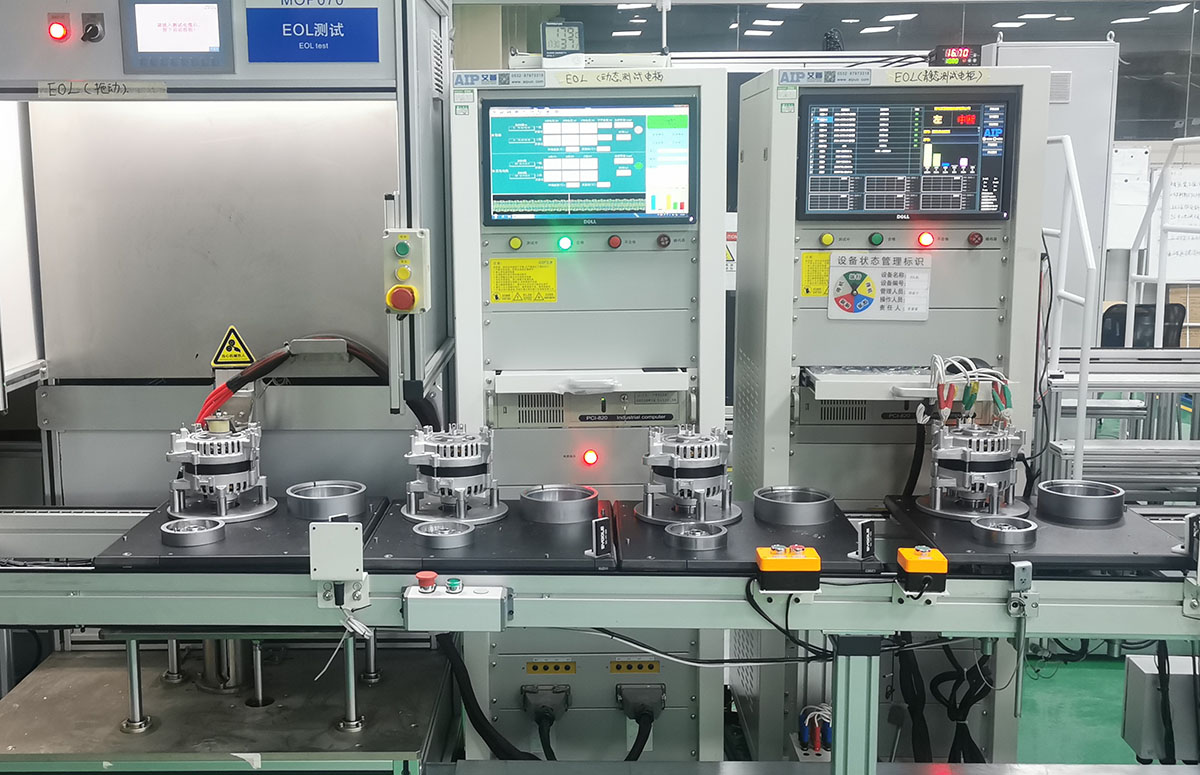
In 2019, when China's strict new national standards for electric vehicles were officially implemented, Aurora took the initiative to optimize its assembly lines, upgrading frame tests, fire retardant ratings, and motor efficiency. Today, our advanced production base is equipped with intelligent digital production lines, automatic assembly machines, and precise testing stations to maintain quality consistency on every unit.
Consists of senior engineers with more than 10 years of experience, holding multiple patents in battery safety, chassis stability, and energy-efficient motor controllers.
Skilled assembly professionals performing multiple inspection points from raw steel tubes to finished container packing, guaranteeing failure-free delivery.
B2B client managers providing one-stop OEM/ODM solutions, customs clearance documentation assistance, and comprehensive replacement parts support.
Verifiable compliance to secure customs clearance and road legality
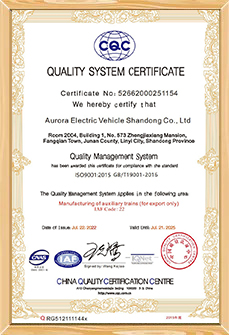
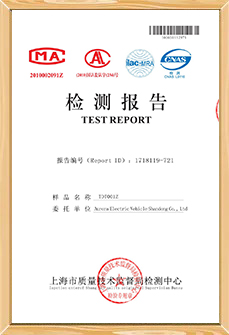
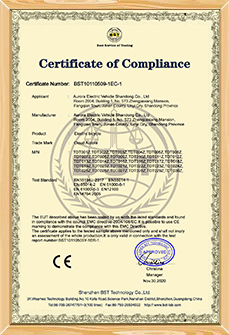
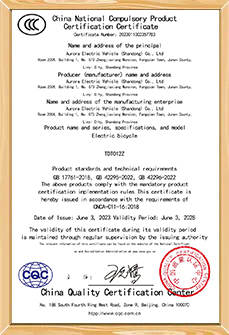
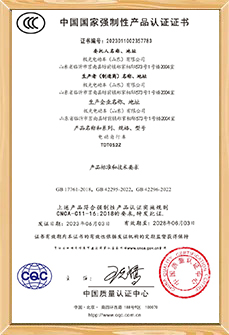
Aurora ensures all exported models meet international import requirements including CCC (China Compulsory Certification), CE, FCC, and regional electric bicycle standards. Every battery batch undergoes rigorous load testing and vibration simulations prior to assembly.
Tailored configurations optimized for global markets
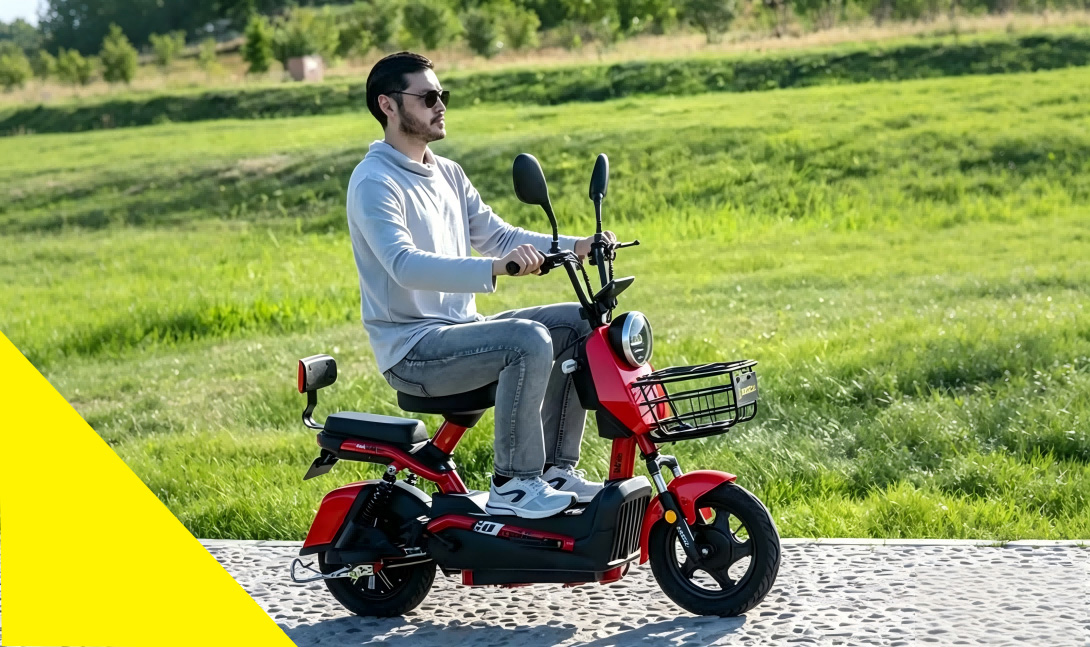
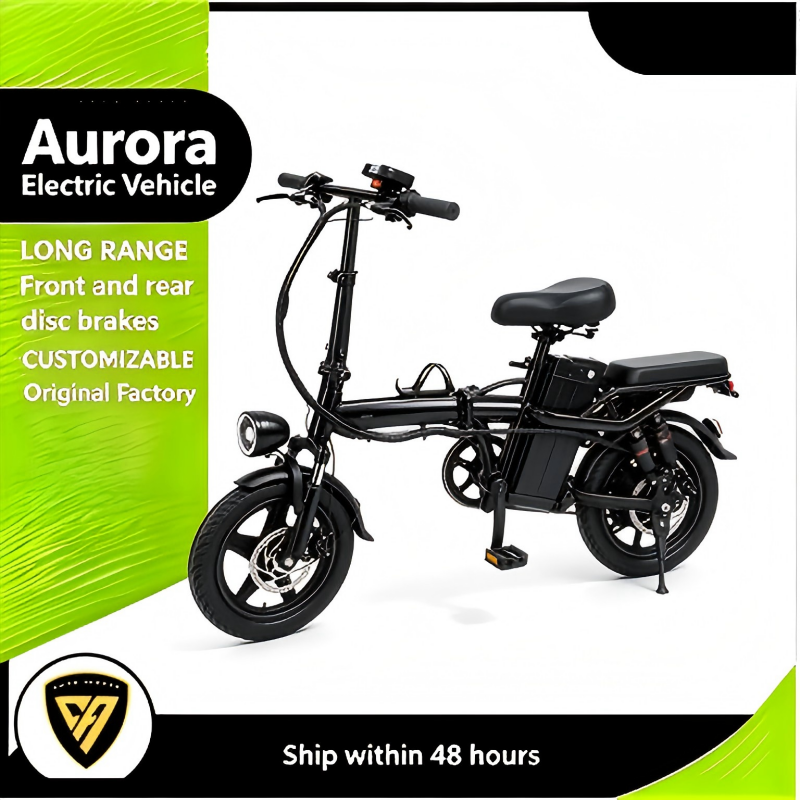
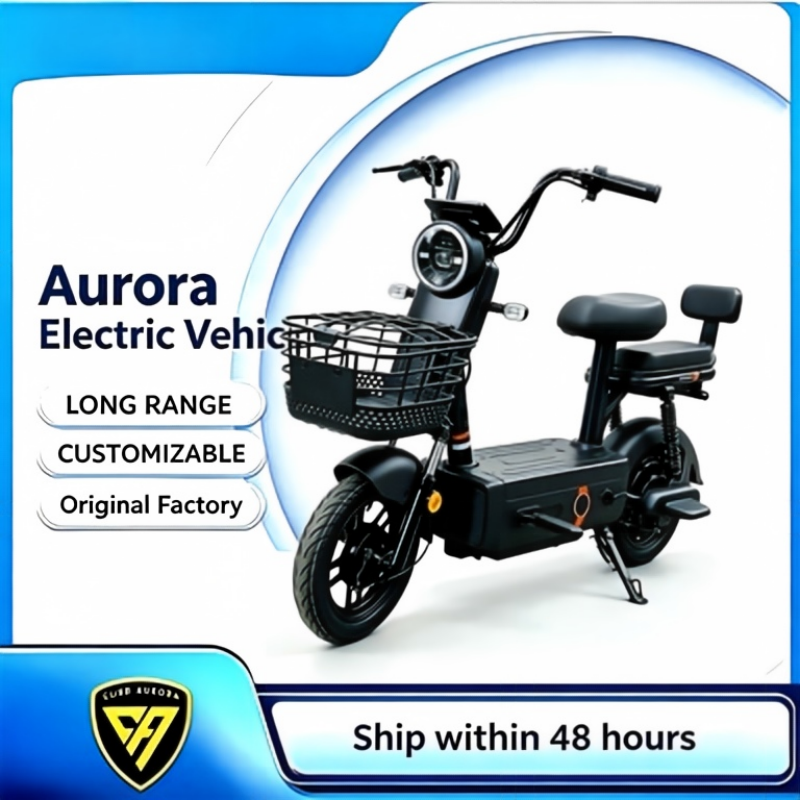
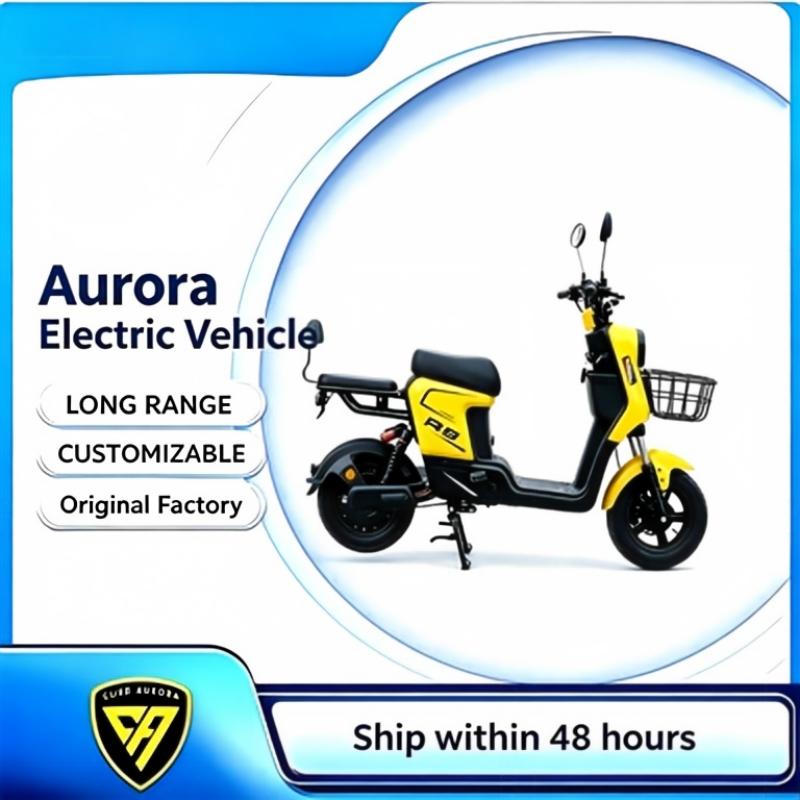
Ergonomic, lightweight, and perfect for daily picking up/dropping off children on busy neighborhood streets. Safe, stable power, energy-saving, and highly durable.
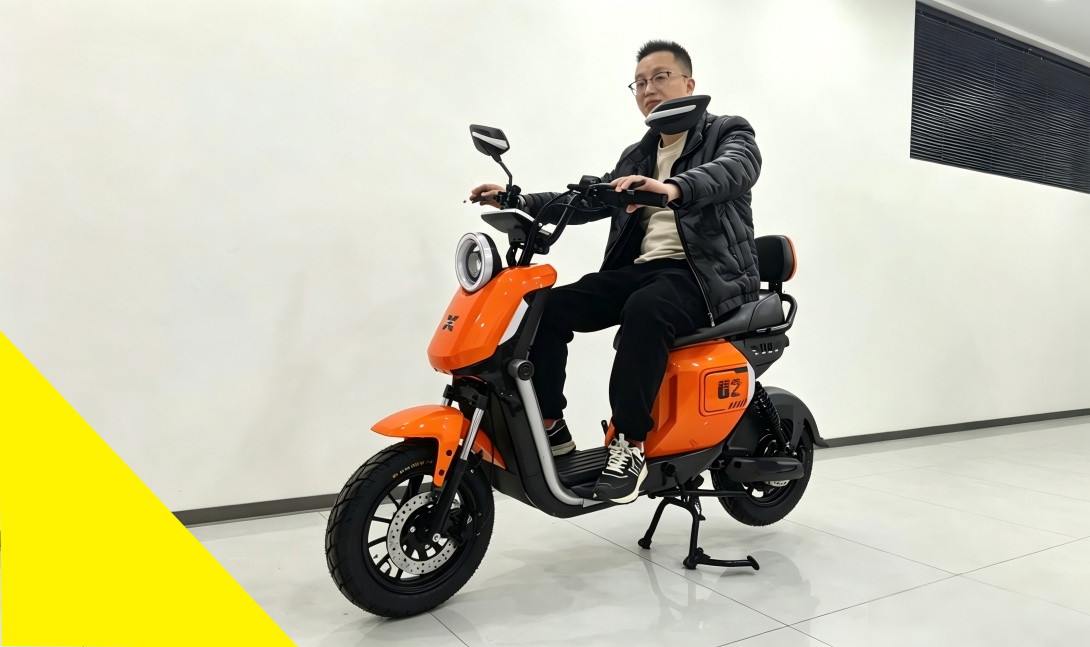
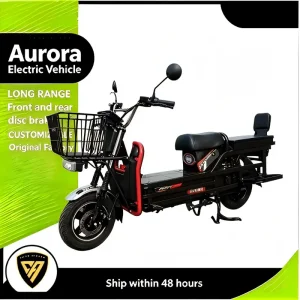
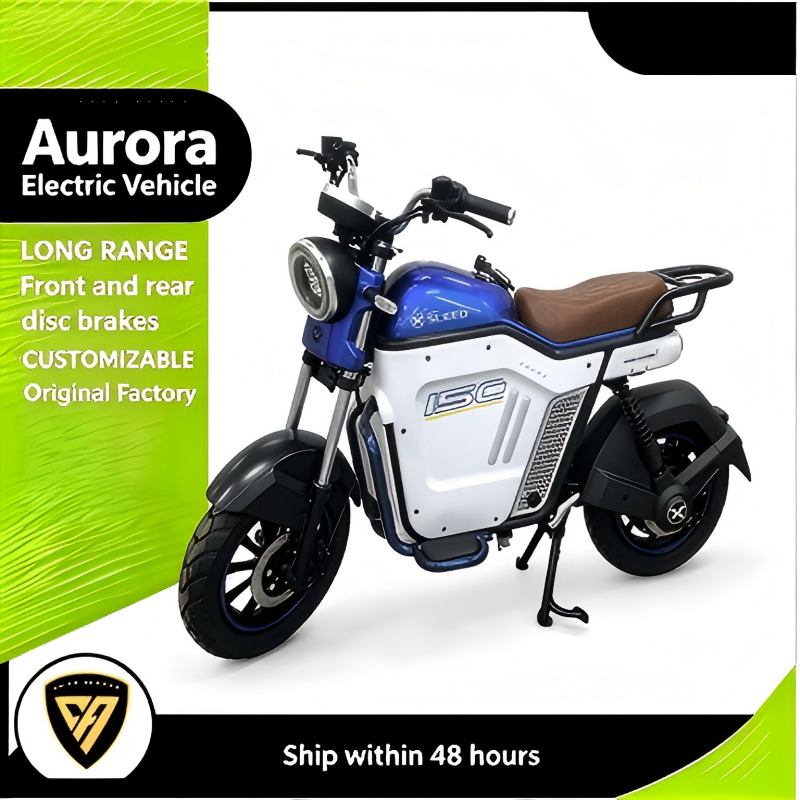
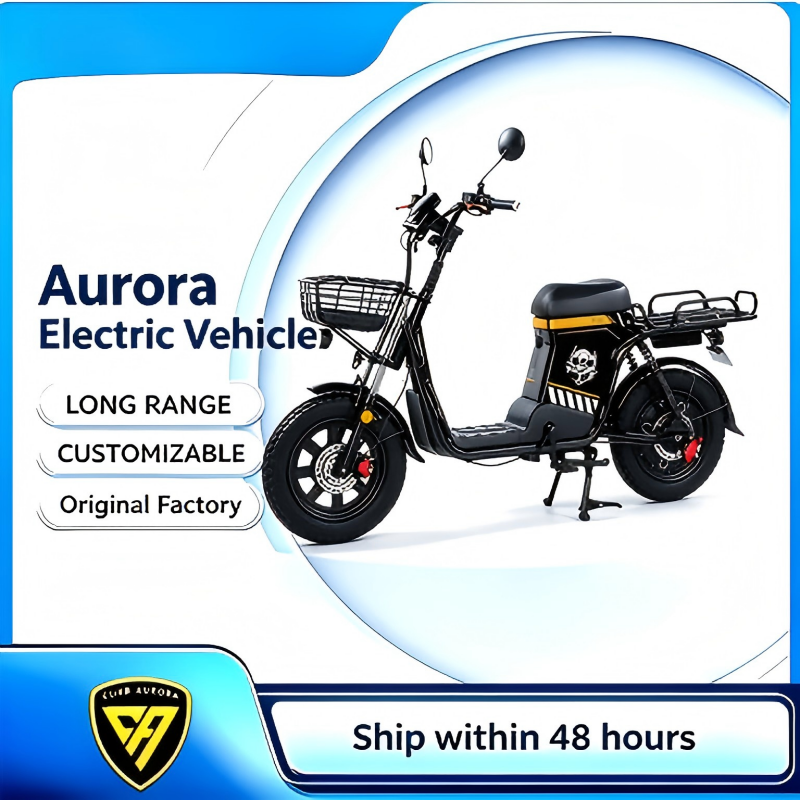
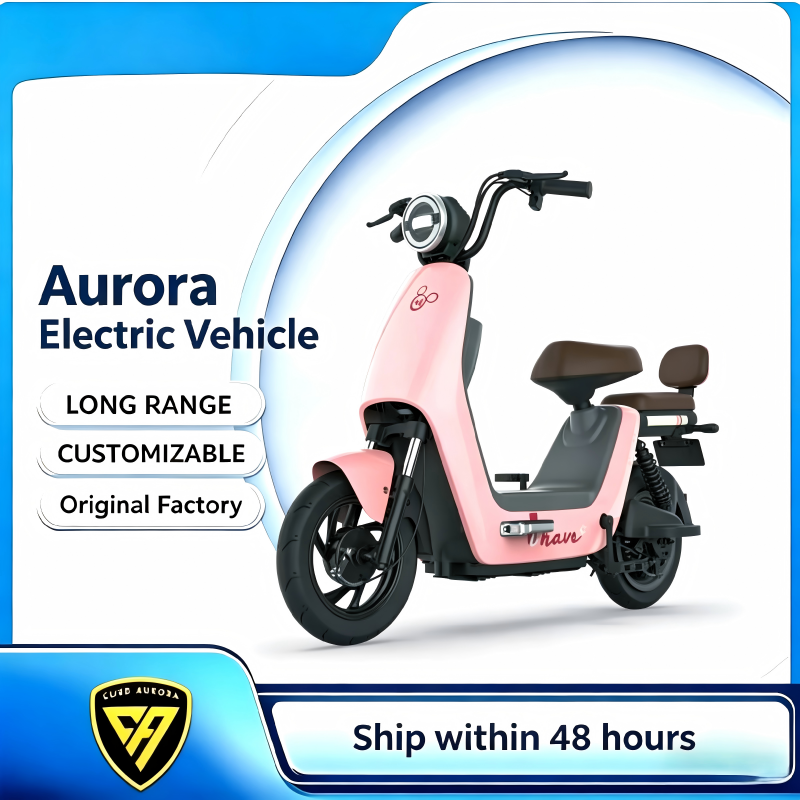
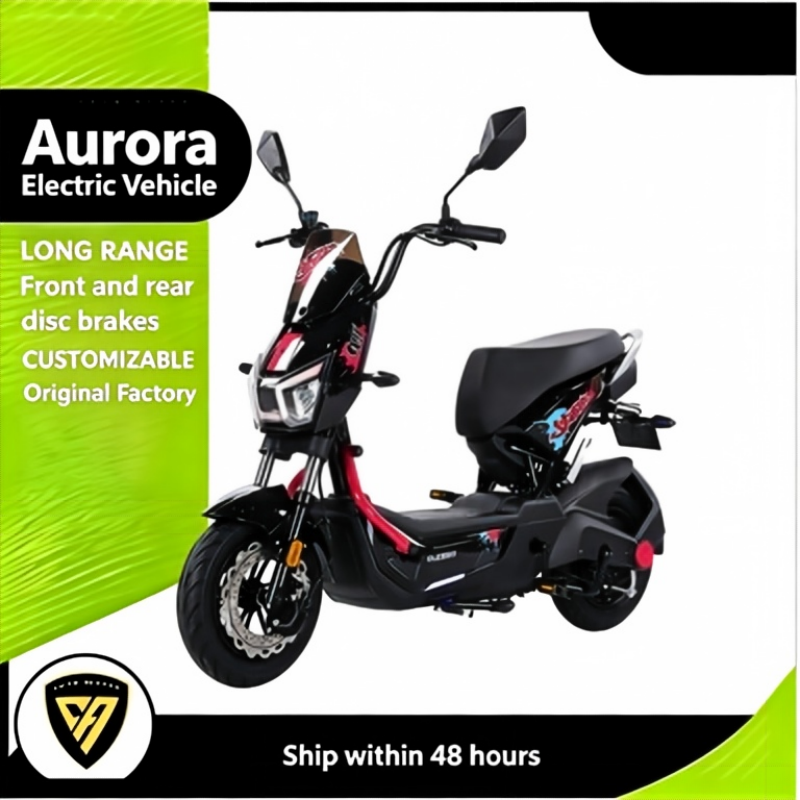
Fashion-forward streamlined styling with integrated child safety footrests. High torque output for hilly suburbs, long range, and easy maneuverability.
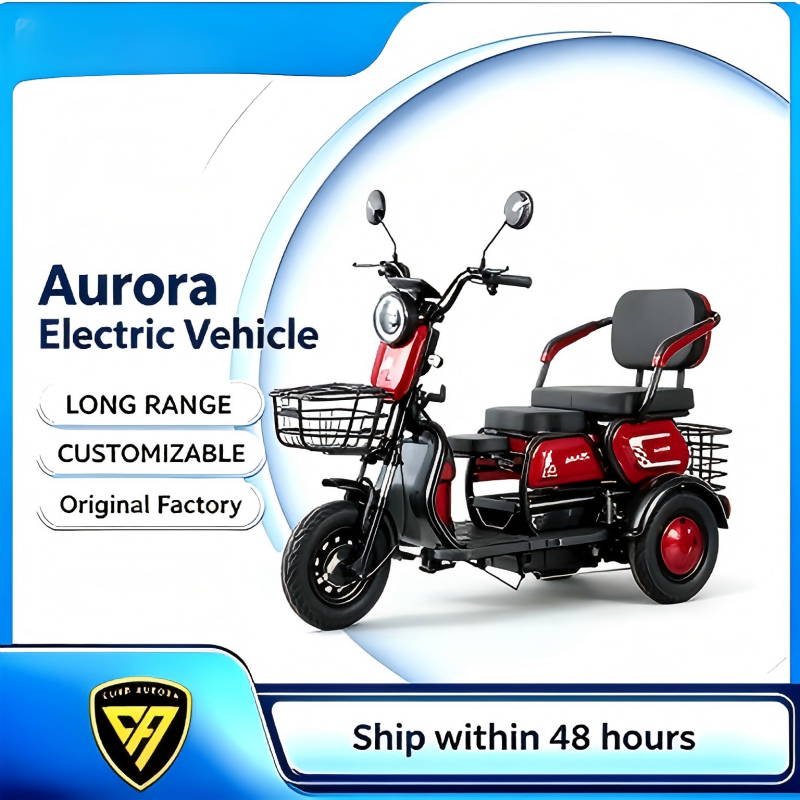
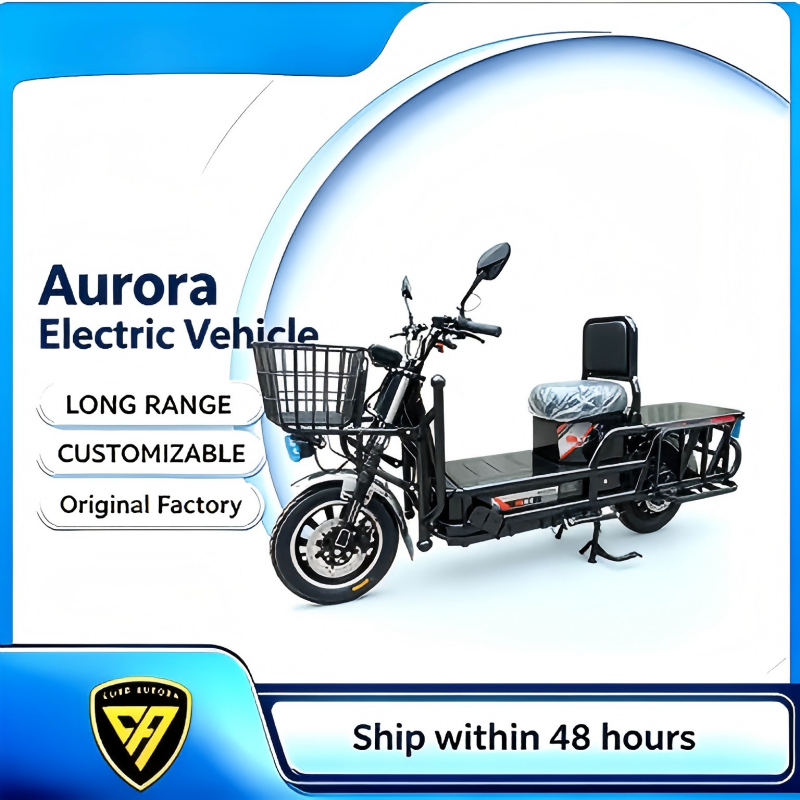
Perfect for picking up up to two children. Includes a wide rear passenger bench, shock-absorbent tires, and a protective roll-cage canopy option.
Get professional insights directly from Aurora's engineering and export department
High-performance electric vehicles designed for safety, comfort, and daily travel
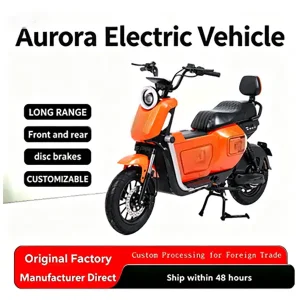
Browse our extensive lineup of specialized electric passenger vehicles