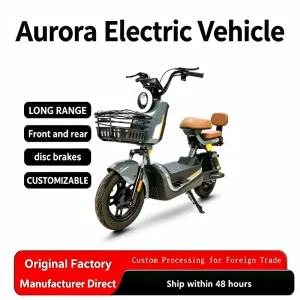
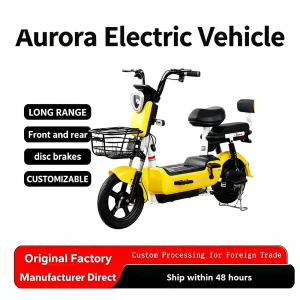
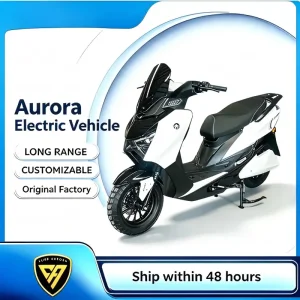
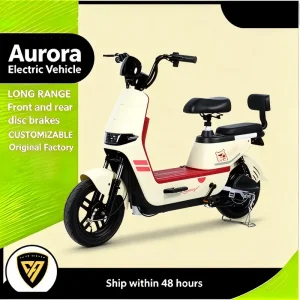
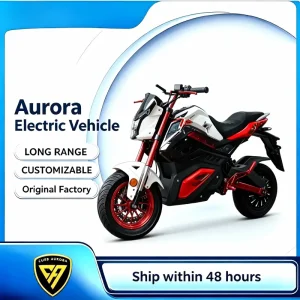
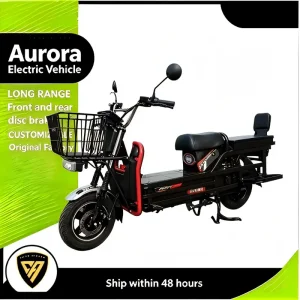
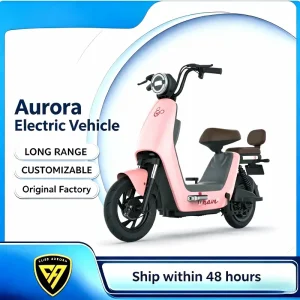
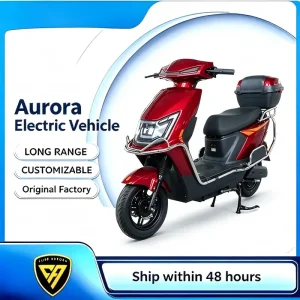
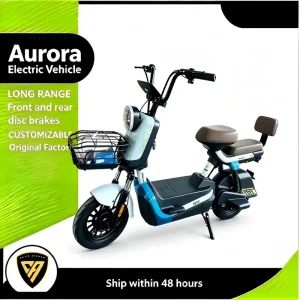
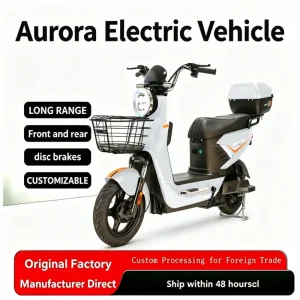
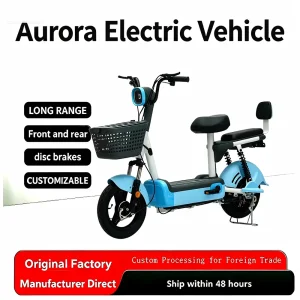
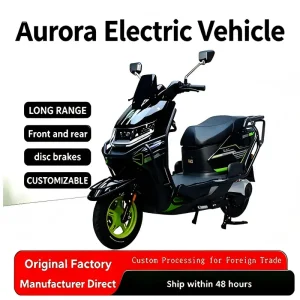
A comprehensive guide on performance, compliance, and engineering standards for electric vehicle brake pumps.
Unlike traditional internal combustion engine (ICE) vehicles that rely on manifold vacuum to assist braking systems, modern electric vehicles (EVs) require an independent source of vacuum or dynamic fluid pressure. This shift has established the electric vehicle brake pump—encompassing Electric Vacuum Pumps (EVP) and Integrated Electro-Hydraulic Braking (EHB) systems—as one of the most critical safety elements in lightweight electric vehicles, commercial e-bikes, and high-performance electric motorcycles.
As a leading pioneer in the electric vehicle ecosystem, Aurora Electric Vehicle Shandong Co., Ltd. has integrated advanced manufacturing matrices to deliver fail-safe, highly efficient brake pump solutions. By utilizing cutting-edge brushless DC (BLDC) motors, integrated digital pressure sensors, and precision noise-insulating housing, our brake pump integrations achieve rapid vacuum generation within milliseconds, safeguarding drivers under all riding conditions.
Our engineering division continuously refines diaphragm longevity and electronic control unit (ECU) feedback loop speed, assuring tier-1 performance for global mobility brands. We address critical pain points such as pressure leakage, operational noise, and thermal dissipation, providing our OEM/ODM partners with unmatched technological advantages.
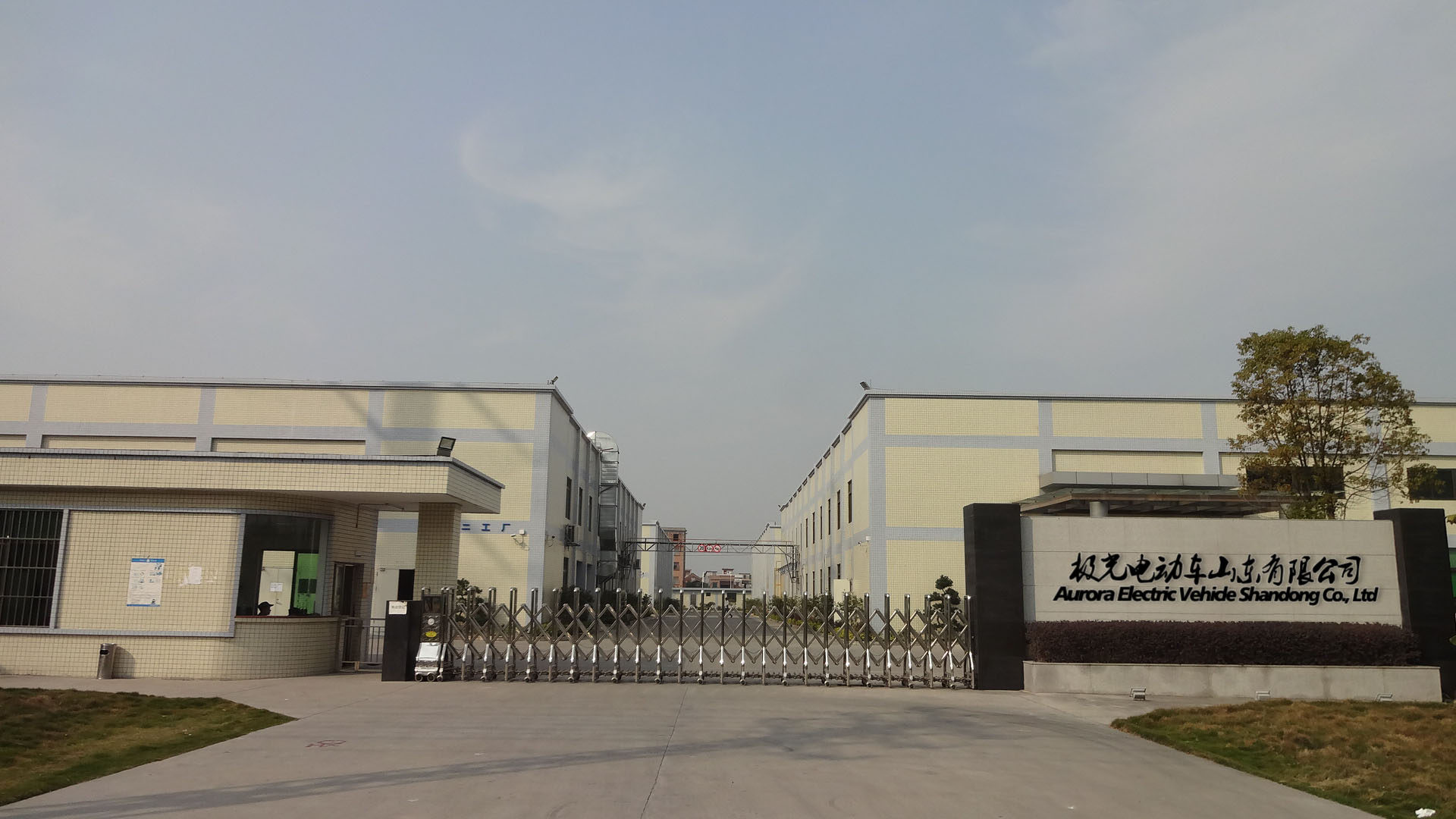
A trusted global supplier integrating comprehensive development of clean energy mobility and essential safety components.
Founded in 2015, our electric vehicle and component manufacturing enterprise is located in Linyi City, Shandong Province. This location serves as a core transportation hub connecting the Yangtze River Delta and the Bohai Economic Circle, providing prominent geographical and logistical advantages. Over the past decade, we have transitioned from a specialized production facility to a comprehensive, high-tech enterprise integrating R&D, manufacturing, global sales, and after-sales service. We have actively participated in the high-quality development of China's electric vehicle and braking component industry during the modern regulatory era.
Our dedicated R&D team consists of senior mechanical and electrical engineers with over 10 years of experience. We focus on enhancing thermal resilience, operational longevity, response speed, and integrating digital micro-pressure sensors into our electric vehicle brake pumps.
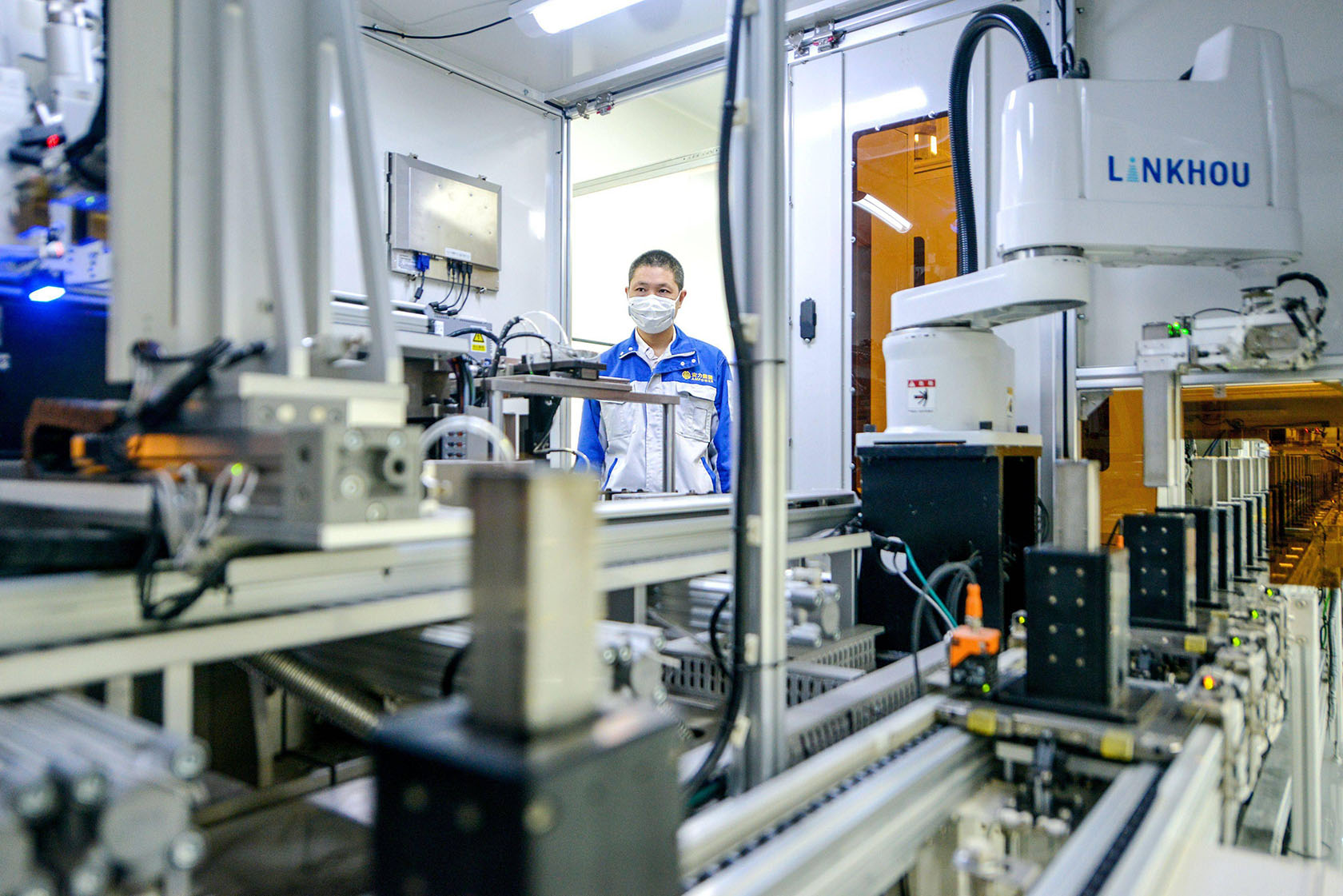
Utilizing high-precision CNC machining centers, automated winding systems, and cleanroom assembly cells, our production team maintains strict quality checks at every step of raw material sourcing and product assembly.
We provide global partners with customized design options, including custom bracket designs, voltage adjustments (12V, 24V, 48V, 60V, 72V), specific pressure values, and connector modifications, ensuring seamless integration.
Our history is a journey of persistence and continuous technical improvement. Since our founding, we have closely followed international transport safety regulations and evolving industry guidelines. In 2019, when China implemented the new national standards for electric bicycles and light electric vehicles, we upgraded our assembly lines to optimize components like braking pumps, ensuring compliance with strict fire retardant, high pressure, and endurance guidelines.
We have expanded our standard test lab, adding modern testing equipment for salt spray resistance, extreme high/low temperature testing, and durability cycling. Today, we supply custom light electric vehicle brake pumps to international markets, offering reliable products for diverse terrain and urban requirements.
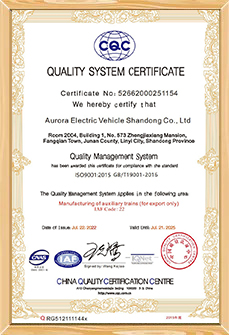
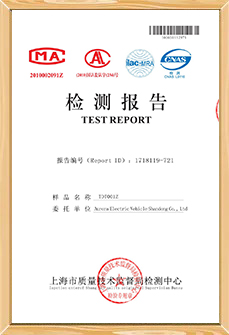
Our quality control management systems and brake component integrations are certified under international automotive and electric vehicle benchmarks.
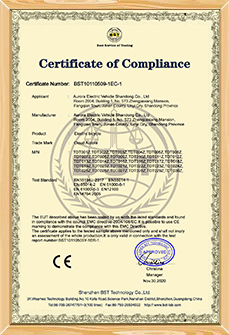
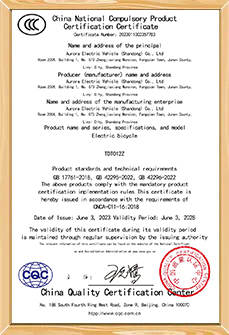
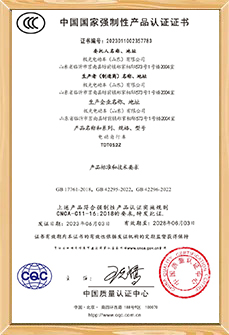
Understanding the difference between traditional braking mechanisms and modern electronic assist platforms.
Modern electric vehicles utilize electric motors for propulsion, eliminating the intake manifold vacuum found in combustion engines. Therefore, a specialized electric vacuum pump (EVP) must be integrated to supply consistent vacuum pressure to the brake booster. In high-performance electric motorcycles and three-wheelers, a hydraulic brake pump directly controls caliper engagement using a high-pressure master cylinder. Understanding these technical dynamics helps ensure correct component selection.
| Performance Parameter | Electric Vacuum Pump (EVP) Standard | Electronic Master Hydraulic Pump (EHB) | Test Conditions / Standards |
|---|---|---|---|
| Operating Voltage | DC 12V / 24V / 48V | DC 48V / 60V / 72V / 96V | System voltage adaptation limits |
| Max Vacuum / Pressure | ≥ -86 kPa | ≥ 12.5 MPa (hydraulic pressure) | Standard barometric pressure |
| Response Time | ≤ 250 ms (to -50 kPa) | ≤ 120 ms (to full system pressure) | At ambient temperature of 25°C |
| Rated Power | 45W - 80W | 120W - 250W | Continuous duty cycle limits |
| Lifespan Cycles | ≥ 1,500,000 cycles | ≥ 2,000,000 cycles | Full stroke testing, high humidity |
| Acoustic Noise Index | ≤ 55 dB (A) | ≤ 50 dB (A) | Anechoic chamber testing |
Our engineering team focuses on two main design styles: diaphragm-based vacuum pumps and piston-based hydraulic master cylinders. The diaphragm design uses premium carbon-reinforced synthetic rubber, ensuring consistent elasticity and seal integrity across temperatures from -40°C up to 120°C. This selection prevents failure modes like pressure loss, diaphragm tearing, or sluggish response during cold weather conditions.
Why sourcing from Shandong's premier manufacturing corridor optimizes quality, lead times, and unit economics.
Located in Linyi City, Shandong Province, we leverage a major transport node that bridges the Yangtze River Delta and the Bohai Economic Circle, enabling quick, cost-effective shipping access to Qingdao and Shanghai ports.
We source raw cast metals, precision copper windings, and microchips directly from specialized regional sub-suppliers, reducing shipping times, lowering material waste, and stabilizing unit costs.
Our factory operates under standardized management controls. Advanced CNC machines and automated testing benches minimize human error, ensuring that every batch meets quality requirements before leaving the plant.
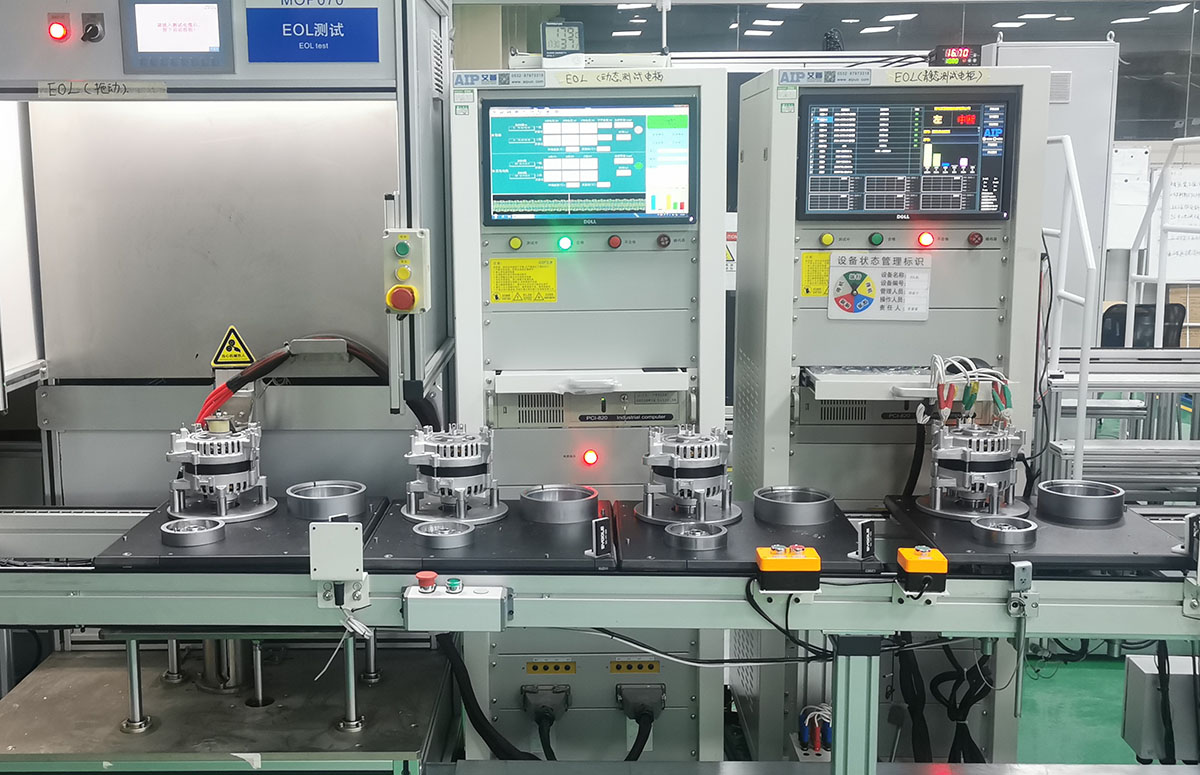
Safety is the primary metric for automotive braking components. We have invested in an on-site, specialized testing laboratory to run rigorous endurance protocols. Our testing processes analyze performance across various metrics:
These strict validation processes ensure that our electric vehicle brake pumps perform reliably under varying external road conditions.
Ensuring compliance with local environmental, functional, and electrical regulations across global markets.
Fully compliant with EU directives, including the Machinery Directive, Electromagnetic Compatibility (EMC) regulations, and low-voltage electrical standards.
Features internal shielding design to prevent electromagnetic interference from disrupting other onboard electronics, such as GPS, dashboard displays, or controllers.
Fully certified for the Chinese market, complying with mandatory national automotive standards, thermal limits, and durability guidelines.
Constructed using non-hazardous, eco-friendly materials and lead-free solder, matching strict environmental requirements in the EU and North America.
In many regions, auxiliary braking systems must feature fail-safe designs. If a vehicle loses primary electrical power, the brake system must maintain emergency pressure. Our electric vehicle brake pumps feature dual-sensor feedback loops and mechanical pressure relief backups, ensuring the vehicle can still decelerate safely in the event of an electrical failure.
From heavy cargo delivery in urban areas to off-road utility transport, our braking systems are designed for diverse terrains.
Modern delivery e-bikes and three-wheelers experience frequent stop-and-go cycles and carry heavy payloads. Our high-durability electric pumps maintain steady pressure despite constant braking, preventing fluid boiling or pressure drop over long delivery shifts.
High-speed commuters require responsive braking controls. Our electronic hydraulic systems deliver fast response times (under 120ms), helping drivers stop safely at higher speeds on busy city streets.
Riding on rough terrain exposed to dust, mud, and moisture requires robust protection. Our IP67 sealed housings protect internal brushless motors and electronic valves, ensuring reliable operation in harsh conditions.
How AI-driven pressure monitoring and regenerative braking are defining the next generation of EV components.
The electric vehicle industry is shifting toward smart, integrated architectures. The traditional standalone brake pump is evolving into a connected component that interacts with the vehicle's electronic stability controls. Key trends include:
Aurora is investing in these emerging technologies, developing smart brake pump units that offer seamless compatibility with CAN-bus communication networks.
Find answers to common questions about selecting, specifying, and sourcing electric vehicle brake pumps.