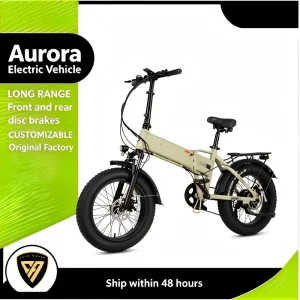
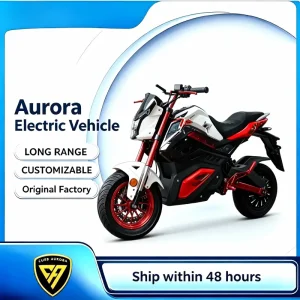
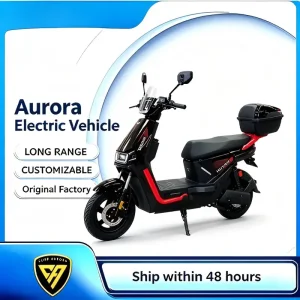
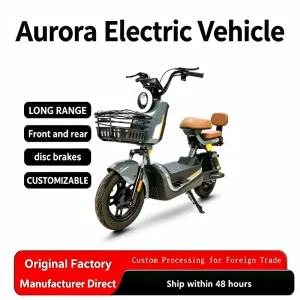
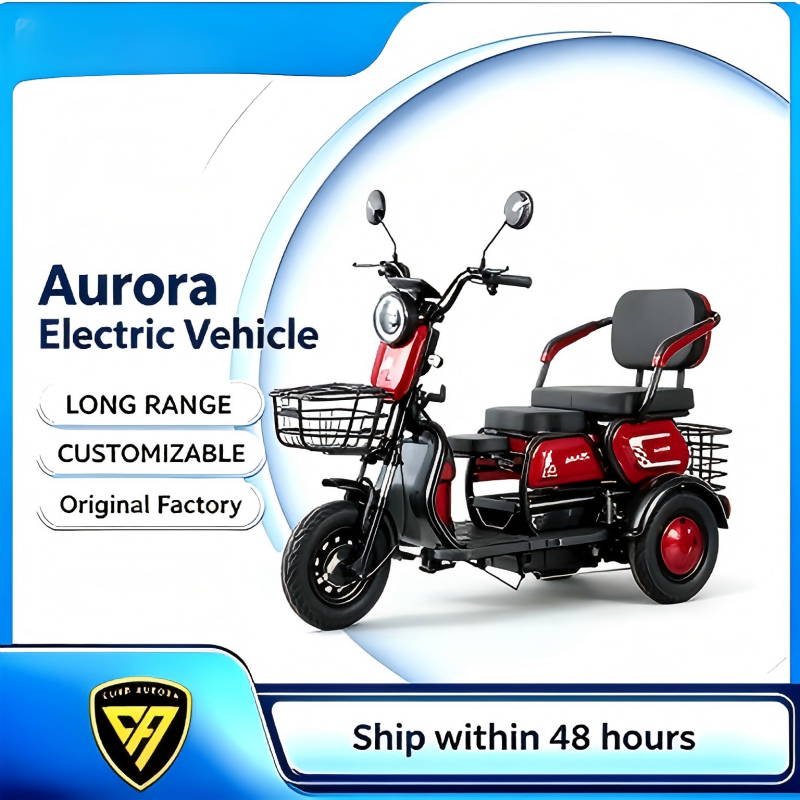
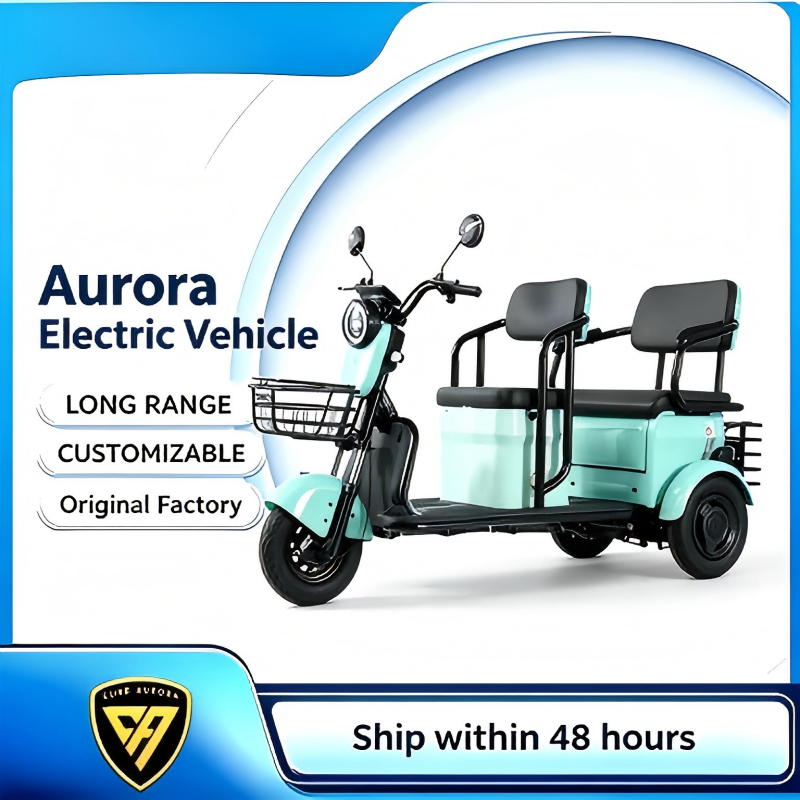
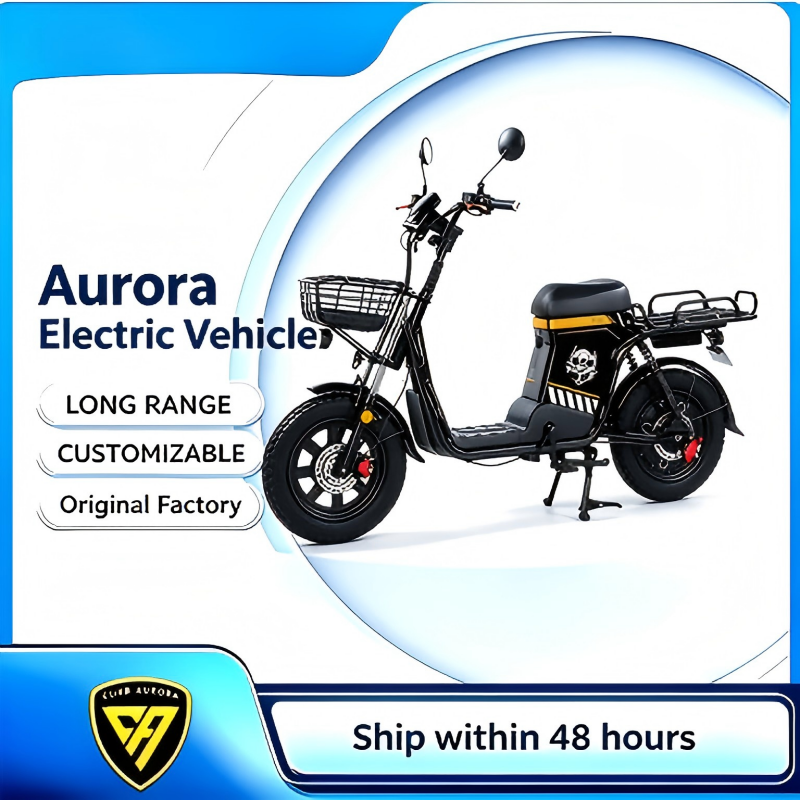
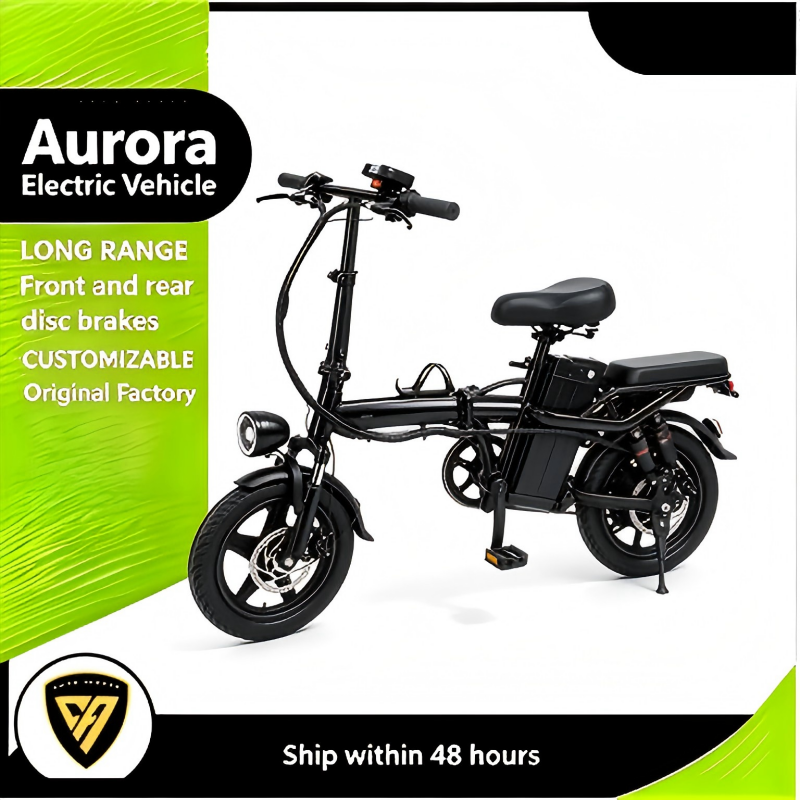
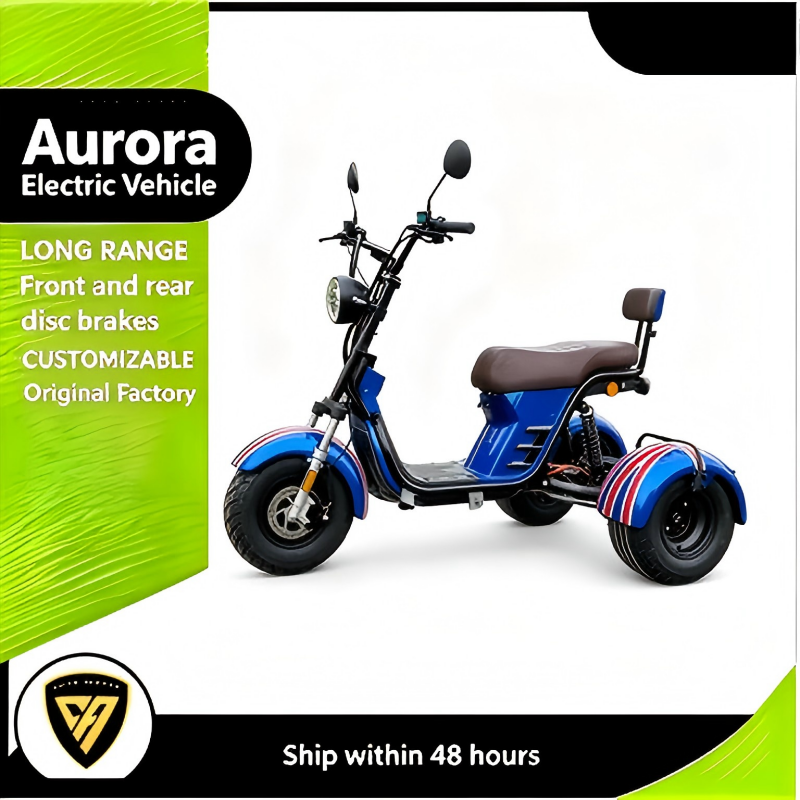
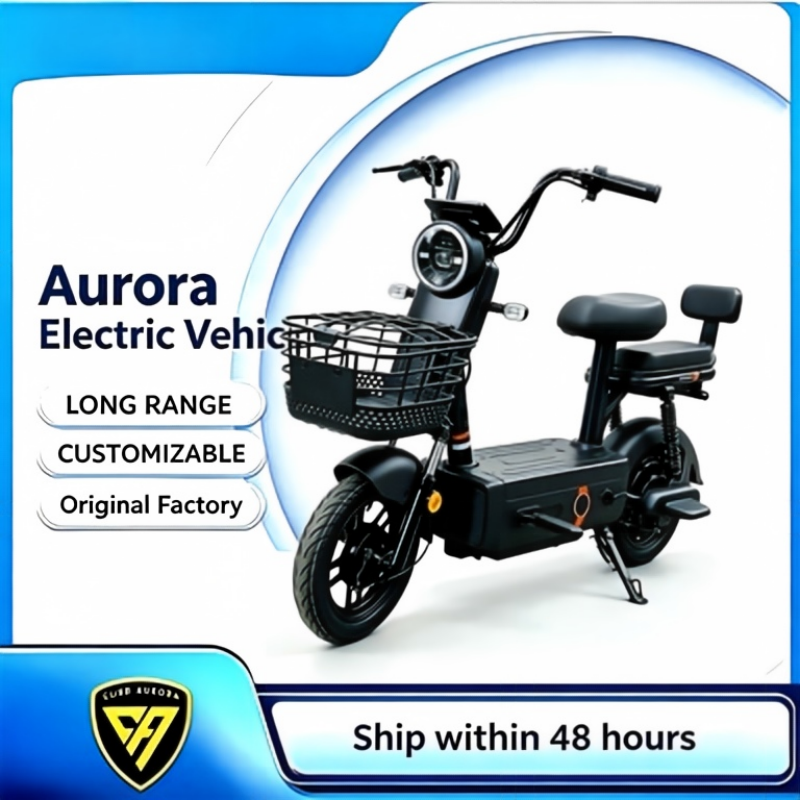
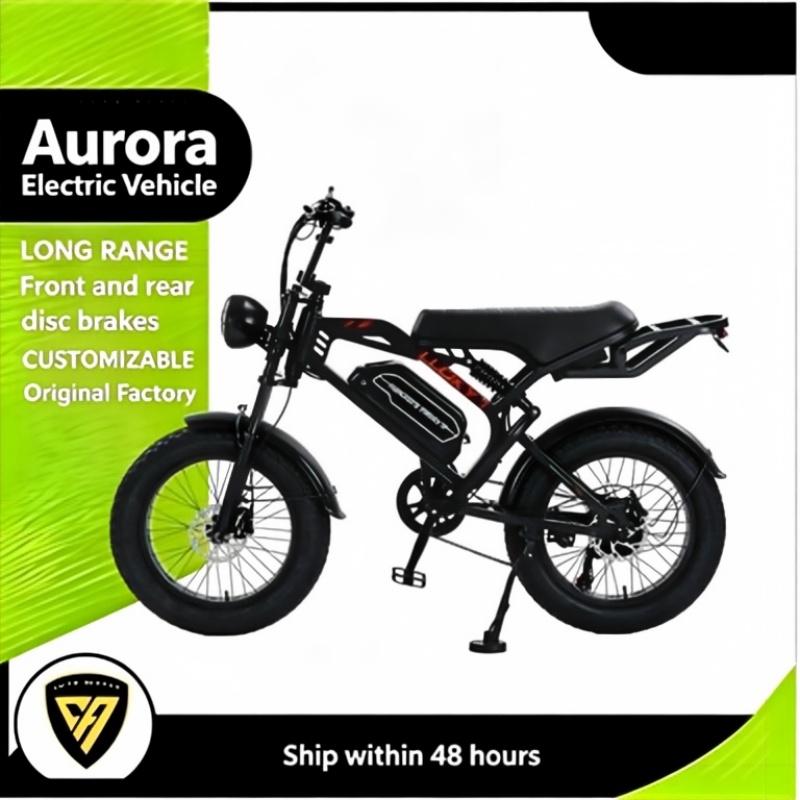
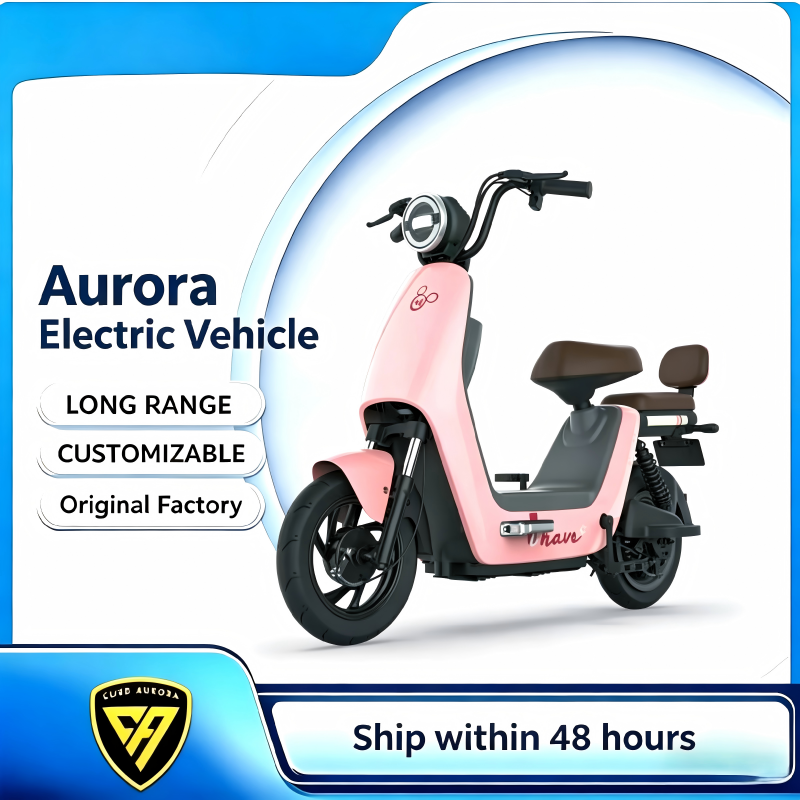
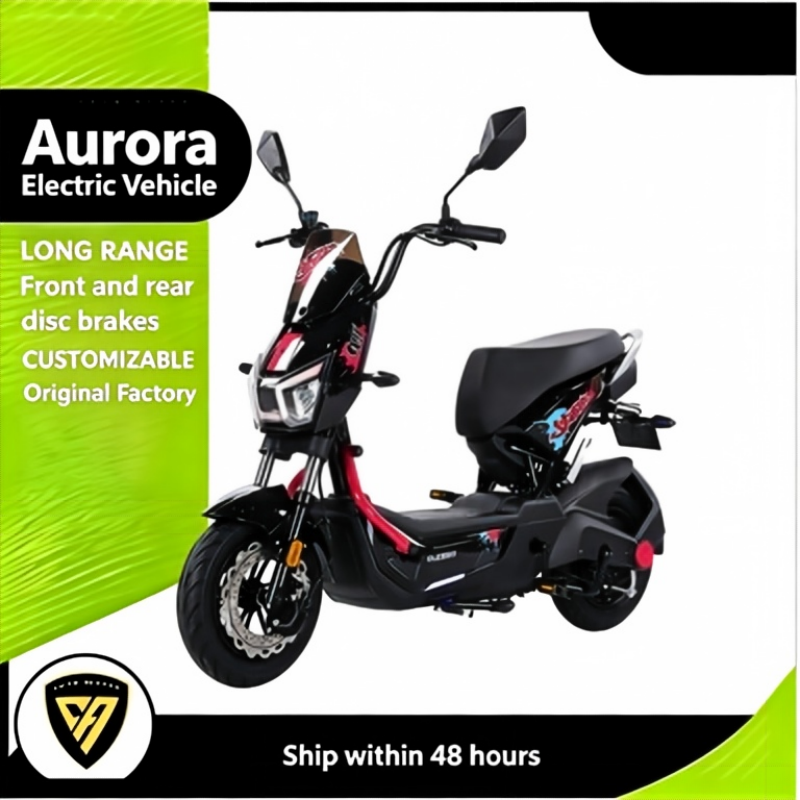
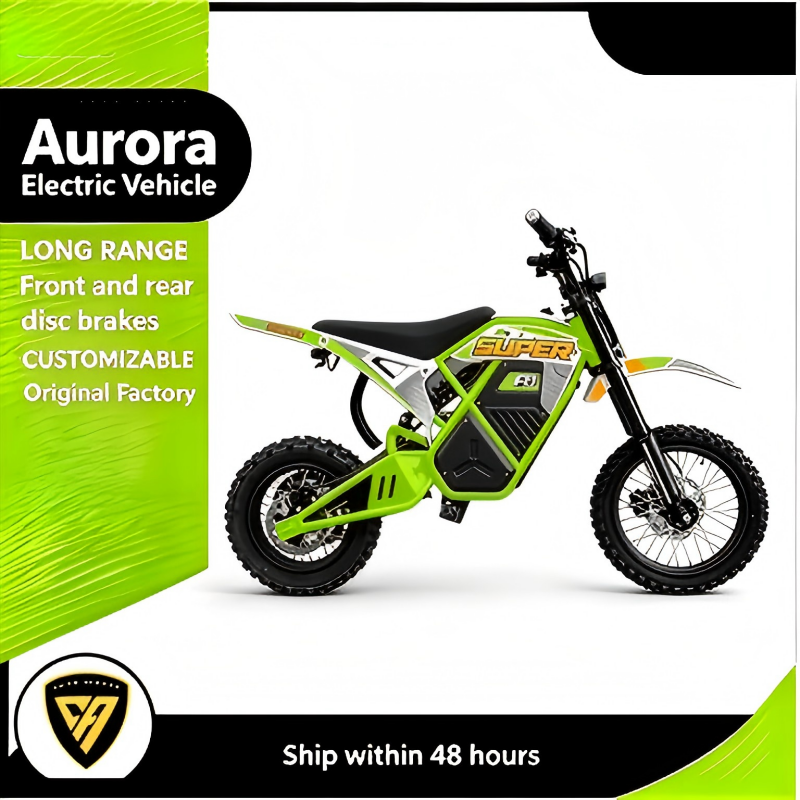
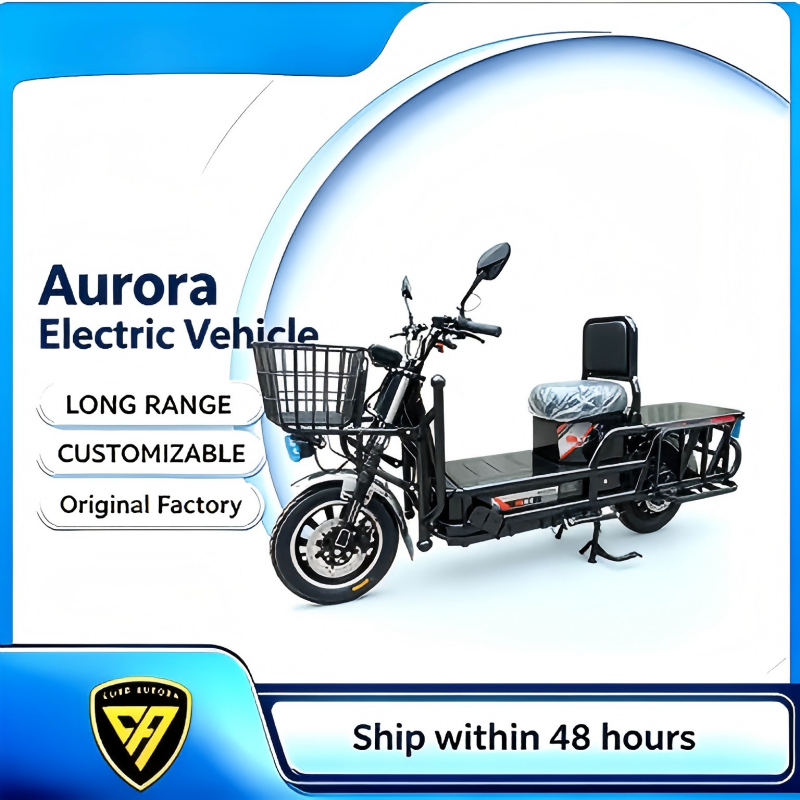
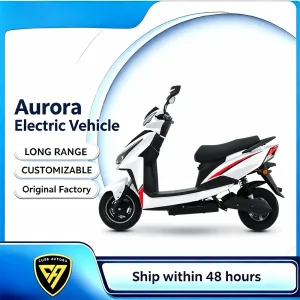
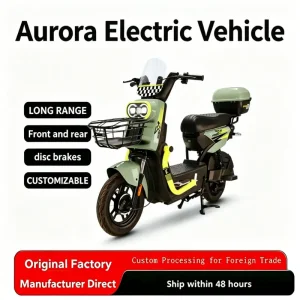
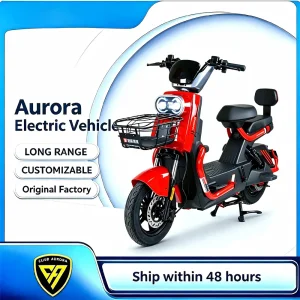
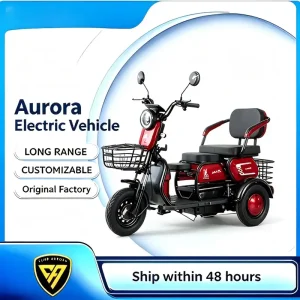
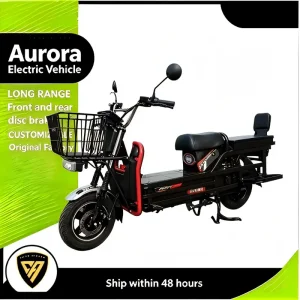
Explore our selected premium vehicles featuring standard automotive-grade integration, robust microcontrollers, high-luminescence digital speedometers, and customized parameters designed for global export.
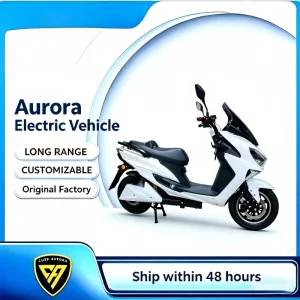
As global mobility pivots toward sustainable electrification, the vehicle cockpit has transitioned from a basic functional layout to an intelligent interaction hub. Historically, instrument clusters in two-wheelers, light electric vehicles (LEVs), and heavy electric cargo bikes relied on mechanical assemblies that indicated only speed and analog battery voltages. Today, the modern electric vehicle dashboard serves as the central nervous system of the cockpit, acting as the primary Human-Machine Interface (HMI) that integrates multiple sensor inputs, microcontrollers, and communication nodes.
Modern EV dashboard factories in China are at the forefront of this digital shift. Using high-efficiency production frameworks, advanced optical bonding, and standardized circuit designs, they deliver instrumentation systems that handle complex telemetry. Today's dashboards show more than just speed; they track state of charge (SOC), battery health, real-time energy flow, controller heat levels, and active safety diagnostic alerts. This evolution meets the needs of end-users who expect real-time feedback, smartphone connectivity, and intuitive visual interfaces during their daily commutes.
Behind every reliable EV dashboard is a complex hardware and firmware stack designed to withstand harsh operating environments. Automotive-grade electronic design requires component selection that prevents failure from electrical surges, moisture ingress, and extreme temperatures. Standard EV dashboard systems operate across wide voltage variations—ranging from 24V up to 72V or higher—to align with the main power rails of electric powertrains.
| Technical Parameter | Standard Classification / Details | Industrial Target / Benchmark |
|---|---|---|
| Display Panel Technology | FSTN Liquid Crystal, High-Brightness TFT-LCD, OLED | Anti-glare (AG) treatment, >800 nits sunlight readability |
| Operating Voltage Input | Universal 24V / 36V / 48V / 60V / 72V Auto-detect | Over-voltage and reverse-polarity protection up to 100V DC |
| Communication Interfaces | UART, LIN Bus, CAN-Bus (SAE J1939), RS485 | Real-time synchronization with Controller (MCU) and BMS |
| Ingress Protection (IP) | IP65, IP67 Sealed Housing | Dust-proof and water immersion proof for all-weather riding |
| MCU Core Processing Unit | 32-bit Arm Cortex-M series (STM32, NXP) | Fast boot (<0.5 seconds), low power dissipation in standby |
| Temperature Resilience | Operational Range: -20°C to +70°C | Storage Limit: -30°C to +80°C with zero liquid leakage |
For communication protocols, modern systems are shifting away from direct analog wire sensing toward CAN-bus (Controller Area Network) and LIN-bus systems. This change reduces wiring harness weight and complexity, decreases electromagnetic interference (EMI), and allows the vehicle's dashboard, battery management system (BMS), motor controller, and smart IoT modules to share data on a single unified bus. In practice, this means errors like a high-temperature battery cell or a hall sensor fault are immediately shown on the display as standardized fault codes, helping users identify issues and improving vehicle safety.
Electric vehicle configurations vary significantly depending on localized regulations, climates, and rider habits. As a result, the demands placed on dashboard displays and integration levels differ across international regions:
In Europe, where EPACs (Electrically Power Assisted Cycles) must adhere to strict EN15194 guidelines, dashboards must display accurate speed, battery capacity, and power assist levels. European urban commuters prefer sleek, minimalist, handle-bar integrated displays with ambient light sensors that automatically adjust backlight brightness to match low-light conditions.
The US and Canadian markets feature high-output Class 1, 2, and 3 e-bikes along with utility fat-tire cargo vehicles. Dashboards here require split-screen layouts to show speed in miles per hour (MPH), motor wattage draw, and real-time range calculations. This data helps riders plan long-distance routes across varying terrain.
In countries like Indonesia, Vietnam, and Thailand, delivery fleets run continuously in hot, humid, and rainy conditions. Dashboards in these regions must have IP67-rated waterproof protection, UV-resistant outer plastics, and high-visibility LCD screens that remain clear under direct tropical sunlight. Built-in GPS modules are also integrated to display turn-by-turn navigation.
China produces a significant share of the world's electric vehicle dashboards and electronic components. This leading position is supported by localized manufacturing ecosystems, skilled engineers, and efficient shipping networks. Factories in industrial areas like Shandong, Jiangsu, and Guangdong can source raw materials, manufacture PCBs, mount microchips (SMT), run automated tests, and package finished goods within tight deadlines.
This concentrated supply chain provides significant cost advantages without sacrificing quality. Raw display panels, protective cover glass, and copper cables are sourced directly from nearby vendors. This reduces logistics costs, minimizes material delays, and allows factories to offer flexible OEM/ODM options to overseas buyers. These advantages enable international partners to customize display layouts, print custom logos, and configure firmware settings with shorter lead times than other global manufacturing hubs.
Founded in 2015, Aurora Electric Vehicle Shandong Co., Ltd. is located in Linyi City, Shandong Province—a strategic transport hub connecting the Yangtze River Delta and the Bohai Economic Circle. Over the past decade, we have expanded from a local assembly workshop into a comprehensive enterprise integrating R&D, mass production, domestic sales, and after-sales support.
Our growth has tracked the modernization of China's electric vehicle sector. When the New National Standard (GB17761-2018) took effect in 2019, we upgraded our tooling lines, updated our electrical architectures, and implemented flame-retardant, anti-tampering designs across our entire vehicle catalog. Our factory operates automated assembly lines and specialized testing setups for frames, motors, and electronic instrument clusters to ensure consistent quality.
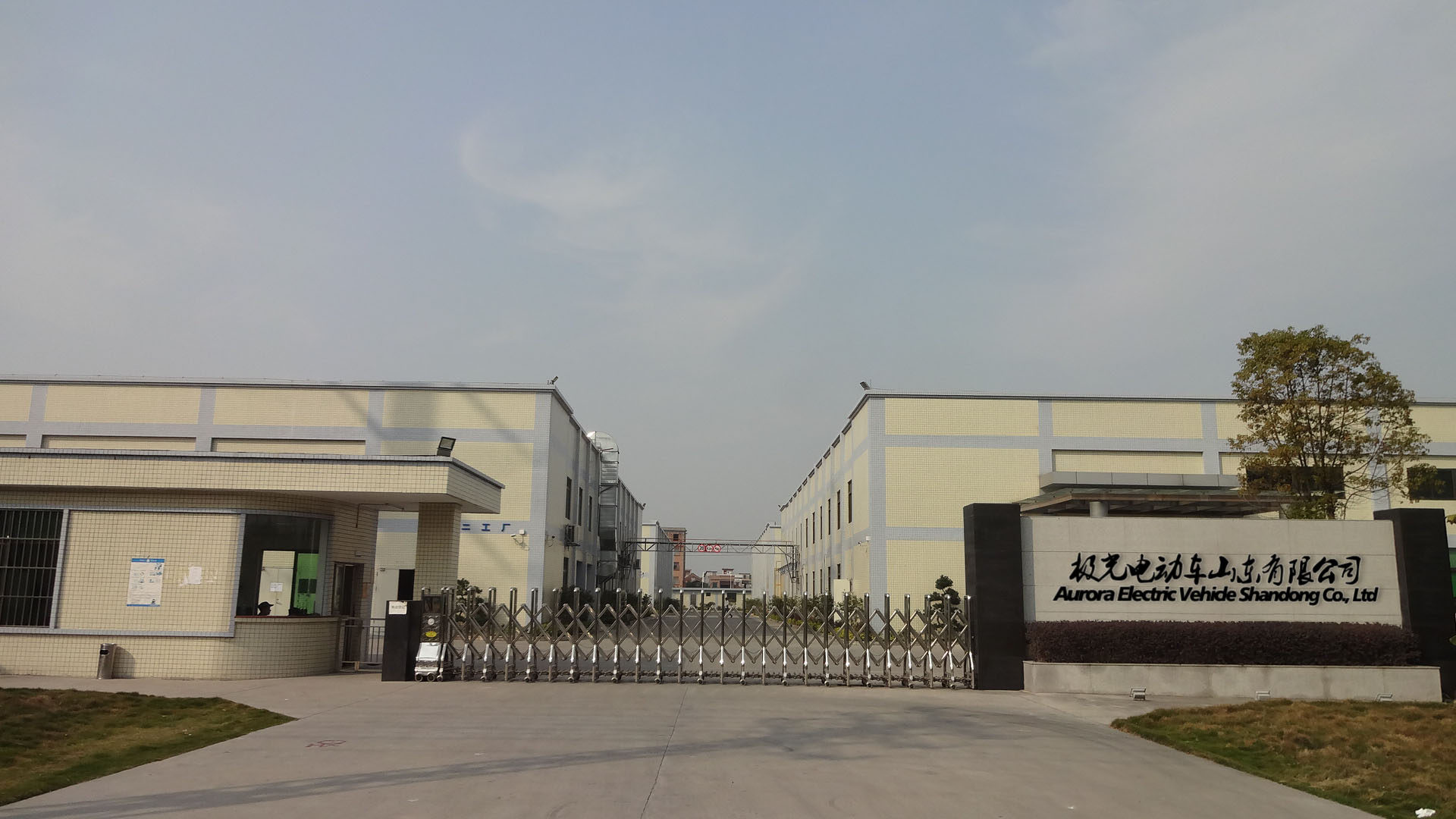
Our design team features senior software and hardware engineers with more than a decade of experience in light electric vehicle electronics. They focus on improving battery cycle life, motor efficiency, and HMI display designs. The department holds several core technology patents for smart controllers and integrated battery management systems (BMS).
Our manufacturing personnel undergo regular technical training to keep pace with changing standards. Working on standardized production lines, they oversee quality control at each step—from incoming component verification and SMT stencil printing to final product packaging and load-testing.
Our sales support team manages client orders across multiple regions. We provide complete OEM/ODM customization, shipping coordination, and technical help. This ensures that custom dashboard logos, voltage calibrations, and localized metrics (MPH/KMH) are accurately configured before dispatch.
We operate under the core values of "Integrity, Pragmatism, Innovation, and Win-win," aligning with the green transport goals of Linyi City. Our company mission is "making green travel easier and safer for everyone." To support this, we maintain a dedicated testing laboratory equipped to perform water immersion, drop-testing, vibration resistance, and thermal cycle testing on all vehicle instrument panels and control electronics.
Our products are engineered and tested to comply with international requirements, including CCC, CE, FCC, and global standardizations. Below are our official certifications:
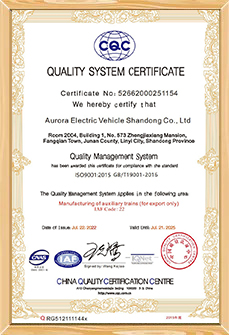
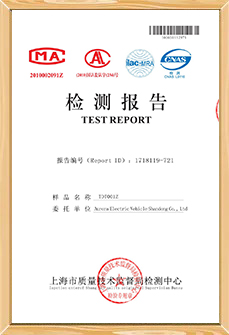


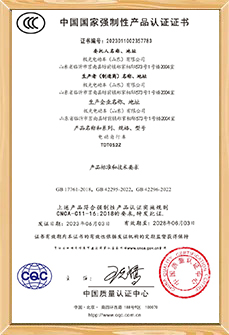
Operating a manufacturing facility requires rigorous quality control processes. Electronic instrumentation assemblies are sensitive to thermal changes, voltage spikes, and mechanical vibration. Our engineering teams perform comprehensive testing to verify performance under heavy stress:
Dashboard assemblies are placed in environmental chambers and cycled between -30°C and +80°C over 48 hours. This process tests protective seal integrity, screen adhesive bonding, and liquid crystal functionality to prevent screen fogging and panel cracking under extreme sun or cold exposure.
Instruments are mounted on high-frequency shake tables to simulate uneven road surfaces and off-road riding. These tests verify solder joint strength, component mounting durability, and LCD ribbon cable connections, ensuring long-term reliability on rough terrain.
To guarantee reliable performance in heavy rain, dashboards are subjected to pressurized water spray tests from multiple angles. Units are checked for moisture ingress to ensure internal circuit boards and display panels remain dry and functional.
Regenerative braking systems can generate electrical voltage spikes that affect control systems. Our dashboards feature built-in voltage regulators and transient voltage suppression (TVS) diodes to protect internal electronics from sudden spikes.
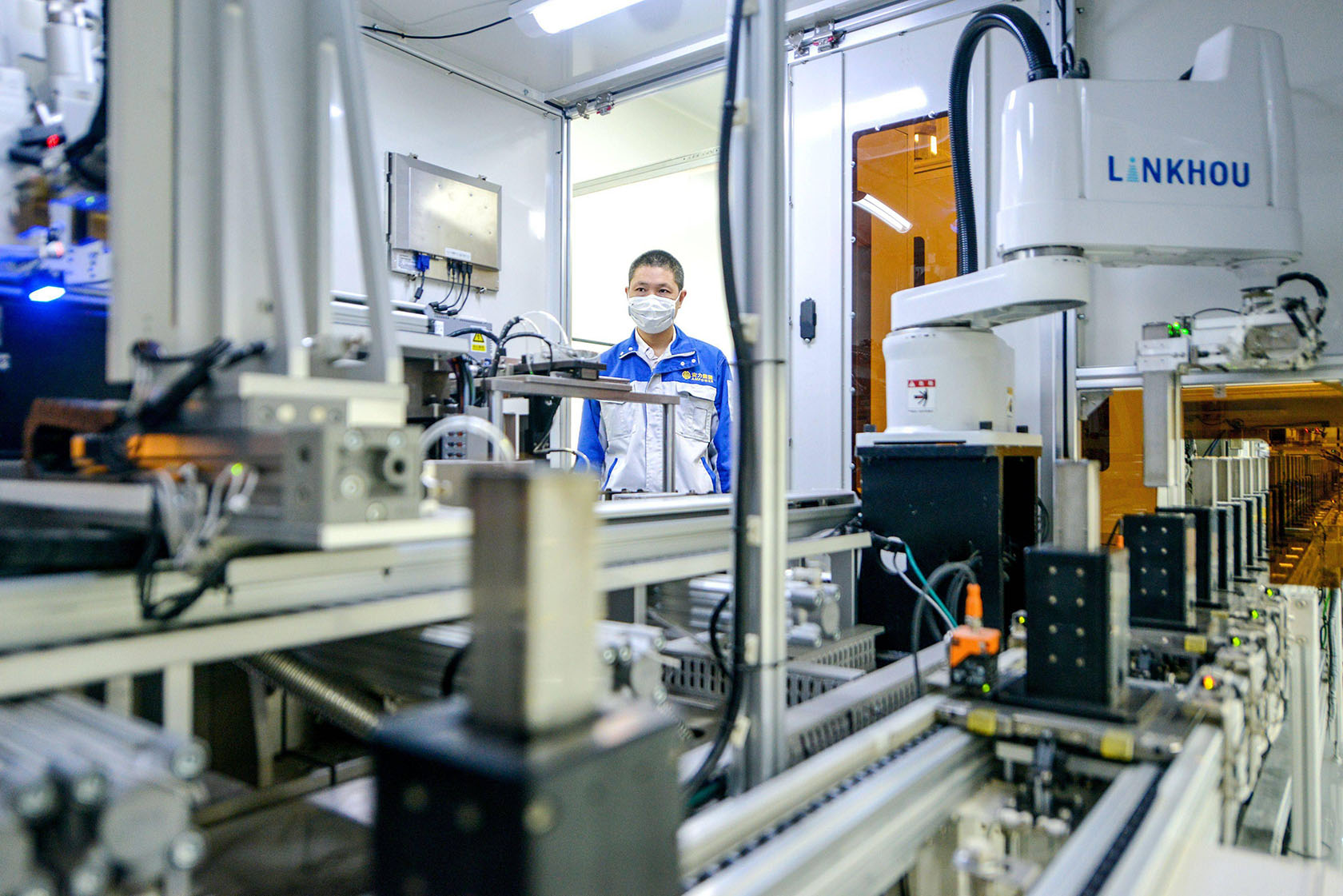
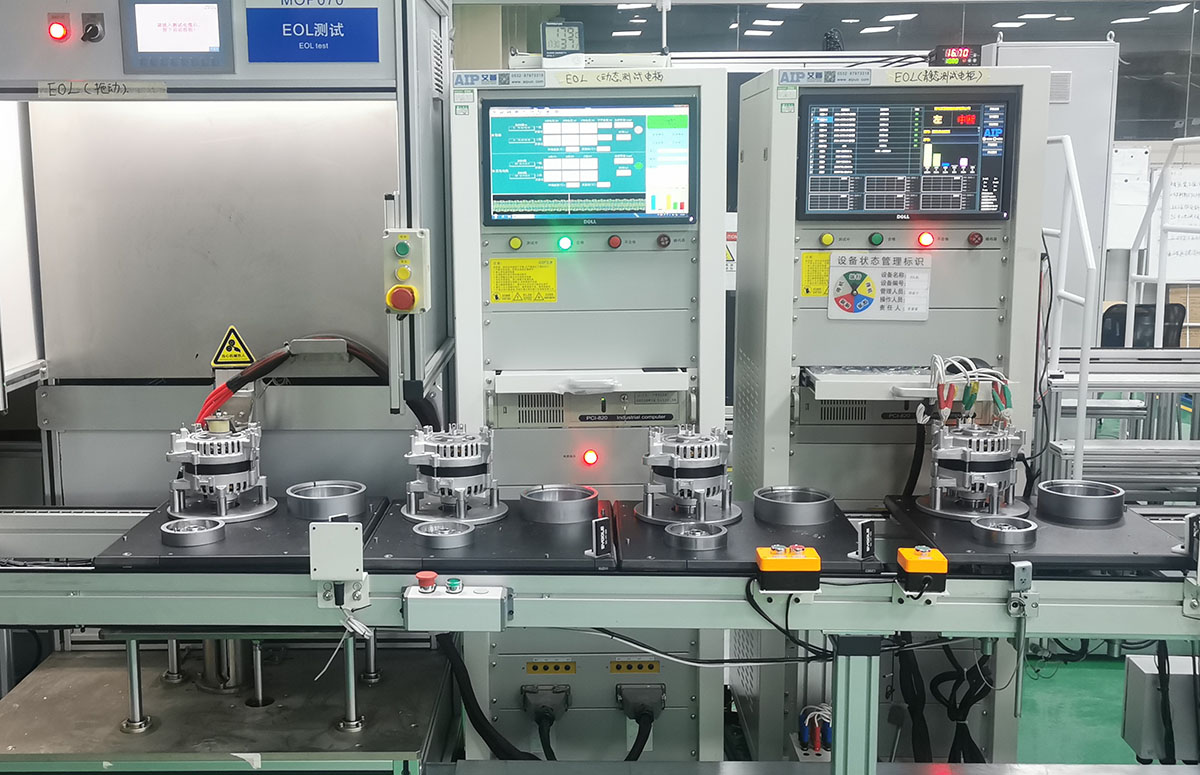
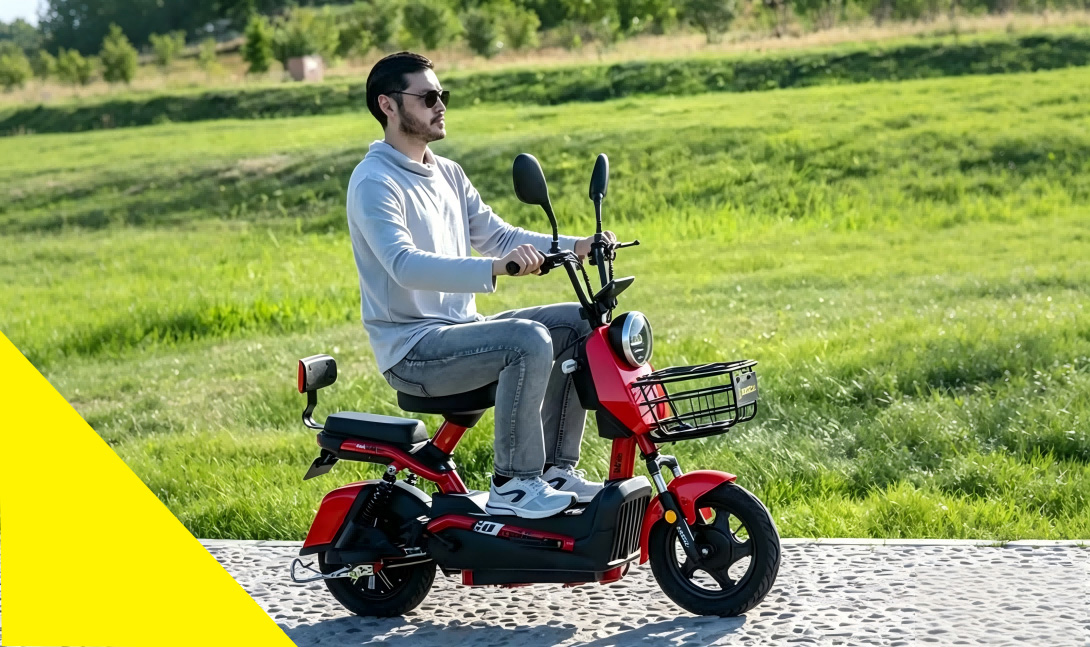
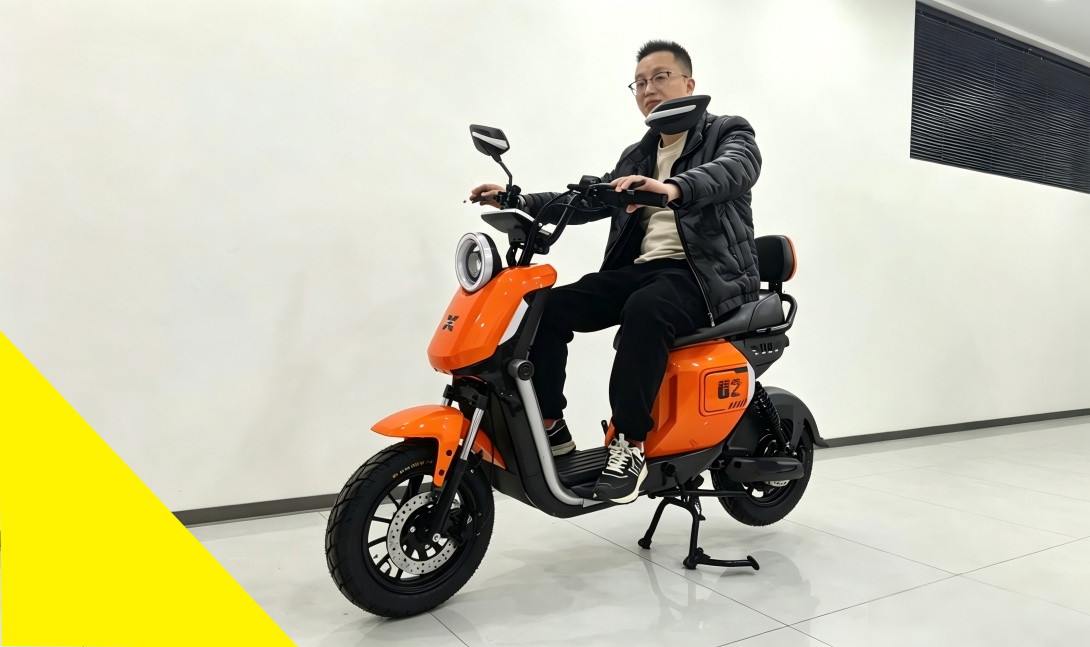
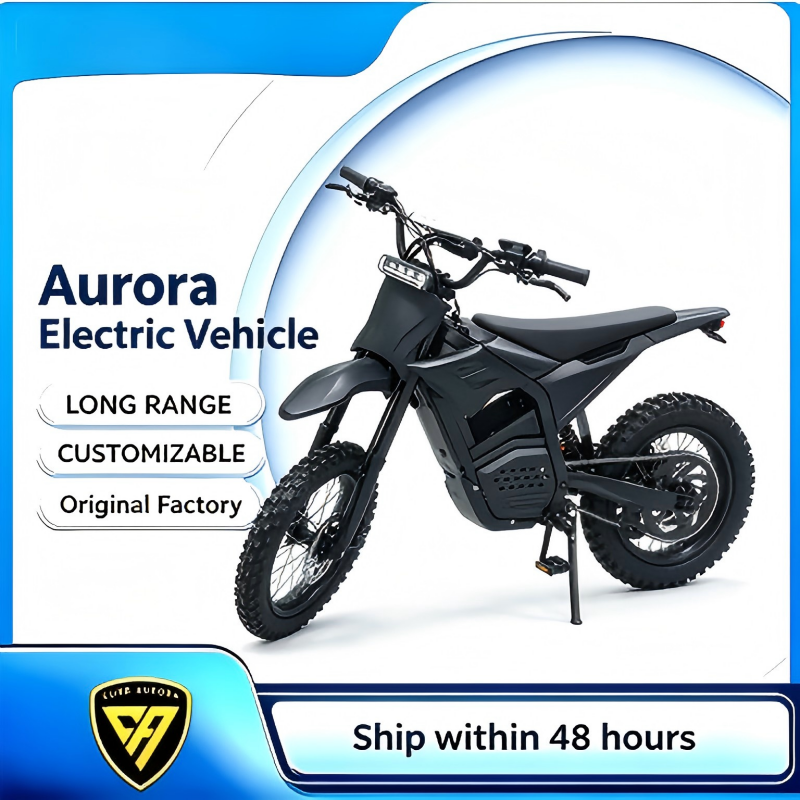
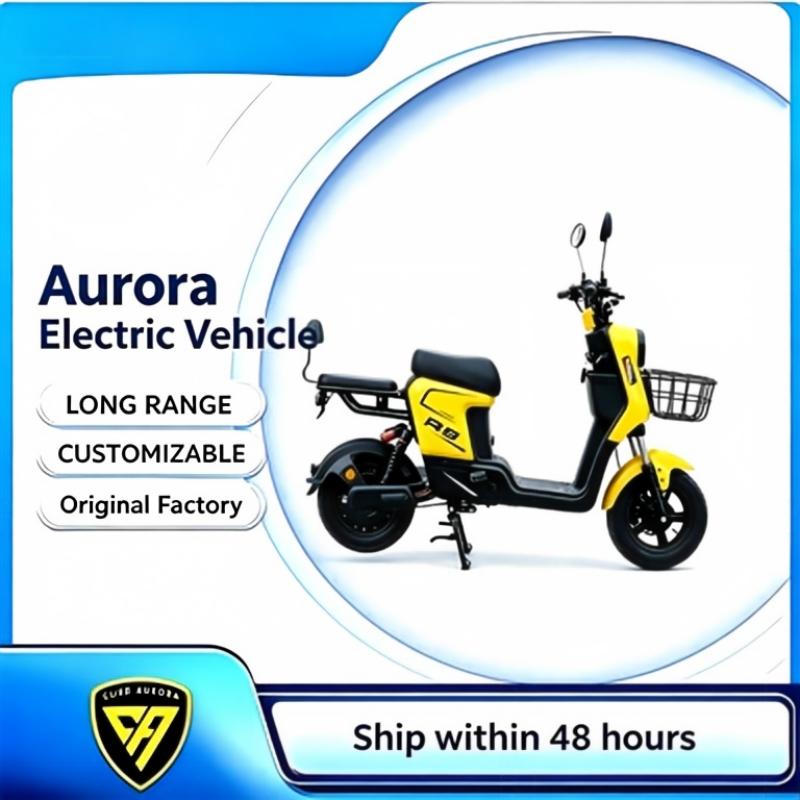
Our dashboards are used across a variety of light electric vehicles, including urban commuter e-bikes, cargo delivery scooters, and leisure passenger vehicles. Below are two representative configurations:
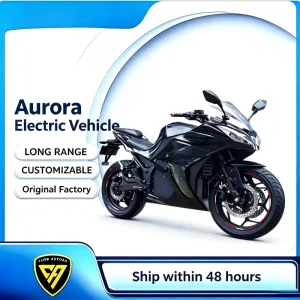
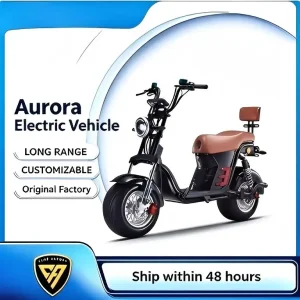
Browse our full catalog of electric passenger vehicles, cargo bikes, retro scooters, and specialized delivery units. All models include integrated digital displays, optimized wiring harnesses, and comply with international regulations.
As electric vehicles become more connected, dashboard technology is expanding beyond standalone display units. Future developments center on connecting the vehicle to larger cloud infrastructure. The next generation of instrument clusters will integrate V2X (Vehicle-to-Everything) communication protocols, allowing the vehicle to receive traffic signal warnings, hazard alerts, and real-time navigation updates directly from urban road networks.
Additionally, Head-Up Displays (HUDs) and augmented reality displays are moving from premium passenger cars into urban commuter vehicles. This allows speed, navigation indicators, and blind-spot monitoring alerts to be projected directly onto the windscreen or helmet shield, keeping the rider's attention on the road ahead. Microcontroller platforms are also shifting to CAN-FD (Flexible Data-rate) standards to handle larger data streams from ADAS (Advanced Driver Assistance Systems). This ensures that dashboards remain compatible with future vehicle intelligence designs.
Get authoritative answers regarding electrical engineering, custom layouts, waterproofing, and logistics for Chinese EV dashboard manufacturing.
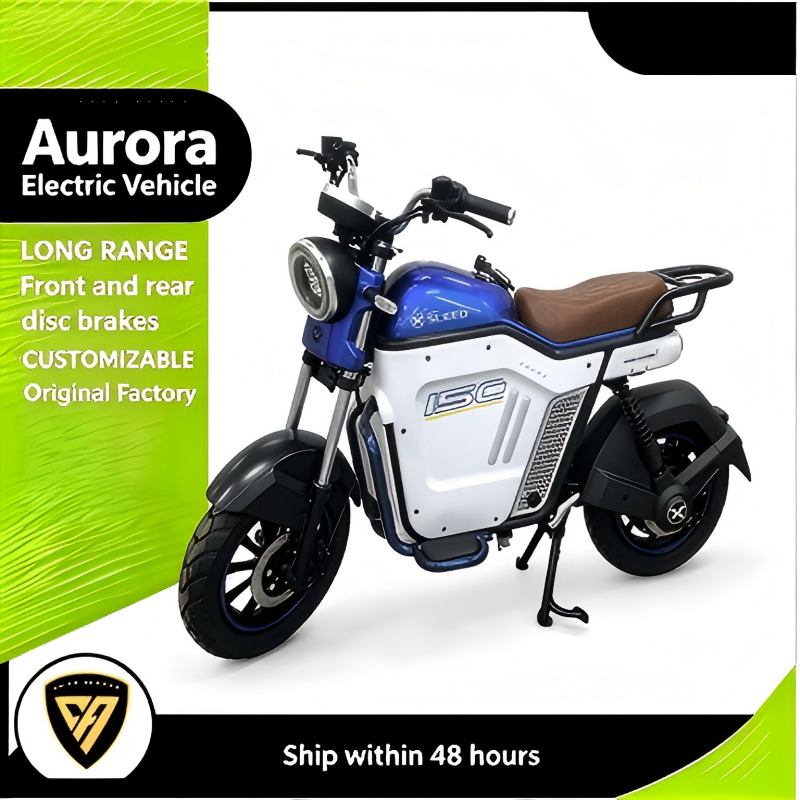
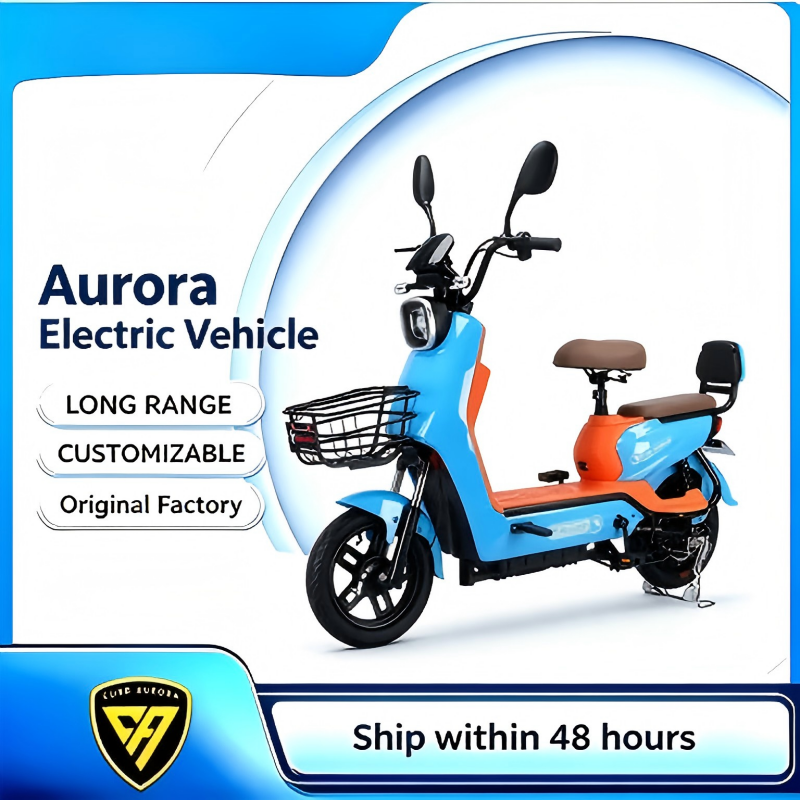
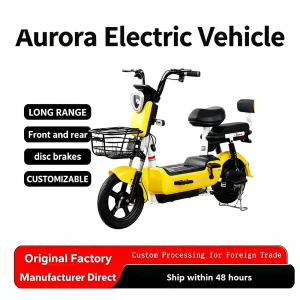
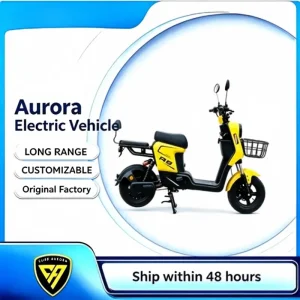
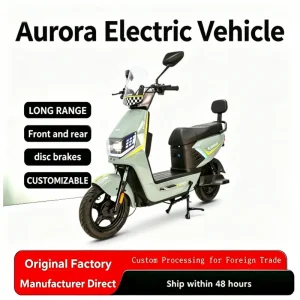
Discover our second selection of high-end urban commuting vehicles and logistics scooters, built with reliable electrical architectures and certified instrument displays: