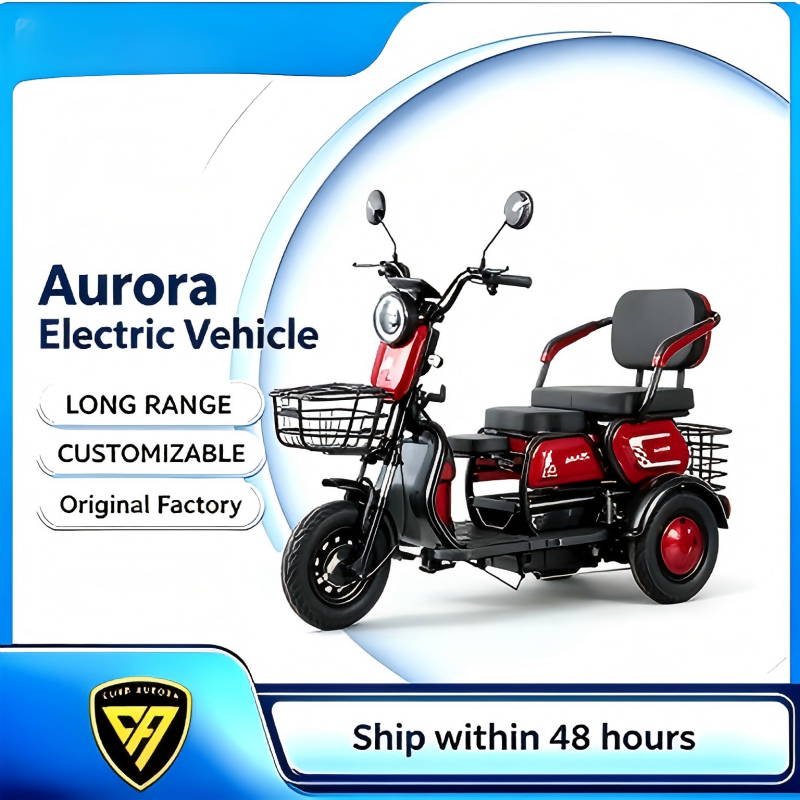
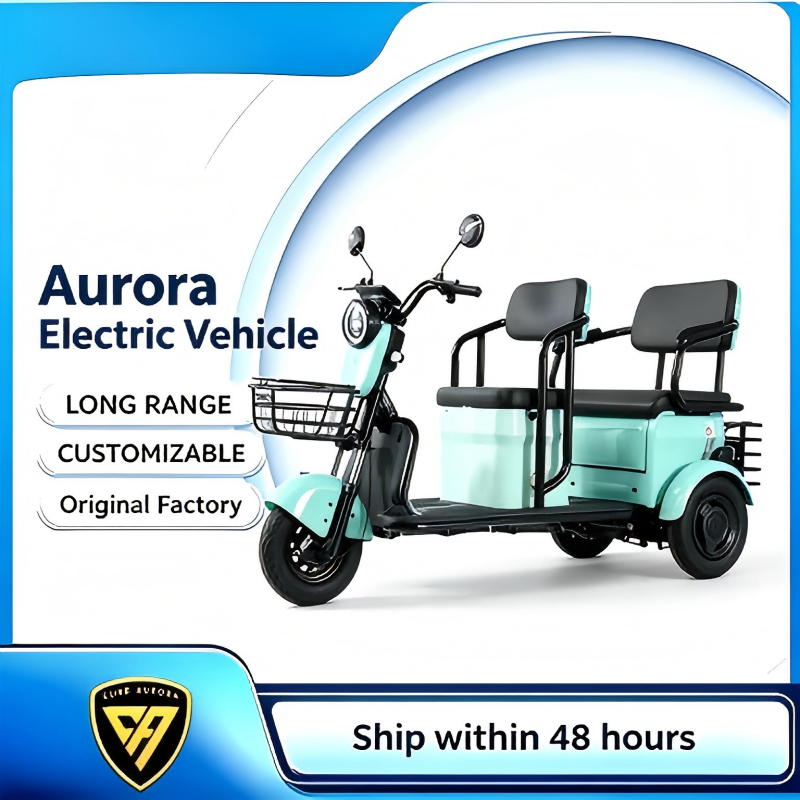
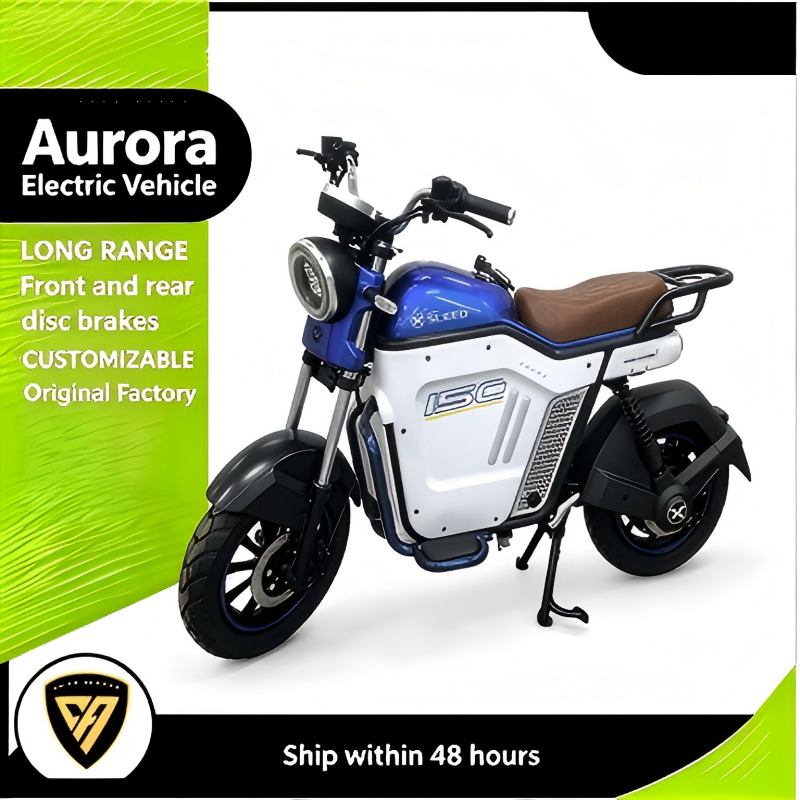
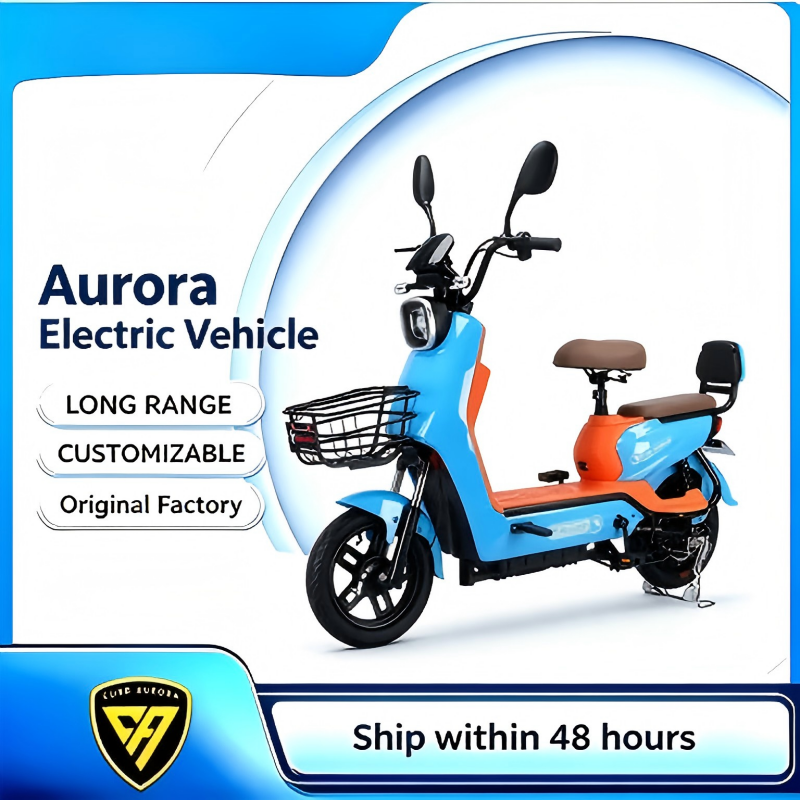
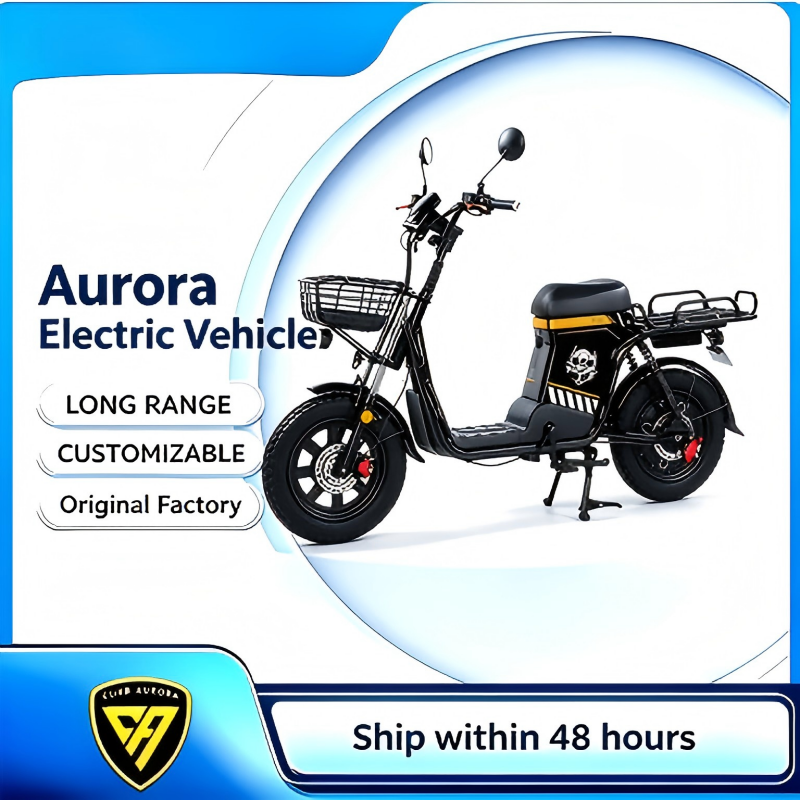
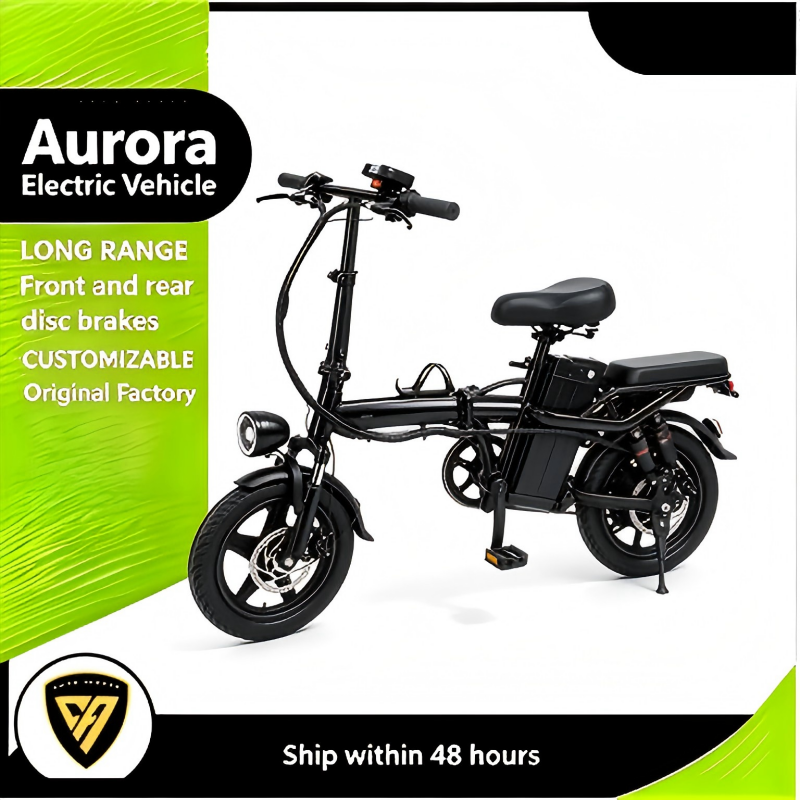
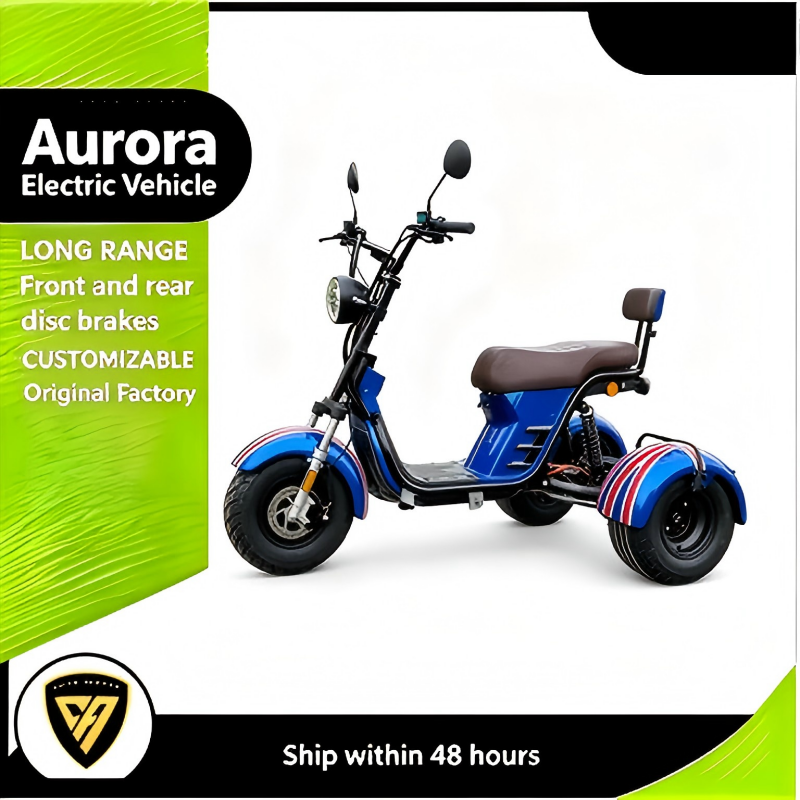
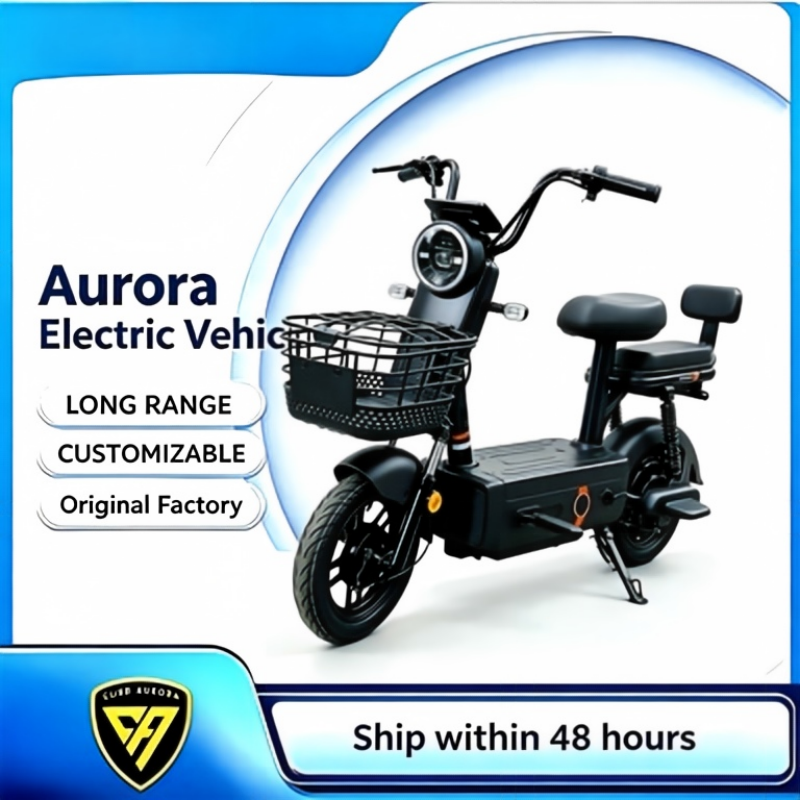
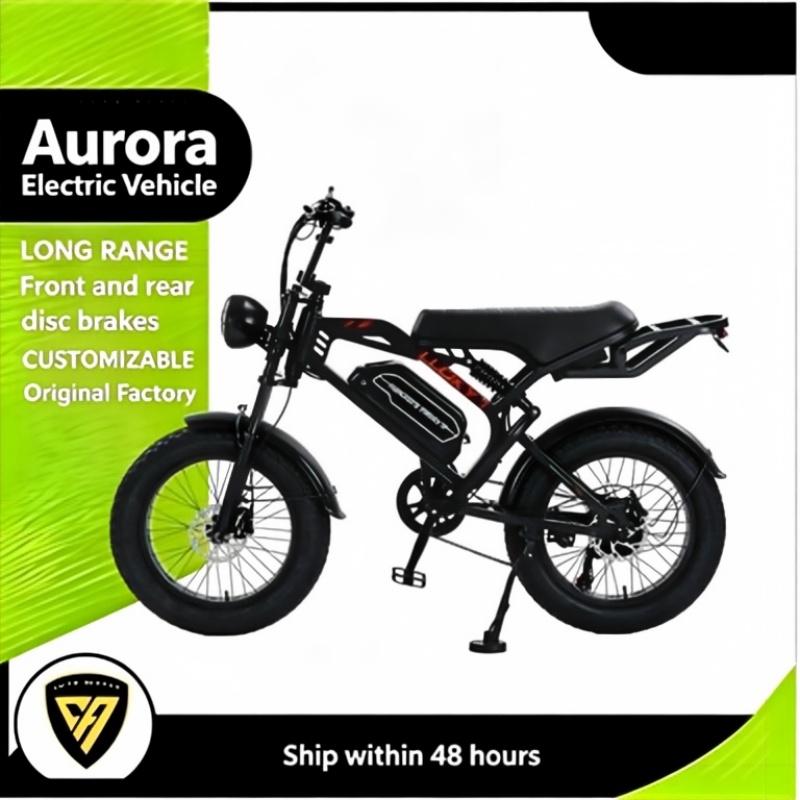
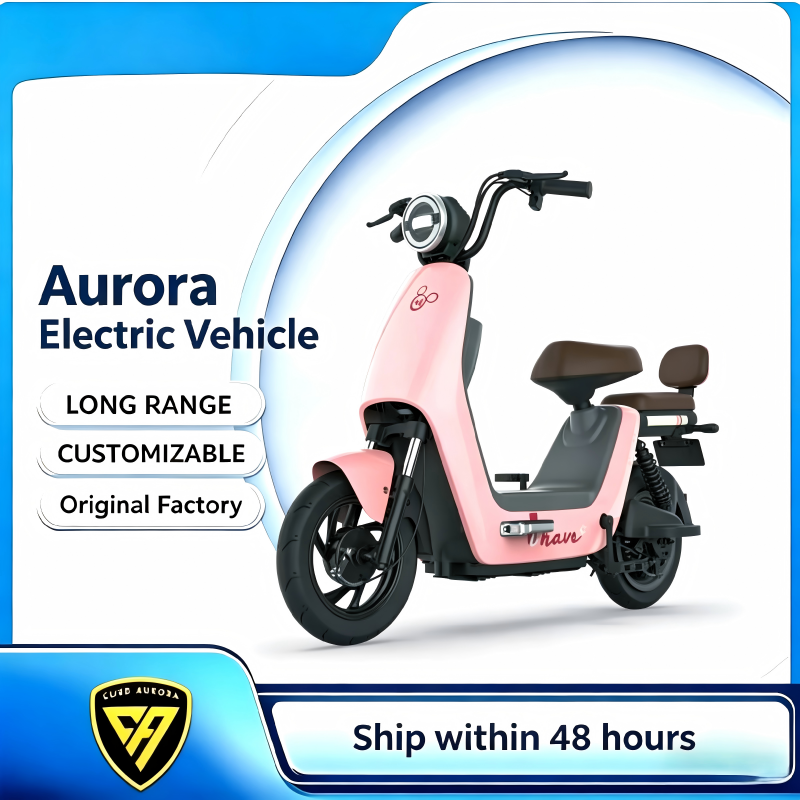
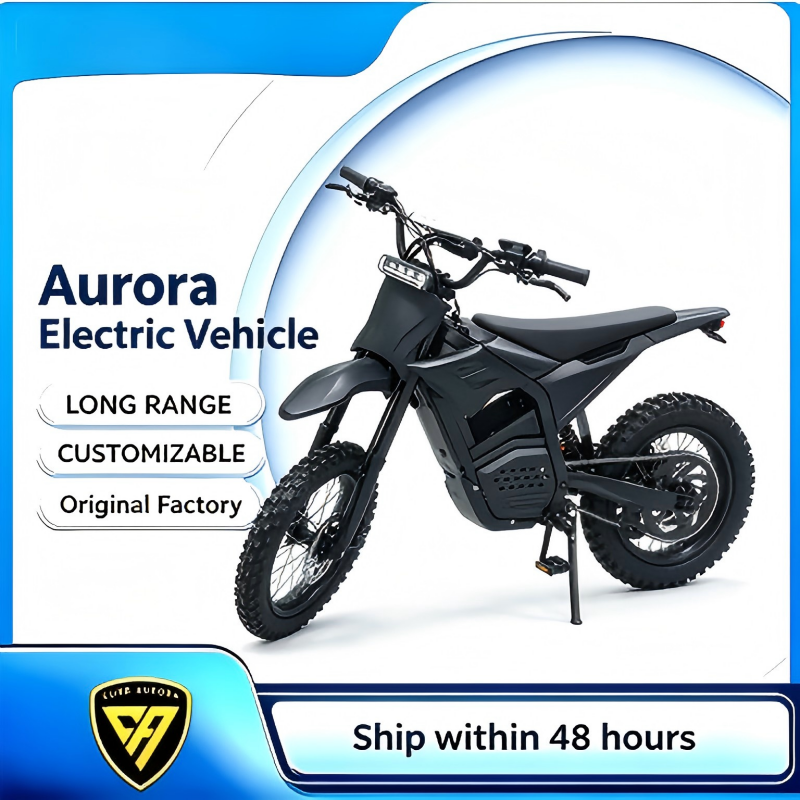
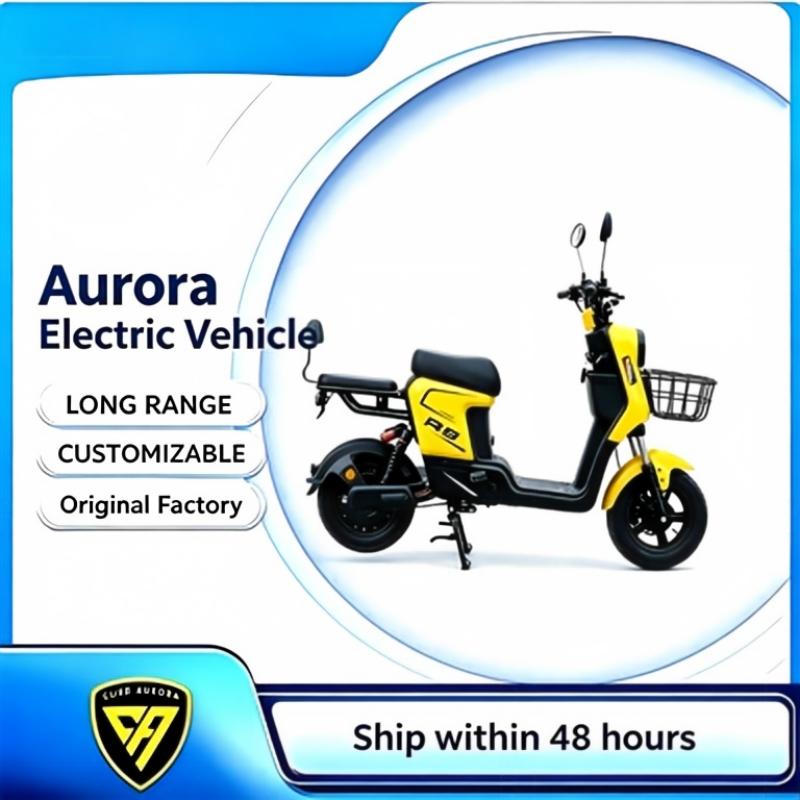
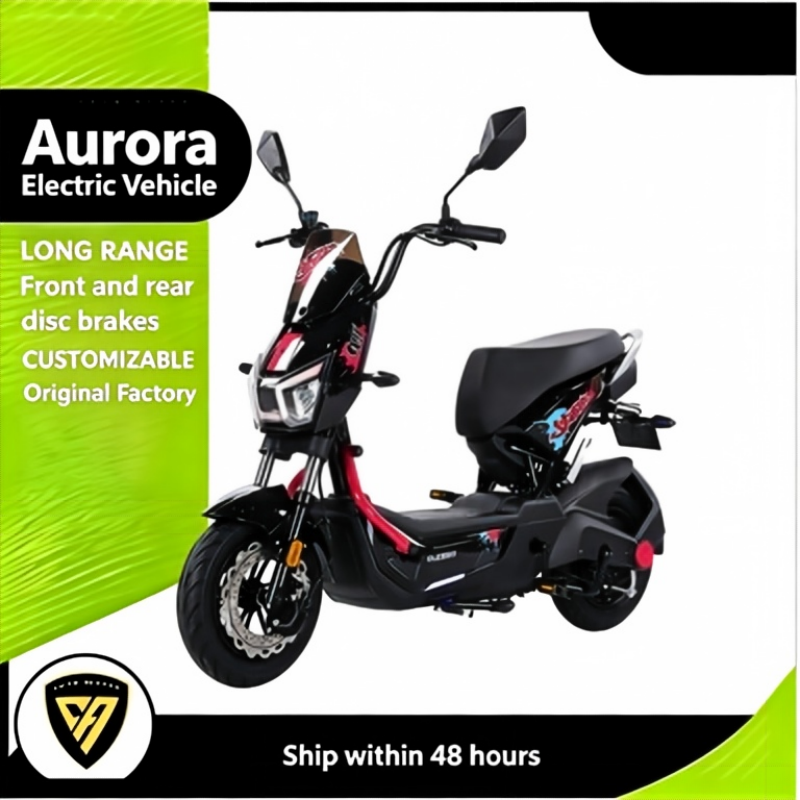
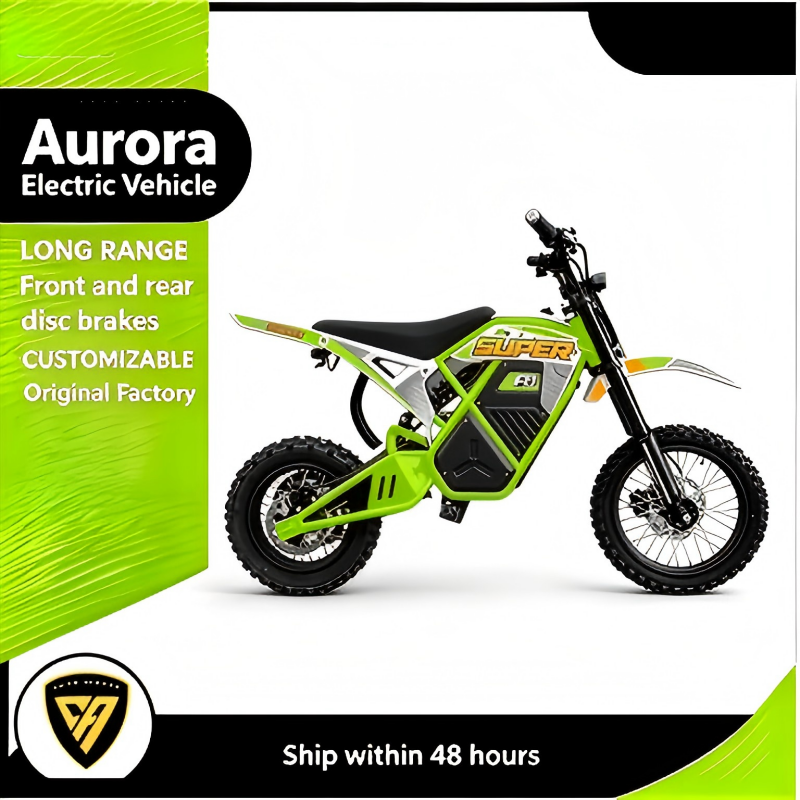
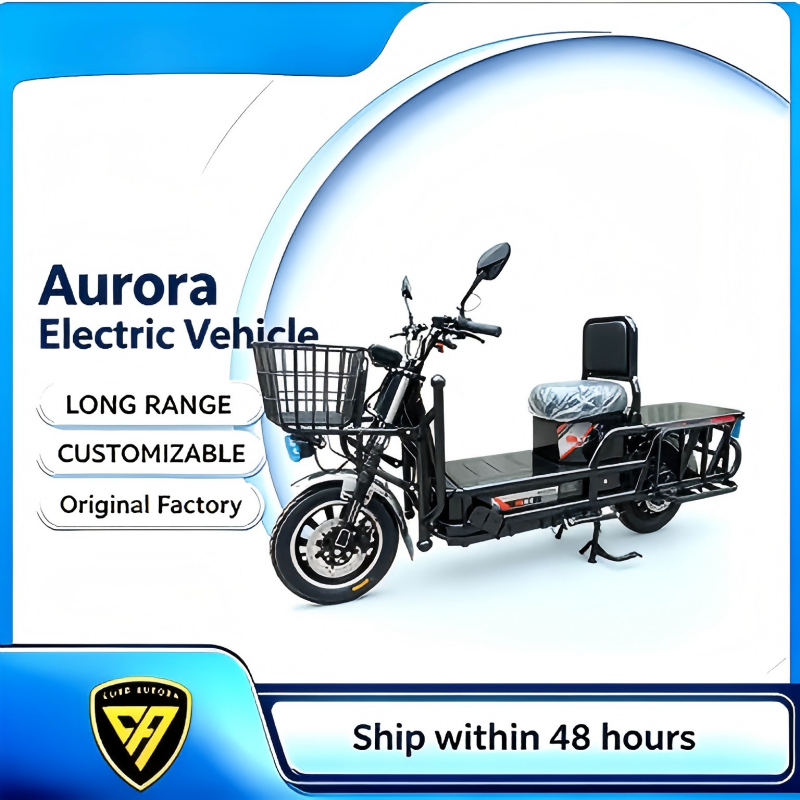
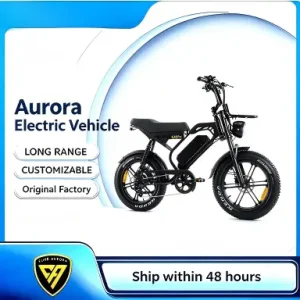
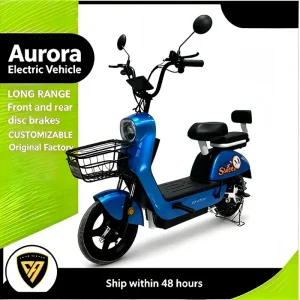
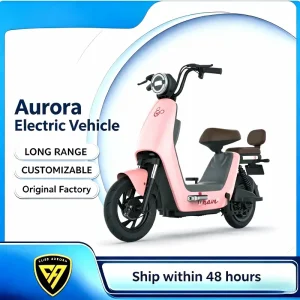
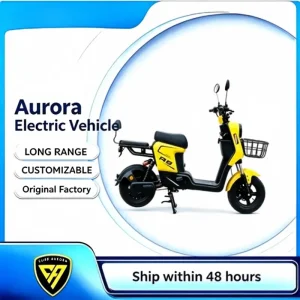
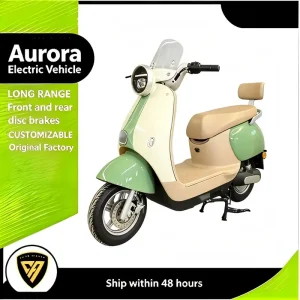
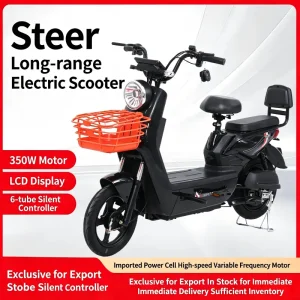
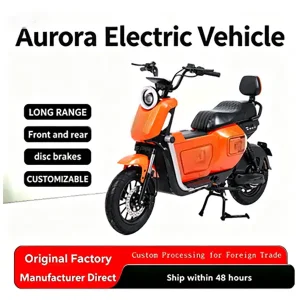
Premium selection of our certified commuter electric scooters, off-road fat wheel e-bikes, and smart two-seaters.
Analyzing the Critical Paradigm of Electromagnetic Compatibility in Modern E-Mobility Certification
In the rapidly evolving global micro-mobility and automotive sectors, Electromagnetic Compatibility (EMC) testing has emerged as the definitive compliance benchmark for international market access. Electromagnetic compatibility is not merely a post-design regulatory checkbox; it is a fundamental system-level engineering requirement. Today's electric vehicles (EVs)—ranging from high-power electric motorcycles to urban commuter e-bikes—are densely packed with sophisticated electronic control units (ECUs), high-frequency motor controllers (inverters), complex Battery Management Systems (BMS), IoT localization modules, and wireless telemetry networks.
Without strict adherence to international EMC testing guidelines, these subsystems run the risk of generating significant electromagnetic interference (EMI). This interference can degrade the operational safety of nearby electronics or cause internal control signal malfunctions, such as unprompted acceleration, loss of braking response, or total sensor failures. The global commercial landscape requires manufacturers to conform to rigorous performance benchmarks detailed in standards such as UNECE Regulation 10 (R10), EN 15194 (for Electrically Power Assisted Cycles), FCC Part 15, CISPR 12, and CISPR 25.
For international distributors, OEMs, and logistics fleet operators, acquiring vehicles from a manufacturer with built-in, systemic EMC engineering safeguards is the single most effective method to mitigate operational risk, prevent costly product recalls, and guarantee seamless custom clearances at ports of entry in Europe, North America, and Japan.
How Regional Integration and Technological Optimization Drive Lower Compliance Cycle Times
China has positioned itself as the undisputed epicentre of the global electric vehicle supply chain. However, the modern Chinese advantage extends far beyond basic low-cost assembly. As exemplified by Aurora Electric Vehicle Shandong Co., Ltd., the true value lies in the deep vertical integration of high-performance manufacturing, design-phase EMC optimization, and agile supply chain logistics located in key transport hubs like Linyi, Shandong.
In traditional vehicle development, EMC testing failures during the late-stage validation phase can delay mass production by up to six months and increase tooling costs by tens of thousands of dollars. Chinese factories prevent these inefficiencies through Pre-Compliance Design Engineering. This involves utilizing advanced circuit topology simulations, incorporating localized grounding planes directly into the vehicle's structural frame, and selecting premium-shielded wire harnesses with optimized routing layouts.
By cooperating closely with local accredited third-party test laboratories and maintaining in-house testing equipment (such as transient pulse generators, ESD testing guns, and spectrum analysers), Chinese suppliers can complete continuous iterative testing throughout the R&D process. This ensures that when a new electric bicycle or scooter model is sent for formal CE, FCC, or CCC certification, it passes all electromagnetic susceptibility and emission tests on the first attempt, significantly accelerating time-to-market.
Aligning Technological Integration with Regional Fleet and Retail Environments
The requirements for electromagnetic resilience depend heavily on where the vehicle operates. Below are the key localized application scenarios that professional global buyers must evaluate when procuring e-scooters and e-bikes:
Under European EN 15194 and CE regulatory directives, vehicles are operated in environments filled with localized public transit sensors, radio networks, and medical hardware. E-bikes must demonstrate robust electromagnetic immunity to prevent unwanted signals from interfering with control parameters, ensuring total safety on urban bike lanes.
Off-road conditions expose vehicles to high moisture, heavy mechanical shocks, and extreme temperatures. These variables place strain on electrical connections. A breakdown in connection paths can create dynamic spark emissions or loose grounds, causing sudden peaks in RF noise. Sturdy connectors and structured grounding systems are required to maintain compliance.
Delivery fleets depend on cellular data transceivers, IoT track devices, and onboard mobile charging docks. Our vehicles are built with shielded internal compartments. This structural insulation ensures that continuous high-frequency RF signals do not interfere with motor controller signals or battery management telemetry.
International commercial buyers should demand transparent testing reports verifying compliance under CISPR 25 (conducted and radiated emissions) and ISO 11452 (narrowband electromagnetic energy immunity). Selecting a factory with independent R&D control and built-in EMC pre-compliance guarantees that your shipment will not face sudden, costly compliance holds during import customs audits.
Preparing For High-Voltage Frameworks, Connected Telematics, and Simulated Electromagnetic Designs
The micro-mobility industry is transitioning toward more powerful 48V, 60V, and 72V system architectures. While these higher voltages provide greater torque and range, they also result in sharper voltage rise times (dv/dt) within the motor controller's switching circuits. These faster transitions can cause high-frequency common-mode noise, which spreads through the power cable system.
To address this, next-generation EMC engineering relies on Virtual Prototyping and Simulation-driven Design. Using 3D electromagnetic solvers, engineers can analyze field patterns around the motor assembly and chassis frame before building any physical prototypes. This method identifies resonance risks and optimizes shield configurations in the digital stage.
Furthermore, the adoption of Wide-Bandgap (WBG) semiconductors, such as Silicon Carbide (SiC) and Gallium Nitride (GaN) in motor controllers, allows for faster switching frequencies. While this improves efficiency, it also introduces electromagnetic challenges at higher frequencies. Factories that invest in these advanced technologies will lead the market in compliance, safety, and performance.
Over a decade of manufacturing excellence, regional leadership, and premium green transit innovation.
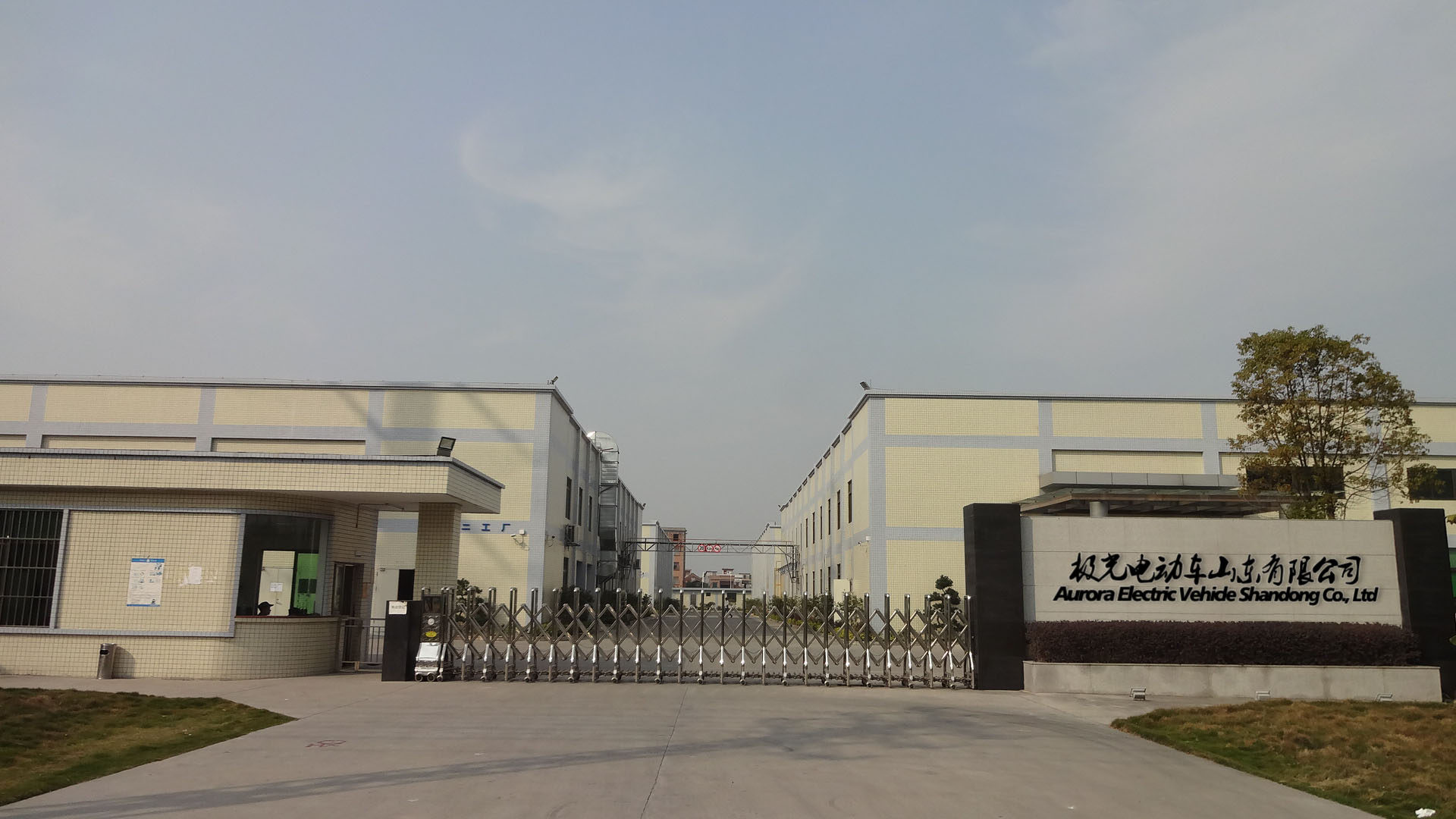
Founded in 2015, Aurora Electric Vehicle Shandong Co., Ltd. is situated in Linyi City, Shandong Province. This location serves as a major transportation hub connecting the Yangtze River Delta and the Bohai Economic Circle, providing convenient geographical access to global supply chains. Over the past decade, we have developed from a local production workshop into a comprehensive enterprise integrating R&D, manufacturing, international sales, and dedicated after-sales services. We have active operations that support the growth of China's electric vehicle industry under modern safety standards.
Our growth is defined by a focus on innovation and continuous improvement. Since our establishment, we have adapted our product designs to align with changing industry trends and regulatory frameworks. In 2019, when the new national safety standard for electric bicycles was implemented, we upgraded our production lines and R&D processes. We optimized our product configurations to comply with safety requirements, including fire-retardant electrical systems, integrated speed limiters, and anti-tampering designs.
We have steadily expanded our manufacturing capacity. Today, our standardized production facility is equipped with automated assembly systems, robotic welding, and specialized quality testing laboratories. This structure enables the reliable production of core components like high-efficiency brushless motors, secure battery enclosures, and reinforced metal frames to serve our international customer base.
Composed of senior engineers with more than 10 years of experience in the micro-mobility sector. They focus on improving battery cycle life, safety systems, and thermal management, and hold patents for electric vehicle motors and smart battery management systems (BMS).
Composed of technicians trained in quality assurance. They supervise every stage of assembly, from raw material incoming quality control (IQC) to final vehicle performance audits, ensuring consistent compliance before packaging.
Dedicated to providing professional communication and custom design options. We offer complete OEM/ODM solutions and technical support to keep distributors' logistics and operations running smoothly.
Our quality management systems and vehicles comply with CCC, CE, FCC, and European micro-mobility directives.
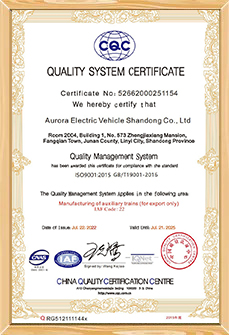
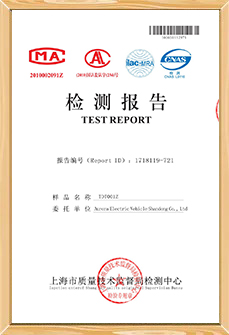
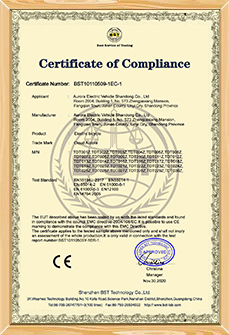
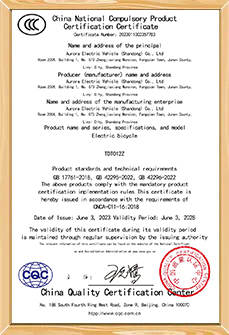
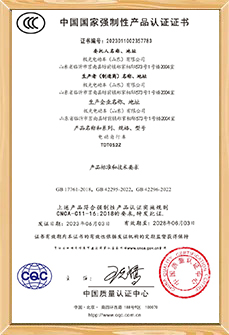
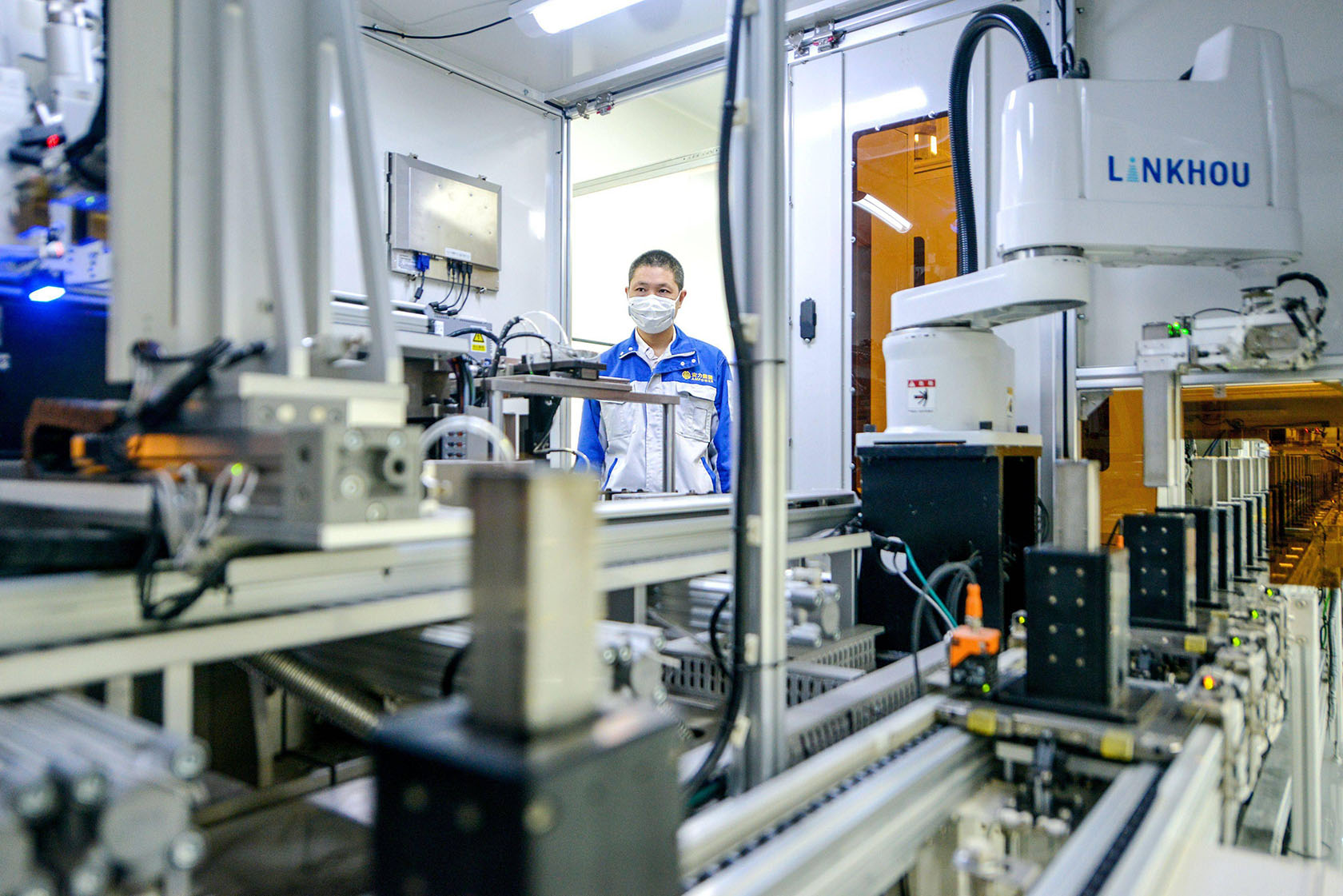
We align our core values of integrity, practical innovation, and mutual success with the goals of sustainable transit. Our mission is to make green travel convenient and safe.
We prioritize safety throughout our design processes. We operate an in-house quality testing facility where each model undergoes structural load testing, water ingress tests (IPX5/IPX6), fire resistance evaluations, and battery safety tests to confirm long-term reliability.
Our location in Linyi, Shandong, gives us direct access to regional parts suppliers and shipping networks. This proximity allows us to respond quickly to customer requirements and manage production schedules efficiently.
We manufacture a wide range of products—from standard commuter electric bikes to heavy-load cargo trikes and customizable off-road scooters—supported by our global supply chains.
We provide tailormade manufacturing options, adjusting electrical parameters, battery capacities, chassis colors, and packaging configurations to meet the specific requirements of regional markets.
In-depth responses to common regulatory and electromagnetic engineering questions from B2B buyers.
Real-world deployments of our high-quality electric transit designs.
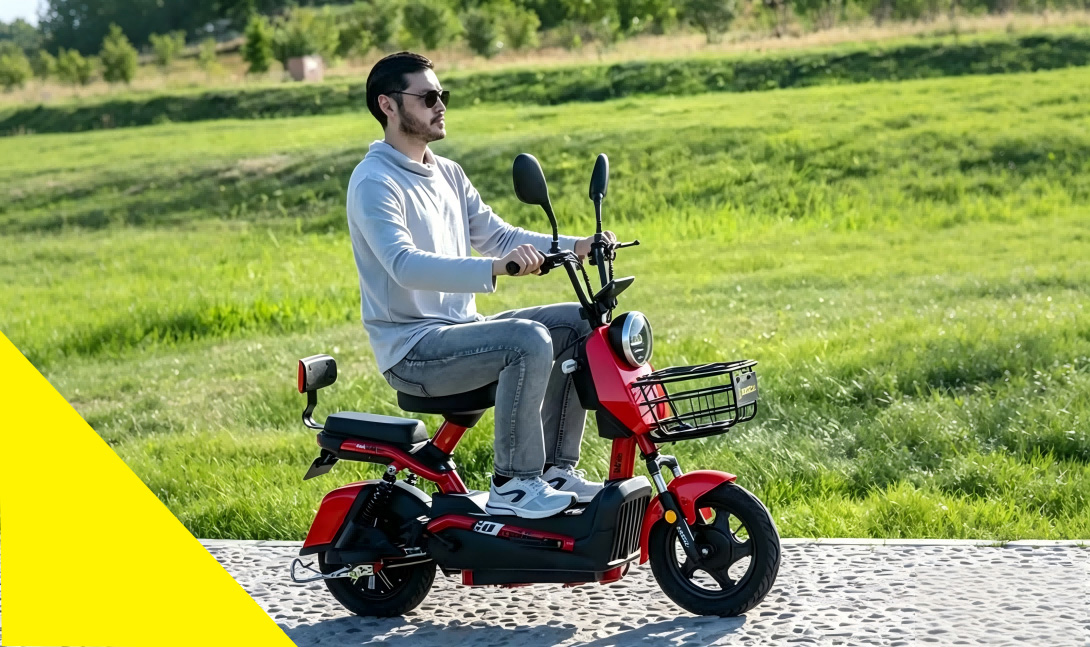
Designed for commuter requirements, featuring a lightweight frame and stable power management system for daily transportation.
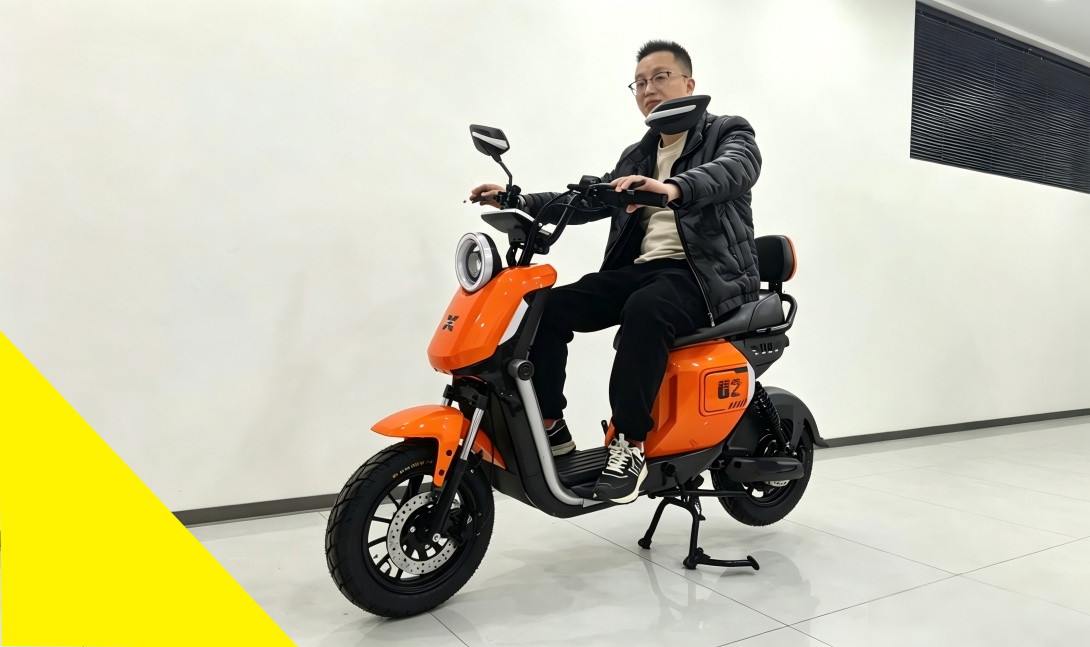
A modern urban electric scooter designed for city travel, offering responsive acceleration and stable handling.
Explore our wider range of electric sport motorbikes, leisure tricycles, and heavy-duty cargo transport solutions.
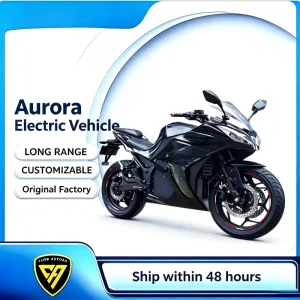
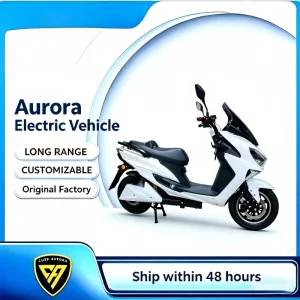
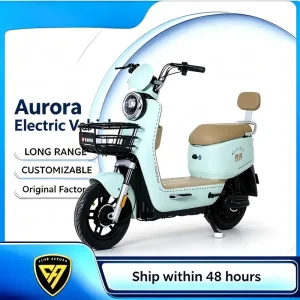
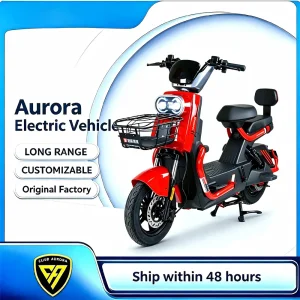
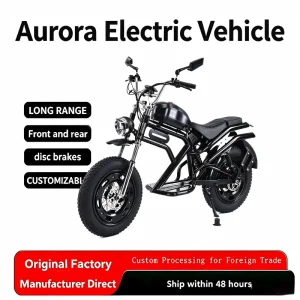
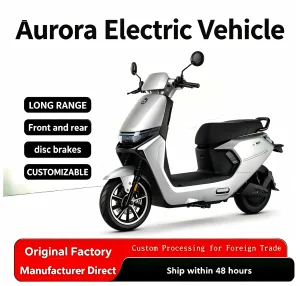
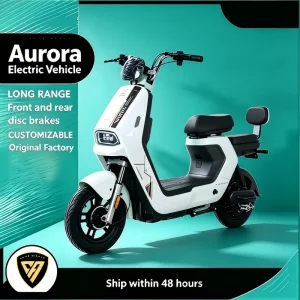
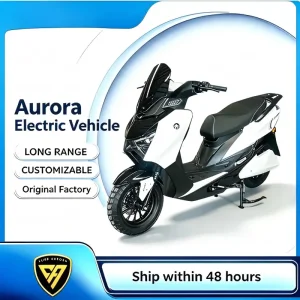
Browse our selection of multi-wheel configurations, vintage styles, and delivery-optimized electric vehicles.