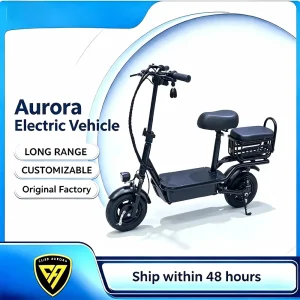
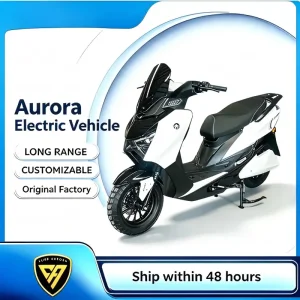
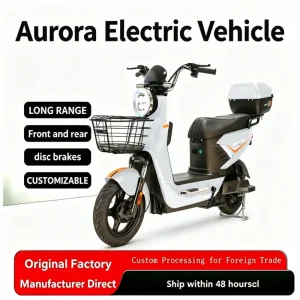
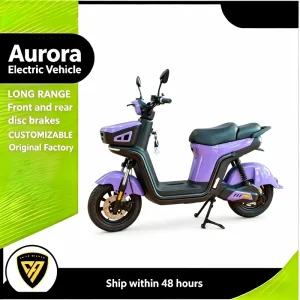
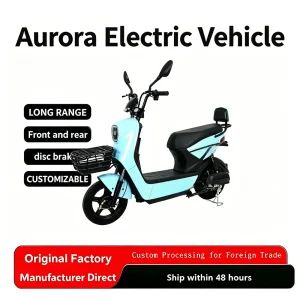
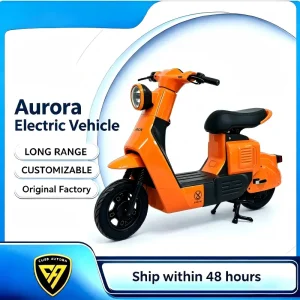
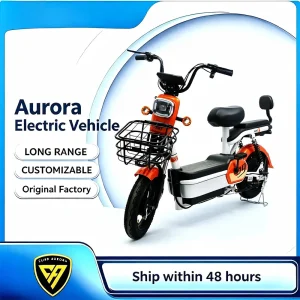
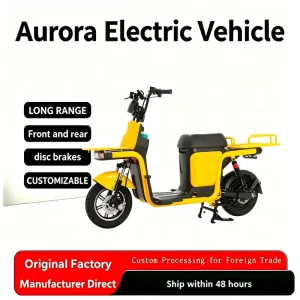
Explore our top-tier engineering solutions, certified for international trade and tested under strict temperature and weight standards.
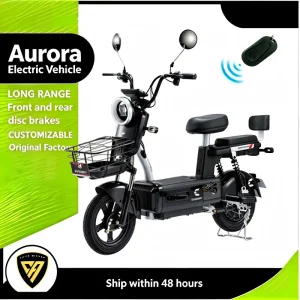
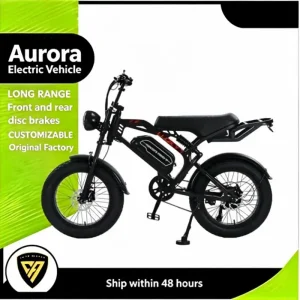
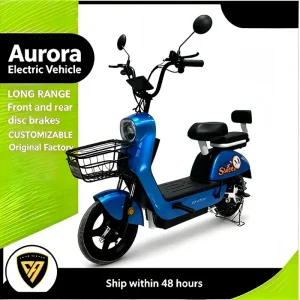
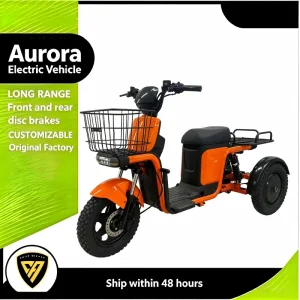
The global transition to sustainable mobility has moved far beyond mild-weather urban pathways. The new frontier is the extreme environment—specifically, cold-climate and snow-bound terrain. Historically, heavy internal combustion engines dominated snow utilities, ski resorts, and northern municipal transit. However, due to carbon neutrality mandates and the high operational costs of maintaining fossil-fuel engines in sub-zero climates, global enterprise procurement is shifting rapidly toward electric powertrains. The development of specialized "Snow Electric Vehicles" represents a massive leap in engineering, focusing heavily on low-temperature battery chemistry, smart traction management, and advanced thermal insulation.
A primary challenge in this sector is lithium-ion battery degradation at sub-zero temperatures. Standard batteries can lose up to 40% of their operational capacity when temperatures drop below freezing. Modern development trends have mitigated this using advanced Battery Management Systems (BMS) equipped with integrated pre-heating matrices, alongside alternative chemistries like low-temperature LFP (Lithium Iron Phosphate) and solid-state advancements. Additionally, high-torque hub motors integrated with electronic slip regulation have enabled lightweight vehicles to navigate steep, snow-covered gradients with maximum efficiency.
Information Gain Insight: According to current market reports on extreme-weather logistics, the demand for cold-tolerant micro-mobility platforms (such as fat-tire e-bikes, delivery utility scooters, and light multi-wheel carriers) is growing at a CAGR of 18.4% in the Northern European and North American sectors. Procurement decisions are no longer made purely based on price, but on structural integrity, battery heating efficiency, and local certification compliance (such as CE, CCC, and FCC).
For B2B buyers, purchasing agents, and commercial fleet managers, sourcing electric vehicles for cold-weather environments requires strict adherence to technical parameters. Standard consumer-grade electric scooters and bikes fail quickly under the stress of road salt corrosion, deep snow, and continuous sub-zero exposure. Key global procurement requirements include:
To support these requirements, procurement managers must partner with manufacturers that offer complete transparent quality verification, rapid prototyping for specialized municipal bids, and customizable OEM/ODM configurations that adjust parameters like maximum speed limiters, anti-tampering software, and custom cargo carriage capacities.
The global dominance of Chinese electric vehicle manufacturers rests on a foundation of rapid iteration, tight supply chain integration, and digital manufacturing processes (Industry 4.0). Located in the vital geographic and logistics hub of Linyi City, Shandong Province, manufacturers enjoy direct connectivity to major industrial zones like the Yangtze River Delta and the Bohai Economic Circle.
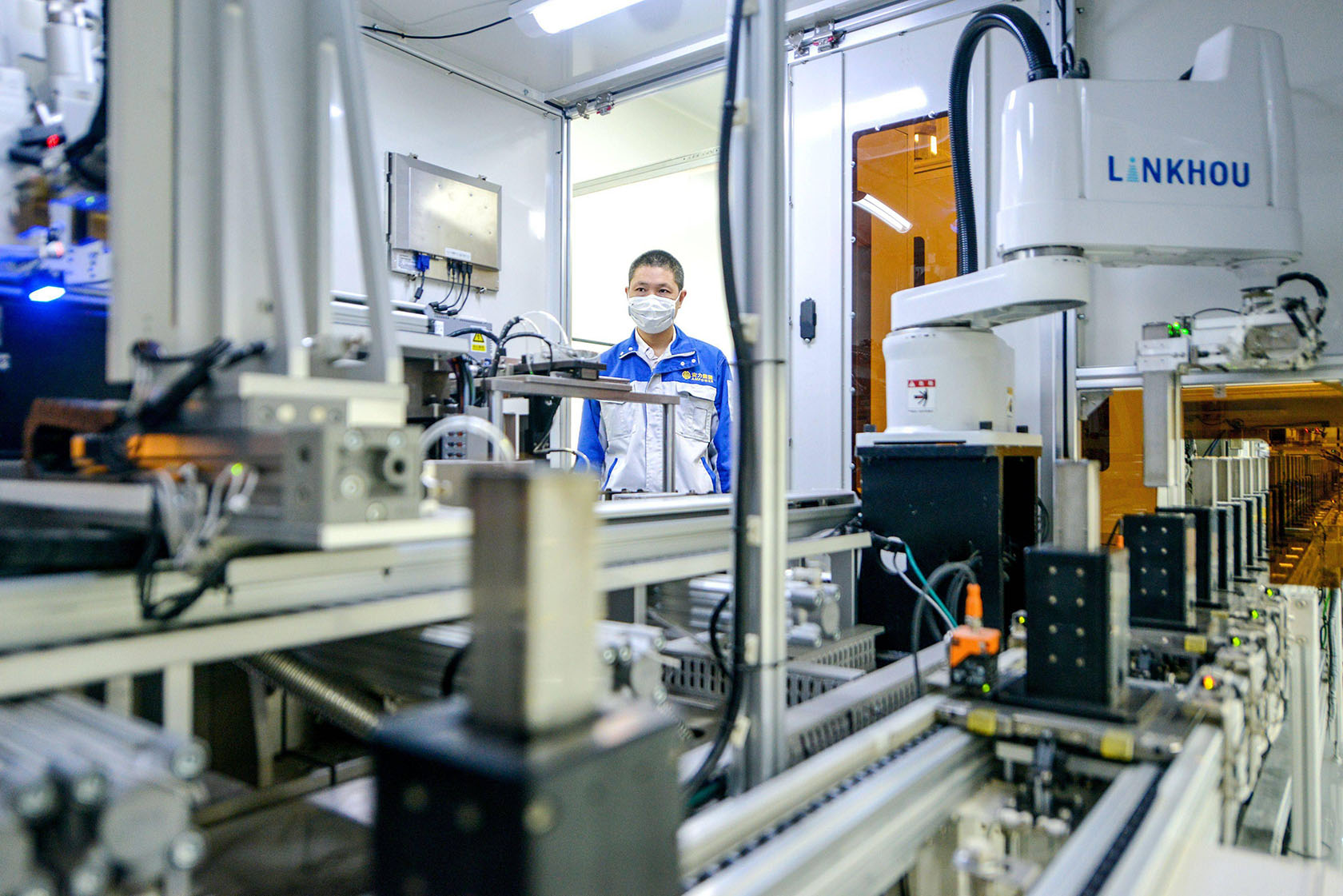
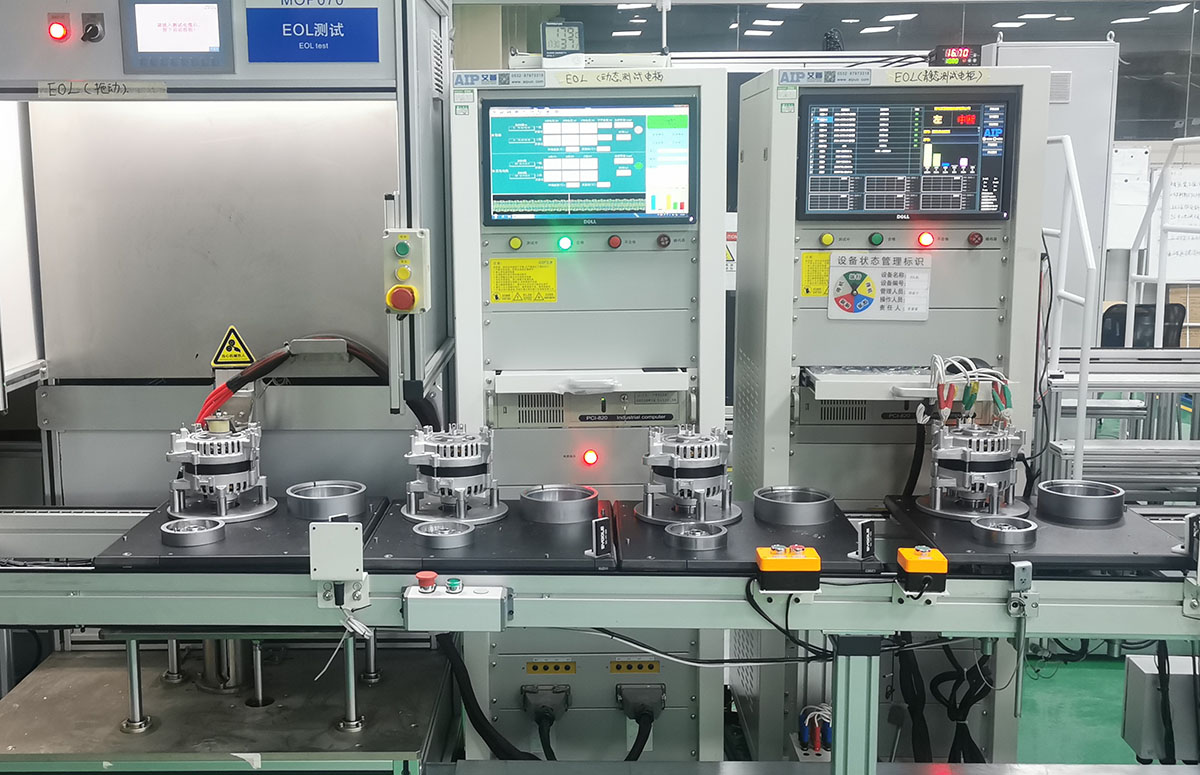
This geographic placement creates a massive supply chain clustering effect. All essential components—from precision-extruded aluminum frames and copper-wound brushless hub motors to smart control chips and battery cells—are sourced within a 150-kilometer radius. This clustering reduces lead times, cuts inbound logistics costs, and allows for rapid customization cycles. Industry 4.0 assembly lines integrate automated robotic welding, digital torque wrenches, and real-time Quality Assurance tracking systems. Every single vehicle produced undergoes diagnostic testing on automated dynos, ensuring electrical load capacities, braking responsiveness, and battery insulation meet strict parameters before leaving the factory.
Founded in 2015, Aurora Electric Vehicle Shandong Co., Ltd. is a leading electric bicycle manufacturing enterprise located in Linyi City, Shandong Province. With over 10 years of deep roots in the industry, we have transitioned from a localized production workshop to a major modern manufacturing enterprise integrating R&D, production, global sales, and after-sales service. We have actively shaped and participated in the high-quality development of China's electric vehicle industry, adopting rigorous standards under the new national standard era.
Our infrastructure covers a large-scale, standardized production base featuring digital assembly lanes, structural stress testing bays, and specialized low-temperature labs. We focus continuously on technological upgrades, optimizing battery thermal efficiency, chassis stress distribution, and ergonomic riding geometries to supply both domestic municipal fleets and global B2B clients.
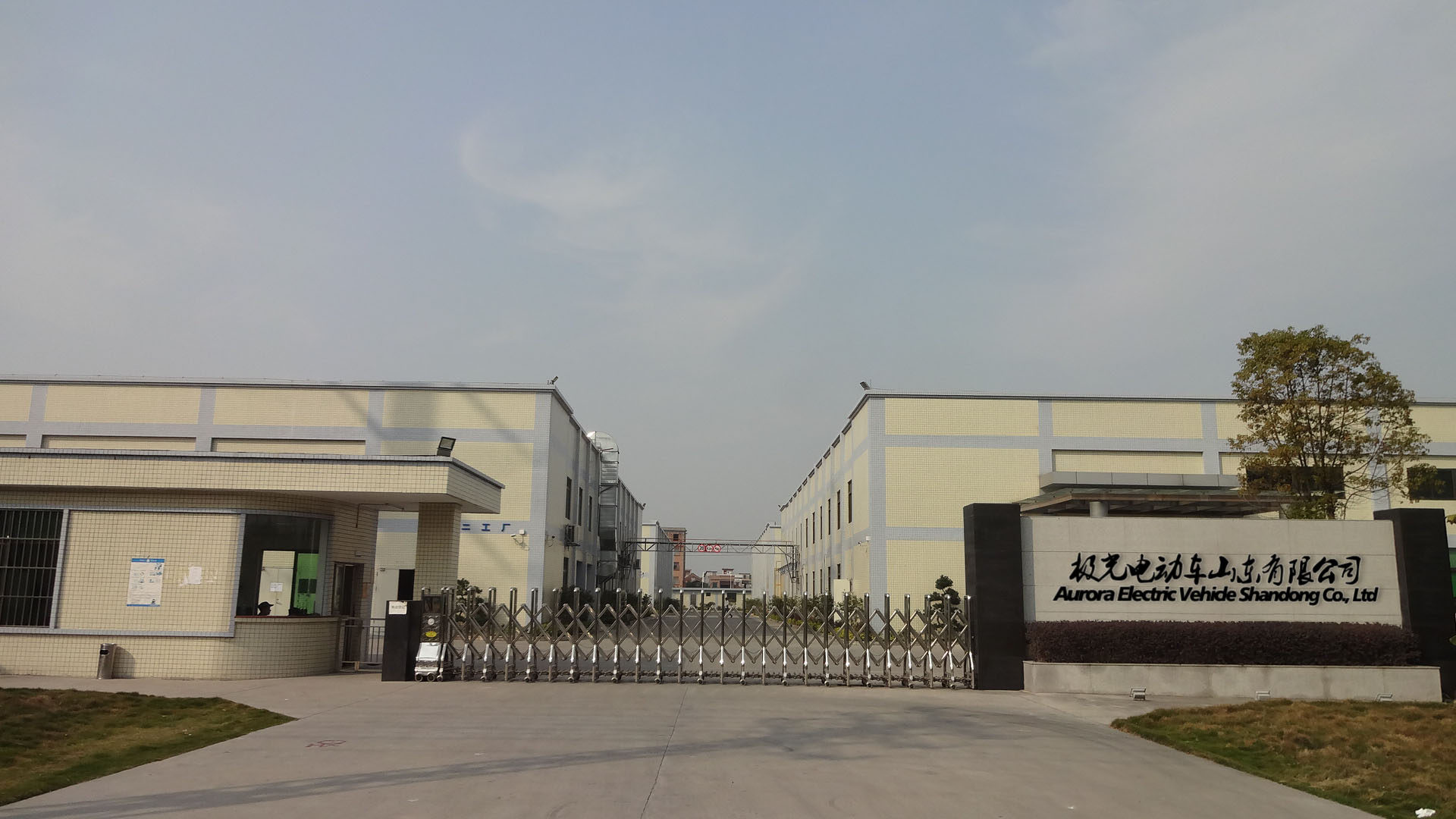
Our journey is characterized by persistent innovation, adaptation, and technical upgrades. When China officially implemented the mandatory New National Standard for electric bicycles in 2019, our team took a proactive approach. Rather than modifying existing platforms, we completely re-engineered our production lines to meet the strict guidelines regarding speed limits, weight restrictions, anti-tampering software, and fire-retardant electrical shielding.
Over the years, we expanded our capacity to cater to international markets. Through rigorous testing, we adapted our vehicle designs to suit high-latitude winter operations, certifying our vehicles to CE, CCC, and FCC standards. Today, we supply custom configurations to winter resort hubs, urban logistics firms, and last-mile delivery providers in cold-weather regions globally.
Led by senior industrial engineers with over a decade of electric mobility expertise. Our team focuses on optimizing battery longevity under freezing temperatures, refining motor torque curves, and securing multiple utility patents for intelligent Battery Management Systems (BMS).
Composed of certified technical assemblers and quality controllers. We enforce multi-stage checkouts spanning raw metal frame analysis, automated wiring harness inspections, and wet-room waterproofing certification tests.
Our client managers streamline complex OEM and ODM shipments, navigate international customs compliance, and supply comprehensive freight coordination services, supporting bulk purchases from initial quote to final port delivery.
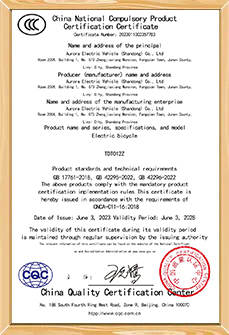
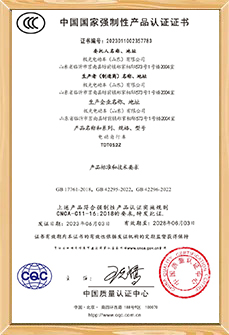
To ensure smooth entry into strict markets across North America, Europe, and Asia-Pacific, our vehicles undergo rigorous testing. Below are our official certifications verifying safety, manufacturing excellence, and structural compliance.
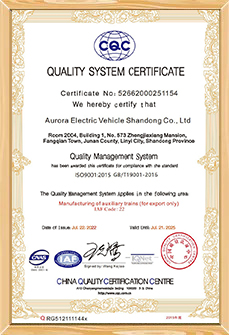
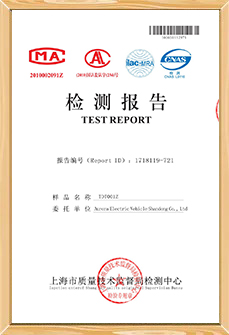
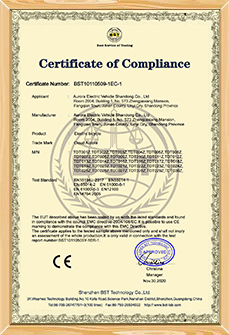
Our business philosophy centers on "Integrity, Pragmatism, Innovation, and Win-Win Cooperation", incorporating green transportation concepts into practical, reliable hardware. We believe micro-mobility should be accessible, safe, and durable across all global climates.
To uphold this mission, we maintain a dedicated testing laboratory. Here, frames are subjected to continuous load stress tests, controllers are exposed to thermal shock chambers, and battery packs undergo high-moisture water immersion tests. By validating the resilience of our components in-house, we ensure our global partners receive highly reliable products that reduce post-sale warranty claims and build end-user trust.
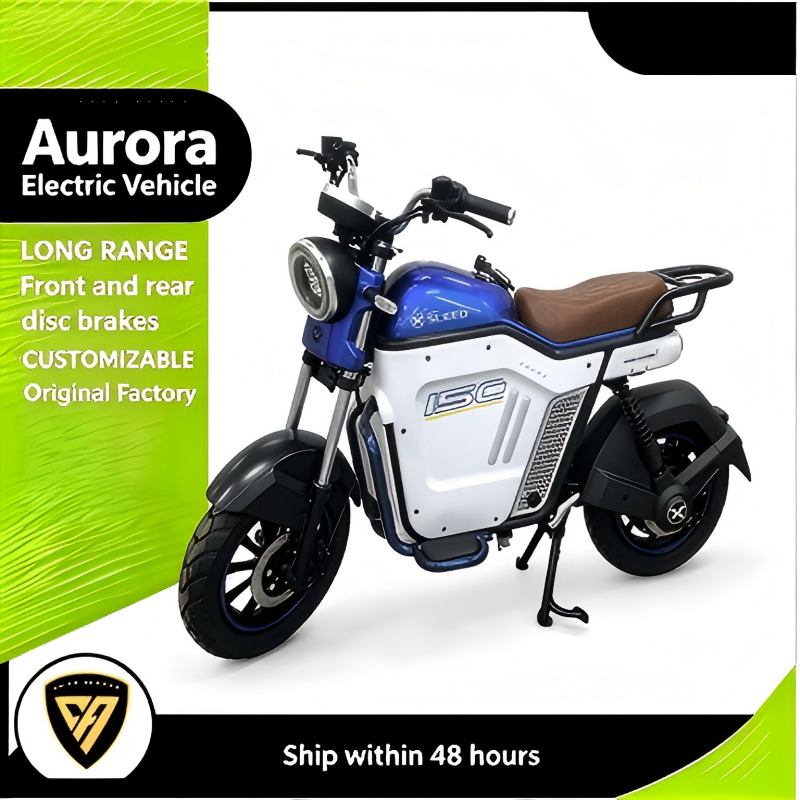
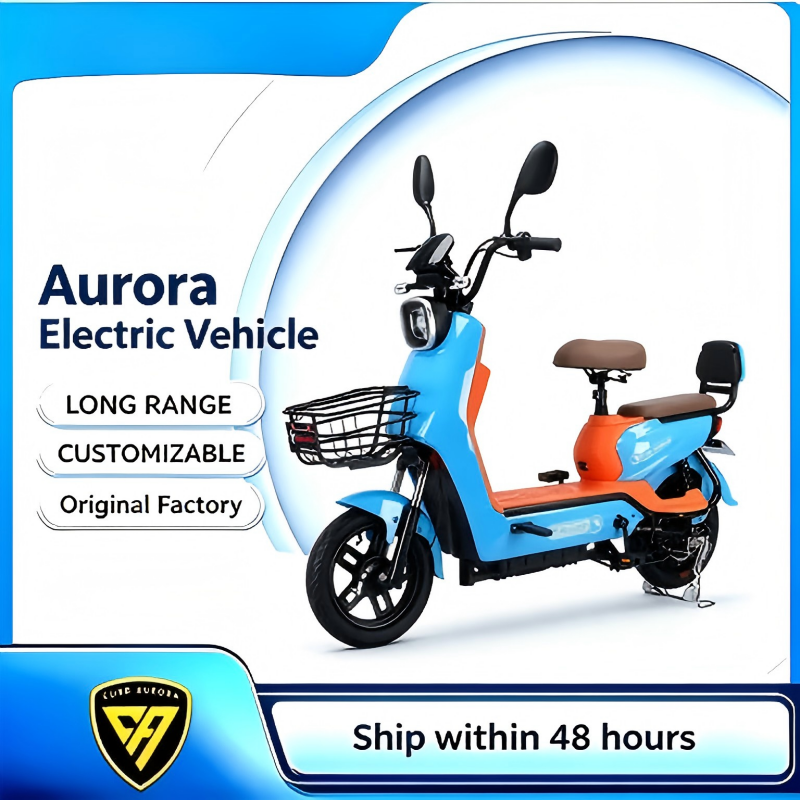
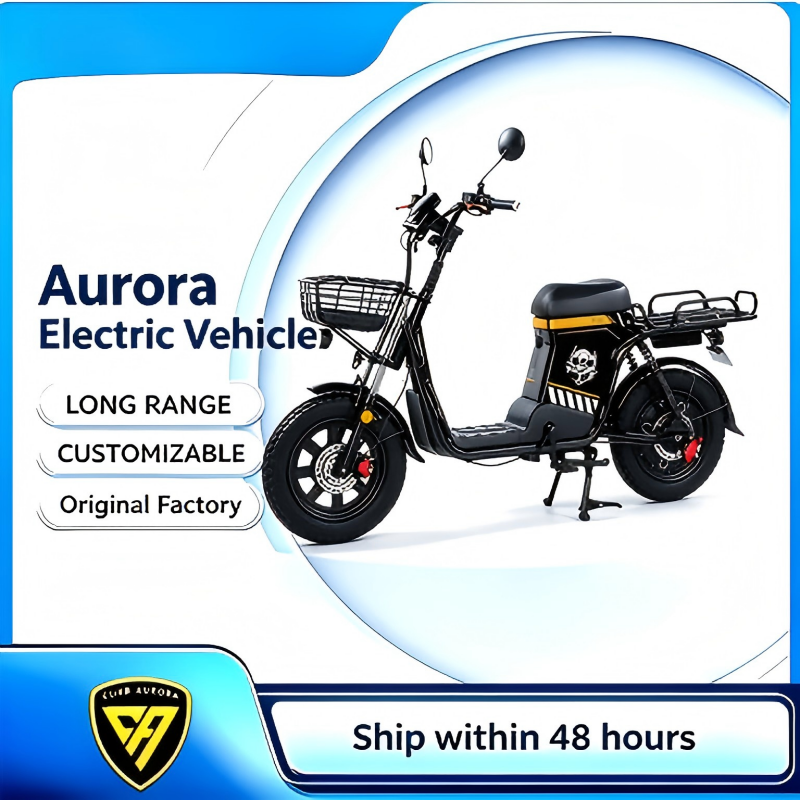
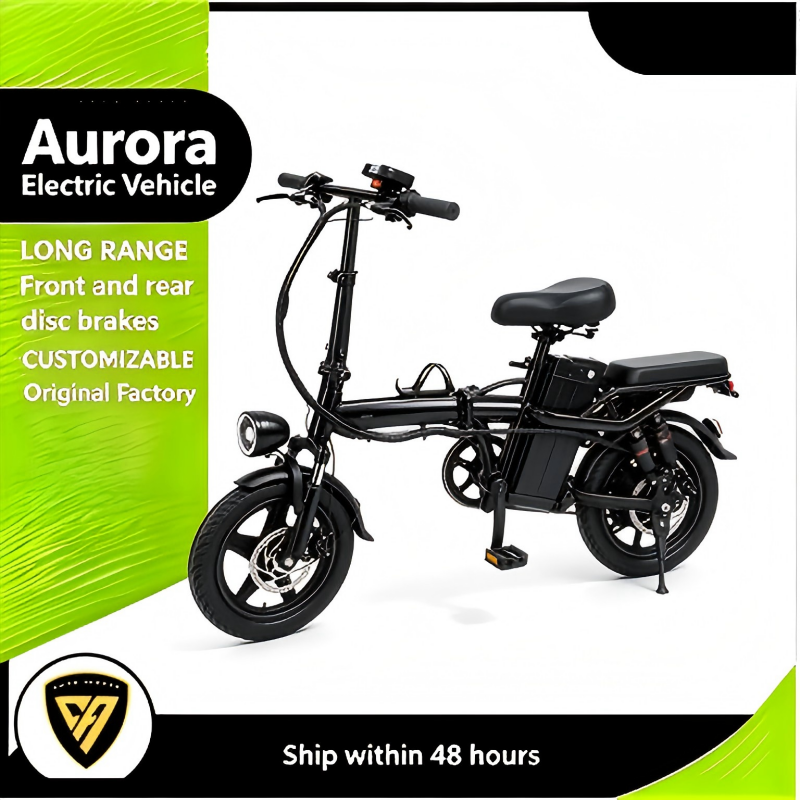
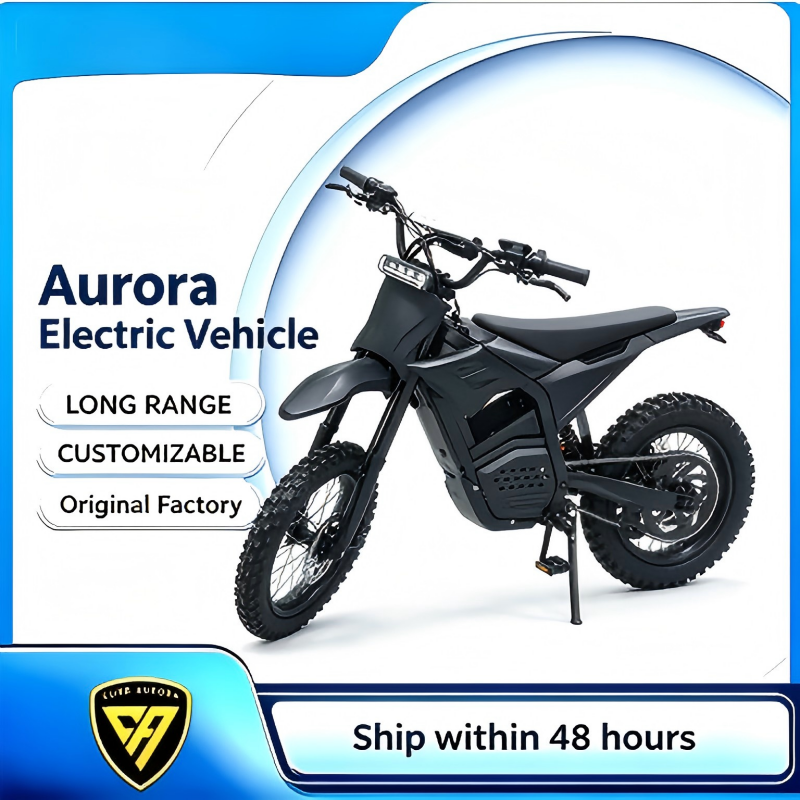
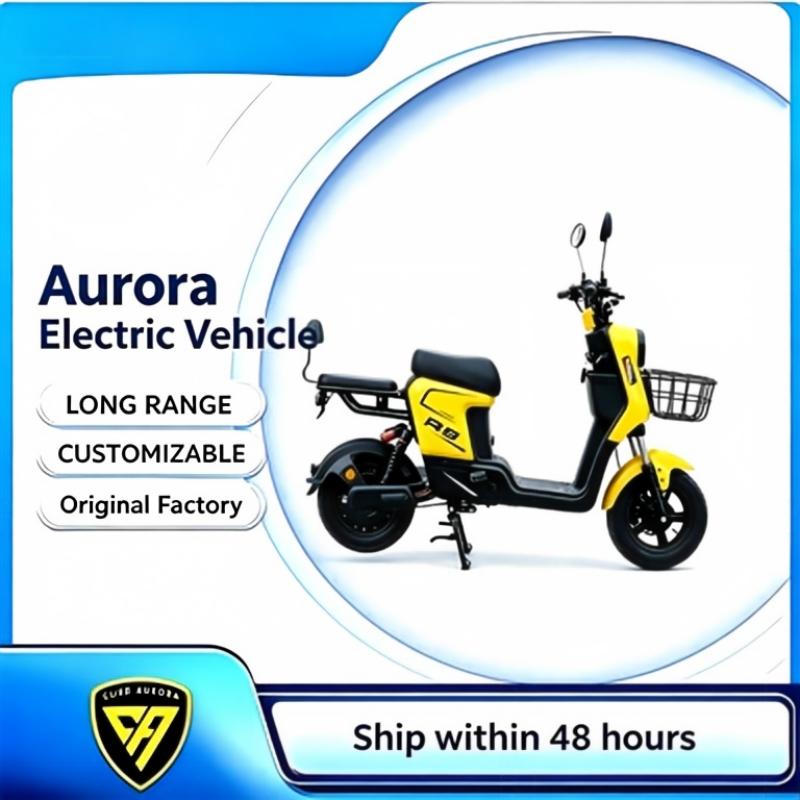
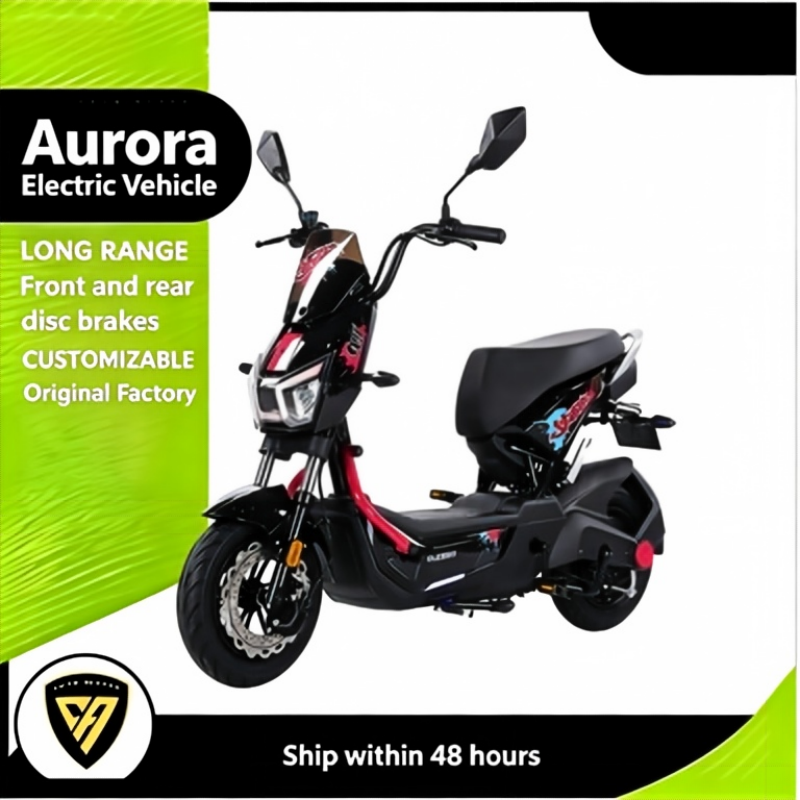
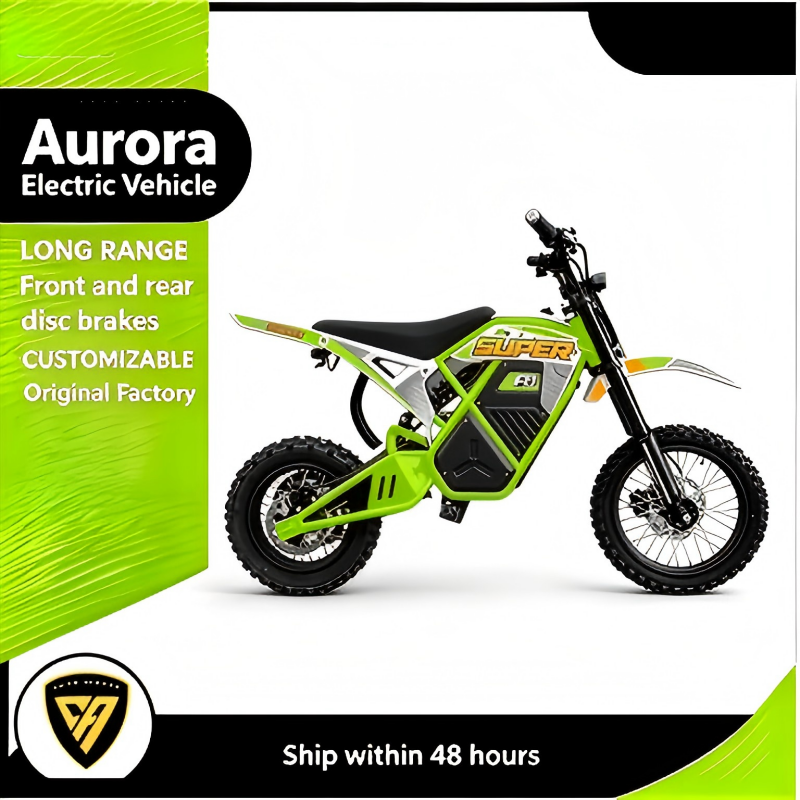
From snowy ski resorts to icy inner-city delivery routes, see how our customized electric vehicle platforms perform in diverse commercial operations.
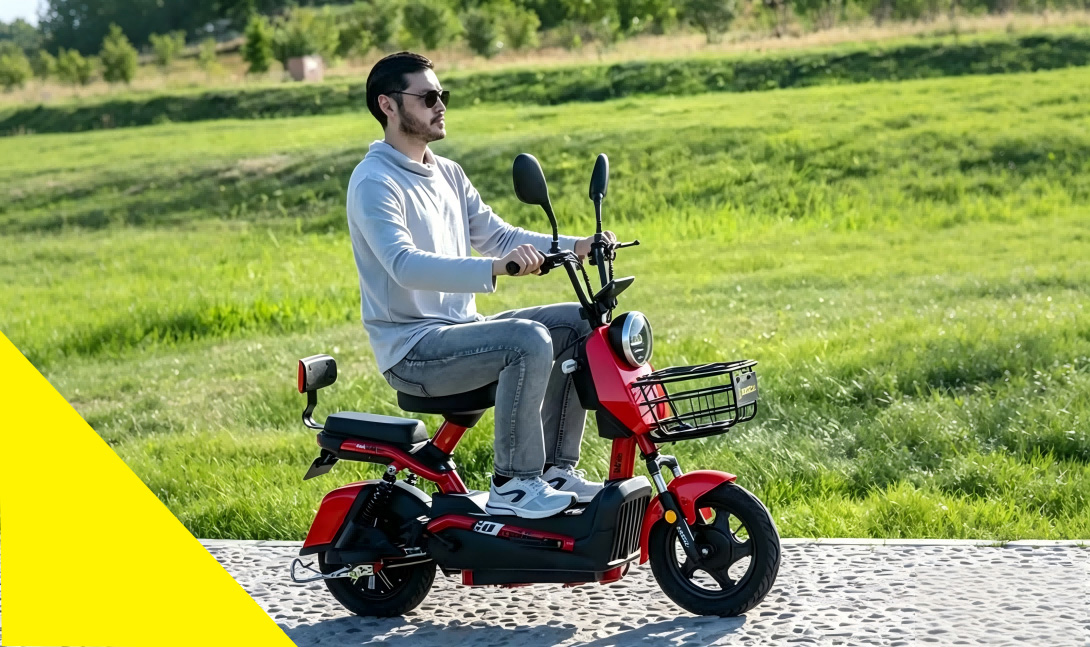
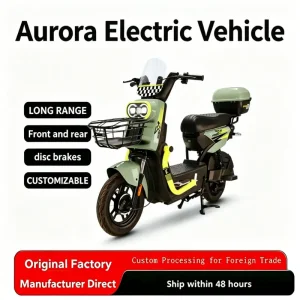
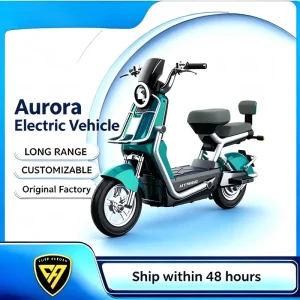
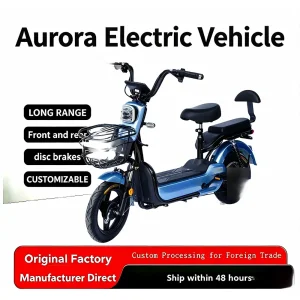
Designed with lightweight, ergonomic frames and high-traction tires. Provides stable power delivery and energy-efficient operation for daily city commuting, even on cold and wet roadways.
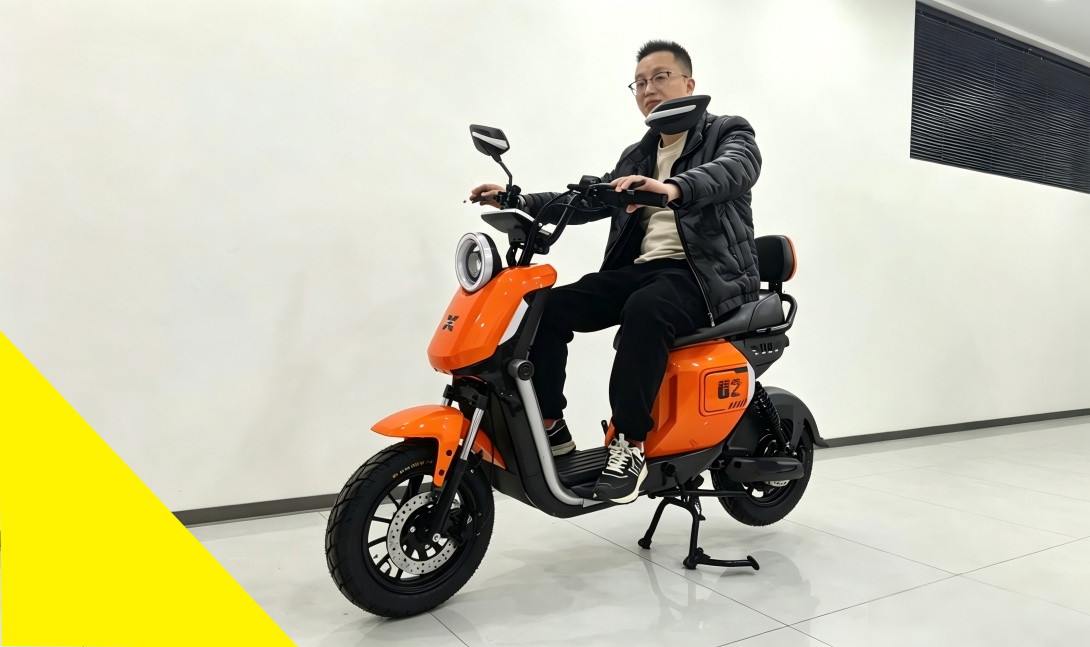
Features a streamlined design, responsive dual-braking systems, and robust mudguards. Optimized for delivery fleets and city rental networks that require reliable performance throughout winter.
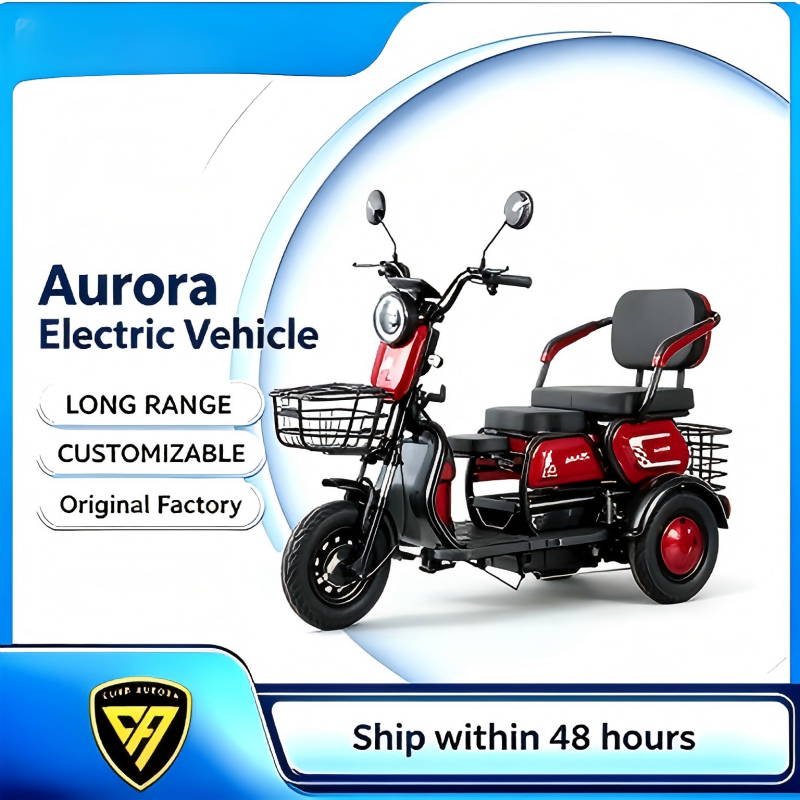
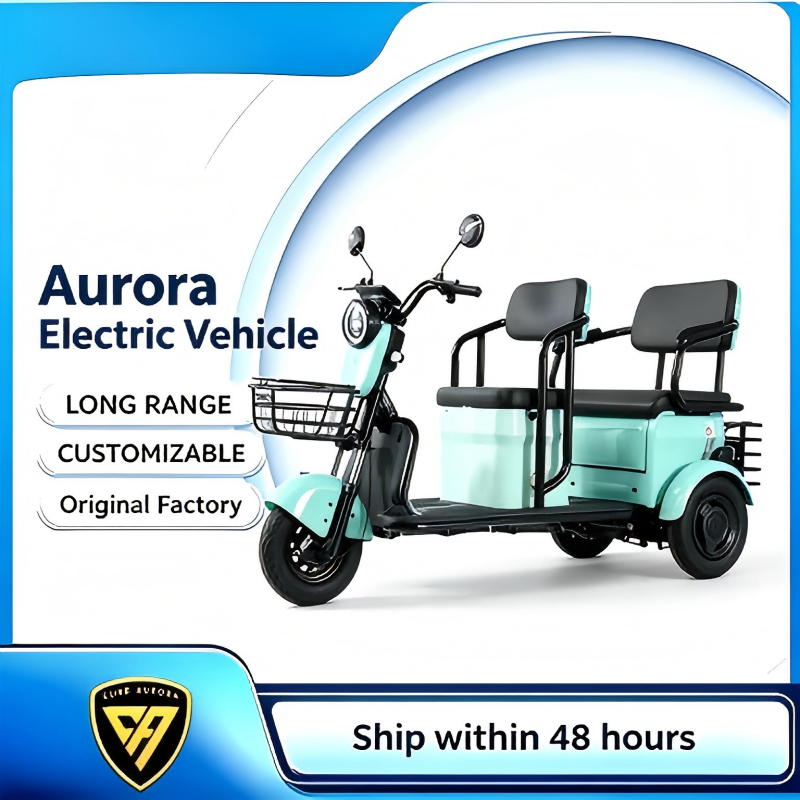
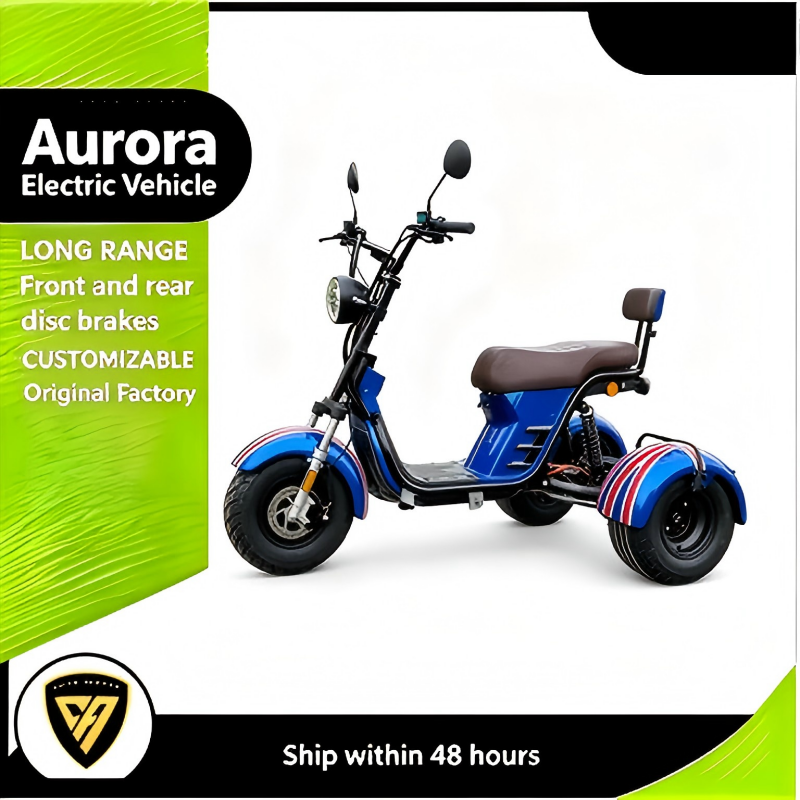
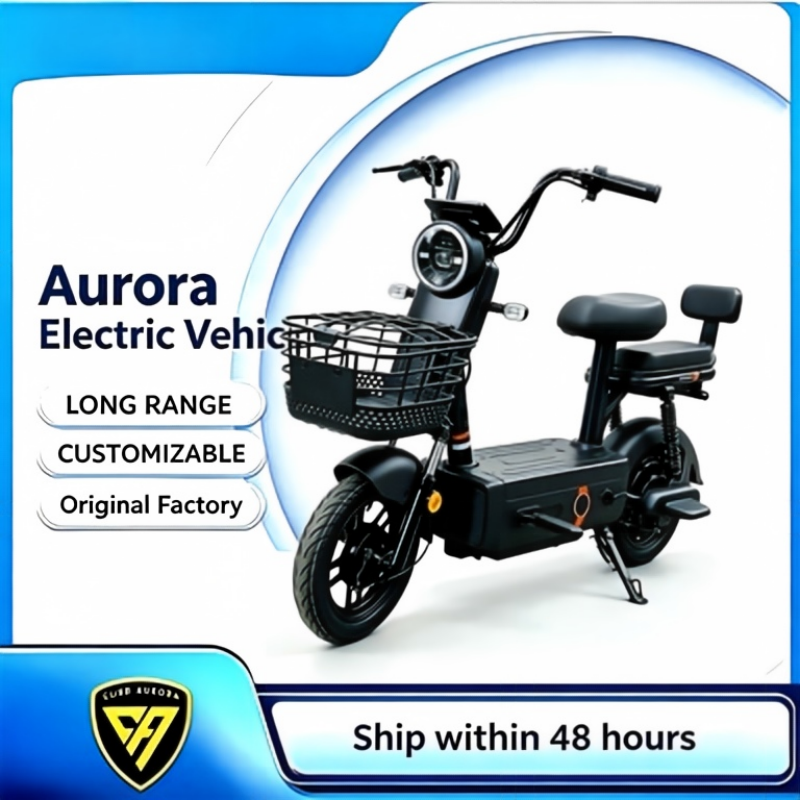
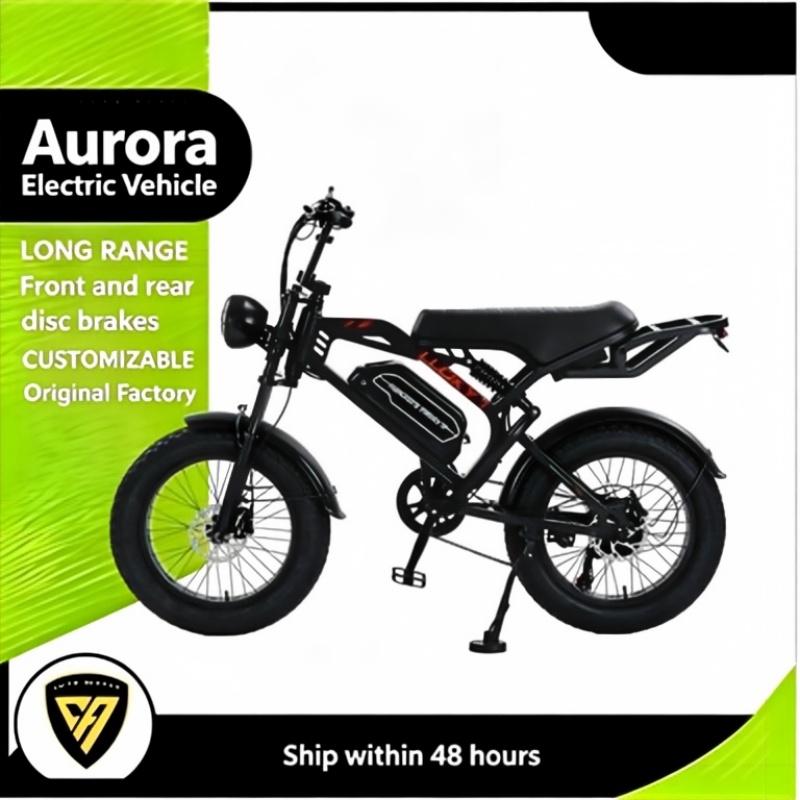
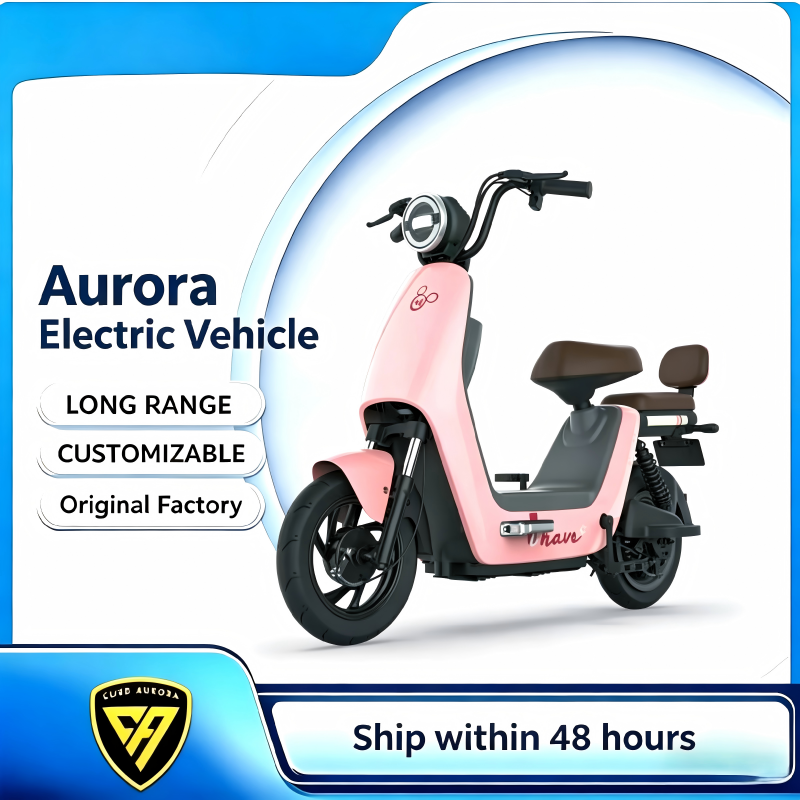
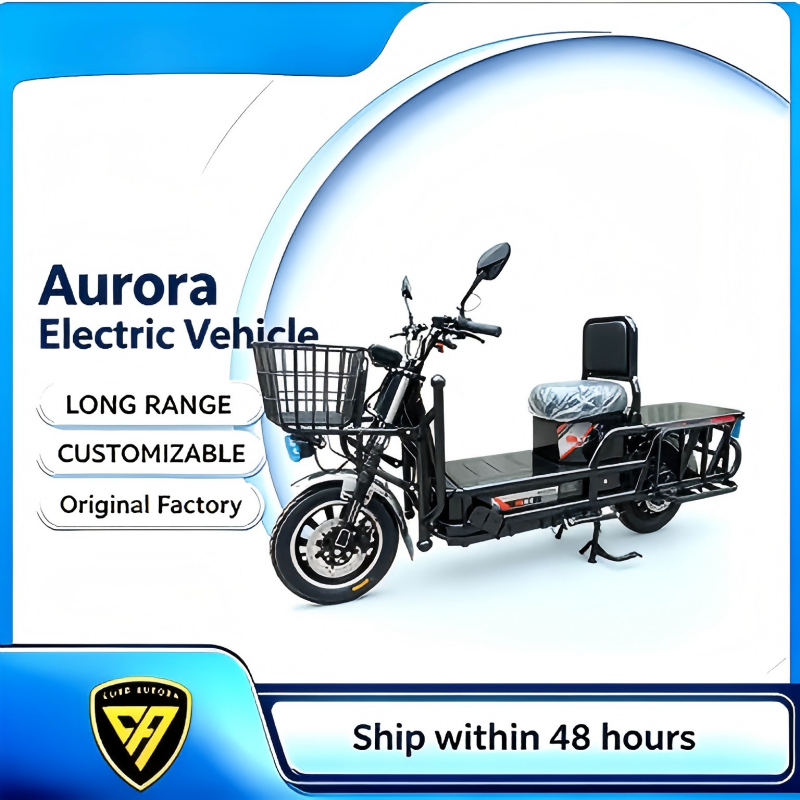
Expert answers regarding battery dynamics, winter safety parameters, custom OEM limits, and heavy-cargo logistics setups.
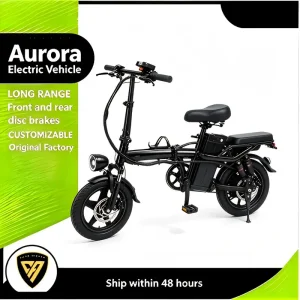
Further commuter, urban utility, and customizable commercial vehicle configurations available for international B2B orders.