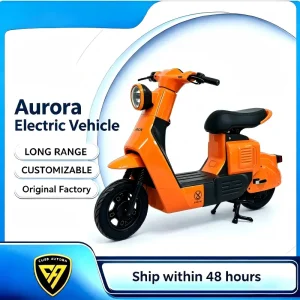
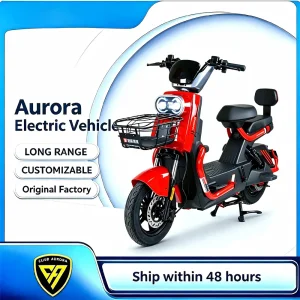
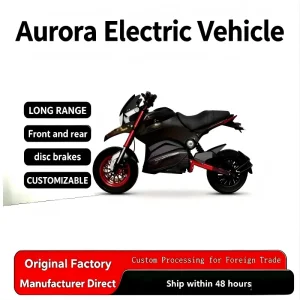
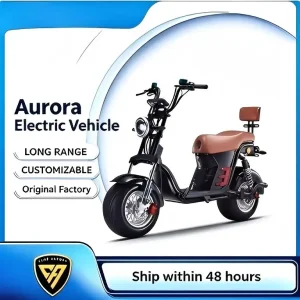
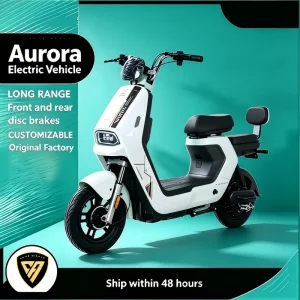
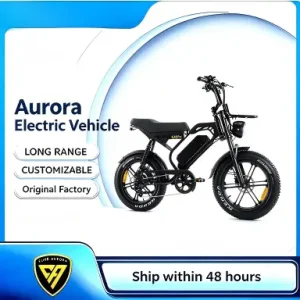
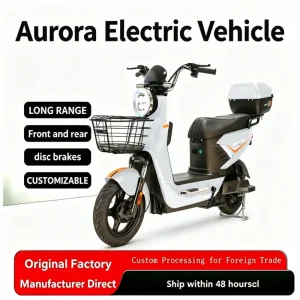
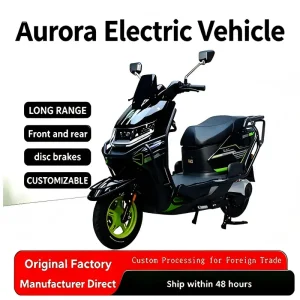
Engineered with cutting-edge controller modules, ensuring high efficiency, optimized thermal performance, and extended battery life across diverse urban settings.
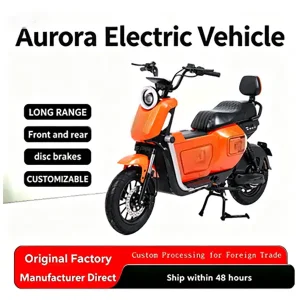
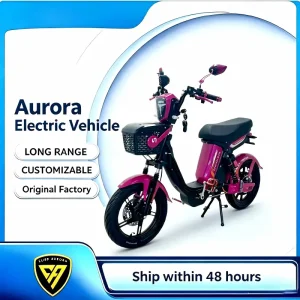
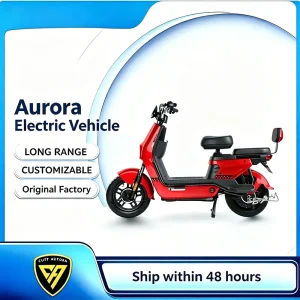
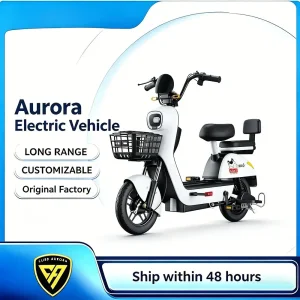
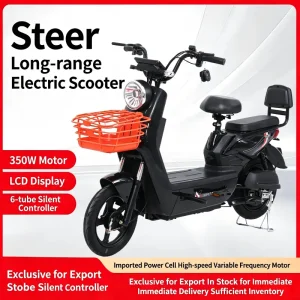
A high-quality electric vehicle controller is not merely a regulator of electricity; it determines the safety margin, motor lifespan, battery wear rate, and real-world ride quality of the vehicle.
For global B2B procurement managers and fleet operators, evaluating the quality of an electric vehicle controller involves analyzing complex components: internal MOSFET parameters, microprocessors, software algorithms like Field-Oriented Control (FOC), and mechanical thermal dissipation designs. As global logistics and urban micro-mobility markets transition toward intelligent powertrains, selecting the right partner from elite exporters of EV controllers is key to building competitive product lines.
In China, industrial clusters for electric vehicle subsystems have matured, integrating battery management, high-performance brushless DC (BLDC) motor drive technologies, and control architectures. Modern controller factories deliver advanced solutions with precise thermal limits, low electromagnetic interference (EMI), and highly customizable CAN/LIN-bus protocols.
Establishing Authority, Safety, and Global Reliability in the Micro-Mobility Subsystem Industry.
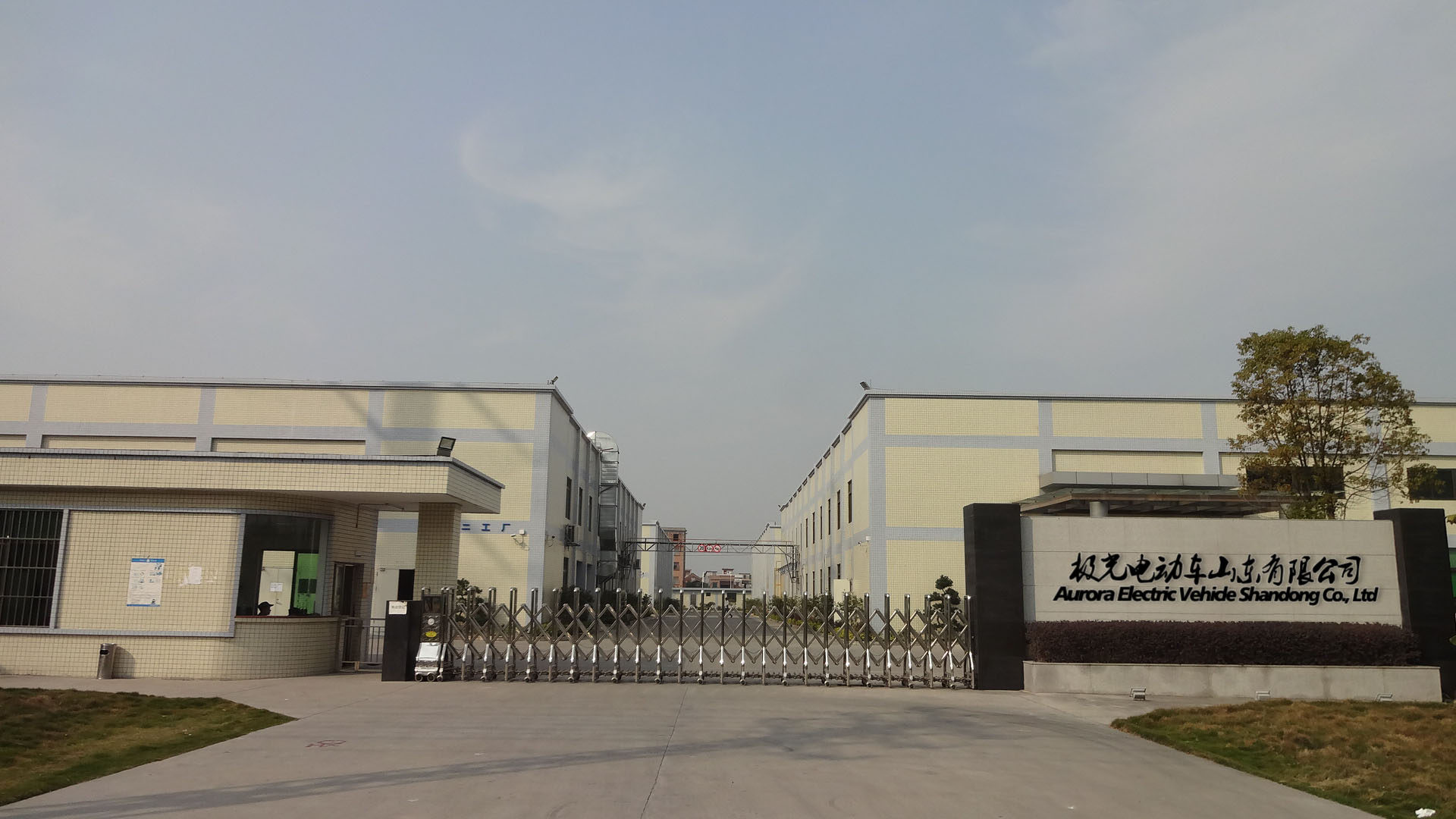
Founded in 2015 and located in Linyi City, Shandong Province—a strategic logistics hub connecting the Yangtze River Delta and the Bohai Economic Circle. Aurora has evolved from a local workshop into a comprehensive modern enterprise specializing in R&D, mass production, and cross-border distribution.
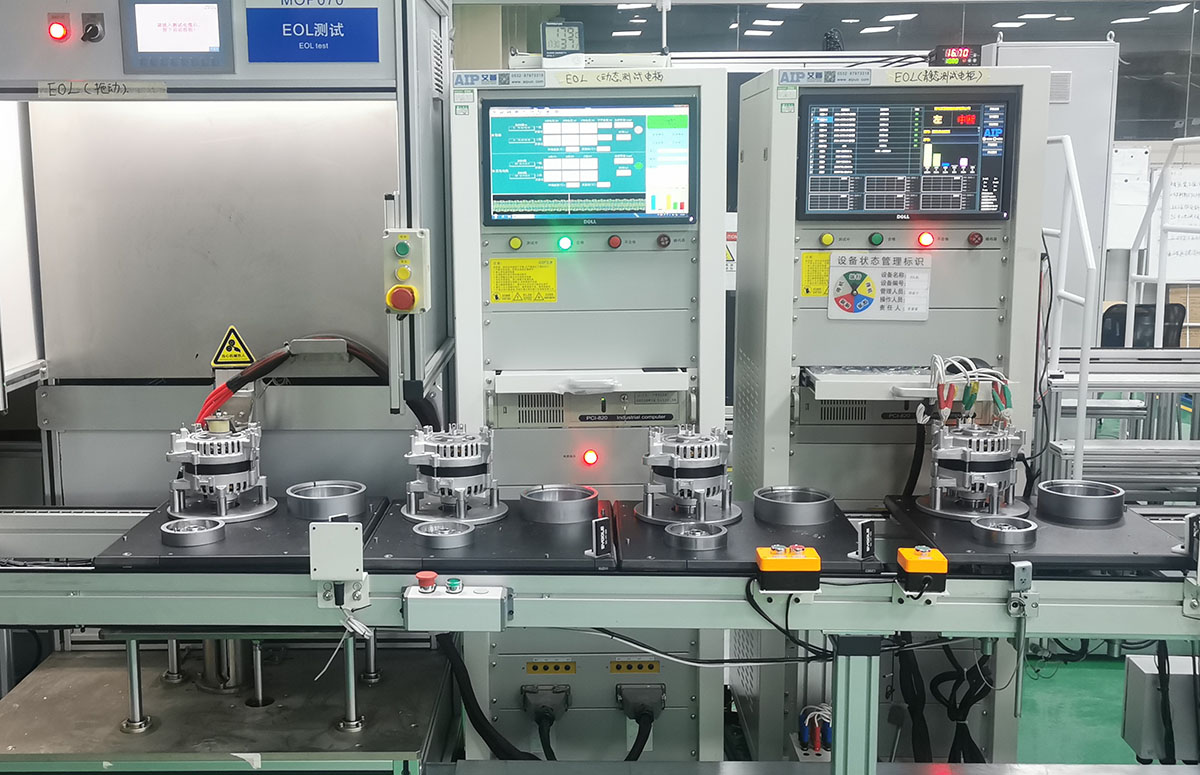
Our manufacturing complex is equipped with digital assembly lines, automated component verification systems, and professional testing chambers designed to enforce strict quality control.
Our R&D division consists of senior engineers with more than 10 years of experience in powertrain development, motor matching algorithms, and battery safety integration. The production team follows optimized assembly workflows to minimize defect rates.
We invest in team training and skill development to maintain our competitive edge in manufacturing standards and quality control protocols.
Our core mission is "making green travel easier and safer." This is backed by strict compliance protocols introduced in 2019 to meet updated safety standards (including fire-retardant enclosures, speed-limit programming, and anti-tampering electronics).
We perform rigorous stress testing on all mechanical frames, motor drivers, and battery packs under high load, water immersion, and extreme thermal conditions.
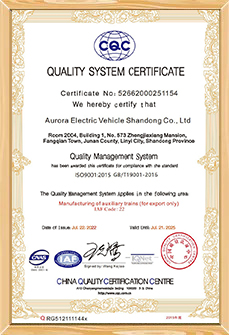
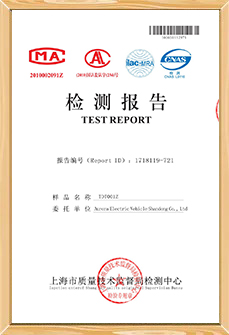
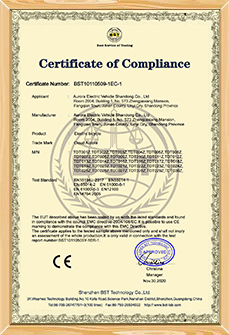
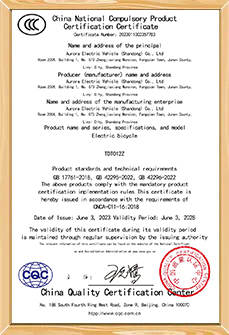
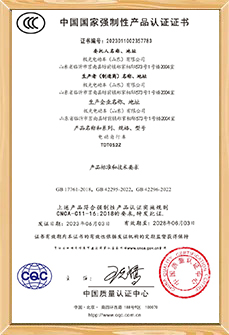
Why procurement teams trust China's electronics clusters to deliver high-quality components at scale.
Our close proximity to key industrial hubs in Shandong, Jiangsu, and Zhejiang ensures steady access to premium raw materials. From raw silicon wafers and advanced microcontrollers to high-grade thermal conductive silicone pastes, our integrated logistics network minimizes bottlenecks.
Each controller batch undergoes automatic optical inspection (AOI), circuit integrity checks under load, high-temperature aging chambers, and water ingress testing (IP67/IP68 validation). This rigorous testing process minimizes early failure rates in the field.
Our engineering team programs controllers to meet regional regulatory speed limits (e.g., 25 km/h for the EU, 20 mph for North American Class 1/2). This customized firmware optimizes power delivery for specific target markets and local transit regulations.
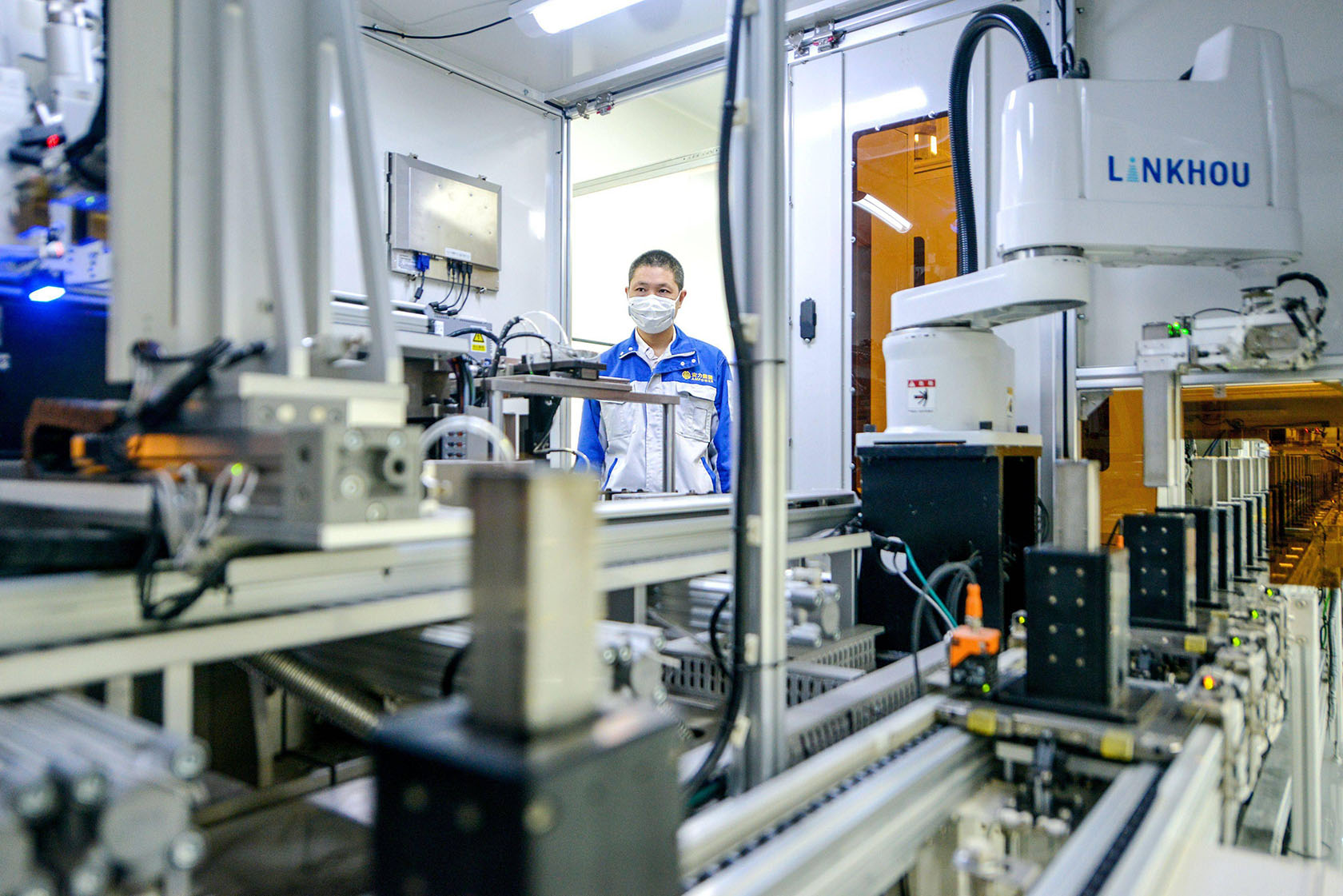
Quality control is central to our manufacturing process. We have established dedicated testing labs equipped with automated dynamo stands to measure performance under dynamic loads and simulate steep climbs. This helps us refine heat-dissipation metrics for long-term reliability.
Additionally, our controllers are integrated into high-quality electric bikes and scooters that feature custom configurations. This allows us to gather data on real-world usage patterns, motor feedback, and battery efficiency, leading to continuous design improvements.
Key technical parameters and performance indicators that B2B procurement managers should evaluate.
| Performance Metric | Square Wave Controller (Standard) | FOC Sine Wave Controller (Premium Class) | Aurora OEM Specifications |
|---|---|---|---|
| System Efficiency | 80% - 85% | 90% - 97% | > 95% (Optimized FOC Algorithms) |
| Acoustic Noise | High (High vibration at low speed) | Ultra-low (Near silent motor drive) | Silent Mode (Field Oriented Control) |
| Thermal Management | High heat dissipation requirement | Optimized distribution, lower losses | Intelligent MOS Protection, Auto-thermal Cutoff |
| Water/Dust Protection | IP54 - IP65 | IP65 - IP67 | IP67 Enclosure with Waterproof Sealant |
| Diagnostic Interface | None or basic blink codes | CAN-bus / LIN-bus / UART | Customizable CAN-bus & IoT System Protocol |
How customized controller programming addresses specific real-world driving environments and vehicle demands.
Urban settings require frequent stops, demanding smooth acceleration and efficient power management. Our FOC controllers minimize motor noise and deliver comfortable throttle curves, while regenerative braking recovers kinetic energy to extend range in start-and-stop traffic.
Delivery fleets require high torque at low speeds to handle heavy cargo and climb steep inclines. Our controllers feature advanced current-limiting algorithms that prevent overheating while providing the necessary torque output for heavy loads.
Rough off-road paths expose components to heavy vibrations, moisture, and dust. Aurora's controllers are protected by rugged, vibration-resistant enclosures and full resin potting, ensuring stable performance under tough environmental conditions.
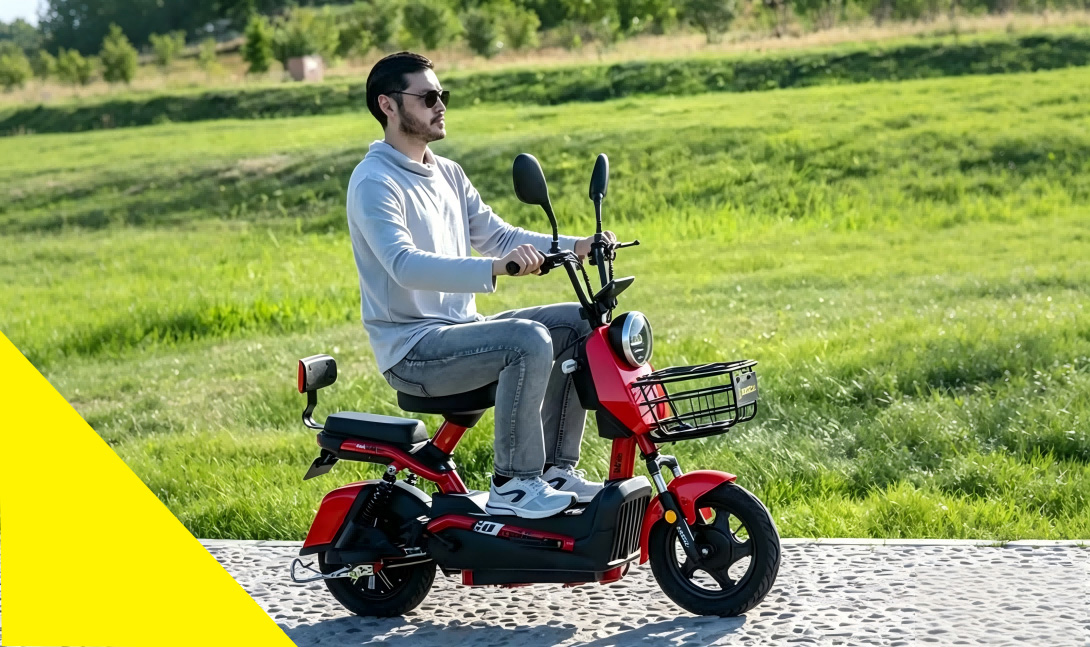
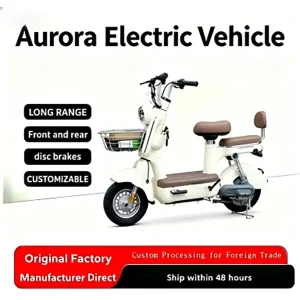
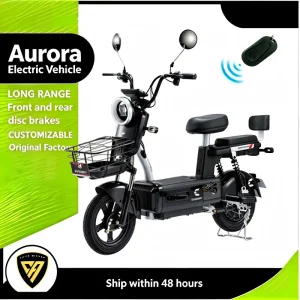
Ergonomic, lightweight design with stable power output, optimized for daily commutes and short-distance travel.
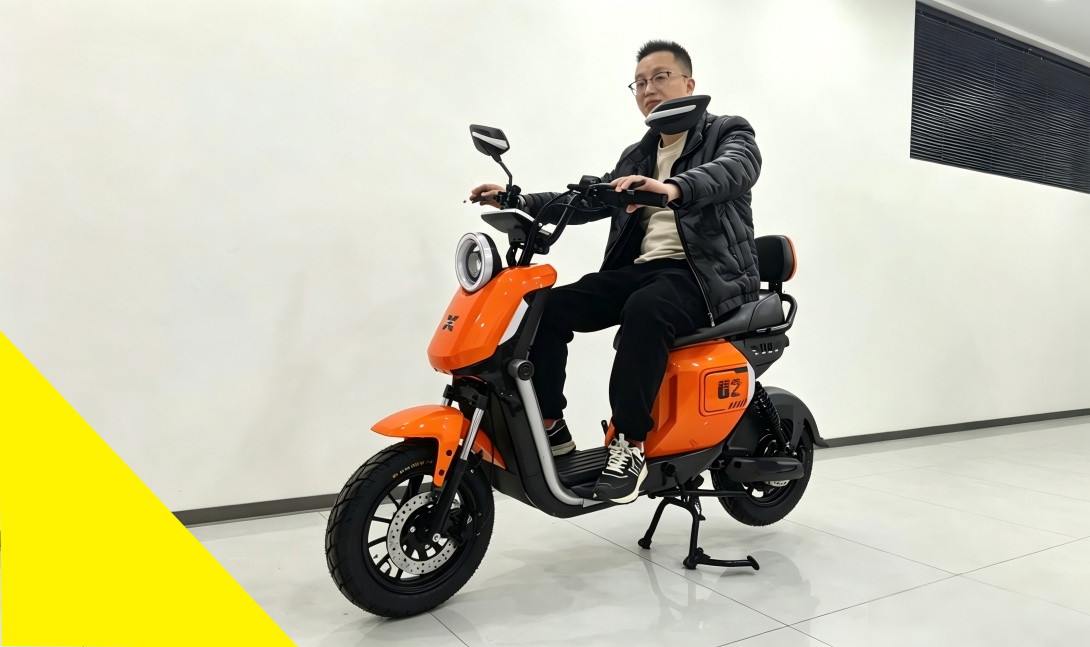
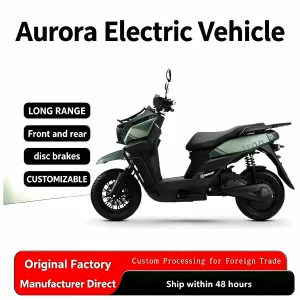
Streamlined design with responsive power and smooth acceleration, built for convenient city rides.
The global transition toward electrified transportation is driving rapid technological changes in controller architectures. Procurement departments should monitor these key trends to future-proof their product lines:
Wide-bandgap semiconductors are replacing silicon MOSFETs. These materials operate efficiently at higher temperatures and frequencies, enabling smaller controller designs with reduced heat generation.
Modern controllers are becoming communication hubs. By integrating Bluetooth, GPS, and cellular connectivity, they enable real-world data collection, remote OTA firmware updates, and predictive diagnostics for fleet management.
Following standards like ISO 26262, manufacturers are integrating redundant microcontroller units (MCUs) to verify throttle inputs and prevent unintended acceleration, ensuring safer operation.
When sourcing bulk shipments of electric vehicle controllers, B2B buyers should request documented verification for these critical factors:
Answers to common questions from global sourcing managers regarding production, quality control, and shipping logistics.
Browse our complete catalog of electric vehicles equipped with premium, high-efficiency controller architectures.
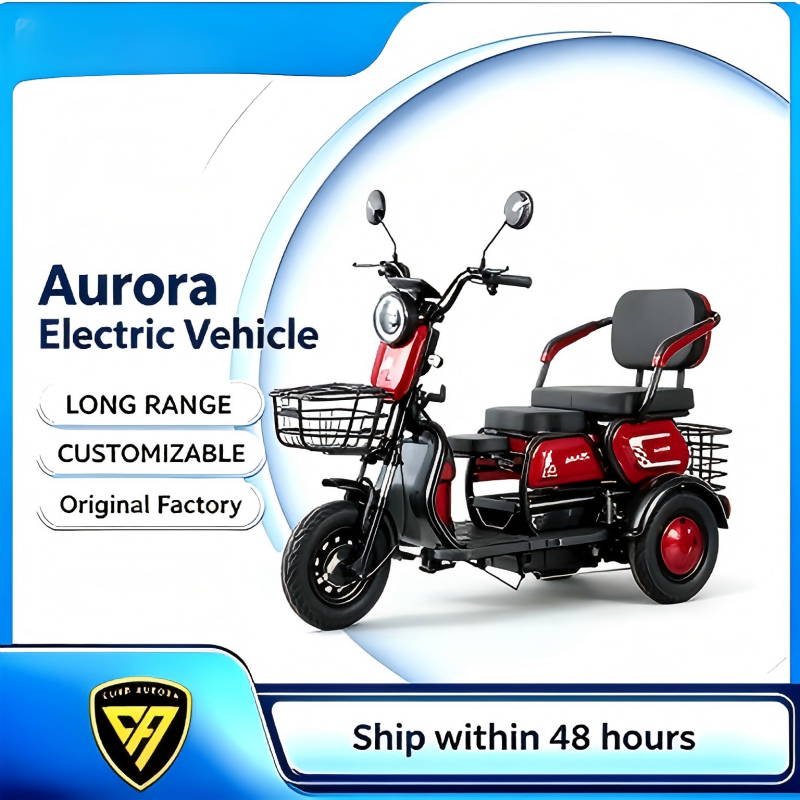
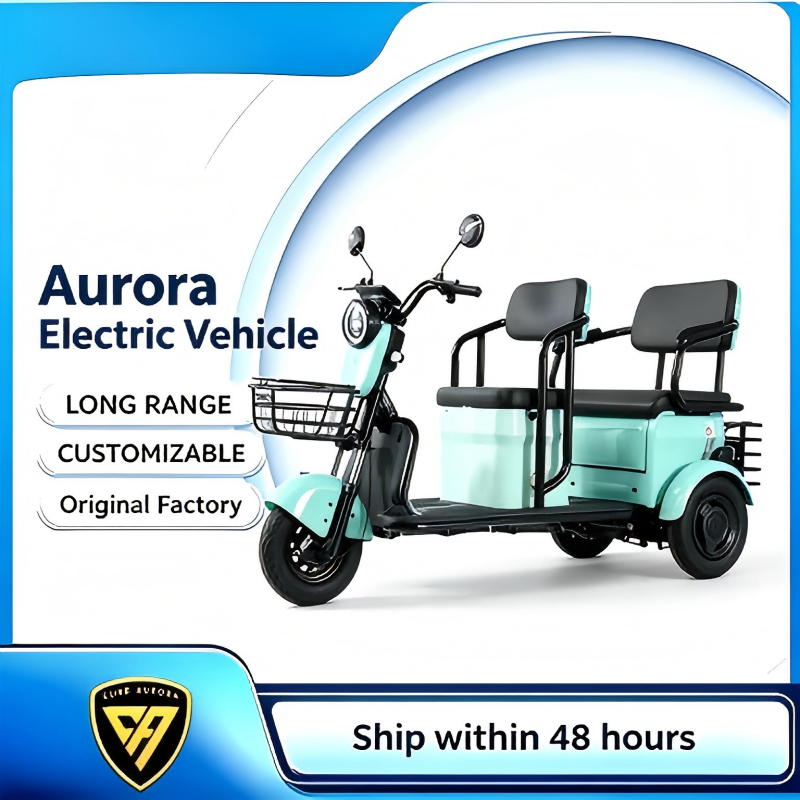
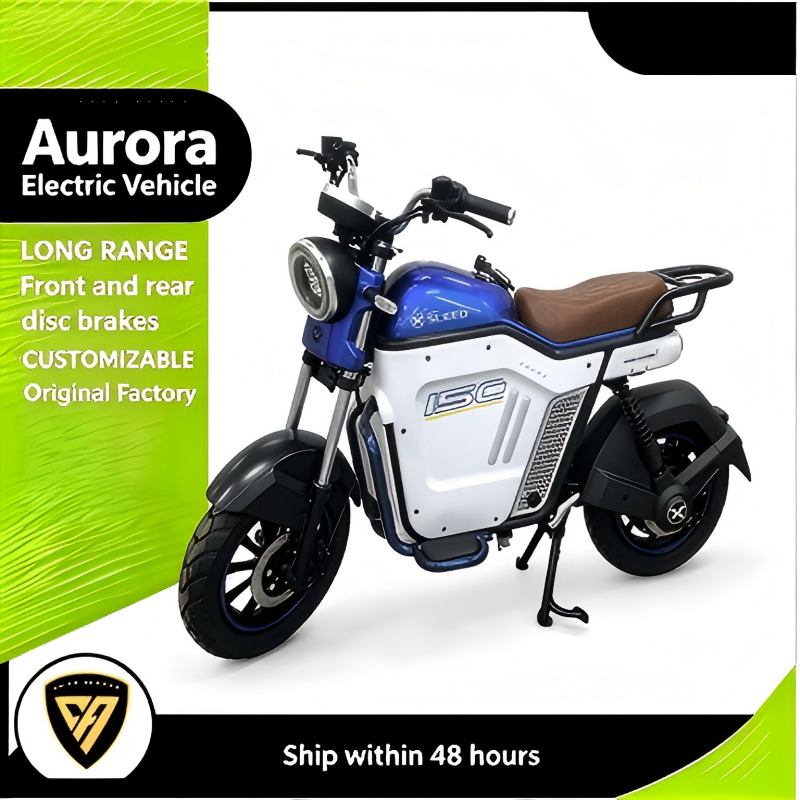
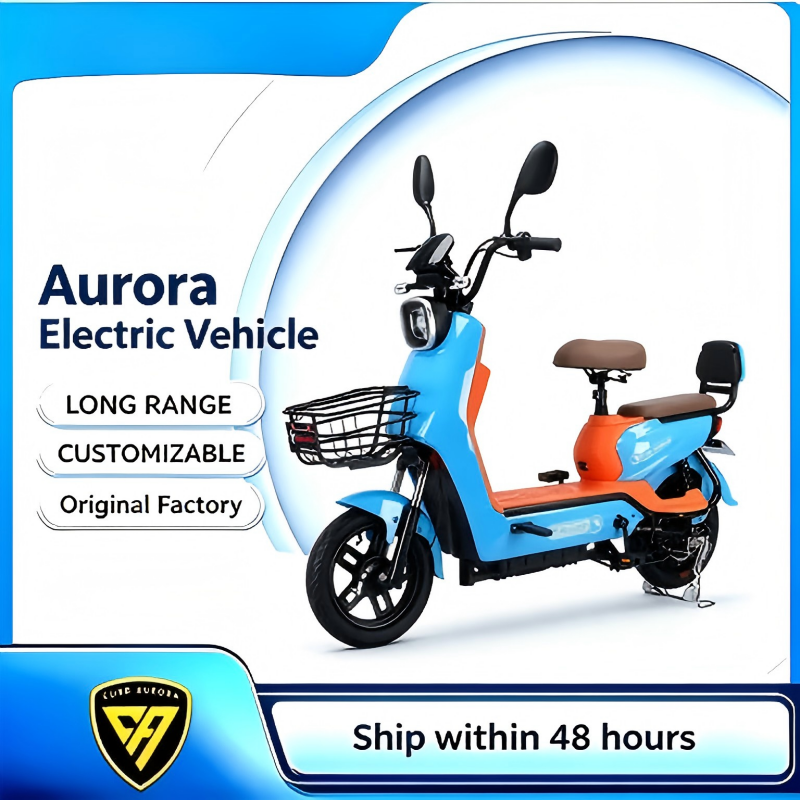
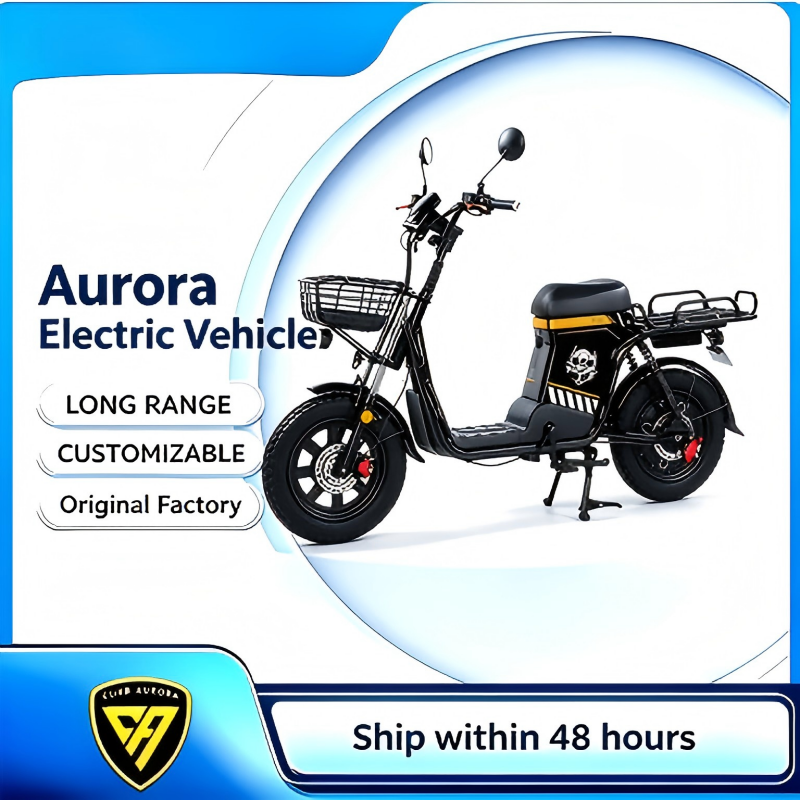
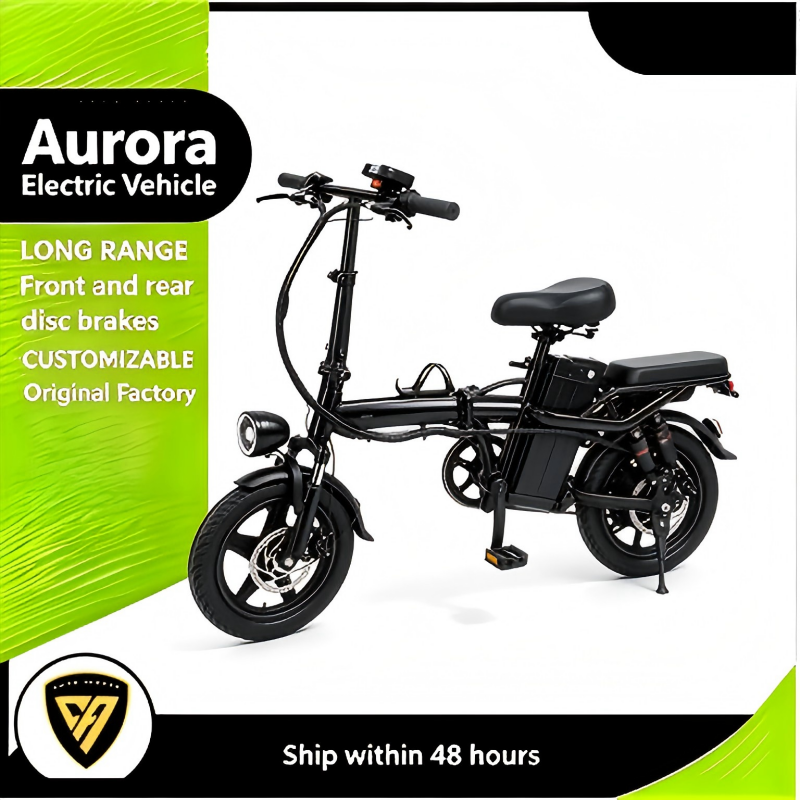
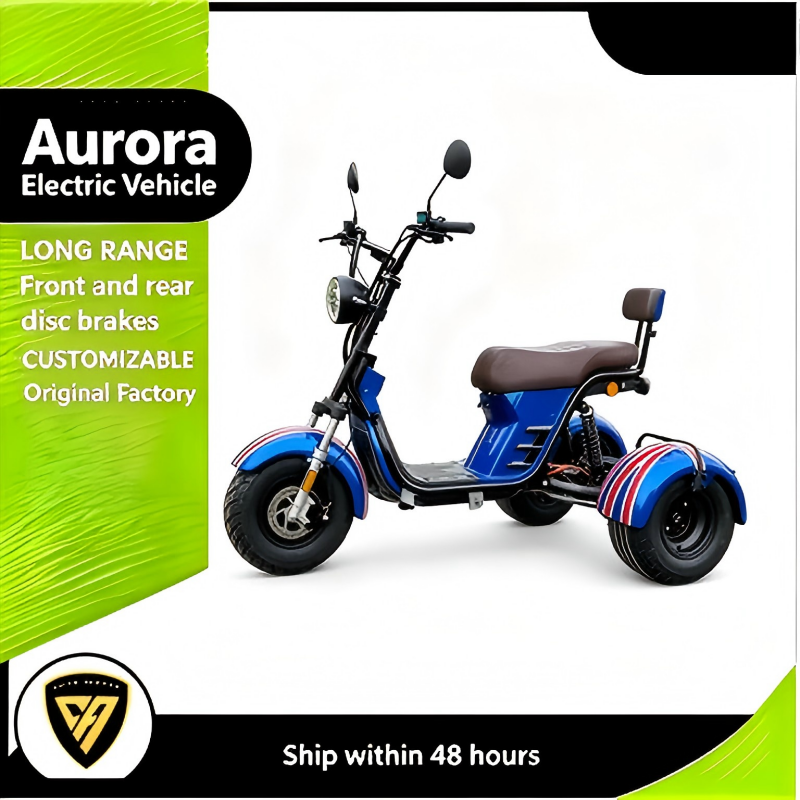
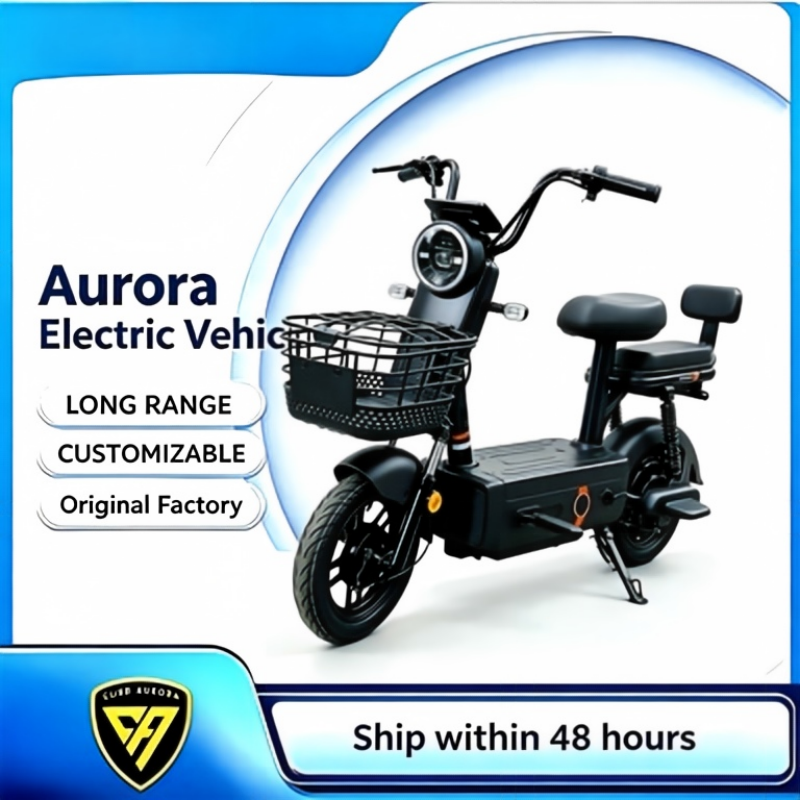
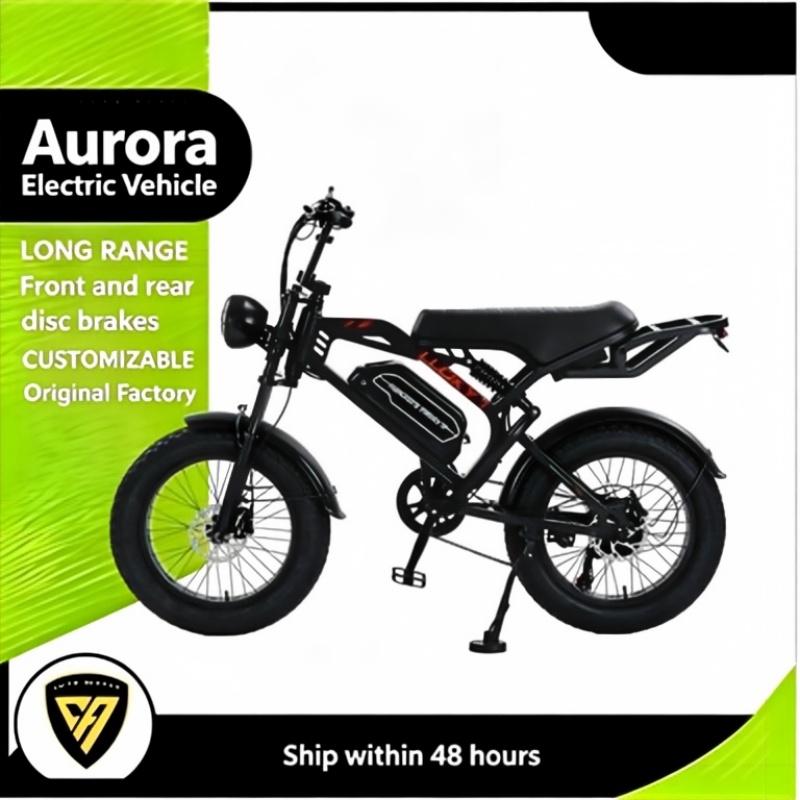
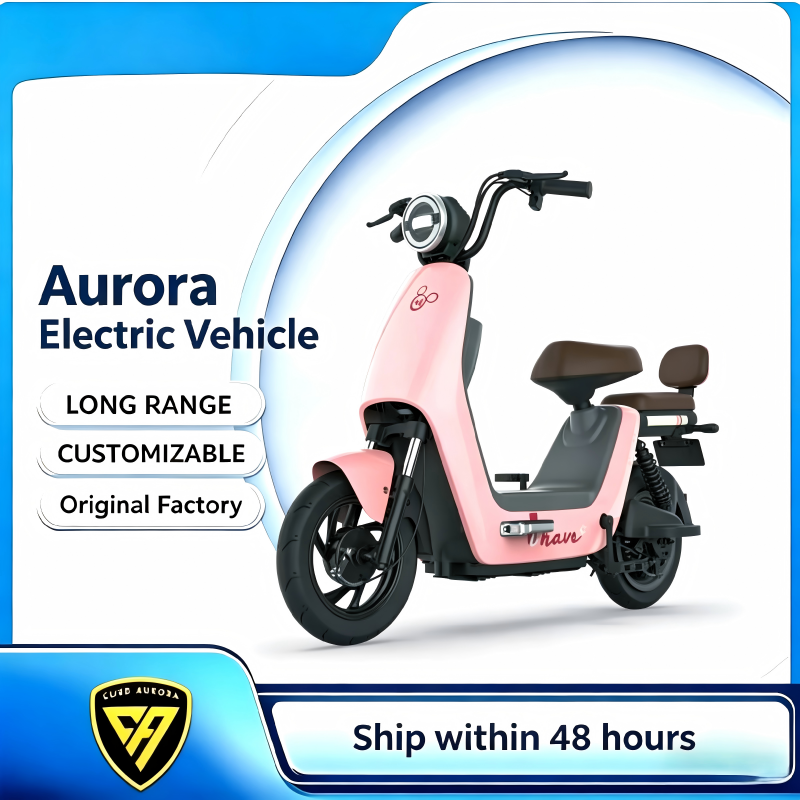
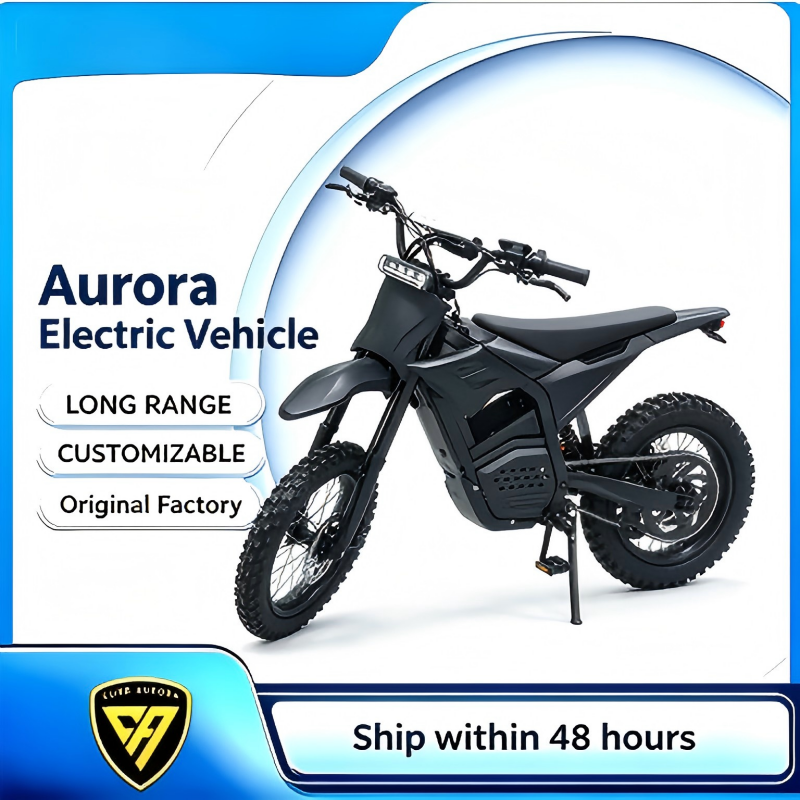
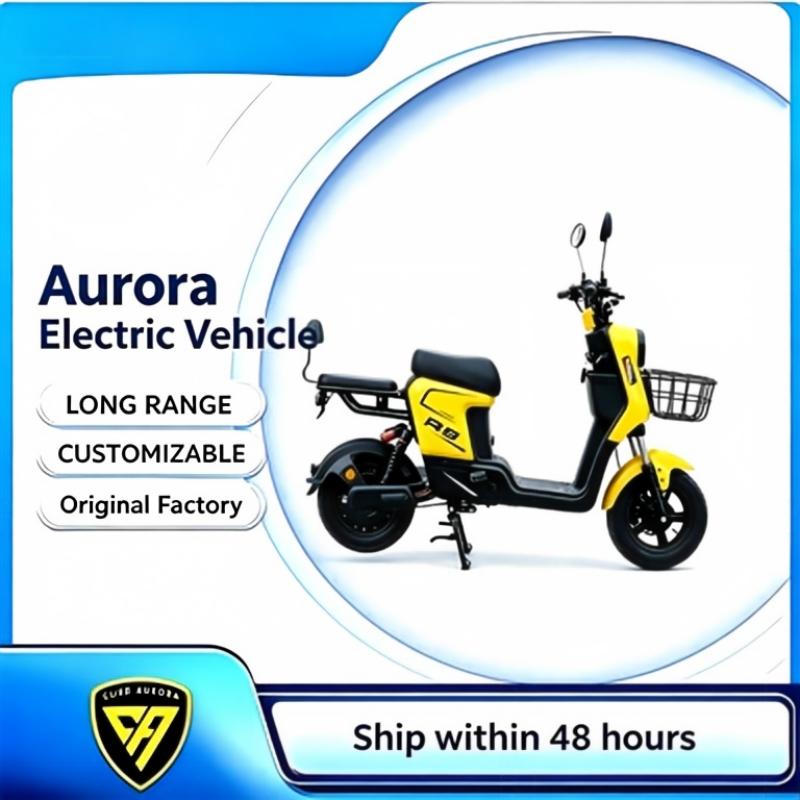
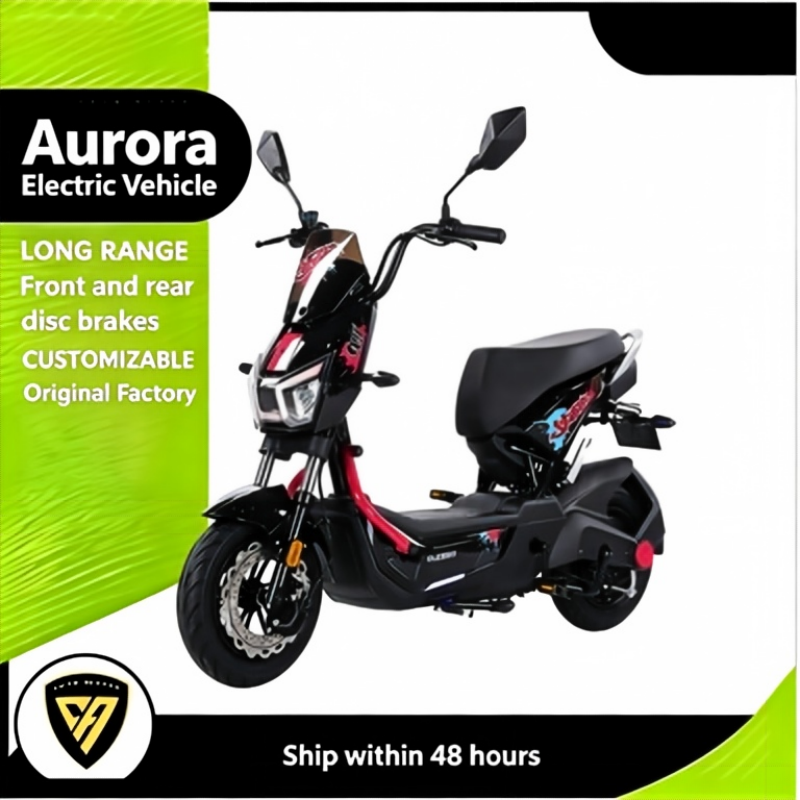
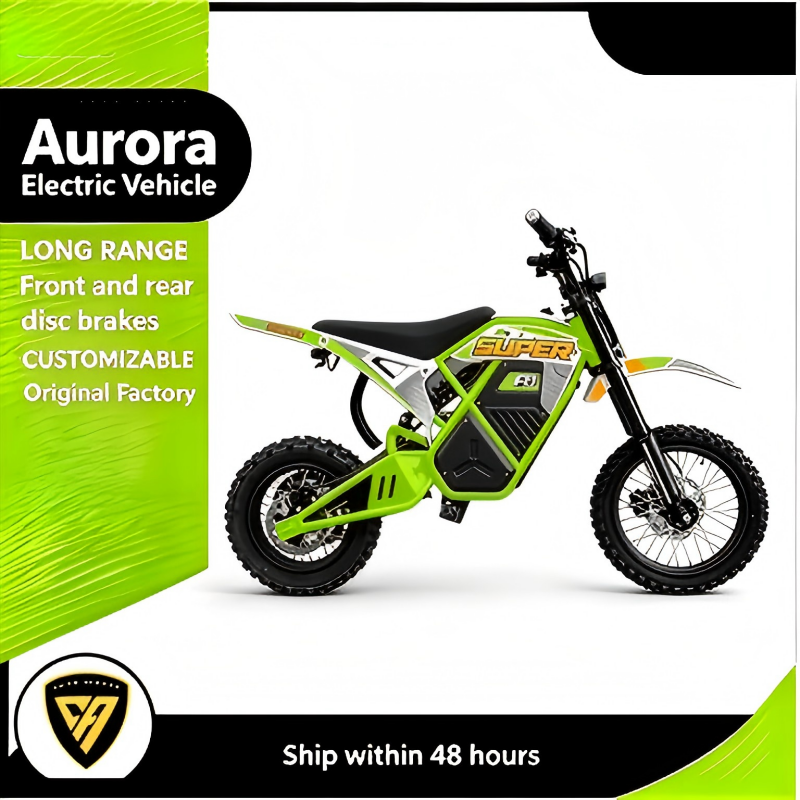
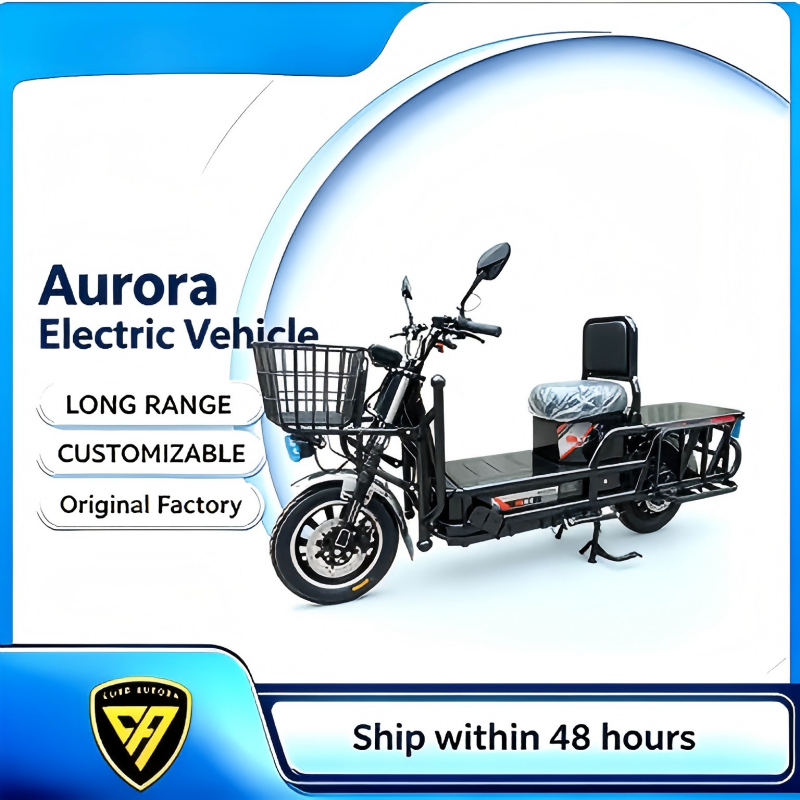
Global wholesale solutions with certified quality control configurations, customized motor-matching firmware, and rugged packaging options.