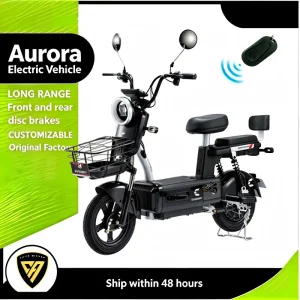
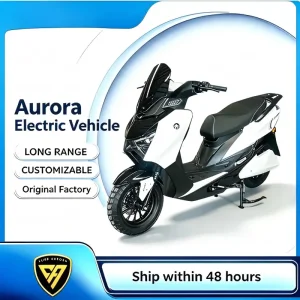
Direct supply from industry-accredited manufacturing lines. Fully optimized for international export and rail logistics.
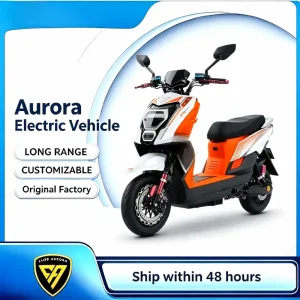
Analyzing the shift from maritime congestion to land-bridge efficiency in the B2B green mobility sector.
The global automotive and micro-mobility industries are undergoing an unprecedented structural transition. As decarbonization targets tighten across the European Union, North America, and Central Asia, the import of high-quality electric vehicles (EVs), e-bikes, and heavy-duty utility trikes has surged. However, traditional maritime shipping corridors face recurring bottlenecks, including port congestion, container deficits, and volatile ocean freight spot rates. In response, forward-looking procurement officers are pivoting toward multimodal railway transportation as their primary supply chain backbone.
Railway transit via trans-Eurasian corridors (such as the New Silk Road and the China-Europe Railway Express) offers a profound competitive advantage. While sea freight from East Asian ports to European hinterlands typically demands 35 to 45 days, railway shipping reduces transit times to a reliable 12 to 18 days. This 60% reduction in lead time translates directly into enhanced capital turnover rates and minimized warehouse holding costs for global distributors.
Strict adherence to international railway hazardous cargo codes (RID/ADR). Secure containerized containment preventing thermal risks during transcontinental hauls.
Avoidance of marine demurrage, peak season surcharges, and Canal passage premium hikes. Fixed-rate contract structures for annual volume commitments.
Rail freight generates up to 90% less CO2 emissions per ton-kilometer compared to air freight, and significantly outperforms ocean vessels in carbon efficiency.
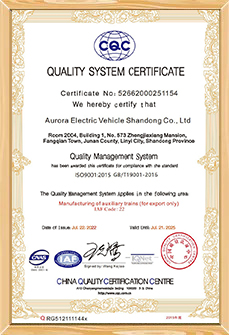
Founded in 2015, Aurora Electric Vehicle Shandong Co., Ltd. is a professional electric bicycle manufacturing enterprise strategically located in Linyi City, Shandong Province. Linyi is recognized as a core transportation hub connecting the Yangtze River Delta and the Bohai Economic Circle, providing us with prominent geographical and logistics advantages. Over the past decade, we have scaled from a specialized assembly workshop into a comprehensive enterprise integrating research and development, smart manufacturing, global sales, and responsive after-sales service.
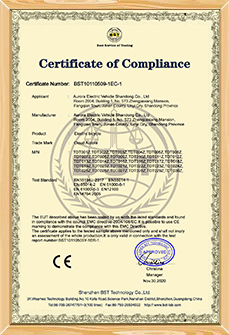
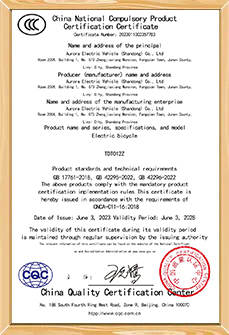
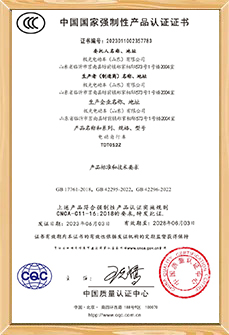
We have actively shaped and participated in the high-quality development of China's electric bicycle industry, particularly under the new national standard era. In 2019, when the new national standard for electric bicycles was officially implemented, we took the initiative to upgrade our production lines and R&D capabilities, optimizing product parameters to fully comply with mandatory safety standards, including fire retardant performance, speed limit configurations, and anti-tampering requirements.
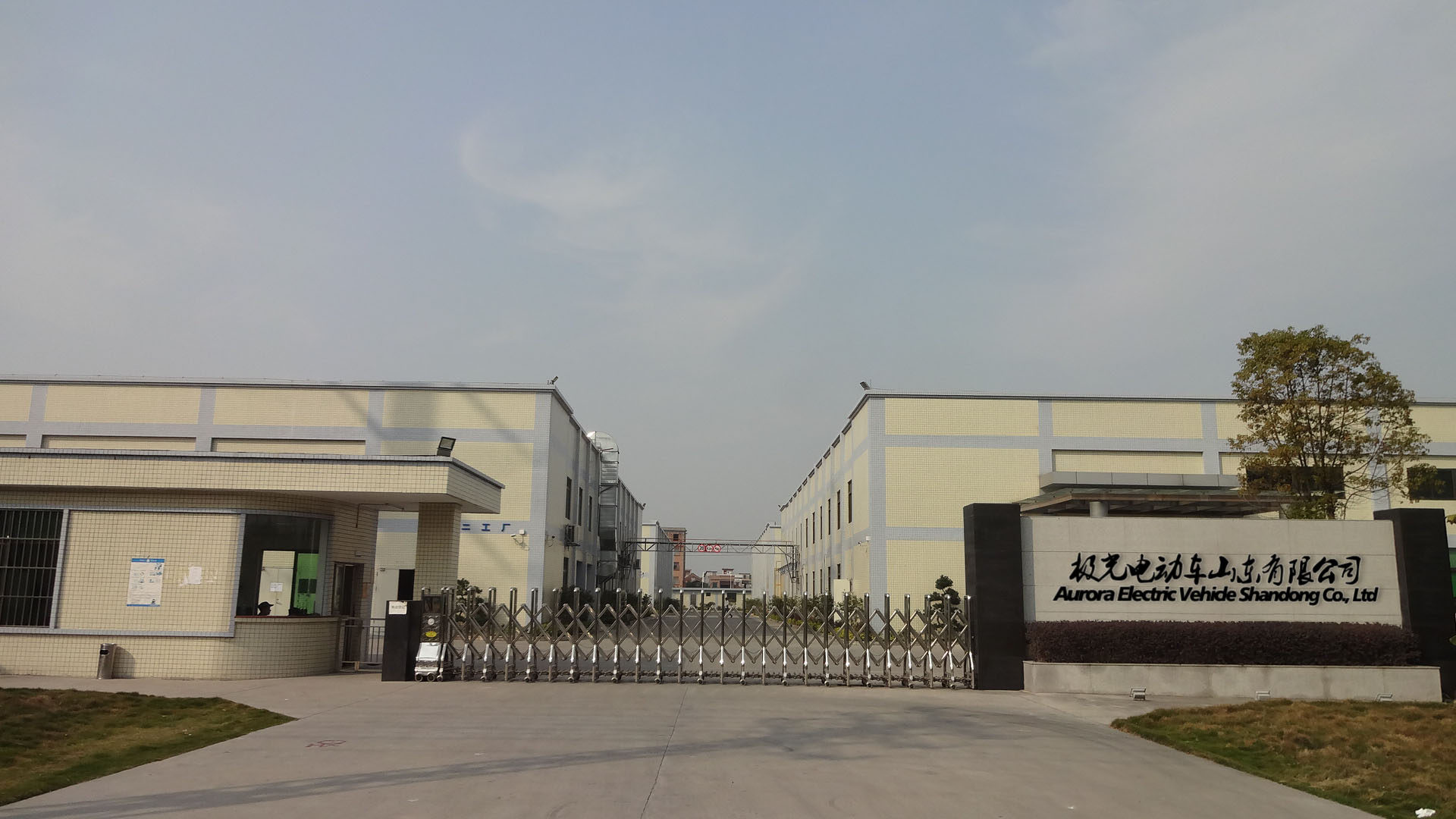
Our R&D team consists of senior engineers with more than 10 years of experience in the electric bicycle industry. We focus on technological innovation, focusing on battery lifecycle extension, advanced motor efficiency, and ride stabilization. The team holds numerous core patents related to electric bicycle power management systems.
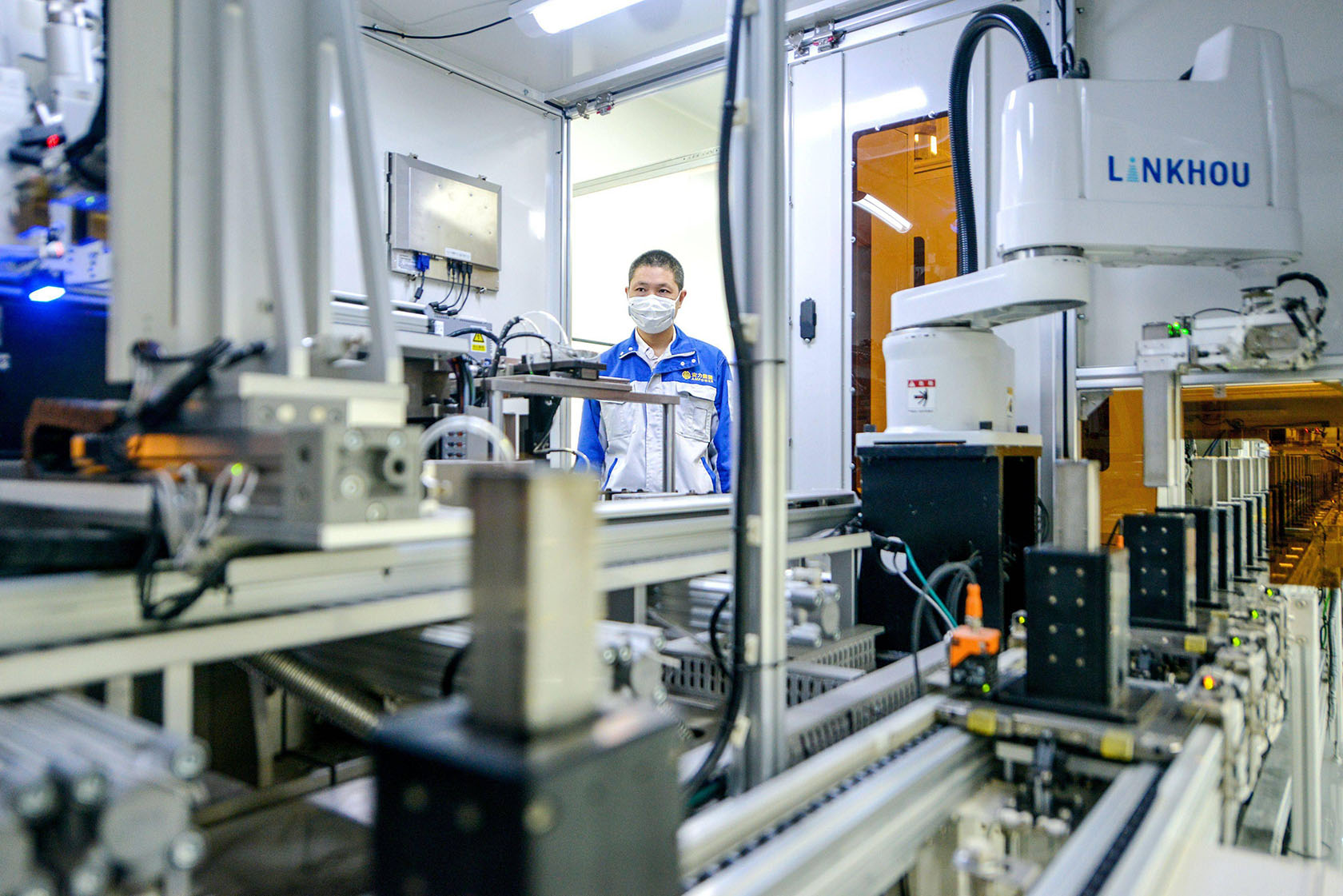
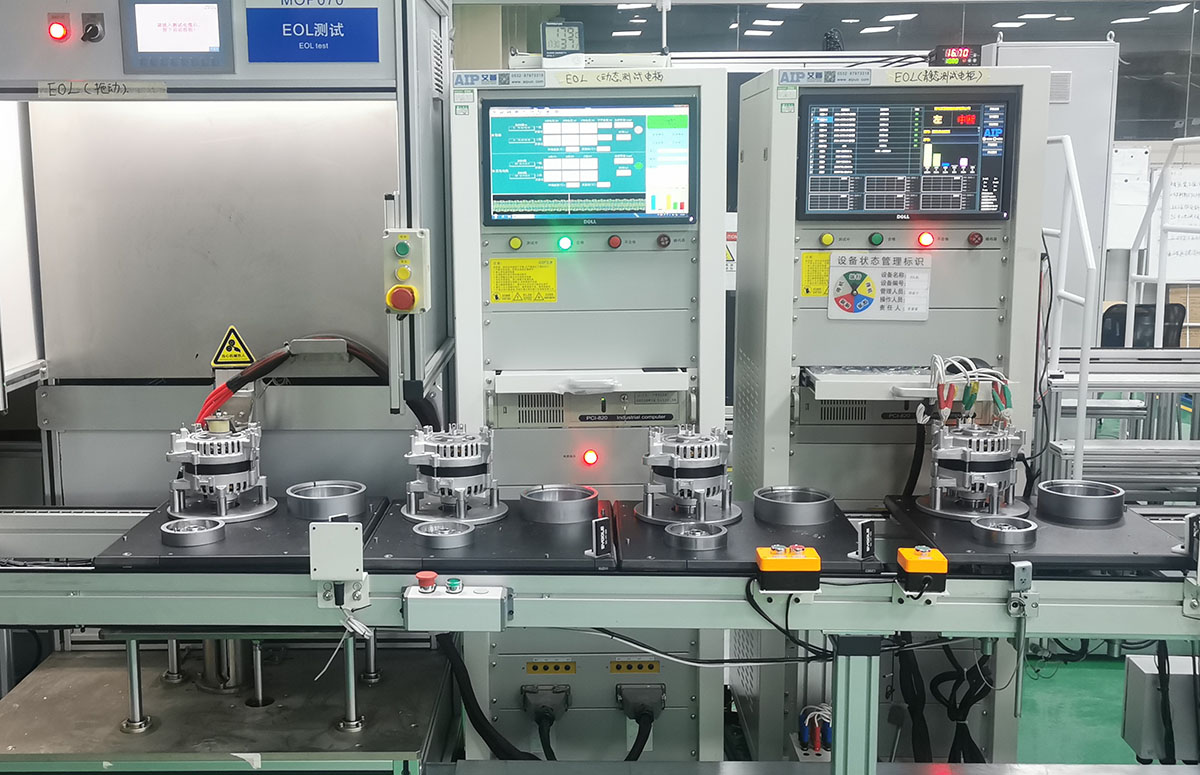
Equipped with intelligent digital production lines, automatic assembly lines, and high-precision testing machinery. We implement strict quality checks from incoming raw materials to finished electric vehicles, ensuring durability and export-grade reliability.
Customer-oriented OEM and ODM services. We assist global clients with market-specific compliance configurations, packaging customization (such as 5-layer imported kraft paper packaging), and multimodal freight forwarding selection.
A technical comparison of freight modes for shipping bulk electric vehicles from Linyi Hub to European Terminals.
| Performance Indicator | Ocean Marine Freight | Transcontinental Railway Freight | Air Cargo Freight |
|---|---|---|---|
| Average Transit Time | 35 - 45 Days | 12 - 18 Days (60% Faster) | 3 - 5 Days |
| Climatic Exposure Risk | High (Saline air, extreme humidity changes) | Low (Climate-controlled cargo options) | Negligible |
| Battery Compliance Level | Complex IMDG stowage requirements | Structured RID/ADR rail standard containerization | Extremely restrictive (MOQ limits) |
| Cost Efficiency Index | Baseline Cost (highly volatile) | Moderate & Stable (Predictable budgeting) | Premium cost (Not viable for bulk EVs) |
| Environmental Impact (CO2) | Moderate | Minimal (Up to 90% savings vs Air) | Extremely High |
Unlocking the manufacturing prowess of Shandong’s high-tech industrial parks.
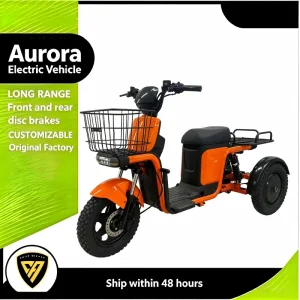
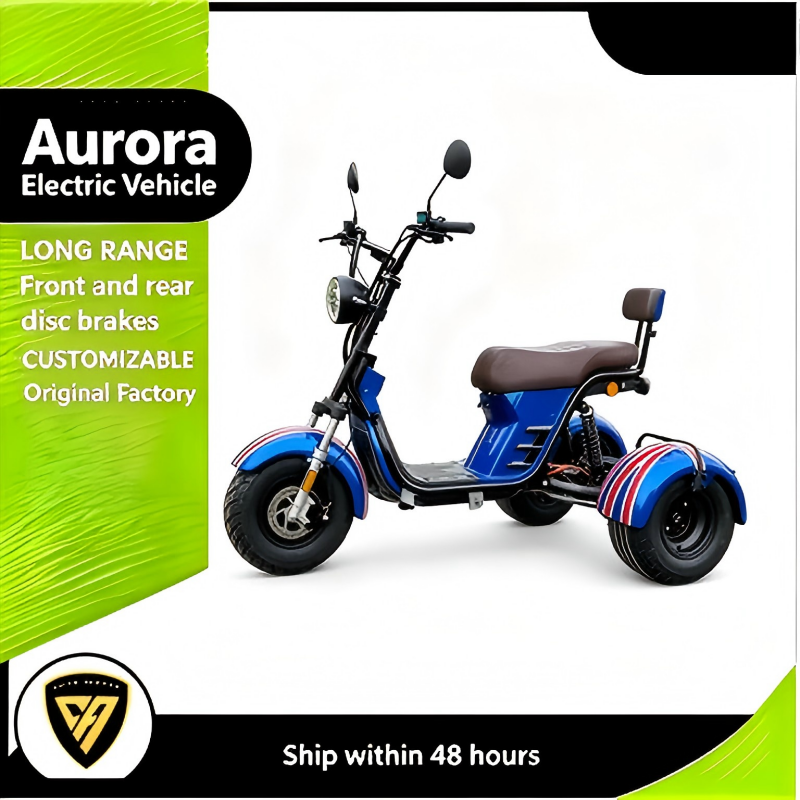
At the heart of the electric vehicle export engine lies China’s transition to Industry 4.0 manufacturing standards. At our Linyi production base, digital integration is not just a catchphrase—it is the operational baseline. From automated frame welding robots to computerized battery testing stations, our assembly flow is monitored by advanced manufacturing execution systems (MES). This integration ensures that every product, whether it is an urban commuter e-bike or a heavy cargo three-wheeler, meets a uniform high-quality standard.
Shandong Province’s geographical location provides a unique structural advantage. Located at the intersection of the Yangtze River Delta and the Bohai Economic Circle, Linyi is interconnected with national high-speed rail freight terminals. This allows us to load finished electric vehicles directly into shipping containers at our factory doors and transport them directly to major overland rail portals, such as Alashankou or Khorgos, bypassing congested maritime ports entirely.
Synthesizing local heritage with global low-carbon development targets.
Our core values—"integrity, pragmatism, innovation, and win-win"—drive every stage of our operations. Drawing inspiration from the industrious spirit of Linyi, a region steeped in cultural history, we advocate a green travel mission: "making green travel easier and safer for everyone." We are committed to developing high-performance, energy-efficient electric vehicles that fulfill modern short-to-medium-range travel requirements.
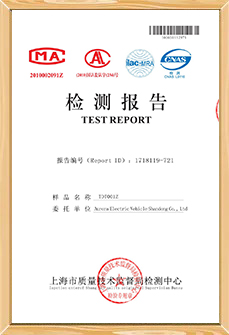
We prioritize safety above all else. Our factory features dedicated testing laboratories where components undergo rigorous testing for load-bearing capacity, waterproofing, fire retardance, and battery safety. We actively work toward long-term partnerships with global distributors, suppliers, and logistics operators to establish a sustainable and resilient value chain.
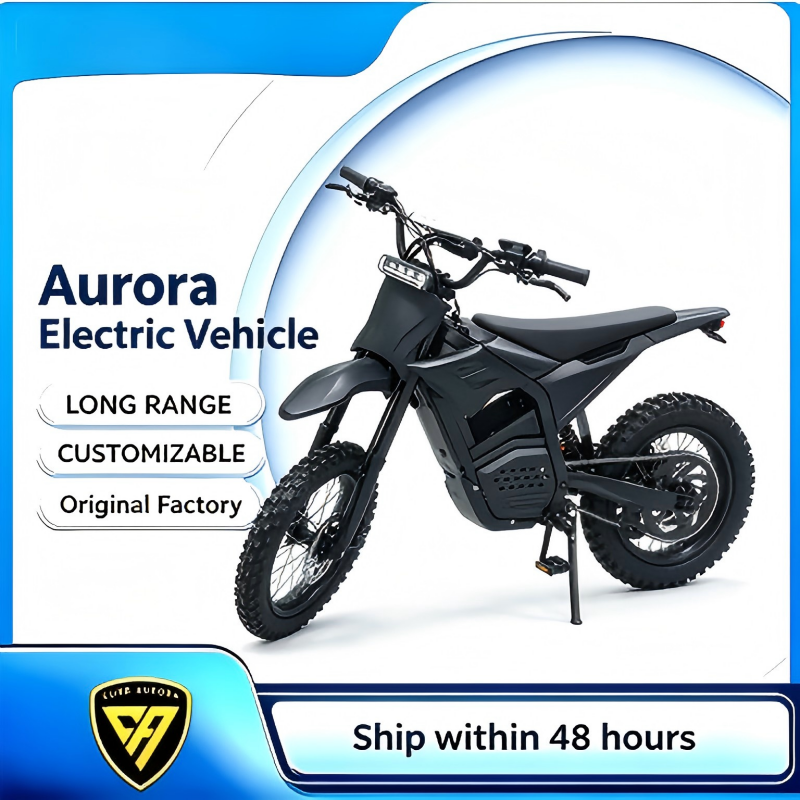
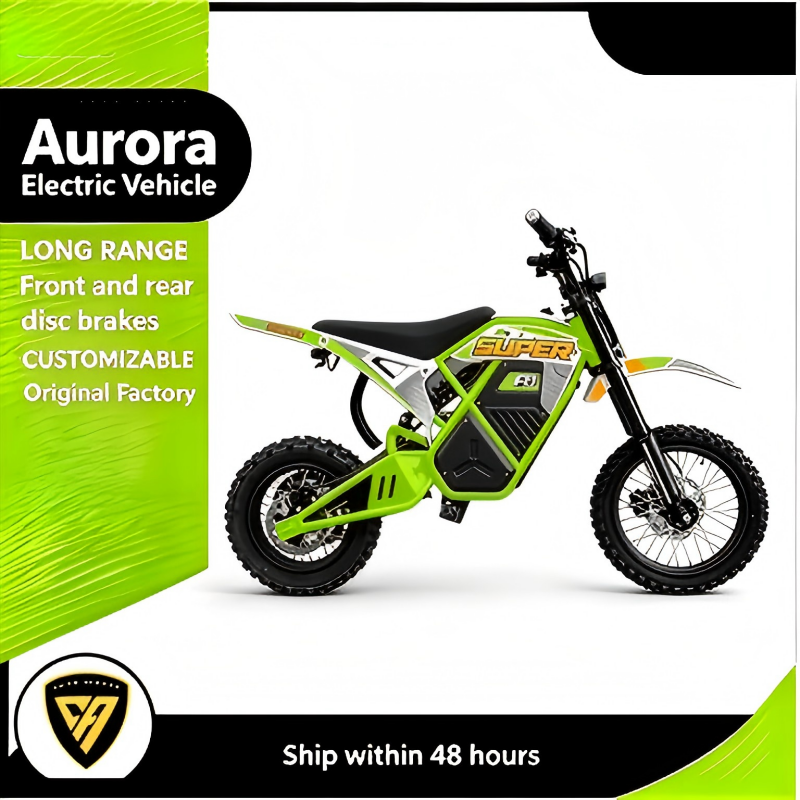
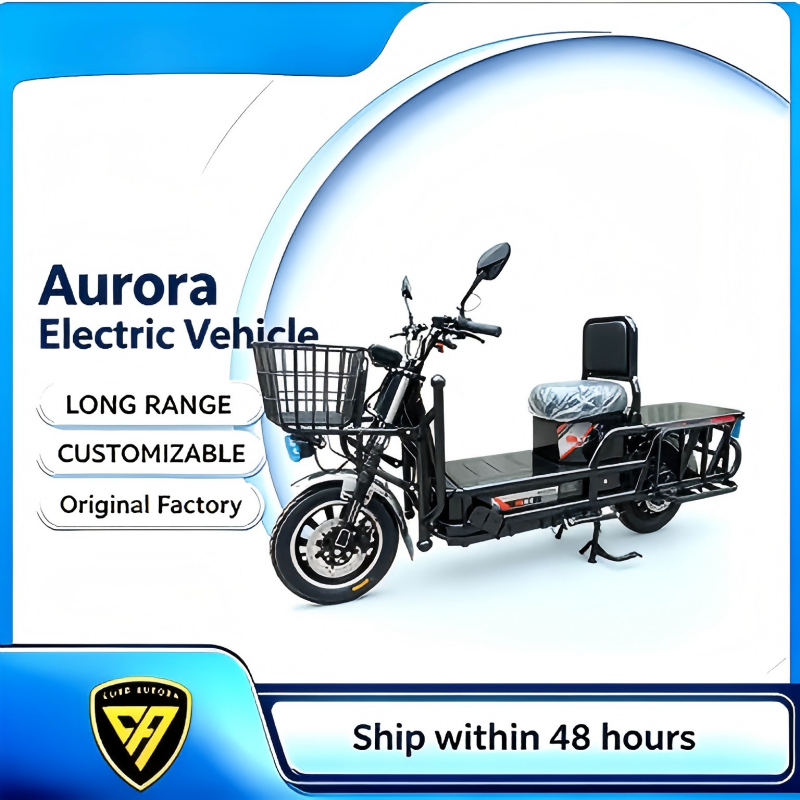
Explore our diverse range of electric vehicles designed for urban, commuter, and off-road applications.
Tailored mobility solutions engineered to meet diverse regional demands.
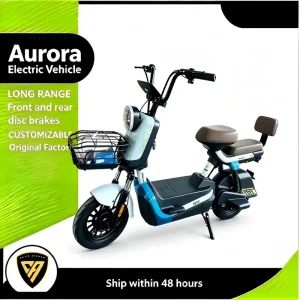
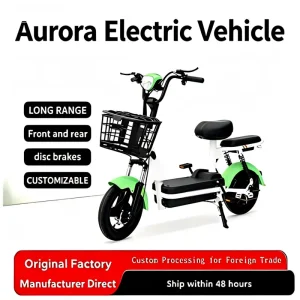
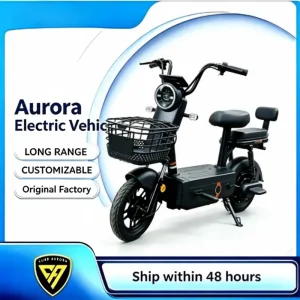
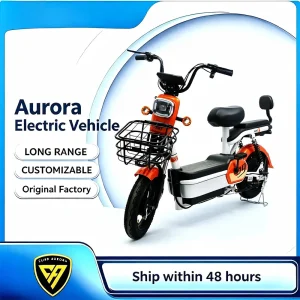
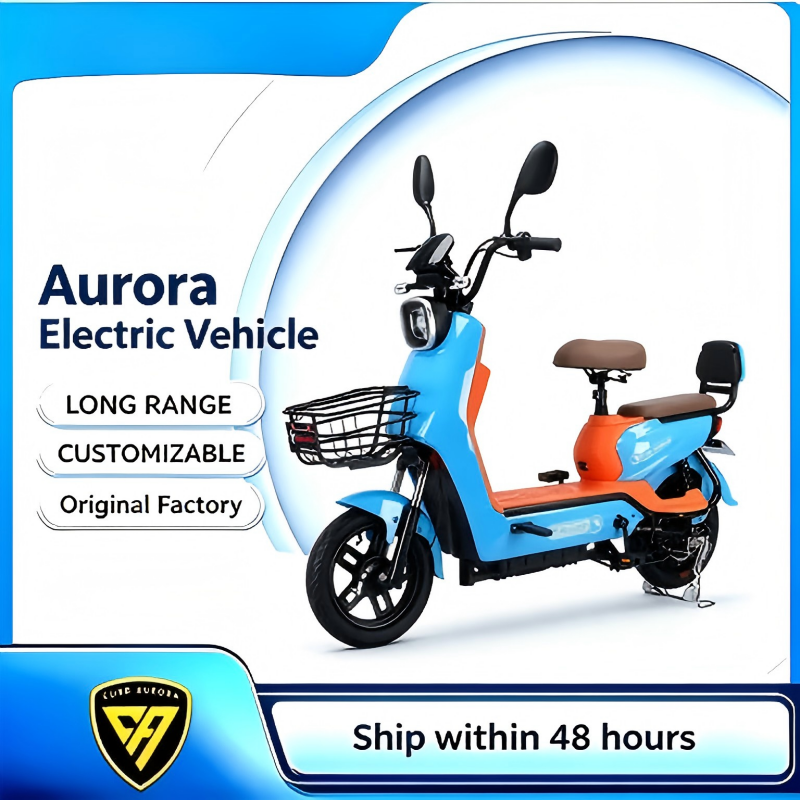
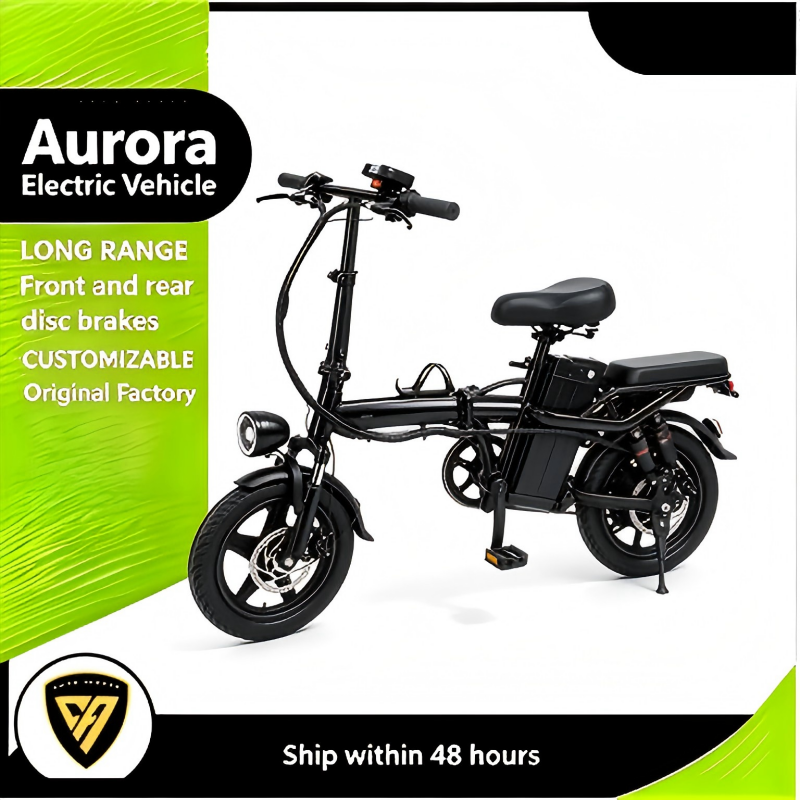
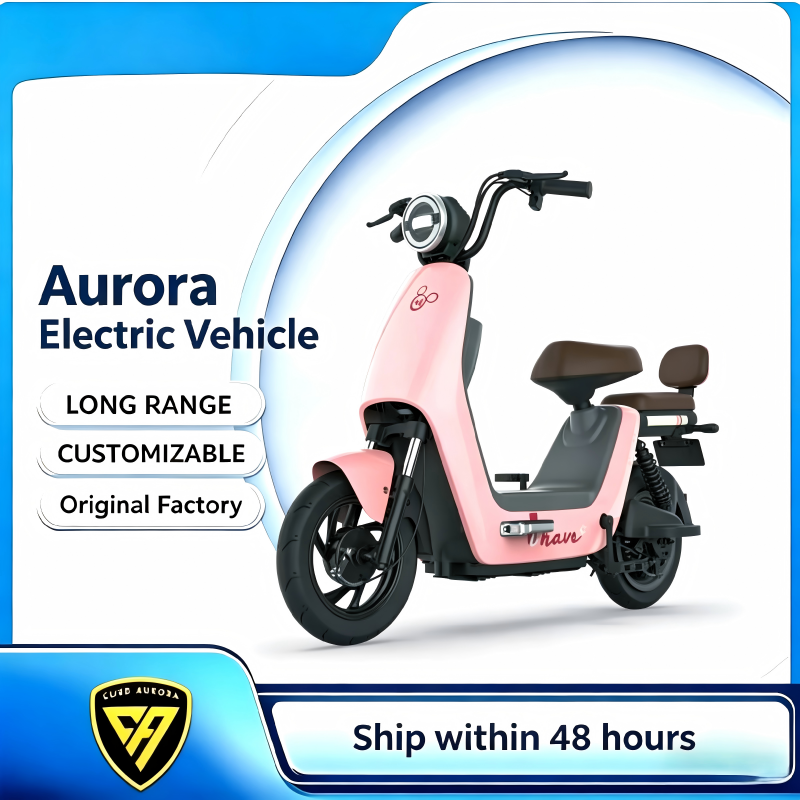
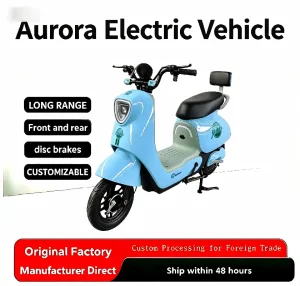
Optimized for short-distance city trips, this compact and agile e-bike range offers easy maneuvering and parking, making it ideal for daily commuting and micro-transit.
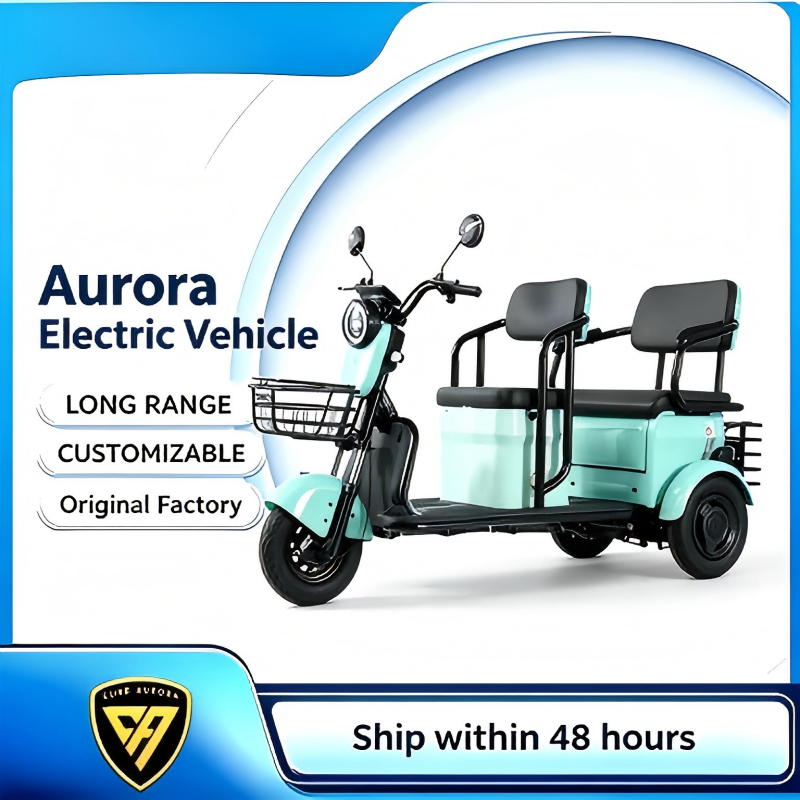
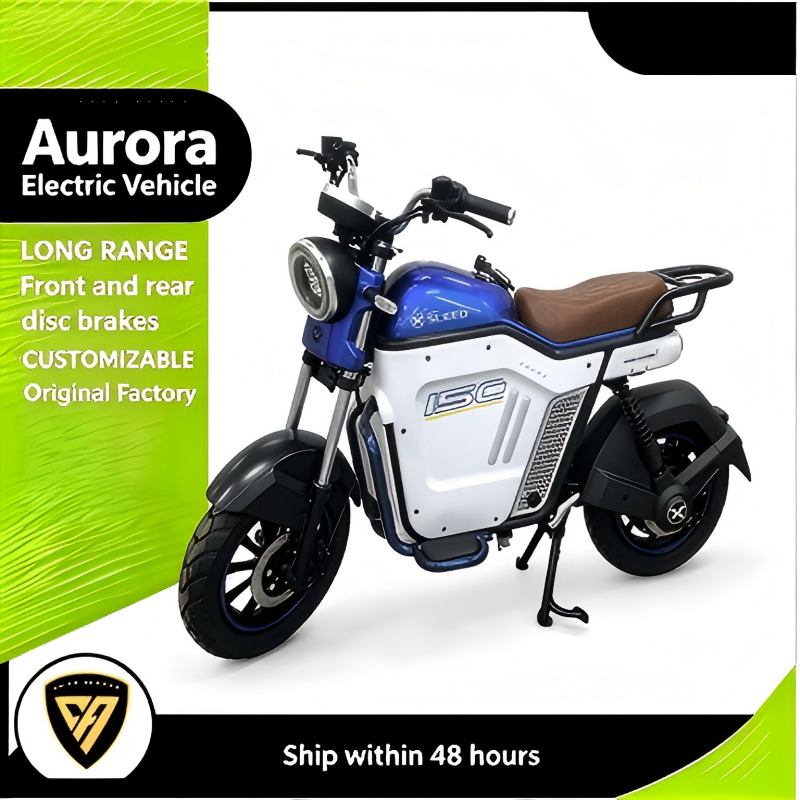
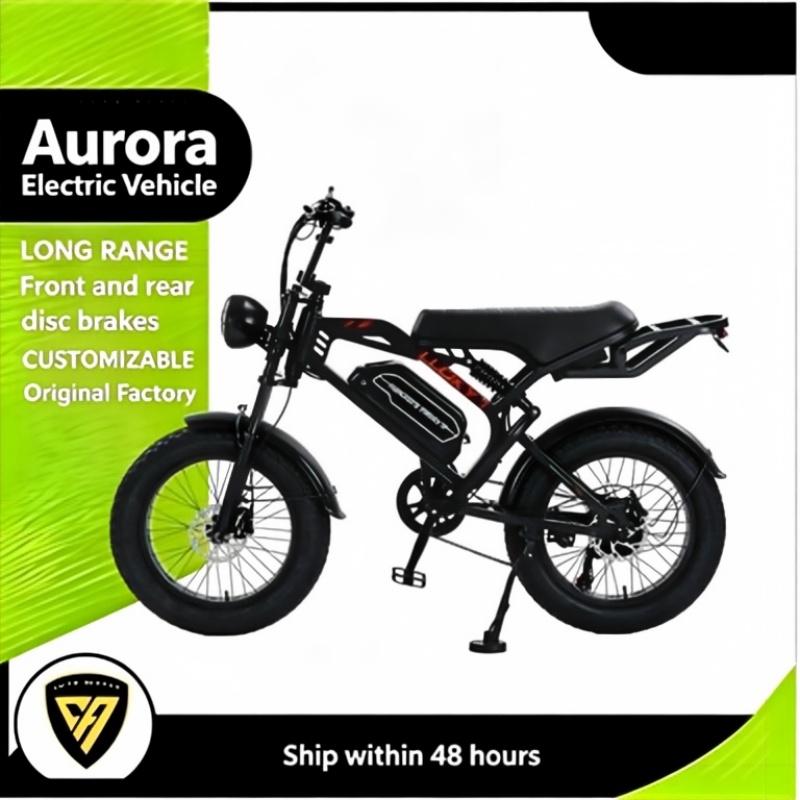
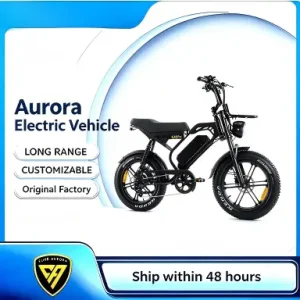
View DetailsBuilt with a field-proven powertrain for consistent motor output, reliable hill climbing, and smooth acceleration, paired with high-capacity cells for practical range.
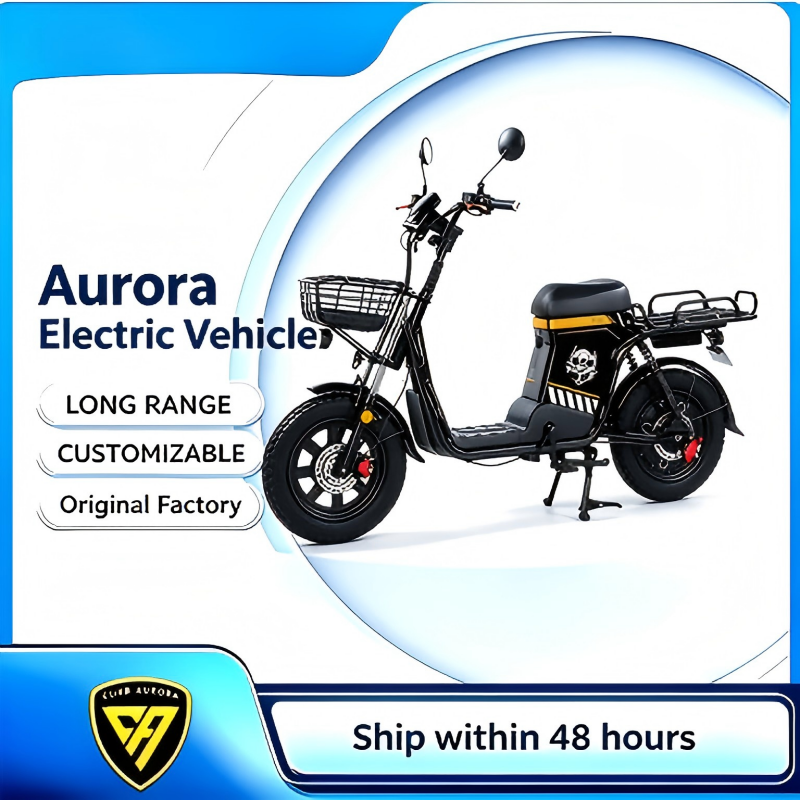
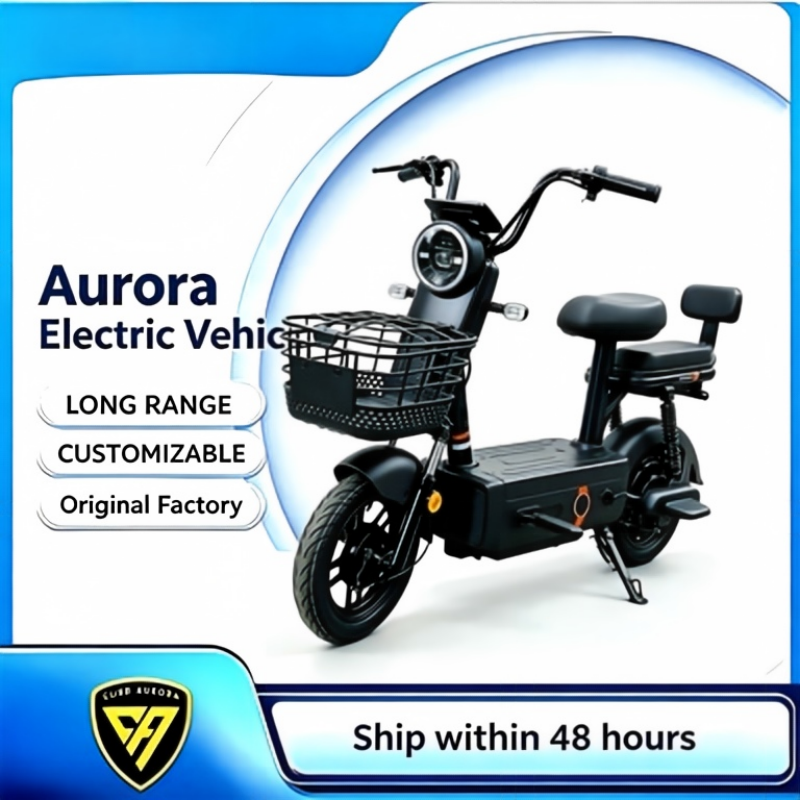
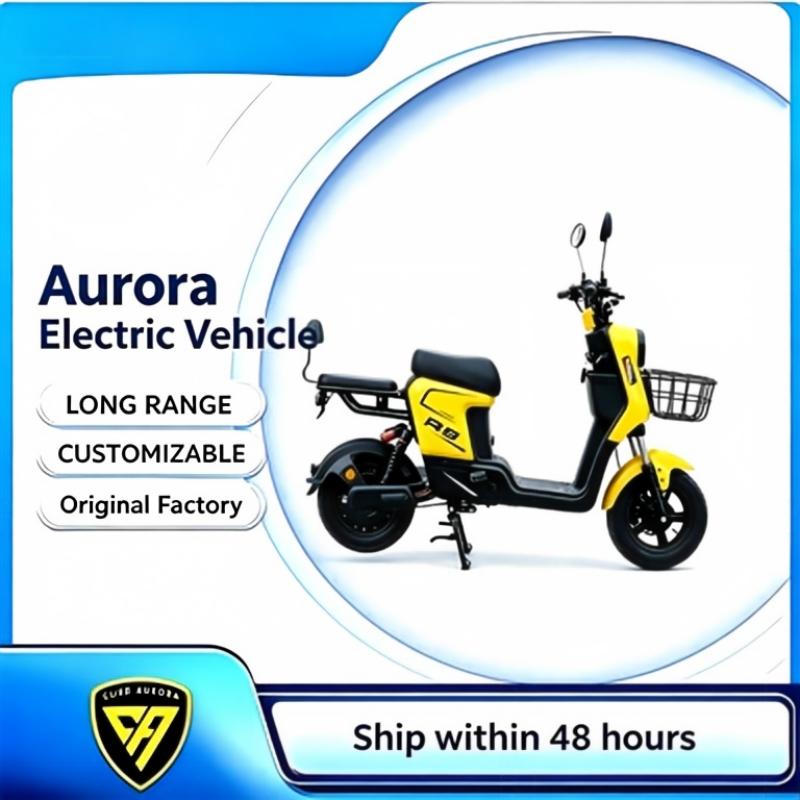
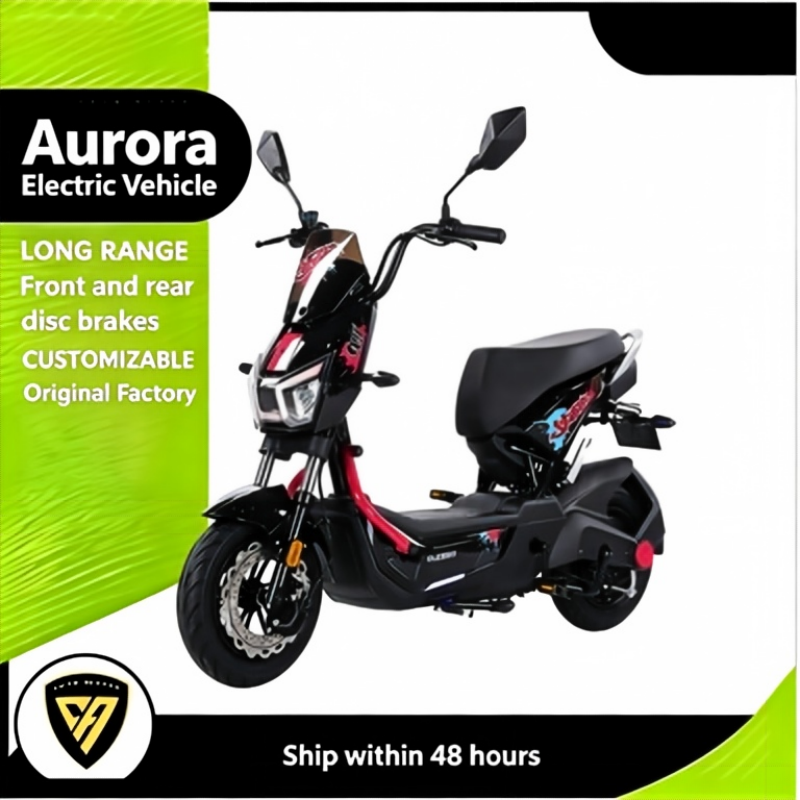
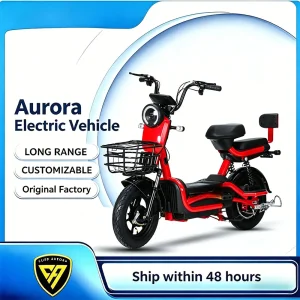
View DetailsEquipped with utility front baskets, secure rear backrests, responsive shock absorption, and anti-slip footrests, supported by high-grade braking systems.
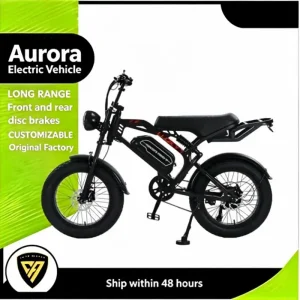
View DetailsConstructed with reinforced steel/alloy frames and wear-resistant materials. Manufactured to export-grade quality standards for durability and reduced maintenance.
View Details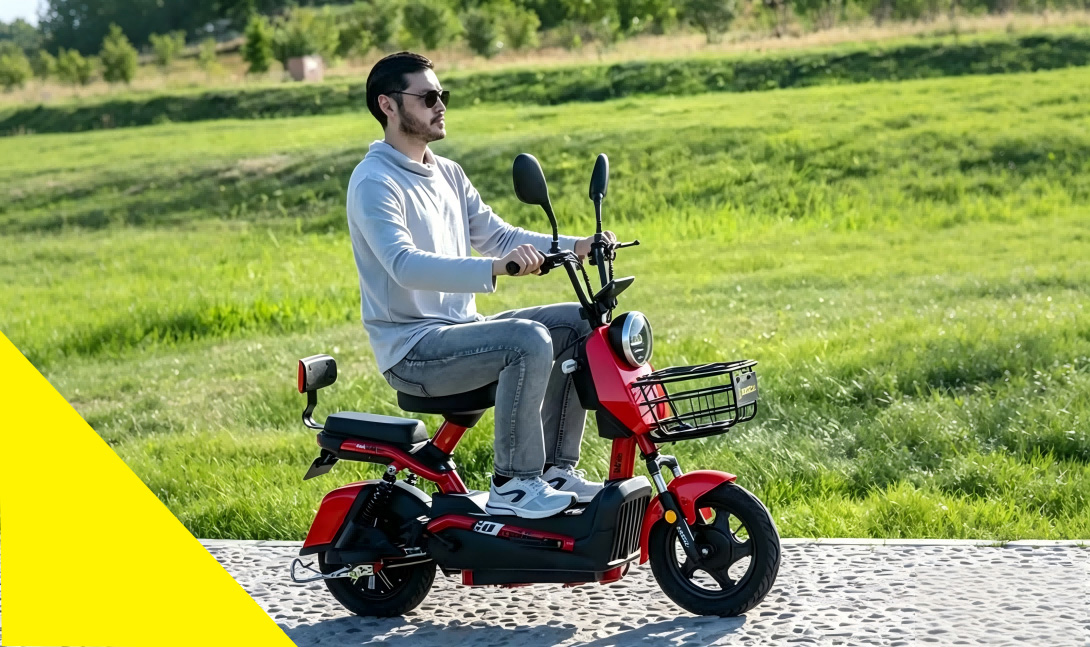
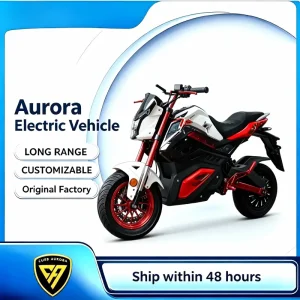
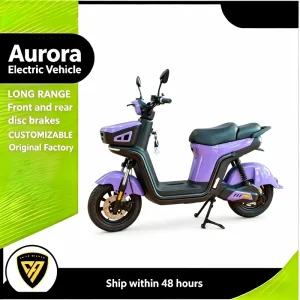
Ergonomic and lightweight design, ideal for metropolitan short-distance transit. Engineered for energy conservation, structural durability, and steady power output.
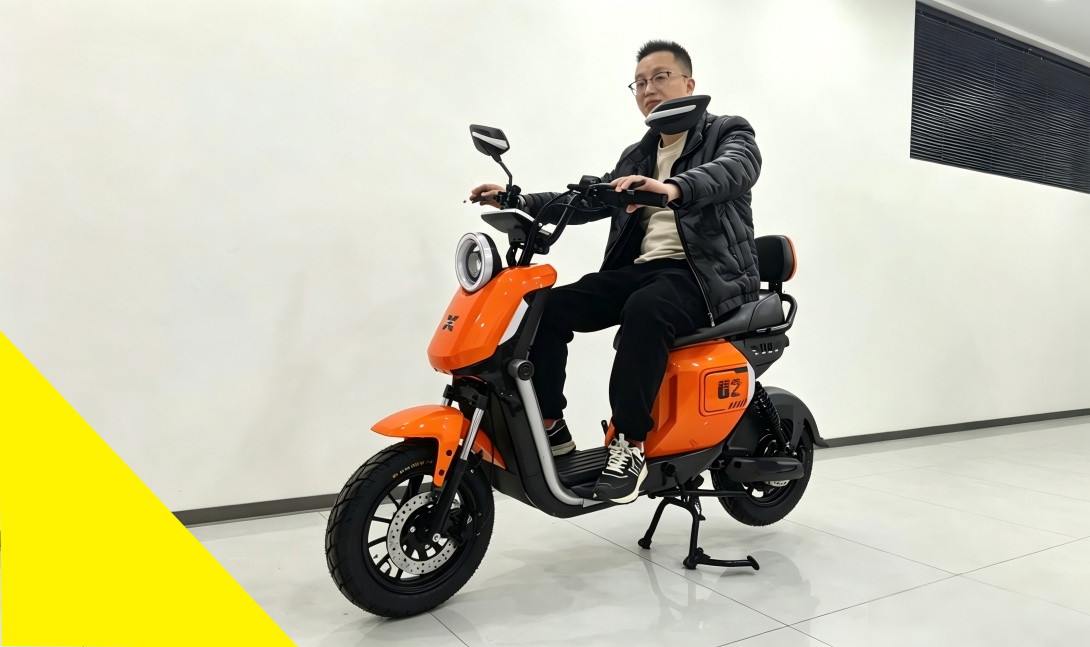
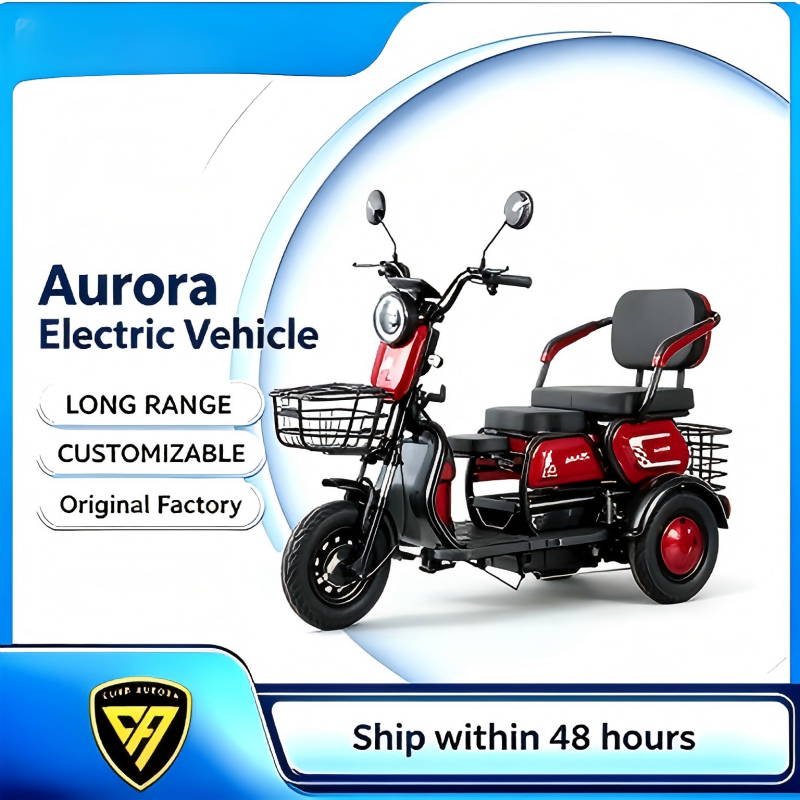
Featuring a streamlined modern aesthetic and reliable motor response. Built to withstand daily commercial use, providing a practical, labor-saving urban transport solution.
A trusted partner delivering value through robust engineering and streamlined logistics.
We provide flexible custom design pathways, rigorous quality control checks, consistent production capacity, and comprehensive global after-sales support.
Operating as an established EV factory, we enforce strict QC measures, premium component selection, and reliable build standards designed for global export markets.
We utilize 5-layer imported kraft paper packaging with customizable interior padding options, protecting cargo during transit and ensuring damage-free arrival.
Detailed technical answers addressing import compliance, customs procedures, and shipping processes.
High-performance models engineered for global distribution and transit systems.