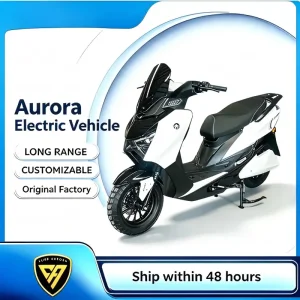
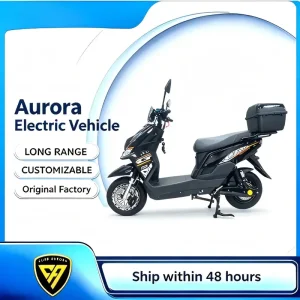
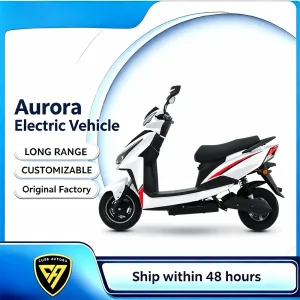
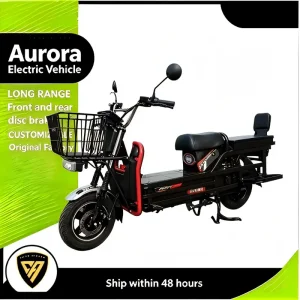
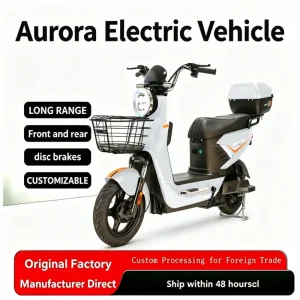
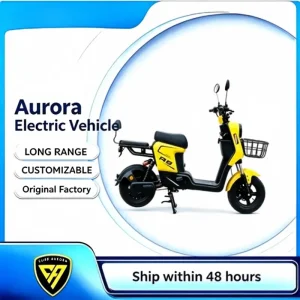
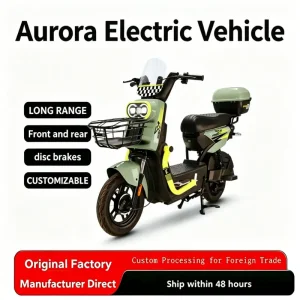
Premium OEM/ODM electric scooters, bikes, and tricycles customized to European compliance, safety, and operational standards.
A strategic compliance, fiscal classification, and manufacturing analysis for B2B buyers, distributors, and supply-chain officers.
In the context of the global transition toward zero-emission transportation, the European Union has implemented a multi-layered regulatory and fiscal framework that directly impacts the import, distribution, and manufacturing of electric vehicles (EVs). This includes not only full-sized passenger automobiles but also the rapidly expanding micro-mobility sector consisting of electric bicycles (e-bikes), electric scooters (e-scooters), electric tricycles, and utility cargo vehicles. Understanding the EU tax rate for electric vehicles is crucial for global manufacturers and factory partners who aim to establish long-term, compliant, and cost-efficient distribution networks across the continent.
“Tariff engineering, compliance validation, and strict adherence to rules of origin are no longer optional. They represent the primary structural competitive advantage for EV manufacturers targeting the European single market.”
The standard custom duty rate applied to electric vehicles entering the European Union varies significantly depending on the Harmonized System (HS) code classification. Electric passenger cars generally fall under HS code 87038010, which traditionally attracted a conventional duty rate of 10%. However, recent anti-subsidy investigations and the provisional imposition of countervailing duties have significantly adjusted the effective tariff landscape. Meanwhile, electric two-wheelers—classified under HS codes such as 87116010 (e-bikes/EPACs) and 87116090 (other electric cycles, including stand-up scooters)—experience distinct trade defense instruments. Specifically, Chinese-manufactured electric bicycles face hefty anti-dumping duties (ADD) ranging from 10.3% to 62.1% and countervailing duties (CVD) up to 17.2%, which require deep industrial adaptations from manufacturing plants to bypass or minimize legal custom duties through strategic assembly, compliance, and component optimization.
Proper classification is vital. Electric bicycles (with pedal assistance up to 25 km/h and nominal power output not exceeding 250W) fall under HS Code 87116010. E-scooters, electric motorcycles, and other personal mobility devices (PMDs) without pedals are classified under HS Code 87116090, avoiding some of the specific anti-dumping measures designed for e-bikes.
To qualify for preferential tariff treatments under various Free Trade Agreements (FTAs) or to avoid anti-circumvention investigations, manufacturers must satisfy precise local content thresholds. Value-added calculations and manufacturing transformations must take place within verified legal boundaries, ensuring authentic origin verification.
European standards like EN 15194 (for e-bikes) set mandatory safety limits on battery stability, mechanical integrity, electromagnetic compatibility, and speed tampering. Factories must possess CE, RoHS, and FCC certifications, aligning production with the safety regulations demanded by European custom offices.
Aurora Electric Vehicle Shandong Co., Ltd. was founded in 2015 as a premier electric bicycle and micro-mobility manufacturing enterprise. We are located in Linyi City, Shandong Province, which serves as a core transportation hub connecting the Yangtze River Delta and the Bohai Economic Circle. This geographical placement grants us immense logistical and raw material sourcing advantages, facilitating rapid shipping and supply-chain coordination.
Over the last decade, we have scaled from a localized production workshop to a comprehensive, digitalized manufacturing enterprise integrating R&D, production, sales, and cross-border after-sales service. We have witnessed and actively shaped the high-quality development of China’s electric bicycle industry, especially throughout the transition to the new national standards era. This expertise translates directly into our export capabilities, allowing us to supply global markets with regulatory-compliant vehicles.
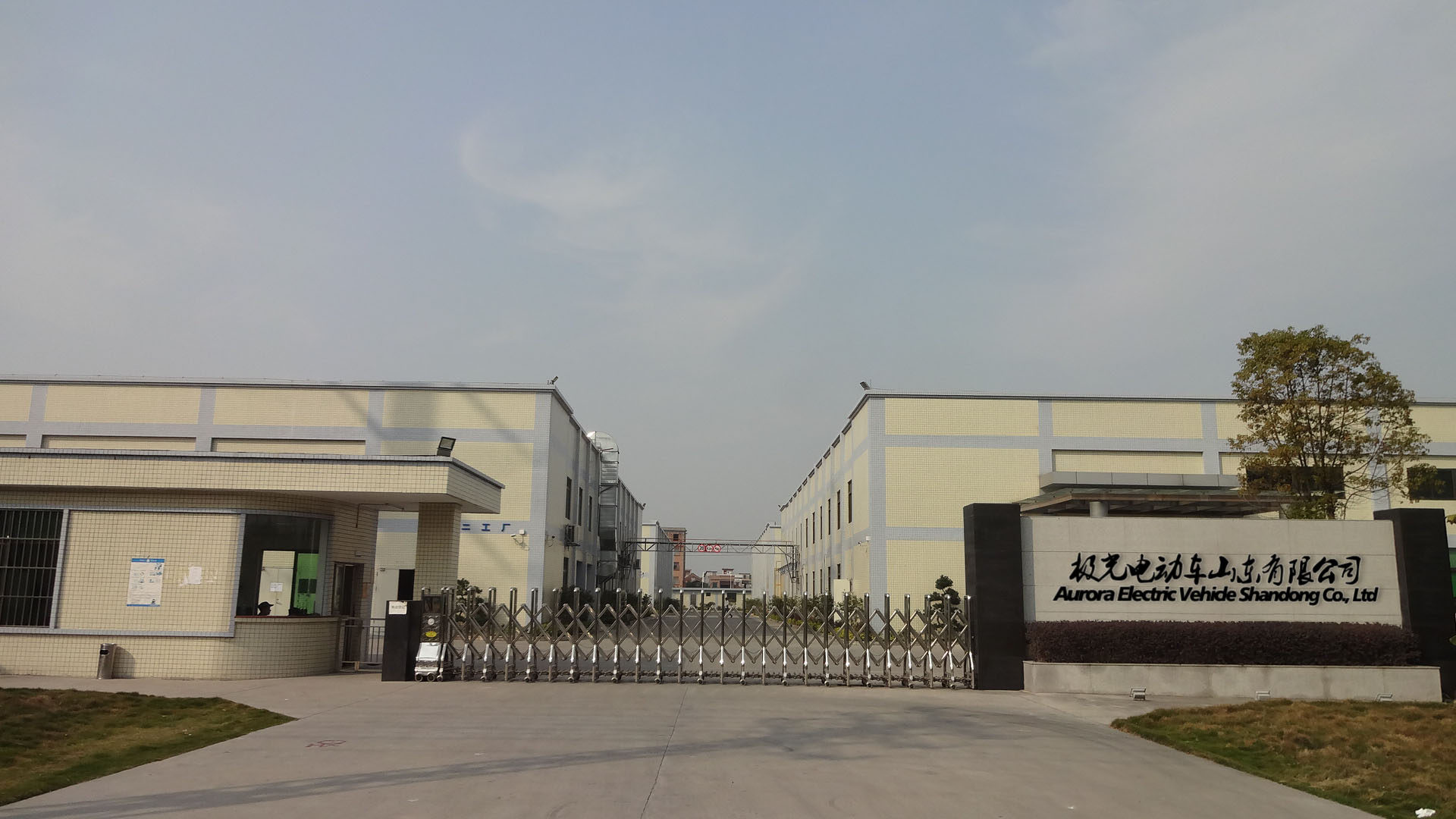
Our operation is driven by highly specialized talent fields that ensure every unit leaving our factory is built to international standards.
Our R&D division consists of veteran engineers boasting more than 10 years of experience in electric drivetrain calibration and battery management systems (BMS). We hold multiple core technology patents on hub motor efficiency, frame fatigue stress relief, and thermal control of lithium-ion systems, ensuring that our products provide maximum range and rider safety.
Composed of skilled technicians who undergo rigorous quarterly training. They monitor and execute every step of production—from raw high-carbon steel tube welding and anti-corrosion coating application to final motor integration, aligning with modern industrial standards.
Our international service desk handles OEM/ODM customization requests, customs clearance inquiries, and logistics arrangements. We offer comprehensive support to ensure smooth import operations, specifically helping distributors navigate European port customs declarations.
Our products undergo thorough evaluations to obtain critical certifications, facilitating compliant import and commercial sale in standard European markets.
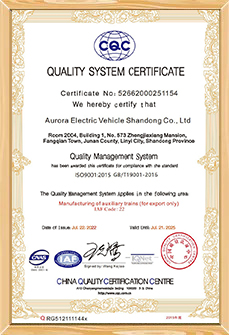
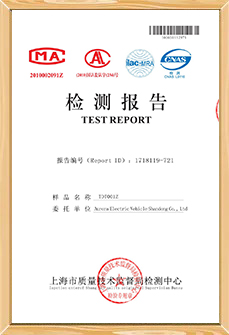
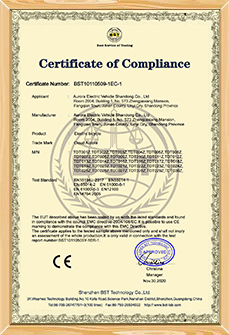
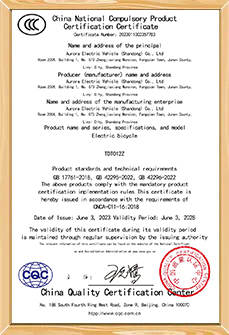
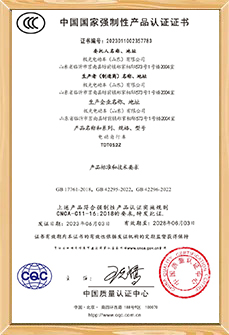
Combining technological innovation with green transportation goals to manufacture reliable, eco-friendly micro-mobility vehicles.
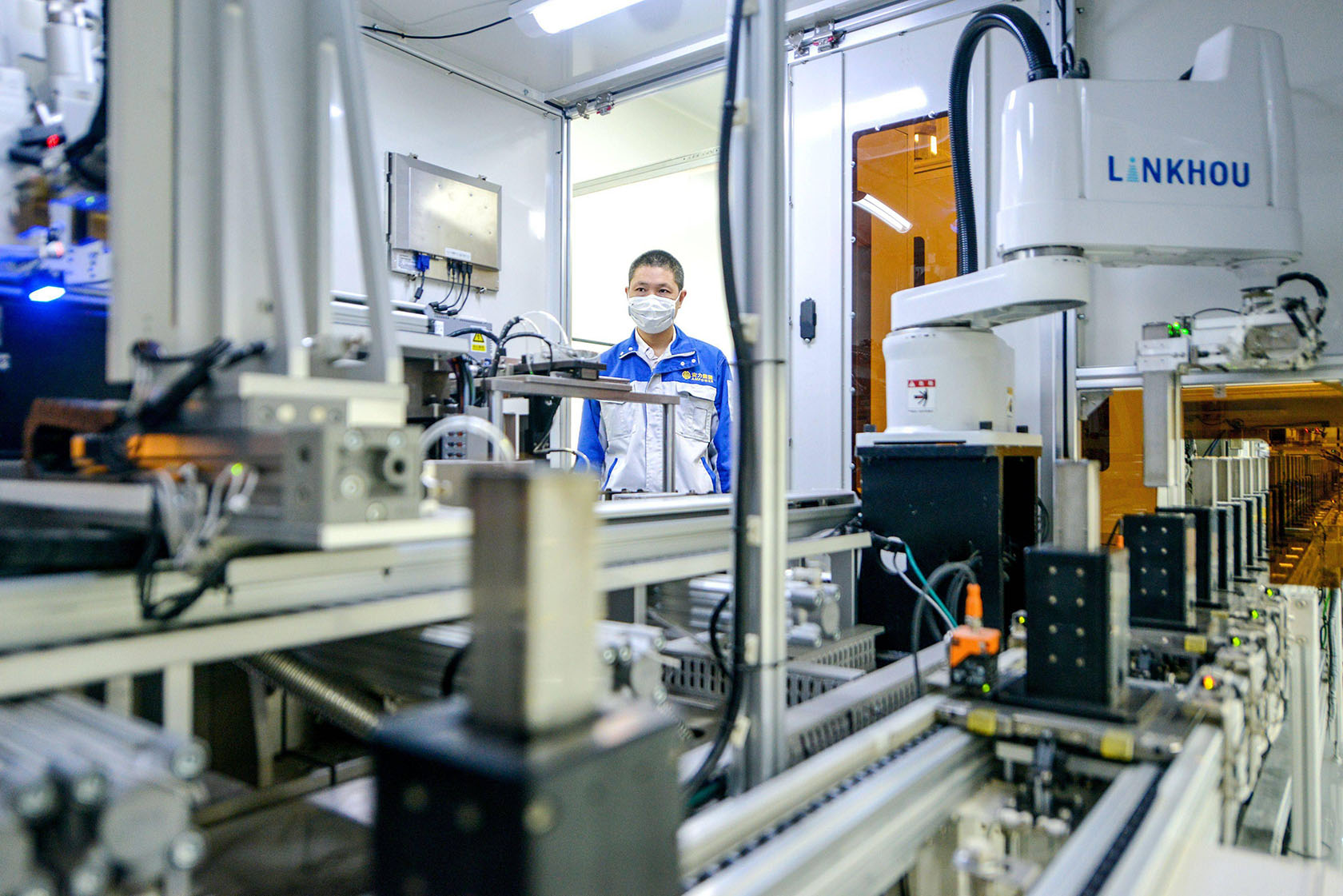
Our core corporate mission centers on providing energy-efficient, robust transport alternatives. We weave the cultural values of integrity and hard work with modern quality control. Our products are tested for structural load-bearing capacity, waterproof insulation (critical for wet European climates), fire-resistant battery compartments, and high-frequency vibration absorption.
We are dedicated to building long-term alliances with global buyers, ensuring our partners benefit from competitive factory prices, clear customs documentation, and stable product quality. This helps mitigate risks associated with international logistics and shifting tariff rates.
Every batch of vehicles undergoes rigorous laboratory trials before dispatch. We assess battery life cycles under varying temperatures, structural fatigue under heavy loads, and mechanical wear on brakes and suspensions. This rigorous quality check helps ensure our electric scooters and cargo bikes handle frequent usage with minimal maintenance, providing long-term reliability for commercial fleets.
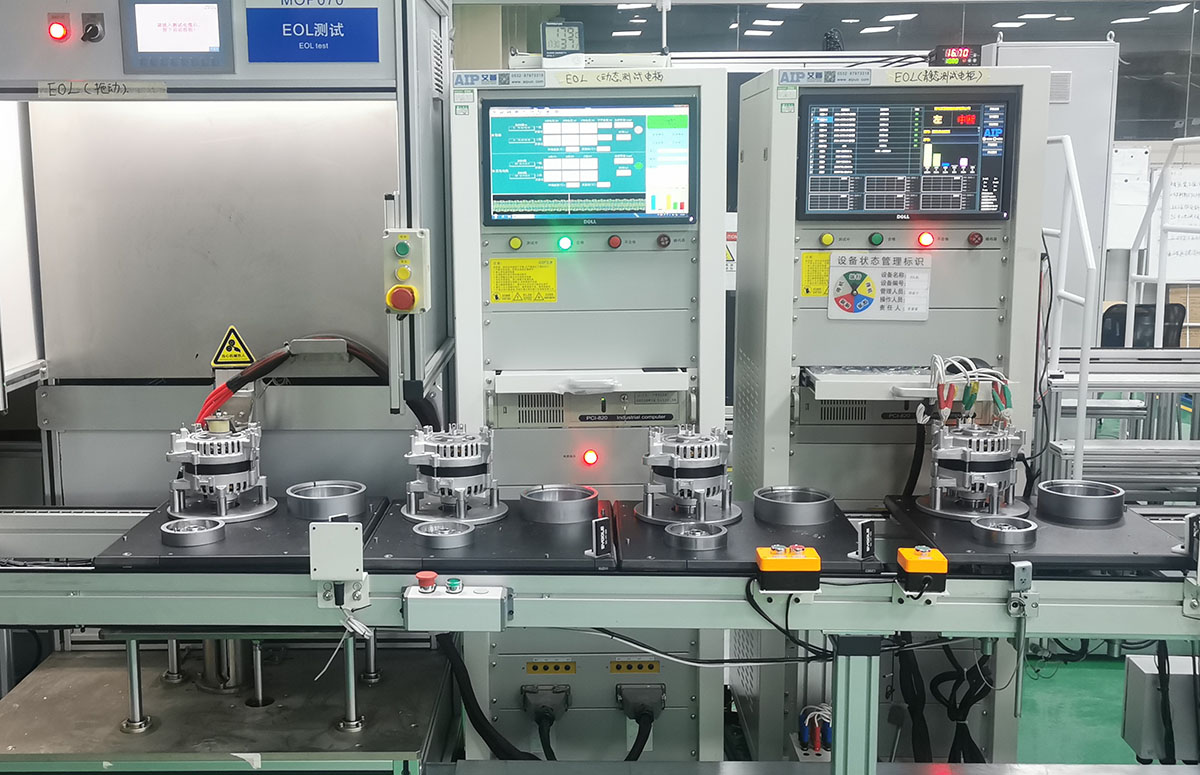
Leverage our regional location, comprehensive customization options, and strict compliance structures to scale your business.
Situated in Linyi City, Shandong—a major logistical hub—we enjoy proximity to key steel, motor, and electrical components suppliers. This allows us to source raw materials cost-effectively and adjust production schedules rapidly in response to market demand.
We configure vehicles to your target market's specific parameters. Whether adjusting motor power to meet European speed limits (e.g., 25 km/h for standard e-bikes) or modifying load capacities for heavy-duty courier work, we deliver optimized designs to match your goals.
Our products are shipped in 5-layer reinforced Kraft cartons with custom protective inserts to prevent transit damage. We coordinate with major global freight forwarders to optimize shipping times and ensure smooth customs clearances.
Discover how our partners utilize our electric micro-mobility models for urban commuting, passenger transport, and light cargo logistics.
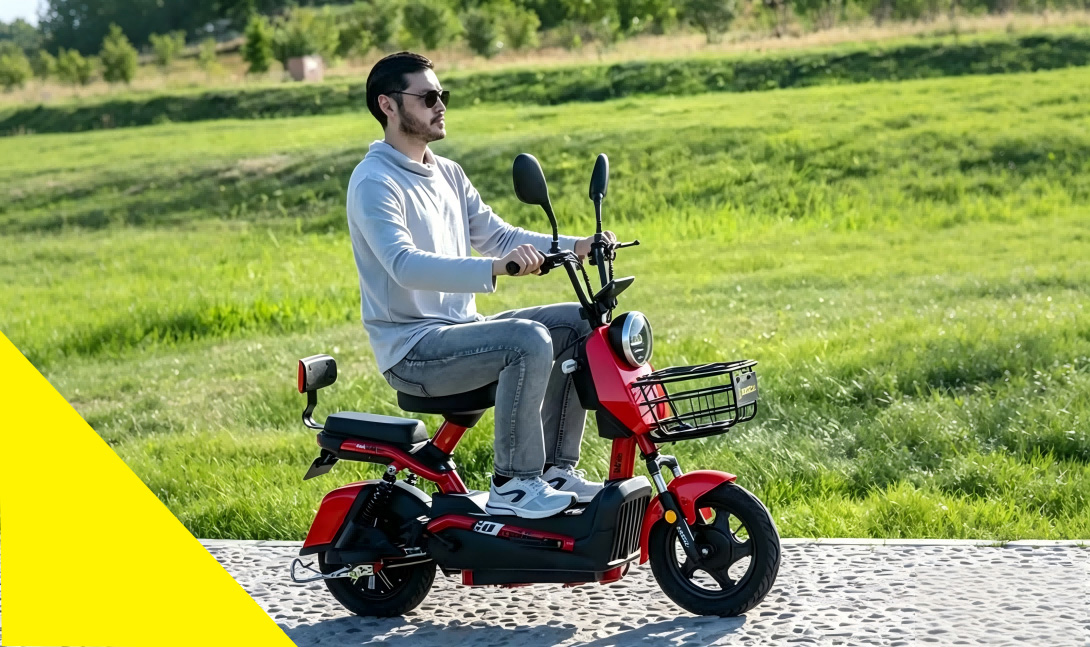
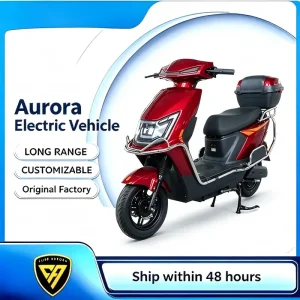
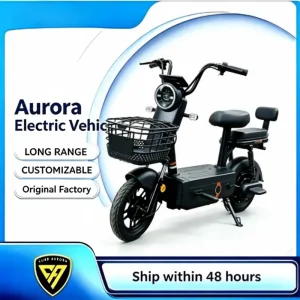
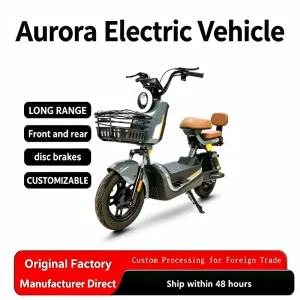
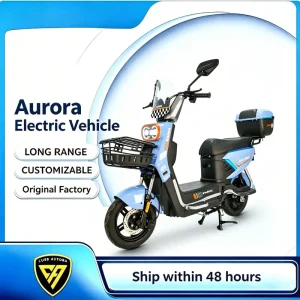
Designed for daily urban commuting, featuring lightweight frames, efficient motors, and durable battery setups. An ideal, low-emission choice for short-distance city travel.
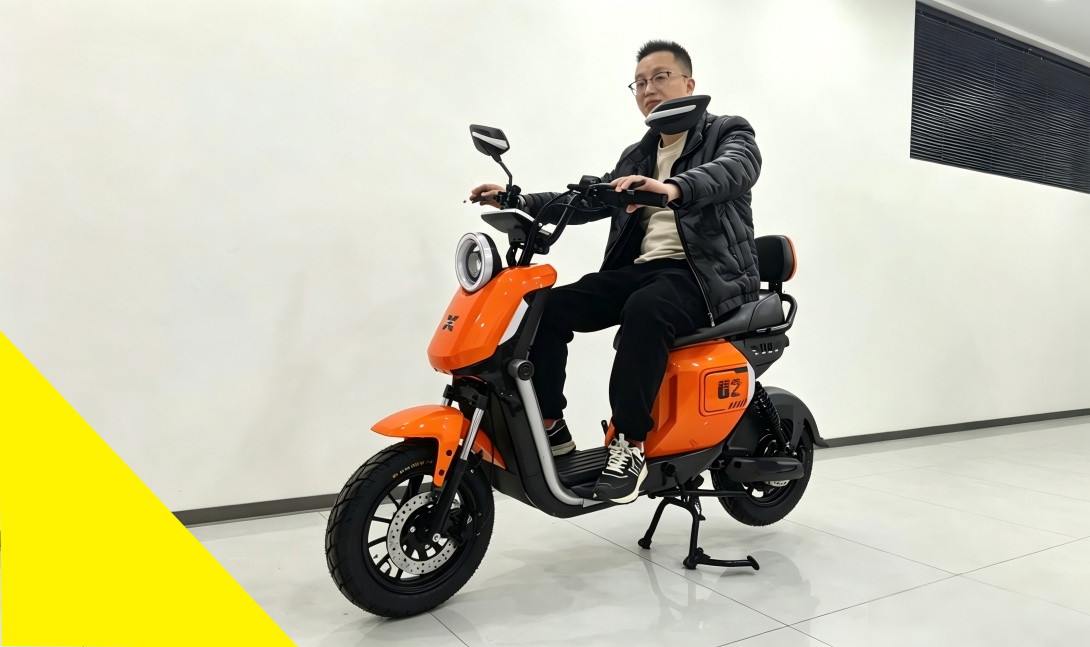
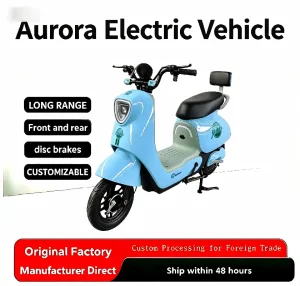
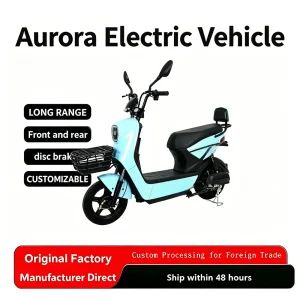
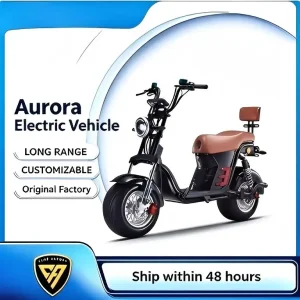
Featuring modern, streamlined aesthetics and stable power delivery. Highly maneuverable and easy to park, these models provide practical transport options for dense city districts.
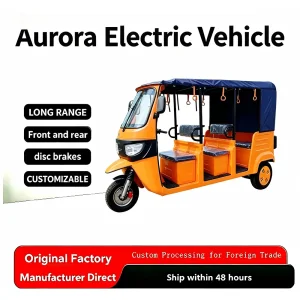
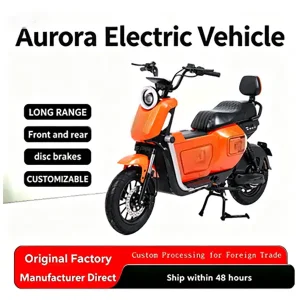
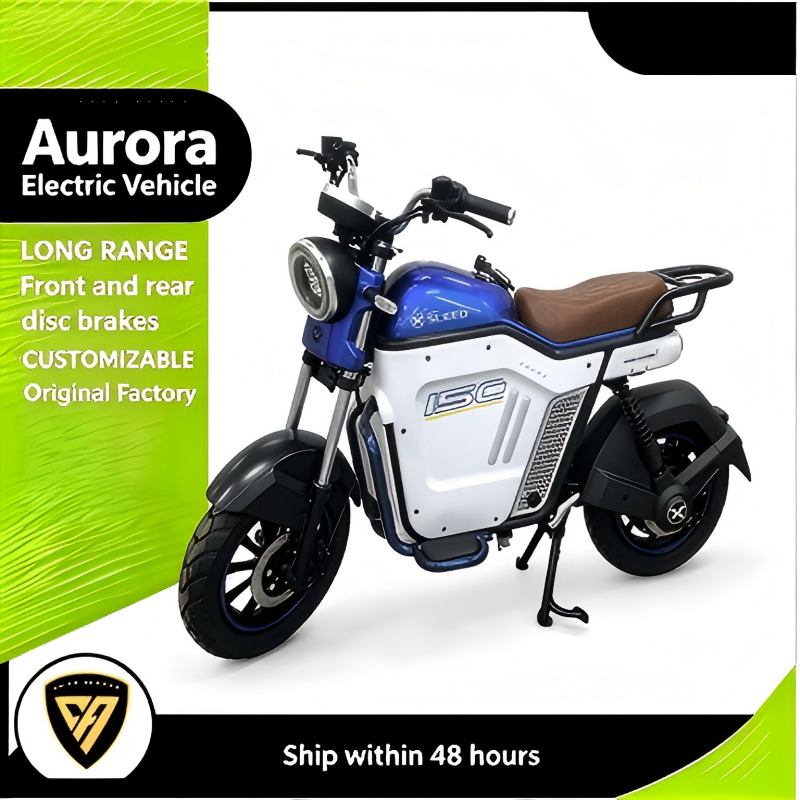
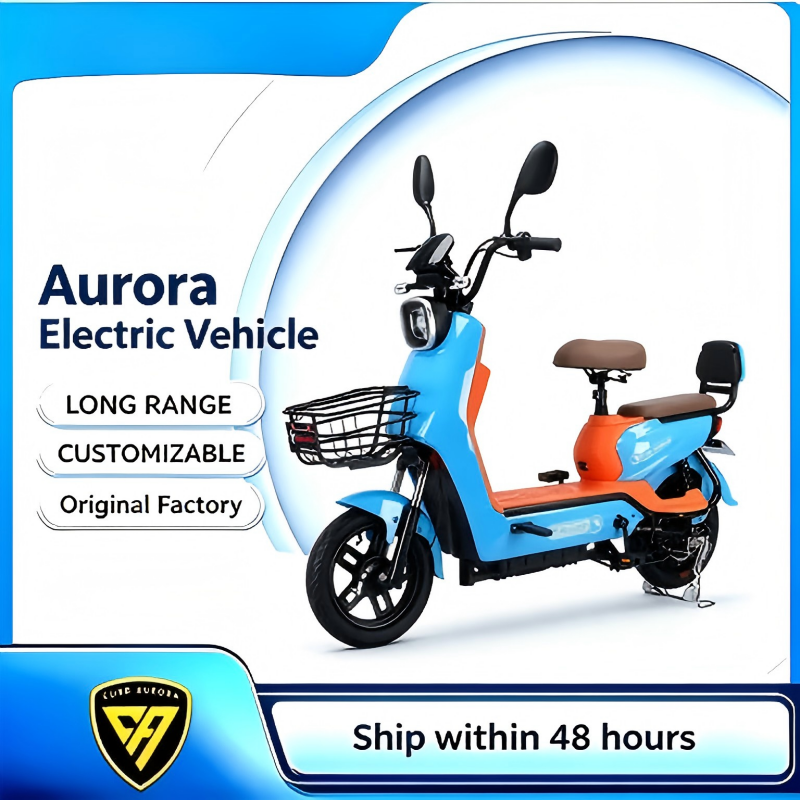
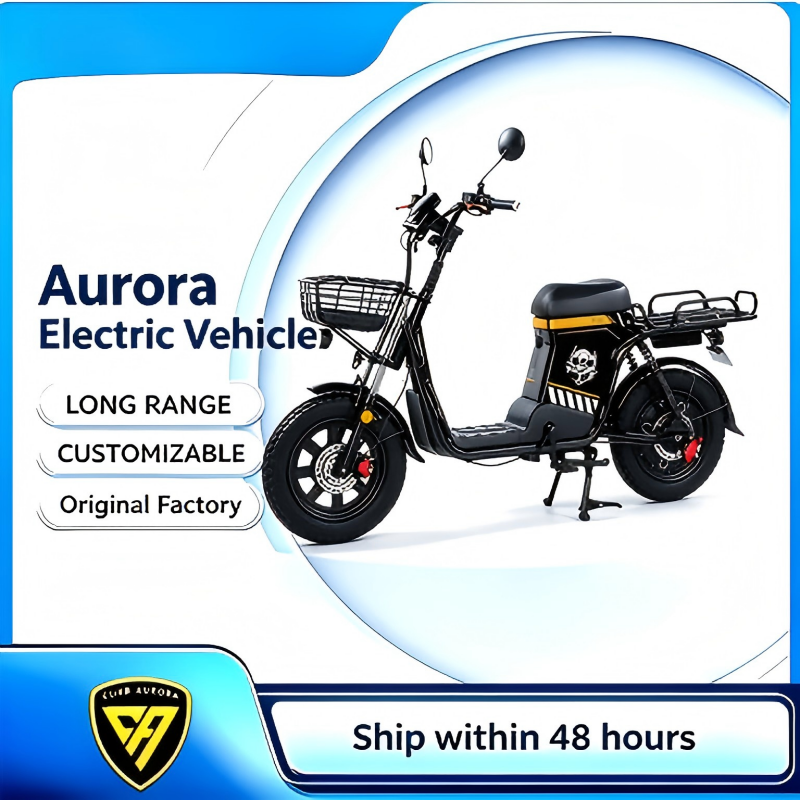
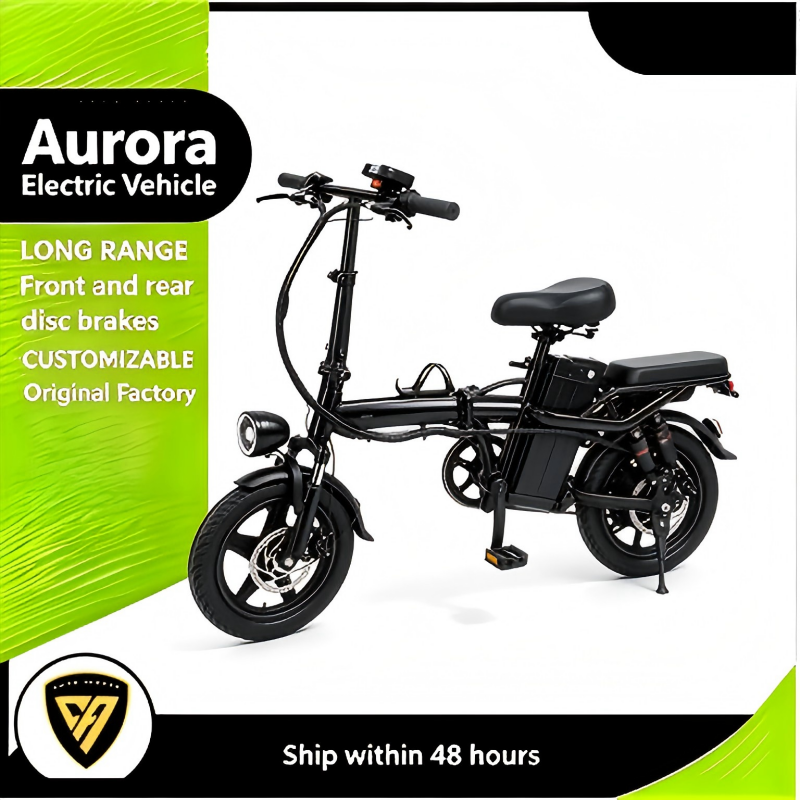
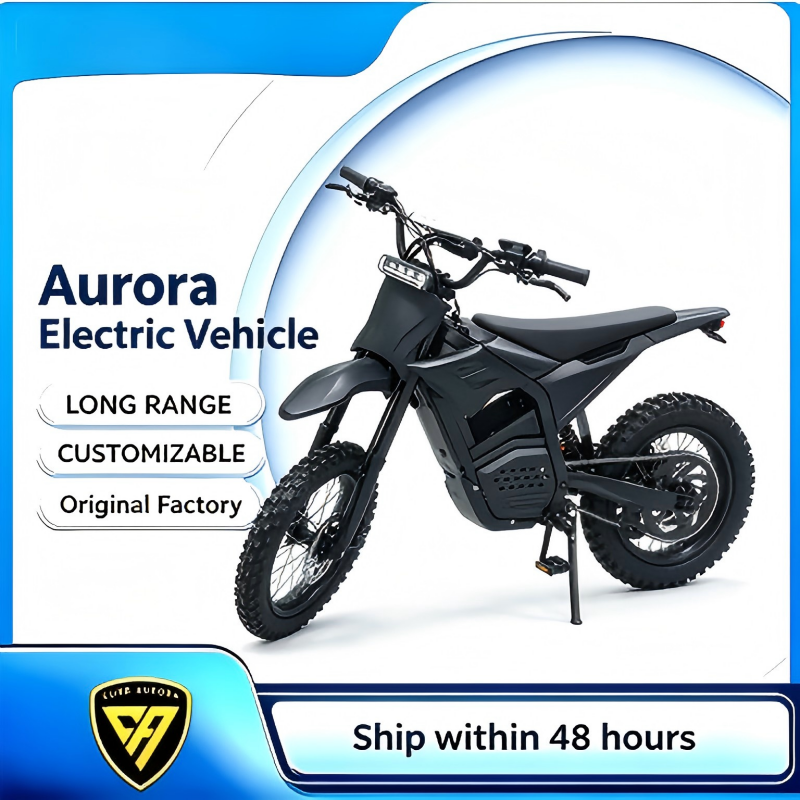
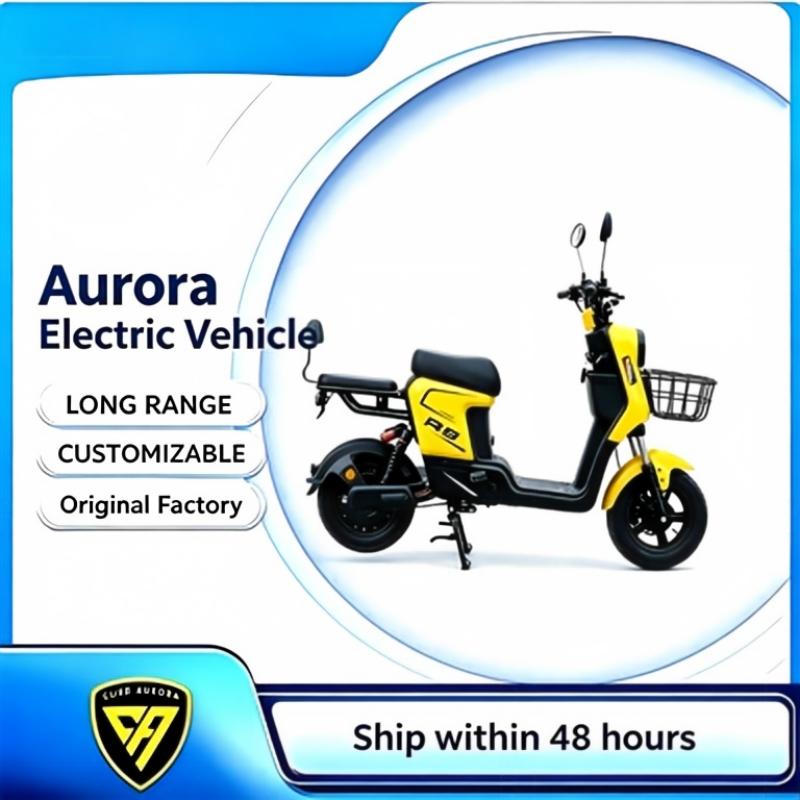
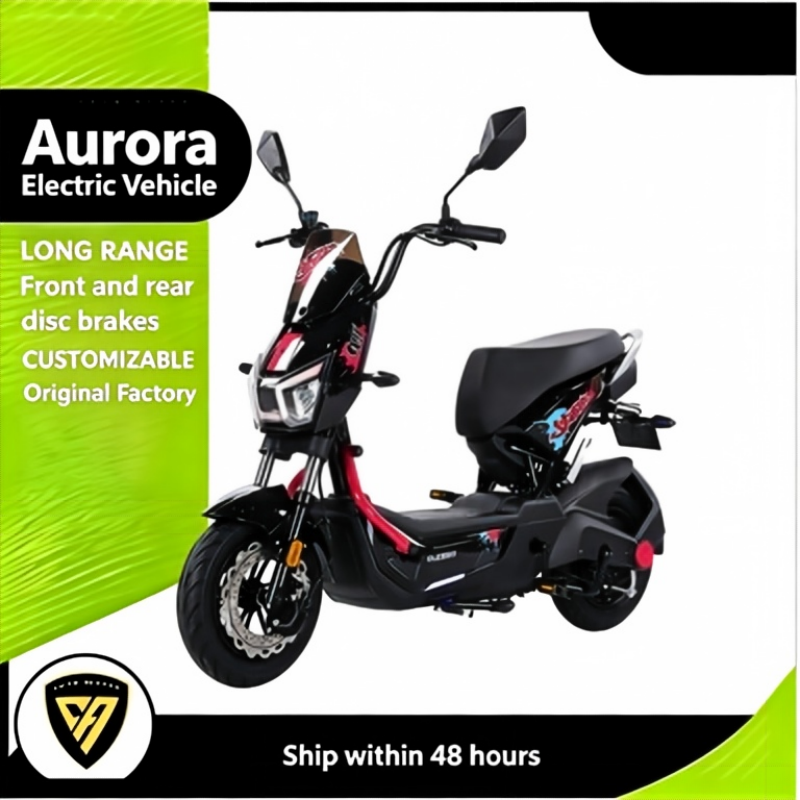
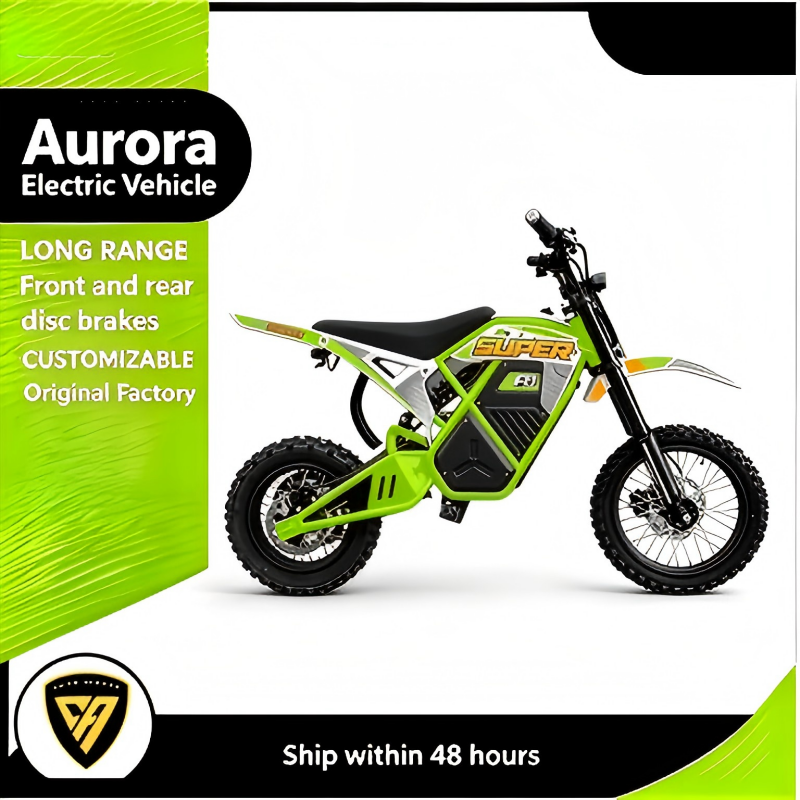
Explore our wide array of electric micro-mobility platforms, from passenger tricycles to fat-tire offroad bikes.
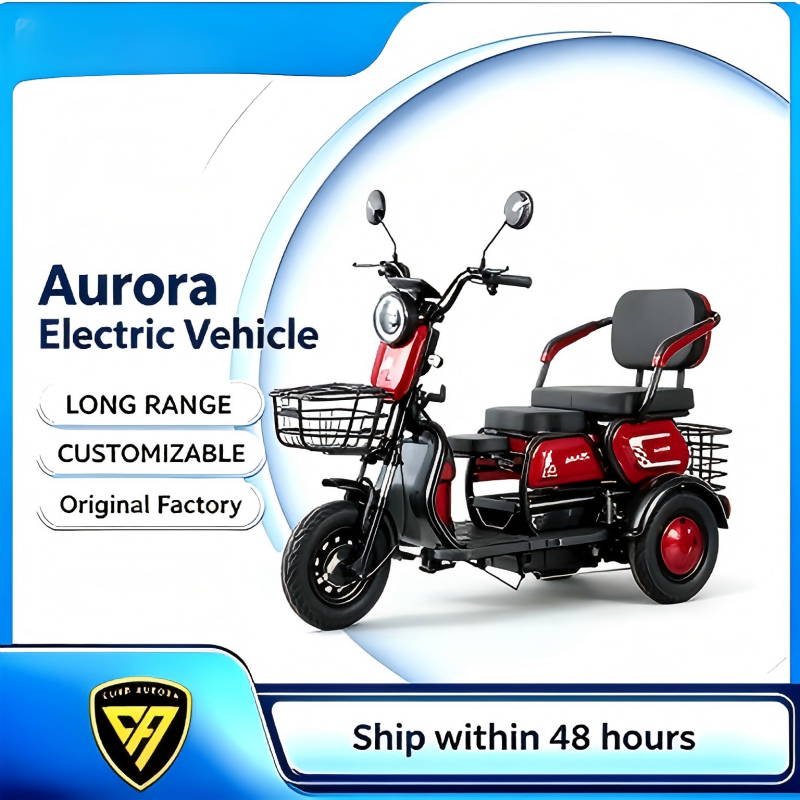
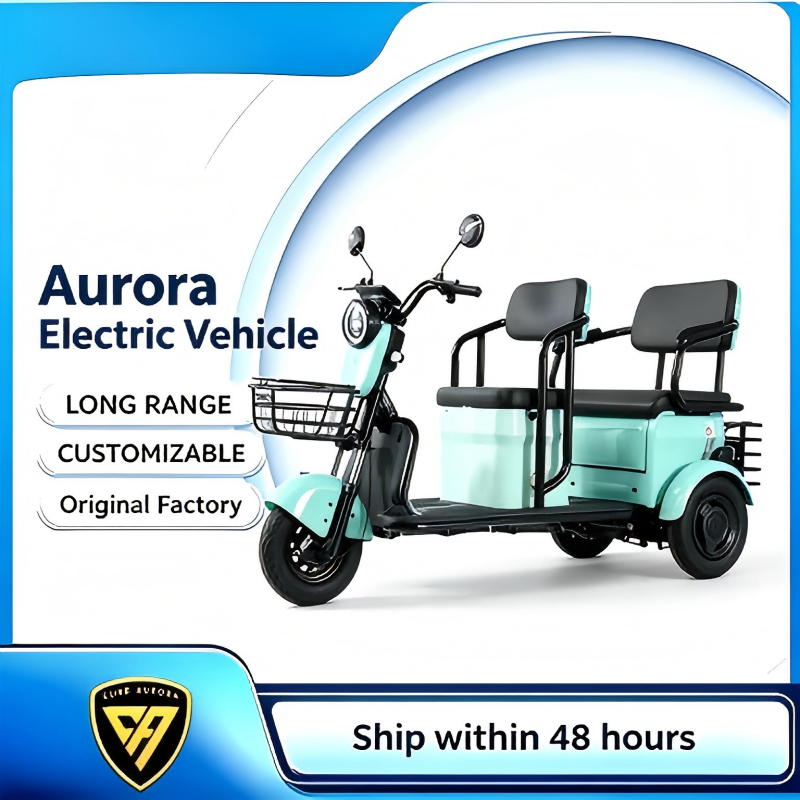
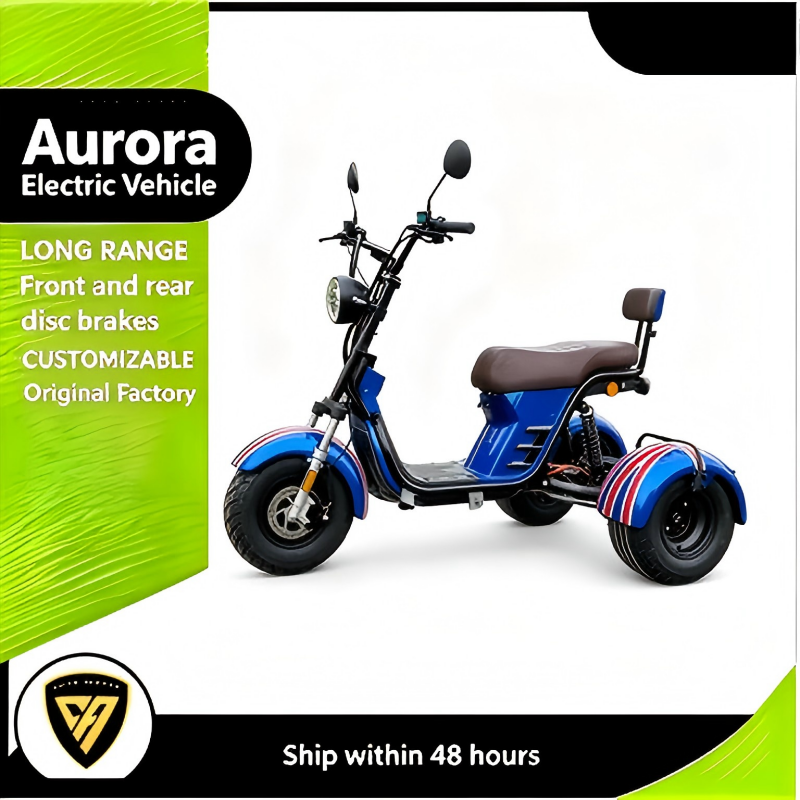
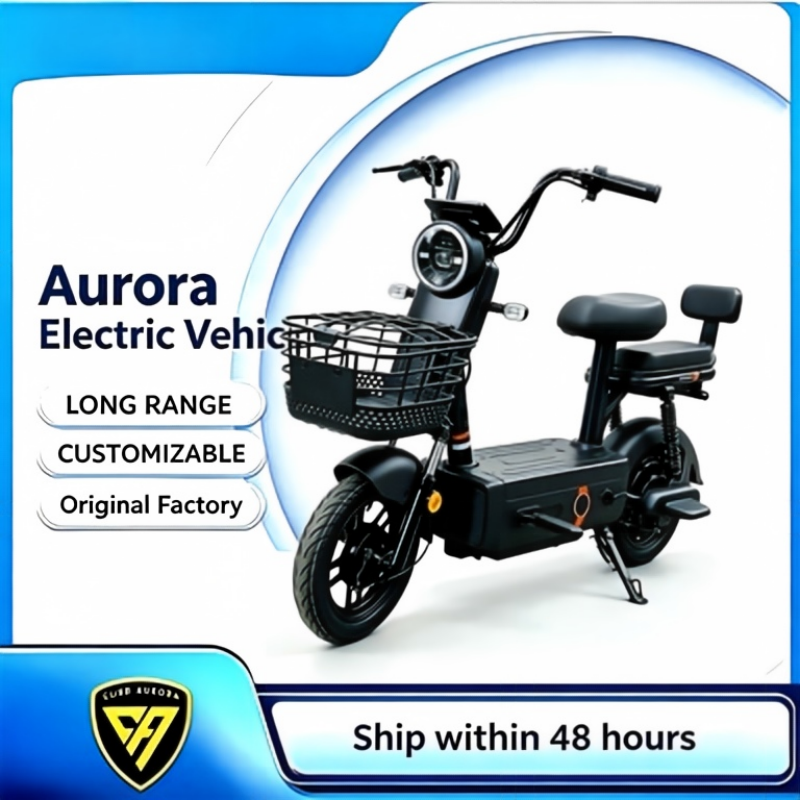
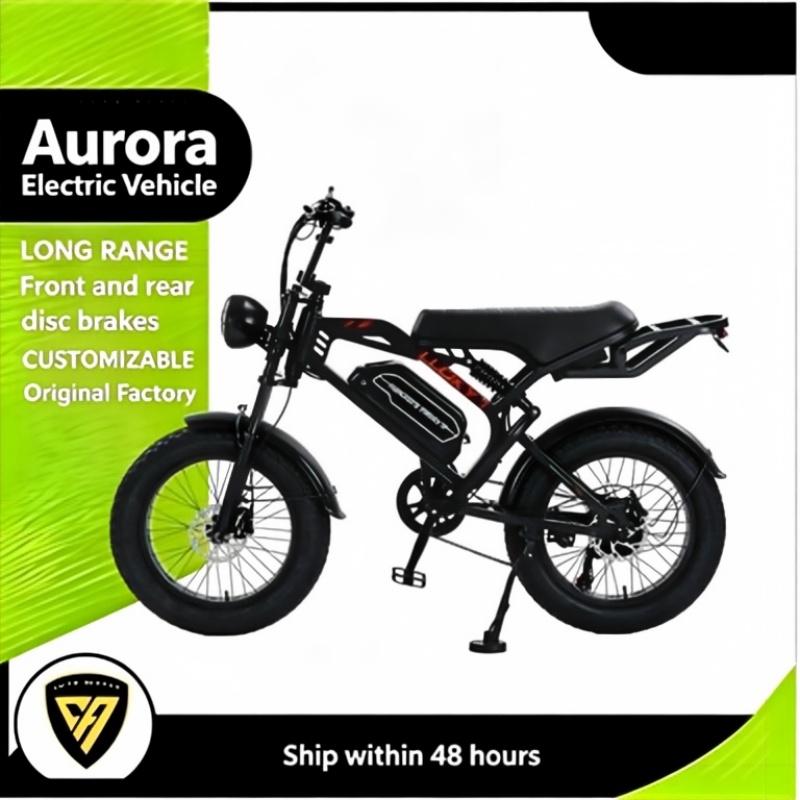
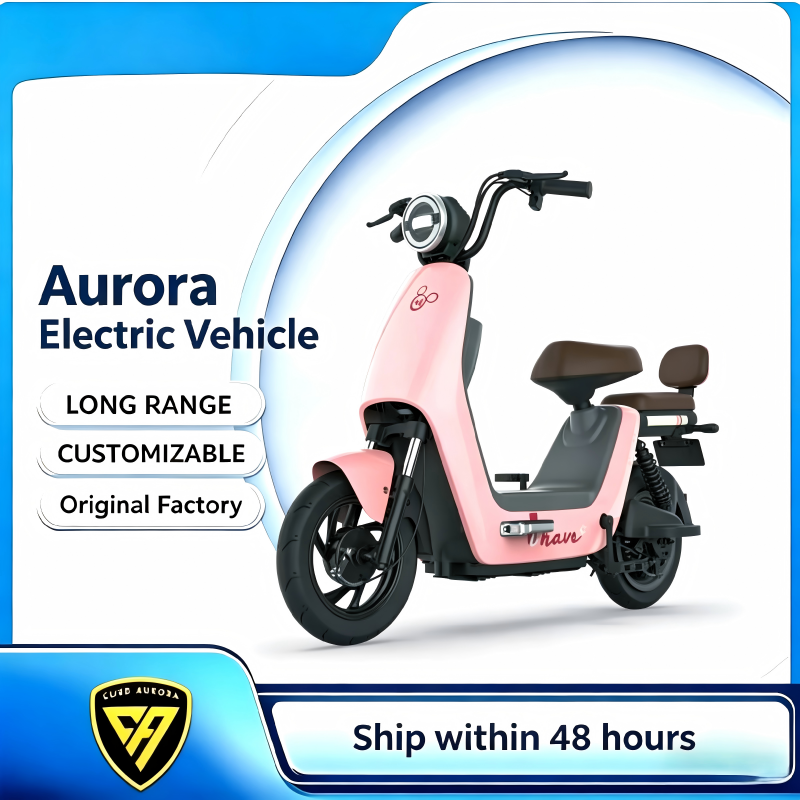
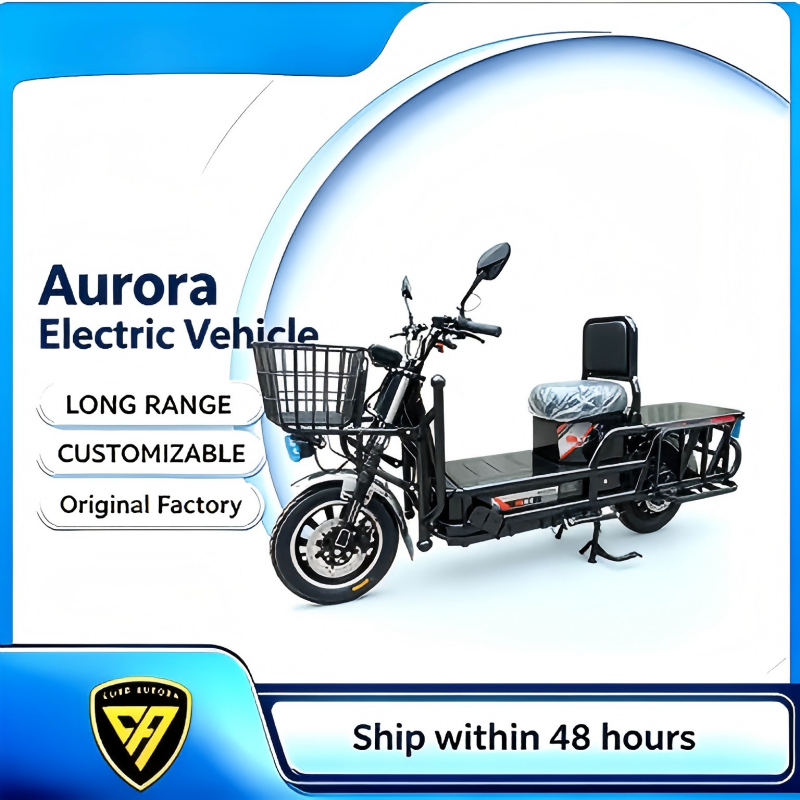
Important regulatory considerations for B2B buyers and importers seeking to establish smooth custom clearance pathways.
Operating a micro-mobility business within the European Union requires careful structural planning to manage import tariffs. E-bikes imported from China typically face combined anti-dumping and countervailing duties that can make direct imports financially challenging. However, importers can employ several compliance strategies to keep operations cost-effective:
Electric scooters that do not feature functional pedals and are designed for stand-up or specific seated travel fall under different trade defense instruments than standard e-bikes. These vehicles avoid the targeted anti-dumping duties levied against Chinese e-bikes, making them a popular and easily importable option for urban micro-mobility fleets.
To reduce shipping costs and adjust tariff calculations, many European buyers import vehicles in CKD or SKD form for final assembly within local EU facilities. If the assembly process meets the necessary local value-add thresholds, the final product can often bypass specific anti-dumping duties, provided the operations comply with EU rules of origin.
Heavy cargo tricycles, leisure three-wheel passenger carriers, and off-road electric motorcycles are governed by distinct customs regulations. These models allow fleet operators and distributors to diversify their product offerings without facing the high tariff structures associated with standard commuter e-bikes.
Answers to common questions regarding customs duties, shipping procedures, and safety compliance for electric vehicle imports.
The base custom duty rate for electric passenger cars (HS Code 87038010) is 10%. However, additional countervailing duties may apply based on the manufacturer's region of origin. For electric two-wheelers and scooters, rates vary by sub-classification. E-bikes face anti-dumping duties, whereas stand-up e-scooters under HS Code 87116090 generally bypass these specific ADD penalties, paying lower standard duties.
The European Commission imposes ADD and CVD on Chinese-origin electric bicycles to protect local European manufacturers. Combined rates can range from 18% to over 79%, depending on the specific Chinese factory's cooperative status with EU trade investigators. Importers must verify the specific tax bracket of their factory partner before placing large-scale orders.
To successfully import electric vehicles, the factory must supply a Certificate of Conformity (CoC) verifying compliance with standard CE directives, the Machinery Directive (2006/42/EC), and the Electromagnetic Compatibility (EMC) Directive. For electric bicycles, compliance with the EN 15194 standard is mandatory. Additionally, battery packs must possess UN38.3 test reports to satisfy international transport safety rules.
Yes, we offer CKD and SKD (Semi-Knocked Down) packaging options. This method allows importers to perform final assembly in regional European facilities, which can help manage overall customs duties and optimize logistics by maximizing container space.
Our laboratory subjects all lithium-ion battery packs to rigorous safety tests, including overcharge protection trials, short-circuit tests, thermal shock exposure, and mechanical drop tests. The battery management system (BMS) is calibrated to cut off power in the event of voltage anomalies, preventing thermal runaway and ensuring long-term operational safety.
For custom OEM/ODM projects, our standard MOQ is 50 units, though sample orders can be arranged for fleet evaluations. Standard production lead times average 30 to 45 days from deposit receipt, depending on the complexity of the customization and current assembly line schedules.
Explore our full range of specialty cargo, commuting, and recreational electric vehicles, ready for global shipping.