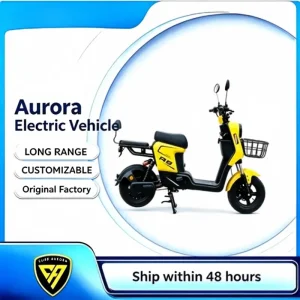
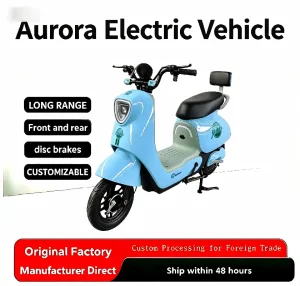
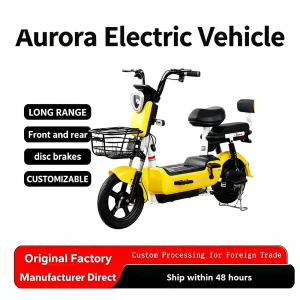
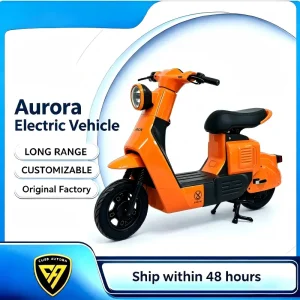
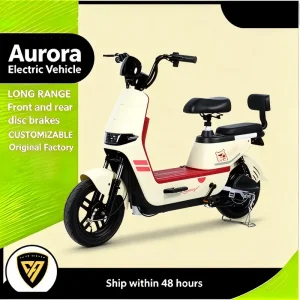
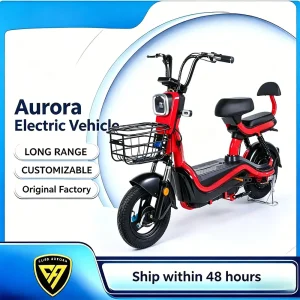
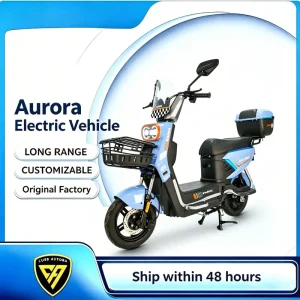
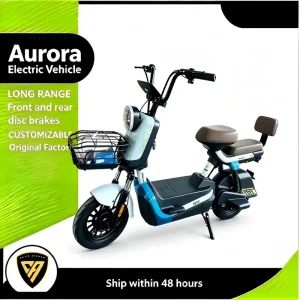
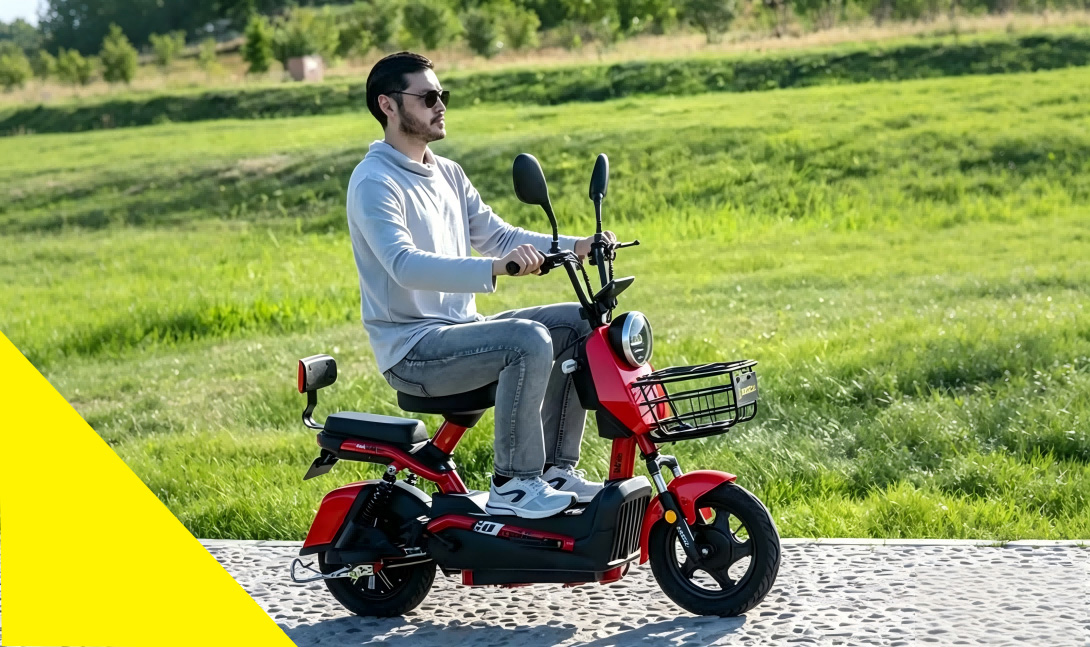
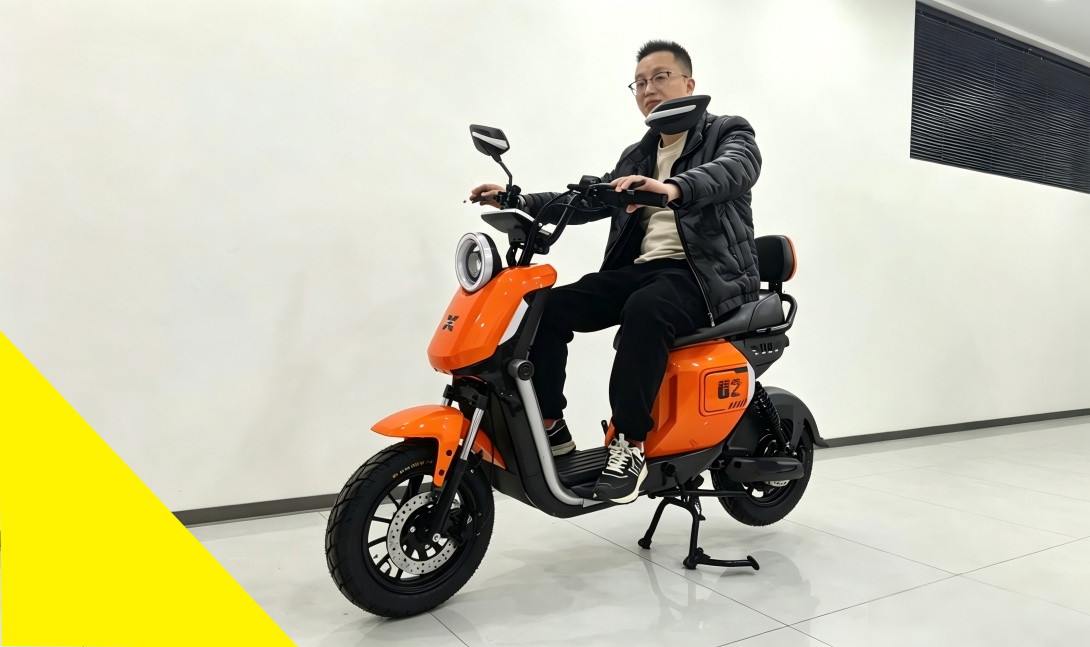
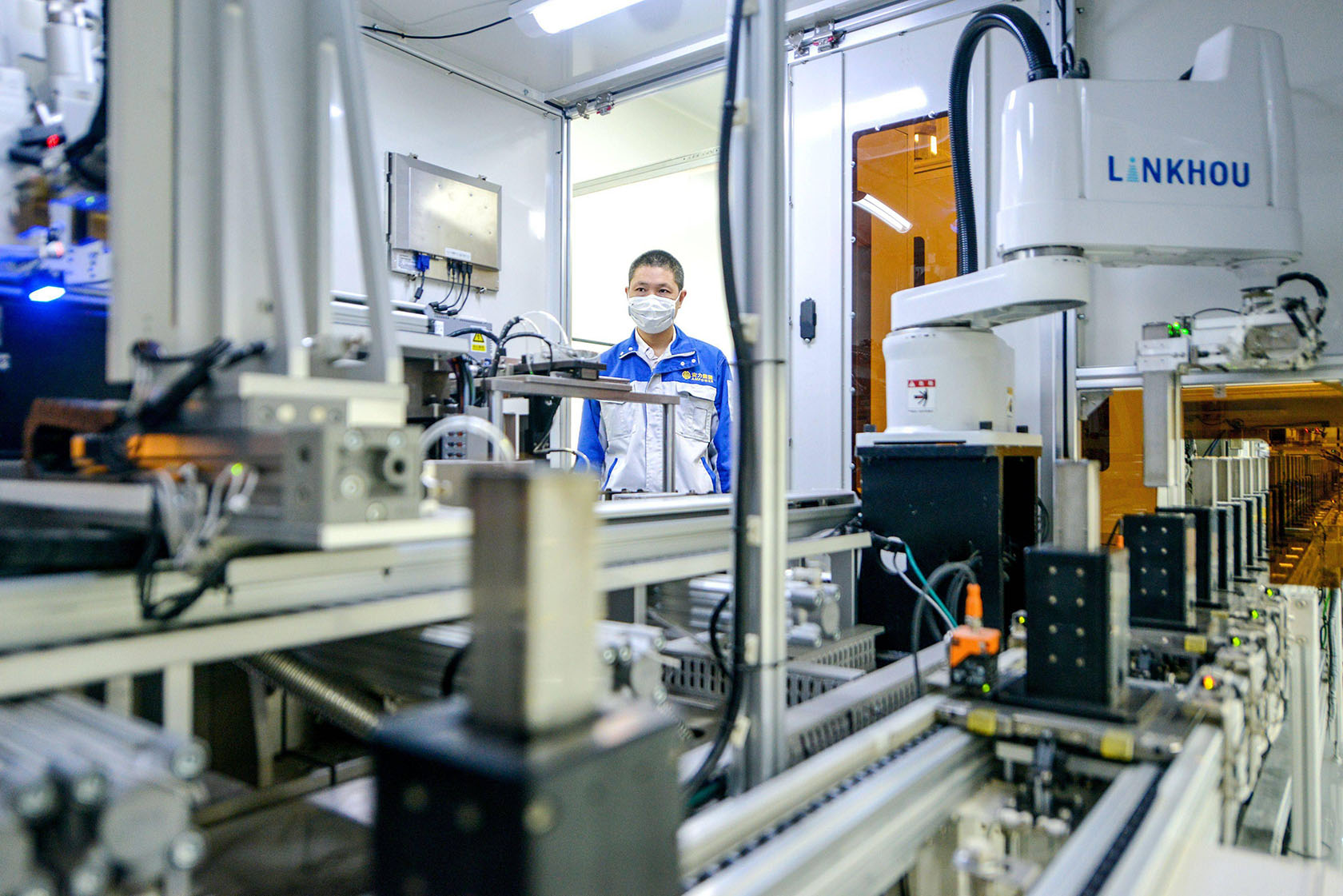
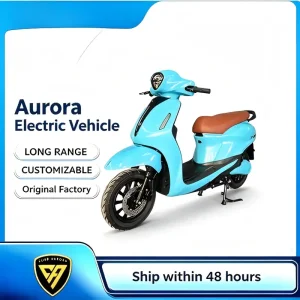
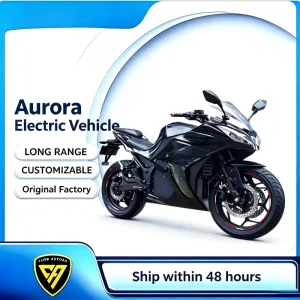
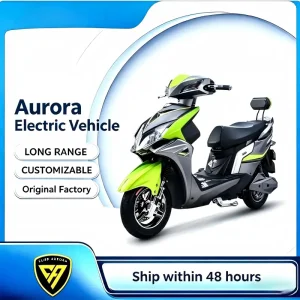
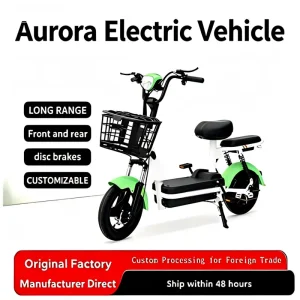
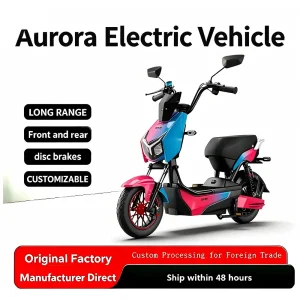
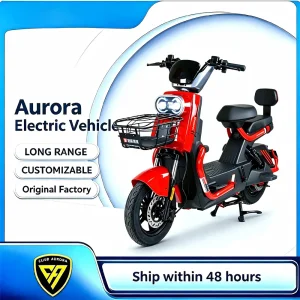
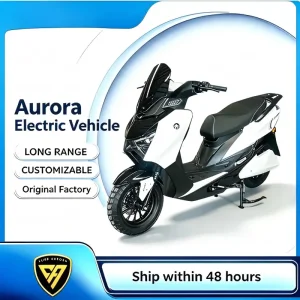
As the global transportation sector shifts rapidly toward zero-emission models, B2B procurement professionals require partners that merge advanced technical design with absolute regulatory compliance. This whitepaper analyzes the paradigm of modern electric two-wheelers, specifically focusing on structural efficiency, aerodynamic performance optimization (referred to here under the engineering framework of "Wind Collection" dynamics), and the critical business value of "High-Quality Photography" assets. By bridging visual compliance and wind-tunnel testing protocols, we provide global suppliers with high-gain informational assets, optimizing lead generation and brand authority in the international green mobility sector.
In B2B purchasing, decisions are dictated by performance transparency and engineering fidelity. A premium electric vehicle is not merely assembled; it is structurally simulated. In high-efficiency e-bike engineering, optimizing the aerodynamic silhouette is paramount. Through meticulous design, our frames reduce drag coefficients by harvesting or cleanly diverting turbulent airflow—a process we characterize as Wind Collection engineering. Simultaneously, supplying transparent, high-fidelity visual evidence through premium digital imagery (Photography) allows cross-border distributors to conduct pre-inspections with maximum structural clarity. Together, these aspects form the baseline of E-E-A-T (Experience, Expertise, Authoritativeness, and Trustworthiness) required to command markets under Google's quality evaluator guidelines.
Utilizing high-end computational fluid dynamics (CFD) modeling to map atmospheric resistance. Our aerodynamic integration minimizes energy draw by up to 12%, maximizing distance yields on a single battery charge.
Providing high-resolution, multi-angle diagnostic photography for import/export documentation, eliminating assembly discrepancies and optimizing customs clearance workflows.
Customized commercial designs suitable for smart urban logistics. These units interface directly with IoT trackers, allowing fleet managers to track system telemetry and battery health metrics in real-time.
Currently, the cross-border market for electric two-wheelers is undergoing intense consolidation. Standard, low-grade commuter bikes face regulatory challenges and tariff barriers in major import blocks like North America and the EU. Real growth is driven by high-specification vehicles manufactured by verified factories that offer comprehensive compliance documentation.
Aurora Electric Vehicle Shandong Co., Ltd., established in 2015 in Linyi City, Shandong Province, sits at the epicenter of this industrial evolution. Strategically located inside the transport network connecting the Yangtze River Delta and the Bohai Economic Circle, we leverage domestic component ecosystems to offer competitive wholesale pricing. With over a decade of dedication to EV manufacturing, we have transformed from a high-quality regional factory to a globally integrated ODM/OEM supplier of electric scooters, delivery bikes, and leisure vehicles.
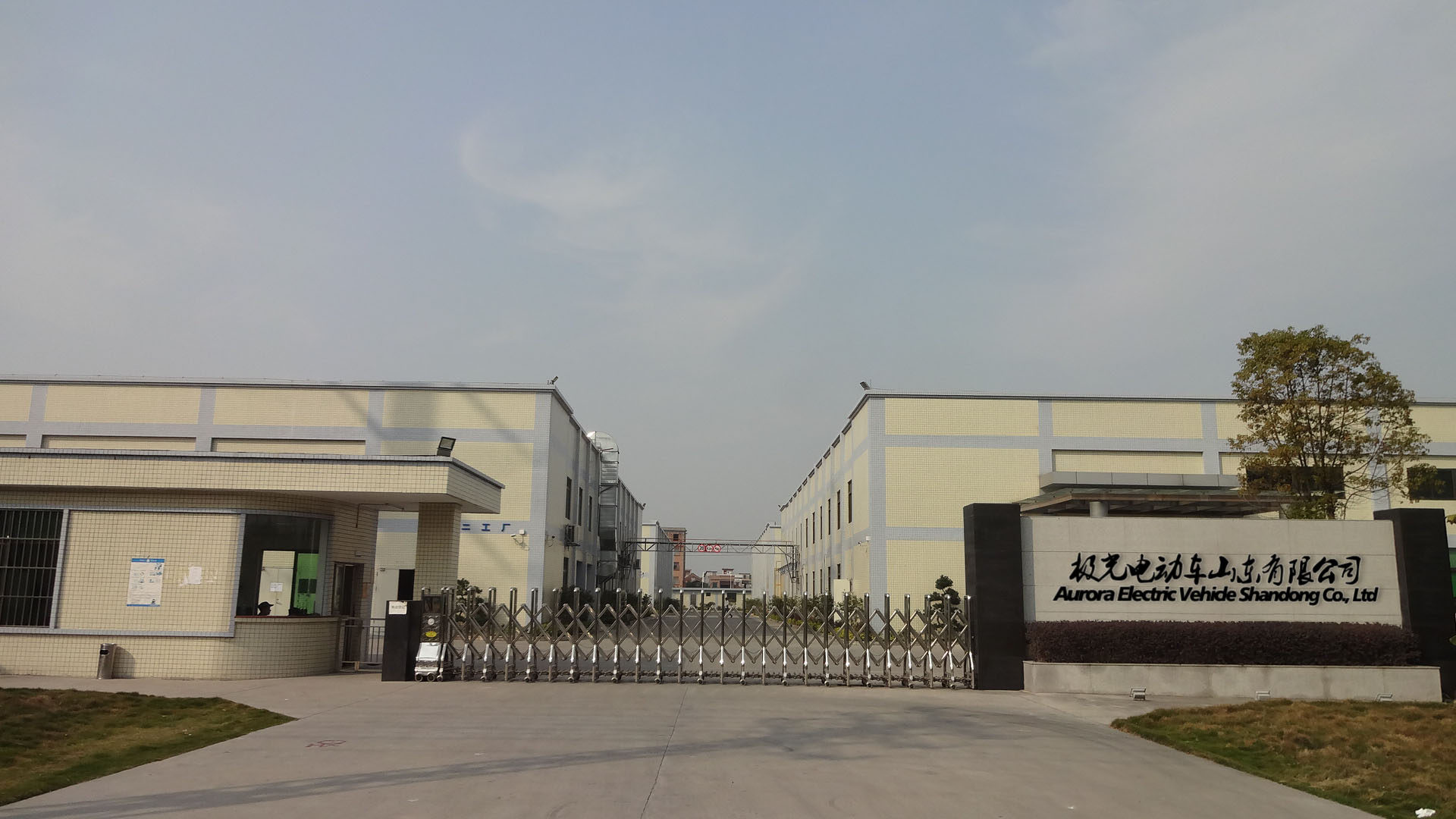
Global trade in electric vehicles is governed by strict local regulatory frameworks. Every region enforces distinct safety, electromagnetic compatibility, and battery safety codes. Our engineering team designs all export-oriented products to ensure seamless integration and trouble-free import registration across diverse global markets.
| Target Region | Required Certification | Testing Parameter Focus | Compliance Actions Taken |
|---|---|---|---|
| European Union | CE Certification (EN15194) | Functional safety, electromagnetic compatibility, motor power limits | All European commuter models fully certified; test reports supplied pre-shipment. |
| United States | FCC, UL 2849 (Battery/Charger) | RF emission limits, lithium-ion battery fire retardancy, electrical safety | Integrates certified Smart BMS with thermal runaway insulation and FCC-verified chargers. |
| China (Domestic & Re-export) | CCC (China Compulsory Cert) | Anti-tampering, speed-limiter controls, structural fire-retardant materials | Fully updated in 2019 under the New National Standard era requirements. |
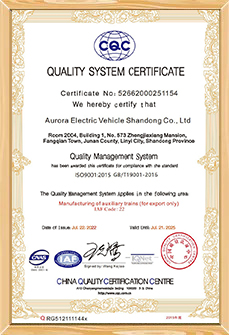
CCC Quality Compliance
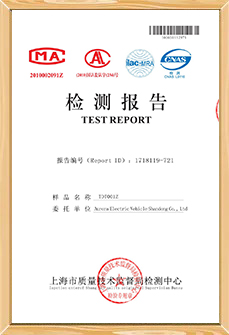
CE Safety Verification
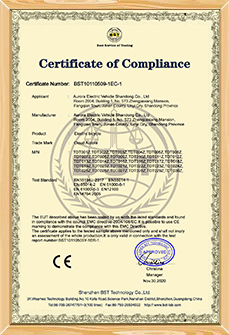
FCC Standard Clearance
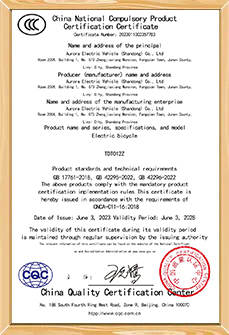
ISO 9001 Standard
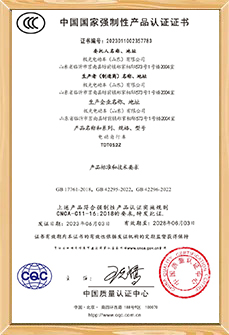
Global Export License
As a leading industry stakeholder, our dedication to R&D is structured around three core pillars: battery management systems (BMS), structural aerodynamics (Wind Collection modeling), and visual configuration accuracy. In our Linyi testing facility, prototypes undergo extensive environmental stresses, ensuring our vehicles operate reliably across climates ranging from -20°C to 50°C.
Integrating Bluetooth and GSM modules directly with central control units. Enables firmware-over-the-air (FOTA) updates and predictive maintenance notifications via a dedicated merchant app.
Transitioning toward advanced carbon fiber composite elements. Designing streamlined fairings that reduce headwind drag, improving speed and overall range efficiency.
Developing onboard sensors that record real-time tire pressure, frame load metrics, and motor heat dissipation, feeding this vital data back to the digital cockpit display.