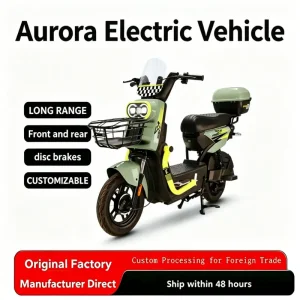
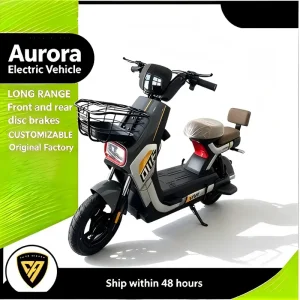
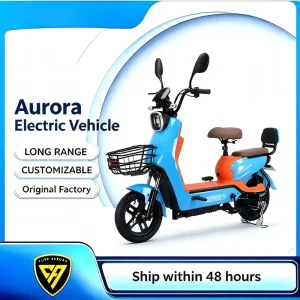
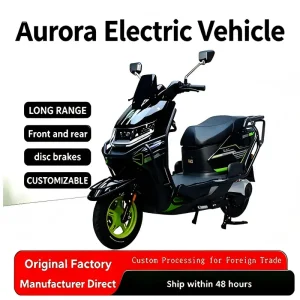
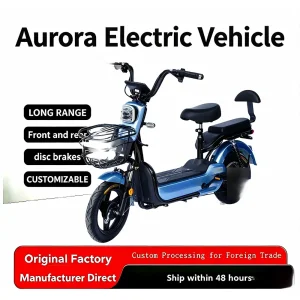
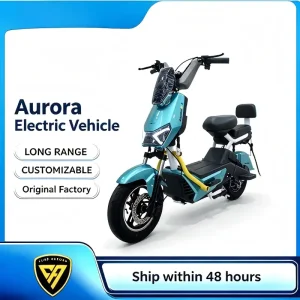
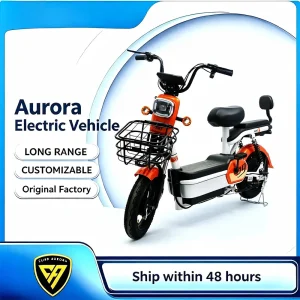
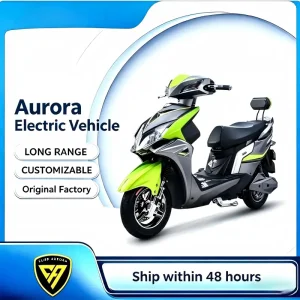
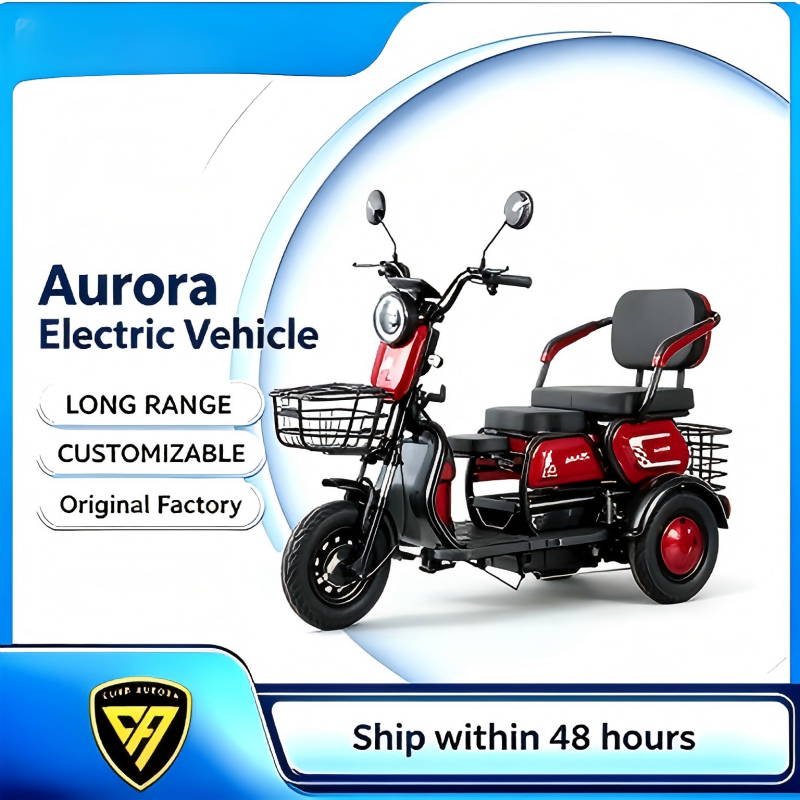
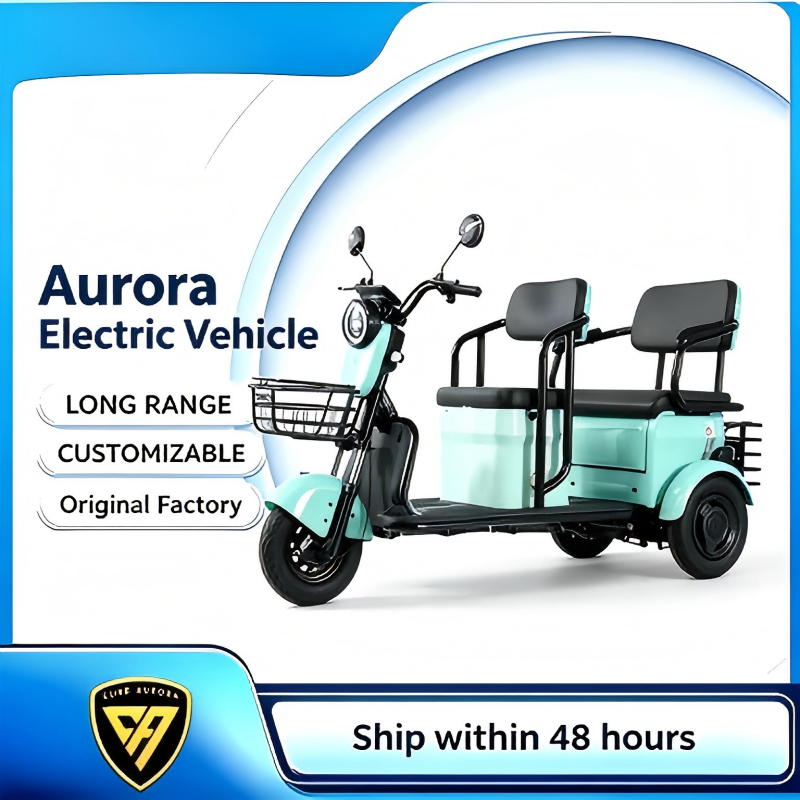
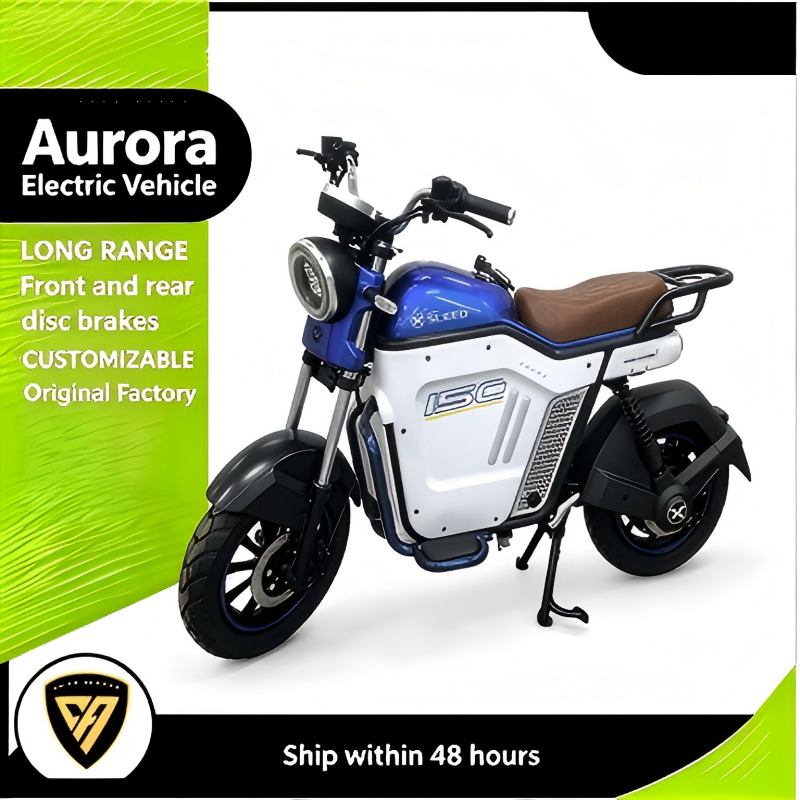
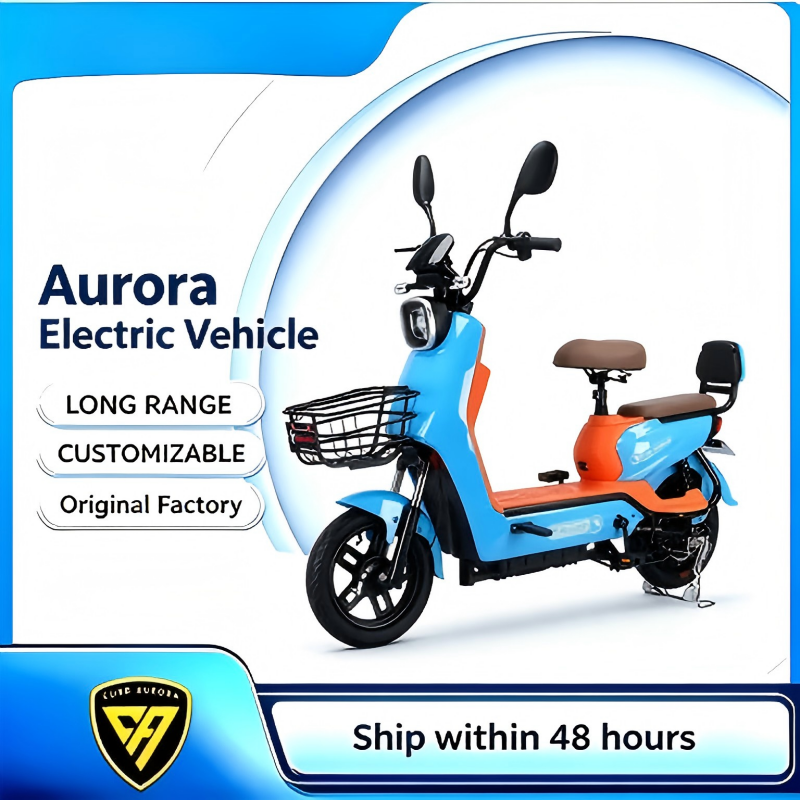
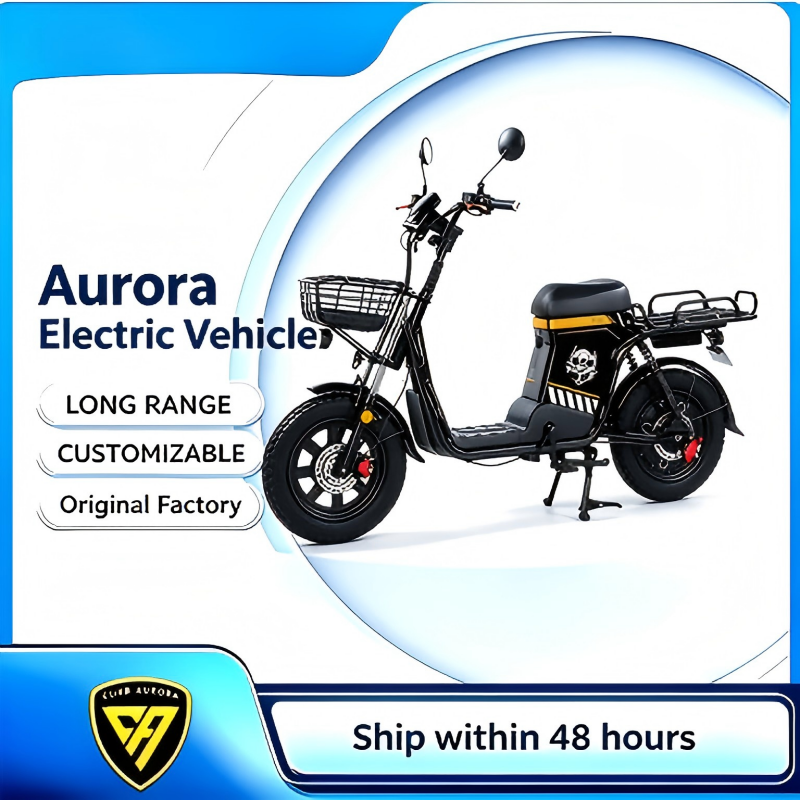
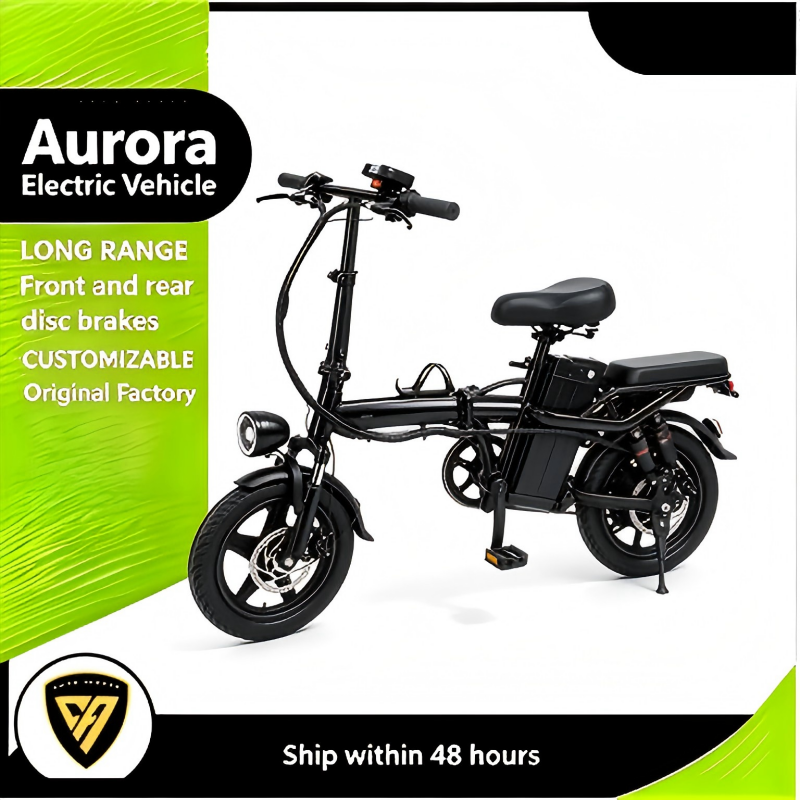
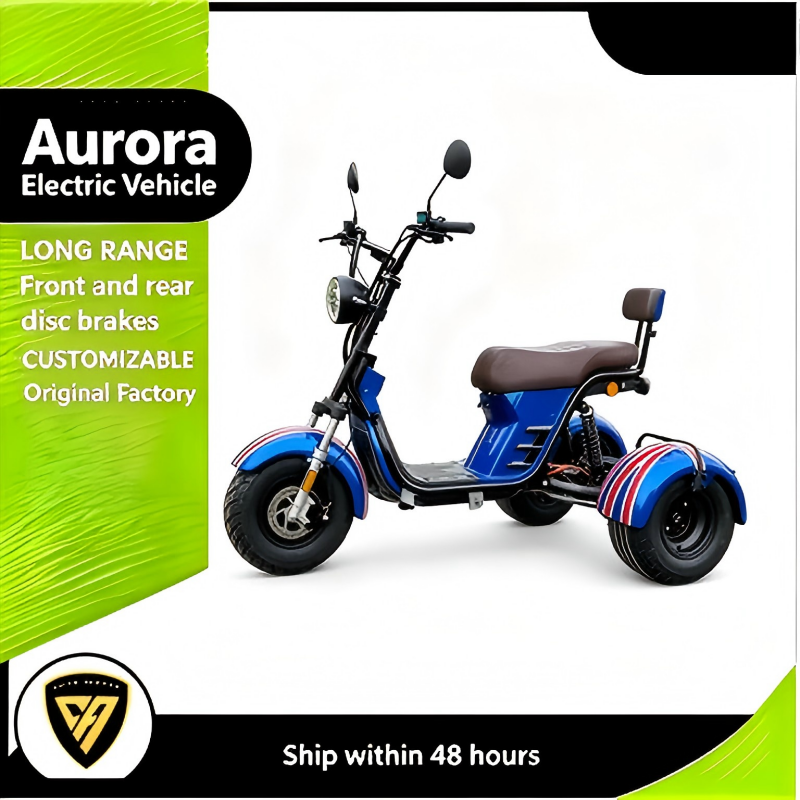
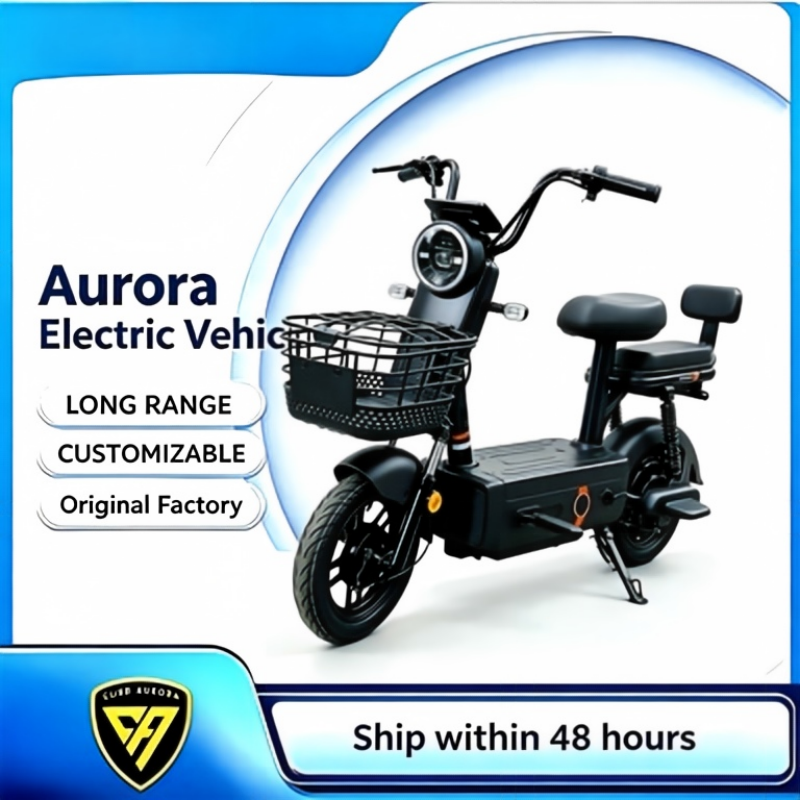
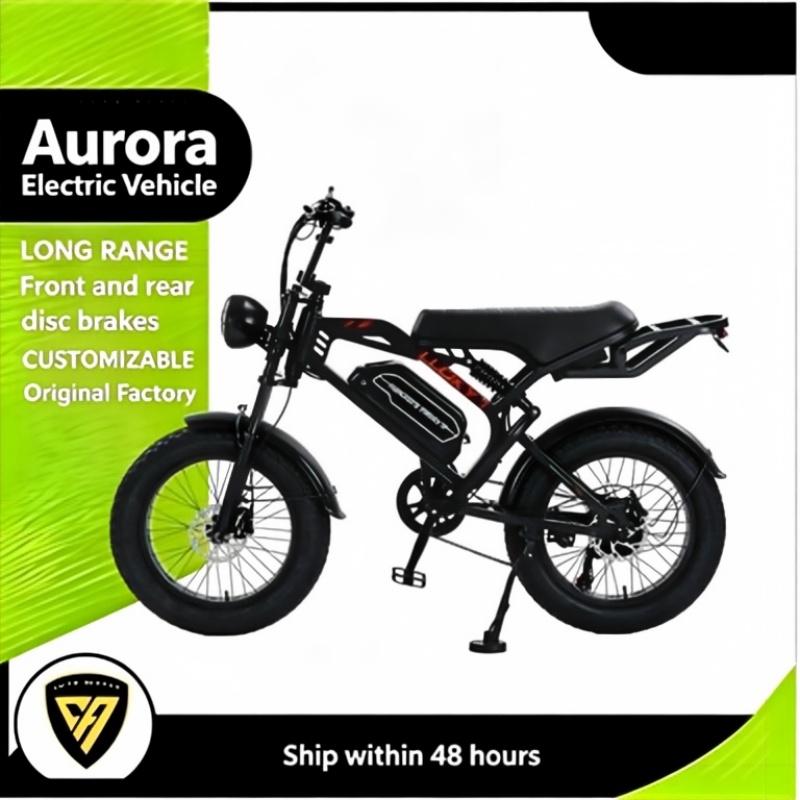
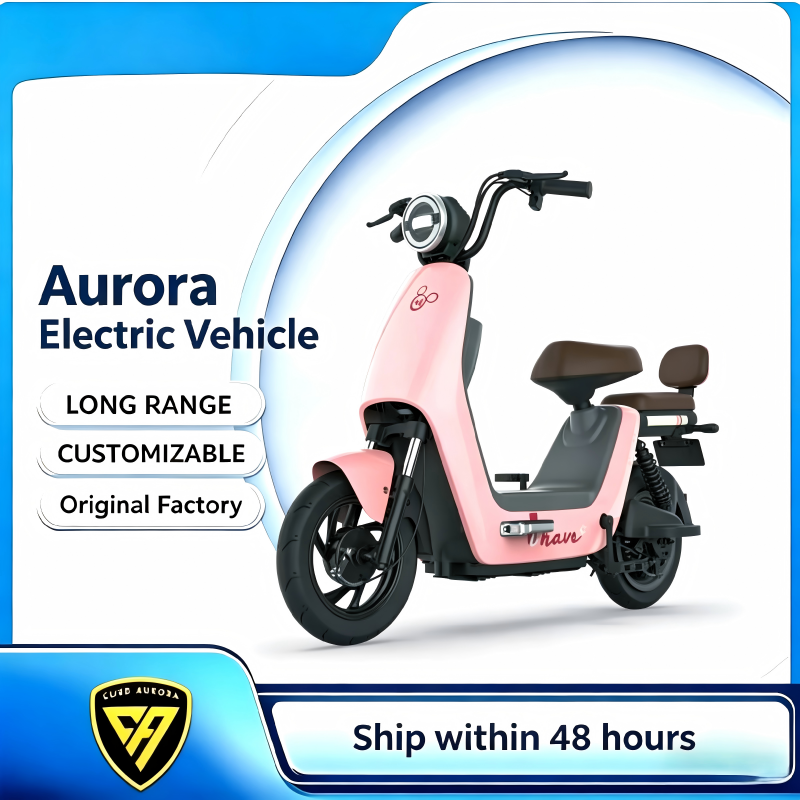
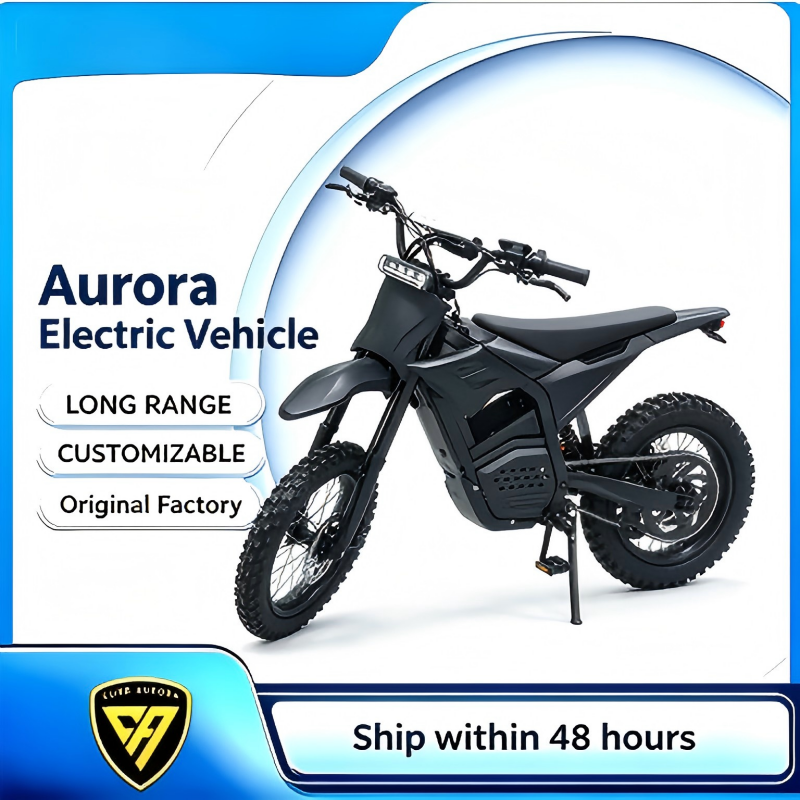
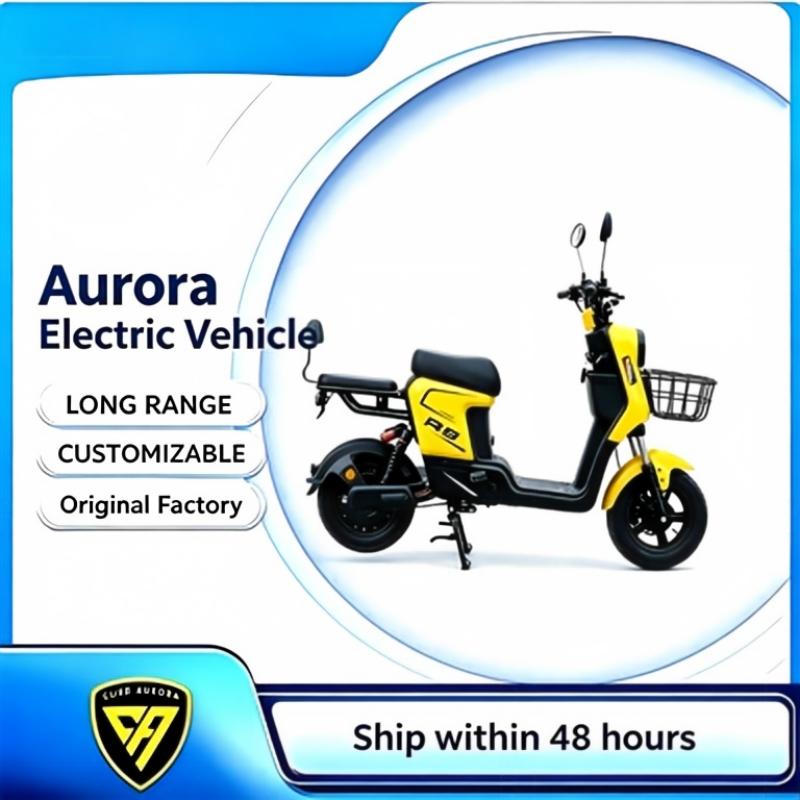
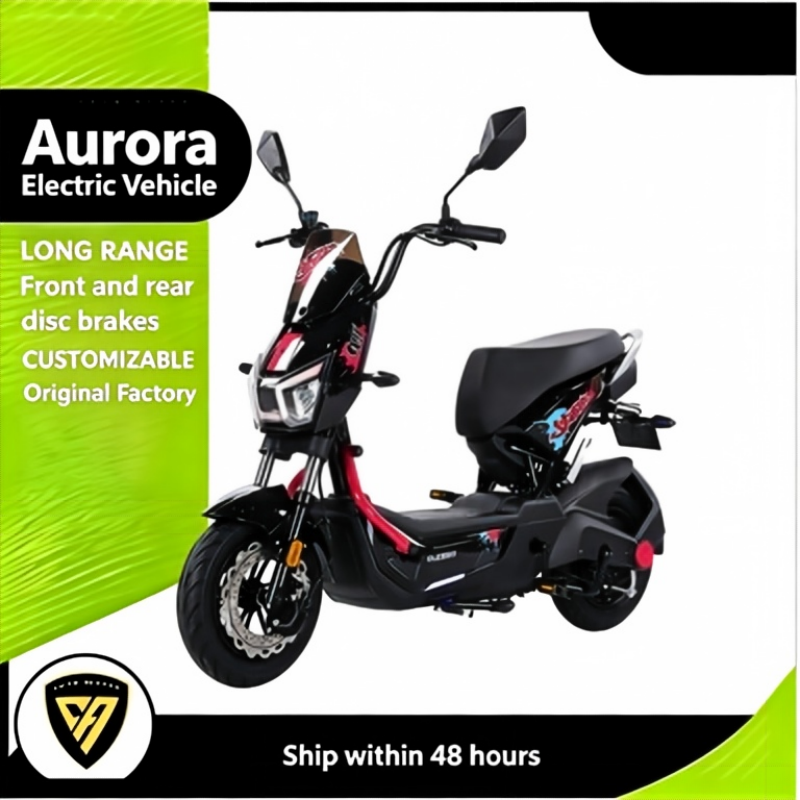
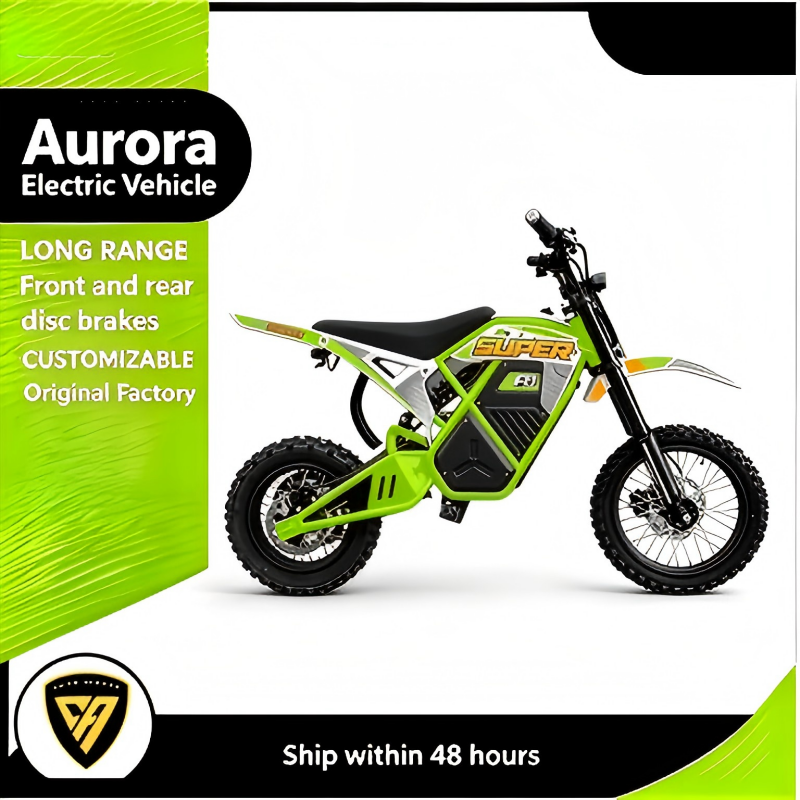
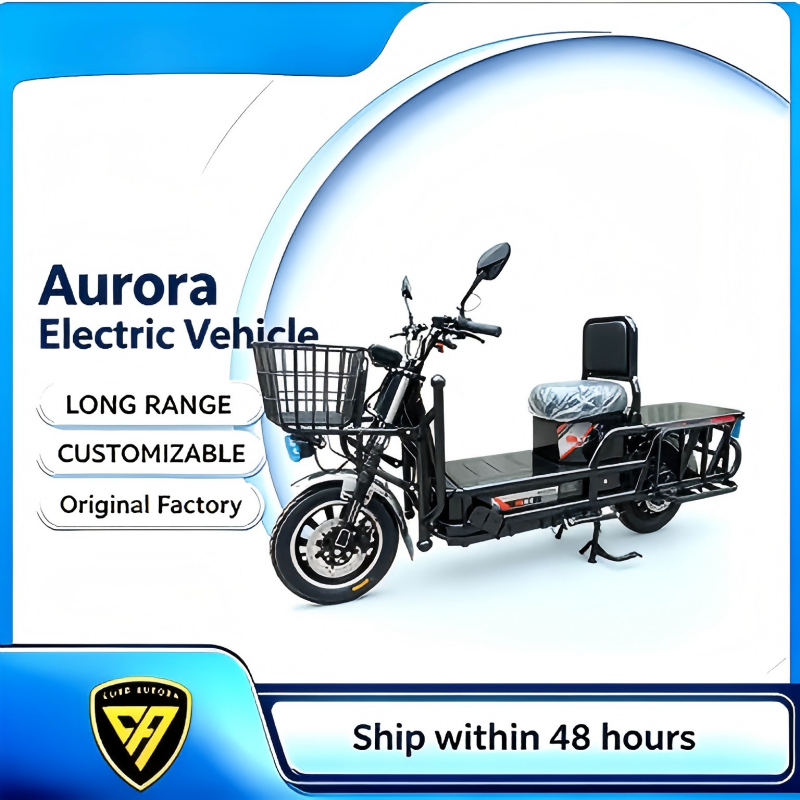
Explore our flagship, export-ready lineup of high-performance electric vehicles designed for durability, international compliance, and daily transit operations.
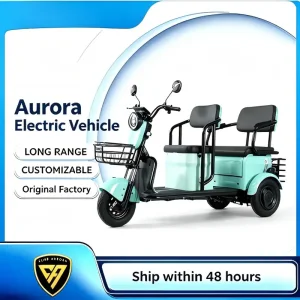
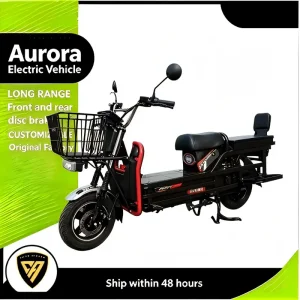
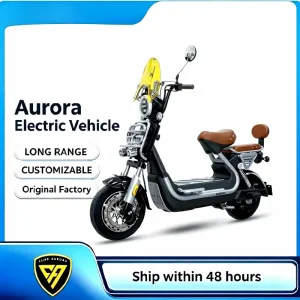
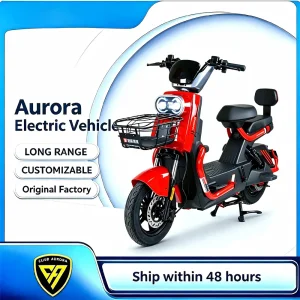
In the contemporary urban landscape, the pivot toward micro-mobility has transformed from a green initiative into a structural requirement for businesses worldwide. Importers, logistics fleet managers, and retail network distributors seek more than generic suppliers; they demand partners capable of navigating complex compliance barriers, supplying robust technology systems, and offering reliable supply chain continuity.
The global demand for high-quality riding and recreational electric bikes is currently driven by two prominent market trajectories: commercial utility fleet optimization (such as last-mile food and mail deliveries) and leisure micro-transit customization. To support these scenarios, B2B procurement agents prioritize structural frame testing, battery thermal stability, and low maintenance architectures. Manufacturers must prove their design limits under real-world stress conditions to build credibility with import buyers.
Fleet operators are transitioning from lightweight kick-scooters to heavy-duty, long-range cargo electric bikes. The focus remains on frame payload structural integrity, range-to-weight efficiency, and low-friction brake setups designed for constant stop-and-go runs.
The consumer market demands high-power, multi-terrain models. Vehicles featuring vintage chassis profiles, fat-tire configurations, and intelligent dash systems are dominating retail sales lists, transforming personal travel into an aesthetic experience.
Global regulatory pressure has never been tighter. Importers must secure vehicles matching local standards, such as EN15194 in Europe, UL2849 fire safety certification, and anti-tampering speed limits in regional municipalities.
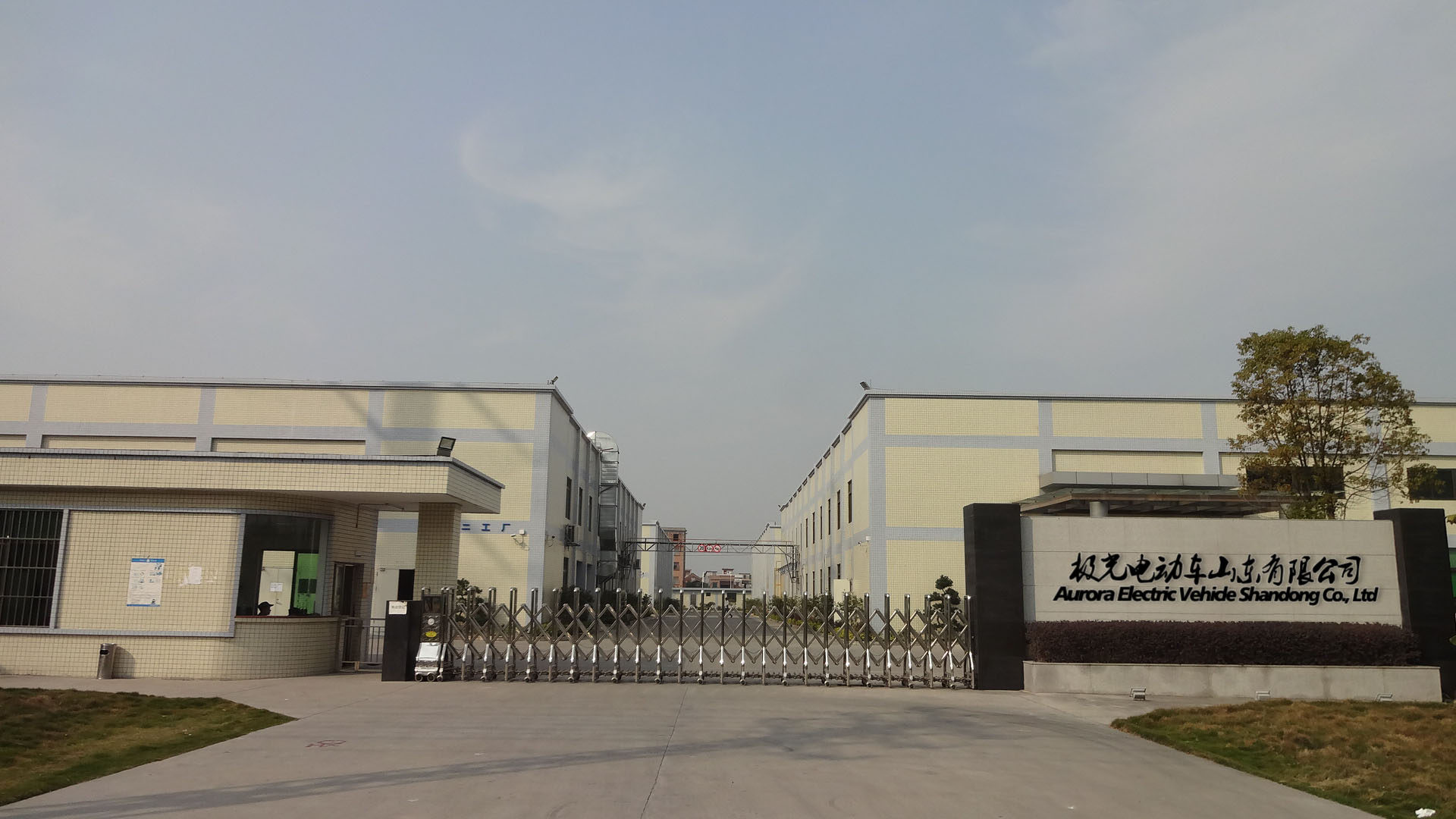
Established in 2015, Aurora Electric Vehicle Shandong Co., Ltd. operates at the center of the Bohai Economic Circle and the Yangtze River Delta logistics corridors in Linyi City. This strategic logistics hub provides direct access to primary maritime ports like Qingdao and Lianyungang, facilitating reduced transit times and highly optimized freight costs for international bulk orders.
Over a decade of manufacturing specialization, we have built a centralized ecosystem connecting frame design, high-frequency robot welding, powder-coating, and advanced electrical harness assemblies. This deep vertical integration eliminates production inefficiencies and guarantees that raw material components meet standardized specifications before assembly.
These custom configurations feature heavy-duty high-carbon steel materials and specialized electronic builds for high-wear environments.
How our dedicated quality systems minimize operational hazards and comply with strict global safety benchmarks.
In the electric mobility landscape, reliability hinges on the electrical management system and battery protection framework. Aurora Electric Vehicle designs configurations that conform directly to the stringent New National Standard, optimizing system safety metrics from the design phase. We enforce fire-retardant electrical housing, anti-tampering controllers, and structural thermal run-off chambers to protect the power pack from damage.
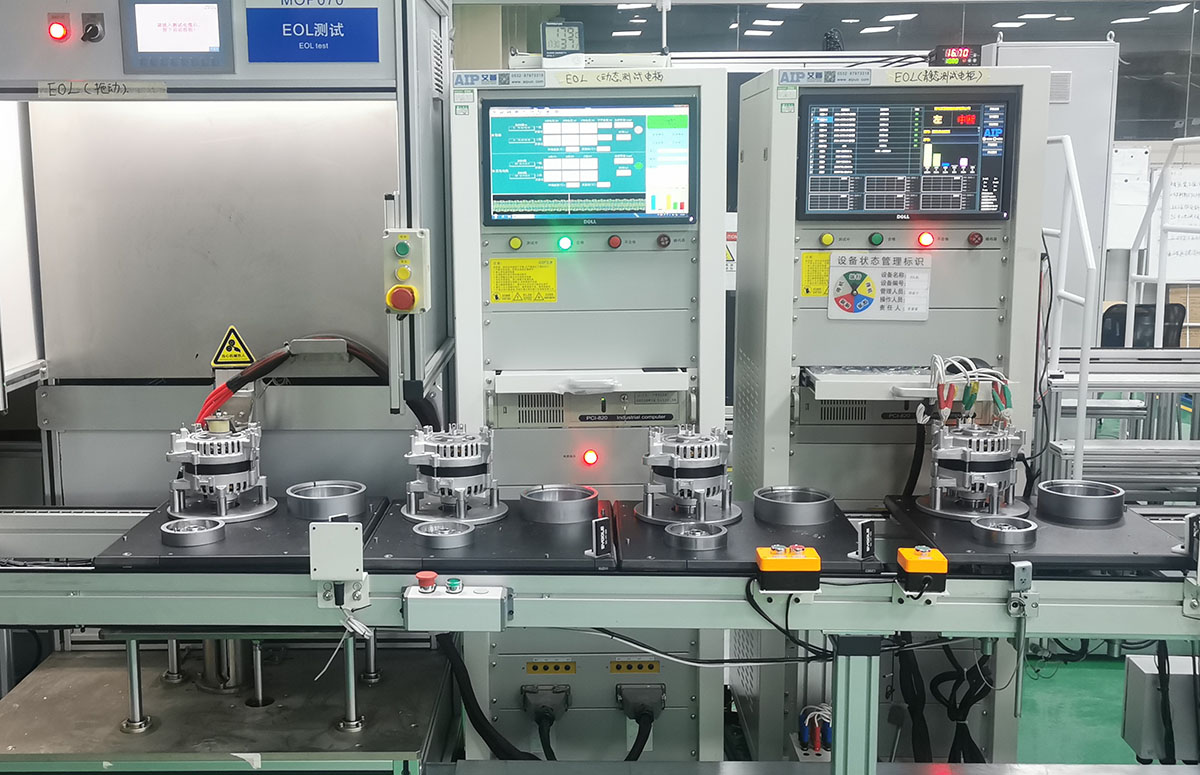
Our Quality Control laboratory subjects every run to structural load stress limits, waterproofing evaluations, fire retardant test parameters, and electrical battery surge assessments. This preventative framework protects our distributors from common supply malfunctions, ensuring clear compliance verification for customs clearance.
Our production facilities maintain active compliance frameworks with several global trade bodies, including:
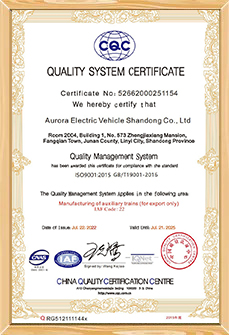
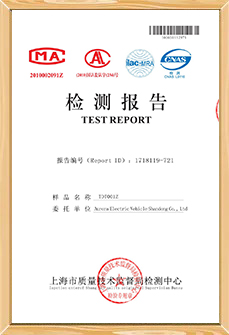
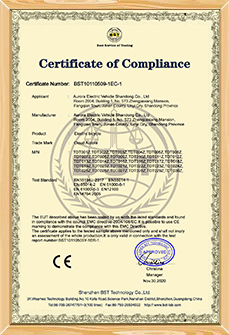
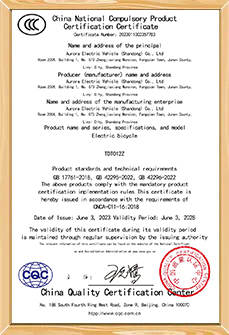
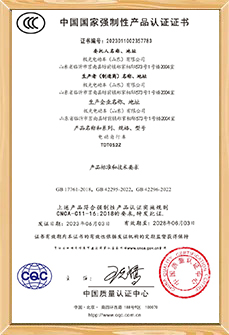
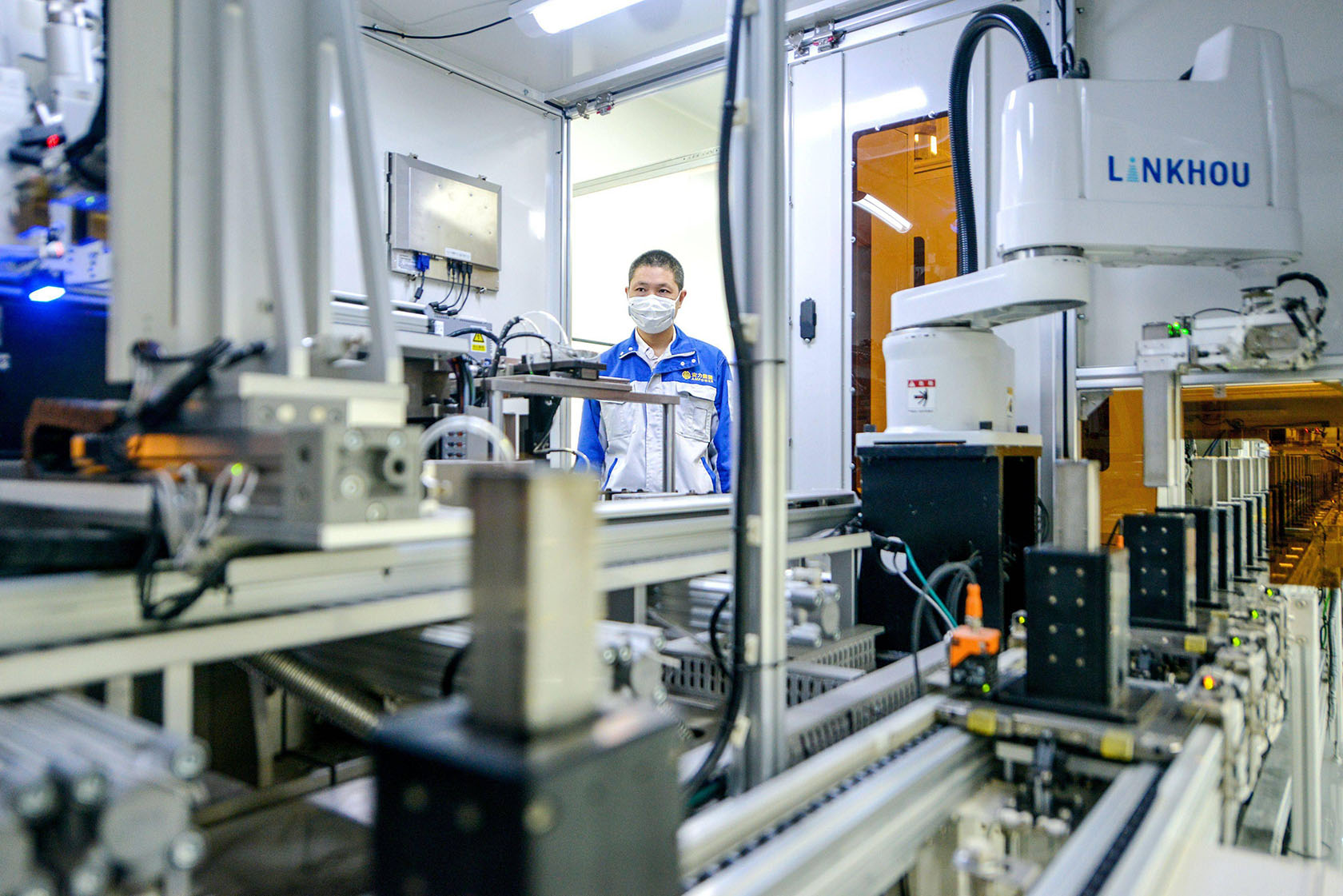
Our core framework relies on specialized team alignment to ensure quality throughout production. We leverage the cultural depth of Linyi and Shandong to implement a professional system based on integrity, pragmatism, innovation, and mutual value.
Our technical group features mechanical and electronics specialists with over a decade of hands-on experience in EV structures. We focus on enhancing overall range efficiency, battery safety metrics, and shock-absorption profiles.
Our technicians undergo rigorous training regimens. We enforce inspection steps from component delivery to structural packing to ensure consistent output quality.
We operate a dedicated client desk managing OEM/ODM design requests, compliance filings, custom clearance coordination, and ongoing spare parts availability.
How our vehicles are configured for diverse environmental, regulatory, and demographic operational tasks globally.
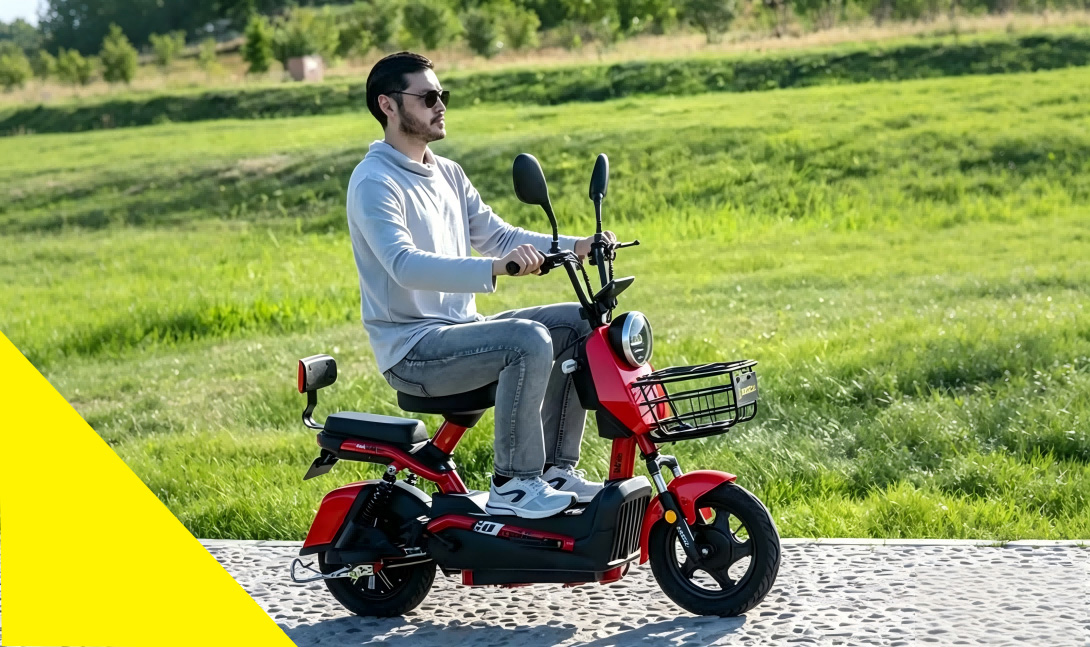
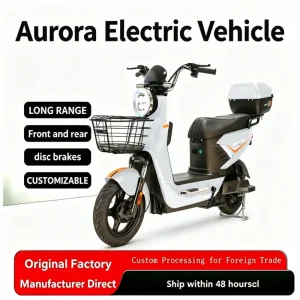
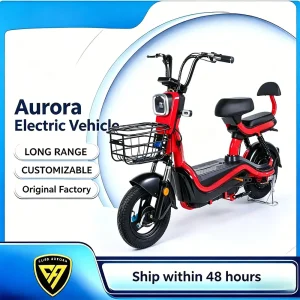
Built on an ergonomic, lightweight profile, this model is designed for daily city transport and micro-transit. It features stable motor output, low electrical draw, and low maintenance requirements, making it ideal for metropolitan commuter rentals.
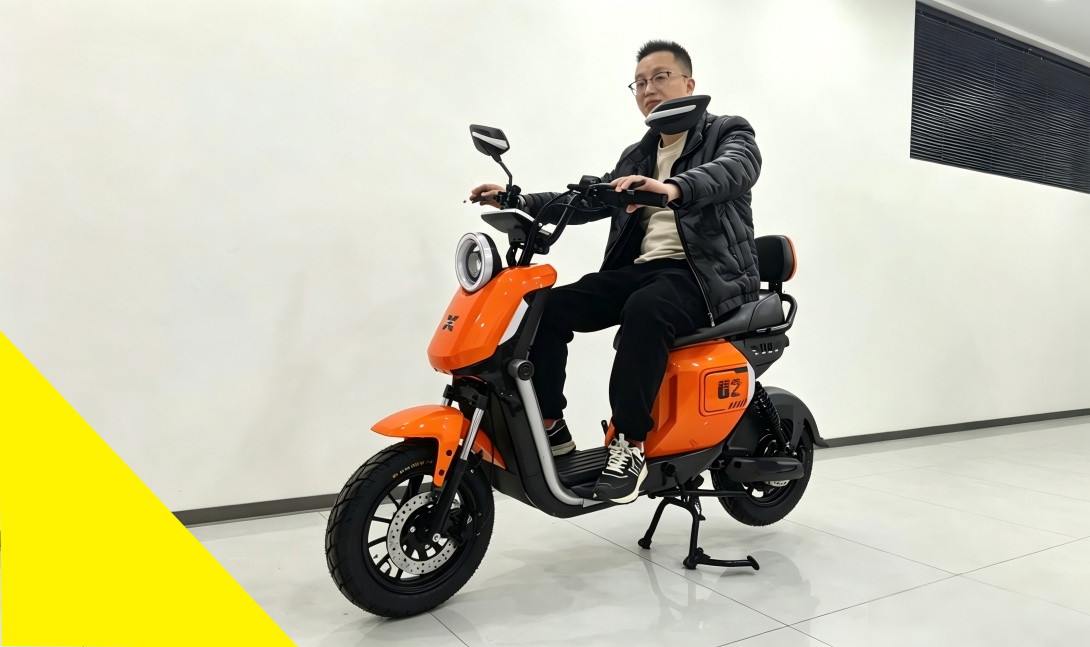
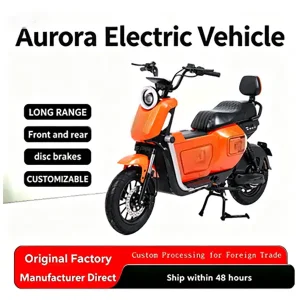
Featuring a sleek, streamlined chassis, this unit offers powerful motor torque and steady acceleration. It is designed for leisure markets and short-range commutes, minimizing physical strain while providing reliable operation.
Comprehensive answers addressing battery systems, customization capabilities, shipping logistics, and compliance support.
We equip our electric vehicles with modern Lithium Iron Phosphate (LiFePO4) or Nickel Manganese Cobalt (NMC) cells. Our custom Smart Battery Management Systems (Smart BMS) continuously monitor thermal parameters, prevent overcharge occurrences, and optimize discharge cycles to prolong product lifespan.
We customize electronic systems, including controllers and motors, to meet regional speed limits (such as the 25km/h European standard or Class 1/2/3 regulations in North America). We also modify configurations with lighting, indicators, and warning systems to comply with local department of transportation guidelines.
Standard export container shipments typically start at a minimum order of one 20GP container. For custom ODM requests involving frame redesigns or component specifications, MOQs range from 50 to 100 units depending on the complexity of the tooling adjustments.
Linyi's position as a major logistics hub in Shandong connects our factory directly to regional cargo networks. This allows us to secure domestic freight options to Qingdao and Lianyungang ports, reducing intermediate handling steps and minimizing shipping costs for our buyers.
We pack batteries according to UN38.3 transport safety regulations. They are housed in heavy, five-layer imported kraft cartons with custom shock-absorbing foam molds, minimizing vibration and movement to ensure safe container transit.
Yes, we provide 1% to 2% wear-and-tear replacement components (such as controllers, brake pads, LED lights, and switches) with bulk orders. We also maintain a components warehouse to ship replacement parts quickly if needed.
Frames undergo horizontal and vertical vibration stress testing on specialized test benches. We simulate 200,000 load cycles at rated capacity to verify weld joints and material durability before approving the frame for production.
Standard configurations are completed within 30 to 45 days after deposit validation. Custom OEM orders requiring bespoke decals, custom molds, or specialized component sourcing generally require 45 to 60 days.
Yes, we provide detailed Bills of Lading, Certificates of Origin, CE Conformity documentation, and packing lists to facilitate customs clearance at destination ports.
We run standardized checkpoints at multiple stages: initial component validation, post-weld integrity inspection, intermediate assembly voltage testing, and final dynamometer verification to test speed, brakes, and electrical load parameters.
Explore our specialized micro-mobility catalog, featuring multi-passenger designs and heavy-duty electric runabouts.
Heavy configurations optimized for specialized commercial deployment and challenging terrains.