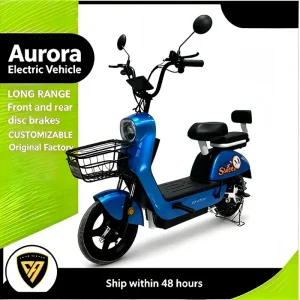
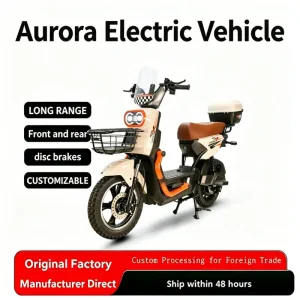
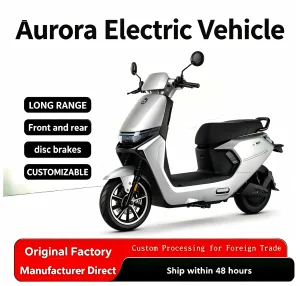
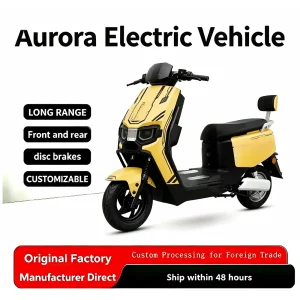
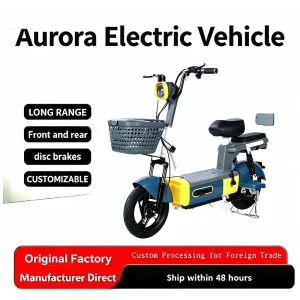
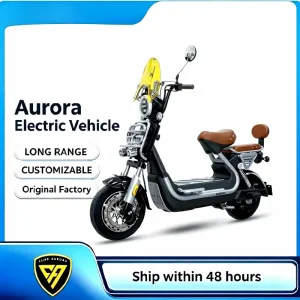
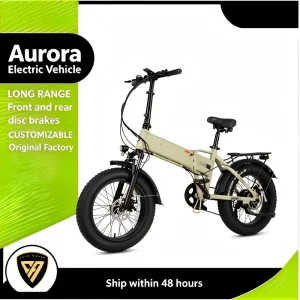
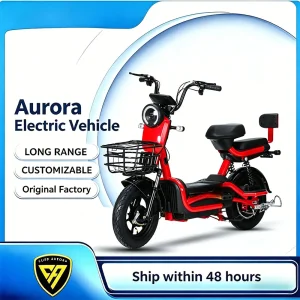
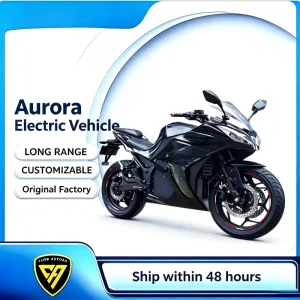
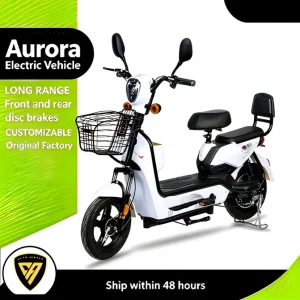
Explore our flagship range of high-efficiency electric vehicles engineered to strict global standards with custom ODM battery packs.
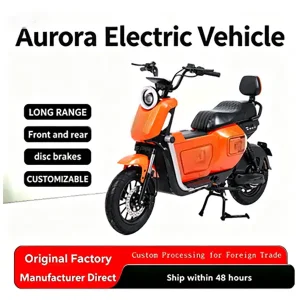
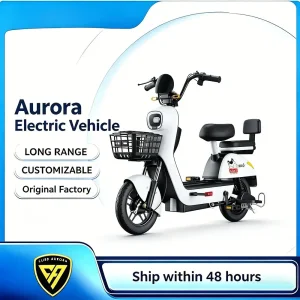
The global transition to sustainable e-mobility has elevated battery systems from simple power storage units to highly sophisticated, software-integrated assets. A standardized battery pack is no longer sufficient to meet the diverse operational profiles of modern electric vehicles. Today, ODM customized battery configuration for electric vehicles represents the frontier of range optimization, safety, thermal endurance, and lifecycle economics.
Moving beyond basic Lithium-Ion (NMC) into Lithium Iron Phosphate (LiFePO4/LFP) and Sodium-Ion configurations, optimized for specific extreme climate operations and cyclic demands.
Precision physical sizing designed to nestle directly into the chassis of electric bikes, utility scooters, and cargo trikes, maximizing available space and stability.
IoT-enabled telemetry modules offering real-time SOC (State of Charge), SOH (State of Health) monitoring, CAN-bus integration, and advanced cell balancing protocols.
For global importers and distributors, sourcing customized packs requires navigating complex specifications. Factors such as localized operating temperatures, topography, payload weights, and target pricing directly influence optimal battery architecture. In this whitepaper, we dissect the manufacturing ecosystem, regulatory compliance, technology roadmaps, and pricing models that define high-efficiency power integration for electric light vehicles.
Aurora Electric Vehicle Shandong Co., Ltd., founded in 2015, stands as a premier electric bicycle and light electric vehicle manufacturing enterprise. Strategically headquartered in Linyi City, Shandong Province, we leverage a core transportation hub connecting the Yangtze River Delta and the Bohai Economic Circle, providing us with prominent geographical and supply-chain advantages.
As a professional manufacturer deeply rooted in the light EV sector for over 10 years, we have transitioned from a specialized assembly facility into a comprehensive global enterprise integrating custom R&D, high-capacity production, international sales, and specialized after-sales engineering support. Our growth mirrors the evolution of China's electric bicycle industry, particularly within the regulatory reforms of the new national standard era.
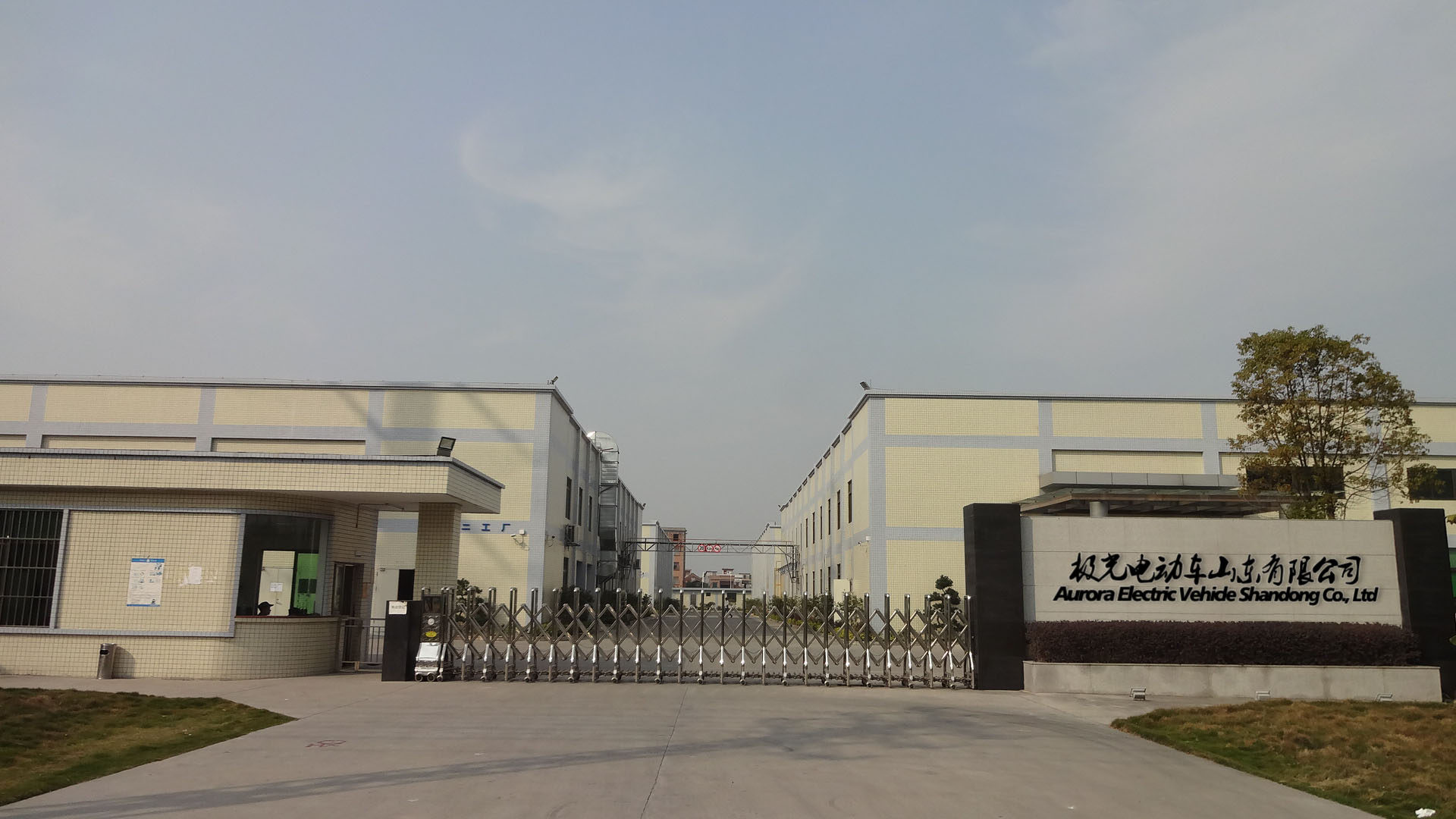
Our development history is a testament to persistent innovation and strict adherence to structural safety standards. In 2019, with the implementation of the new national standard for electric bicycles in China, we took proactive measures to completely upgrade our production facilities and battery R&D workflows. We optimized our core battery enclosures and BMS parameters to guarantee compliance with stringent fire retardant performance, over-current prevention, speed limit constraints, and anti-tampering parameters.
Through systematic investments in intelligent automated lines, professional cell testing equipment, and laser welding systems, we have standardized the output of motors, frames, and custom battery configurations. Today, our annual throughput satisfies high-volume demands from municipal delivery fleets, commercial sharing networks, and international OEM brands alike.
A customized battery configuration is only as reliable as the engineers behind it and the standards to which it is manufactured. Our internal team structure guarantees end-to-end accountability, from initial chemical selection to shipping compliance.
Our R&D division consists of senior electrochemical and electrical engineers with over 10 years of experience. We focus on enhancing safety performance, mechanical vibration resistance, and custom BMS thermal thresholds, holding multiple patents for battery security.
Composed of certified technical operators, our production team enforces rigid testing protocols on incoming battery cells (grading internal resistance and capacity profiles) and utilizes precise automated spot welding for clean series-parallel connections.
Providing seamless communication and technical alignment. We assist buyers in defining target specifications, preparing custom OEM/ODM blueprints, organizing hazard-class shipping approvals, and providing operational guides.
Safety is the cornerstone of our manufacturing mission. Our products and custom battery configurations are rigorously tested to comply with international regulations, ensuring frictionless customs clearance and market authorization in European, American, and Asian jurisdictions.
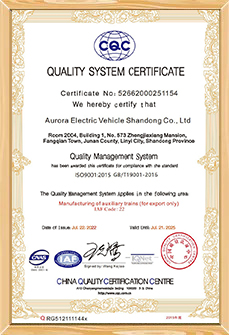
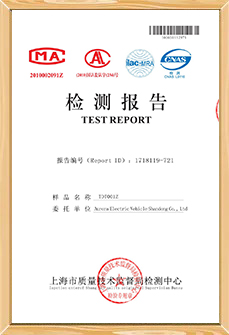
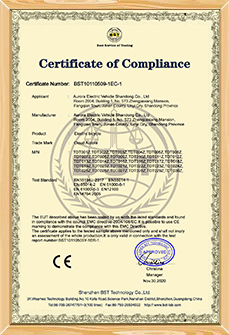
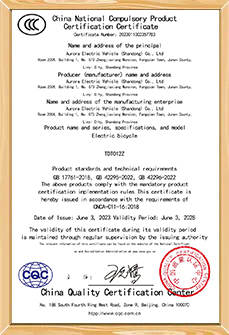
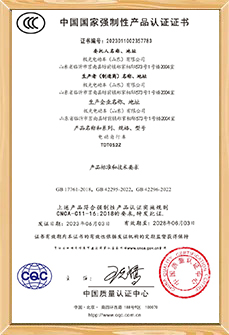
Compliance Standards Met: CCC | CE | FCC | UN38.3 | RoHS
For B2B buyers, fleet operators, and global distributors, the acquisition of custom battery configurations requires balancing upfront capital expenditure (CAPEX) with long-term operational durability. A comprehensive understanding of custom battery costs and pricing structures is vital for scaling fleet portfolios.
Unlike standard off-the-shelf modules, customized battery packs do not have a static cost structure. The total unit price is determined by dynamic variables:
We work directly with purchasing departments to balance these variables, mapping target costs to specific performance metrics. By controlling cell sourcing, structural engineering, and BMS configuration, Aurora Electric Vehicle delivers cost-optimized solutions with predictable pricing models.
All bulk exports are encased in 5-layer imported kraft paper packaging with custom interior vibration-dampening cradles, ensuring complete protection during long-distance maritime transit.
Corporate culture is the soul of our enterprise, combining the industrial energy of Linyi, a historical transportation and logistics capital, with the modern demands of global green transit. Our core values—"integrity, pragmatism, innovation, and win-win"—guide every step of our business operation.
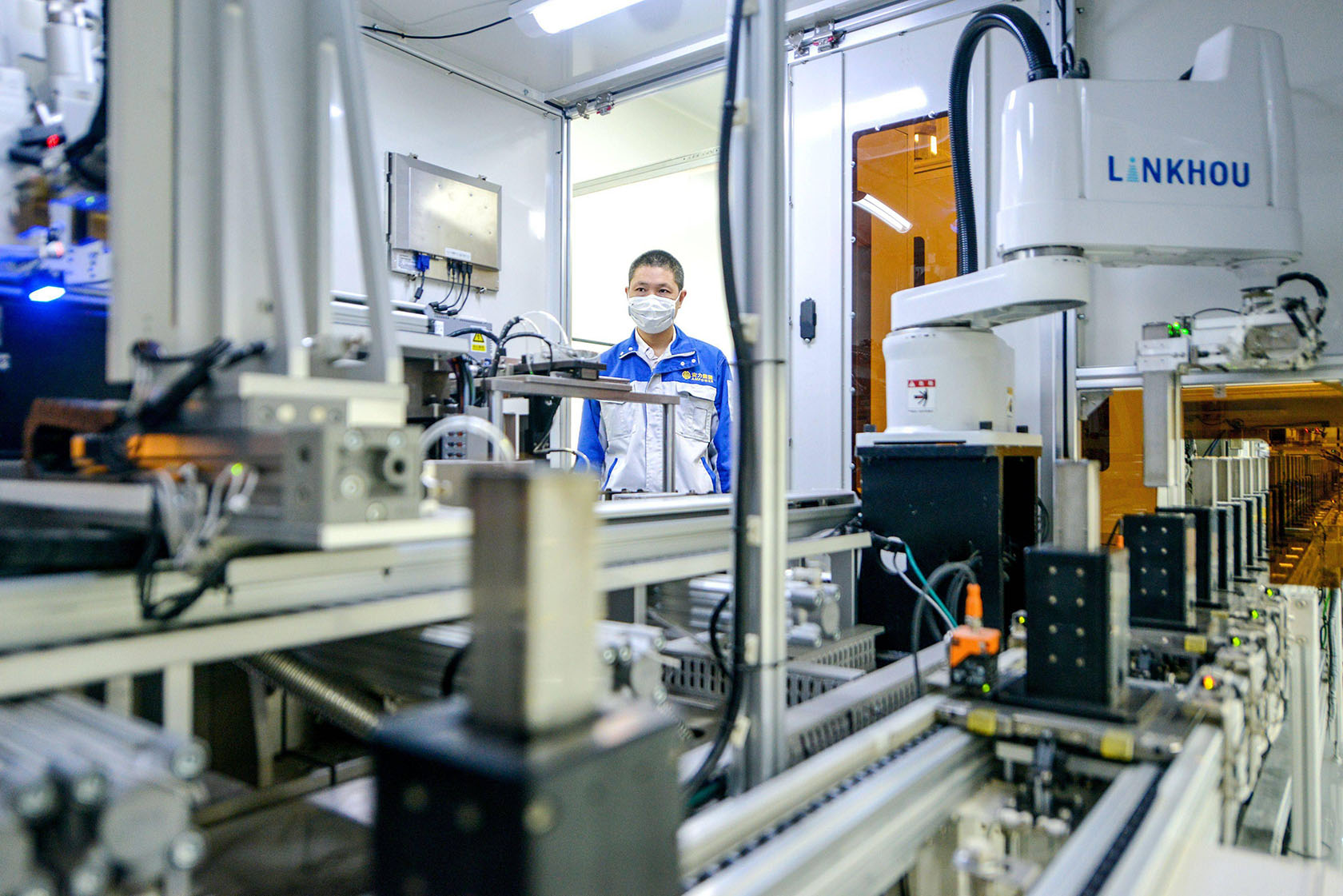
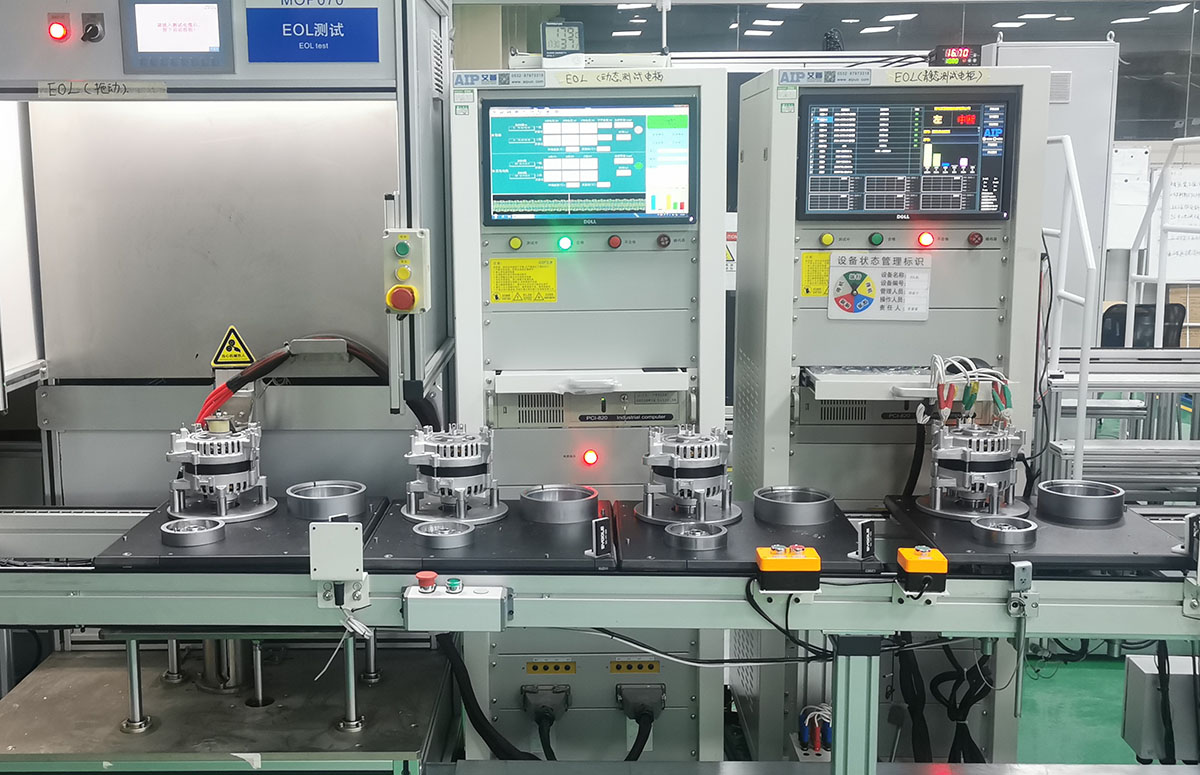
Situated in Linyi, the city with the highest density of electric bicycle usage in Shandong, we are integrated with a deep ecosystem of component suppliers and high-volume transport lines. This structural advantage permits rapid prototype iteration, expedited raw material gathering, and swift delivery to shipping terminals.
Our mission, "making green travel easier and safer for everyone," drives us to prioritize safety above margins. We invest heavily in our in-house battery test laboratory, carrying out load, impact, drop, water immersion, and cyclic degradation analysis, ensuring each custom battery pack configuration survives real-world environments.
Building a customized battery configuration requires precise engineering across three critical vectors: Cell Chemistry, Electronic Management (BMS), and Thermal/Structural Integration.
| Metric | Lithium NMC | LFP (LiFePO4) | Sodium-Ion |
|---|---|---|---|
| Energy Density | High (180-240 Wh/kg) | Medium (140-170 Wh/kg) | Low-Med (100-130 Wh/kg) |
| Cycle Life | 500 - 1000 Cycles | 2000 - 3500 Cycles | 1500 - 2500 Cycles |
| Thermal Safety | Moderate (150°C) | Excellent (270°C) | Exceptional (350°C) |
| Low-Temp Perf. | Fair | Poor (Below -15°C) | Excellent (Down to -30°C) |
For high-capacity urban delivery and logistics fleets, LFP (Lithium Iron Phosphate) stands out as the optimal choice. It offers low maintenance overhead, exceptional cyclic durability, and resistance to thermal runaway. For extreme climates (such as cold northern regions), we configure custom Sodium-Ion packs to ensure stable discharging and range preservation without the need for high-draw heater circuits.
Our custom configurations integrate advanced thermal barriers between cell lines, robust internal nickel plate connections to handle current surges, and impact-isolated mounting plates that keep cells secure during bumpy, rough-terrain transits.
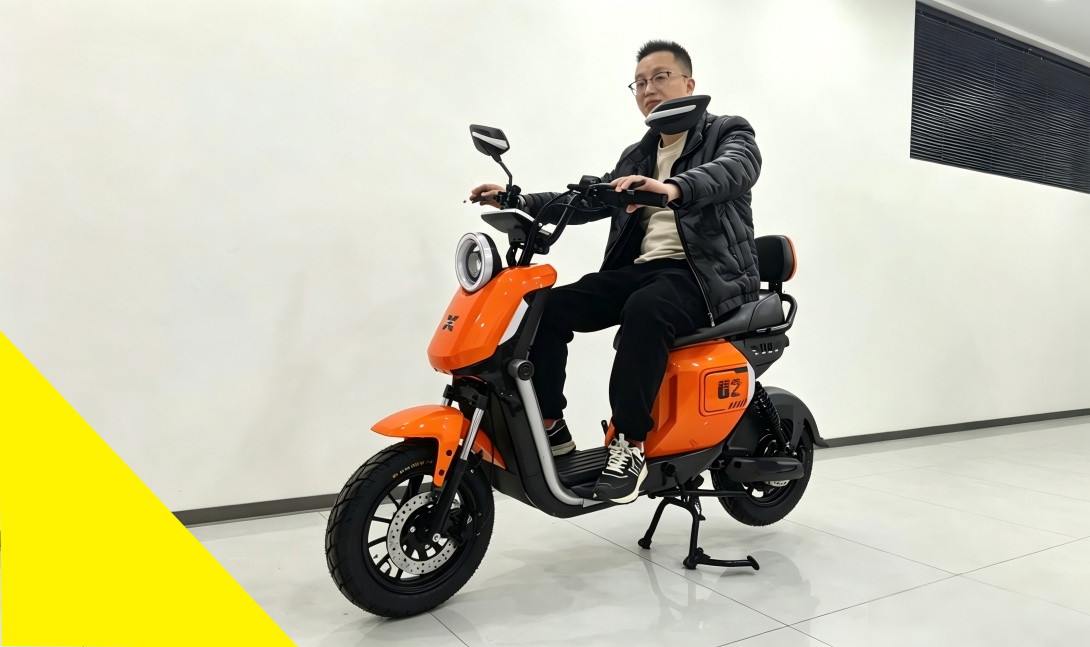
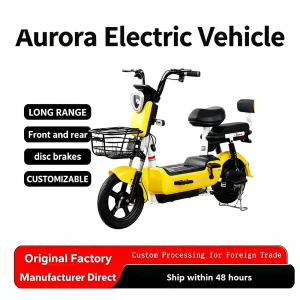
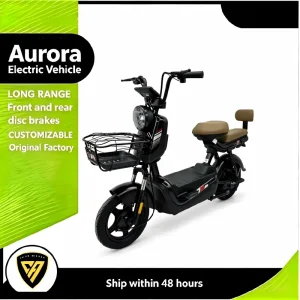
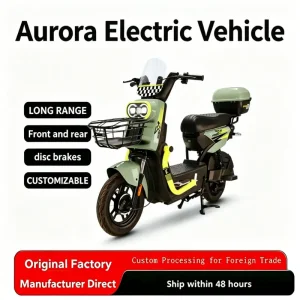
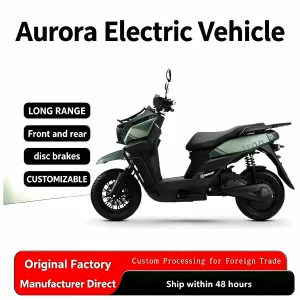
Our engineering ecosystem links customized battery configurations directly to specialized vehicle structures. Below are the primary application platforms showing our customization capabilities.
Below is our modular fleet collection, presenting custom battery configurations adapted for leisure, utility, and heavy commuting platforms.
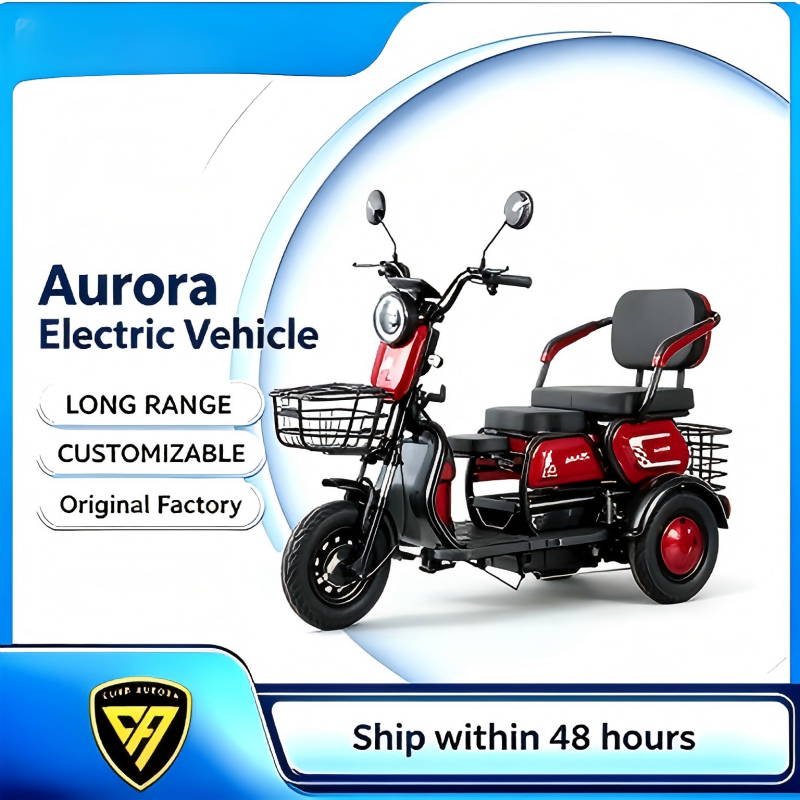
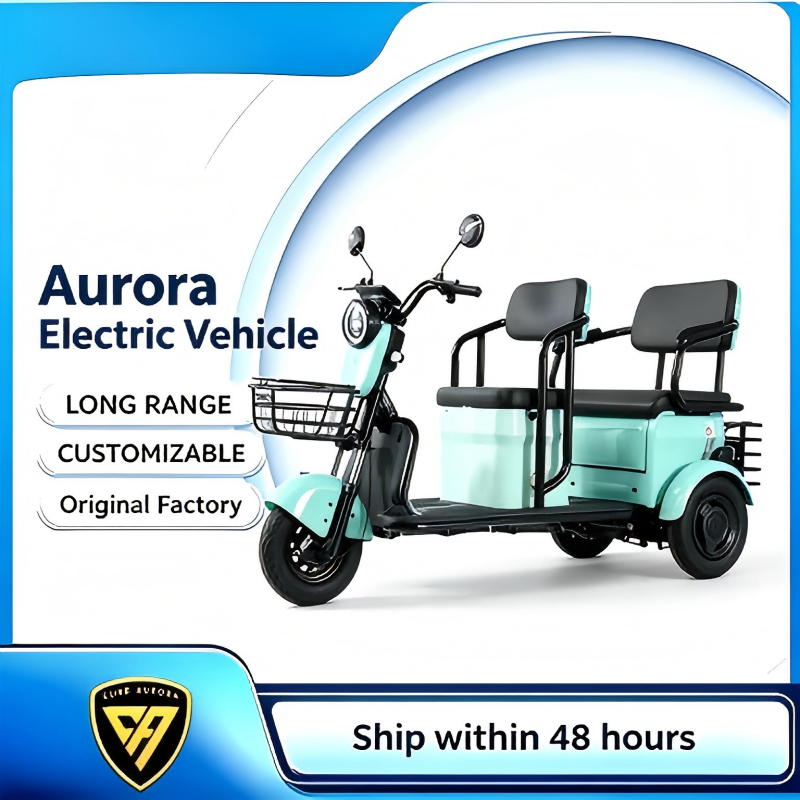
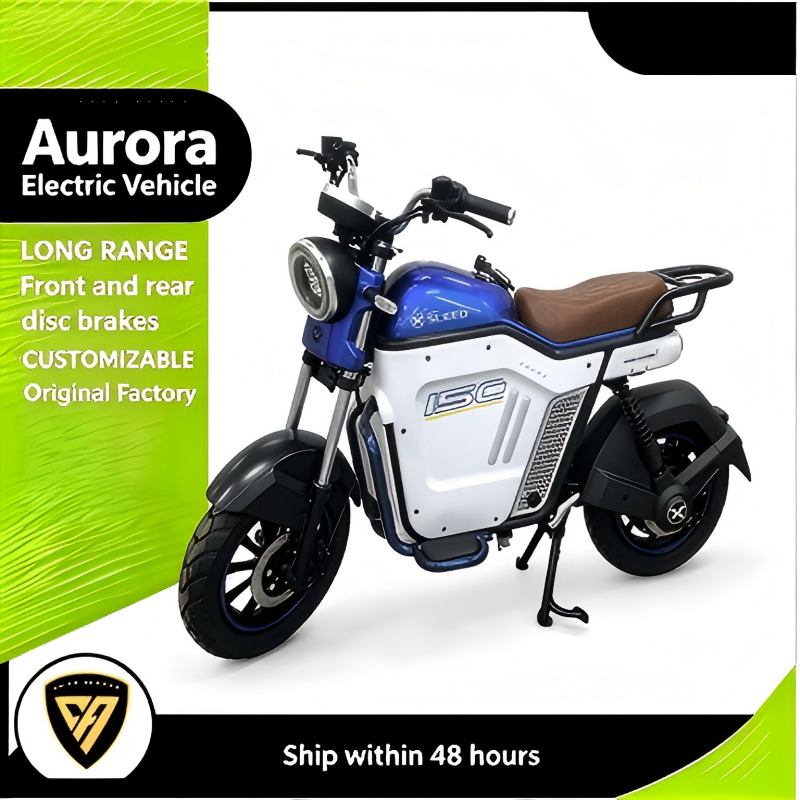
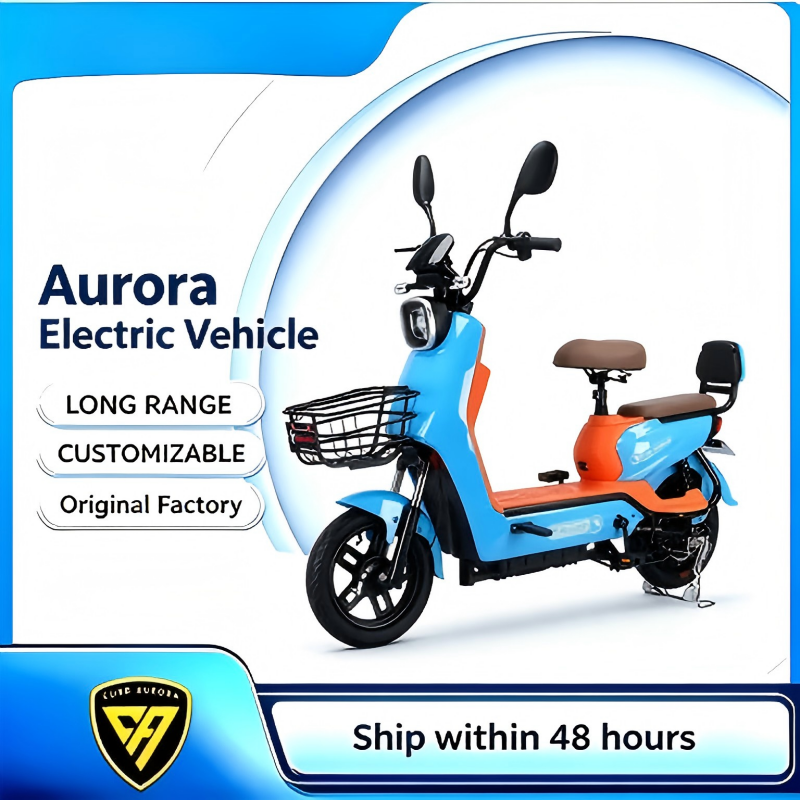
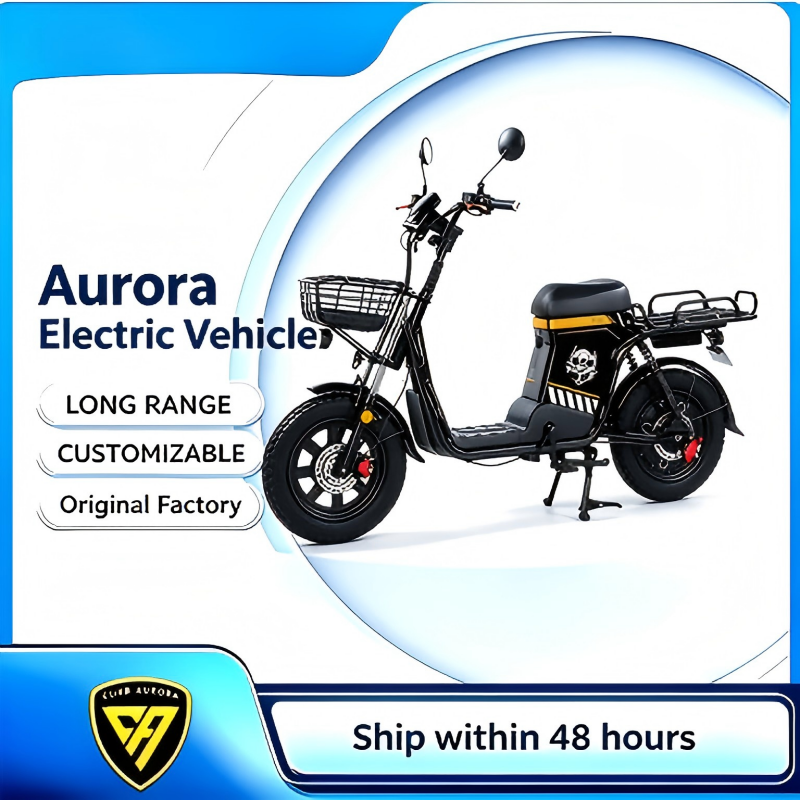
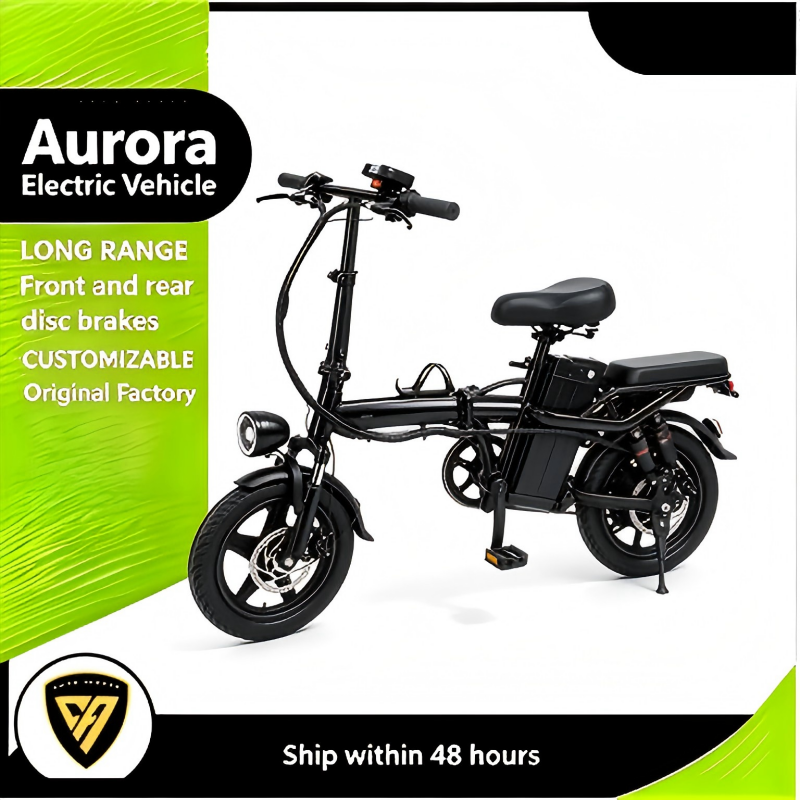
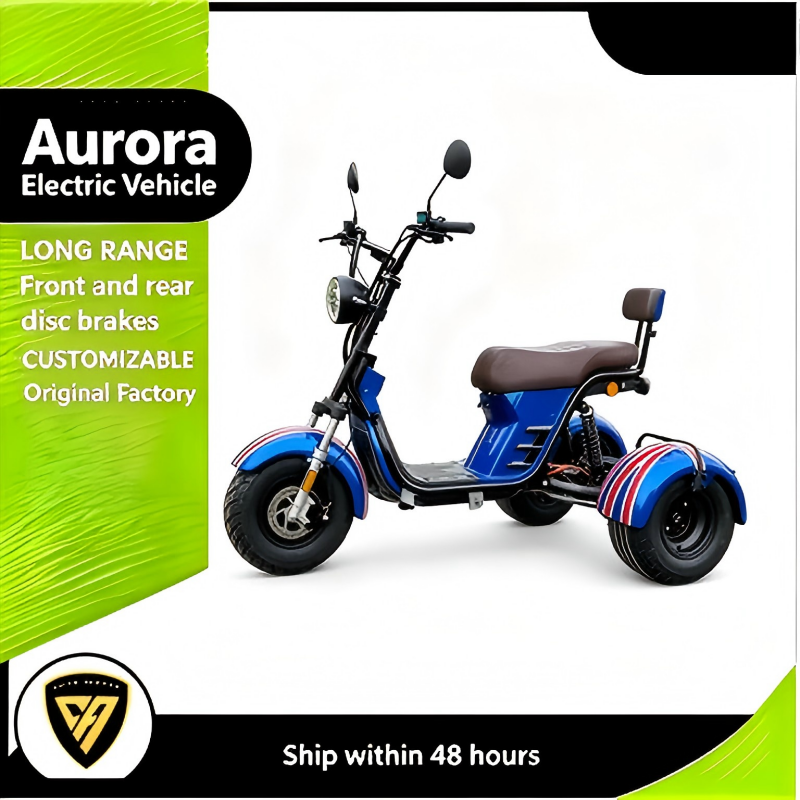
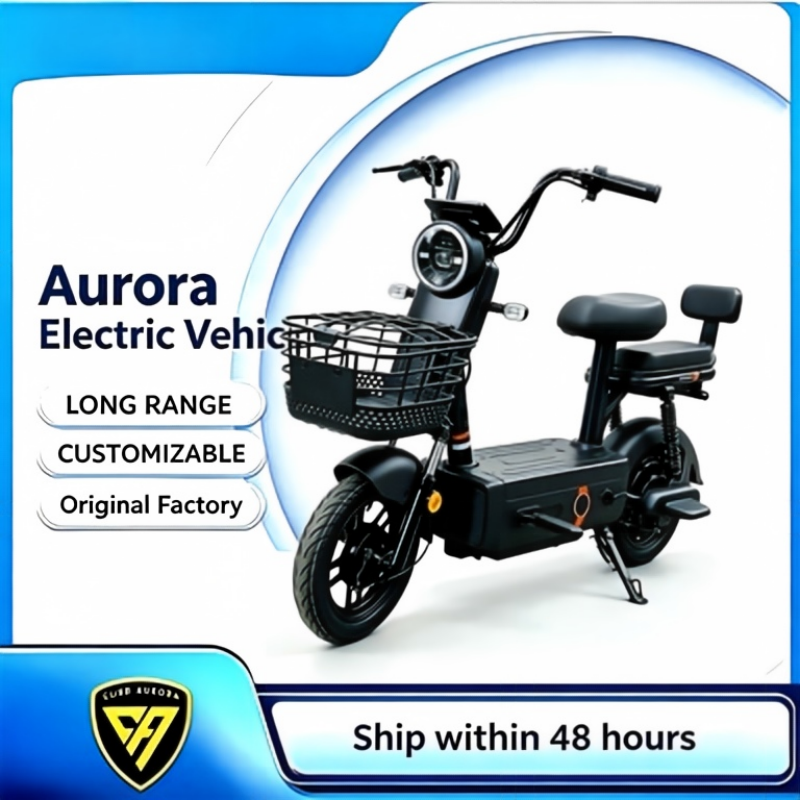
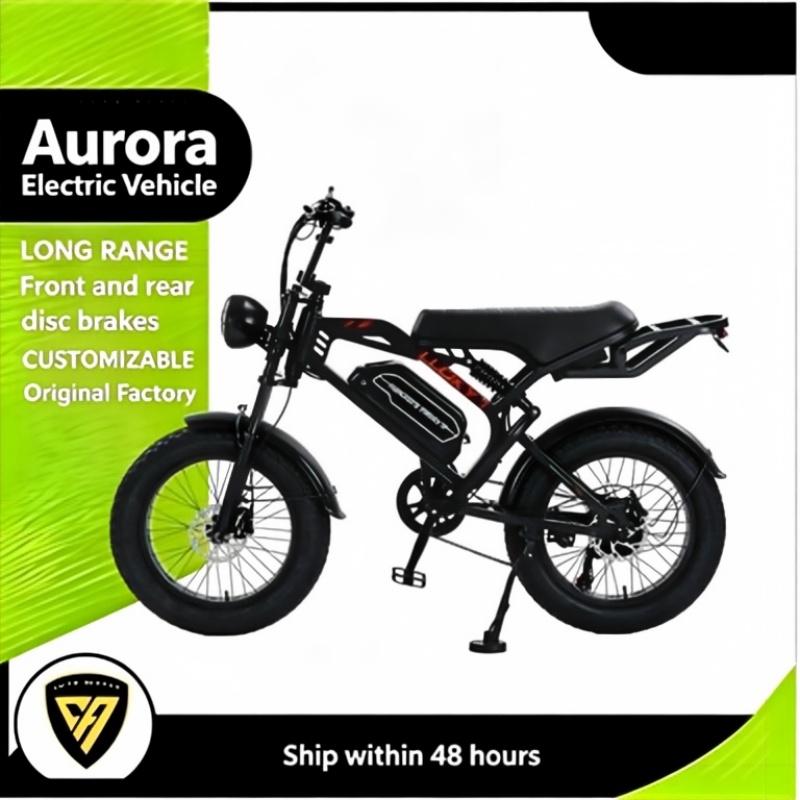
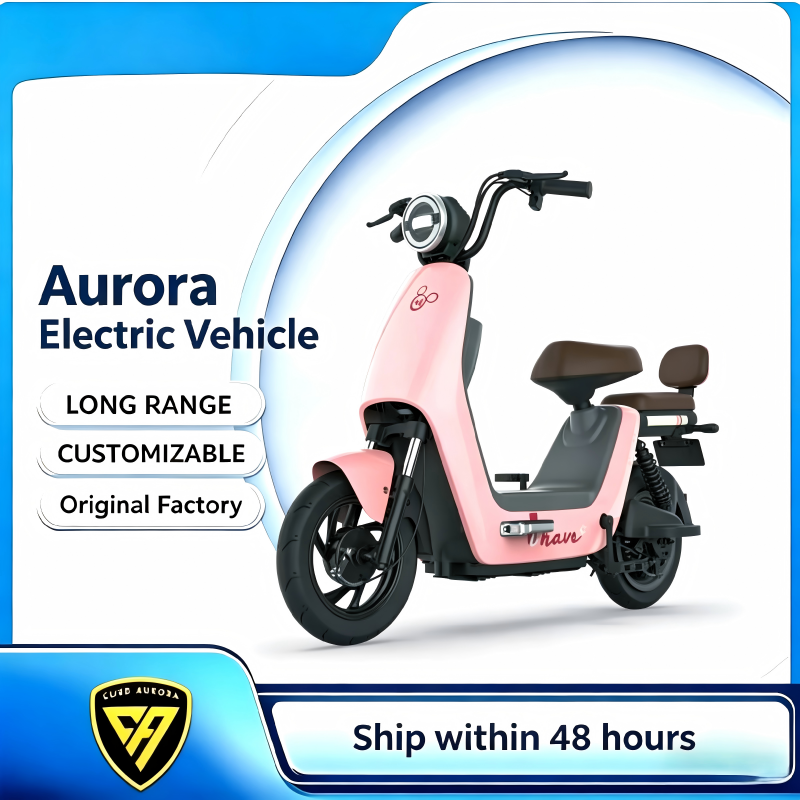
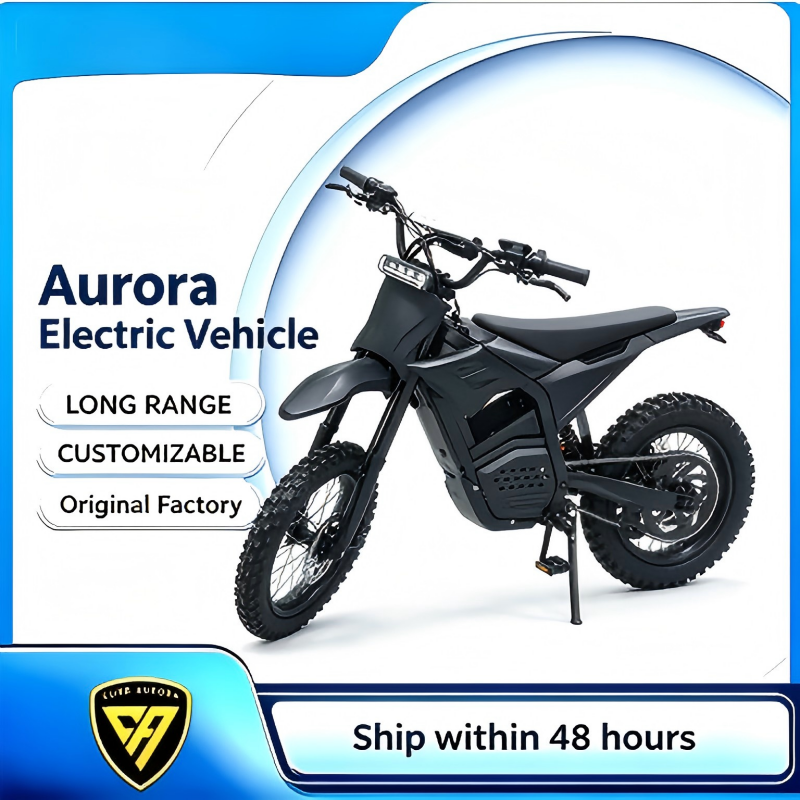
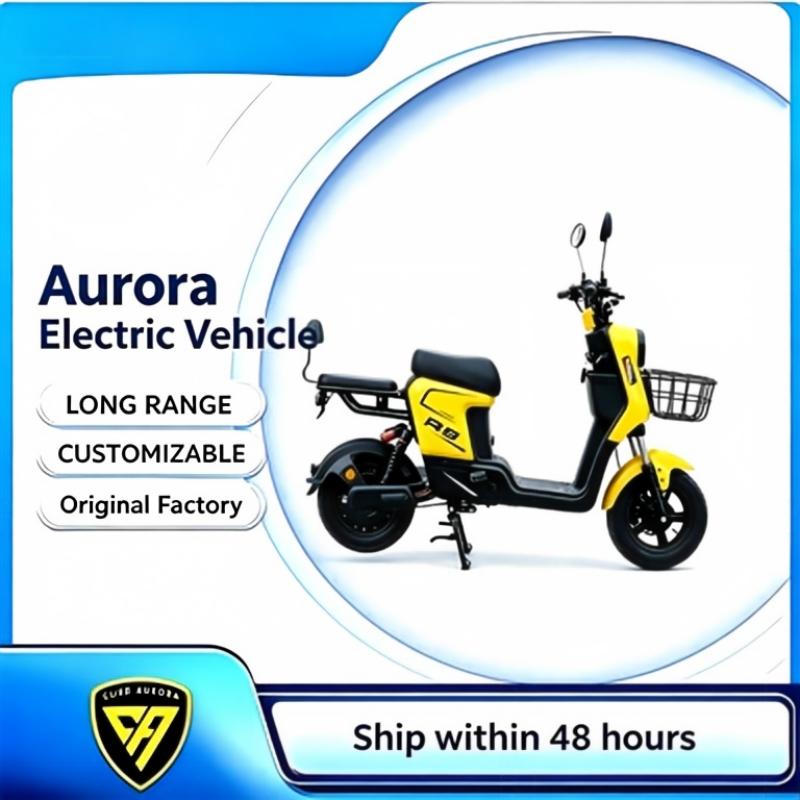
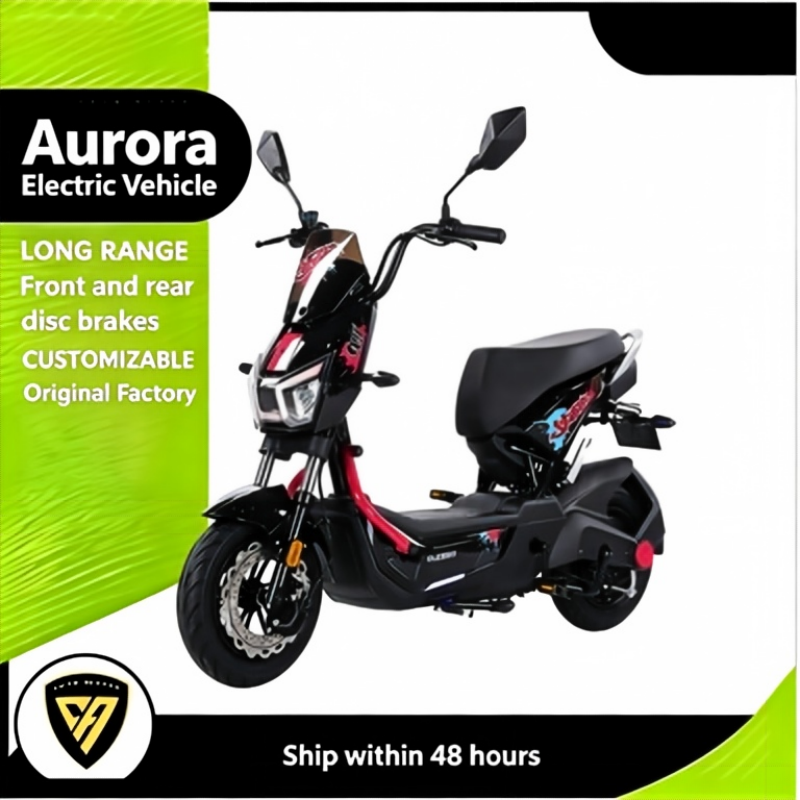
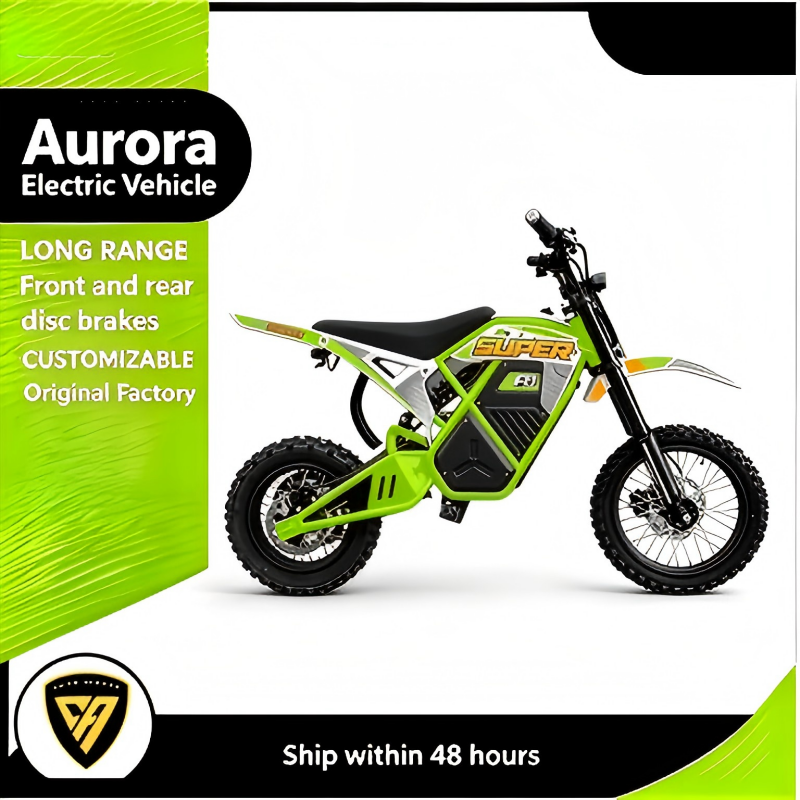
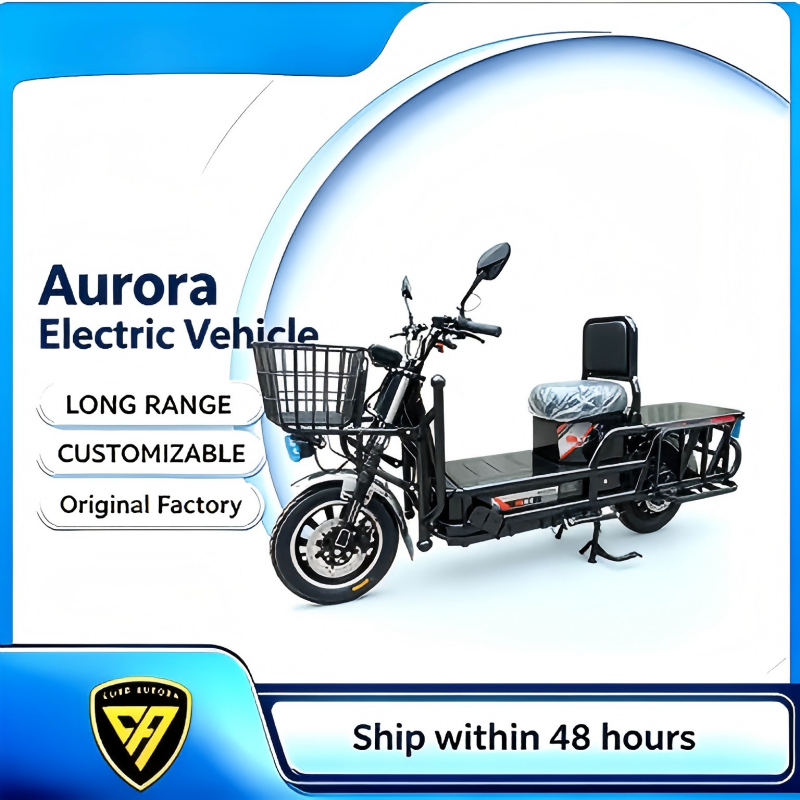
Key information for global procurement officers evaluating custom ODM battery configurations, integration guidelines, and cost models.
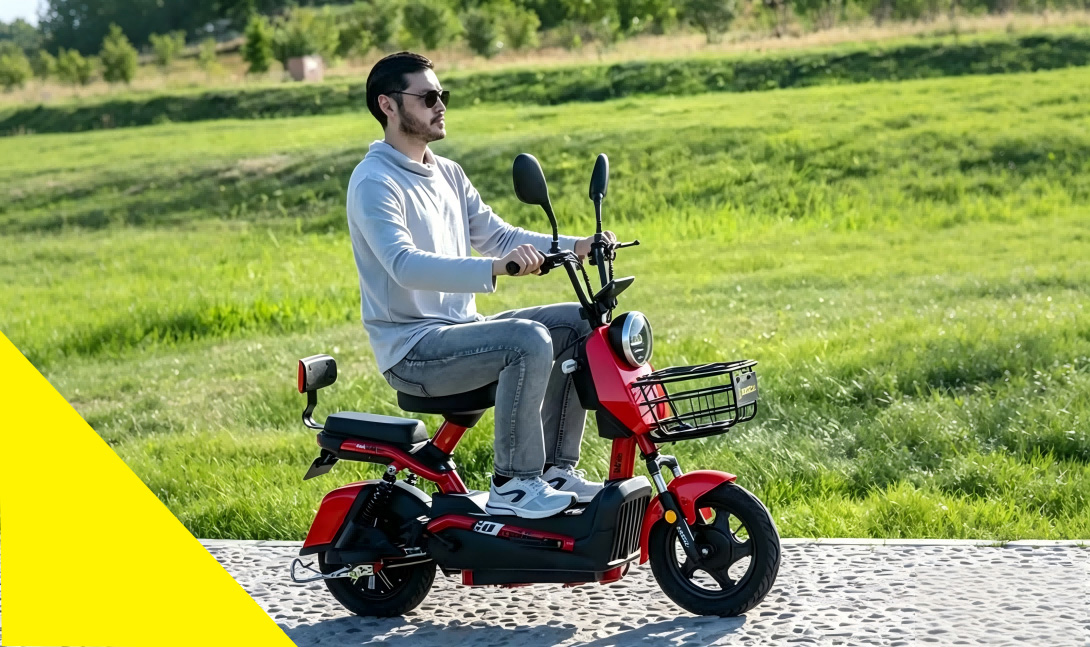
Explore our specialized range of high-performance city electric scooters and customizable commuter e-bikes.