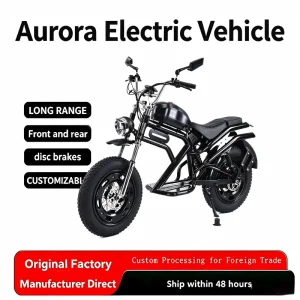
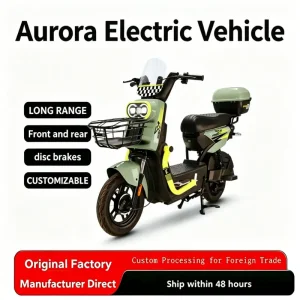
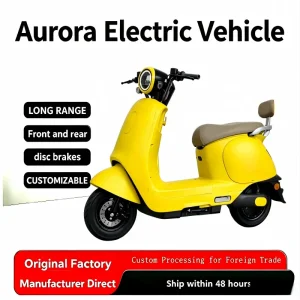
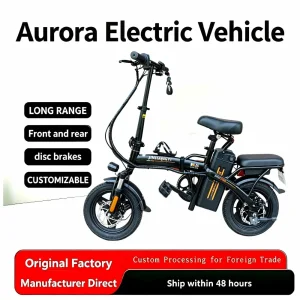
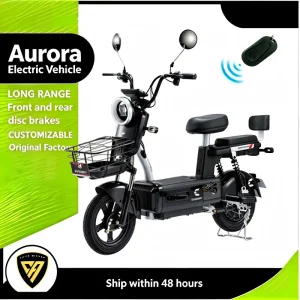
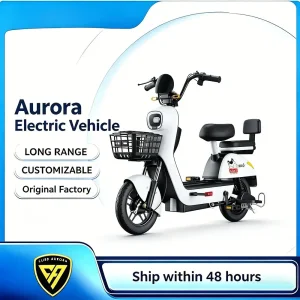
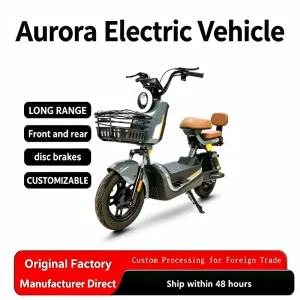
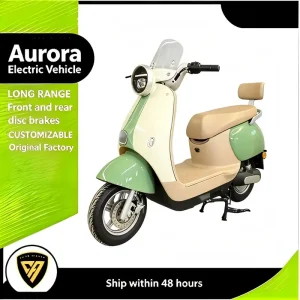
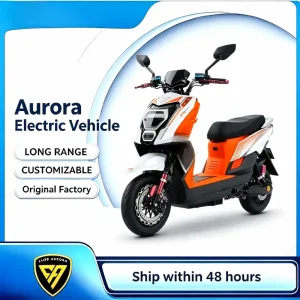
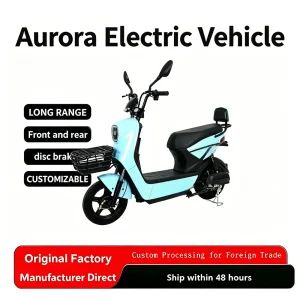
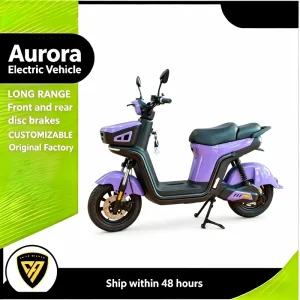
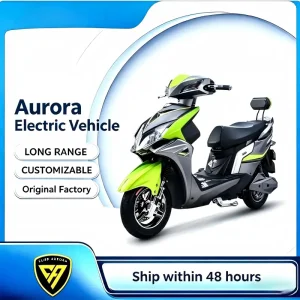
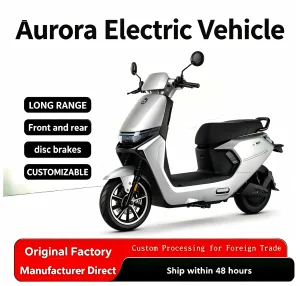
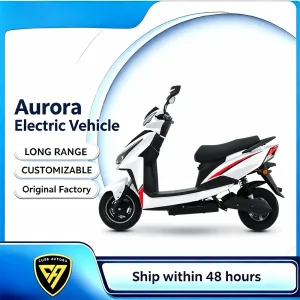
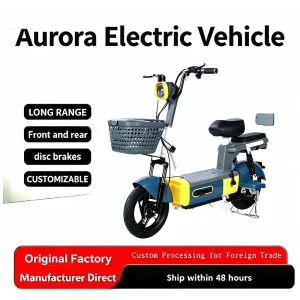
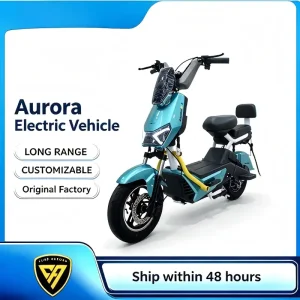
Premium customizable electric mobility platforms & utility vehicles engineered for diverse global distribution markets.
The global transition to micromobility has transformed the humble two-wheeler into an engineered transportation alternative. As electric powertrains add significant weight, torque, and velocity constraints to e-bikes, standard bicycle tires are no longer sufficient. Achieving structural safety, optimal traction, and long wear limits demands custom-engineered Electric bike outer tires.
An electric bike tire must withstand higher torque loads, accelerate consistently without slipping, support structural cargo capacities, and mitigate the risk of high-velocity punctures. This whitepaper analyzes modern polymer chemistry, structural reinforcement systems, and manufacturing standards that define contemporary ODM electric bike outer tires.
The contact patch of an electric bike outer tire is subjected to complex shearing stresses. Traditional commuter tires rely heavily on carbon black filled natural rubber (NR) to balance cost and elastic durability. However, e-bikes demand compound formulations optimized for lower rolling resistance coefficient (Crr) while maintaining traction in slick, urban microclimates.
Modern ODM manufacturing implements Dual-Compound Silica Formulations. By introducing functionalized silica polymers into synthetic styrene-butadiene rubber (SBR) matrices, the tread compound achieves exceptional wet-grip behavior without increasing rolling resistance. The outer tread zone utilizes a harder rubber durometer (62a to 65a Shore) to optimize durability along the center line, while the shoulder compounds utilize a softer elastomer composition (56a to 58a Shore) to expand the lateral contact patch when cornering.
The carcass acts as the structural foundation of the tire. In e-bike applications, tire casing density (measured in **Threads Per Inch - TPI**) is a vital metric of performance:
Furthermore, beads must resist mounting blowout pressures. High-quality ODM tire configurations offer a choice between **rigid carbon-steel wire beads**—which ensure maximum rim lock under heavy loading—and lightweight **Kevlar folding beads**, which reduce unsprung rotating mass to maximize battery range.
Puncture vulnerability remains the single largest operational disruption for commercial delivery fleets and private commuters alike. To counteract this, modern ODM e-bike outer tires integrate multi-stage sub-tread protective layers:
A high-density cross-woven poly-fabric strip inserted between the outer rubber tread and the inner casing. This layer blocks sharp metal road debris, glass shards, and flints without compromising casing flexibility.
An elastic, thick rubber band (ranging from 3mm to 5mm) situated directly beneath the tread pattern. The compound absorbs sharp objects, allowing them to remain embedded within the protective zone without penetrating the tube or tubeless casing liner.
For speed pedelecs operating up to 50 km/h (Class 3 in North America, L1e-B in Europe), standard bicycle tire standards (EN 14764) are legally insufficient. Tires must achieve compliance under the **UNECE Regulation 75 (ECE-R75)** standard. This rigorous certification subjects tires to high-speed dyno testing, cyclic loading tests under maximum inflation limits, and lateral force testing. Aurora Electric Vehicle designs tires specifically to meet these demanding global regulatory standards, safeguarding compliance for import networks.
Analyzing key business triggers and technical criteria defining commercial fleet, distributor, and brand sourcing operations.
E-commerce parcel shipping, last-mile food delivery, and local courier networks run on highly continuous duty cycles. A single tire puncture equates to missed SLAs, lost revenue, and driver downtime. Procurement directors prioritize **Total Cost of Ownership (TCO)**, requiring tires to exceed 8,000 km of service life and offer maximum puncture resistance.
Shared scooters and dockless e-bikes are exposed to heavy public abuse, outdoor weather extremes, and unpredictable path conditions. Procurement metrics emphasize rugged sidewalls, ozone-resistant compounds (preventing micro-cracking from sunlight exposure), and solid-cavity or tubeless tire systems to minimize ongoing maintenance.
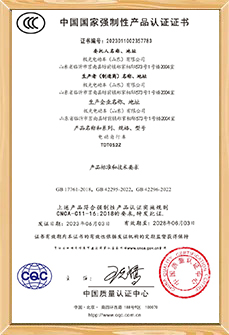
Consumer e-bike brands rely on distinctive aesthetic identities and premium ride quality to stand out. Sourcing requirements often call for customizable tread patterns, specific rubber durometer ranges to tune ride feel, colored sidewall accents, and certified safety compliance (CCC, CE, FCC) to pass regional import regulations.
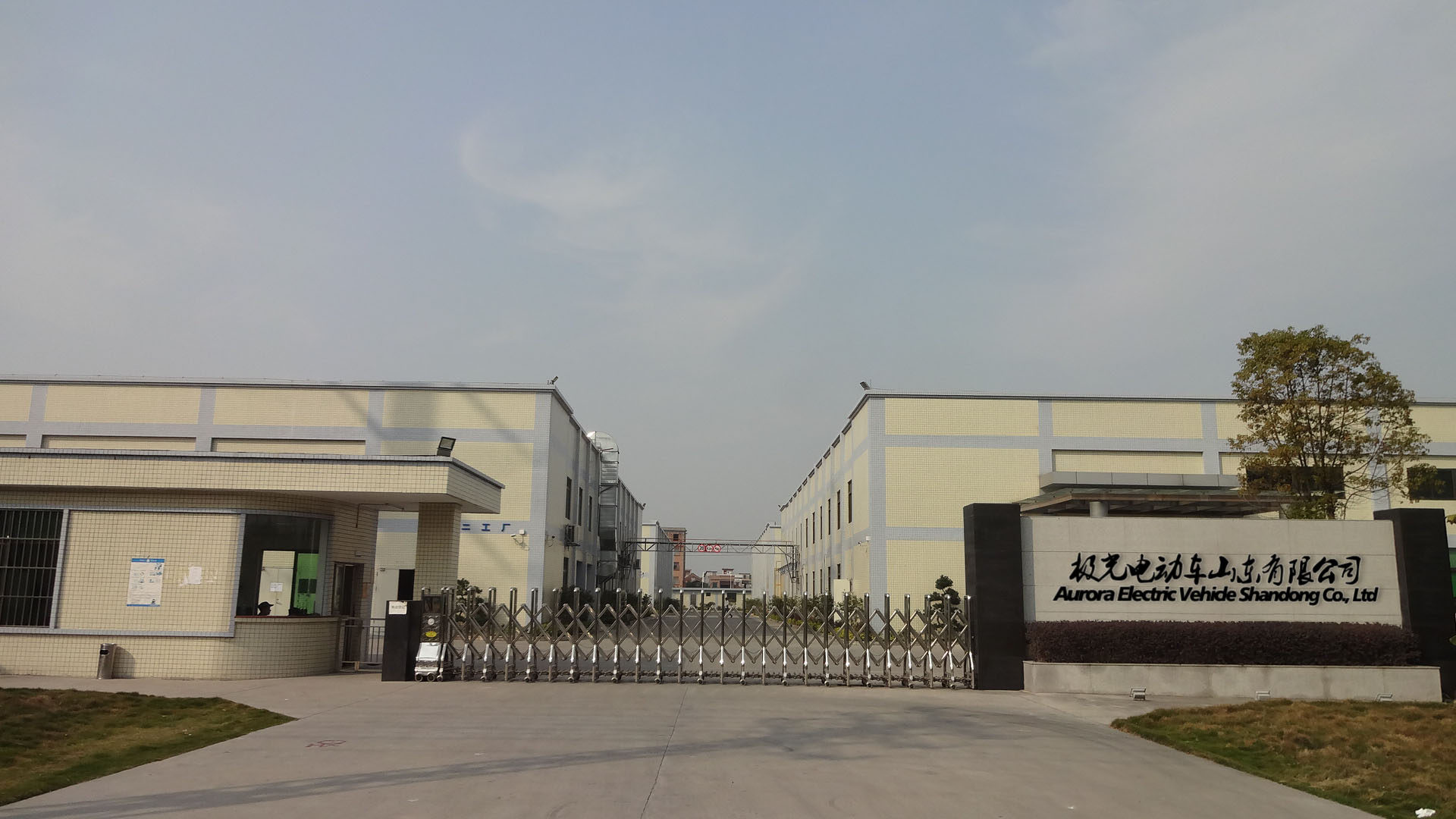
Aurora Electric Vehicle Shandong Co., Ltd., founded in 2015, operates from a highly strategic production hub in Linyi City, Shandong Province. Linyi is known as one of northern China’s most critical transportation and logistics gateways, connecting the Yangtze River Delta and the Bohai Economic Circle.
By combining geographical advantages with our advanced Factory 4.0 production philosophy, we have evolved from a small assembly workshop into a modern, comprehensive enterprise integrating R&D, precision manufacturing, testing, and sales.
Our facility utilizes digital manufacturing lines, automated tire vulcanizing machinery, laser-guided compound extrusion lines, and comprehensive quality control processes. When the national standard for electric bicycles was upgraded in 2019, our factory quickly retrofitted its operations, ensuring full compliance with fire-retardant, anti-tampering, and speed-limiting vehicle structures.
Meet the teams driving innovation and delivering high-quality electric mobility systems to global markets.
Our specialized research and development division consists of senior engineers with over a decade of experience in electric vehicle development. We focus on battery life optimization, frame safety, and rolling efficiency, holding multiple core technology patents in BMS and motor controls.
Comprising skilled operators trained under strict ISO guidelines. From initial raw material inspections to tire casing layups, motor assembly, and finalized dyno audits, every production step is tightly regulated to ensure reliable quality.
Providing end-to-end support, customizable ODM/OEM consultations, and smooth customs coordination. We work closely with our partners from specification selection through to final delivery, ensuring clear communication throughout the process.
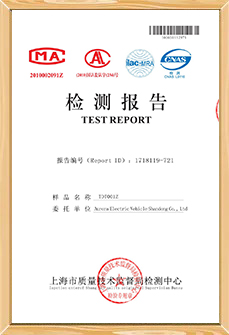
Globally recognized certifications verifying our compliance with international safety, environmental, and quality standards.
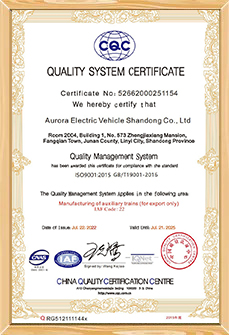


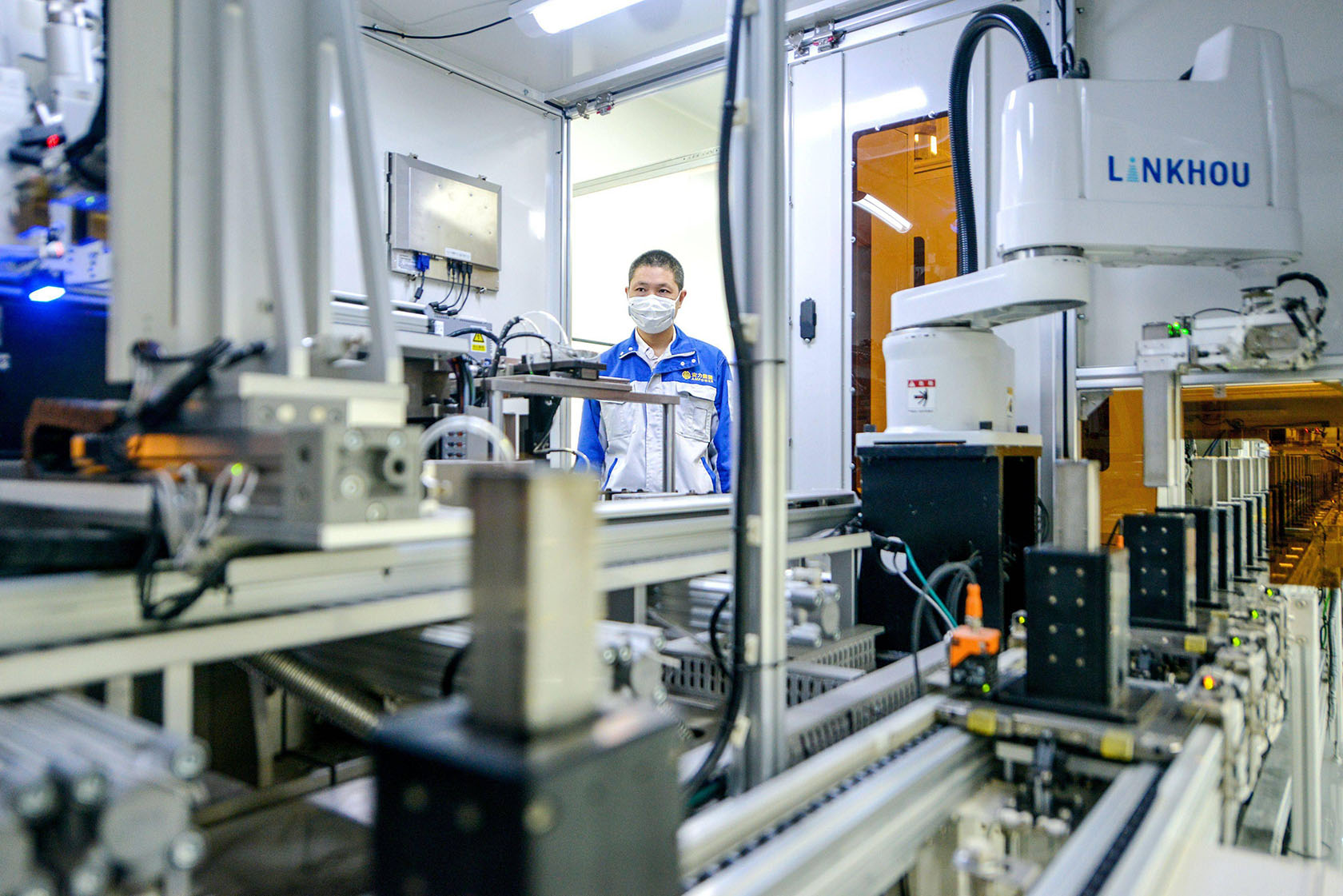
At Aurora Electric Vehicle, corporate culture is more than just guidelines—it is the foundation of our business. Our core values of "integrity, pragmatism, innovation, and win-win" guide every link of our operational chain.
Our core mission is to make green travel simpler, safer, and more accessible. To ensure these standards are met, we invest significantly in our in-house testing laboratories. Here, every product batch undergoes rigorous fatigue, load-bearing, water ingress, and thermal safety testing.
We also focus on maintaining a supportive work culture for our staff, alongside building strong, long-term partnerships with our raw material suppliers and global clients.
Discover how our e-bikes and specialized tire configurations perform across diverse riding environments.
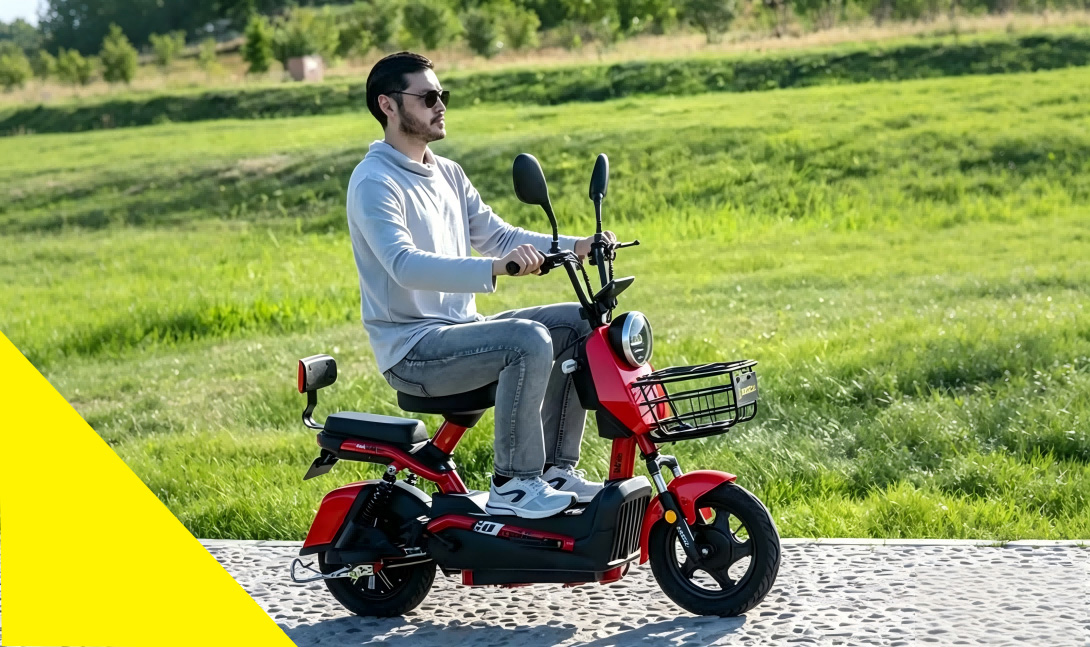
Designed with a lightweight frame and commuter tires optimized for low rolling resistance. This setup balances efficiency and comfort, making it a reliable solution for daily city riding.
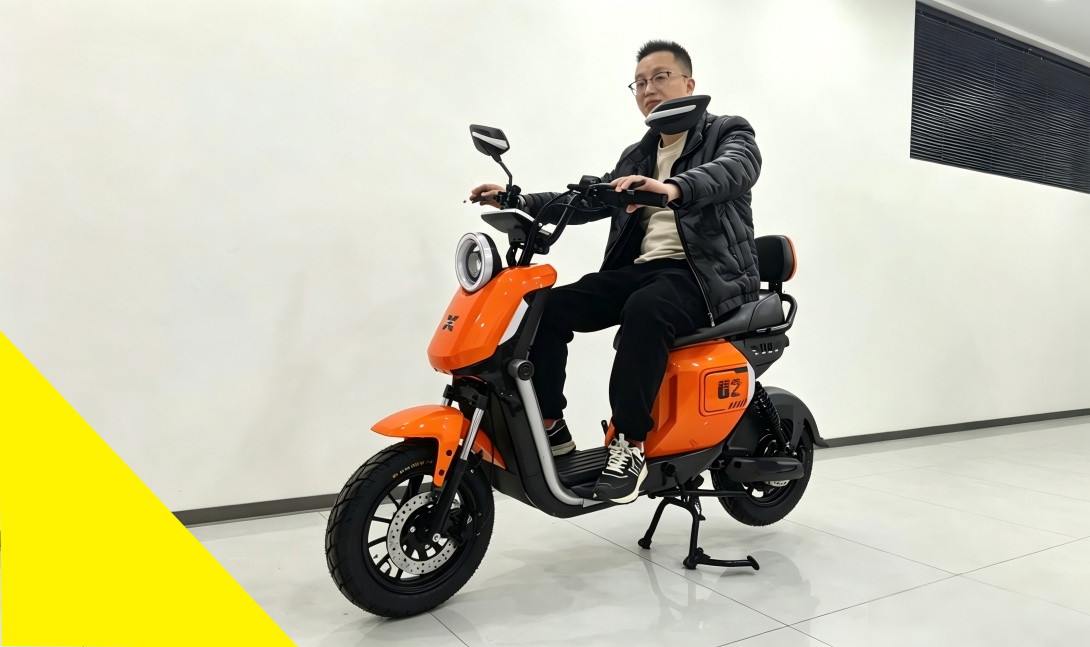
Featuring a streamlined frame, a high-torque motor, and wide tires designed for stability. This setup provides confident grip and control on varied urban road surfaces.
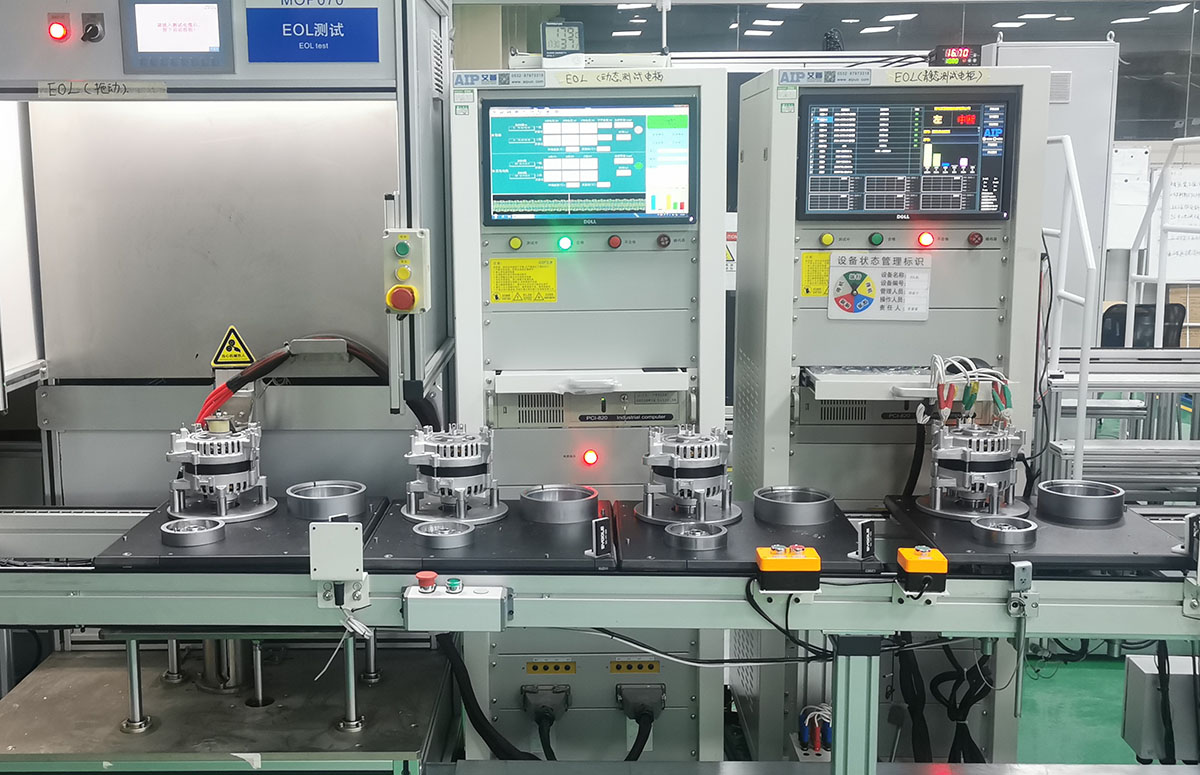
Before any tire model is selected for production, it undergoes extensive testing in our specialized laboratory. Our testing protocols cover several key performance metrics:
Explore our full range of electric passenger, utility, cargo, and retro leisure vehicles, customizable to your target market.
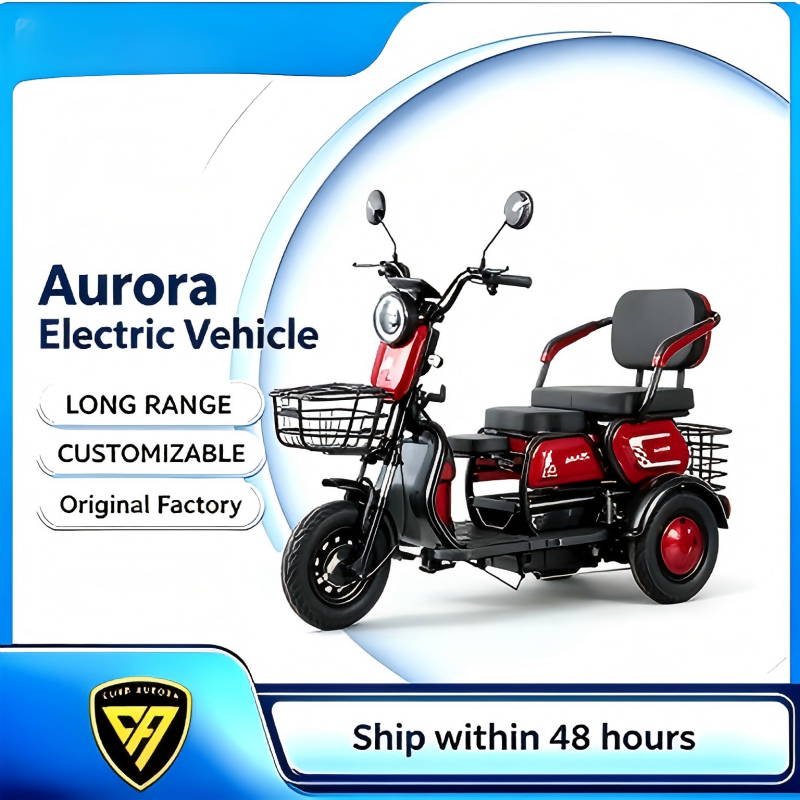
Features stable three-point tracking, a supportive backrest, and low-step geometry designed for comfortable leisure riding.
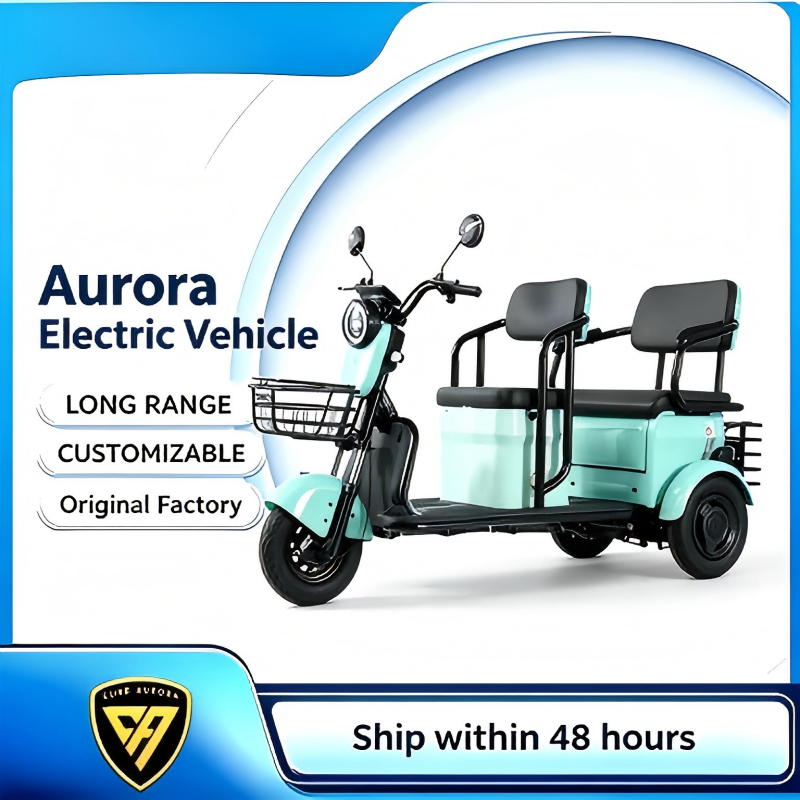
An enclosed passenger tricycle designed for local taxi operations and urban runabout fleets.
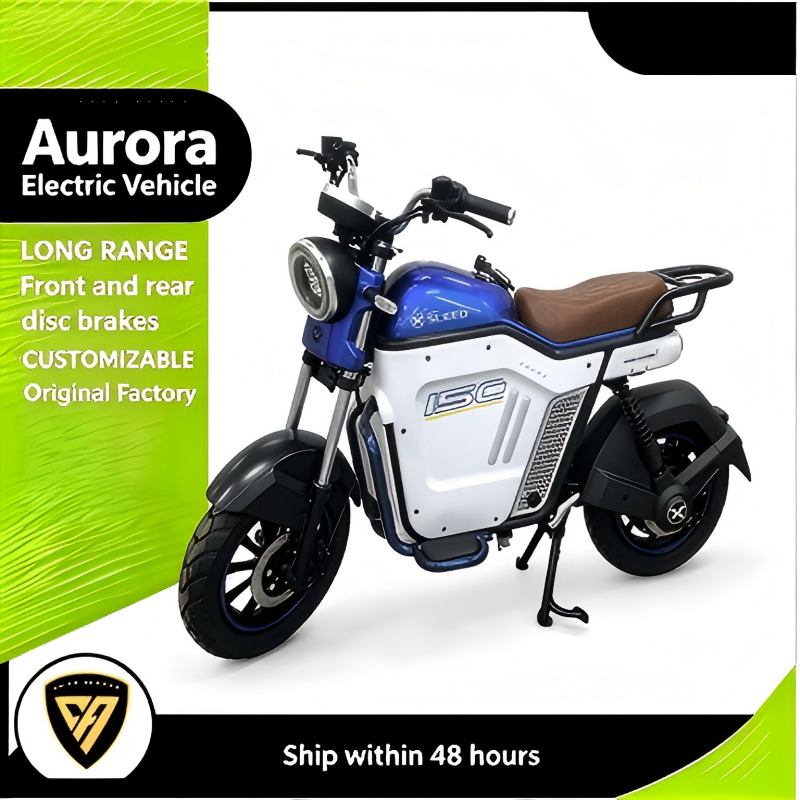
Combines classic vintage aesthetics with rugged off-road tires and high-capacity battery options.
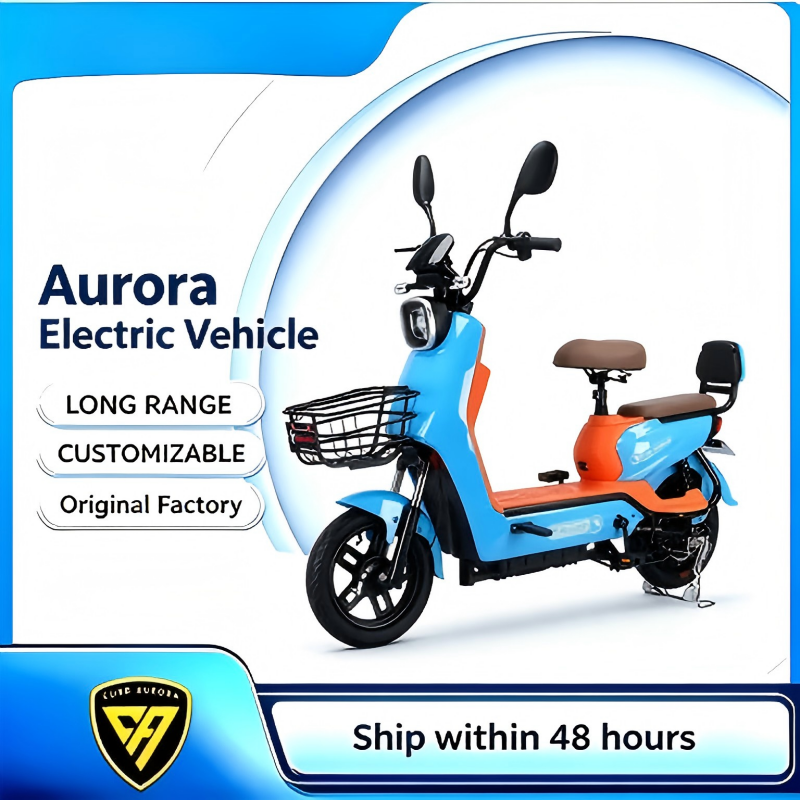
Optimized for daily urban commuting, featuring integrated fenders and low rolling resistance tires.
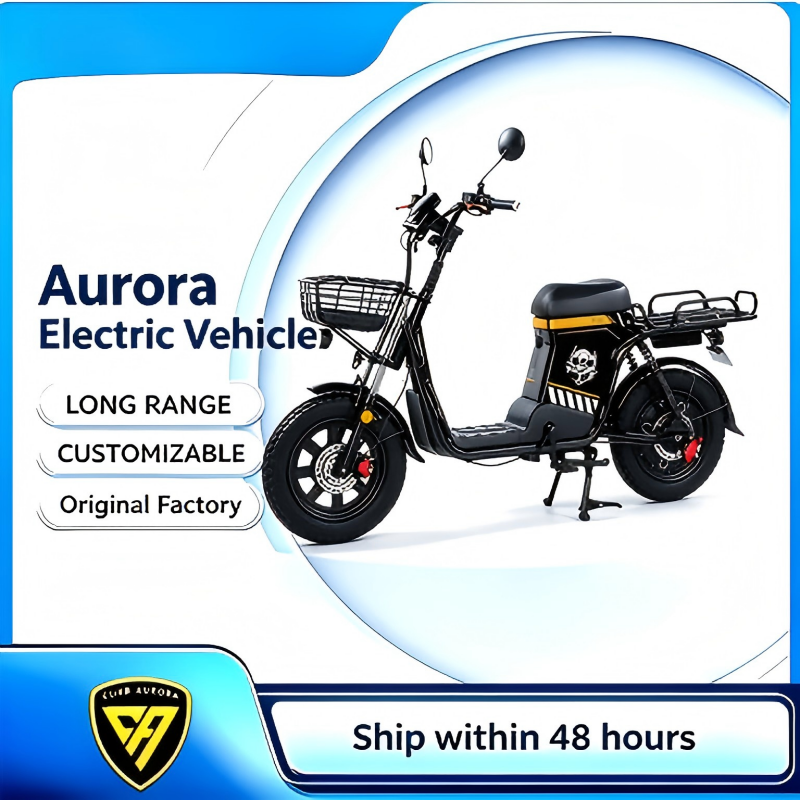
Designed for delivery couriers, with a heavy-duty luggage rack and dual battery capacity.
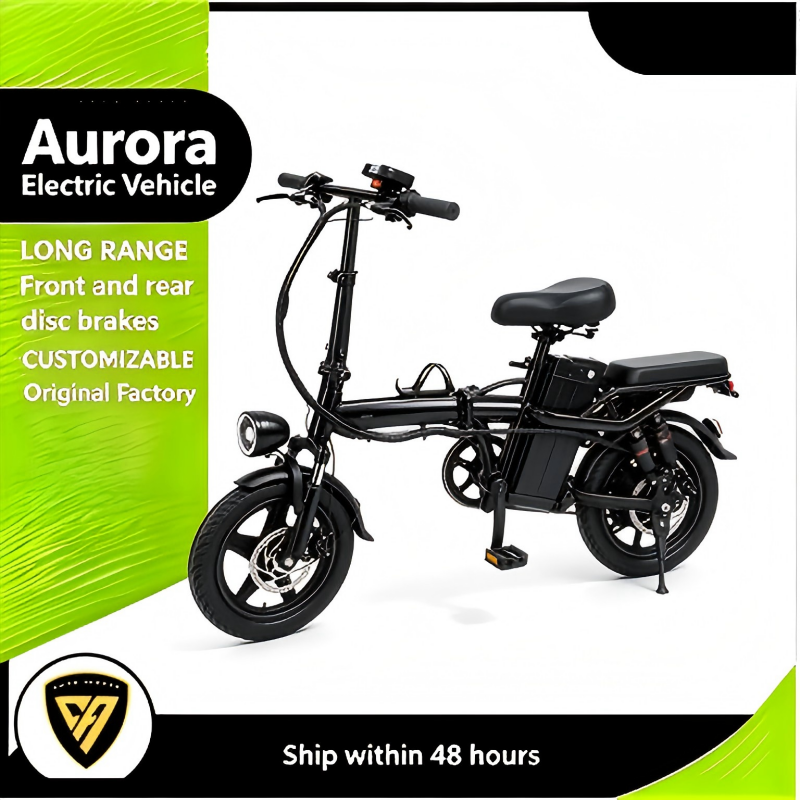
A compact, space-saving design featuring dual shocks for a smoother ride on urban pavements.
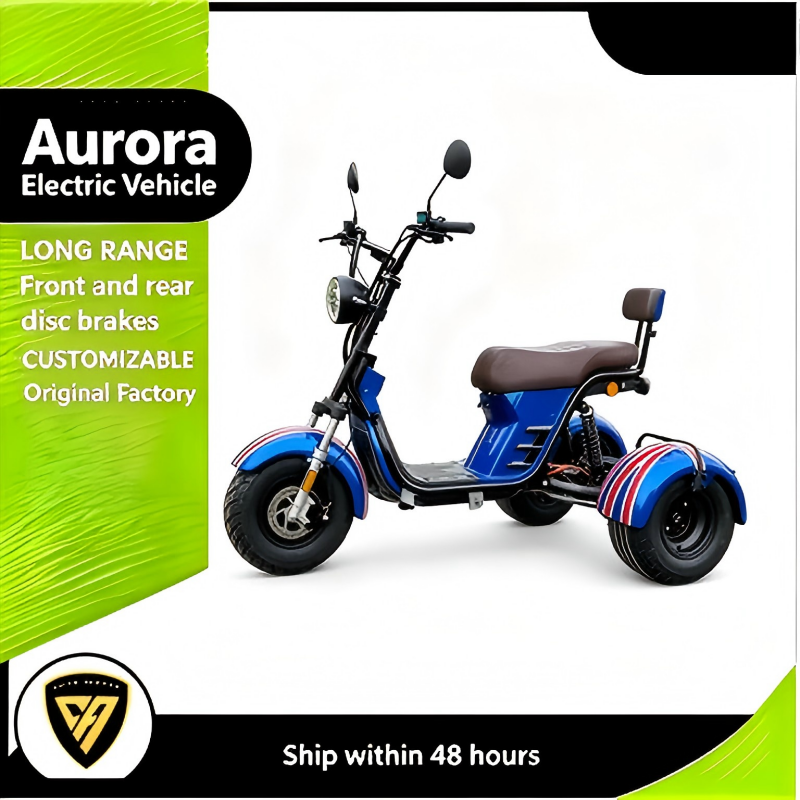
Retro-inspired cruiser styling paired with wide tires and a stable three-wheel footprint.
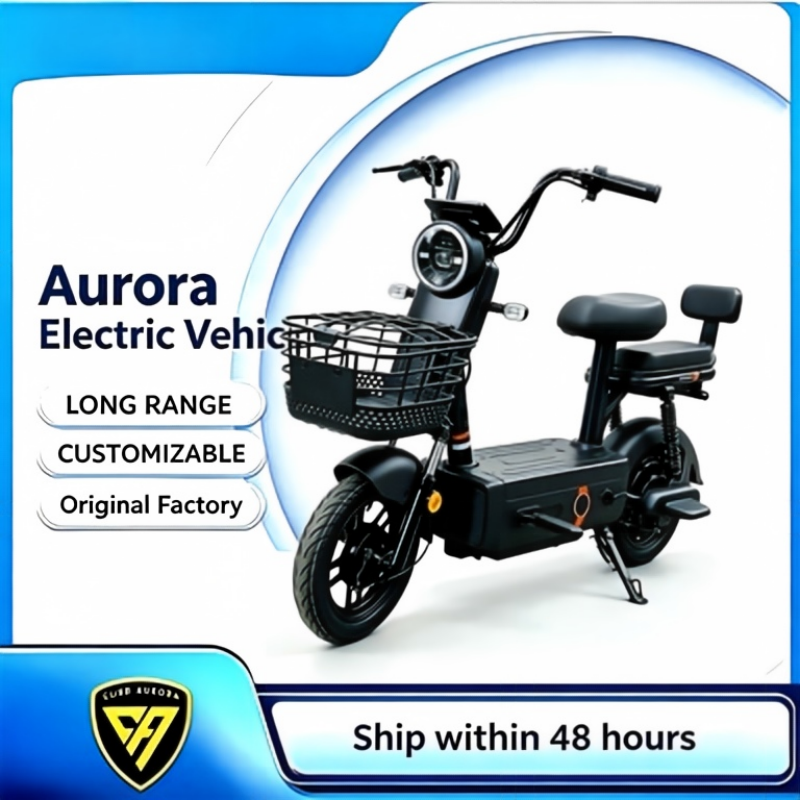
A clean, simple frame paired with lightweight components for easy handling in urban areas.
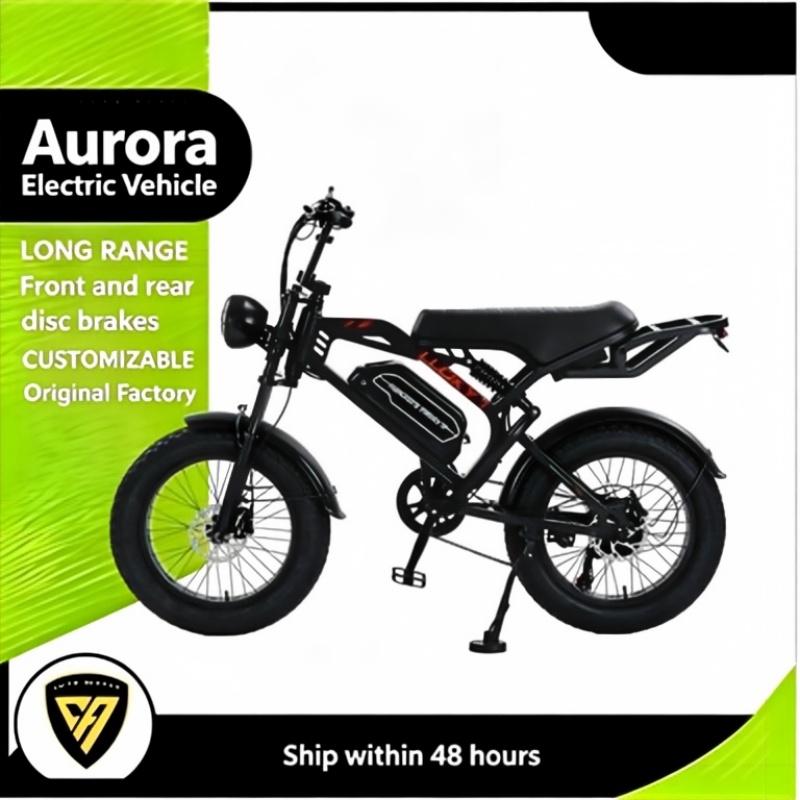
Equipped with high-volume fat tires designed for stability on sand, snow, and loose gravel trail conditions.
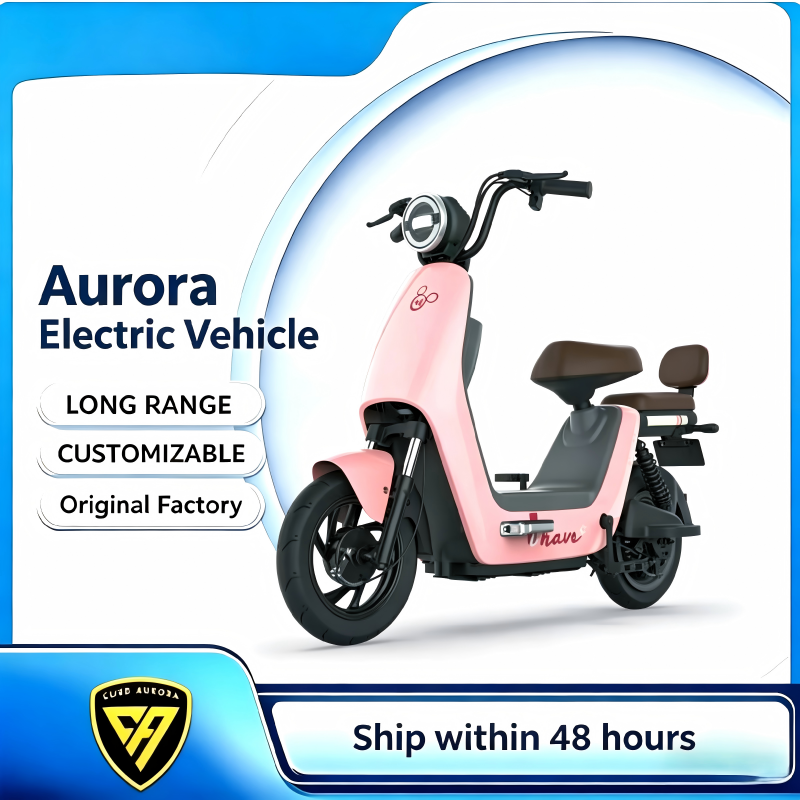
A compact two-seater design suitable for short-distance family trips and local commuting.
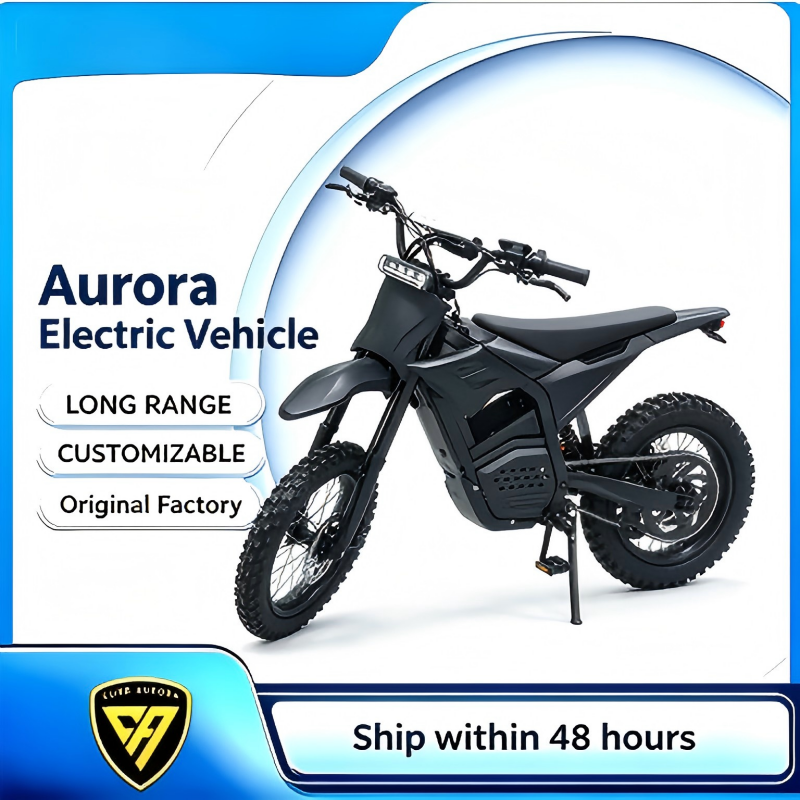
Built with high-torque power and long-travel suspension for demanding off-road trails.
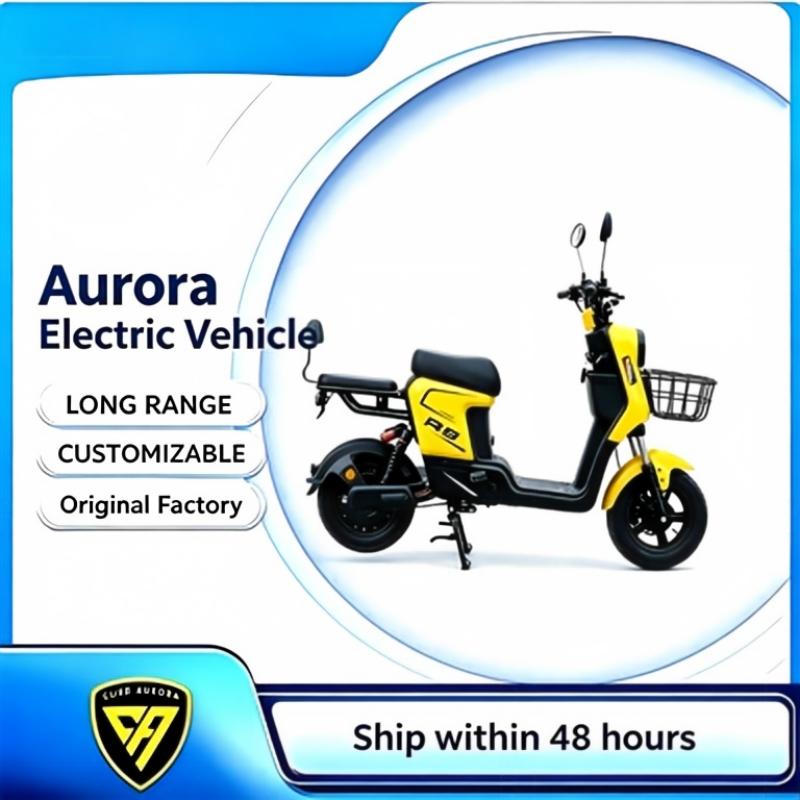
An agile, small-footprint scooter designed for quick city trips and easy storage.
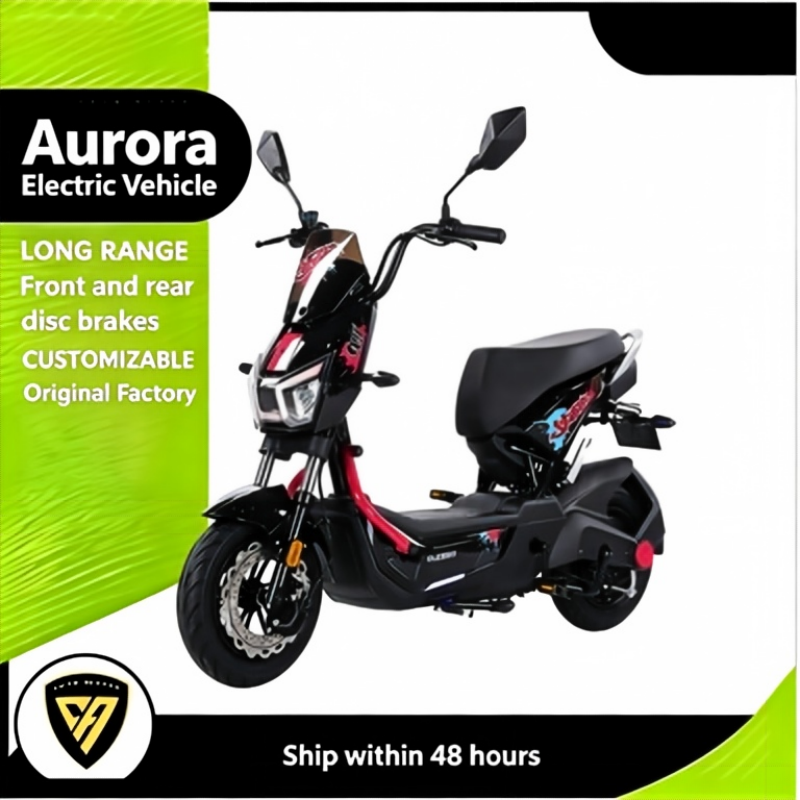
Offers high speed and acceleration capability for riders navigating faster urban transit routes.
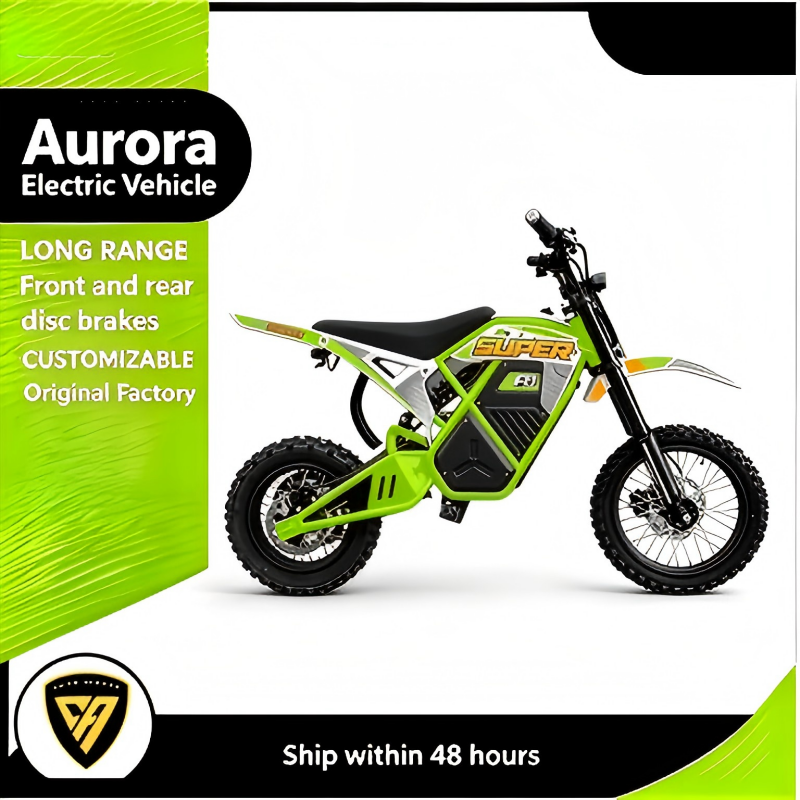
Designed with a robust drive system and high-strength frame for demanding off-road conditions.
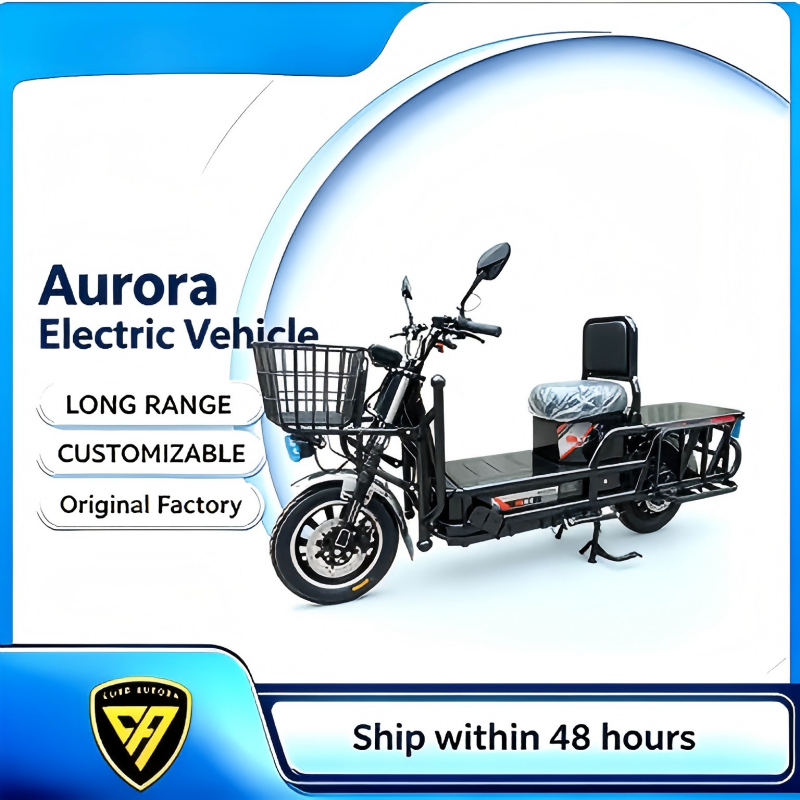
Features an elongated chassis and heavy-duty rack mounts for urban cargo transport.
Common questions regarding compound engineering, standard certifications, and procurement logistics.
High-performance commuter scooters and utility delivery vehicles built for commercial fleet operations.