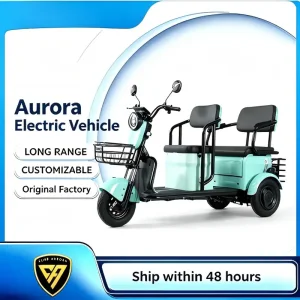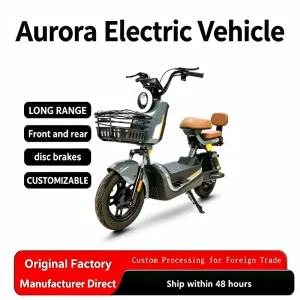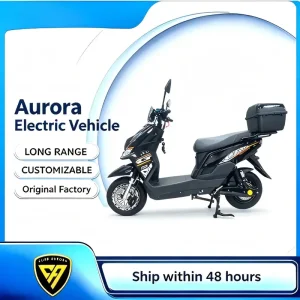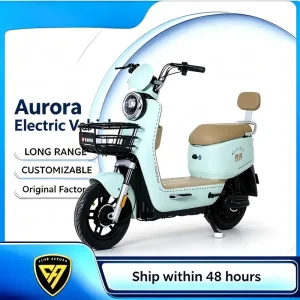
The global transition toward micro-mobility and zero-emission transit has catalyzed strict import tariffs, technical barriers to trade, and rigorous custom compliance checks. Importing electric bikes, cargo e-scooters, and electric three-wheelers requires more than just high-quality assembly; it demands an exhaustive, localized regulatory documentation portfolio. In the European Union, the United States, Australia, and the ASEAN region, customs authorities scrutinize technical test reports to mitigate battery fires, sub-standard frame construction, and unfair economic dumping practices.
For Original Design Manufacturers (ODM), having pre-vetted compliance documents is the ultimate differentiator. It eliminates detention risks at entry ports, avoids costly demurrage fees, and establishes immediate consumer confidence. Essential documentation goes far beyond basic commercial invoices. It encompasses certificates of origin, specialized battery safety files, standards declarations, and regional technical conformity proofs.
Navigating international custom clearance requires localized technical documents that prove compliance with specific national guidelines. The table below outlines the core documentation needed for major global markets when importing light electric vehicles (LEVs).
| Region | Core Standards Required | Essential Clearance Documents | Primary Risk Focus |
|---|---|---|---|
| European Union | EN 15194 (EPAC), Machinery Directive 2006/42/EC, RoHS, WEEE | Certificate of Conformity (CoC), CE Declaration, MSDS, UN38.3, EEC/e-Mark (for speed >25km/h) | Battery thermal runaway, structural durability, electromagnetic compatibility |
| United States | CPSC 16 CFR Part 1512, UL 2849 (for electrical systems), FCC Part 15 | DOT Entry Declarations, EPA filings, UL Certification Reports, UN38.3 battery transport certs | Electrical fire prevention, charger safety, radio interference |
| Australia / NZ | AS/NZS 1927:1998, ERAC (Electrical Regulatory Authorities Council) | Declaration of Conformity, SAA approvals for power systems, lithium battery test summaries | Mechanical brake efficiency, battery safety certification |
| ASEAN & Middle East | Varies by nation, GCC Standardization Organization (GSO) | SASO certificates, Certificate of Origin (Form E/Form F), specialized local import licenses | Climate adaptation (extreme heat resistance), manufacturing origin verification |
Since lithium-ion batteries are classified under Class 9 Dangerous Goods, customs clearance is deeply linked with logistics safety parameters. Port authorities will instantly detain any shipment lacking a valid Material Safety Data Sheet (MSDS) or a UN38.3 Test Summary Report. The UN38.3 standard subjects battery packs to extreme thermal, vibration, impact, shock, external short circuit, and overcharge simulations. Our ODM solutions guarantee that every single vehicle exported is accompanied by verified testing logs from accredited third-party laboratories (such as TUV, SGS, or Intertek).
We are entering an era of "Digital Product Passports" (DPP) and automated border systems. By 2026, the European Union's battery passport program will require blockchain-tracked carbon footprints, material sourcing declarations, and safety testing verification for all traction batteries. For global buyers, purchasing from an ODM manufacturer with integrated electronic reporting ensures long-term operational viability.
Customs authorities worldwide are moving toward unified digital clearance portals. Our ODM systems pre-upload certificates directly, reducing processing delays from weeks to mere hours.
Modern compliance requires documenting the recyclability of components. Aurora integrates environmental compliance factors, including WEEE registers and RoHS declarations, directly into the paperwork bundle.
Future custom regulations may request live battery state-of-health (SoH) diagnostics for high-capacity cargo fleets to verify chemical stability prior to maritime freight transit.
Founded in 2015, Aurora Electric Vehicle Shandong Co., Ltd. is a leading electric bicycle manufacturing enterprise located in Linyi City, Shandong Province. Linyi is a core transportation hub connecting the Yangtze River Delta and the Bohai Economic Circle, providing us with prominent geographical and supply-chain logistics advantages.
As a professional manufacturer deeply rooted in the electric bicycle industry for over 10 years, we have grown from a small-scale production workshop into a comprehensive enterprise integrating R&D, production, sales, and dedicated after-sales services. We have proudly participated in and witnessed the high-quality evolution of China's electric bicycle sector under the New National Standard era.
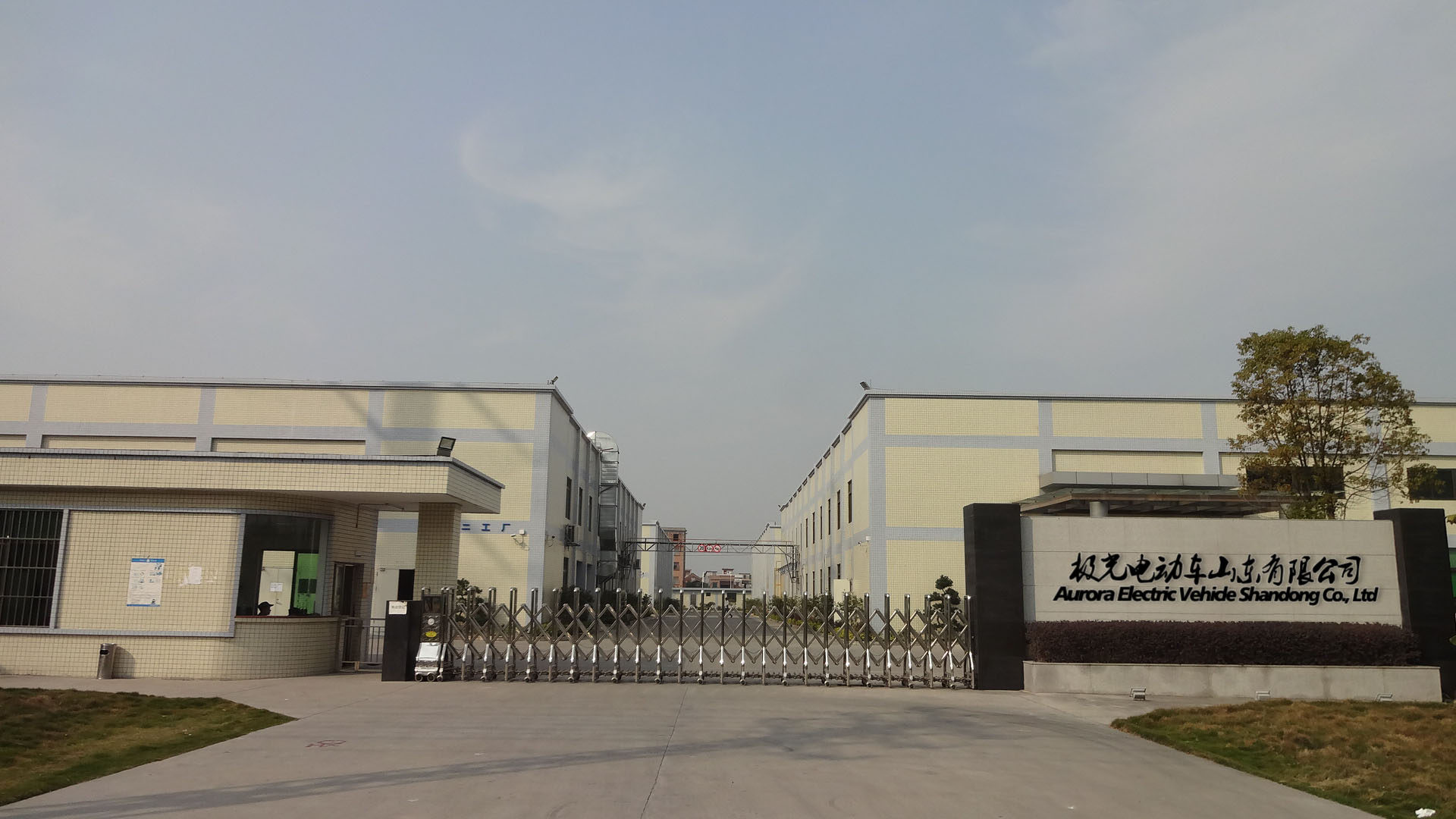
Our development history is defined by persistence, technical innovation, and continuous excellence. Since our inception, we have aligned our operations with changing market demands and national standards. In 2019, when China's new mandatory standards for electric bicycles were officially implemented, we immediately upgraded our digital assembly lines and laboratory infrastructure. We adjusted frame flame-retardant performance, electronic speed limits, and anti-tampering configurations to fully comply with global safety demands.
Today, our standardized production base features digital assembly areas, automatic welding machinery, and precision quality-testing centers. We verify the durability of motors, lithium battery management systems (BMS), and load-bearing frames. This ensures our annual capacity is ready to support both high-volume global buyers and local urban logistics networks.
Our R&D team consists of senior engineers with more than 10 years of experience in the electric bike and scooter industry. We focus on enhancing real-world battery life, riding stability, and chassis safety, holding numerous core patents in motor drive technology and intelligent Battery Management Systems (BMS).
Our production team consists of trained professionals working under ISO 9001 protocols. They perform inspections on raw steel and aluminum pipes, conduct ultrasonic testing of weld points, and check battery safety parameters before dispatching goods to the shipping dock.
Dedicated to customer satisfaction, our export division provides comprehensive ODM/OEM services and reliable logistics support. We assist buyers in obtaining regional clearance documents, helping smooth customs processes in North America, the EU, South America, and beyond.
Our management philosophy emphasizes a people-first, continuous learning approach. We organize regular technical training and skills competitions to foster collaboration and focus on quality control.
Our products are built in compliance with international requirements. Below are the certifications and quality testing credentials we maintain to support customs verification.
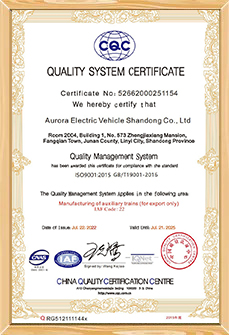
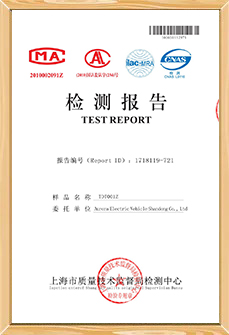
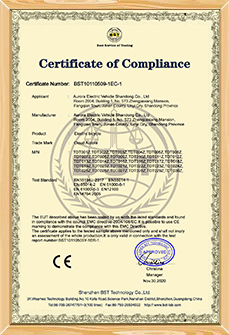
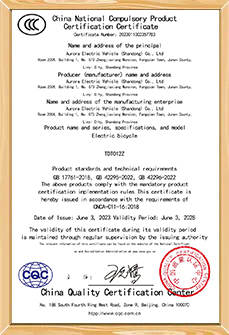
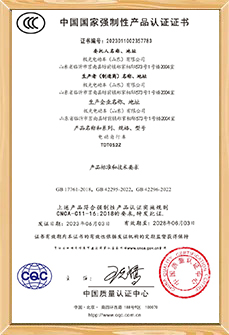
We are guided by the values of "integrity, pragmatism, innovation, and mutual benefit." Our mission is to make green travel safer and more accessible worldwide. We invest in testing labs to assess vehicle load capacity, water ingress protection, flame retardancy, and battery chemistry under challenging conditions.
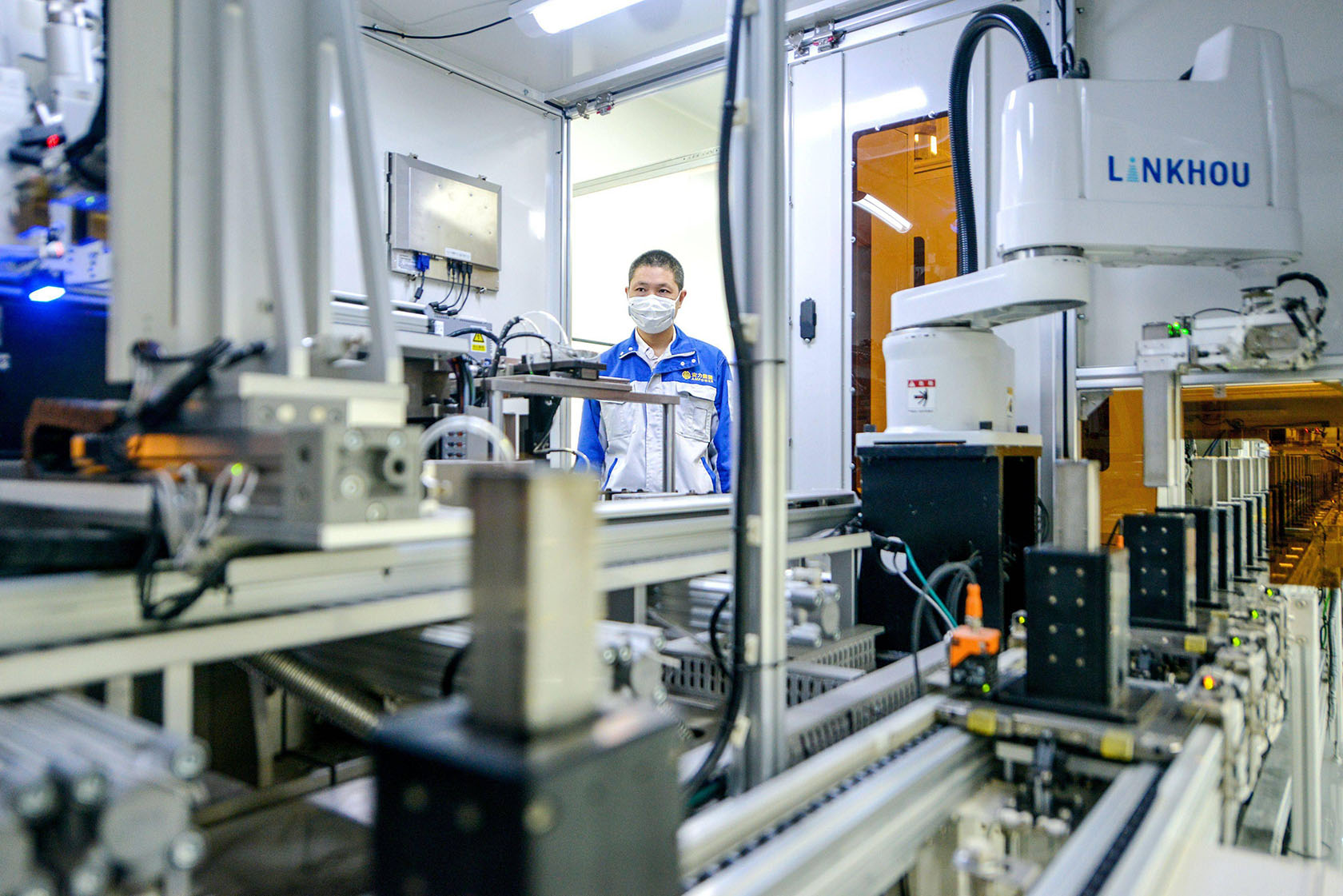
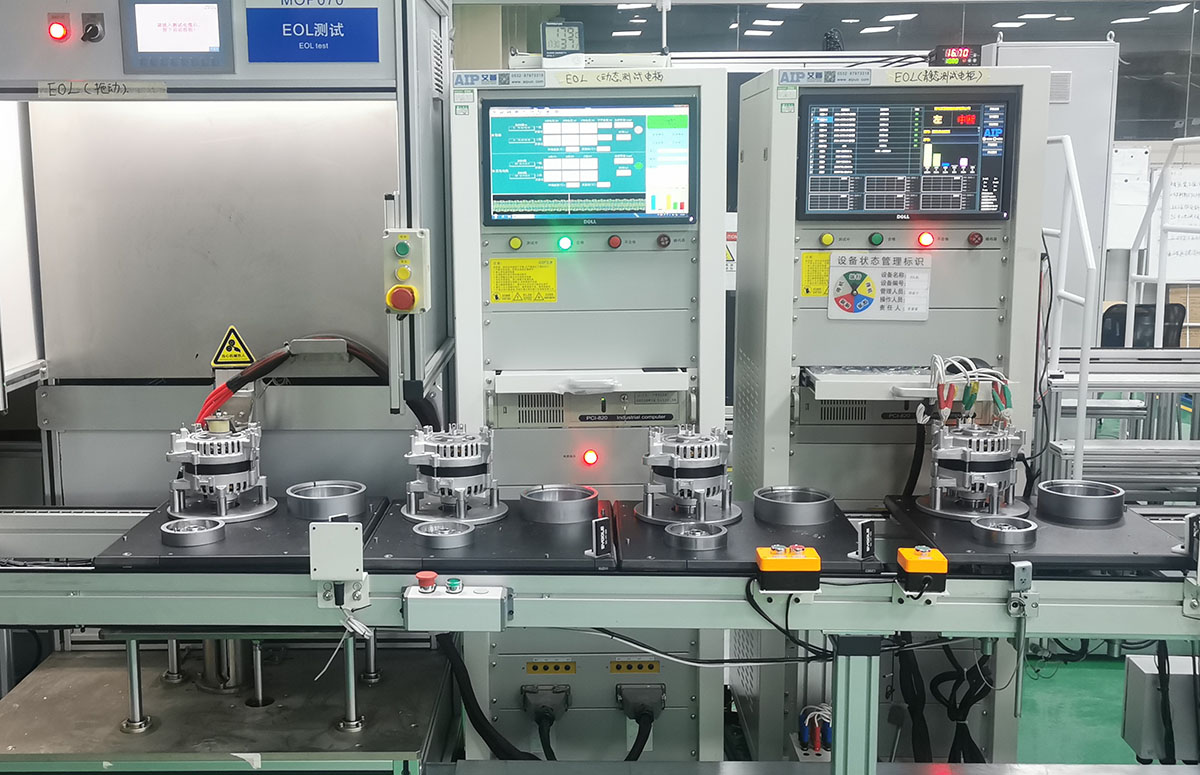
Based in Linyi, Shandong, we benefit from regional supply networks. This helps us monitor shifting requirements and adjust production to meet client specifications quickly.
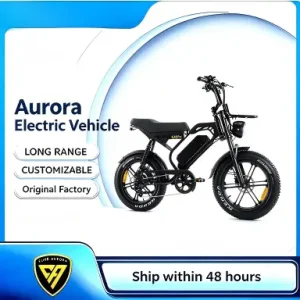
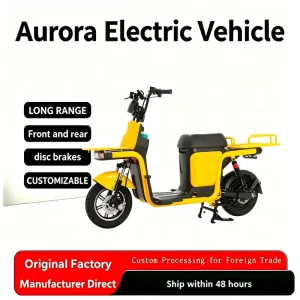
Our catalog ranges from daily commuter bicycles to cargo vehicles, leisure tricycles, and fat-tire e-bikes. Every batch is supported by complete documentation to simplify border clearance.
We work closely with clients to match their local regulations, helping secure approvals like CE, FCC, CCC, or specialized regional standards.
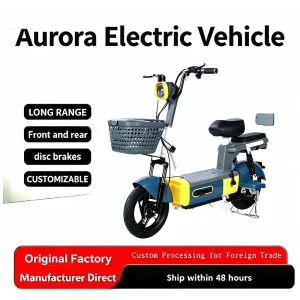
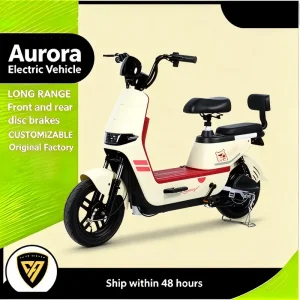
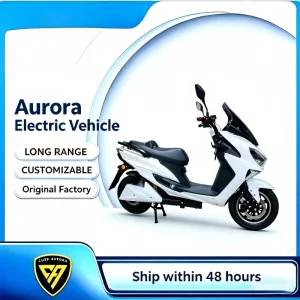
Designed for urban environments, these light vehicles offer responsive handling and easy parking. They provide an efficient transport option for daily travel.
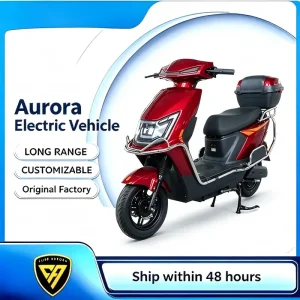
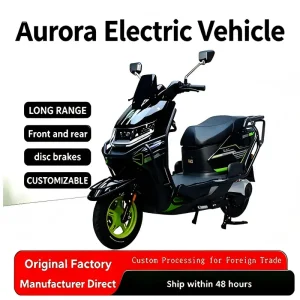
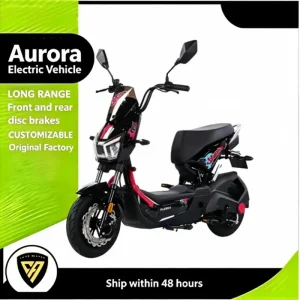
Equipped with optimized motor controllers and dependable battery packs, our vehicles deliver stable acceleration and reliable hill-climbing capabilities.
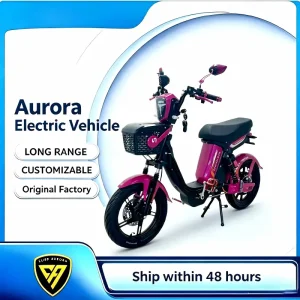
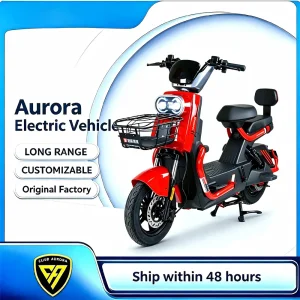
Equipped with front baskets, rear backrests, responsive suspension systems, and reliable brakes, our vehicles are engineered for daily safety and comfort.
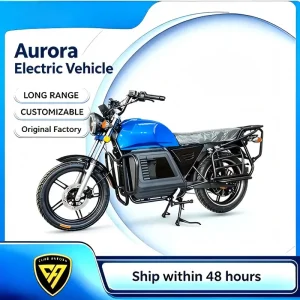
Featuring reinforced frames and wear-resistant components, our vehicles are built to export-quality standards to reduce maintenance costs for fleet operators.
We pack our products using 5-layer imported kraft paper box configurations, reducing transit risks during ocean freight and multi-modal container transport.
We accommodate various freight arrangements and coordinate with your chosen freight forwarder to manage delivery paperwork efficiently.
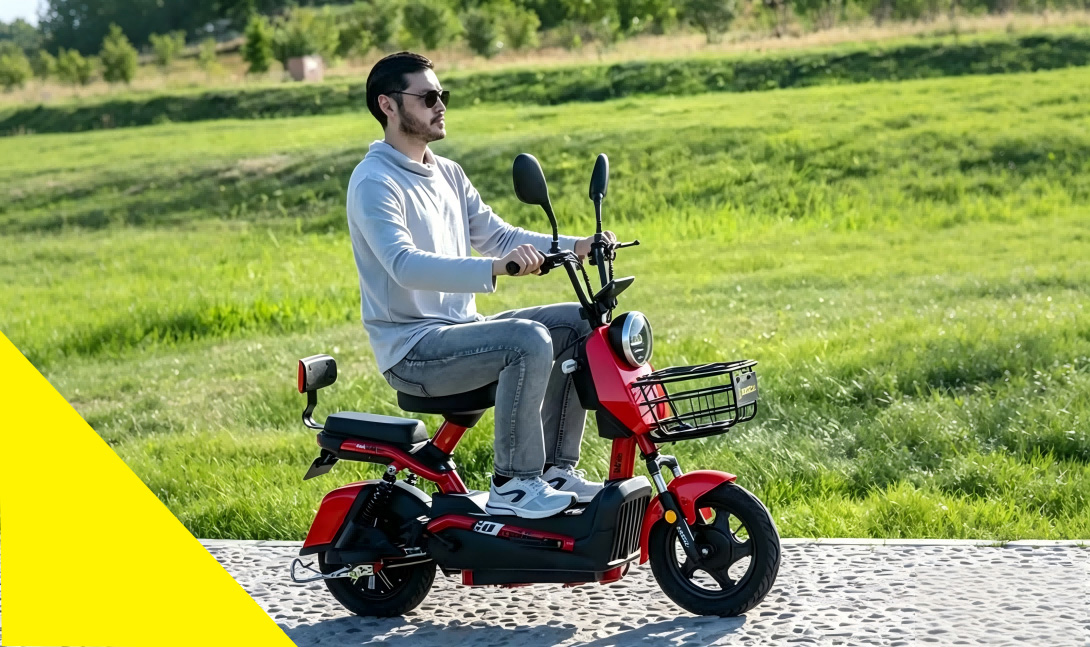
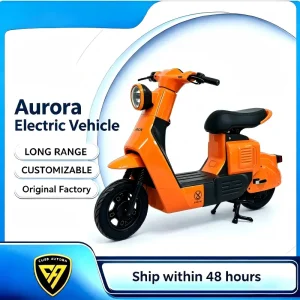
Ergonomic and lightweight models configured for daily commuting and delivery operations. Equipped with energy-saving powertrains and durable frame structures.
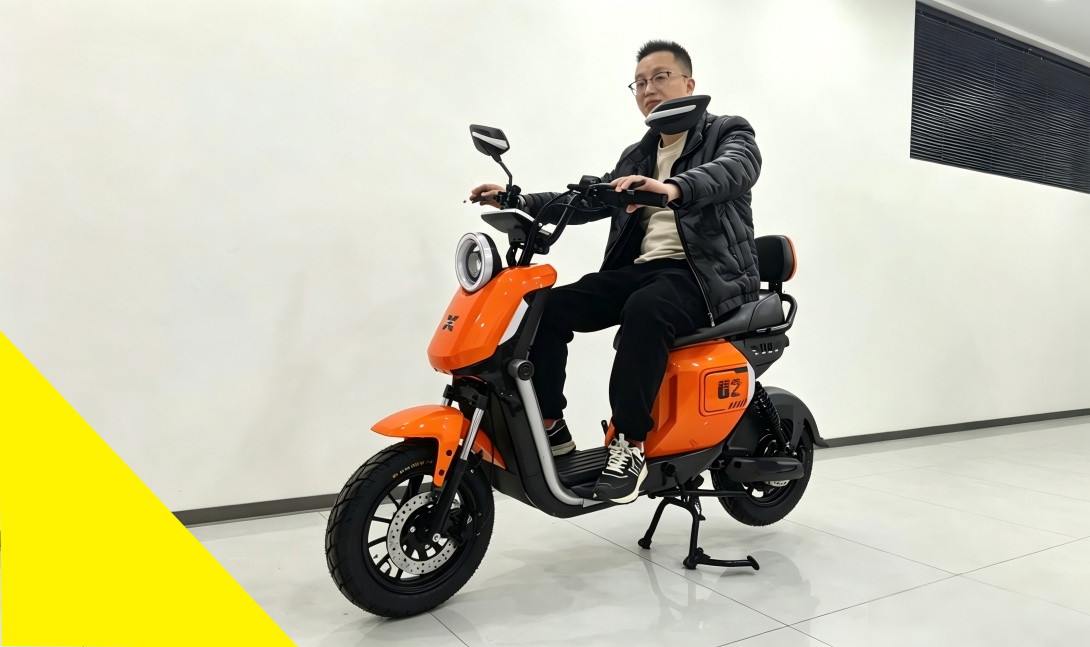
Featuring streamlined profiles and efficient power delivery systems. Well-suited for urban rides and last-mile transit needs.
Expert answers to common import questions to help you streamline your shipping and clearance processes.