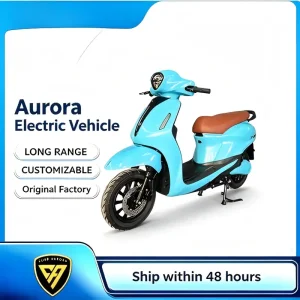
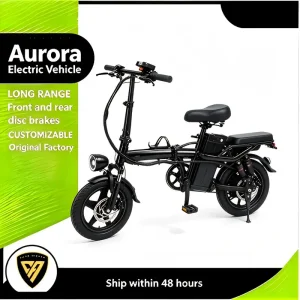
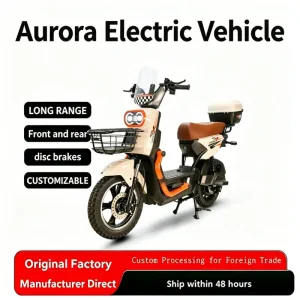
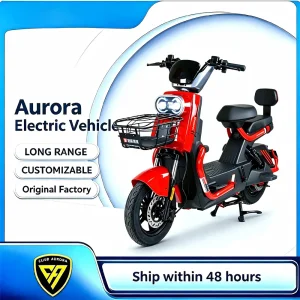
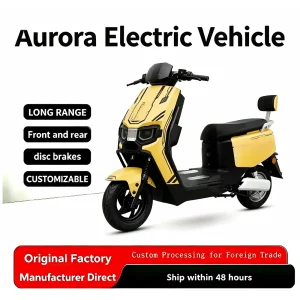
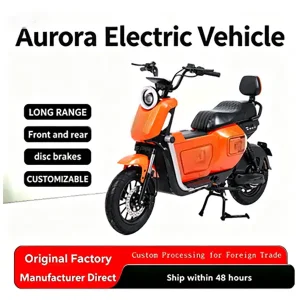
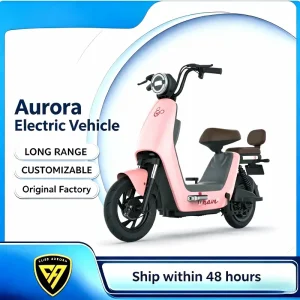
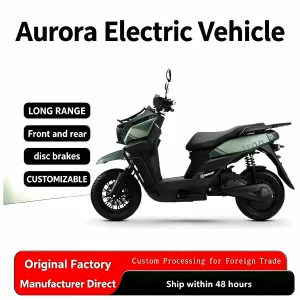
High-performance electric vehicles and platforms engineered with advanced density profiling and structural reliability.
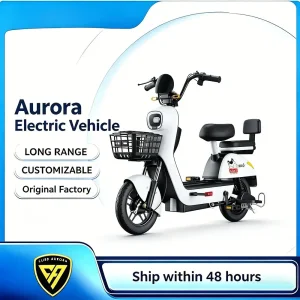
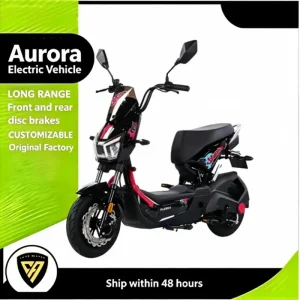
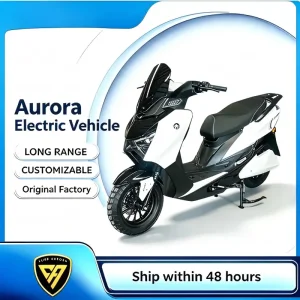
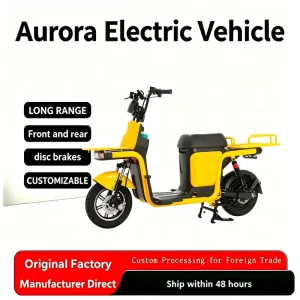
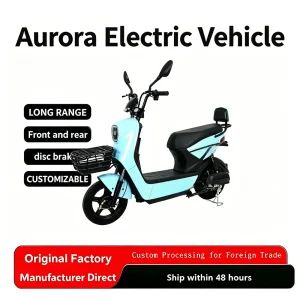
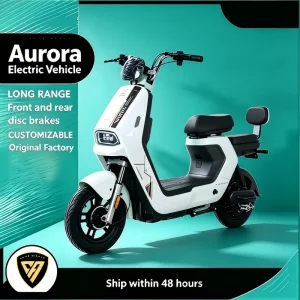
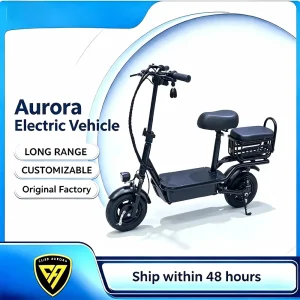
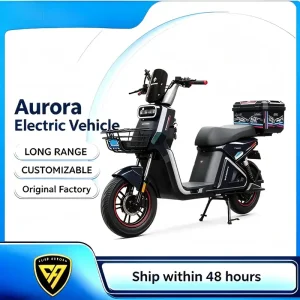
The electrification of mobility has introduced fundamental changes to automotive structural architecture and component design. In conventional internal combustion engine (ICE) vehicles, structural reinforcement and noise, vibration, and harshness (NVH) mitigation relied primarily on heavy steel members, heavy asphalt-based dampening sheets, and basic rubber mounts. However, the heavy weight of battery packs in Electric Vehicles (EVs) requires dramatic structural weight reduction while maintaining exceptional crashworthiness.
Furthermore, the absence of masking engine noise exposes high-frequency motor whine, wind noise, and road vibrations. To resolve these challenges, modern EV designs utilize **in-situ polyurethane (PU) and epoxy-based structural foam fillings** inside hollow frames, Body-in-White (BIW) cavity structures, and battery pack enclosures.
As an experienced ODM supplier, **Aurora Electric Vehicle Shandong Co., Ltd.** delivers high-performance electric vehicles and custom structural solutions. We combine advanced mechanical manufacturing with material science optimization. This integration ensures our chassis, motor enclosures, and structural frames meet strict global standards for crash energy absorption, flame retardancy (UL 94 V-0), and acoustic isolation.
The modern EV foam filling market focuses on three primary functional categories: **Acoustic Damping, Structural Reinforcement, and Thermal Insulation / Encapsulation**.
EV motors run quietly, making road, tire, wind, and secondary high-frequency motor harmonics much more noticeable to passengers. Standard acoustic foams fill vehicle body cavities (e.g., A, B, and C-pillars, side sills, and roof rails) to block sound paths. These materials feature a high ratio of open cells to absorb high-frequency sound waves, converting acoustic energy into thermal energy and improving cabin comfort.
High-density closed-cell structural foams, particularly those based on epoxy resins or rigid polyurethanes, are injected into hollow structural sections. Under bending load or impact, the composite structure (comprising the metal outer wall and the dense inner foam core) prevents early local buckling of the metal sheets. This structural design significantly improves energy absorption in key impact zones (such as frontal crash zones and side impact pillars) without adding the weight of thick steel plates.
Battery packs require stable operating temperatures. Potting foams and gap fillers based on polyurethane or silicone chemistry provide dual-functional properties: electrical insulation combined with tailored thermal conductivity. In the event of localized battery cell failure, the flame-retardant foam acts as a thermal barrier. This prevents propagation to adjacent cells, containing thermal runaway and protecting passengers.
The demand for high-performance foam formulations is rising rapidly across key industrial regions:
| Parameter | Acoustic Foams | Structural Reinforcements | Thermal Management Foams |
|---|---|---|---|
| Material Base | Low-density PU (Open-cell) | High-density Epoxy / Rigid PU | Silicone / Polyurethane Composites |
| Density Range | 40 - 80 kg/m³ | 200 - 600 kg/m³ | 150 - 450 kg/m³ |
| Compressive Strength | < 0.5 MPa | 15 - 55 MPa | 1 - 5 MPa |
| Thermal Conductivity | ~ 0.035 W/m·K | ~ 0.08 W/m·K | 0.8 - 2.5 W/m·K (potting) |
| Primary Benefit | Dampens cabin decibels | Increases load-bearing limits | Controls runaway propagation |
Established in 2015 and based in Linyi City, Shandong Province, **Aurora Electric Vehicle Shandong Co., Ltd.** operates in a key transportation hub connecting the Yangtze River Delta and the Bohai Economic Circle. Over a decade, we have transitioned from a specialized workshop into a comprehensive enterprise integrating R&D, precision manufacturing, international sales, and engineering support.
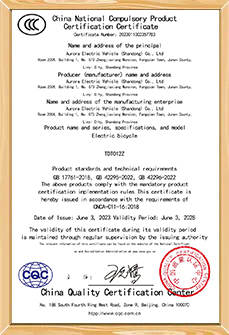
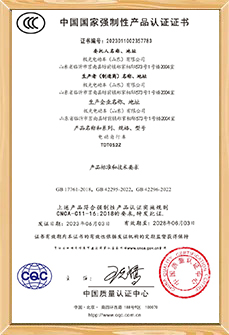
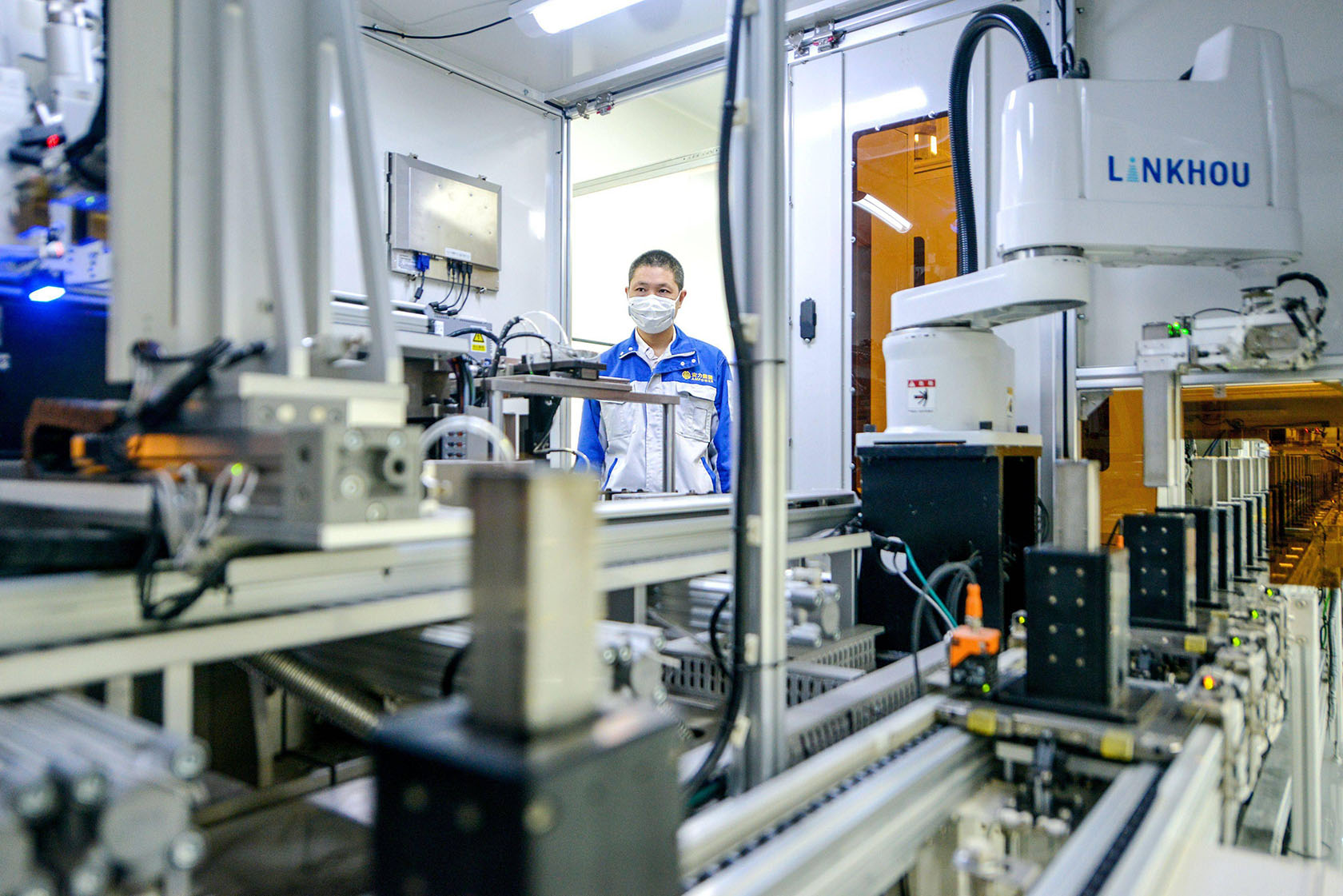
When China introduced its new national standards in 2019, we upgraded our automated assembly systems, frame welding systems, and material validation labs. We optimized our structural frameworks to meet safety compliance standards for load capacity, flame retardancy, and impact resistance.
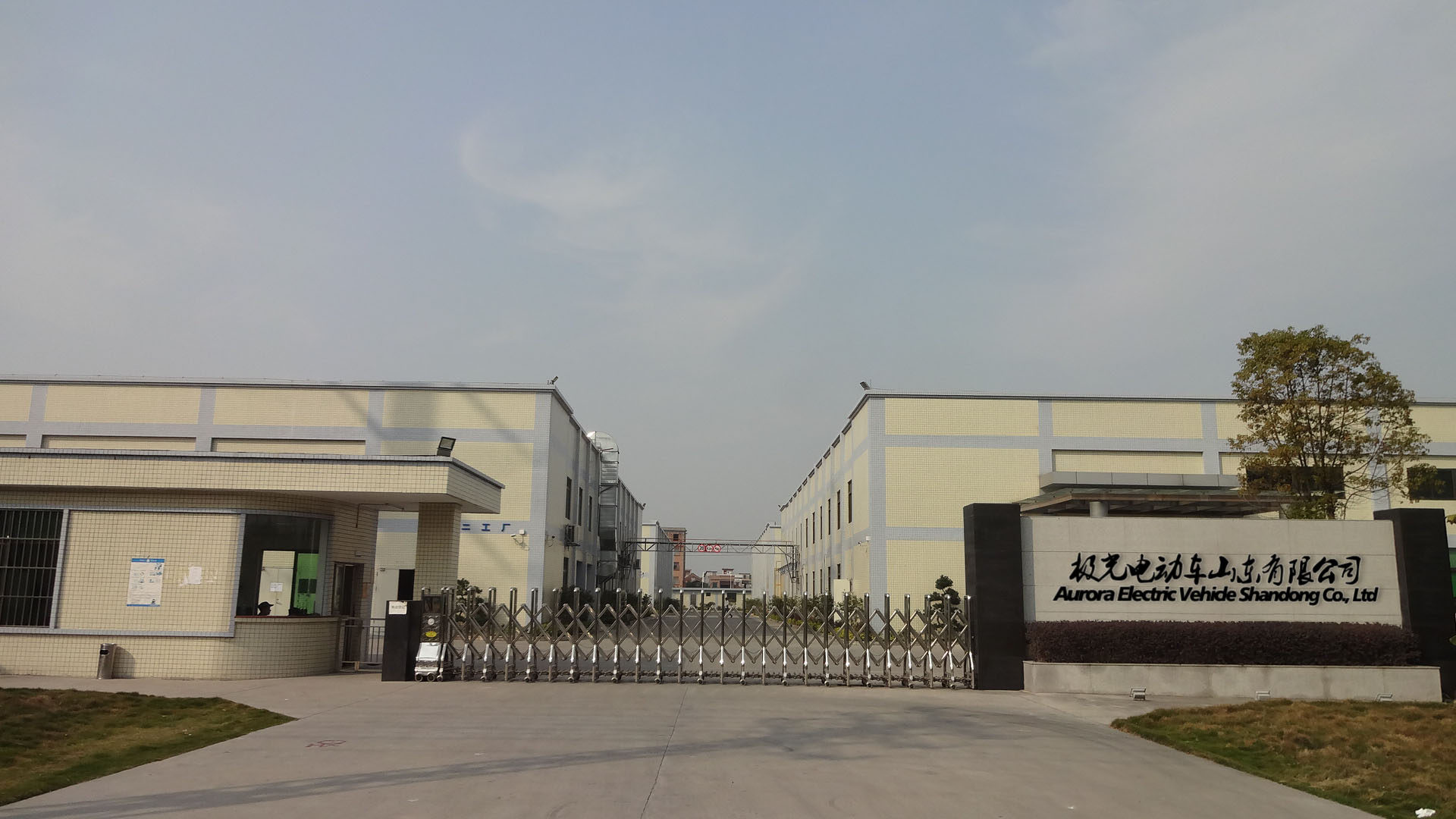
Operating globally requires compliance with regional safety frameworks. Our ODM engineering services adapt designs to meet local standards:
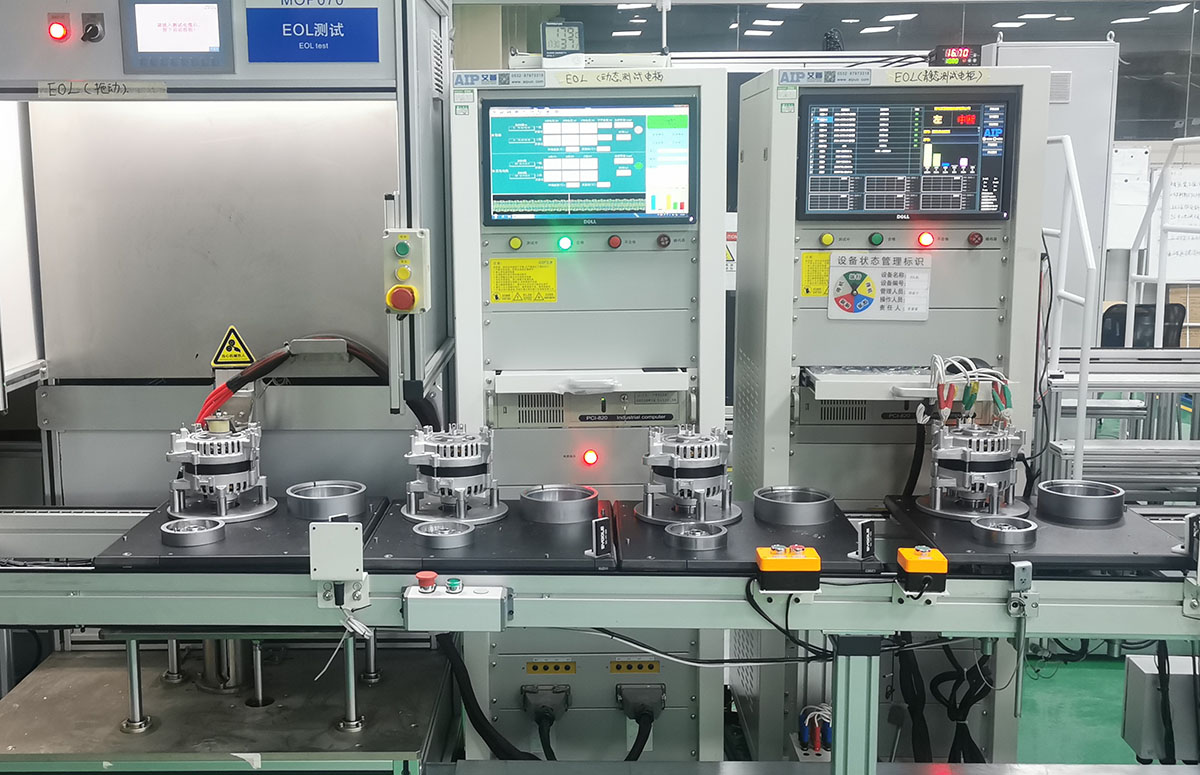
Our testing facilities evaluate structural designs under simulated environments. This includes testing mechanical compression, water ingress resistance, high-temperature aging, and impact durability. This approach ensures our vehicles and components perform reliably in cold northern climates and high-temperature tropical areas.
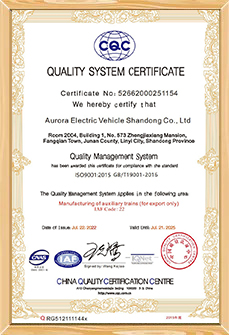
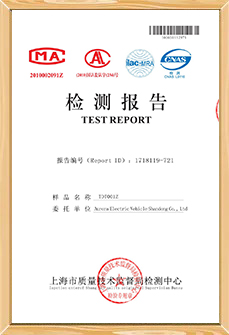
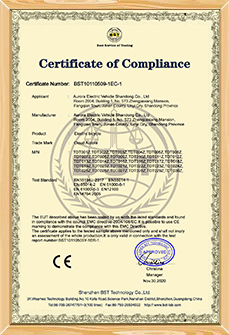
Applying structural foam technologies varies by vehicle type and operational requirements:
Urban Delivery & E-Bikes: Food delivery vehicles operate frequently in urban conditions, requiring high frame durability. Injected polyurethane foams strengthen critical high-stress frame junctions, absorbing road vibrations and preventing frame cracking under continuous load.
High-Speed Commuter E-Scooters & Motorcycles: At high speeds, road vibrations degrade weld joints and battery connections. Integrating lightweight acoustic and structural dampening foams stabilizes electrical assemblies, reduces component vibrations, and extends service life.
Electric Vehicle Battery Enclosures: Low-density potting foams fill structural voids inside battery boxes. They seal the system against moisture, isolate cell connections, and absorb impact energy in a side collision.
Our R&D efforts focus on next-generation materials and sustainable production methods:
Designed for commercial, passenger, and retro fleet systems requiring high frame stability and long-range battery systems.