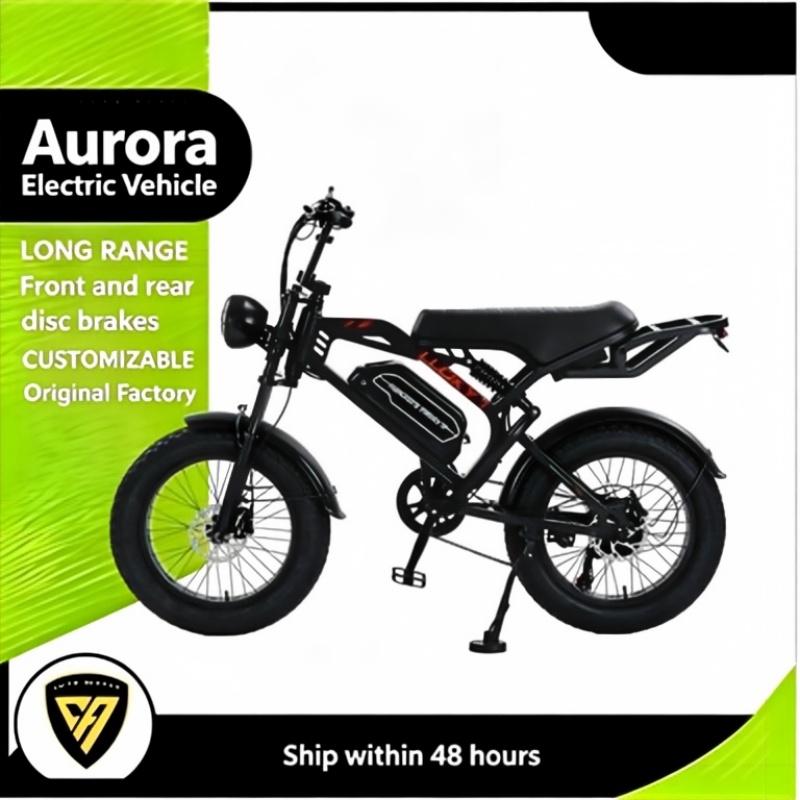
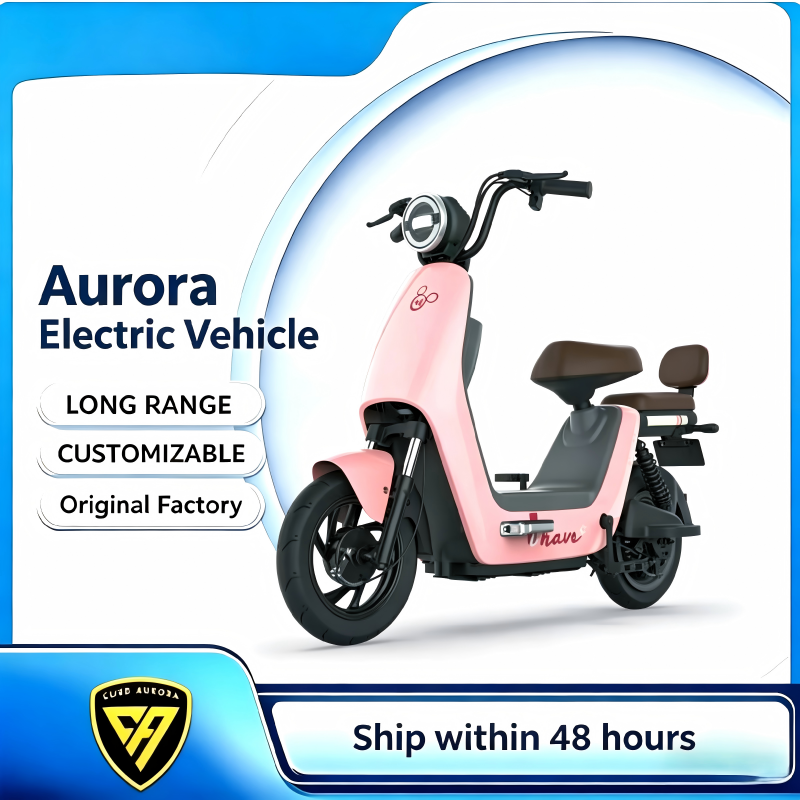
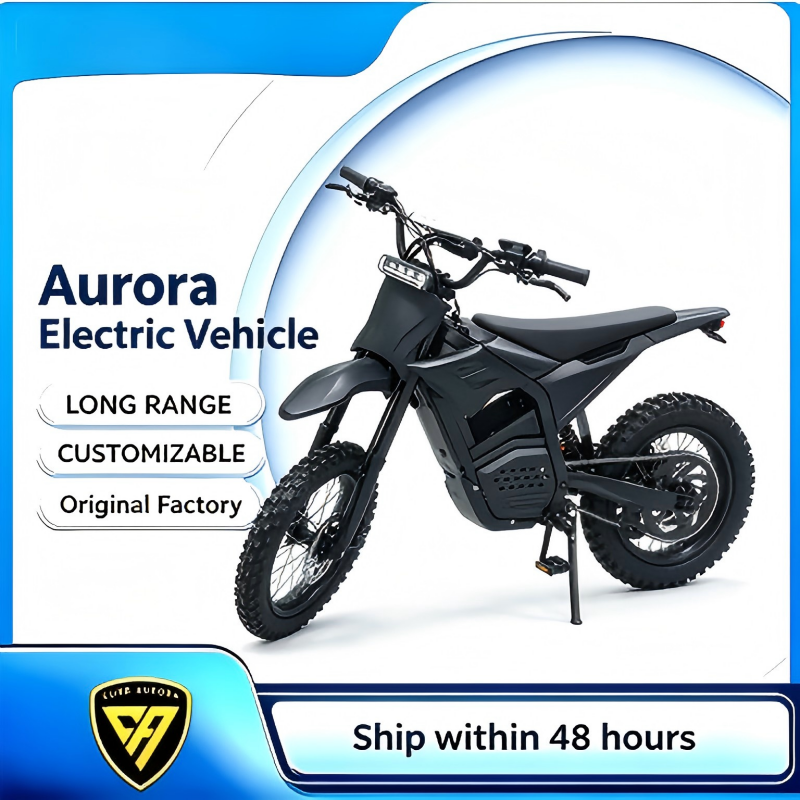
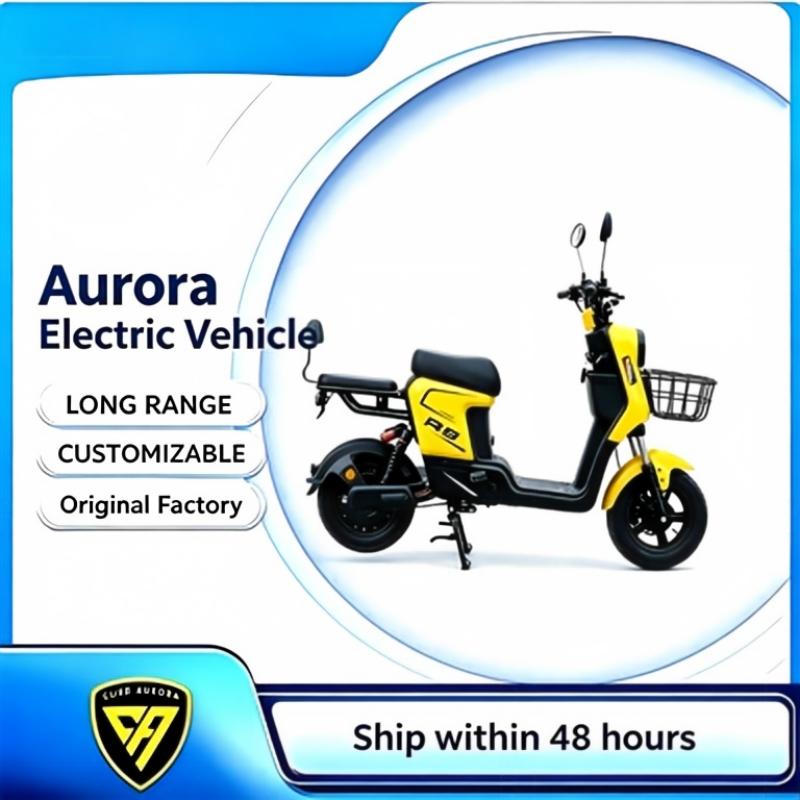
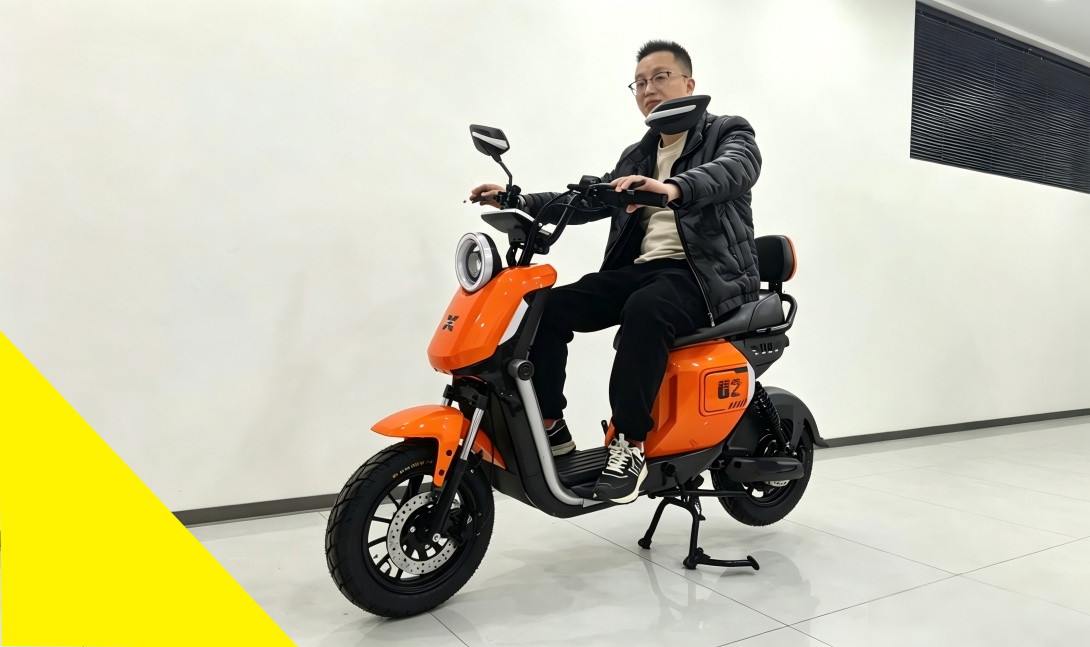
Pioneering engineering designed to satisfy rigorous global certification protocols, including KC, CE, and FCC standards.
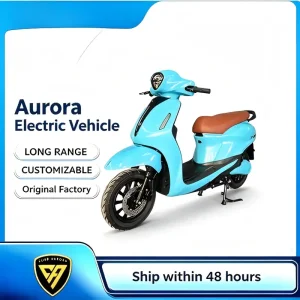
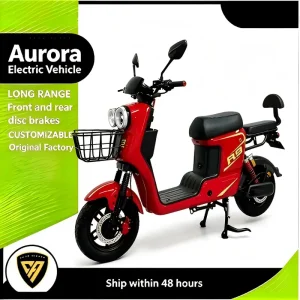
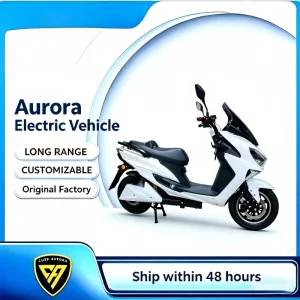
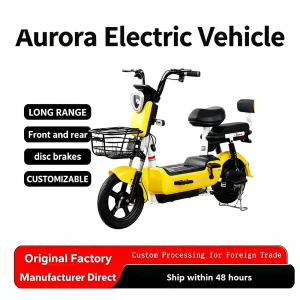
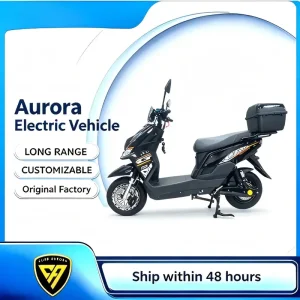
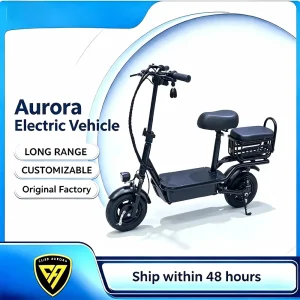
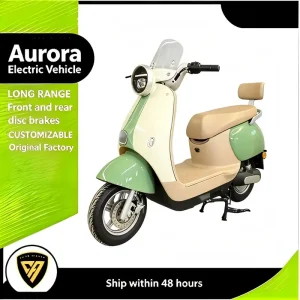
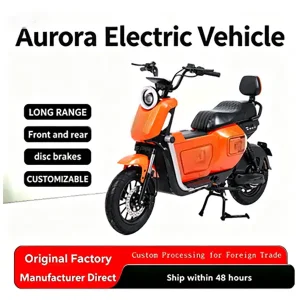
Global regulatory frameworks demand precise conformity. South Korea's KC (Korea Certification) represents one of the most rigorous micro-mobility verification processes globally.
In the expanding landscape of global micro-mobility, the transition toward electric transport demands robust compliance validation mechanisms. For B2B stakeholders, distributors, and bulk purchasers targeting the South Korean market, securing the KC (Korea Certification) mark is not merely a legal option; it is an absolute market-access requirement. Formulated under the National Standards Act of South Korea, the KC certification ensures that electric micromobility options—including urban electric bikes, daily commute e-scooters, and specialized logistics tricycles—adhere strictly to domestic safety, electromagnetic compatibility (EMC), and battery runtime requirements.
Rigorous electromagnetic compatibility verification ensures that the electric drive system does not interfere with localized telecommunication frequencies or public signals.
Strict evaluation of the Battery Management System to counter overcharging, over-discharging, and thermal runaway hazards in high-density cells.
High-carbon steel frames undergo rigorous stress and structural load testing to survive complex real-world multi-terrain stress without deformation.
From an industrial perspective, developing a KC-certified electric micromobility portfolio demands close synergy between the **ODM (Original Design Manufacturer)** and advanced testing entities. Manufacturers must compile comprehensive technical dossiers, covering mechanical configuration blueprints, critical component certifications (e.g., cell testing reports, functional safety diagrams), and localized user manual translations. The process requires a manufacturer with specialized engineering teams who are highly experienced in designing circuit systems and mechanical frameworks that pass South Korea’s rigorous standards first time around.
Founded in 2015, Aurora Electric Vehicle Shandong Co., Ltd. is situated in Linyi City, Shandong Province—a strategic logistics hub connecting the Yangtze River Delta and the Bohai Economic Circle. Over a decade of dedicated production, Aurora has scaled from a regional workshop into an integrated manufacturing leader. The company handles advanced research & development, state-of-the-art assembly lines, and global wholesale supply operations.
In 2019, with the release of the updated domestic electric vehicle safety regulations and strict international compliance shifts, Aurora optimized its entire manufacturing setup. The production line upgrade introduced automatic frame welding robots, high-precision electronic dyno testing, and standardized fire-retardant testing for plastics, ensuring compliance with speed limitations and anti-tampering designs across international standard boards.
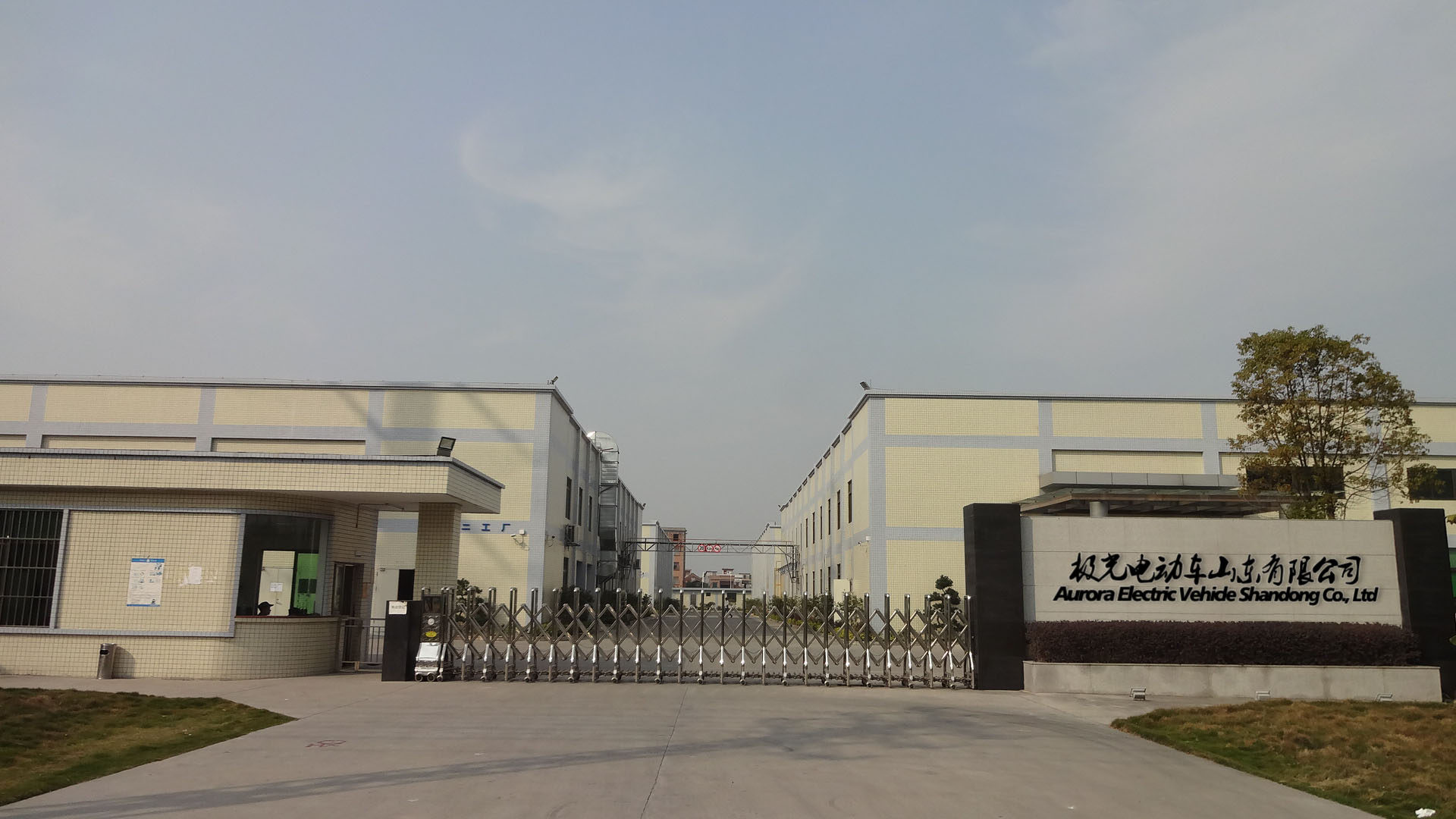
Why sourcing from Shandong's premier production clusters provides uncompromised economies of scale and technology leadership.
The global dominance of Chinese electric vehicle manufacturers stems from a highly integrated industrial ecosystem. Linyi, Shandong, operates as a crucial hub within this framework, providing manufacturers like Aurora with instant access to raw high-carbon steel, direct motor-winding facilities, premium lithium cell suppliers, and advanced controller manufacturers. This industrial cluster reduces transit costs for components and shortens R&D cycles, allowing teams to go from conceptual CAD blueprints to tested prototypes in a fraction of the time compared to Western manufacturers.
This localized supply chain efficiency yields direct advantages for foreign buyers seeking OEM or ODM services:
Using advanced CNC machinery and automated frame welding systems ensures each unit is produced to uniform specifications, preventing safety certificate failures due to manufacturing variances.
We customize motor wattage outputs, integrate specialized IoT hardware, and customize cosmetic frame styling while maintaining full compliance with the targeted country's electric mobility laws.
Every production run undergoes intensive testing, including frame fatigue loading, chassis water immersion testing, battery output heat mapping, and vibration tests simulation.
Our organizational design is engineered to deliver reliable product quality and professional service support.
Comprising veteran mobility engineers with over a decade of hands-on experience. They focus on improving real-world range, implementing safety-first battery algorithms, and securing patents for specialized hub motor performance and smart control boards.
Skilled assembly line technicians execute standardized workflows. QC specialists test each production stage, from raw steel selection to the final dynamometer test, ensuring compliance with strict international quality expectations.
A dedicated customer support team providing clear OEM/ODM pathways, smooth shipping management, customized transit packaging, and responsive after-sales support for worldwide buyers.
We believe in a culture of "integrity, pragmatism, innovation, and win-win." This philosophy shapes our daily operations, ensuring that every electric commuter bicycle and heavy-duty cargo scooter leaving our factory is safe, durable, and ready for long-term use.
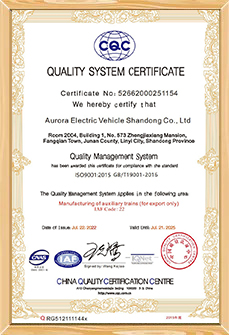
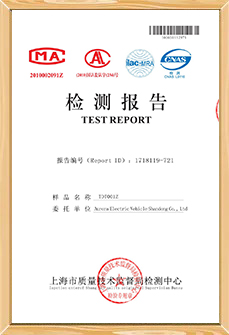
We meet international compliance mandates, verifying build quality and safety across major global markets.
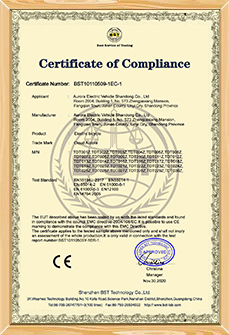
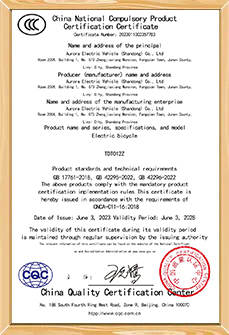
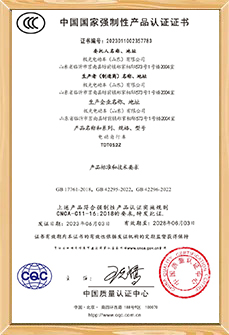
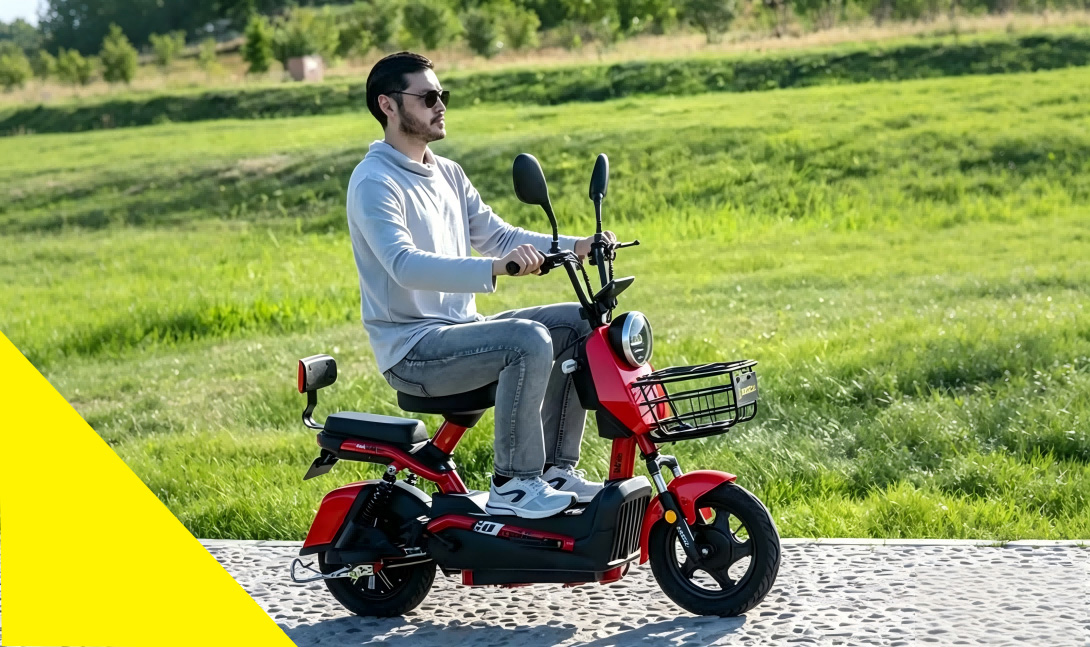
Micromobility designs engineered to meet the needs of modern cities, last-mile delivery, and leisure transportation.
Global enterprise buyers face unique operational demands depending on their local markets. In East Asia, particularly South Korea, delivery platforms and commercial lease operators rely on robust KC certified systems to maintain uninterrupted business operations. If a fleet operator imports uncertified vehicles, they run the risk of sudden customs seizures, regulatory fines, and potential liability issues in the event of hardware failures. Sourcing pre-certified or certification-ready vehicles from experienced ODM manufacturers is critical to ensuring smooth market entry and mitigating operational risk.
Key design developments shaping the next generation of light electric vehicles (LEVs).
Modern e-scooters and delivery e-bikes now rely on built-in GPS tracking, cellular IoT modules, and remote diagnostic systems to support efficient real-world fleet tracking.
The transition toward semi-solid and high-density LFP chemistries. These chemistries extend cycle life and operate reliably in cold climates, which is essential for Northern European and East Asian winters.
Buyers prioritize easily recyclable aluminum alloys, modular electronics that simplify maintenance, and batteries designed for secondary energy storage applications.
Clear answers to regulatory, manufacturing, and logistic queries regarding South Korea's KC certificate and ODM processes.
Every vehicle model is designed with durable frames, reliable electronics, and customizable options for global markets.
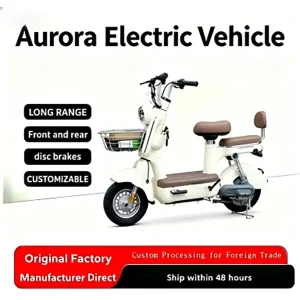
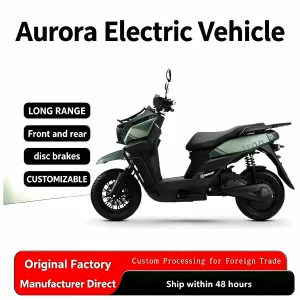
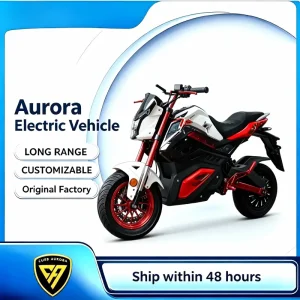
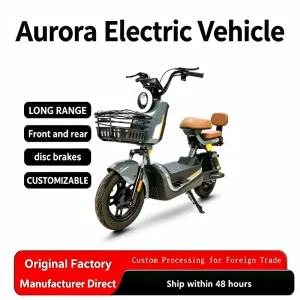
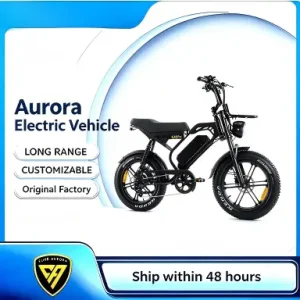
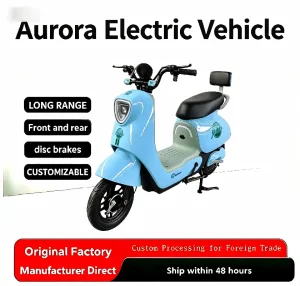
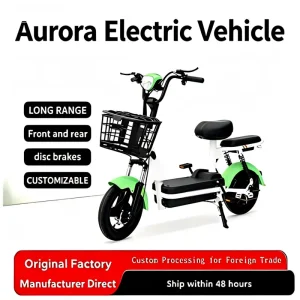
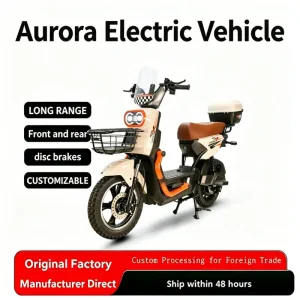
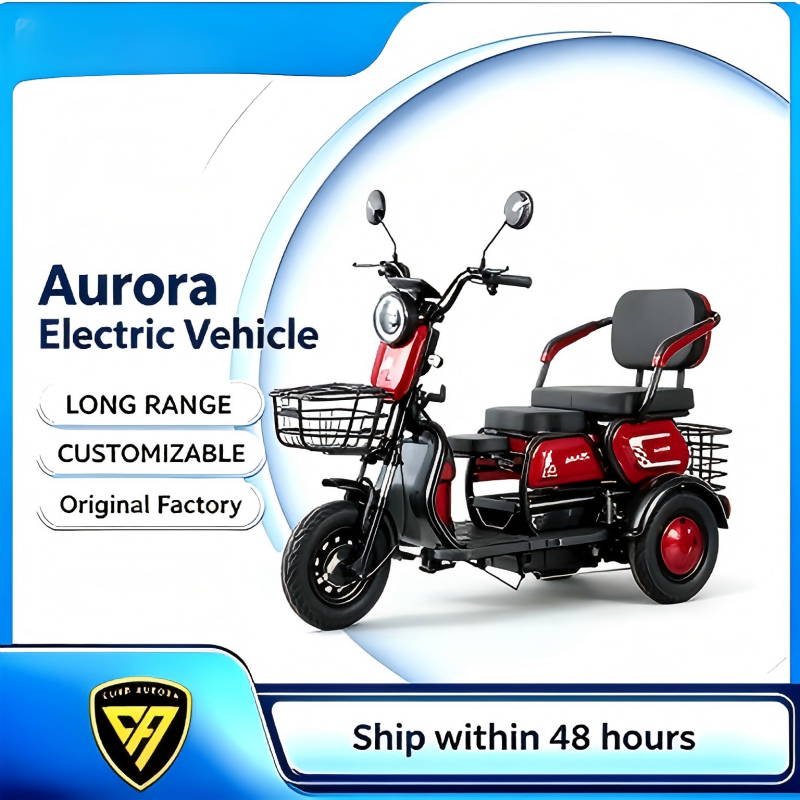
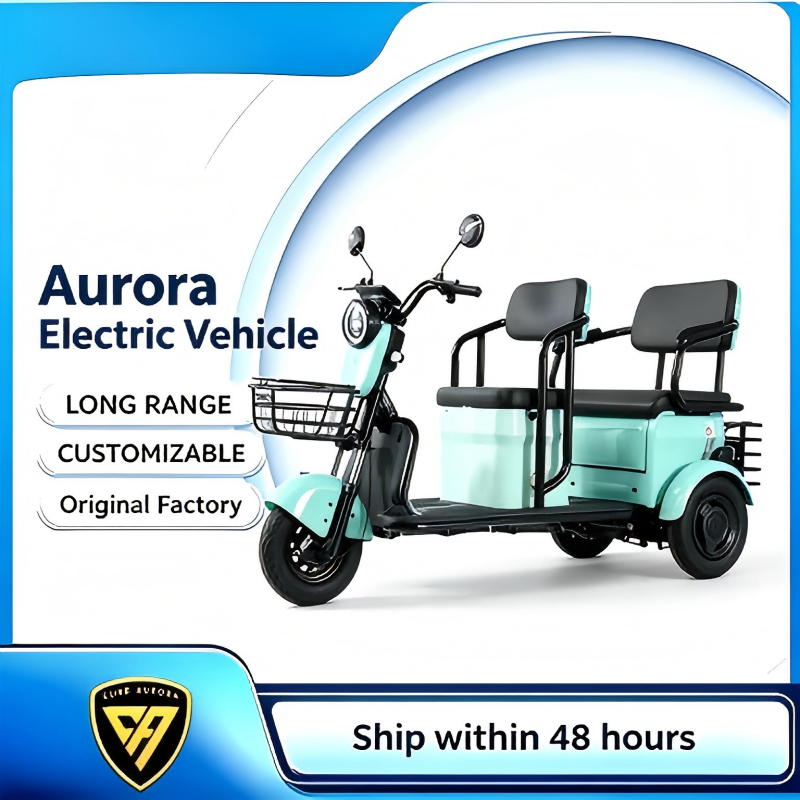
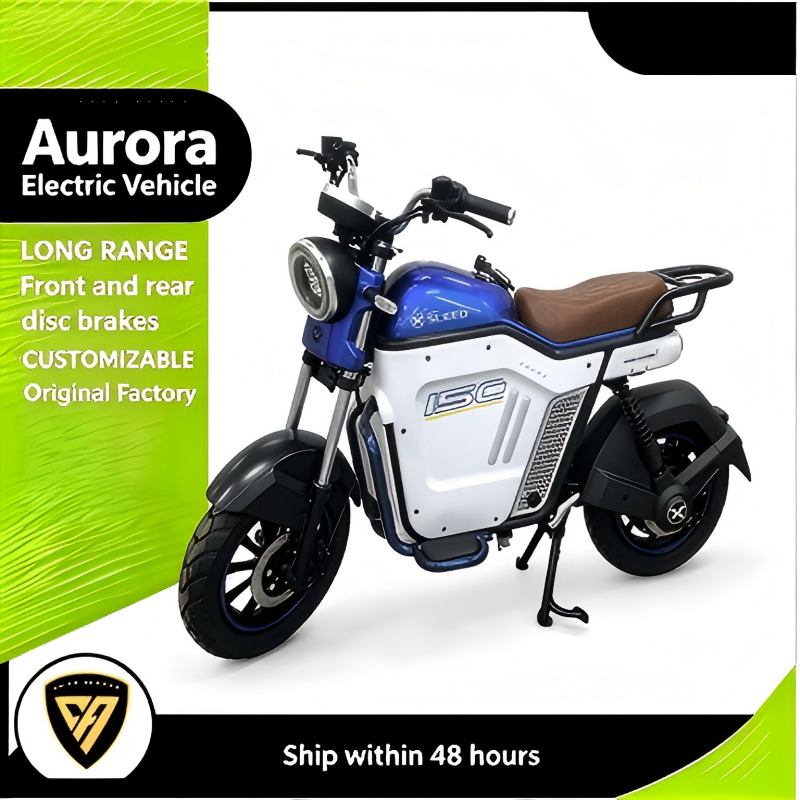
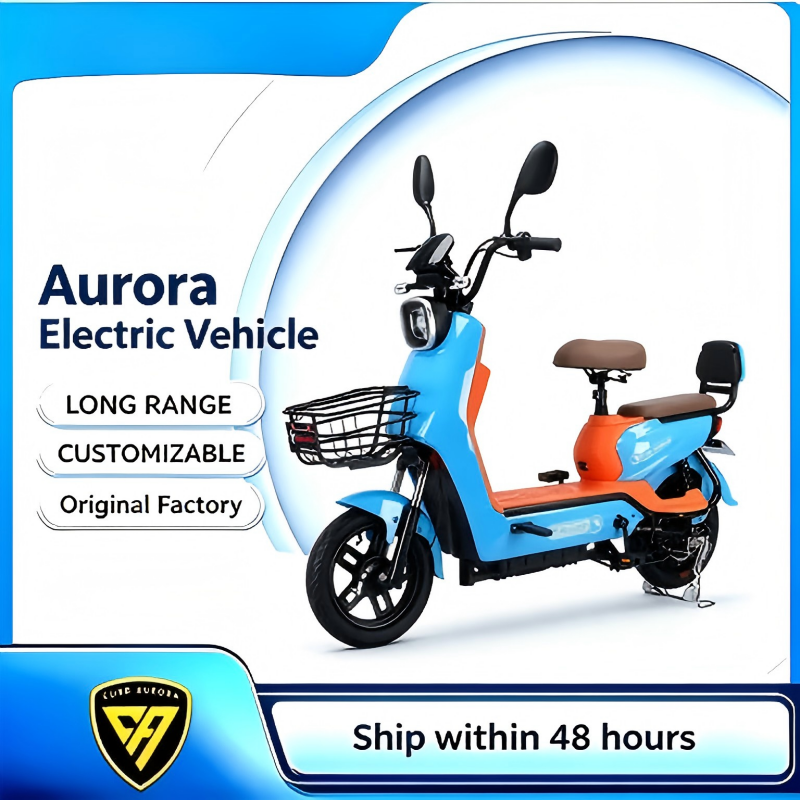
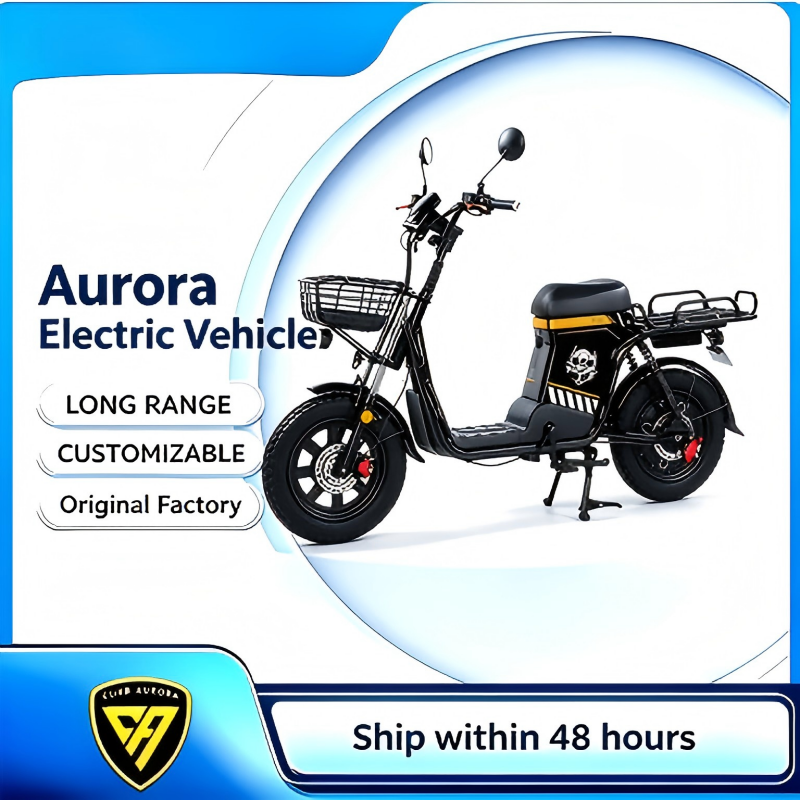
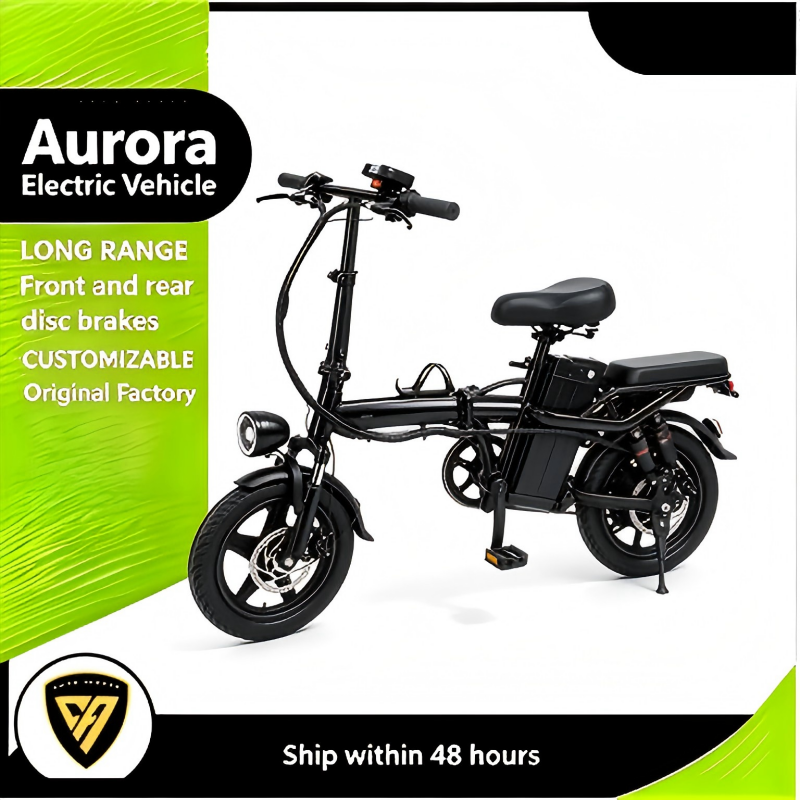
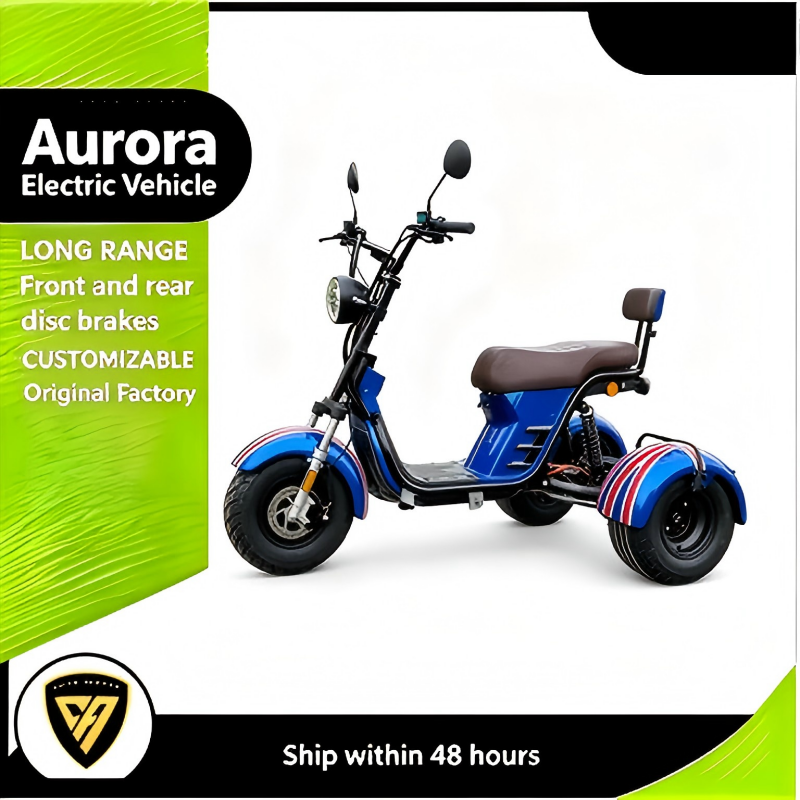
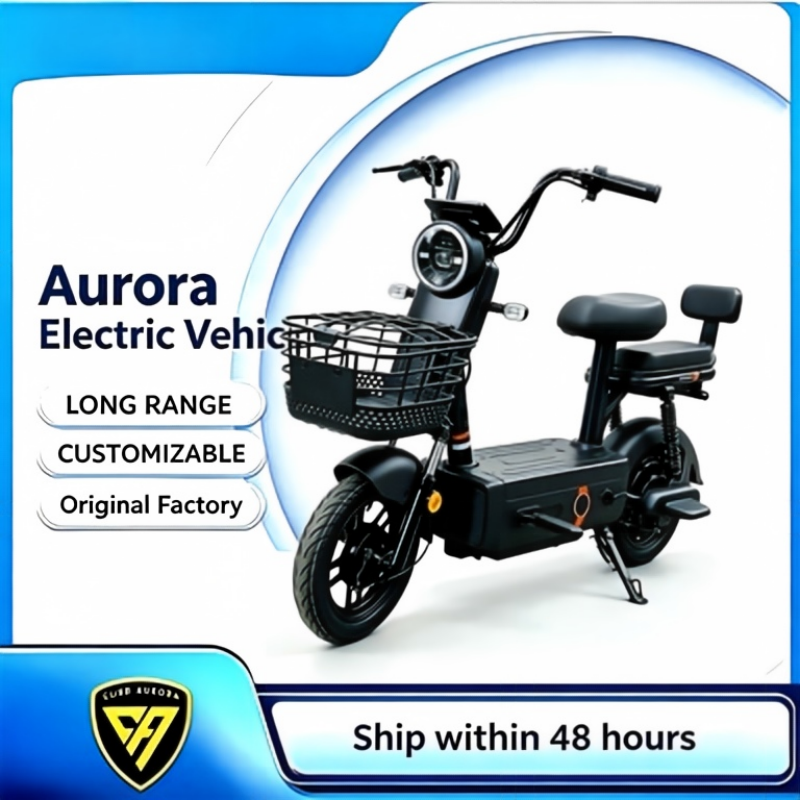
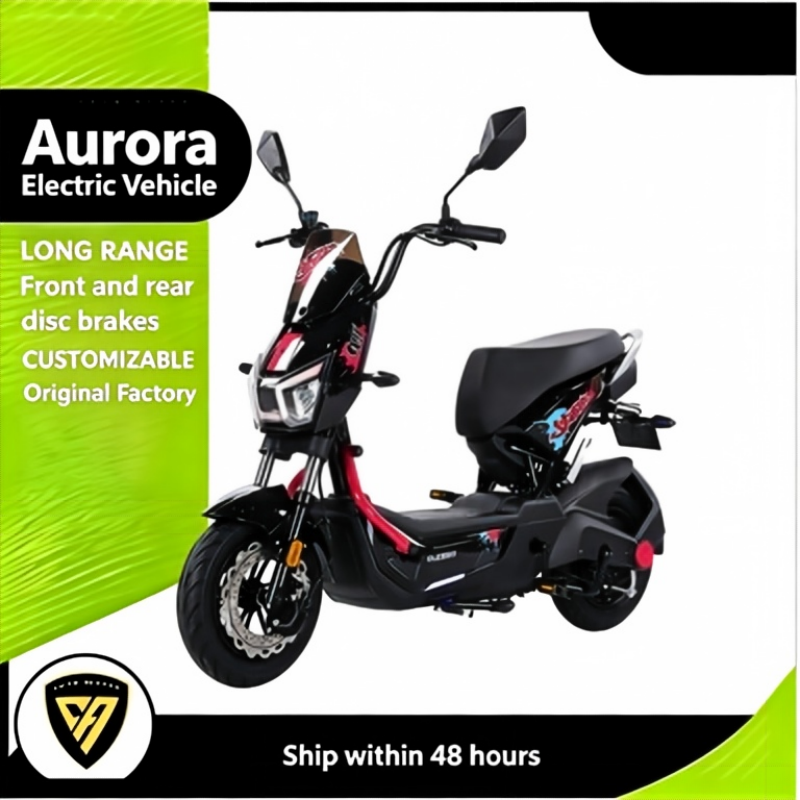
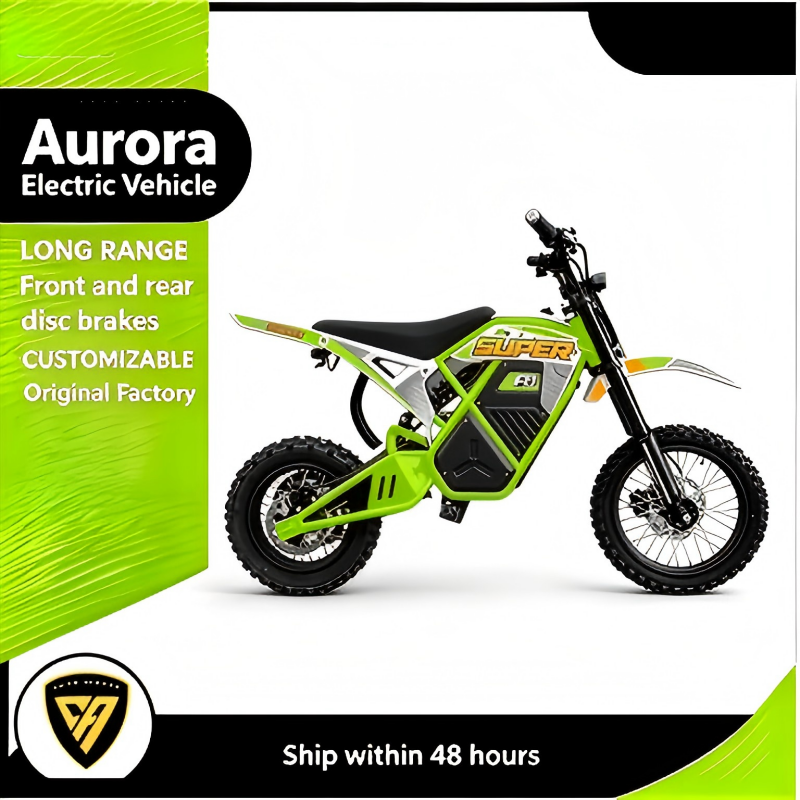
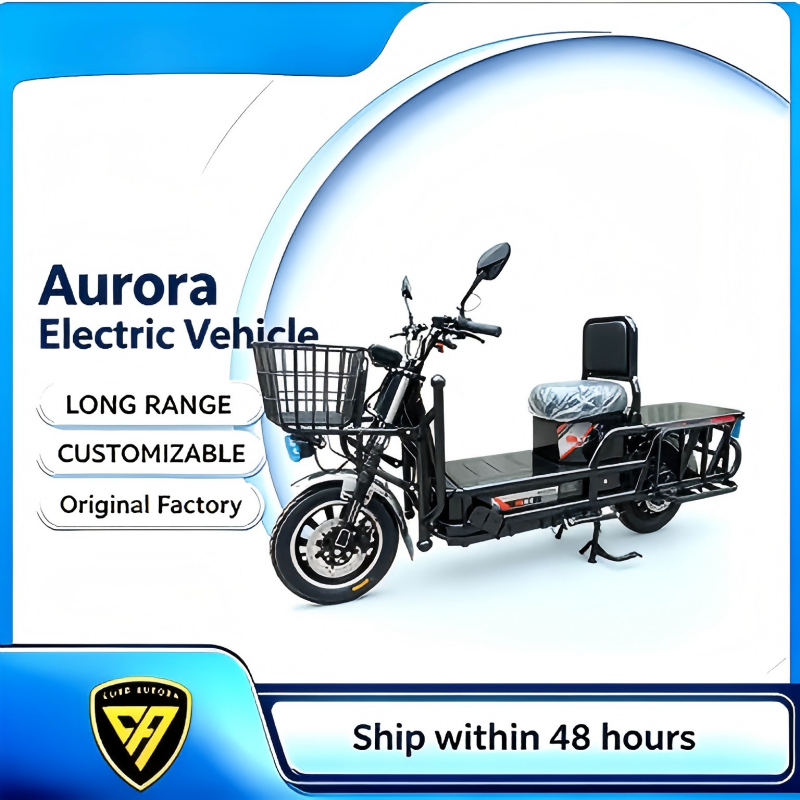
Explore our diverse selection of electric three-wheelers, fat tire bikes, and heavy-duty cargo vehicles designed for international markets.