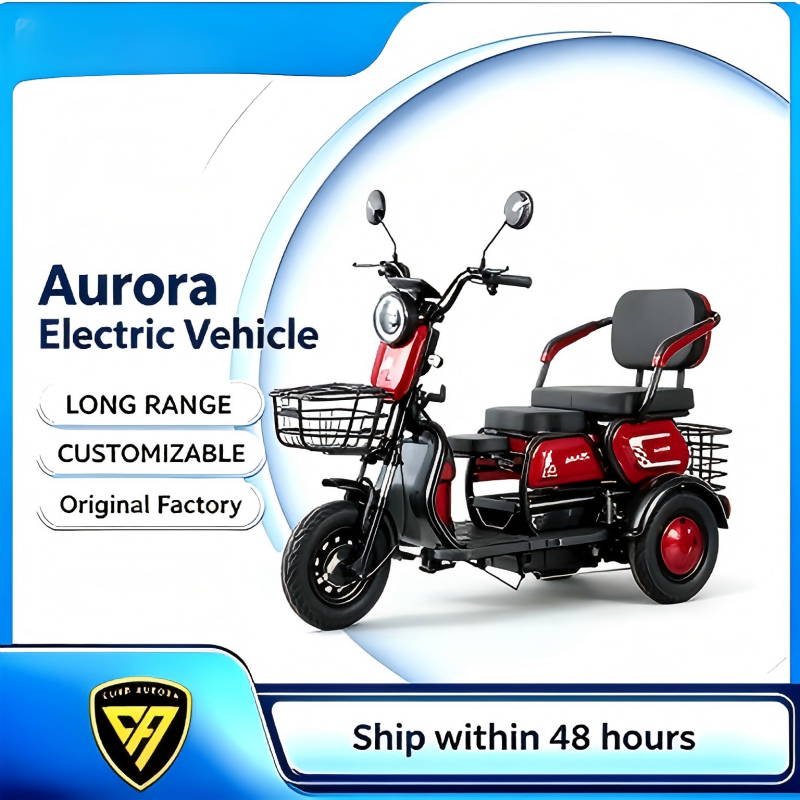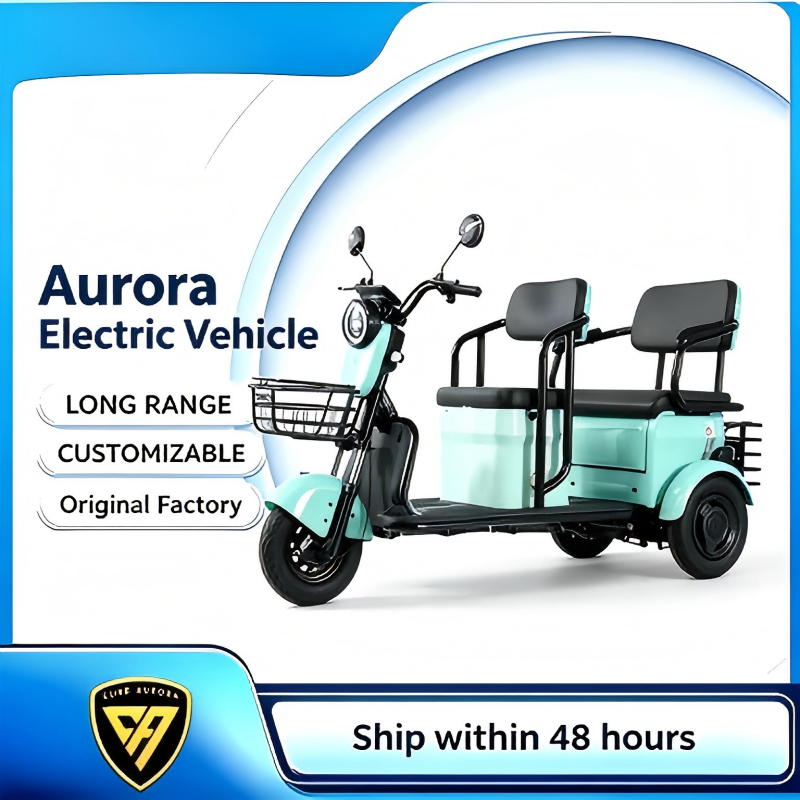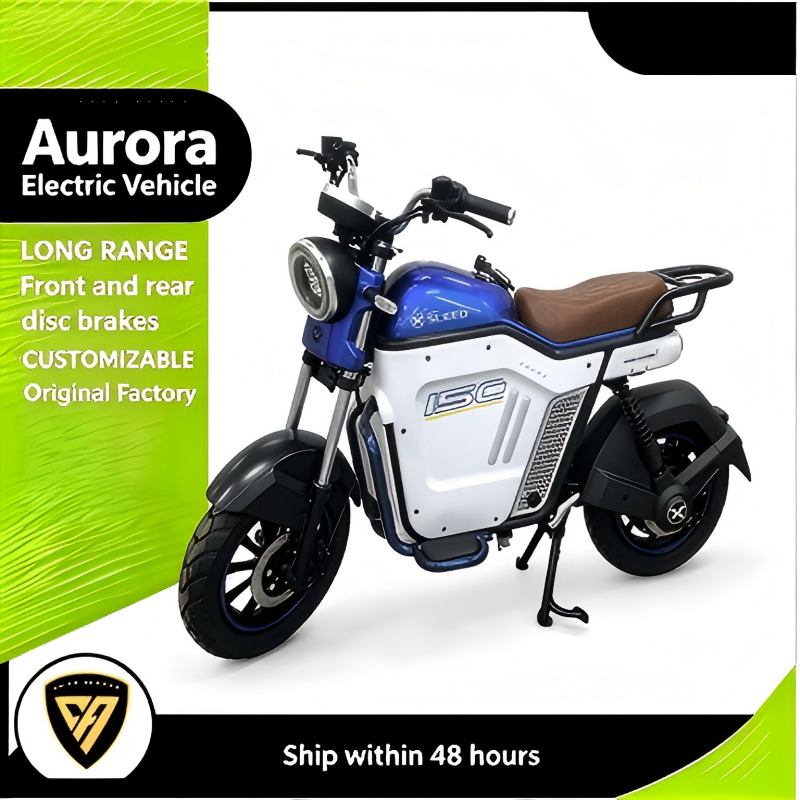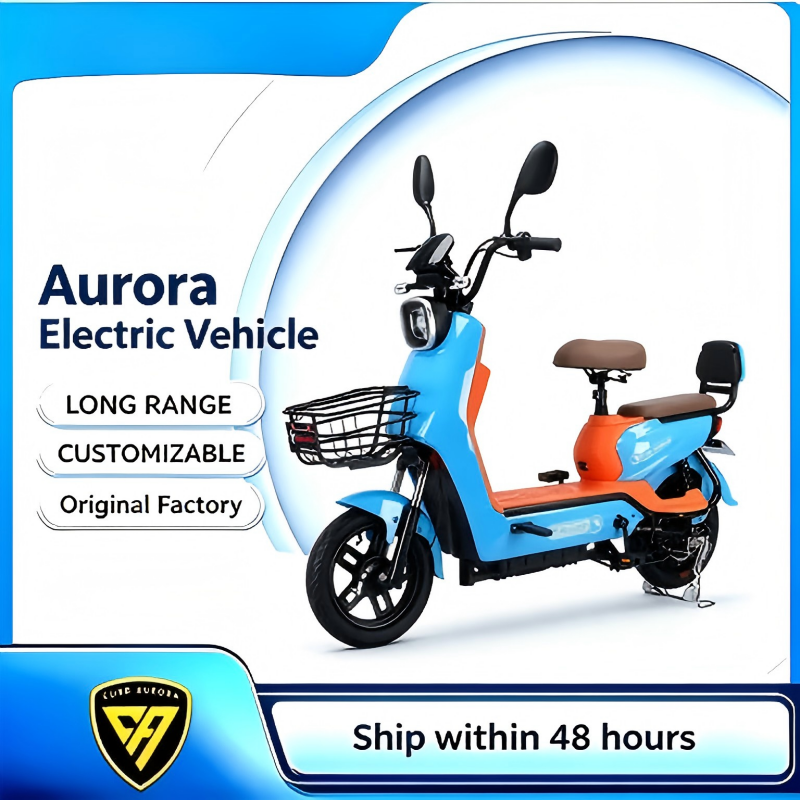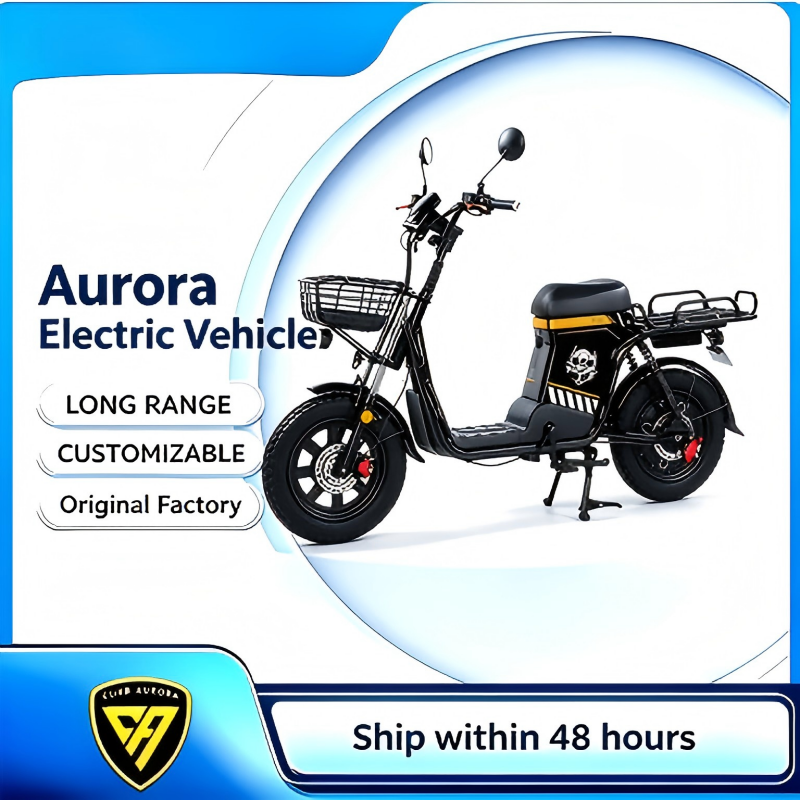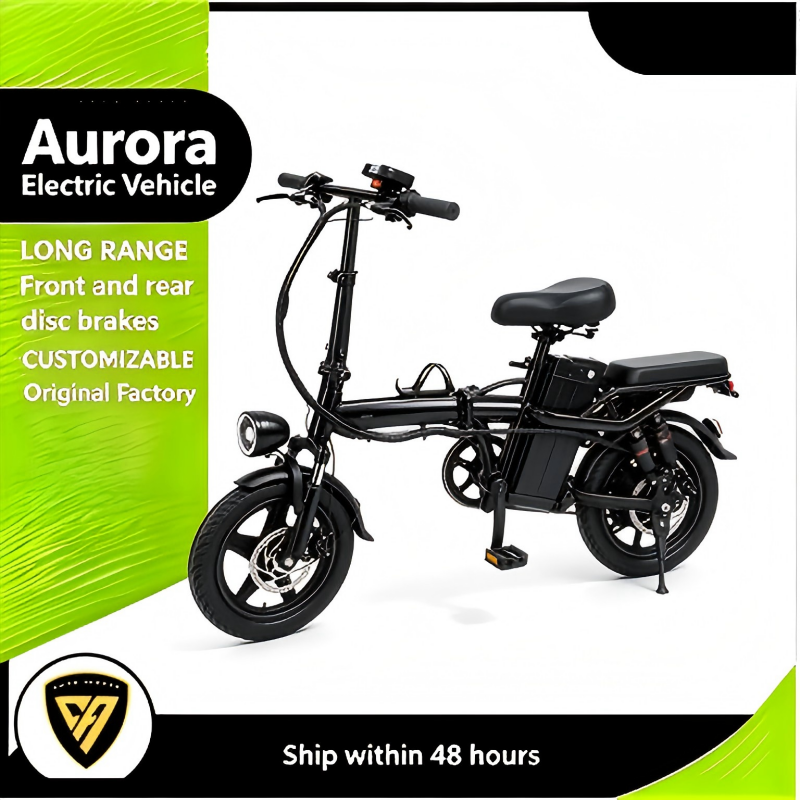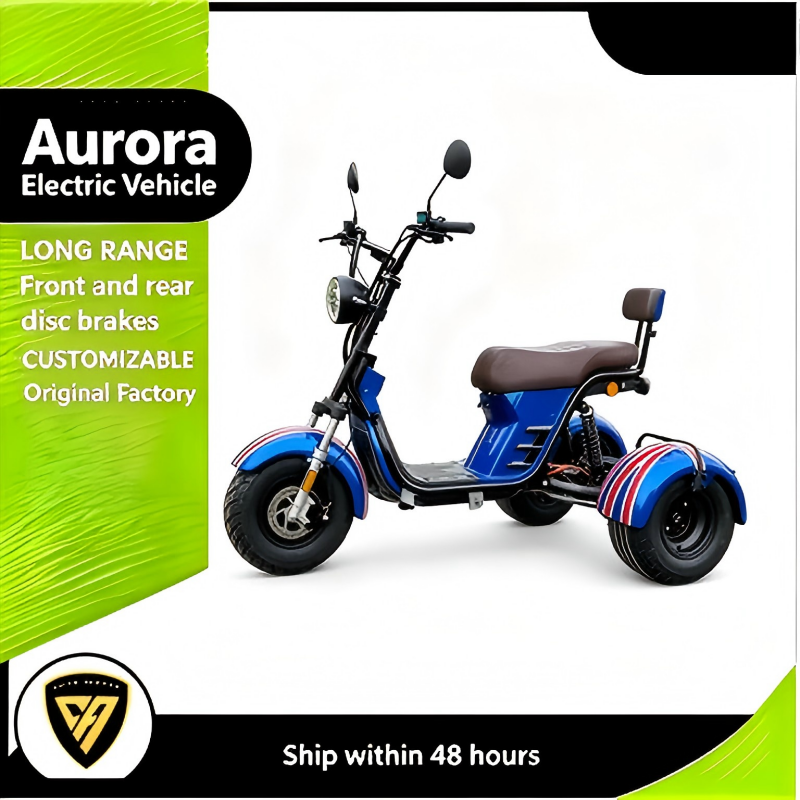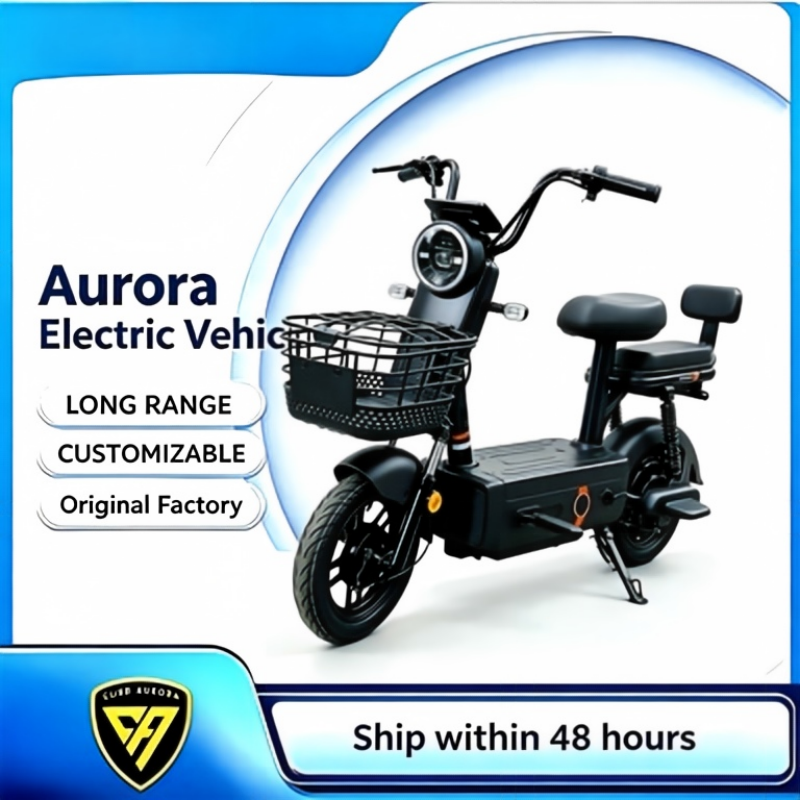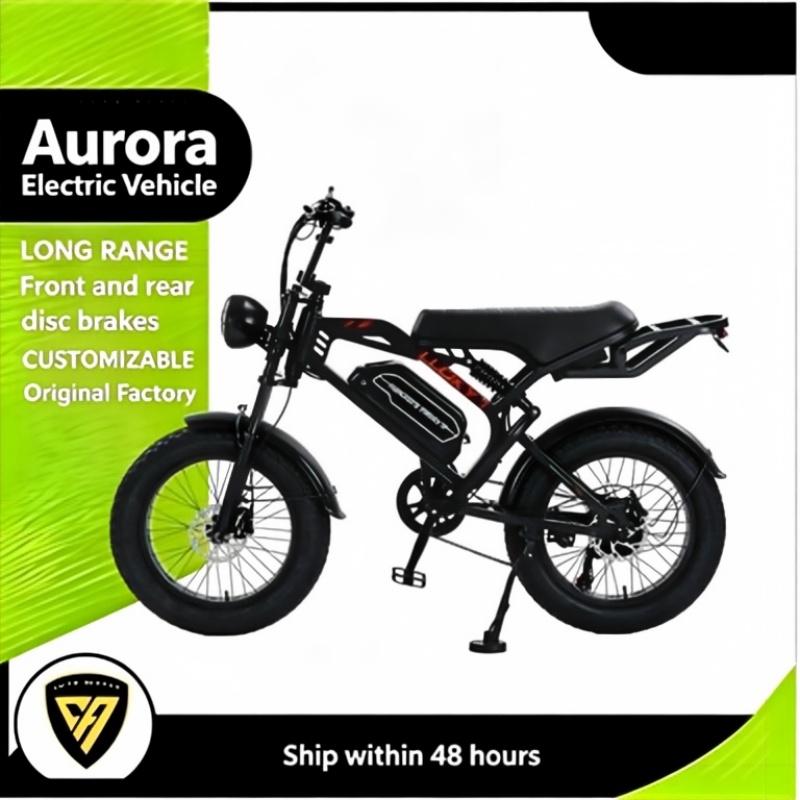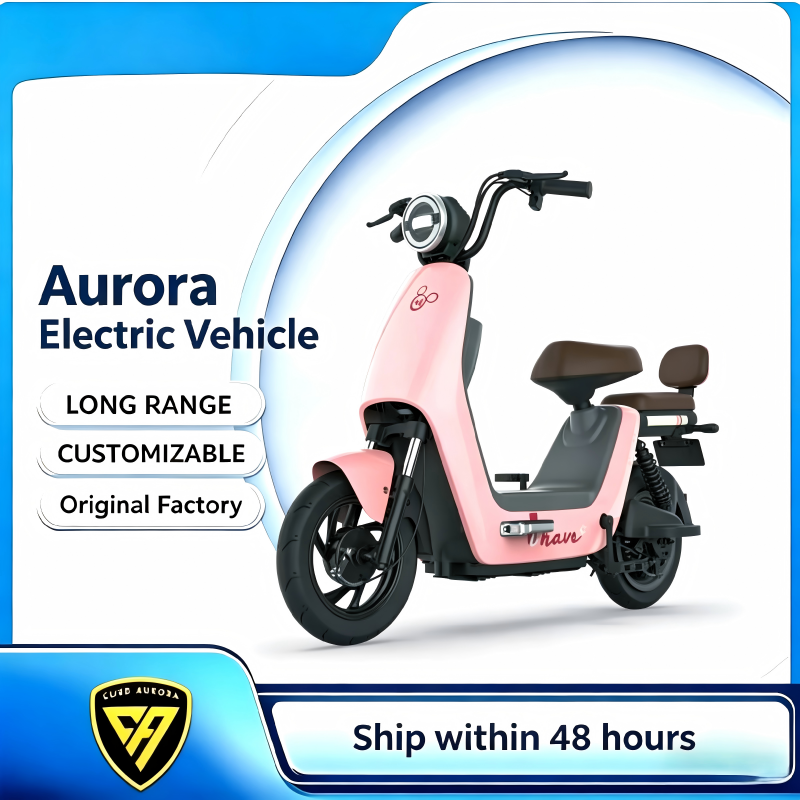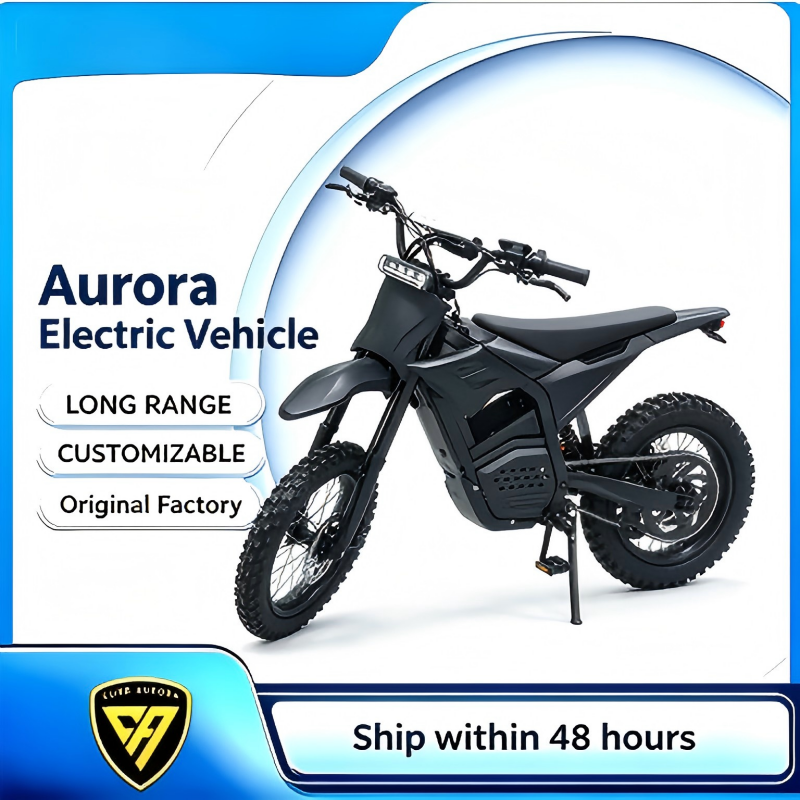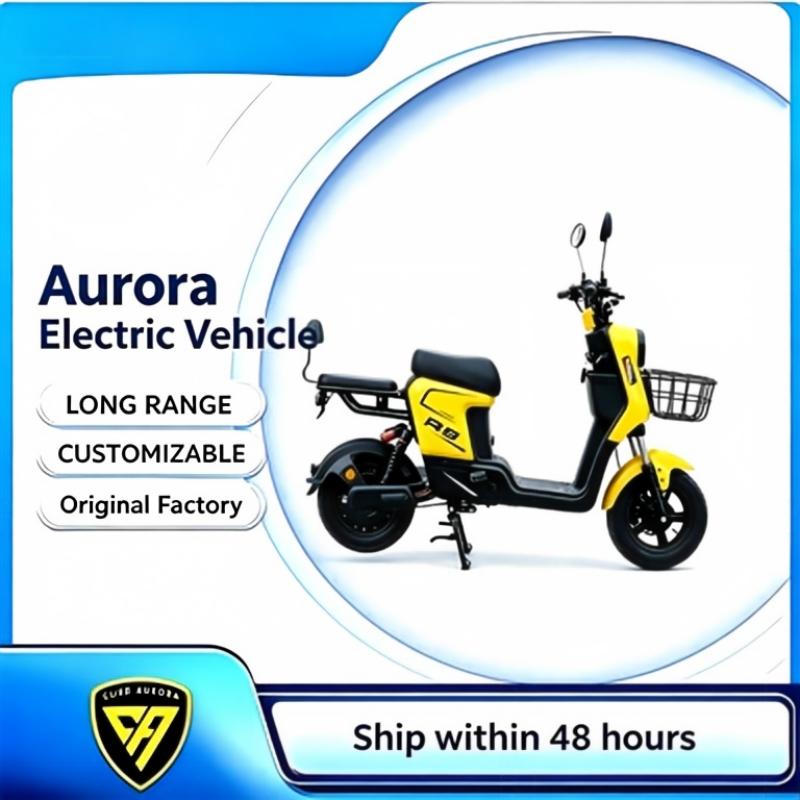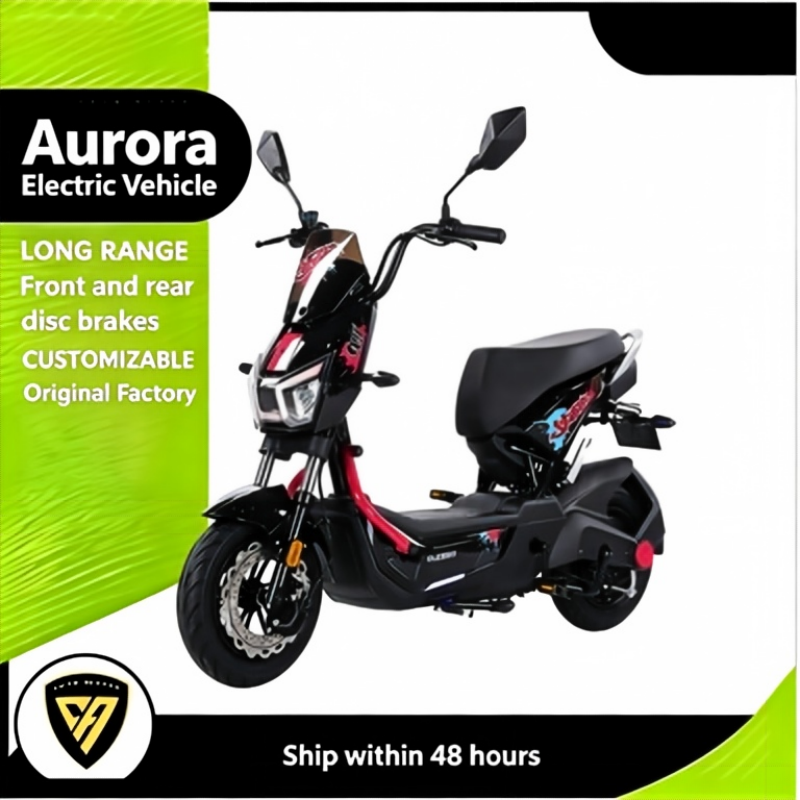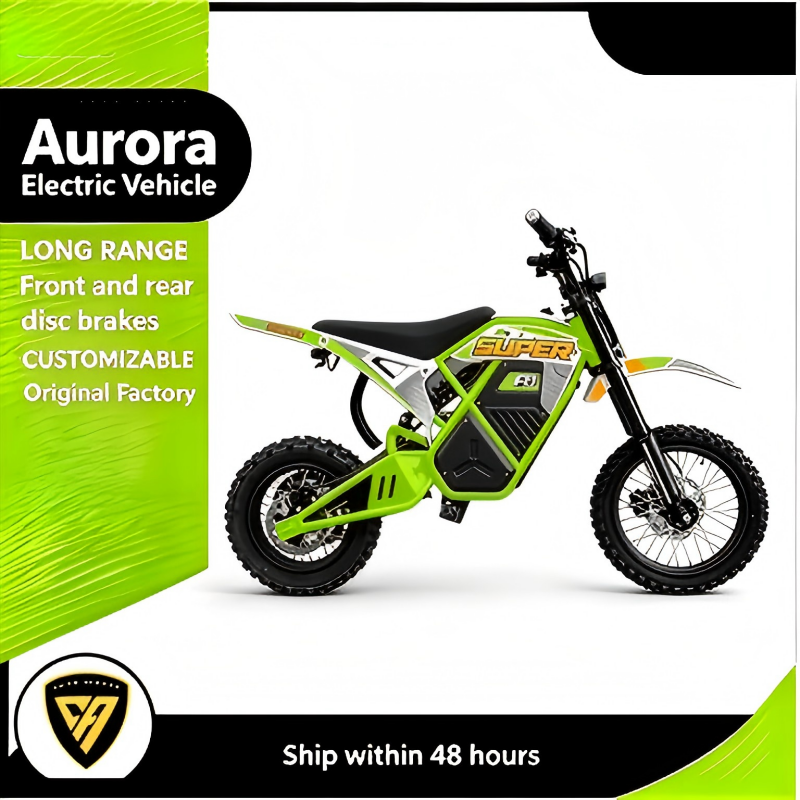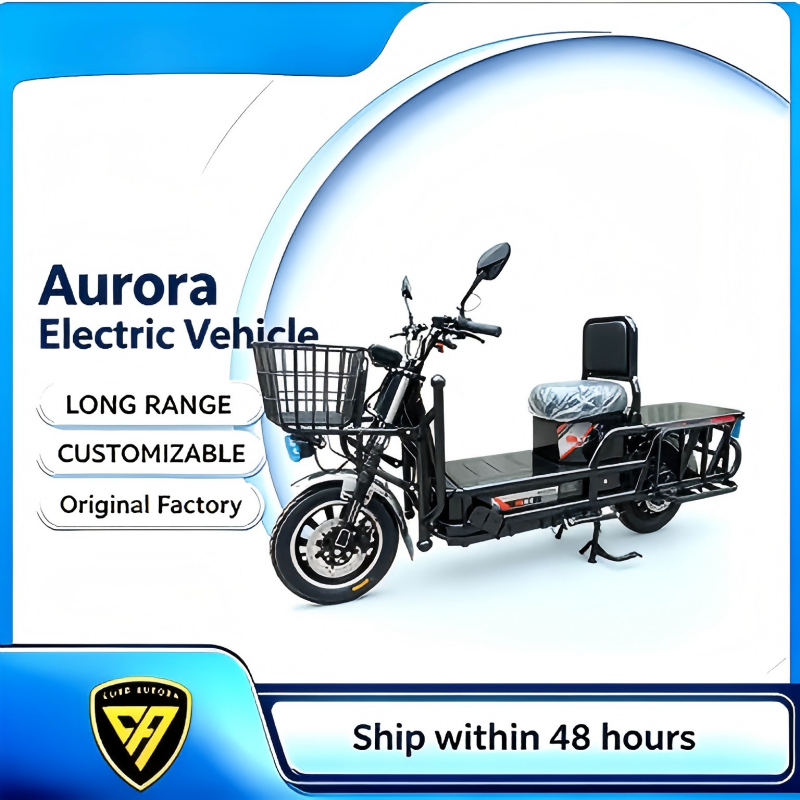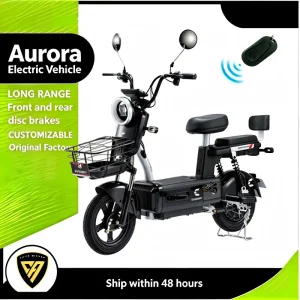
High-Quality Practical Two seat City Commute E Bike
View Details →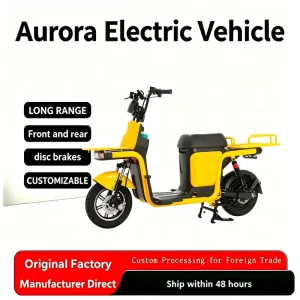
Wholesale Long Range Food Delivery Electric Scooter
View Details →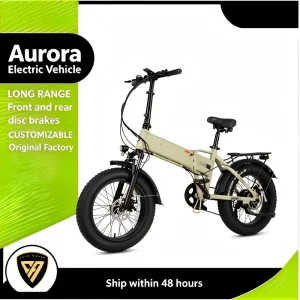
China No Shock Absorber Folding E-Bike Scooter
View Details →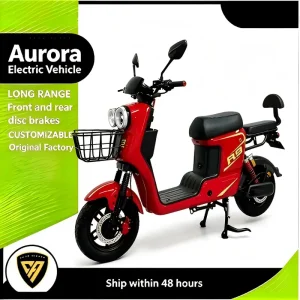
OEM Durable Daily Use Compact Electric Bicycle
View Details →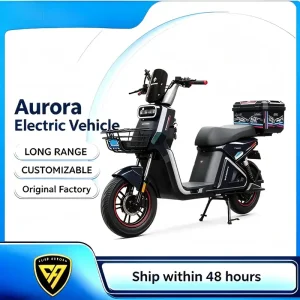
CE Certification Durable Cargo Electric Scooter For Delivery
View Details →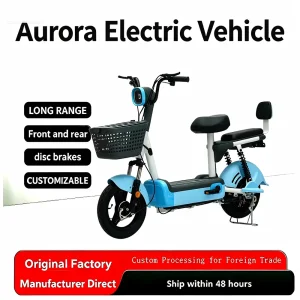
China Lightweight City Electric Bike with Basket
View Details →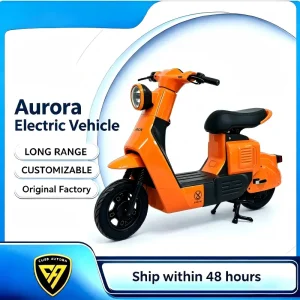
ODM Z19 Vibrant Smart City E-Scooter
View Details →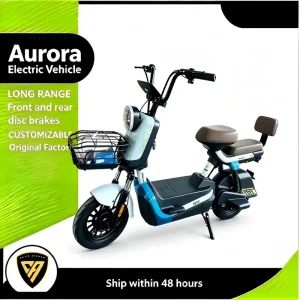
ODM Compact Durable City Electric Scooter
View Details →As global micro-mobility surges, electric vehicles (EVs), e-bikes, and e-scooters are deployed in increasingly harsh environmental conditions. From coastal urban areas with humid, saline-laden air to cold climates using road de-icing salts, structural and electronic integrity faces unprecedented threats. Corrosion is not merely an aesthetic issue; it is a critical failure mode that directly compromises battery containment, electronic signaling, and frame load-bearing capacities. Under Google's Search Quality Rater Guidelines, establishing high E-E-A-T requires sharing real engineering insights. For global EV procurement, understanding the technical depth of an ODM Electric vehicle salt spray test Manufacturer is the foundational step in sourcing reliable fleets.
Traditional corrosion prevention focuses heavily on basic painting processes. However, modern electric vehicles demand multi-phase material coatings capable of withstanding hundreds of hours of exposure. This whitepaper analyzes the mechanical, chemical, and industrial parameters involved in designing and validating salt spray resistant micro-mobility vehicles, highlighting the advanced design guidelines of Aurora Electric Vehicle Shandong Co., Ltd.
Atmospheric salt spray acts as a highly conductive electrolyte. When settled on metal substrates, it accelerates the formation of local electrochemical galvanic cells. In modern electric bikes and scooters, the structural interface between aluminum alloy frames and steel fasteners is particularly vulnerable to galvanic corrosion. Without proper insulation or specialized surface conversion coatings, the structural frame can suffer rapid localized pitting, resulting in catastrophic fatigue failure.
We implement cathodic electrophoretic deposition (EPD), producing a uniform primer layer that wraps complex internal frame geometries. This prevents oxygen and saline molecules from reaching the steel or aluminum substrate, providing superior corrosion protection under ISO 9227 standards.
Motors, wiring harnesses, and battery management systems (BMS) are protected by specialized polymer potting materials and double-lip rubber seals. This guarantees that internal electrical components retain an IP67 rating, remaining dry even during extended salt fog exposure.
To eliminate galvanic reactions, all structural fasteners undergo Zinc-Flake coating treatments (such as Geomet). Non-conductive isolation washers are utilized in vital junctions where steel meets aluminum, maintaining electrical isolation across the chassis.
Founded in 2015, Aurora Electric Vehicle Shandong Co., Ltd. is situated in Linyi City, Shandong Province—a major logistics and transportation hub connecting the Yangtze River Delta and the Bohai Economic Circle. Over more than a decade of focused operations in the electric vehicle industry, we have evolved from a specialized assembly facility into a prominent comprehensive enterprise integrating advanced R&D, precision manufacturing, international sales, and dedicated B2B after-sales support.
We have actively guided the modernization of the electric vehicle industry in the post-new national standard era since 2019. By upgrading our automated lines and expanding our testing infrastructure, we ensure every vehicle complies with strict international directives—encompassing flame retardant performance, active speed-limiting controls, and secure anti-tampering designs.
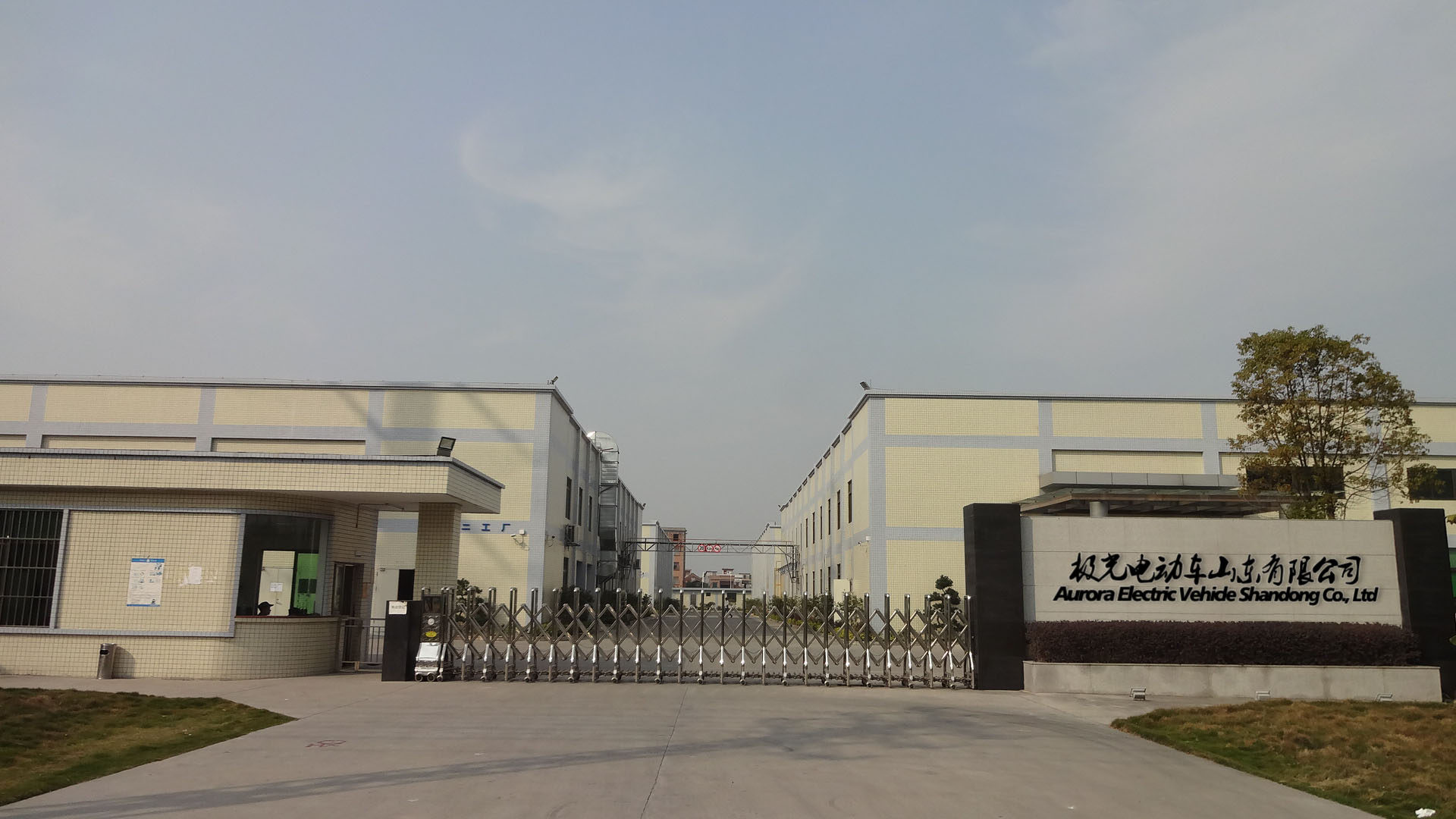
Led by senior automotive and micro-mobility engineers with over 10 years of experience, our R&D division holds core utility patents in electric bicycle drive efficiency and thermal battery housing. Our engineers design frame geometries with simulated stress models to ensure high resilience in coastal settings.
Composed of certified technicians, our team adheres to precise manufacturing tolerances. Automated robotic welding systems and computerized painting rooms ensure that the anti-corrosive primer coating achieves a consistent thickness of 20-25 micrometers.
Operating as a customer-centric organization, our international business team offers comprehensive ODM/OEM design, regulatory compliance verification, shipping logistics, and full after-sales tracking for global buyers.
Linyi City is renowned as a primary transportation and bulk raw material hub in Northern China. Our manufacturing facility harnesses this local advantage to build a highly integrated supply chain. Our raw steel and high-grade aluminum are sourced from nearby automated metallurgical mills, enabling rapid raw material turnaround and lower input costs. This proximity permits strict oversight over raw materials, ensuring that structural alloys do not contain impurities that could compromise rust resistance.
Within our Industry 4.0 digital plant, every batch of frames is tracked using digital QR codes. In our automated testing lab, we subject components to real-time stress testing, including hydraulic load vibration and high-intensity salt fog spray chambers. By maintaining complete control over our manufacturing processes, we minimize quality fluctuations and offer competitive price points for large wholesale orders.
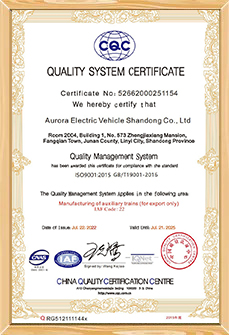

Traditional static salt spray tests (like ASTM B117) are valuable baseline indicators but do not fully replicate real-world road conditions. Aurora's technical roadmap involves transitioning to Cyclic Corrosion Testing (CCT). CCT integrates salt spray exposure with wet-dry cycles, UV radiation, and rapid temperature fluctuations, simulating years of field exposure in a few weeks of testing.
We are researching graphene-infused organic coatings that provide self-healing protection when scratched. This technology prevents rust from spreading across the steel frame from surface impacts.
By collecting sensor data on temperature, humidity, and salinity from active fleets, our design team uses predictive machine learning models to anticipate wear, enabling proactive chassis redesigns.
Our upcoming painting line upgrade incorporates a closed-loop water treatment system that recycles all waste chemicals, reducing municipal liquid emissions to zero.
Different commercial use cases present unique environmental challenges. Standard urban commuter bicycles require basic weatherproofing, whereas commercial delivery fleets and shared transport systems need robust, heavy-duty engineering. We supply custom options engineered for specific operating environments:
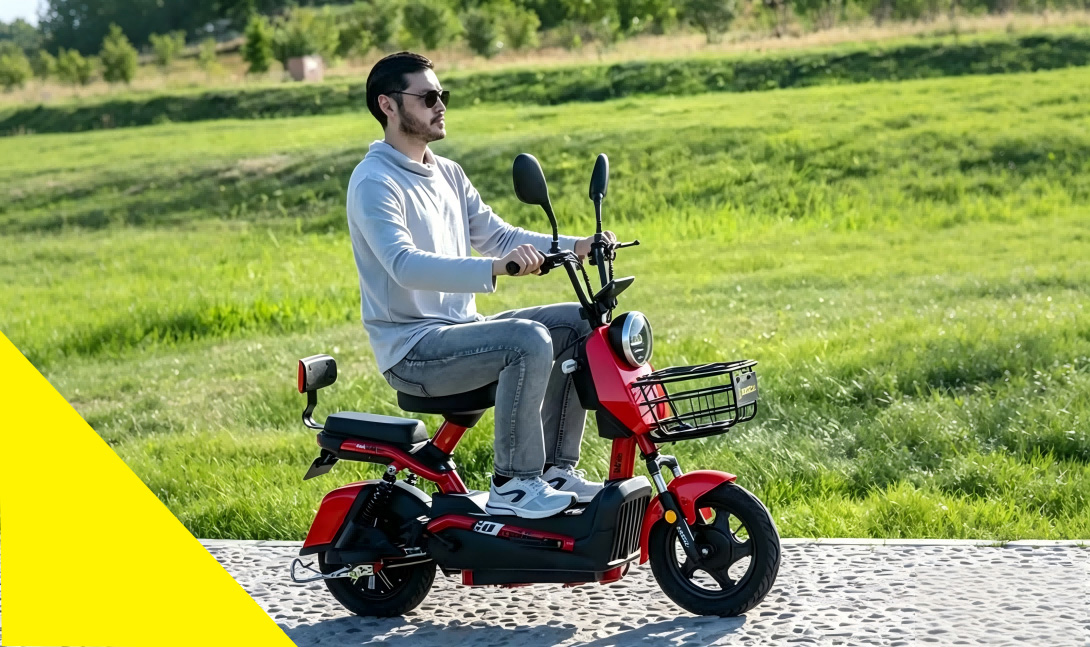
Public shared-mobility vehicles are frequently left outdoors in varying weather conditions. Our fleet solutions utilize dual-layered powder coatings, anti-vandal hardware, and IP67 waterproof connector blocks to reduce maintenance overhead and extend service lifetime.
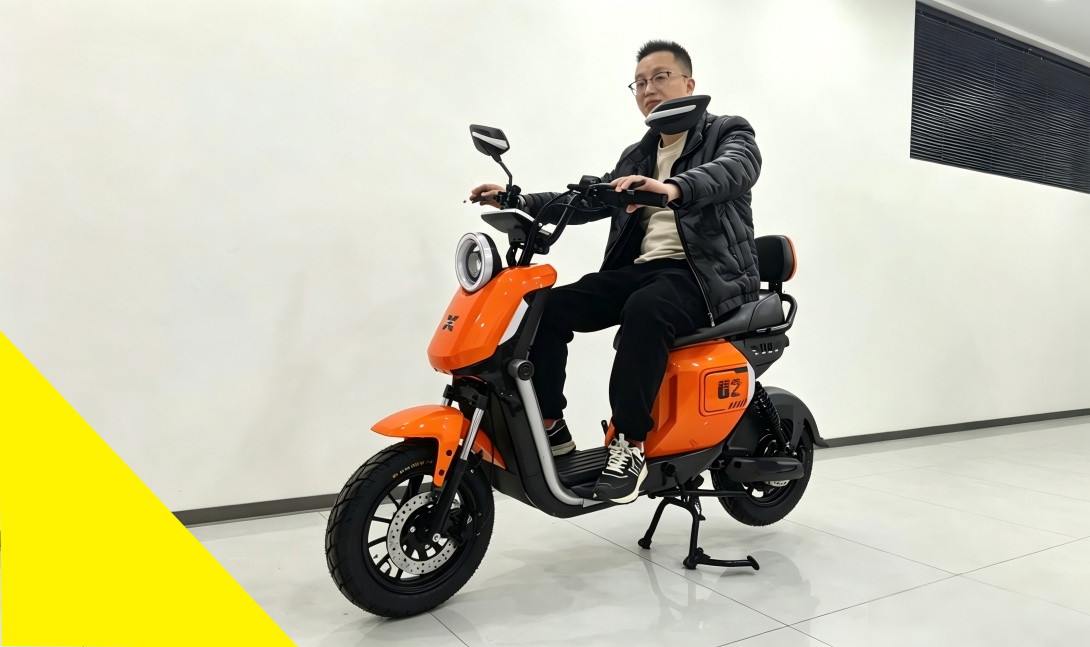
Food delivery scooters operate in heavy rain and across roads treated with winter salts. Our heavy-duty cargo series includes corrosion-resistant chrome platings on front shock absorbers and reinforced structural weldments, ensuring reliable performance during continuous operations.
At Aurora, we integrate the cultural history of Linyi with a modern vision of sustainable mobility. Our operating principles—integrity, pragmatism, innovation, and mutual growth—guide our material selection, employee development, and customer service. We are committed to manufacturing energy-saving personal transit alternatives that support the reduction of urban greenhouse gases.
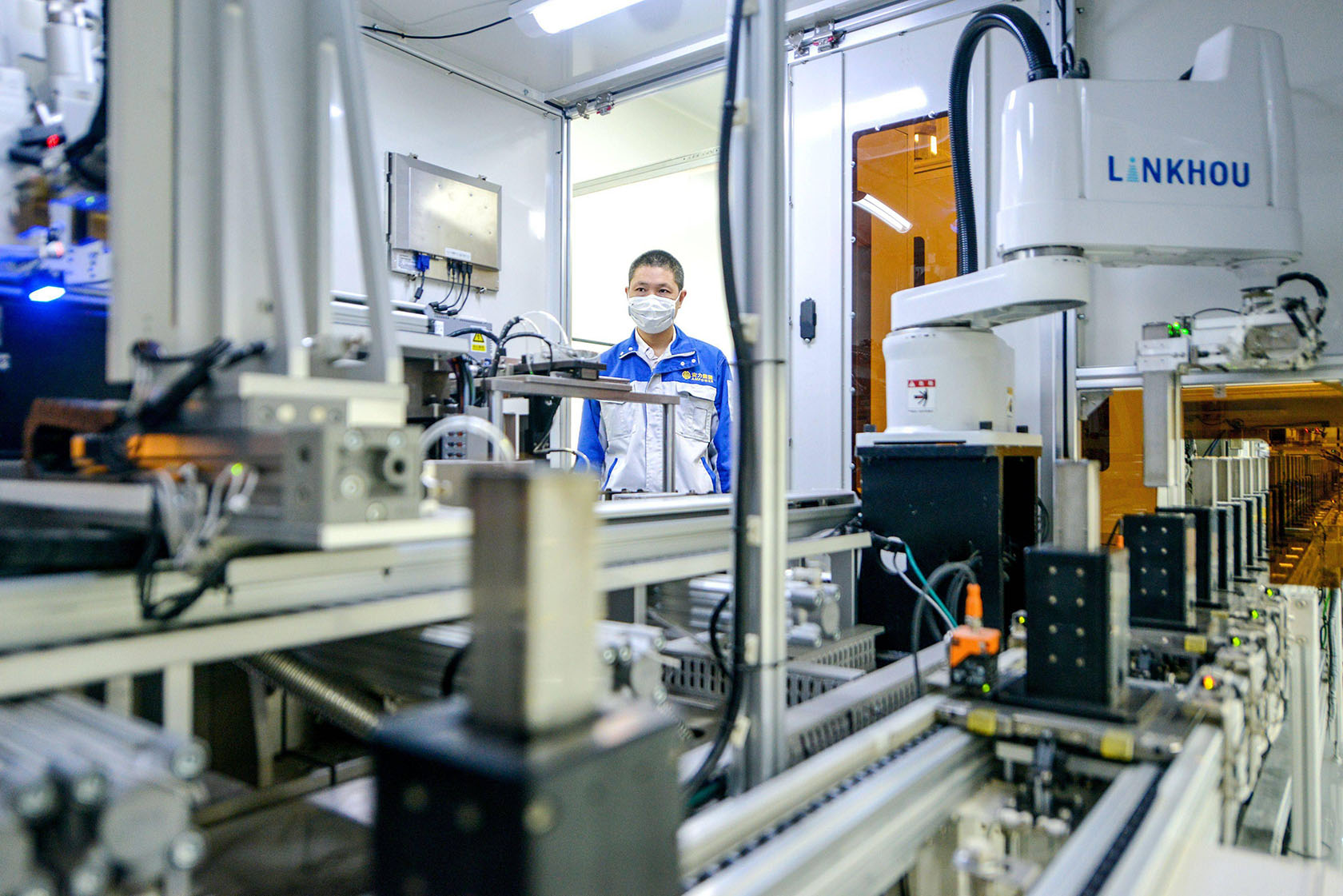
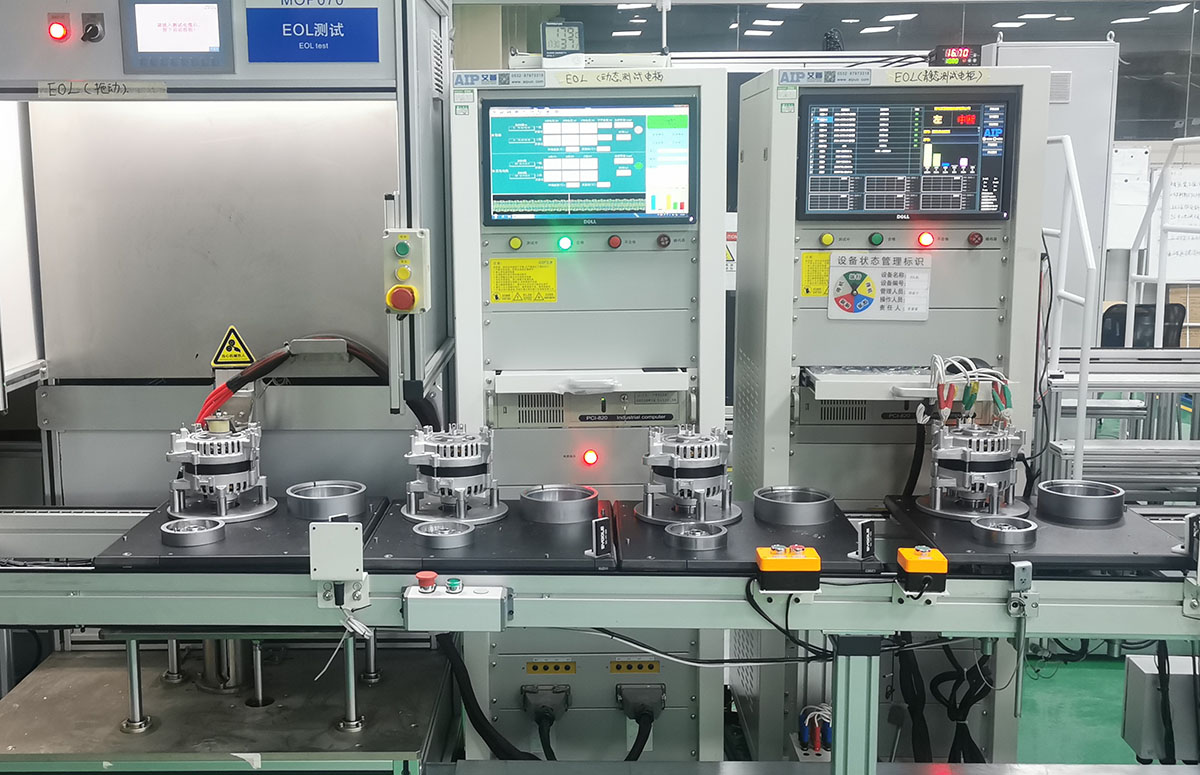
We consider user safety to be our primary design parameter. We invest heavily in our in-house testing lab to evaluate structural load capacities, flame retardancy, impact absorption, and battery safety. We maintain open communication and reliable partnerships with clients and suppliers to support long-term business development.
When procurement offices evaluate potential ODM suppliers, the initial unit quote is only one component of the total cost of ownership (TCO). Corrosion, premature battery housing leaks, and frame deterioration increase warranty claims and lower fleet operational lifetimes. Therefore, technical managers should incorporate salt spray chamber durability parameters into their Request for Proposal (RFP) documentation.
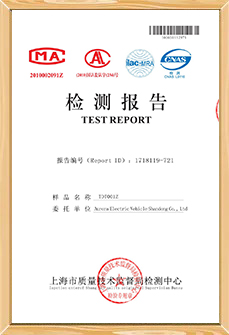
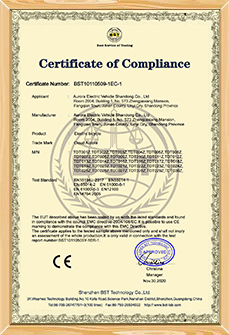
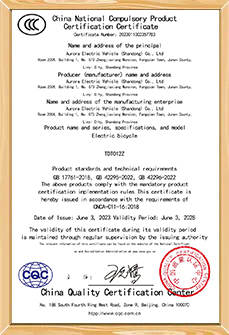
We provide comprehensive testing documentation, including salt spray exposure logs, thickness measurements of electrophoretic coatings, and IP-grade verification reports. By aligning design processes with international standards such as CE, FCC, and CCC, we ensure vehicles comply with regional micro-mobility safety regulations.
We supply detailed documentation for material compositions, including carbon steels, aluminum alloys, and polymer coatings, helping buyers verify mechanical strength and environmental resistance.
For coastal and humid regions, we offer C4/C5 grade painting options, marine-grade grease lubrication for bearings, and sealed wiring configurations to protect electrical terminals.
We export products in robust 5-layer imported kraft cardboard packaging. Heavy structural packaging options are available to protect shipments from moisture and maritime atmospheric salts during long transit times.
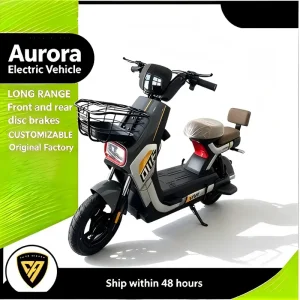
CE Certification Stylish Lightweight E-Bike for Daily Use
View Details →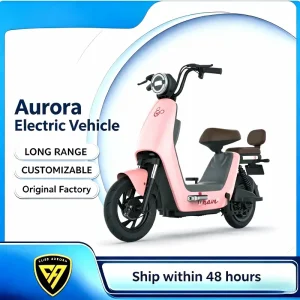
ODM Cute Stylish Two Seater E-Bike
View Details →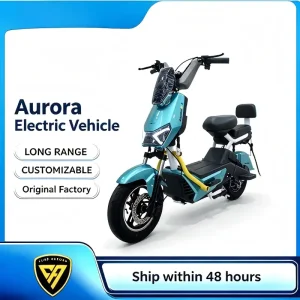
China Durable Long Range Electric Bicycle For Delivery
View Details →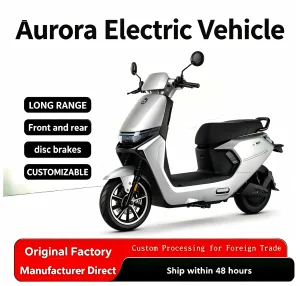
China Comfortable Ride All-Terrain Electric Scooter
View Details →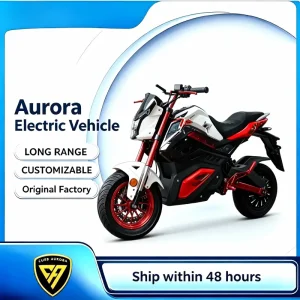
ODM Z6 Sport Electric Motorcycle for Urban Commuting
View Details →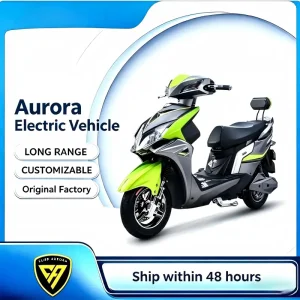
High-Quality Sporty High-Performance Urban Electric
View Details →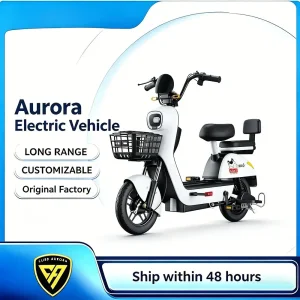
OEM Comfortable Dual-suspension Electric Bicycle
View Details →
Wholesale Comfortable Dual-Suspension Electric Bicycle
View Details →