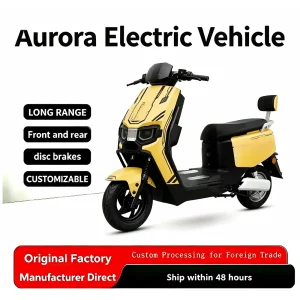
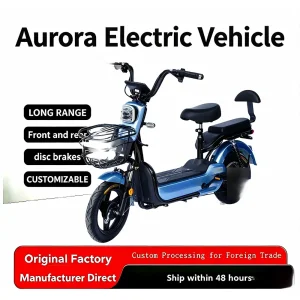
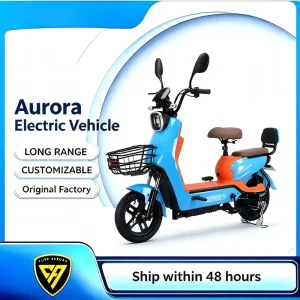
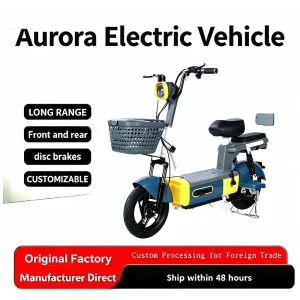
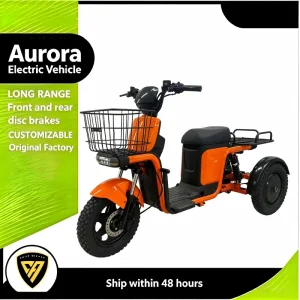
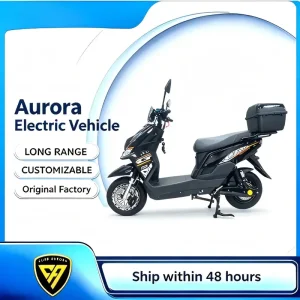
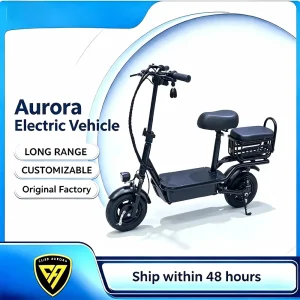
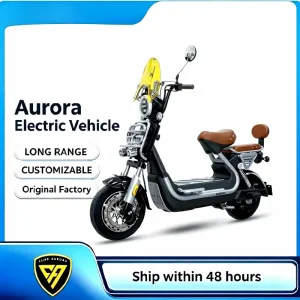
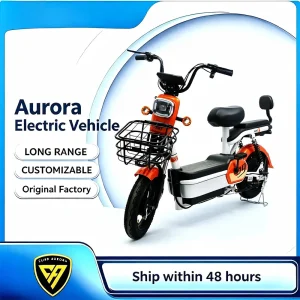
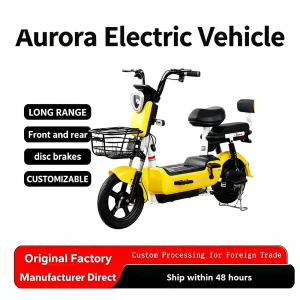
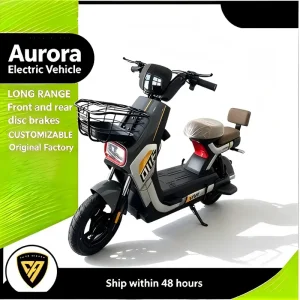
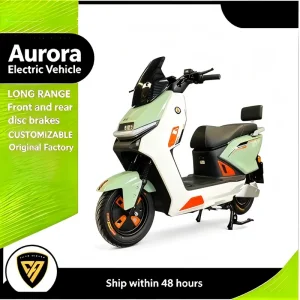
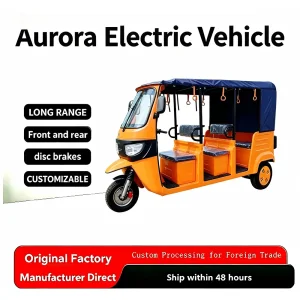
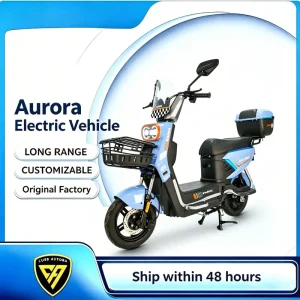
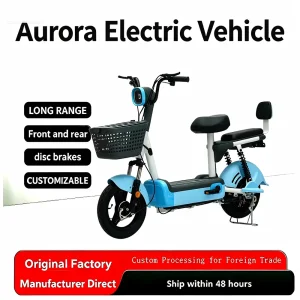
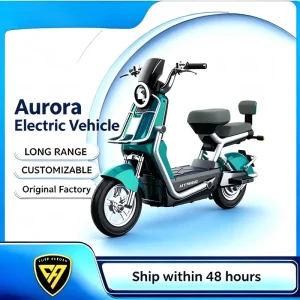
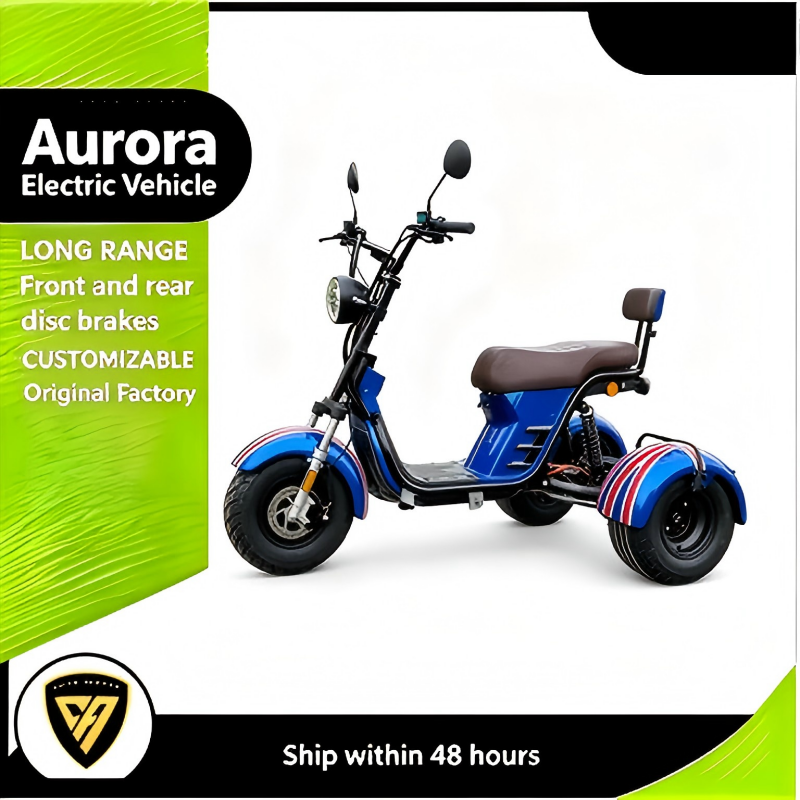
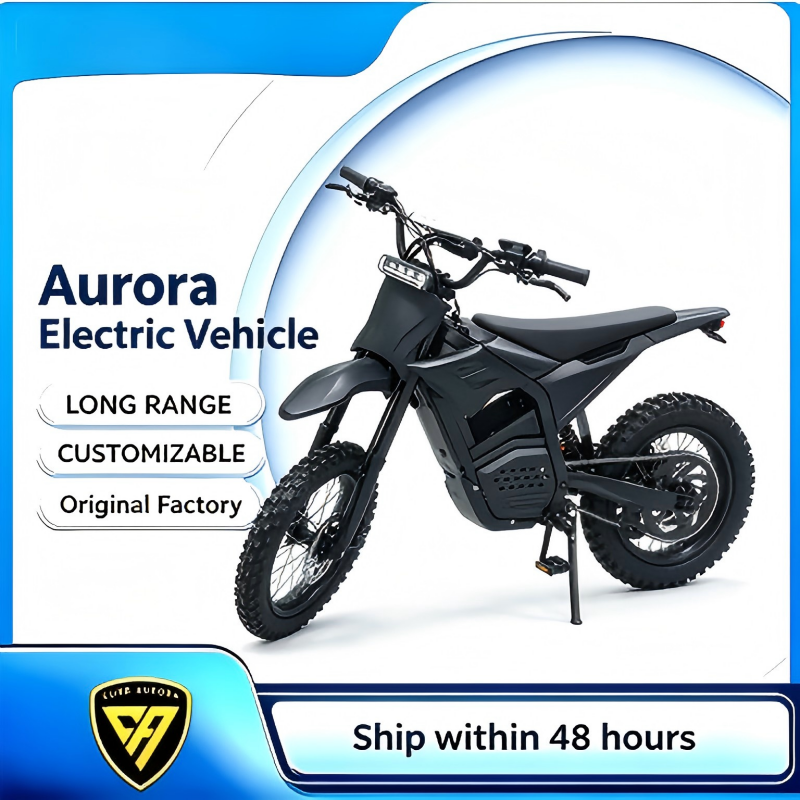
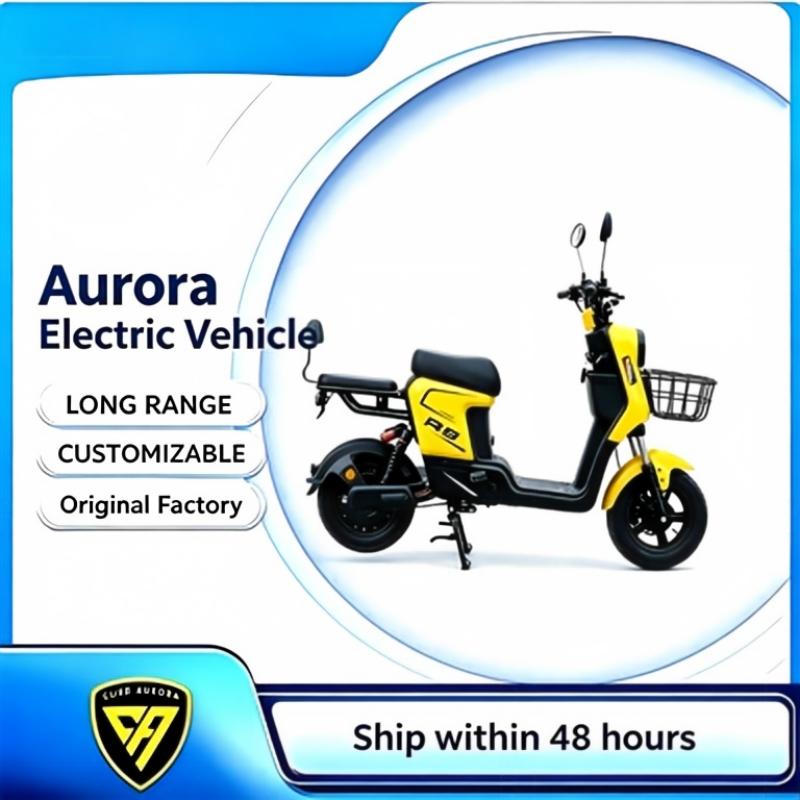
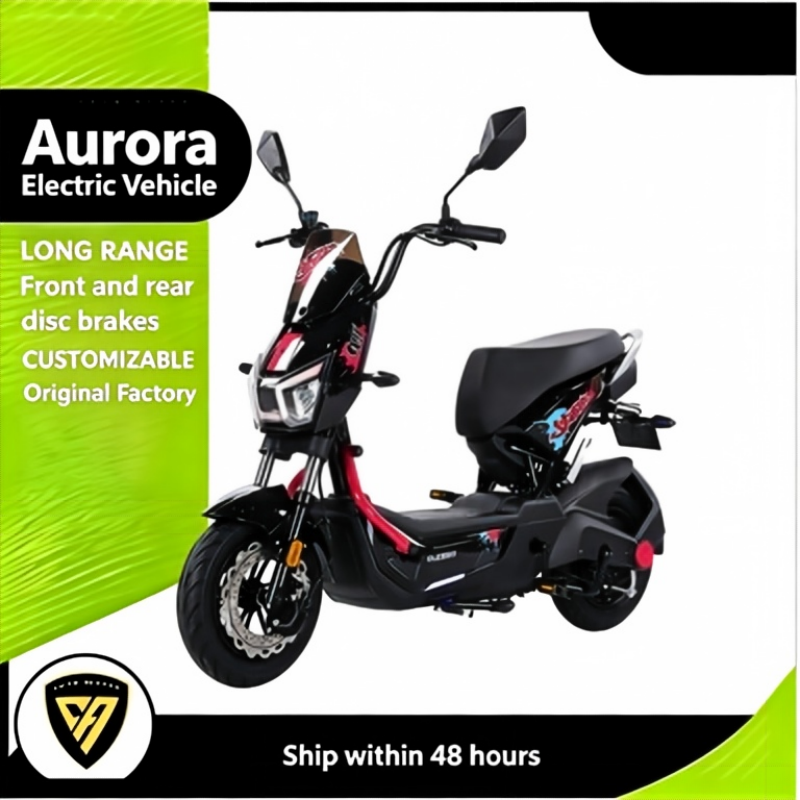
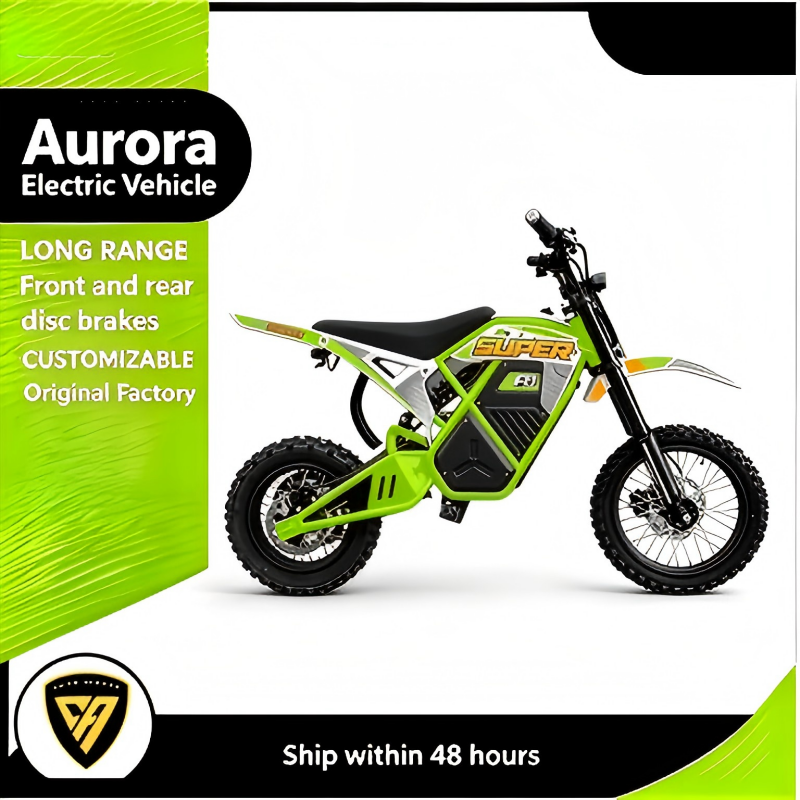
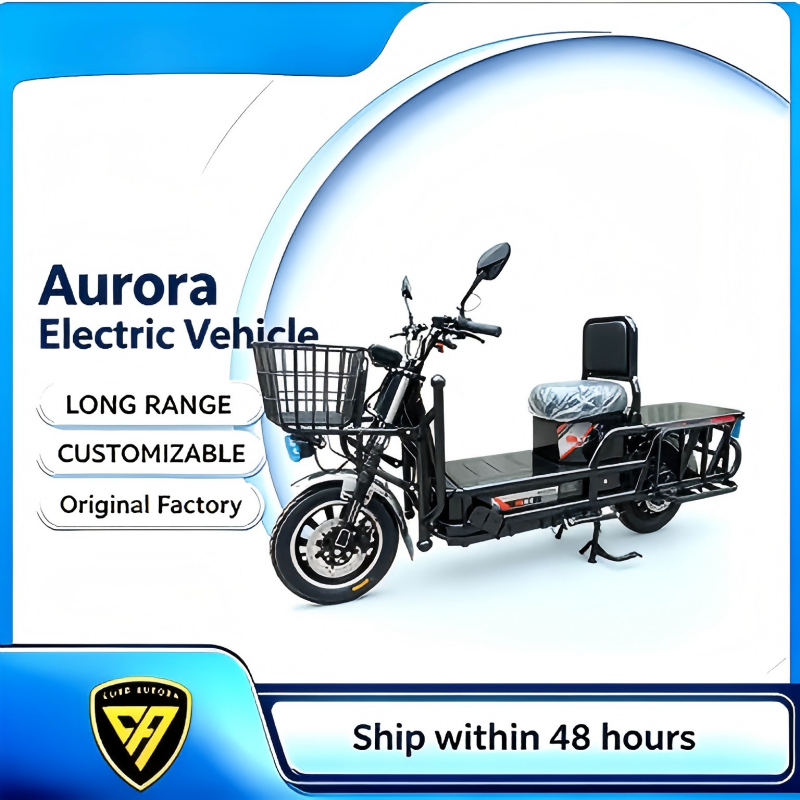
Explore our highly recognized fleet line, demonstrating the build quality, structural integrity, and integrated LED electronics developed at our manufacturing hub.
The global electric vehicle (EV) sector is undergoing a profound paradigm shift. As vehicles evolve from basic mechanical transport modes into highly connected, autonomous, and software-defined platforms, every hardware component is being re-imagined. Among these, the electric vehicle taillight system has transitioned from a simple signaling device into a highly complex, multifunction optoelectronic assembly.
Modern EV architectures require taillights to execute a wide variety of tasks. Beyond basic photometric compliance, integrated lighting components must now communicate with Advanced Driver Assistance Systems (ADAS), display real-time charging status, provide welcome/farewell dynamic sequences, and offer aesthetic branding signals. The key technological trends dictating the ODM (Original Design Manufacturer) market include:
Information Gain Insight: According to global automotive safety research, high-intensity LED systems with integrated sequential braking response reduce rear-end collision probability by up to 18.6% compared to traditional halogen indicator setups. This safety metric is driving regulatory changes in Europe and North America, making advanced ODM lighting solutions a prerequisite for new vehicle typologies.
For procurement officers in major EV assembly firms, micro-mobility operations, and international distributor networks, securing an ODM supplier is not merely about finding the lowest unit quote. Sourcing requires an intensive audit of technical credentials, material selections, and regulatory adherence. When sourcing ODM electric vehicle taillights, global buyers concentrate heavily on the following key metrics:
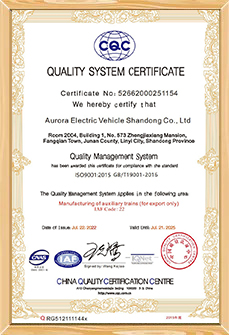
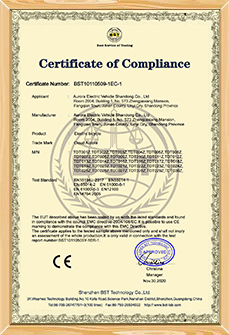
Lighting assemblies must comply with localized road-safety frameworks. This includes ECE (Economic Commission for Europe) regulations for European markets, FMVSS 108 / DOT standards for the United States, and CCC (China Compulsory Certification). A qualified ODM must offer full traceabilities on photometric test data.
Taillights operate in harsh conditions. High-quality housing materials like PC+ASA (Polycarbonate + Acrylonitrile Styrene Acrylate) are required for UV stability and impact protection. Sealing processes must achieve IP67 or IP69K ratings through high-precision ultrasonic welding or polyurethane gasketing.
Micro-mobility frames (e-bikes, city e-scooters) transfer continuous mechanical shock to taillight modules. Extensive testing using multi-axis vibration tables is mandatory to guarantee that electrical solder joints, PCB tracking, and optical assemblies endure long-term vibration without failure.
Strategically situated in Linyi City, Shandong Province, Aurora Electric Vehicle Shandong Co., Ltd. stands as a primary paradigm of modern industrial synthesis. Connecting the vital economic energy of the Yangtze River Delta and the Bohai Economic Circle, Linyi's geographic placement offers a major logistical gateway for global exports. With over 10 years of deep specialization in the electric vehicle and component industry, Aurora has engineered a resilient vertically integrated production model.
By moving past traditional assembly workshops, our Factory 4.0 infrastructure utilizes digitalized SMT (Surface Mount Technology) systems that guarantee precise LED diode placement on aluminum-core PCBs, enhancing thermal dissipation. High-frequency ultrasonic plastic welding equipment creates hermetic, IP-rated seals that eliminate human placement error and improve product structural life.
Our raw material testing incorporates strict spectroscopic inspection, verifying the optical transmission coefficients of PMMA lenses to avoid refractive losses and yellowing over extended UV exposure.
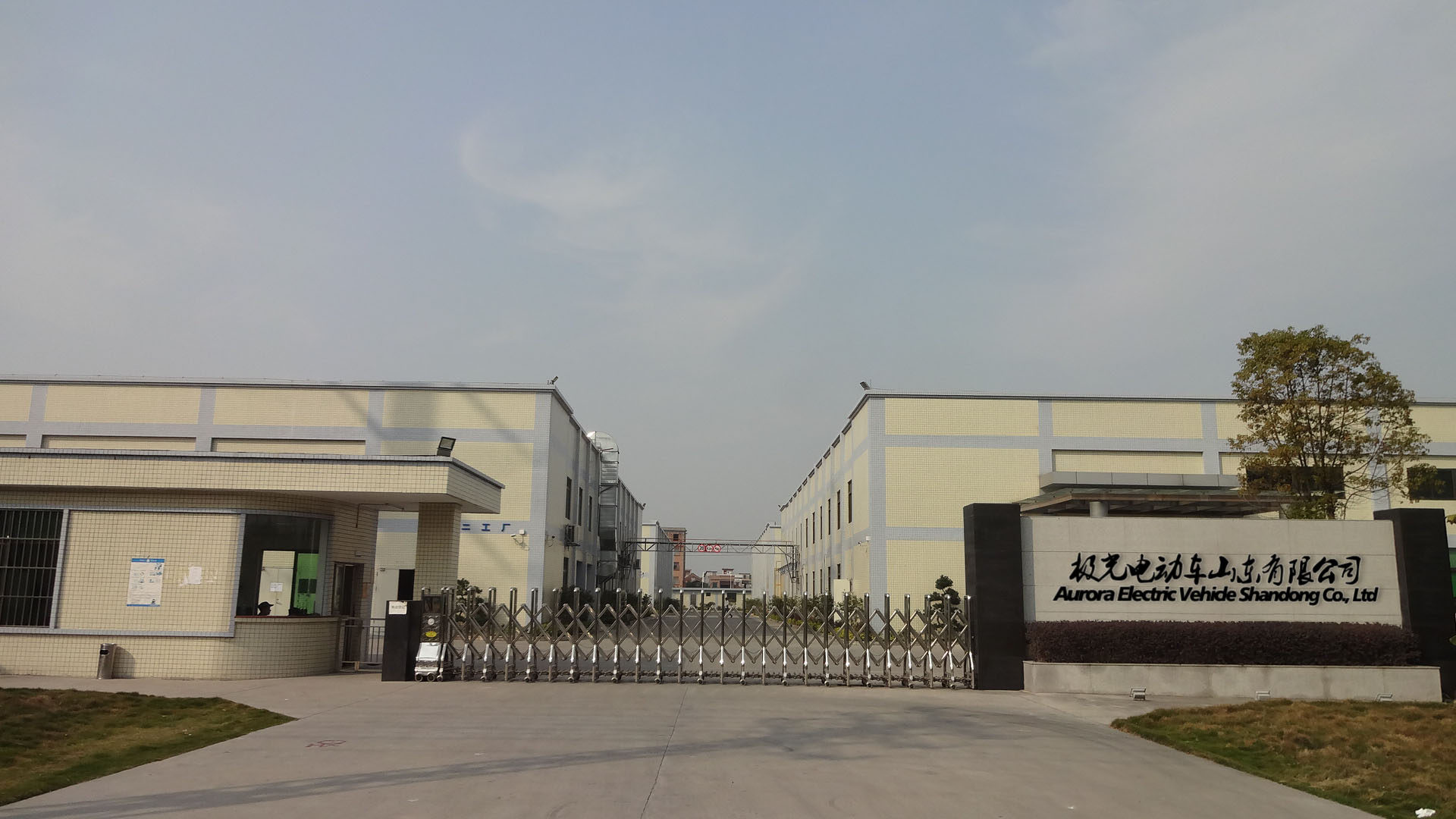
Understanding cost distribution in ODM taillight manufacturing. Use the baseline matrix below as an architectural guideline for budget calculation and tooling investments.
| Lighting Class | Technological Configuration | Estimated MOQ (Units) | Tooling Fee (USD) | FOB Unit Price Range (USD) |
|---|---|---|---|---|
| Class-A: Micro-Mobility | Ultra-bright LED, simple lightguide, IP65 housing. Typically targeted for standard city commuting e-bikes and entry scooters. | 1,000 | $3,500 - $5,000 | $1.80 - $3.50 |
| Class-B: Smart Lightbar | Sequential turn indicators, integrated CAN/LIN communication, PMMA lightbar, IP67 waterproof certification. | 2,000 | $8,000 - $12,000 | $4.20 - $7.80 |
| Class-C: Industrial & Cargo | Heavy-duty impact protection housing, extreme wide-voltage input (12V-72V), IP69K moisture sealing, integrated brake/running lights. | 500 | $6,000 - $9,500 | $6.50 - $12.00 |
| Class-D: Custom Signature | Full matrix addressable LED arrays, customized startup/welcome dynamic lighting animations, high-diffusion co-extruded polymers. | 3,000 | $15,000 - $25,000 | $10.50 - $22.00 |
Pricing & Quotation Note: The cost ranges provided above are reflective of baseline material costs (aluminum PCBs, high-diffusion PMMA, automotive-grade LEDs, microcontrollers) and standard labor metrics. Tooling fees represent the design, milling, and calibration of injection molds. Exact quotations depend on customization requests, including cable harnesses, connection protocols, and customized lens etching. Contact our technical team for a detailed custom bill of materials (BOM).
Sourcing standard components can lead to integration bottlenecks. Tailoring the light design to specific vehicle profiles ensures long-term field reliability. Key localized application profiles include:
Delivery fleets operate up to 16 hours daily in varying weather conditions. Our heavy-duty cargo vehicle tail assemblies utilize high-vibration protection and high-efficiency heat-sinks, ensuring operational life cycles exceeding 50,000 hours.
Electric tricycles and passenger shuttles require highly visible, wide-angle photometric output to ensure passenger safety in urban traffic. Wide-dispersion optical lenses expand viewing angles to 160 degrees, minimizing blind spots.
Rental scooters are frequently exposed to vandalism and mechanical impacts. Sourcing polycarbonate lens shells over standard acrylic provides superior impact resistance (IK08 rating), reducing overall fleet repair overheads.
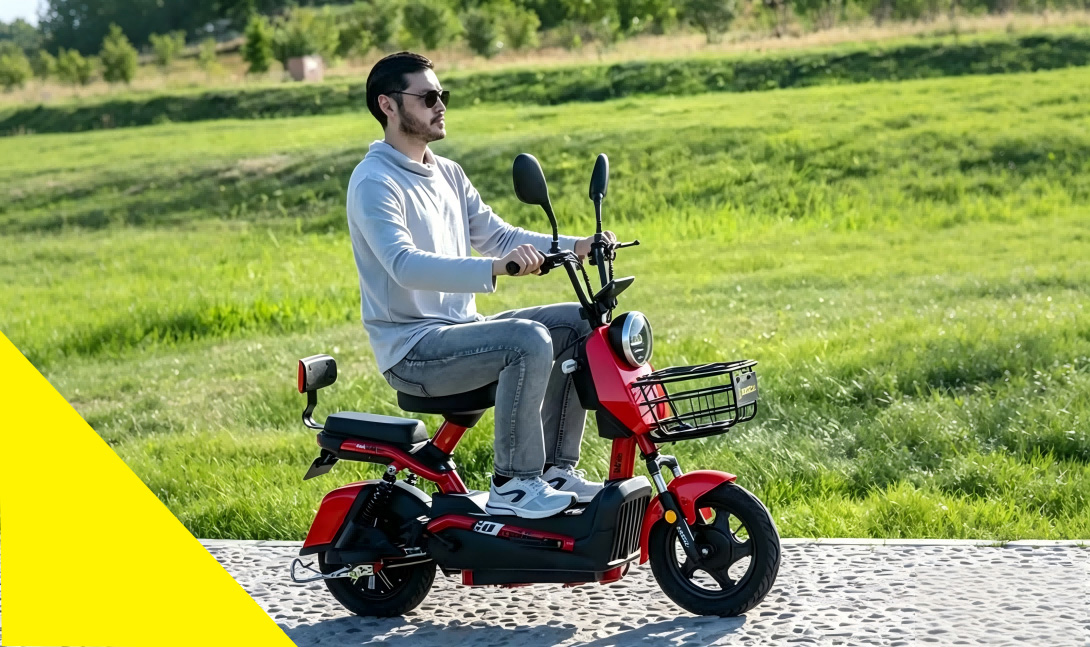
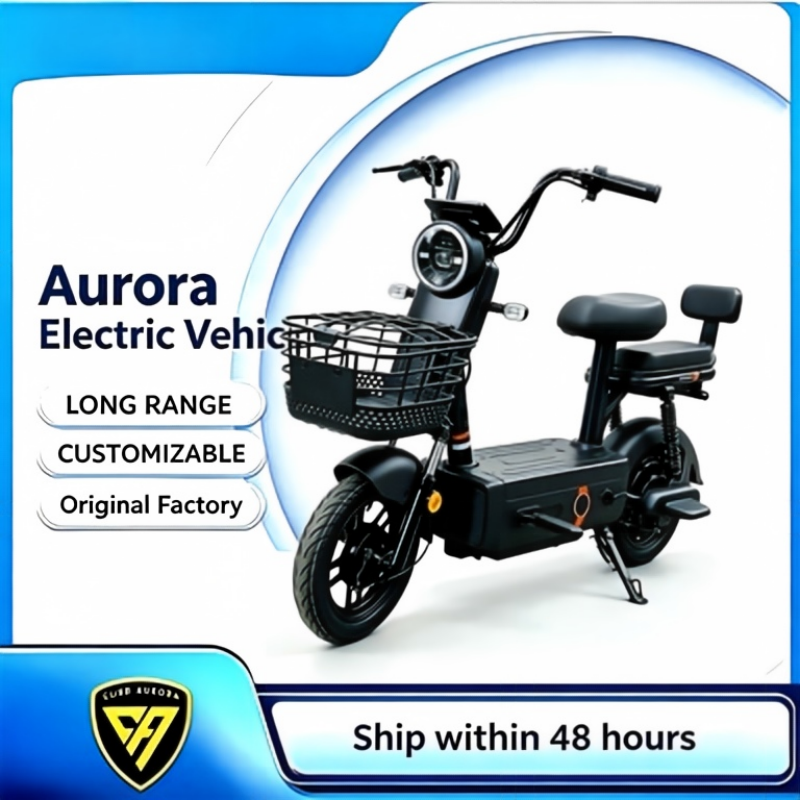
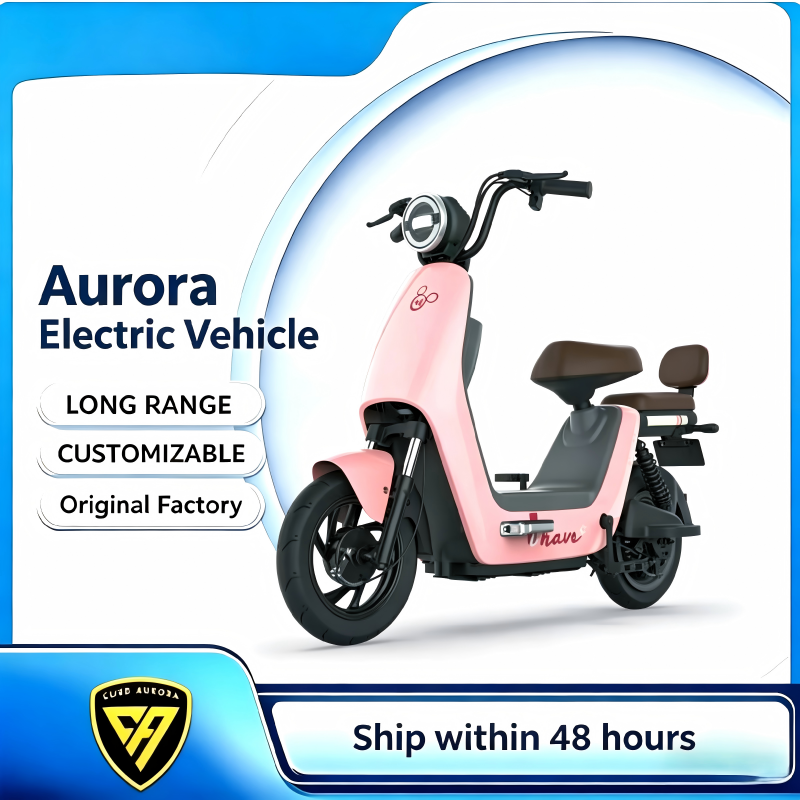
Ergonomic, lightweight, perfect for daily commuting. Features optimized integrated tail illumination parameters.
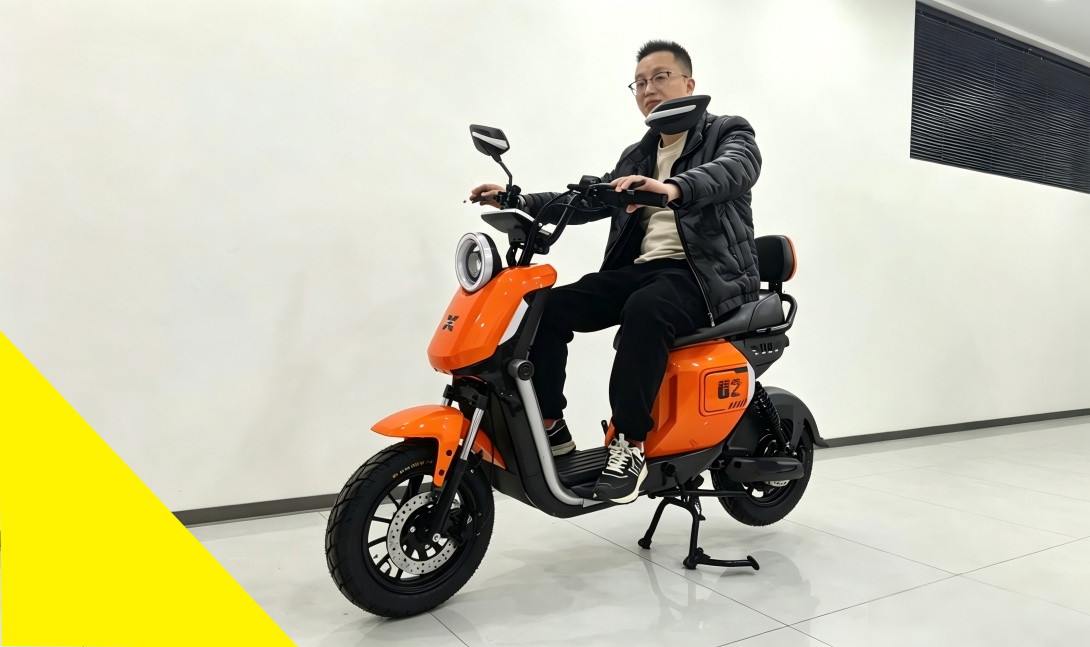
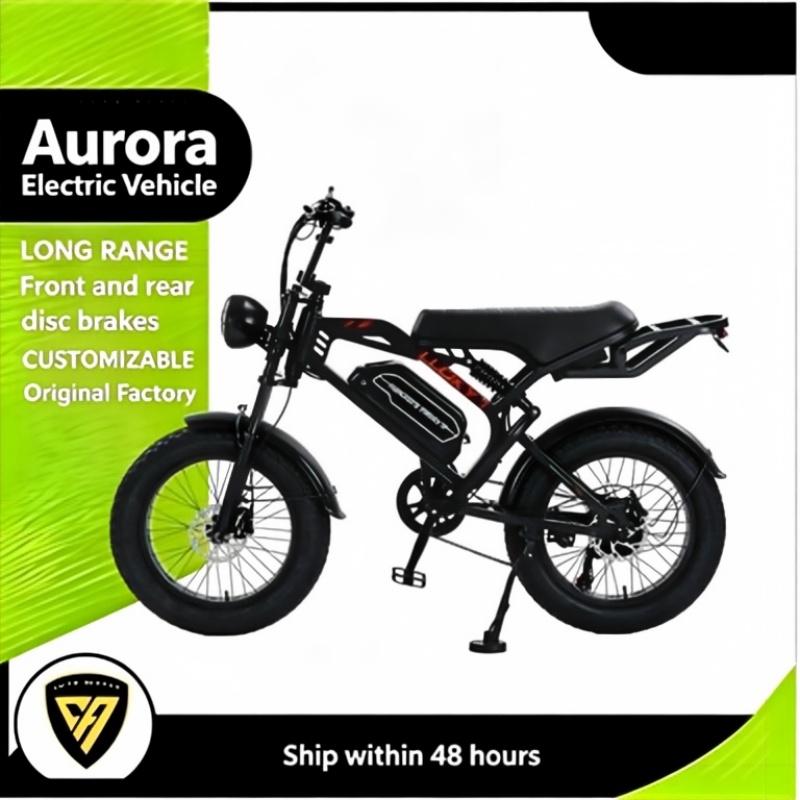
Streamlined aesthetic. Incorporates advanced low-profile tail indicator housings.
Founded in 2015, Aurora Electric Vehicle Shandong Co., Ltd. is located in Linyi City, Shandong Province. Over a decade of growth has transformed our firm from a local assembly workshop into an integrated manufacturing provider of electric personal mobility systems and associated structural components. Under the strict parameters of the modern green transport era, we design, test, and manufacture vehicles and lighting options that meet the highest standards of safety, quality, and performance.
Our core engineering team comprises industry veterans with 10+ years of EV experience. Holding patents in battery management systems and vehicle dynamics, they guide our ODM lighting integrations to achieve low power profiles without compromising photometric brilliance.
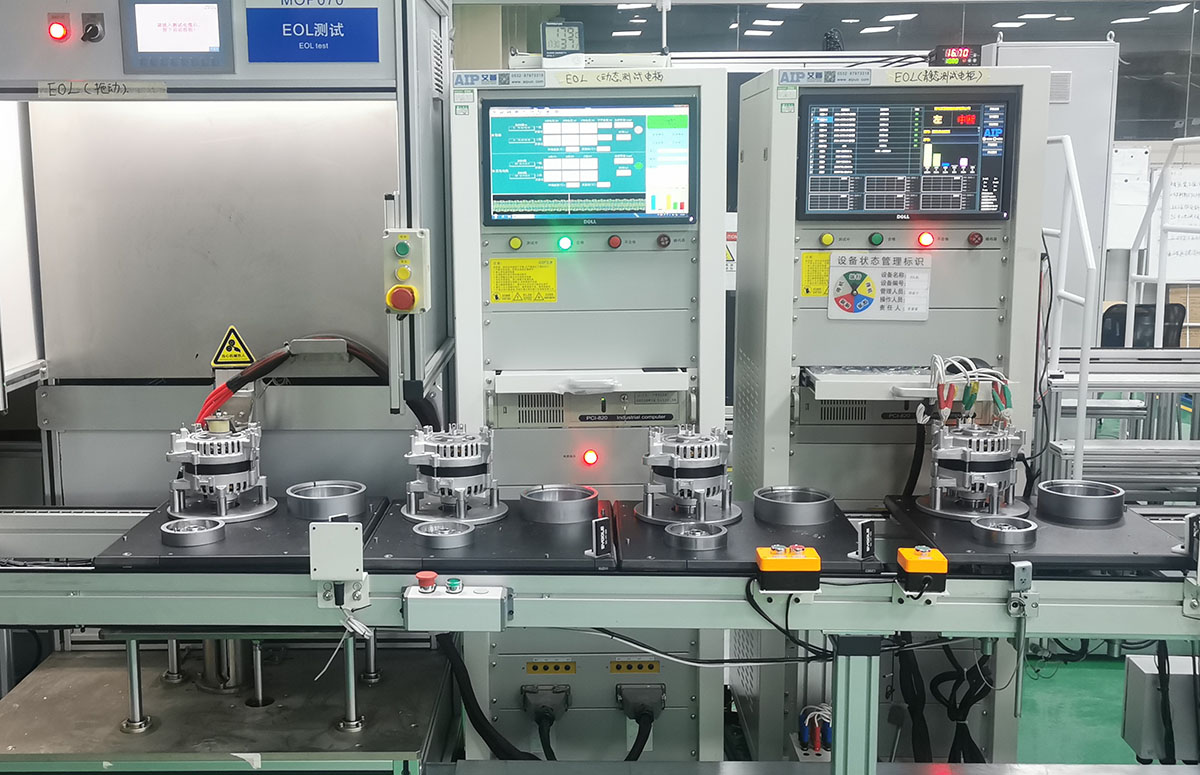
Our production teams run structured checks from raw material receipt through to final packaging. Every module undergoes load, thermal, waterproof, and mechanical fatigue diagnostics to guarantee durability before export.
We offer streamlined OEM/ODM solutions, stable delivery schedules, customizable packaging (5-layer imported kraft boxes), and complete post-sale support for distributors across the globe.
Our progress relies on the values of "integrity, pragmatism, innovation, and win-win". In 2019, when the new national standard for electric bicycles was implemented, we optimized our production facilities to ensure full compliance with strict safety parameters, including fire retardance, speed limits, and anti-tampering designs.
We work to make green travel safer and more accessible. Our specialized optical and materials testing labs ensure that every product meets global CE, CCC, FCC, and RoHS standards.
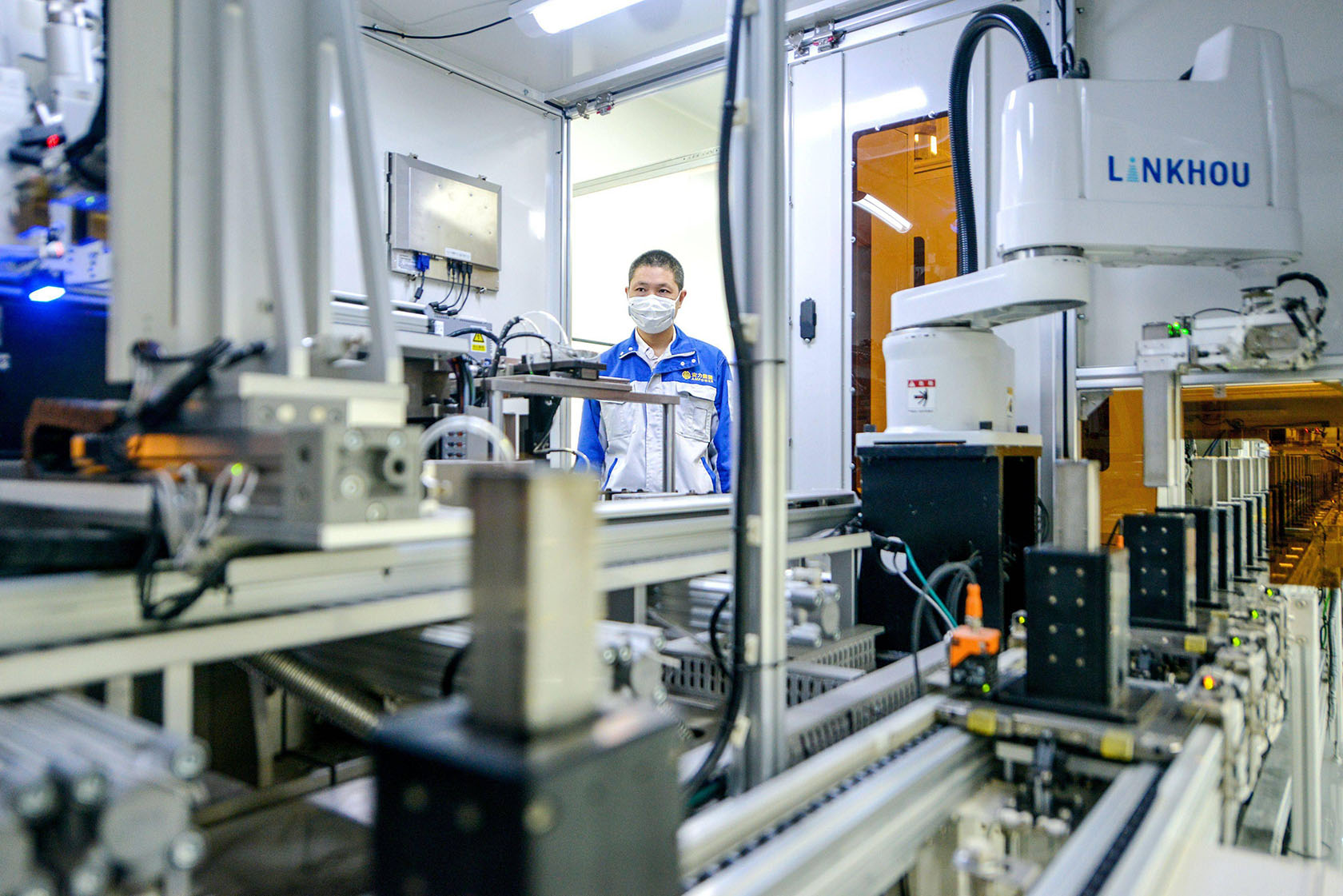
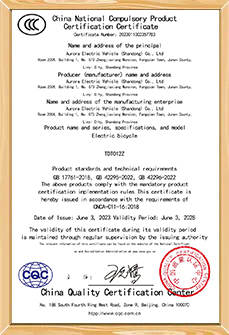
Discover the full scope of our customizable platforms. Each system is designed to integrate advanced rear signaling, ensuring safety compliance across global distribution networks.
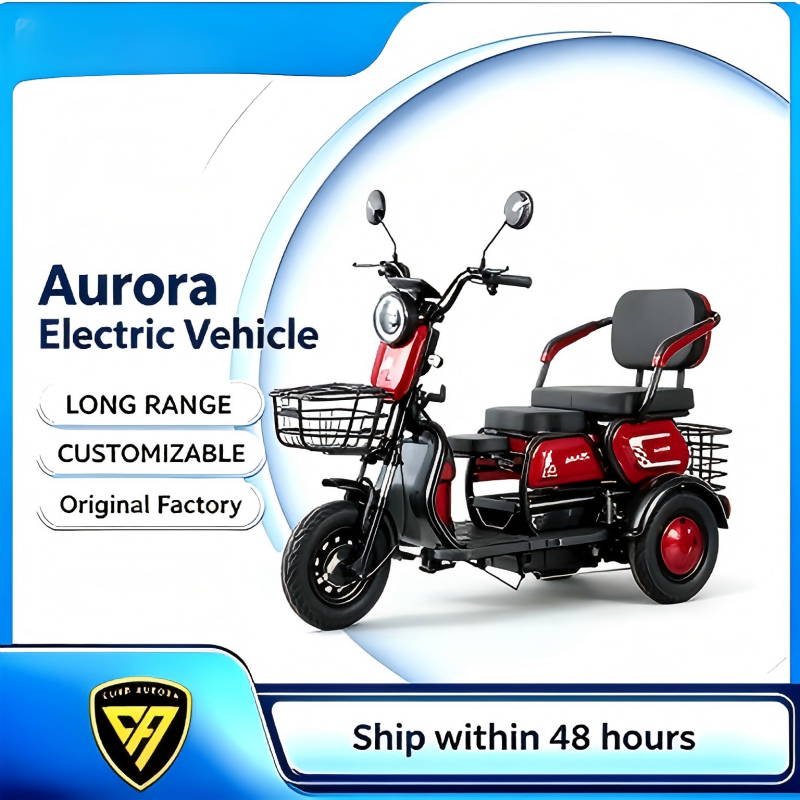
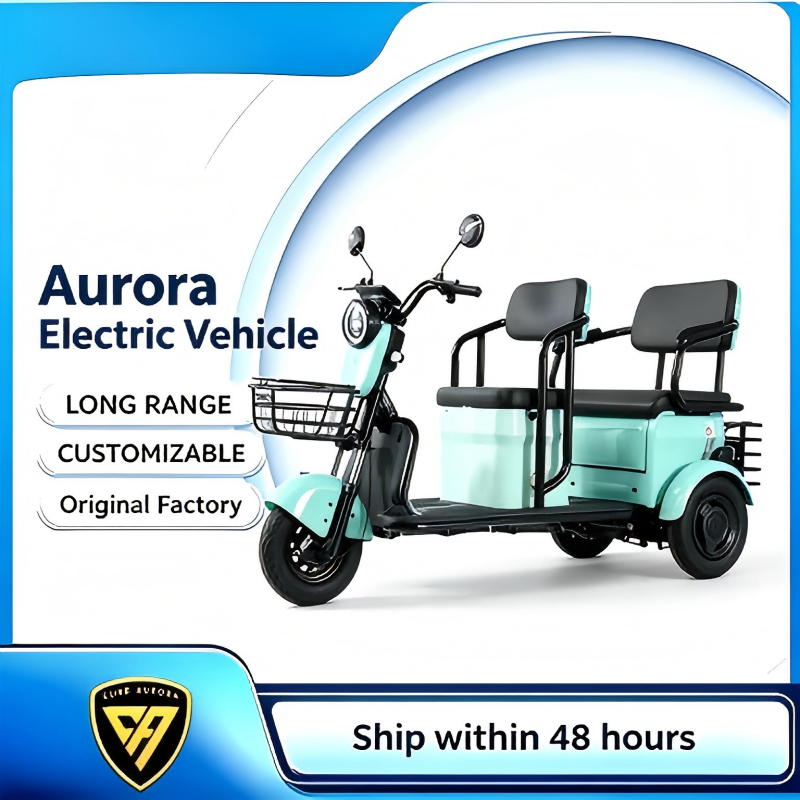
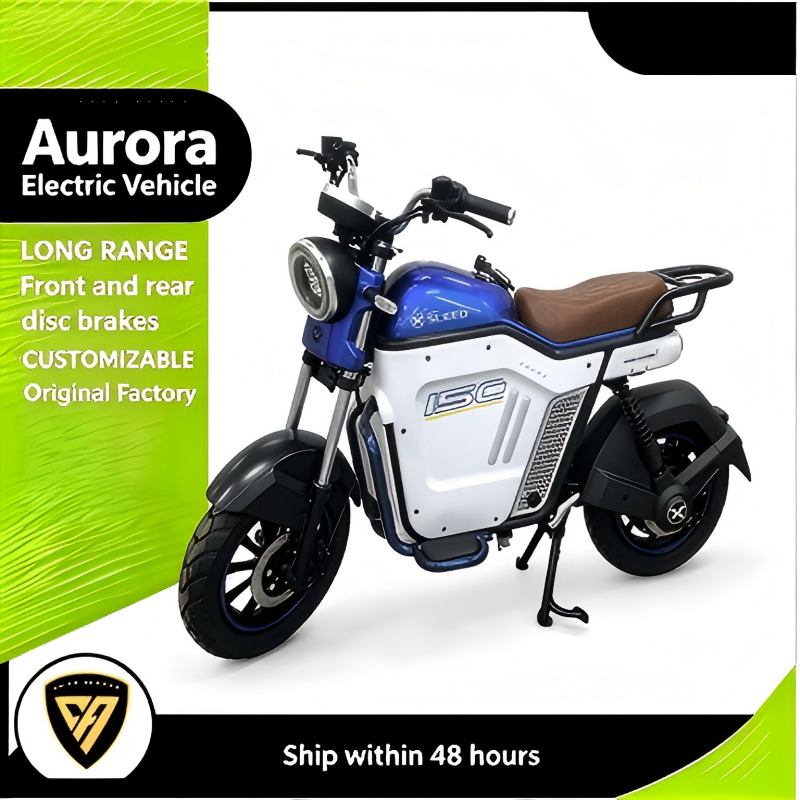
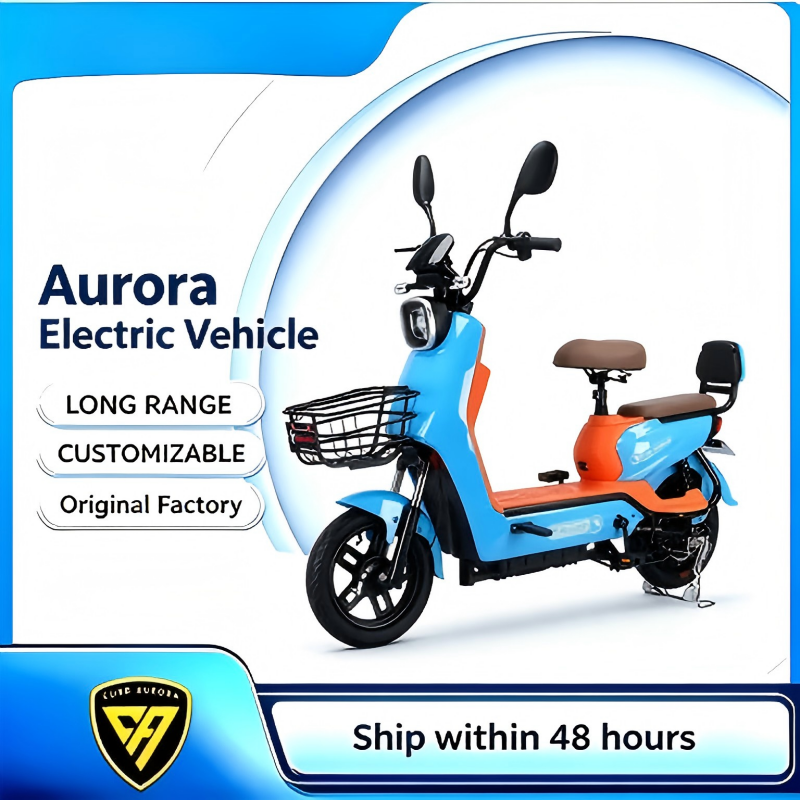
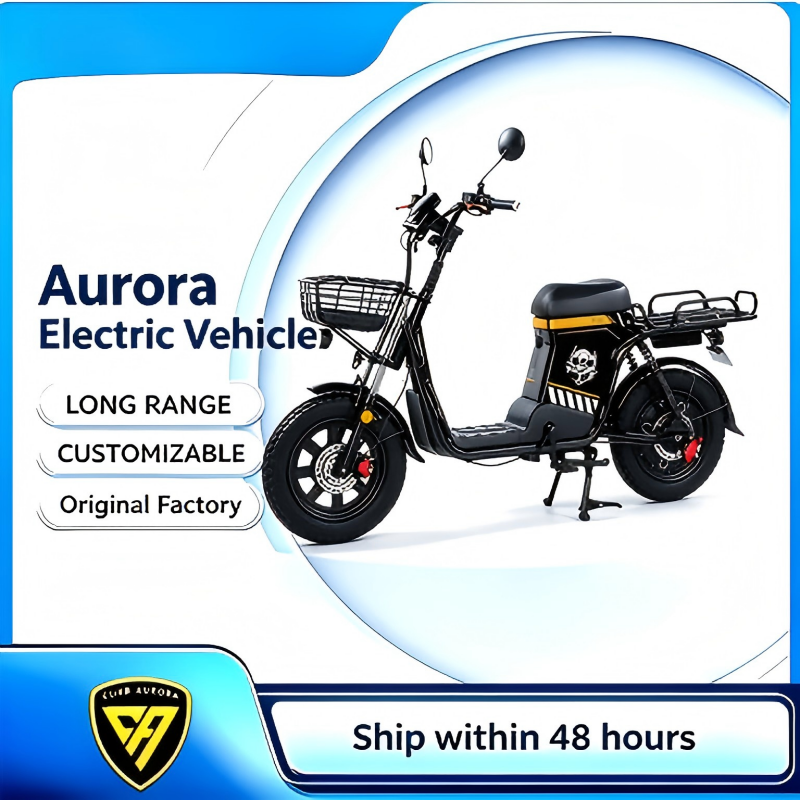
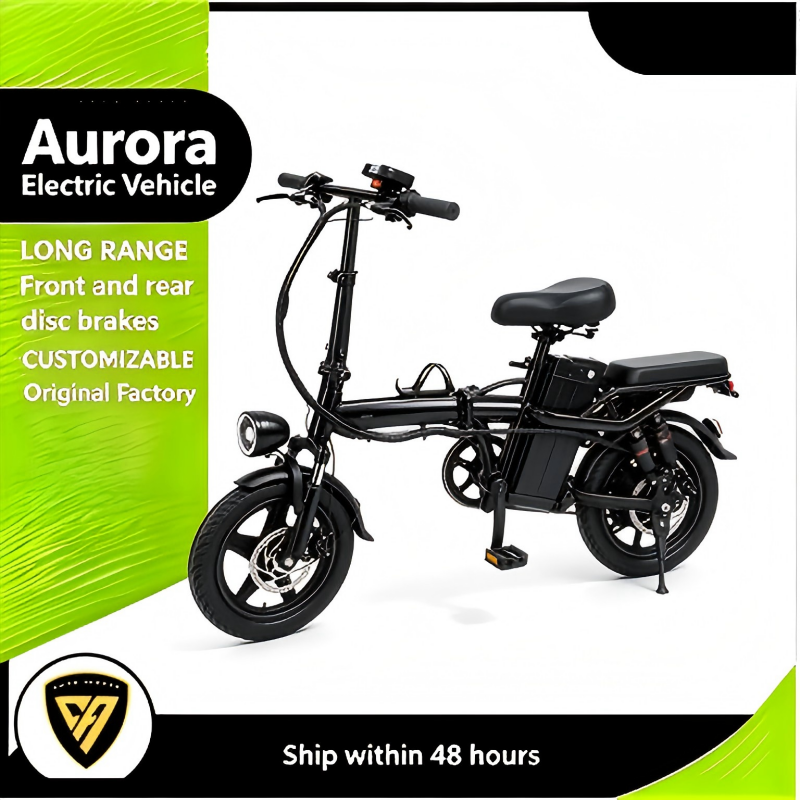
Get direct technical and financial answers from our production engineering department to speed up your procurement cycle.
For custom optical geometries and specific housing designs, the mold fabrication phase takes 25 to 35 business days. This includes initial CAD approval, 3D prototyping, CNC steel milling, test injections, and photometric adjustments inside our integration chamber.
We use automated ultrasonic plastic welding machines that melt the PMMA lens and ABS/PC housing into a single structural piece. For highly exposed applications, we add double-pour polyurethane potting or clean silicone gaskets, achieving IP67 and IP69K ratings to prevent water and dust ingress.
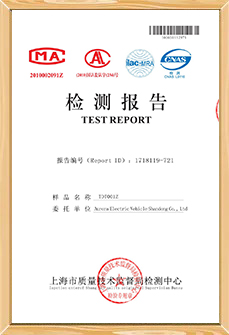
Every quotation packet includes goniophotometric test reports showing light distribution curves, color coordinate values, and lumen output measurements. We provide full support to achieve compliance for ECE, DOT, and CCC markings.
Unit pricing is mainly driven by: (1) Materials (e.g., Polycarbonate vs Acrylic); (2) Electronic configurations (such as standard step-down circuits versus programmable microcontrollers for animation sequences); (3) Total order volume per production batch; (4) Specific custom cables and automotive terminal blocks.
Yes, our light system PCBs can be configured with wide-voltage input buck converters that accept voltage ranges from 12V up to 84V DC. This protects the light emitting elements from voltage drops and battery spikes common in high-load setups.
Our wholesale vehicle portfolio is equipped with certified integrated components, highlighting our focus on road safety and stable system performance.