Industrial Whitepaper: Engineering UL-Certified Electric Vehicles for Global Markets
An authoritative analysis of regulatory compliance, structural testing, and risk mitigation in lithium battery systems.
1. The Evolution of UL Certification in Micromobility
Over the last decade, electric bicycles and commuter scooters have evolved from simple motorized transport into sophisticated electrical systems. This transformation, while beneficial for urban transit, has placed structural demands on safety frameworks. Lithium-ion batteries store substantial energy densities; without strict electrical safety standard controls, risks such as thermal runaway are elevated.
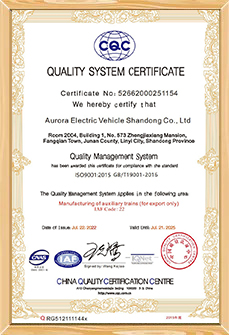
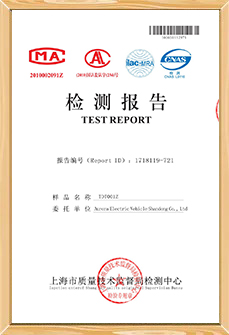
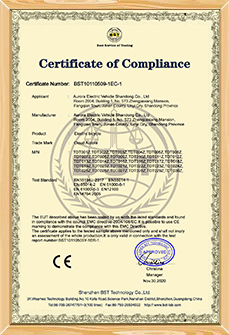
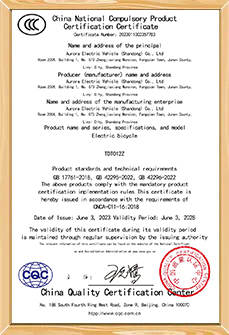
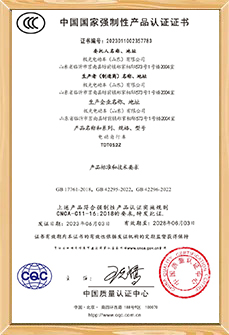
Recognizing these challenges, bodies like Underwriters Laboratories established definitive test metrics. For B2B importers, buying products without recognized certifications poses severe financial, legal, and operational risks. Standardizing platforms to UL 2849 (governing e-bike drive trains, controllers, chargers, and battery packs) and UL 2272 (personal e-mobility) provides assurance that the entire electrical architecture has undergone rigorous evaluation for fire, shock, and mechanical failure risks.
2. Thermal Runaway Mitigation and BMS Architecture
A primary goal of UL certification is the mitigation of thermal runaway—an uncontrolled reaction where an internal short circuit triggers self-heating, leading to high-temperature gas venting and combustion. Achieving compliance requires engineering safety redundancies into both the structural layout and the electronic design:
- Cell Chemistry and Selection: Utilising A-grade cylindrical cells (such as 18650 or 21700 form factors) with stable chemical formulas. Cells must be certified under UL 2580 or UL 2271 for light electric vehicle battery safety.
- Advanced Smart BMS (Battery Management System): A compliant system monitors cell voltages, currents, and pack temperatures across multiple thermal sensors. Overcurrent, overcharge, over-discharge, and temperature limits must trigger mechanical cut-offs to prevent cell damage.
- Passive Thermal Isolation: Integrating heat-retardant cell holders, phase change materials, and fireproof composite enclosures (rated UL 94 V-0 or higher) to isolate cells and prevent localized heating from propagating throughout the pack.
3. Structural Testing: Impact, Vibration, and Environmental Ingress
Beyond electrical testing, electric vehicles face harsh real-world conditions. Certifying a vehicle requires extensive physical testing to verify structural integrity:
- Vibration Endurance Testing: Simulates years of urban commuting on uneven terrain. The chassis and battery mounts undergo multi-axis shaker testing to ensure weld lines, connectors, and mounting hardware remain secure.
- Mechanical Shock and Drop Tests: Verifies the battery pack can withstand physical impacts, drops from transport heights, and direct collisions without exposing internal high-voltage wiring.
- Water Ingress Protection (IP Rating): The electrical enclosure, motor casing, and wire harnesses must achieve high ingress ratings (such as IPX5 or IPX6) to prevent moisture from causing short circuits or corrosion in rainy climates.
4. Decoupling Global Supply Chain Challenges through Shandong Facilities
For B2B buyers, sourcing compliant vehicles is only half the battle; cost-efficiency, consistent capacity, and reliable logistics are equally critical. Shandong's manufacturing ecosystem provides strategic advantages:
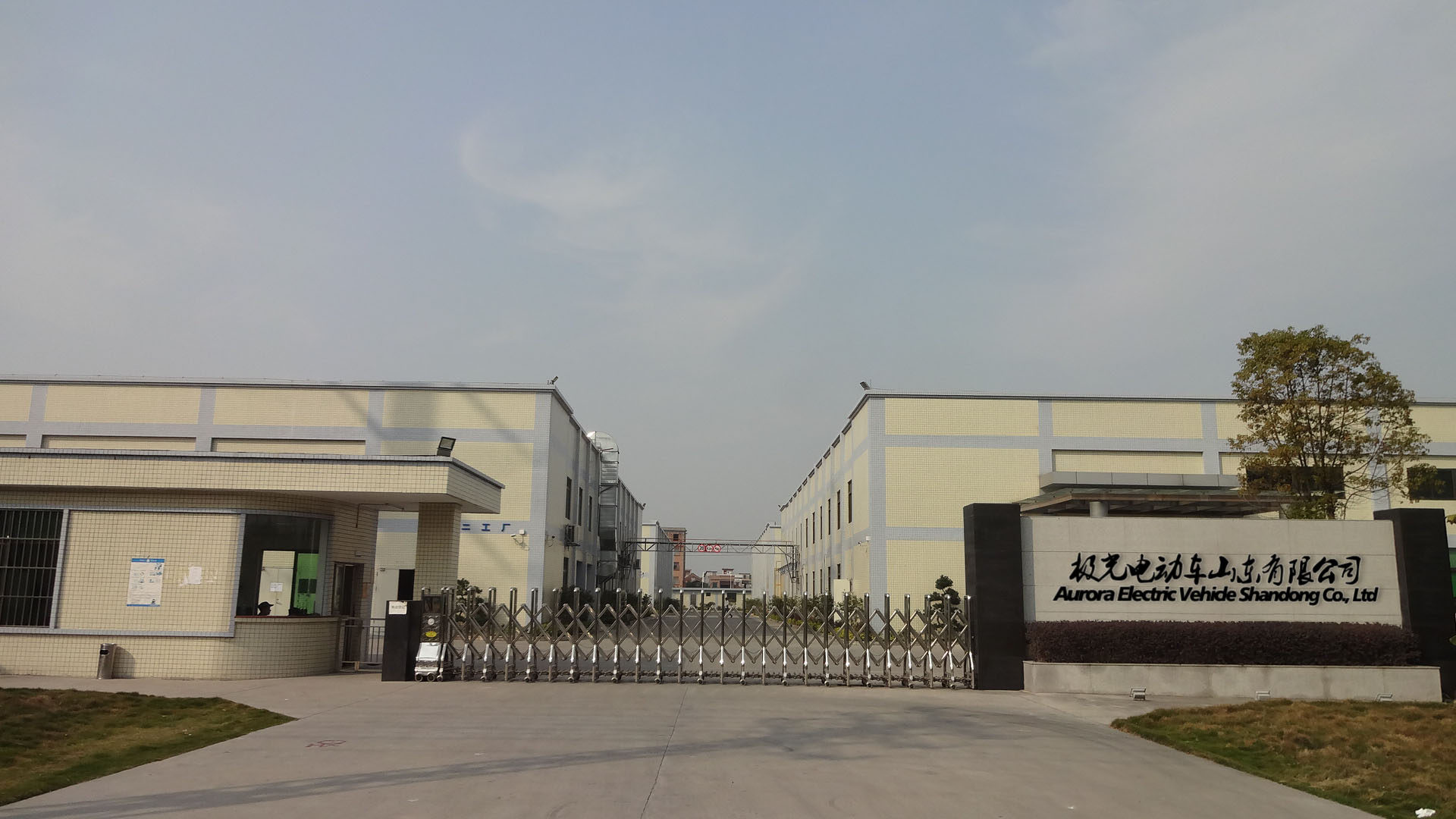
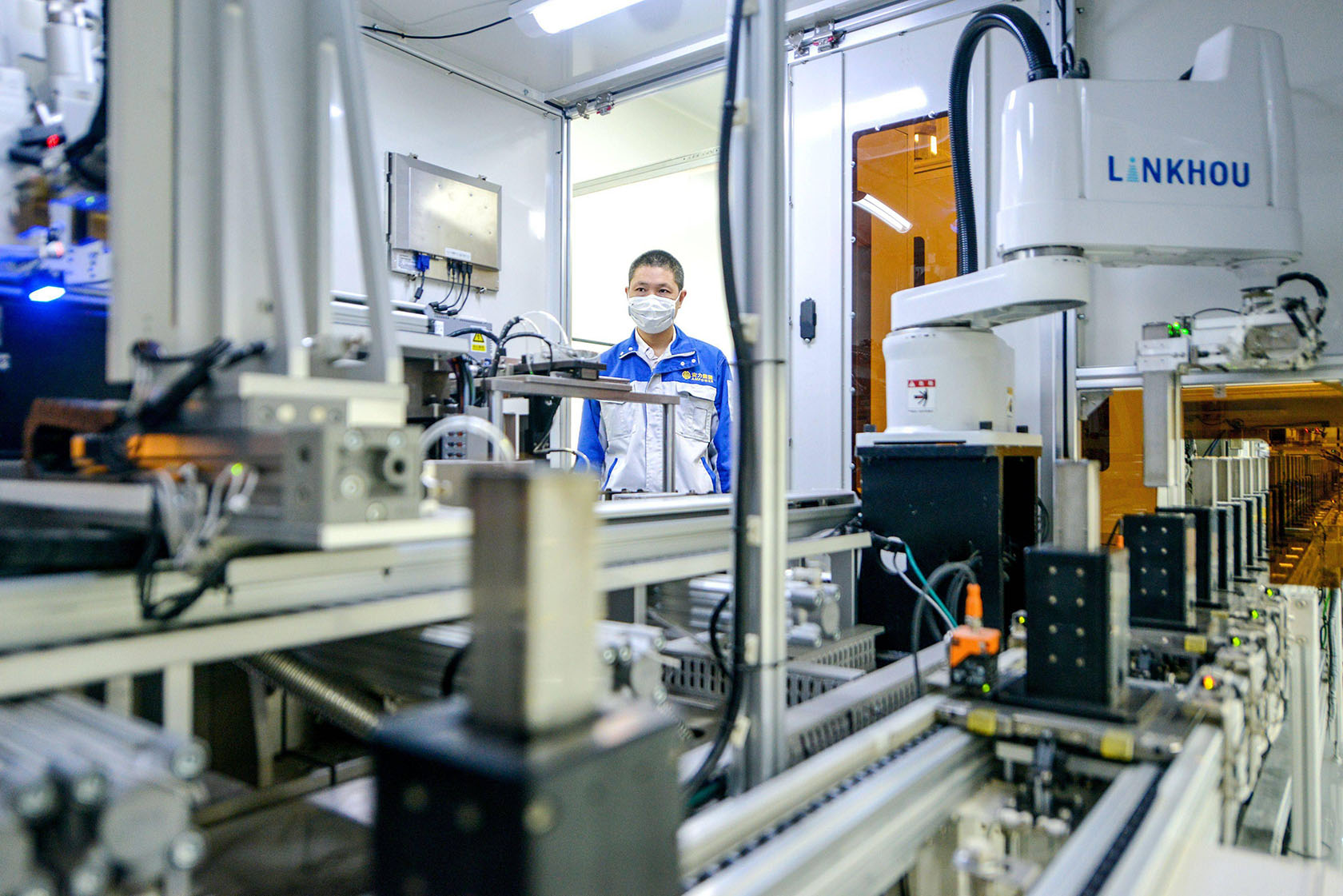
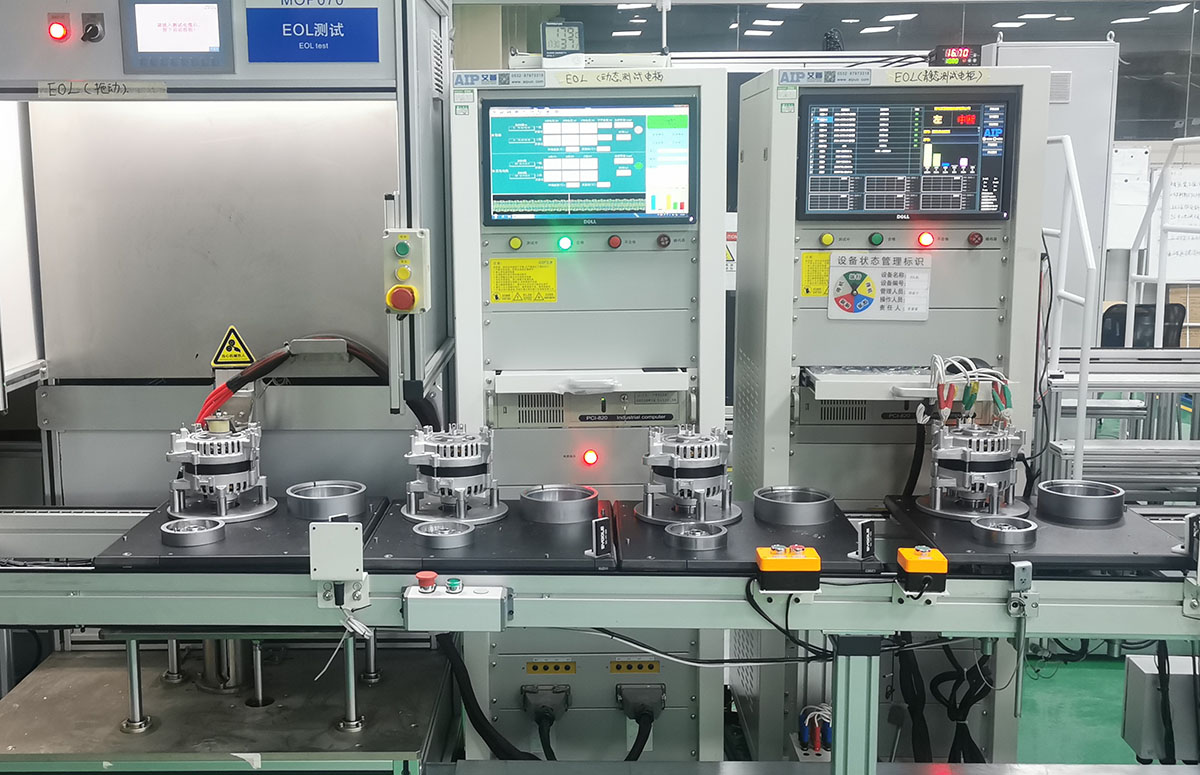
By operating out of Linyi City, our factory bypasses typical bottleneck zones in southern China while retaining direct access to primary raw metal, rubber, and electronics hubs. Our manufacturing lines integrate advanced automated welding and digital line testing to maintain tight tolerances and ensure reliable, repeatable quality for bulk orders.