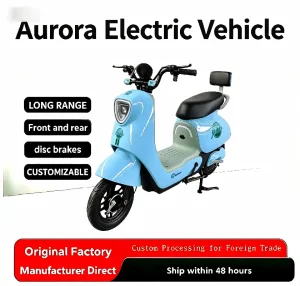
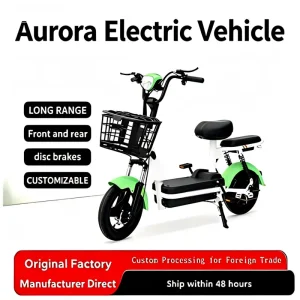
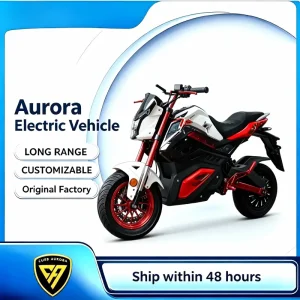
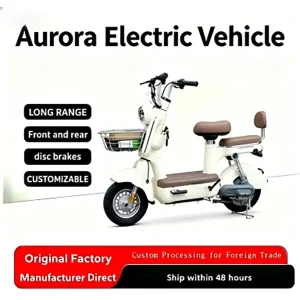
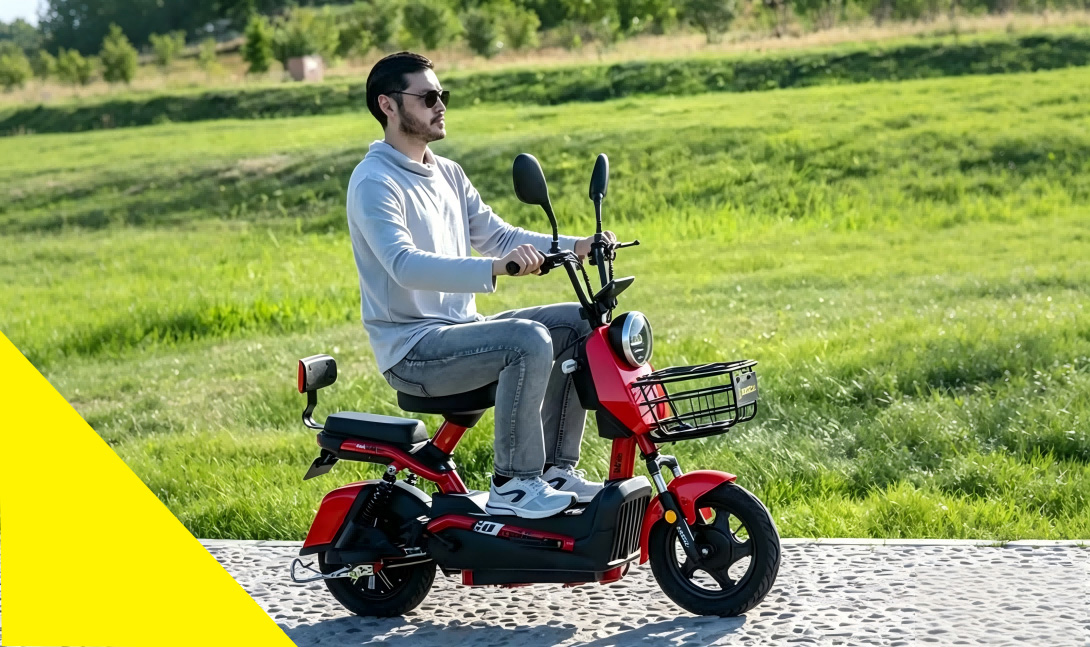
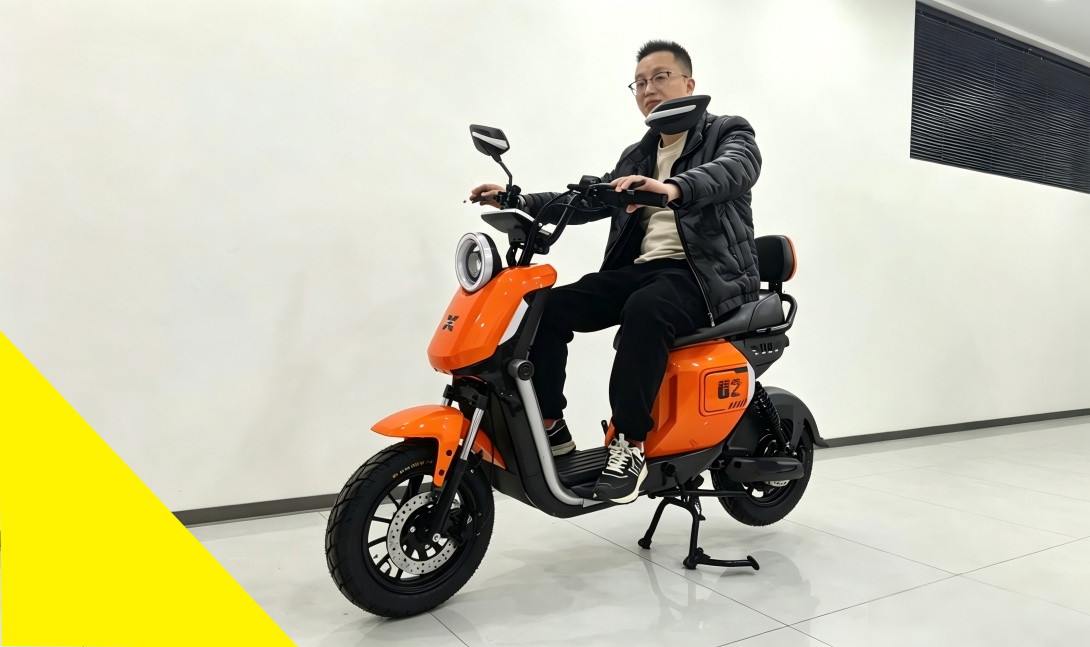
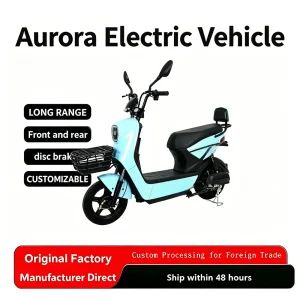
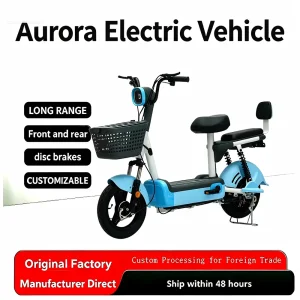
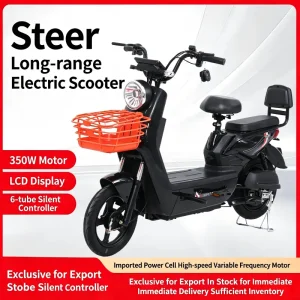
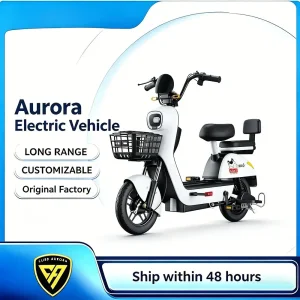
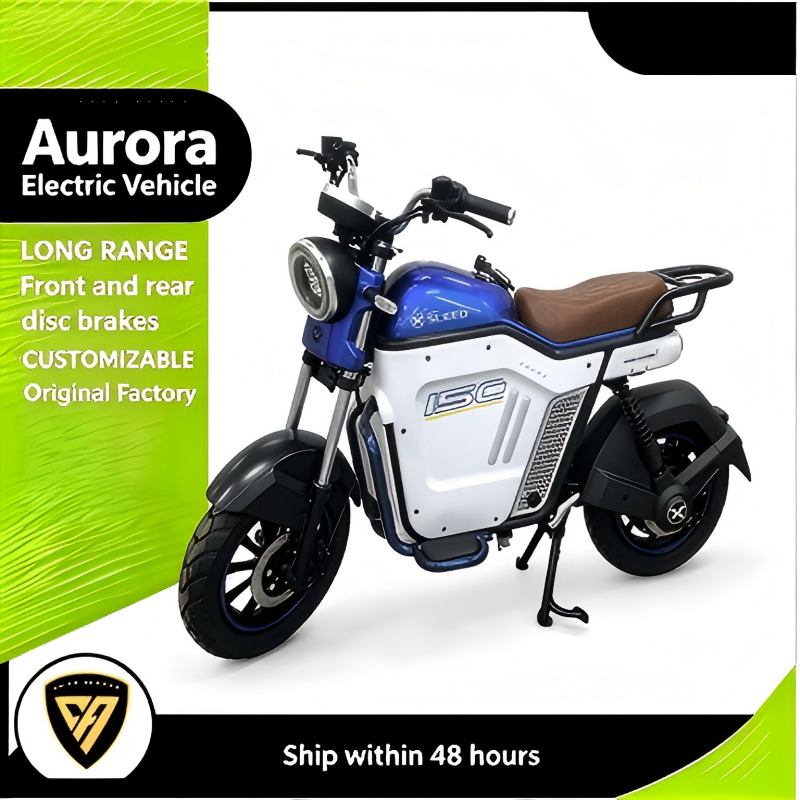
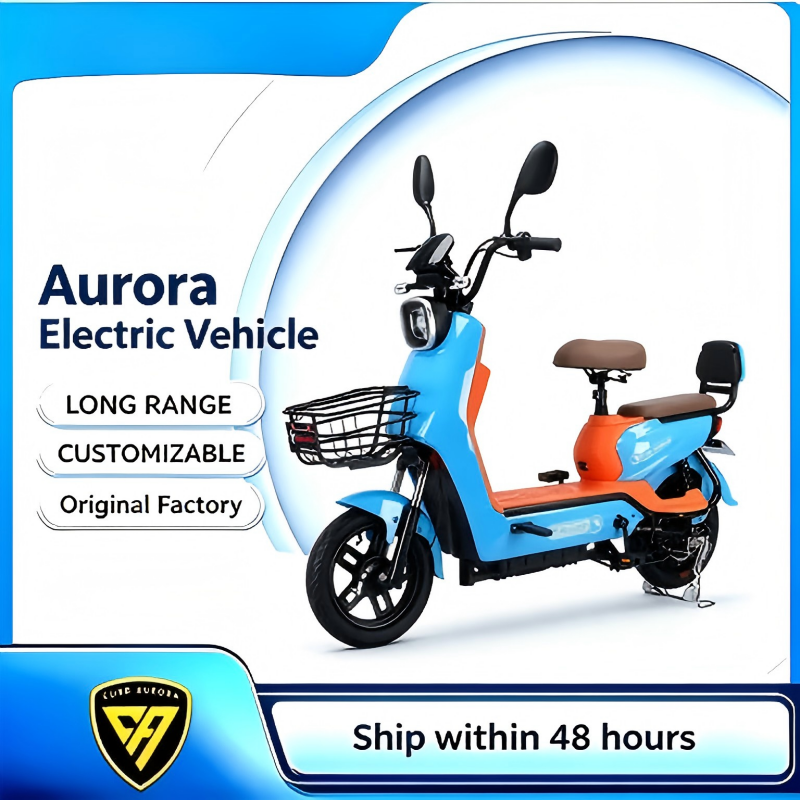
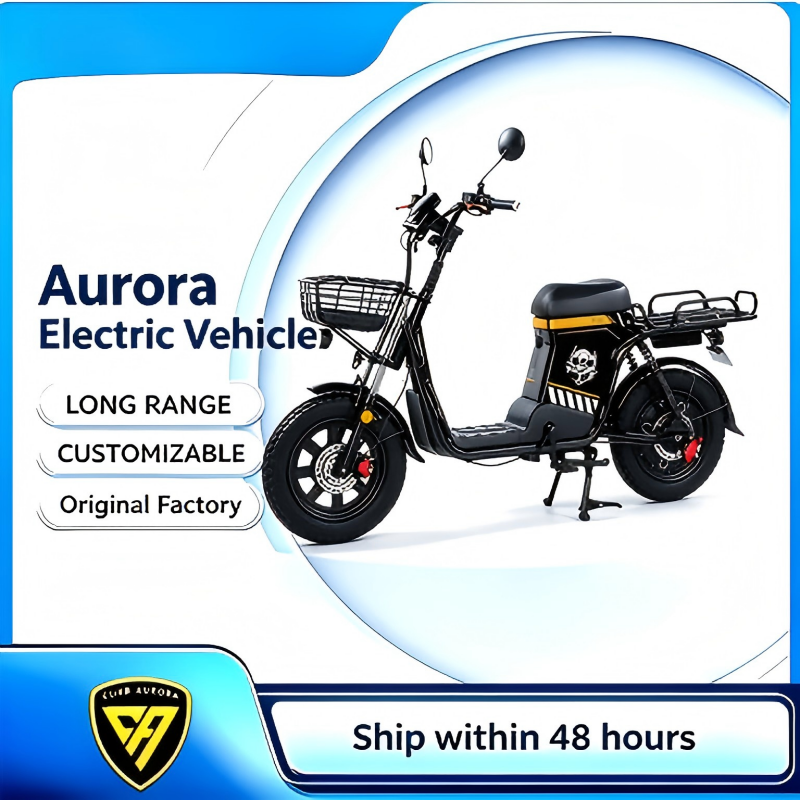
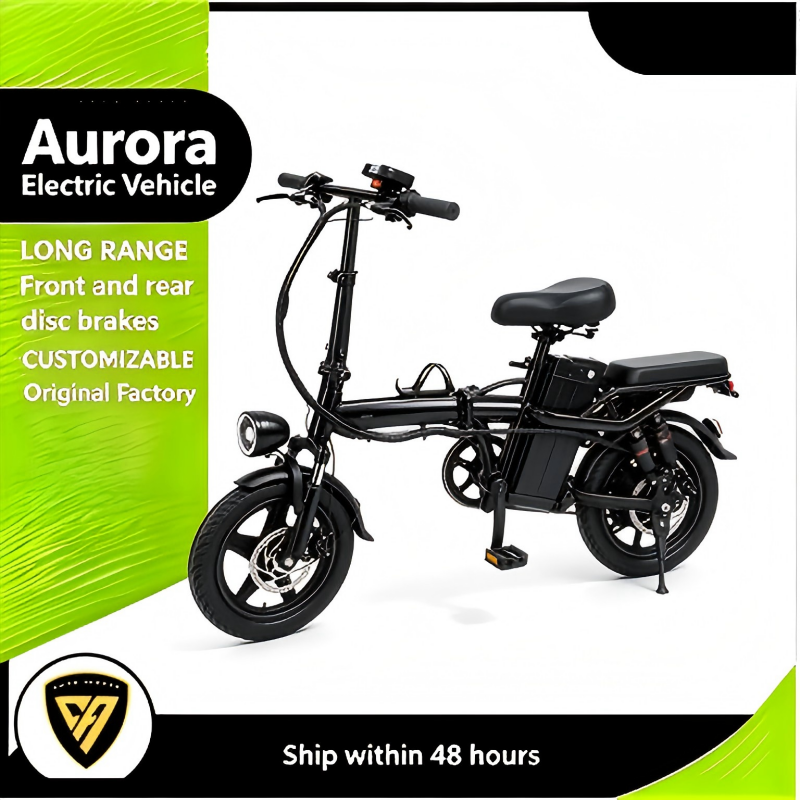
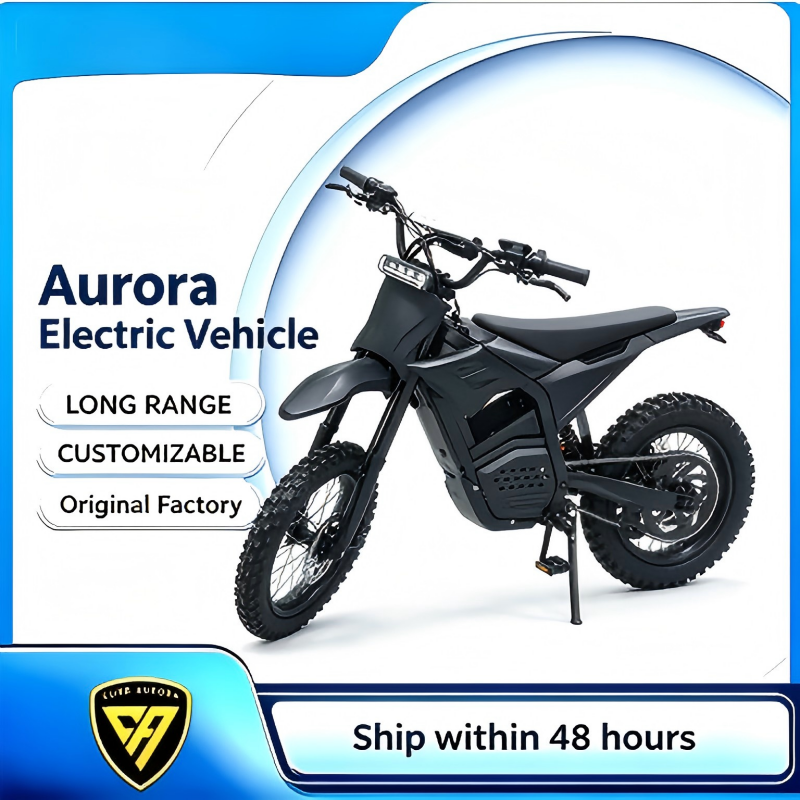
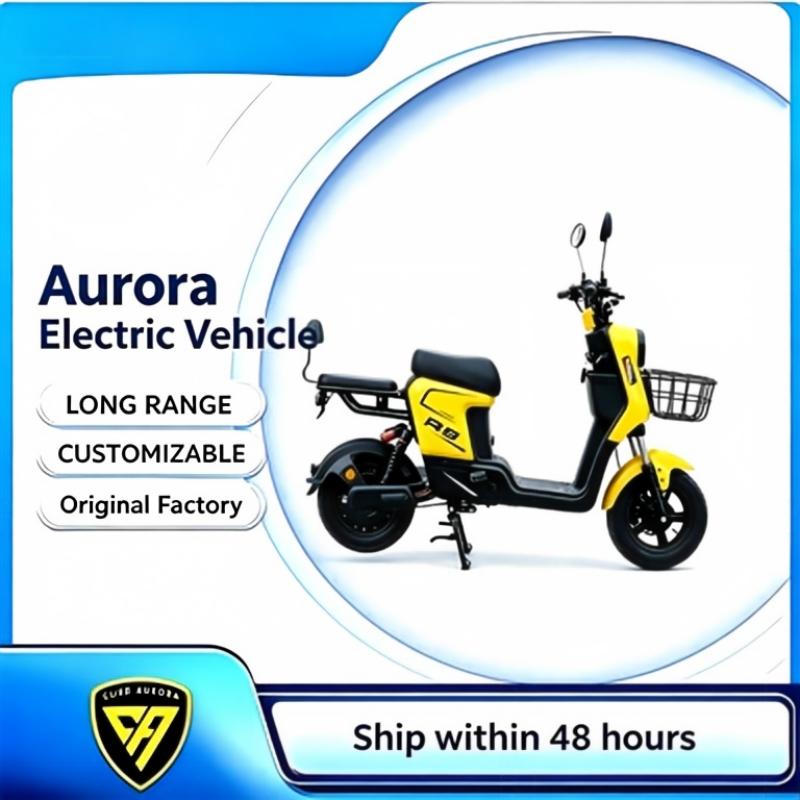
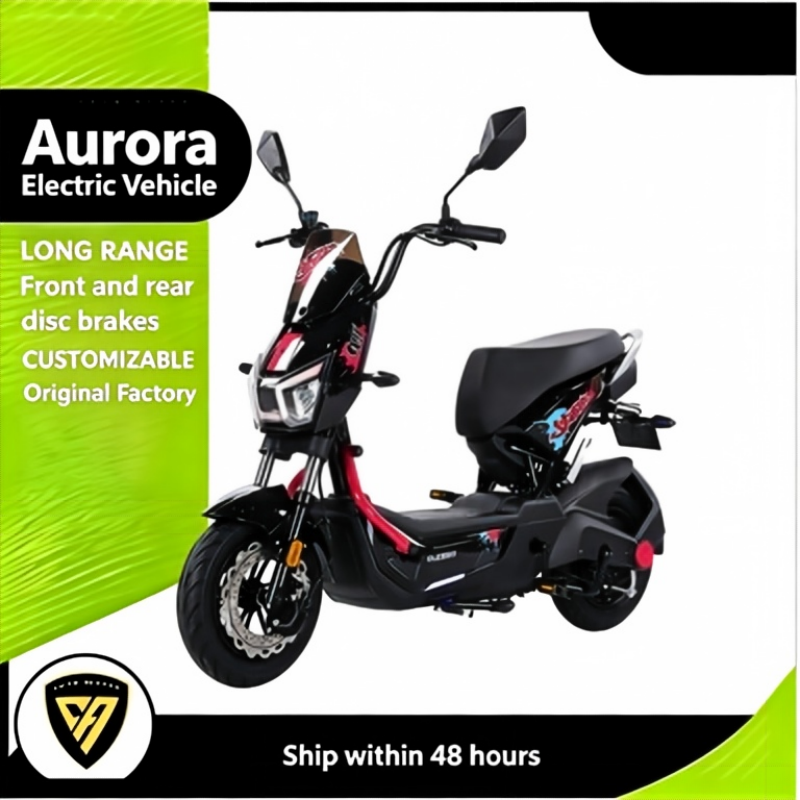
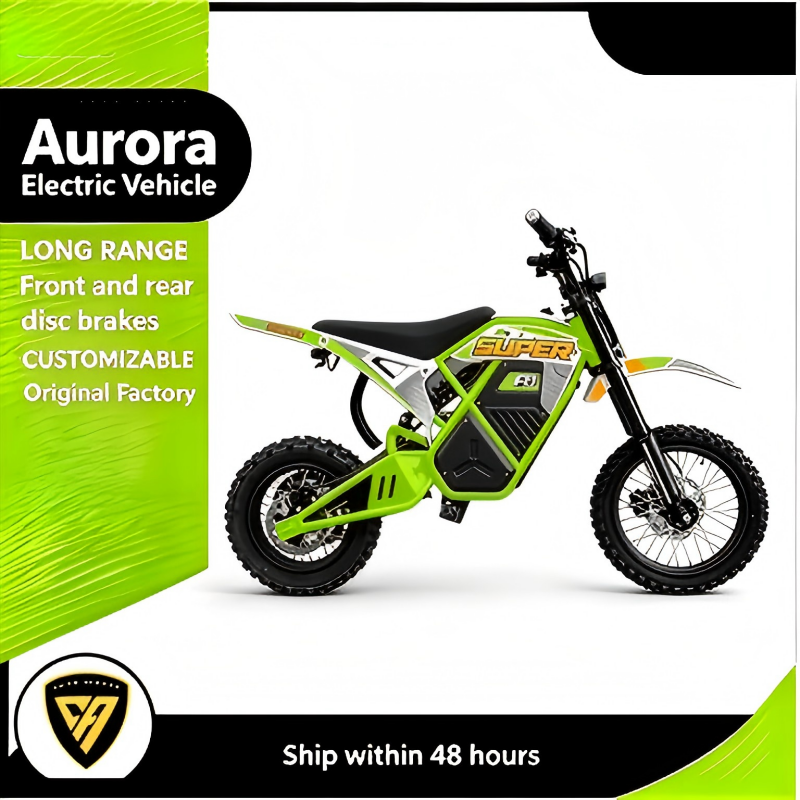
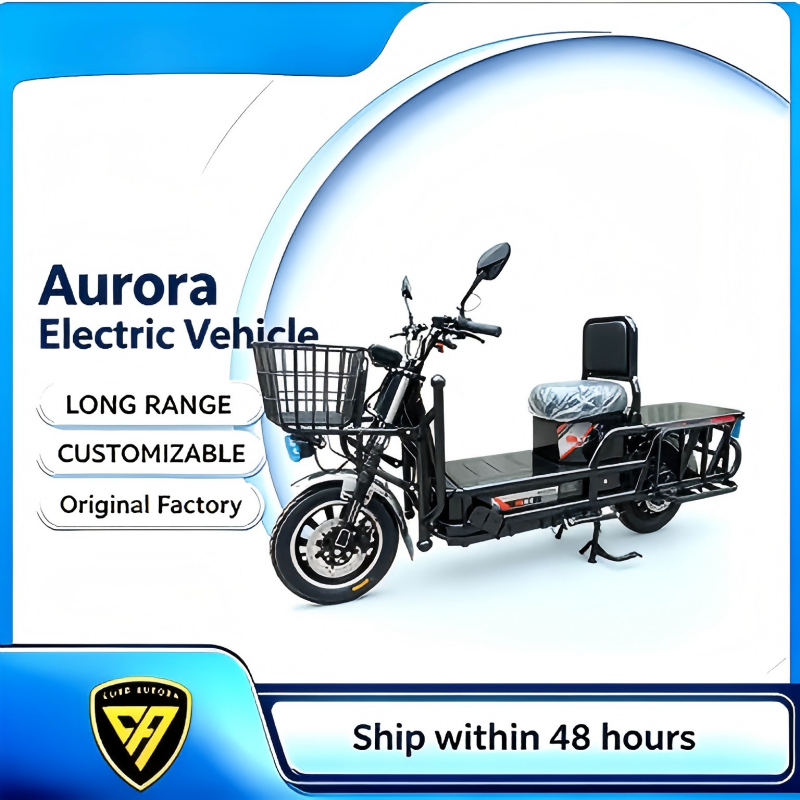
The global micro-mobility market is transitioning rapidly. Central to this structural evolution is the shift from hub-driven motor installations to integrated mid-drive central axis powertrains. The central axis is no longer a simple mechanical support bearing; in modern electric vehicles (EVs), light electric vehicles (LEVs), and e-bikes, it acts as the primary mechanical and electrical intersection coordinating user inputs, torque multiplication, and power output. For B2B buyers, fleet operators, and global distributors, identifying professional ODM EV central axis suppliers with high precision capabilities is essential for sourcing high-durability and high-efficiency fleets.
Originally, electric bicycles relied on basic rear or front hub motor designs. These systems bypass the bottom bracket or central axis. While simple to manufacture, they distribute weight unevenly and offer less efficient torque management. Today's advanced micro-mobility platforms demand a integrated central axis configuration, which repositions the motor at the geometric center of gravity. This layout reduces unsprung mass, lowers the center of gravity, and enables direct power delivery through the vehicle's standard chain or belt drive. The mechanical stress shifting onto the central axis demands alloys with high fatigue limits, precise splines, and integrated torque/cadence sensor arrays.
From an engineering perspective, modern central axis shafts must sustain both high rotational speed and severe radial impacts. Leading manufacturers deploy high-strength chromium-molybdenum steel (SCM440) or tempered aluminum alloys subjected to precise heat treatment, ensuring the axis withstands over 1,500 Nm of torsional stress. Furthermore, these central axles are designed to match standard bottom bracket layouts (such as ISIS splines or square-tapered interfaces) or to fit into proprietary mid-drive motor configurations. Precision machining down to micron-level tolerances is critical to prevent water ingress and bearing wear, ensuring an IP67 rating for long-term reliability in wet climates.
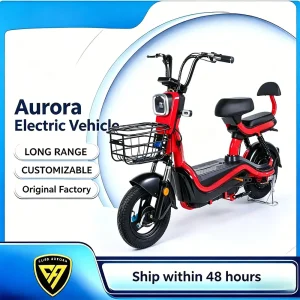
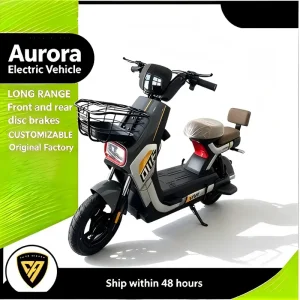
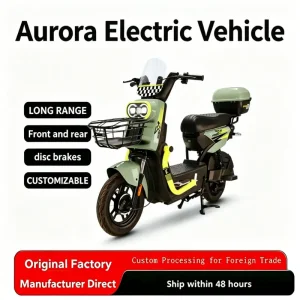
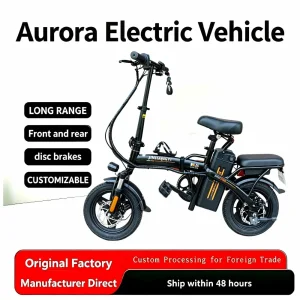
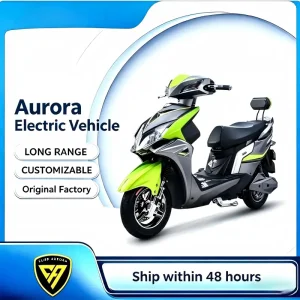
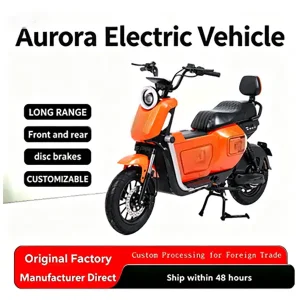
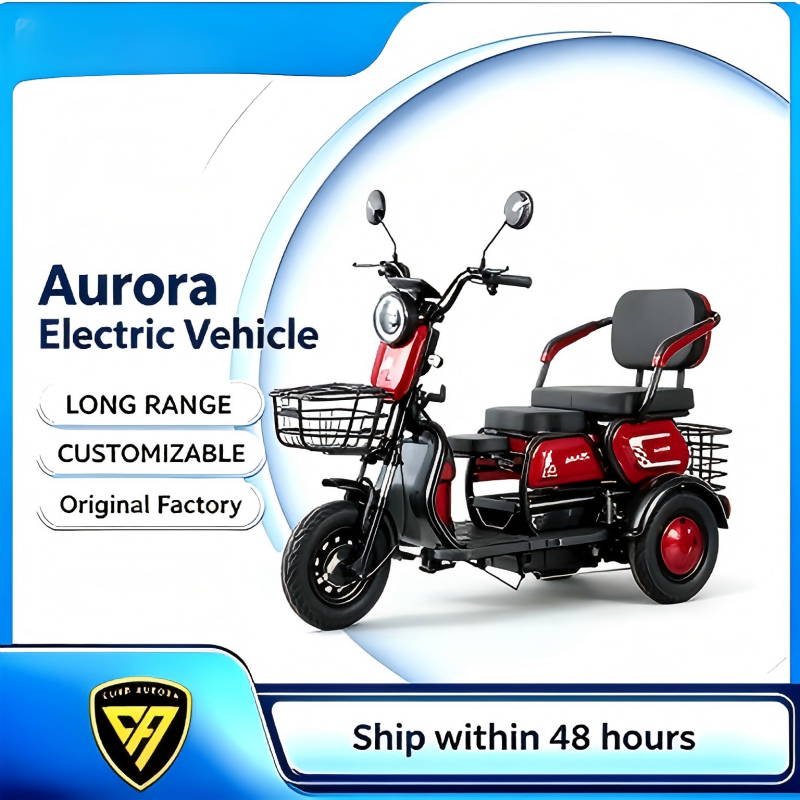
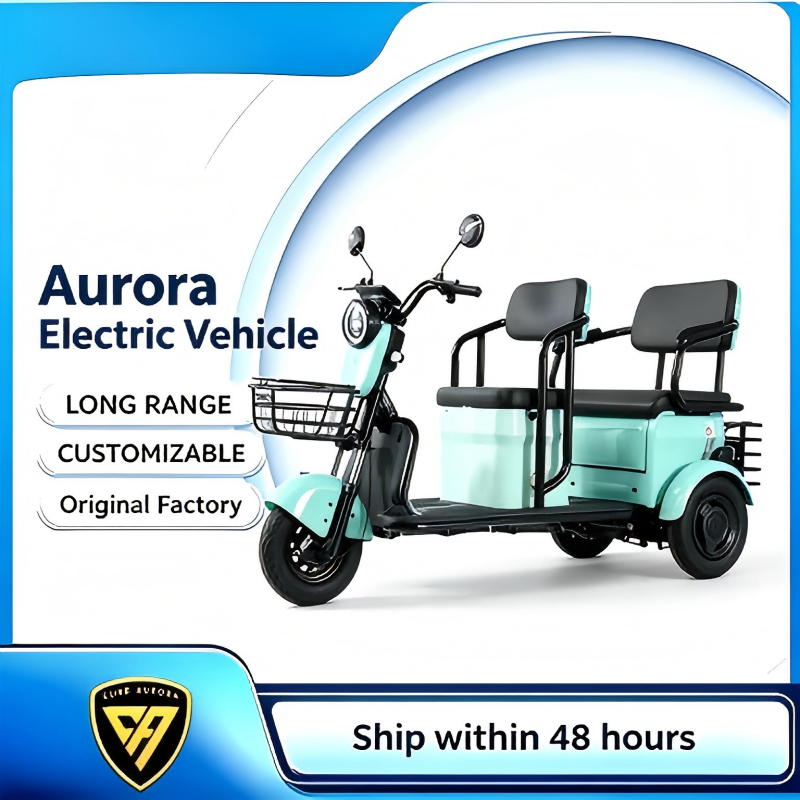
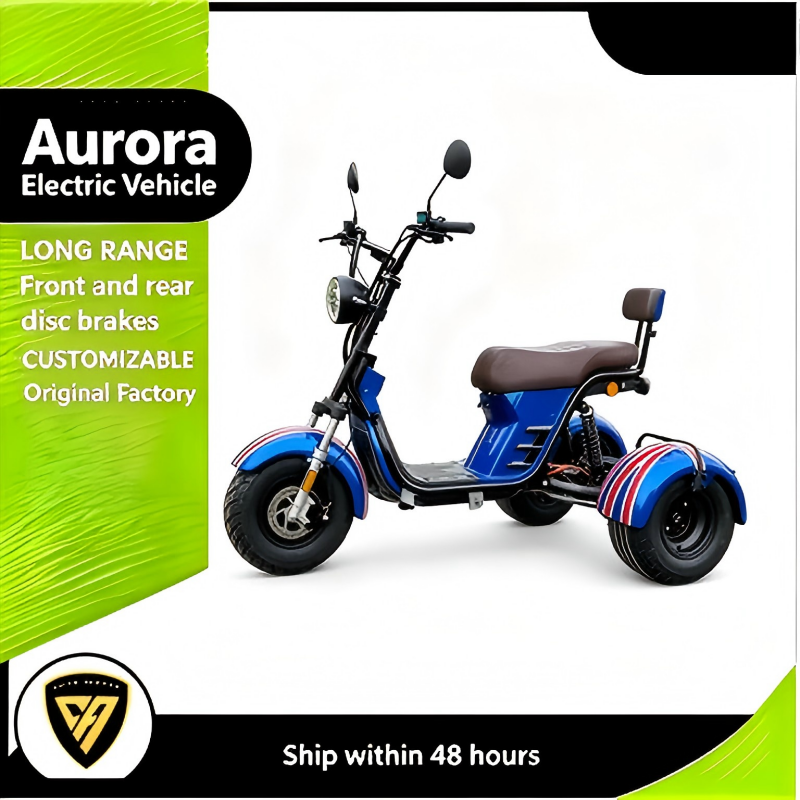
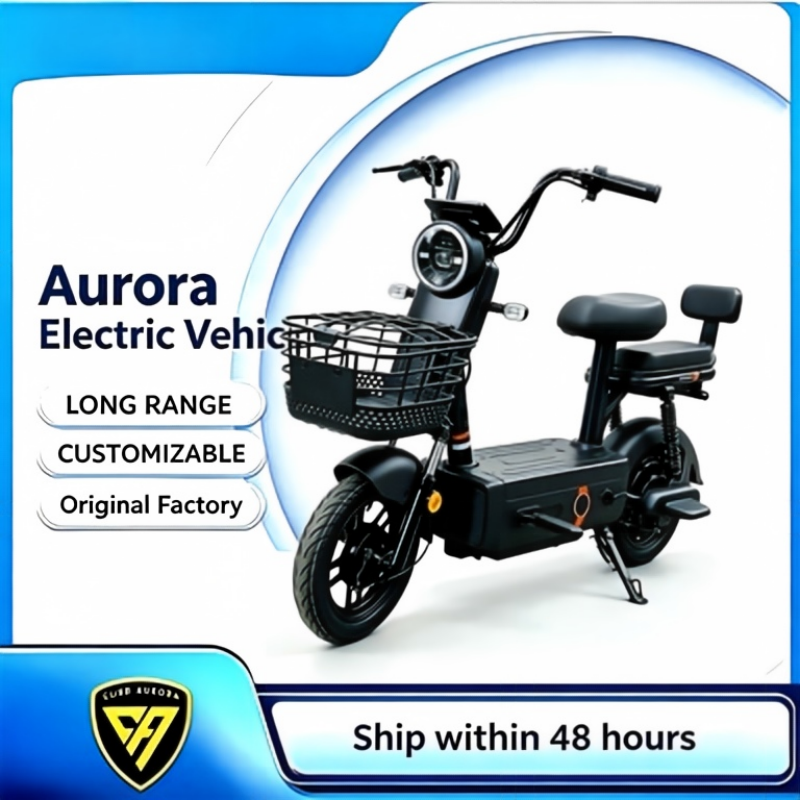
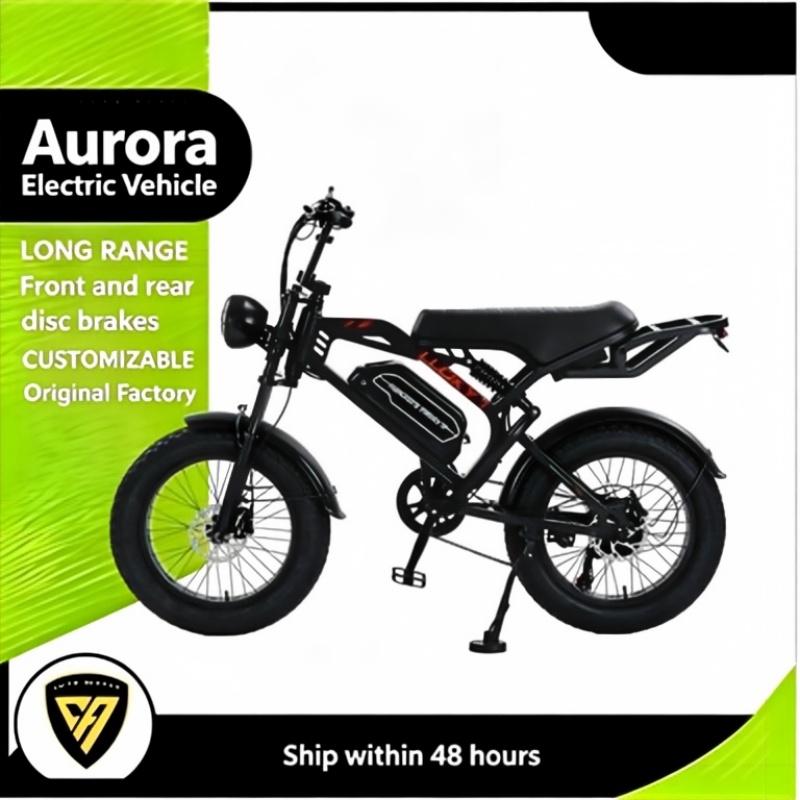
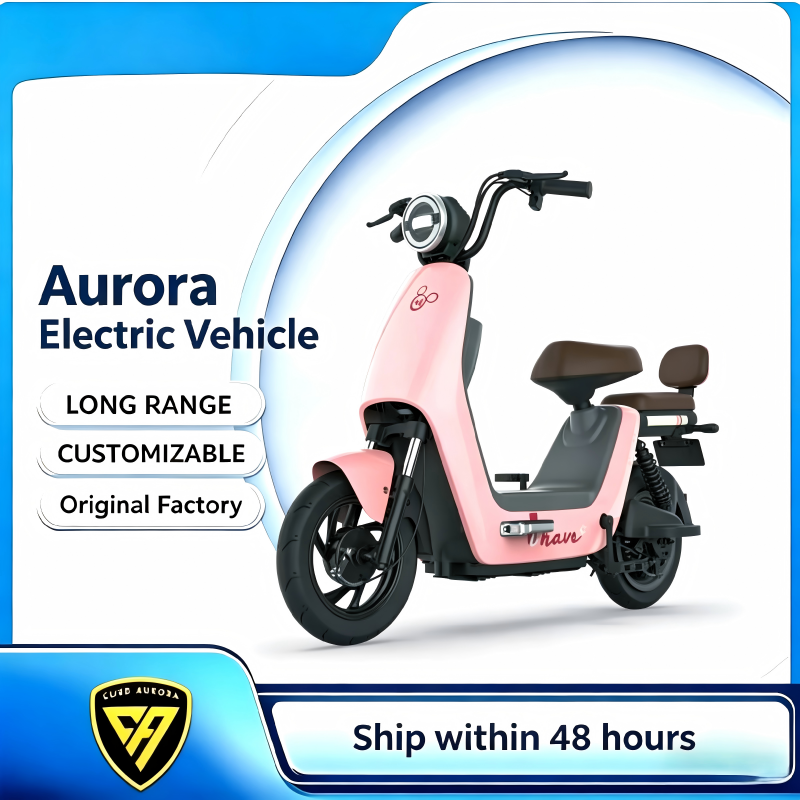
Aurora Electric Vehicle Shandong Co., Ltd. Founded in 2015, our electric bicycle manufacturing enterprise is located in Linyi City, Shandong Province, a core transportation hub connecting the Yangtze River Delta and the Bohai Economic Circle with prominent geographical advantages. As a professional manufacturer deeply rooted in the electric bicycle industry for over 10 years, we have grown from a small-scale production workshop to a comprehensive enterprise integrating R&D, production, sales and after-sales service, witnessing and participating in the high-quality development of China’s electric bicycle industry under the new national standard era.
By constantly modernizing our manufacturing plant and applying strict quality control standards, we ensure that every batch of vehicles—whether urban commuter units or heavy-duty logistics options—meets demanding regulatory parameters worldwide. Our deep integration with premium component manufacturers allows us to deliver high-quality central drive configurations and custom electric bicycle architectures tailored to regional specifications.
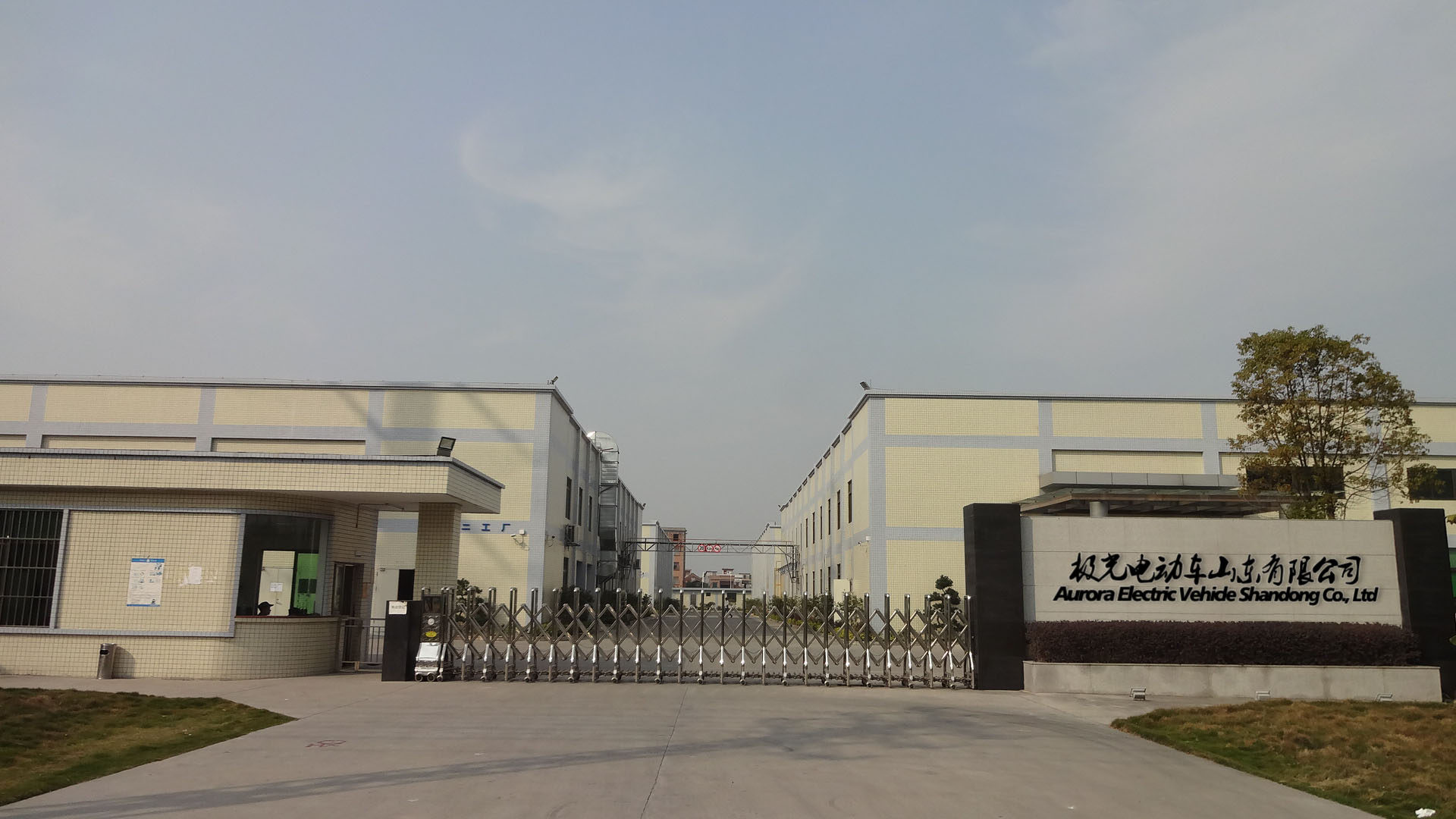
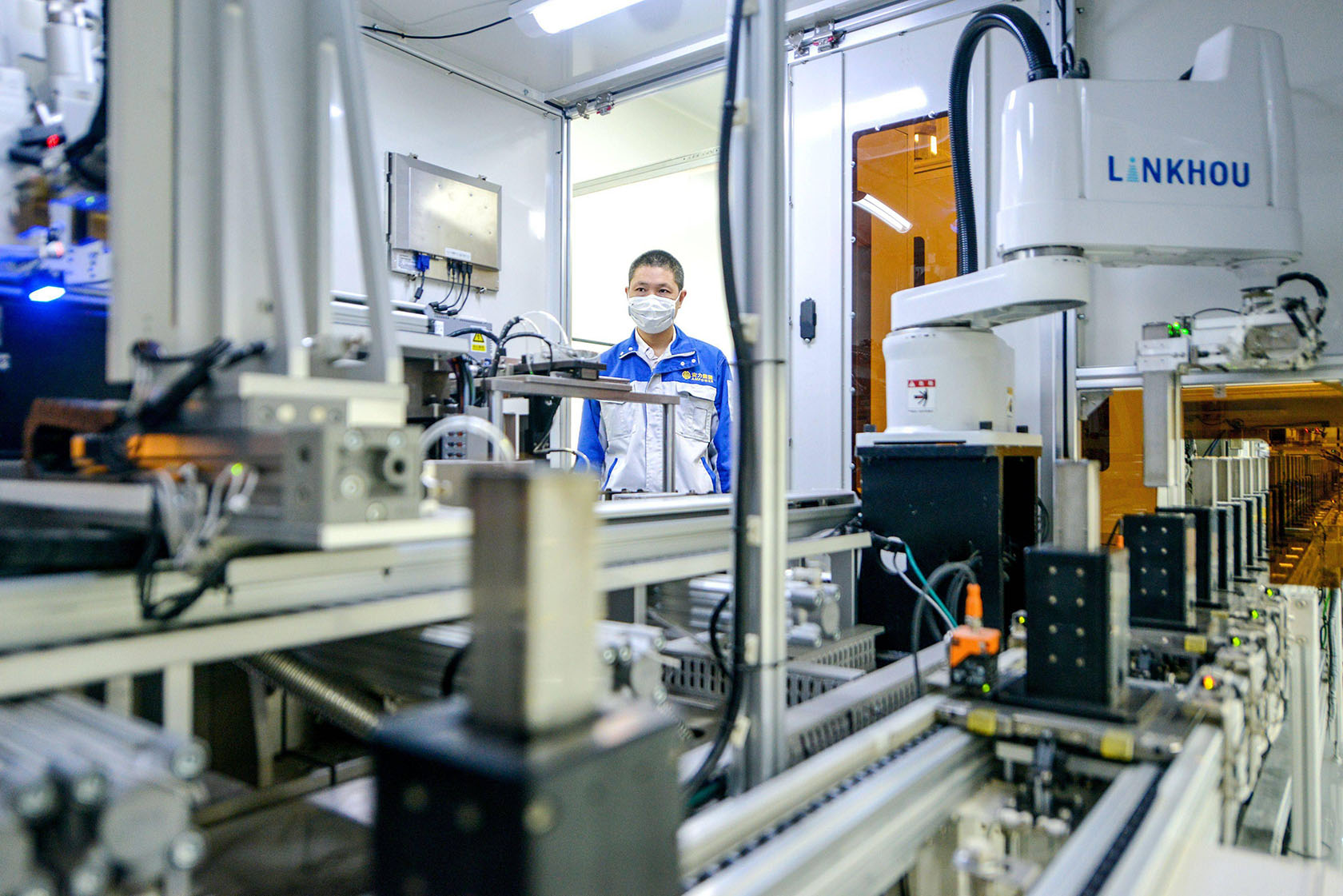
Utilizing high-end CNC machining, automated axle balancing systems, and robot-welded frame fixtures to maintain strict geometric tolerances across thousands of units.
Located in the largest logistics hub of Northern China, enabling rapid component sourcing, reduced shipping times, and efficient domestic and international freight pathways.
Our infrastructure underwent complete modernizations in 2019 to exceed fire-retardant, anti-tampering, speed safety limit, and load stability regulations.
Our development history is a journey of persistence, innovation and continuous transcendence. Since our establishment, we have closely followed the industry trend and policy orientation. In 2019, when the new national standard for electric bicycles was officially implemented, we took the initiative to upgrade our production lines and R&D capabilities, optimizing product parameters to fully comply with the mandatory safety standards, including fire retardant performance, speed limit and anti-tampering requirements.
Over the past decade, we have continuously expanded our production scale, built a standardized production base covering a large area, equipped with intelligent digital production lines, automatic assembly lines and professional testing equipment, realizing the standardized and efficient production of core components such as motors, batteries and frames. Today, our annual production capacity has reached a high level, capable of meeting the diverse needs of domestic and foreign customers, and our products have been widely recognized in both the domestic market and overseas regions.
Our R&D team consists of senior engineers with more than 10 years of experience in the electric bicycle industry, who are committed to technological innovation and product upgrading, focusing on improving battery life, safety performance and riding comfort, and have obtained a number of core technology patents related to electric bicycle motors and battery management systems.
Our production team is composed of skilled workers who have undergone strict professional training, strictly implementing every production process from raw material inspection to finished product delivery, ensuring that each electric bicycle meets the highest quality standards.
Our sales and after-sales team is customer-oriented, with professional service awareness and efficient communication capabilities, providing one-stop customized solutions, OEM/ODM services, and timely after-sales support for customers around the world, solving their worries in product selection, customization and use.
Team management is the core driving force for our sustainable development. We adhere to the concept of "people-oriented, talent first" and have built a professional, cohesive and innovative team. We attach great importance to team building and staff development, regularly organize technical training, skill competitions and team-building activities, creating a positive working atmosphere of mutual cooperation, continuous learning and common progress.
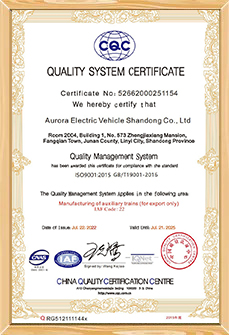
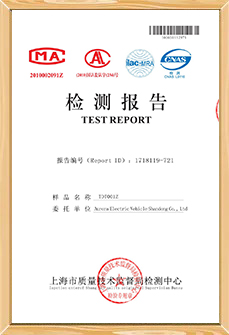
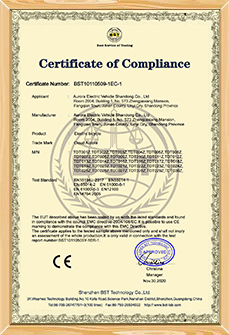
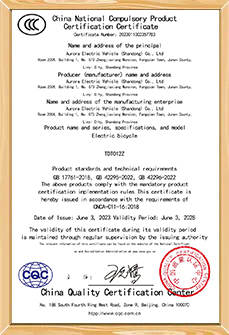
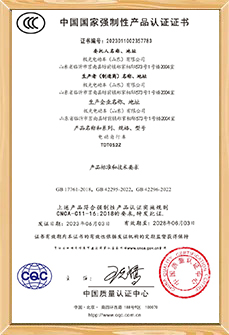
"Making green travel easier and safer for everyone" drives us to deploy clean energy practices across our casting and assembly complexes.
We invest heavily in a dedicated testing facility conducting load-bearing checks, waterproof salt sprays, fire rating trials, and battery drop assays.
Based in Linyi, Shandong's largest electric vehicle ownership market, we utilize immediate local insights to iterate on chassis and frame structures.
Corporate culture is the soul of our enterprise, integrating the spirit of Linyi, a famous historical and cultural city, with the concept of green travel. Our core values are "integrity, pragmatism, innovation and win-win", which run through every link of enterprise operation.
We advocate a people-oriented corporate culture, care for every employee, respect every customer, and pursue long-term and stable cooperative relationships with customers, suppliers and employees, achieving mutual benefit and common development.
Procuring EV central axis components or integrated systems requires attention to distinct mechanical and structural criteria. Global B2B buyers must evaluate mechanical and electrical interoperability parameters to ensure compliance and avoid assembly mismatches:
ODM central axes must support diverse transmission interfaces. Standard square-taper interfaces serve cost-competitive configurations, while splined shafts (e.g., ISIS standard or custom multi-spline setups) support higher-torque cargo models. Buyers should verify key dimensions: axle width (often 68mm, 73mm, or 100mm for fat tire applications), spindle length, and thread pitch (such as BSA thread specifications) to ensure smooth integration with regional frame designs.
Advanced e-bike systems rely on real-time torque sensing. The central axis acts as the housing for magneto-elastic or strain-gauge sensors. These sensors detect rider input forces and transmit signals to the controller within milliseconds. When selecting an ODM supplier, B2B buyers should request data on sensor accuracy, signal-to-noise ratio, and voltage interface standards (usually 5V analog or CAN-bus digital communication protocols).
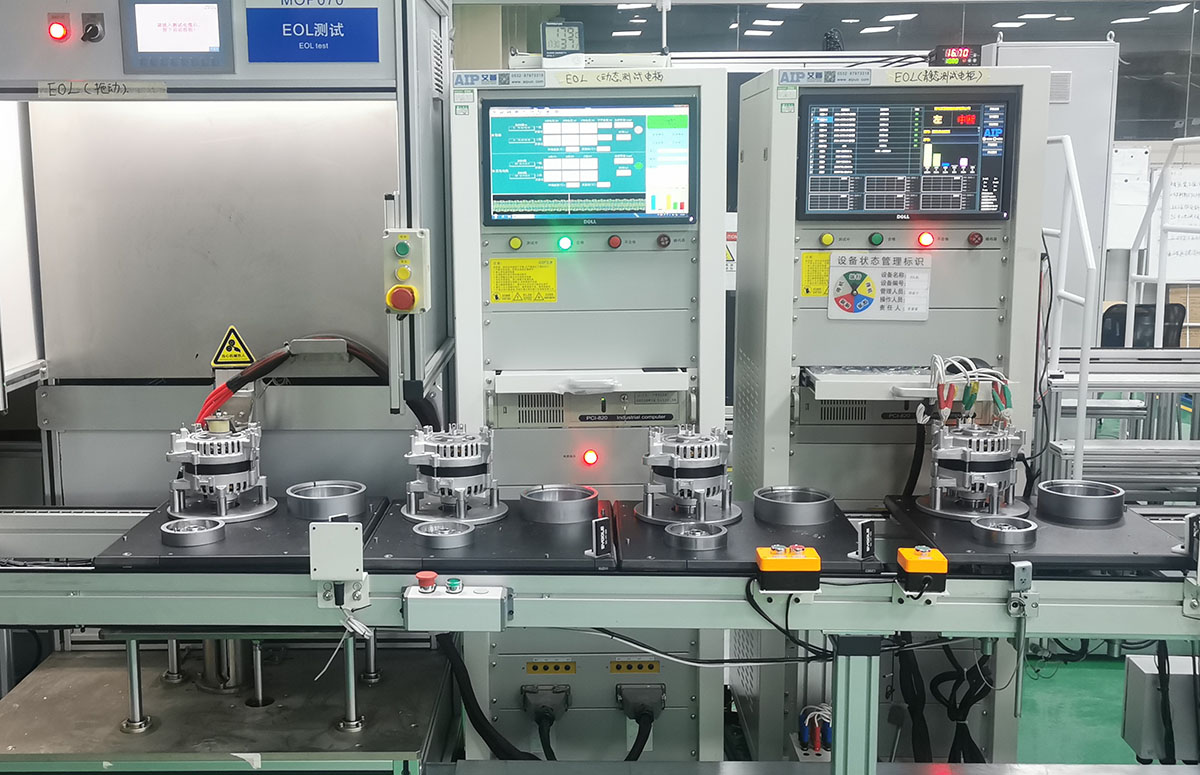
A high-quality central axis is evaluated on its fatigue limit. To meet European EN15194 standards, components must endure 100,000 load cycles under high dynamic pressures without developing micro-cracks. Aurora's dedicated labs test all central axis assemblies for hardness (typically HRC 58-62 on bearing contact surfaces) and impact resistance to prevent mechanical failures in rough riding conditions.
We provide flexible OEM/ODM service, strict export quality control, stable production schedules, customizable logistics and full one-stop after-sales support.
We are a professional EV factory with strict quality control, premium workmanship and stable export quality for global supply.
We use 5-layer imported kraft paper packaging with custom options, and provide cost-effective, safe logistics that accepts your preferred carrier.
We primarily utilize SCM440 chromium-molybdenum alloy steel or carbon structural steels subjected to high-frequency induction hardening. This achieves a surface hardness of HRC 58-62, maintaining high internal core toughness to withstand sudden torsional impact forces.
Yes. Our R&D team designs central axes featuring integrated magneto-elastic torque sensors. These support high-precision signal output compatible with major international controller brands using analog 1-4V or CAN-bus protocols.
We implement multi-lip contact rubber seals alongside high-grade synthetic grease. This configuration blocks dust and moisture ingress, earning an IP67 rating to protect inner bearings from high-pressure water contact and heavy rain.
For custom ODM shafts with specialized spline configurations or non-standard widths (e.g., fat bike models), our baseline tooling MOQ starts at 500 units. Standard configuration axles are available for smaller quantities as part of complete vehicle assembly orders.
Our mid-drive motor central axles are designed with direct thermal bridges to the outer aluminum motor housing. This allows heat generated by the rotor to escape through the axle assembly, reducing thermal stress on the internal motor during prolonged climbs.