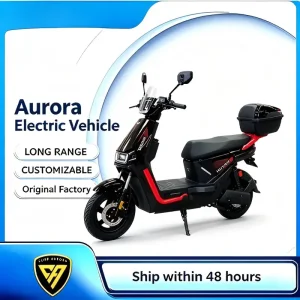
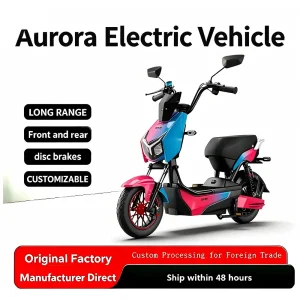
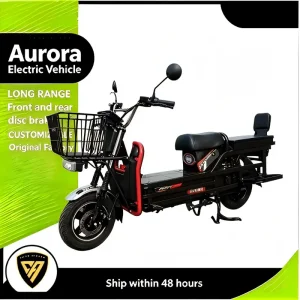
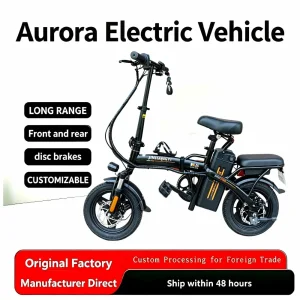
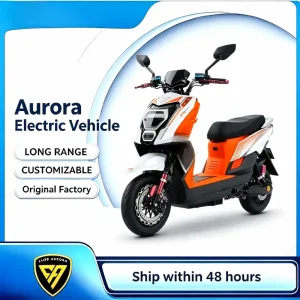
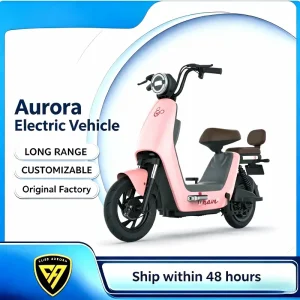
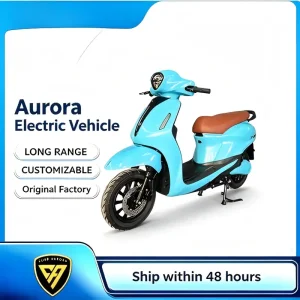
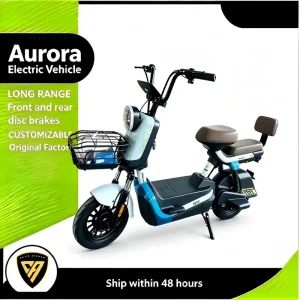
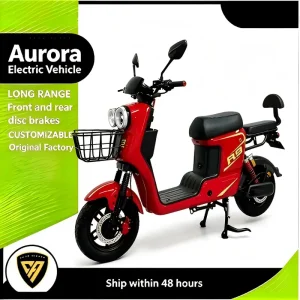
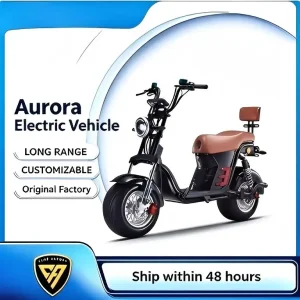
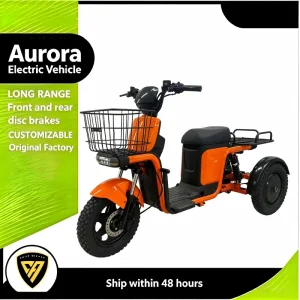
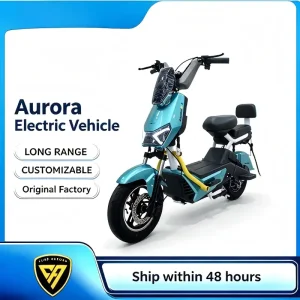
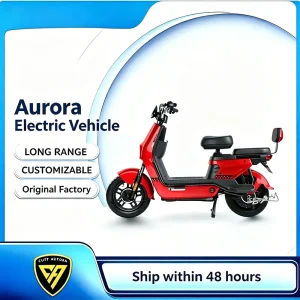
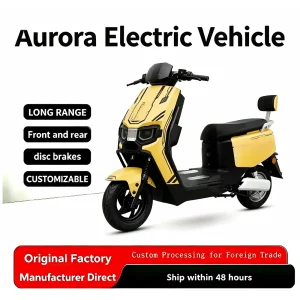
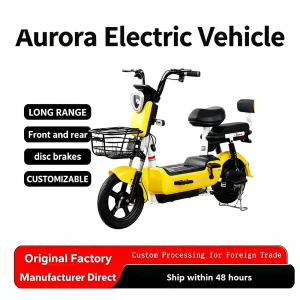
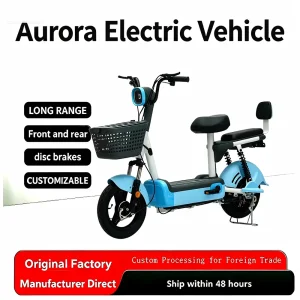
Pre-engineered commuter and cargo vehicles rigorously audited to satisfy regional utility designs and safety frameworks.
Deconstructing the legal complexity and risk-mitigation vectors in electric vehicle OEM development.
The global transition to electrification has driven unprecedented growth in the micro-mobility sector. However, this expansion is met with structured legal hurdles, specifically surrounding Intellectual Property (IP) infringement. For original equipment manufacturers (OEMs), brand distributors, and global importers, navigating patent terrains is no longer secondary to raw production. The complexity arises from three key domains: utility patents related to powertrain integration, design patent protection of structural frames, and proprietary control logic governing battery management systems (BMS).
As global regulatory frameworks tighten, entities that fail to secure comprehensive IP verification risk customs seizures, severe financial penalties, and product distribution bans in high-margin markets like the United States, Europe, and Japan. Industry giants hold a deep portfolio of patents, often leveraging small utility design details to restrict new market entrants. Implementing systematic infringement avoidance methodologies at the initial R&D phase is the only viable protection path for cross-border EV trade.
Freedom to Operate (FTO) assessments are the cornerstone of Aurora Electric Vehicle Shandong Co., Ltd.’s design philosophy. By mapping out existing active patents in target markets prior to component molding, our engineers construct designs that are legally decoupled from proprietary technologies.
Whether it is avoiding protected structural frame curves or engineering custom hub motor casing assemblies, our design parameters prevent the overlapping of claim structures. This systematic review reduces the risk of Section 337 investigations by the US International Trade Commission (ITC) and corresponding patent enforcement under EU law.
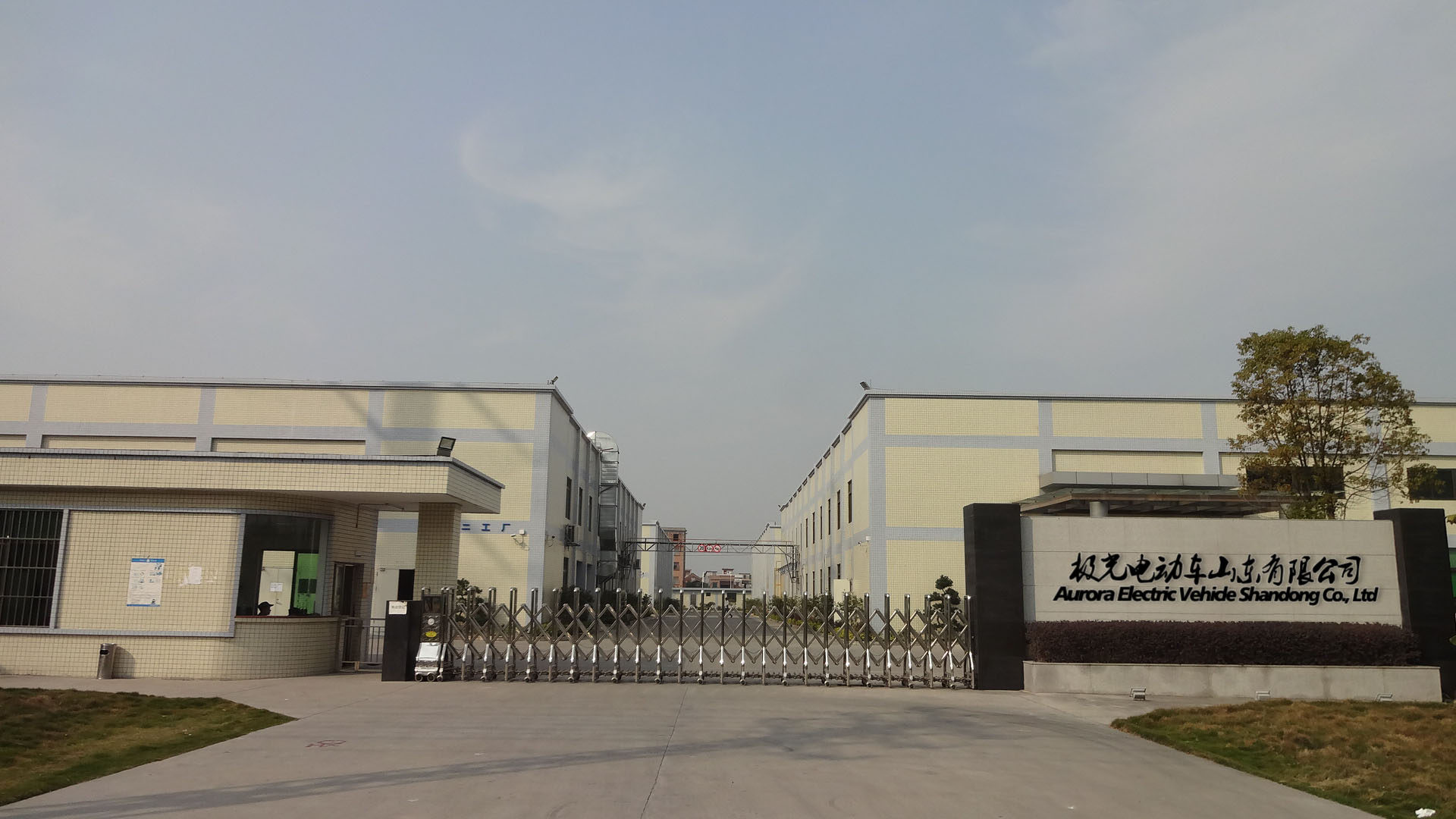
A systematic framework for global market accessibility and compliance verification.
Designing chassis and frame systems from scratch. Using clean-room methodologies where external design patents are fully logged, analyzed, and systematically avoided in the final geometry.
Utilizing proprietary software algorithms for motor controls and sensor communications, bypassing restricted third-party firmware patents that trigger copyright disputes.
Auditing raw material and component suppliers to ensure all sub-assemblies (cells, chips, tires) possess corresponding manufacturer licensing credentials and FTO statements.
From Linyi's transportation hubs to worldwide compliant micro-mobility deployment.
Founded in 2015, Aurora Electric Vehicle Shandong Co., Ltd. is strategically located in Linyi City, Shandong Province—a core transportation hub connecting the Yangtze River Delta and the Bohai Economic Circle. Over the span of a decade, the enterprise has successfully transitioned from a specialized local assembly workshop into a global modern producer. Aurora EV integrates high-level R&D, sophisticated digital production, and responsive customer-centric sales and support networks.
In 2019, as the regulatory framework of China's "New National Standard" (GB17761-2018) shook the domestic manufacturing landscape, Aurora EV prioritized proactive adaptation. The firm invested heavily in restructuring production facilities, shifting to smart digital lines equipped with automatic testing systems. By refining parameters to fully support fire-retardant chassis materials, tamper-proof speed capping systems, and safety-focused battery enclosures, we achieved compliance across all local and international design profiles.
Established manufacturing facilities in Shandong, focusing on regional freight utility and commuter frames with a strong emphasis on structural durability.
Overhauled factory lines to integrate strict fire-retardant testing and speed limitation protocols. Initiated foreign FTO checks for cross-border expansion.
Obtained system-wide CE, FCC, and CCC certifications. Deployed fully functional testing laboratories checking load endurance, ingress waterproofing, and thermal cell stability.
How we guarantee regulatory compliance and quality control for international markets.
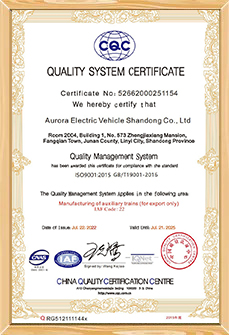
Aurora EV products are manufactured to meet global compliance requirements. Every batch undergoes validation processes verified by third-party testing organizations to ensure hassle-free customs clearance and entry into strict markets.
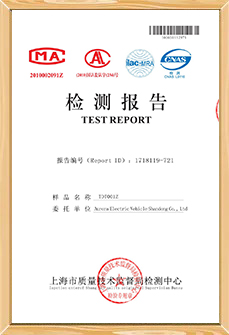
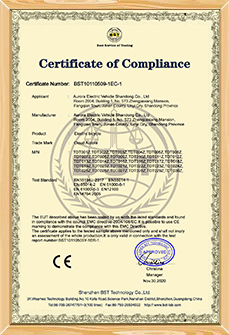
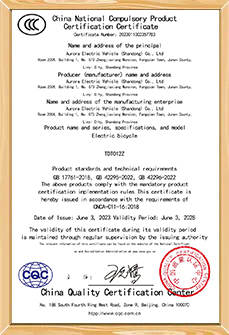
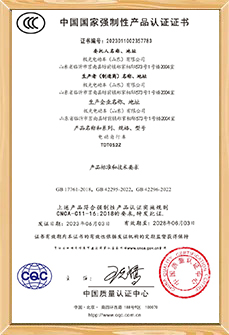
Aligning customized OEM/ODM builds with regional legal frameworks and user requirements.
Micro-mobility solutions perform differently based on regional requirements. For instance, in European urban hubs, delivery fleets face strict regulatory caps of 250W continuous motor output alongside pedelec restrictions. Meanwhile, in North America, Class 1, 2, and 3 classifications allow up to 750W outputs combined with thumb throttles.
Aurora EV provides customized engineering adjustments for regional requirements. We develop localized controller firmware limits and custom throttle integrations that align with local legal frameworks, ensuring imported vehicles operate in compliance with regional laws.
Additionally, our frame designs feature modular mounting spots that support standard European transport accessories. This configuration enables easy deployment for logistics operations, postal delivery programs, and rental fleets without violating industrial property rights.
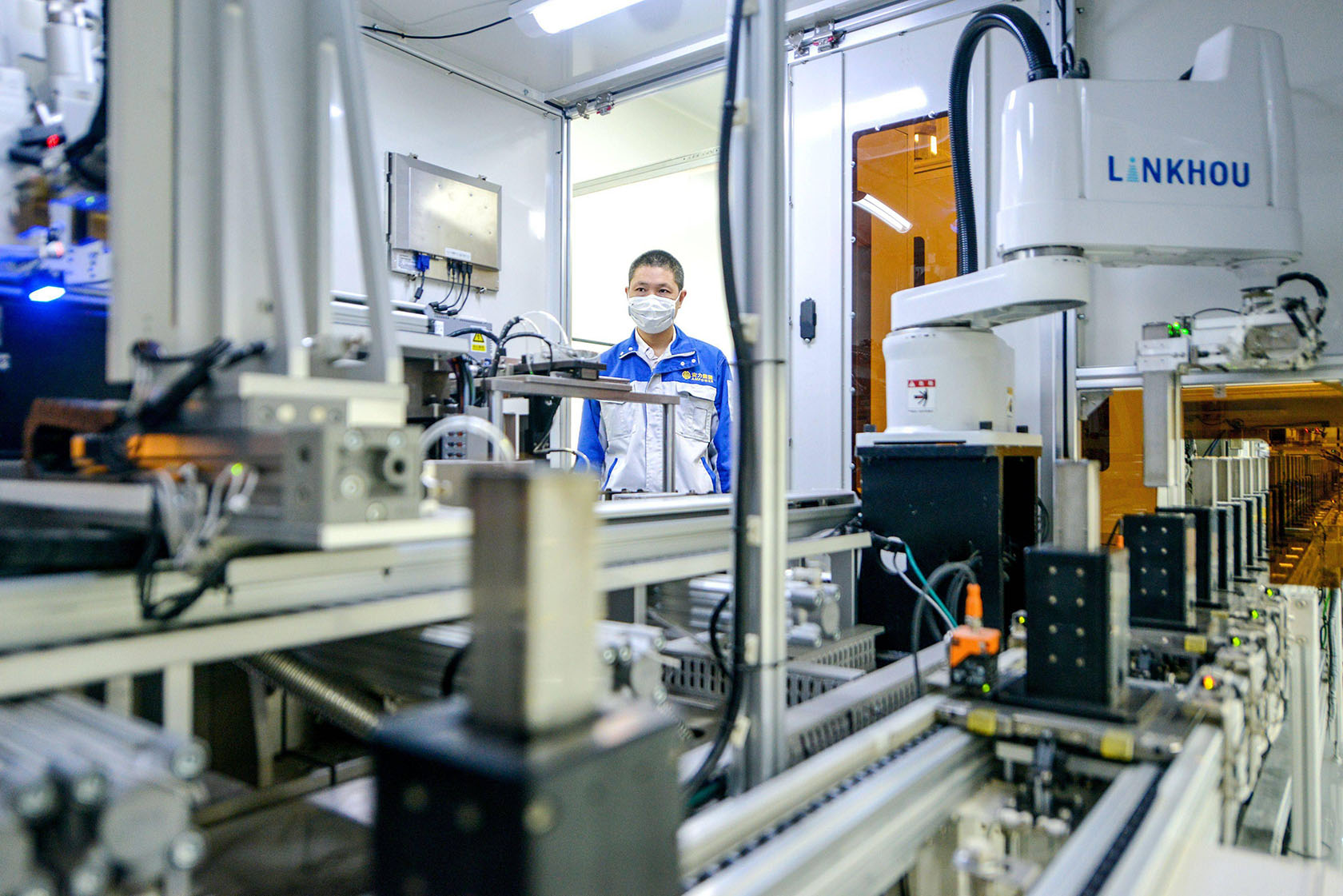
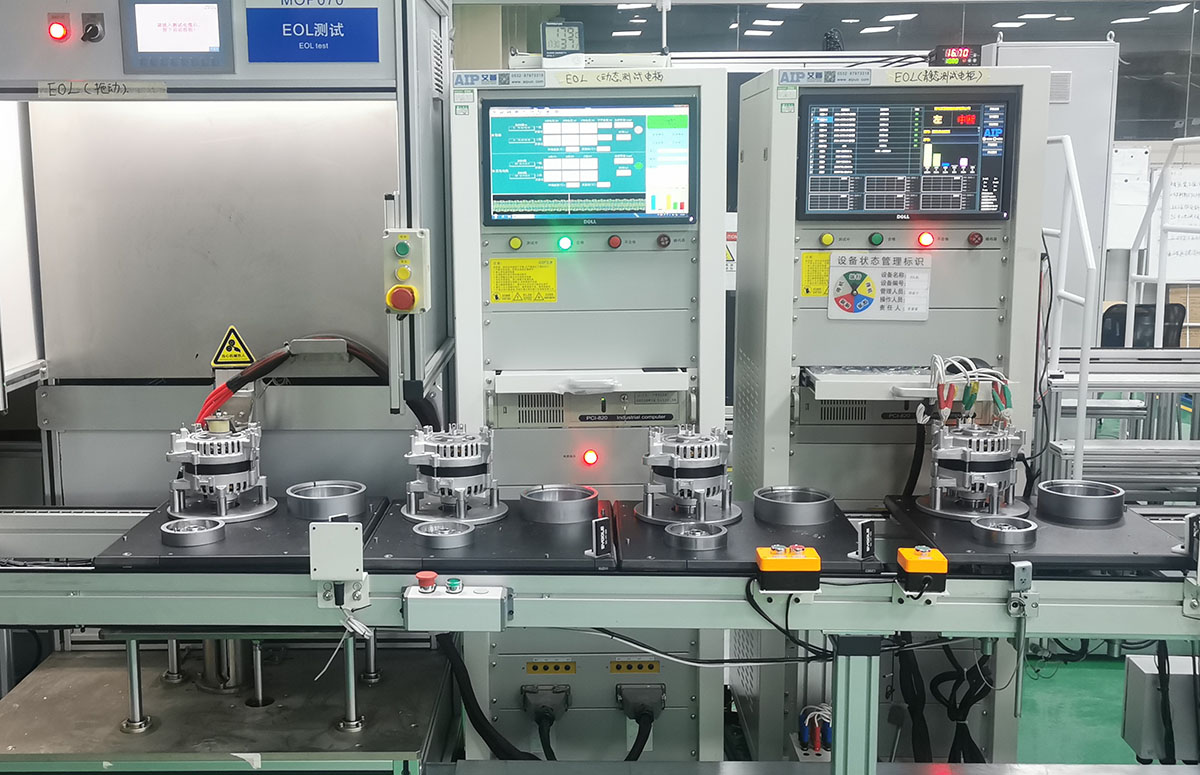
Compliance extends beyond document verification to structural validation. Inside the Aurora EV testing laboratories, we perform evaluations on components under demanding simulated environments:
Operational case studies showing how our clean-room design methodologies translate into field performance.
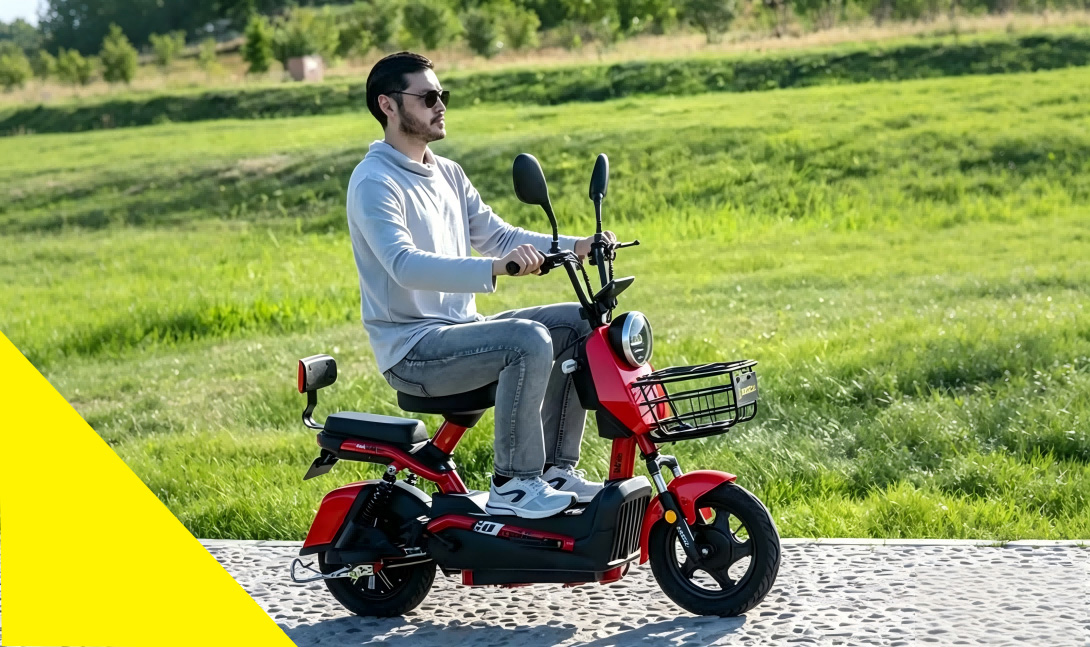
Designed for high-density European cities, utilizing an ergonomic lightweight frame geometry and integrated internal cabling. Engineered with a proprietary drive configuration that bypasses mid-drive integration patents.
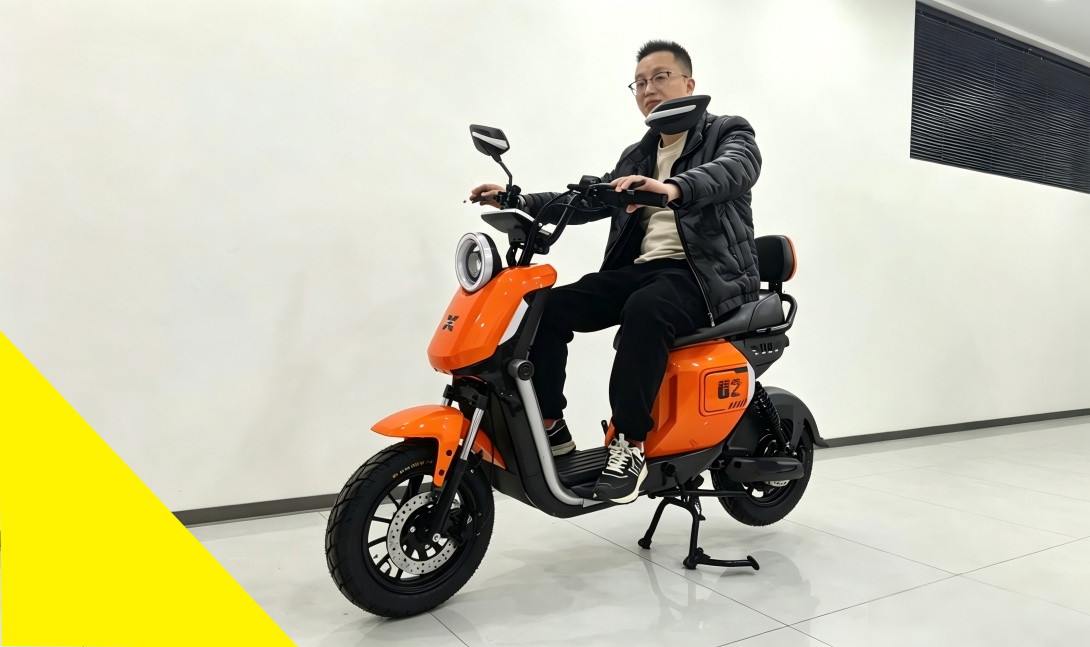
A streamlined chassis built for rapid parcel delivery. Developed using high-strength shock absorption profiles that bypass proprietary linkages, providing structural strength while respecting active IP.
Strategic technology investments to address changing IP frameworks and design needs.
As micro-mobility transitions toward deeper digital integration, intellectual property claims are shifting from mechanical assemblies to system firmware and connectivity features. In anticipation of these changes, Aurora EV is prioritizing research and development in three key areas:
Developing vehicle communication frameworks on top of open, non-proprietary wireless protocols to safeguard IoT-enabled models from patent claims linked to proprietary telematics.
Collaborating with tier-one battery labs to integrate patented solid-state cell layouts, mitigating risks associated with outdated lithium liquid electrolyte setups.
Transitioning toward structural frames made from recycled alloys and bio-derived plastics, ensuring compliance with upcoming global supply chain regulations.
Addressing key regulatory, logistical, and design-protection questions for global importers.
Choose from our range of commuter, utility, and heavy-cargo models developed to meet global transport standards.