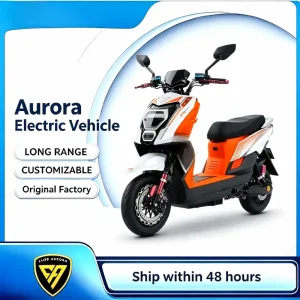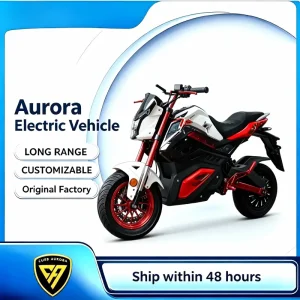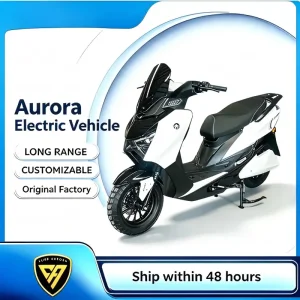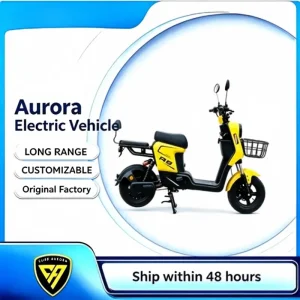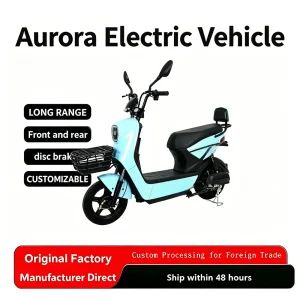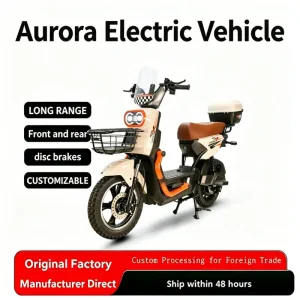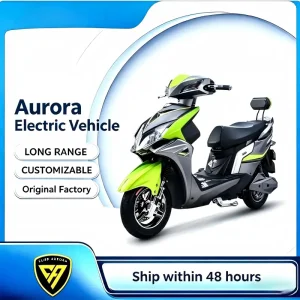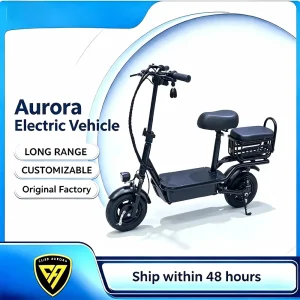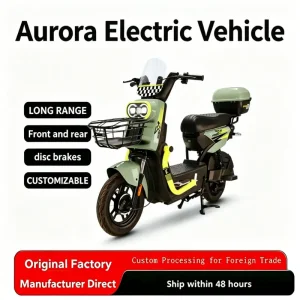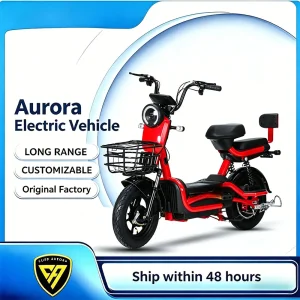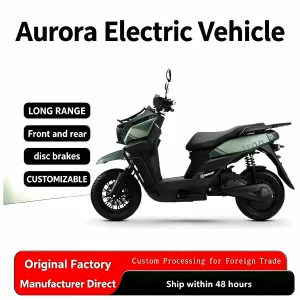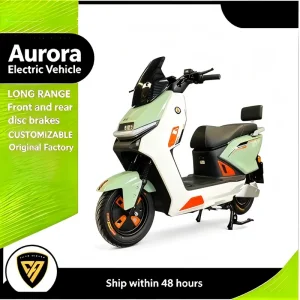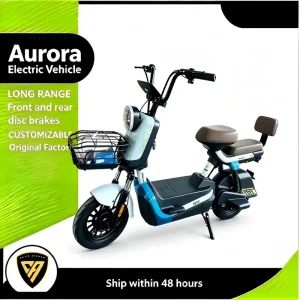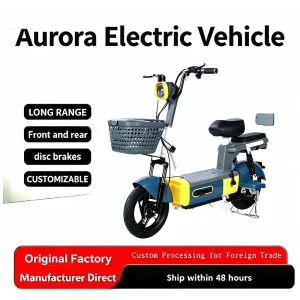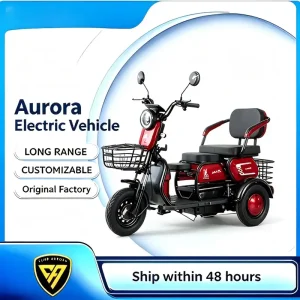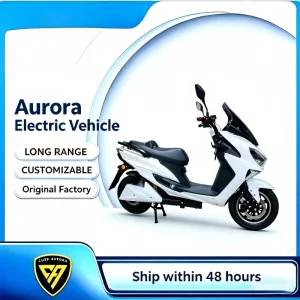
The global on-demand delivery market is undergoing a structural transition. With the exponential rise of quick commerce (q-commerce), food delivery networks, and e-commerce express logistics, the reliance on lightweight, robust, and zero-emission delivery fleets has never been higher. Standard consumer electric bikes and passenger scooters often fail under the extreme operational stresses of a delivery routine—typically exceeding 100 kilometers per day in heavy weather, navigating rough terrain, and carrying payloads exceeding 200 kilograms.
Governments globally are enforcing zero-emission mandates for ride-hailing and delivery fleets. In Europe, the Green Deal requires carbon-neutral urban delivery solutions by 2030, while Asian metropolitan centers like Jakarta, Delhi, and Manila are introducing subsidies for commercial fleet electrification. Consequently, B2B procurement divisions, logistics enterprises, and major delivery apps are aggressively seeking reliable OEM/ODM partners to manufacture purpose-built electric vehicles.
Consumer-oriented electric vehicles are designed for short, predictable commutes. Fleet managers and delivery operators who purchase standard consumer scooters experience elevated operational overhead due to structural failures, high battery degradation, and safety compliance issues.
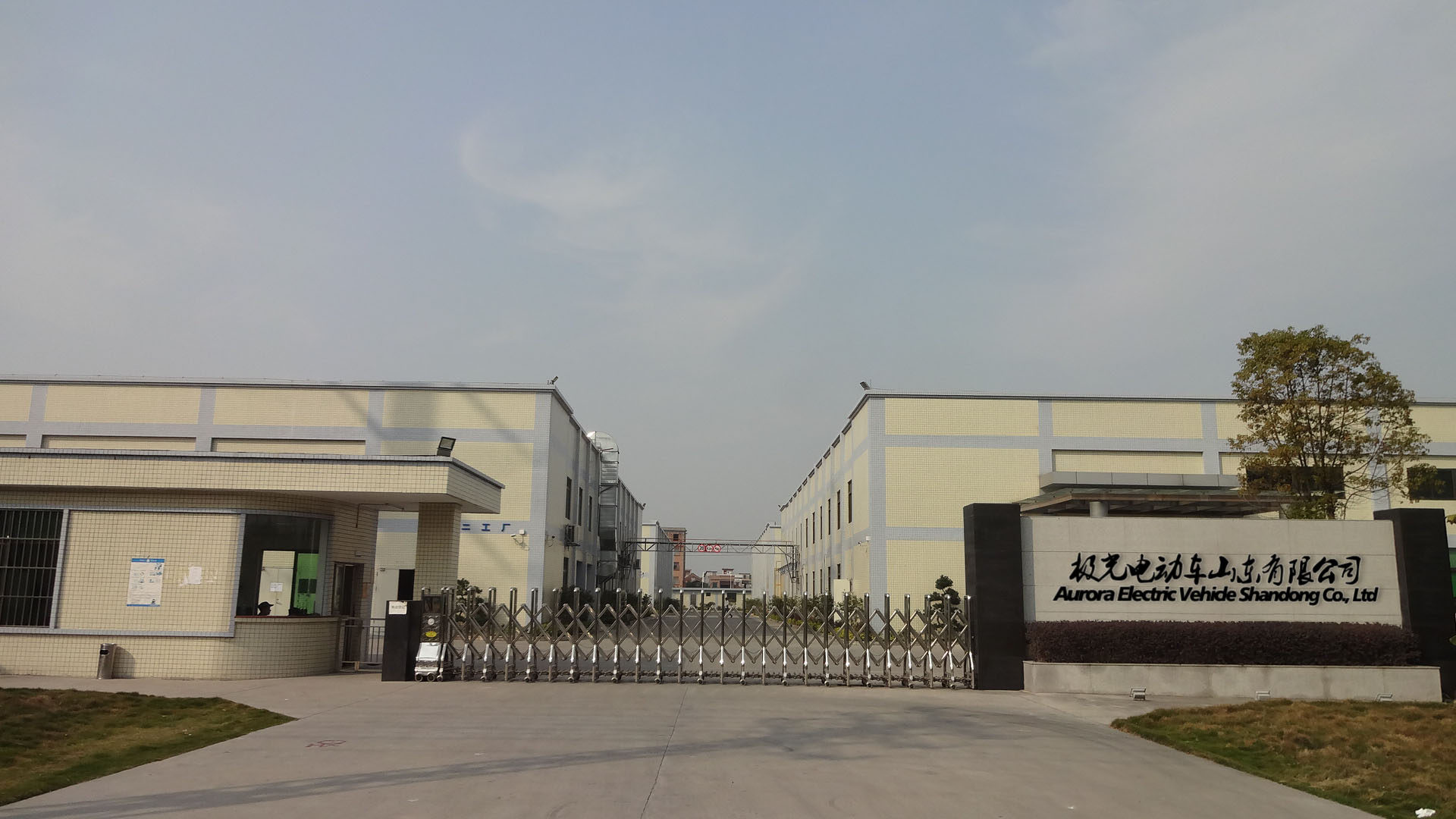
Founded in 2015, Aurora Electric Vehicle Shandong Co., Ltd. is located in Linyi City, Shandong Province. Linyi is recognized as a strategic national transportation and logistics hub, bridging the Yangtze River Delta and the Bohai Economic Circle. This geographical advantage enables efficient domestic material sourcing and rapid international shipping through major ports like Qingdao and Lianyungang.
With over 10 years of deep specialization in the electric bicycle and micro-mobility industry, our facility has evolved into an integrated modern enterprise encompassing advanced Research and Development (R&D), digital assembly lines, comprehensive safety-testing labs, and global sales networks. Our transition was accelerated in 2019 during the implementation of the China New National Standard, driving us to re-engineer all vehicle parameters to achieve compliance, heat dissipation, structural fire-retardancy, and electronic tamper-proof controls.
Our engineering team features senior specialists, each with over a decade of electric drive, chassis dynamics, and battery management system (BMS) design experience. Focus areas include maximizing real-world range, mitigating battery thermal runaway, and customizing structural chassis dynamics to withstand the dynamic forces of heavily loaded cargo boxes.
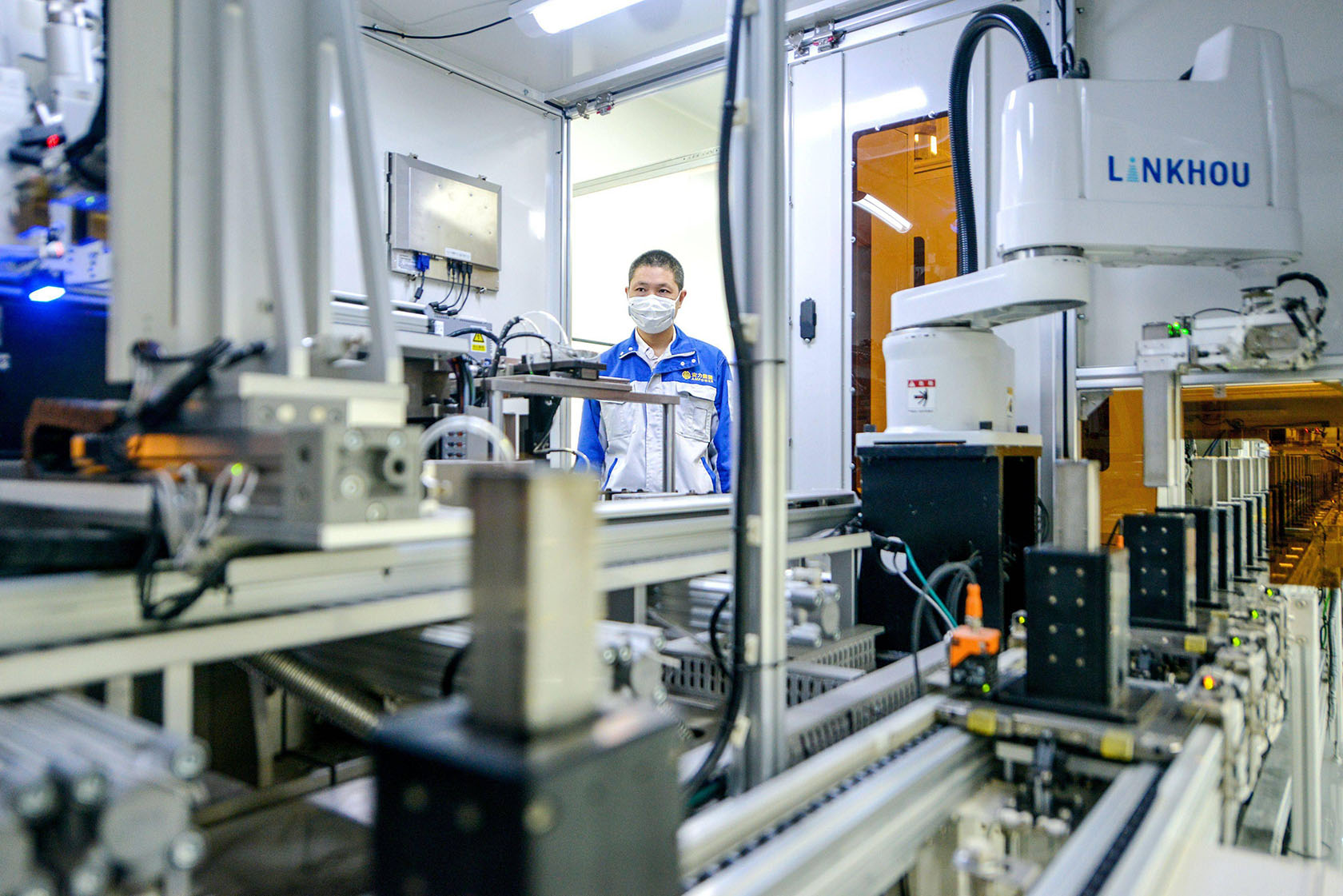
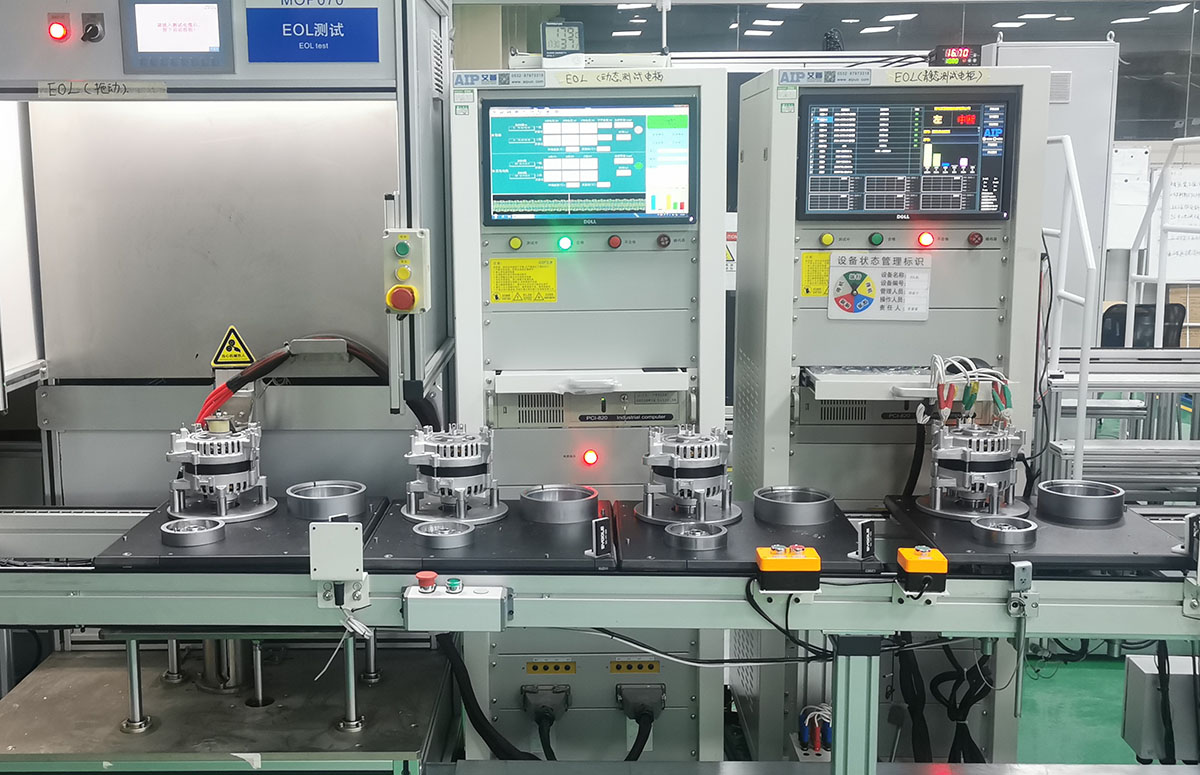
We operate automated digital production lines, automatic robotic welding networks for high-strength steel frames, and advanced computerized motor dyno systems. From checking raw steel pipe chemistry to performing vibration testing on completed battery packs, quality assurance steps are integrated throughout.
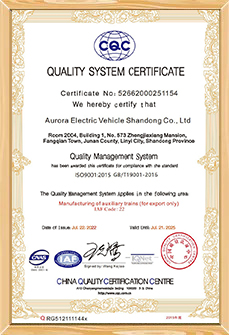
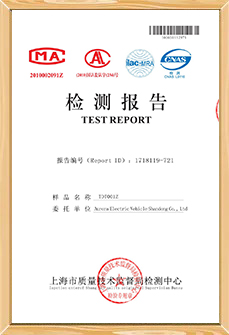
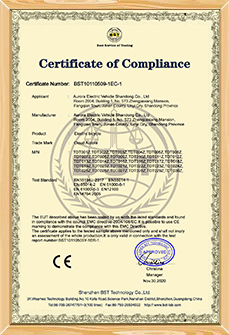
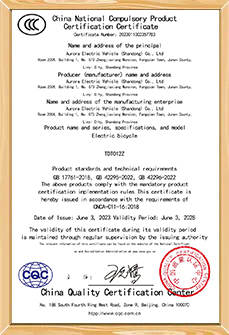
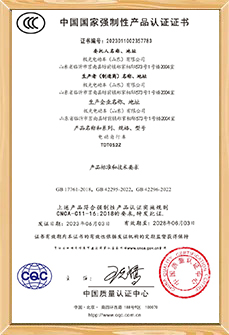
Our vehicles are certified under major regulatory frameworks worldwide, including CCC, CE, and FCC. We maintain an in-house laboratory where frame assemblies undergo fatigue tests up to 100,000 load cycles, battery enclosures are tested for IPX7 waterproofing, and electronics are evaluated for fire resistance.
Our factory operates in accordance with international quality management structures to ensure smooth import and regulatory clearance at the destination port.
Eliminating plug-in charging downtime is vital for gig riders. Our OEM delivery series supports standardized quick-release connector geometry and internal locking configurations compatible with mainstream battery swapping cabinet networks (e.g., Gogoro, Oyika, e-swap).
Real-time fleet tracking via GPS modules integrated into the controller enables fleet managers to monitor speeds, isolate battery temperatures, detect crashes, trace rider paths, and deploy OTA firmware upgrades remotely to reduce downtime.
Continuous, 10-hour daily shifts demand ergonomic seating and suspension structures. Our frame configurations focus on wide, multi-density memory-foam saddles, specialized step-through geometry, and dual mechanical/hydraulic suspension to minimize rider fatigue.
Minimizing Total Cost of Ownership (TCO) is a priority for delivery fleets. We utilize anti-corrosion powder coatings, sealed waterproof wiring harnesses (IP66 minimum), and reinforced heavy-duty kickstands that prevent tip-overs during deliveries.
Southeast Asia (Grab/Gojek hubs): This environment requires high-performance water protection due to regular monsoon floods and deep water logging. Our custom Southeast Asian builds feature hub motors sealed up to IP67, battery cavities placed high in the frame structure, and heavy-duty shock absorbers to handle uneven road conditions.
Europe (UberEats/Deliveroo hubs): European fleet operations mandate strict EN15194 compliance (EPAC standard, pedal-assist up to 25km/h, 250W continuous rated power). Focus centers on winter battery insulation to mitigate freezing temperatures, high-visibility LED safety lights, and integrated heavy-cargo rear racks for insulated delivery bags.
Middle East (Talabat/Jahez hubs): Extreme desert heat of up to 50°C poses a risk of battery thermal runaway. Our customized Middle Eastern models use cooling ventilation designs in the battery housing, solar-reflective body panels, high-grade sand/dust filtration on moving parts, and uprated heat-resistant controllers.
At Aurora Electric Vehicle Shandong Co., Ltd., corporate culture is built on the core values of "integrity, pragmatism, innovation, and win-win." Our team dynamics operate under a "people-oriented, talent first" philosophy. We conduct continuous technical training, worker skill competitions, and safety certifications to maintain high assembly precision.
Our mission is "making green travel easier and safer for everyone." We invest in low-carbon manufacturing processes, utilize recyclable packaging materials, and minimize energy waste in our manufacturing process. We maintain a close relationship with logistics companies globally, optimizing delivery vehicles to improve worker livelihoods and fleet efficiency.
We customize the frame geometry, paint color palettes, logo graphics, motor output (250W up to 3000W), controller configurations, and battery capacities to match regional market specifications.
To ensure zero damage during maritime container shipping, all vehicles are packaged in 5-layer imported kraft cardboard cartons with internal steel frames and customized cushioning templates.
We handle customs export documentation, certificate validation, and booking space with major carriers. Customers can utilize their own preferred shipping agencies or leverage our competitive rates.
Our standard MOQ for customized OEM/ODM vehicle runs starts at one 20ft container (approximately 28 to 40 assembled units, depending on model packaging configuration). For larger 40ft high-cube containers, we offer tiered volume pricing and specialized options for custom fleet colors and logo integrations.
We use Grade-A cells from certified manufacturers (such as EVE, Lishen, or CATL) paired with smart BMS modules that prevent overcharge, over-discharge, short-circuits, and thermal runaway. All battery packs carry UN38.3, MSDS, and CE compliance certificates to ensure safe transit and operation.
Yes, our engineering department can customize the battery layout, compartment dimensions, contact interface pinouts, and communication protocols (such as RS485 or CAN-bus) to match the swapping cabinet network systems used by your local operators.
We provide a 1-year warranty on core electronic components, including the frame, drive motor, controller, and battery pack. Additionally, we supply 1-2% wear-and-tear replacement components (such as brake pads, throttle assemblies, cables, and tires) alongside batch orders to ensure fleet uptime.
Yes, our cargo series models are built with integrated rear sub-frames welded directly to the main chassis, reinforcing load-bearing properties. This configuration is structurally stronger than bolt-on luggage racks, preventing cracking or sagging under heavy dynamic weight.