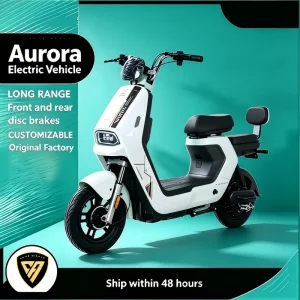
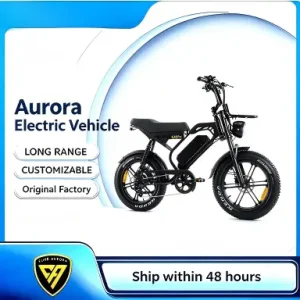
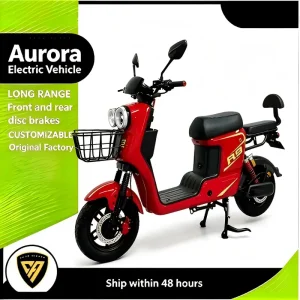
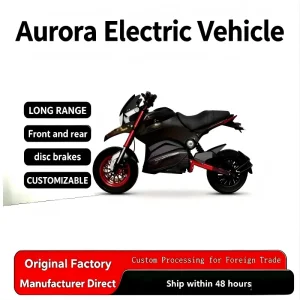
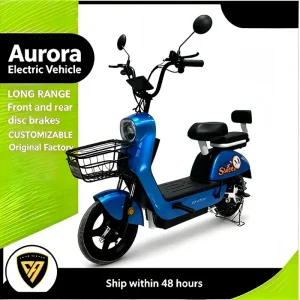
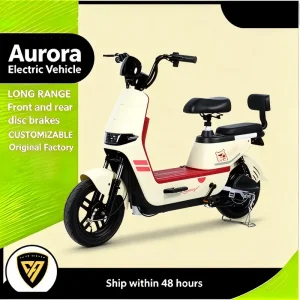
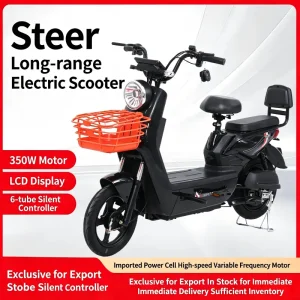
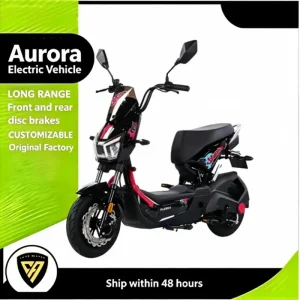
High-quality, certified commuter electric scooters and light vehicles engineered for global logistics optimization.
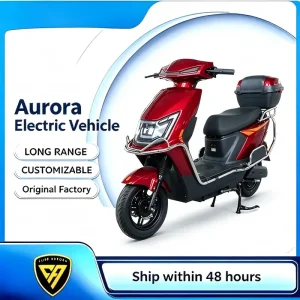
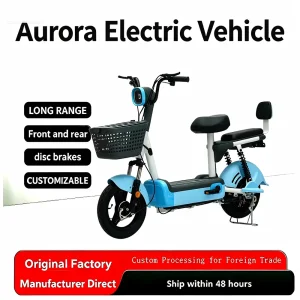
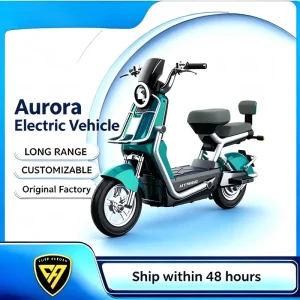
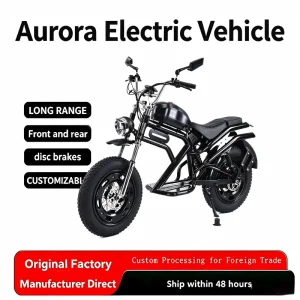
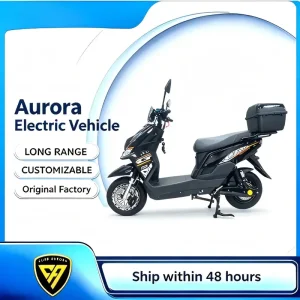
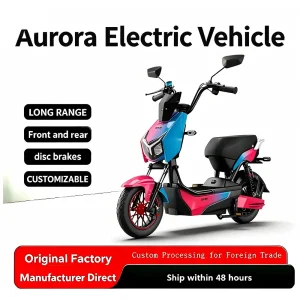
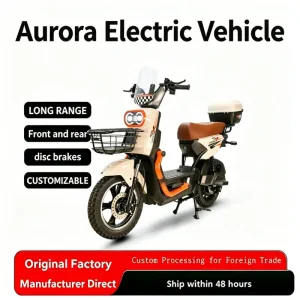
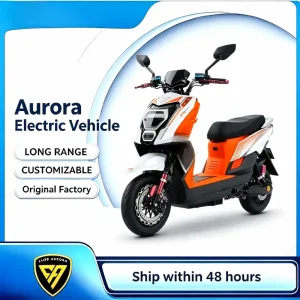
Established in 2015, Aurora Electric Vehicle (Shandong) Co., Ltd. is a pioneering force located in Linyi City, Shandong Province—a crucial national logistics and manufacturing corridor linking the Yangtze River Delta and the Bohai Economic Circle. Over more than a decade of focused operations, we have transitioned from a localized manufacturing workshop into a globally integrated enterprise covering research & development (R&D), digital assembly lines, regulatory safety testing, and end-to-end supply chain execution.
Under the dynamic shifts of the Chinese New National Standard (GB17761-2018), we engineered an operational metamorphosis in 2019. We upgraded our heavy physical production setups into automated smart factories equipped with advanced fire-retardant testbeds, speed-limiting calibrations, and anti-tampering verification modules to support the stringent compliance needs of international buyers in Europe, the Americas, and Southeast Asia.
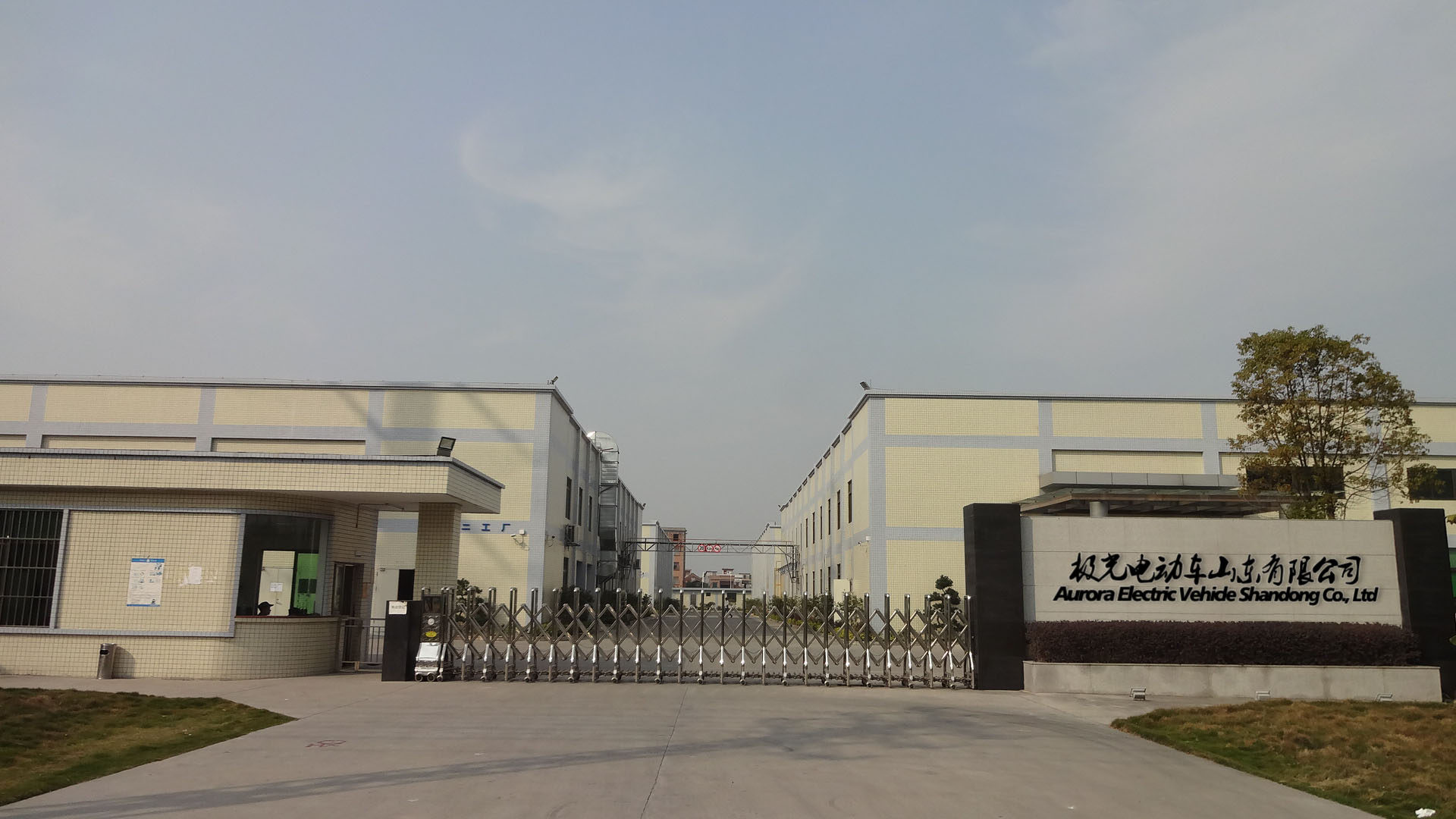
An industrial blueprint covering safety labels, chemical warnings, thermal management, and warehousing guidelines.
Every electric vehicle leaving our Linyi production facility undergoes precise, multi-tier labeling mapping to target jurisdictions. We apply industrial-grade laser-etched VIN markers, fire-resistant battery chemistry specification plates, and high-visibility UN3481/UN38.3 lithium hazard placards. Our labels are designed to withstand extreme thermal ranges (-40°C to 120°C) without losing adhesion or legibility, satisfying FMVSS, ADR, and CE customs clearances.
Lithium-ion storage safety requires structural vigilance. Our storage protocols maintain pack SOC (State of Charge) strictly between 30% and 40% during long-transit shipping and warehousing. Storage conditions feature active climate control keeping temperatures at 15°C–25°C and relative humidity under 60%. Warehouses are designed with fire-isolated blast barriers, automated aerosol fire suppression, and continuous infrared thermal monitoring.
To secure the vehicles during ocean transit, we pack units in heavy-duty 5-layer imported K=K kraft paper board cartons. Internal frames are reinforced with custom-molded high-density polyethylene (HDPE) buffers that absorb up to 200kg of lateral impact force. Moisture-absorbing desiccant packets and anti-static wrapping protect the delicate electronic speed controllers (ESC) and liquid crystal digital panels.
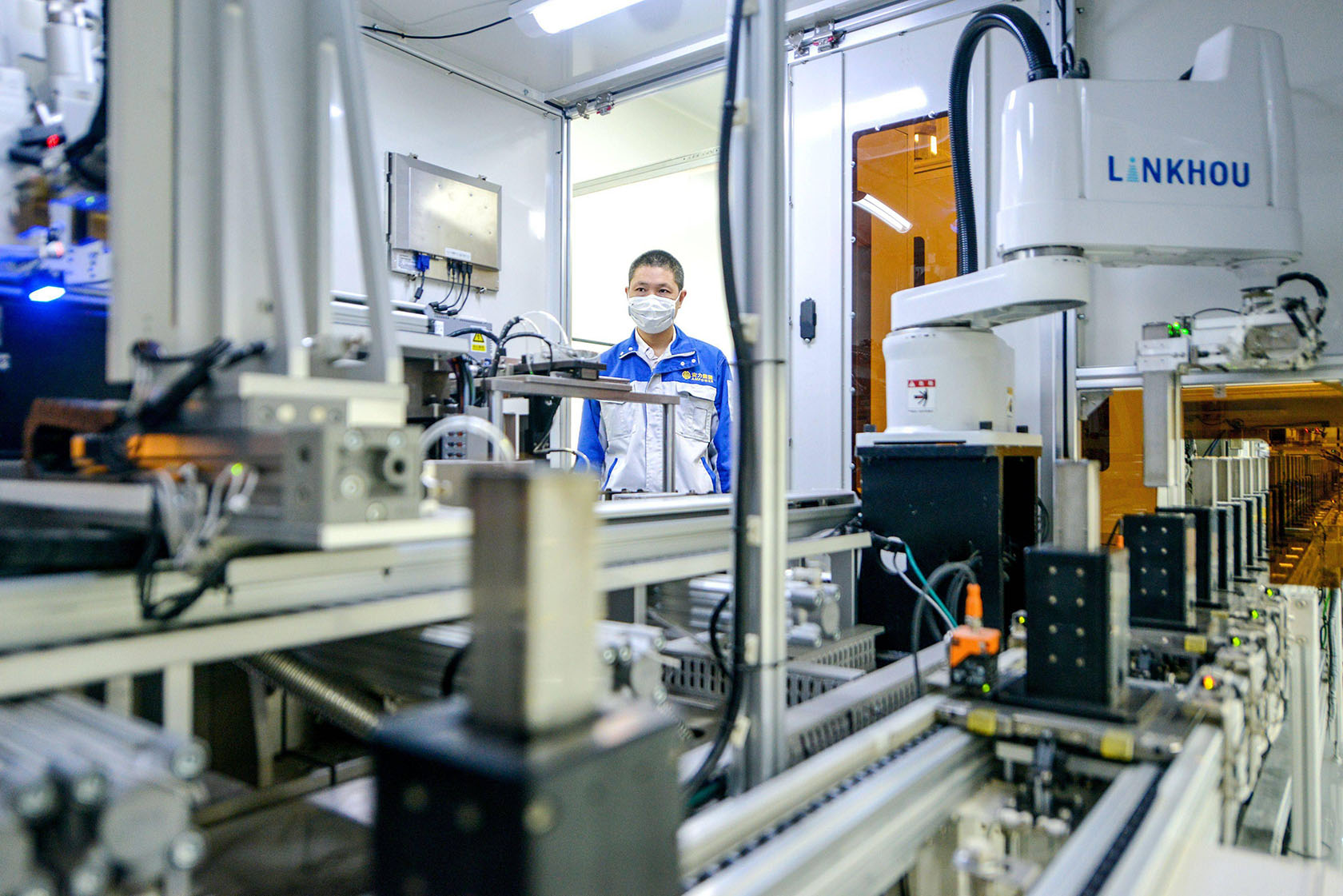
Our manufacturing footprint in Linyi leverages a localized industrial ecosystem. By integrating raw aluminum extrusion, robotic frame welding, automated painting chambers, and domestic motor wrapping within a 50-kilometer radius, we maintain extreme control over production lead times and costs.
Our factory utilizes an ERP-driven MES (Manufacturing Execution System). This digital system monitors the manufacturing of every electric scooter or leisure tricycle:
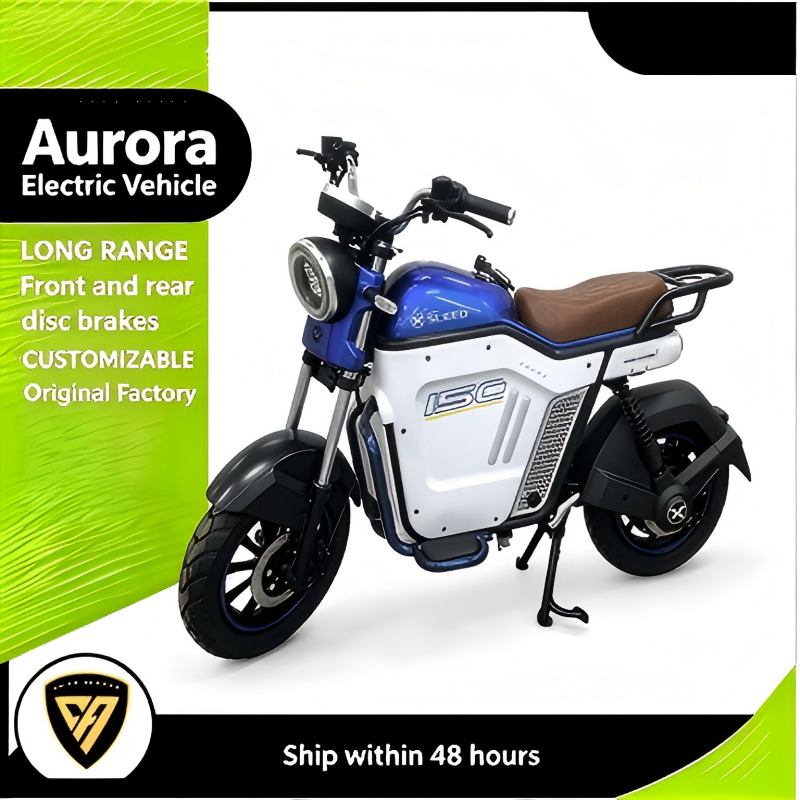
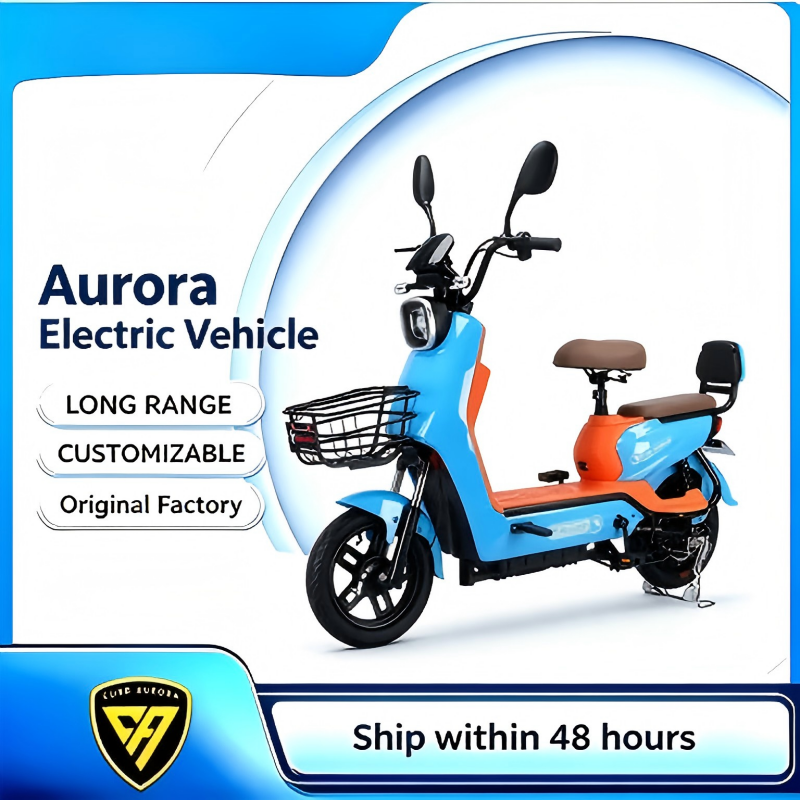
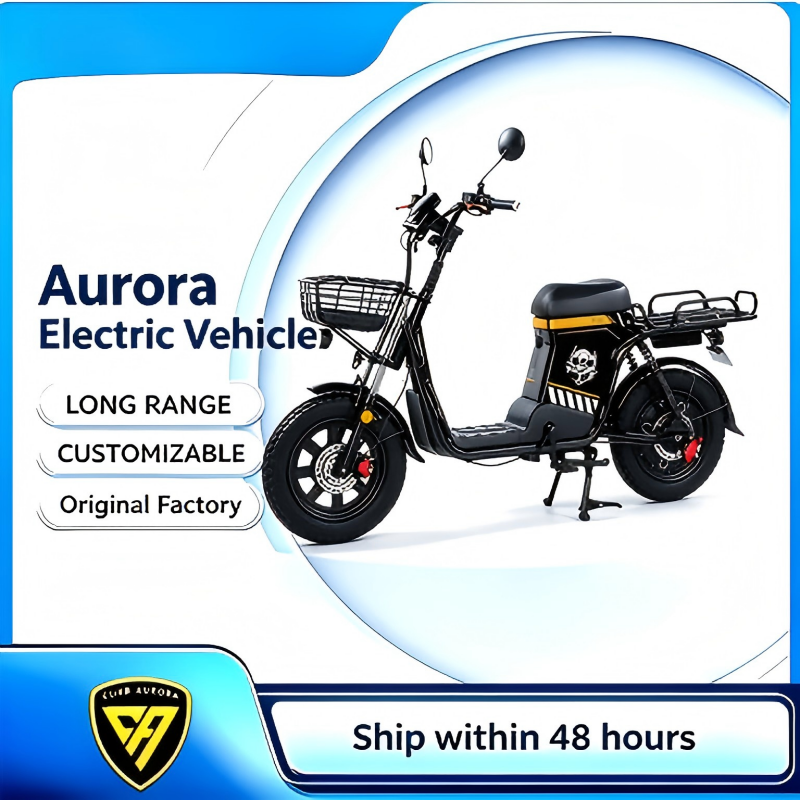
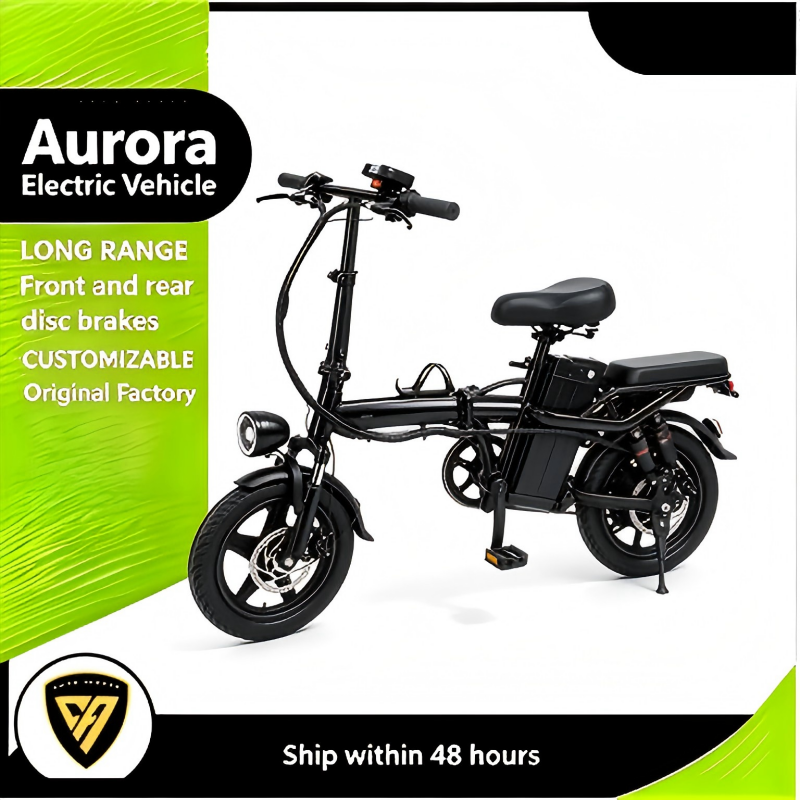
Heavy-duty transport, cargo delivery e-scooters, and classic recreation models optimized for niche commercial markets.
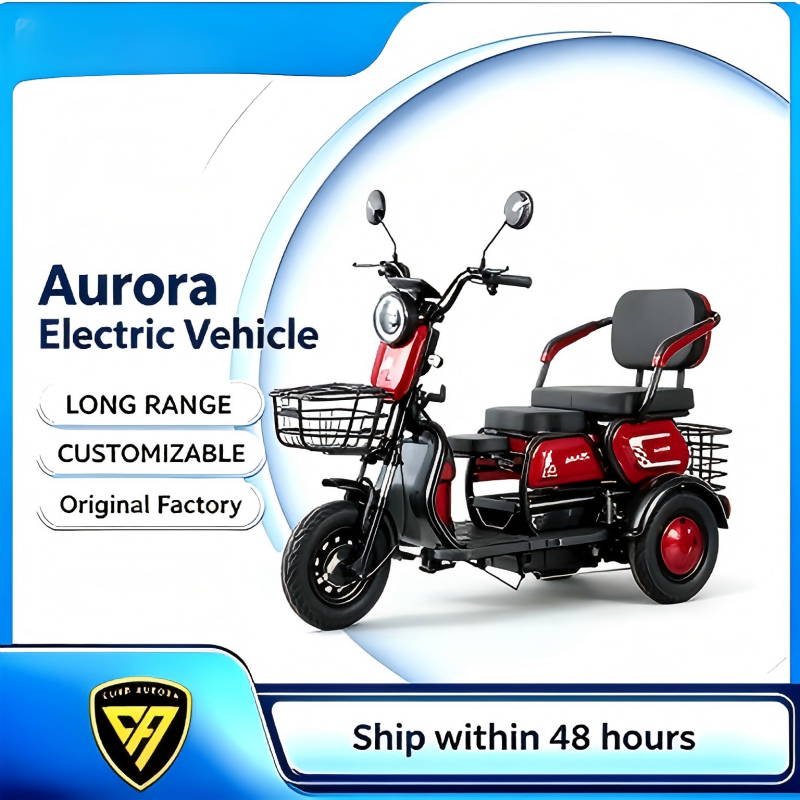
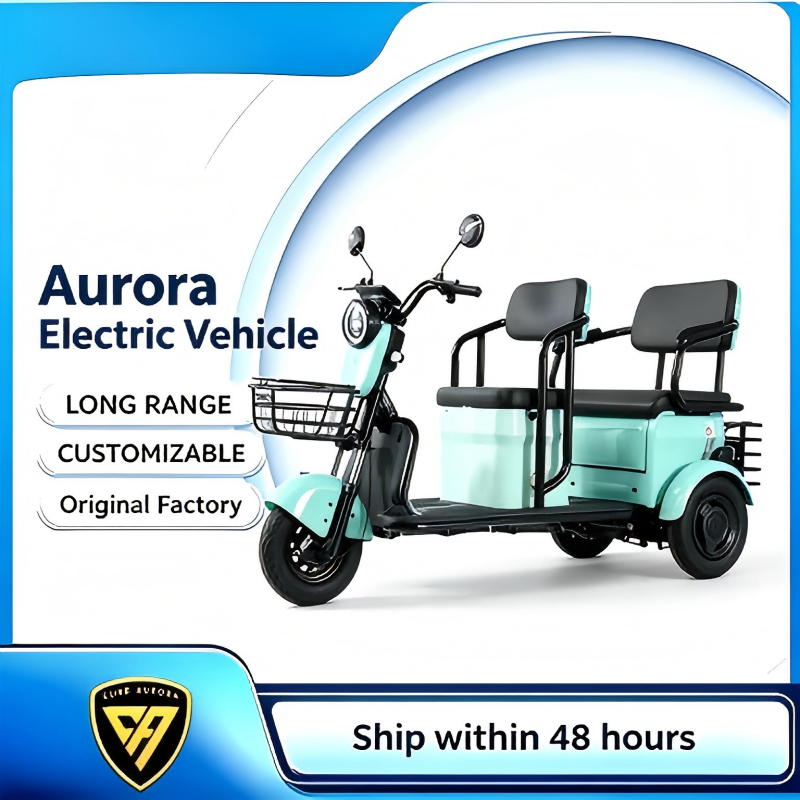
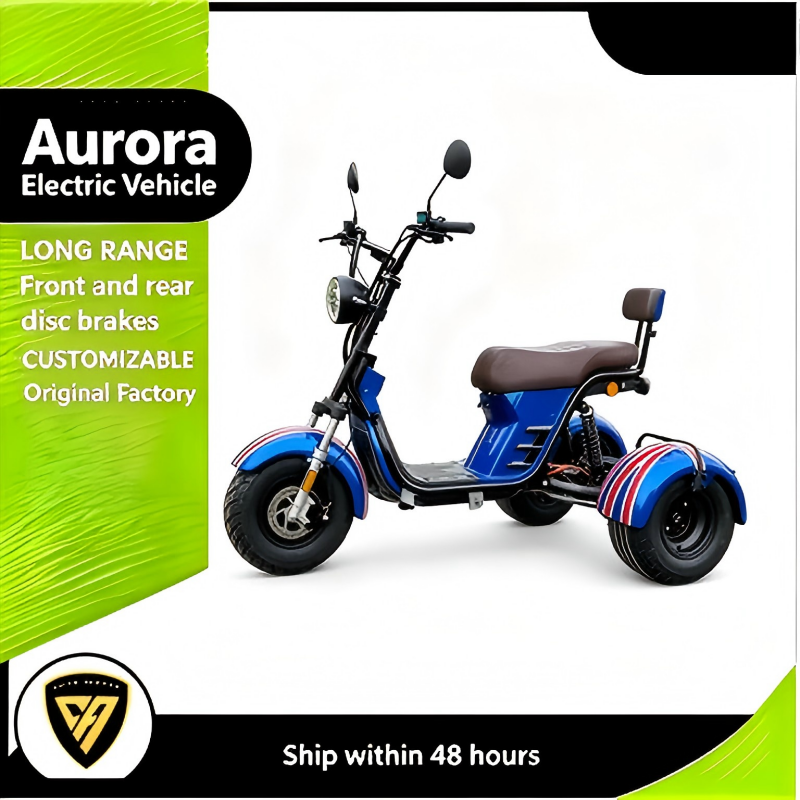
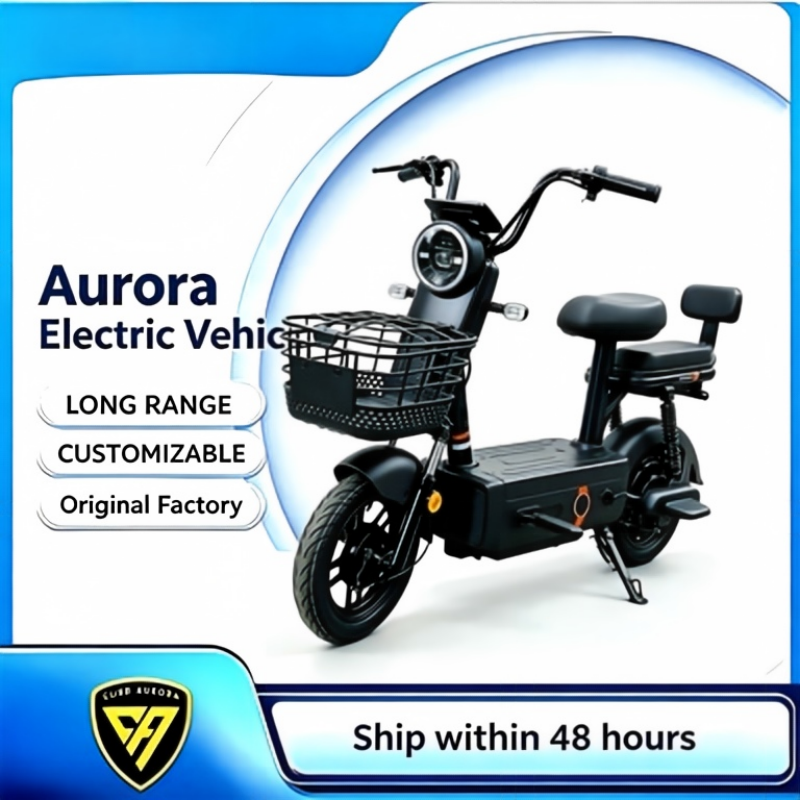
Our core operational ethos is built on the pillars of "integrity, pragmatism, innovation, and win-win". Integrating the history of Linyi with modern sustainability paradigms, our mission is to make green travel easier and safer for everyone globally.
To enforce this vision, we invest heavily in product safety, treating reliability as our operational lifeline. Our dedicated laboratories run destructive tests on frame structural stress, evaluate enclosure integrity in IPX7 deep immersion chambers, and verify structural performance under simulated trans-oceanic transit vibration frequencies. Through this, we ensure that every customer receives durable, low-maintenance, and legally compliant vehicles.
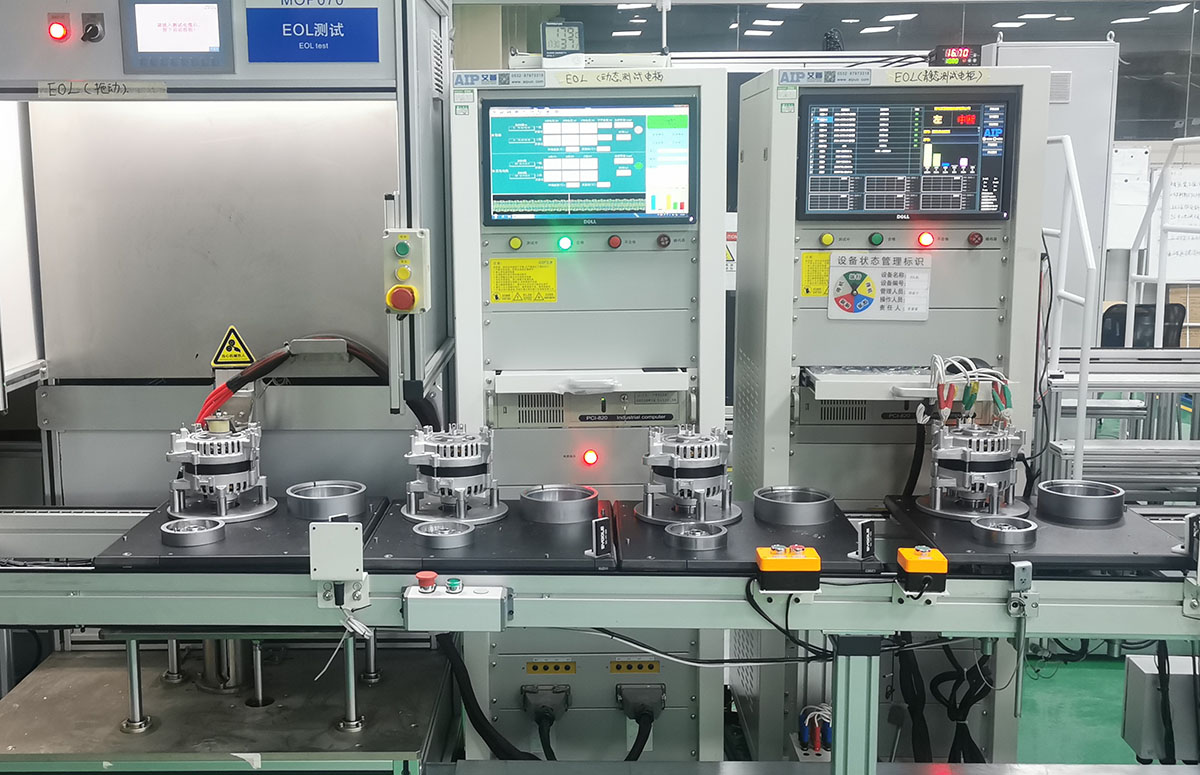
Our manufacturing workflows and electric vehicles comply with strict international regulatory regimes.
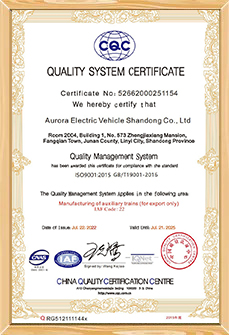
ISO 9001
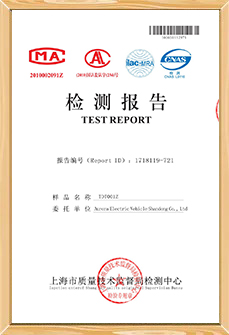
CE Certification
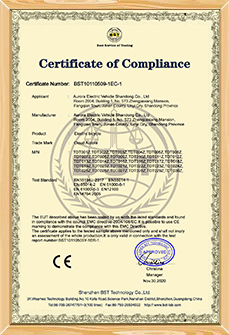
FCC Compliance
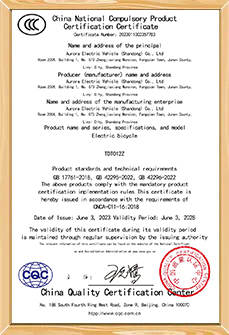
CCC Standards
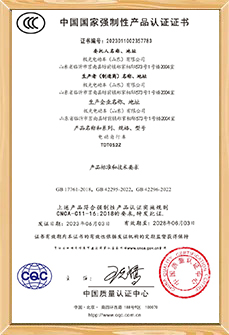
UN38.3 & MSDS
Providing supply chain stability and customs compliance for global enterprise procurement.
Navigating maritime logistics for lithium-ion battery transport requires verified certifications. We provide comprehensive safety documentation, including UN38.3 test reports, Material Safety Data Sheets (MSDS), and dangerous goods shipping declarations. Every battery cell is tracked from manufacture to delivery, minimizing risk at port customs clearance.
Different markets mandate unique safety standards. Our product catalog complies with European EN 15194 standards for EPACs, US UL 2849 standards for e-bike electrical systems, and China's national CCC protocols. Our manufacturing plants adapt components—such as speed regulators, lights, reflectors, and signaling devices—to match target market safety standards.
Our location in Linyi connects us to major northern shipping hubs like Qingdao Port, Tianjin Port, and Lianyungang. We offer flexible container consolidation options (LCL/FCL) and manage complex freight arrangements, from Ex-Works (EXW) and Free On Board (FOB) to Delivered Duty Paid (DDP) terms, ensuring reliable cargo transit.
Our development roadmap focuses on smart logistics integration, advanced labeling, and sustainability.
We are incorporating high-frequency RFID smart labeling into our frames and battery packaging. This allows logistics partners and distributors to scan individual pallets, instantly retrieving the vehicle's manufacturing history, battery health metrics, and regulatory certifications via a cloud-based tracking system.
Our upcoming product lines will feature IoT-enabled Battery Management Systems (BMS). These systems monitor battery temperature, cell balance, and charging cycles during transit and storage, uploading real-time safety data to logistics teams and distributors to prevent thermal runaway incidents.
We are aligning our manufacturing with international ESG goals by shifting to highly recyclable aluminum alloys and using zero-VOC powder-coated finishes. Additionally, our batteries are labeled with standardized end-of-life recycling codes to support compliance with new EU battery circularity laws.
How our labeling accuracy and product durability translate to international operations.
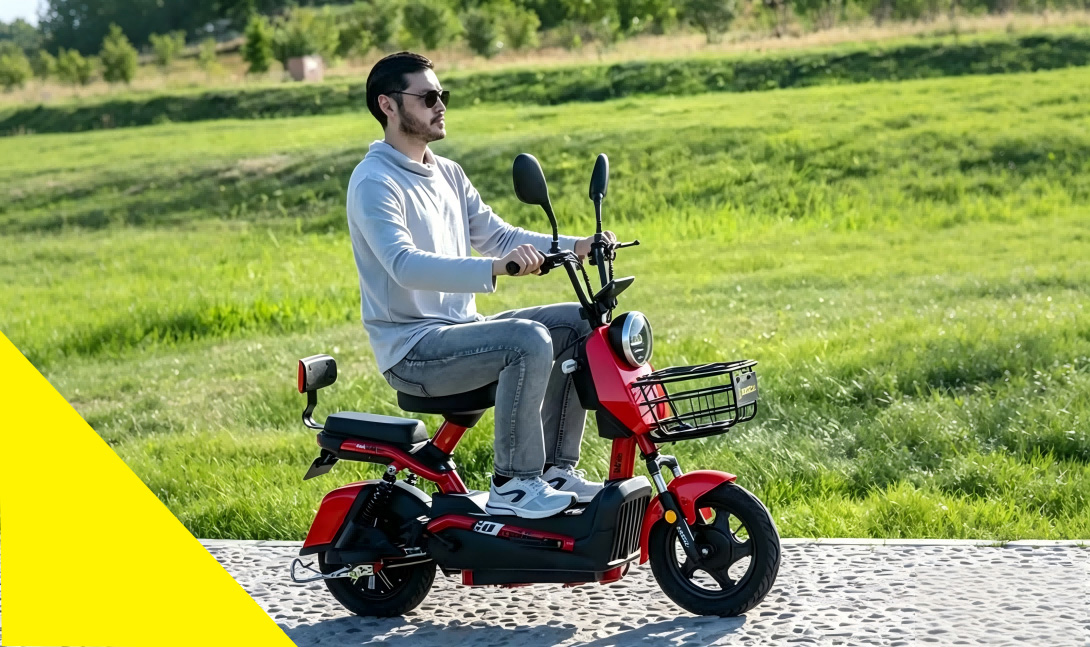
Our lightweight e-bikes are deployed in metropolitan commuter networks. With certified safety labeling and durable frames, these vehicles help fleet operators simplify transit compliance and lower maintenance costs.
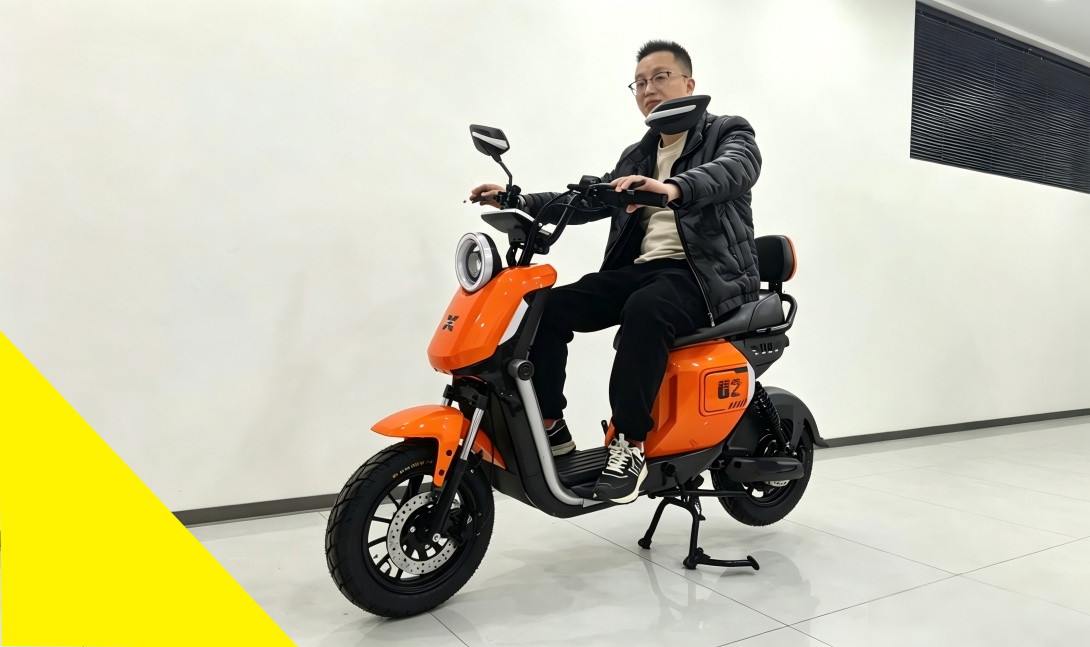
Equipped with laser-etched VIN markers and UN38.3 battery placards, our custom electric scooters meet strict maritime shipping guidelines, helping global rental operators accelerate fleet deployment and customs clearance.
Addressing common queries regarding labeling compliance, battery storage, and shipping requirements.
Our vehicles are marked with durable, temperature-resistant labeling conformant to global customs codes. This includes the UN 3481 Class 9 Lithium Ion Battery placard, complete fire hazard indicators, watt-hour ratings, and nominal voltage indicators. The labels are applied on the battery enclosure and the outer packaging to comply with international shipping regulations.
We pack and ship batteries at a 30%–40% state of charge (SOC) to minimize thermal runaway risks. The vehicles are secured inside 5-layer K=K corrugated export cartons with customized, anti-vibration shock absorbers to prevent internal components from shifting during maritime transport.
Yes. Our vehicles are built to comply with European EN 15194 (EPAC) regulations, CE, and US UL 2849 / UL 2272 certification frameworks. We adapt the electronic speed controllers (ESC), brake-cut off sensors, and frame designs to match the regulatory speed limits and mechanical standards of your target market.
We support a variety of shipping terms, including Ex-Works (EXW), Free On Board (FOB), Cost, Insurance, and Freight (CIF), and Delivered Duty Paid (DDP). Utilizing Linyi's logistics network, we coordinate shipping through Qingdao, Shanghai, or Tianjin ports to ensure timely and cost-effective delivery.
Browse our selection of durable electric bikes, high-speed scooters, and long-range commuter models.