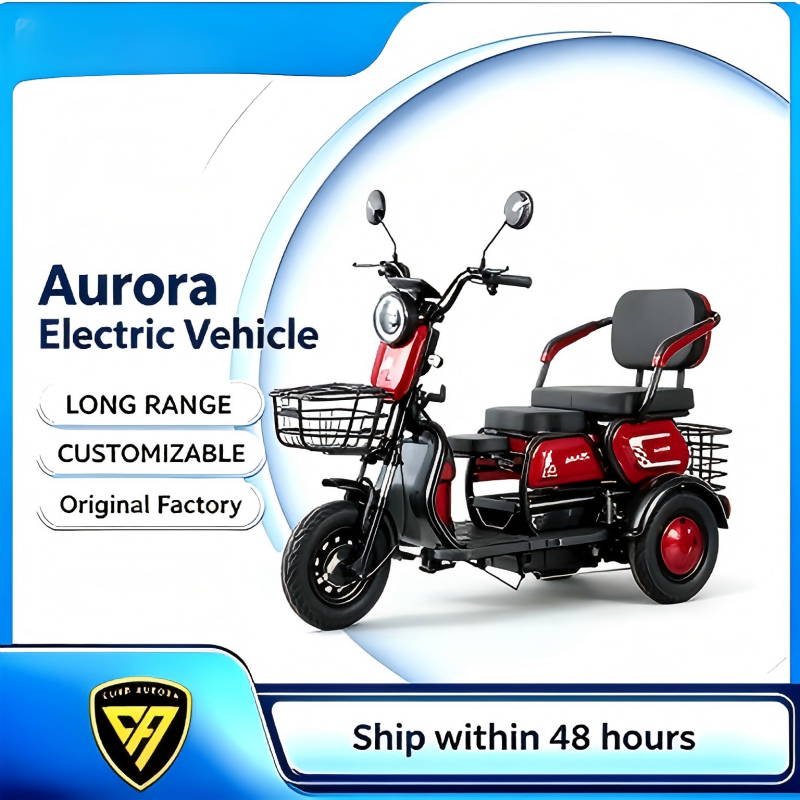
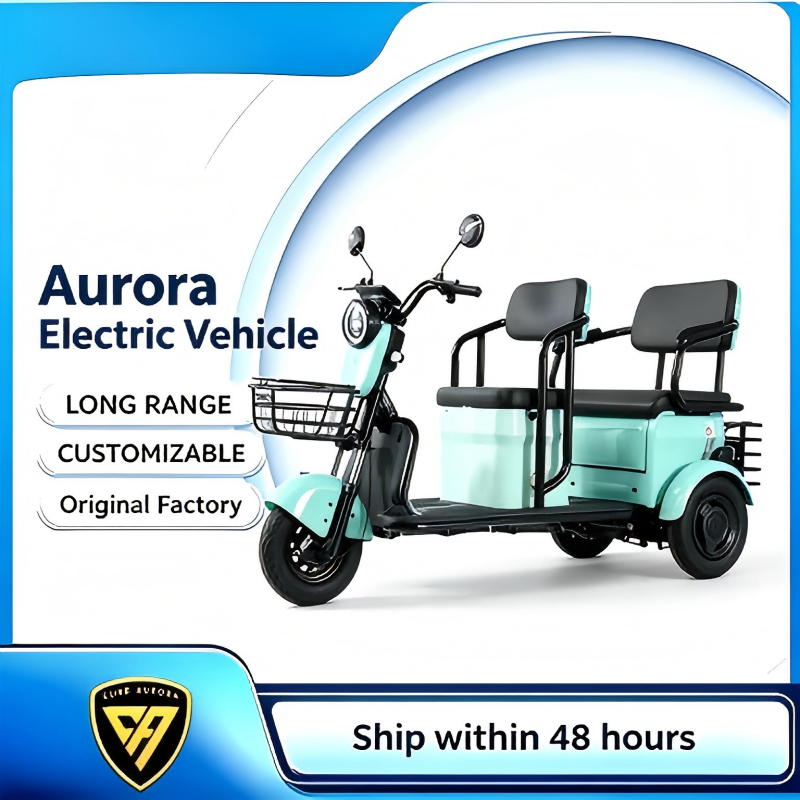
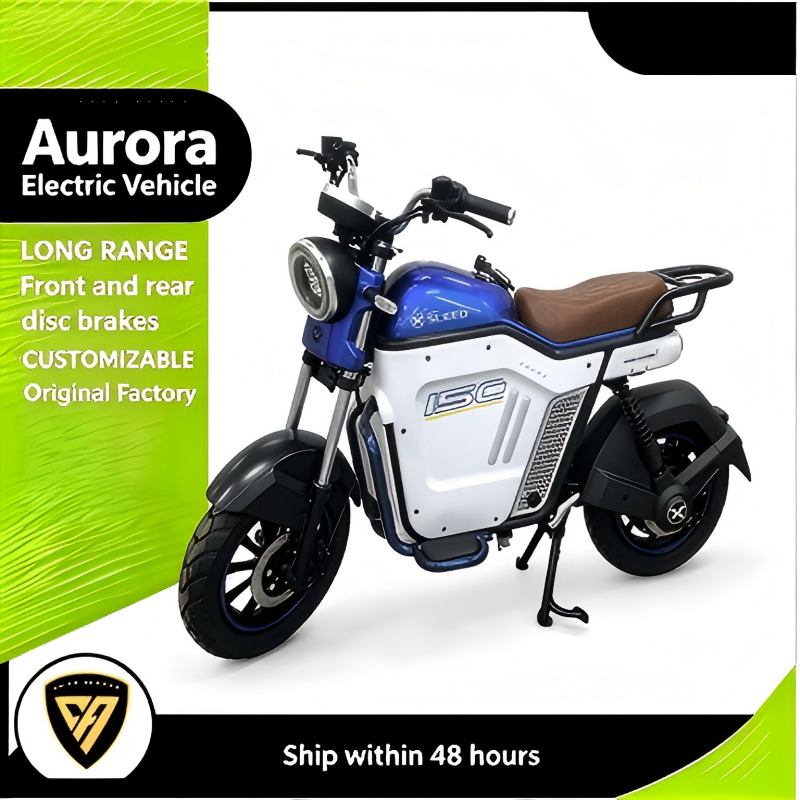
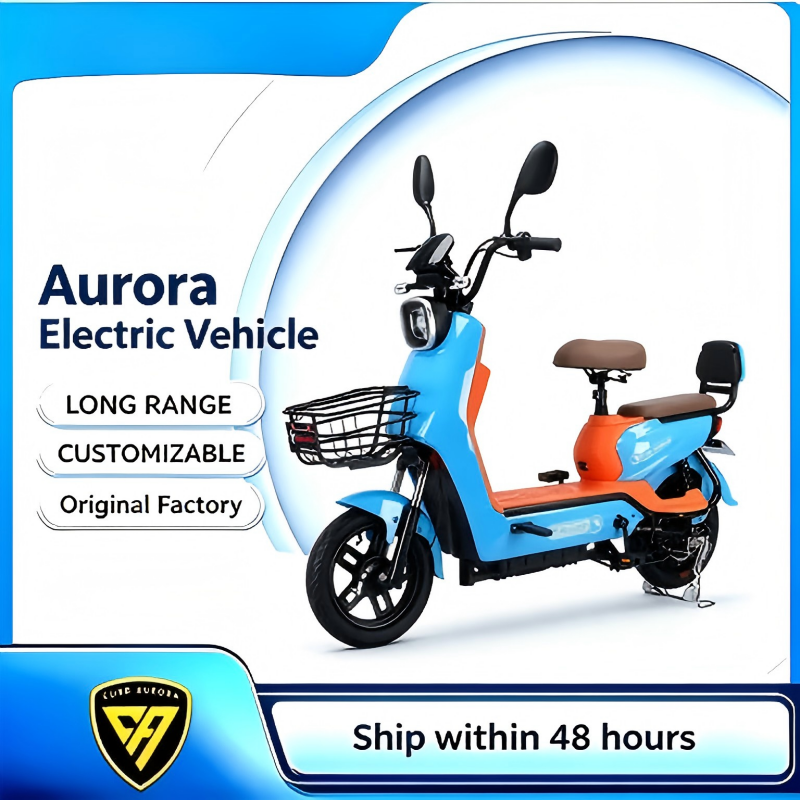
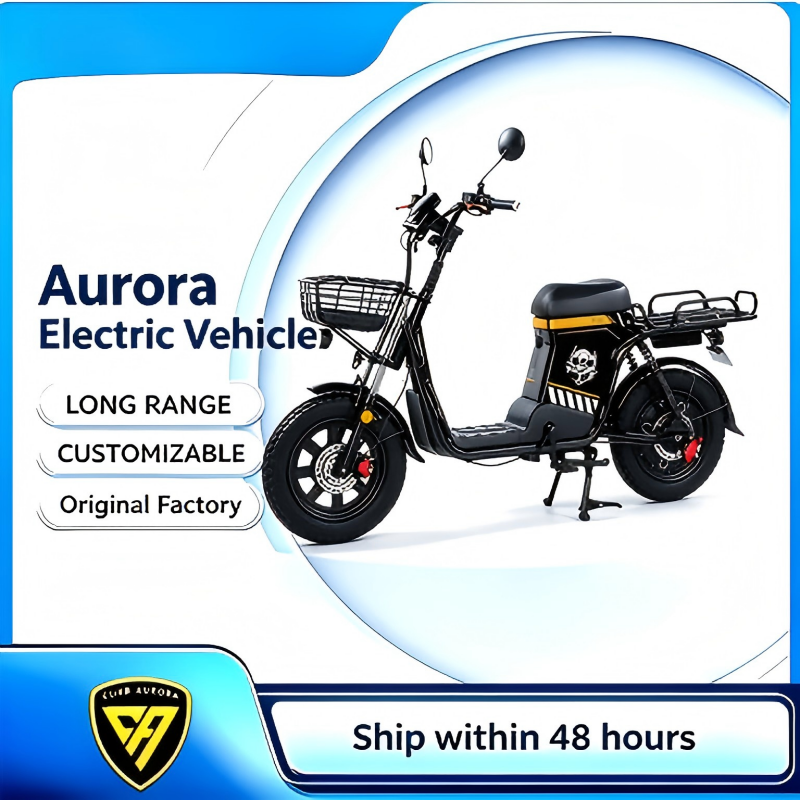
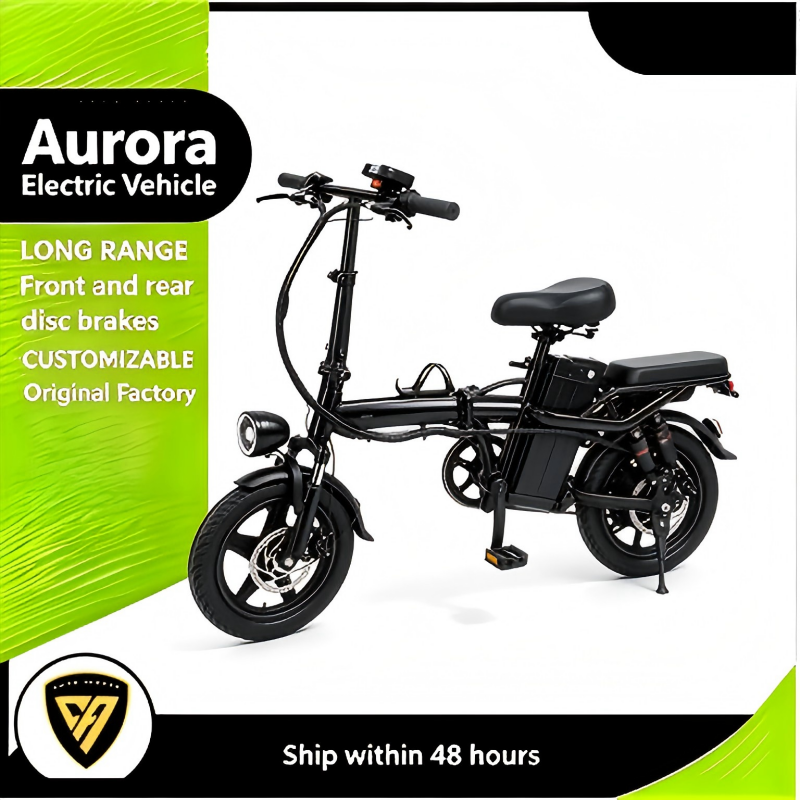
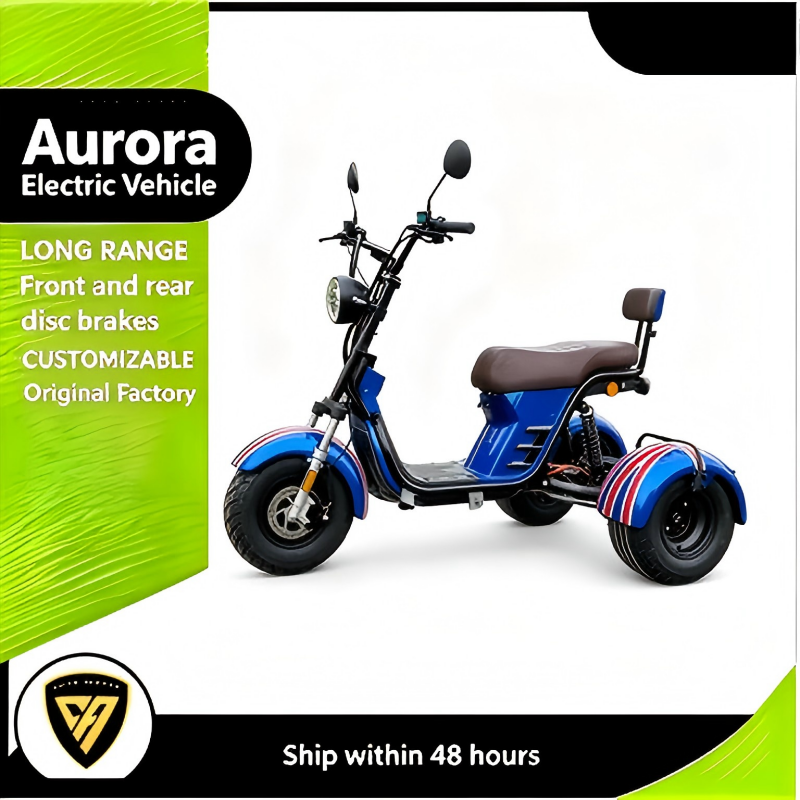
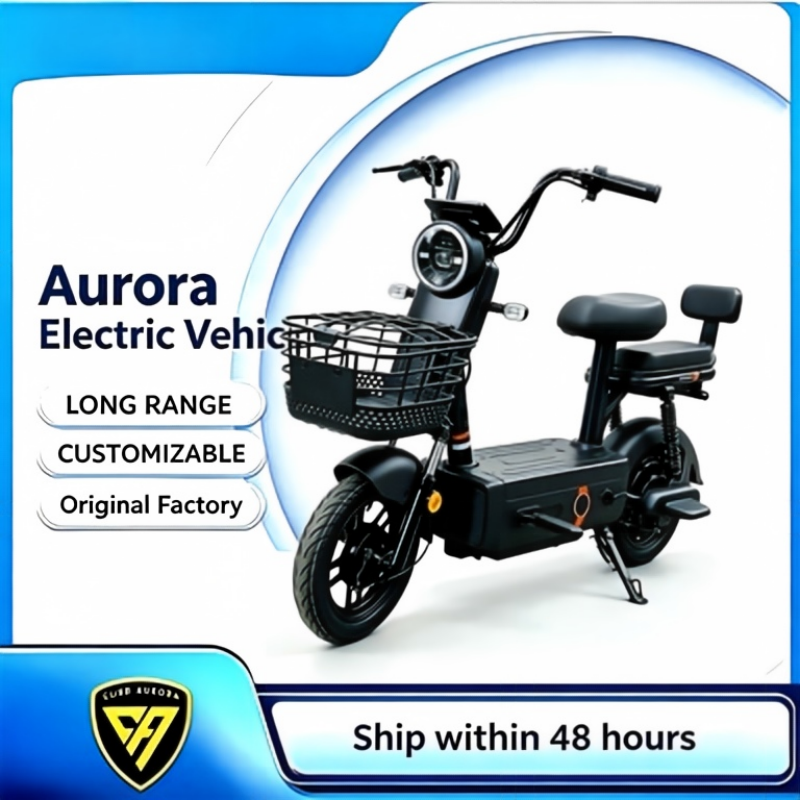
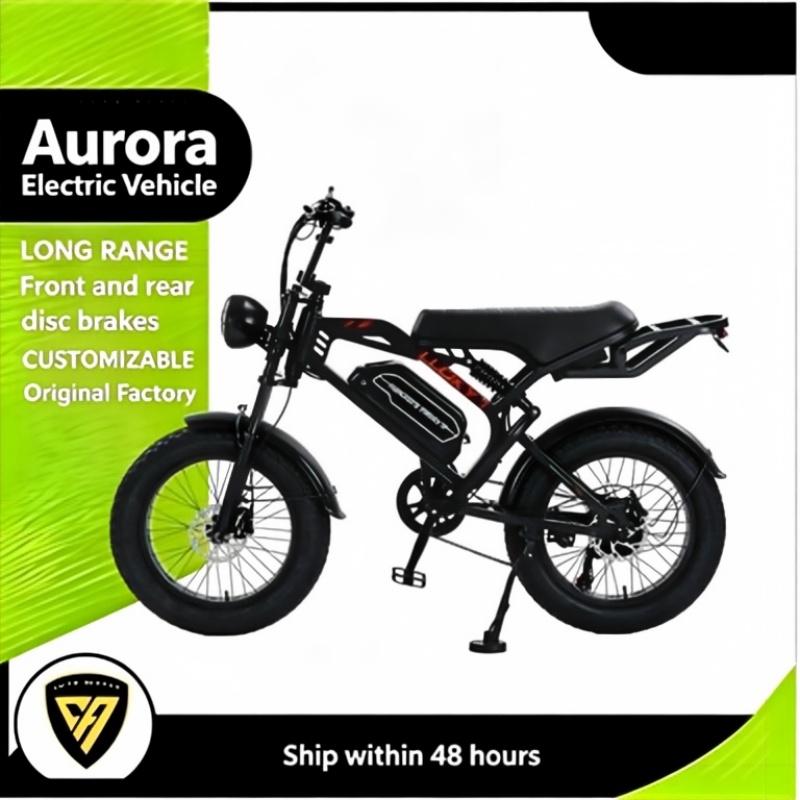
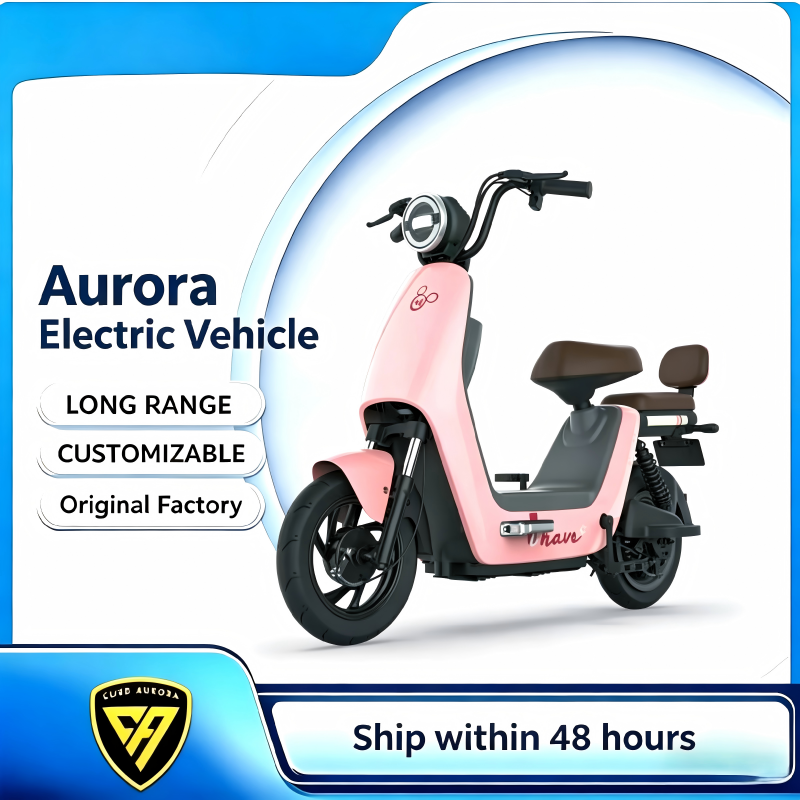
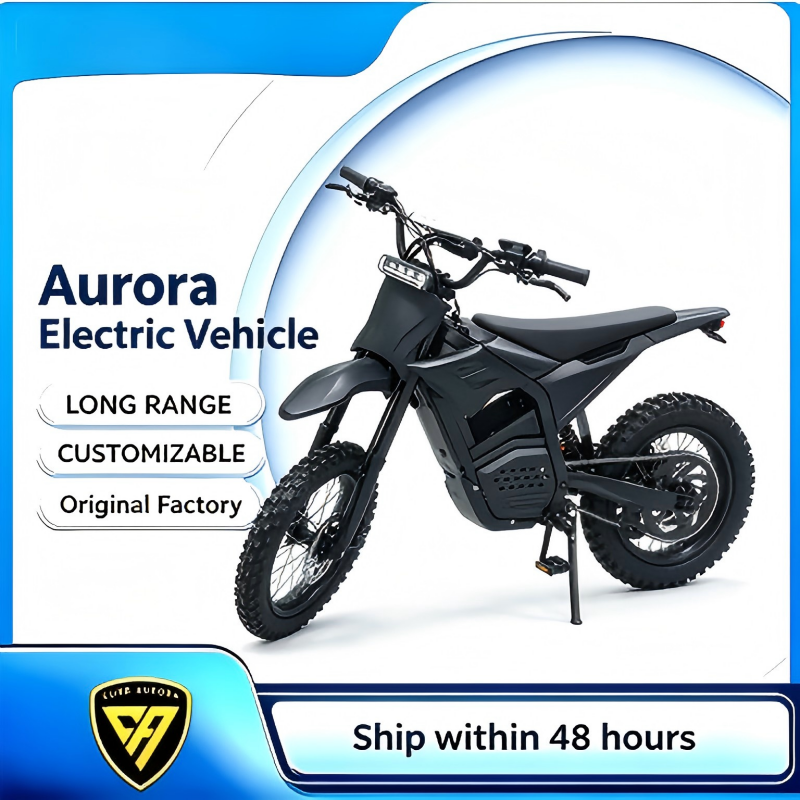
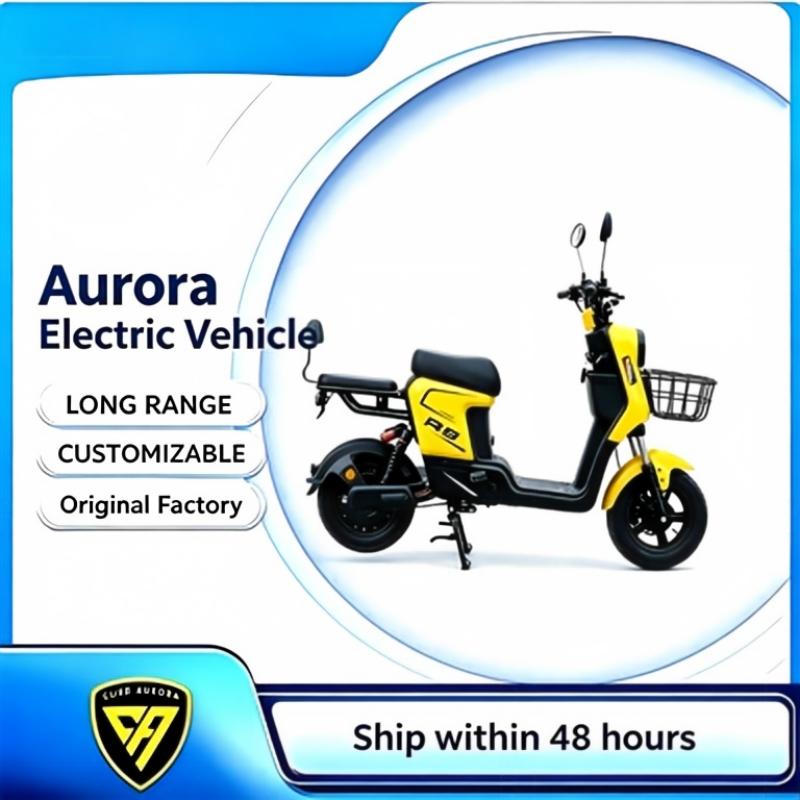
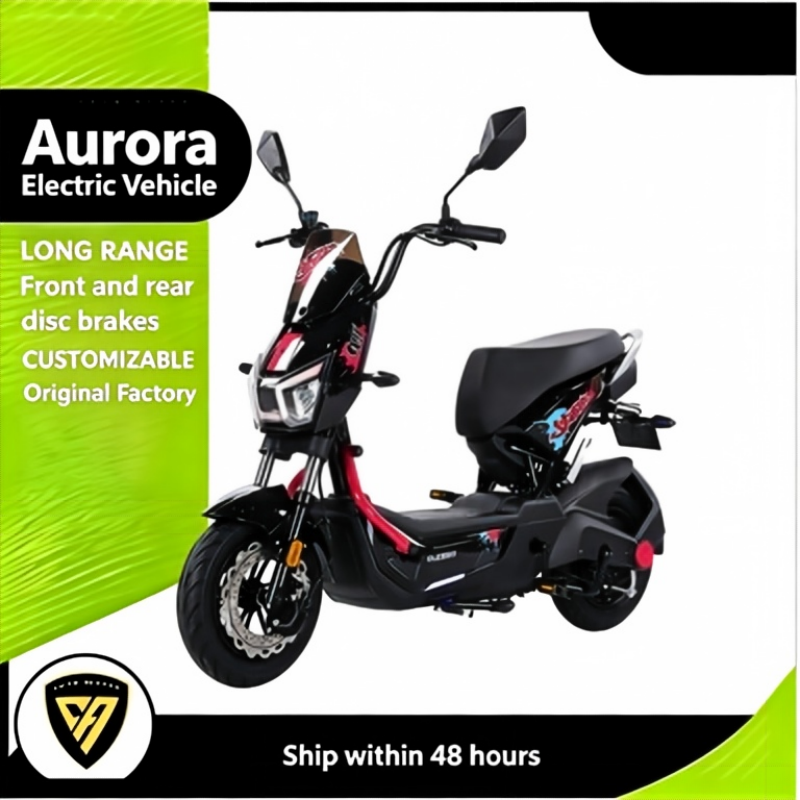
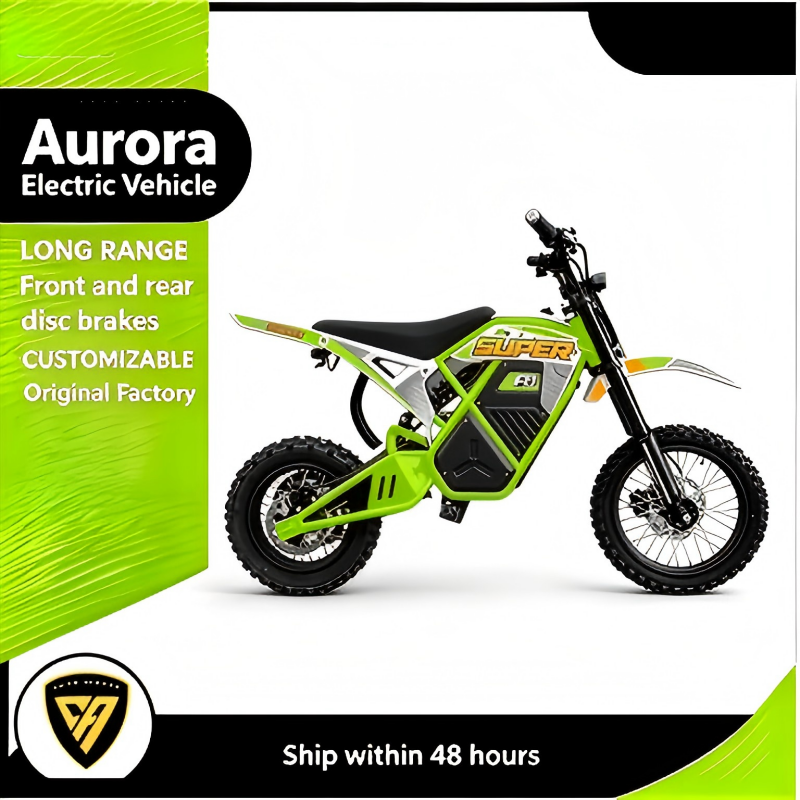
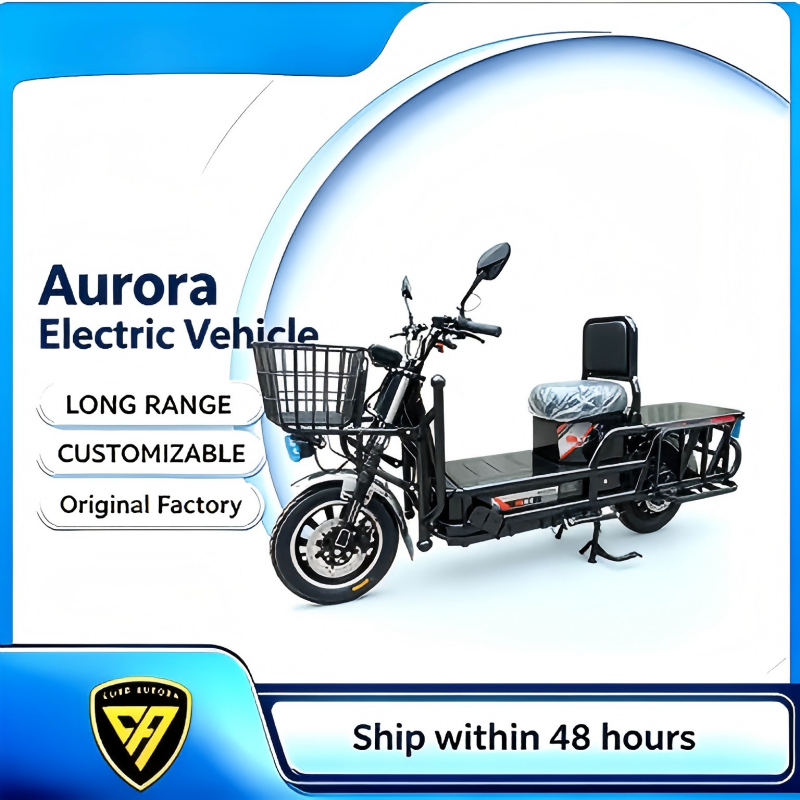
Explore our tier-one compliant electric bicycles and scooters customized for global markets. Click below to inspect certified specifications and technical blueprints.
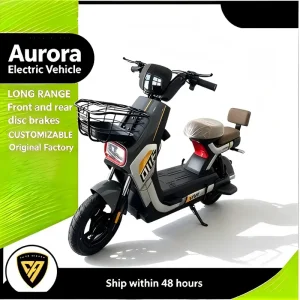
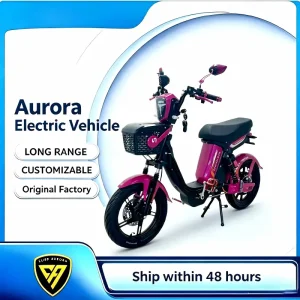
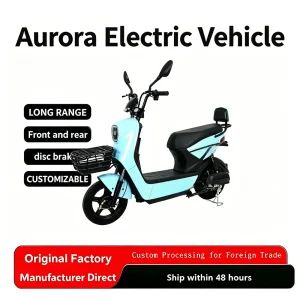
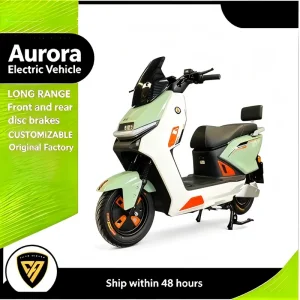
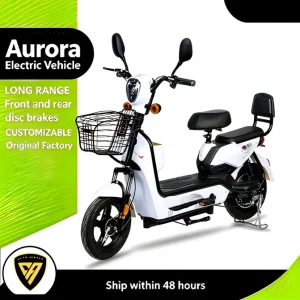
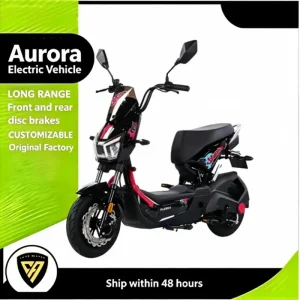
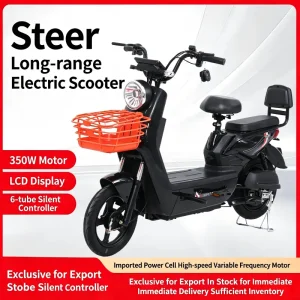
Understanding the difference between consumer-facing marketing narratives and rigorous commercial procurement parameters.
In the rapidly expanding market of Light Electric Vehicles (LEVs), including electric bicycles, urban e-scooters, and specialized electric cargo tricycles, procurement departments are faced with an overwhelming wave of marketing vocabulary. Phrases such as "military-grade build quality," "ultra-long range smart battery pack," and "zero-maintenance powertrain" dominate catalogs. For professional buyers, distributors, and logistics fleet operators, it is crucial to move past this superficial terminology and analyze the objective metrics underneath.
The core of electric vehicle marketing rhetoric lies in bridging the gap between theoretical laboratory testing and real-world field endurance. Often, terms like "60-mile maximum range" are calculated based on a 150 lbs rider operating on flat pavement, with zero wind resistance, at a constant speed of 12 mph. In practice, delivery logistics, municipal rentals, and daily commuters encounter steep gradients, varying payloads, temperature swings, and start-stop traffic. Therefore, professional sourcing requires analyzing raw technical data, cell chemistry standards, controller architecture, and frame mechanical stress test figures.
| Marketing Terminology (Rhetoric) | Underlying Technical Metric | Sourcing Verification Checkpoint |
|---|---|---|
| "Ultra-Long Range / Full-Week Battery Life" | Cell Watt-Hours (Wh) & Discharge Rate (C-Rating) | Verify cell brand (e.g., Eve, LG), actual battery capacity in Wh (V × Ah), and BMS thermal cutoffs. |
| "All-Terrain Military-Grade Frame" | High-tensile Carbon Steel or 6061 Aluminum alloy density | Confirm structural load test certificates (e.g., ISO 4210 frame fatigue tests). |
| "Smart Intelligent BMS Protection" | Dual-channel battery management system overcurrent protection | Request UL 2271 / UN 38.3 testing reports and firmware safety documentation. |
| "Super high-torque brushless power" | Nominal rated motor wattage vs. peak transient output wattage | Analyze the controller's maximum current output (Amps) and the motor's phase-wire gauge. |
As a specialized original equipment manufacturer (OEM), Aurora Electric Vehicle (Shandong) Co., Ltd. addresses this discrepancy by offering clear, transparent product testing parameters. Rather than relying on exaggerated sales pitches, we present verified compliance data tailored for target sales regions in Europe, North America, and Southeast Asia.
The structural dynamics that allow our production lines to outperform global competitors in cost, volume, and supply chain consistency.
The competitive advantage of Chinese electric vehicle manufacturing is rooted in regional industrial clustering. Aurora Electric Vehicle is strategically located in Linyi City, Shandong Province. This location serves as the logistics hub connecting the Yangtze River Delta and the Bohai Economic Circle.
Unlike manufacturers that rely on imported sub-assemblies or geographically dispersed component suppliers, our Linyi manufacturing plant benefits from a local ecosystem where battery pack facilities, motor assembly plants, plastic injection molding manufacturers, and frame welding shops are situated within a 50-kilometer radius. This close proximity minimizes transit times and keeps component-level logistics costs low.
Furthermore, Linyi’s position as a major logistics hub in northern China provides direct, high-volume shipping corridors to Qingdao Port, Tianjin Port, and Lianyungang Port. This geographical advantage ensures that bulk export shipments of e-bikes, delivery scooters, and recreational tricycles can be loaded onto ocean containers efficiently, minimizing domestic transit delays and warehouse handling costs.
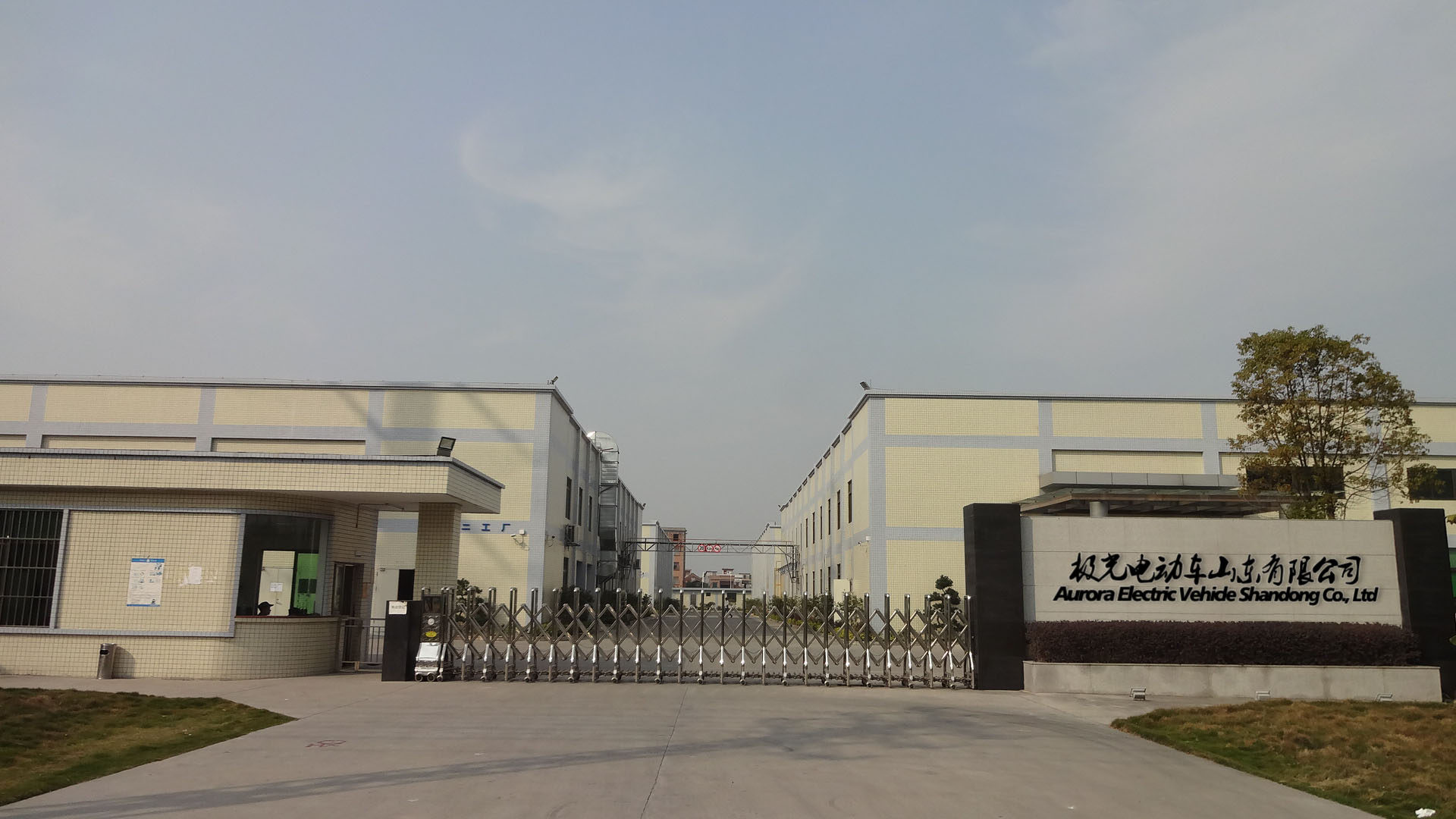
Deeply rooted in China's high-quality manufacturing sector for over a decade.
Founded in 2015, Aurora Electric Vehicle Shandong Co., Ltd. is located in Linyi City, Shandong Province—a key transportation hub connecting the Yangtze River Delta and the Bohai Economic Circle. Over the course of 10 years in the electric bicycle industry, we have grown from a local assembly workshop into an integrated enterprise incorporating research and development (R&D), production, global sales, and technical support.
We have grown alongside the regulatory standards of the industry, particularly during the transition to China's new national standard era in 2019. By upgrading our assembly lines, updating frame designs, and developing compliant electrical controllers, we have ensured that our entire product catalog complies with safety guidelines regarding frame load ratings, fire-retardant electrical systems, anti-tampering speed limits, and electromagnetic compatibility.
Our engineering department is comprised of specialists with over 10 years of experience in e-mobility design. The team focuses on enhancing thermal dissipation in batteries, developing custom frame geometry, and securing core patents in controller board architecture and energy recuperation.
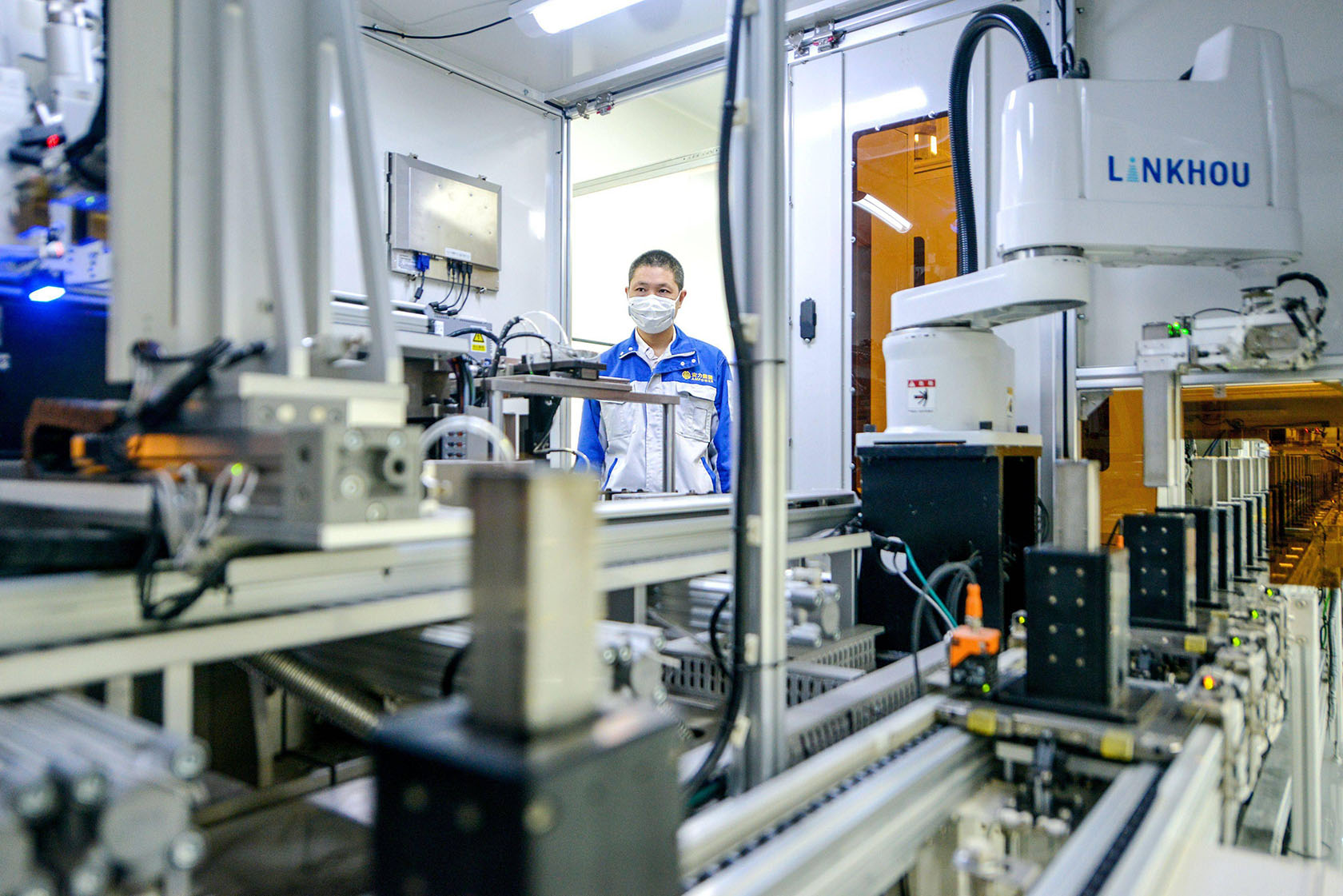
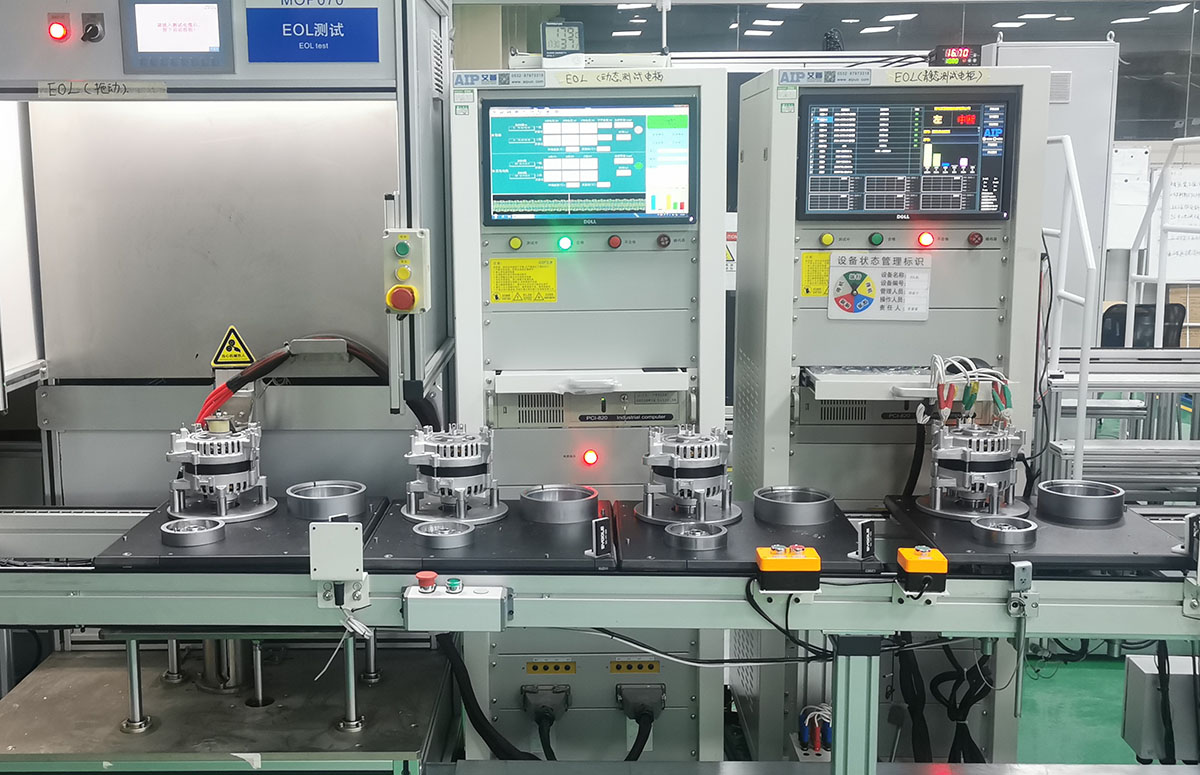
Our plant employees undergo continuous professional training. By enforcing structured standard operating procedures (SOP) across battery pack welding, motor dyno testing, and frame alignment, we minimize factory defect rates to under 0.2%.
Our dedicated sales and service team manages overseas orders. We provide customs clearance advice, coordinate with major ocean freight forwarders, and supply after-sales warranty components (BMS boards, displays, controllers) directly from stock.
Our manufacturing practices are backed by internationally recognized testing certificates, ensuring compliance and reliability for global distributors.
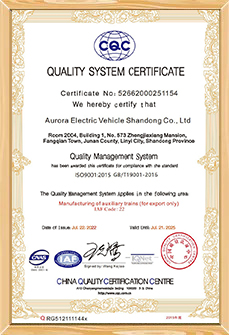
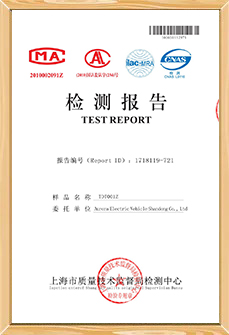
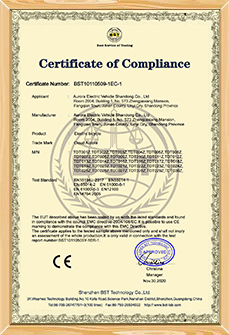
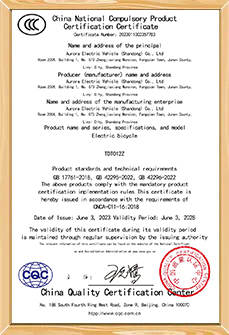
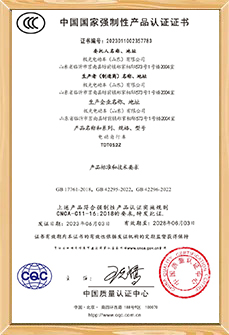
We conform to CCC, CE, and FCC global standards. Every production batch is subjected to strict quality tests in our specialized on-site facility, including frame structural fatigue vibration, battery cell temperature discharge profiling, motor dyno performance testing, and water resistance testing (IPX5 rain simulation).
Our operations are driven by our mission: "making green travel easier and safer for everyone." We incorporate environmental awareness into our product life cycle, from sourcing recyclable raw materials to implementing low-carbon manufacturing processes.
Our core values are integrity, pragmatism, innovation, and mutual benefit. We build collaborative partnerships with global importers and OEM distributors. We view product safety not just as a compliance checkbox, but as the foundation of our enterprise's long-term sustainability.
Looking forward, Aurora Electric Vehicle remains committed to technological innovation. By investing in our battery safety research laboratory and integrating smart, internet-connected features into our vehicles, we aim to provide reliable, low-maintenance urban mobility options for consumers worldwide.
How our LEVs serve diverse operational environments across the globe.
In dense metropolitan areas across Europe and Latin America, commuters require lightweight, foldable, or compact frame layouts that can be easily brought into transit systems or office spaces. Disc brake systems and reliable suspension setups are essential for safety when navigating busy city traffic.
The global growth of the gig economy has increased the demand for delivery-optimized electric bikes. These models require high-capacity, dual-battery systems, durable cargo racks, puncture-resistant tires, and stable kickstands to withstand 10 to 12 hours of continuous operational use daily.
For rural exploration, resort rentals, and off-road trails, riders benefit from fat-tire electric bikes featuring high-torque hub motors. These designs emphasize shock absorption, traction control, and high structural stability to handle mud, loose gravel, and sand safely.
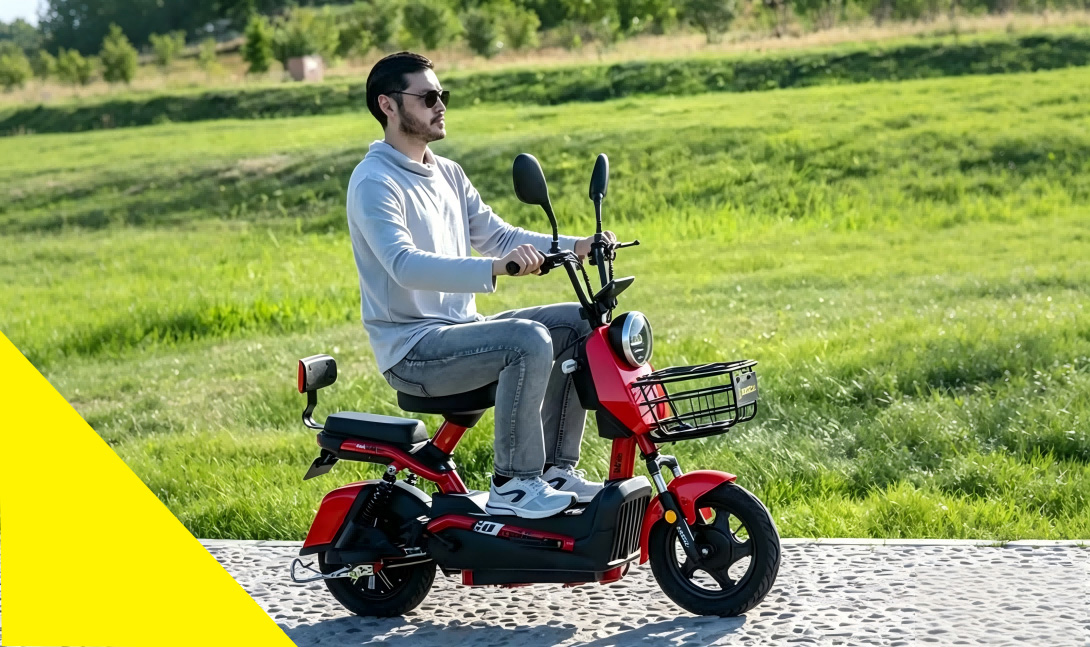
Featuring an ergonomic lightweight frame, customized battery placement for optimal weight balance, and a responsive pedal-assist sensor system designed for standard municipal lanes and commuter pathways.
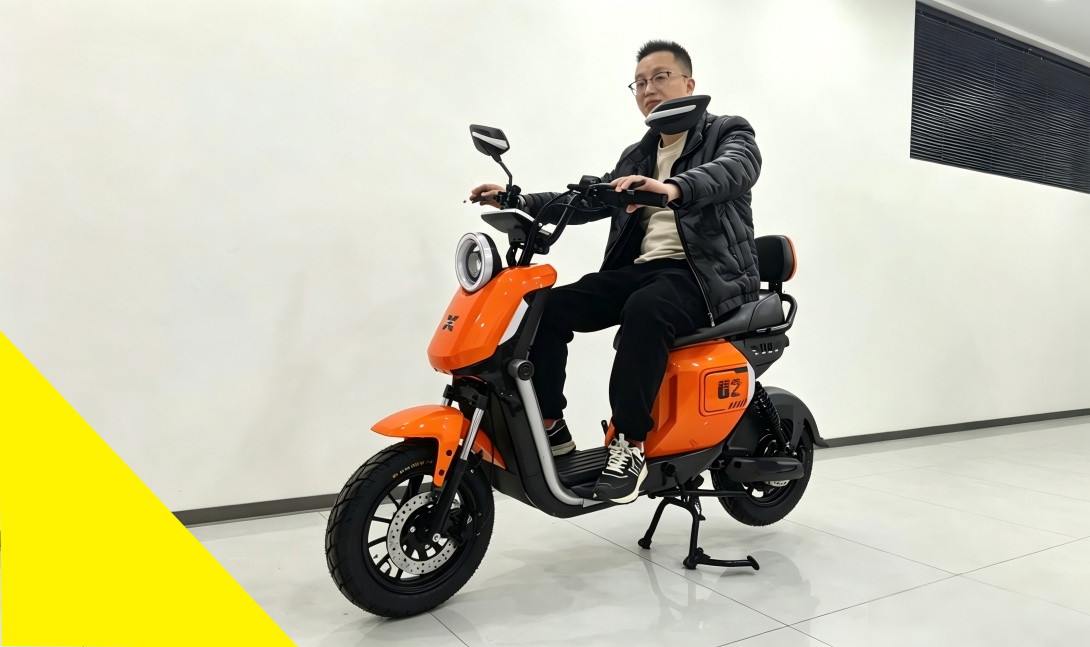
Aerodynamic exterior layout paired with high-performance battery packs. Developed to balance structural durability with daily portability in urban regions.
How our manufacturing infrastructure translates to tangible business growth for our procurement partners.
Compact, maneuverable, and easy to park. Designed for short urban trips, local errands, and daily commuting.
Features a proven hub motor system paired with an efficient battery pack to deliver predictable daily range and climb assist.
Equipped with front baskets, cushioned backrests, full suspension, anti-slip decks, and responsive dual braking systems.
Reinforced frame materials build durability for logistics and rental applications. Standardized replacement parts simplify maintenance.
Technical answers to critical procurement questions to assist in evaluating quality and manufacturing capabilities.
Browse our selection of commuter, off-road, and multi-wheel electric vehicles built for global supply chains.
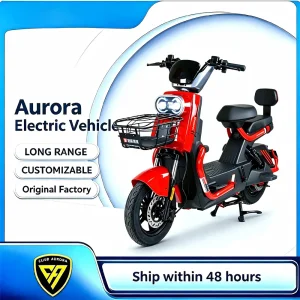
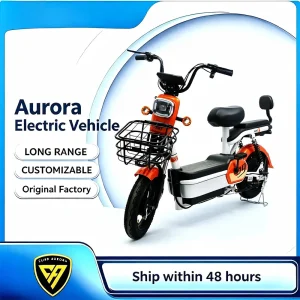
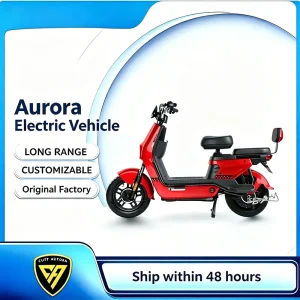
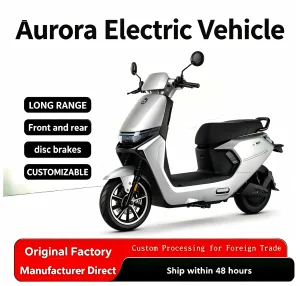
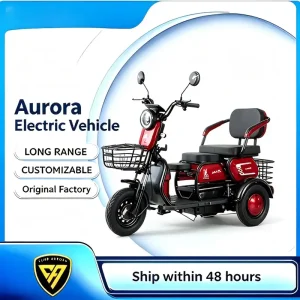
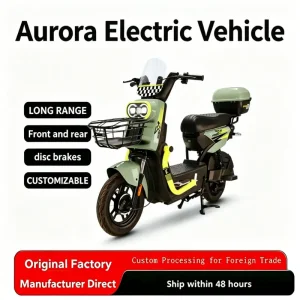
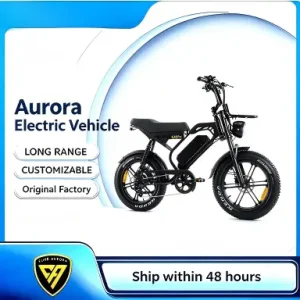
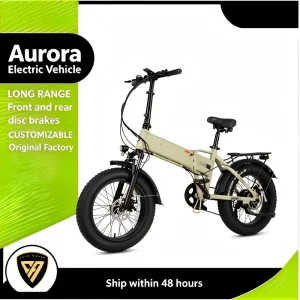
Detailed classifications including electric tricycles, commuter bicycles, and sport-grade off-road motorbikes.