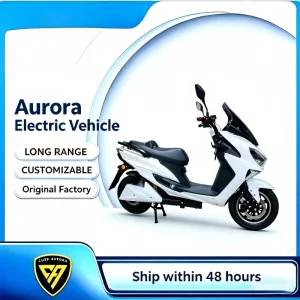
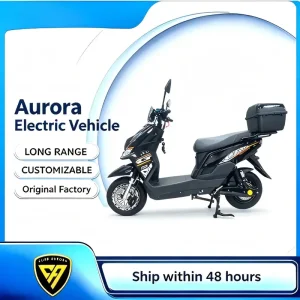
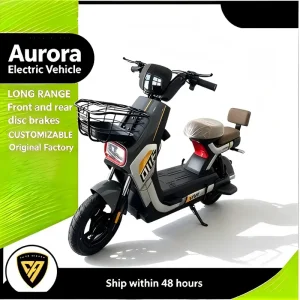
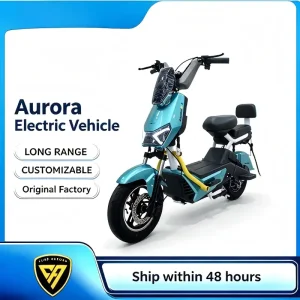
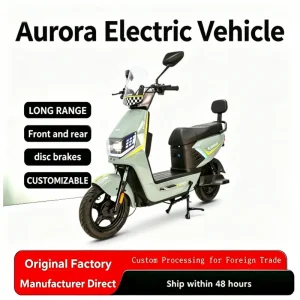
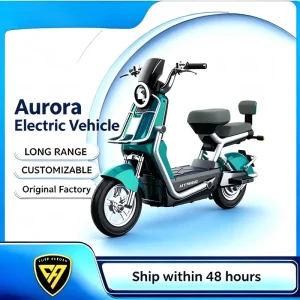
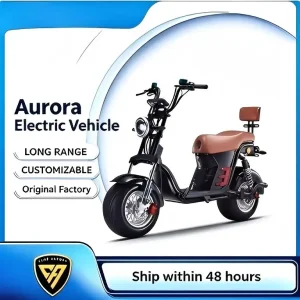
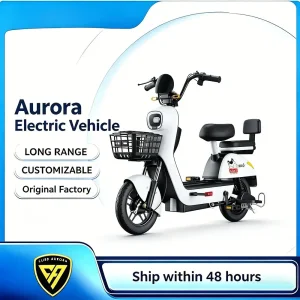
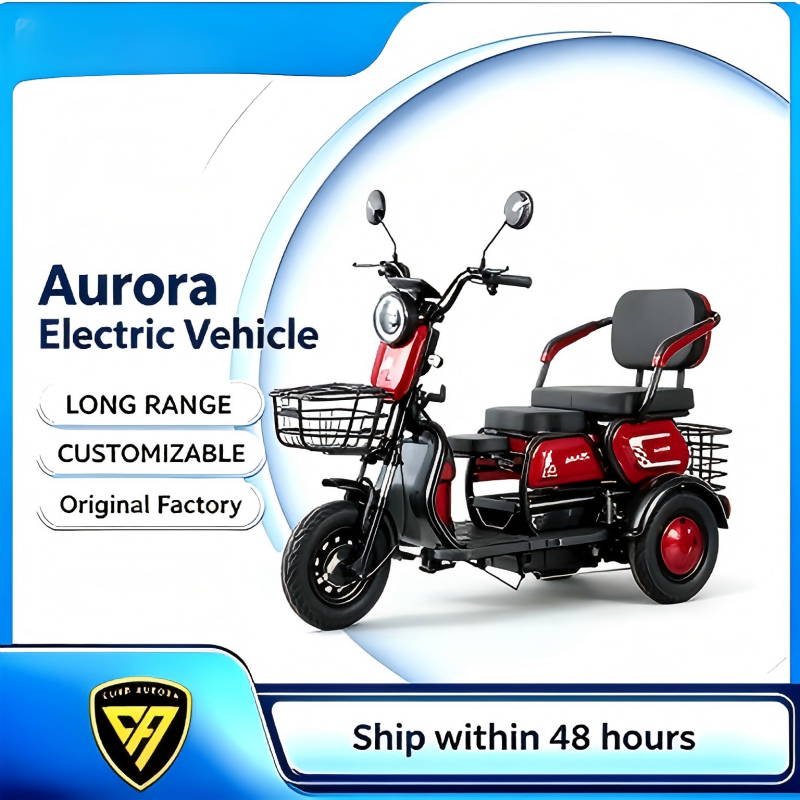
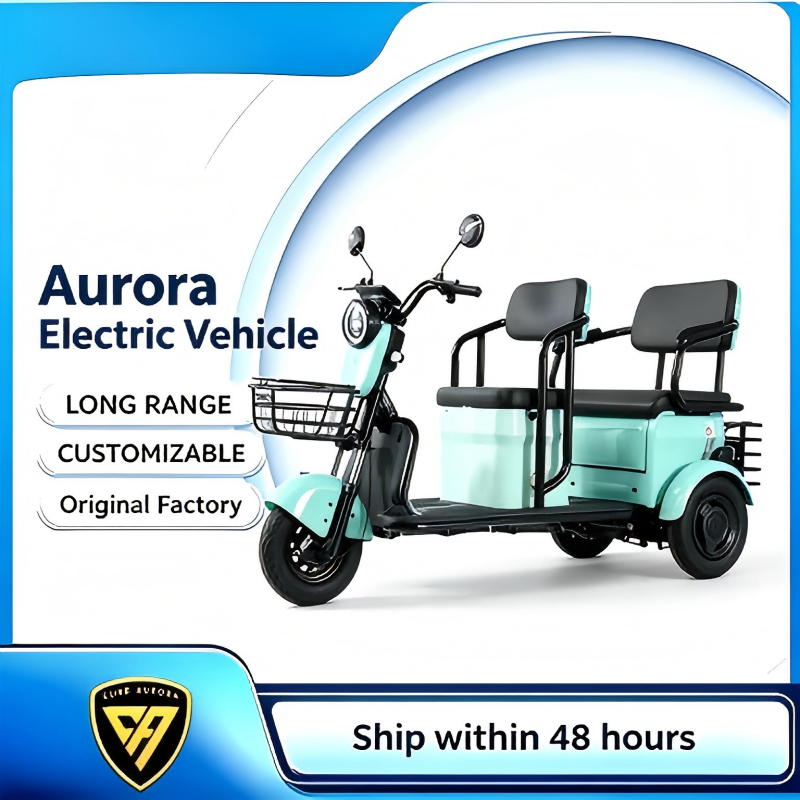
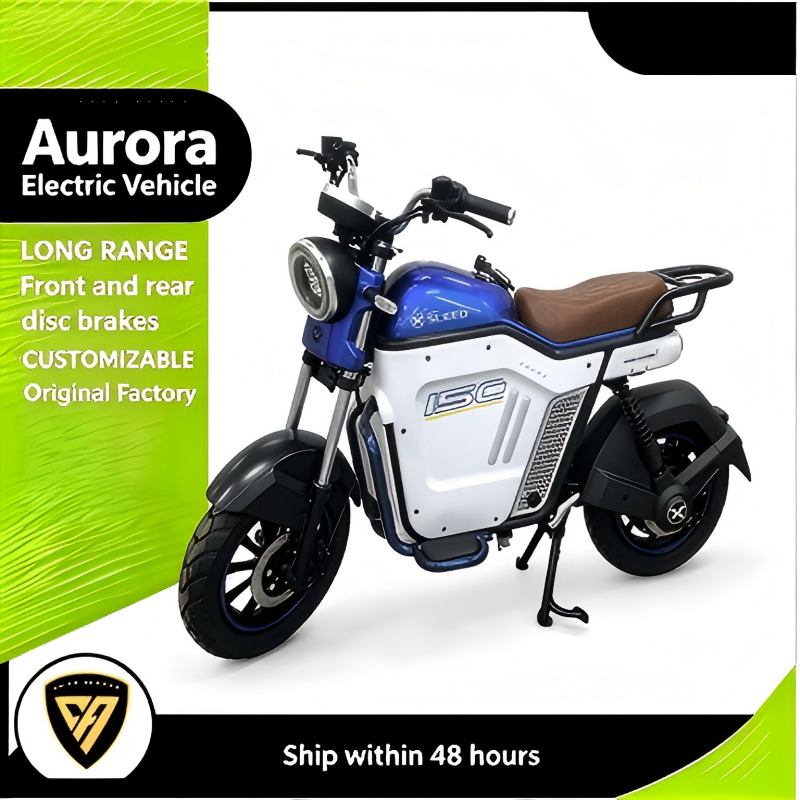
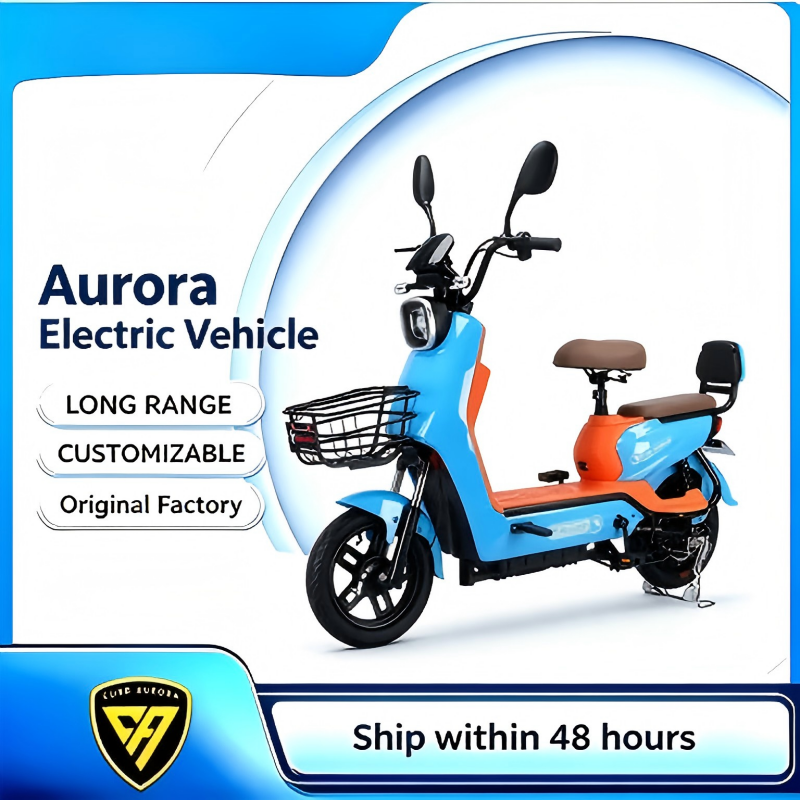
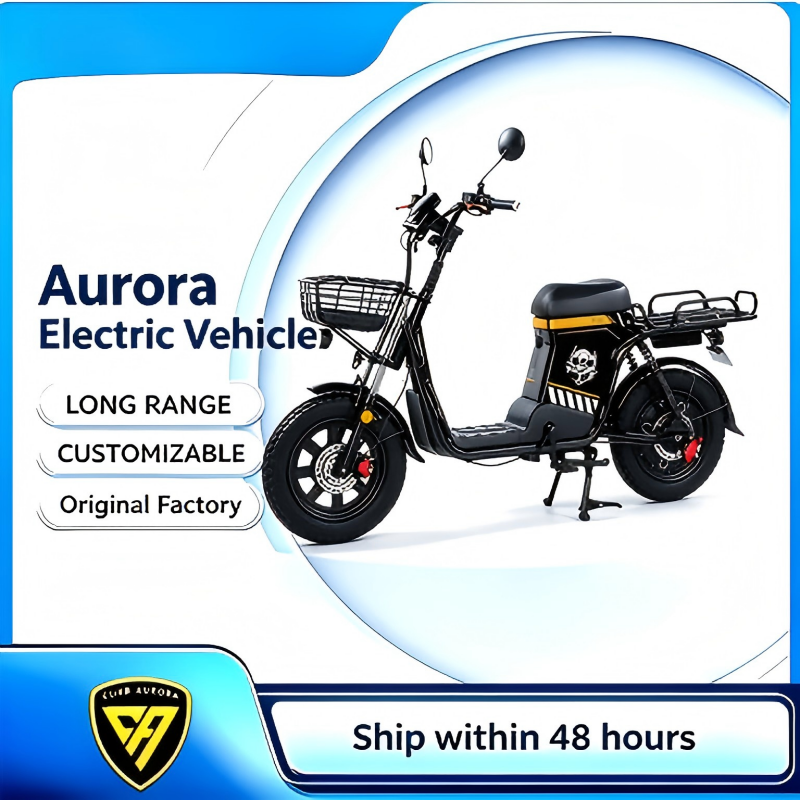
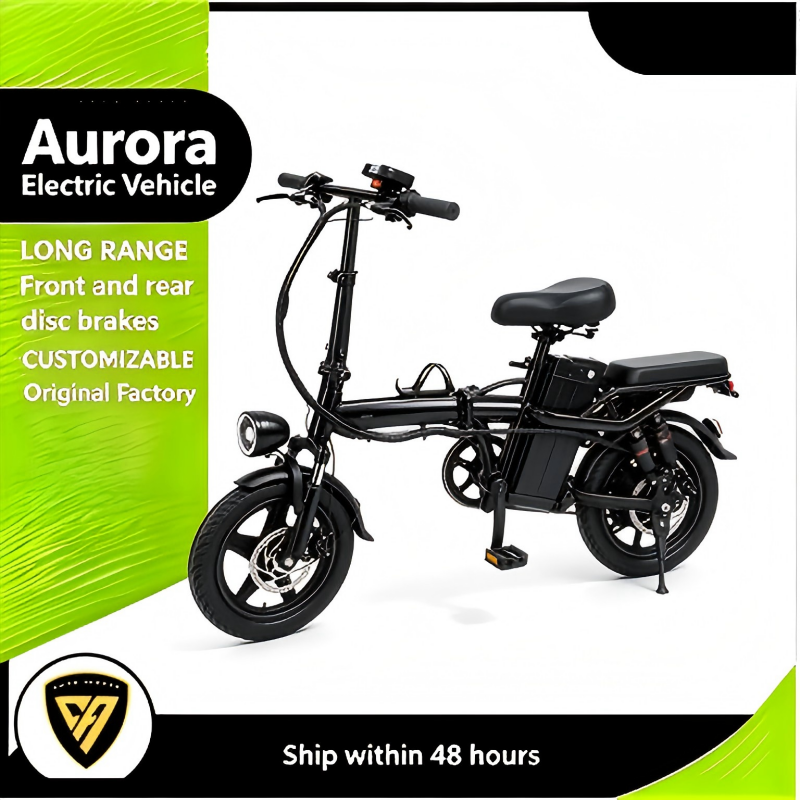
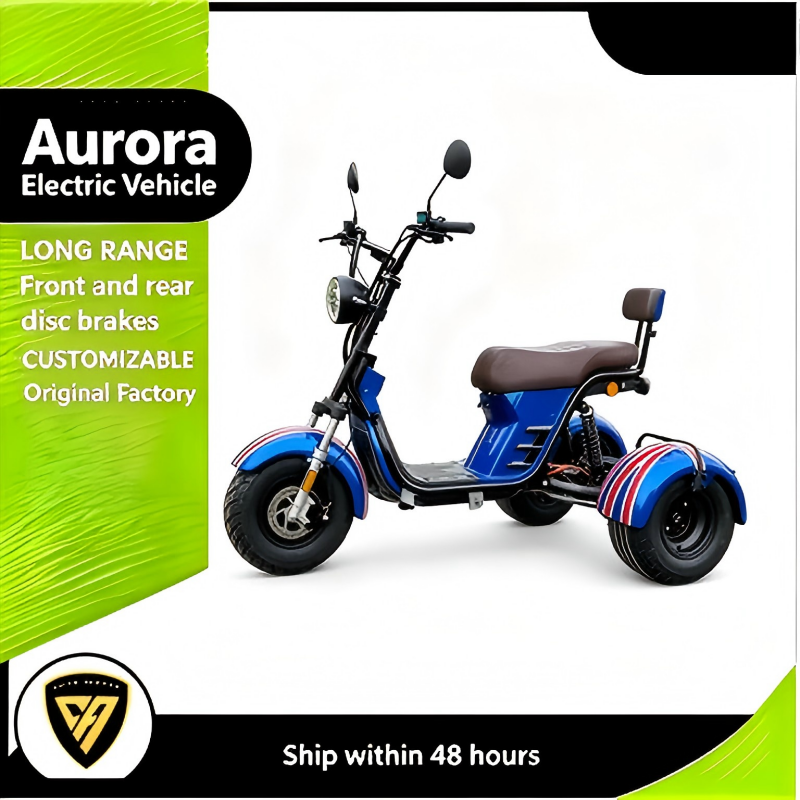
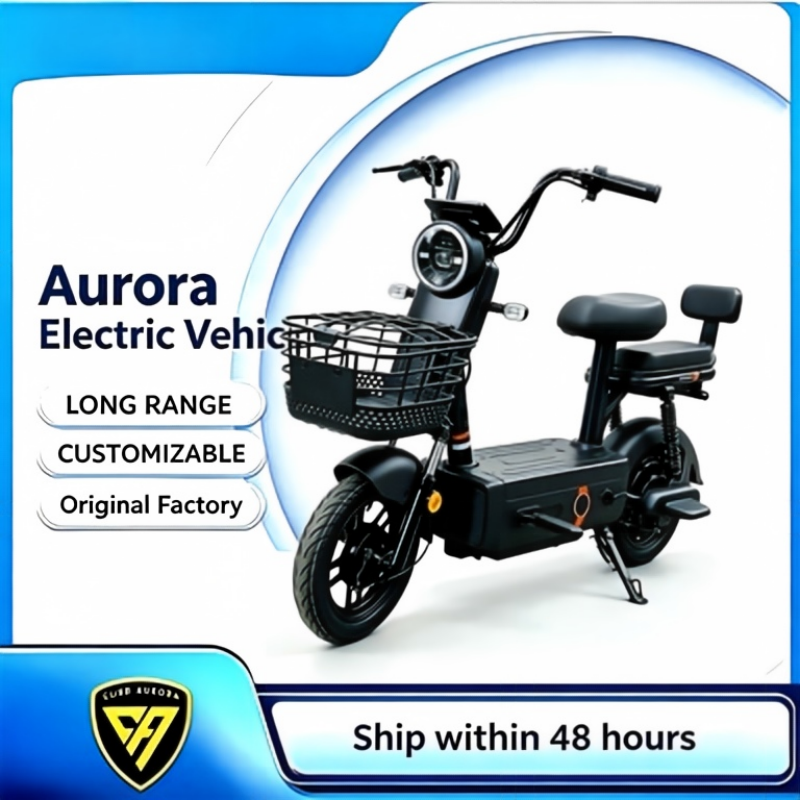
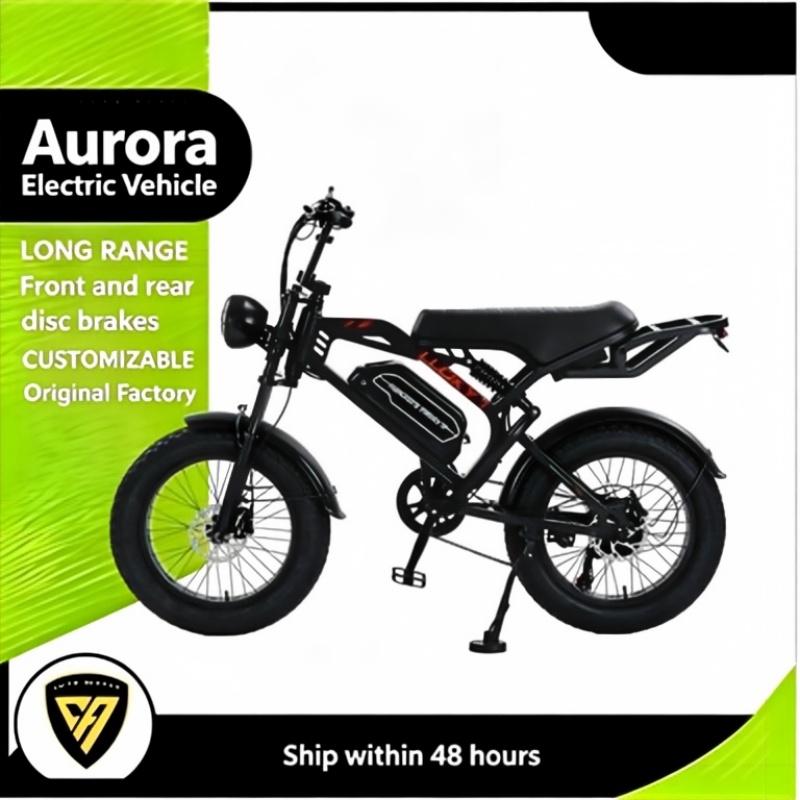
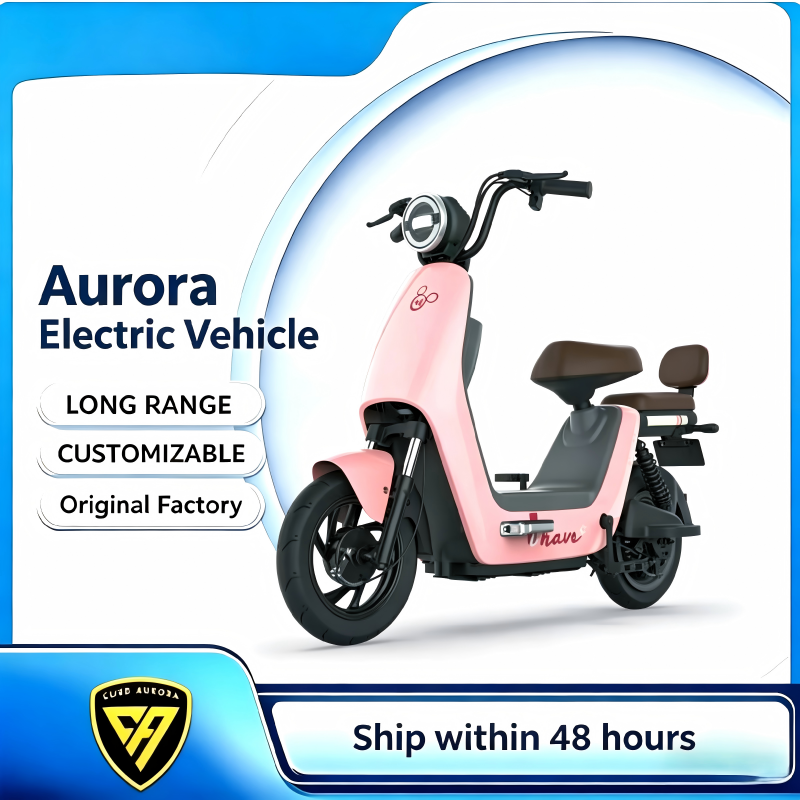
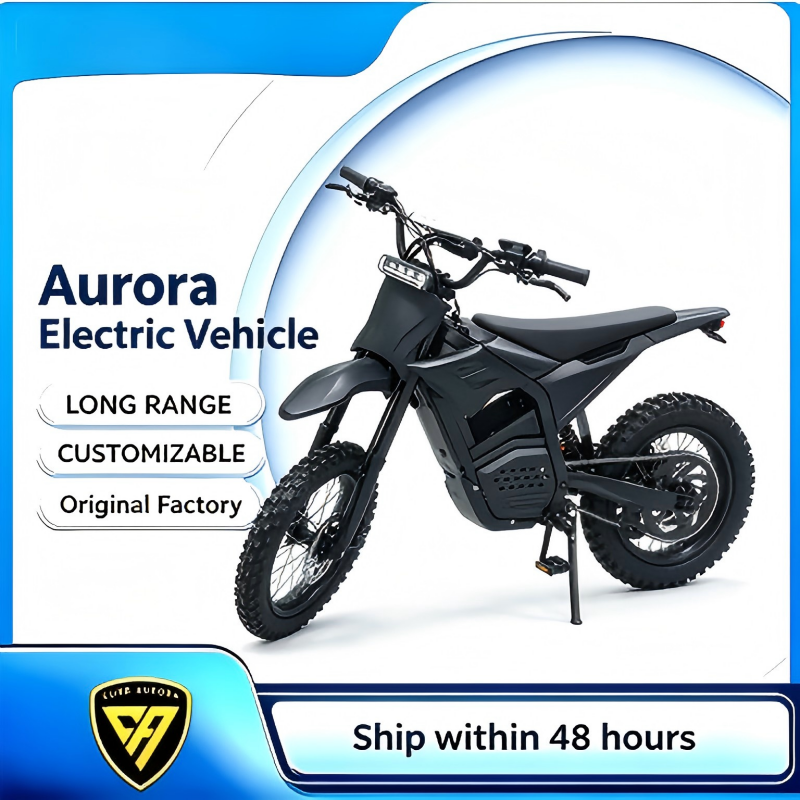
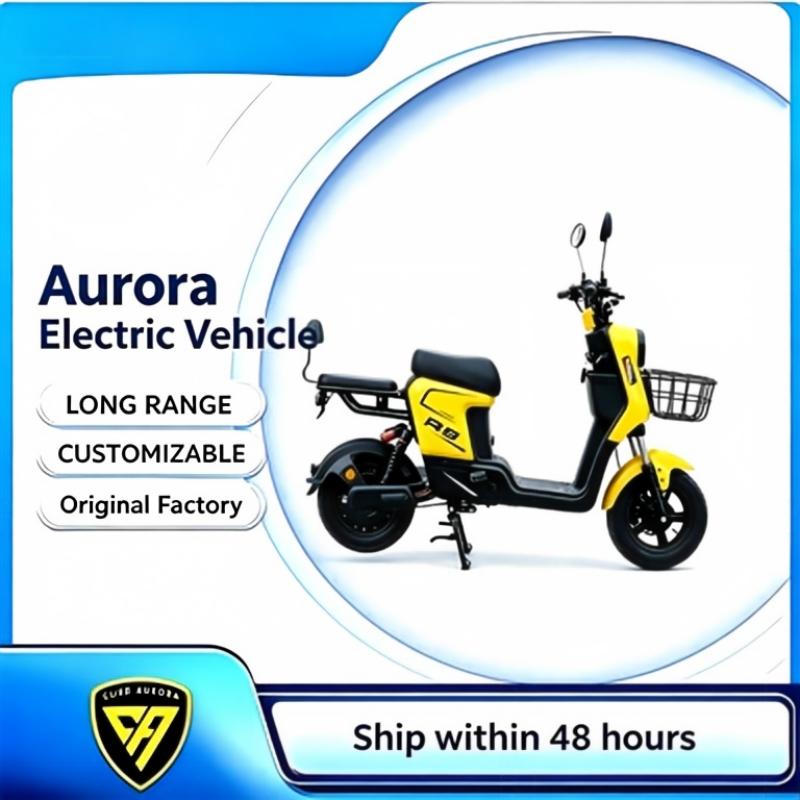
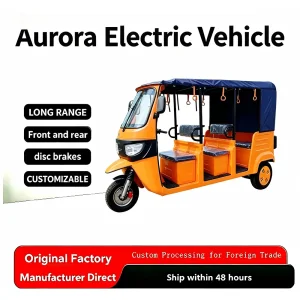
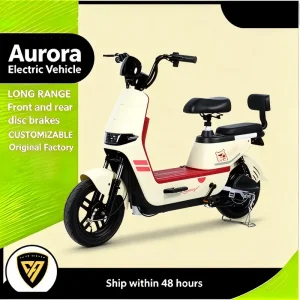
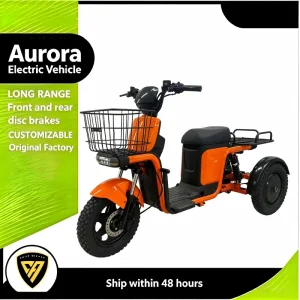
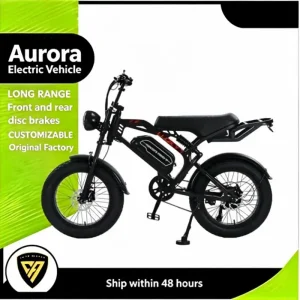
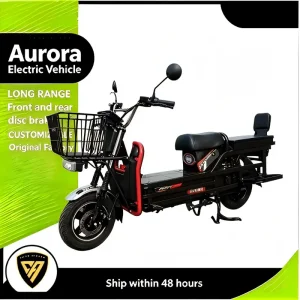
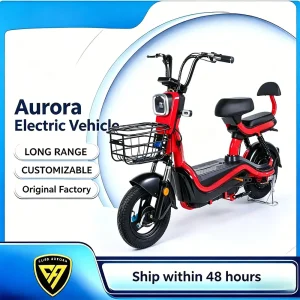
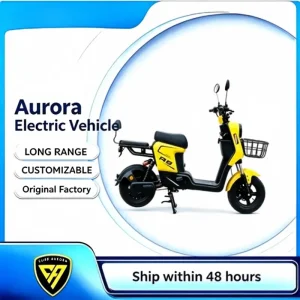
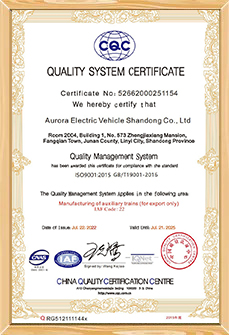
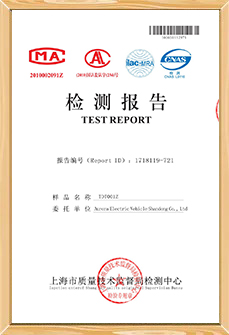
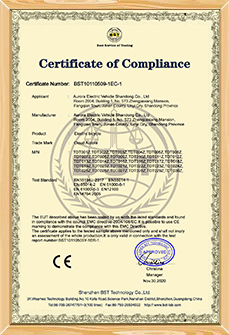
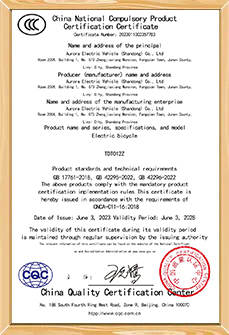
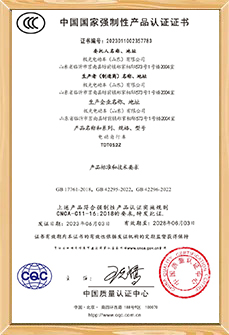
Engineered to meet stringent European safety and performance standards with dedicated CE and EN15194 certifications.
Understanding the Macroeconomic Drivers and Technical Requirements Shaping the Electric Vehicle and Light Electric Vehicle (LEV) Market in Germany
Germany stands as the most lucrative and demanding micro-mobility and light electric vehicle (LEV) market within the European Union. Under the legislative pressure of the European Green Deal and the German Federal Climate Protection Act (Bundes-Klimaschutzgesetz), urban centers from Berlin to Munich are restructuring their transport corridors. This shift is characterized by a rapid transition away from internal combustion engine (ICE) passenger cars to electric multi-modal vehicles. As a result, B2B procurement of OEM electric bicycles, cargo e-bikes, and electric scooters has surged to historic highs.
For German distributors, delivery fleet operators, and retail chains, sourcing these vehicles requires navigating a highly complex matrix of European regulations, industrial standards, and consumer safety expectations. Working with a tier-1 Chinese OEM partner that features a fully integrated supply chain is a critical competitive advantage. It bridges the gap between cost efficiency and compliance, offering customized solutions that meet local requirements while maintaining high production capacity.
Leveraging Geographic and Logistical Synergy from China's Integrated Industry Hubs to Drive Quality and Cost Efficiencies
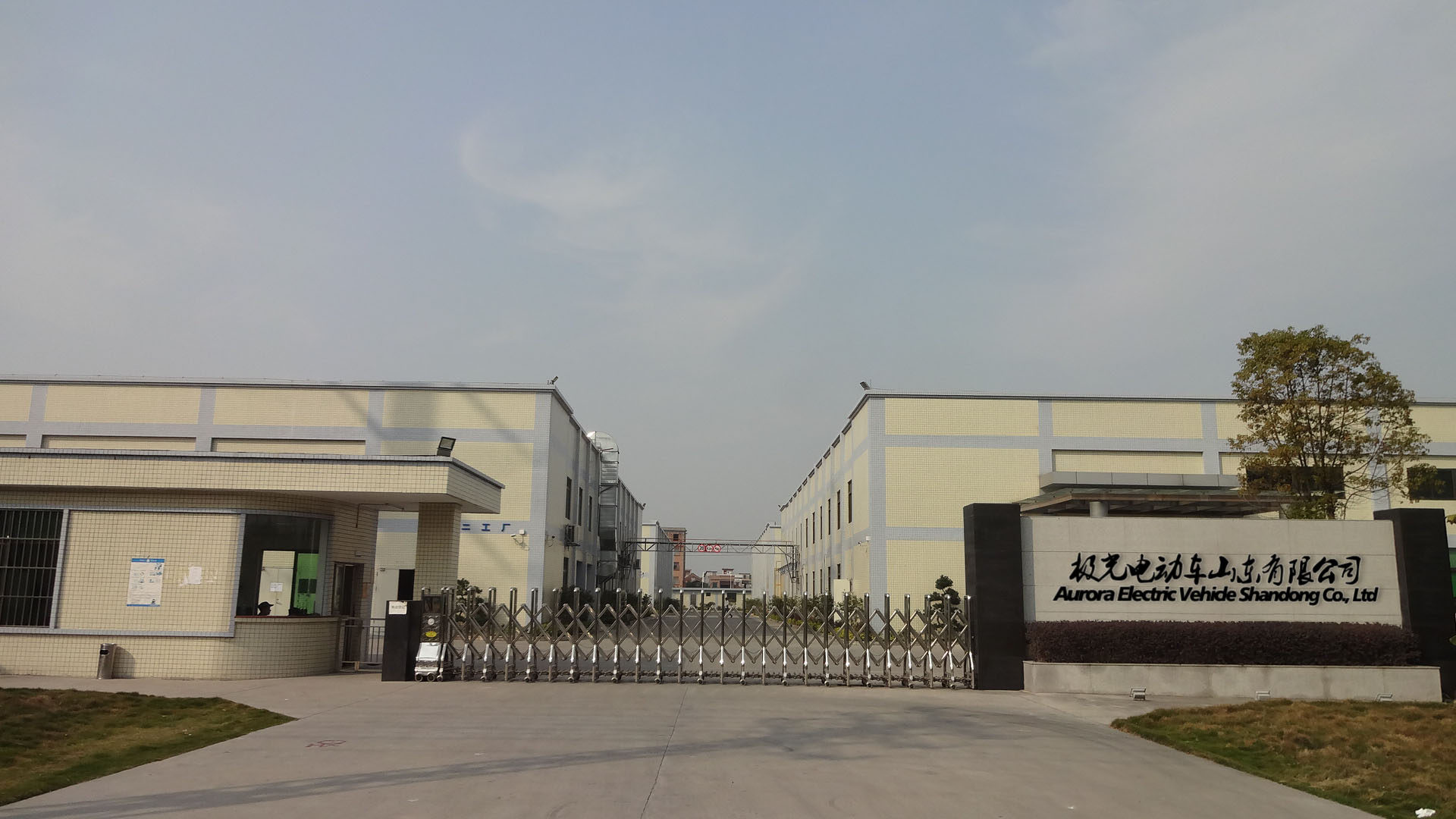
Our manufacturing base is strategically situated in Linyi City, Shandong Province—a primary logistics center connecting the Yangtze River Delta and the Bohai Economic Circle. This gives us direct access to raw material networks, specialized motor fabrication plants, advanced lithium battery assembly facilities, and structural steel and aluminum processing mills. In the light electric vehicle sector, regional proximity translates to minimized material handling costs, rapid component sourcing, and stable pricing structures.
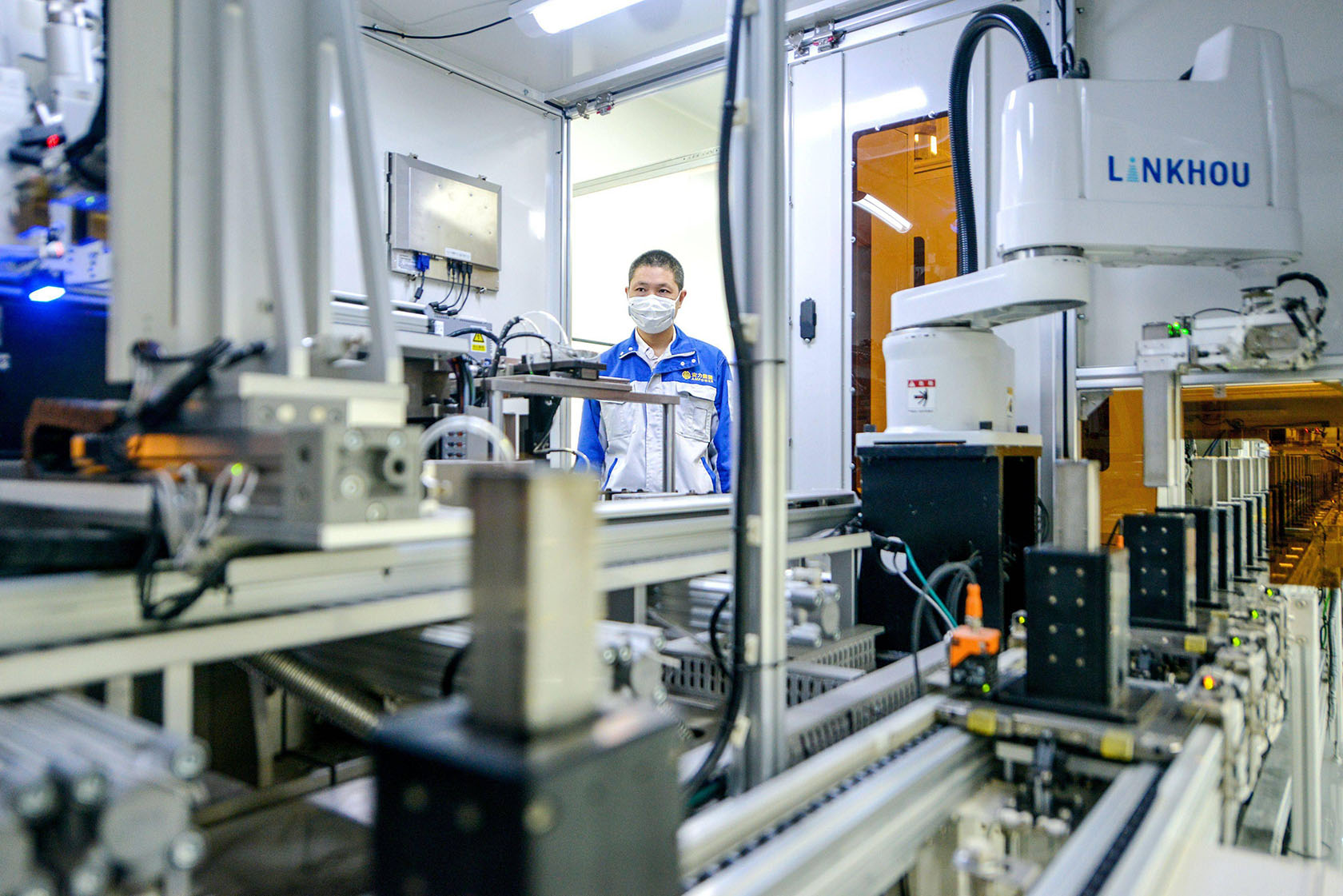
By bypassing fragmented sub-assembly suppliers and consolidating production in our state-of-the-art facility, we enforce rigorous quality control at every phase of production. From frame welding and anti-corrosive powder coating to wire harness integration and final system diagnosis, we ensure high quality. Furthermore, the short transport corridors to major shipping hubs like Qingdao Port allow us to offer flexible, cost-effective container logistics and predictable lead times to Hamburg, Bremerhaven, and other European ports.
Navigating the Regulatory Framework to Guarantee Legal Compliance and Risk-Free Importation into the German Market
To qualify as an Electrically Power Assisted Cycle (EPAC) in Germany, electric bicycles must comply with the EN 15194 standard. This includes a maximum continuous motor power of 250W, power cutoff when speed reaches 25 km/h, and compatibility with 48V electrical architectures. Our product line is designed to comply with EN 15194, mitigating liability concerns for imported fleets.
German Road Traffic Licensing Regulations (StVZO) demand specific safety equipment. We supply integrated lighting systems (dynamo or battery-powered) bearing the official K-Mark approval, dual independent mechanical/hydraulic braking systems with high friction coefficient pads, and integrated wheel/frame reflectors to ensure safety on German streets.
Lithium-ion batteries are classified as dangerous goods. All power packs exported to Germany undergo rigorous UN38.3 testing to verify thermal stability, impact resistance, and short-circuit protection. Additionally, we provide full support for compliance with the German Battery Act (BattG) and European WEEE requirements.
Founded in 2015, Leading the Industrial Progression of High-Performance LEV Systems
Aurora Electric Vehicle Shandong Co., Ltd., founded in 2015, is located in Linyi City, Shandong Province—a strategic transportation hub connecting the Yangtze River Delta and the Bohai Economic Circle. Over more than a decade of development within the electric bicycle and scooter sectors, the company has transformed from a regional assembly facility into a comprehensive manufacturing enterprise integrating research and development, manufacturing, global sales, and after-sales support.
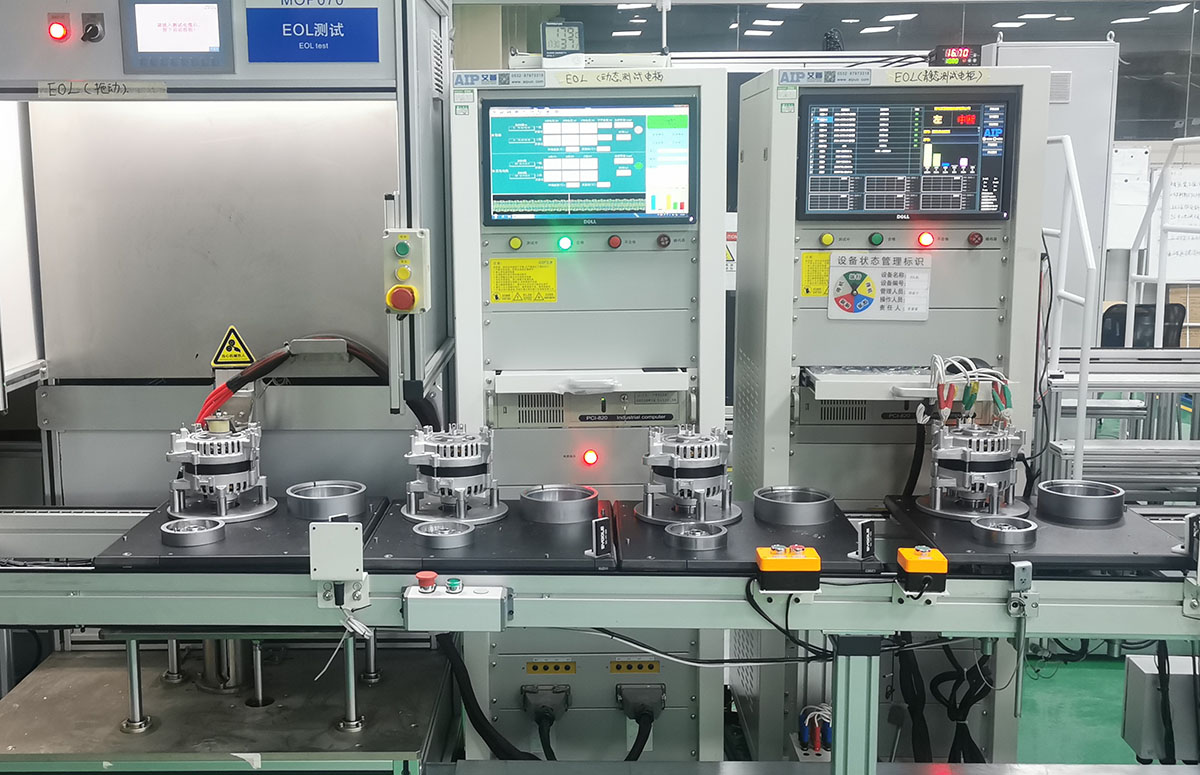
During the introduction of the new national safety standard in 2019, our facility underwent an extensive modernization phase. We updated our production lines, enhanced R&D protocols, and optimized vehicle parameters to exceed mandatory safety specifications, including fire retardant electronics, electronic speed limiting controllers, and anti-tampering mechanical features. Today, our facility operates digital production assemblies, automated wheel-building machines, and computerized testing bays to guarantee manufacturing consistency across every production batch.
Comprising senior automotive and mechanical engineers with over 10 years of experience, focusing on high-density lithium battery integration, dynamic suspension kinetics, and smart motor controller programming. Our team holds multiple patents in motor optimization and smart battery management systems (BMS).
Staffed by trained assembly technicians executing specialized quality checks at every station. We ensure strict alignment with ISO 9001:2015 protocols, maintaining tolerances from raw chassis verification to boxed container loading.
Providing tailored OEM/ODM consulting, regulatory documentation assistance, custom shipping logistics coordination, and localized aftermarket parts supply to help clients reduce operational risk.
Building Long-Term B2B Partnerships Grounded in Integrity and Shared Success
Our core philosophy incorporates the industrious spirit of Shandong's historical hubs with a commitment to sustainable transport solutions. We operate on the principles of "integrity, pragmatism, innovation and win-win". This dictates that we treat quality not as a variable, but as the fundamental asset of our business relationships.
To maintain high reliability, we have invested in an in-house laboratory equipped to conduct environmental stress tests, structural load fatigue tests, IPX6 and IPX7 ingress tests, and advanced electrical thermal cycling diagnostics. We are committed to making low-carbon transport safer and more accessible worldwide, contributing to the development of micro-mobility infrastructure in Germany and beyond.
Moving forward, we continue to invest in automated frame welding, smart IoT integration (enabling GPS tracking, remote lock controls, and predictive maintenance for delivery fleets), and partnerships with European distribution networks. We welcome commercial buyers, import managers, and OEM distributors to visit our Shandong facility, evaluate our production lines, and discuss direct procurement pathways.
Extending our technological expertise into specialized commercial, cargo, and leisure vehicles.
Aligning Vehicle Design and Engineering with Regional Use Cases and Logistics Demands
Commercial vehicles exported to Germany must meet distinct regional usage patterns. Our engineering processes are tailored to align with these real-world conditions, optimizing vehicles for performance, durability, and user safety in local environments.
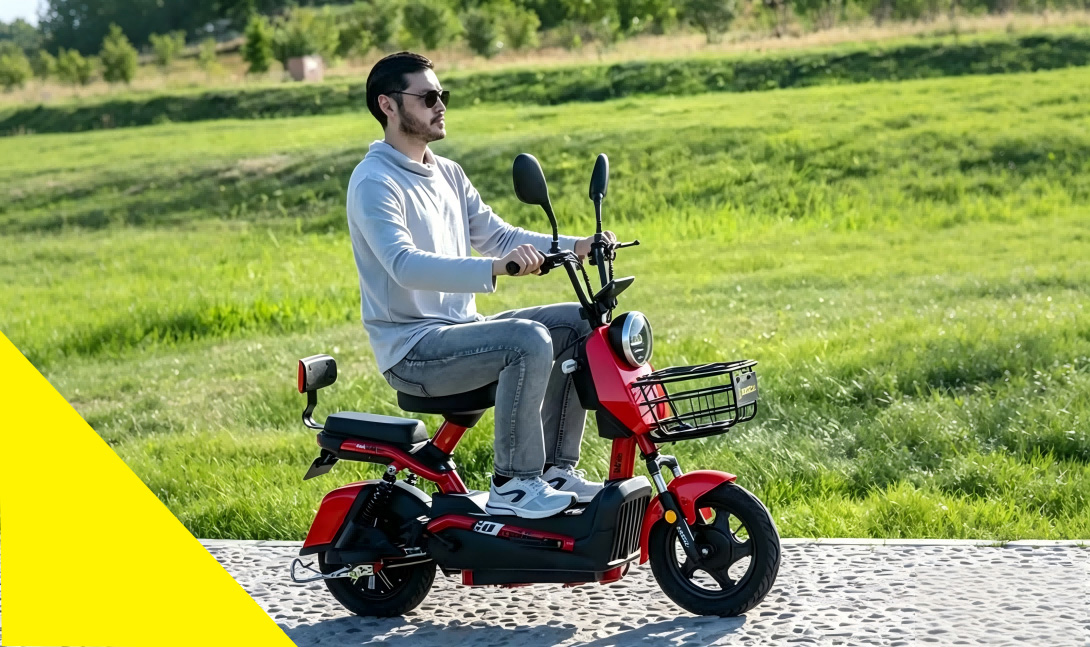
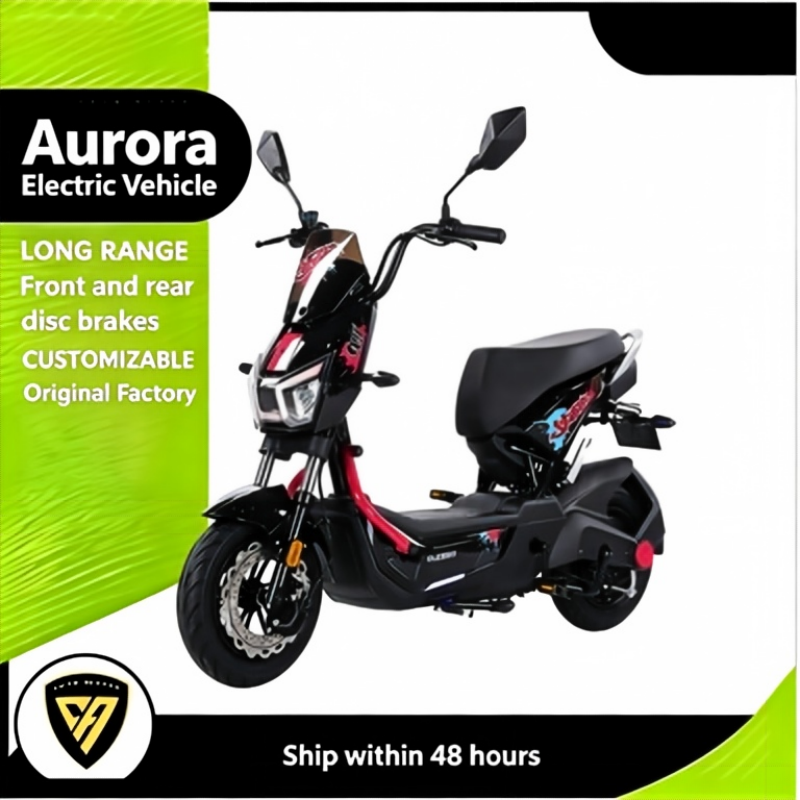
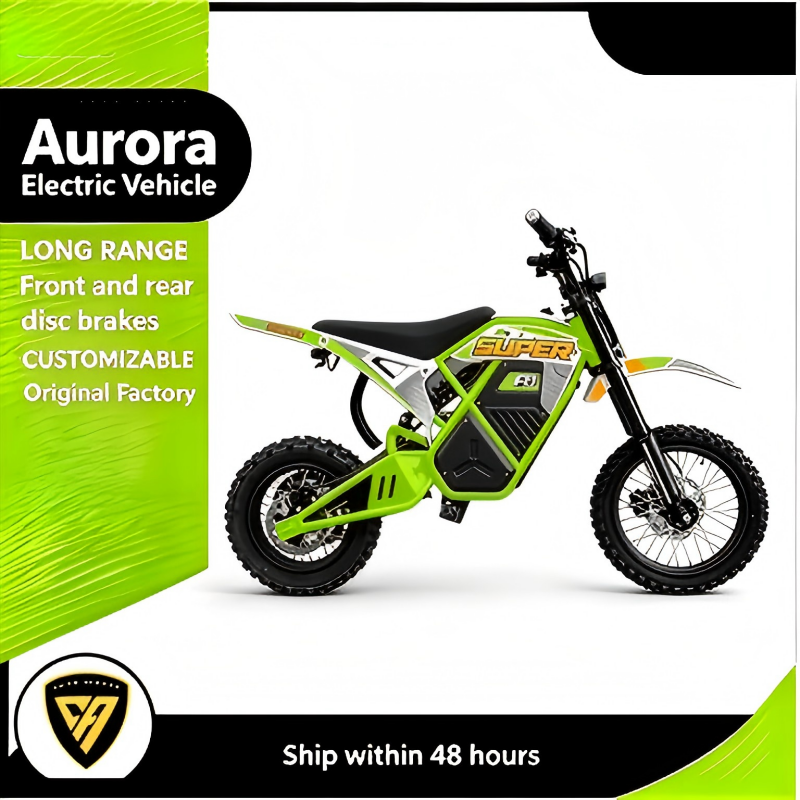
Ergonomic, lightweight structure optimized for urban transit. Features balanced power distribution, energy-efficient battery draw, and integrated structural durability for long-term usage.
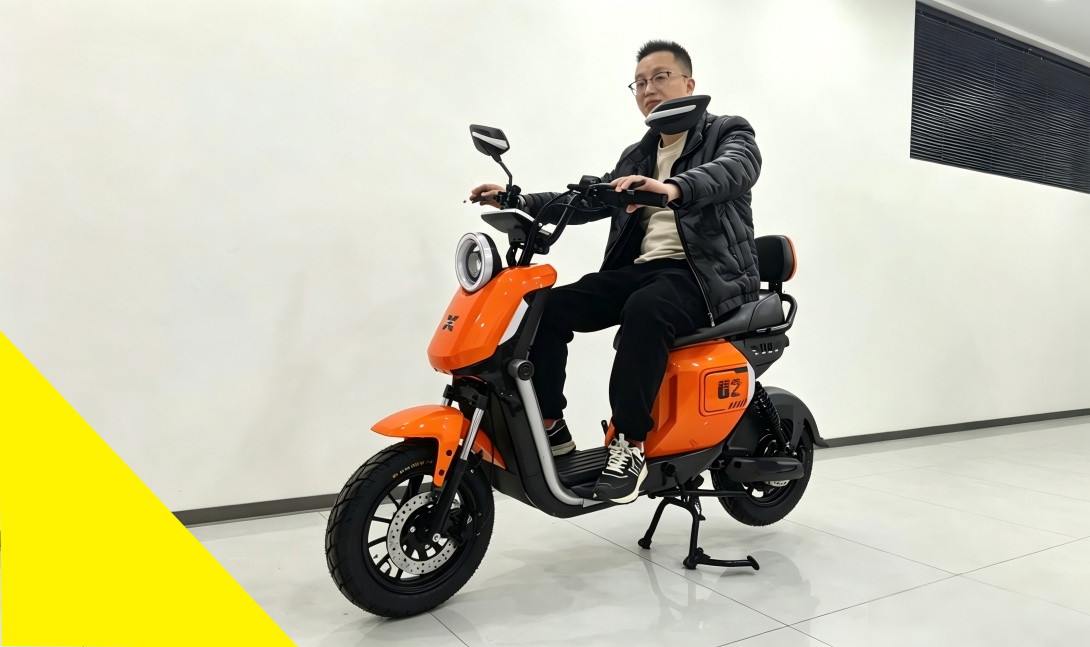
Featuring an aerodynamic design, balanced acceleration curves, and responsive handling. Highly suitable for urban commuting, providing a practical, labor-saving transport solution.
High-Strength Materials, Smart Power Distribution, and Reliable Component Options
Designed for compact, agile urban travel. Easy to handle and park, these vehicles are optimized for commuter patterns, quick stops, and efficient short-distance transport.
Equipped with a proven powertrain system that provides smooth acceleration and consistent torque. Paired with high-capacity battery units to ensure stable performance for daily use.
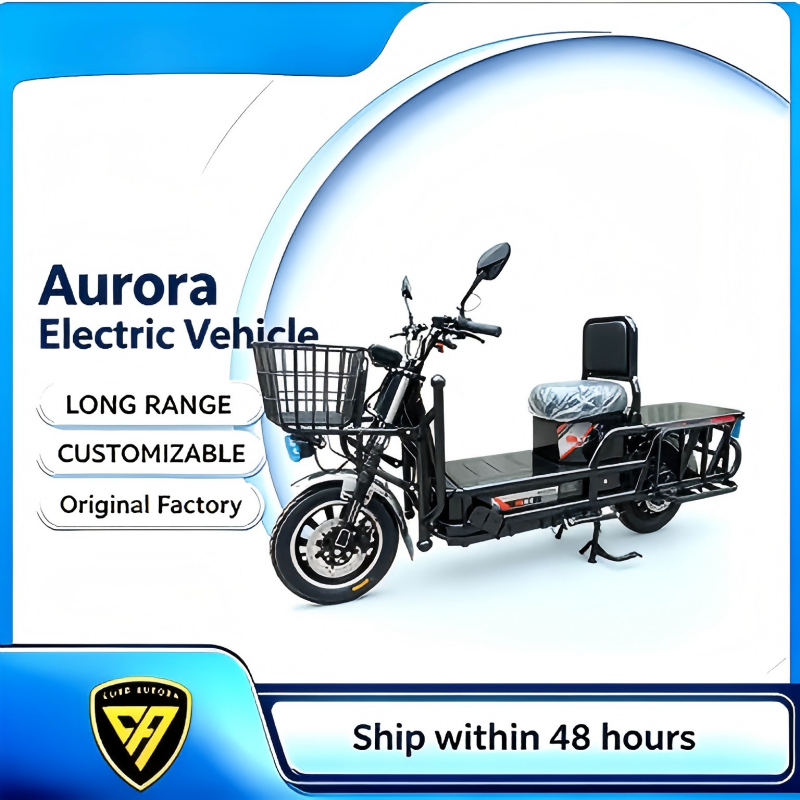
Configured with heavy-duty cargo baskets, ergonomic passenger backrests, comprehensive shock absorption, and responsive braking systems to ensure a secure, comfortable ride.
Chassis are constructed from reinforced aluminum alloy and high-tensile steel, engineered to withstand intense use while minimizing maintenance overhead. Ideal for fleet deployment.
Industrial Pricing Structures, Export Customization, and Safe High-Volume Freight Management
We work with commercial partners, delivery companies, and distributors through direct, structured procurement processes. In addition to offering competitive pricing based on volume (FOB Qingdao/Shanghai), we provide full-scale OEM/ODM integration. Buyers can customize battery capacities, specify hydraulic disk brake systems, integrate GPS tracking units, and brand the frame styling with their corporate visual identity.
To prevent transit damage during long ocean shipping, all vehicles are packaged in heavy-duty, 5-layer imported kraft corrugated boxes, reinforced with custom-molded interior supports. We coordinate logistics with trusted freight forwarders, accepting either nominated carriers or managing the route directly to ensure safe, on-time delivery.
| Vehicle Category | Standard Power / Configuration | Battery Capacity Options | Regulatory Standard Compliance | Estimated FOB Price Range (USD) |
|---|---|---|---|---|
| Urban EPAC E-Bikes | 250W Hub Motor / 25km/h limit | 36V 10.4Ah - 14Ah Li-ion | EN 15194, CE, StVZO Compatible | $380 - $550 / unit |
| Dual-Suspension Commuters | 350W/500W Mid/Hub Drive | 48V 12Ah - 17.5Ah Li-ion | CE, EN 15194, EMC, FCC | $480 - $680 / unit |
| Commercial Cargo / Delivery | 250W/500W High Torque | 48V Dual-Battery System | EN 15194, DIN 79010 (Cargo standard) | $650 - $950 / unit |
| E-Scooters (eKFV Class) | 350W Front/Rear Motor / 20km/h | 36V 7.8Ah - 10.2Ah Li-ion | eKFV (Germany), ABE, CE | $220 - $350 / unit |
| Specialty Utility Tricycles | 500W/800W Differential Axle | 48V/60V 20Ah - 32Ah | CE, ADR, Ingress Protected (IP65) | $750 - $1200 / unit |
Addressing Regulatory, Technical, and Logistical Questions for Import Operations
Under StVZO regulations, all light electric vehicles must be equipped with a front white light and a rear red light. These lights must remain functional even when the main motor stops (e.g., powered by a dynamo or the primary battery system with reserves). Additionally, vehicles must feature yellow reflectors on the pedals, side wheel reflectors (or retroreflective tires), a red rear reflector, and a front white reflector. Our vehicles designed for Germany come equipped with K-Mark certified lighting options that meet these specifications.
We source battery cells from Tier-1 manufacturers (including LG, Samsung, and quality domestic suppliers) and subject every pack to UN38.3 testing. This testing simulates impact, thermal cycling, overcharge, and vibration conditions. To help import partners comply with Germany's Battery Act (BattG), we supply clear MSDS documentation and support environmental reporting. All batteries also include smart Battery Management Systems (BMS) with thermal cutoffs and short-circuit protection.
For standard configurations, our baseline B2B MOQ starts at 50 units. For fully customized OEM/ODM projects (custom branding, unique paint finishes, or specific motor configurations), the MOQ is typically 100 units. The lead time for production ranges between 30 to 45 days after deposit confirmation, plus ocean transit time (approximately 30 to 35 days to European ports).
Yes, our designated German-market electric scooters are designed to comply with the Elektrokleinstfahrzeuge-Verordnung (eKFV). This includes a hardcoded speed limit of 20 km/h, dual independent braking systems, compliance with minimum weight and dimension limits, and StVZO-compliant lighting. We work closely with our partners to supply the testing reports required for General Operating License (Allgemeine Betriebserlaubnis - ABE) registration.
We supply a set percentage of critical components (such as controllers, displays, and wiring harnesses) with every bulk order. For key parts like frames, motors, and batteries, we offer a dedicated warranty structure. We also support our German partners in establishing localized service systems, providing step-by-step video guides, wiring diagrams, and technical assistance.
Yes, cargo e-bikes (EPACs) must comply with EN 15194. However, due to their higher load capacity and unique handling dynamics, they are also evaluated under the DIN 79010 standard in Germany. This standard dictates structural testing for cargo frames, braking performance under full loads, and stability criteria. Our cargo bikes are built with heavy-duty tubes and hydraulic disc brakes to meet these standards.
Select from our targeted micro-mobility configurations, customizable to fit your local retail or commercial delivery fleet operations.