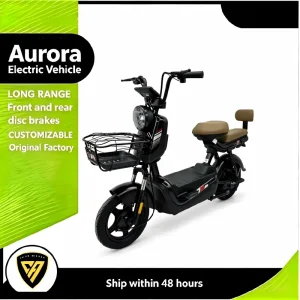
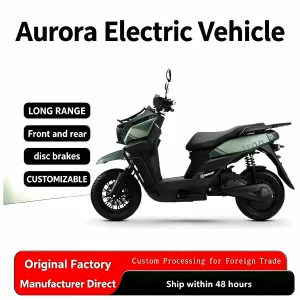
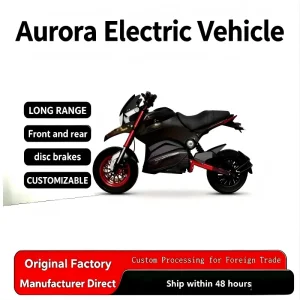
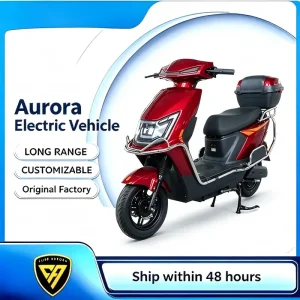
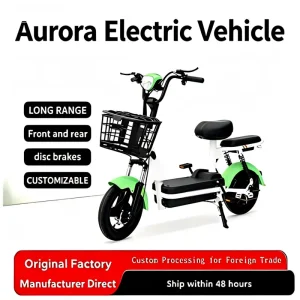
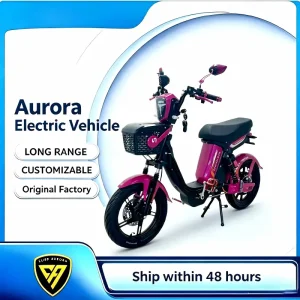
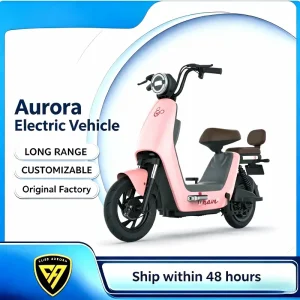
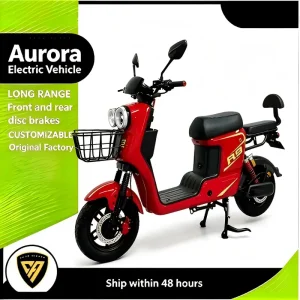
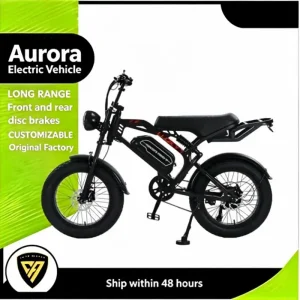
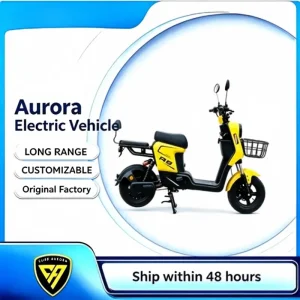
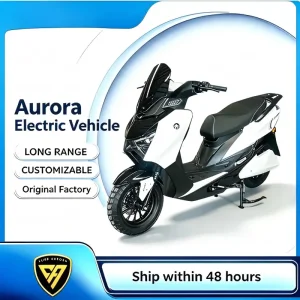
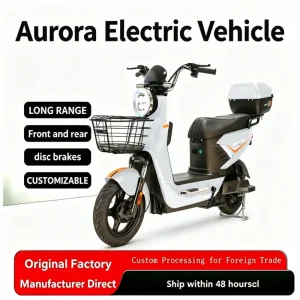
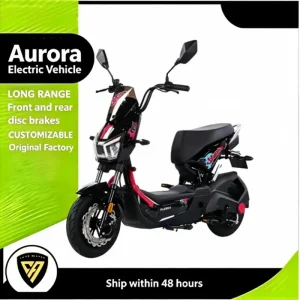
Pre-vetted premium electric vehicles meeting international safety and environmental shipping standards.
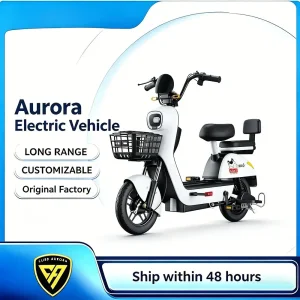
In the rapidly expanding global market for electric mobility, a Material Safety Data Sheet (MSDS)—now globally harmonized simply as a Safety Data Sheet (SDS)—is not merely administrative paperwork. It is a vital technical blueprint representing the chemical safety, classification, handling, and transportation protocol for lithium-ion and sodium-ion power cells. Electric vehicle (EV) batteries are categorized internationally as Class 9 Dangerous Goods due to their potential risks of thermal runaway, electrical shock, and chemical leakage.
An OEM MSDS delineates the precise chemical composition of the cell chemistry (such as Lithium Nickel Manganese Cobalt Oxide - NMC, or Lithium Iron Phosphate - LFP). It documents key metrics like nominal voltage, capacity, watt-hour rating, and lists hazard identifiers critical for emergency responders.
Every valid MSDS must operate alongside a UN38.3 test report. This report validates that the battery pack has successfully undergone extreme environmental testing, including altitude simulation, thermal tests, vibration, shock, external short circuit, impact, overcharge, and forced discharge.
For maritime, air, and overland transportation, the MSDS outlines specific compliance codes under IMDG, IATA, and ADR regulations. It defines packaging requirements (Packing Instruction 965 to 970) that dictate how the batteries can be legally transported globally.
Founded in 2015, Aurora Electric Vehicle Shandong Co., Ltd. is a leading electric bicycle and light electric vehicle (LEV) manufacturing enterprise. Our state-of-the-art production base is strategically located in Linyi City, Shandong Province, serving as a core transport hub that bridges the economic engines of the Yangtze River Delta and the Bohai Economic Circle. Over a decade of dedicated engineering, R&D innovation, and manufacturing scaling has transformed our firm from a local assembly workshop into a comprehensive enterprise integrated with R&D, mass production, global sales, and extensive after-sales support.
Under the contemporary regulatory landscape, including China's rigid New National Standard, we have actively optimized our designs. Our engineering teams have revamped our electrical architectures, structural frames, and battery integration designs to maximize fire retardancy, secure anti-tampering measures, and maintain precise speed limits. Our lithium-ion battery modules are backed by certified MSDS and UN38.3 documentation, enabling stress-free customs clearance and compliant distribution globally.
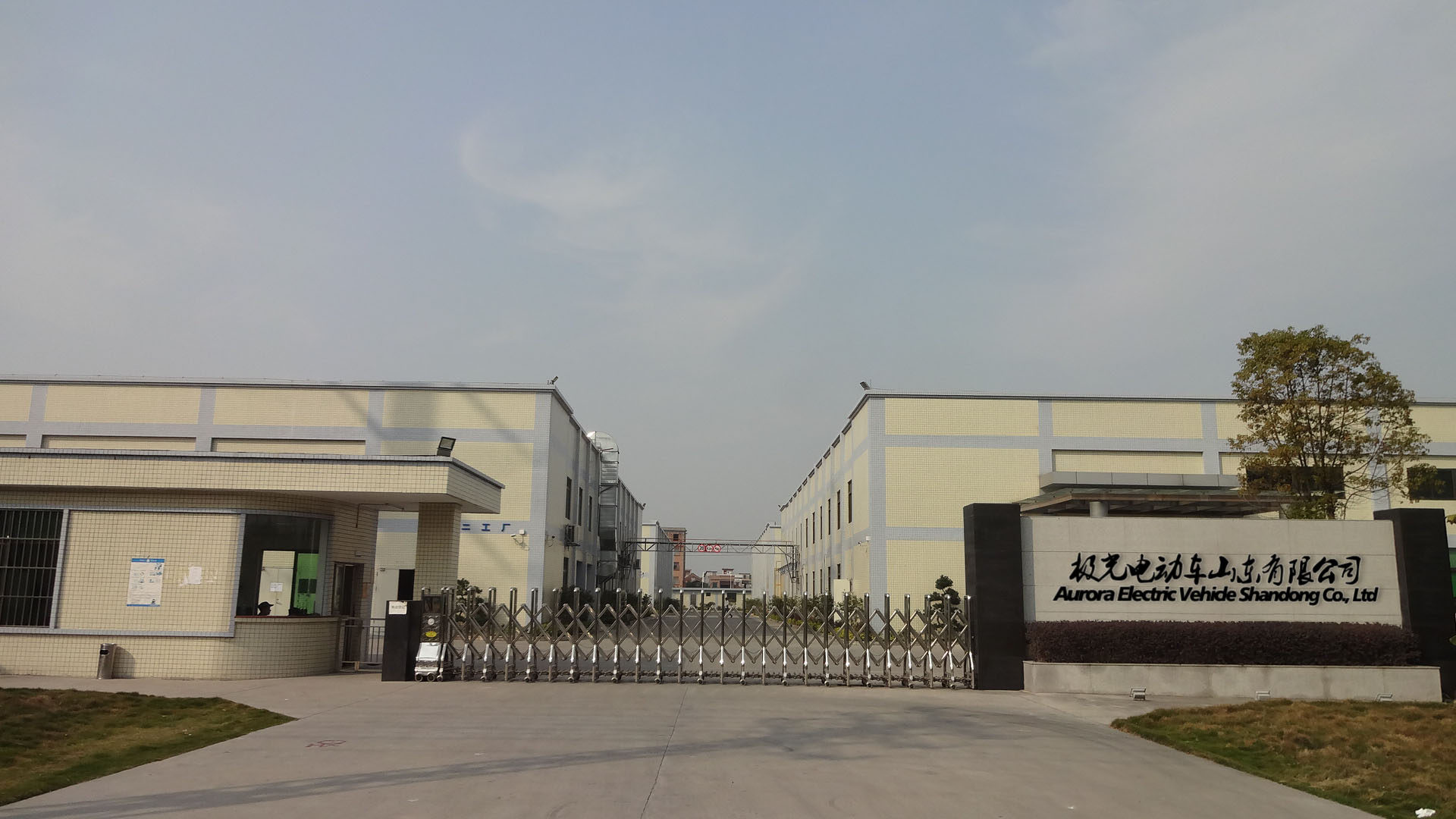
Aurora Electric Vehicle Shandong Co., Ltd. benefits immensely from its prime geographic placement in Linyi City, Shandong. Linyi is historically renowned as a premier logistics capital, boasting the highest per-capita ownership and density of electric vehicles in Northern China. This unique ecosystem yields exceptional competitive advantages:
We are surrounded by specialized manufacturers of motors, controllers, high-tensile steel frames, and smart battery management systems (BMS). This proximity dramatically lowers material lead times and transportation overheads, passing cost savings to our clients.
By partnering with local tier-1 battery cell manufacturers (such as CATL, BYD, and Gotion high-tech cells), we ensure that the MSDS documentation and cell chemistries match up with the highest standards of safety, quality control, and testing protocols.
Linyi’s extensive freight network interfaces directly with Qingdao Port, Tianjin Port, and Shanghai Port. This enables rapid, cost-effective transport of Class 9 Dangerous Goods with specialized shipping agents trained in handling hazardous battery materials.
Building the future of green travel through structured development and professional talent retention.
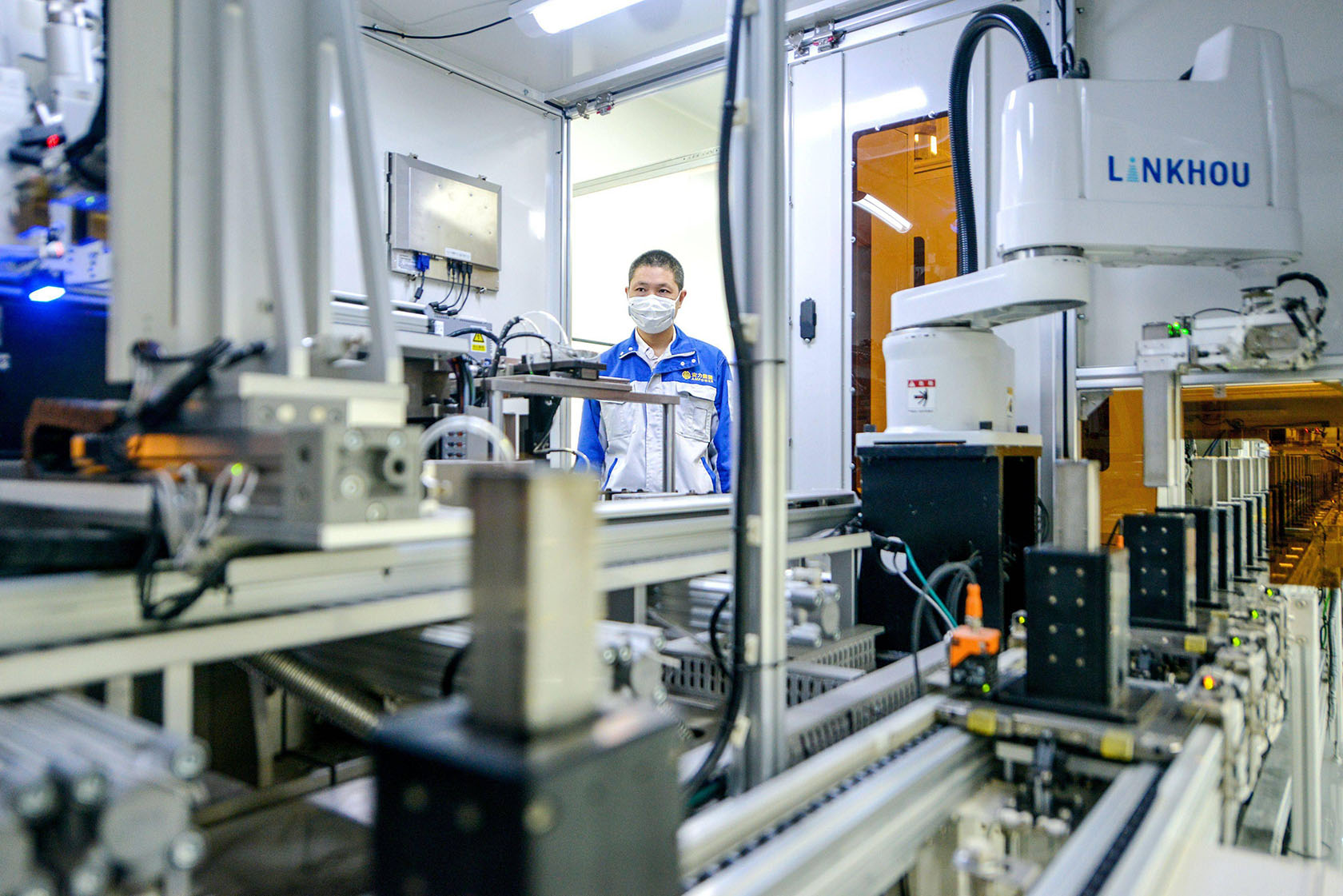
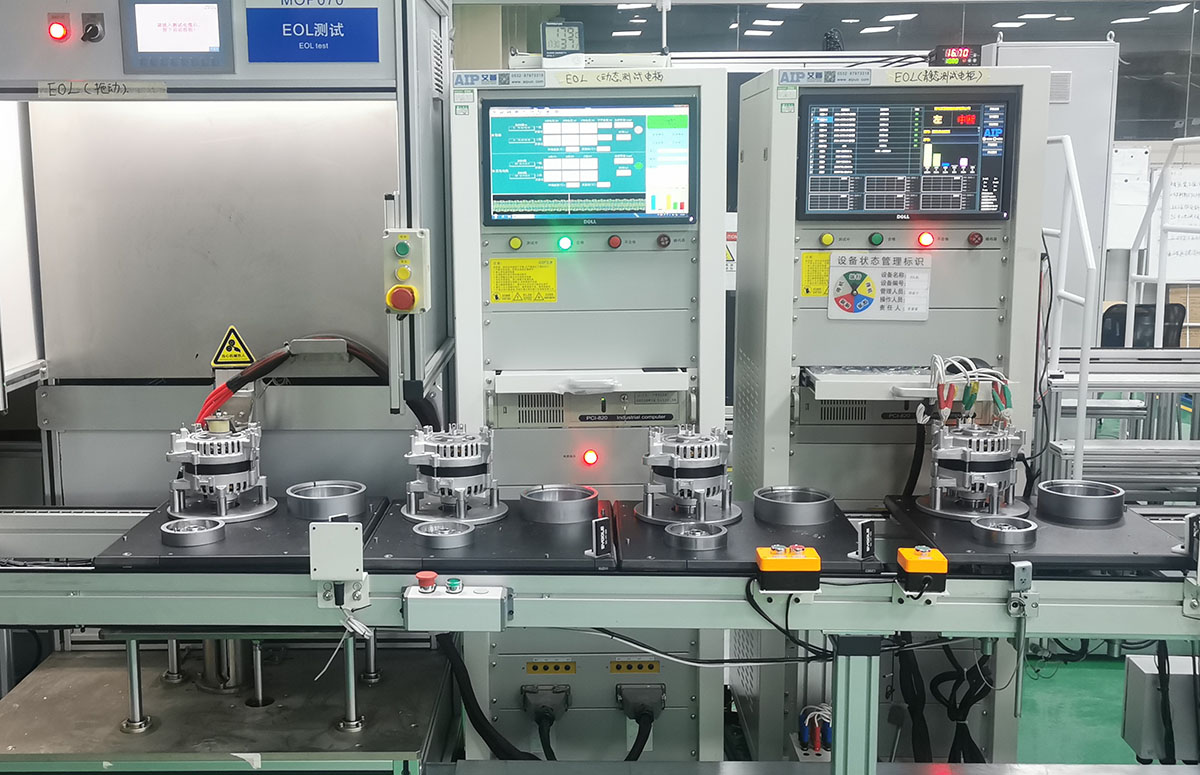
Since our inception in 2015, we have adapted dynamically to shifting national safety and green energy standards. In 2019, we completed our major facility overhaul to fully comply with China's New National Standard for electric bicycles. This involved migrating to advanced, digitalized assembly systems, automated spot-welding units, and computerized battery charge-discharge analysis labs, raising our annual capacity to meet the demands of global importers.
Our workforce is strictly compartmentalized to maximize specialization:
Every vehicle and battery assembly is validated under rigorous safety compliance tests.
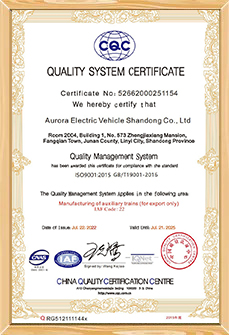
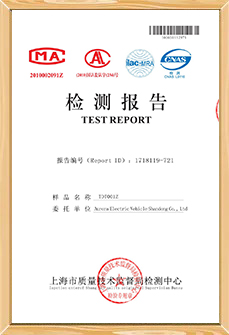
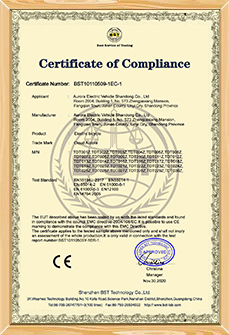
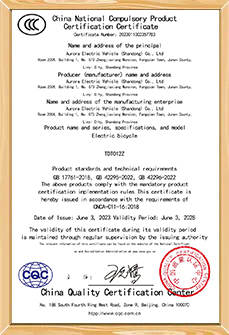
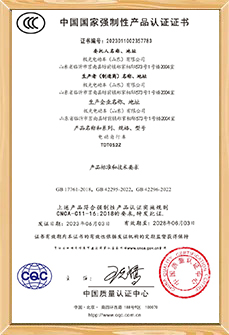
Corporate buyers, fleet managers, and international importers face strict liabilities under localized environmental laws. Importing electric vehicle fleets demands customized battery paperwork that reflects local compliance structures. We support B2B importers by offering:
We generate customized Safety Data Sheets specifying your corporate entity as the Importer of Record. This aligns chemical naming structures, manufacturer contact info, and trade names with local compliance databases (such as ECHA in Europe or EPA in the USA).
Different jurisdictions require regional safety disclosures. We translate and adapt our MSDS to meet EU REACH / RoHS criteria, American OSHA Hazard Communication Standards, and Canadian WHMIS regulations, facilitating smooth domestic distribution.
Whether sourcing standard commuting electric bikes or custom delivery mopeds, our engineering team ensures that the MSDS documents accurately match the battery pack's thermal limits, short-circuit current ratings, and active safety measures.
At Aurora Electric Vehicle (Shandong) Co., Ltd., corporate culture is the soul of our enterprise. We integrate the historic regional values of Linyi with modern green travel goals. Our core values—"integrity, pragmatism, innovation, and win-win"—direct every aspect of our manufacturing operations.
Our mission is clear: "to make green travel easier and safer for everyone." We invest heavily in safety, utilizing specialized testing facilities to evaluate frame fatigue resistance, water protection (IP65/IP67), fire retardancy, and battery performance under load. This rigorous testing ensures our products are durable and reliable under challenging conditions.
Procuring electric vehicles requires clear, structured budgeting. Below is an indicative wholesale pricelist for OEM lithium battery options (NCM & LFP variants) commonly sourced by global B2B clients. Exact pricing depends on lithium carbonate market rates, order size, and specific BMS options.
| Battery Chemistry | Specification (V / Ah) | Watt-Hour (Wh) | MSDS & Test Standard | Price Bracket (USD) |
|---|---|---|---|---|
| Lithium Iron Phosphate (LFP) | 36V 10Ah | 360 Wh | UN38.3, CE, MSDS Section 1-16 | $95 - $120 |
| Lithium Iron Phosphate (LFP) | 48V 12Ah | 576 Wh | UN38.3, CE, FCC, RoHS | $140 - $165 |
| Nickel Cobalt Manganese (NMC) | 48V 20Ah | 960 Wh | UN38.3, UL1642, CE, MSDS | $210 - $250 |
| Nickel Cobalt Manganese (NMC) | 60V 24Ah | 1,440 Wh | UN38.3, UL2271, CE, MSDS | $320 - $370 |
| High-Power Smart Pack (NMC) | 72V 35Ah | 2,520 Wh | UN38.3, UL2271, CAN/CSA, MSDS | $530 - $610 |
* Please Note: These unit prices are base estimates for bulk ordering (MOQ > 100 units). For custom BMS integration, dynamic firmware coding, or dual-battery setup pricing, please contact our Sales Division for a detailed quote.
Validating vehicle capability in real-world environments with certified, safe battery integration.
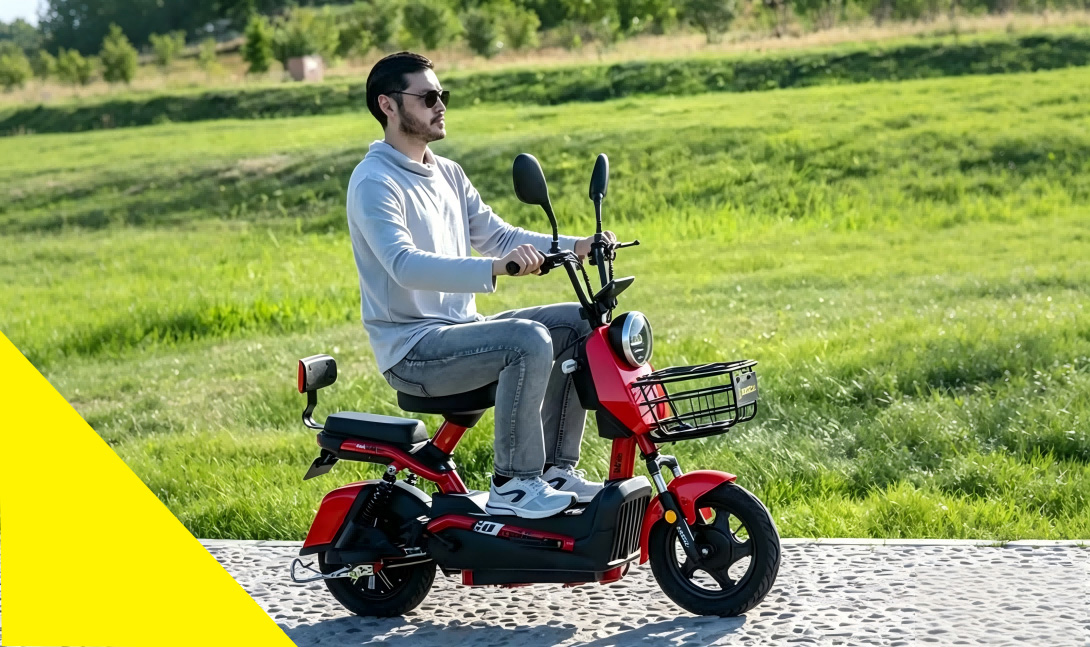
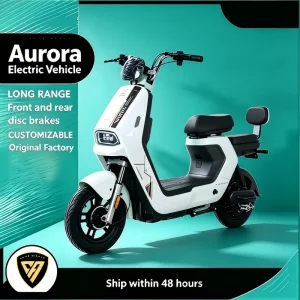
Lightweight, ergonomic frames paired with compliant 36V/48V LFP batteries, optimized for standard short-distance commuting and campus mobility.
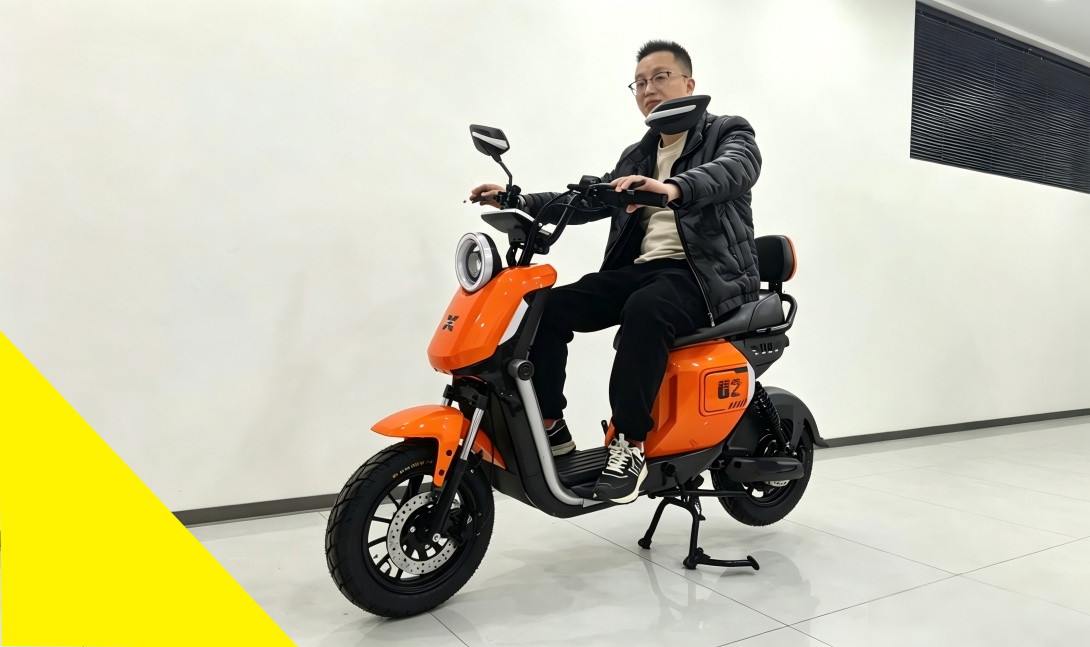
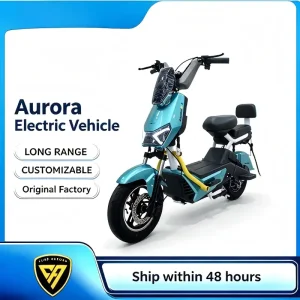
Fashion-forward, streamlined scooters utilizing high-density NMC packs with dual over-current protection for reliable performance on grades.
Commercial cargo e-bikes require robust, high-capacity dual batteries. We provide optimized MSDS sheets that allow logistics companies to fulfill safety audits easily, enabling continuous fleet operation under rigorous shifts.
The electric vehicle battery sector is undergoing massive technological and regulatory shifts. Key trends shaping the future of OEM manufacturing and compliance include:
Manufacturers are migrating from volatile liquid electrolytes to stable solid-state components. This transition alters the chemical composition listed in the MSDS, reducing risk classifications and leading to easier shipping compliance and lower insurance rates.
Beginning in 2026, the European Union will mandate a digital "Battery Passport" for all LEVs. This system tracks sourcing, carbon footprint, recycling data, and compliance documents like the MSDS via a simple QR code on the vehicle.
With volatile lithium pricing, sodium-ion technology is emerging as a cost-effective, safer alternative. Sodium-ion batteries have a different MSDS profile, offering a lower threat index and simplified transport compliance compared to standard lithium packs.
Clear answers to complex questions regarding battery safety sheets, customs clearance, and global transport.
An MSDS describes chemical properties and safety protocols, but customs and shipping lines also require a UN38.3 Test Summary and a Dangerous Goods declaration. Additionally, batteries must pass 8 specific stress tests under UN38.3. The MSDS and test reports must match the exact cell chemistry and model number of the shipped product.
NMC cells offer higher energy density but require stricter handling precautions in Section 7 of the MSDS due to lower thermal runaway temperatures. LFP cells are chemically more stable and less prone to combustion. While both are shipped under Class 9 Dangerous Goods, shipping lines often charge lower premiums or have less restrictive container limits for LFP chemistry due to these safety characteristics.
Yes. As part of our OEM/ODM support, we can author and register an MSDS listing your brand as the brand owner or importer, backed by our technical testing. This helps protect your supply chain IP and satisfies local distributors who require a consistent brand presence.
Refer immediately to Section 4 (First-Aid Measures) and Section 6 (Accidental Release Measures) of the MSDS. Disconnect the pack, place it in a well-ventilated area away from combustible materials, and submerge it in an insulated dry-sand container. Do not attempt recharging. Contact our technical support line immediately to review BMS data logs.
Under GHS requirements, SDS documents must be updated within 3-5 years, or whenever there is a significant change in the formulation (such as a cell upgrade or new BMS chemistry) or if new hazard information becomes available. We proactively update all product documentation to maintain compliance with changing regulatory standards.
Review our complete range of certified electric motorbikes, scooters, and specialty leisure vehicles.