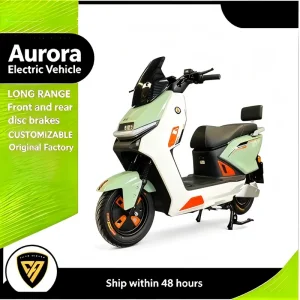
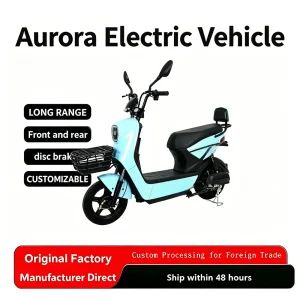
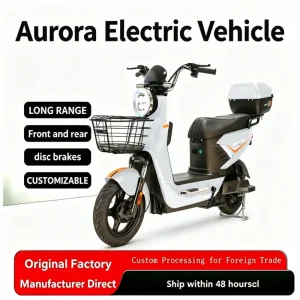
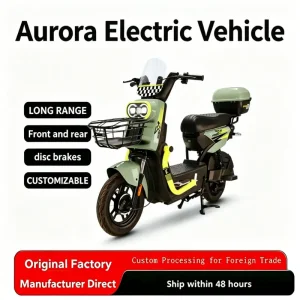
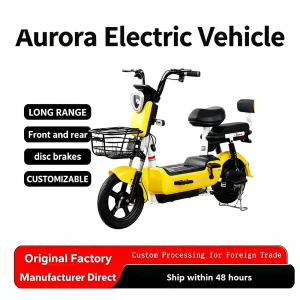
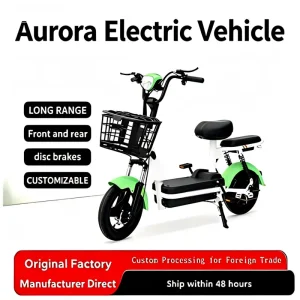
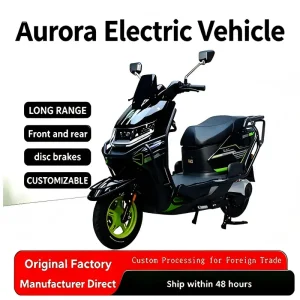
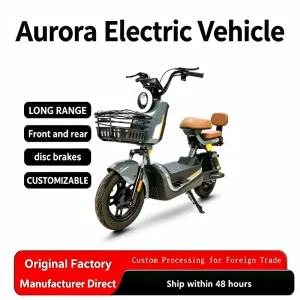
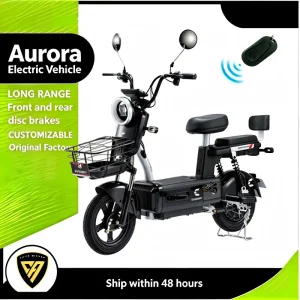
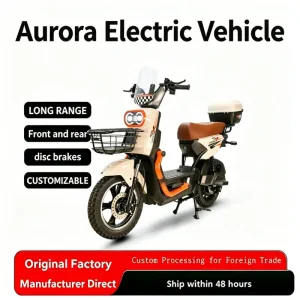
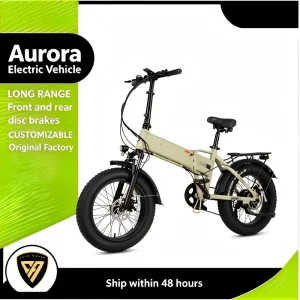
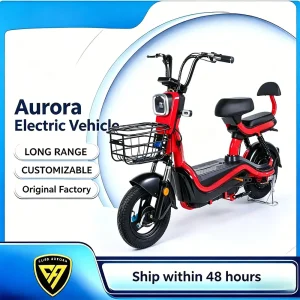
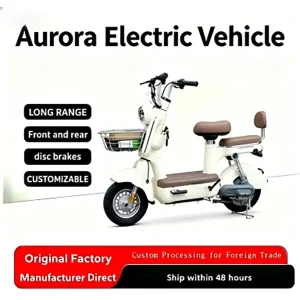
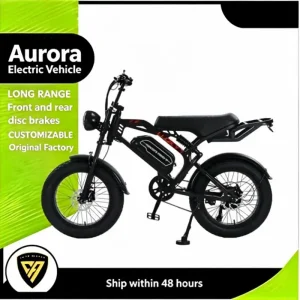
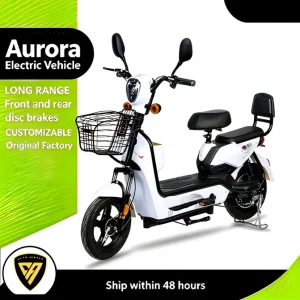
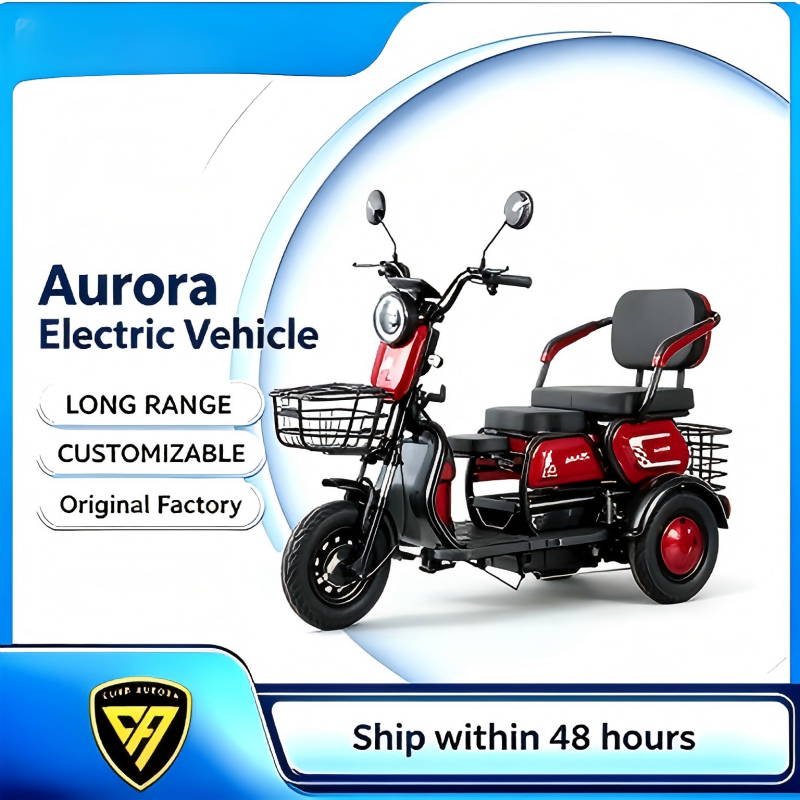
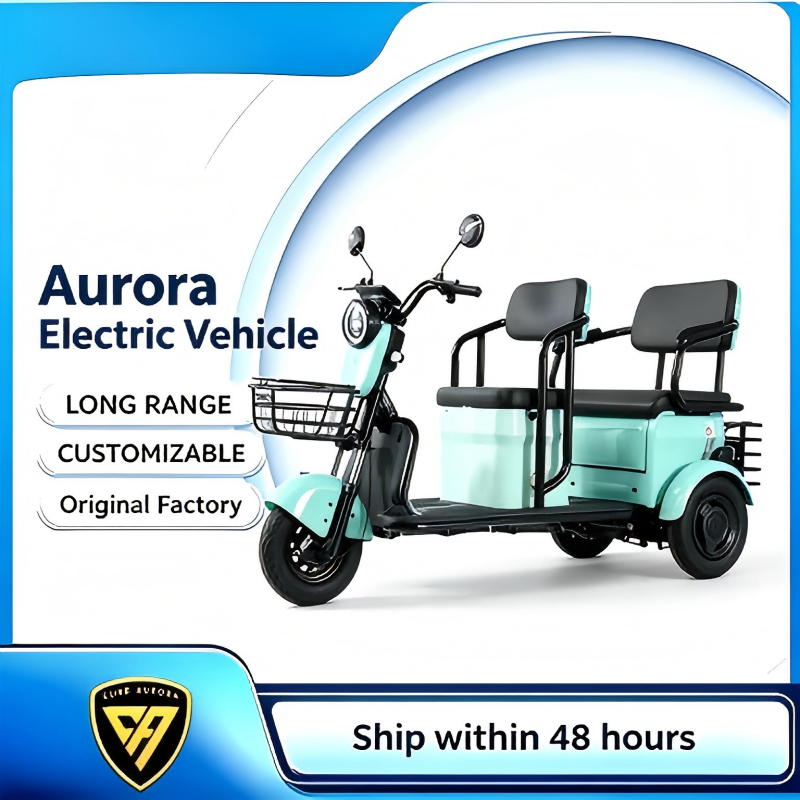
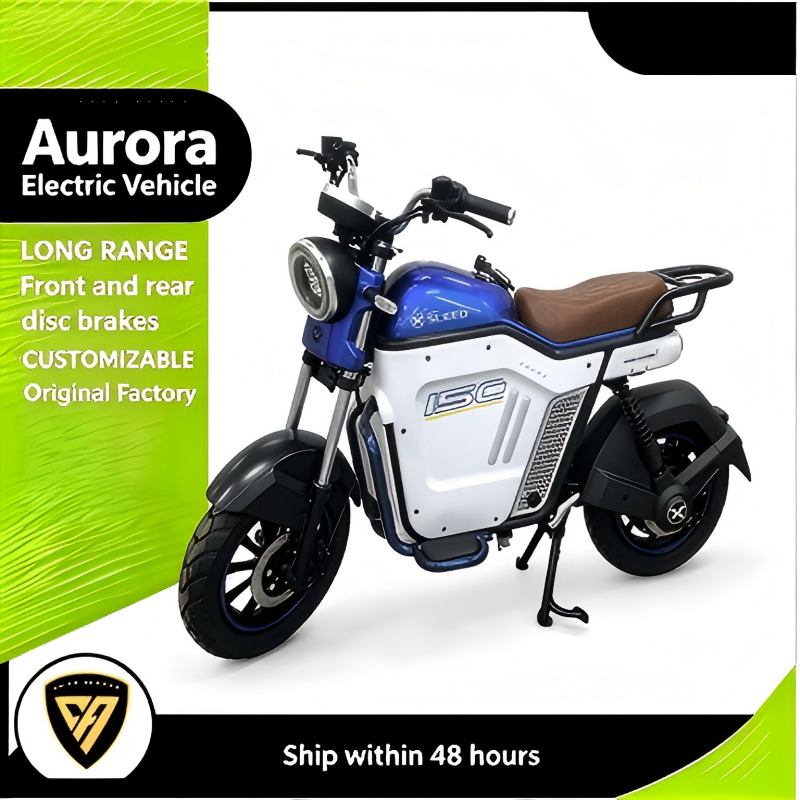
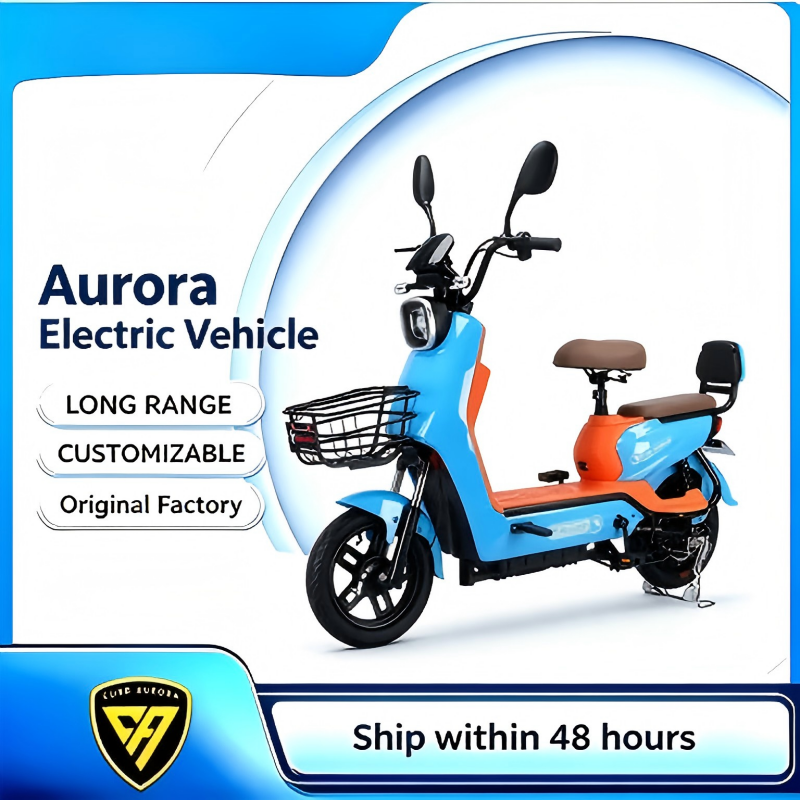
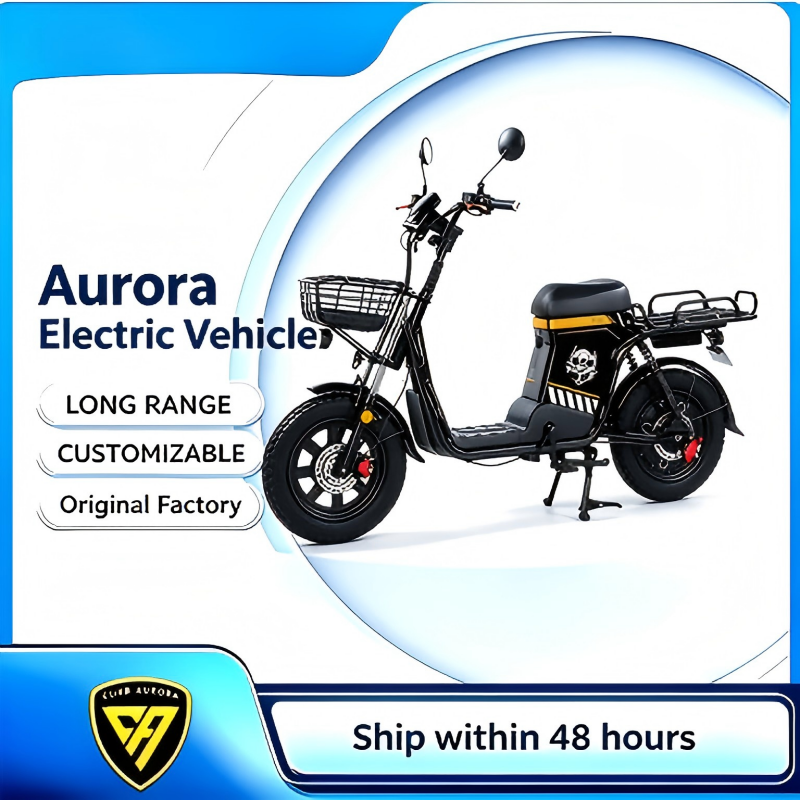
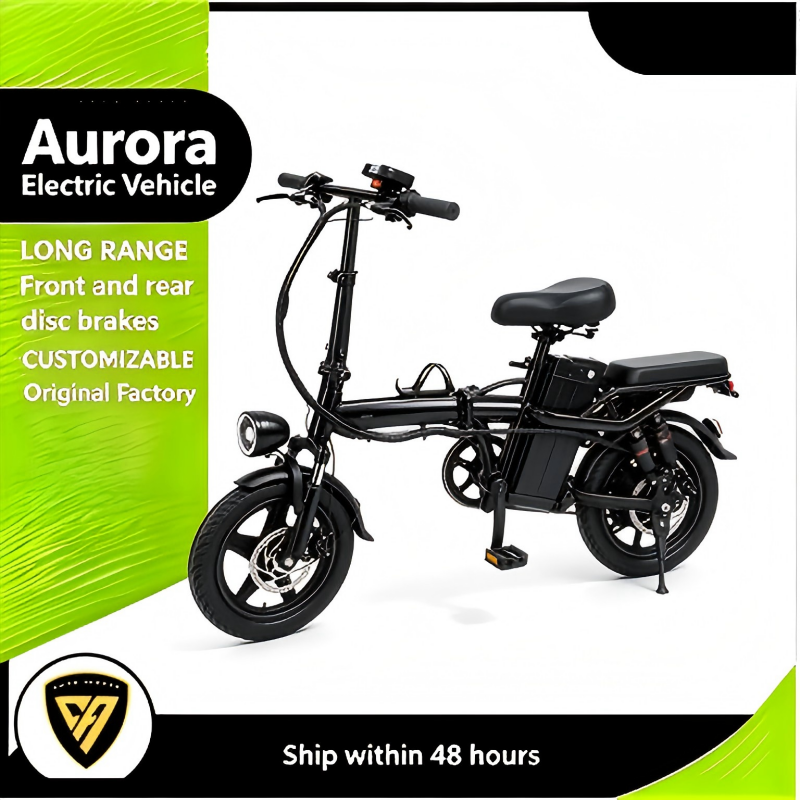
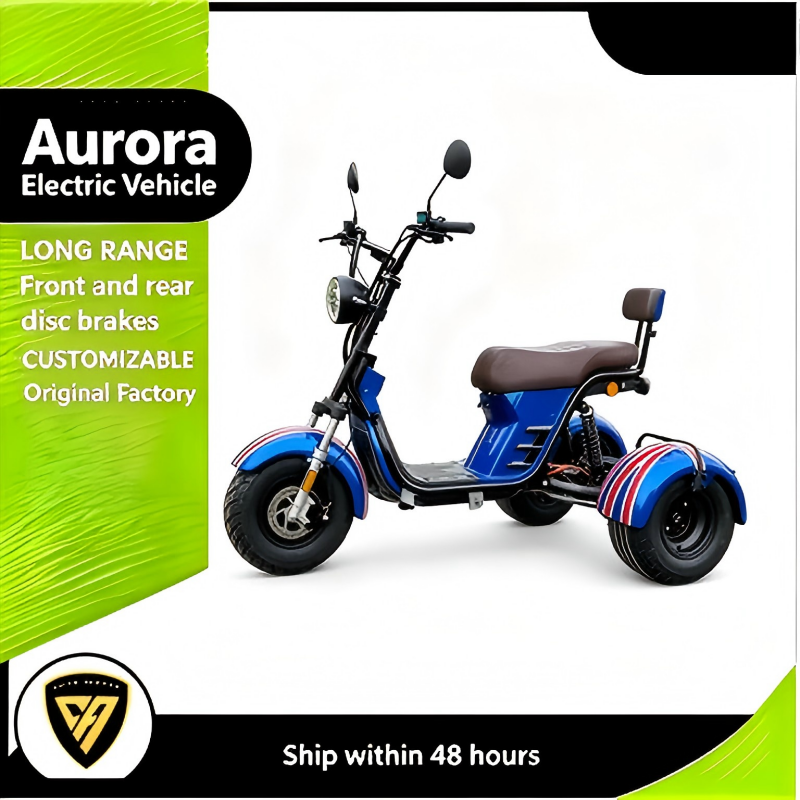
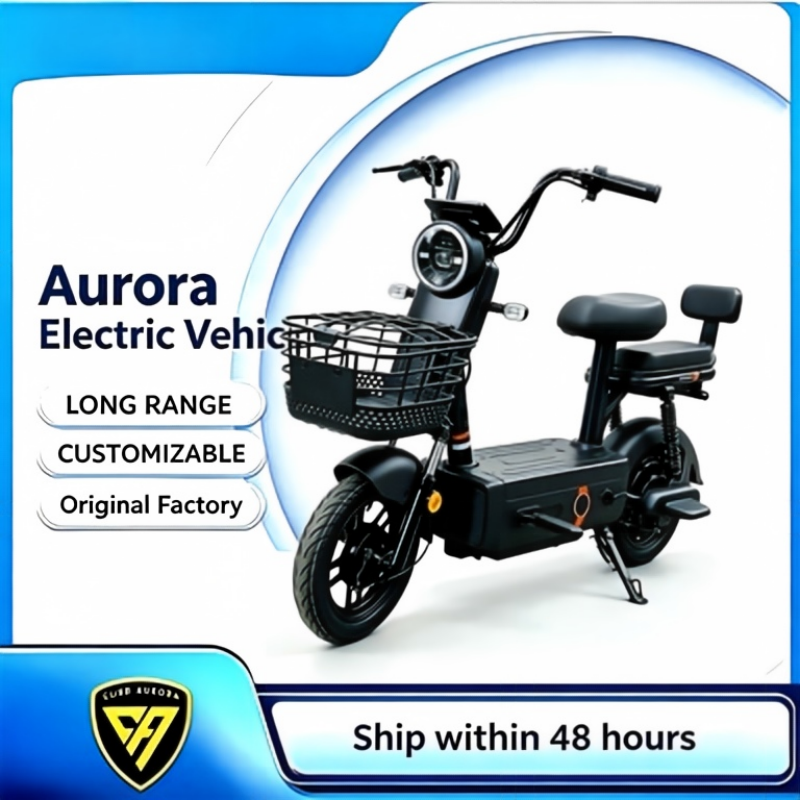
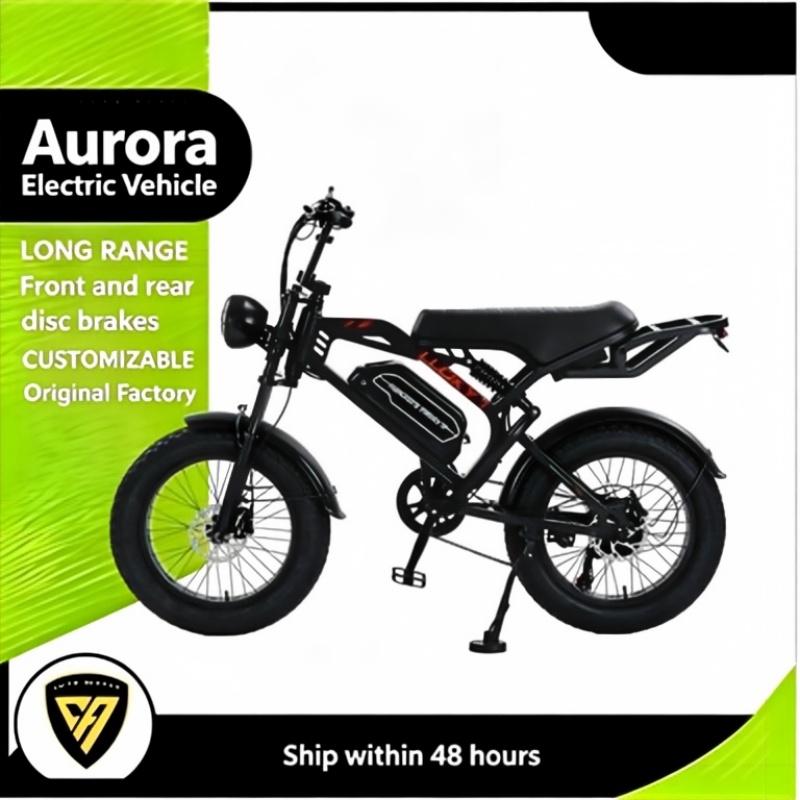
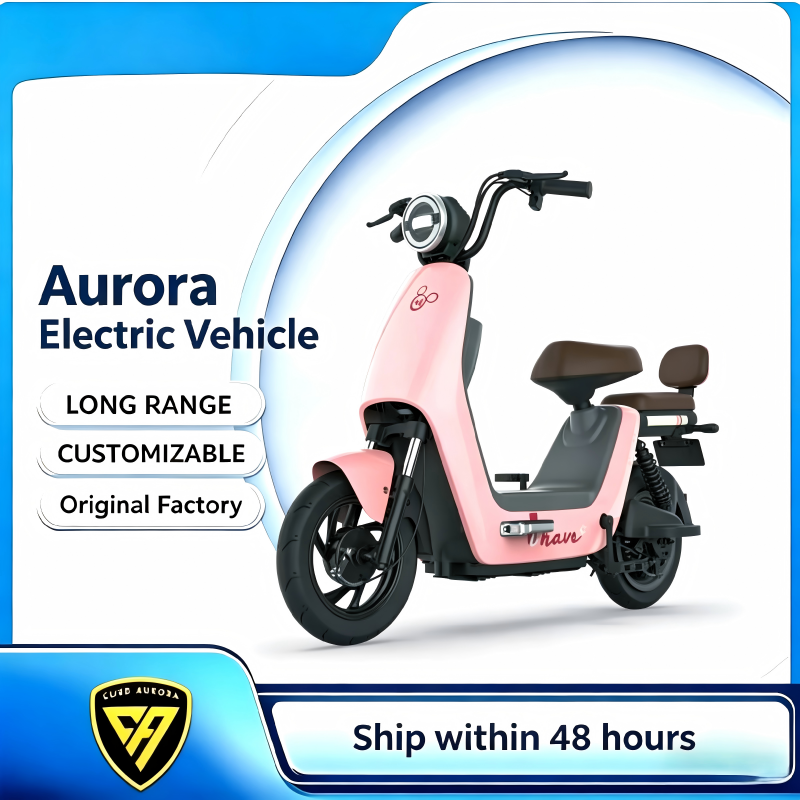
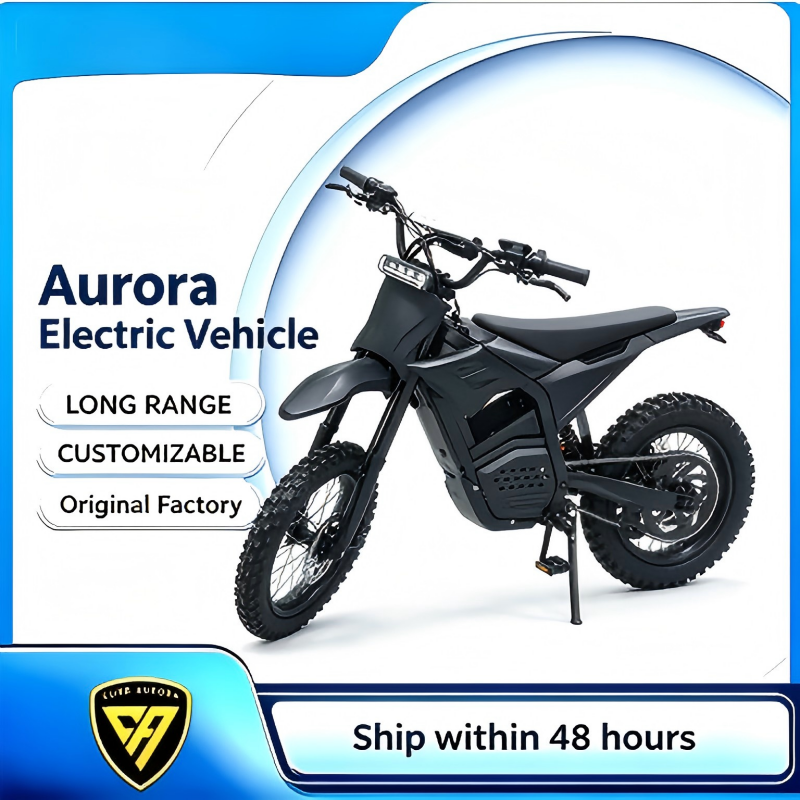
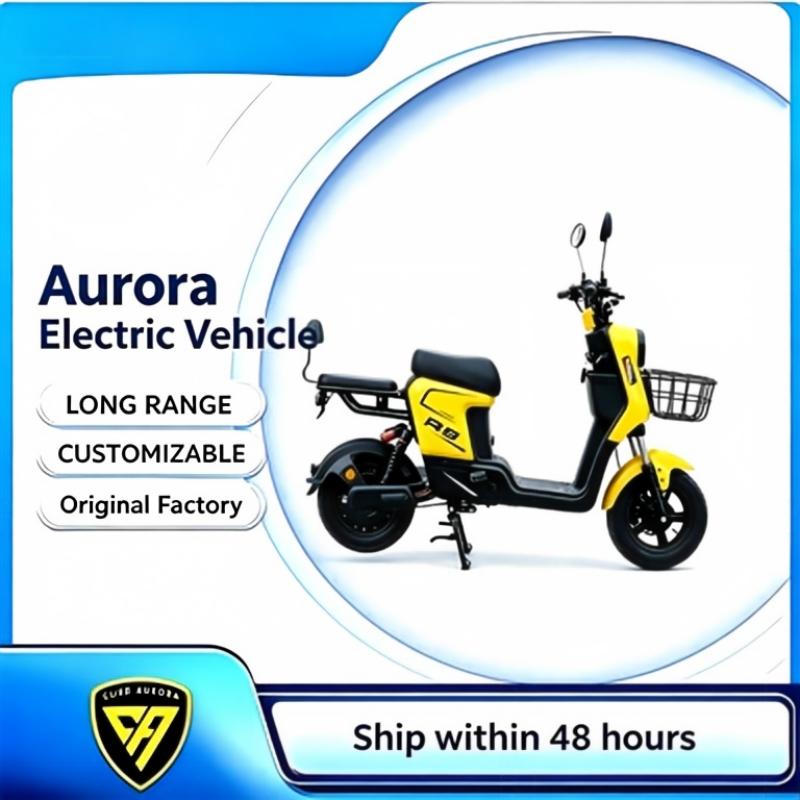
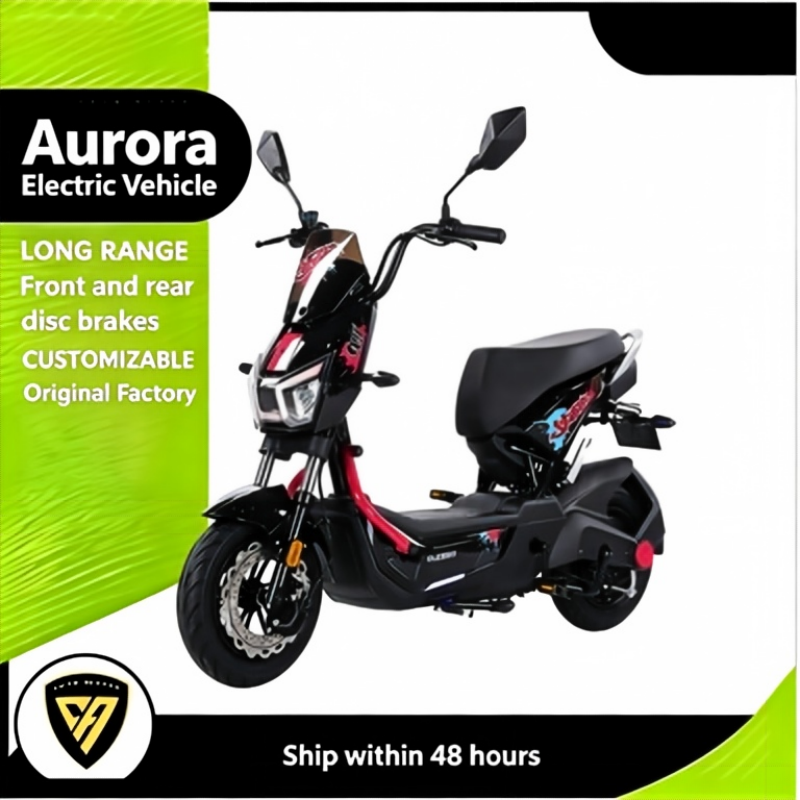
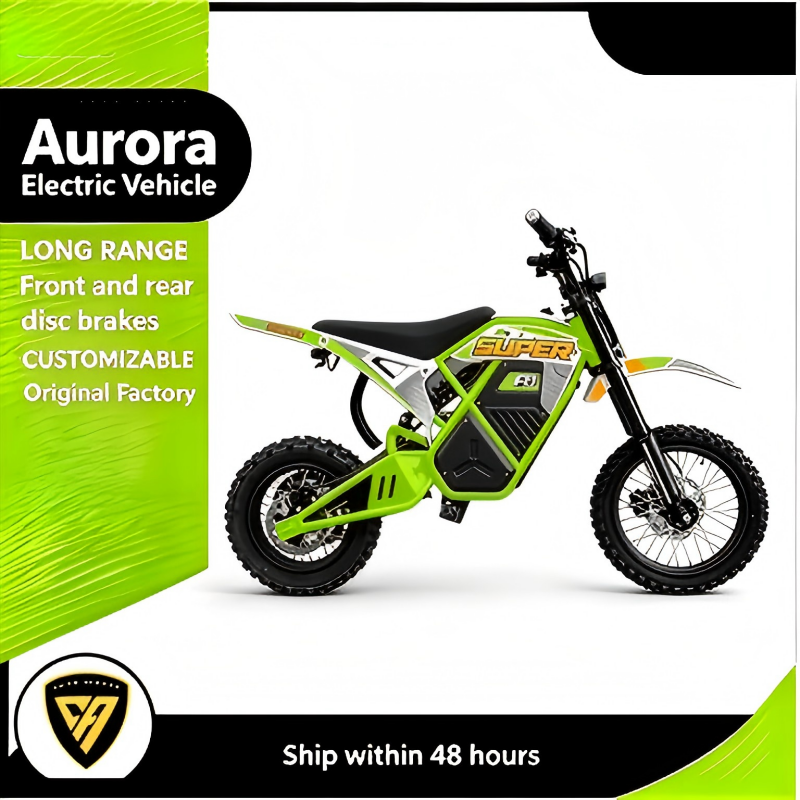
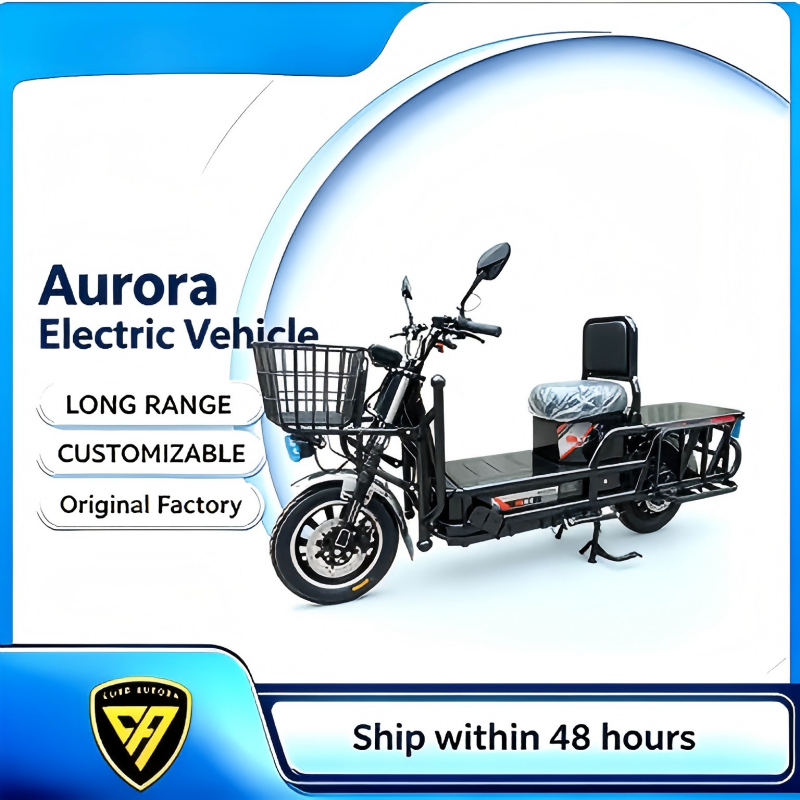
Explore our primary manufacturing series. Standardized engineering, advanced battery integrations, and fully customizable designs tailored for wholesale distribution.
The term SOHO (Small Office, Home Office) has transcended its traditional remote-work boundaries, transforming into a crucial category within micro-mobility logistics and commercial distribution networks. Globally, urban centers are implementing strict clean-air directives, compelling delivery service providers, independent contractors, localized business fleets, and urban couriers to re-evaluate their transportation architectures. Light Electric Vehicles (LEVs), E-scooters, and utility E-bikes are replacing conventional combustion engine fleets at an unprecedented pace.
B2B procurement programs are shifting their focus to small, agile, high-endurance electric vehicles that do not require heavy automotive licensing, yet provide substantial range and high load capacities. From last-mile package distribution in Germany to food delivery services in New York City, customizable OEM SOHO electric vehicles are filling a critical gap in operations where vans are too large and pedestrian walking is too slow. Our industry analysis suggests the global demand for small-fleet commercial EVs will experience a compound annual growth rate (CAGR) of over 18.4% through 2030, driven by the expansion of localized e-commerce and fast-delivery networks.
Cities globally are establishing zero-emission zones. Low-speed electric vehicles offer logistics compliance without the carbon penalty of diesel vans.
Switching light delivery fleets to robust SOHO EVs reduces maintenance costs by 65% and energy consumption costs by 80% compared to fossil fuel mopeds.
Modern commercial operators require custom cargo mounting plates, GPS tracking, heavy-duty frame builds, and matching brand aesthetics.
The manufacturing of reliable, cost-effective light electric vehicles relies heavily on supply chain consolidation. Aurora Electric Vehicle Shandong Co., Ltd. is strategically located in Linyi City, Shandong Province. As a major logistics and transport hub linking the Yangtze River Delta and the Bohai Economic Circle, Linyi offers unique geographic and supply chain advantages. Our proximity to domestic raw material producers and component suppliers allows us to source high-grade steel, electrical components, and lithium-ion cells with minimal inland shipping delays, significantly reducing production lead times.
In China, E-bike clusters have evolved over decades, establishing standard manufacturing procedures, strict raw material sourcing, and specialized labor networks. This concentrated ecosystem enables Aurora Electric Vehicle to execute large-scale, automated productions without compromising build quality. From frame extrusion and robotic welding to automated electrostatic paint coaters and safety testing machinery, our operations demonstrate high-level manufacturing efficiency. For global B2B procurement partners, this translates to competitive pricing, reliable production timelines, and consistent product quality.
Founded in 2015, Aurora Electric Vehicle Shandong Co., Ltd. is an electric bicycle manufacturing enterprise located in Linyi City, Shandong Province. Our facility sits at a core transportation hub connecting the Yangtze River Delta and the Bohai Economic Circle, providing prominent geographical advantages.
Over the past decade, we have transitioned from a localized production facility into a comprehensive enterprise integrating R&D, production, sales, and after-sales service. We have witnessed and actively contributed to the development of China’s electric bicycle industry, particularly during the transition into the New National Standard era.
Since our establishment, we have adapted to industry shifts and evolving regulatory standards. In 2019, with the official implementation of the New National Standard (GB17761-2018) for electric bicycles, we upgraded our production lines and R&D systems. This modernization optimized all key performance parameters to comply with mandatory standards, including fire retardant safety, structural integrity, speed limitation, and anti-tampering electronics.
Today, our standardized production base features intelligent digital production lines, automatic assembly units, and testing equipment. We manage the production of core components, including frames, motors, and battery management systems (BMS), ensuring consistent quality for both domestic and overseas markets.
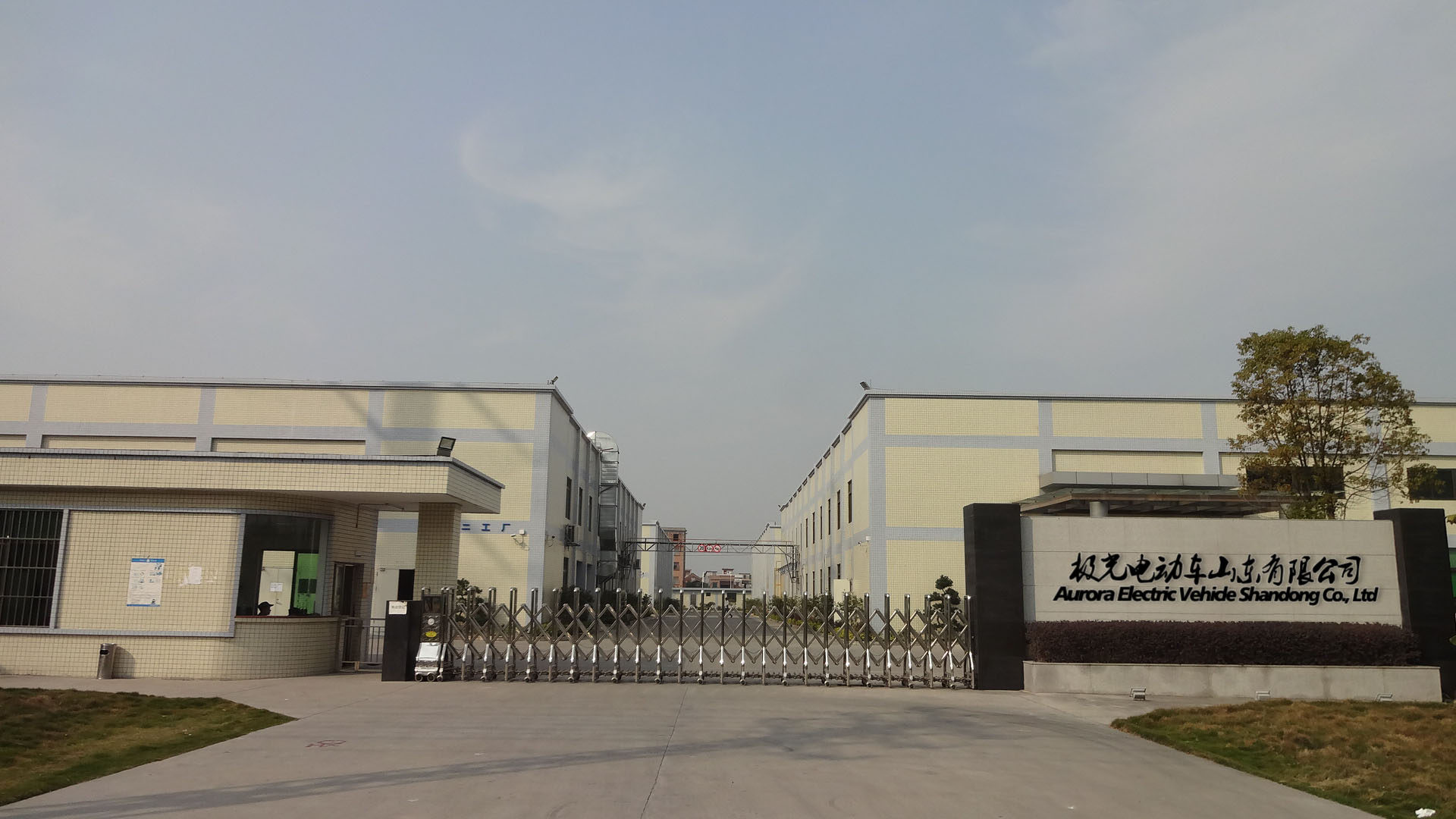
Our operations are supported by a unified team structure, ensuring that product design, factory manufacturing, and post-sales support meet strict international standards.
Composed of senior engineers with over 10 years of experience in the electric vehicle industry. Our R&D team focuses on increasing battery range, improving safety parameters, and refining structural ergonomics. The team holds multiple utility patents related to high-efficiency motors and intelligent battery management systems.
Composed of trained technical staff who execute documented processes from raw material inspection (IQC) to final testing (OQC). By maintaining strict production tolerances, we ensure that every e-bike and e-scooter meets our quality criteria before shipping.
Our client services team offers OEM/ODM consulting, customization support, and after-sales services for international buyers. We assist clients through every stage of sourcing, including regional certification, compliance, packaging design, and shipping logistics.
We prioritize collaborative team management as the foundation of our growth. By providing regular technical training, safety drills, and skill assessments, we maintain a capable, quality-conscious workforce focused on the production of reliable electric vehicles.
Our electric vehicles are manufactured in compliance with international safety and quality standards, allowing for distribution across global markets.
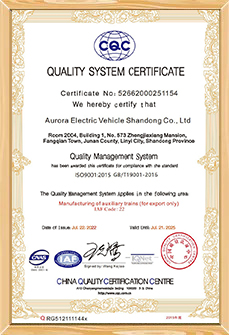
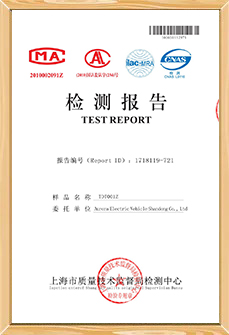
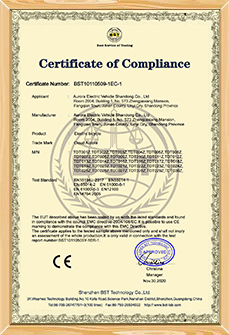
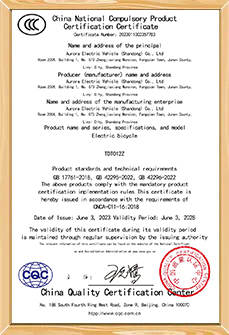
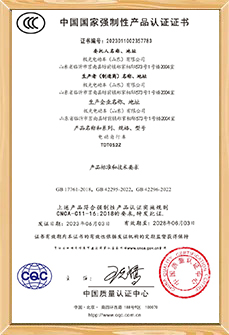
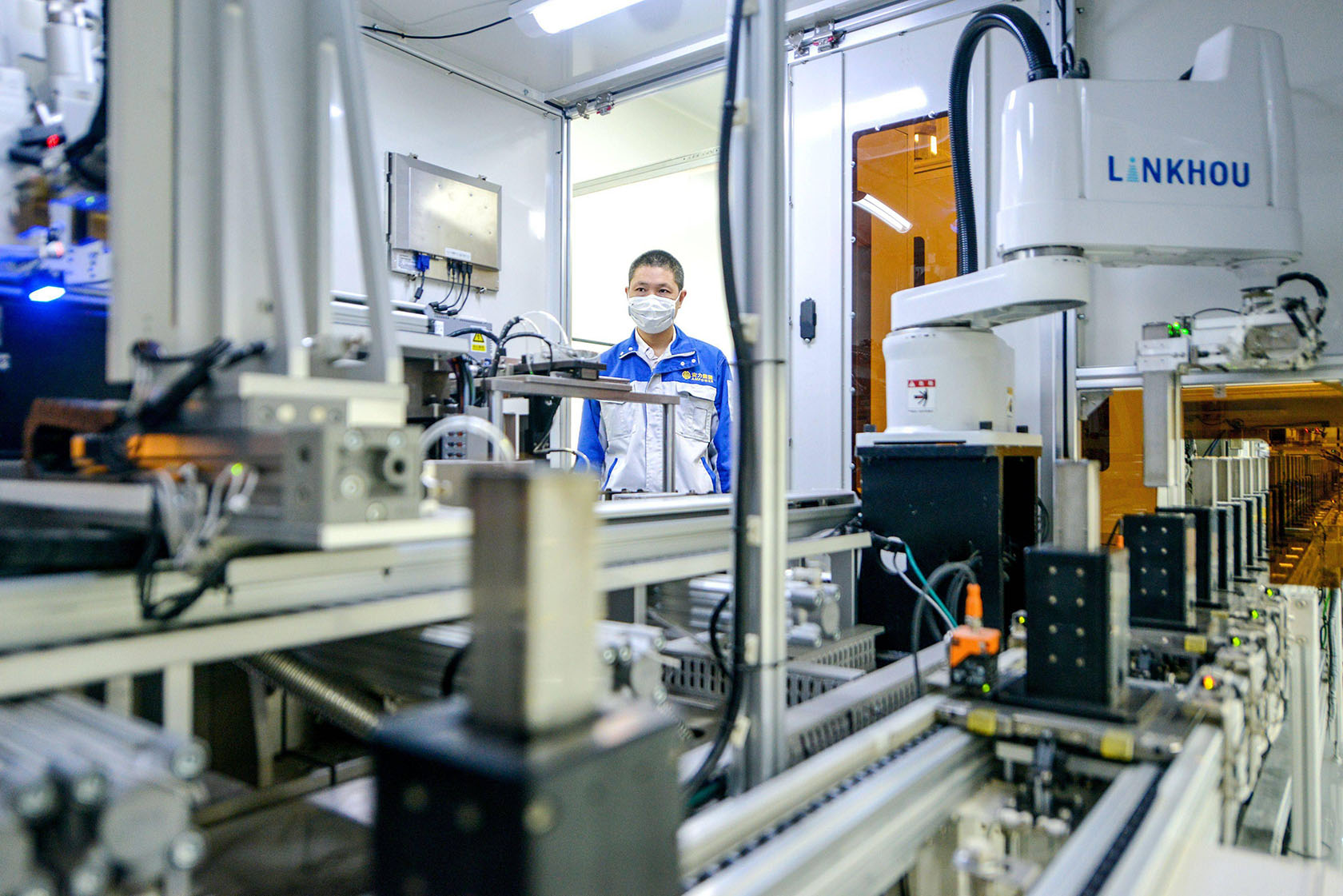
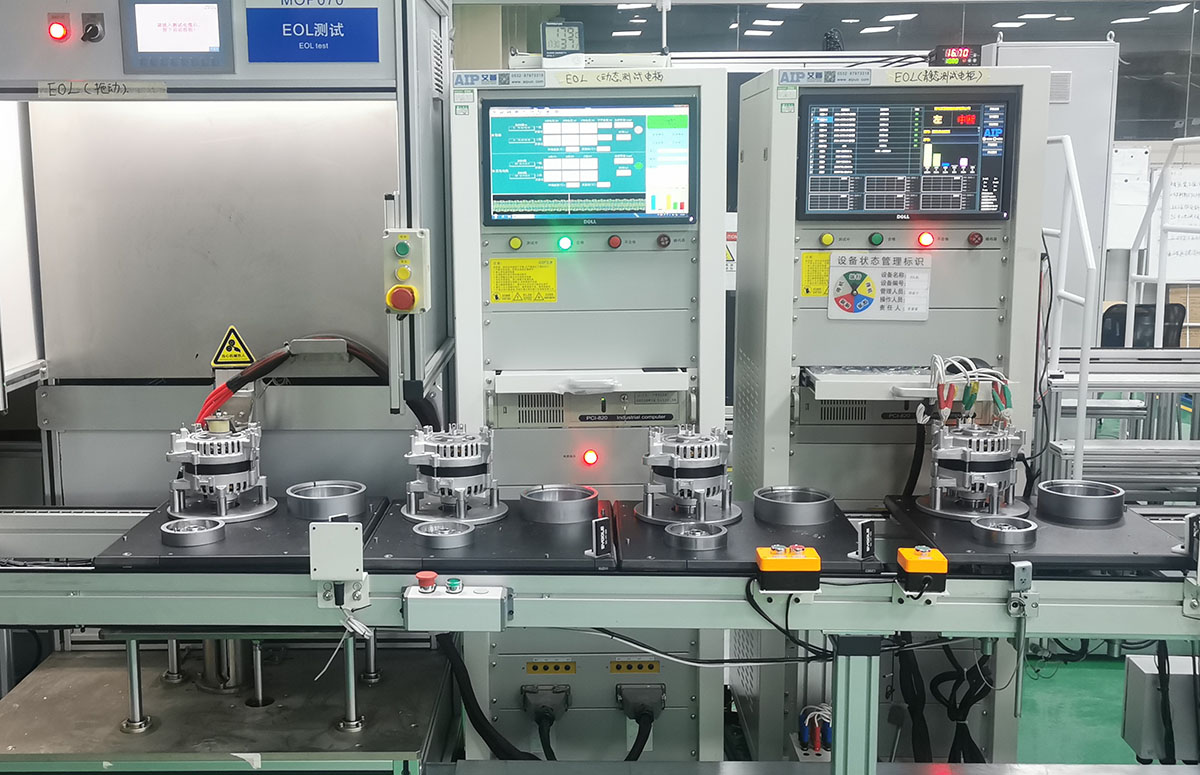
Our corporate identity is shaped by the history of Linyi and our commitment to environmental responsibility. We operate under our core values: integrity, pragmatism, innovation, and mutual benefit.
Our mission is to make green transit convenient and safe. We design and build energy-efficient electric bicycles intended for short-distance travel, commuter use, and commercial logistics, supporting the transition toward low-carbon urban transport.
We prioritize structural safety. Aurora operates an on-site testing facility where engineers subject raw materials and finished frames to rigorous stress tests, including structural load tests, water-resistance checks, fire-retardant material assessments, and battery safety evaluations.
We are committed to building long-term, stable relationships with our global buyers, component suppliers, and manufacturing staff, fostering sustainable development across our supply chain.
Our logistics hub location and production integration allow us to offer competitive manufacturing services to international buyers.
Based in Linyi, a central logistics hub in Shandong Province with high regional ownership of light electric vehicles, we leverage local market insights and over 10 years of manufacturing experience to respond quickly to new design requirements.
We manufacture a wide range of electric vehicles, including standard commuter e-bikes, specialized logistics vehicles, leisure tricycles, and urban fat-tire models, meeting the needs of diverse distribution channels.
We provide comprehensive OEM/ODM customization services. We customize battery capacities, motor outputs, frame designs, cargo configurations, and exterior branding to meet the regulatory requirements of different countries.
Our electric vehicles are deployed globally for various uses, including commuter transit and commercial fleet operations.
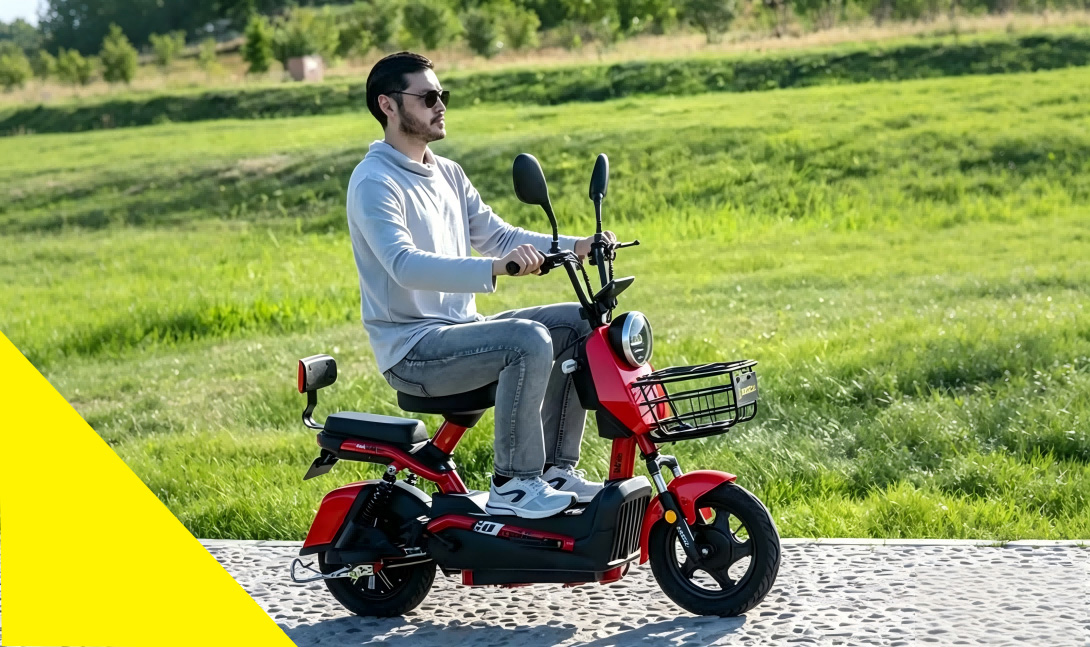
Designed with balanced weight distribution and an ergonomic frame, this series is optimized for daily city commuting and short-distance travel, offering reliable power delivery and long-term chassis durability.
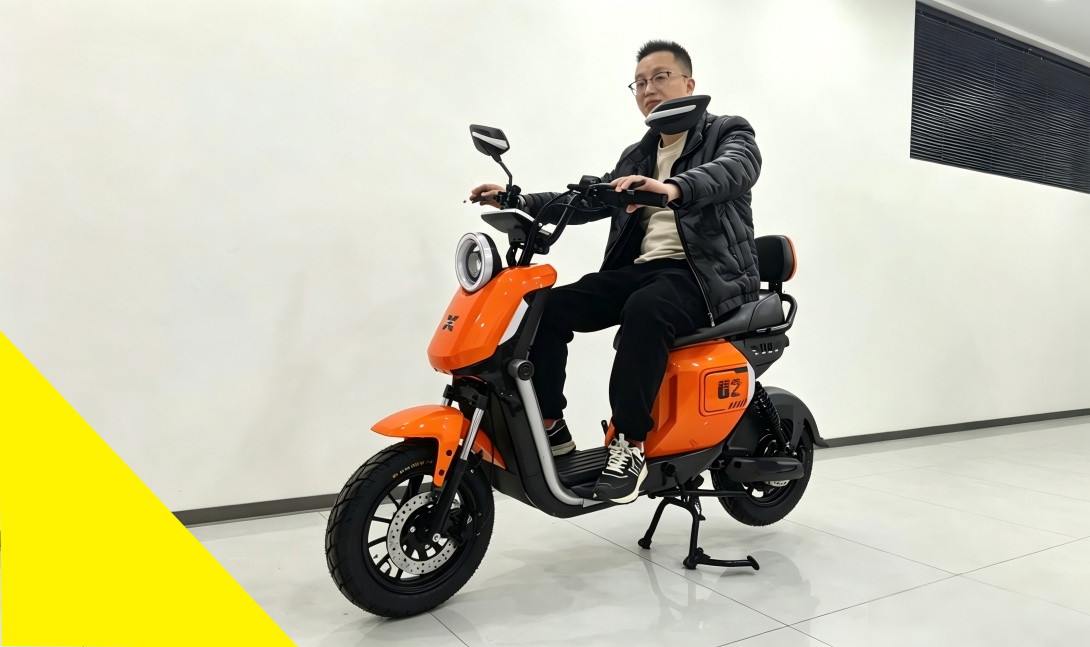
Featuring a streamlined exterior and responsive motor configuration, this model is built for urban travel, offering smooth acceleration, maneuverability, and low maintenance requirements.
Looking ahead, Aurora Electric Vehicle will continue to focus on design innovation, manufacturing quality, and customer service. We aim to remain a reliable manufacturing partner in the electric bicycle industry. We welcome customers from around the world to visit our factory, evaluate our production lines, and discuss potential business partnerships.
We offer flexible OEM/ODM manufacturing, strict quality checks at every production stage, stable supply capabilities, and reliable after-sales support for our global clients.
All vehicles are packed in 5-layer heavy-duty imported Kraft cartons with internal shock-absorbing materials. We handle export documentation and coordinate with major ocean carriers or client-appointed logistics providers.
Sourcing SOHO electric vehicles for commercial use requires careful consideration of technical specifications to ensure durability and regulatory compliance in destination markets. B2B buyers should evaluate the following key parameters:
Brushless DC (BLDC) hub motors (ranging from 250W to 750W) are recommended for urban commuter and SOHO fleets. Hub motors offer low maintenance, high dust/water resistance (IP65+), and simple operation.
Lithium Iron Phosphate (LiFePO4) offers longer cycle life (up to 2000+ cycles) and thermal stability, while Ternary Lithium (NMC) provides higher energy density. Integrated BMS protection is critical to prevent overcharging and thermal runaway.
Reinforced high-tensile steel or 6061 aluminum alloy frames are essential for delivery operations. SOHO EVs must feature rear racks rated for at least 25kg to 50kg, with balanced geometry to maintain stability under load.
For commercial sourcing, pricing structure varies according to component selection. Standard lead-acid battery configurations are suitable for budget-focused operations with shorter routes. In contrast, premium models equipped with removable lithium battery packs, hydraulic disc brakes, and smart IoT tracking systems require a higher initial investment but offer a lower total cost of ownership (TCO) through reduced maintenance and extended range.
Technical answers to key questions about sourcing, quality control, and regulatory compliance for global buyers.
Standard OEM production runs typically require 35 to 45 days from deposit confirmation and technical specification sign-off. The exact timeline depends on the custom configurations requested (such as custom frame modifications, custom BMS programming, or specialized packaging). First-time orders requiring customized tooling may take up to 60 days.
We source electronics, battery cells, and motors that meet CE, FCC, and regional standards. For the EU market, our E-bikes are designed to meet EN15194 standards, which limit continuous motor output to 250W and cut off power assistance at 25km/h. For the US market, we offer configurations that match Class 1, 2, or 3 guidelines, and coordinate with testing agencies to secure necessary certifications.
Our standard MOQ for custom branding, decals, and custom paint color schemes is 50 units per model. For minor modifications, such as adding pre-printed logos to standard paint colors, we can accommodate smaller test orders of 20 units. Large-scale structural modifications requiring unique tooling typically have higher MOQ requirements.
Lithium-ion batteries are classified as Class 9 Dangerous Goods for international transport. We package all batteries in certified UN-rated packaging, utilizing custom-molded high-density foam within heavy-duty boxes. The batteries are shipped either pre-installed within the protected frame compartment or packed separately in compliance with maritime shipping regulations (IMDG code).
Our factory carries out structural stress testing on every production run. This includes fatigue testing on the front fork and frame under simulated loads (up to 100,000 stress cycles), drop testing to verify weld strength, and salt spray exposure tests to assess rust resistance on chrome and paint finishes.
View our extended product selection, featuring specialty commuter bikes, heavy-duty cargo delivery scooters, and multi-passenger utility tricycles.
Specialized designs developed for specific cargo, passenger, off-road, and leisure mobility applications.