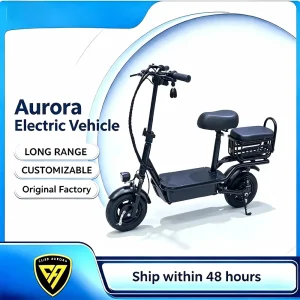
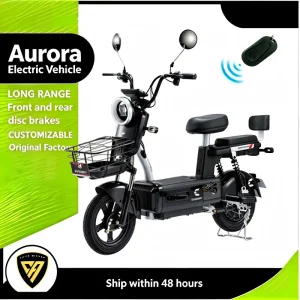
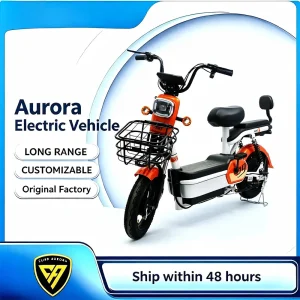
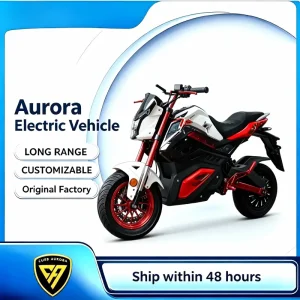
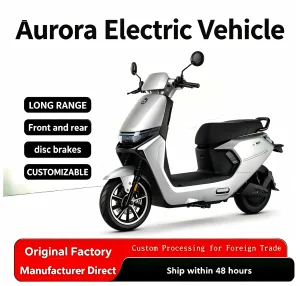
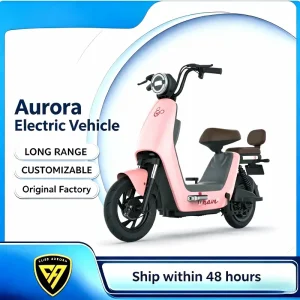
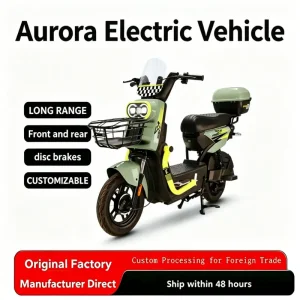
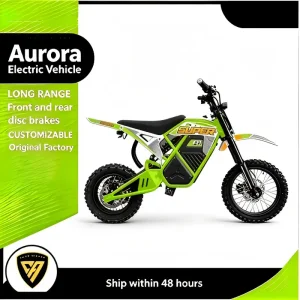
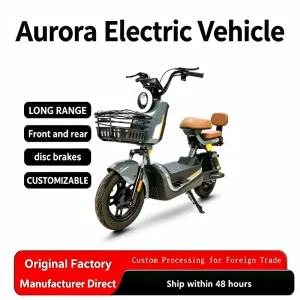
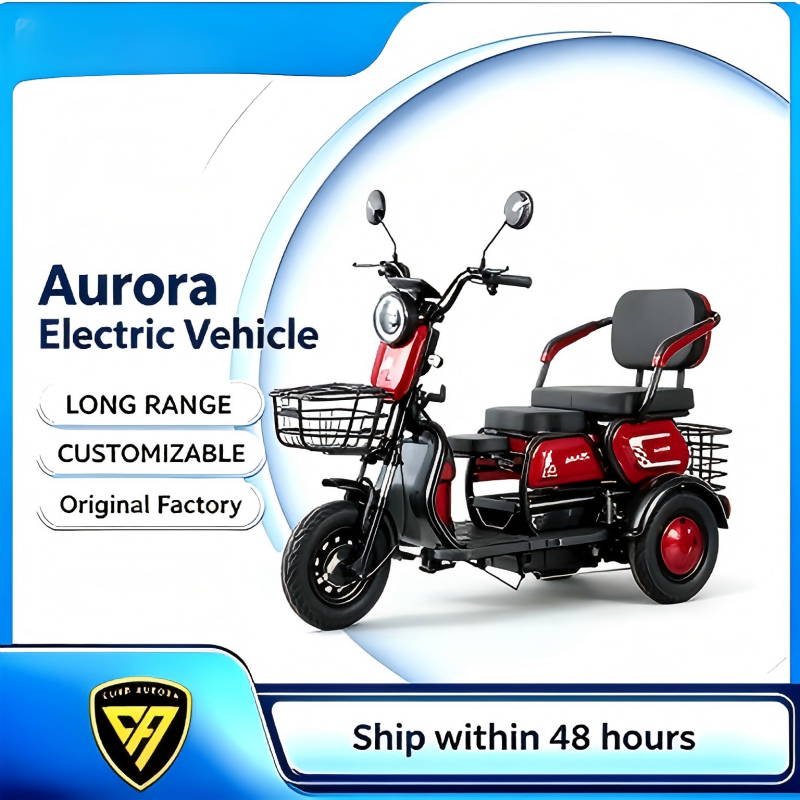
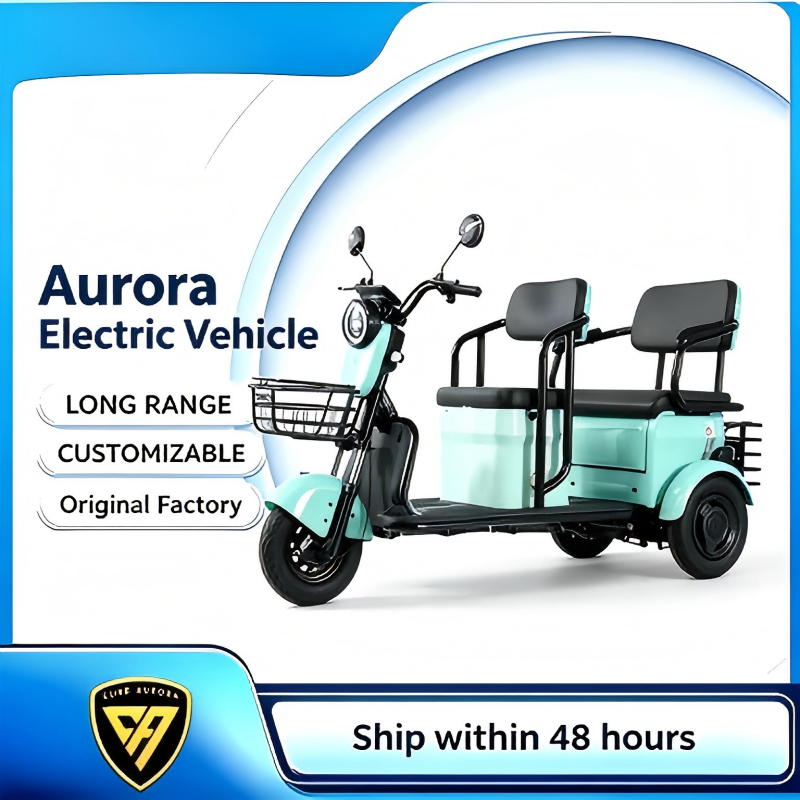
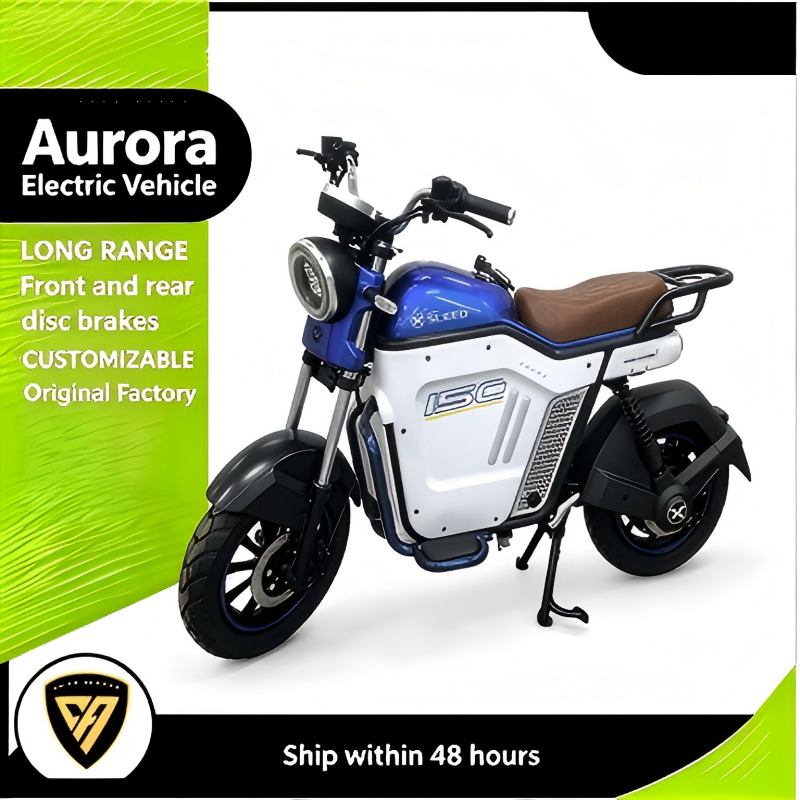
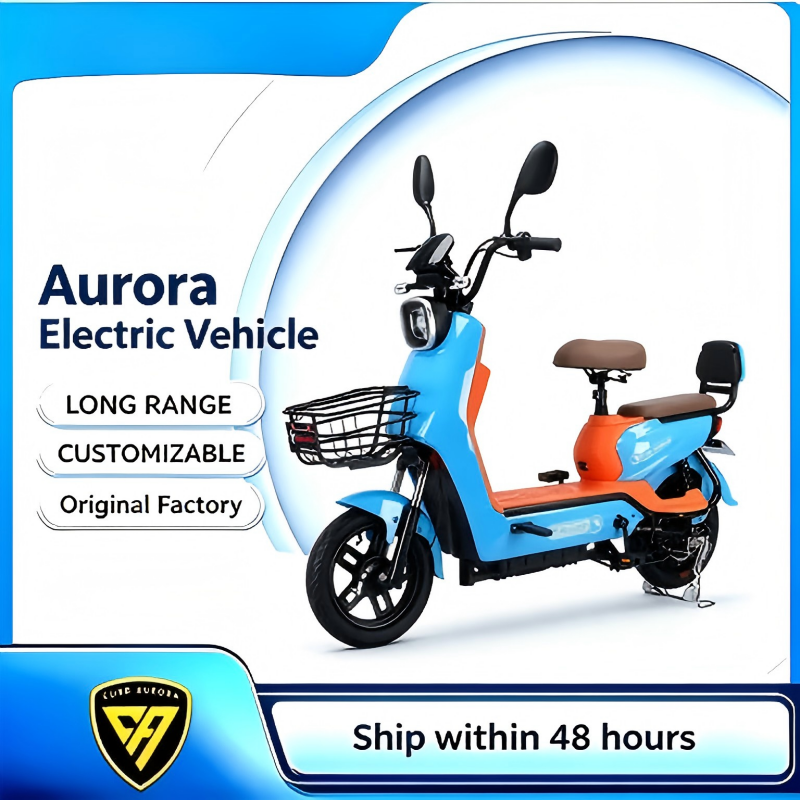
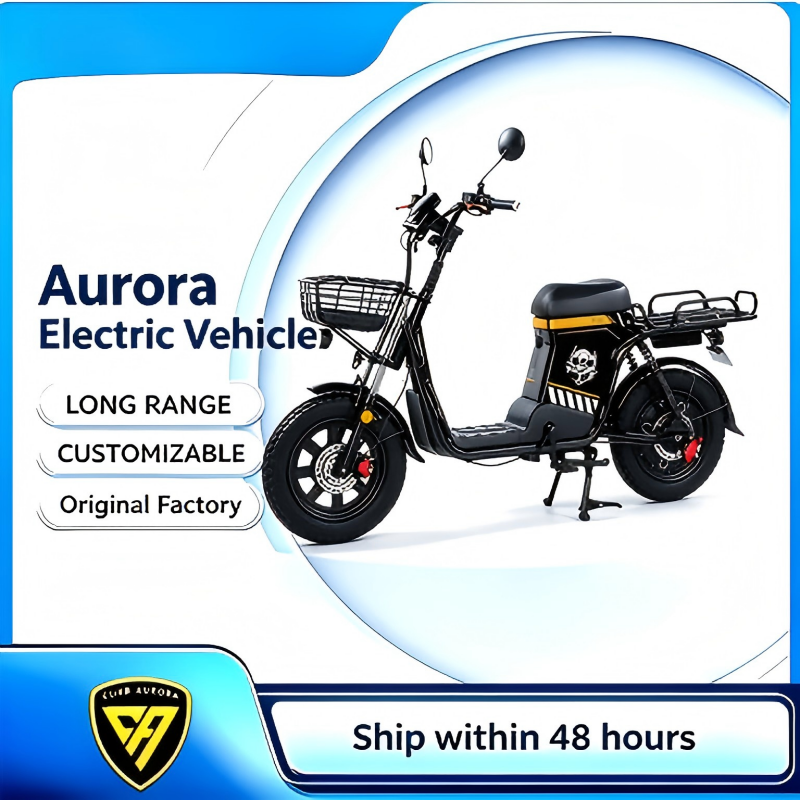
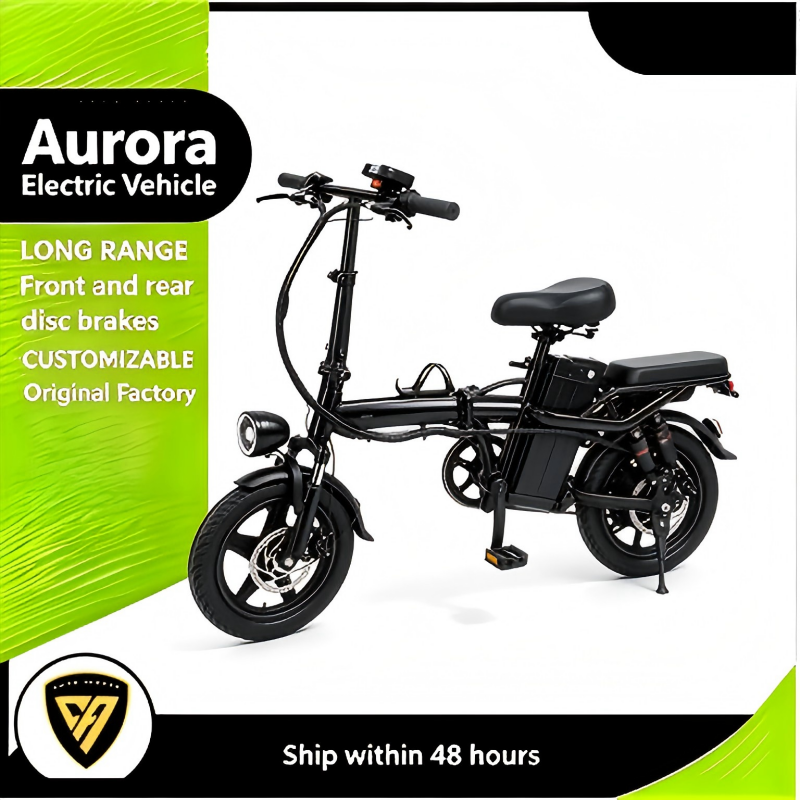
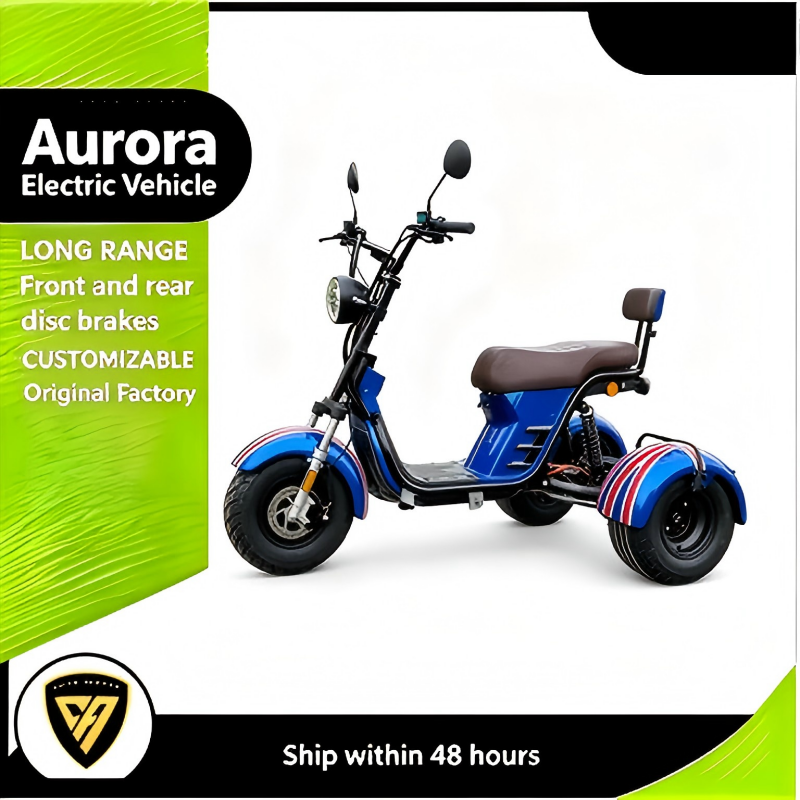
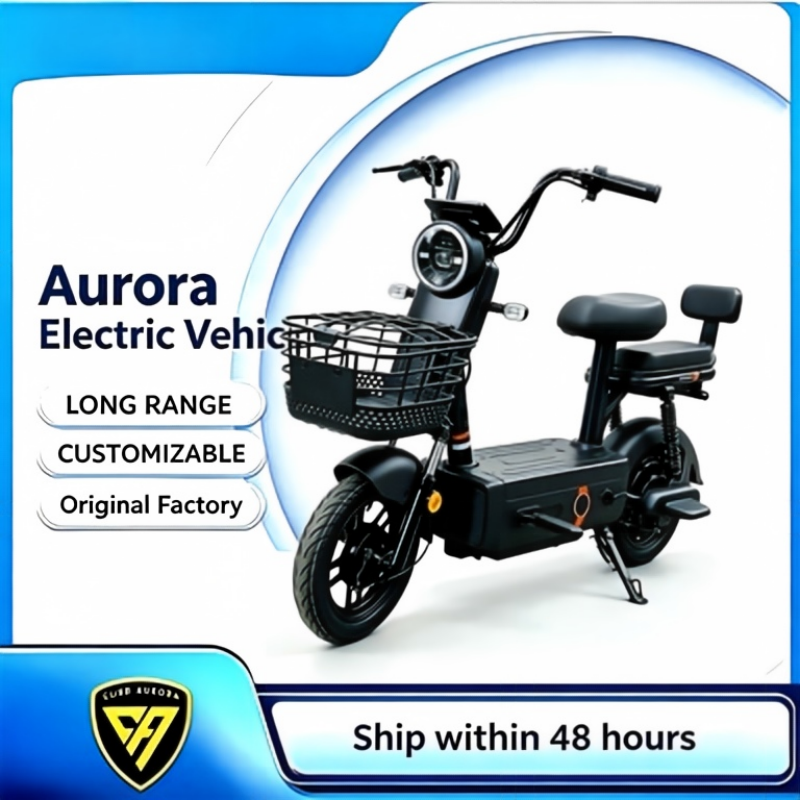
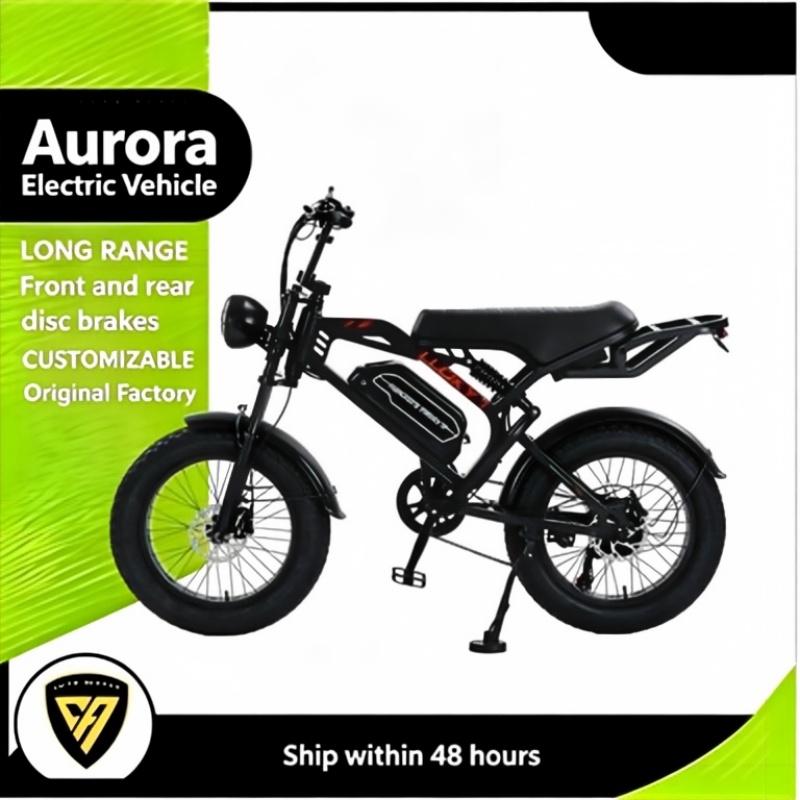
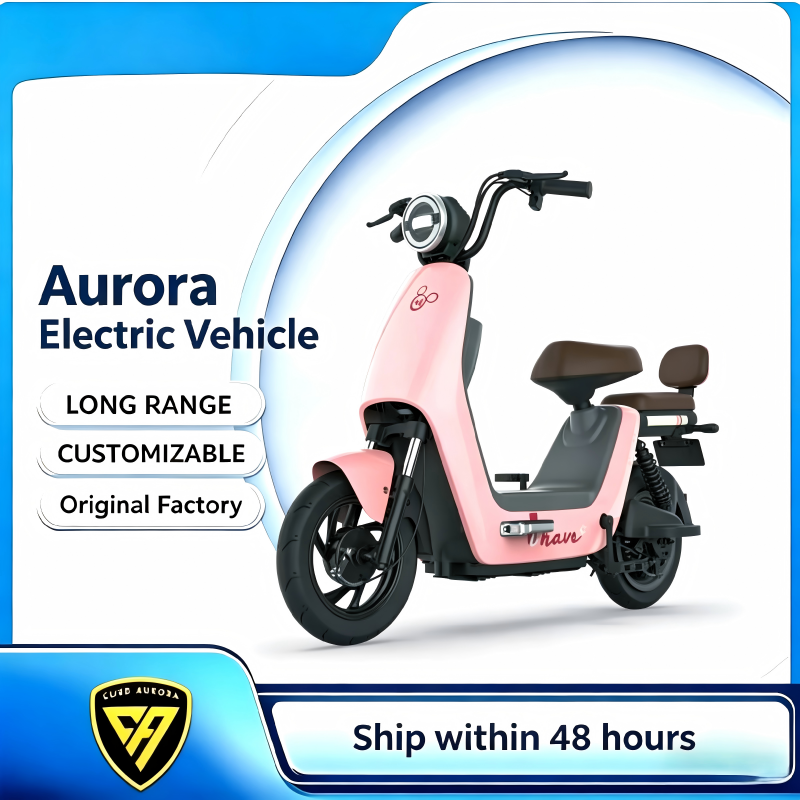
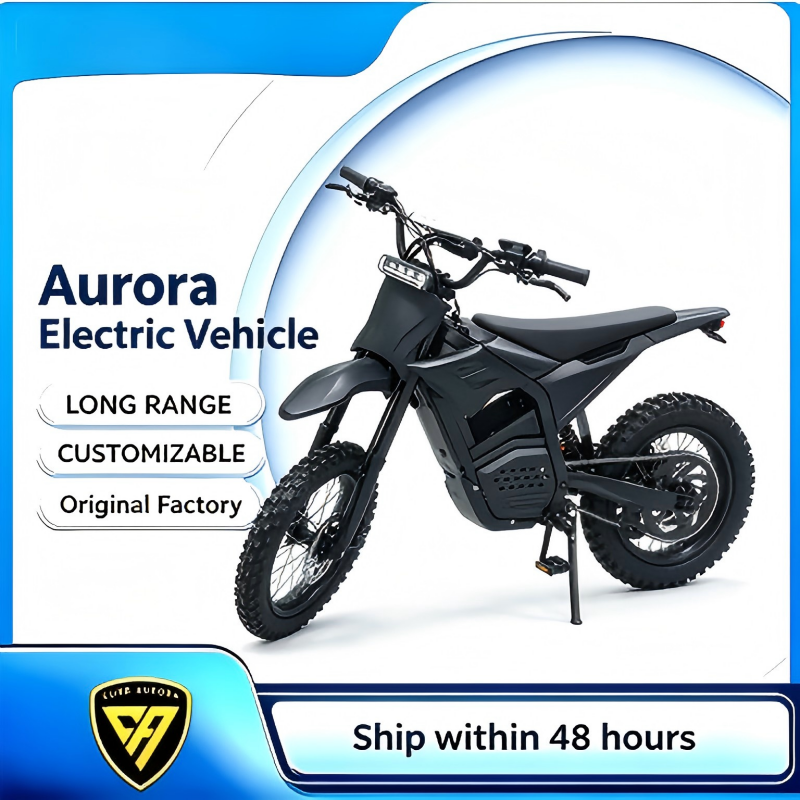
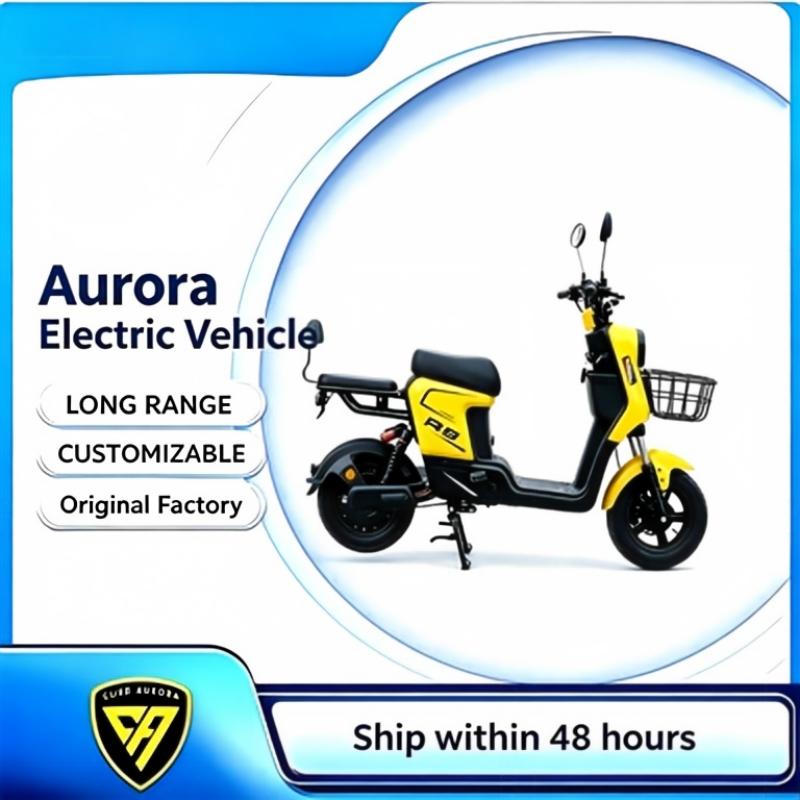
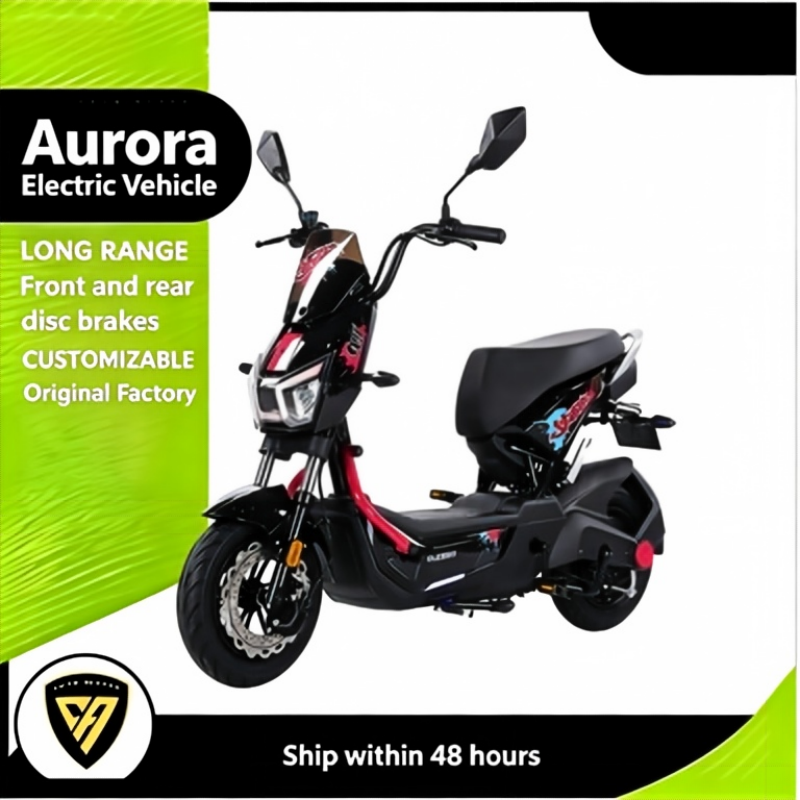
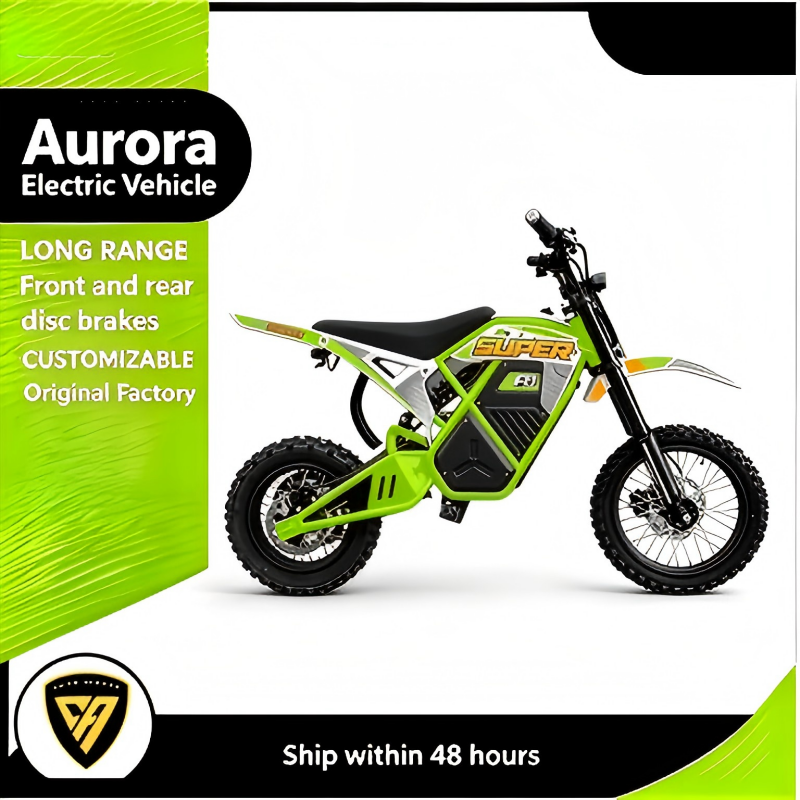
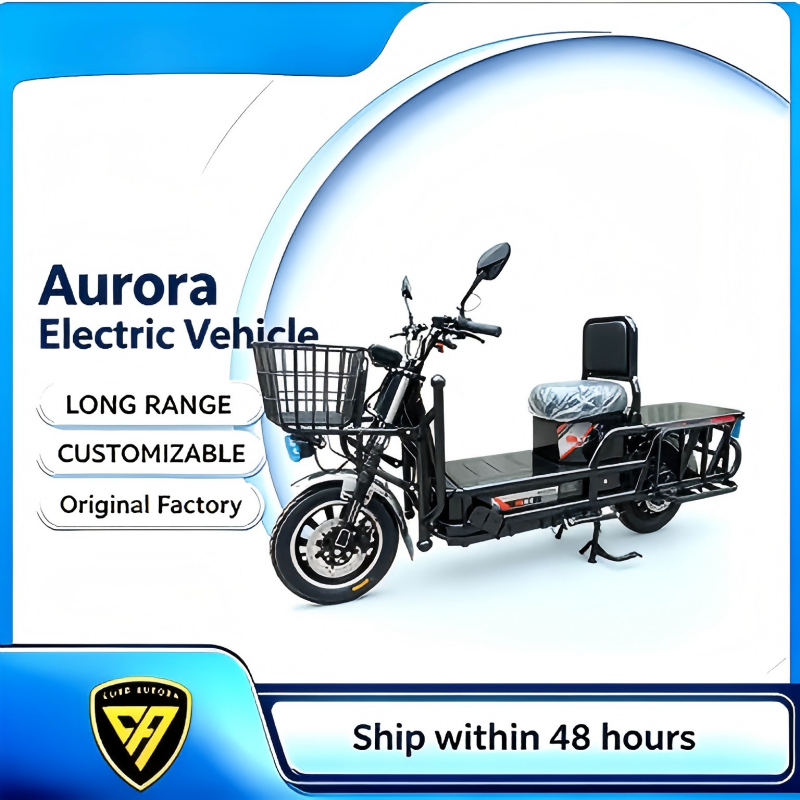
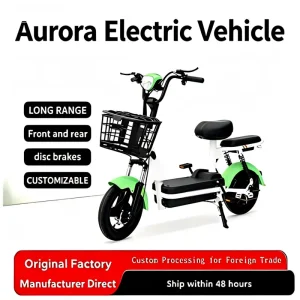
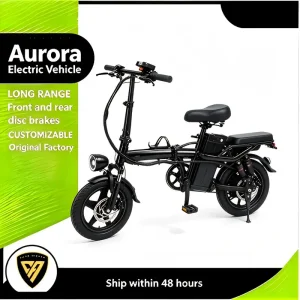
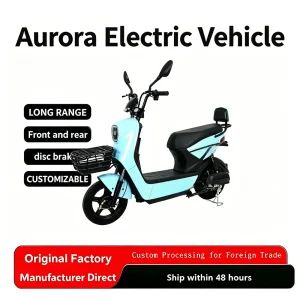
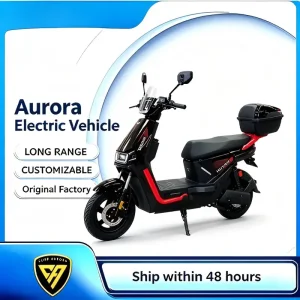
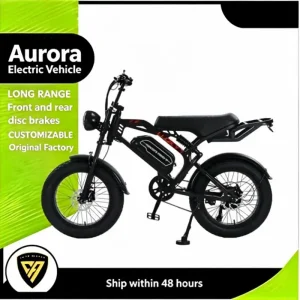
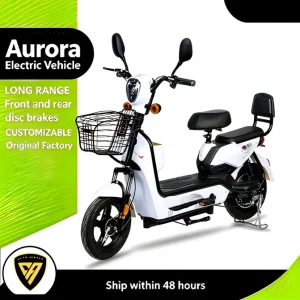
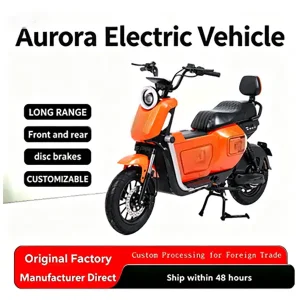
Explore our premier, EU-compliant electric vehicles. Direct wholesale pricing and customized OEM/ODM builds for global logistics, commuters, and fleet owners.
Understanding the engineering standards and legal obligations required for light electric vehicles in the European Economic Area.
In the rapidly transforming global micro-mobility market, CE (Conformité Européenne) certification is not simply a decorative badge of marketing prestige; it is a rigid statutory mandate. For B2B importers, corporate procurement heads, and distributors seeking to bring Electric Vehicles (EVs), including electric bicycles (EPACs - Electrically Power-Assisted Cycles), scooters, and light electric motorcycles, into the European Union and European Economic Area (EEA), compliance represents the line between operational success and catastrophic regulatory liability. The CE mark denotes that the product has undergone stringent conformity assessments, verifying compliance with EU health, safety, and environmental protection frameworks.
For electric bicycles and light electric vehicles, this assessment primarily revolves around EN 15194:2017—the harmonized European Standard for EPACs. This standard mandates rigorous testing across multiple key sectors, including electrical circuit integrity, battery management security (preventing thermal runaway), braking system performance, mechanical chassis fatigue limits, and electromagnetic compatibility (EMC). Unlike unregulated models, a CE-certified vehicle ensures that the drive systems, motor control units, and batteries are designed to shut down if overload parameters are reached, completely eliminating the risks of fires and structural failures during high-duty cycles.
"Under the latest EU General Product Safety Regulation (GPSR), non-compliant imports can be seized at customs, and distributors can be held personally liable for civil penalties, product recalls, and personal injuries resulting from non-certified battery hazards."
Furthermore, CE certification integrates several directives that are crucial for complete compliance:
1. The Machinery Directive (2006/42/EC): Governing structural mechanics, operator safety interfaces, and failure-safes.
2. The Low Voltage Directive (LVD) (2014/35/EU): Ensuring the safety of battery chargers and secondary battery circuits.
3. The Electromagnetic Compatibility (EMC) Directive (2014/30/EU): Guaranteeing the vehicle does not interfere with nearby electronics, nor is it vulnerable to external electromagnetic interference.
4. RoHS Directive (2011/65/EU): Restricting hazardous chemical usage in electronic solder, coatings, and chassis raw materials.
Complete validation for speed restrictions (25 km/h limit), auxiliary power cut-offs, and motor power ratings up to 250W for road legality.
Rigorous shielding on controllers and wiring assemblies to resist external interference and maintain high operational safety margins.
All cell arrays pass mechanical impact, thermal shock, and vibration tests to prevent catastrophic battery thermal runaway incidents.
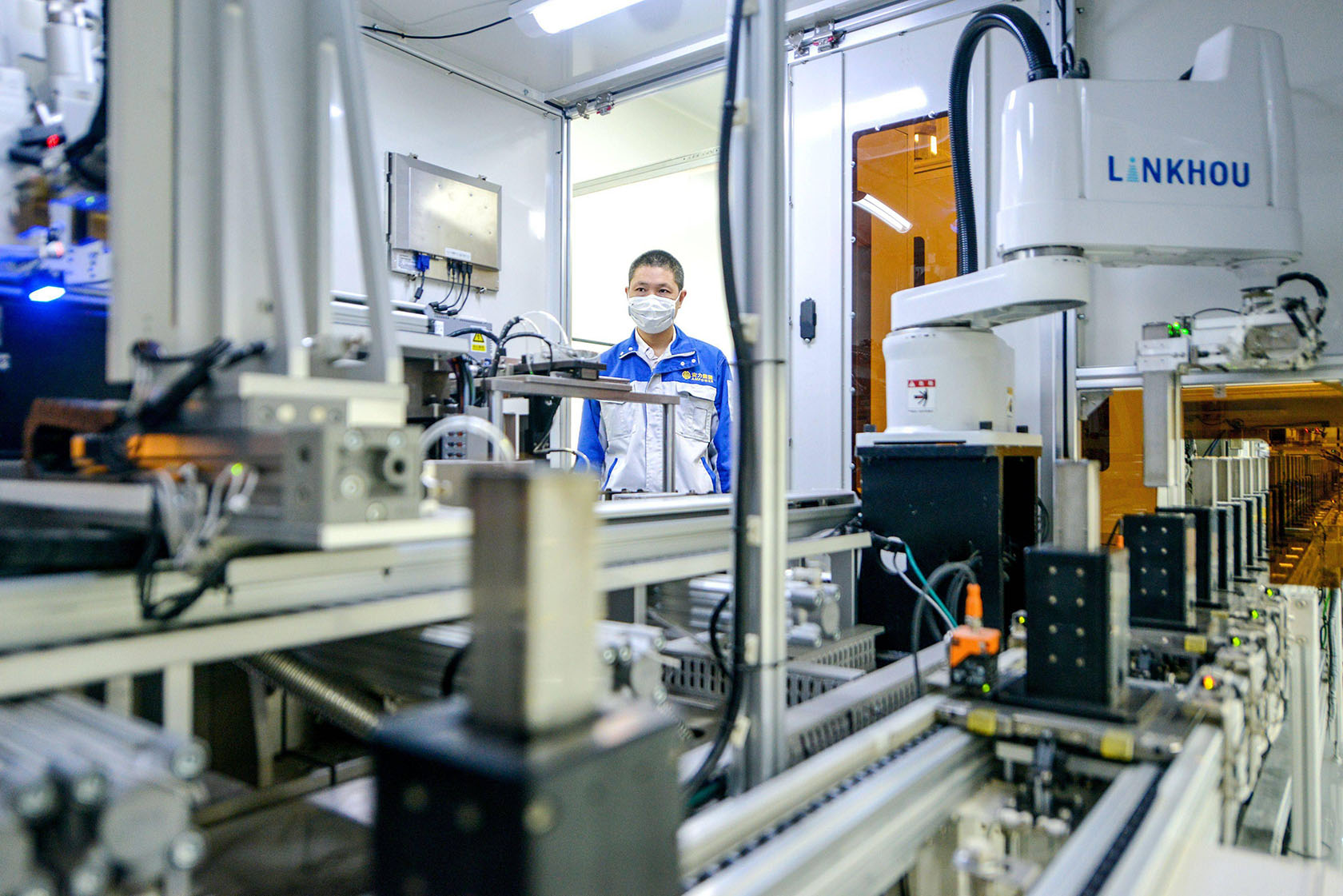
China's smart manufacturing infrastructure stands at the epicenter of global electric mobility production. Operating out of Linyi City, Shandong Province—a strategic logistics hub connecting the Bohai Economic Circle and the Yangtze River Delta—our facility leverages advanced "Factory 4.0" philosophies to maintain structural cost advantages and deep vertical integration. By utilizing automated robotic welding for high-carbon steel and aircraft-grade aluminum alloy frames, we ensure absolute consistency in structural geometry, eliminating weld defects that compromise frame lifespan.
Our digitalized shop floor controls every stage of production through cloud-linked MES (Manufacturing Execution Systems). Each battery pack is individually cataloged, tested for charge-discharge efficiency, and tracked via its unique QR code. This end-to-end transparency is essential for high-volume B2B buyers who need to satisfy corporate ESG criteria and national customs audits. Our direct raw-material sourcing, situated in China's key steel and lithium production corridors, protects our buyers from market volatility, offering stable pricing contracts even amidst global raw-materials shocks.
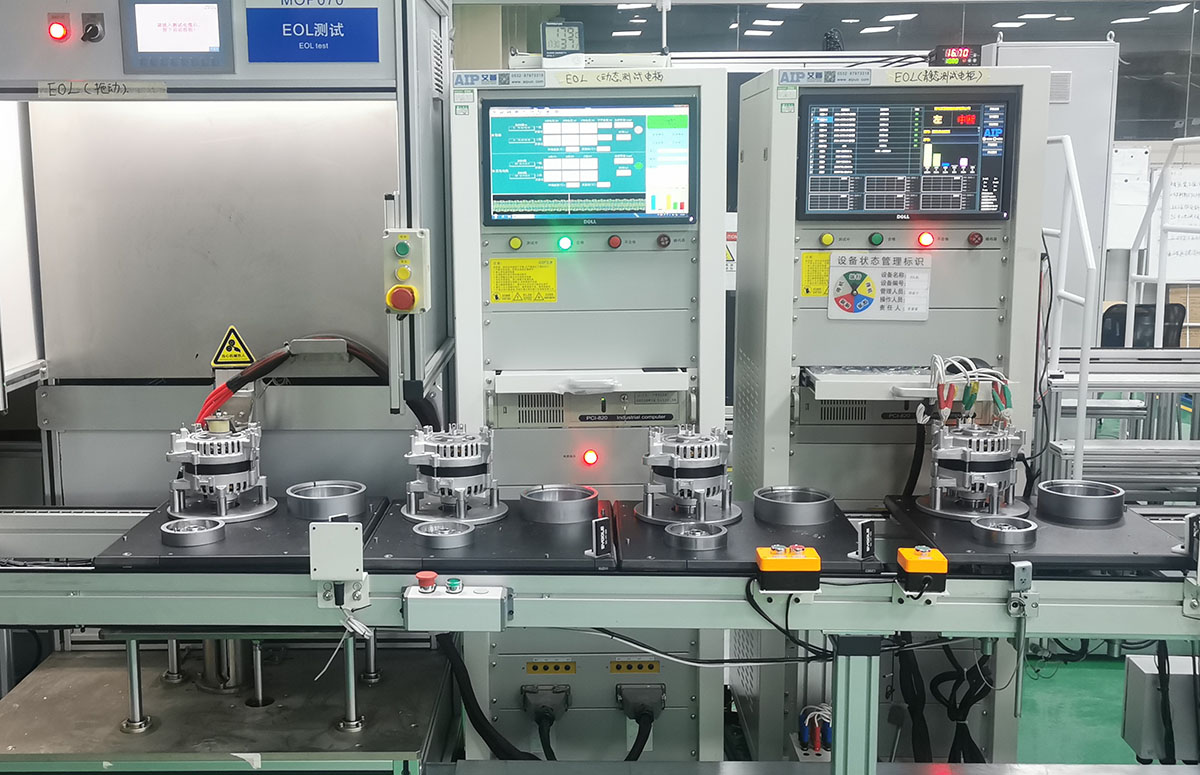
From frame extrusion to final automated test runs on dynamic dynamometers, our production process delivers structural durability. Aurora Electric Vehicle (Shandong) Co., Ltd. provides bulk wholesalers, e-commerce retailers, and commercial fleet managers with customized, high-yield solutions that consistently exceed western regulatory requirements.
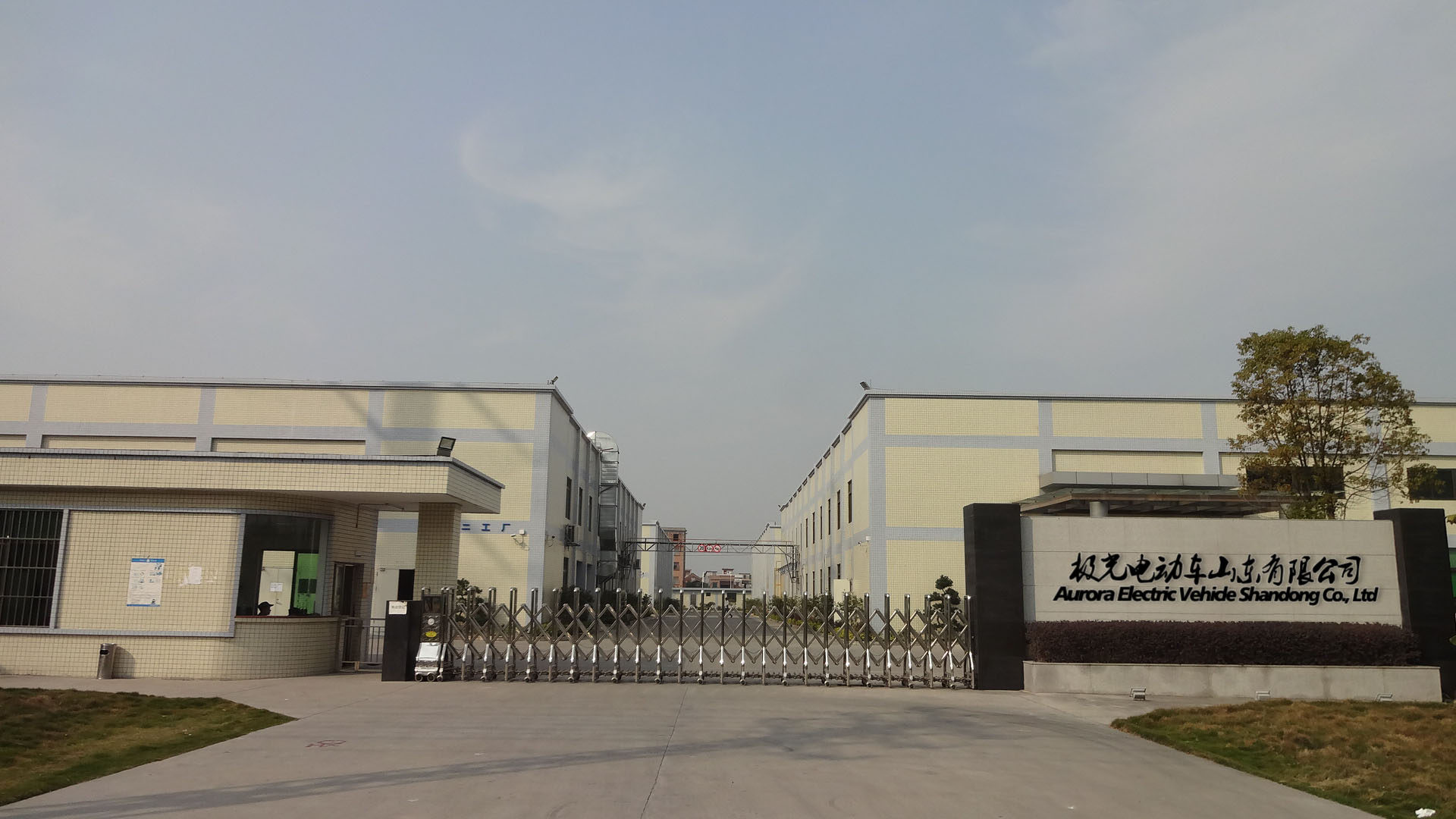
Decade-long legacy in developing, manufacturing, and exporting premium-grade electric bicycles and urban mobility vehicles.
Founded in 2015, Aurora Electric Vehicle Shandong Co., Ltd. is located in Linyi City, Shandong Province. Over the course of more than 10 years in the electric bicycle and motorcycle industry, we have evolved from a small production workshop into a comprehensive enterprise integrating state-of-the-art R&D, mass-scale manufacturing, international sales, and dedicated after-sales services. Our growth has mirrored the historic evolution of the industry, particularly under the modern "New National Standard" era which prioritizes strict safety regulations, fire retardancy, structural load-bearing reliability, and intelligent motor limits.
Our production base features intelligent digital production lines, automatic assembly lines, and high-precision quality control testing equipment. We manufacture and test our core components—ranging from high-torque brushless DC motors to automated battery management assemblies and reinforced frames—to ensure that every unit leaving our facility satisfies global regulatory frameworks.
Senior engineers with 10+ years of EV experience, holding patents for motor efficiencies and battery management.
Highly skilled technical workers operating under strict ISO 9001:2015 quality control processes.
Dedicated global B2B account managers providing customized quotes, logistics coordination, and OEM/ODM setup.
Empirical performance indicators reflecting our industrial capabilities and compliance standards.
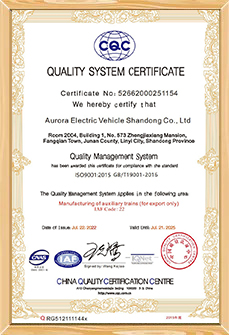
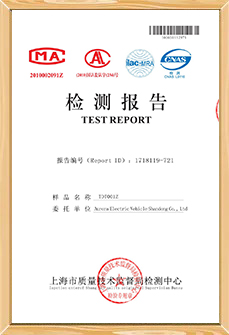
Verified documentation demonstrating compliance with CE, CCC, FCC, and global standard testing protocols.
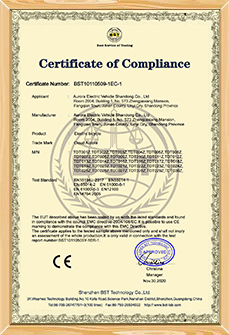
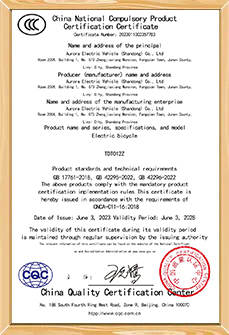
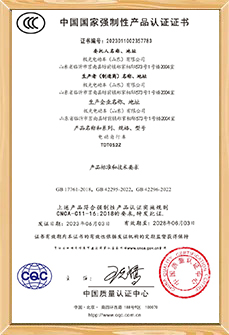
Our location in Linyi, Shandong, grants us immediate access to integrated freight networks, facilitating rapid shipping to major ports such as Qingdao and Tianjin. This geographic advantage translates into shorter transit times and reduced logistics costs for international importers. Beyond our logistical reach, our corporate culture is built on the core values of "integrity, pragmatism, innovation, and win-win." We operate under a clear mission: making green travel easier and safer for everyone.
To support this vision, we run an in-house laboratory equipped to perform mechanical fatigue tests, simulated environment temperature tests (ranging from -20°C to 60°C), and water-resistance assessments (up to IPX5 ratings for electronics compartments). We also carry out physical drop tests on custom packaging to ensure product integrity during ocean transit.
Leveraging Linyi's transportation network and a ten-year manufacturing footprint to deliver cost-effective logistics.
Tailoring frame configurations, motor ratings, packaging, branding, and color schemes to local market preferences.
Certified under CE, CCC, and FCC to ensure smooth custom clearance and road compliance across diverse jurisdictions.
See how our electric vehicles perform in target application scenarios globally.
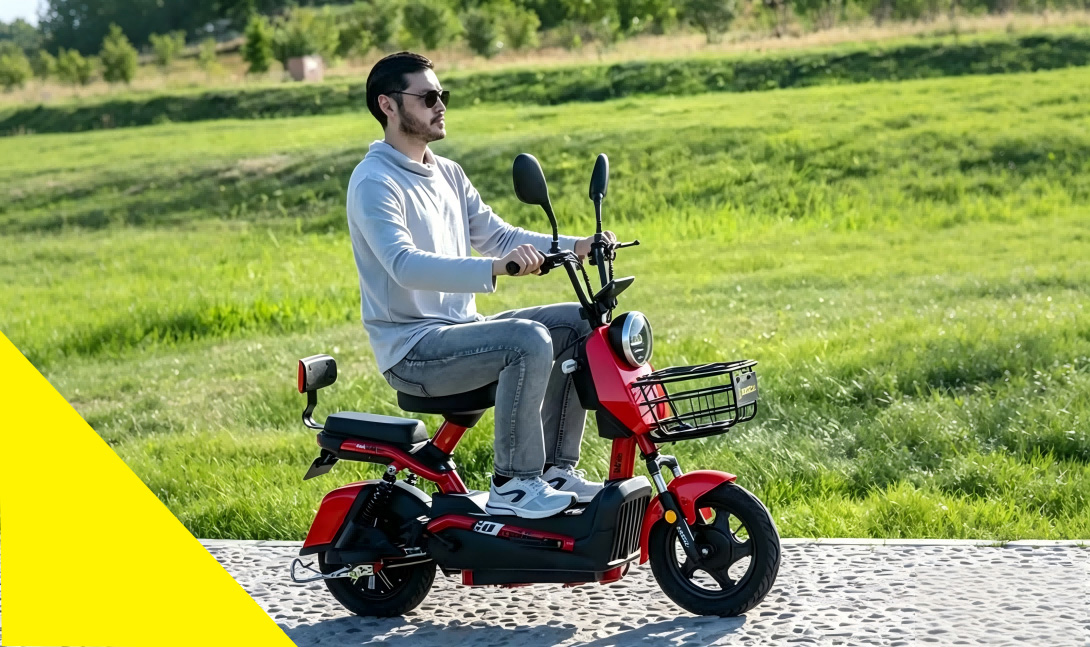
Ergonomic and lightweight, designed for daily commuting and short-distance travel. Offers stable power assistance, efficient energy consumption, and high structural durability for busy city streets.
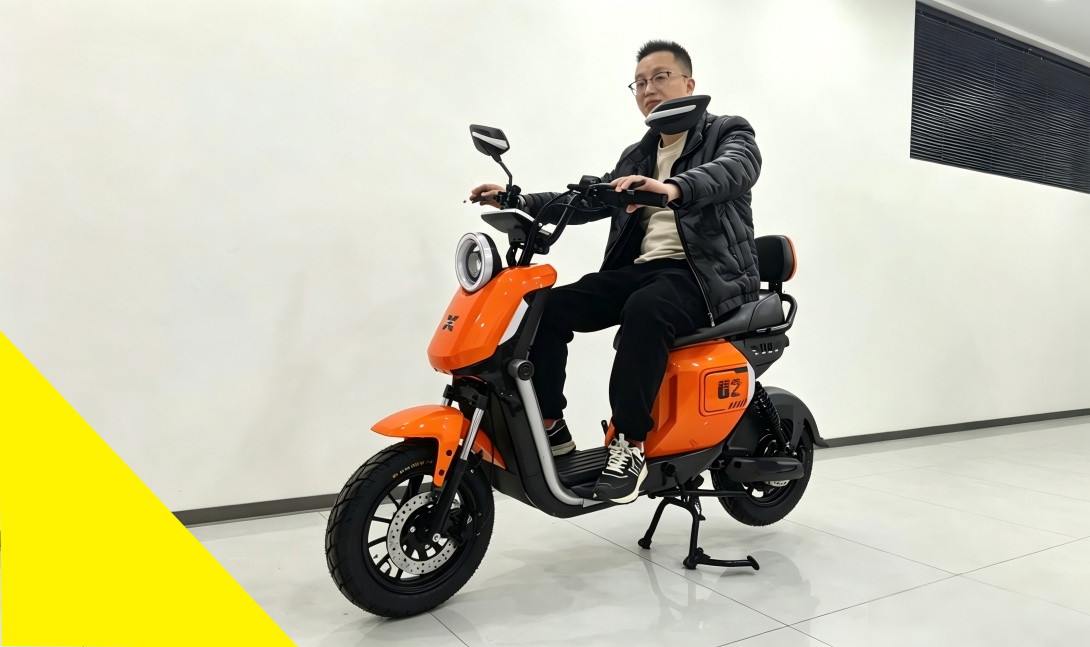
Modern streamlined design with responsive performance. An energy-efficient and practical option for urban multi-modal transport and corporate vehicle fleets.
A step-by-step B2B procurement workflow for custom electric vehicle configurations.
Procuring electric vehicles at wholesale volumes requires coordination across technical specifications, compliance parameters, and logistics arrangements. Our sales team works closely with global clients to ensure that all customized vehicles match local road regulations and operational demands. The typical procurement process is structured as follows:
Answers to critical regulatory, manufacturing, and shipping questions for global B2B buyers.
A diverse range of electric mobility solutions, from vintage cruisers to cargo transport, designed for efficiency and compliance.
Explore detailed specifications and request dynamic bulk quotes for our high-demand models.