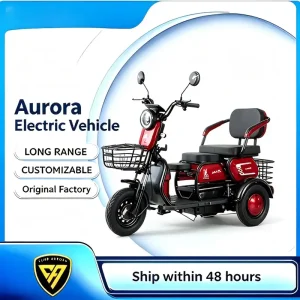
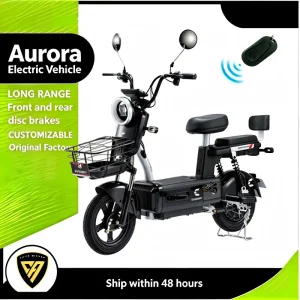
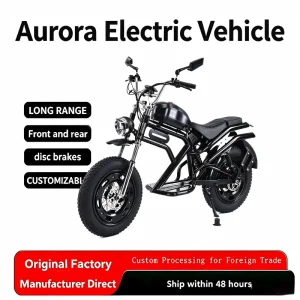
A deep industry analysis of safety compliance, battery structural protection, and next-generation chassis armor requirements.
As the global automotive and micro-mobility landscape pivots rapidly toward electrification, structural safety engineering has encountered a paradigm shift. Unlike internal combustion engine (ICE) vehicles, electric vehicles (EVs), ranging from full-scale commercial electric cars to heavy-duty utility electric tricycles and high-speed commuter electric scooters, place their most valuable, vulnerable, and chemically active component at the base of the vehicle: the lithium-ion battery pack. This positioning lowers the center of gravity and optimizes cabin space, but exposes the electrical power cells to severe physical threats. Road debris impact, ground scraping, curb strikes, and high-velocity projectiles pose immediate structural risks.
Electric vehicle chassis armor (also known as EV underbody protection, battery skid plates, or lower protective guards) serves as the primary physical barrier against these hazardous elements. At Aurora Electric Vehicle Shandong Co., Ltd., we synthesize structural engineering and robust manufacturing expertise to fabricate industrial-grade chassis protective plates and resilient micro-EV frame architectures. Operating our primary production base in Linyi, Shandong, we deliver high-performance solutions engineered to neutralize kinetic impacts, prevent structural deformation, and guard against battery cell puncture—avoiding catastrophic thermal runaways and ensuring compliance with stringent international safety standard protocols.
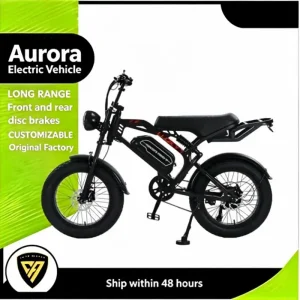
Engineered with high-tensile protective chassis frames and premium mechanical performance parameters.
Decoding the metallurgical composition, stress-deflection models, and energy absorption parameters required for modern EV protection.
The engineering profile of modern underbody shields has transitioned from basic splash guards to integral stress-bearing structural components. In a comprehensive EV architecture, the underbody armor must perform multiple functions. It acts as an impact barrier, a structural stiffener, and a thermal containment module. Developing components that satisfy these criteria requires deep expertise in metallurgical engineering and structural design.
For industrial applications, structural armor utilizes three distinct material classes:
Effective chassis armor is engineered to deform plastically during high-load impacts, absorbing kinetic energy and preventing stress transfer to the battery module. Through finite element analysis (FEA), our engineering team designs dynamic deflection zones that limit intrusion into the battery compartment to less than 2mm under localized peak loads of 50 kN.
Chassis underbodies operate in harsh environments. They are exposed to mud, standing water, chemical de-icers, and road salts. Our manufacturing process integrates advanced surface treatments to prevent corrosion. Every metal armor panel undergoes an automated multi-stage process: electro-deposition coating (E-coat), followed by a thick, resilient layer of electrostatic powder spray coating. This creates a barrier that resists over 1,000 hours of continuous salt-spray testing (ASTM B117), preventing galvanic corrosion when steel components interface with aluminum vehicle frames.
Optimum corrugated geometry designed to deflect direct point-impact energy laterally, protecting internal components.
Industrial-grade automotive electro-deposition (ED) and dual-layer powder coating prevent chemical and environmental wear.
Integrated thermal interface materials and ventilation pathways assist in cooling battery packs under heavy duty usage.
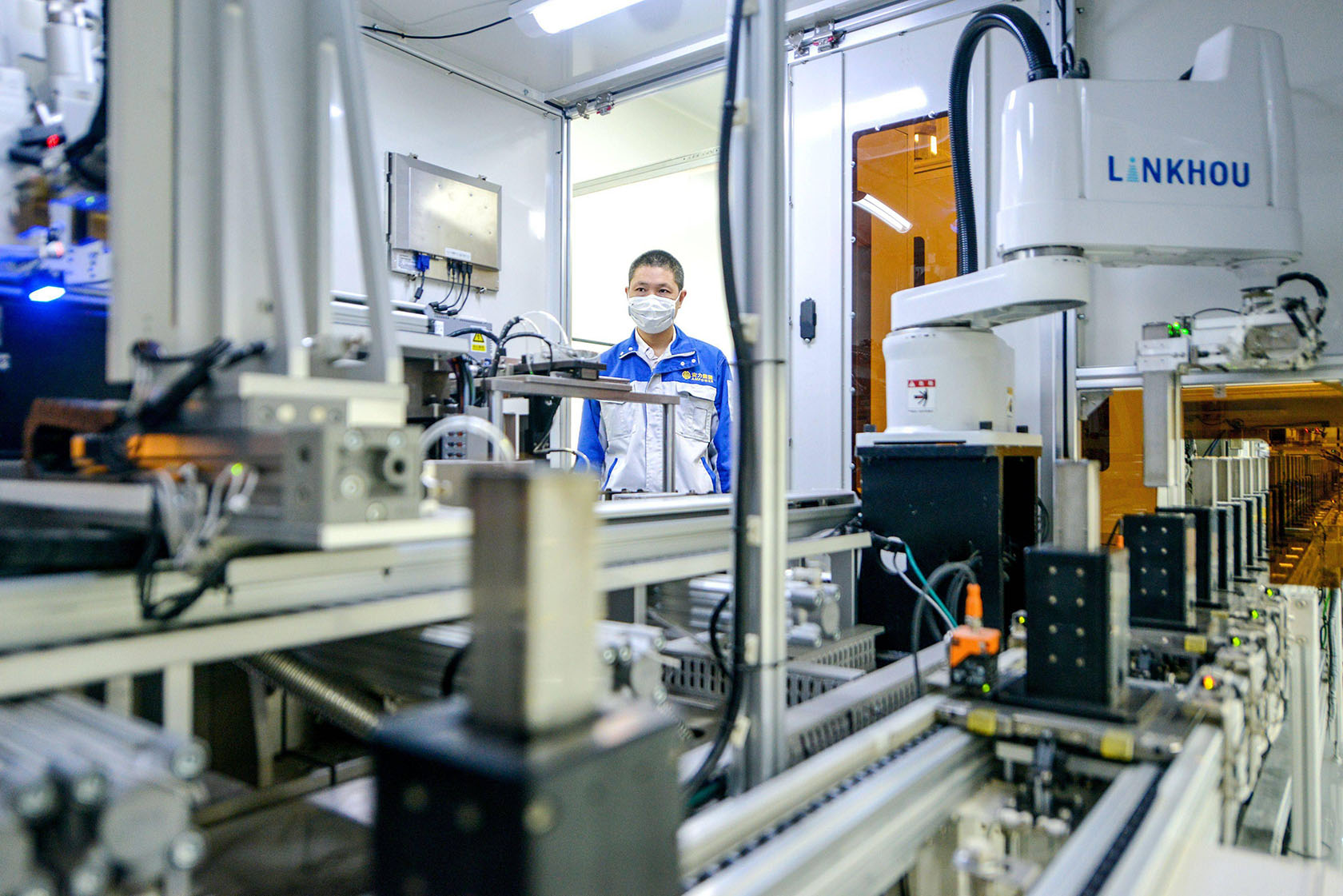
Operating out of our advanced industrial base in Linyi, Shandong, our production facility features automated manufacturing technologies that ensure precision and reliability.
By integrating automated fiber laser cutters, high-tonnage hydraulic stamping lines (ranging up to 1600T capacity), and robotic GMAW/TIG welding cells, we eliminate manual assembly variations. Each chassis shield, protective frame, and structural support bracket is fabricated to exact tolerances within ±0.2mm.
Our location in Shandong serves as a strategic transportation and logistics hub, providing direct access to premium raw material suppliers. This close connection lowers transportation costs and secures a steady supply of high-grade steel and aluminum, helping us maintain stable lead times during global supply chain fluctuations.
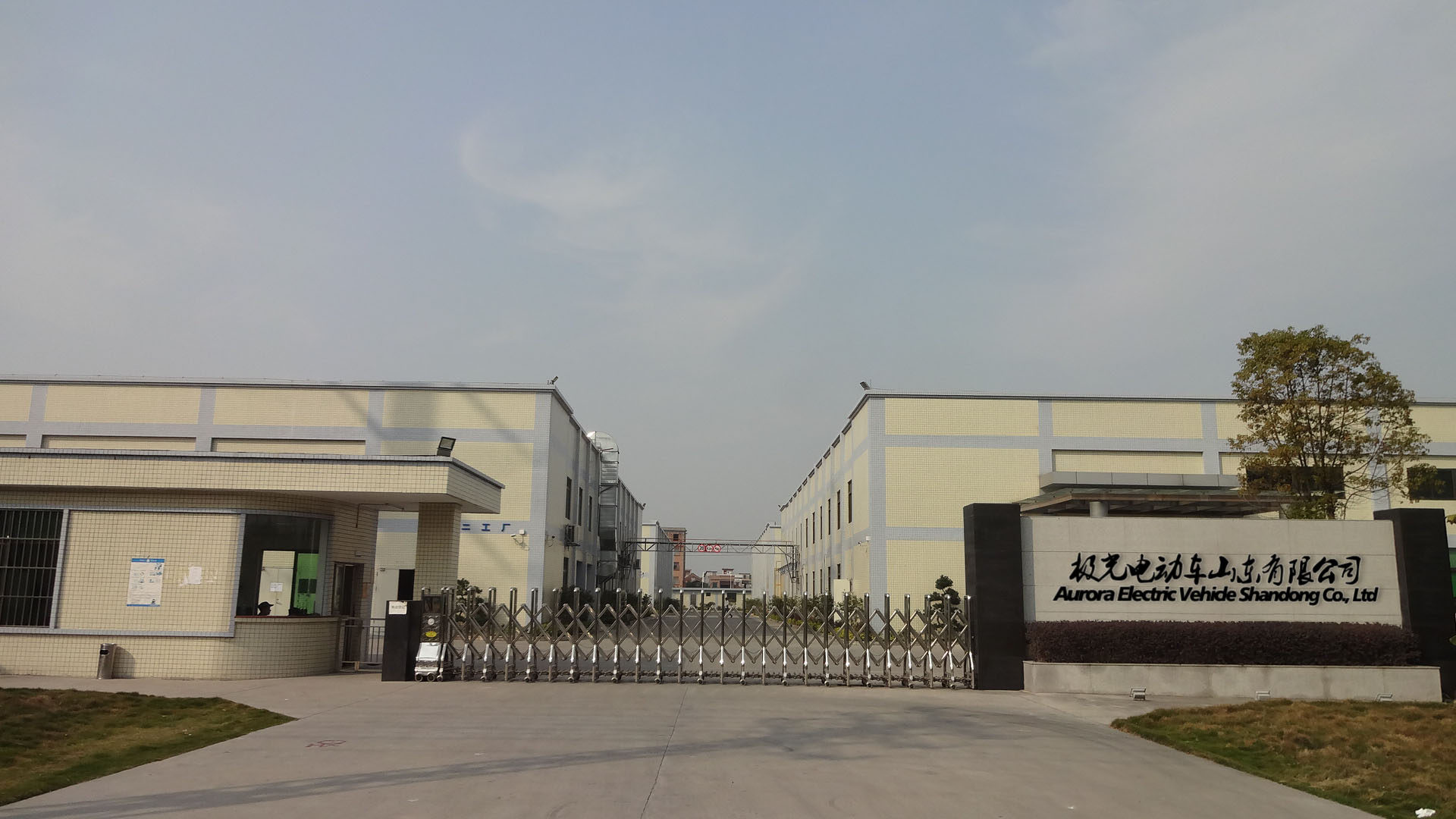
Over a decade of manufacturing excellence, innovation, and industry leadership in the EV sector.
Founded in 2015, our electric bicycle and component manufacturing enterprise is located in Linyi City, Shandong Province. Linyi is a core transportation hub connecting the Yangtze River Delta and the Bohai Economic Circle, providing prominent geographical and logistical advantages. As a professional manufacturer deeply rooted in the electric bicycle and structural component industry for over 10 years, we have grown from a local production workshop to a comprehensive enterprise integrating R&D, precision production, global sales, and after-sales service. We have actively participated in the development of China's electric vehicle industry under the modern new national standard era.
Our development history is a journey of persistence, innovation, and continuous improvement. Since our establishment, we have focused on industry trends and policy requirements. In 2019, when the new national standard for electric bicycles was officially implemented, we upgraded our production lines and R&D capabilities, optimizing product parameters to comply with safety standards, including fire retardant performance, speed limits, and anti-tampering chassis configurations.
Over the past decade, we have expanded our production scale, building a standardized production base equipped with intelligent digital production lines, automatic assembly units, and professional testing equipment. This infrastructure allows us to manufacture core components, including motors, battery enclosures, chassis plates, and reinforced frames, in-house. Today, our annual production capacity meets the diverse needs of both domestic and international customers, and our products are widely recognized in global markets.
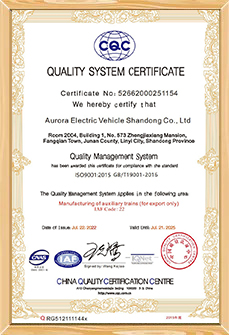
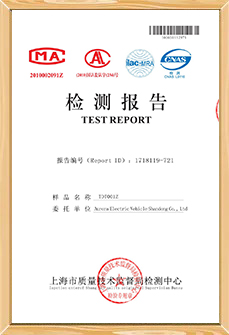
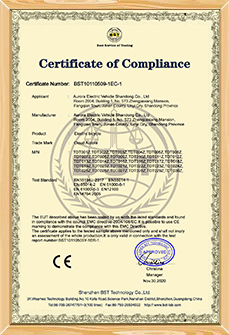
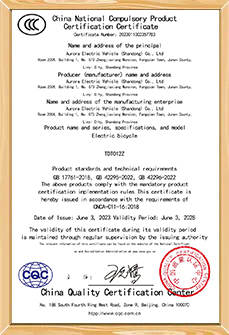
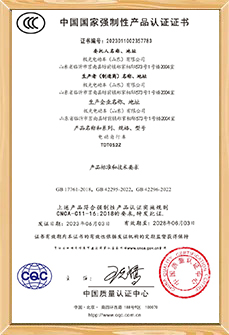
The core driving force behind our manufacturing, quality assurance, and global client support.
Our R&D team consists of senior structural and electrical engineers with more than 10 years of experience in the electric vehicle industry. They focus on improving battery life, safety performance, chassis protection, and riding comfort, and hold several core patents related to electric vehicle motors and battery management systems.
Composed of skilled technicians who undergo regular professional training, our production team supervises every process from raw material chemical testing to final assembly inspection, ensuring that every chassis plate and vehicle conforms to specifications.
Customer-oriented and responsive, our international trade division provides comprehensive B2B support, managing OEM/ODM specifications, customs documentation, and logistics to ensure efficient order processing for global buyers.
Our commitment to sustainable manufacturing practices, structural safety, and long-term B2B partnerships.
Corporate culture is the foundation of our enterprise, combining the industrial spirit of Linyi with the goal of promoting clean transport. Our core values—"integrity, pragmatism, innovation, and win-win"—guide our daily operations. We pursue a corporate mission to make green travel safer and more accessible, utilizing energy-saving manufacturing processes to supply reliable, low-carbon transport products.
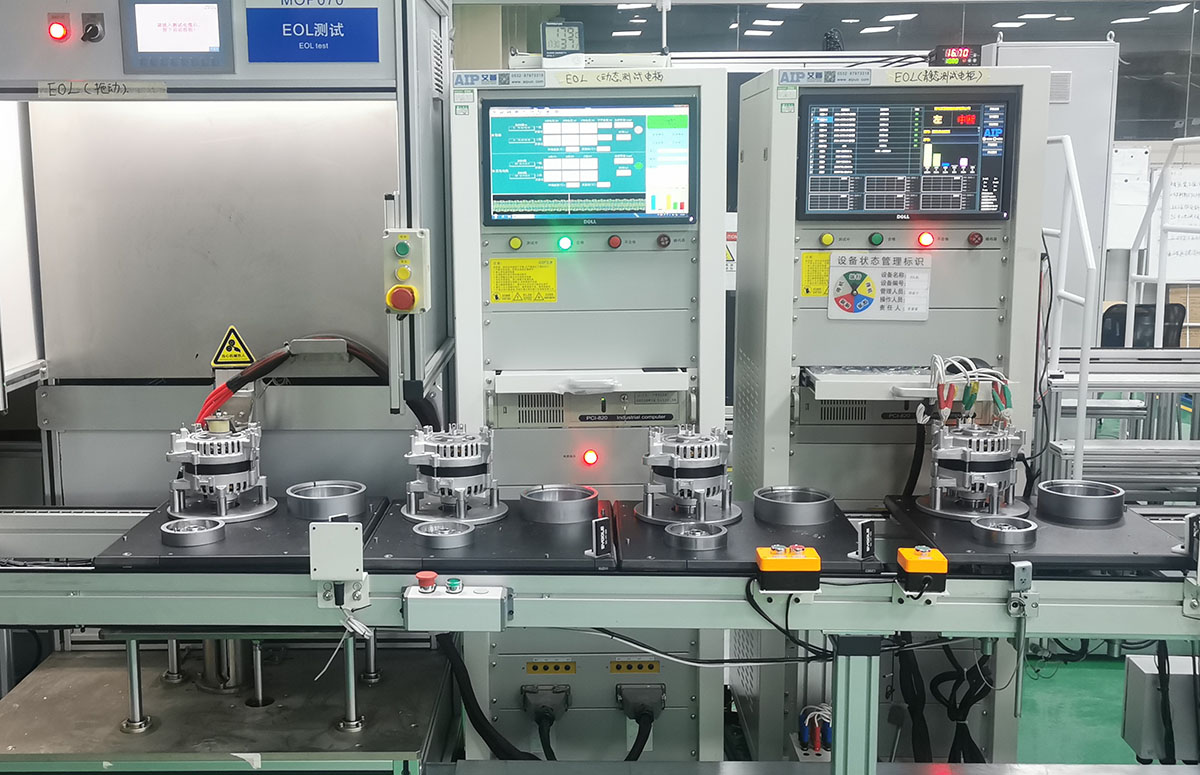
We prioritize product safety and structural durability. Our testing facility is equipped to conduct mechanical load testing, ingress protection (waterproof) validation, fire-retardant testing, and impact testing. These tests ensure our chassis components and complete vehicles can withstand demanding operational environments. We focus on building stable, long-term partnerships with customers, raw material suppliers, and service providers worldwide.
How we address international procurement needs, from technical specifications to cost-efficient logistics.
For B2B buyers, sourcing structural parts like electric vehicle chassis armor or complete micro-EV fleets requires balancing technical specifications with cost constraints. Our factory supports B2B sourcing requirements through a structured process:
We work directly from customer-provided CAD or 3D step files to manufacture chassis plates to specific thickness, mounting hole configuration, and dimensional requirements, ensuring compatibility with your vehicle chassis.
To prevent damage during transit, we package components using heavy-duty, five-layer imported kraft cartons, custom pallet wrapping, and protective foam inserts. This protects surface finishes during long ocean shipments.
Our proximity to Qingdao and Linyi ports allows us to offer flexible shipping terms (FOB, CIF, DDP). We manage shipping logistics to streamline delivery and reduce administrative effort for your logistics team.
Real-world usage cases demonstrating the durability of our vehicles and protective chassis designs.
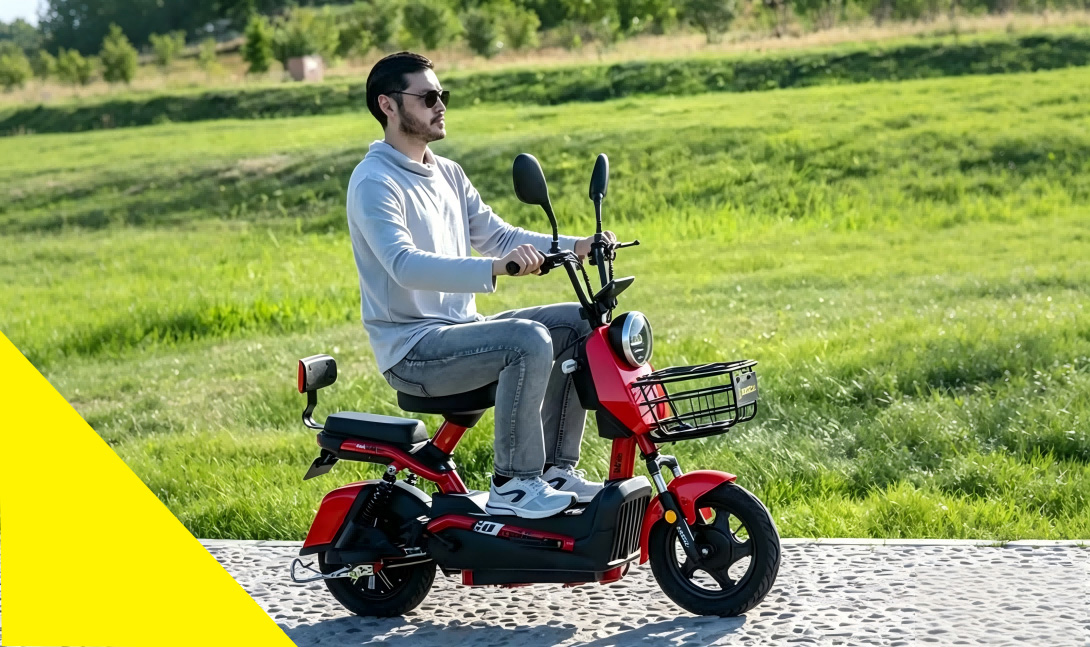
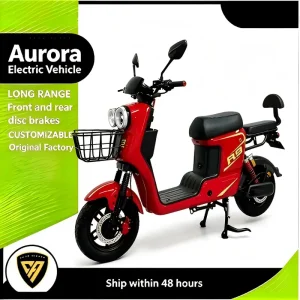
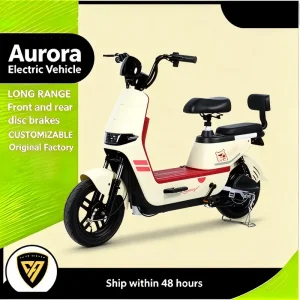
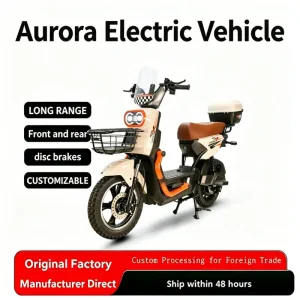
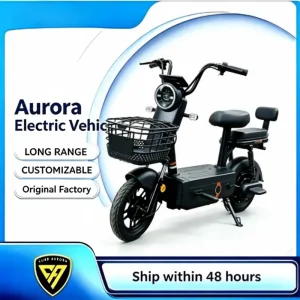
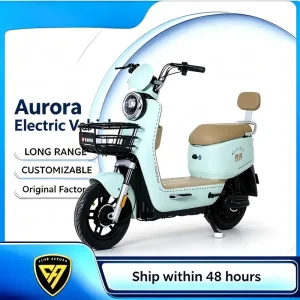
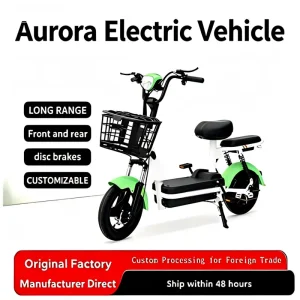
Ergonomic and lightweight design, optimized for daily commuting and short-distance travel. Built with integrated under-frame protective panels to guard electrical wiring against water ingress and impact.
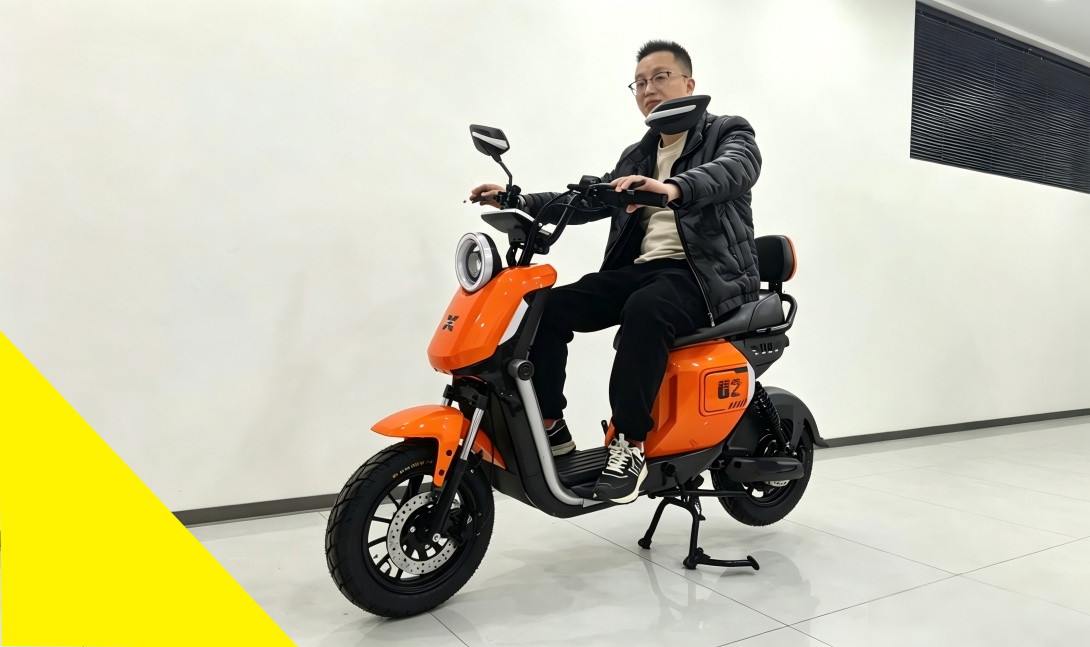
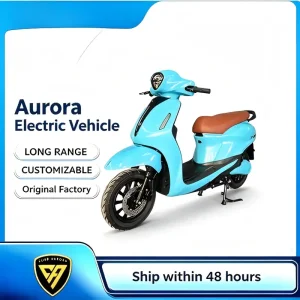
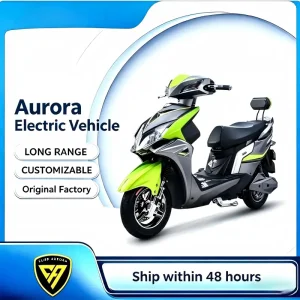
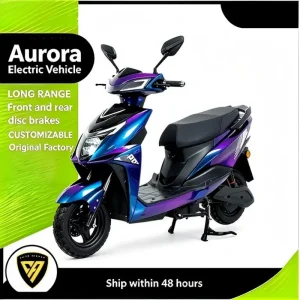
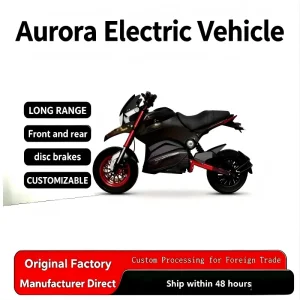
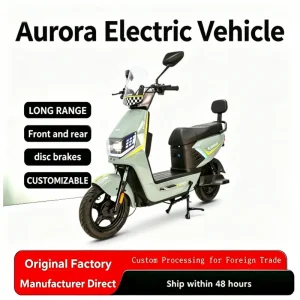
Streamlined modern design with high-output motors. Equipped with a reinforced aluminum alloy chassis skid plate to protect the base battery pack during street use.
A major design focus in modern micro-EV design is the integration of the vehicle frame with underbody protection. Our structural engineering team designs e-bike and e-scooter chassis with integrated lower frames. This design uses the structural tube of the chassis to shield the battery pack from impacts below, eliminating the need for add-on components, reducing vehicle weight, and maintaining structural integrity.
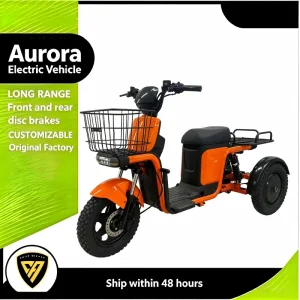
For heavy-duty applications—such as cargo tricycles and delivery scooters—we utilize high-thickness steel protection plates. These plates provide impact protection and add structural stiffness to the lower frame, reducing frame twisting under heavy loads and improving stability and handling.
Detailed technical answers to assist procurement managers, engineers, and distributors in making informed purchasing decisions.
Advanced models featuring heavy-duty suspension and reinforced underbody protective layouts.