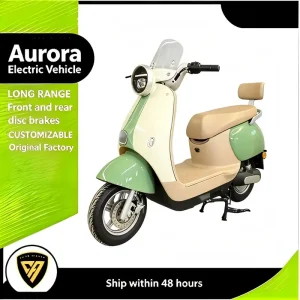
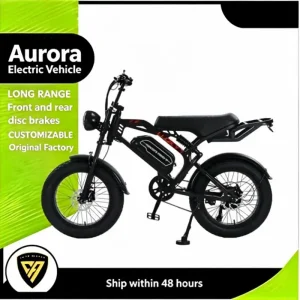
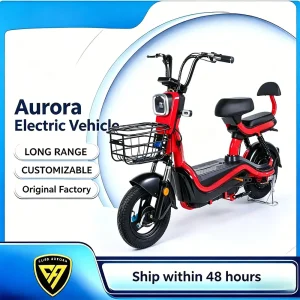
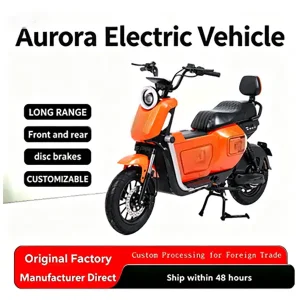
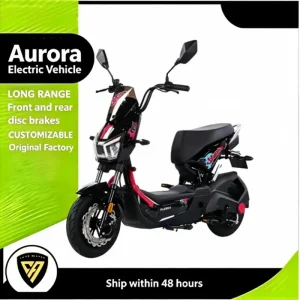
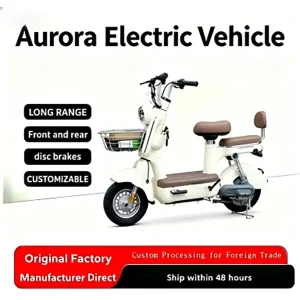
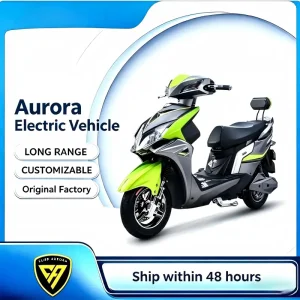
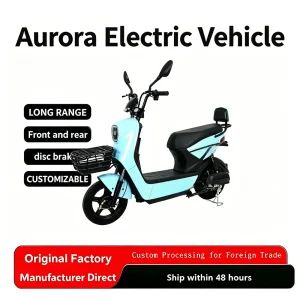
Engineered for safety, long range, and maximum durability in European and American urban landscapes.
A comprehensive analysis of the regulatory shifts, supply chain economics, and technological adoption patterns across major Western markets.
Over the past five years, the definition of the "family commuting car" in Europe and North America has undergone a paradigm shift. Rising fuel prices, strict urban emission zones (ULEZ), and congested arterial road networks have driven suburban and urban families to swap secondary combustion cars for electric cargo bikes, smart dual-seat electric scooters, and robust commuter E-bikes. Historically, the family car served short-distance transport loops, such as school pick-ups, grocery shopping, and daily office commutes. Today, high-capacity Light Electric Vehicles (LEVs) execute these tasks with significantly lower capital expenditure and zero direct emissions.
In Europe, nations like Germany, the Netherlands, and France have built extensive bicycle superhighways, driving a demand surge for e-bikes that meet EN 15194 compliance standards. Meanwhile, in the United States, municipal expansions of cycle infrastructure have sparked a retail boom for long-range fat tire commuter e-bikes and urban cargo carriers designed to tackle long distances and steep topographies.
Regulatory Support: Subsidies in the EU and localized tax incentives in North America make bulk procurement of quality commuting e-bikes highly cost-effective.
E-E-A-T Quality Standards: Demands for UL-listed batteries, CE compliance, and anti-tamper speed limiters ensure rider safety and long-term brand equity for distributors.
How modern suburban configurations demand tailored electrical and mechanical designs to replace traditional vehicles.
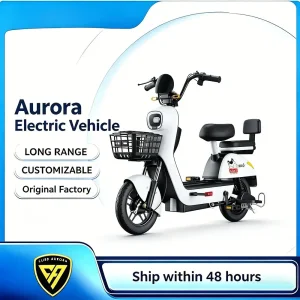
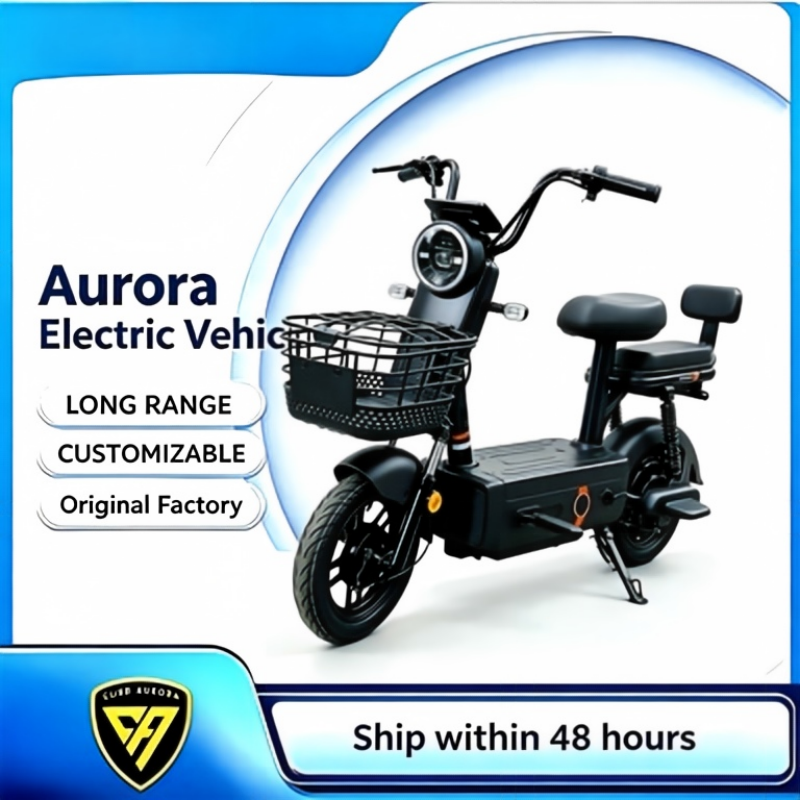
Modern family needs demand safe passenger transport. Dual-seat e-bikes equipped with heavy-duty rear integrated frames allow parents to easily transport children, bypassing municipal school-run traffic zones while maintaining balance through low center-of-gravity structural designs.
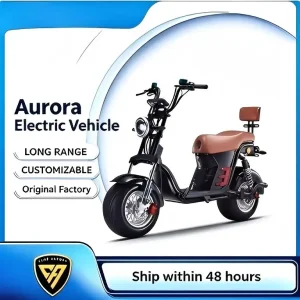
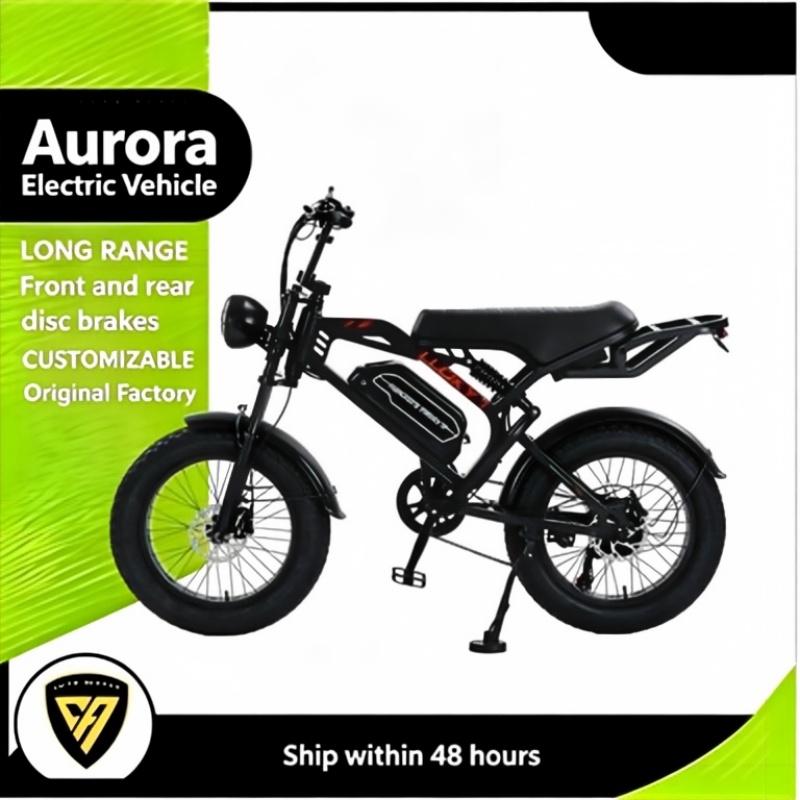
With suburban density increasing in the USA, commuter cars are replaced by fat tire e-bikes that glide over sand, gravel, and snow. These vehicles serve hybrid remote workers needing quick access to transit hubs or commercial retail centers without parking delays.
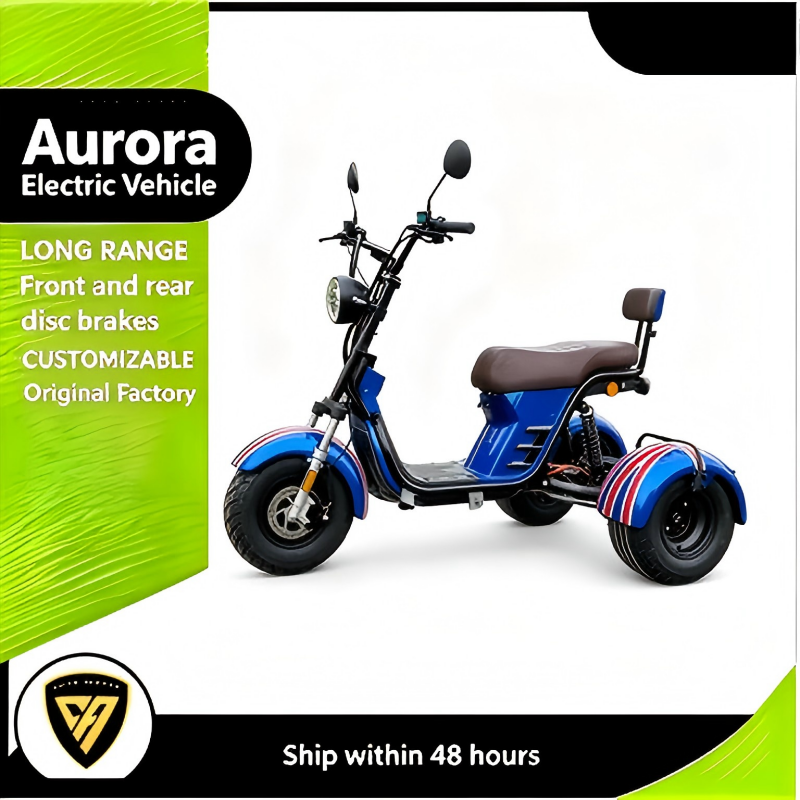
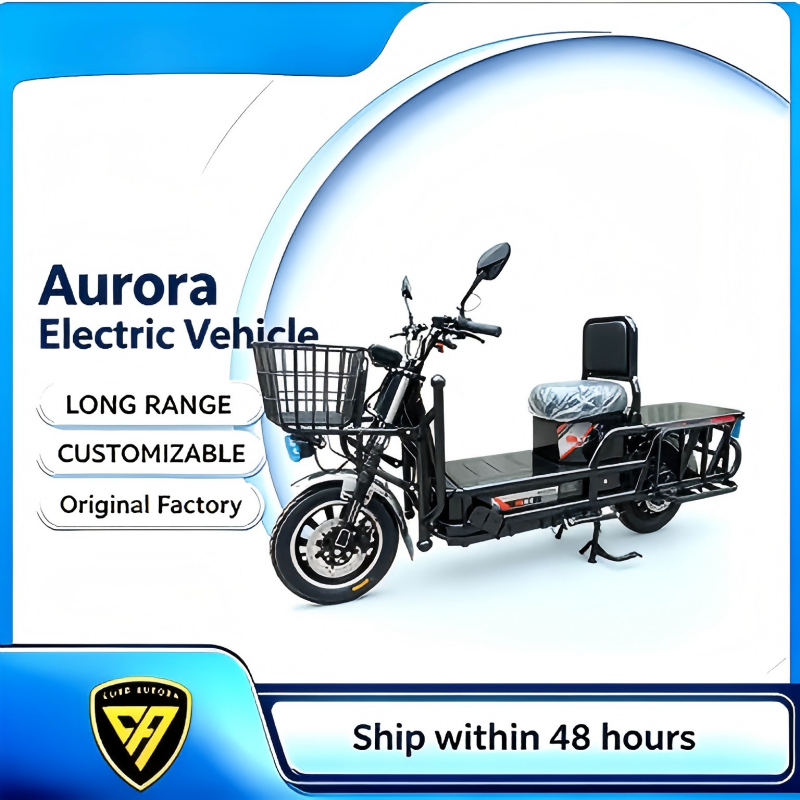
Cargo-configured tricycles and heavy-duty utility e-bikes represent a crucial logistics sub-sector. Distributors import customizable configurations to cater to postal systems and fast-delivery applications operating in dense urban environments.
An architectural look at the battery technologies, drive-train engineering, and material science driving next-generation commuter designs.
The safety and reliability of a family commuter depend primarily on its battery system. Leading research emphasizes high-density lithium-ion chemistry, specifically transitioning to high-durability Lithium Iron Phosphate (LiFePO4) and advanced nickel-manganese-cobalt (NMC) combinations. A smart BMS acts as the brain of the vehicle, offering real-time monitoring of cell voltages, dynamic thermal controls, and over-current protection. This technology ensures the vehicle can safely operate under extreme thermal fluctuations, meeting the rigid requirements of Western import standards.
Framing technology relies on balancing weight with payload capacity. High-carbon steel frames provide robust absorption profiles suited for daily cargo duty cycles, while double-butted 6061 aluminum frames offer lightweight agility for urban commuter platforms. Modern structural designs leverage computer-aided finite element analysis (FEA) to reinforce stress points, ensuring each frame withstands daily stresses over a multi-year operating lifecycle.
| Engineering Parameter | Standard Specification | Future Capability |
|---|---|---|
| Battery Cell Type | NMC / LFP 18650/21700 | Solid-State Cells |
| Motor Integration | Hub Motors (250W-750W) | Mid-Drive Smart Torque Motors |
| Frame Construction | Alloy 6061 / High-Carbon Steel | Carbon-Fiber Matrix / Recycled Alloys |
| Smart Connectivity | LED / Smart App Sync | Full IoT with OTA & GPS Tracking |
| Braking Systems | Mechanical Disc / Hydraulic | Regenerative EBS with ABS |
A decadal legacy of engineering high-quality electric commuter platforms for global markets.
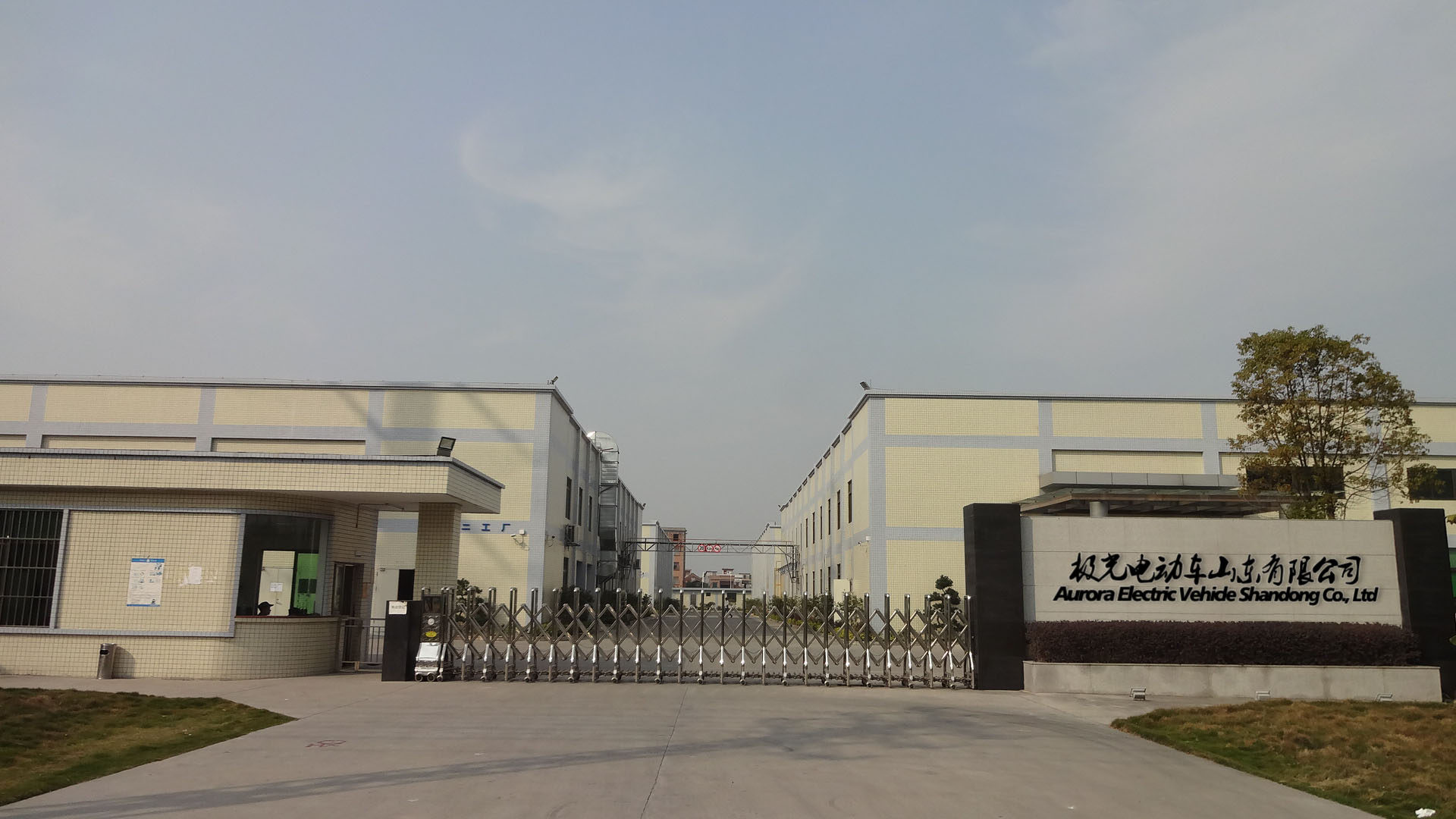
Founded in 2015, Aurora Electric Vehicle Shandong Co., Ltd. is situated in Linyi City, Shandong Province—a core transportation hub connecting the Yangtze River Delta and the Bohai Economic Circle, providing a distinct geographic and supply-chain advantage. Over a decade of growth in the electric vehicle sector has transformed the company from a regional manufacturing workshop into a comprehensive enterprise integrating state-of-the-art R&D, mass production lines, and global sales channels.
Our operation focuses on compliance and quality. Since the regulatory shift in 2019, when the new national standard for electric bicycles took effect, we upgraded our manufacturing facilities and technological platforms. Our entire vehicle fleet complies with mandatory safety measures: flame-retardant electrical systems, integrated speed limiters, and anti-tampering software controls, making our vehicles export-ready for safety-conscious markets like the EU and USA.
Our engineering division consists of industry veterans with over 10 years of specialized experience. Focus areas include battery lifecycle improvement, structural durability, and drive comfort, yielding numerous core patents in motor drive technology and intelligent BMS controls.
Our facility runs under rigorous quality control standards, managing components from structural frame forging to the assembly of high-efficiency motor controllers. Automated testing bays certify that every vehicle delivers reliable performance.
We provide comprehensive manufacturing services to international clients. Our distribution partners rely on our customized frame designs, branding, and container-optimized packaging strategies.
Our commitment to international safety and quality standards is certified by global testing organizations.
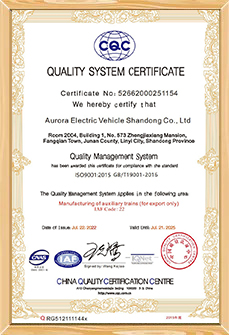
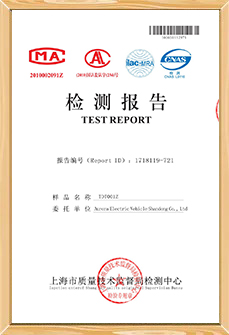
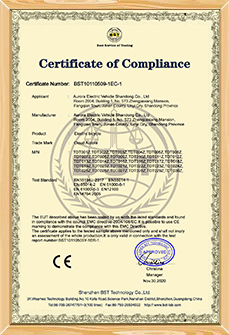
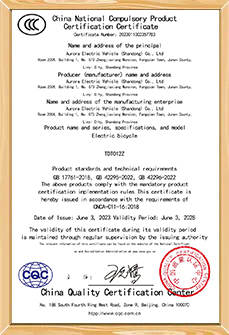
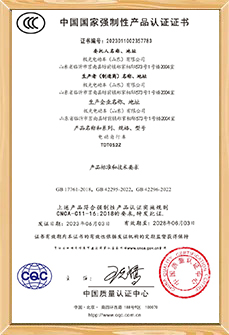
We combine historical regional industry values with modern sustainable technology. Our core values—integrity, pragmatism, innovation, and mutual success—drive every phase of our manufacturing process.
We aim to make green travel simpler and safer for global users. By maintaining dedicated testing labs, we conduct mechanical strain, water resistance, heat dispersion, and drop tests on all systems, ensuring our partners receive high-durability vehicles.
Looking ahead, we seek to expand our production capacity, optimize smart vehicle platforms, and support distribution networks globally. We welcome industry partners to visit our production facility in Shandong to discuss wholesale opportunities.
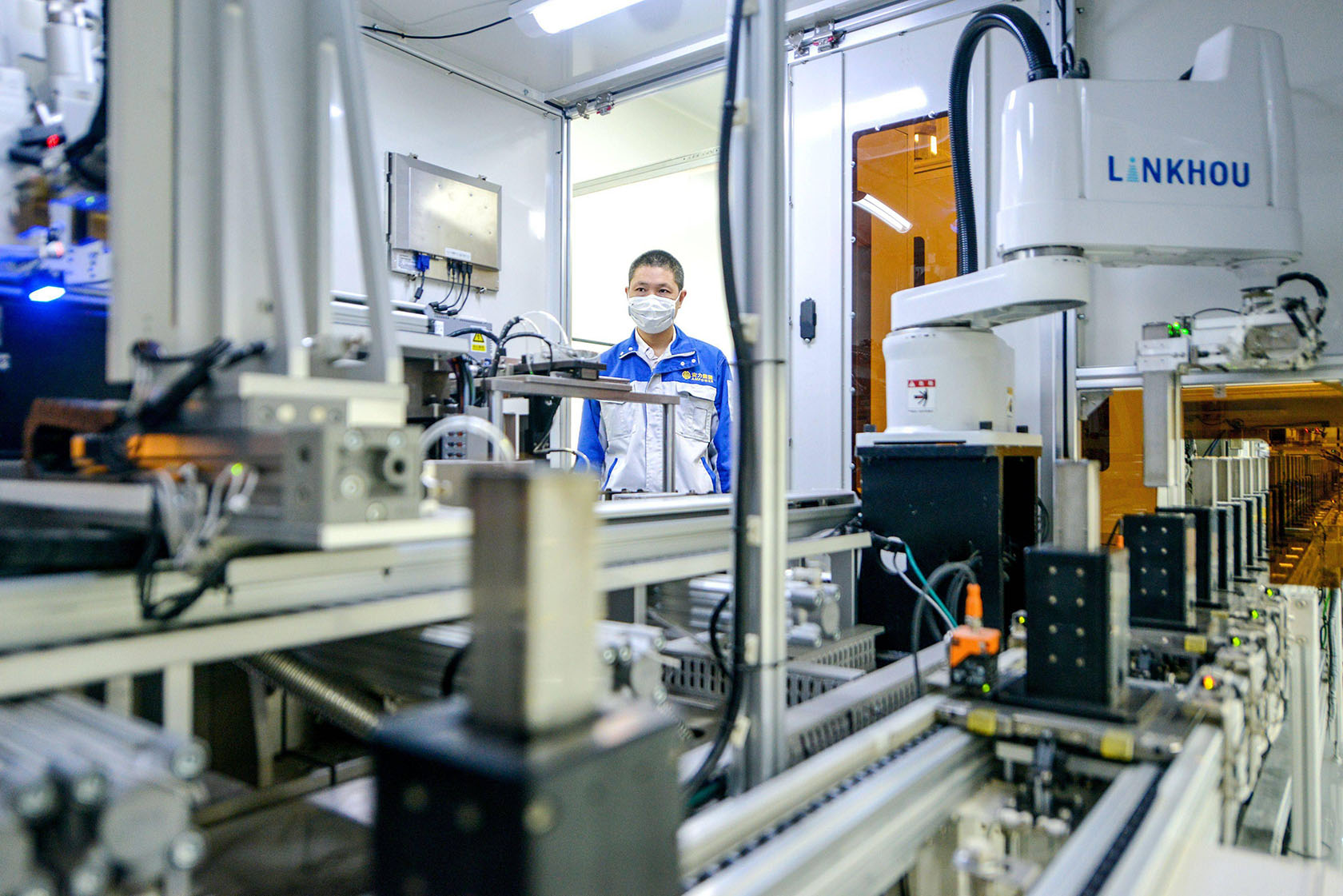
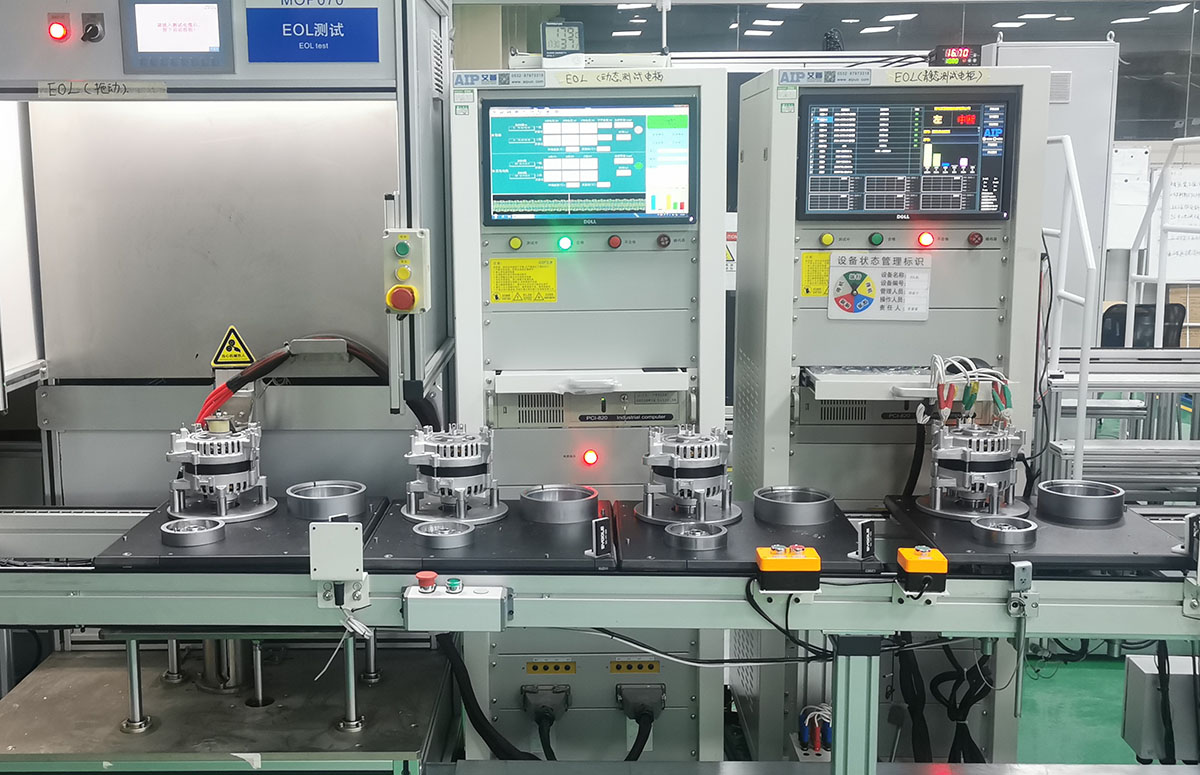
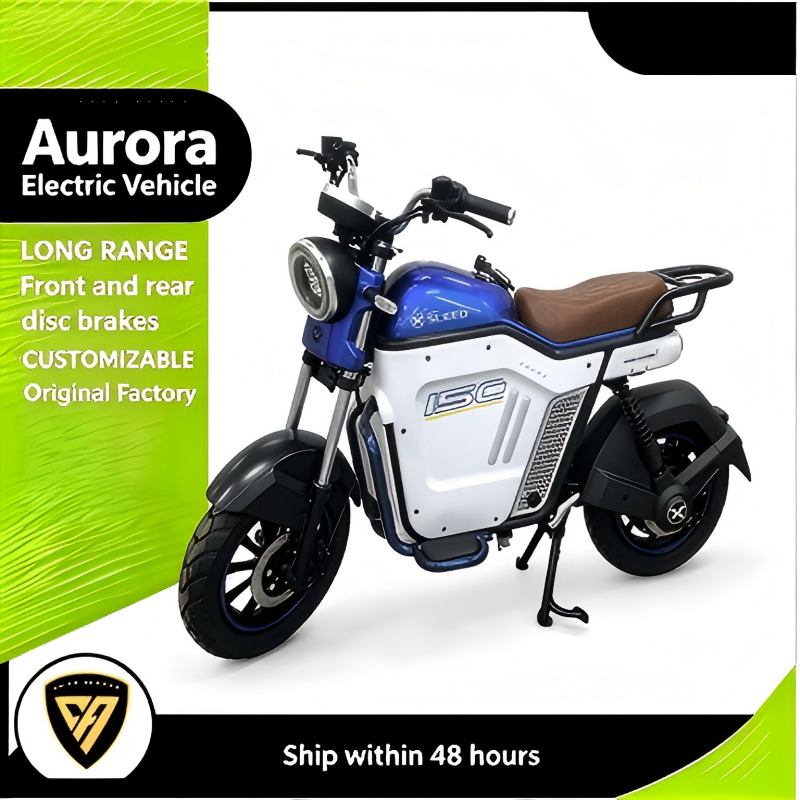
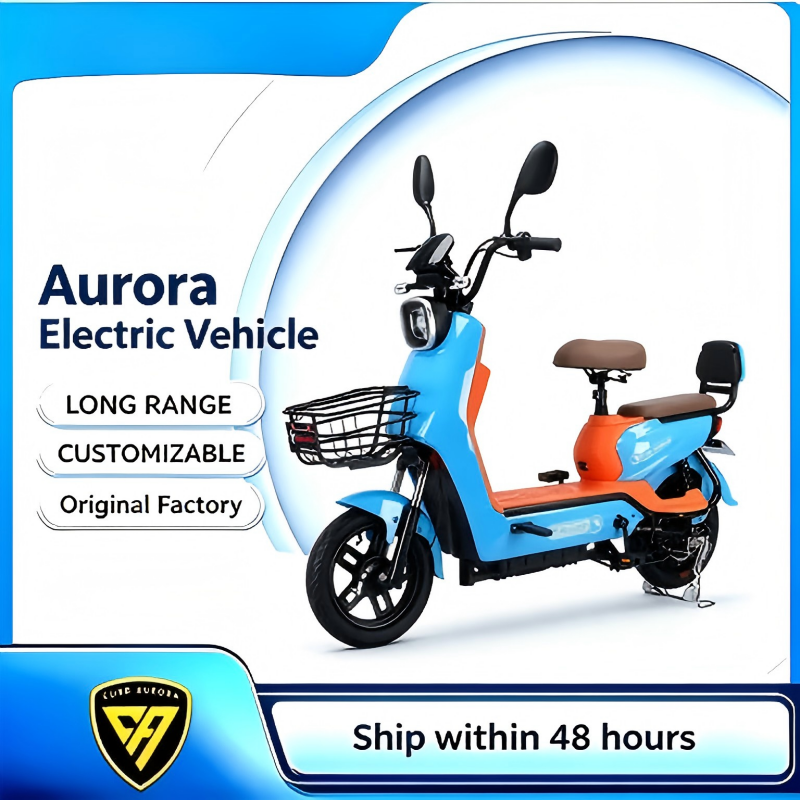
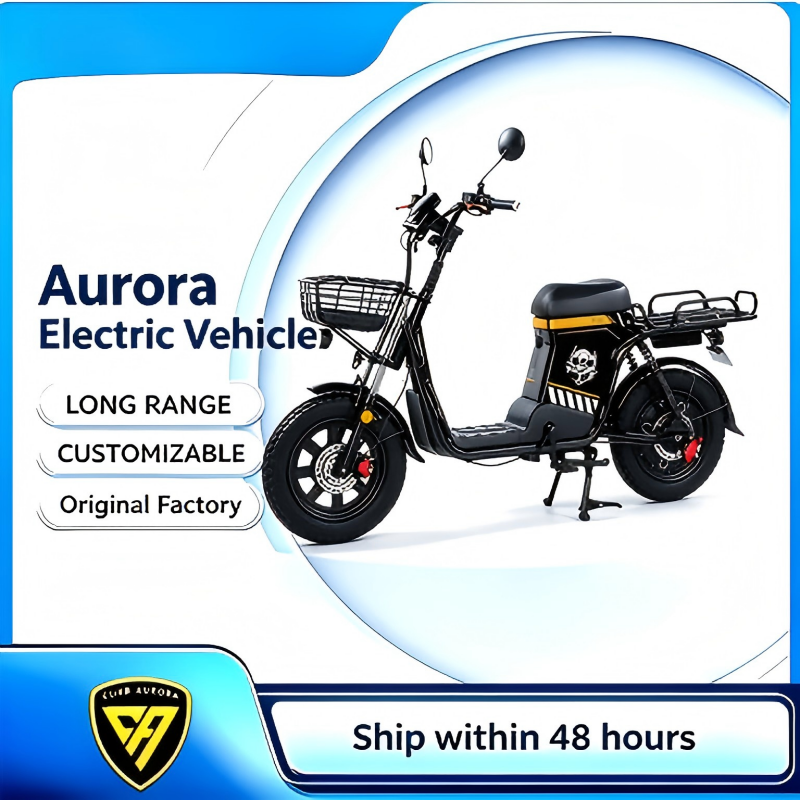
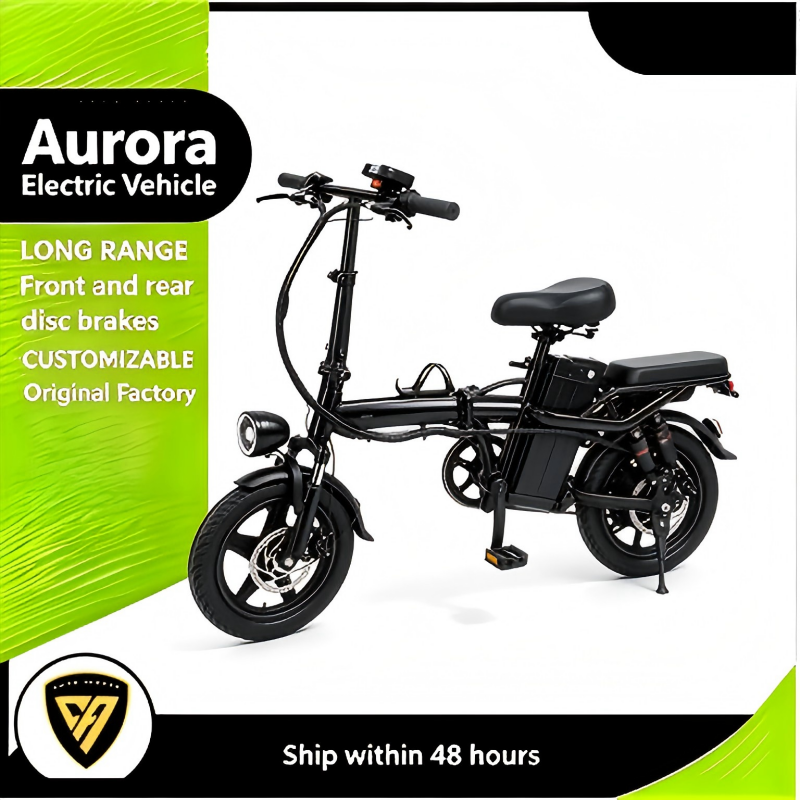
Proof of performance in diverse environments, from commuter e-bikes to cargo scooters.
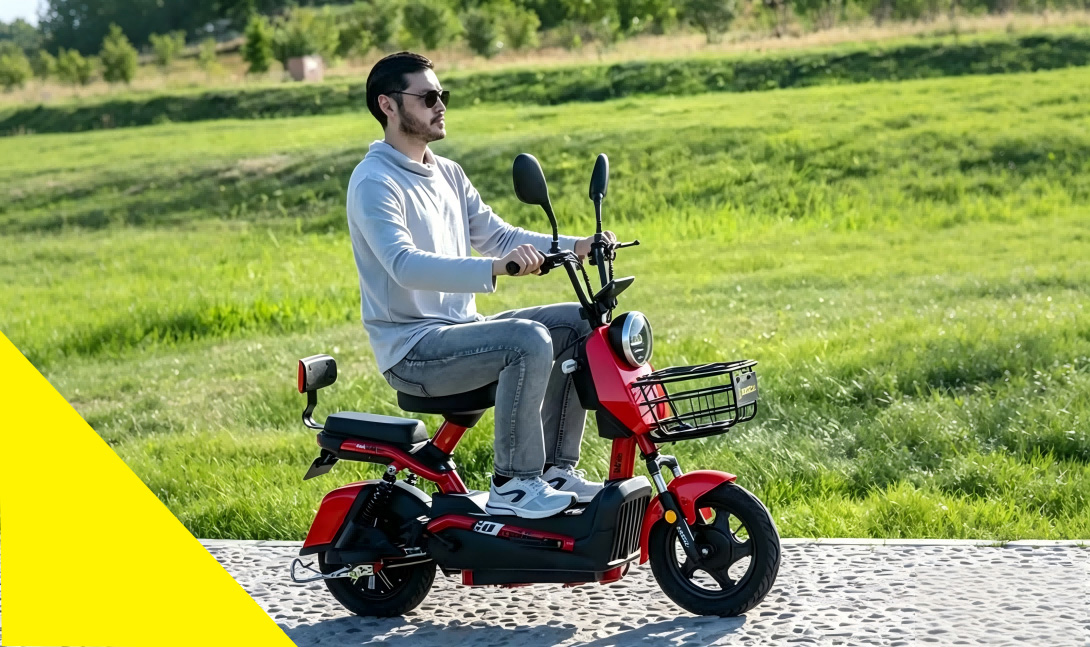
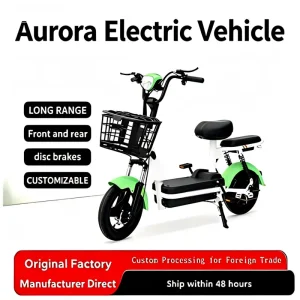
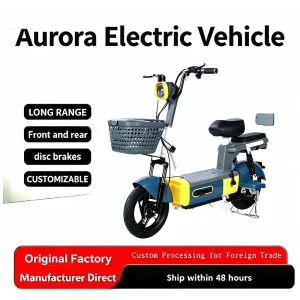
Lightweight, ergonomic frame design optimized for daily city commutes and short trips. Offers stable power and energy-efficient motor controllers.
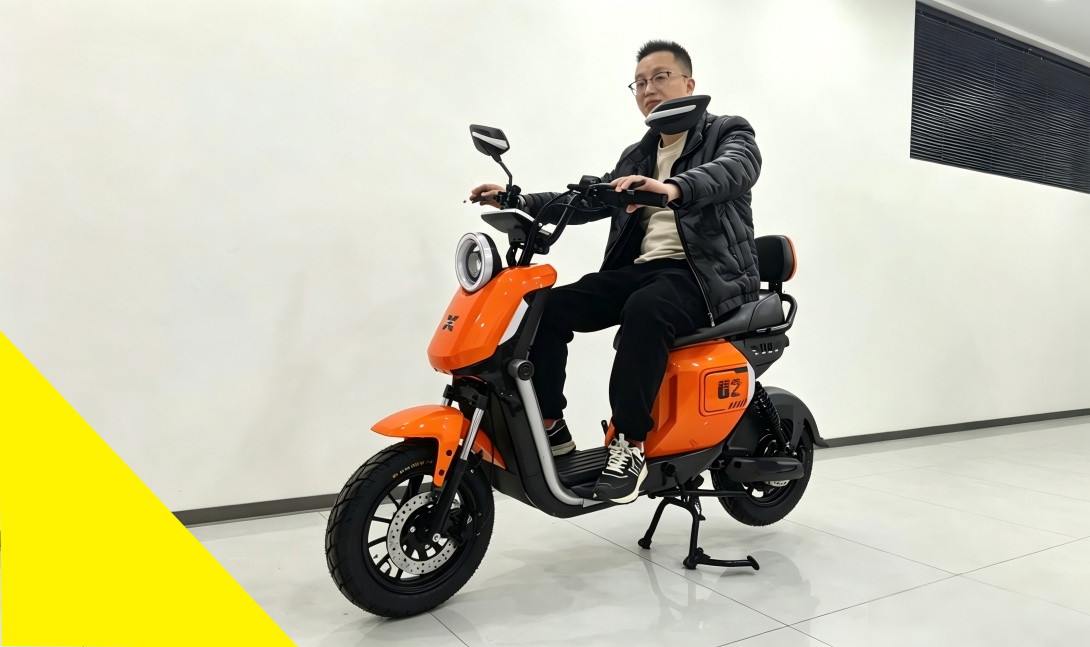
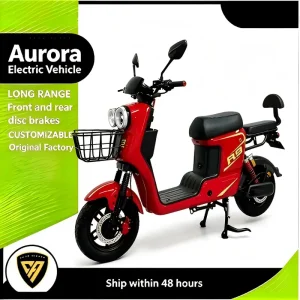
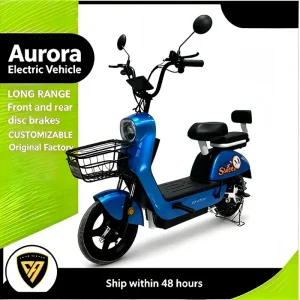
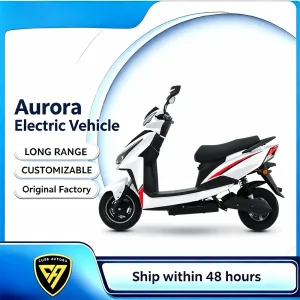
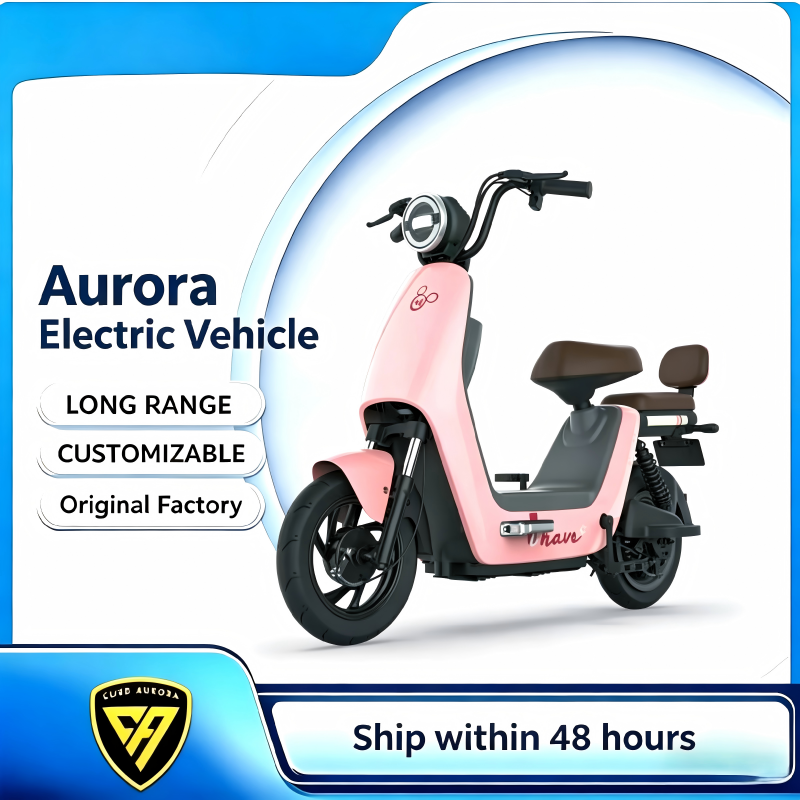
Streamlined, modern design coupled with robust acceleration. Ideal for dense city environments requiring fast movement and easy parking.
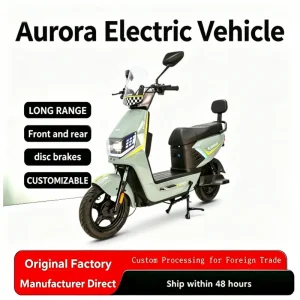
Heavy-duty structures and smart configurations optimized for bulk distribution and commercial logistics.
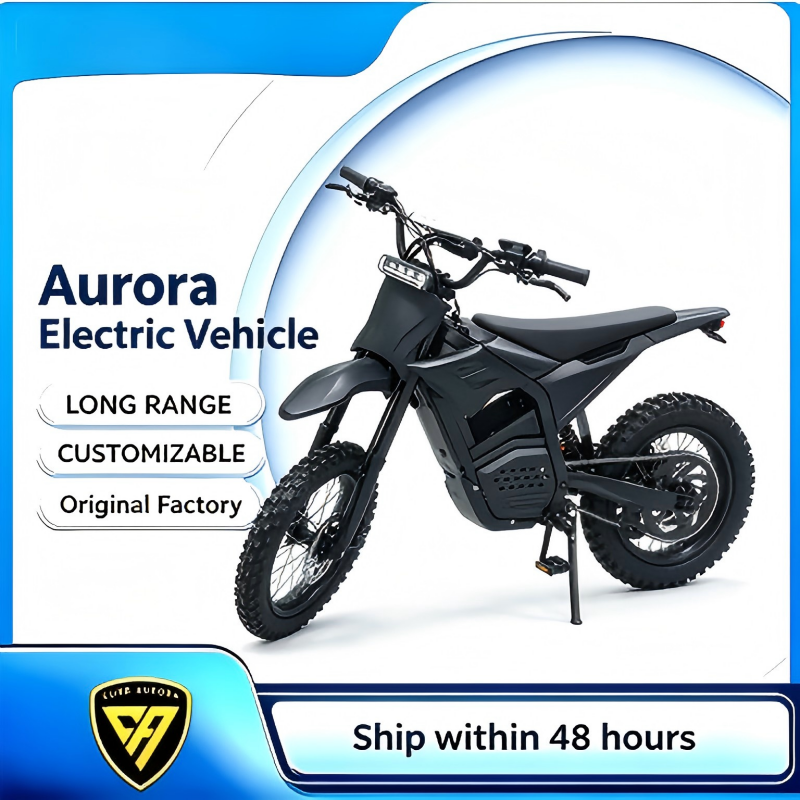
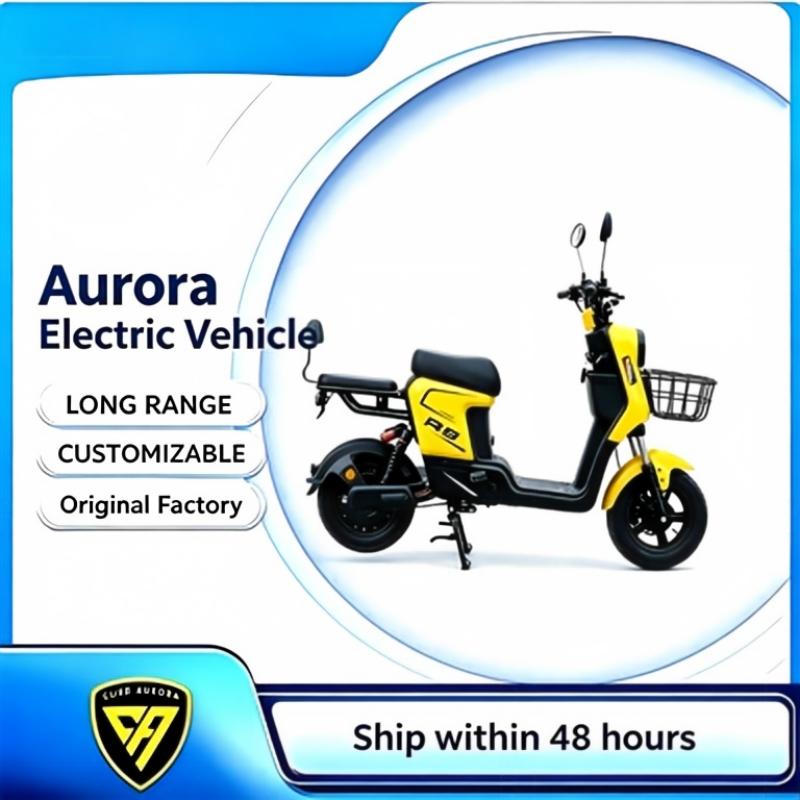
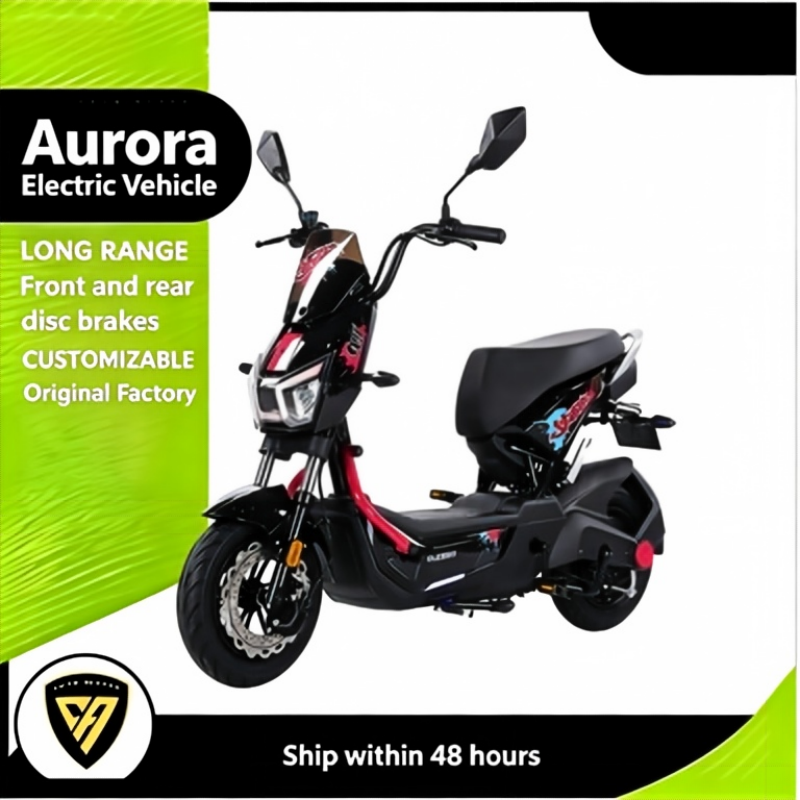
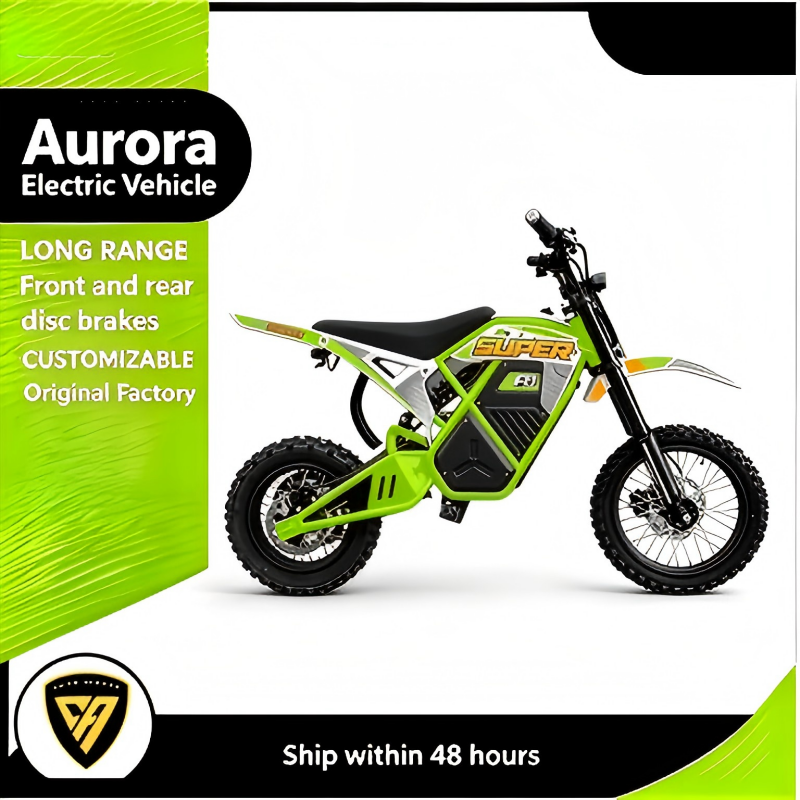
Review our specialized configurations designed to meet specific regulatory niches in Western transport networks.
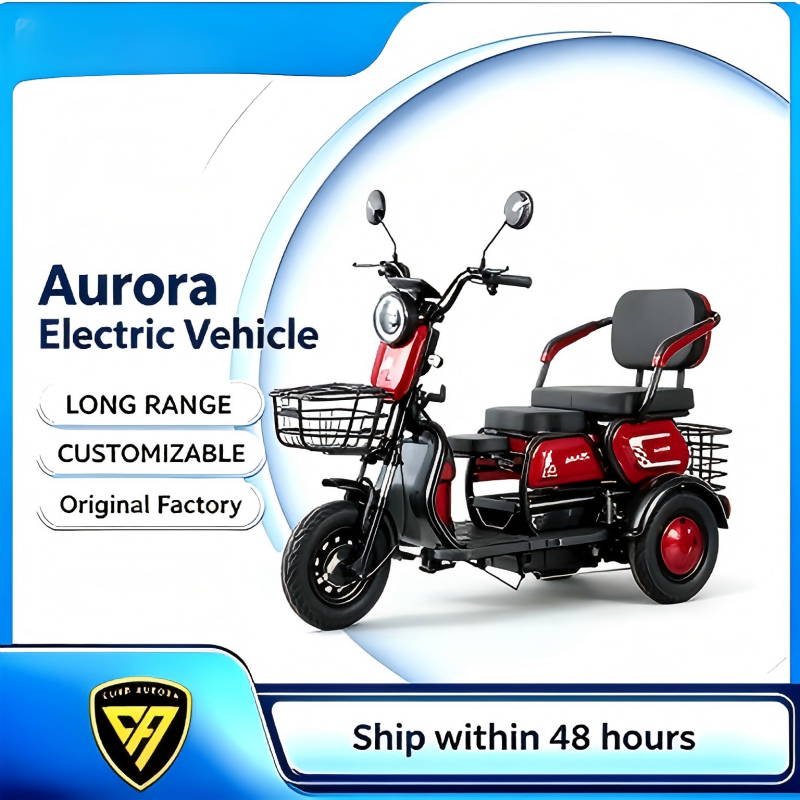
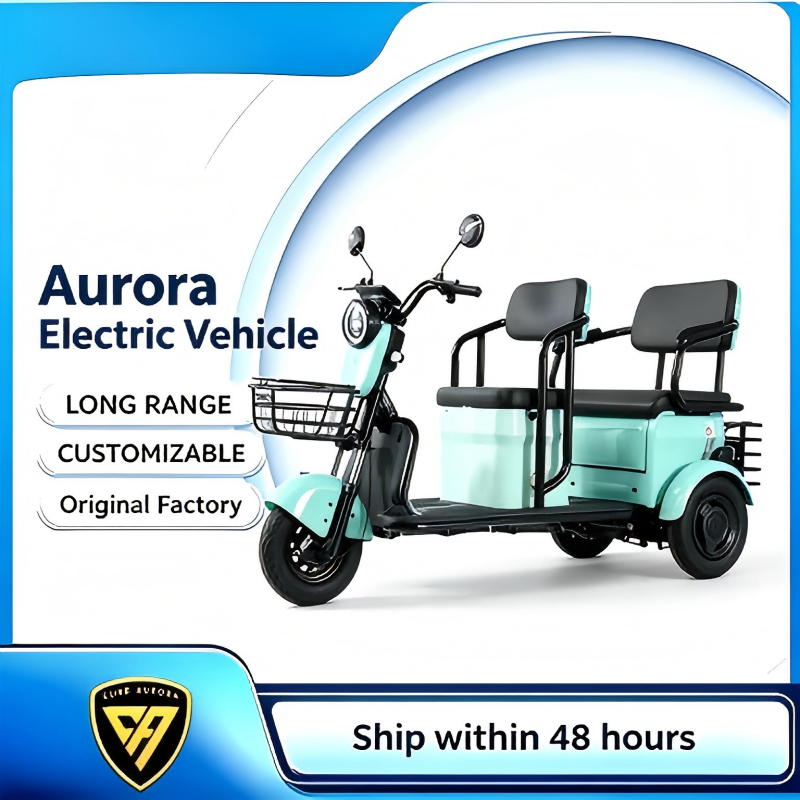
Get professional insights on logistics, customization capabilities, and technical support parameters.