Direct from Aurora Electric Vehicle Shandong Co., Ltd. — Engineered to meet rigorous safety regulations and demanding local transit conditions.
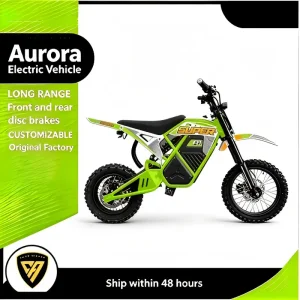
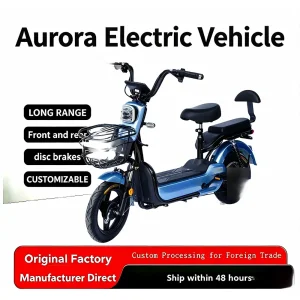
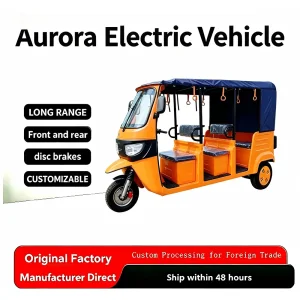
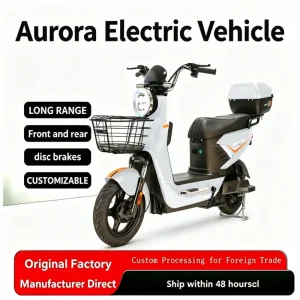
Understanding the Latin American micro-mobility transition and macroeconomic drivers.
The global transition toward sustainable electrification is accelerating at an unprecedented rate, with South America, and specifically Brazil, emerging as a critical growth engine. As the largest economy in Latin America, Brazil is undergoing a profound transformation in its urban transport landscape. Driven by the dual imperatives of mitigating municipal carbon footprints and establishing high-efficiency supply networks, Brazilian municipalities and commercial enterprises are turning to two-wheel and three-wheel electric vehicles (EVs).
"According to recent market data, the Brazilian electric vehicle market is projected to experience a compound annual growth rate (CAGR) exceeding 20% over the coming decade. As diesel and gasoline prices fluctuate, electric micro-mobility offers a highly predictable, cost-efficient, and green alternative for millions of daily commuters and fleet operators."
Currently, China remains the preeminent global manufacturing hub for electric bikes, scooters, and lightweight commercial transport. The collaboration between Chinese technological depth and Brazilian demand represents a highly lucrative corridor for importers, distributors, and logistics giants. However, the Brazilian market presents distinct challenges including high import tariffs, strict regulatory environments, and unique local terrain demands. Successful wholesale importing requires more than just standard product procurement—it calls for a strategic partnership with a manufacturer that possesses verified R&D expertise, robust customization capabilities, and a deep understanding of Brazilian import dynamics.
Navigating the complex technical standards and tax landscapes of the Brazilian market.
The Brazilian government has progressively refined its regulatory strategy for clean vehicles. The transition from the historic Rota 2030 framework to the newly enacted Mover (Mobilidade Verde e Inovação) Program highlights a strict standard for carbon emissions, manufacturing processes, and technological innovation. While electric vehicles initially enjoyed zero-tariff import privileges, Brazil has instituted a gradual reintroduction of import taxes on hybrid and electric vehicles starting in early 2024. For lightweight electric two-wheelers and utility three-wheelers, navigating the Import Duty (Imposto de Importação), IPI (Imposto sobre Produtos Industrializados), and regional ICMS taxes is vital to establishing competitive wholesale pricing.
To legally distribute electric micromobility products in Brazil, manufacturers must adhere to directives set forth by the CONTRAN (Conselho Nacional de Trânsito), specifically Resolution 996/23, which draws clear distinctions between electric bicycles (autopropulsionados), mopeds (ciclomotores), and electric motorcycles. Key requirements include:
How Aurora EV adapts battery chemistry, structural engineering, and IoT systems for optimal performance.
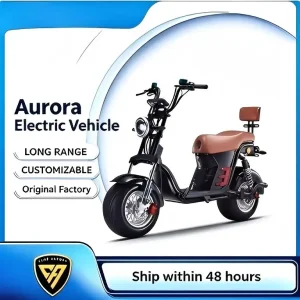
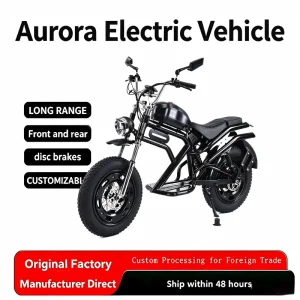
Brazilian municipal roads frequently feature uneven pavement, cobblestones, and demanding steep inclines. Aurora EV designs vehicles with reinforced dual-suspension forks, hydraulic rear shock absorbers, and fat-tire configurations (such as our Retro Cruiser models) to optimize riding stability, reduce structural stress, and extend vehicle lifespan under high-load operations.
Operating in tropical temperatures (especially in Northern and Northeastern Brazil) requires advanced battery technology. Aurora EV equips its electric bikes and cargo scooters with Lithium Iron Phosphate (LFP) and high-density ternary lithium packs managed by a proprietary Smart Battery Management System (BMS), providing safety, heat dispersion, and over 1,000 charging cycles.
For last-mile delivery and corporate fleets in major metros like São Paulo, asset security is critical. Our vehicles feature optional 4G GPS tracking modules, remote immobilization capabilities, and anti-tamper electronics. Importers can seamlessly integrate these components into local fleet management software via APIs.
How our diverse product range meets the dynamic needs of Brazilian industries.
Different market sectors in Brazil demand specialized configurations. Aurora EV offers targeted solutions tailored to specific commercial and consumer use cases:
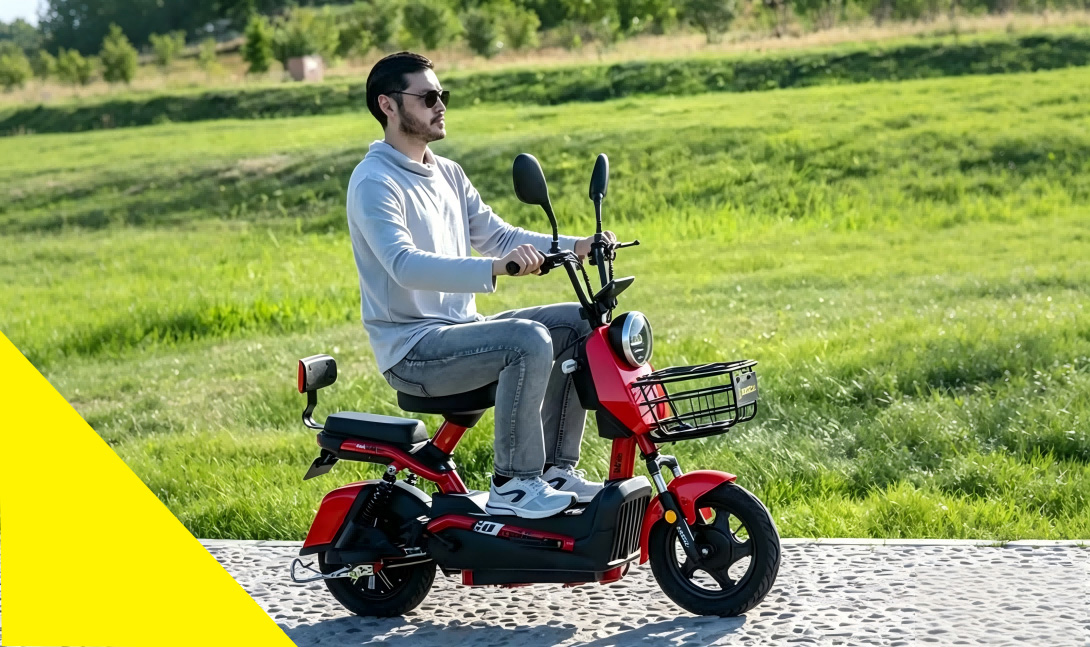
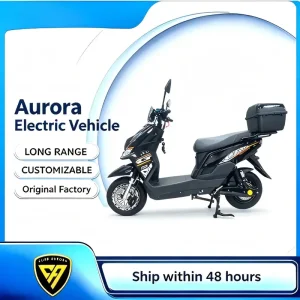
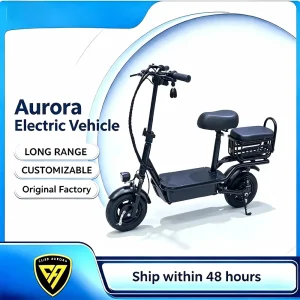
In highly congested cities such as São Paulo and Rio de Janeiro, our lightweight urban commuter electric bikes provide a flexible, cost-effective solution for daily transit. By navigating heavy traffic easily, these vehicles offer an efficient option for commuters while contributing to clean, green cities.
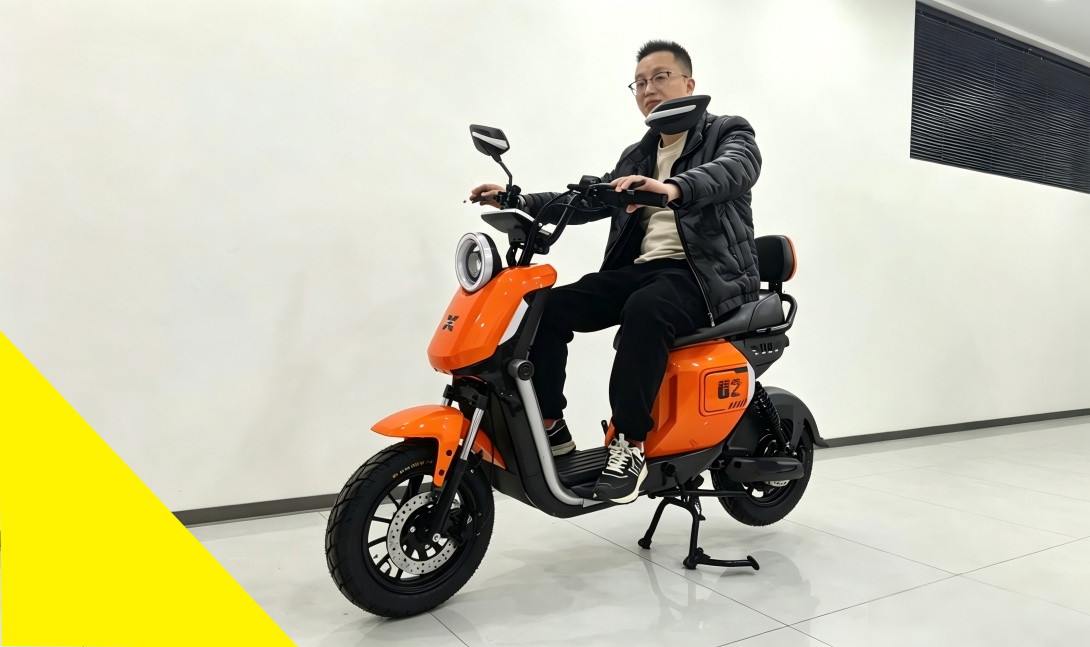
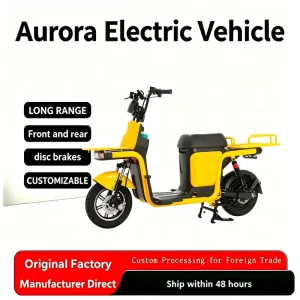
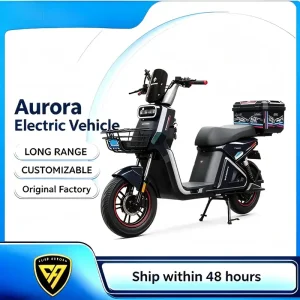
E-commerce and food delivery services are growing rapidly in Brazil. Our heavy-duty cargo electric scooters, designed with reinforced steel cargo racks and long-range battery options, enable couriers to complete extended delivery shifts with low maintenance costs.
A leading electric vehicle manufacturer integrating R&D, production, and international logistics since 2015.
Founded in 2015, Aurora Electric Vehicle Shandong Co., Ltd. is situated in Linyi City, Shandong Province—a strategic transportation hub linking the Yangtze River Delta and the Bohai Economic Circle. Over the past decade, we have transitioned from a specialized production facility into a comprehensive enterprise integrating research and development, manufacturing, global sales, and after-sales support. We have actively contributed to the development of China's electric vehicle industry under the modern new national standards.
Our infrastructure features advanced digital production lines, computerized frame testing rigs, automated wheel assembly systems, and strict battery safety testing chambers. We manage every step of the process—from cold-drawn steel frame welding to motor tuning and electronics assembly—to ensure our vehicles meet global quality standards.
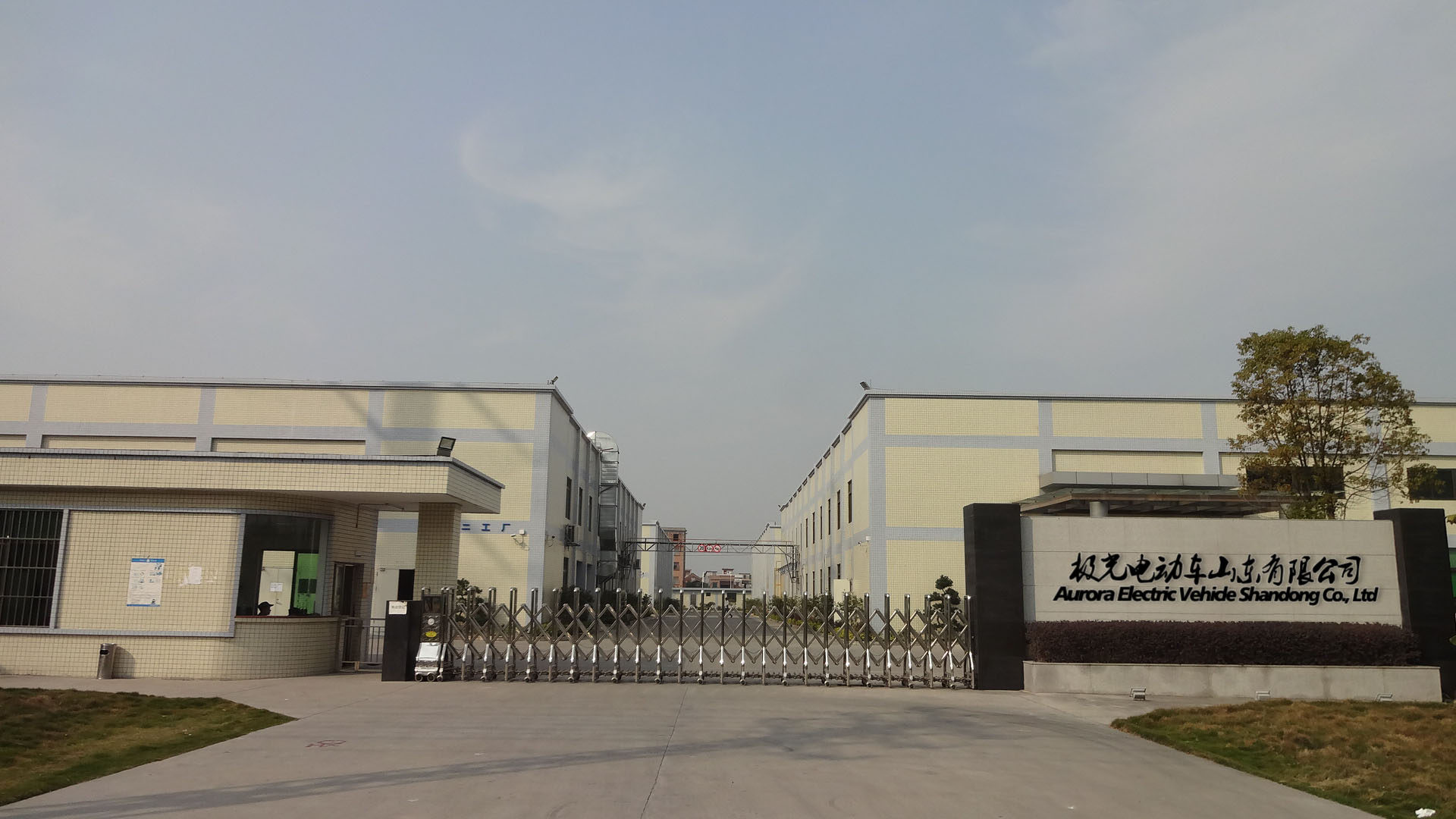
Our journey is defined by continuous adaptation and technological advancement. In 2019, with the implementation of strict national safety standards for electric bicycles, we updated our production lines and R&D protocols to prioritize fire-retardant electronics, speed management systems, and anti-tamper safety designs. Through consistent scaling and infrastructure investment, our manufacturing facility produces thousands of vehicles annually, serving both domestic and international markets.
Composed of engineers with over 10 years of experience, focusing on high-density battery safety, high-efficiency drivetrains, and ergonomically balanced frame geometries.
Highly skilled operators implement rigorous quality checks at every stage, including raw material intake, frame alignment, waterproof sealing, and final dyno runs.
Our sales team provides end-to-end B2B solutions, including custom packaging, OEM/ODM brand styling, cargo documentation, and international shipping support.
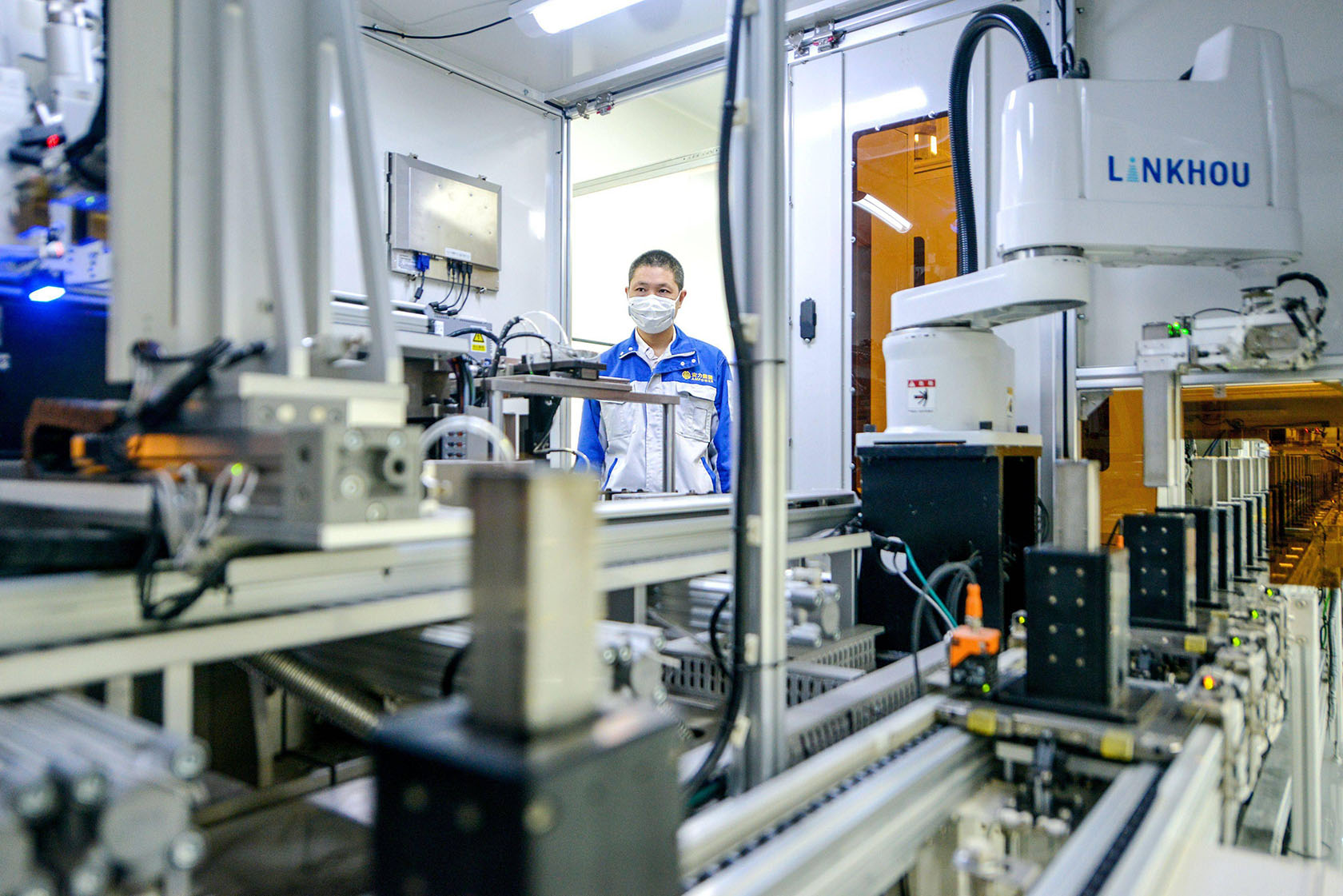
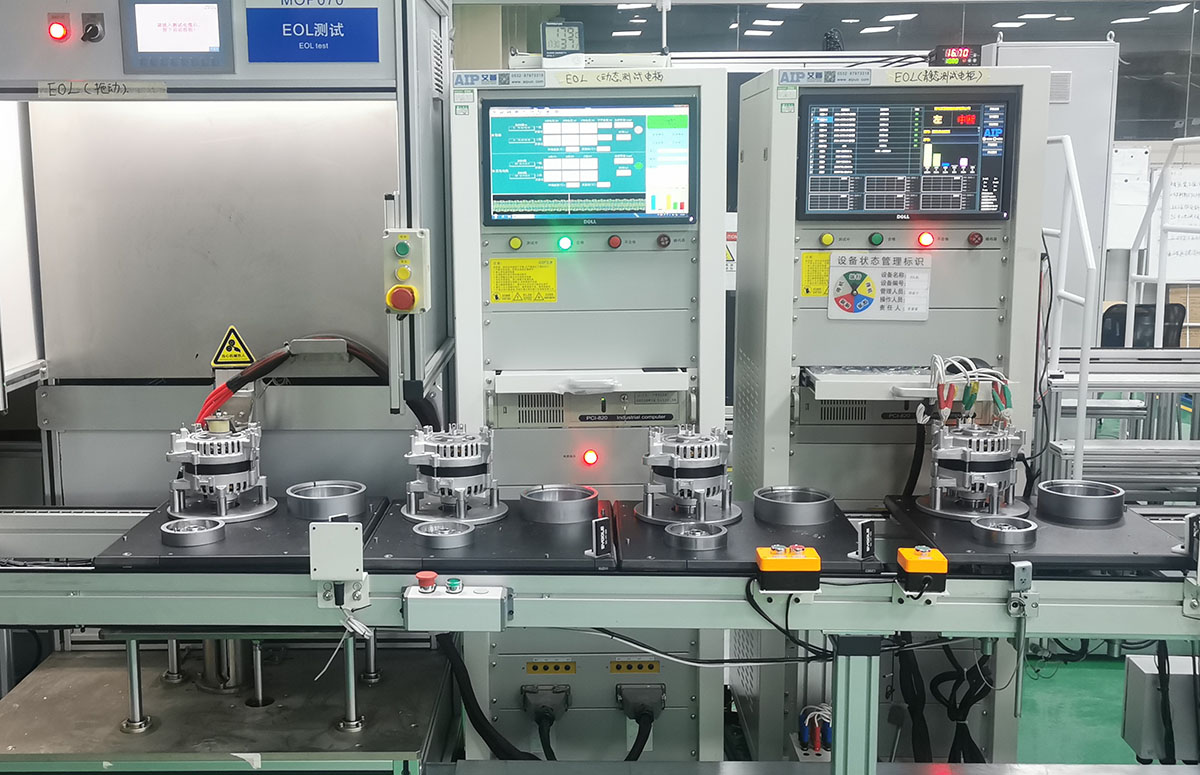
We are committed to our mission of "making green travel easier and safer for everyone." We believe that product reliability is a key measure of safety. To support this, we have invested in an advanced in-house testing laboratory where frames undergo fatigue tests, batteries are tested for thermal runaway and puncture resistance, and completed systems are tested under water-immersion conditions to meet IP65 and IP67 weather-proofing requirements.
Our core values are "integrity, pragmatism, innovation and win-win." In line with these values, we focus on establishing stable, long-term partnerships with global component suppliers and distributors, ensuring a reliable supply chain for our business partners.
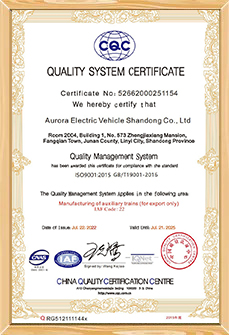
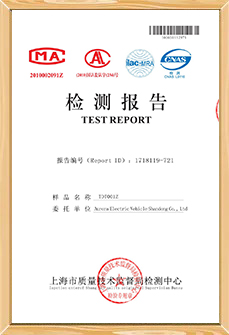
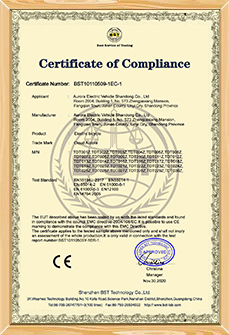
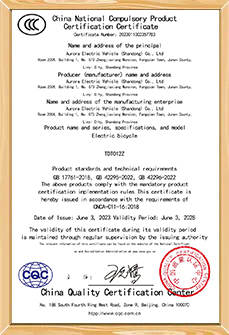
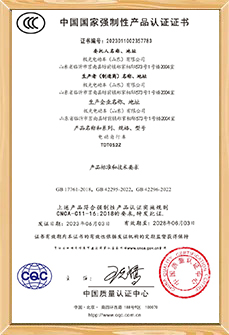
Our vehicles are built to comply with international regulations, including CCC, CE, FCC, and global environmental standards.
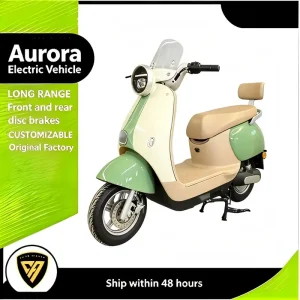
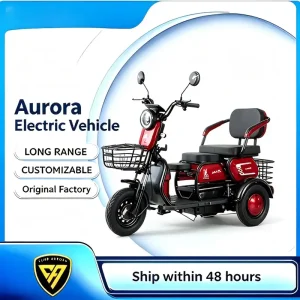
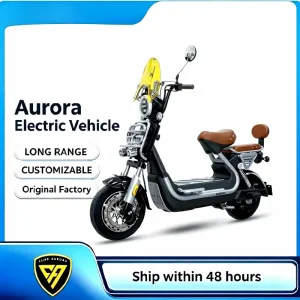
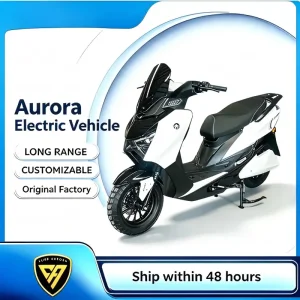
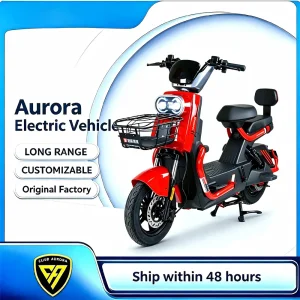
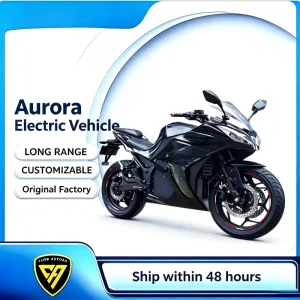
Explore our full range of electric bikes, utility scooters, cargo trikes, and performance motorcycles available for import.
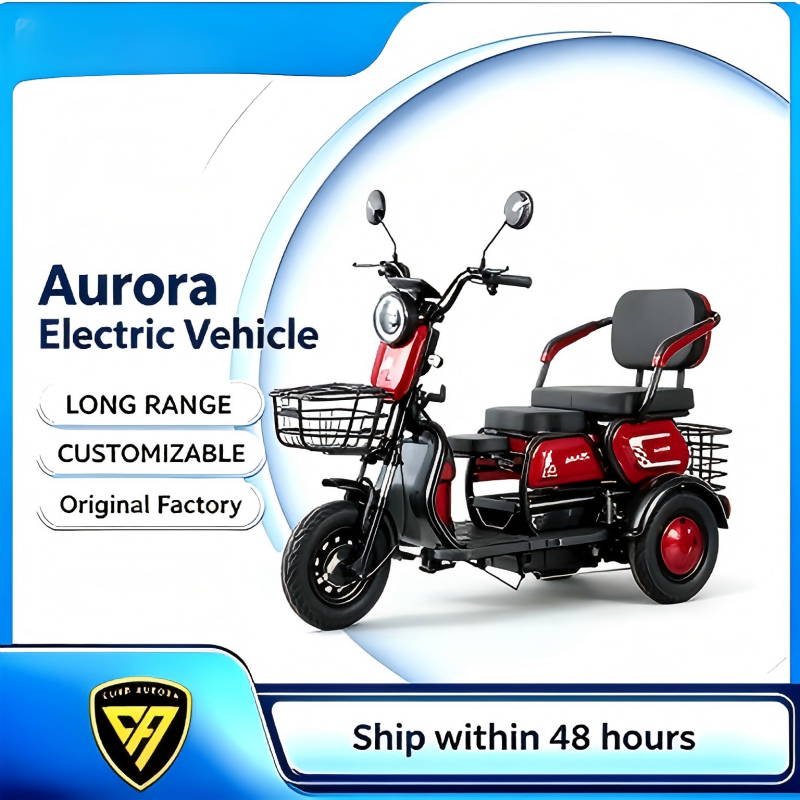
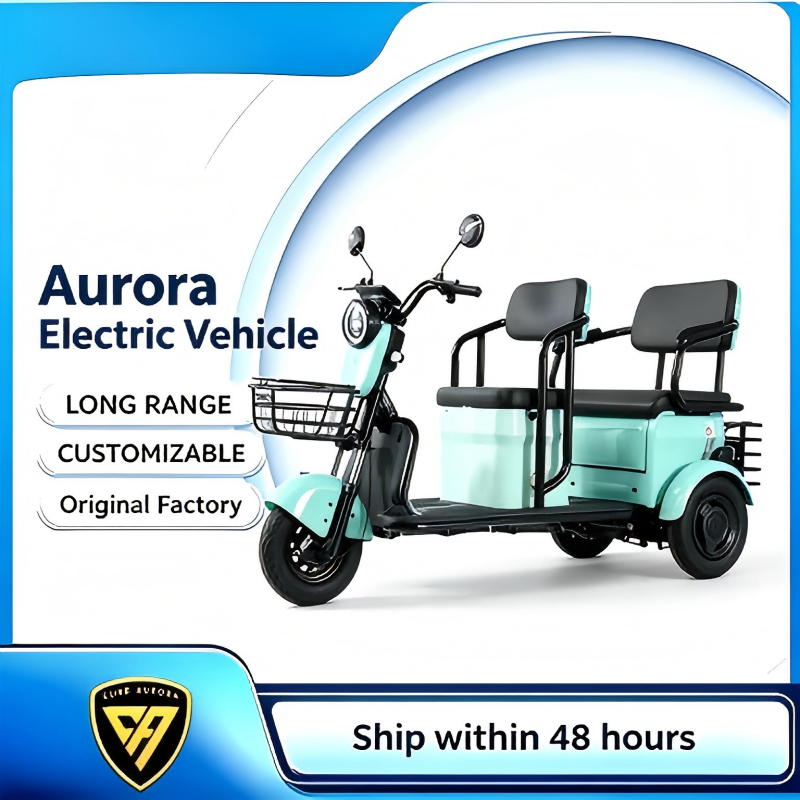
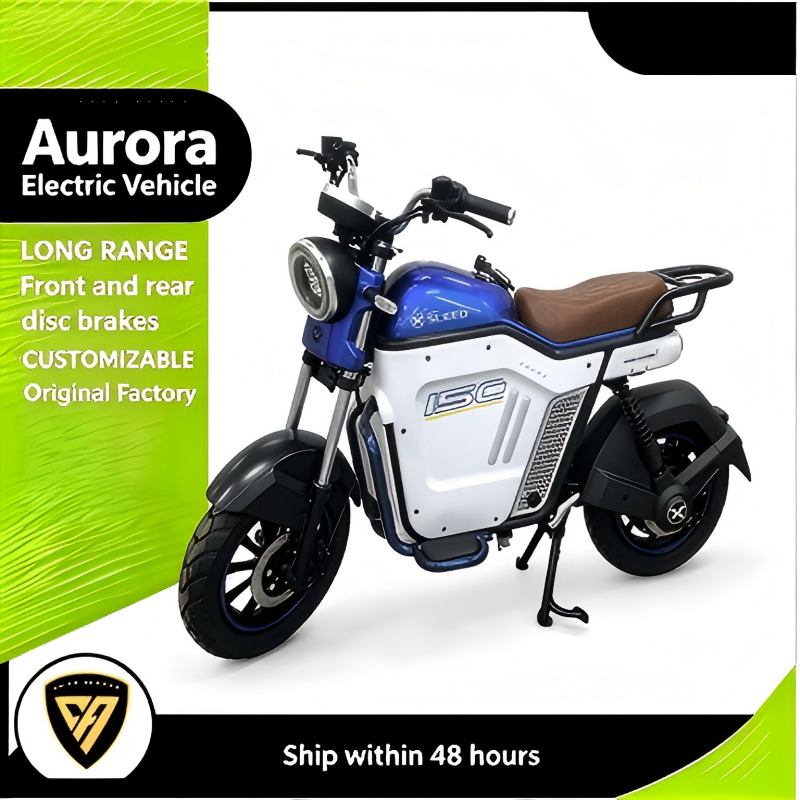
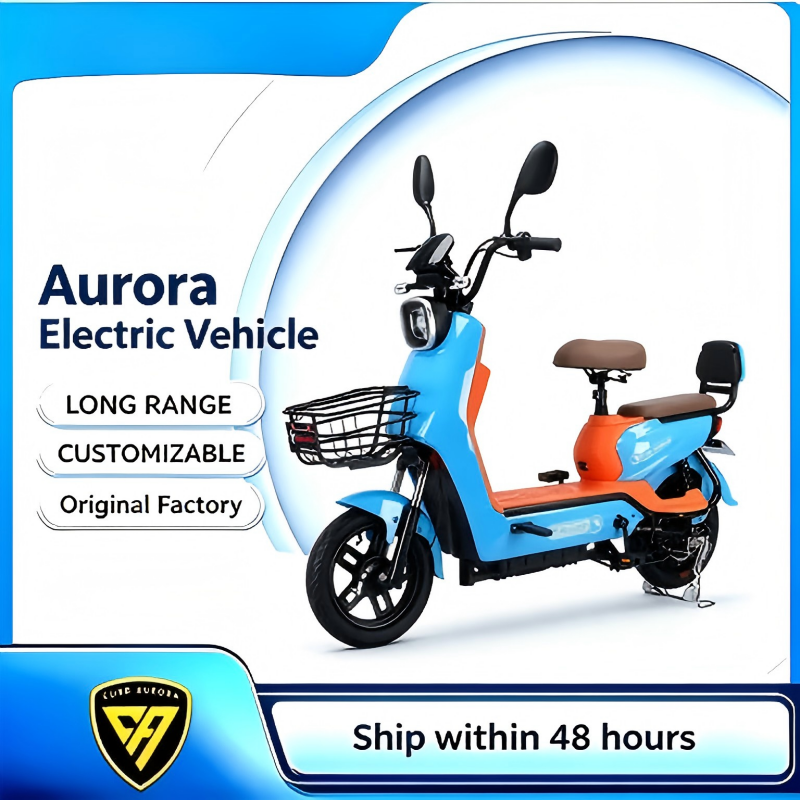
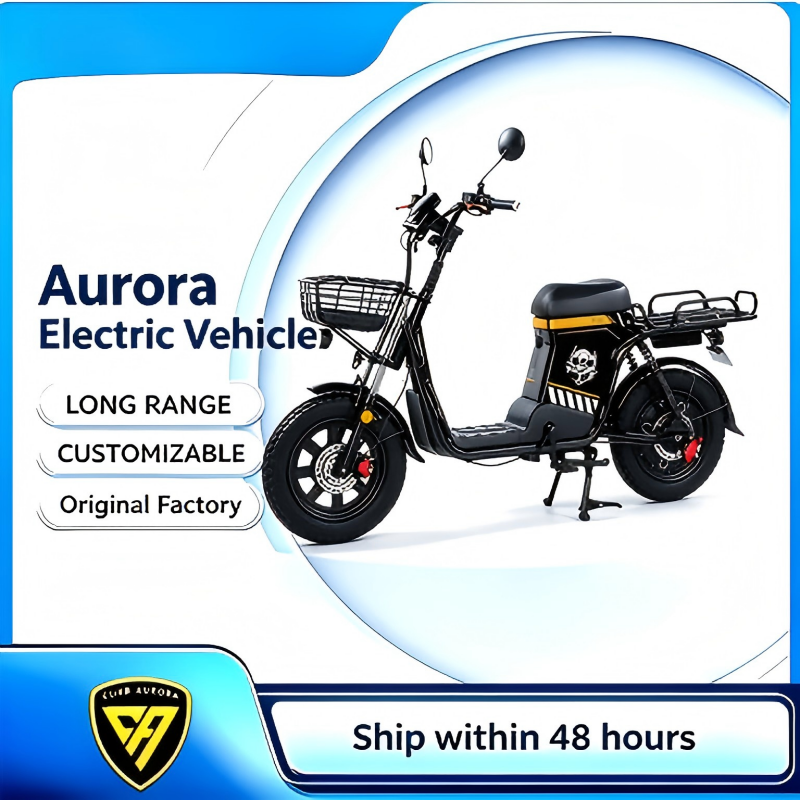
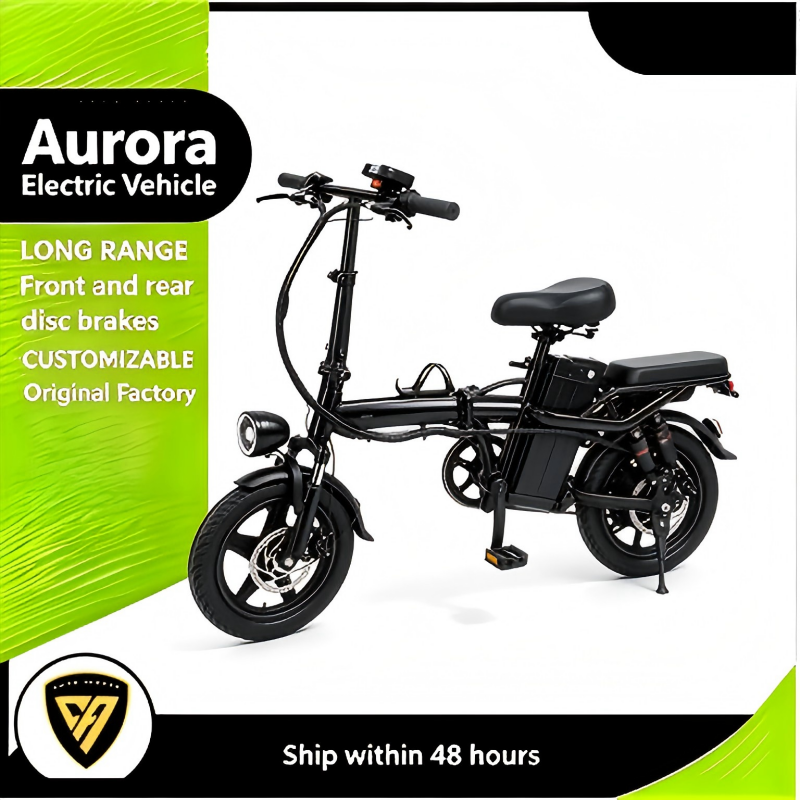
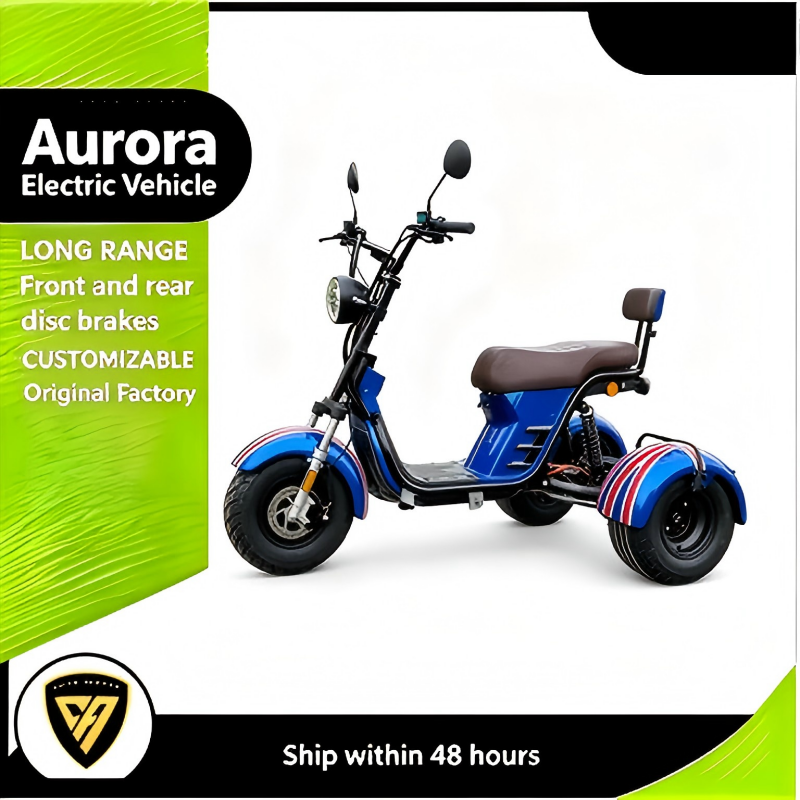
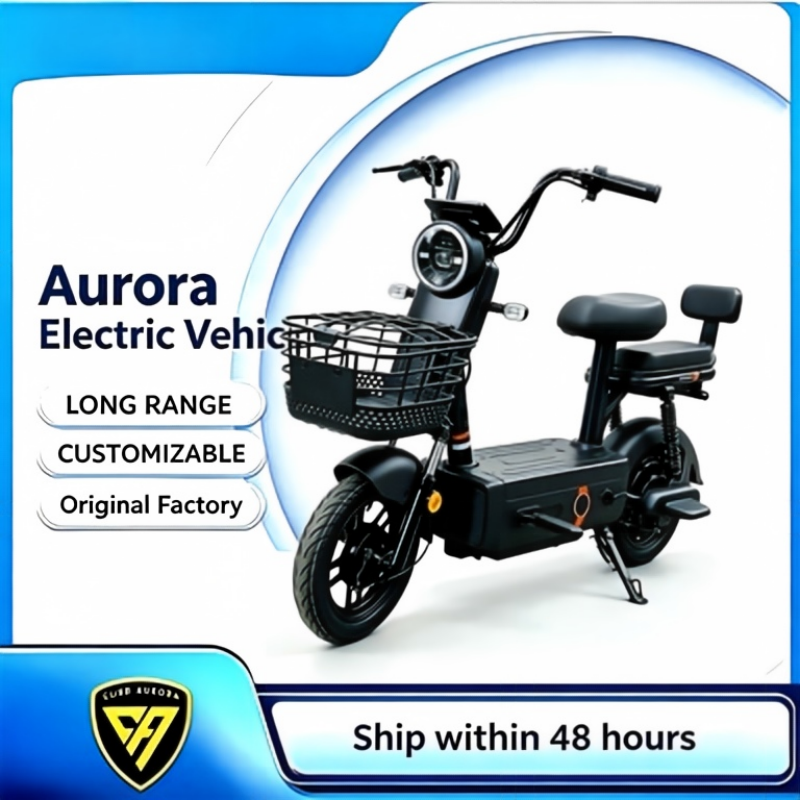
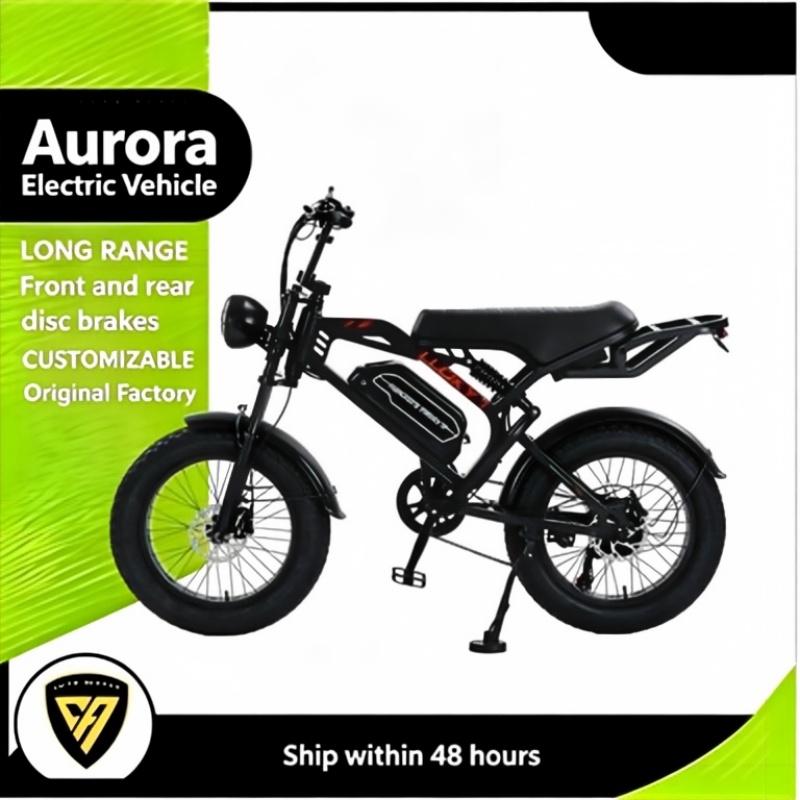
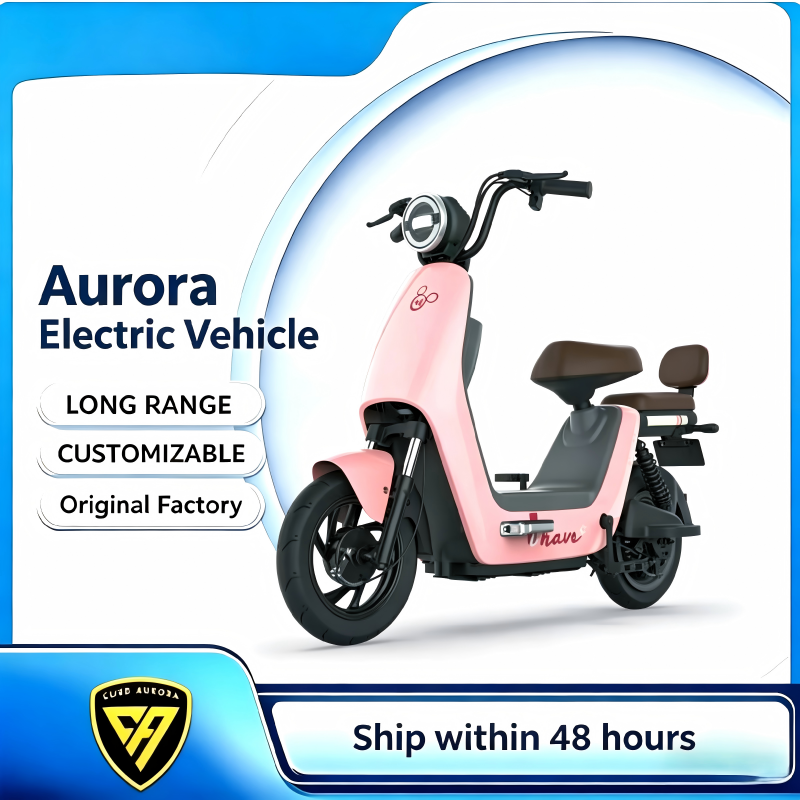
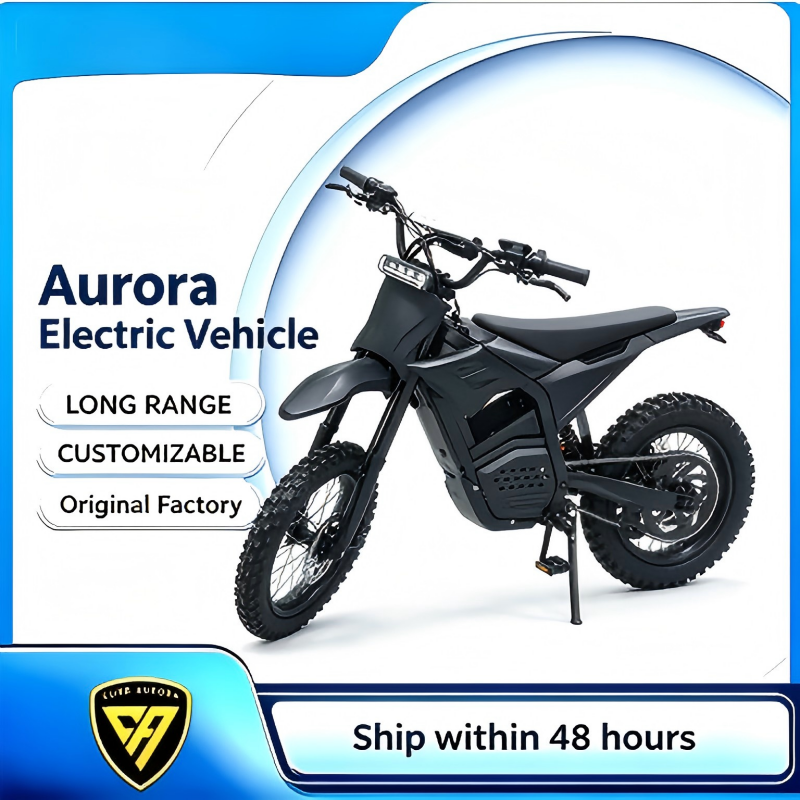
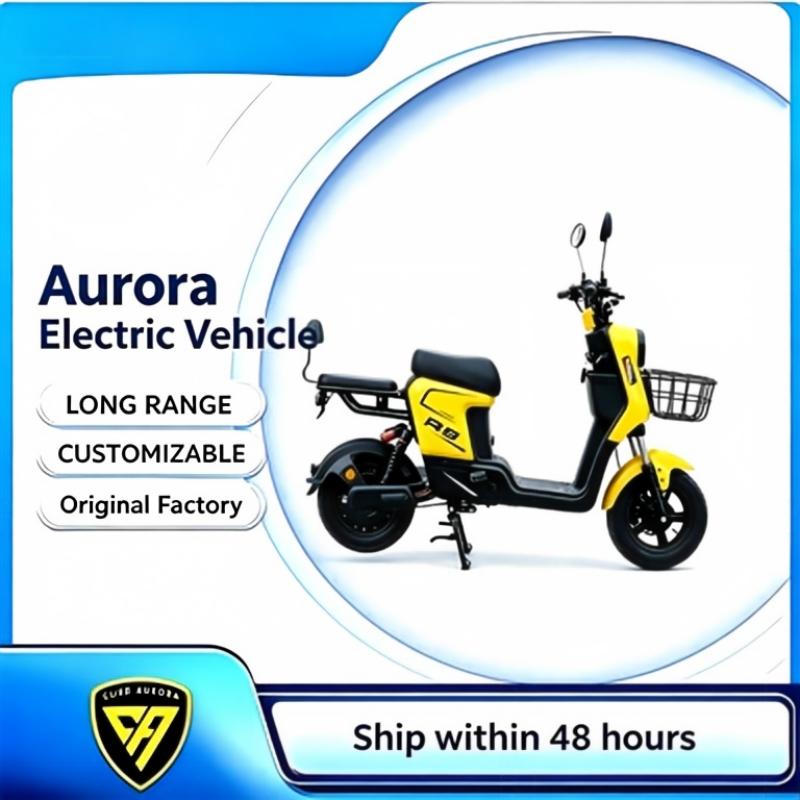
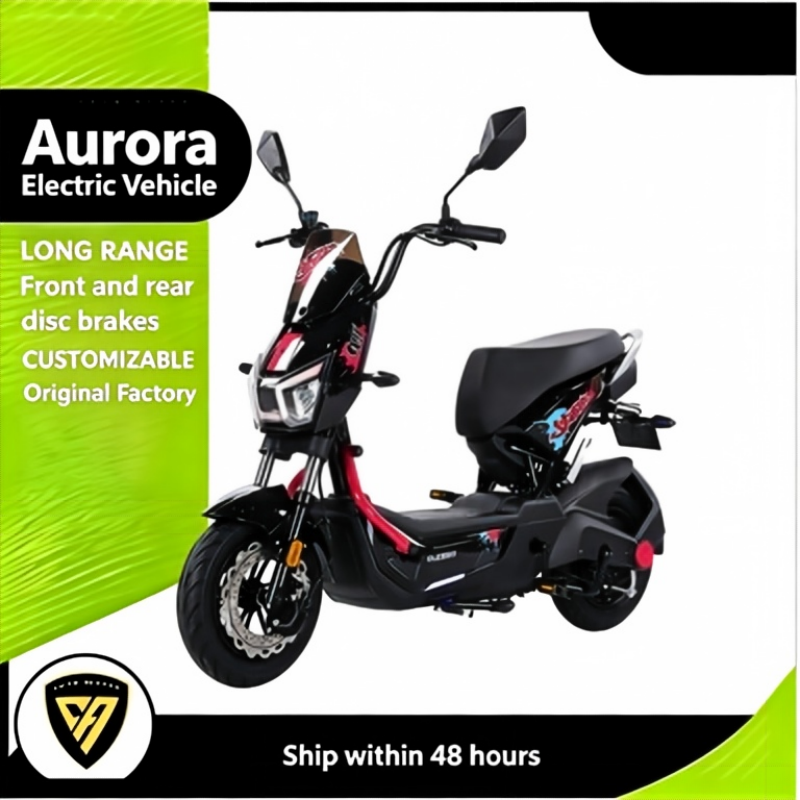
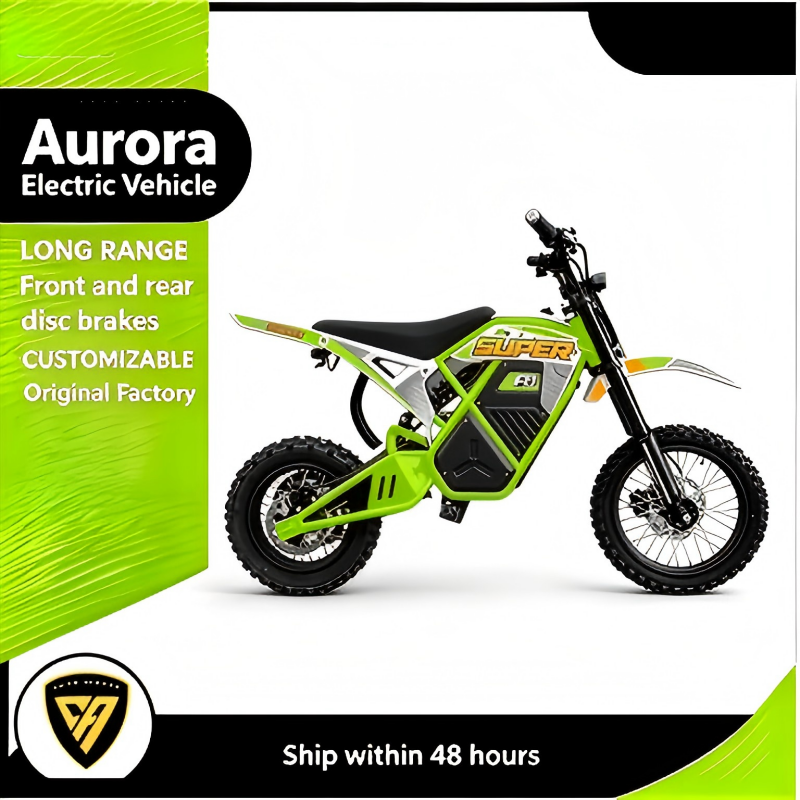
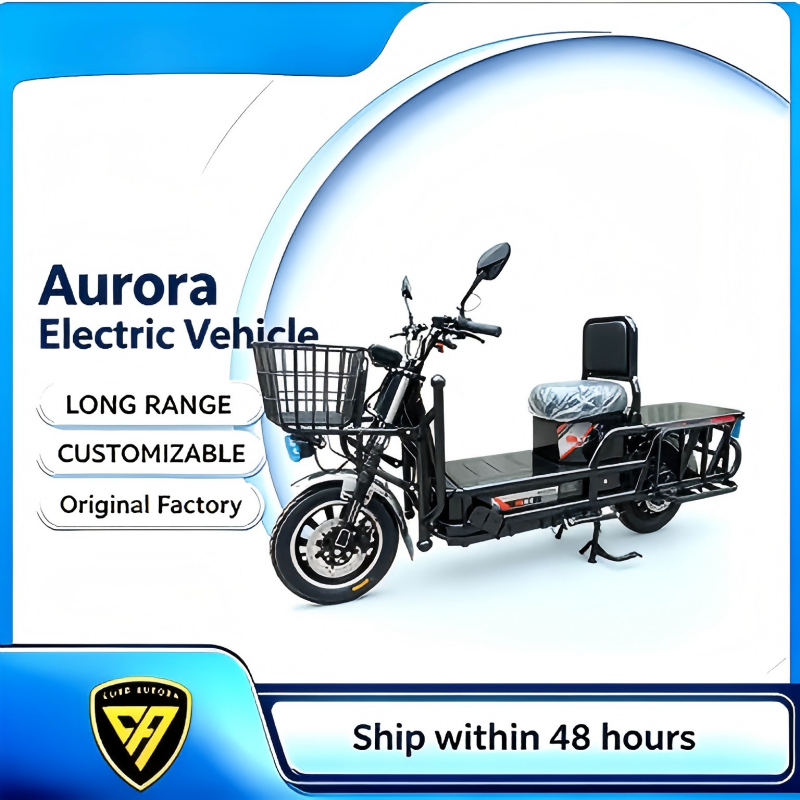
We provide full-service manufacturing, custom packaging, and flexible global delivery logistics.
We customize motor configurations (250W to 5000W), battery capacities, digital displays, suspension systems, and color options to match your brand requirements and local standards.
Each unit undergoes dynamic dyno testing, brake performance calibration, and insulation safety checks, ensuring our products are ready for global distribution.
We use heavy-duty, 5-layer imported kraft cardboard boxes with internal metal frameworks to prevent damage during long-distance maritime transit to Brazilian ports such as Santos, Paranaguá, or Salvador.
Answering common questions about tariffs, technical certification, and shipping logistics.
Explore our diverse range of heavy-duty commuter and cargo options designed for the global market.