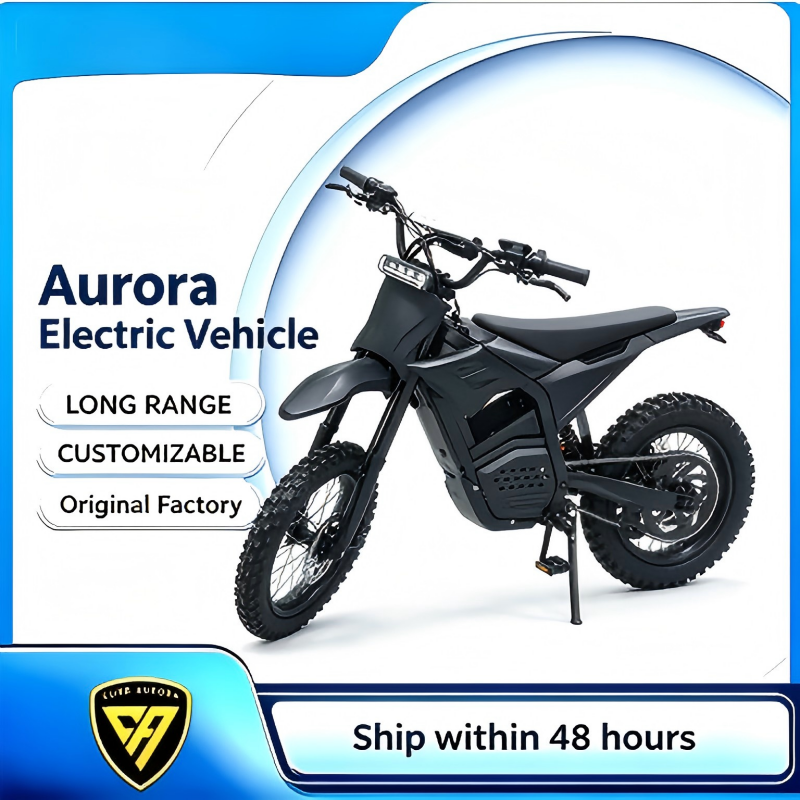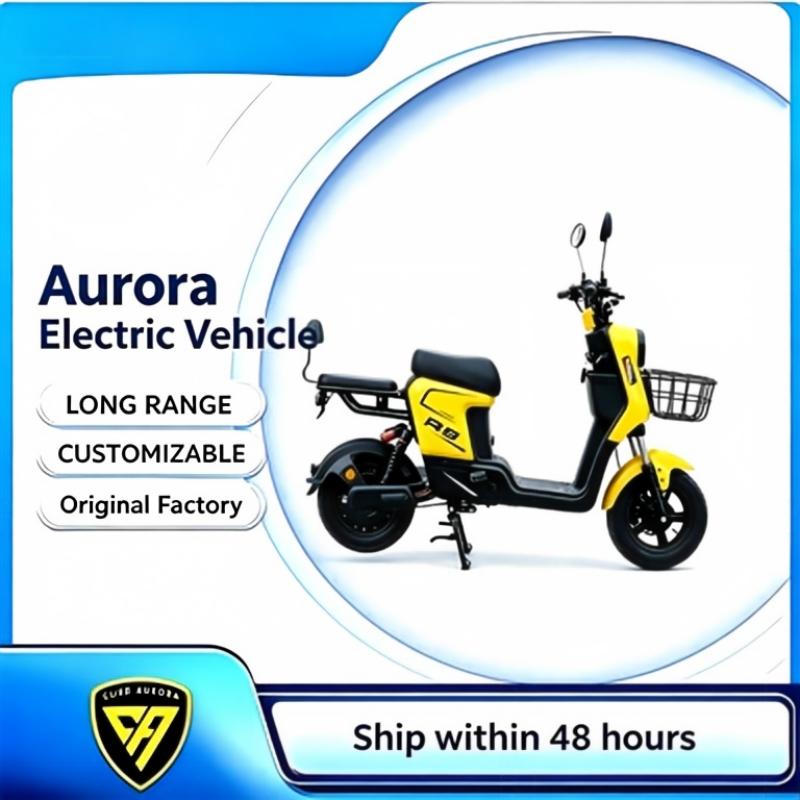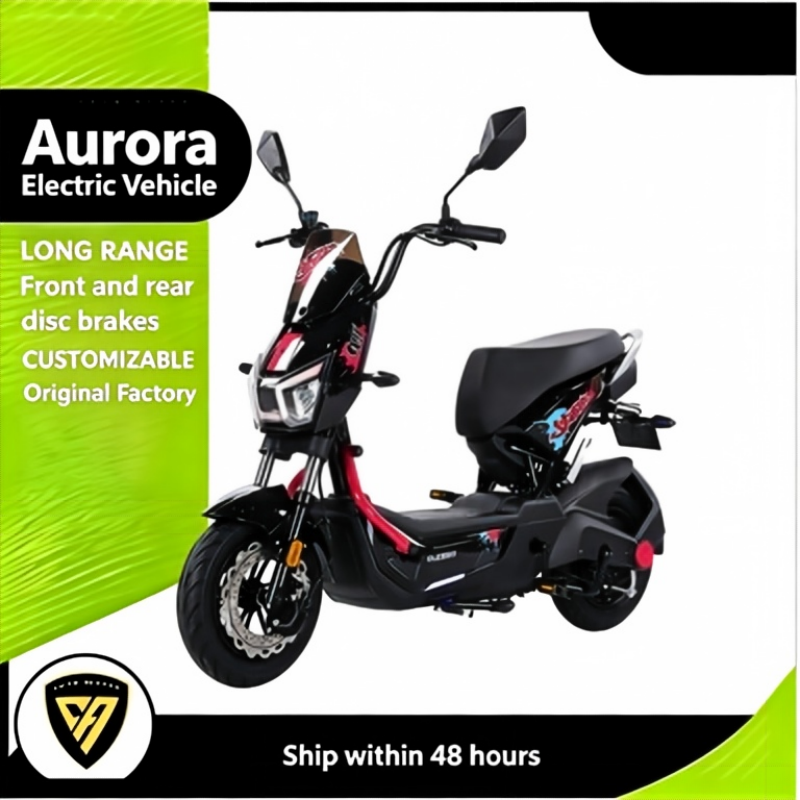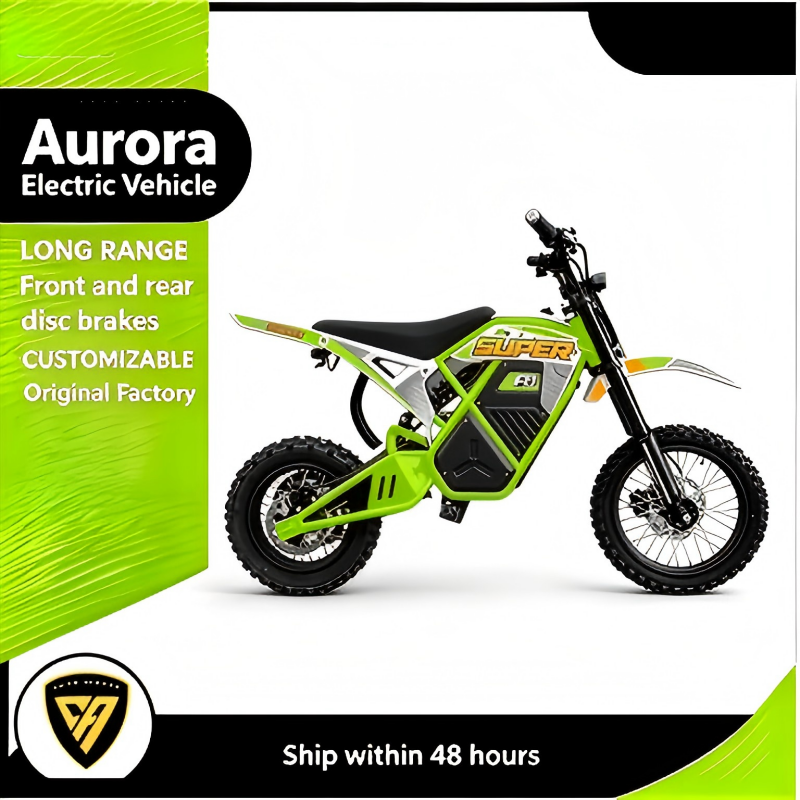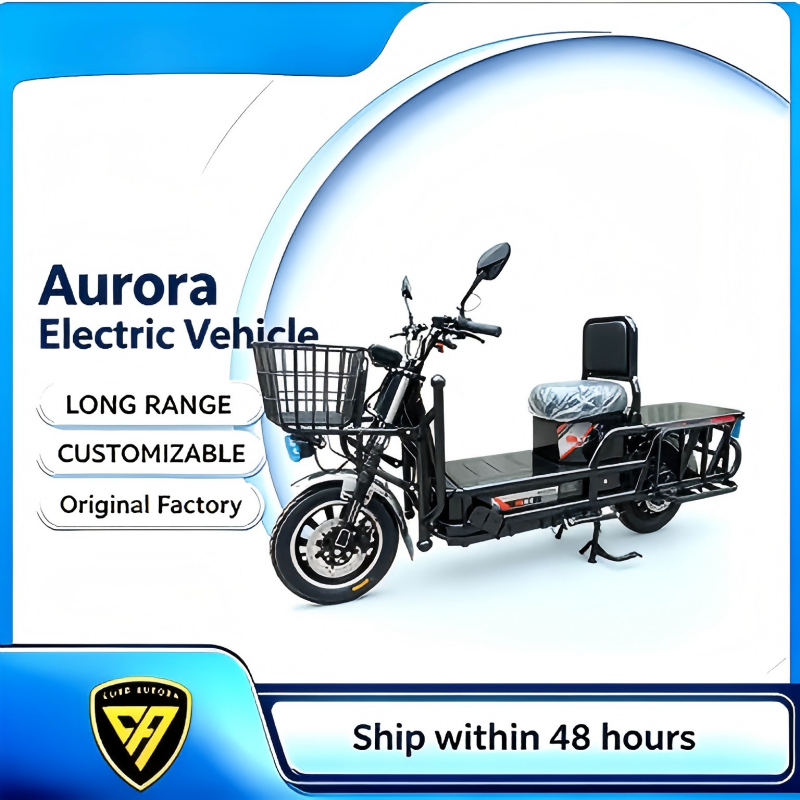
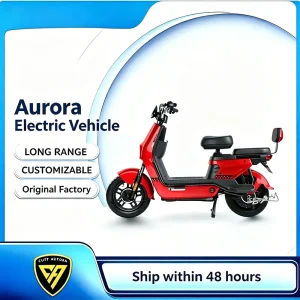
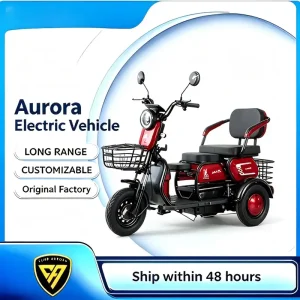
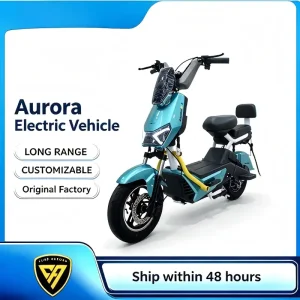
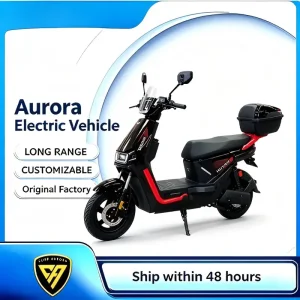
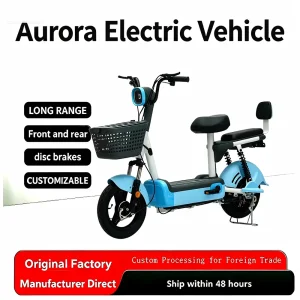
1. The Rise of Micro-Mobility in France: A Strategic B2B Import Opportunity
The European transportation sector is undergoing a rapid transition toward decarbonization, led by the French Republic's aggressive regulatory measures and municipal green policies. Driven by legislation such as the Loi d'Orientation des Mobilités (LOM), France is aiming to reduce carbon outputs while investing in micro-mobility infrastructure. In metropolitan centers like Paris, Lyon, and Marseille, traditional combustion vehicle transit is being heavily restricted in favor of low-emission corridors.
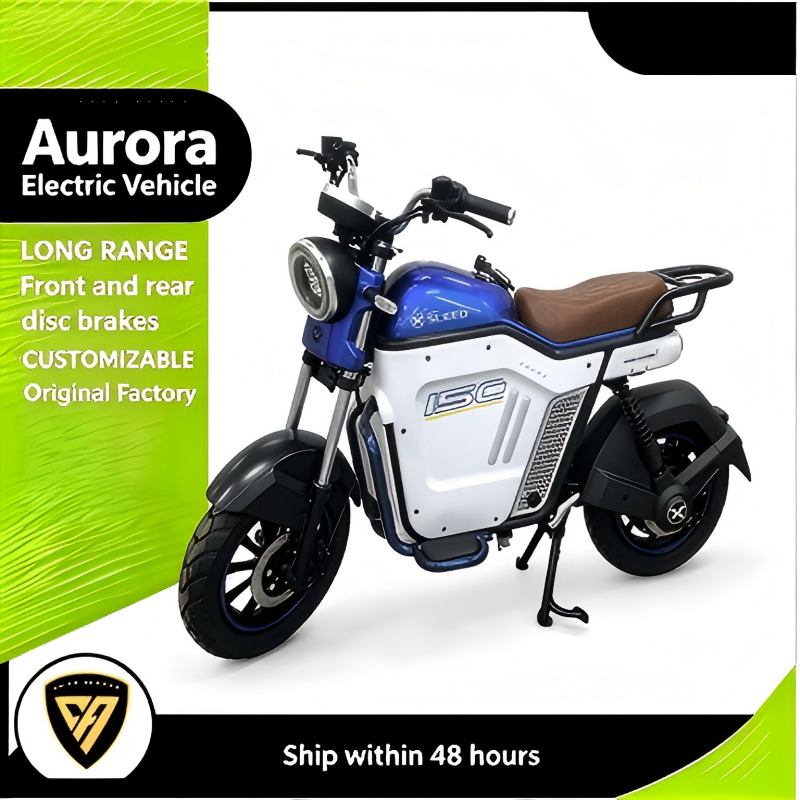
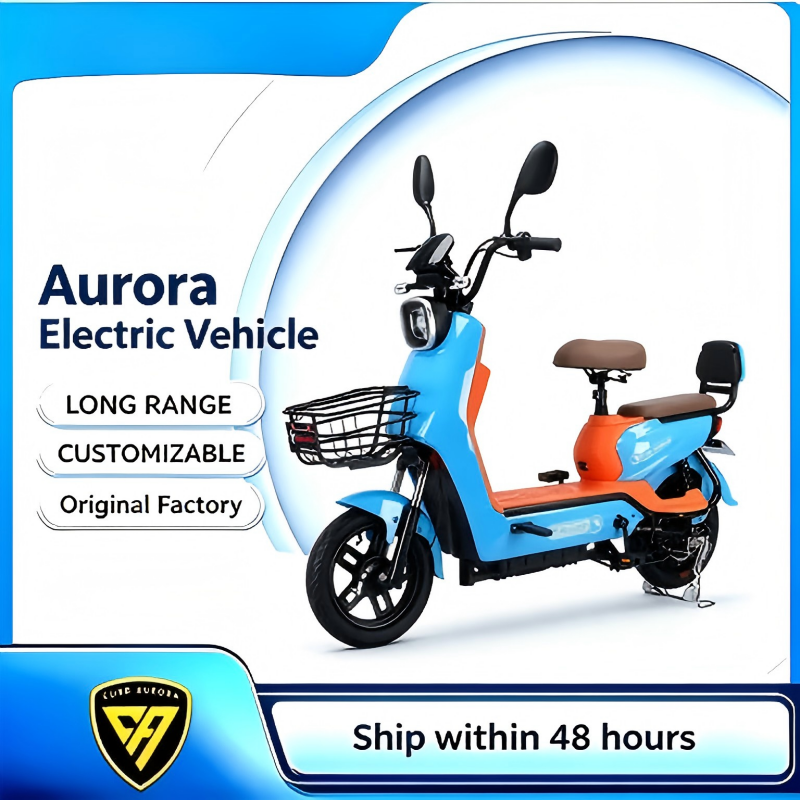
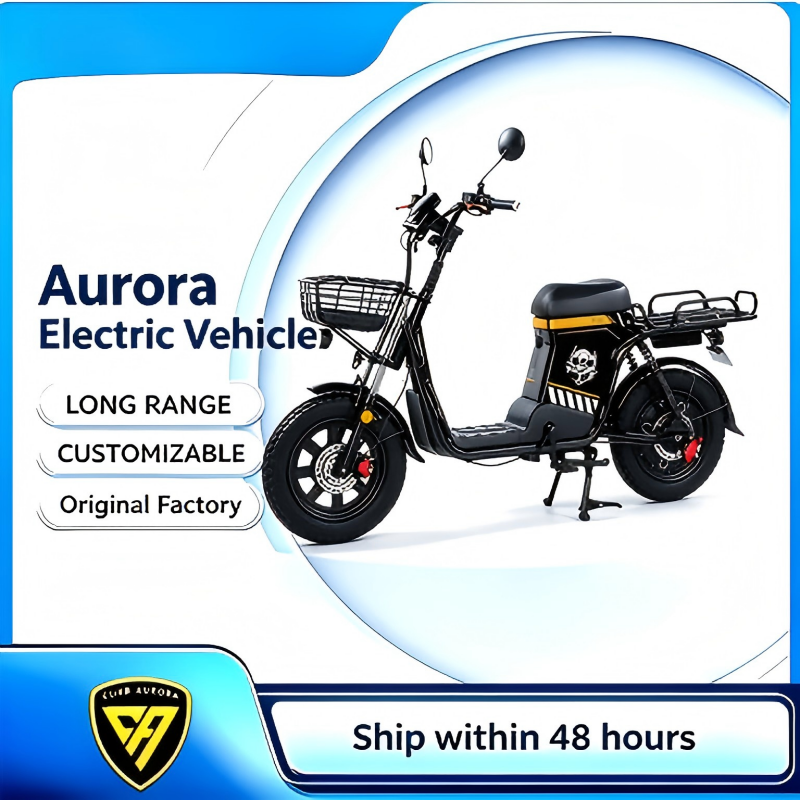
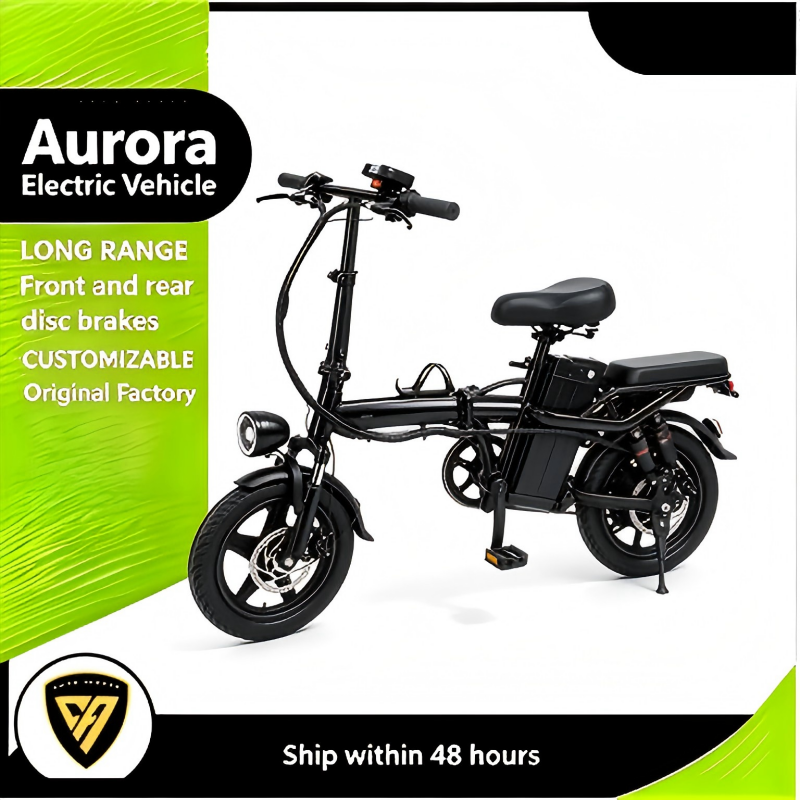
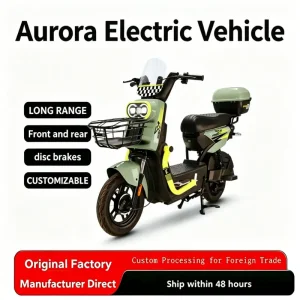
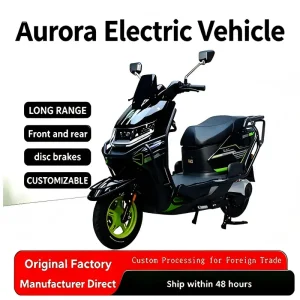
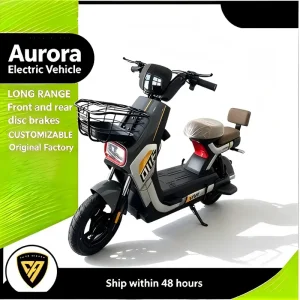
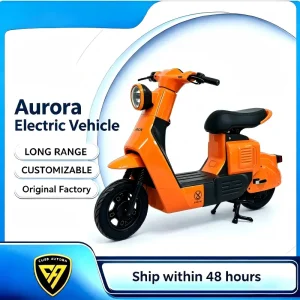
This structural change has triggered a spike in B2B demand for premium electric scooters, lightweight delivery electric bikes, and commercial electric vehicles. French importers, regional distributors, and last-mile delivery fleet operators are actively seeking partnerships with reliable manufacturing plants in China. For global procurement specialists, understanding this shift is key to finding high-yield import channels that align with municipal regulations, such as France's "Bonus Vélo" national subsidy initiatives.
2. Understanding French Regulatory Compliance: Safety Standards & Certification
Importers bringing electric micro-mobility vehicles into the French territory must prioritize compliance to prevent custom holds and distribution liabilities. Unlike other regional blocks, France enforces strict guidelines that cross-reference EU mandates and local road transport safety codes.
EN 15194 Standard
Electric Power Assisted Cycles (EPACs) imported to France must strictly comply with the EN 15194 directive. This regulates the motor cut-off speed (max 25 km/h) and continuous power output (maximum 250W).
UN38.3 & MSDS
Lithium battery safety remains a critical parameter for French customs clearance. All shipping containers must possess valid UN38.3 test summaries, verifying safety during maritime transit.
CE Mark & RoHS
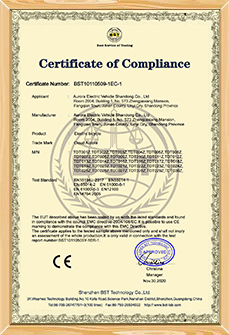
Every imported vehicle must display visible CE marking, backed by verifiable Technical Documentation files declaring compliance with the Machinery, LVD, and EMC Directives.
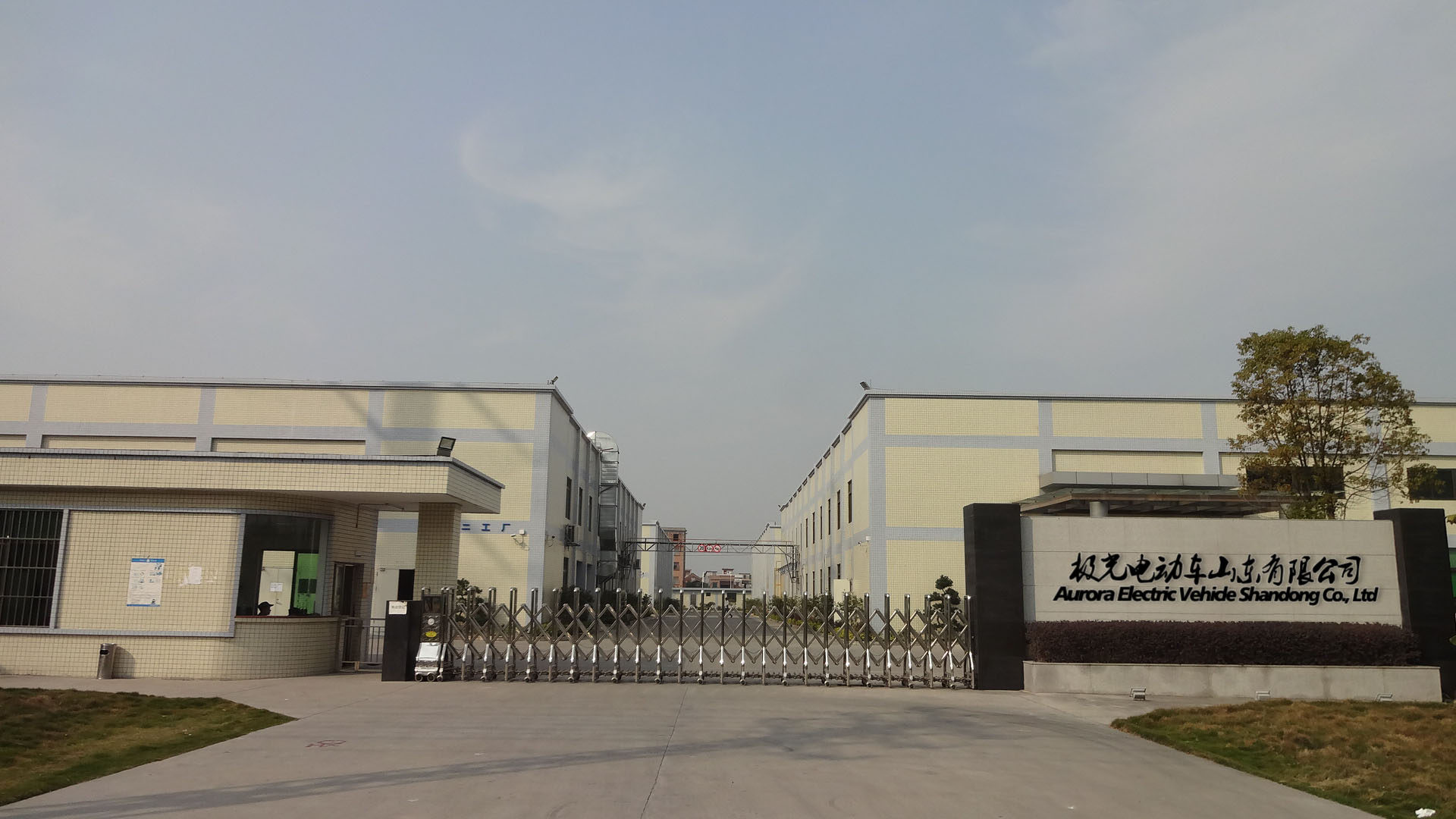
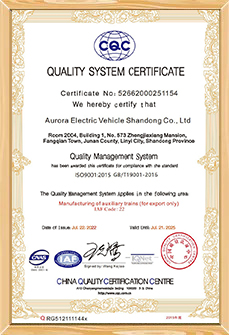
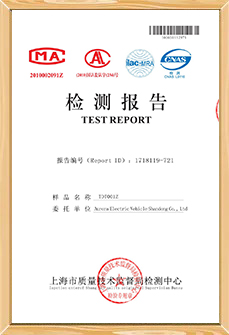
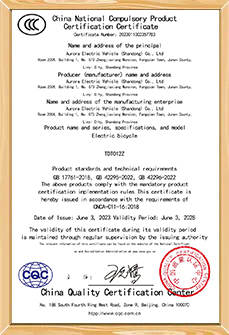
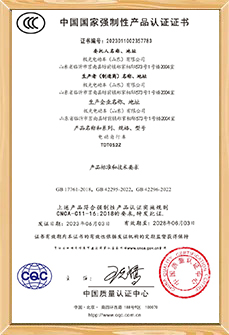
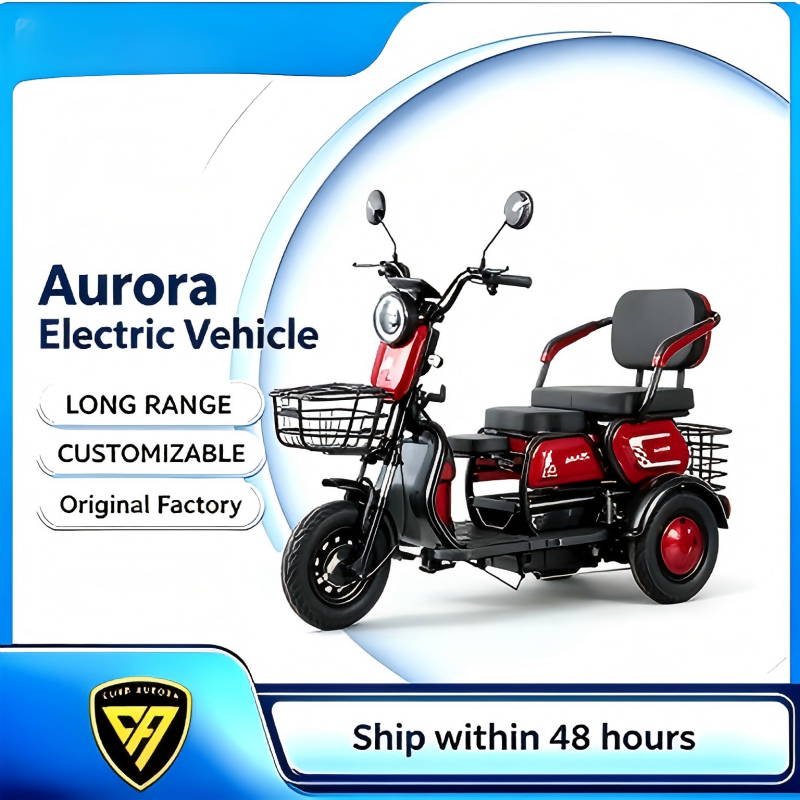
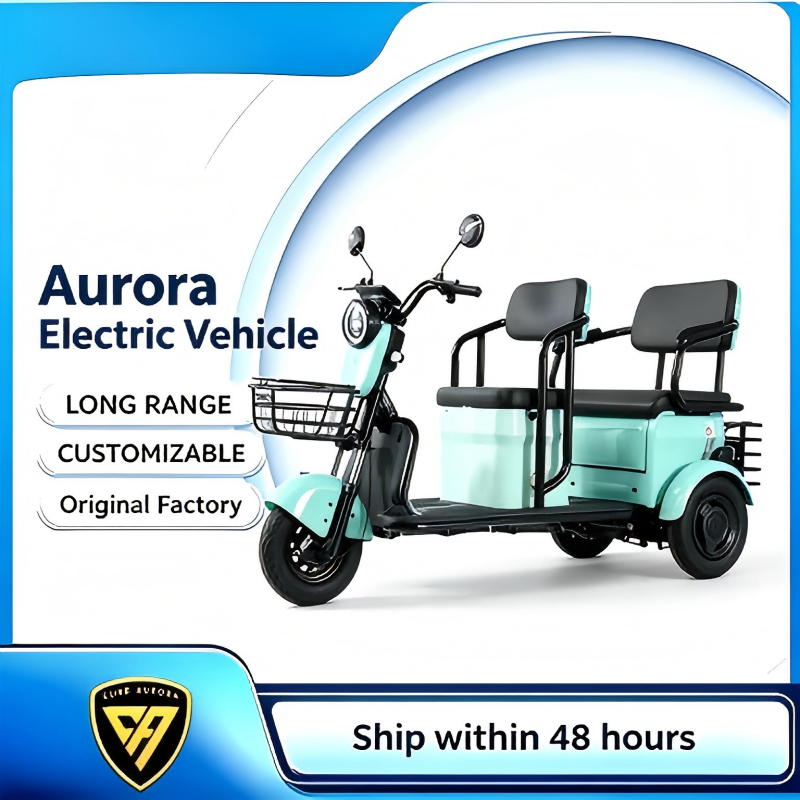
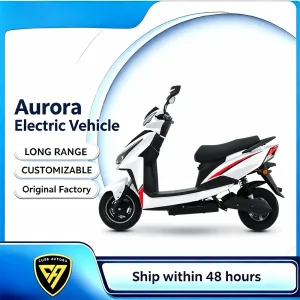
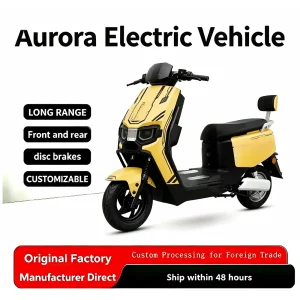
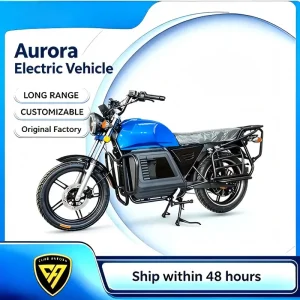
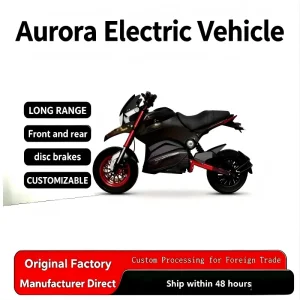
As a leading exporter, Aurora Electric Vehicle Shandong Co., Ltd. ensures that its product lines undergo rigorous third-party audits. From the electronic motor circuitry and frame fatigue thresholds to fire-retardant battery wiring, each model is designed to simplify standard EU customs clearance.
3. Chinese Industry 4.0 Factories: Strengthening Supply Chain Resilience
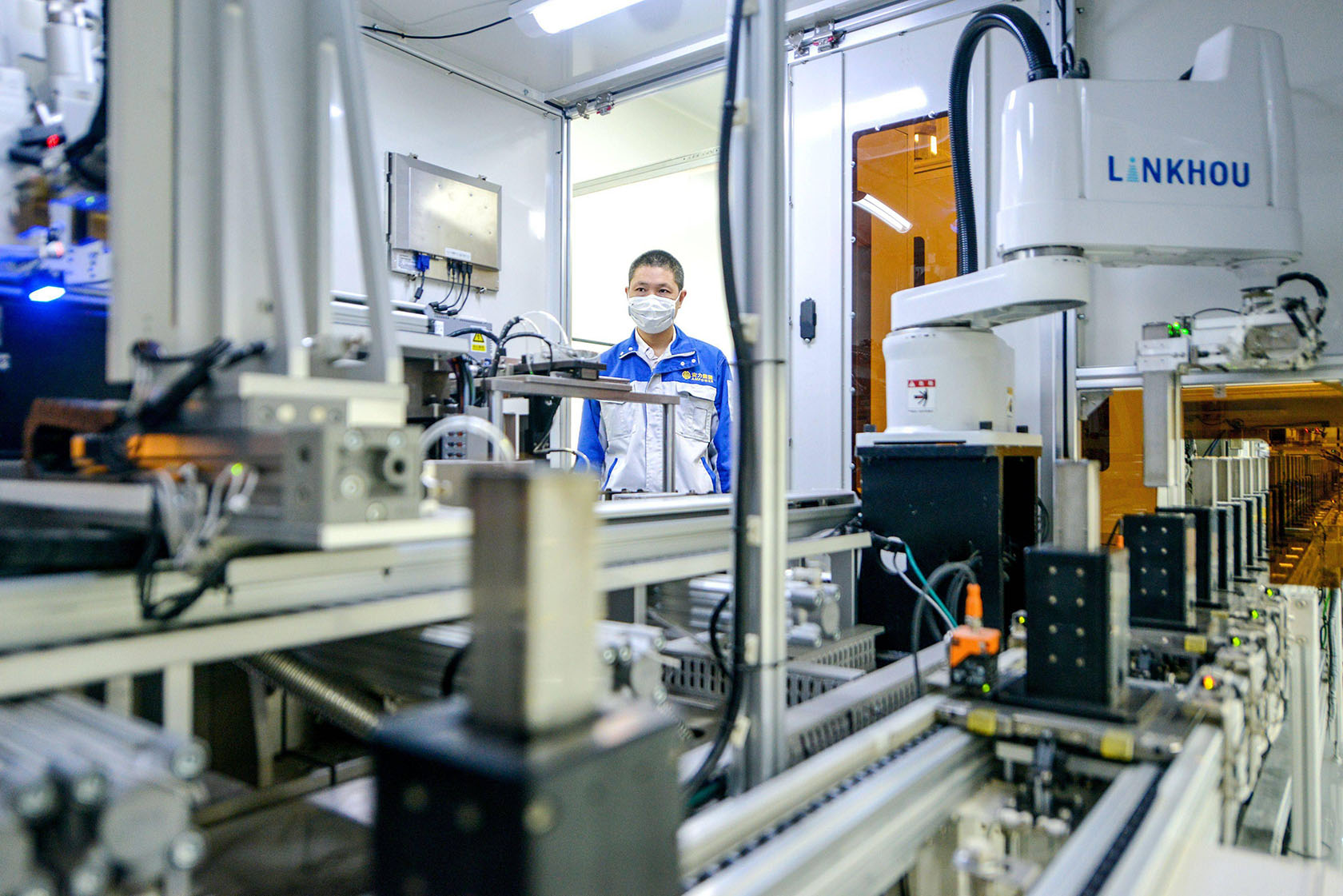
The global electric vehicle supply chain has faced pricing and materials volatility over the past few years. In this context, locating factories utilizing Smart Manufacturing (Industry 4.0) setups is vital for securing stable procurement lines. The Shandong region, centered around the transportation hub of Linyi City, acts as a primary hub for modern electric bike and motorcycle fabrication.
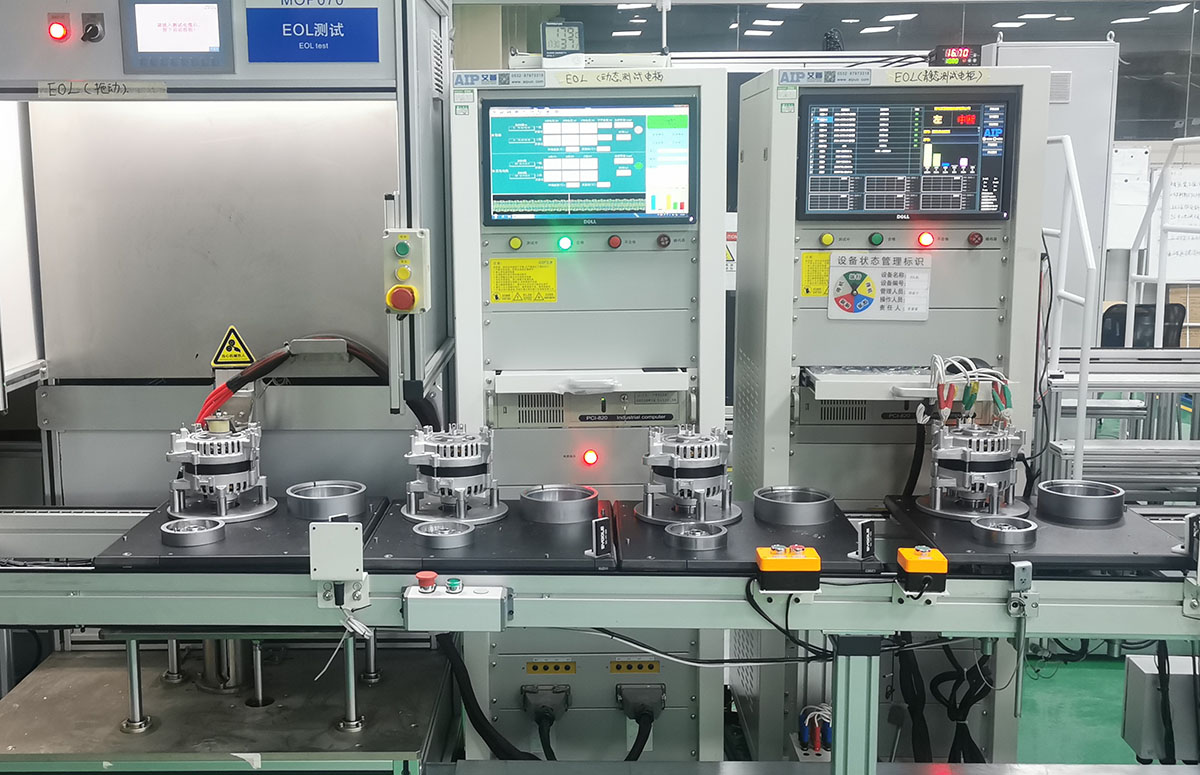
By leveraging regional components networks (motors, controllers, chassis tooling, and powder coating systems), Aurora Electric Vehicle Shandong Co., Ltd. has established a highly integrated production cycle. This localized vertical integration means that we can minimize lead times, even when handling complex custom OEM/ODM requests. Robotic assembly lines ensure that frame joints, suspension mounts, and electrical junctions are built to exact tolerances, reducing failure rates below 0.3% over multi-year operations.