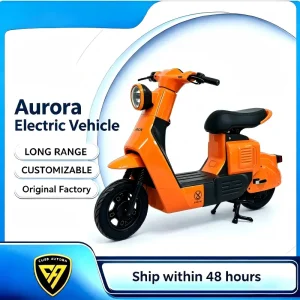
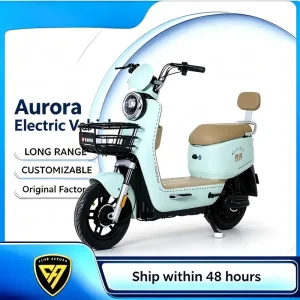
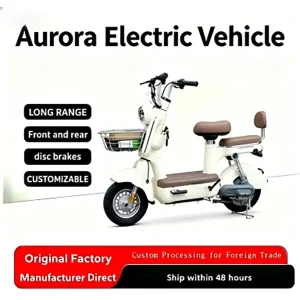
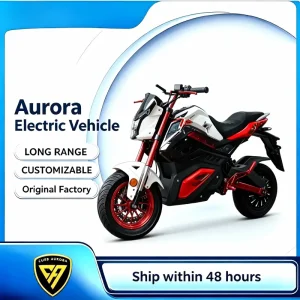
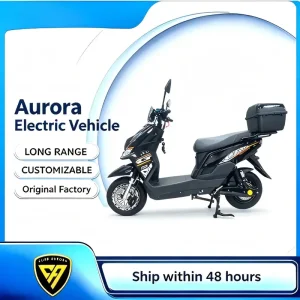
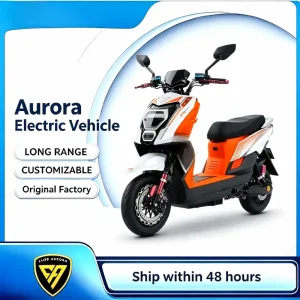
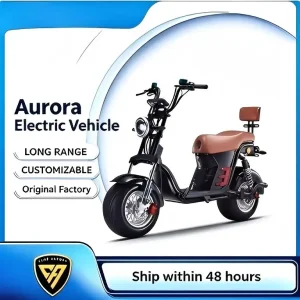
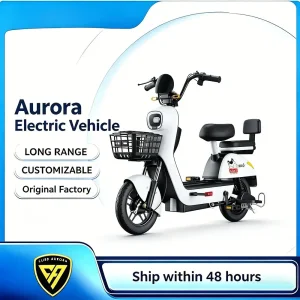
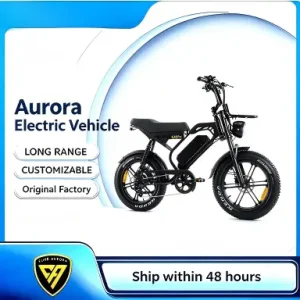
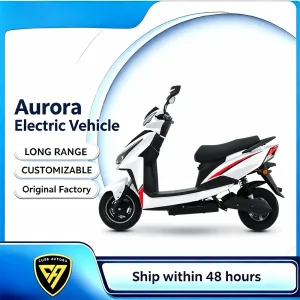
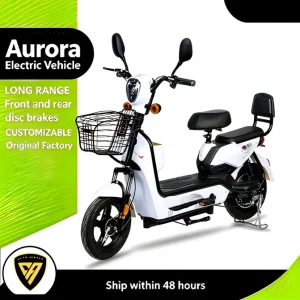
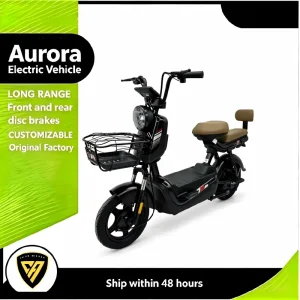
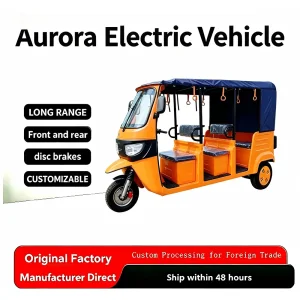
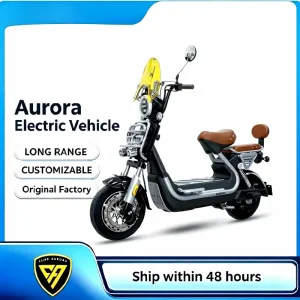
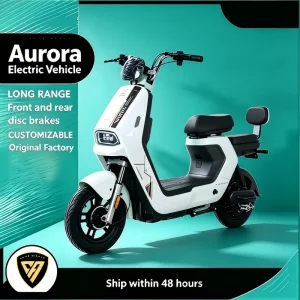
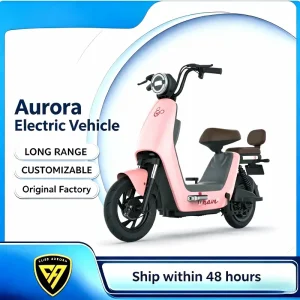
Direct supply of high-efficiency, certification-compliant electric mobility options optimized for urban transit and delivery operations.
Exploring macro trends, policy mandates, and bilateral trade benefits governing electric micro-mobility integration.
The global automotive landscape is witnessing an unprecedented transition from combustion engines to clean energy powertrains, and Southeast Asia is rapidly becoming a key region for this shift. Among ASEAN nations, Thailand is leading the adoption of electric vehicles. Guided by its ambitious "30@30" policy, Thailand aims to ensure that zero-emission vehicles constitute at least 30% of all domestic automotive production by the year 2030. While public attention often centers on electric passenger cars, the true catalyst for daily green mobility lies in two-wheeled and three-wheeled electric vehicles (e-bikes, e-scooters, and e-trikes) that navigate the region's dense urban centers.
B2B buyers, distributors, and logistics fleet managers in Thailand recognize that upgrading to high-efficiency light electric vehicles (LEVs) addresses key economic challenges: rising fuel costs, urban congestion, and strict emission regulations. As Thailand establishes itself as a regional EV manufacturing hub, the import of premium components, knocked-down kits (CKD/SKD), and finished units from established Chinese industrial clusters provides a crucial competitive advantage.
For commercial importers, the financial case is supported by the ASEAN-China Free Trade Agreement (ACFTA). Under this framework, qualifying electric two-wheelers and parts imported from China with a Form E certificate enjoy significant tariff relief or complete duty exemptions. This policy landscape allows Thai distributors to secure premium, factory-direct electric vehicles at competitive price points.
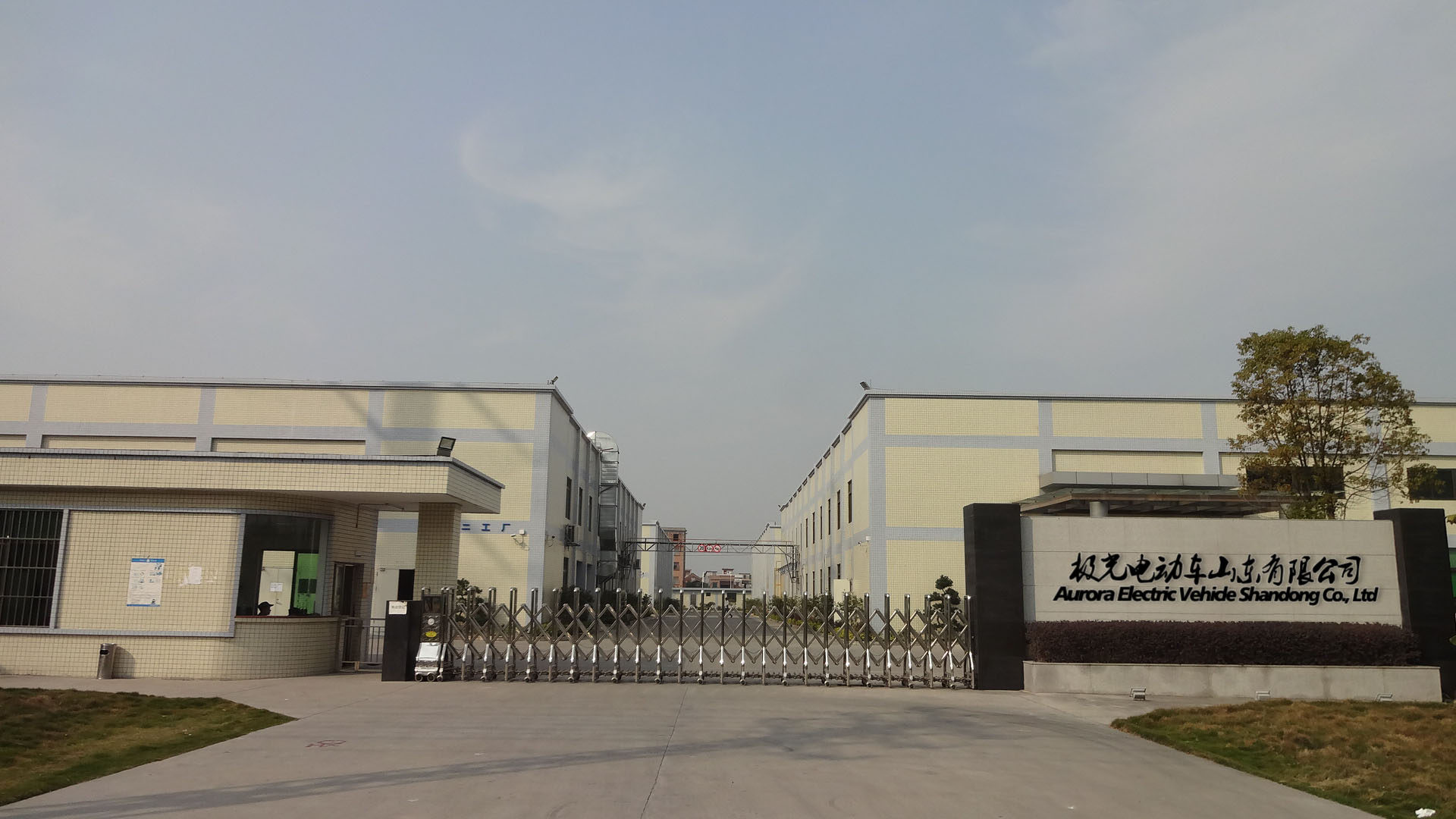
Shandong Province, particularly the logistics and transport hub of Linyi City, is home to a robust electric vehicle manufacturing ecosystem. Aurora Electric Vehicle Shandong Co., Ltd. (founded in 2015) operates at the center of this industrial cluster, connecting the Yangtze River Delta and the Bohai Economic Circle.
This strategic location offers key advantages for global buyers:
How technical specifications are optimized to withstand local climates, infrastructure, and usage patterns.
Exporting light electric vehicles to Thailand requires more than shipping standard domestic models. The tropical monsoon climate, seasonal urban flooding in cities like Bangkok and Chiang Mai, and high ambient temperatures present distinct operational challenges for batteries, electronics, and mechanical components.
Our export-grade electric motor controllers and wiring harnesses are sealed to IP67 ingress protection standards. Hub motors are protected against water intrusion during street flooding, and high-mounted controller compartments isolate critical electronic components from low-lying water.
Extended exposure to temperatures above 35°C accelerates battery degradation and reduces efficiency. Our Battery Management Systems (BMS) utilize multi-point temperature monitoring and custom thermal dissipation plates, ensuring safe operation for both Lithium-ion and LiFePO4 configurations under high-load cycles.
Coastal humidity and urban moisture degrade low-quality steel. We use high-tensile carbon steel frames treated with a multi-stage electrophoretic deposition (ED) primer coating. This process applies a rust-resistant barrier across both external surfaces and internal tubing.
In 2019, our production lines were upgraded to align with new safety and engineering standards. These upgrades cover frame structural testing, fire-retardant electrical shielding, and anti-tampering software controls for speed limiters. These integrated standards ensure that our vehicles meet the import requirements of regional transport ministries, including the Thailand Department of Land Transport (DLT).
Examining the deployment of specialized light electric fleets across primary commercial sectors.
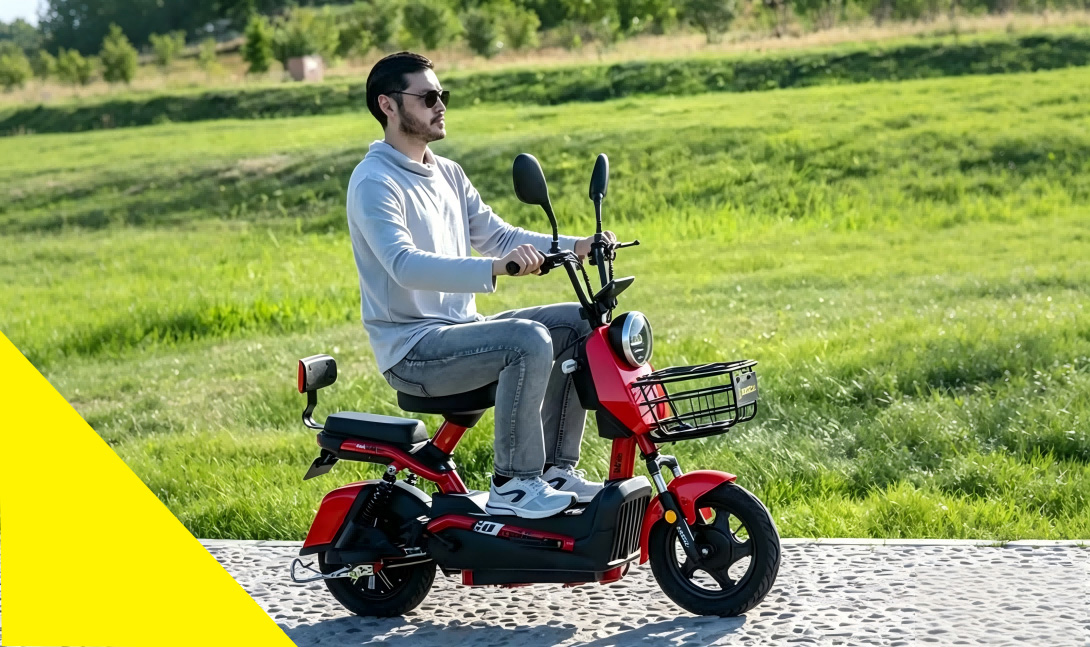
In congested metro areas like Bangkok, commuters rely on light electric bikes to navigate traffic and reach BTS Skytrain and MRT stations. These models feature lightweight frames, responsive brakes, and optimized pedal-assist ranges tailored for daily city riding.
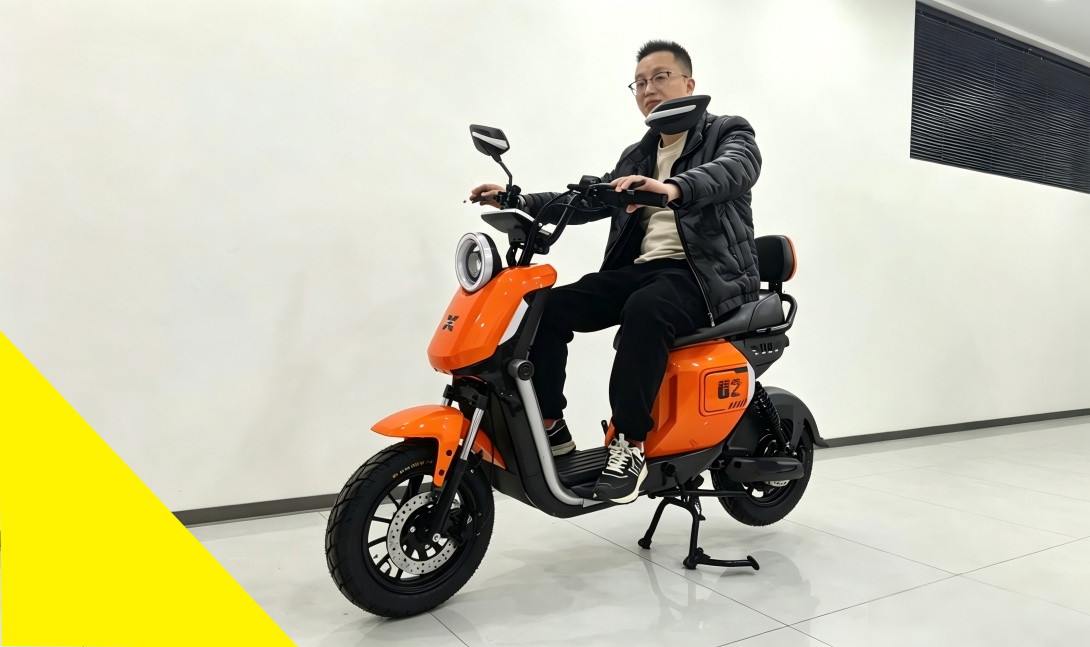
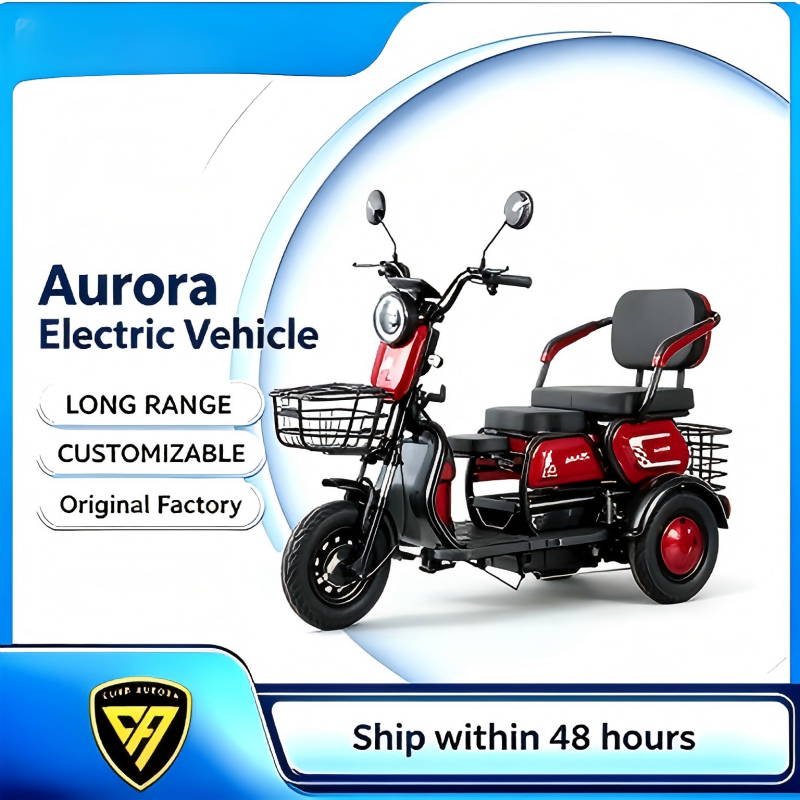
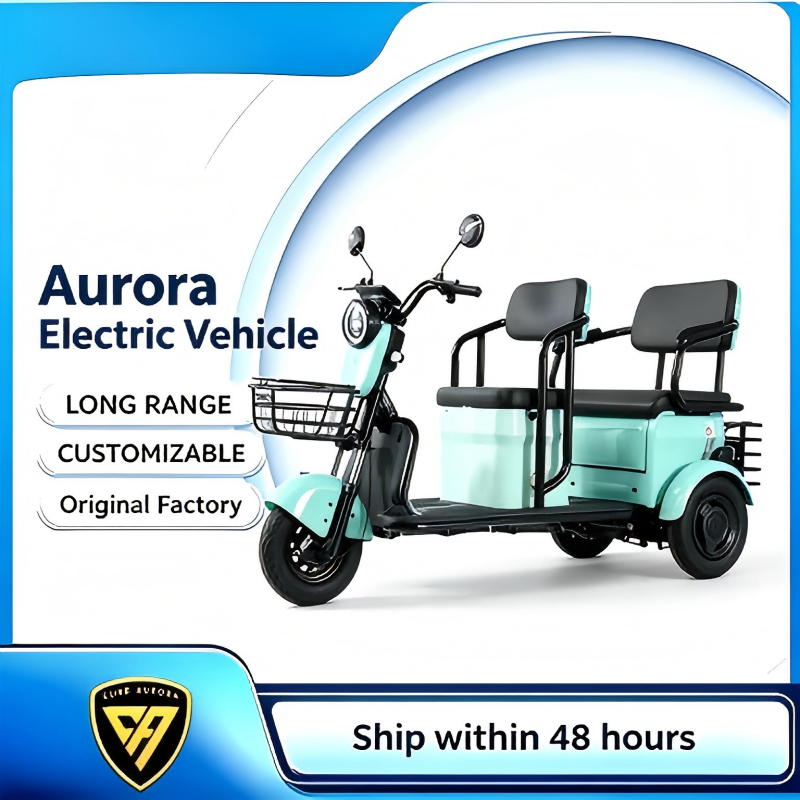
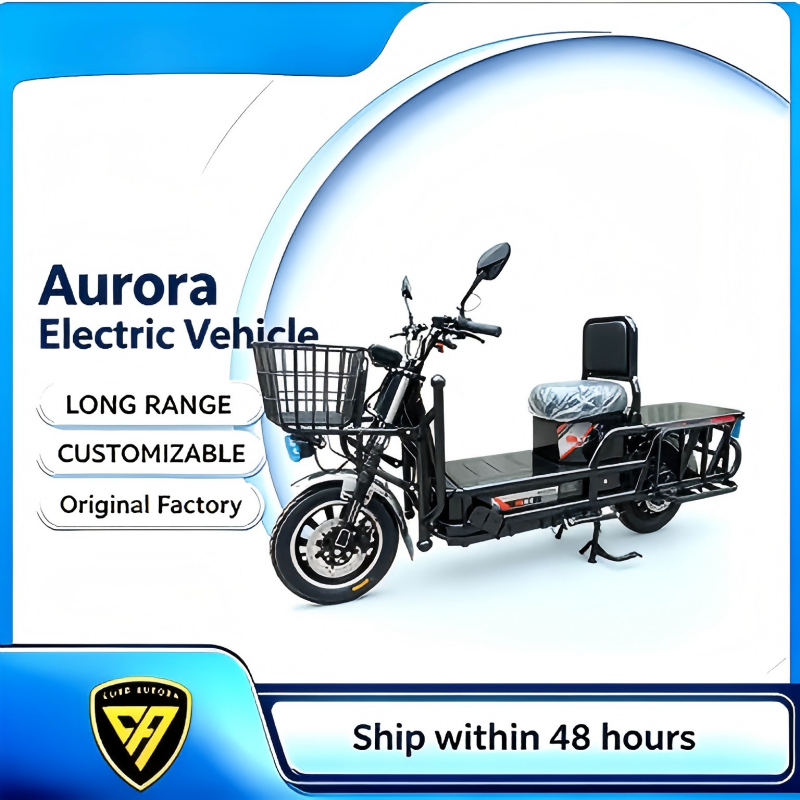
On-demand delivery services require durable vehicles capable of heavy daily use. Models fitted with reinforced rear cargo racks and high-capacity battery options support continuous delivery shifts, while electric passenger tricycles provide zero-emission transport options for resorts and historic tourist areas.
A decade of commitment to technological innovation, quality manufacturing, and global partnership.
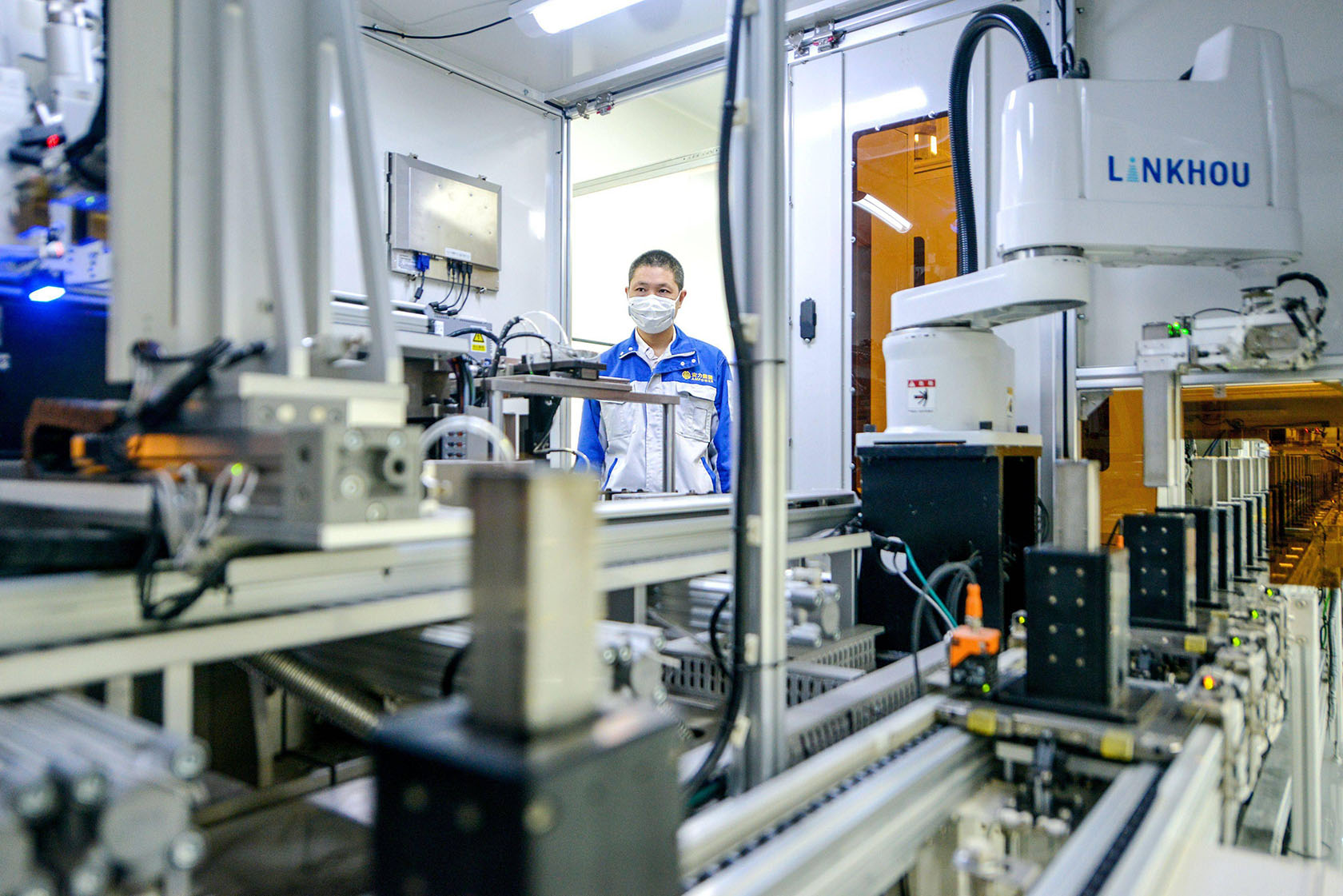
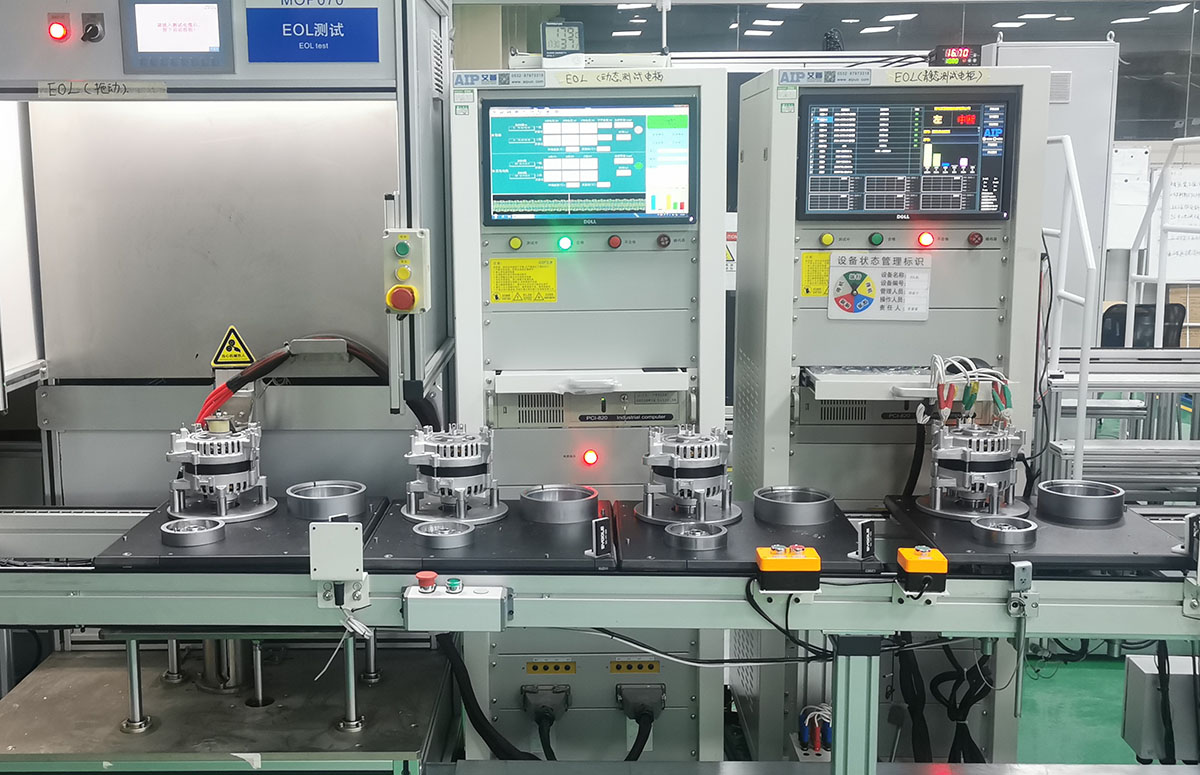
Established in 2015 in Linyi City, Shandong Province, Aurora Electric Vehicle Shandong Co., Ltd. has grown from a regional production facility into a comprehensive enterprise integrating R&D, manufacturing, global sales, and after-sales support. We have worked alongside the development of the Chinese electric vehicle industry, building a standardized production base equipped with automated assembly lines, precision frame weld testing, and dedicated QA laboratories.
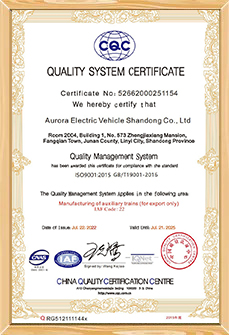
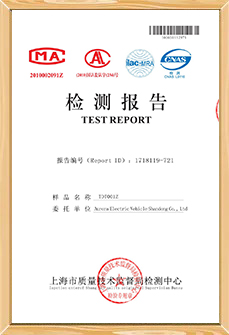
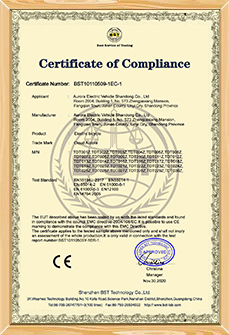
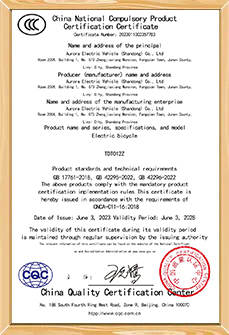
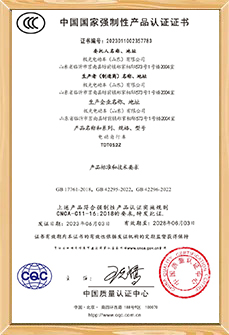
Our core mission is to make green travel more accessible, efficient, and safe. Integrating regional logistics expertise with clean energy technologies, we emphasize quality throughout our operational processes. From incoming raw material inspections to simulated load-testing and water-exposure checks, we ensure each export vehicle meets our safety and durability guidelines.
We focus on building long-term, mutually beneficial relationships with our B2B partners, suppliers, and distribution networks. Our teams offer comprehensive OEM/ODM solutions, technical support, and reliable component supply networks to keep fleets running efficiently.
Streamlined packaging and shipping models designed to optimize container space and reduce transport damage.
We offer custom branding, tailored battery capacities, frame modifications, and specialized accessories for logistics fleets, rental operators, and local distributors.
All vehicles are shipped in 5-layer imported kraft paper packaging with internal structural reinforcement to prevent shifting and surface scratches during ocean transit.
Located close to major coastal ports, we handle sea freight logistics with options for CKD (Completely Knocked Down) and SKD (Semi-Knocked Down) packaging to maximize container load factors.
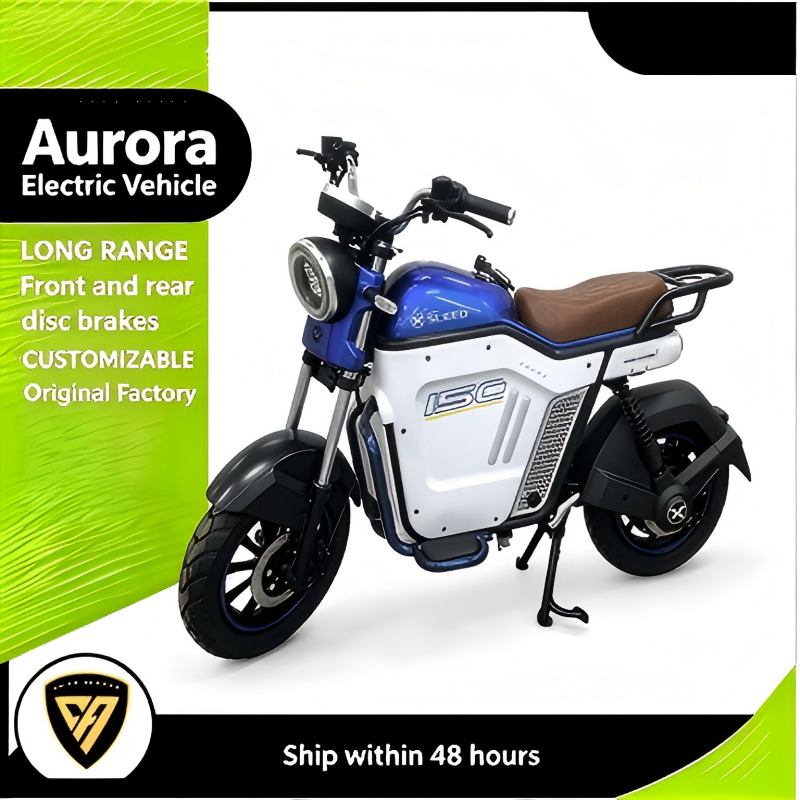
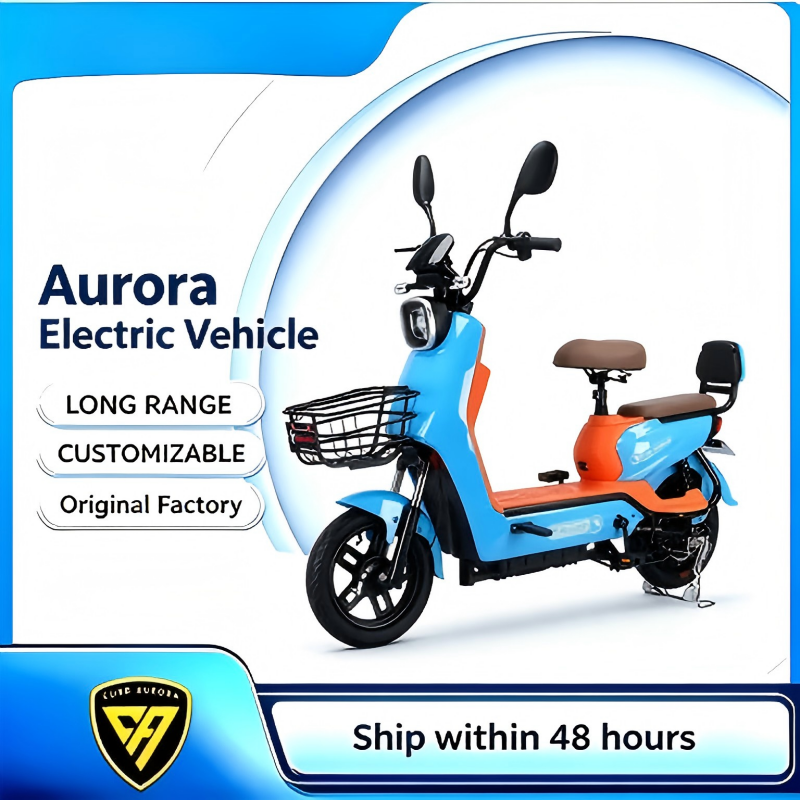
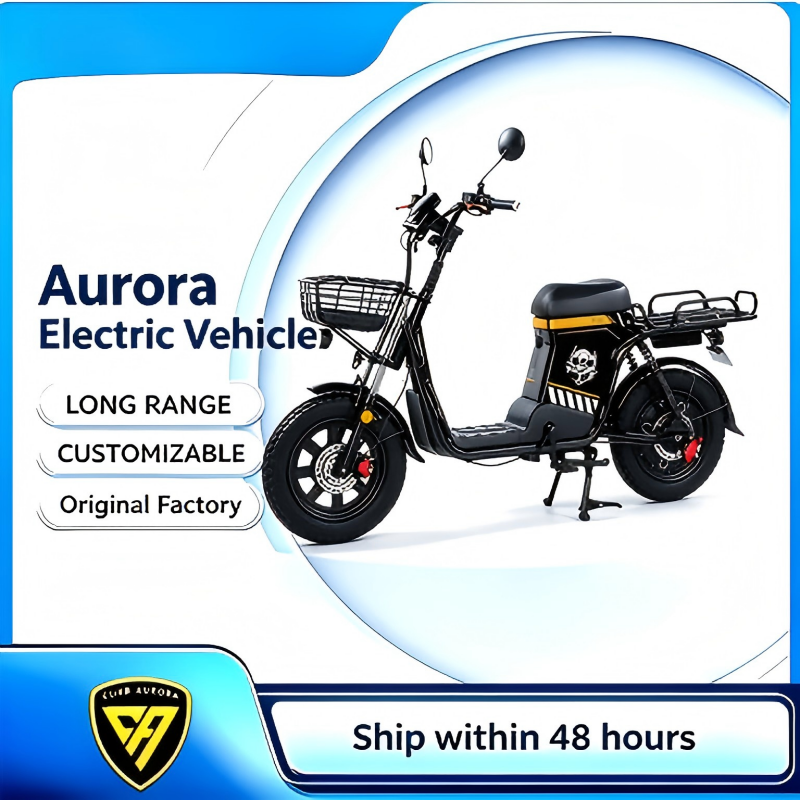
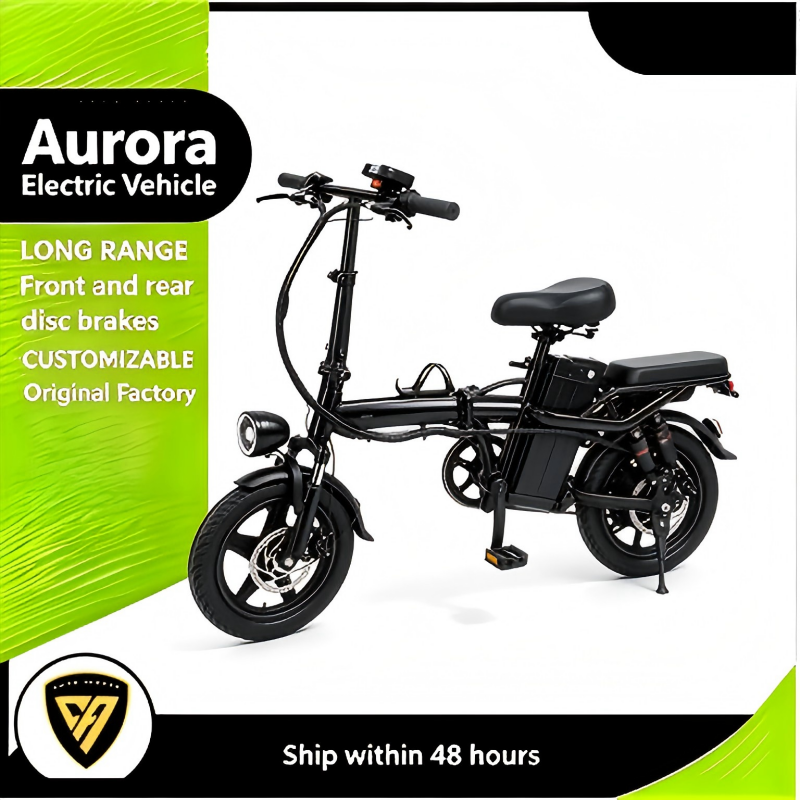
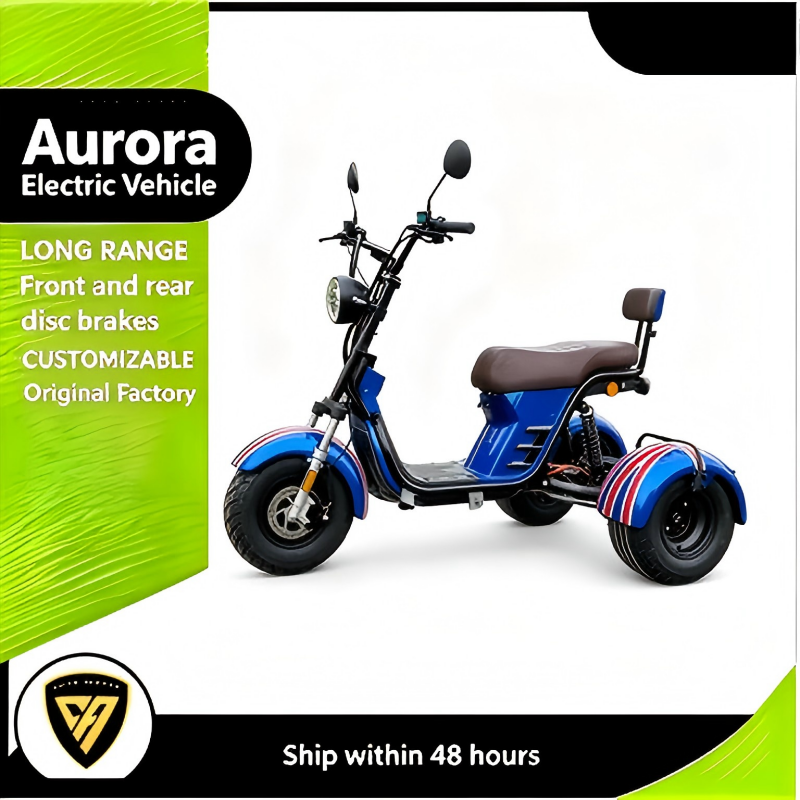
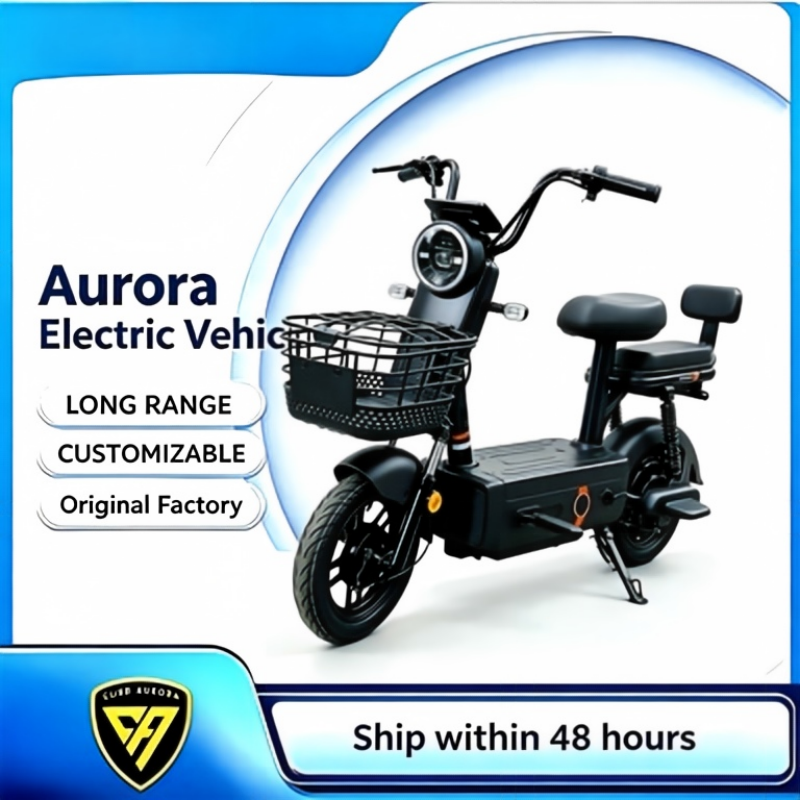
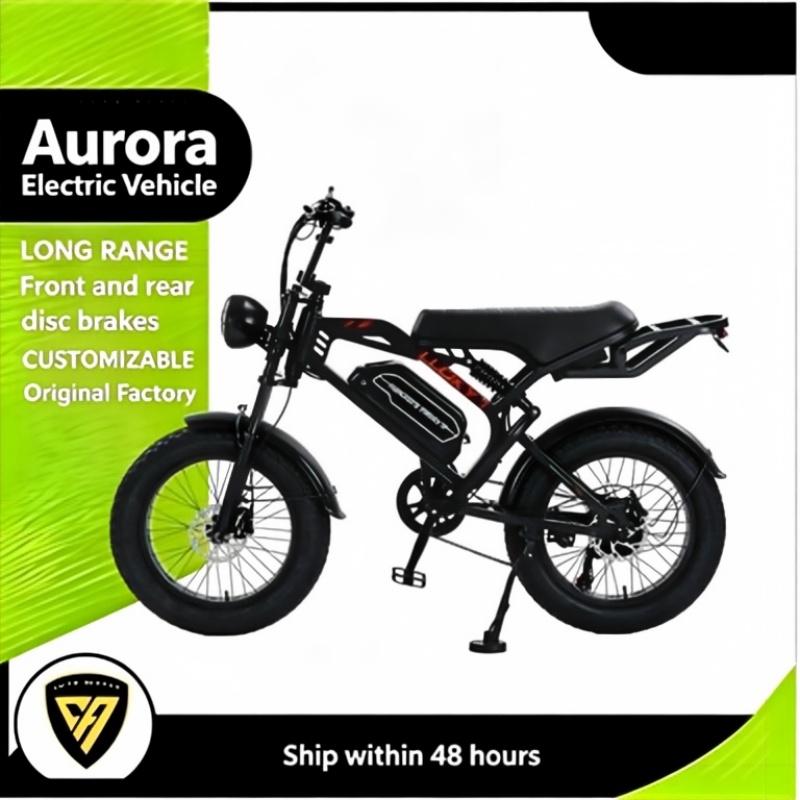
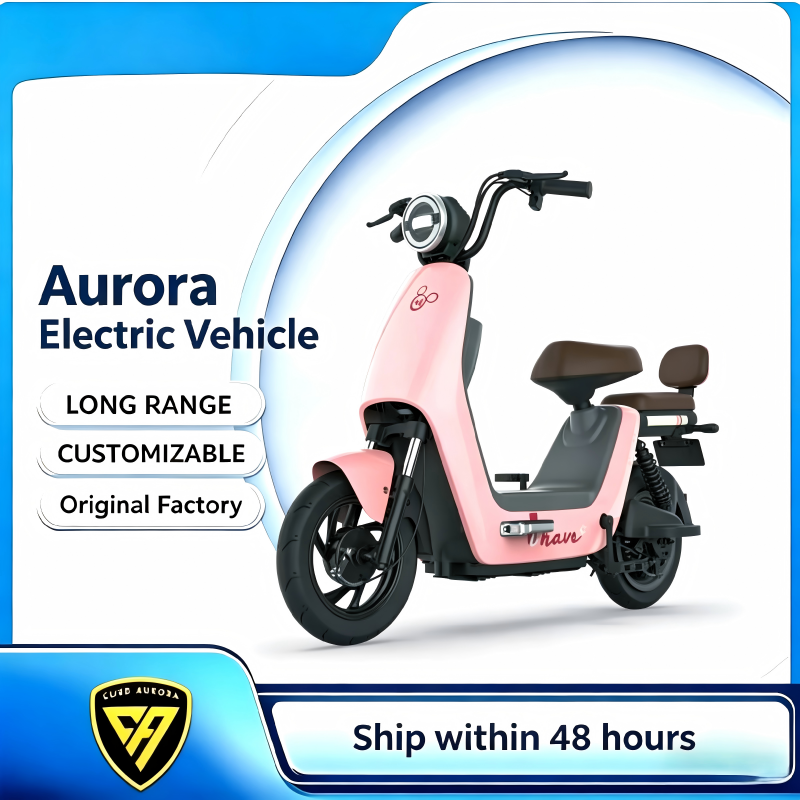
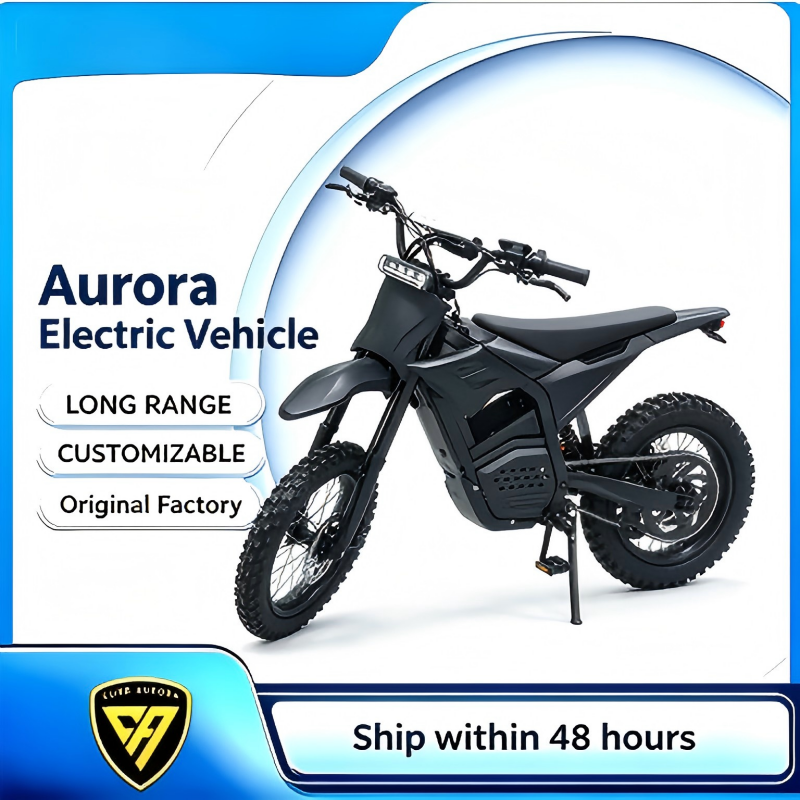
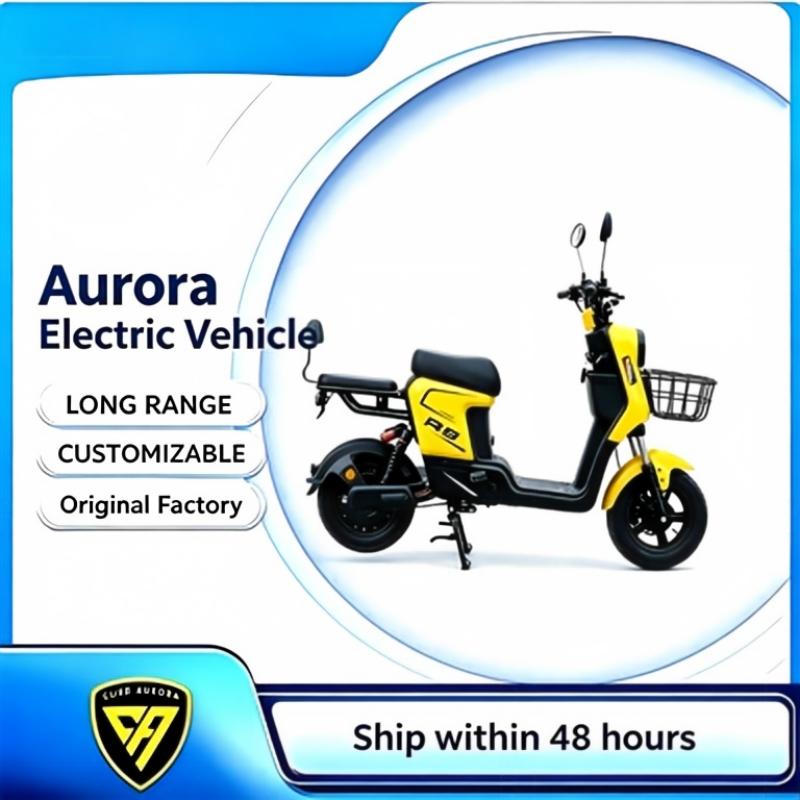
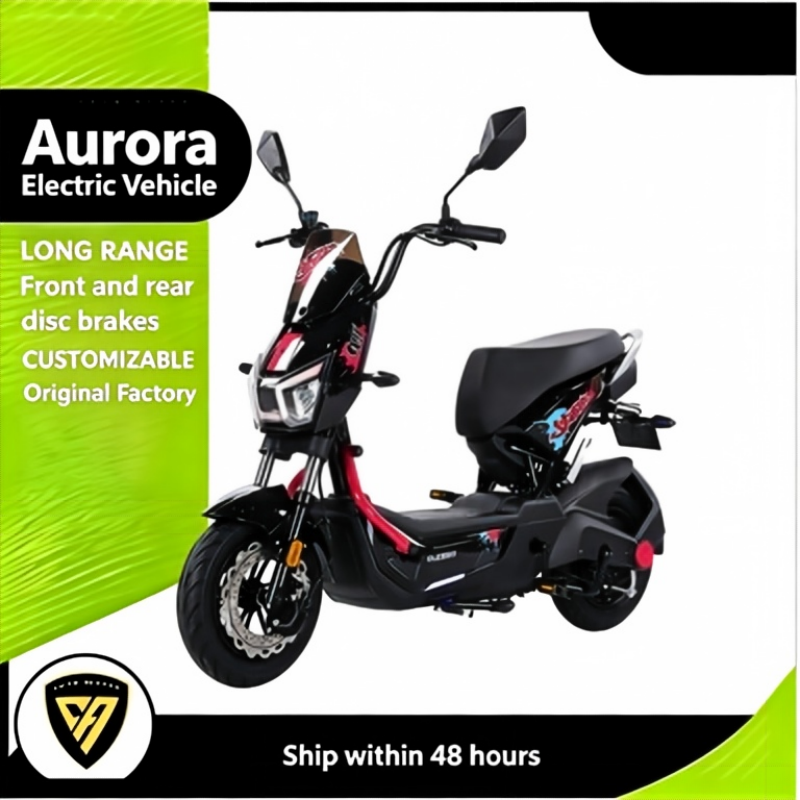
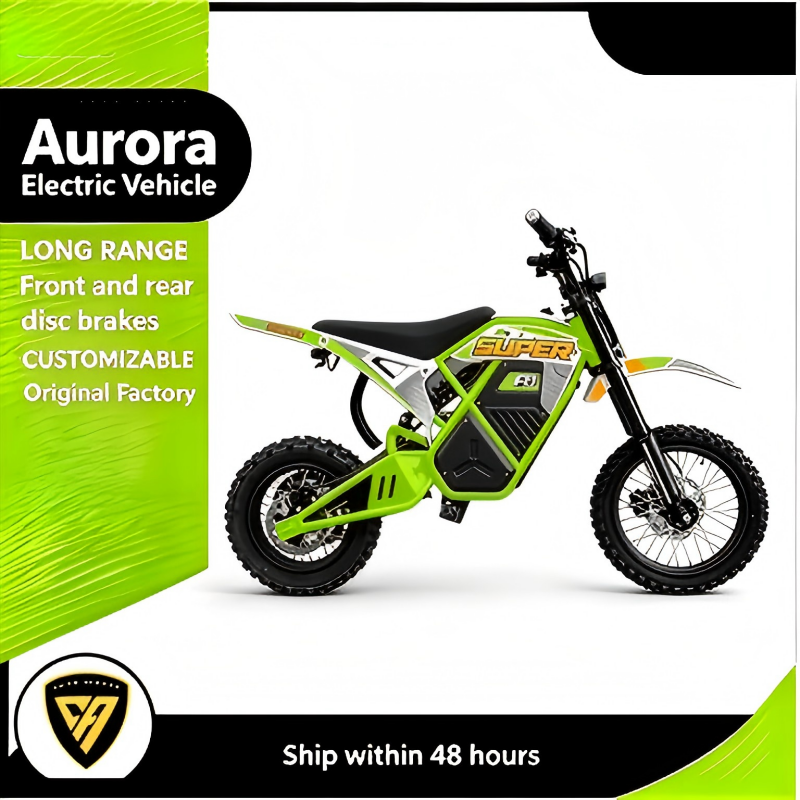
Explore our extended selection of electric mobility models, designed for diverse personal and commercial use cases.
Answering common regulatory, commercial, and technical questions from international procurement officers.
Premium off-road fat-tire bikes, multi-passenger utility tricycles, and specialty commuter vehicles built to international quality standards.