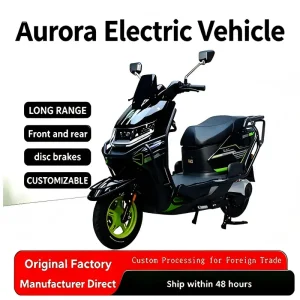
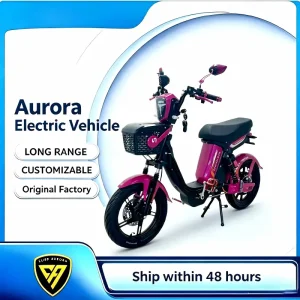
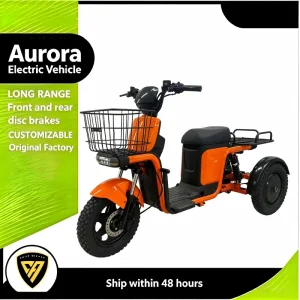
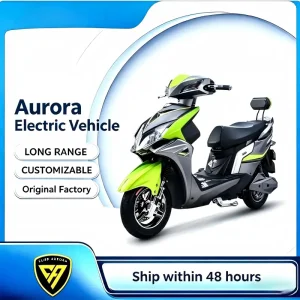
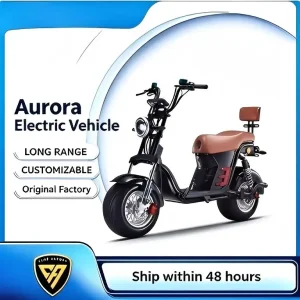
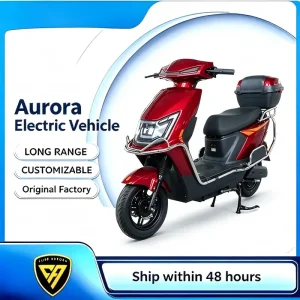
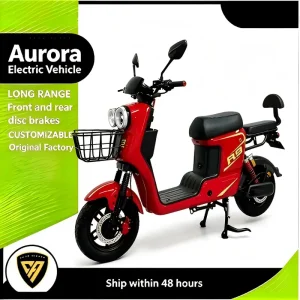
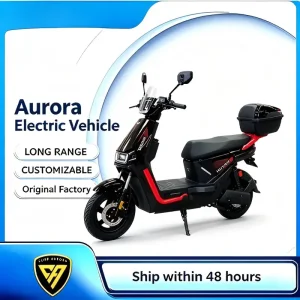
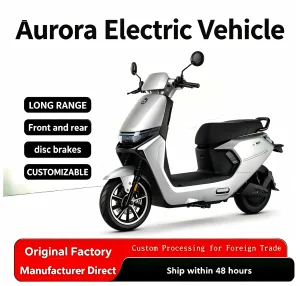
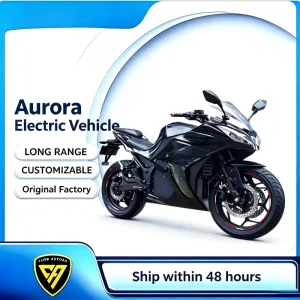
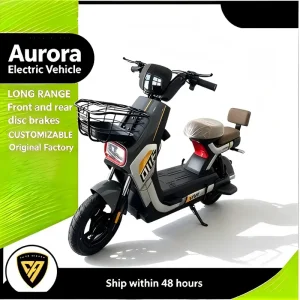
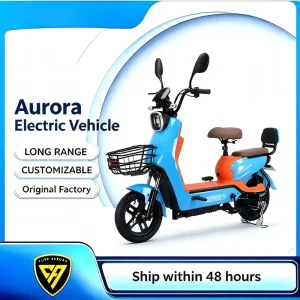
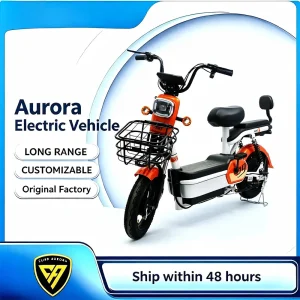
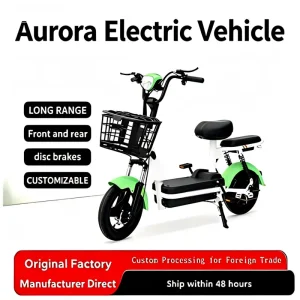
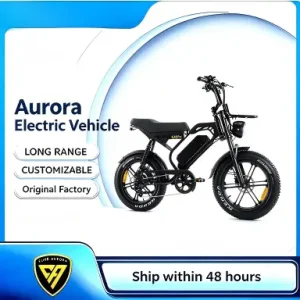
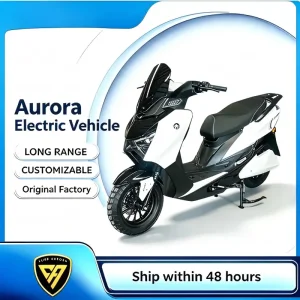
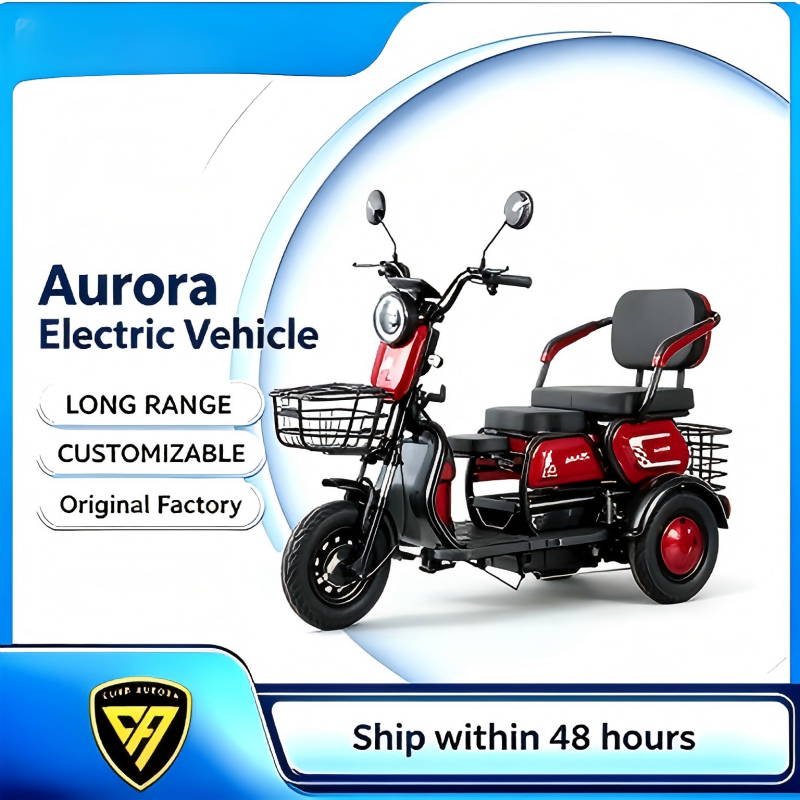
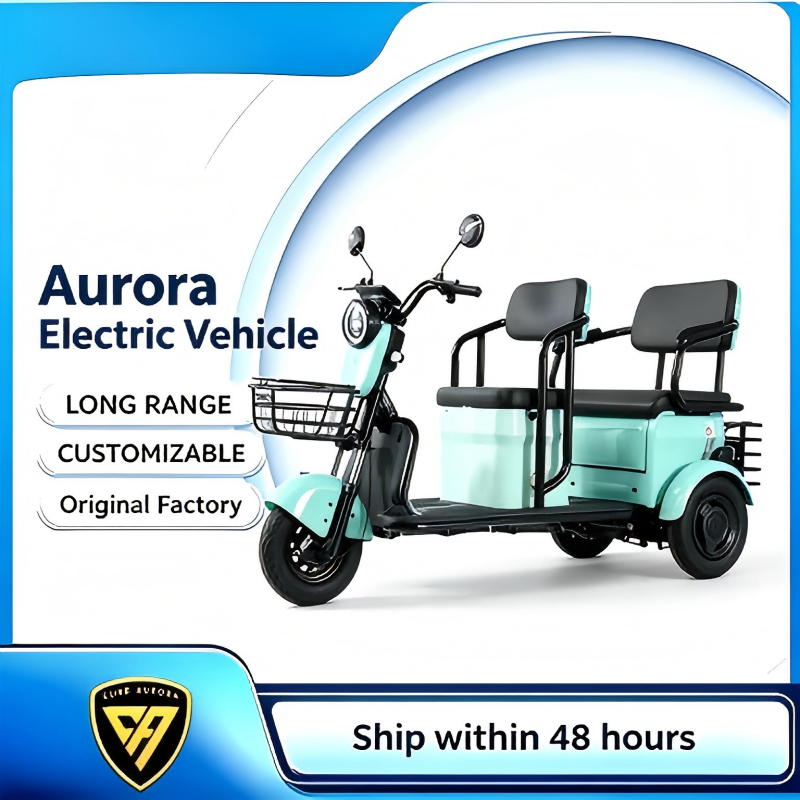
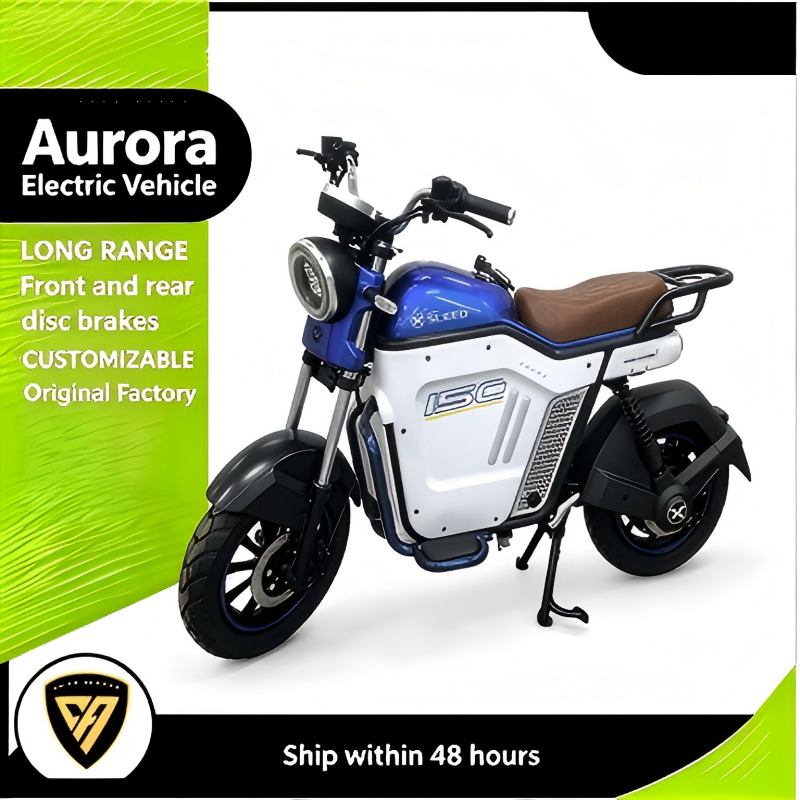
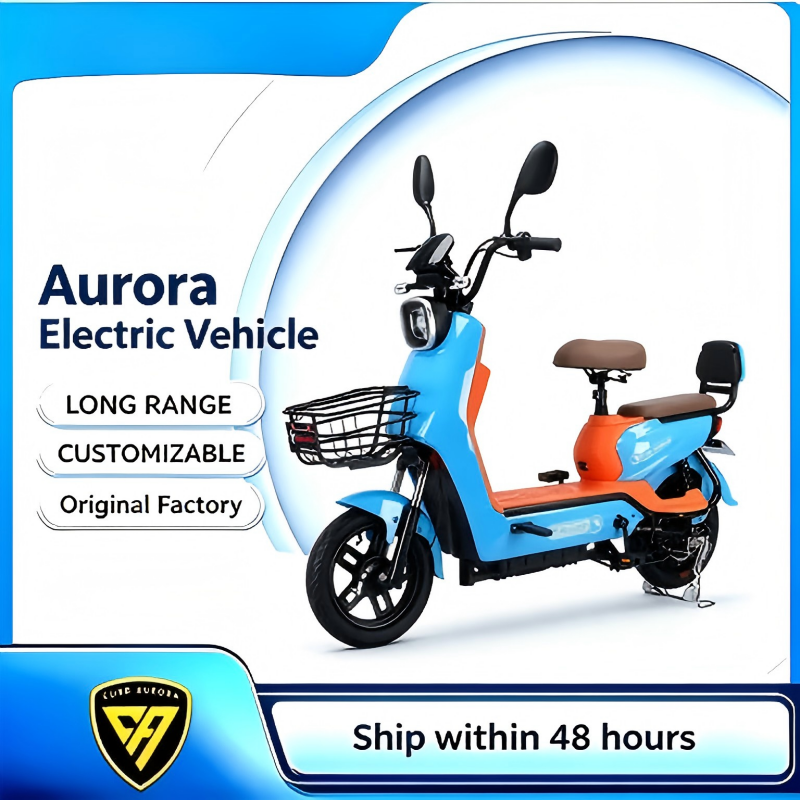
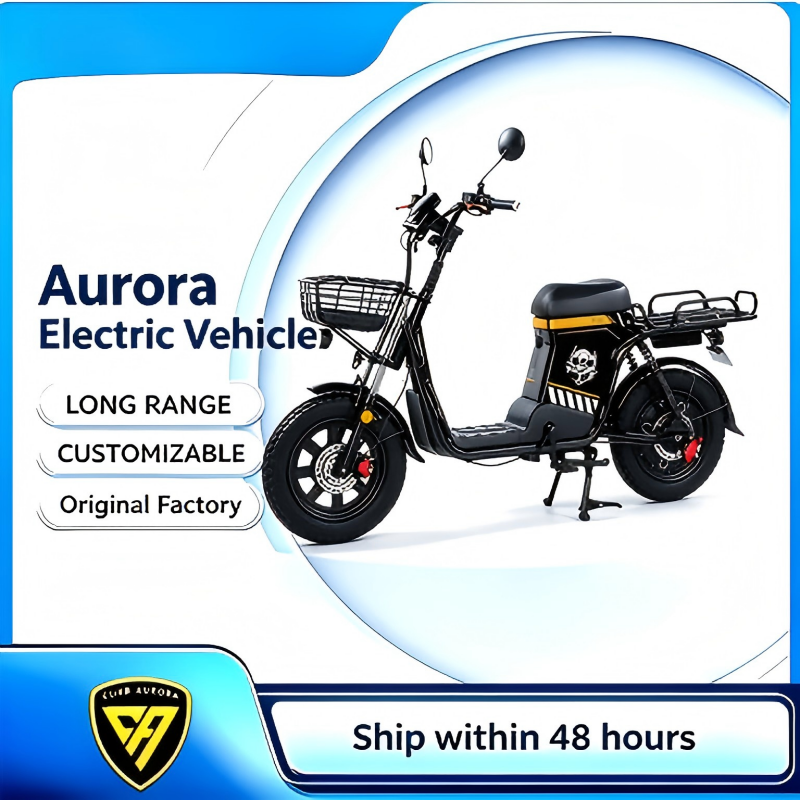
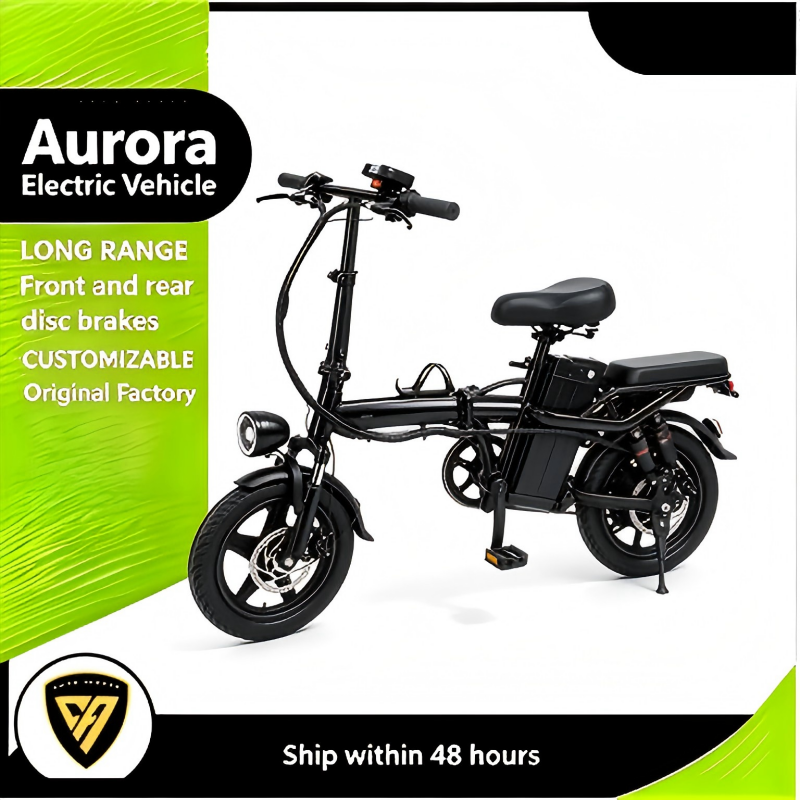
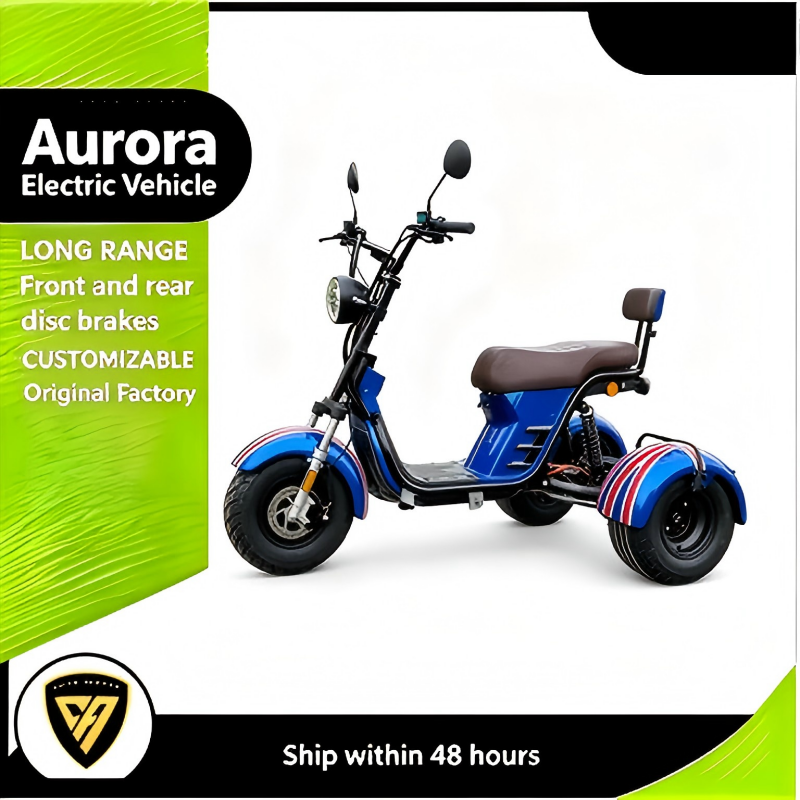
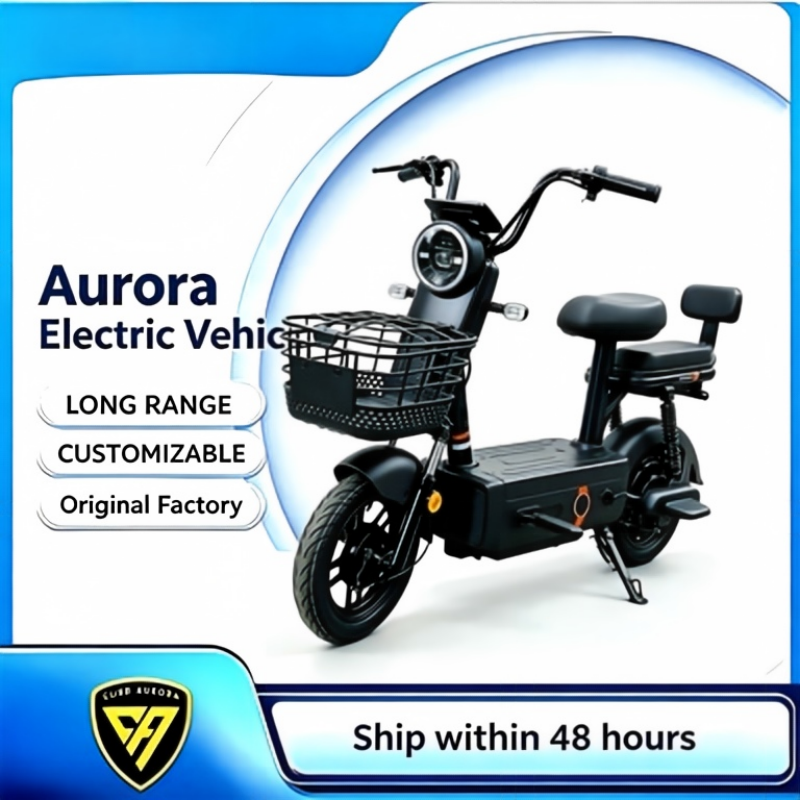
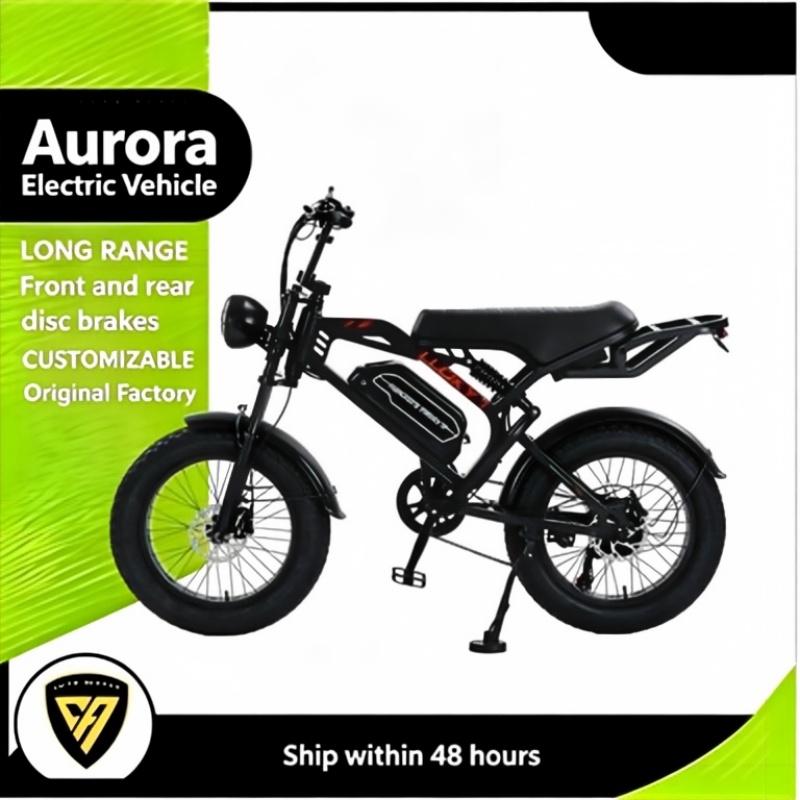
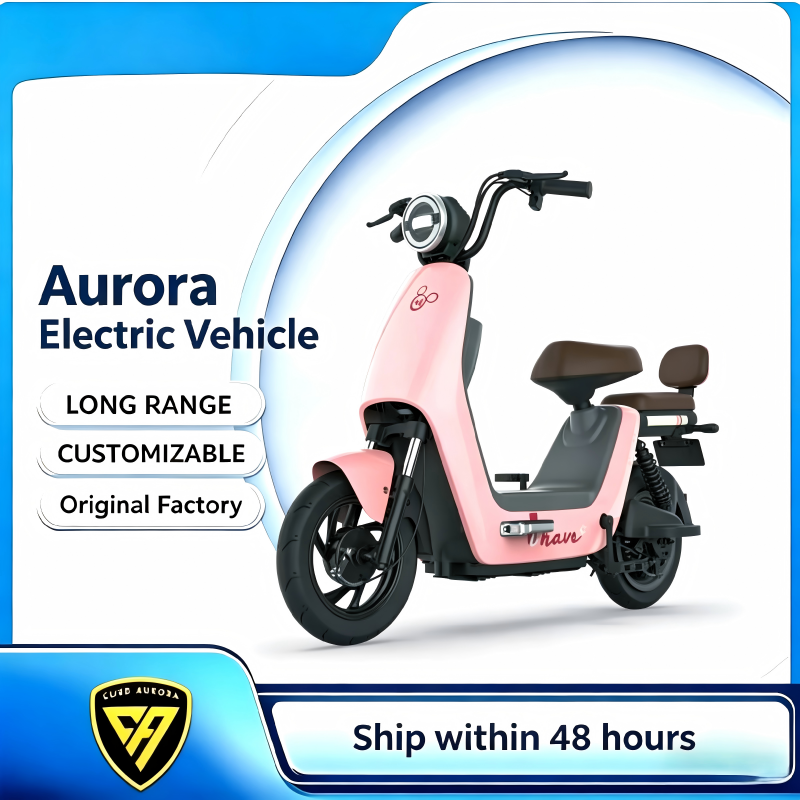
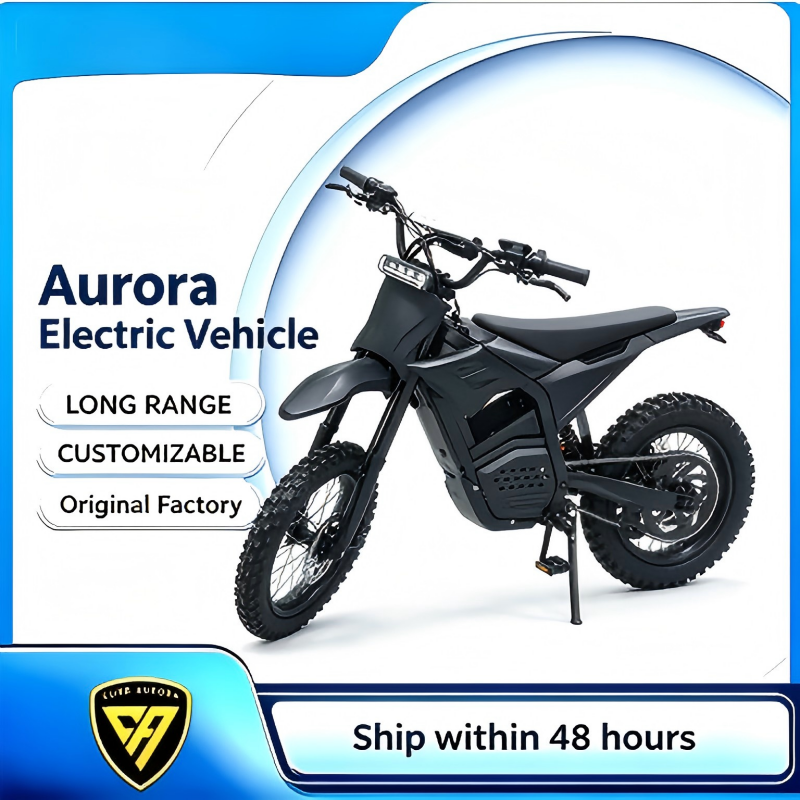
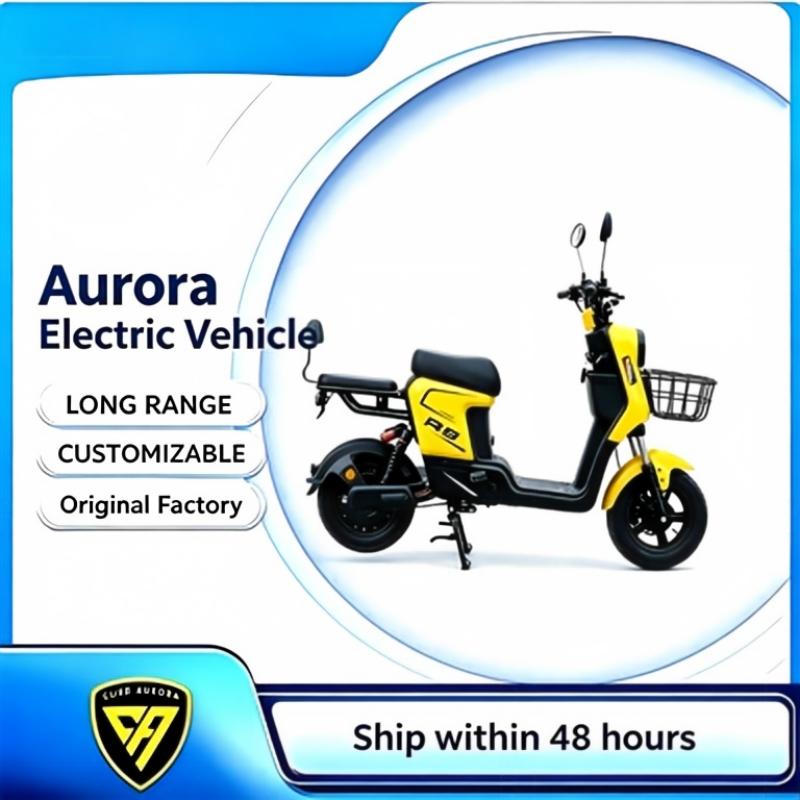
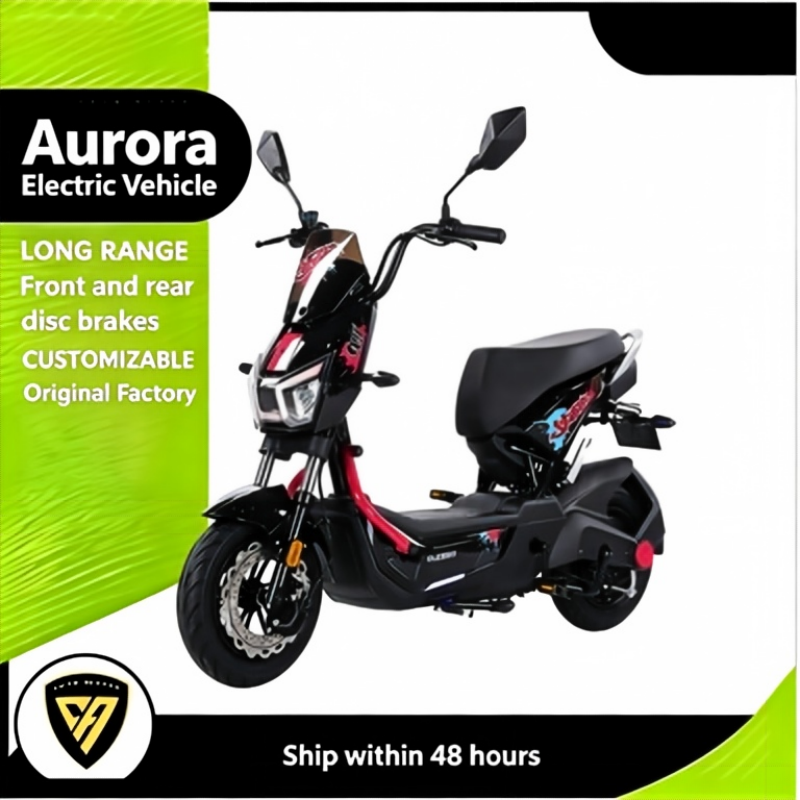
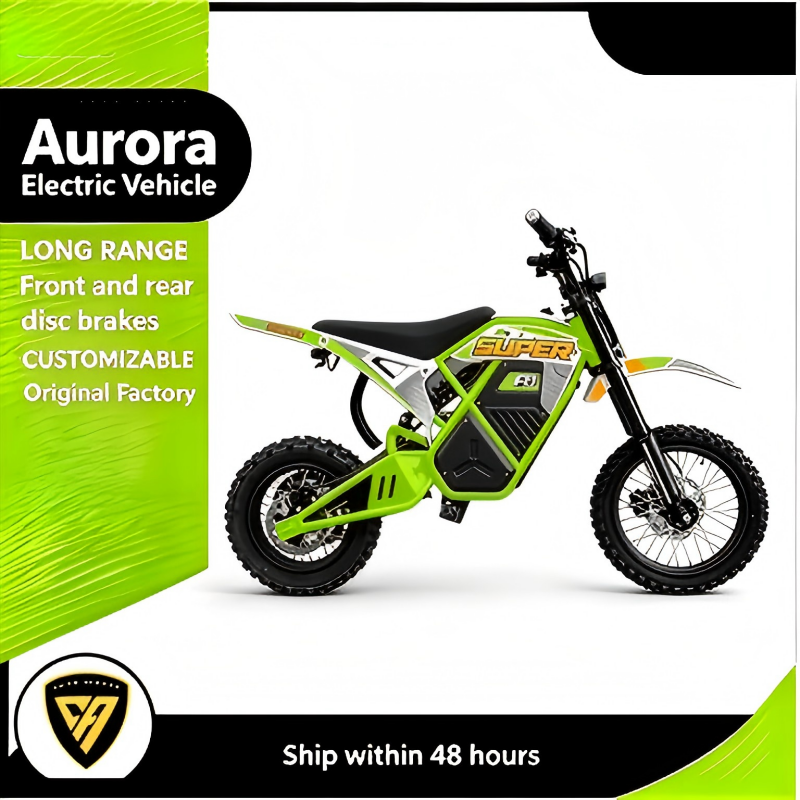
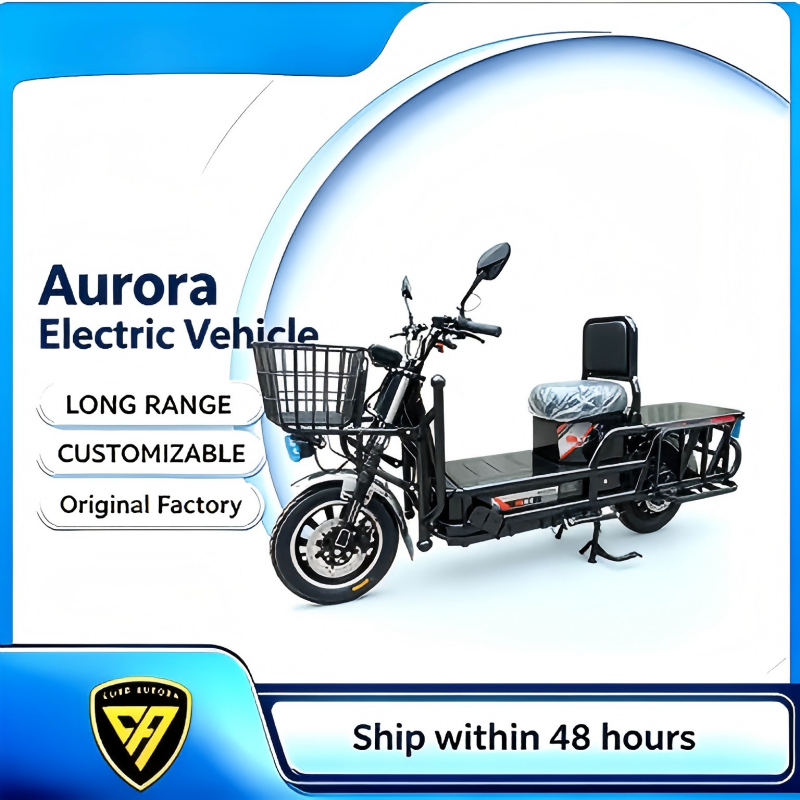
Explore our top-tier manufacturing range of heavy-duty, long-range electric vehicles fully configured to meet demanding global compliance and transport standards.
As the global demand for sustainable electric mobility accelerates, wholesale procurers, municipal authorities, and logistics organizations face unprecedented pressure to guarantee supply chain integrity. Sourcing electric bicycles, motorcycles, and utility vehicles is no longer just about horsepower and range—it is increasingly governed by the strict packaging, shipping, and handling requirements of high-capacity lithium-ion batteries.
International cross-border transactions require exhaustive paperwork and certified packaging to satisfy customs protocols in the EU, Americas, and Asia-Pacific regions. Failures in battery packaging compliance lead to massive port delays, expensive containment fees, and complete shipment rejections.
Corporate buyers prioritize risk mitigation. Inadequately packed batteries pose thermal runaway hazards, which can devastate cargo holdings and place substantial liability on the logistics provider. Utilizing verified Class 9 packing strategies transfers and mitigates corporate risk.
Every enterprise fleet or brand requires tailored electric vehicle structural integrations. Flexible packaging design must adapt dynamically to various modular shapes, cell chemistry densities, and unique configurations without losing standard certifications.
To safely transport high-energy lithium batteries, manufacturers and global logistics companies must conform to rigorous international frameworks. Compliance isn't a recommendation—it is a strict legal mandate governed by dangerous goods organizations worldwide.
Before any lithium-ion battery can be shipped globally, it must pass the rigorous UN 38.3 test protocols. These tests subject cells and battery packs to extreme environmental stresses, including altitude simulations, thermal variations, vibration, shock, external short circuits, impact, overcharge, and forced discharge. Passing these tests ensures the battery pack maintains internal integrity under the harshest transport scenarios.
Electric vehicle battery packs are categorized as Class 9 Miscellaneous Dangerous Goods. Packaging must feature visible hazard placards indicating the correct UN identification numbers. For example, UN 3480 represents lithium-ion batteries shipped by themselves, whereas UN 3481 represents lithium-ion batteries packaged with or installed in equipment. Proper labeling dictates the handling protocols during marine, air, and ground transit.
Packaging designs for transport are grouped by performance testing levels corresponding to the danger degree of the contents. Most production EV lithium battery packs require Group II (medium danger) standard packaging. This requires outer containment structures—typically heavily reinforced wood, metal, or specific double-walled fiberboard boxes—to survive demanding drop, stacking, and moisture-penetration tests.
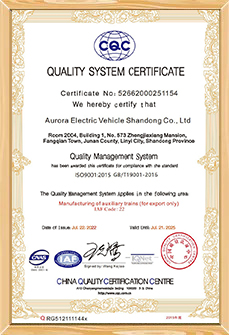
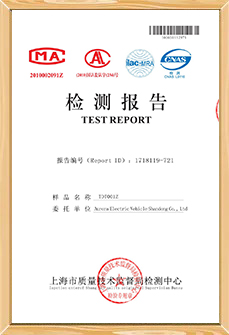
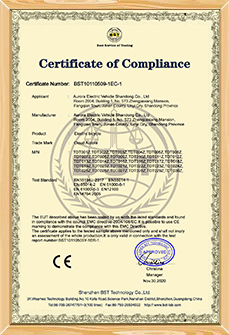
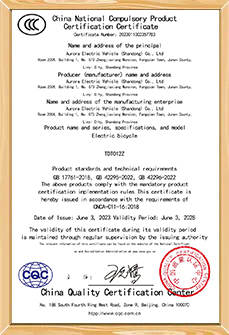
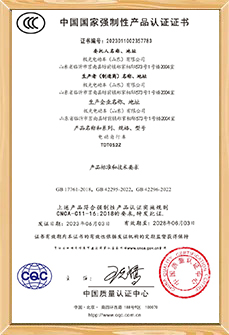
We manufacture in complete alignment with global safety frameworks, including the CCC (China Compulsory Certificate), CE, FCC, and global standard logistics benchmarks. Below are the certifications verifying our operational adherence to top-tier international criteria.
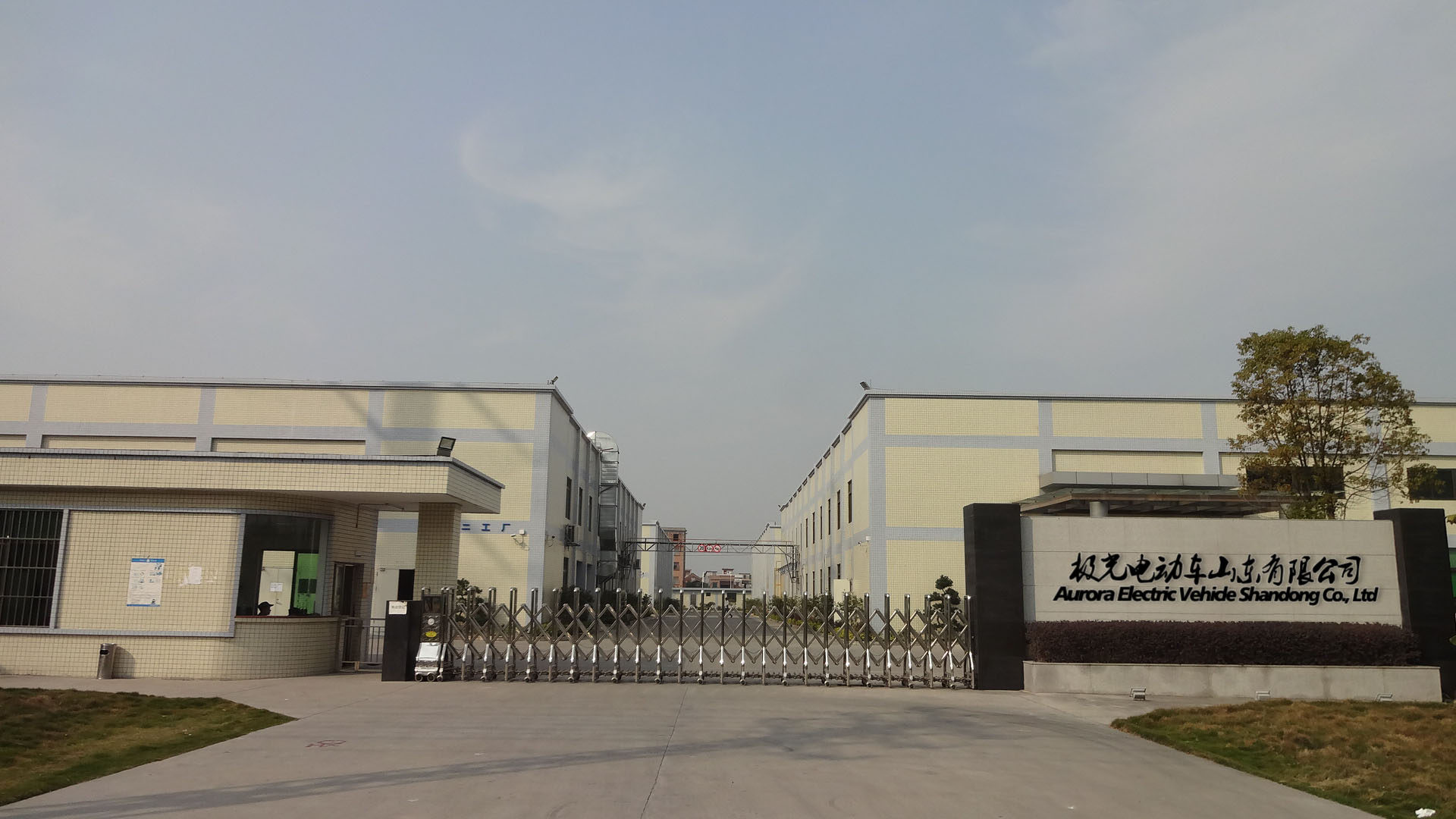
Founded in 2015, Aurora Electric Vehicle Shandong Co., Ltd. is a leading electric bicycle, motorcycle, and utility tricycle manufacturing enterprise based in Linyi City, Shandong Province. Situated as a core transportation hub connecting the vital Yangtze River Delta and the Bohai Economic Circle, our regional placement provides a logistics launchpad for seamless global distribution.
Over the last decade, we have expanded from a targeted production facility into a modern manufacturing campus integrating R&D, mass production, quality assurance, global sales, and after-sales service. Having navigated the transition into China’s strict "New National Standard" era since 2019, we have refined our production lines to meet high safety regulations—such as fire retardancy, speed limits, anti-tampering parameters, and standardized battery compartment designs.
Led by senior engineers with 10+ years of EV battery and motor integration experience, specializing in safety patents and intelligent BMS solutions.
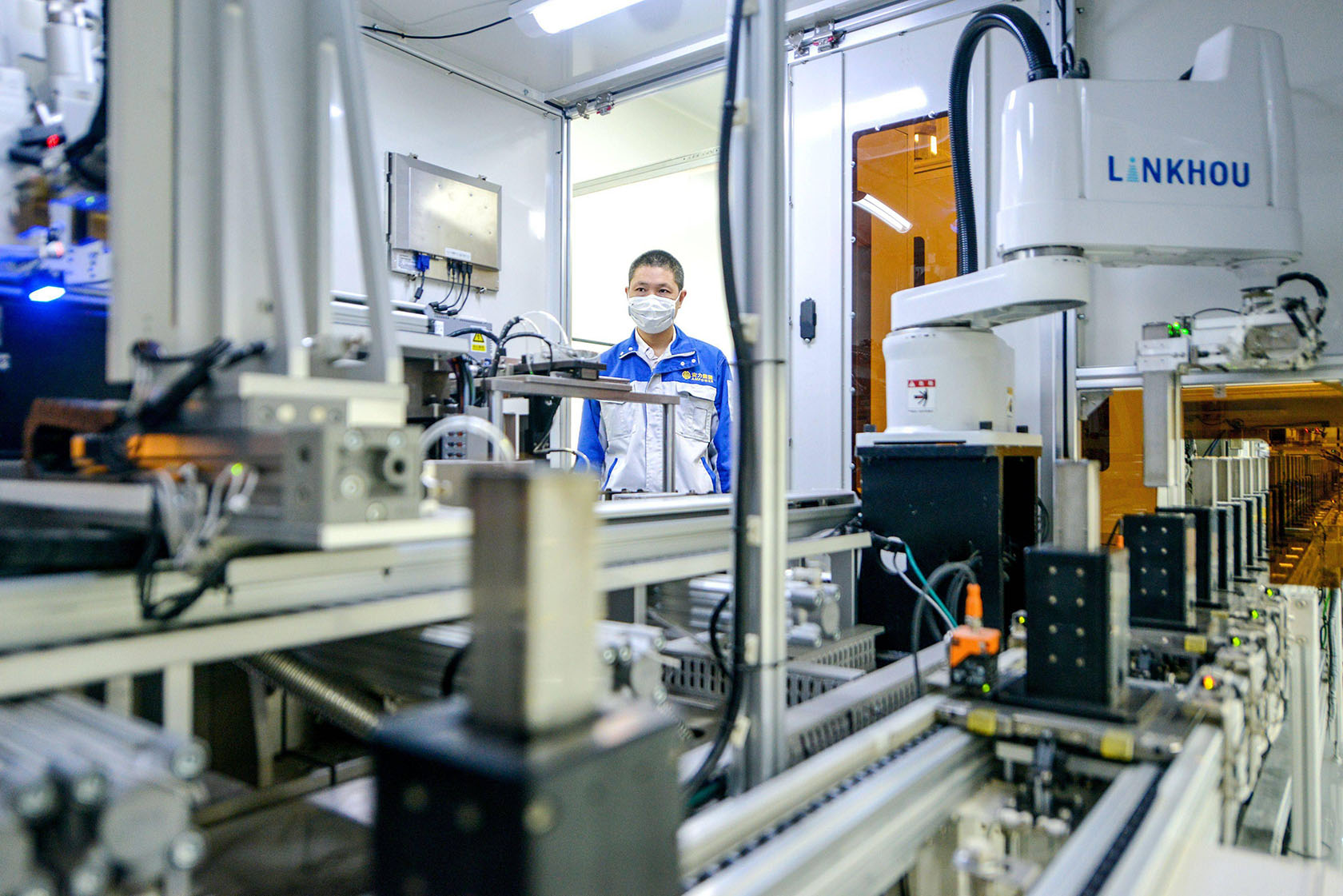
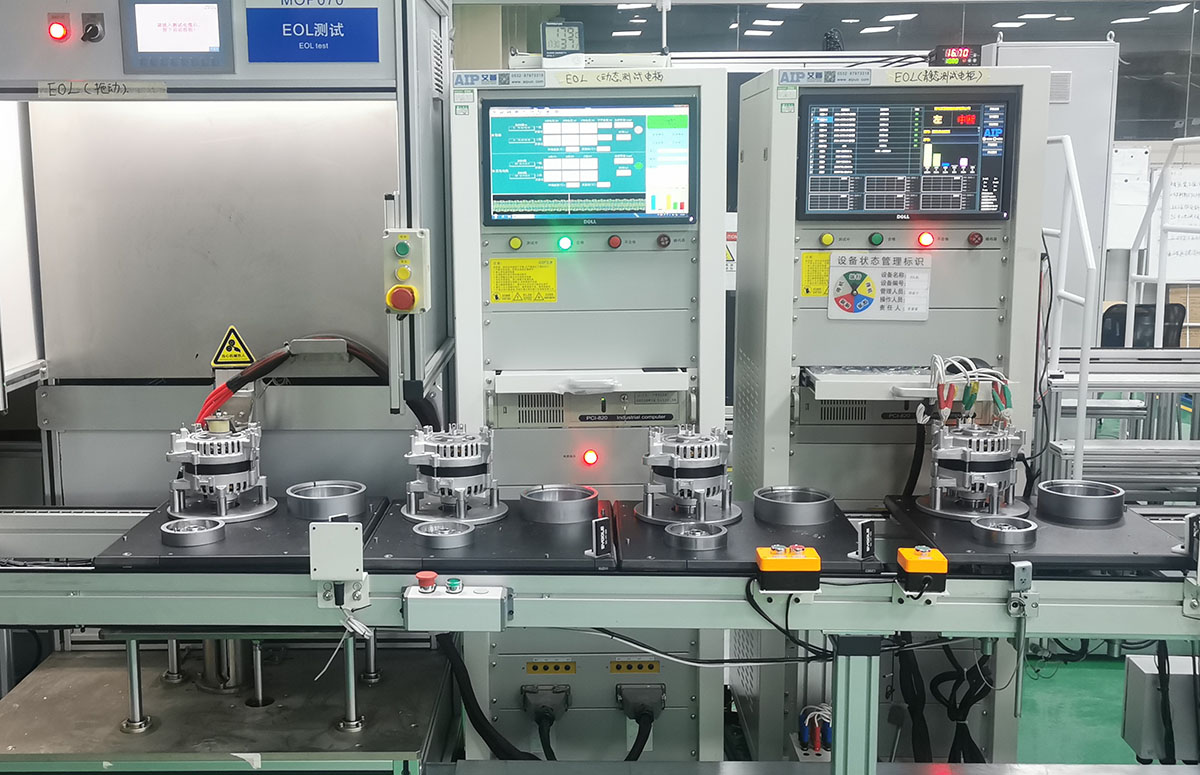
Equipped with automatic assembly systems, digital production tracking, and strict quality control on every motor and chassis.
Effective packaging is the primary physical defense against transport incidents. The design must neutralize shocks, prevent internal movement, isolate external electrical currents, and manage heat dissipation in the unlikely event of cell failure.
We utilize 5-layer imported heavy-duty kraft paper board as the outer shielding layer. This dense material provides structural strength under compression, high humidity resistance, and serves as the first line of impact absorption.
Internally, we mold customized Expanded Polypropylene (EPP) shapes that lock the battery pack firmly in place. This prevents kinetic energy shifts and provides electrical and thermal isolation inside the container.
For high-value wholesale shipments, we offer active tracking integration. Intelligent thermal and shock-monitoring sensors record parameters throughout transit, ensuring transparency and accountability.
Our electric vehicles and custom battery enclosures are deployed worldwide, proving their resilience across diverse operations. From high-frequency daily delivery routes in densely populated metropolitan areas to heavy-load logistics networks in demanding climates, our products demonstrate consistent performance and safety.
To facilitate rapid customs clearance and minimize transit friction, we offer localized support structures alongside verified global freight channels. We work closely with leading logistics partners to ensure compliant delivery worldwide.
We coordinate with certified Class 9 hazardous material transport agents. Whether you utilize sea, air, or rail freight via the Eurasian corridor, your shipment is accompanied by authorized paperwork, reducing transit risks.
Our engineering facility provides full design flexibility. We customize everything from voltage thresholds and outer shell materials to custom box branding, aligning products with your exact corporate identity.
We prepare the full set of compliance files for each shipment—including SDS (Safety Data Sheet), UN 38.3 test results, drop reports, and regional customs declarations—supporting smooth clearance at port entries.
Below are answers to key compliance questions raised by international distributors, compliance managers, and logistics coordinators.
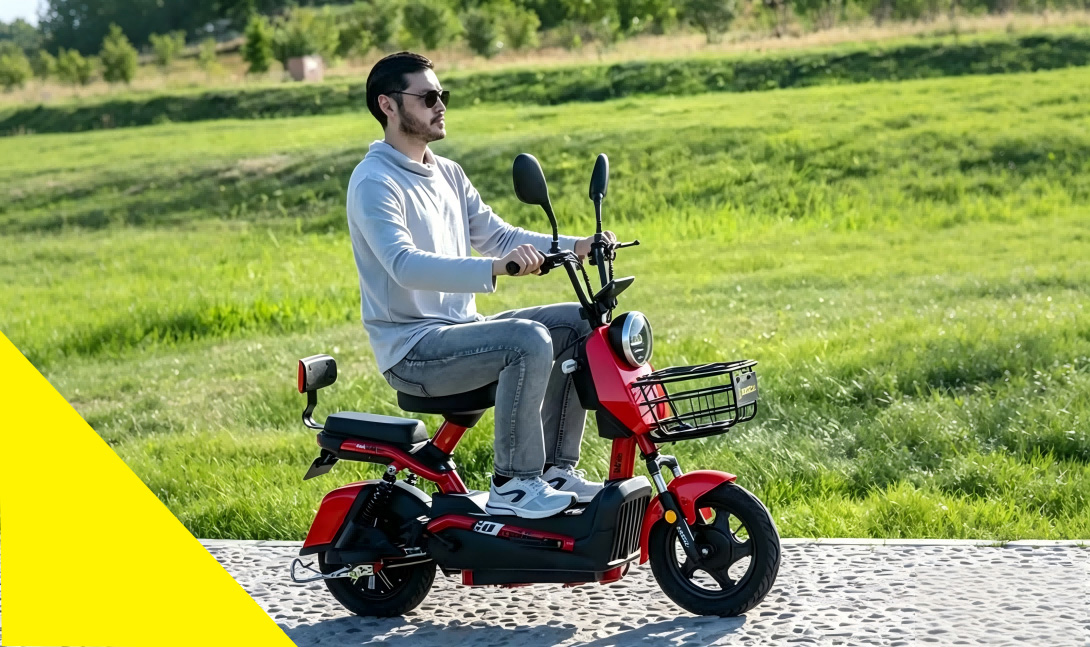
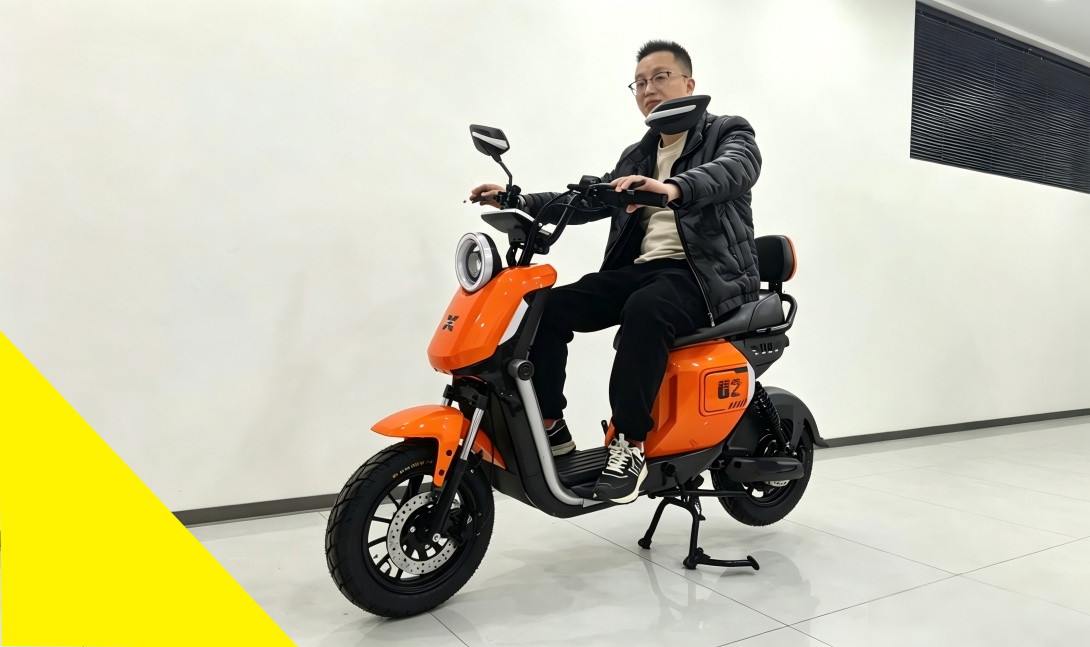
Browse our extended product lineup, featuring vintage e-bikes, cargo vehicles, and sporty electric commuter options built to strict export-grade quality standards.
Browse our design categories, featuring various vehicle styles engineered to fit high-safety battery compartments and secure shipping configurations.